jan . 22, 2026 09:44 Terug naar lijst
Alkali Resistant Fiberglass Joint Tape: Essential Reinforcement for Durable Construction Systems
In modern construction and finishing systems, joint reinforcement plays a critical role in maintaining surface integrity and preventing cracks. Whether in drywall installation, cement board joints, plaster systems, or exterior insulation applications, joint areas are naturally vulnerable to movement, stress concentration, and material shrinkage. Without proper reinforcement, cracks can quickly develop and compromise both appearance and durability.
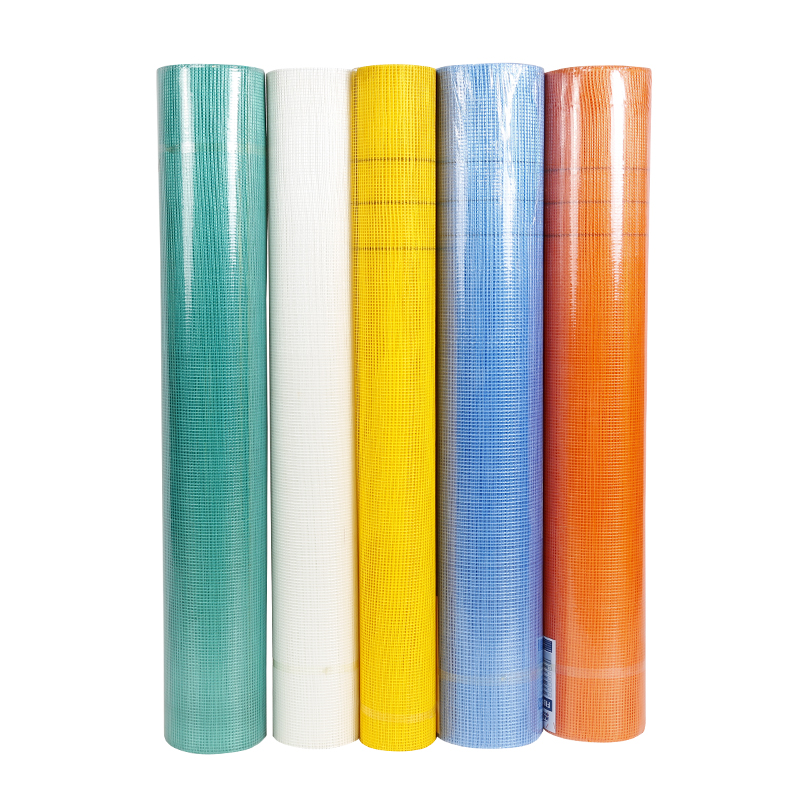
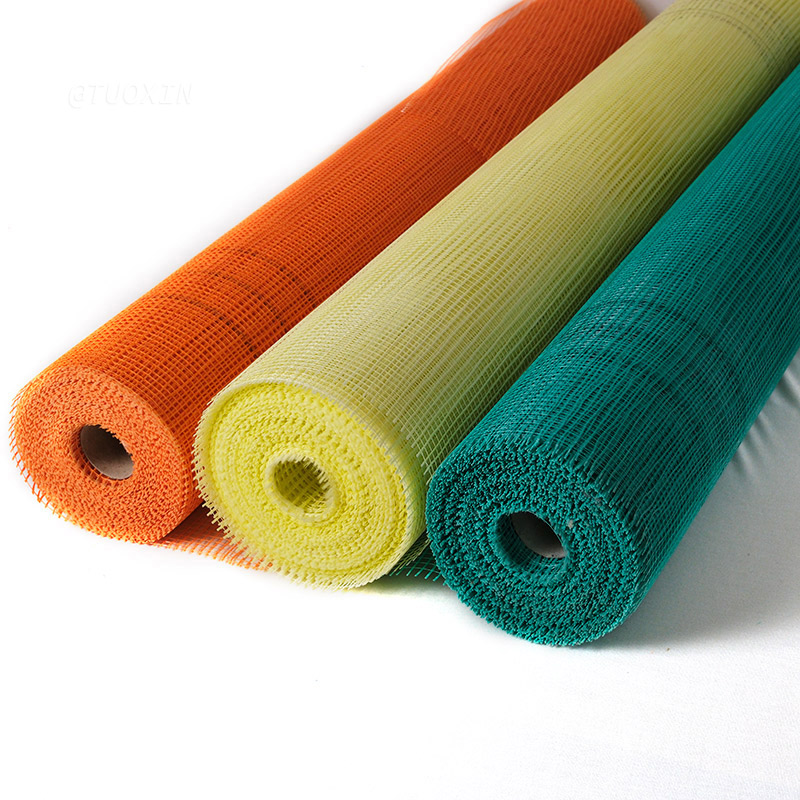
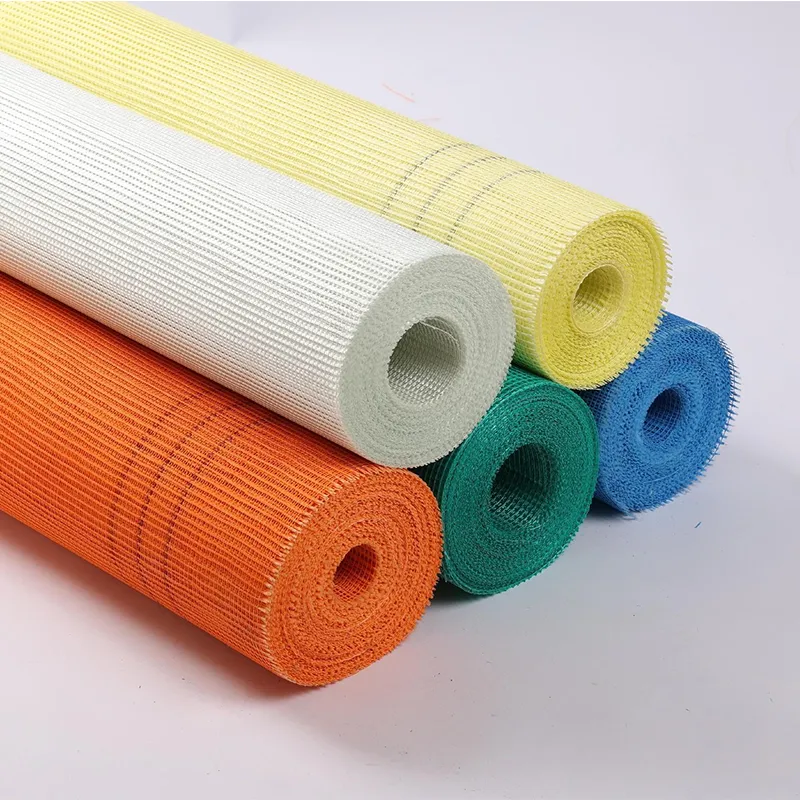
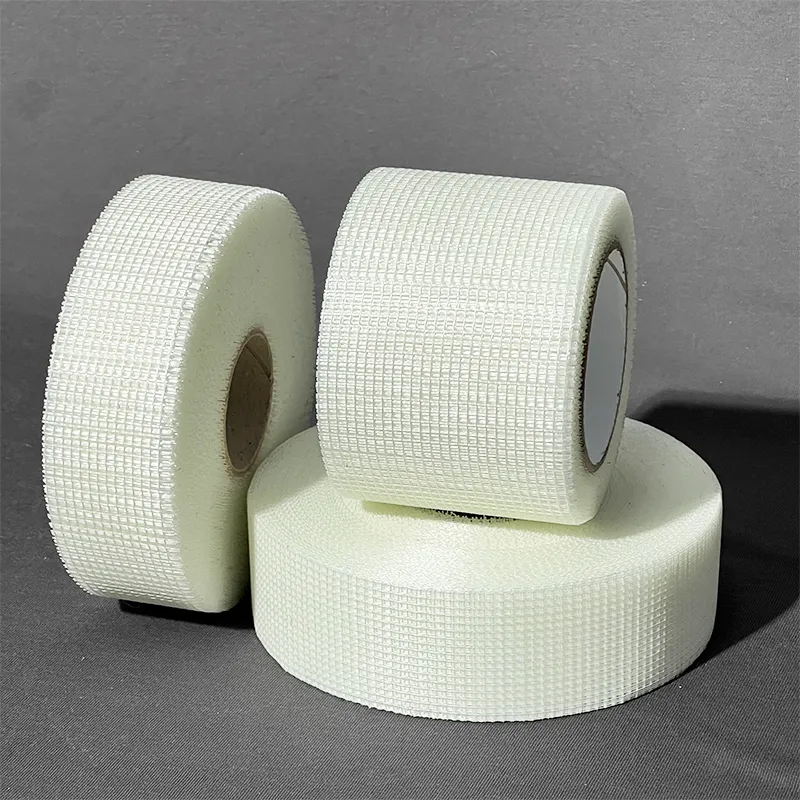
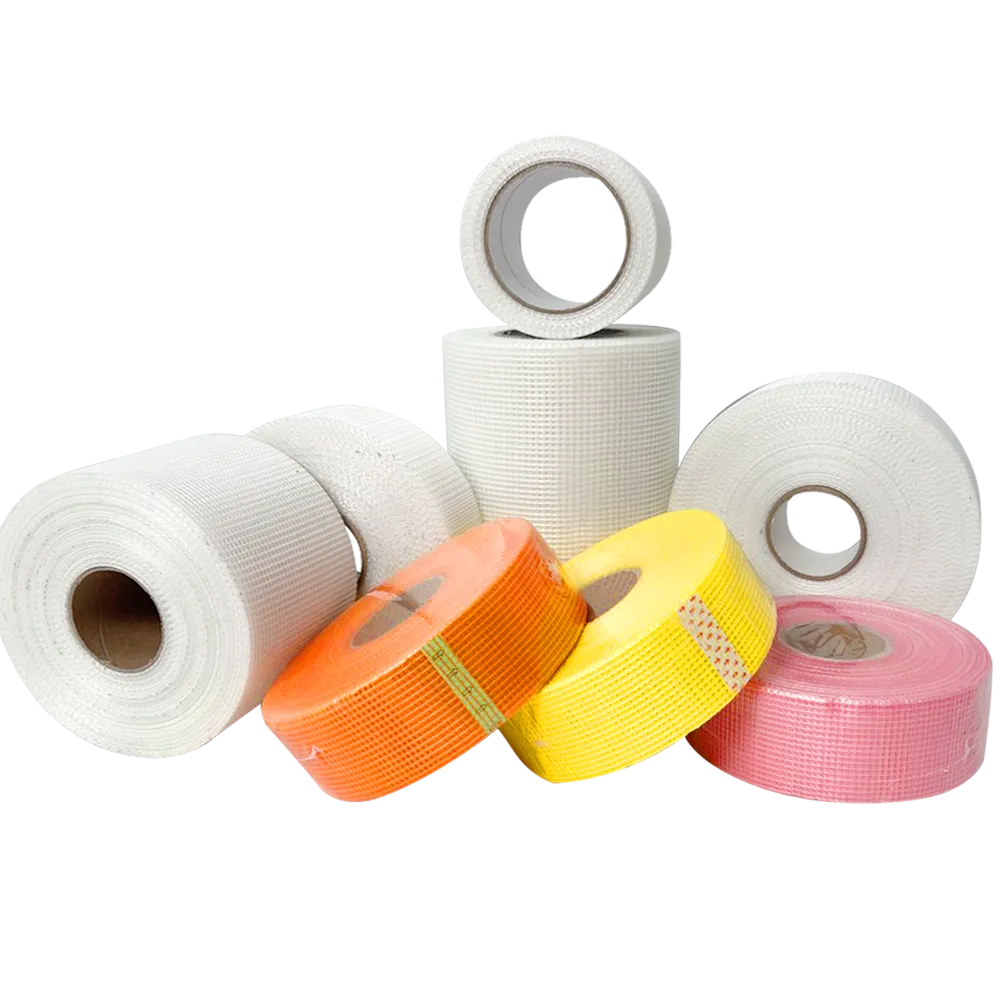
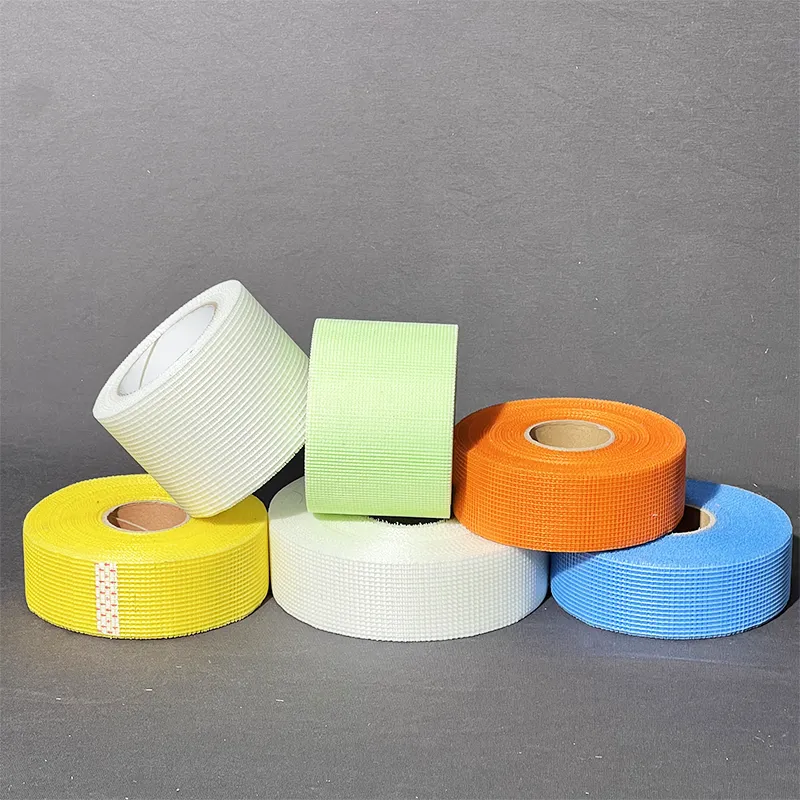
To address these challenges, alkaline resistant fiberglass joint tape has become a standard solution across the construction industry. Products such as alkalibestendige glasvezelgaasband, alkali resistant fiberglass drywall tape, and alkali resistant fiber glass tape are specifically engineered to withstand the highly alkaline environments created by cement, mortar, and plaster-based materials.
This article explores the structure, performance advantages, and practical applications of alkali resistant fiberglass joint tapes, explaining why they are indispensable components in modern building systems.
Understanding Alkali Resistant Fiberglass drywall Tape Materials
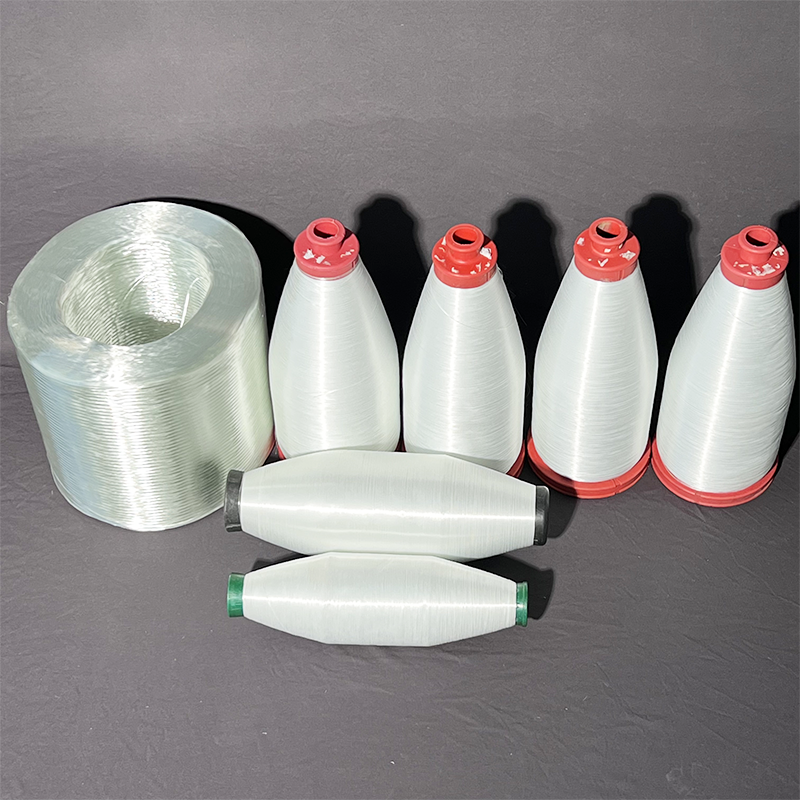
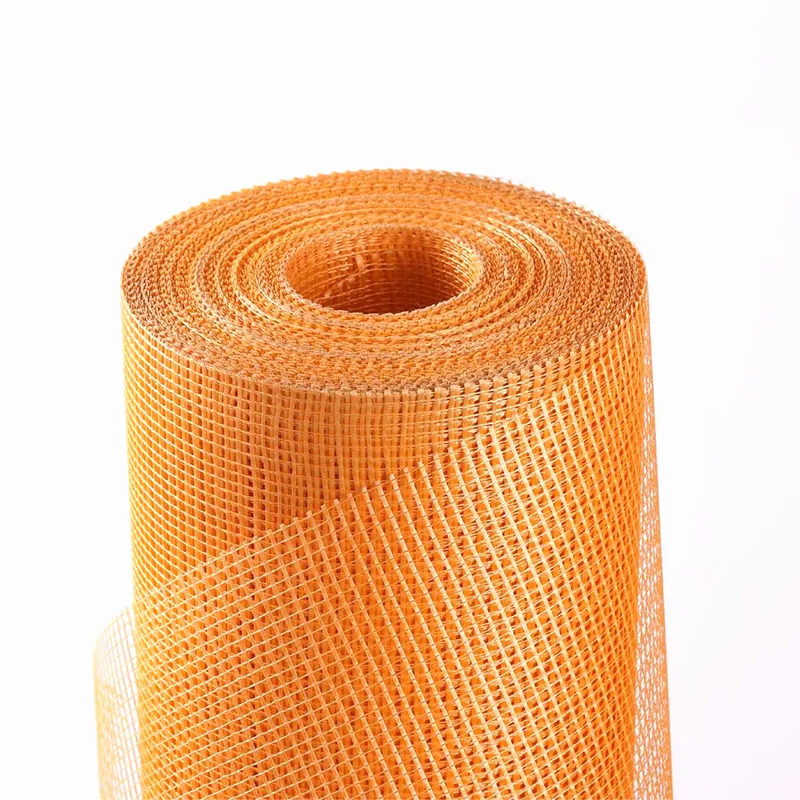
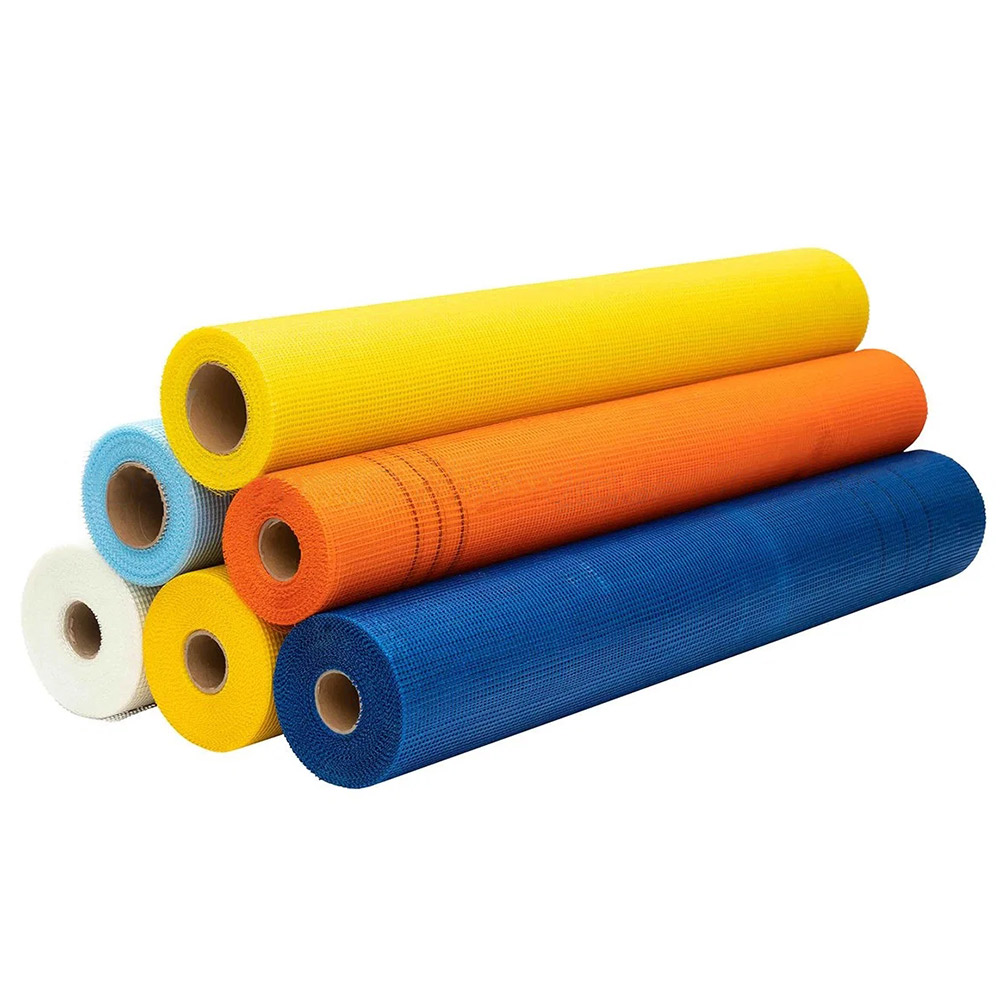
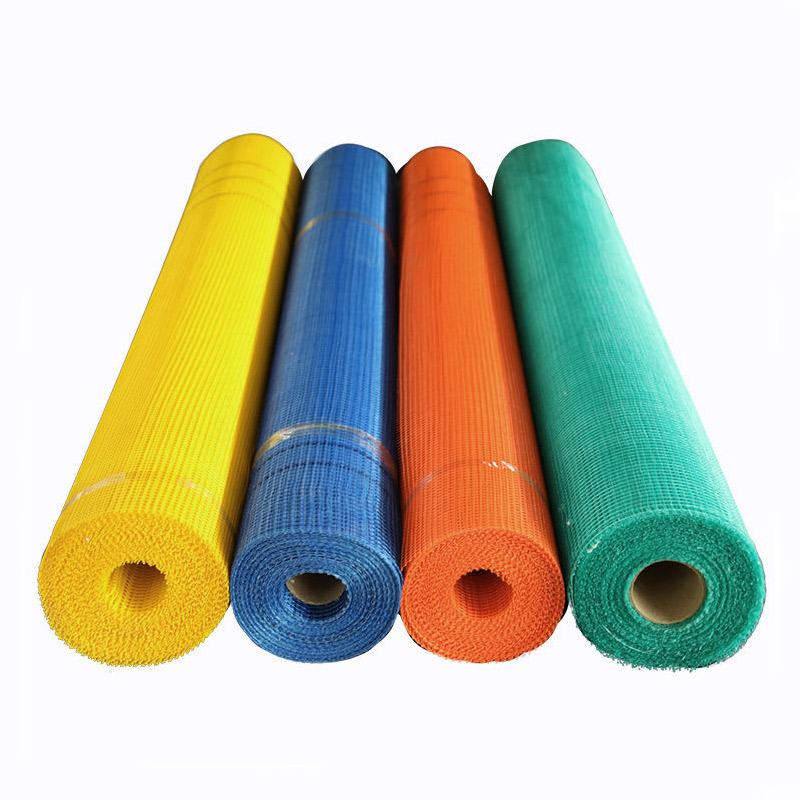
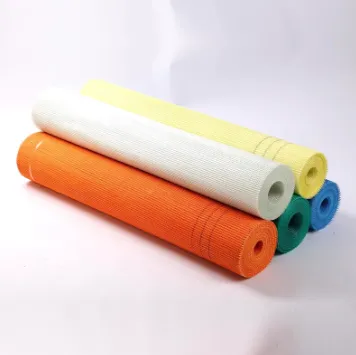
Alkali resistant fiberglass tape is manufactured from woven glass fiber yarns that are coated with a specially formulated alkali-resistant polymer. This coating protects the glass fibers from chemical degradation when exposed to cement-based compounds, which typically have a pH level between 12 and 13.
Standard fiberglass without protection can lose strength rapidly in alkaline conditions. Alkali-resistant treatment ensures that the tape maintains its tensile strength and flexibility throughout the service life of the building.
Structure of Alkali Resistant fiber glass Tape
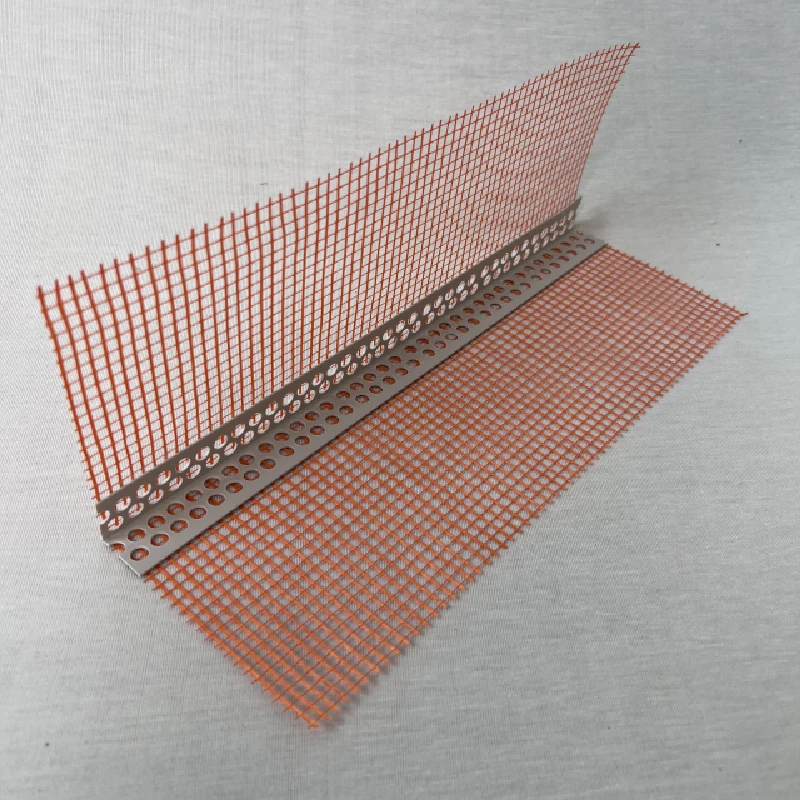
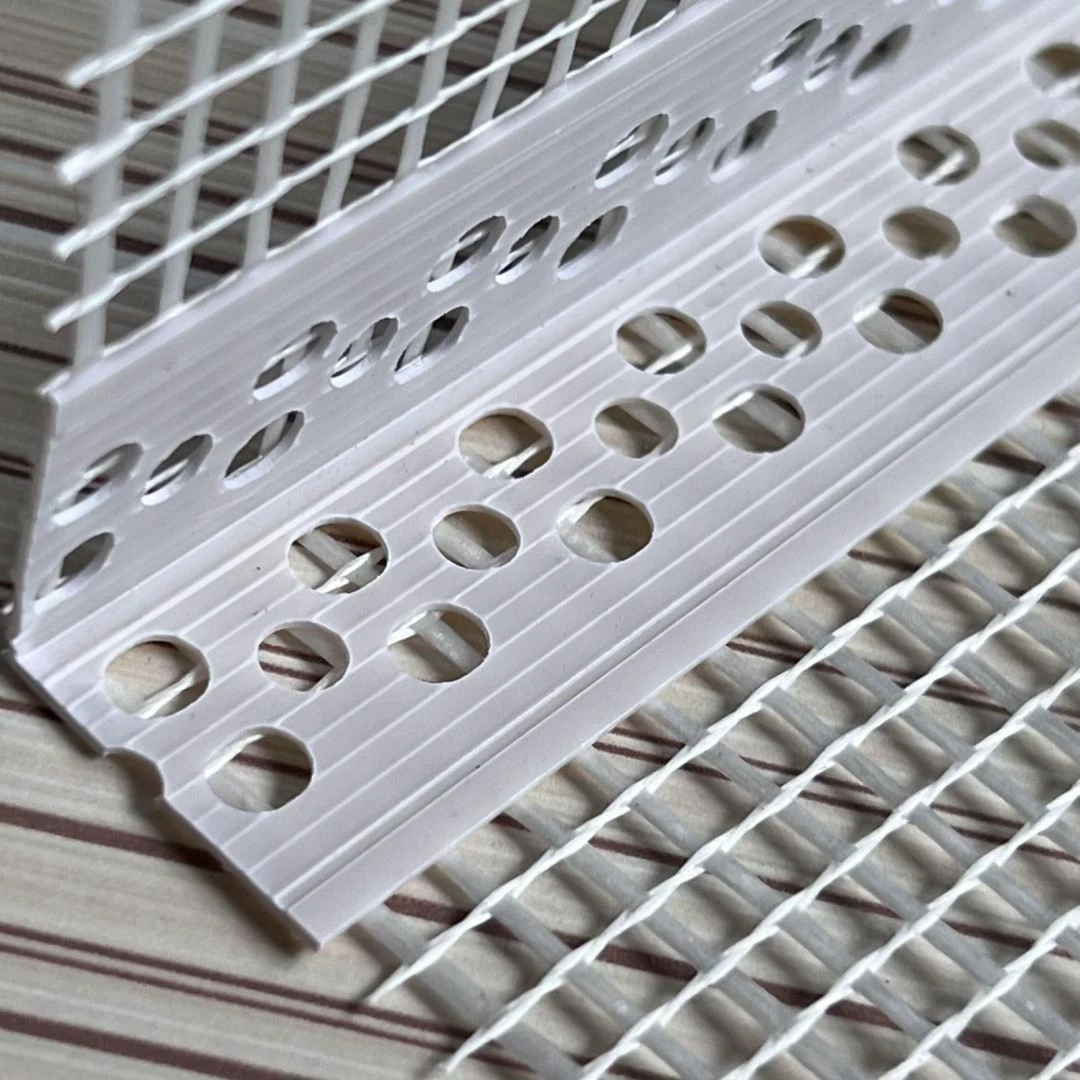
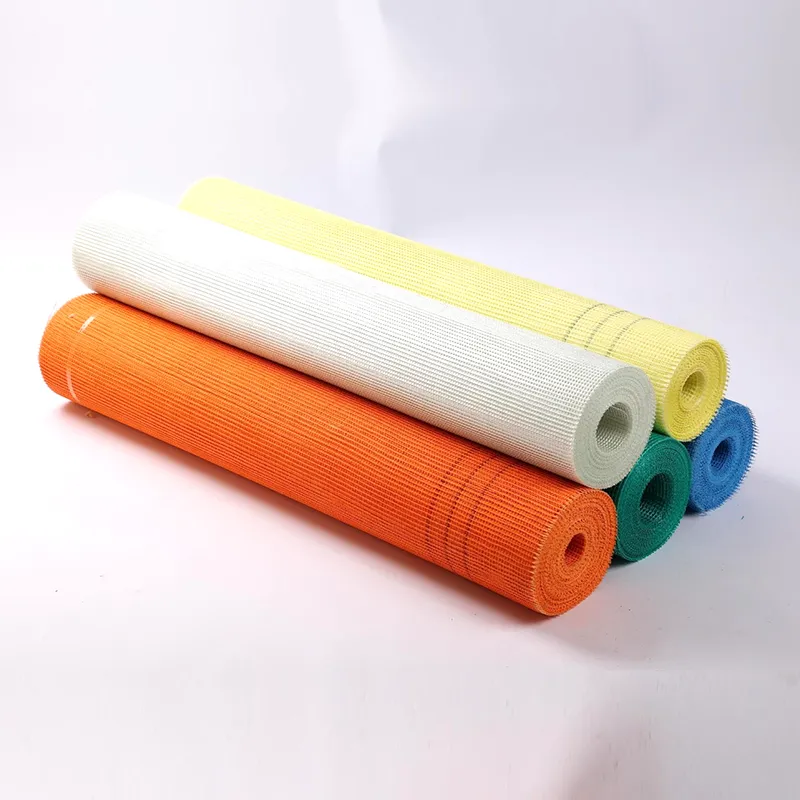
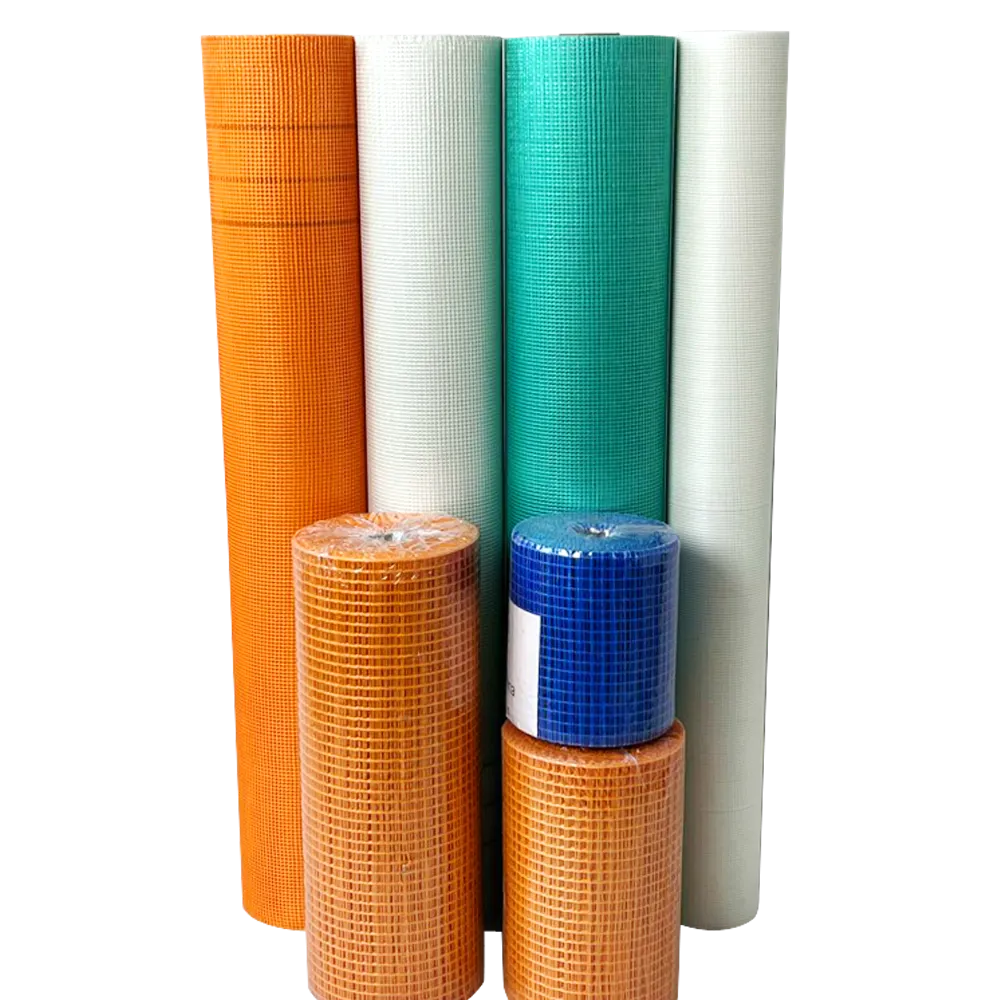
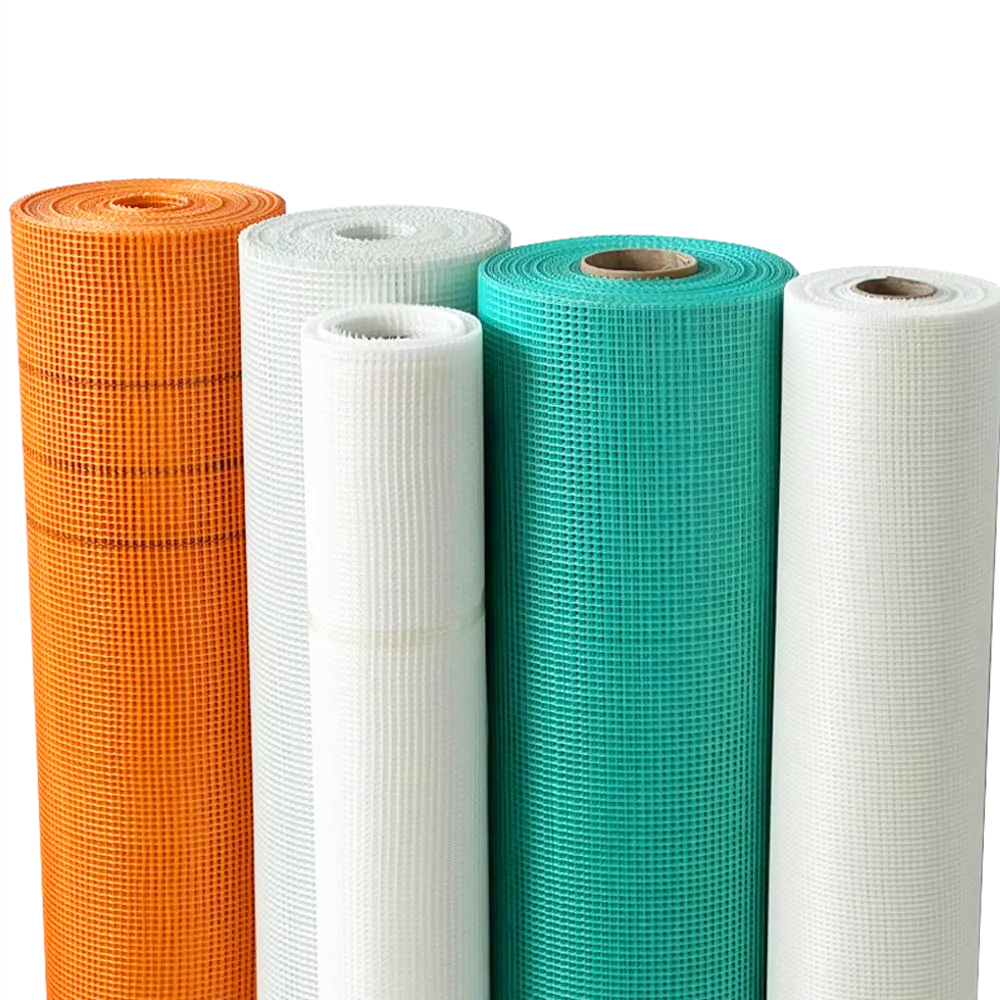
Alkali resistant fiber glass tape consists of three essential components:
High-strength fiberglass yarn
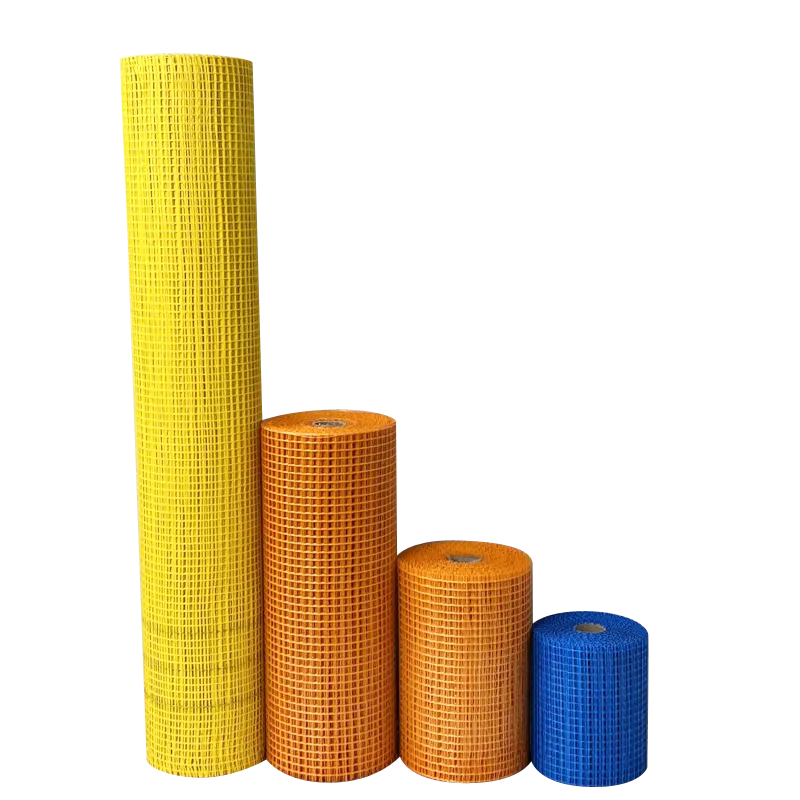
Uniform woven mesh structure
Alkali-resistant acrylic or latex coating
This combination provides excellent dimensional stability, allowing the tape to maintain its shape even under temperature changes and moisture exposure.
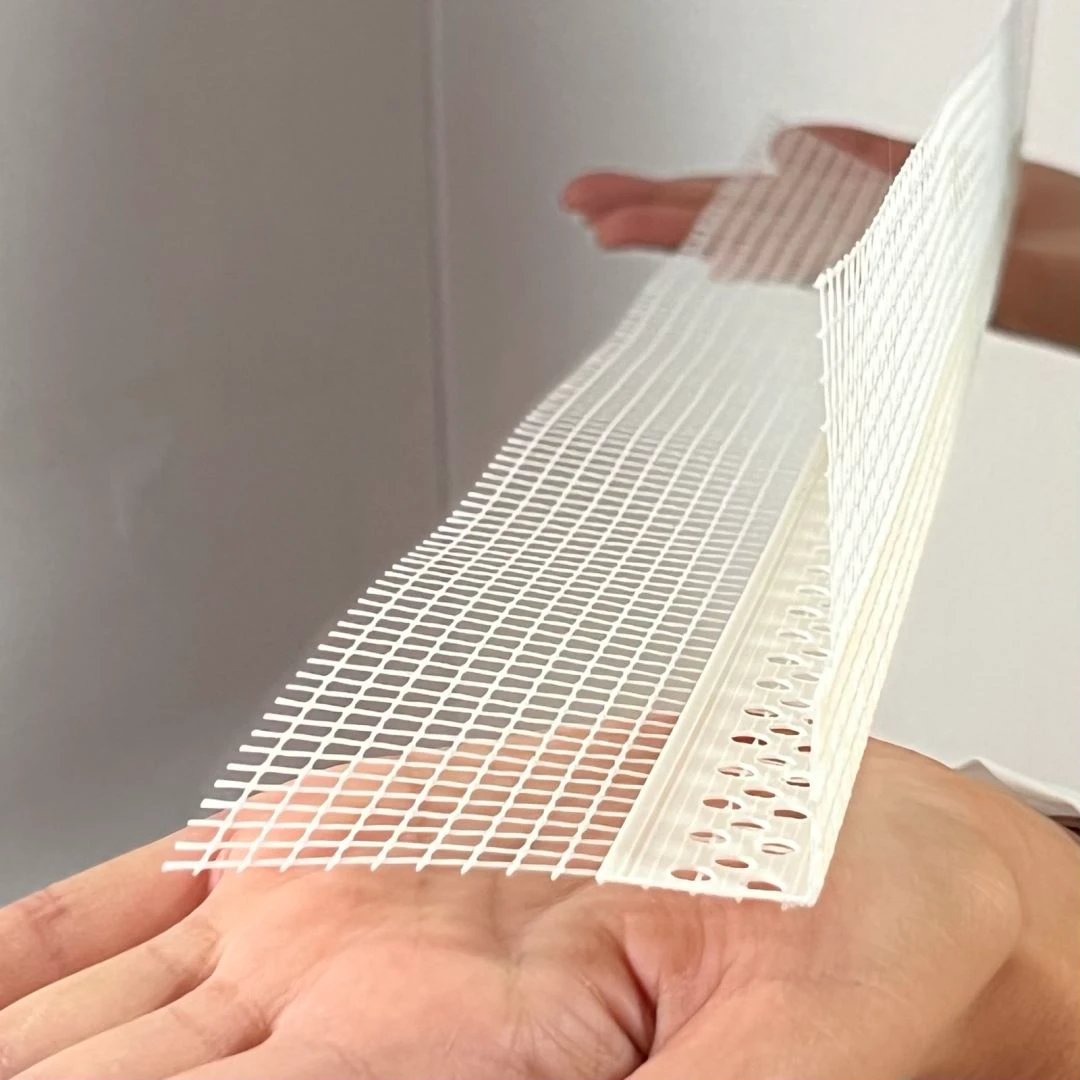
The open mesh structure allows plaster, joint compound, or mortar to penetrate through the tape, forming a strong mechanical bond. Once embedded, the tape becomes an integral part of the surface system rather than a separate layer.
Key Performance Characteristics
Alkali resistant fiberglass tapes offer several important properties:
Excellent resistance to alkaline environments
High tensile strength in both directions
Strong crack-bridging ability
Moisture and mold resistance
Lightweight and easy handling
Because of these characteristics, alkali resistant fiberglass tape is widely preferred over paper tape or untreated fiberglass alternatives, particularly in cement-based applications.
Applications of Alkali Resistant Fiberglass Mesh Tape in Construction
Alkali resistant fiberglass mesh tape is used in a wide range of construction scenarios where joint reinforcement and crack prevention are required.
Drywall and Cement Board Joints
In drywall systems, joint areas are the weakest points. Movement caused by building settlement, temperature changes, or vibration can lead to visible cracks. Fiberglass mesh tape reinforces these joints and distributes stress evenly across the surface.
When used with joint compound, alkali resistant fiberglass tape helps:
Reduce joint cracking
Improve joint strength
Enhance long-term surface stability
For cement boards used in wet areas such as bathrooms and kitchens, alkali resistance is especially important. Cement-based boards create an alkaline environment that can degrade non-resistant materials over time.
Plaster and Rendering Systems
In plaster and render applications, alkaline resistant fiberglass joint tape is commonly used at:
Wall-to-wall joints
Wall-to-ceiling transitions
Material change areas
Repair cracks and seams
The tape reinforces these stress-prone zones, preventing cracks from telegraphing through the finished surface.
Because fiberglass tape does not rot or absorb moisture, it performs reliably in both interior and exterior plaster systems.
EIFS and Exterior Applications
In Exterior Insulation and Finish Systems (EIFS), alkali resistant fiberglass tape is essential for reinforcing joints between insulation boards. The tape ensures continuity of reinforcement across the surface and prevents cracking caused by thermal expansion.
In exterior environments, durability is critical. Alkali resistant fiberglass tape maintains its strength even under prolonged exposure to moisture, UV radiation, and cement-based coatings.
Advantages of Alkali Resistant Fiberglass mesh Tape Over Traditional Joint Materials
The increasing adoption of alkali resistant fiberglass mesh tape is largely due to its clear advantages over traditional joint reinforcement materials.
Superior Chemical Resistance
The most important advantage is resistance to alkaline environments. Cement-based materials remain alkaline throughout their lifespan, not just during curing. Alkali resistant fiberglass tape retains its structural integrity in these conditions, while non-resistant materials gradually weaken.
Improved Crack Prevention
The woven mesh structure distributes tensile stress across a larger area, preventing localized cracking. This crack-bridging capability significantly improves the durability of finished surfaces.
Moisture and Mold Resistance
Unlike paper-based joint tapes, fiberglass tape does not absorb moisture. This makes it ideal for:
Bathrooms
Kitchens
Basements
Exterior walls
Reduced moisture absorption also minimizes the risk of mold growth.
Easy and Efficient Installation
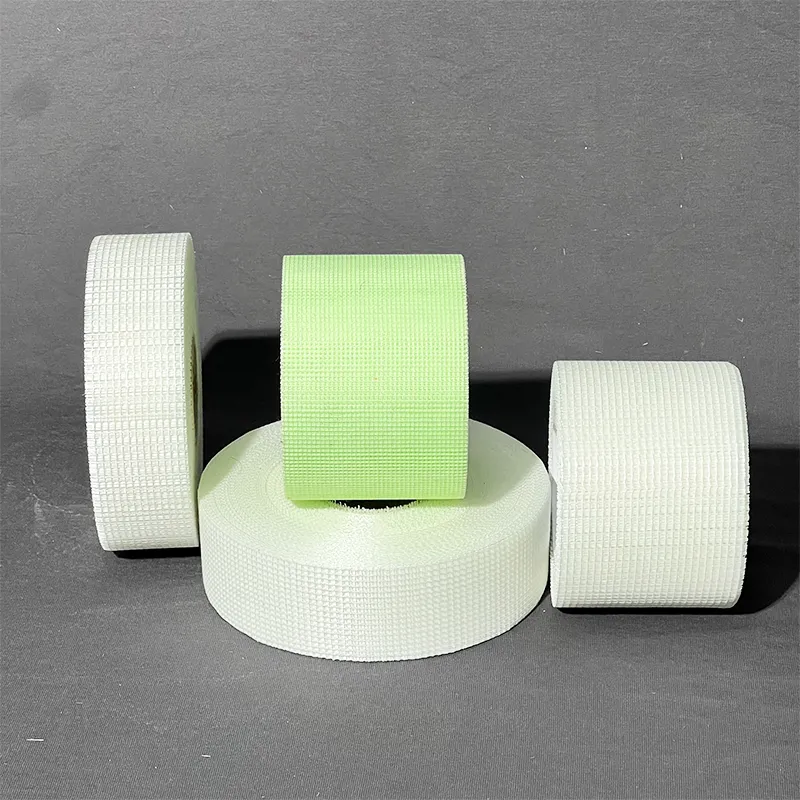
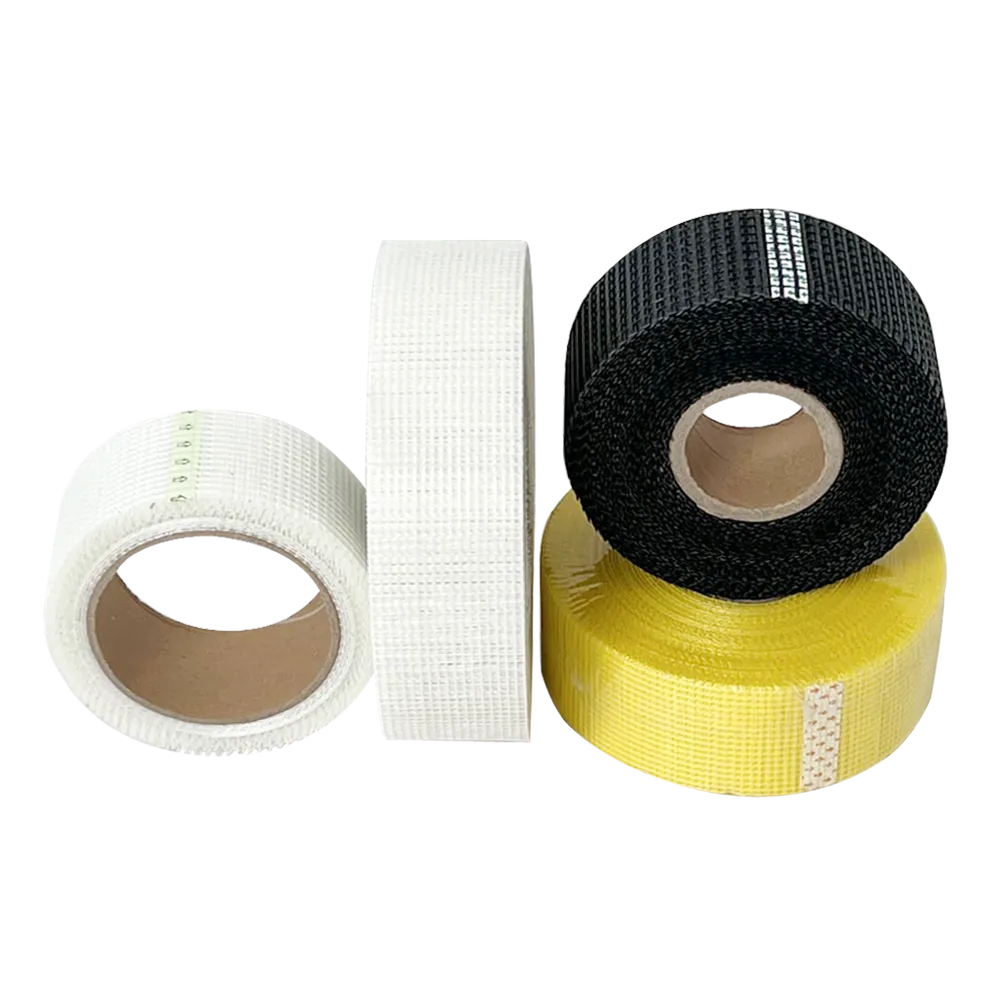
Most alkali resistant fiberglass tapes are available in self-adhesive form, allowing quick and precise placement. This improves installation speed and reduces labor costs.
The tape can be applied directly to joints before coating, ensuring consistent reinforcement without complex procedures.
Long-Term Cost Efficiency
While alkali resistant fiberglass tape may have a slightly higher initial cost compared to paper tape, its durability significantly reduces maintenance and repair expenses over time. Fewer cracks mean less repainting, patching, and surface restoration.
Quality Standards and Manufacturing Considerations
High-quality alkali resistant fiberglass tape depends on consistent manufacturing processes, including:
Controlled yarn selection
Uniform mesh weaving
Proper coating thickness
Verified alkali resistance testing
Reputable manufacturers test tensile strength before and after alkali exposure to ensure long-term performance.
Inferior products with insufficient coating may lose strength quickly, leading to joint failure. For this reason, selecting certified and tested materials is essential for reliable construction outcomes.
Alkali resistant fiberglass joint tape plays a vital role in modern construction systems where durability, crack prevention, and long-term stability are required. Products such as alkaline resistant fiberglass joint tape, alkalibestendige glasvezelgaasband, alkali resistant fiberglass drywall tape, and alkali resistant fiber glass tape provide reliable reinforcement in drywall, cement board, plaster, and exterior insulation systems.
By resisting chemical degradation, reinforcing vulnerable joints, and maintaining structural integrity over time, these tapes significantly enhance the performance and lifespan of building surfaces.
As construction standards continue to evolve and demand higher durability, alkali resistant fiberglass tape remains an essential reinforcement material—ensuring stronger joints, smoother finishes, and longer-lasting structures across residential, commercial, and industrial projects.
-
Best Fiberglass Mesh Tape for RedGard Product Waterproofing GuideNieuwsApr.16,2026
-
Why High Strength Fiberglass Mesh Is Essential For Stucco ApplicationNieuwsApr.15,2026
-
Why Alkali Resistant Fiberglass Mesh Tape Is Essential For Cement Board And Tile InstallationsNieuwsApr.15,2026
-
Understanding The Role Of Drywall Fiberglass Mesh In Interior FinishingNieuwsApr.15,2026
-
Ultimate Guide To Using Fiberglass Mesh Tape For Drywall And Plaster RepairsNieuwsApr.15,2026
-
The Versatility Of Fiberglass Mesh In Marble And Stone MosaicNieuwsApr.15,2026