Dec . 02, 2025 01:35 Back to list
Using Fiberglass Tape Products: Benefits, Applications & Industry Insights
Using Fiberglass Tape Products: A Backbone for Modern Industry and Beyond
Fiberglass tape products may not be headline news, but they’re quietly integral to countless industries worldwide. From aerospace to infrastructure repairs, their unique qualities make them invaluable. At a global scale, understanding these materials helps industries adopt safer, more sustainable, and cost-effective solutions. So let’s dive into what using fiberglass tape products means, why it matters, and where this technology is heading.
Introduction: Why Worldwide Attention to Fiberglass Tape?
It’s interesting to note that fiberglass composite materials have been growing in demand steadily over the past decades. According to ISO standards and industry reports, fiberglass tapes are increasingly used to reinforce structures and provide insulation, particularly where metal options fall short due to weight or corrosion issues. This is very relevant in developing economies where infrastructure must be durable yet economical.
The World Bank highlights that infrastructure damage due to natural disasters costs billions annually. Using fiberglass tape products in building repairs and emergency restorations offers a rapid, efficient solution. The challenge, however, lies in optimizing material properties while keeping costs down — a balance that fiberglass tapes often strike beautifully.
What Exactly Are Fiberglass Tape Products?
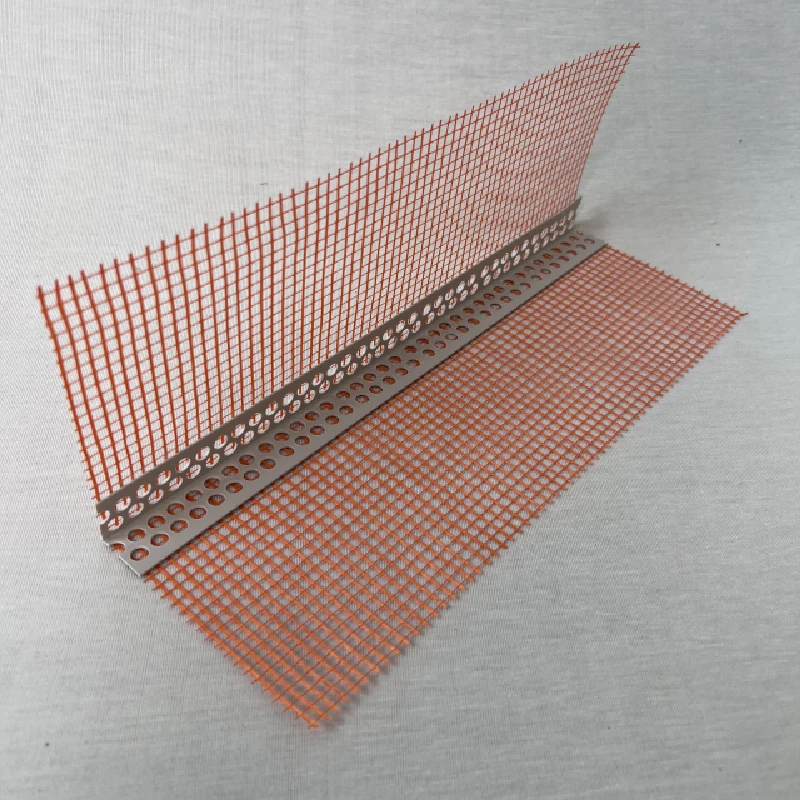
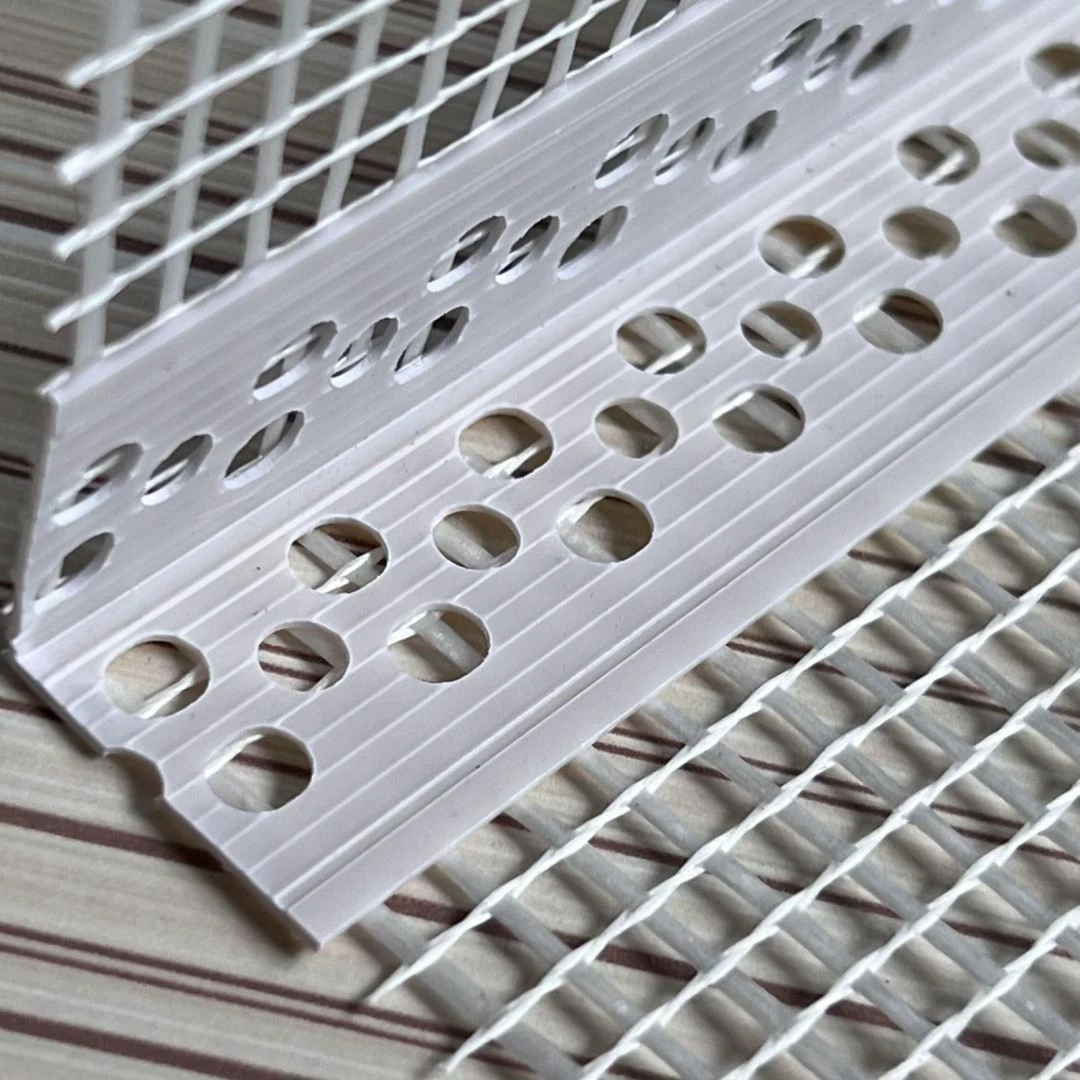
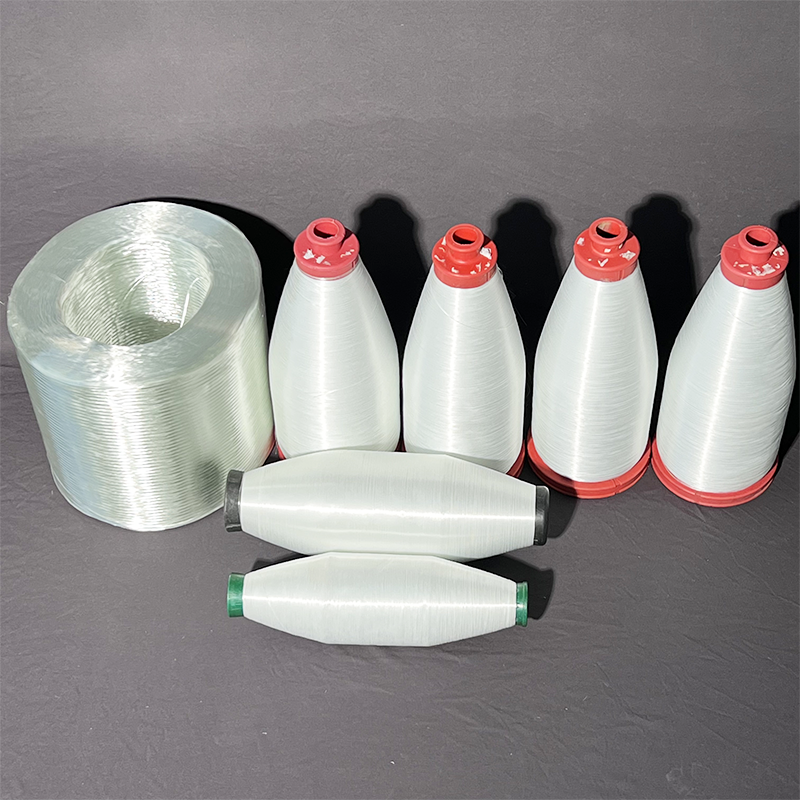
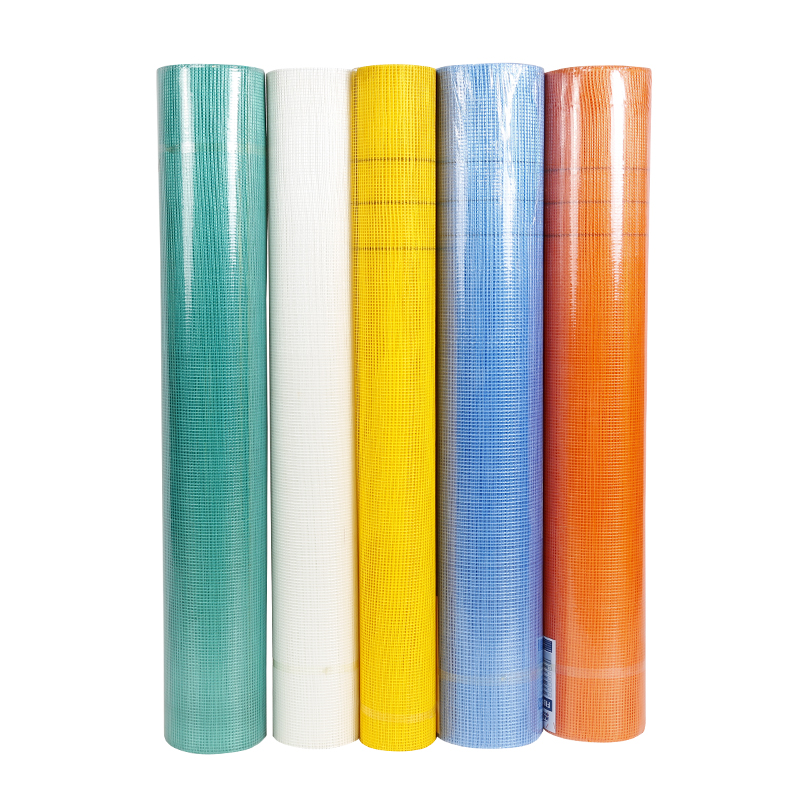
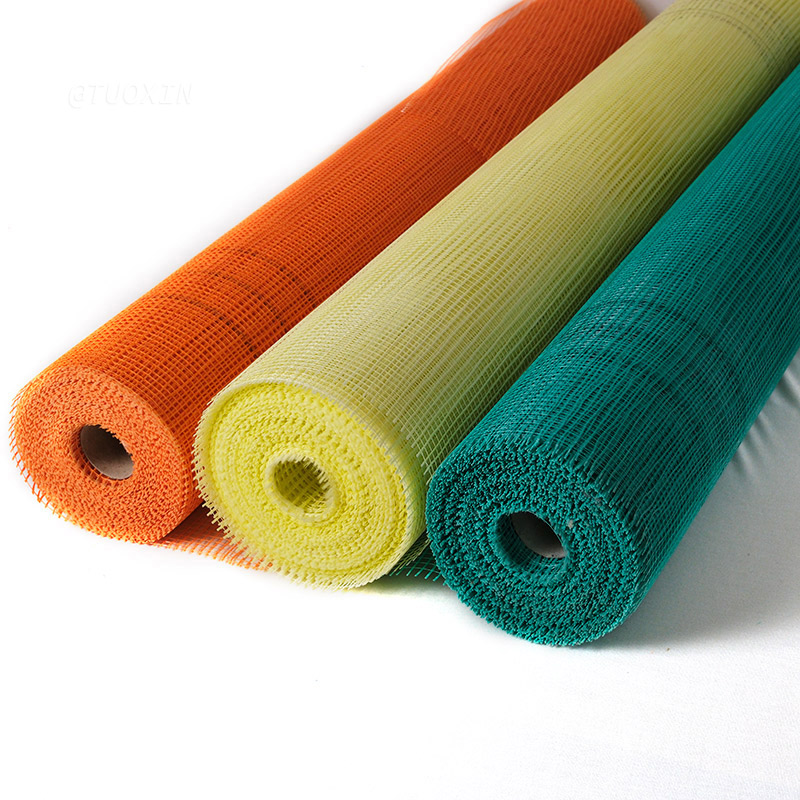
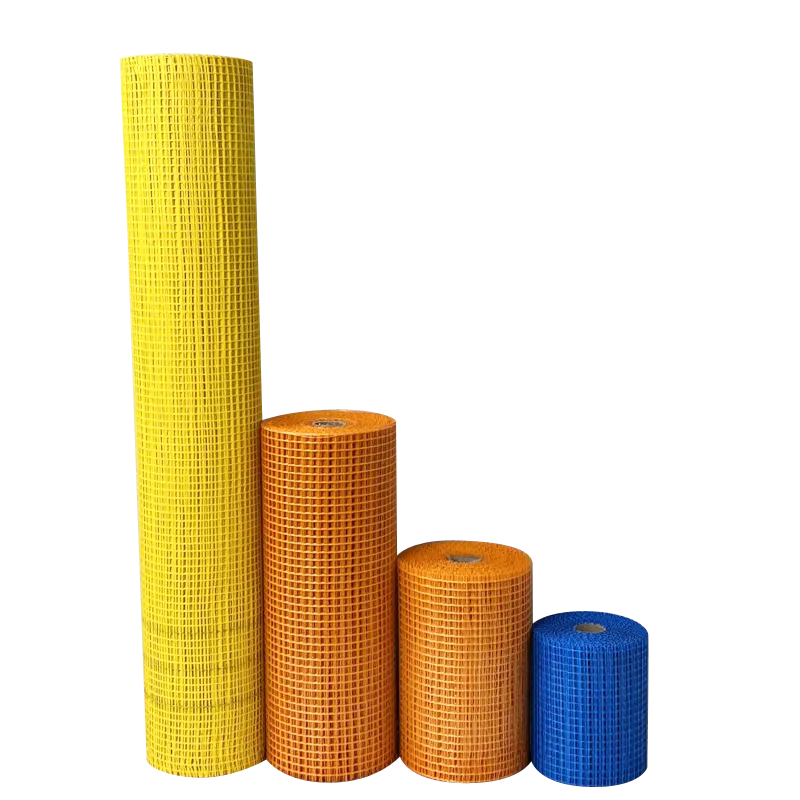
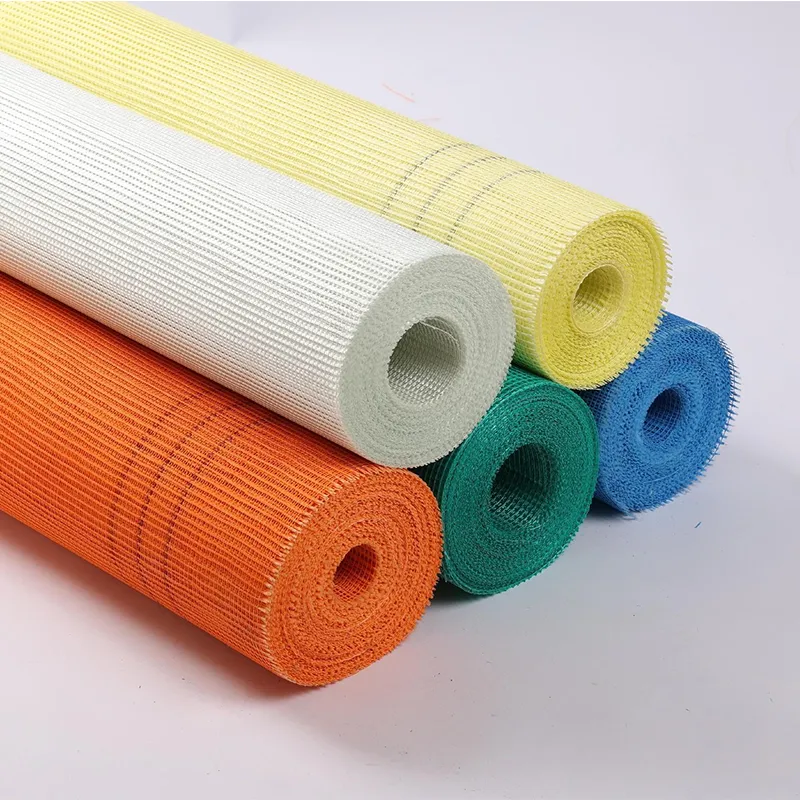
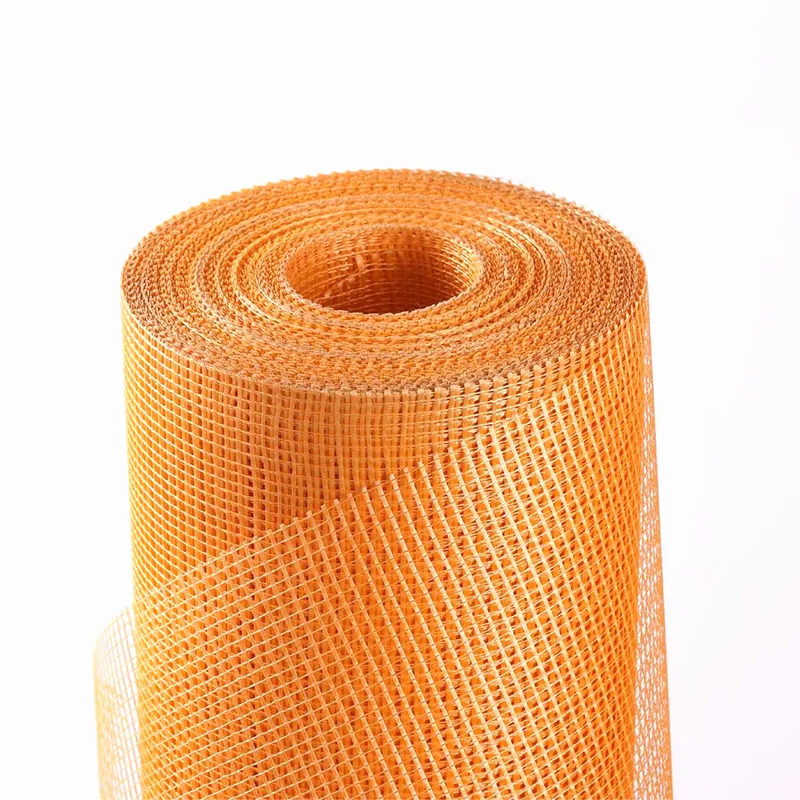
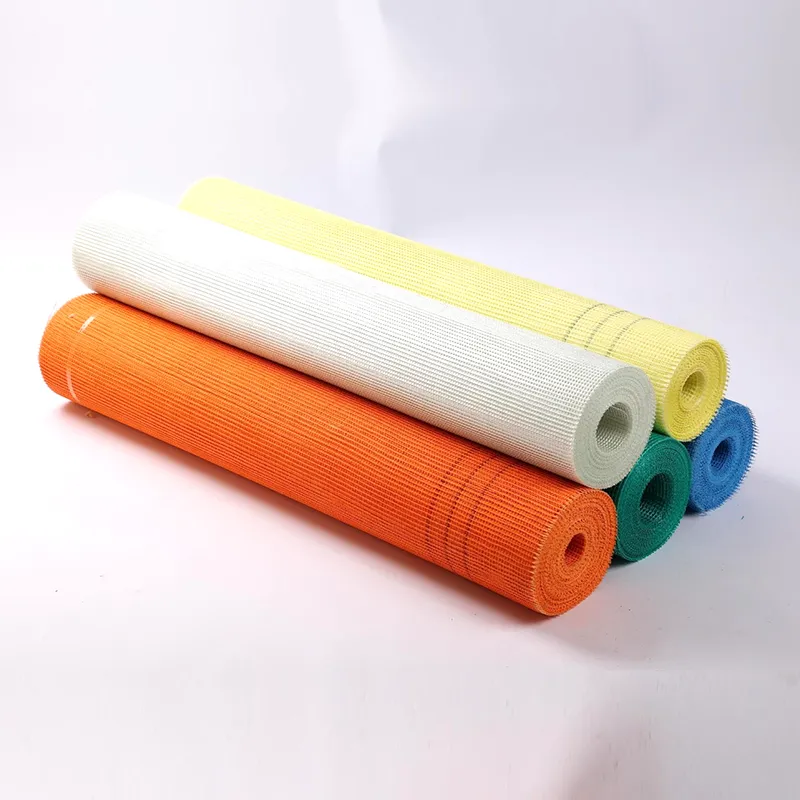
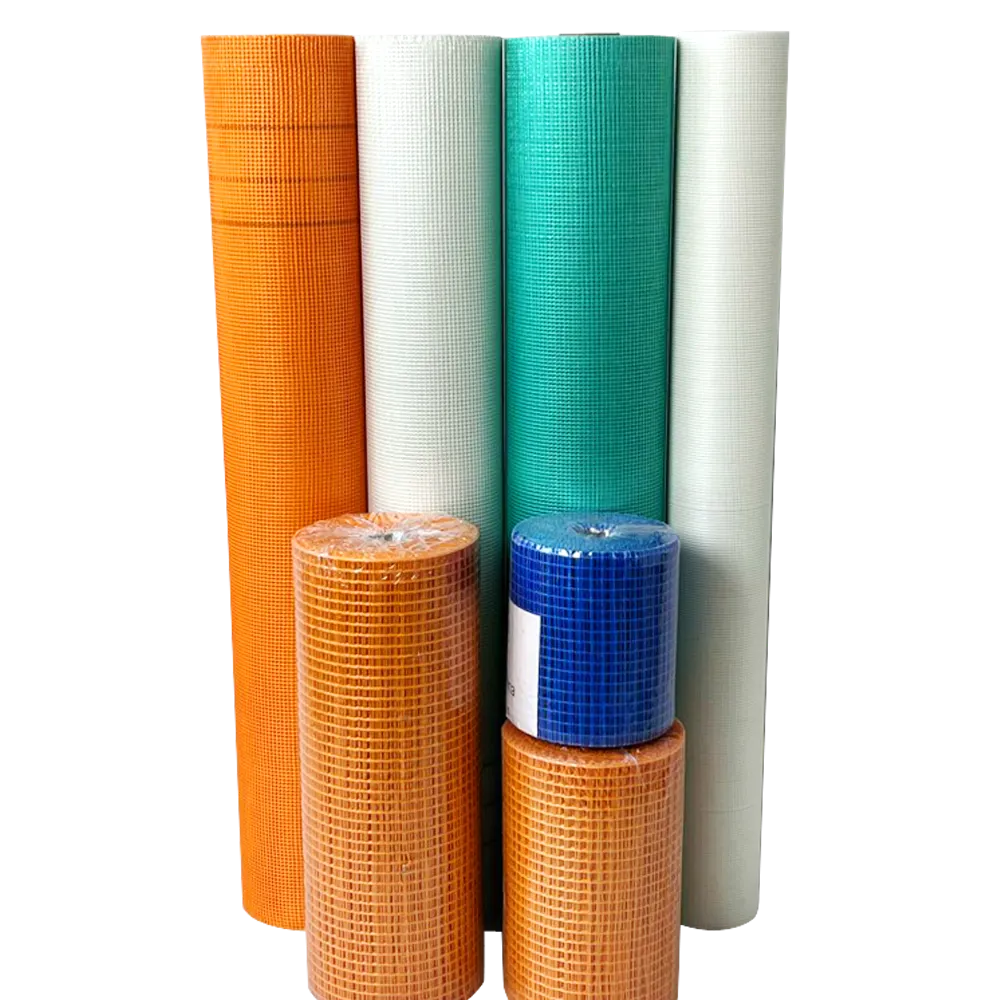
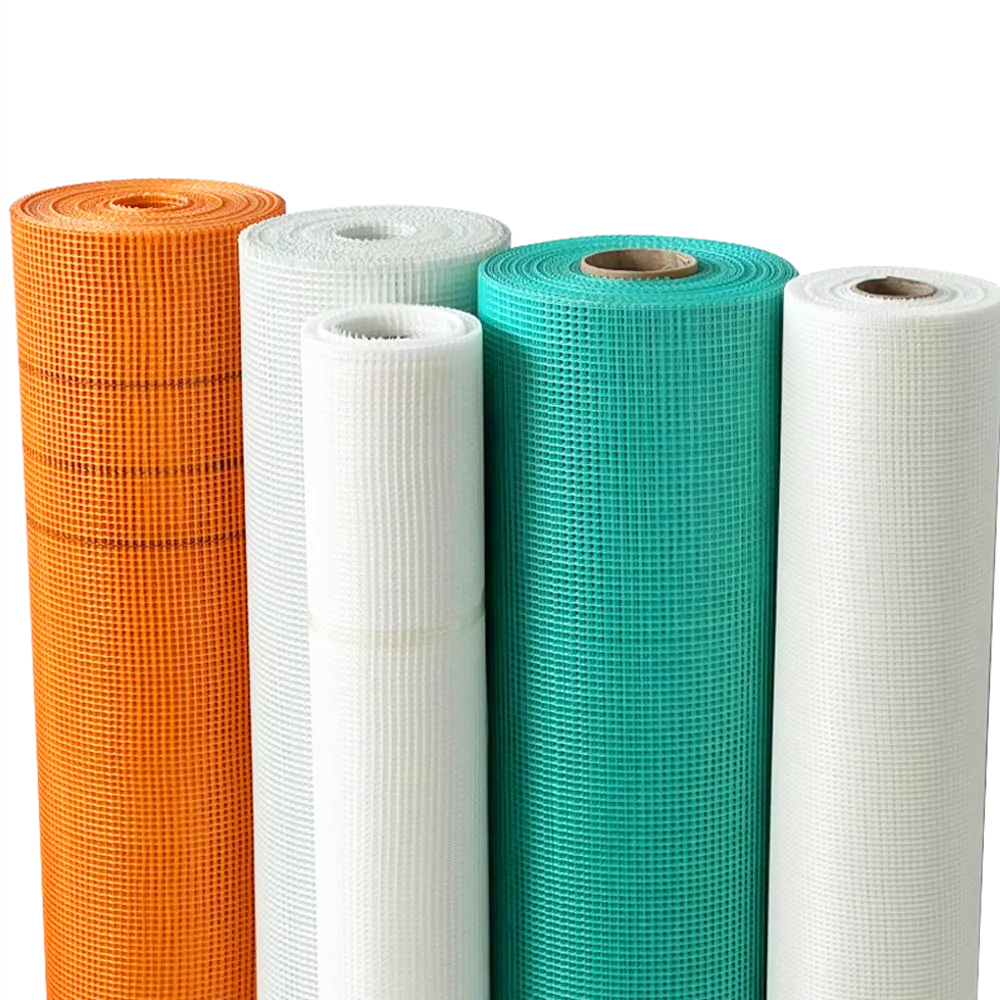
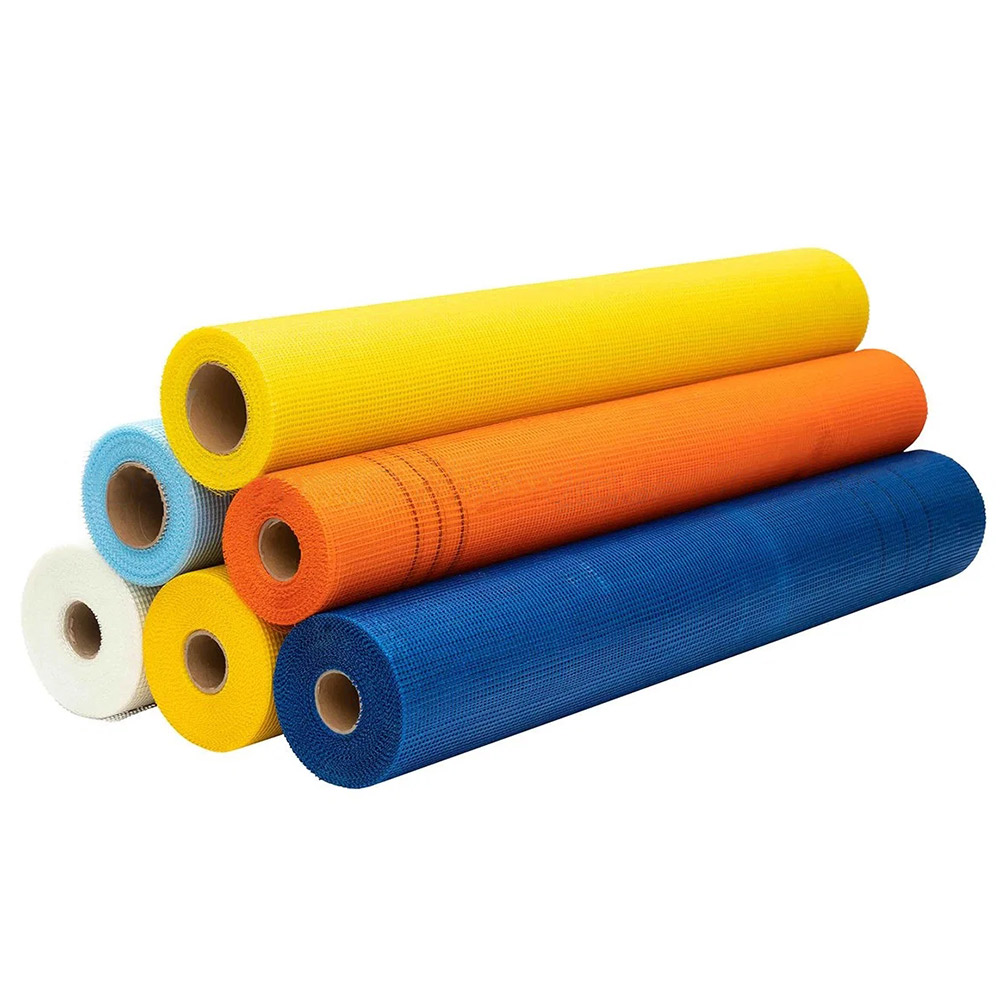
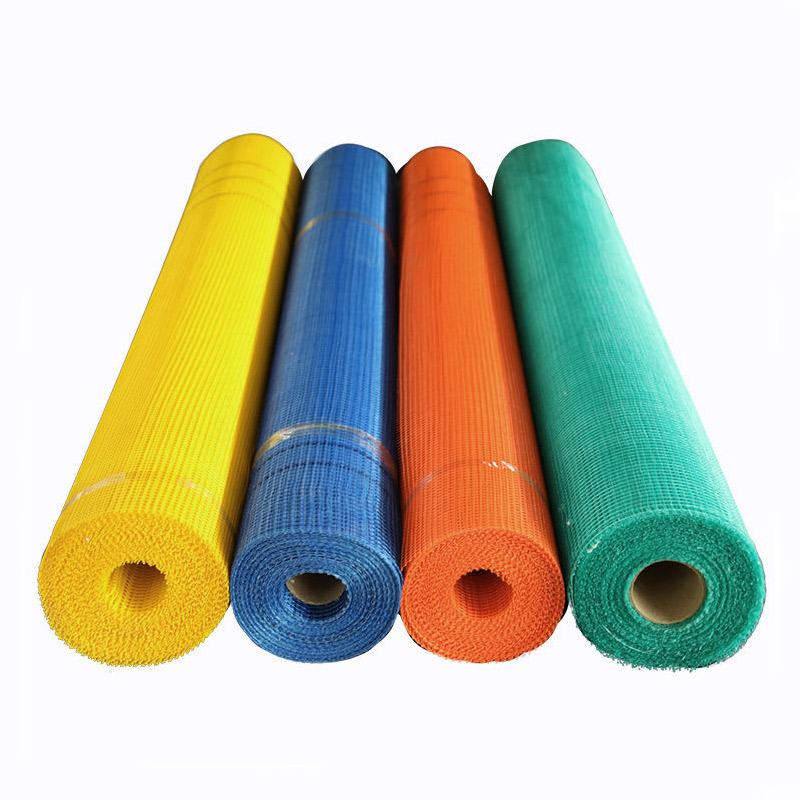
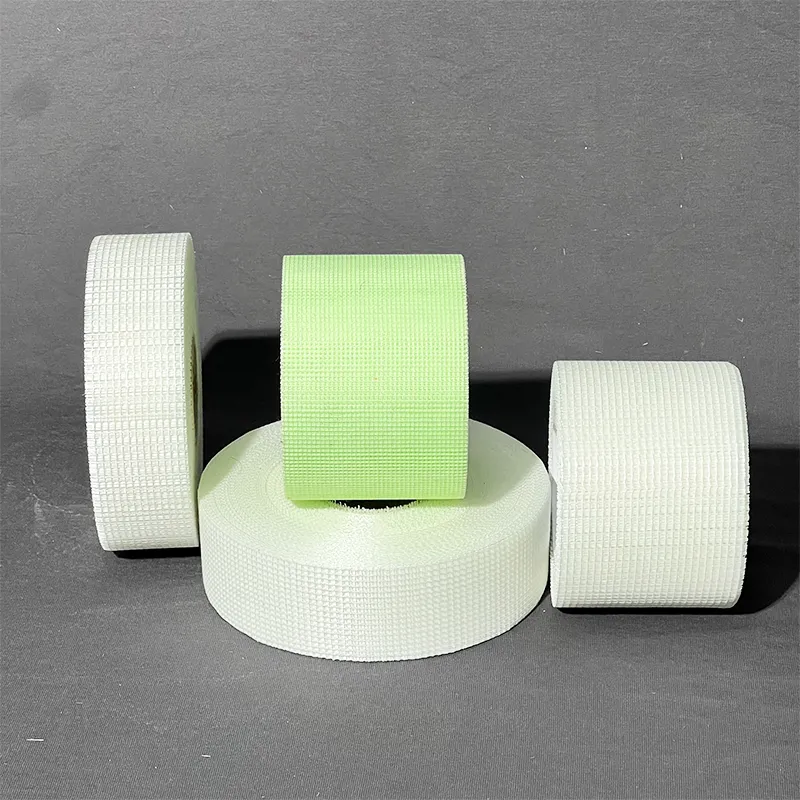
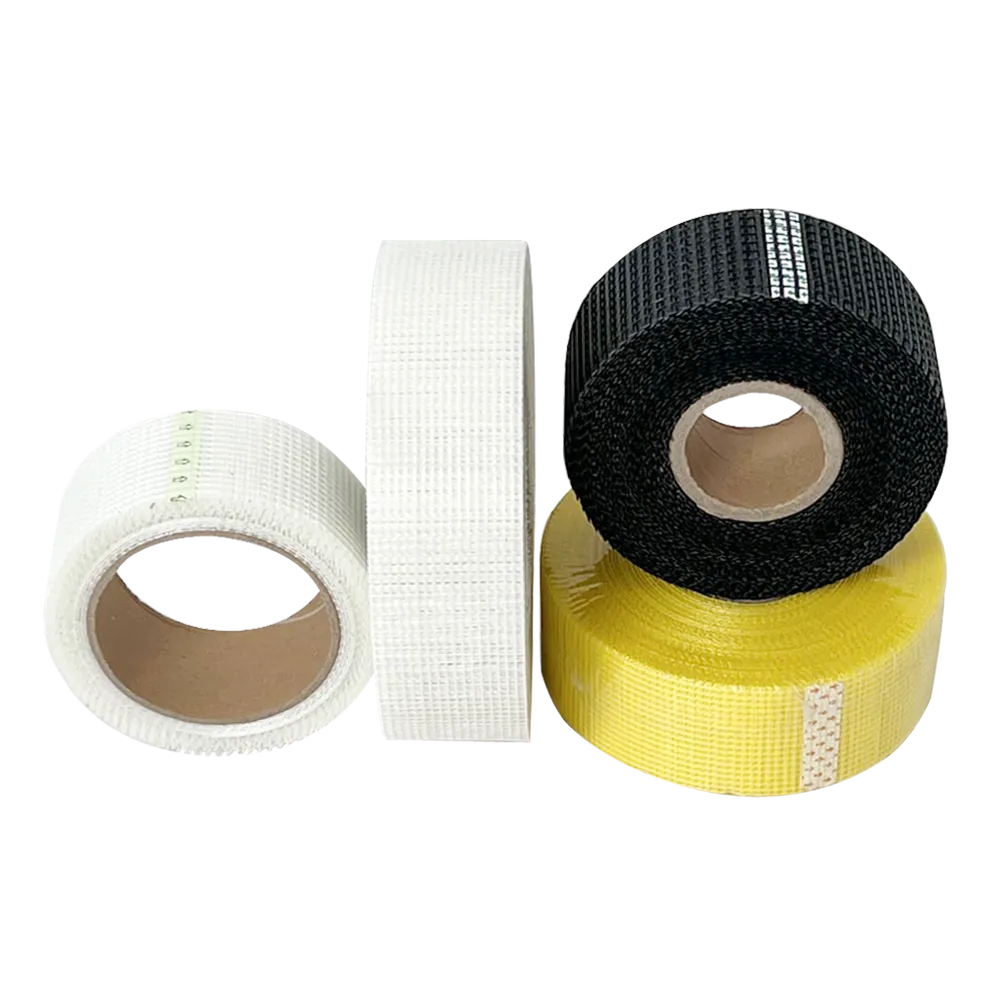
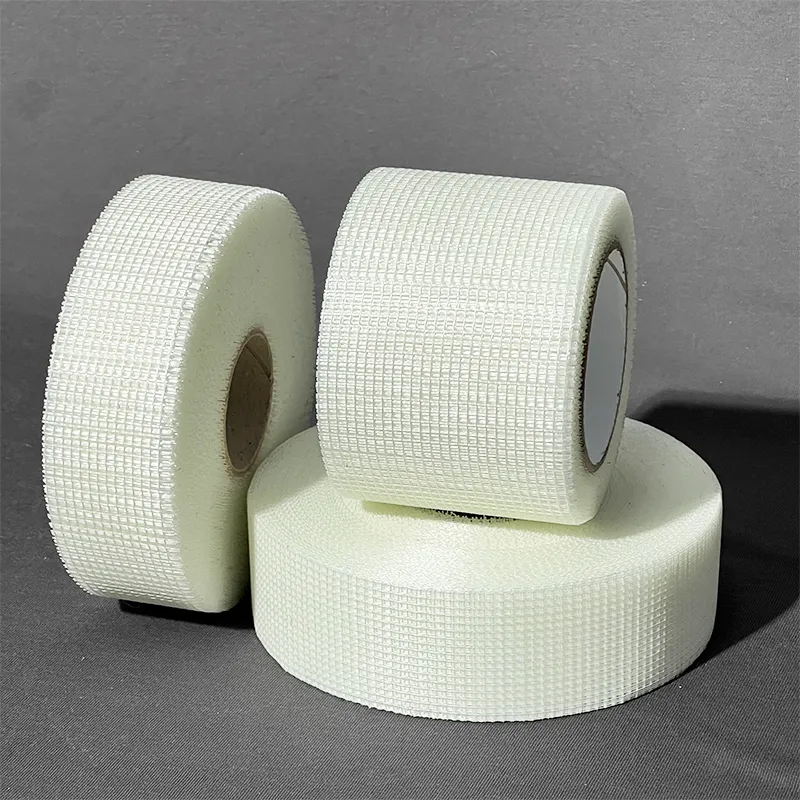
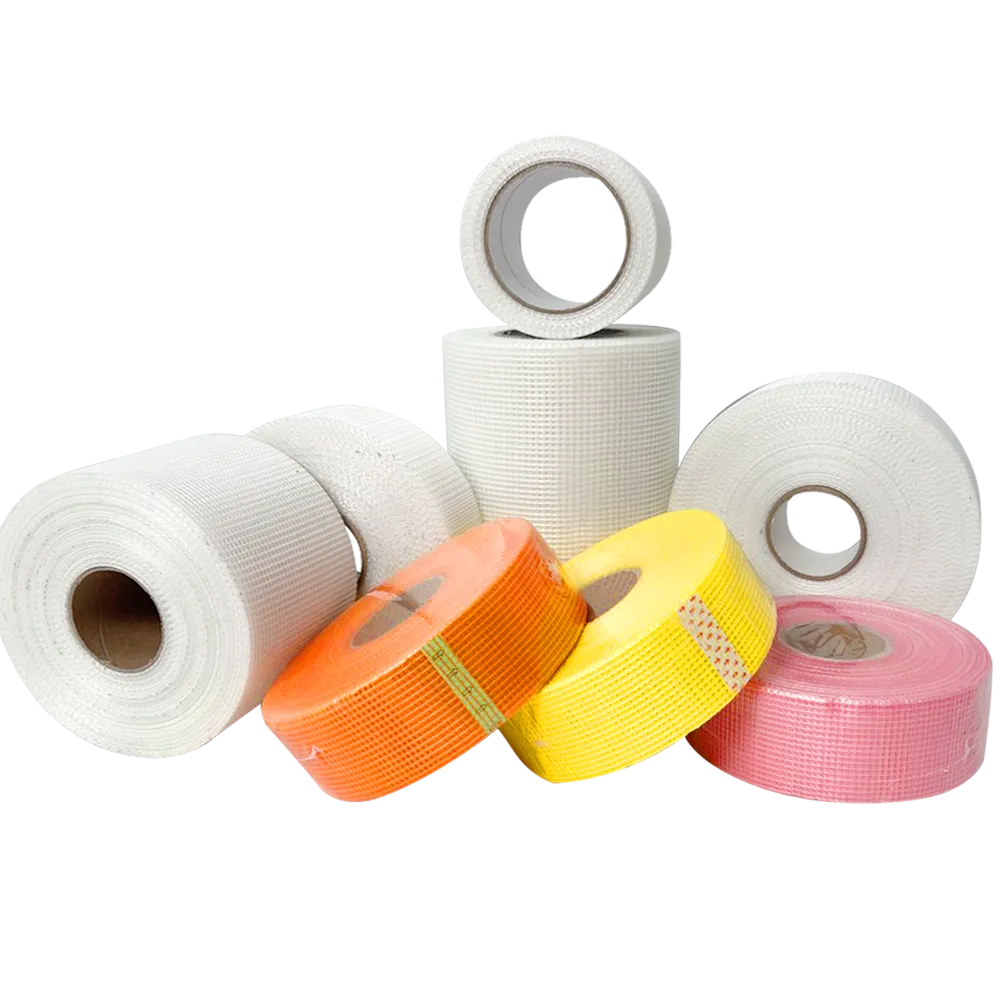
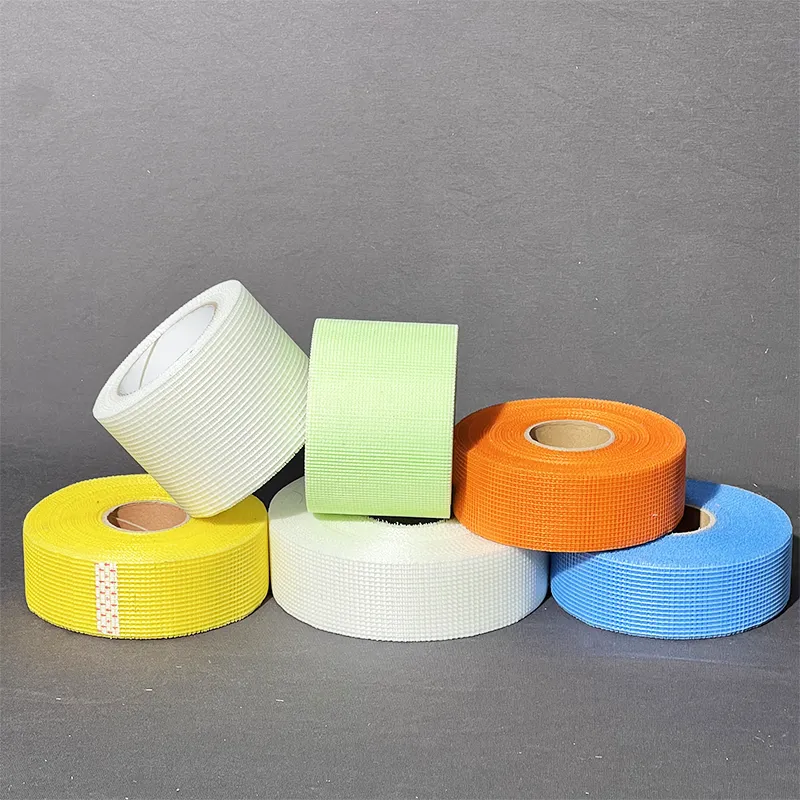
Simply put, fiberglass tapes are narrow strips woven from thin strands of glass fibers coated in resin. These tapes enhance strength and resistance when applied to surfaces or embedded in composites. Think of them as tiny reinforcement heroes, making materials tougher and sometimes even flexible. Their role spans from industrial repairs to artistic applications.
This technology connects deeply to humanitarian needs too. In disaster zones, fast structural repairs can mean the difference between safety and further damage — fiberglass tape’s ease of use and rapid curing times make it perfect for such urgent applications.
Key Aspects of Using Fiberglass Tape Products
Durability
Fiberglass tapes resist corrosion, chemicals, and high temperatures better than many metals or plastics. They’re kind of like the quiet, tough workhorse of repair materials.
Lightweight Strength
The tapes add substantial tensile strength without bulky weight. This is a huge advantage in aerospace and automotive industries where every gram counts.
Cost Efficiency
Compared to some specialized composites, fiberglass tape solutions are relatively affordable and readily available, making them attractive for large-scale projects.
Ease of Application
Many products come ready to use and cure quickly, enabling both professionals and field workers to apply them without extensive equipment.
Flexibility & Adaptability
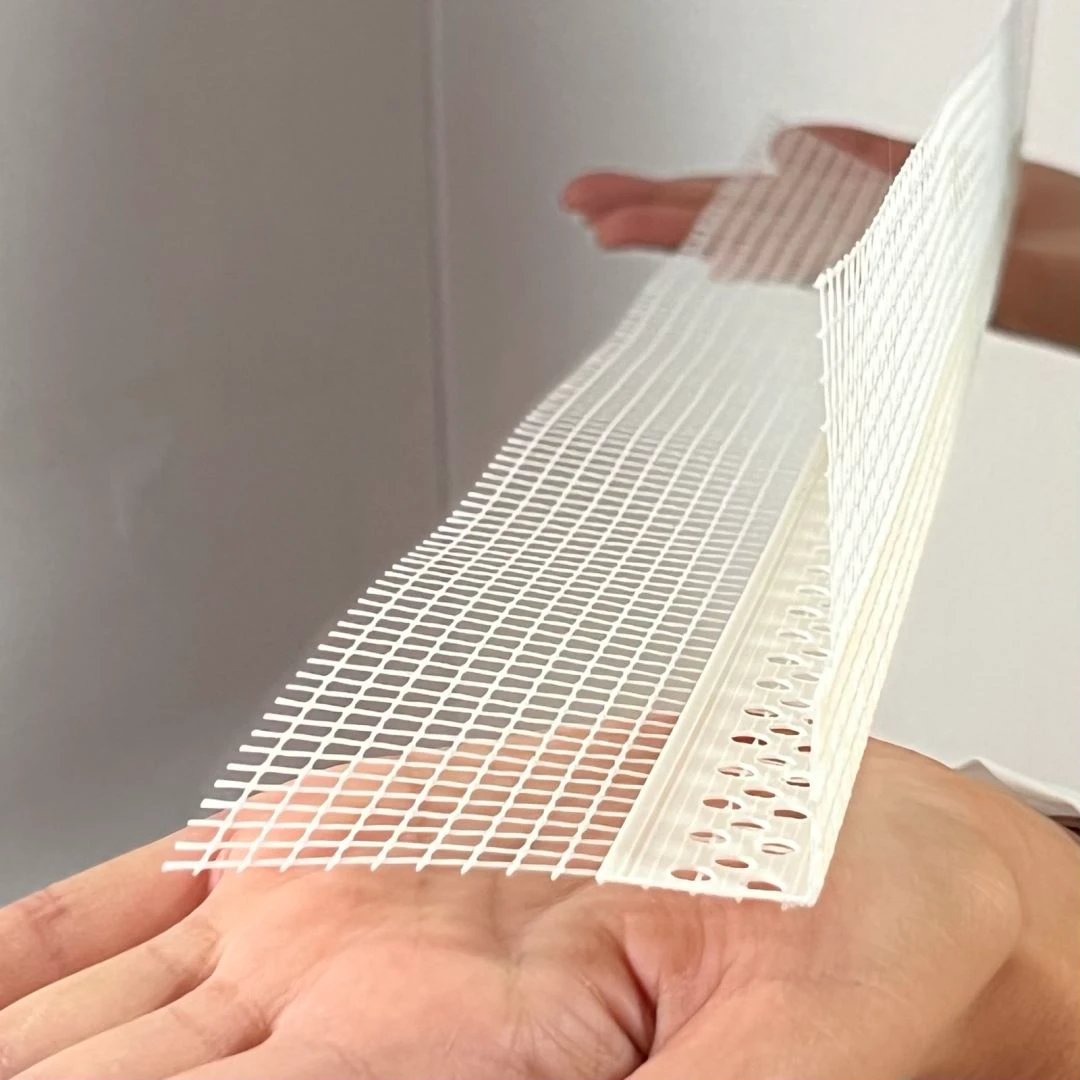
The tapes can conform to curves and uneven surfaces—quite essential when dealing with retrofits or irregular shapes.
Product Specification Table
| Property | Specification | Typical Value |
|---|---|---|
| Fiber Type | E-Glass | 90% |
| Tape Width | 5-50 mm | Customizable |
| Surface Weight | 150-500 g/m² | Varies by weave |
| Tensile Strength | >2000 MPa | High |
| Operating Temp. | -60°C to 450°C | Wide range |
Global Applications & Use Cases
From North America to Southeast Asia, using fiberglass tape products spans numerous industries:
- Construction & Infrastructure: Reinforcing concrete and quick repair of bridges and tunnels.
- Aerospace & Automotive: Lightweight panels and reinforcement in aircraft and racing cars.
- Electrical Insulation: Laminating tapes around cables where heat and chemical resistance matter.
- Disaster Relief: Rapid restoration of damaged housing and structural components.
For example, post-earthquake recovery teams in Chile have successfully used fiberglass tapes to stabilize cracked walls where full rebuilds were impractical. Similarly, remote industrial zones in Australia leverage these tapes to maintain pipework subject to harsh environmental wear and tear.
Vendor Comparison Table: Fiberglass Tape Suppliers
| Supplier | Product Range | Price Level | Global Reach | Sustainability |
|---|---|---|---|---|
| Tainuo Fiberglass | Wide (standard & custom tapes) | Medium | Strong (30+ countries) | Recycling program active |
| GlassTape Co. | Niche specialty tapes | High | Selective | Limited |
| FiberMax Corp. | Standard industrial tapes | Low | Moderate | None reported |
Advantages & Long-Term Value
On paper, fiberglass tape products bring remarkable durability at a reasonable price. But it’s not just logic here: there’s real emotional value too. When people affected by disaster see quick, reliable repair work, there’s a sense of safety and regained dignity. In industries, trusting a composite that won’t corrode or fail unexpectedly fosters innovation and confidence.
Sustainability plays a part too — compared to metal reinforcements, the lower weight reduces transportation emissions and energy consumption during manufacturing.
Future Trends & Innovations
The future of using fiberglass tape products ties closely to automation and “smart” materials. We’re beginning to see hybrid composites that integrate fiberglass tapes with sensors to monitor structural health in real time. Green energy sectors like wind turbine manufacturers increasingly rely on advanced fiberglass composites to boost efficiency.
On the policy front, global initiatives (ISO and UN sustainability goals) encourage manufacturers to adopt environmentally friendly resins and recycling processes, which is kind of rewarding to watch as an engineer.
Challenges & Solutions in Fiberglass Tape Usage
Oddly enough, despite many benefits, one challenge remains the skilled labor required for optimal application — improper curing or layering can cause weaker bonds. To solve this, leading suppliers offer training and application guides. Additionally, evolving formulations aim to reduce curing time and improve adhesion, making field use more foolproof.
FAQ: Frequently Asked Questions About Using Fiberglass Tape Products
- Q1: How long do repairs using fiberglass tape typically last?
- A1: When properly applied, repairs with fiberglass tapes can last decades as part of composite structures or reinforcements. The lifespan depends on environmental exposure and maintenance but generally exceeds traditional patchwork methods.
- Q2: Are fiberglass tapes safe to handle for workers?
- A2: Yes, but with precautions. Fiberglass strands can cause irritation if inhaled or if they contact skin directly. Wearing gloves and masks during application is standard practice to ensure safety.
- Q3: Can fiberglass tapes be used outdoors in extreme weather?
- A3: Absolutely. Fiberglass tapes withstand high temperatures, UV light, and moisture well, making them suitable for outdoor use in a variety of climates.
- Q4: How does fiberglass tape compare cost-wise to alternatives like carbon fiber?
- A4: Fiberglass tapes are generally more affordable than carbon fiber alternatives, offering an excellent strength-to-cost ratio, especially when extreme performance metrics aren’t required.
- Q5: Is it easy to purchase fiberglass tape products internationally?
- A5: Many vendors, including Tainuo Fiberglass, ship worldwide and assist with customs documentation, making international procurement straightforward.
Conclusion: Why Embrace Using Fiberglass Tape Products?
Ultimately, fiberglass tape products offer a balanced mix of strength, durability, affordability, and adaptability that few materials match. Whether it’s about rebuilding after disaster, innovating in manufacturing, or preserving infrastructure globally, these tapes have a vital role. If you’ve never considered them before, I suggest taking a closer look—they could very well simplify and strengthen your next project.
Want to learn more or see product options firsthand? Visit our website: https://www.tainuofiberglassmesh.com
Mini takeaway: Using fiberglass tape products isn’t just a technical choice—it’s a practical, economical, and sustainable strategy shaping industries worldwide.
References
-
Best Fiberglass Mesh Tape for RedGard Product Waterproofing GuideNewsApr.16,2026
-
Why High Strength Fiberglass Mesh Is Essential For Stucco ApplicationNewsApr.15,2026
-
Why Alkali Resistant Fiberglass Mesh Tape Is Essential For Cement Board And Tile InstallationsNewsApr.15,2026
-
Understanding The Role Of Drywall Fiberglass Mesh In Interior FinishingNewsApr.15,2026
-
Ultimate Guide To Using Fiberglass Mesh Tape For Drywall And Plaster RepairsNewsApr.15,2026
-
The Versatility Of Fiberglass Mesh In Marble And Stone MosaicNewsApr.15,2026