Dec . 02, 2025 01:00 Back to list
Comprehensive Guide to Using Fiberglass Tape Product – Benefits, Applications, and Trends
Using Fiberglass Tape Product: Why It Matters in Today's World
At first glance, fiberglass tape might seem like a niche industrial material, but its widespread use is quietly shaping a number of industries worldwide. You see, using fiberglass tape product isn't just about patching or reinforcing – it’s about durability, safety, and innovation across construction, manufacturing, and even humanitarian relief. Oddly enough, understanding it deeply can help engineers, project managers, and buyers to optimize outcomes while cutting costs and environmental impact.
Globally, the demand for materials that provide lightweight strength and adaptability is surging. The International Organization for Standardization (ISO) highlights fiberglass composites as value-adding materials in eco-friendly building and transport sectors (ISO 11427:2019). Plus, the World Bank estimates infrastructure spending to exceed $3.5 trillion annually, much of it reliant on reinforced materials such as fiberglass tape for longevity and resilience. Frankly, not knowing about this product’s benefits could mean missing out on smarter, more sustainable solutions.
What Is Using Fiberglass Tape Product?
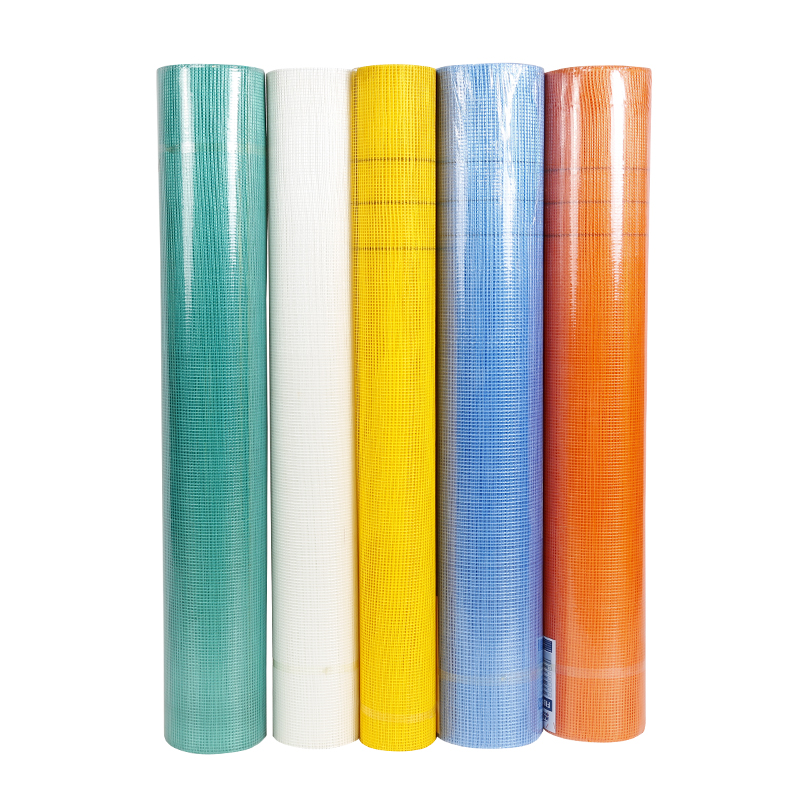
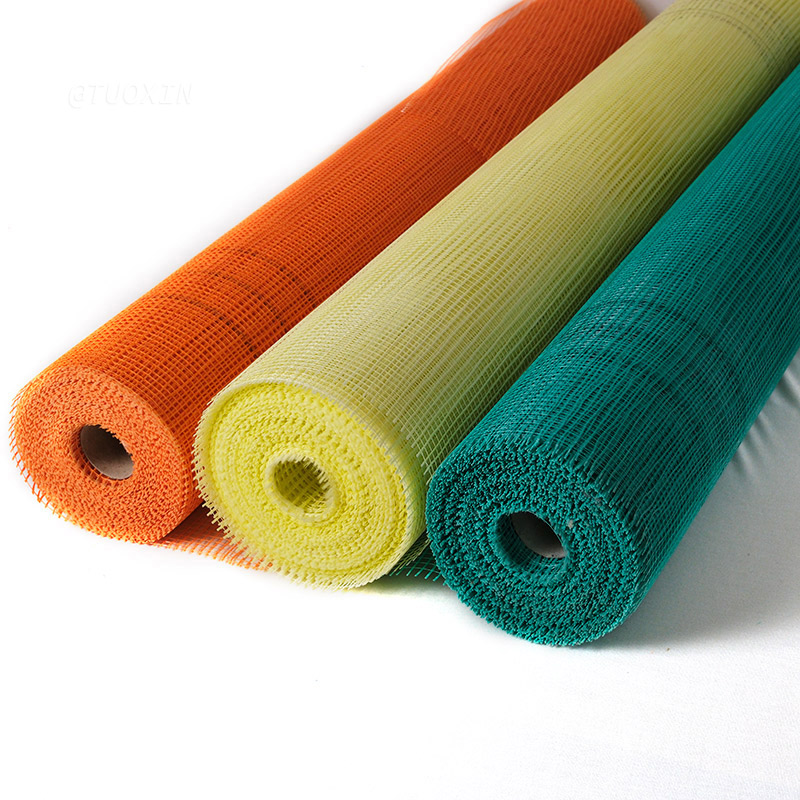
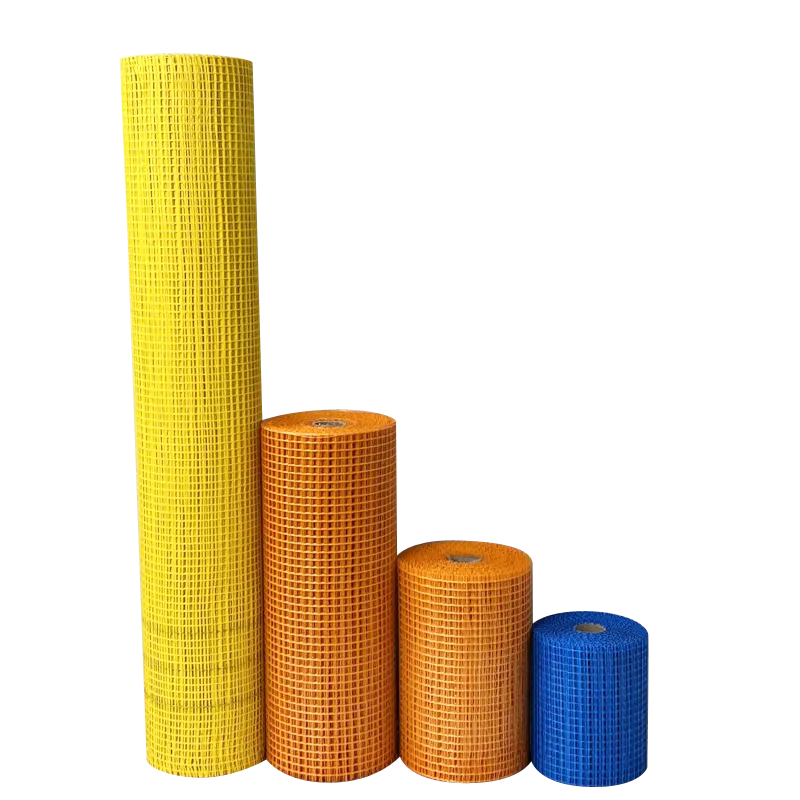
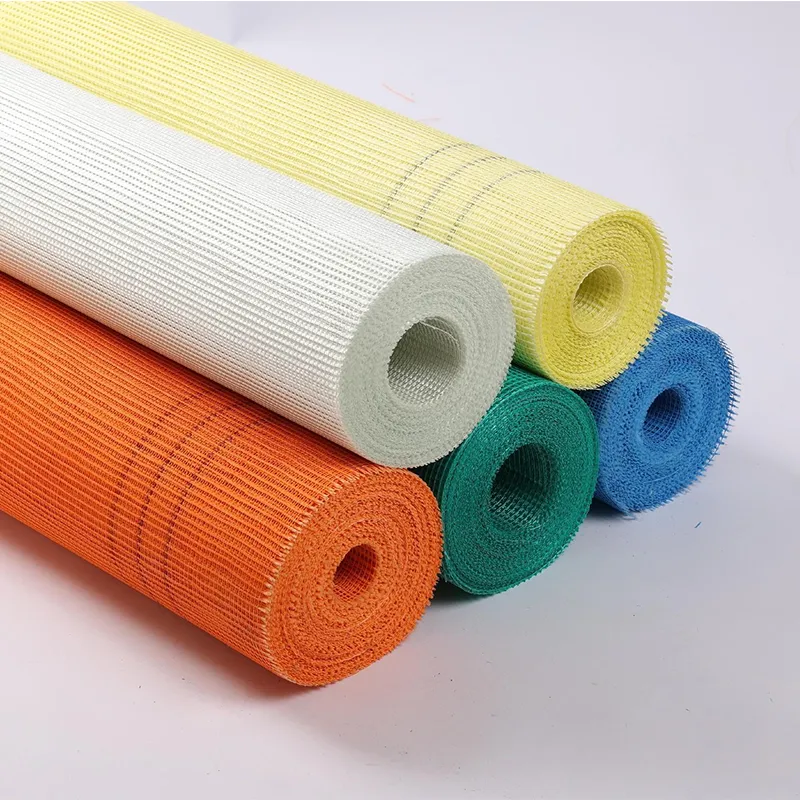
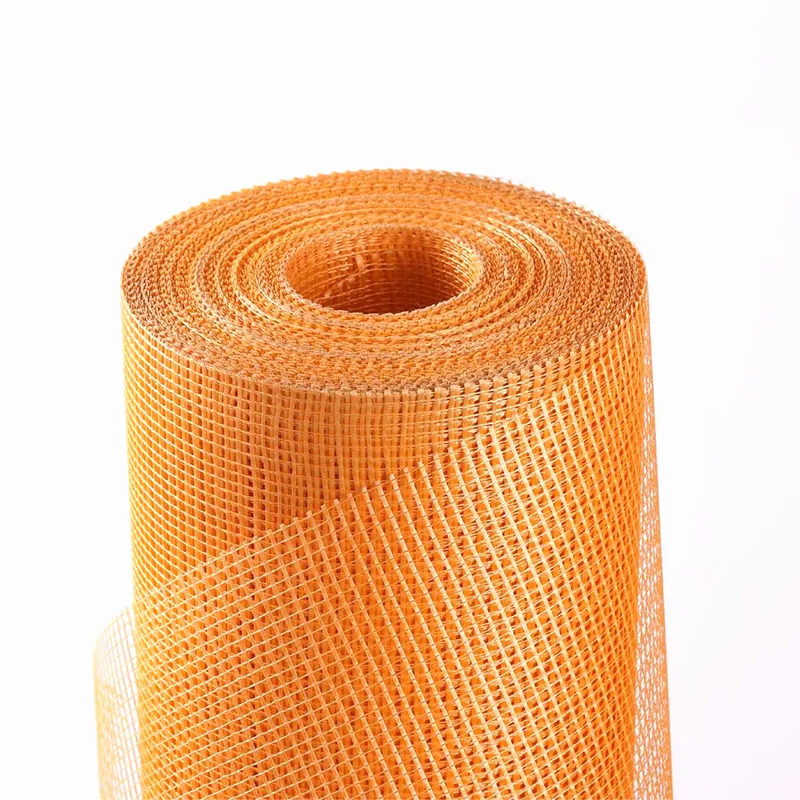
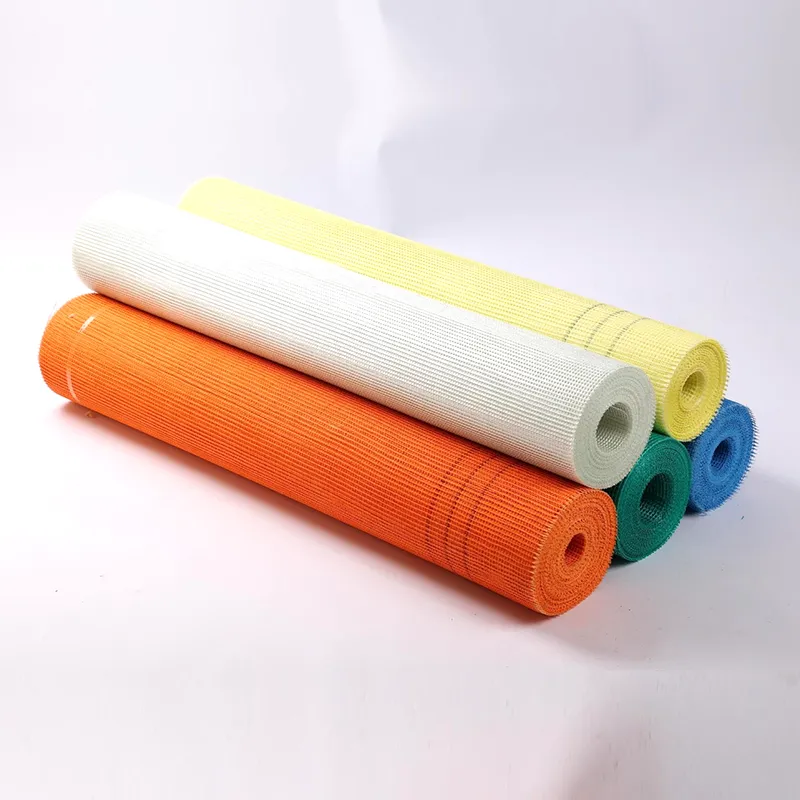
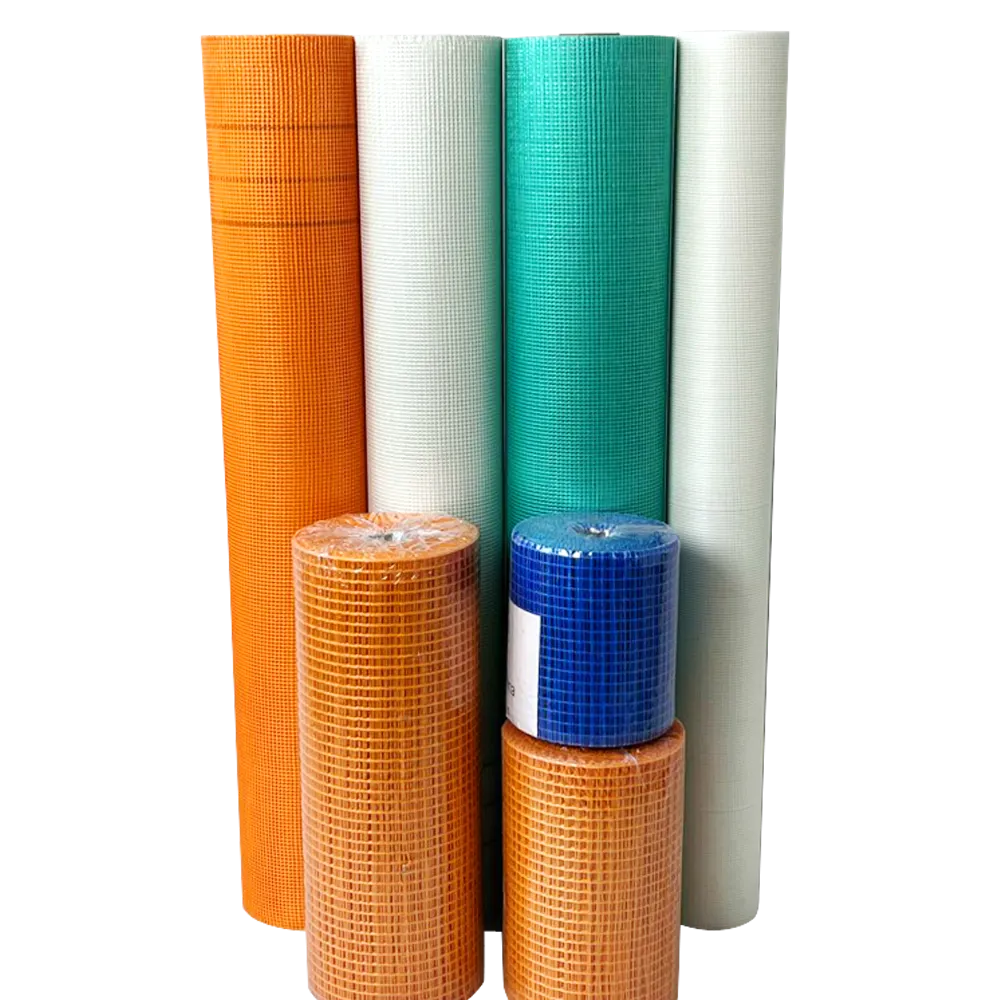
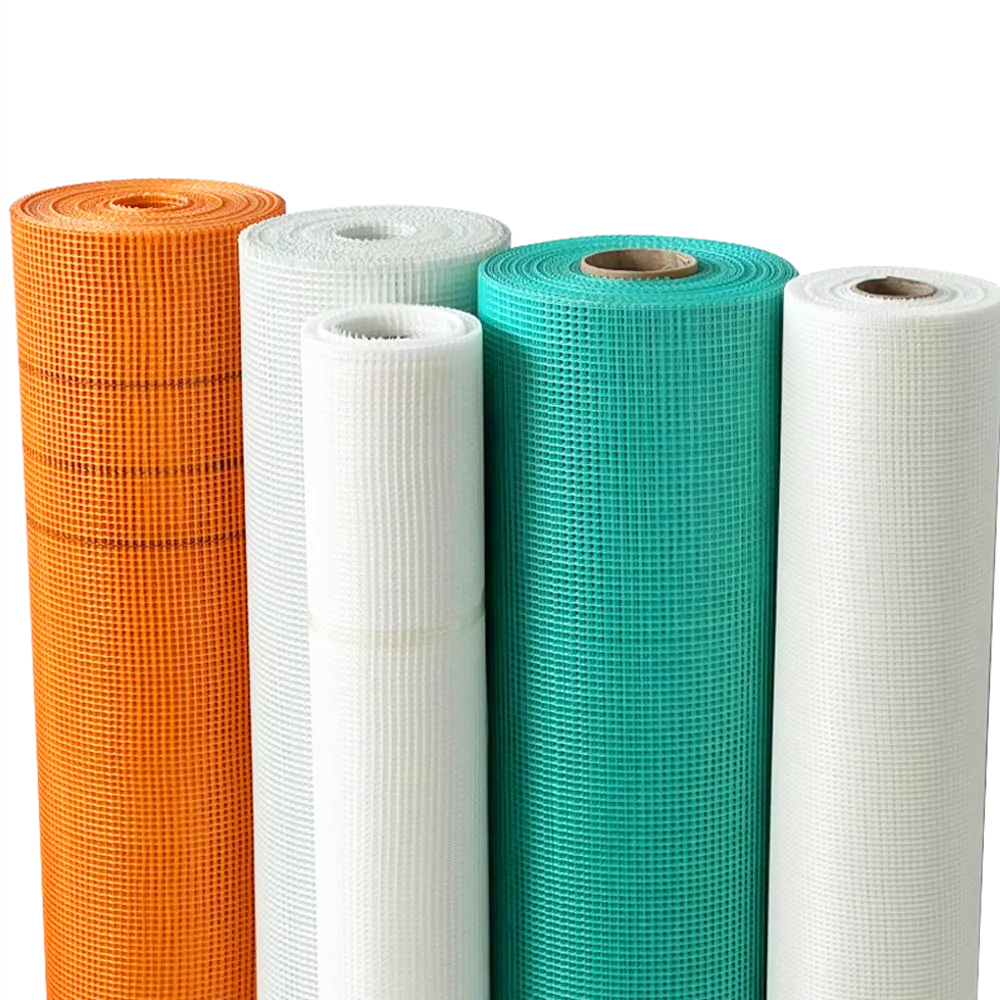
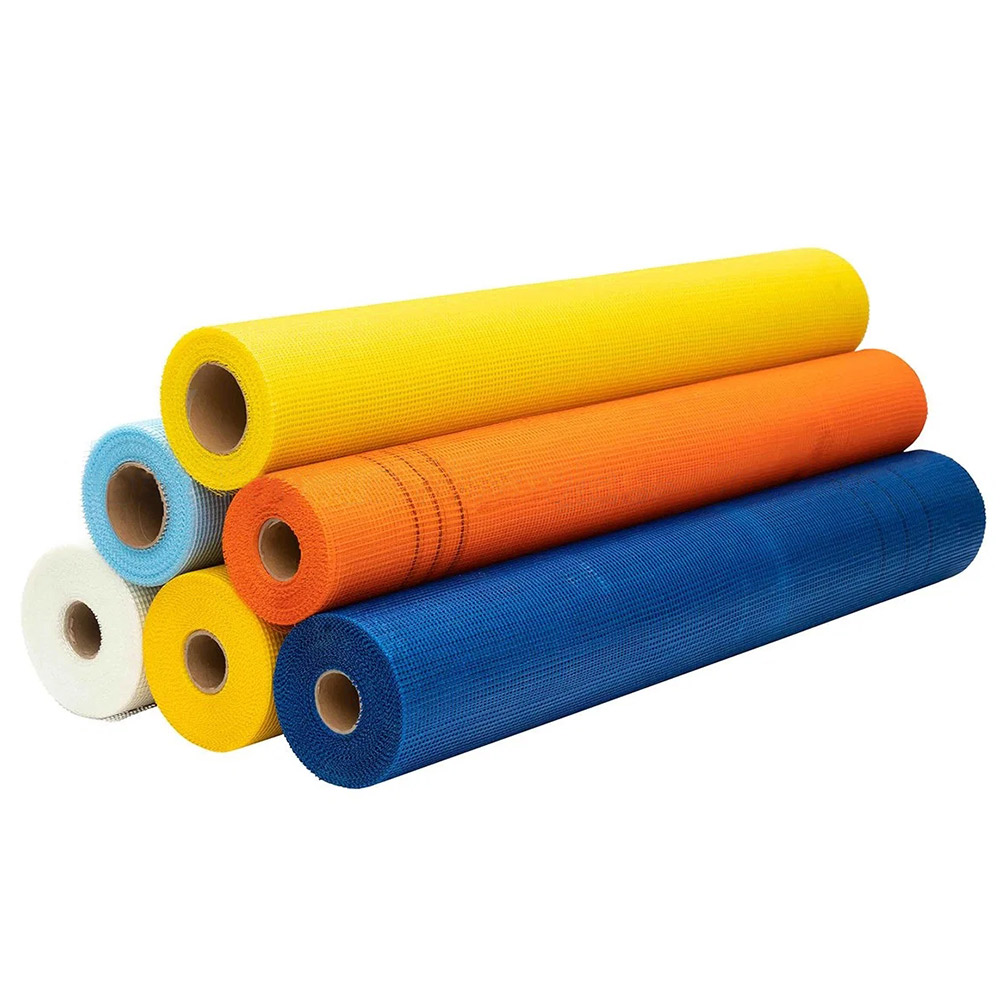
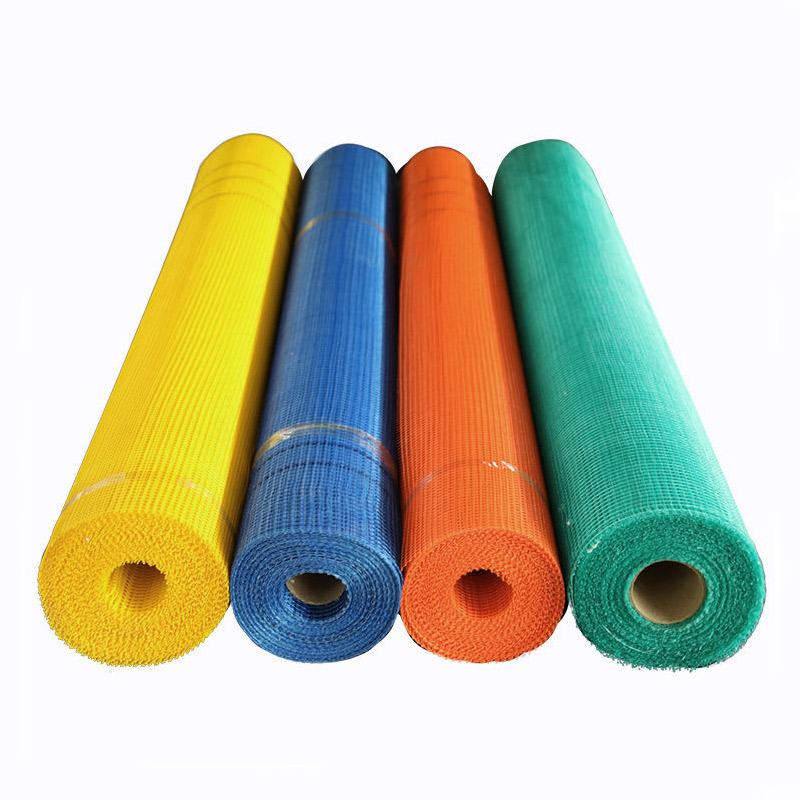
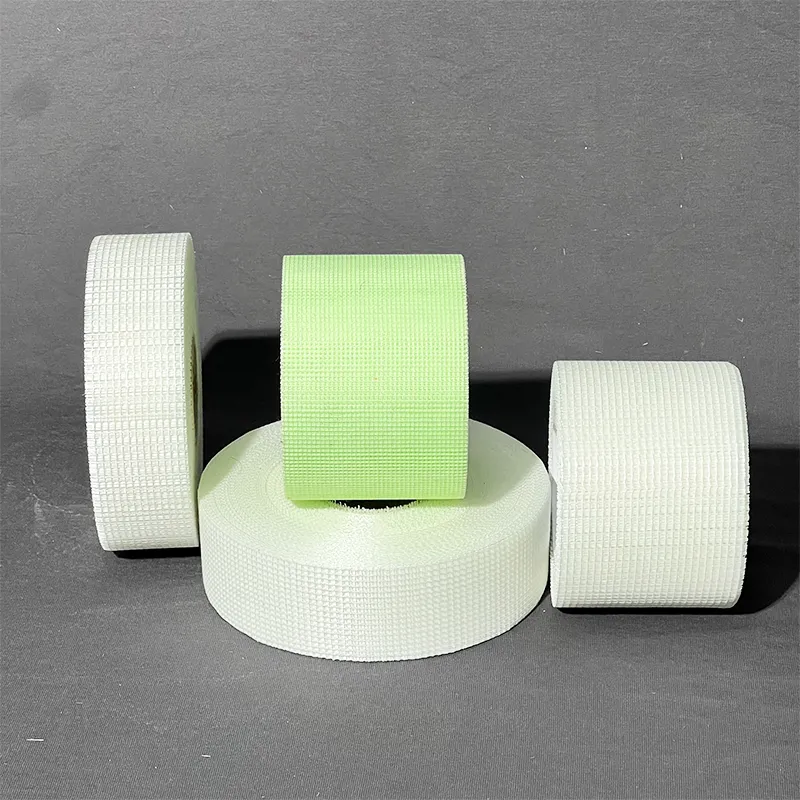
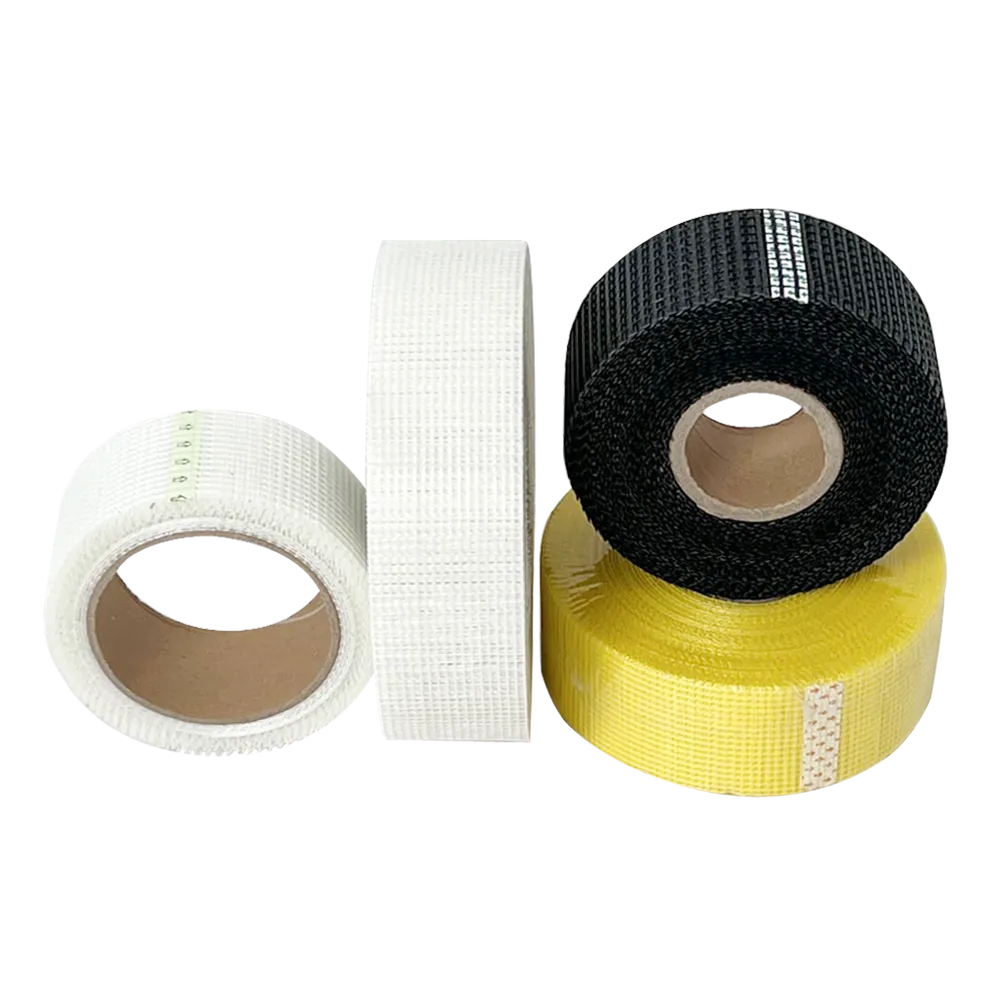
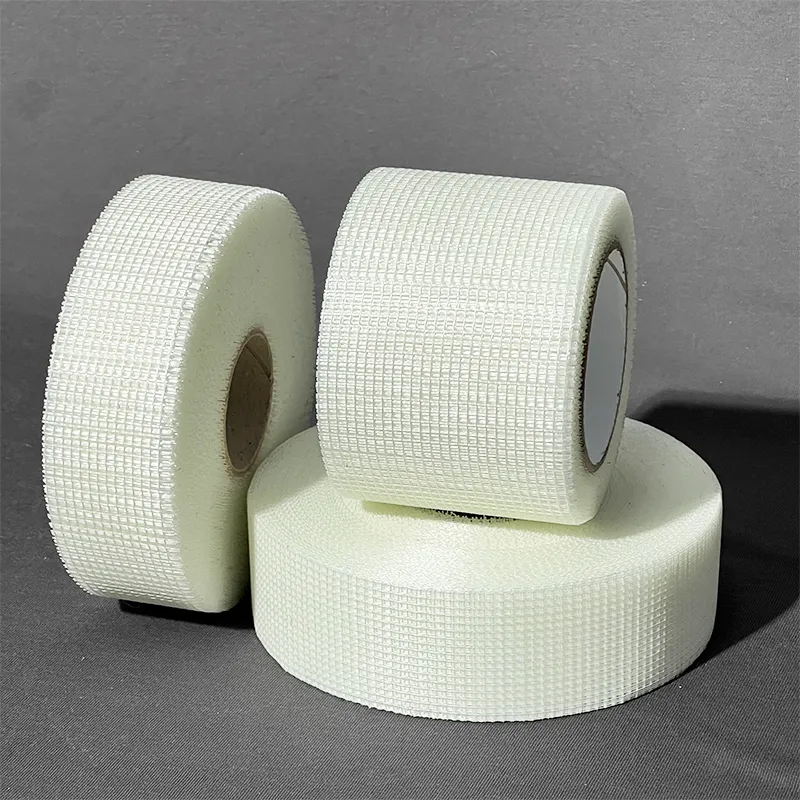
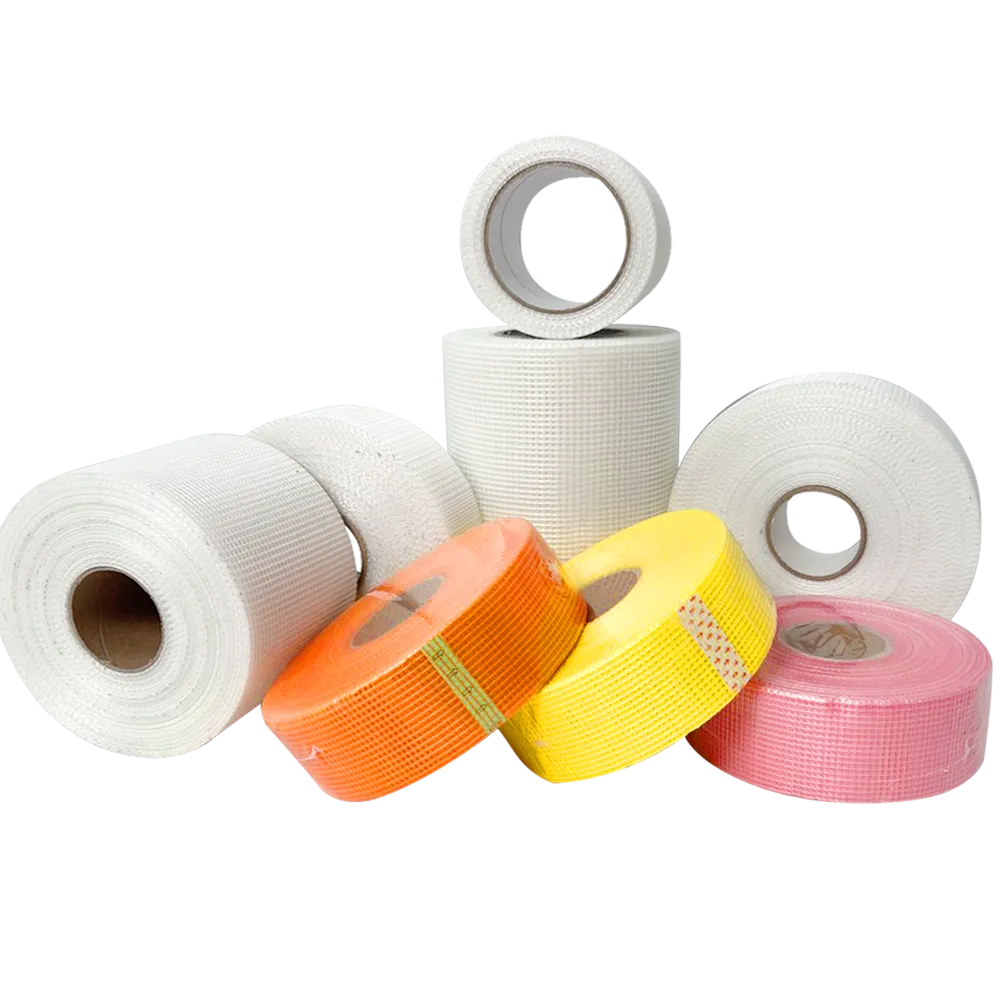
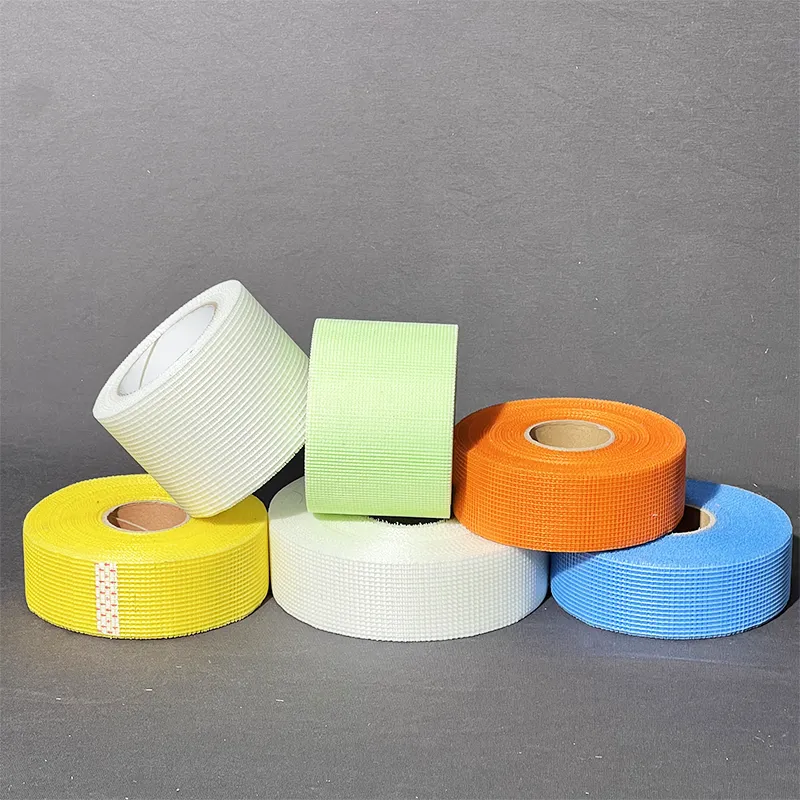
Simply put, when we say using fiberglass tape product, we talk about the application of thin, woven strips of fiberglass reinforced fabric — coated or uncoated — designed for reinforcement, sealing, or insulation tasks. Its role is quite broad, from providing structural support in composites to acting as a fire-resistant barrier or reinforcing joints in drywall installations.
These tapes are critical in modern industries because fiberglass resists corrosion, heat, and moisture much better than traditional textiles or plastics. For example, in humanitarian projects like temporary housing or disaster shelters, fiberglass tape helps improve durability without adding weight—something that’s often overlooked but makes a huge difference on the ground.
Core Components and Key Factors
Durability
Fiberglass’s inherent tensile strength ensures that tapes last long — sometimes decades — under harsh conditions. It doesn’t rot like organic fibers, and chemical resistance means no surprises from acids or solvents. This longevity translates directly to safety and cost savings.
Flexibility & Ease of Use
While fiberglass is strong, the tape format allows it to be incredibly flexible, conforming to irregular shapes and surfaces, a huge plus for complex repairs or reinforcements. Its adhesive backing variants simplify installation and speed up project timelines.
Thermal Resistance
One feature not to gloss over: fiberglass tape can withstand high temperatures (commonly up to 500°F/260°C), making it indispensable for industrial insulation, automotive wraps, or even aerospace components.
Cost Efficiency
When balanced with durability and performance, fiberglass tape offers a very favorable cost-performance ratio. It helps reduce maintenance expenses over time, an appealing factor especially in large-scale infrastructure.
Global Applications & Use Cases
From construction sites in the US to manufacturing factories in Germany and post-disaster relief areas in Southeast Asia, fiberglass tape is a go-to reinforcement material:
- Construction: Used to strengthen drywall joints, reinforcing concrete cracks and for vapor barriers.
- Electrical insulation: Wrapping wires or components exposed to heat.
- Automotive/Marine: Reinforcing hulls, chassis, or engine compartments.
- Humanitarian infrastructure: Temporary shelters use fiberglass tape for quick repairs, resistant to water and wind damage.
Particularly notable, NGOs operating in disaster-prone regions swear by fiberglass tape’s resilience. It withstands tropical humidity, ultraviolet rays, and rough handling — all those “fatiguing” stresses that degrade lesser tapes quickly.
Mini takeaway: Using fiberglass tape transcends geography and sector, offering reliable reinforcement wherever structural strength and environmental resilience are priorities.
Advantages & Long-Term Value
There’s a tangible peace of mind in knowing your materials won’t fail prematurely. Fiberglass tape’s combination of strength, thermal resistance, and moisture repellence contributes to long-lasting constructions and repairs. This reduces replacement frequency, saves energy and resources, and ultimately supports sustainability goals.
Logically, these benefits echo financially. Organizations globally report lower life-cycle costs when fiberglass tape products form part of their design or maintenance strategy. Emotionally, it feels good to choose a product that enhances safety and durability — it’s like a quiet investment in trust and innovation.
Product Specifications of Typical Fiberglass Tape
| Attribute | Specification | Typical Value |
|---|---|---|
| Width | 5mm to 50mm | 25mm (standard) |
| Thickness | 0.1mm to 0.5mm | 0.2mm |
| Tensile Strength | > 1000 MPa | 1200 MPa |
| Temperature Resistance | -60°C to +260°C | Up to 260°C |
| Adhesive Type | Acrylic or Silicone based | Acrylic adhesive |
| Flame Retardant | Yes | UL94 V-0 rated |
Vendor Comparison: Leading Fiberglass Tape Suppliers
| Vendor | Product Range | Custom Options | Lead Time | Price Tier |
|---|---|---|---|---|
| Tainuo Fiberglass | Standard + Heat-resistant tapes | Width, Adhesive, Coating | 2-3 weeks | Mid-range |
| ABC Composite Supply | Industrial tapes only | Limited | 3-4 weeks | Premium |
| GlobalTape Solutions | Wide range, incl. fireproof | Full customization possible | 4 weeks | Mid to High |
Emerging Trends & Innovations
The future of using fiberglass tape looks quite exciting. Innovations include bio-based resins replacing traditional epoxies, which align with stricter environmental policies globally (EU Green Deal). Digitally-enabled manufacturing — like automated tape layering — improves precision and reduces waste. Additionally, tapes embedded with nanosensors are being developed to monitor structural integrity in real time, a massive leap toward smart infrastructure.
Challenges & Solutions
Of course, no product is without hurdles. Fiberglass tape can cause skin irritation during handling — protective gear is a must. Adhesive compatibility with different substrates might require testing before large-scale use. Then there is disposal; fiberglass is not biodegradable, so recycling methods must improve. Thankfully, several manufacturers invest in recycling initiatives and developing eco-friendlier composites.
FAQ: Frequently Asked Questions About Using Fiberglass Tape Product
- Q1: How long does fiberglass tape last once applied?
- Typically, fiberglass tape can last from 10 to 30 years depending on environmental conditions and application quality. UV exposure and moisture are common degrading factors, but using coated or UV-resistant variants extends lifespan.
- Q2: Can fiberglass tape be used outdoors in all climates?
- Yes, many fiberglass tapes are designed for outdoor use including extreme temperatures and humidity. However, always check the specific product rating, especially for UV resistance, and apply protective coatings if necessary.
- Q3: Is fiberglass tape safe to handle without gloves?
- It’s recommended to wear gloves and protective clothing because tiny fibers can cause skin irritation or minor itching. Good ventilation and wiping hands after use reduce discomfort.
- Q4: Can I customize the width and adhesive properties?
- Generally, yes. Vendors like using fiberglass tape product suppliers offer custom widths, adhesive types, and coatings to fit your project needs.
- Q5: How does fiberglass tape compare to other tapes like carbon fiber?
- Fiberglass tape tends to be more cost-effective and chemical resistant but less stiff than carbon fiber. It’s better suited to applications requiring flexibility with good thermal resistance.
Conclusion
So, what’s the takeaway? Using fiberglass tape product isn’t just a technical detail — it’s an important factor that influences durability, safety, and sustainability across industries worldwide. Whether reinforcing infrastructure, enabling innovation, or supporting humanitarian relief, fiberglass tape holds a quiet but vital role.
If you want to explore more or need quality products tailored to your needs, consider visiting using fiberglass tape product supplier Tainuo Fiberglass. They’re known for reliable options and good customization.
At the end of the day, durability and innovation often come taped together — it’s the little things that build big futures.
- ISO 11427:2019 - ISO Standards on Composite Materials
- World Bank Infrastructure Spending Report, 2022
- Wikipedia: Fiberglass
-
Best Fiberglass Mesh Tape for RedGard Product Waterproofing GuideNewsApr.16,2026
-
Why High Strength Fiberglass Mesh Is Essential For Stucco ApplicationNewsApr.15,2026
-
Why Alkali Resistant Fiberglass Mesh Tape Is Essential For Cement Board And Tile InstallationsNewsApr.15,2026
-
Understanding The Role Of Drywall Fiberglass Mesh In Interior FinishingNewsApr.15,2026
-
Ultimate Guide To Using Fiberglass Mesh Tape For Drywall And Plaster RepairsNewsApr.15,2026
-
The Versatility Of Fiberglass Mesh In Marble And Stone MosaicNewsApr.15,2026