Dec . 01, 2025 21:05 Back to list
Ultimate Guide to Fiberglass Mesh for Plastering Companies | Durable & Sustainable Solutions
The Rising Importance of Fiberglass Mesh for Plastering Companies Worldwide
We often take the smooth, flawless walls of modern buildings for granted. But behind those sturdy surfaces lies something pretty neat: fiberglass mesh. For plastering companies, this material has become a quiet game-changer, especially as construction demands increase globally. Understanding fiberglass mesh isn’t just about trade jargon — it’s about recognizing how construction technology improves durability, safety, and sustainability worldwide.
From earthquake-prone regions reinforcing walls to sustainable housing efforts in developing countries, fiberglass mesh plays a vital role. Globally, the construction sector is projected to grow steadily, with plastering materials demand rising an estimated 4-6% annually (ISO). That means more companies need to source, understand, and implement fiberglass mesh properly — so why not get the lowdown?
Why Fiberglass Mesh is a Must-Know for Every Plastering Company
Globally speaking, building codes and safety standards are tightening as urbanization accelerates. According to the United Nations, over 50% of the world’s population now lives in urban areas, and that’s only expected to rise. This amplifies the urgency for resilient construction materials that can withstand environmental stresses.
Fiberglass mesh fills that niche perfectly. Plastering companies dealing with cracking, moisture intrusion, and thermal expansion issues find the solution embedded in these grids of woven glass fibers — light, yet incredibly strong. Yet, sourcing the right type, ensuring compatibility with local plasters, and balancing cost remain challenges.
What Exactly Is Fiberglass Mesh for Plastering Companies?
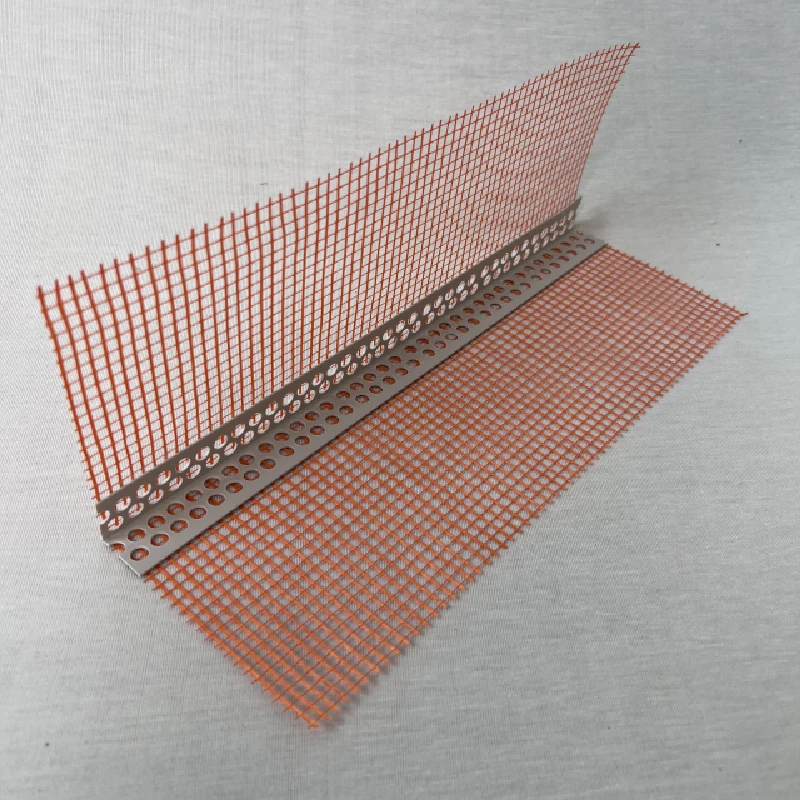
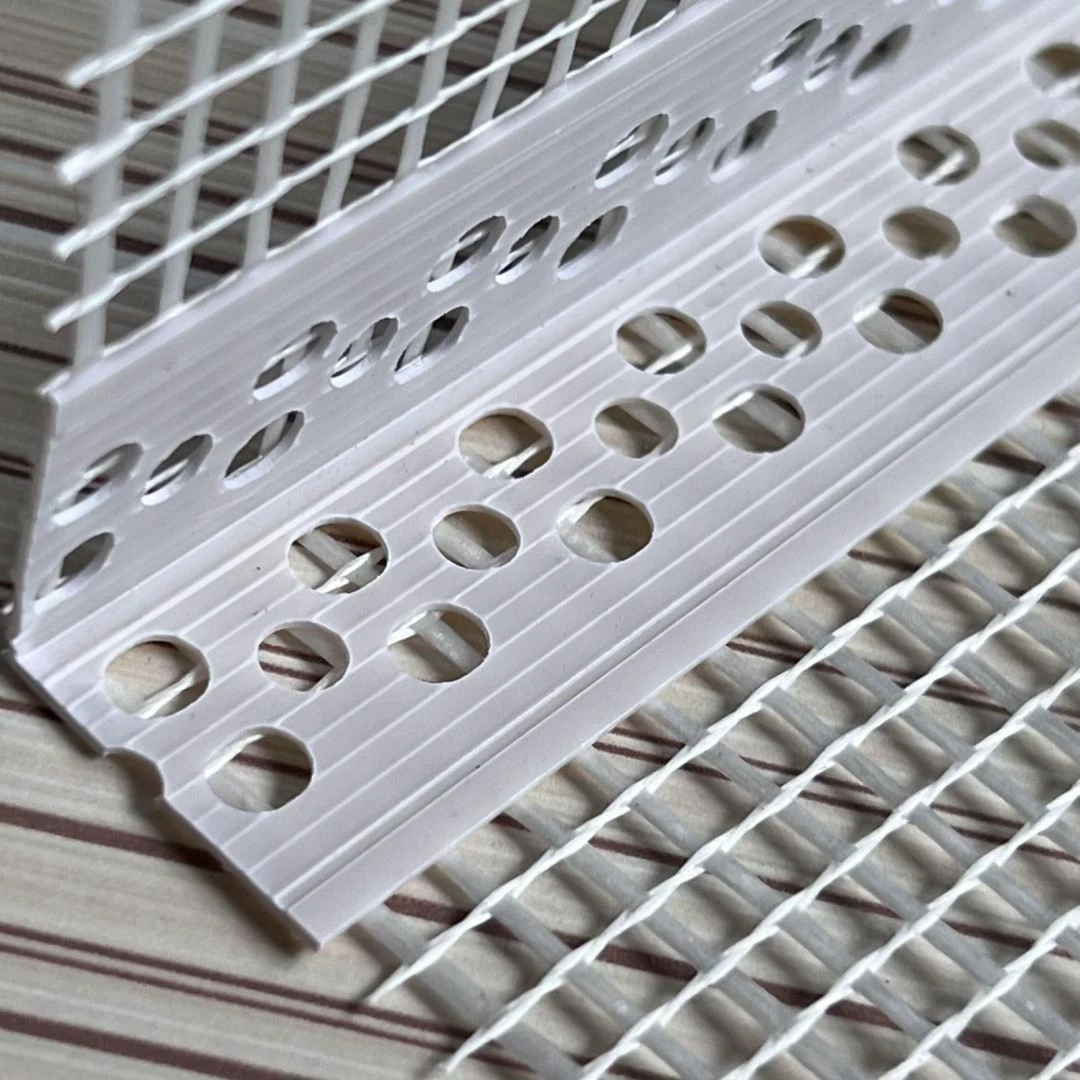
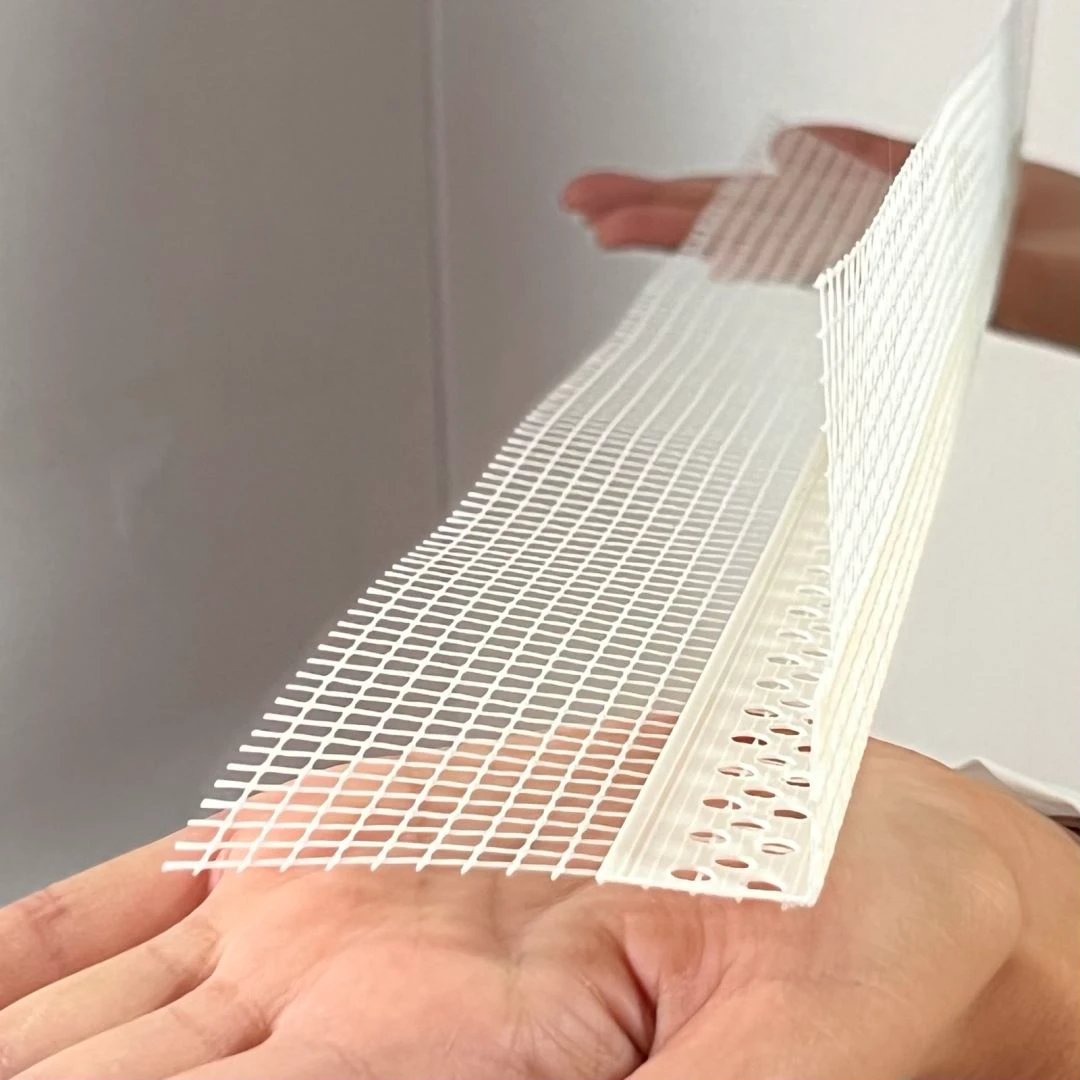
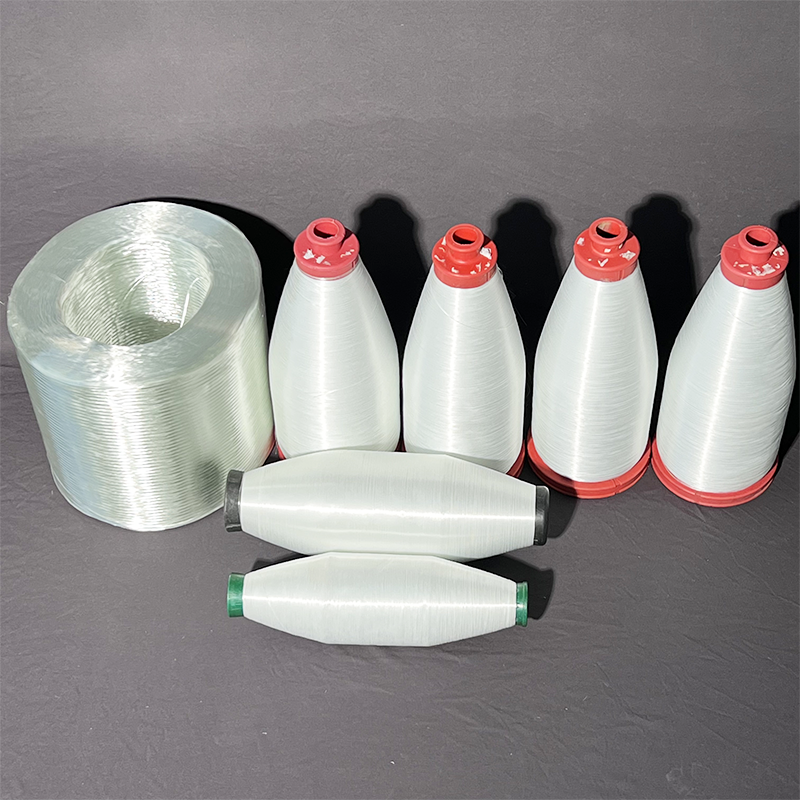
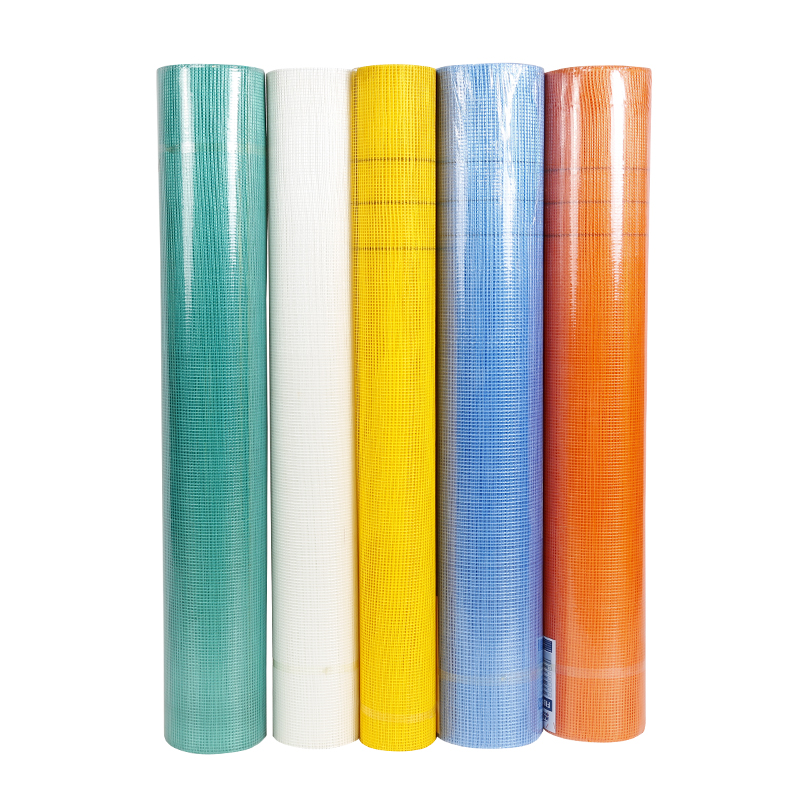
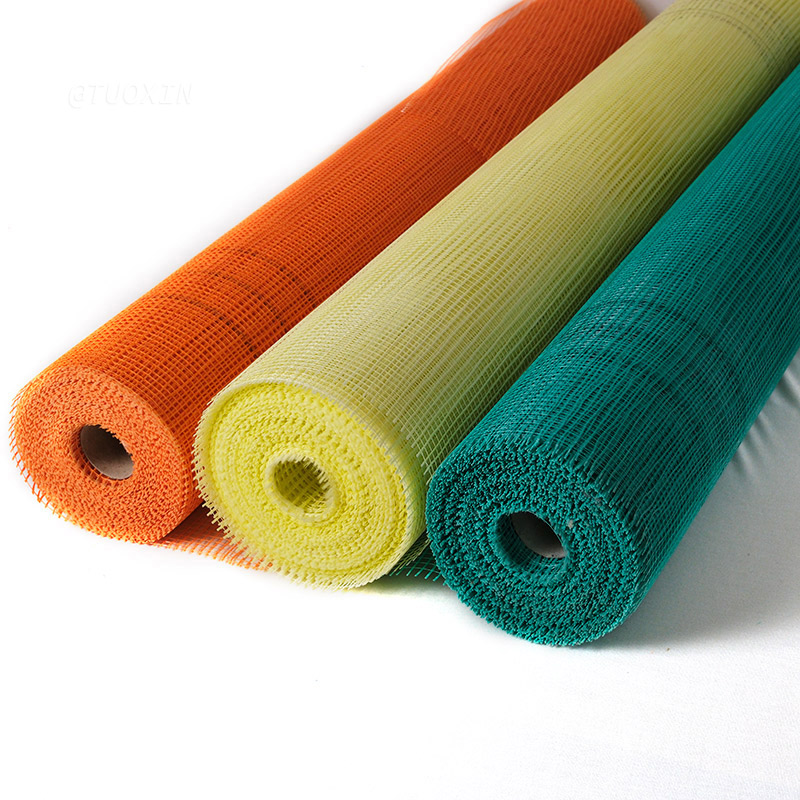
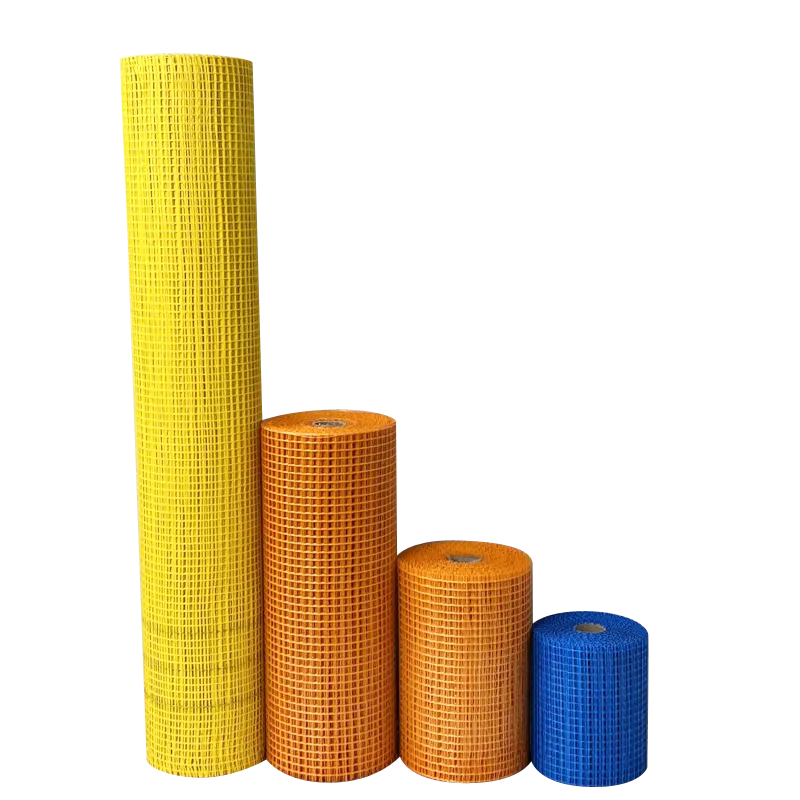
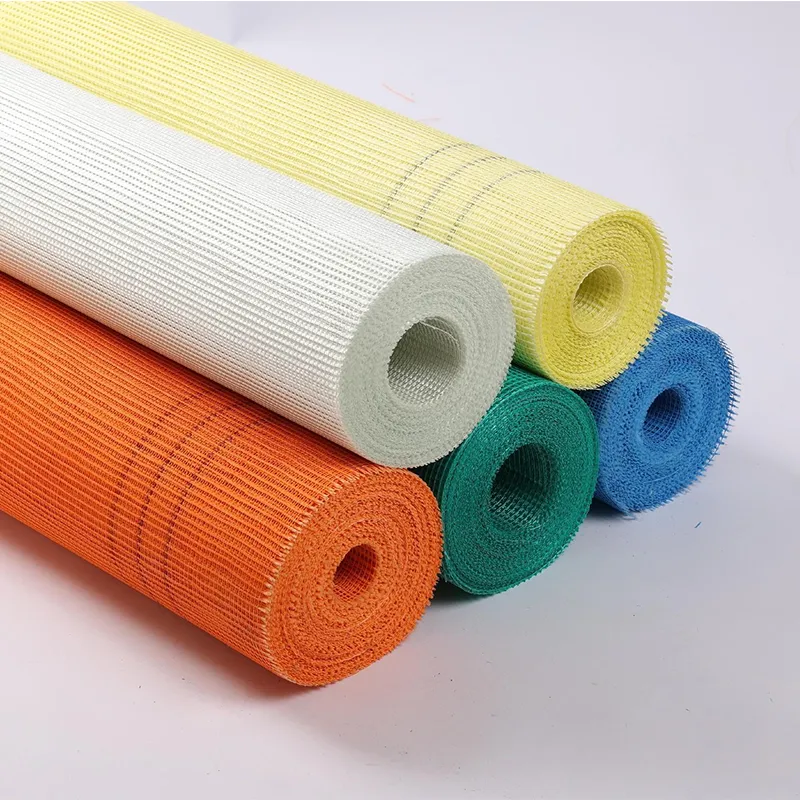
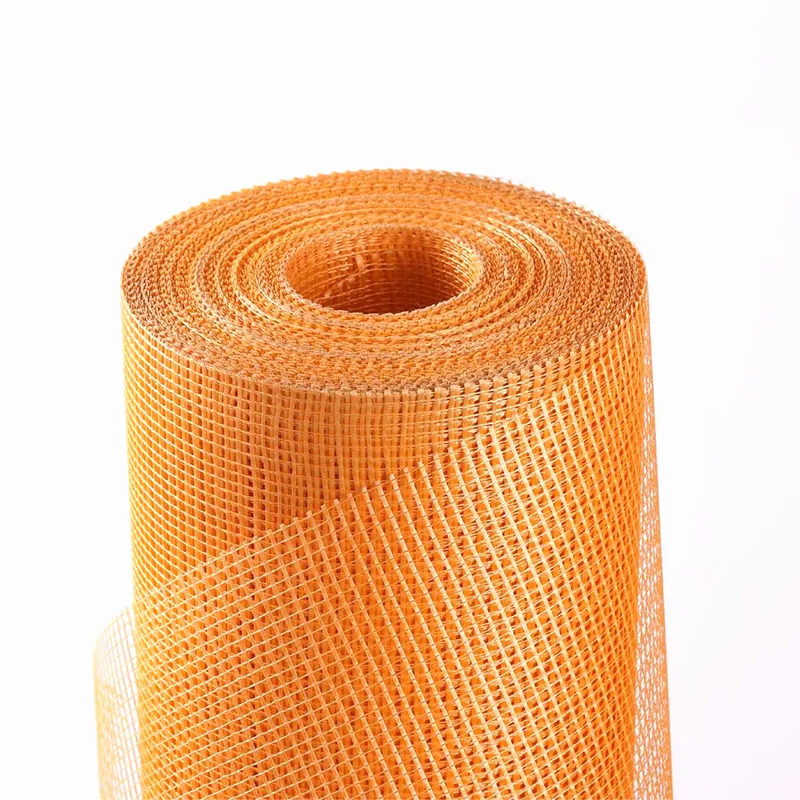
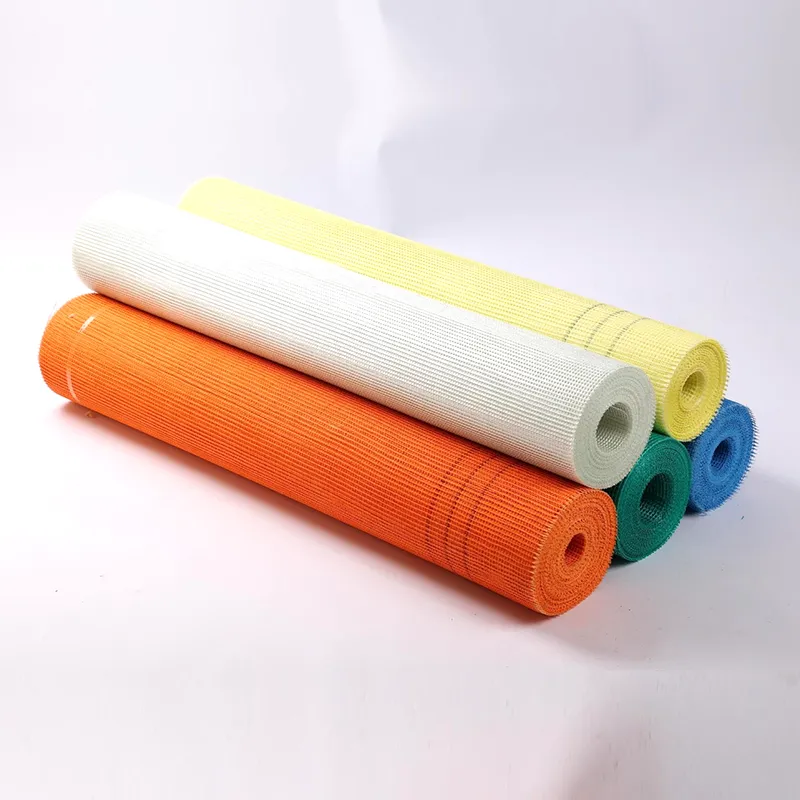
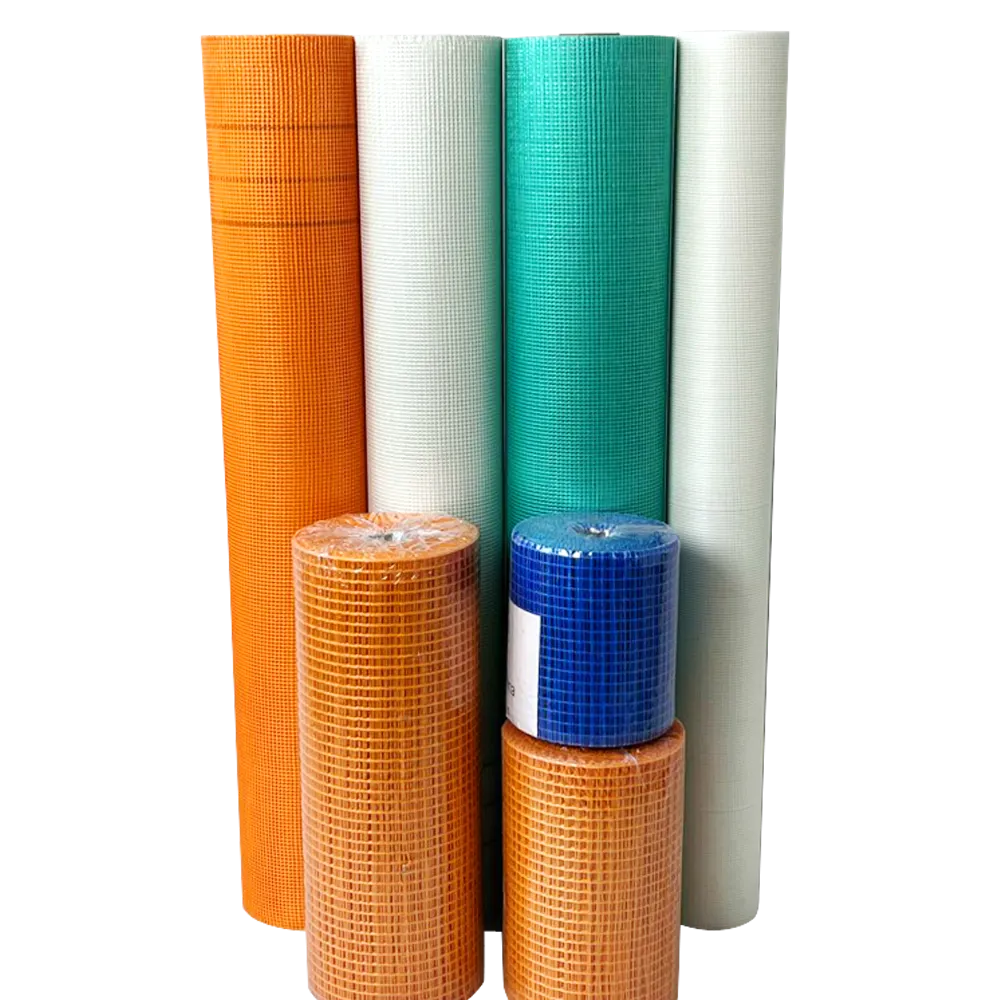
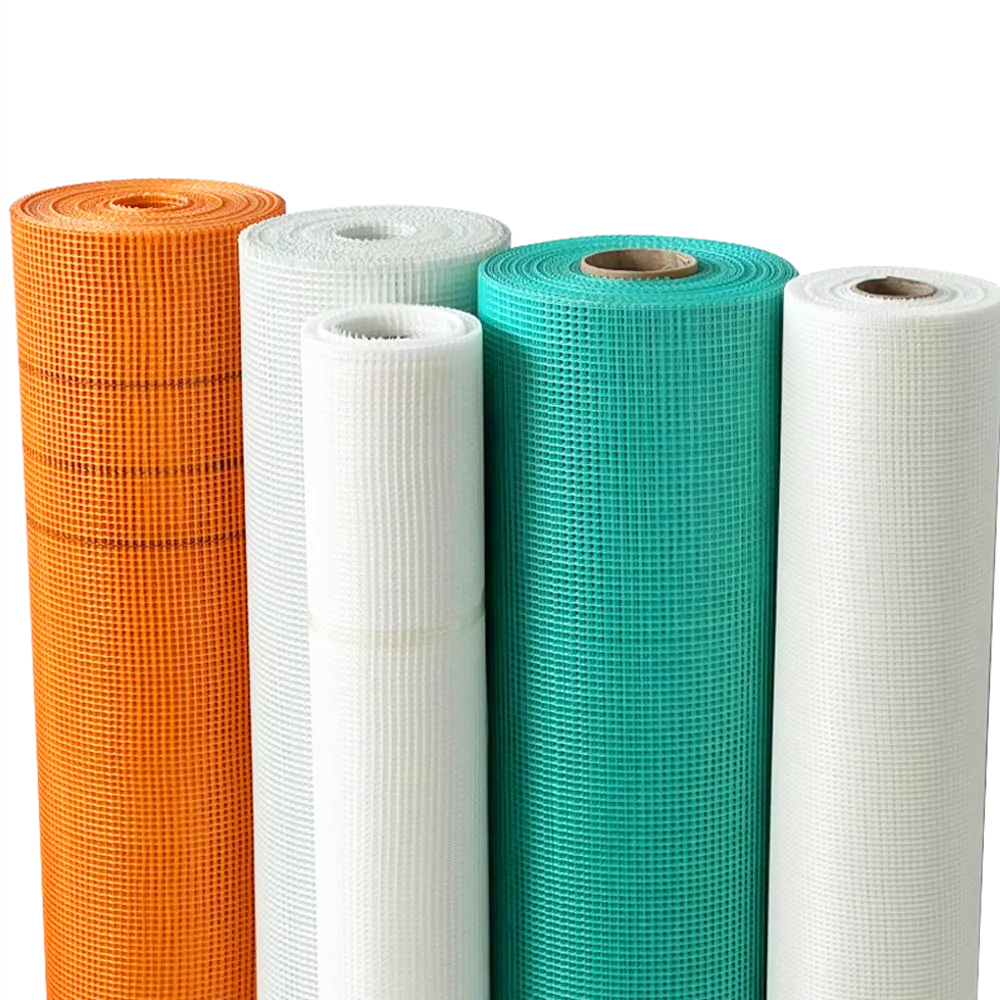
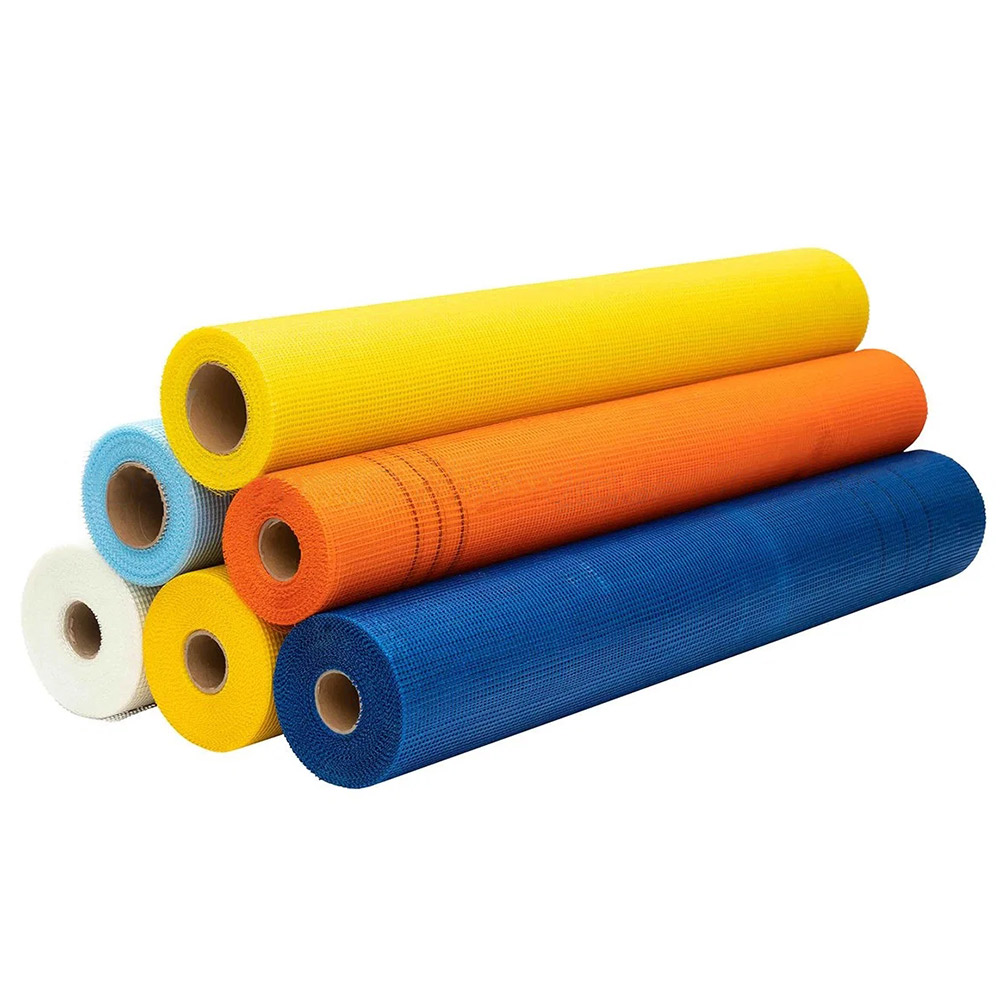
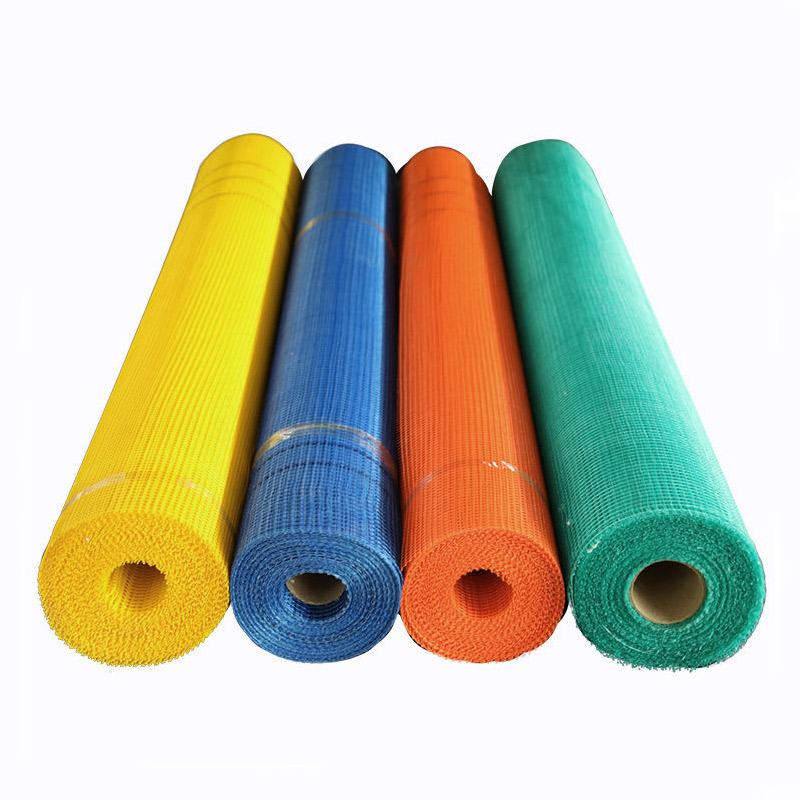
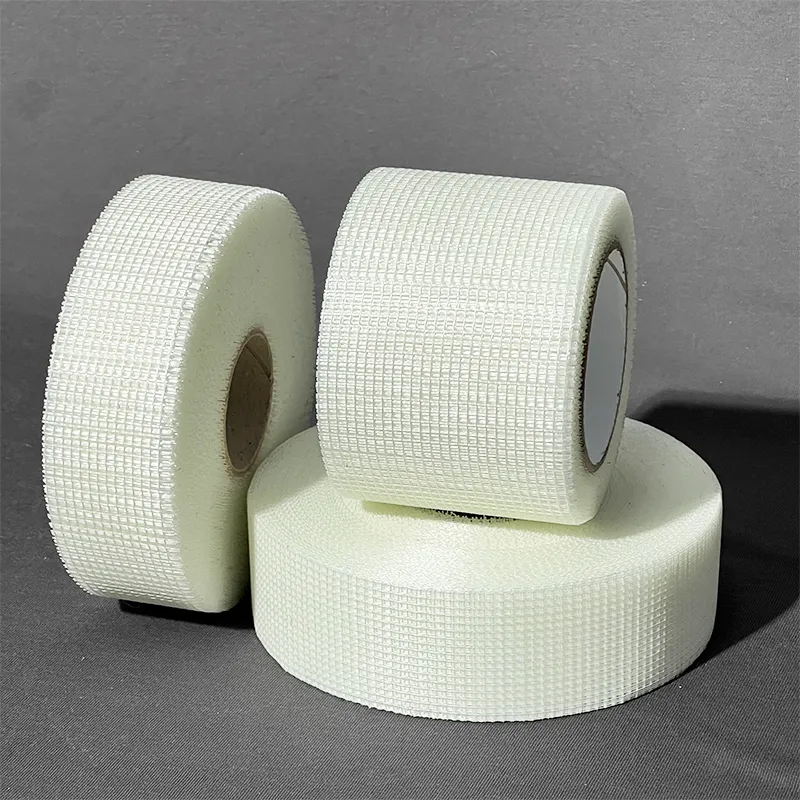
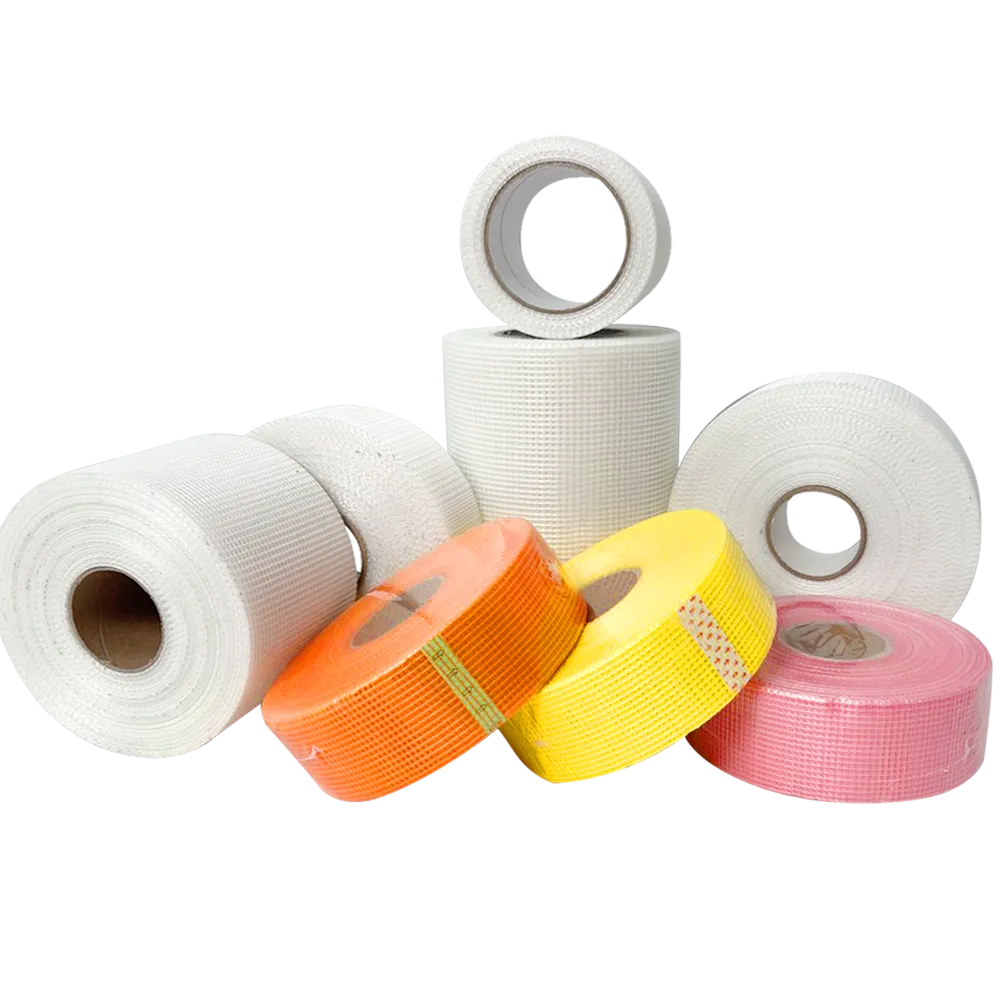
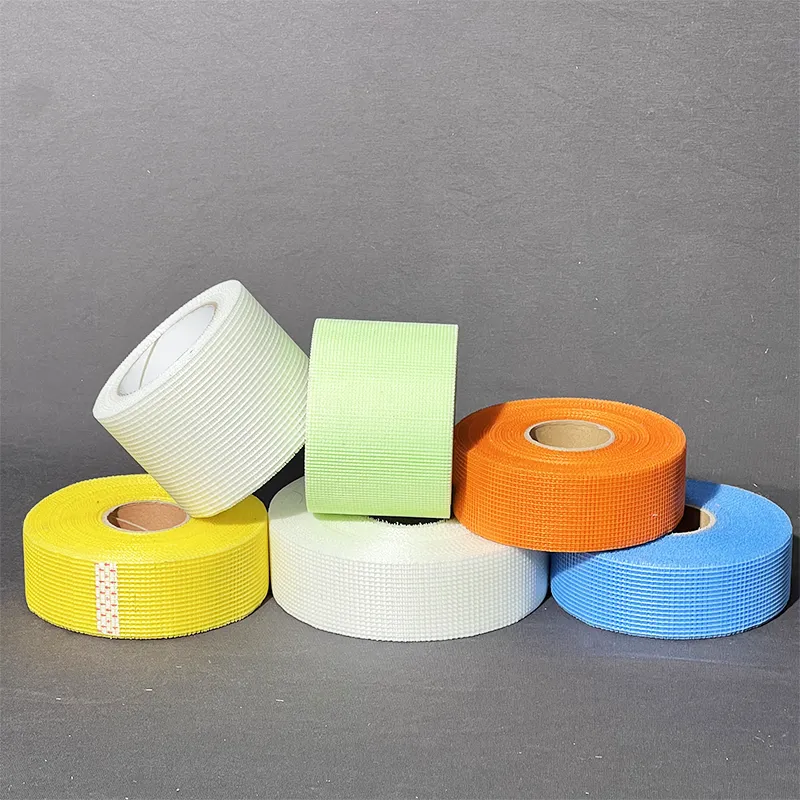
At its core, fiberglass mesh is a grid-like fabric made of woven fiberglass threads coated with PVC or other resins for extra durability. It strengthens wall surfaces by giving plaster a 'skeleton,' helping reduce cracks and elongate structural life.
Think of it as the plaster’s unsung buddy, absorbing tension and distributing forces that would otherwise cause ugly fractures or weaknesses. Its uses stretch from basic residential buildings to industrial facilities, even in humanitarian shelter projects where quick, reliable wall reinforcement matters.
What Makes Fiberglass Mesh So Valuable? Key Features Explained
Durability
Fiberglass mesh boasts amazing resistance to alkalis and moisture, which means it won’t easily degrade inside cement or plaster. Many engineers highlight its capacity to extend the life of plaster finishes by several years — sometimes decades.
Flexibility and Lightweight Design
Unlike metal reinforcements, fiberglass mesh remains lightweight, making handling easier on-site. Its flexibility adapts well to different wall shapes and substrates — a practical advantage if you’ve ever wrestled with rigid mesh panels.
Cost Efficiency
While initial investment might be slightly higher than some traditional alternatives, the long-term savings from reduced maintenance and fewer repairs almost always tip the balance in favor of fiberglass mesh. Plus, its easy installation cuts labor time.
Resistance to Corrosion and Rust
Traditional metal mesh can rust, especially in humid environments. Fiberglass mesh remains stable, preventing rust-related plaster failure—a serious boon for coastal or tropical construction.
Compatibility with Plaster Types
Whether working with cement-based, polymer-modified, or lime-based plaster, fiberglass mesh typically bonds well, providing plastering companies versatility across projects.
Global Applications: Where and How Fiberglass Mesh Is Making a Difference
Fiberglass mesh isn’t confined to fancy high-rises. It’s at work worldwide in:
- Post-disaster reconstruction: After earthquakes or floods, rapid rebuilding needs mesh that strengthens walls without rust risks or long wait times.
- Emerging markets: Countries in Asia, Africa, and Latin America increasingly demand cost-efficient, durable construction to improve housing quality and lifespan.
- Industrial construction: Petrochemical plants and factories use fiberglass mesh for its chemical resistance and adherence to harsh environment standards.
- Sustainable architecture: Green building codes favor materials that minimize waste and maximize longevity, making fiberglass mesh a popular choice.
For instance, a recent project in Indonesia used fiberglass mesh to reinforce affordable housing structures where humidity and weather quickly degrade walls.
Specifications at a Glance: Standard Fiberglass Mesh For Plastering
| Specification | Details |
|---|---|
| Mesh Size | 4x4 mm to 10x10 mm |
| Weight | 30 to 160 g/m² |
| Coating | PVC or Acrylic |
| Roll Width | 1 m to 2.5 m |
| Tensile Strength | > 1100 N/50 mm (warp) |
Comparing Top Fiberglass Mesh Vendors in the Market
| Vendor | Product Range | Price Range (per roll) | Delivery | Notes |
|---|---|---|---|---|
| Tainuo Fiberglass Mesh | 30-160 g/m², PVC coated | $15 - $28 | Worldwide, Quick Dispatch | Reliable and customizable |
| BuilderMesh Co. | 40-120 g/m², Acrylic coated | $12 - $25 | Regional (Asia focus) | Cost-effective but slower delivery |
| FibraStrong Ltd. | 50-160 g/m², PVC & Acrylic | $18 - $35 | Global | Premium quality, premium price |
Why Fiberglass Mesh Holds Long-Term Value for Plastering Companies
When you think long-term, fiberglass mesh ticks many boxes. It adds structural reliability that saves money on repairs or full re-plasters down the line. There’s a social angle too — safer buildings mean safer lives, especially in regions prone to natural disasters.
Emotionally, customers gain peace of mind knowing their homes or facilities are protected. Innovation-wise, plastering companies using fiberglass mesh signal professionalism and forward-thinking, setting themselves apart in competitive markets.
Emerging Trends and Innovations in Fiberglass Mesh Use
The industry is buzzing with developments: eco-friendly coatings reducing environmental footprints, automated mesh cutting for custom fits using AI, and integration with digital construction tools help plastering companies optimize material use.
Additionally, greener construction policies worldwide nudge producers to develop recyclable meshes and bio-based resin coatings. It’s a future where construction mesh is smarter and kinder to the planet.
Facing Challenges Head-On: Common Issues and Expert Solutions
Fiberglass mesh isn’t without quirks. Sometimes improper installation leads to bubbling or plaster detachment. UV exposure can degrade certain coatings if not specified properly. Also, cost can be a barrier — especially for small companies in developing regions.
Experts recommend strict training on installation, choosing appropriate mesh grades for climate, and cooperative purchasing groups to improve affordability and supply chain reliability.
FAQ: Your Top Questions Answered
Q1: What thickness of fiberglass mesh is best for exterior plastering?
A: Typically, meshes weighted between 100-160 g/m² with PVC coating are ideal for exterior use, offering strong resistance against weather and mechanical stress.
Q2: Can fiberglass mesh be used with both cement and lime plaster?
A: Yes, fiberglass mesh is compatible with various plaster types but always verify coating type and resin compatibility to ensure optimal bonding.
Q3: How does fiberglass mesh improve plaster durability?
A: It reinforces the plaster, distributing stress evenly across the surface and preventing crack formation caused by thermal expansion or structural movement.
Q4: Is fiberglass mesh eco-friendly?
A: While fiberglass production consumes energy, newer bio-based resins and recyclable mesh products are emerging, improving overall sustainability.
Q5: Can I order fiberglass mesh in custom sizes?
A: Many vendors, including fiberglass mesh for plastering company, offer customizable rolls and cut-to-length options for specific project needs.
Wrapping It Up: Why Fiberglass Mesh Matters More Than Ever
For plastering companies aiming to deliver stronger, longer-lasting finishes, fiberglass mesh is no passing trend — it’s becoming a fundamental material worldwide. Its adaptability, resilience, and growing sustainability credentials secure its place in future-ready construction.
Curious to explore quality products and expert solutions? Visit our site: https://www.tainuofiberglassmesh.com to learn more and connect with industry leaders.
-
Best Fiberglass Mesh Tape for RedGard Product Waterproofing GuideNewsApr.16,2026
-
Why High Strength Fiberglass Mesh Is Essential For Stucco ApplicationNewsApr.15,2026
-
Why Alkali Resistant Fiberglass Mesh Tape Is Essential For Cement Board And Tile InstallationsNewsApr.15,2026
-
Understanding The Role Of Drywall Fiberglass Mesh In Interior FinishingNewsApr.15,2026
-
Ultimate Guide To Using Fiberglass Mesh Tape For Drywall And Plaster RepairsNewsApr.15,2026
-
The Versatility Of Fiberglass Mesh In Marble And Stone MosaicNewsApr.15,2026