Dec . 01, 2025 20:25 Back to list
Fiberglass Mesh for Plastering Quotes – Global Insights and Specifications
Unlocking the Value of Fiberglass Mesh for Plastering Quotes
Fiberglass mesh for plastering quotes might sound like a niche corner of the construction industry, but it’s actually a vital component with widespread global implications. At its core, this material is a game-changer in how we build, repair, and maintain structures — both in booming cities and remote locations alike. Understanding its nuances can lead to better project estimates, smarter resource allocation, and ultimately safer, more durable buildings for millions.
Let’s dive into why this seemingly small detail matters so much, especially as the world’s population grows and infrastructure demands swell.
Why Fiberglass Mesh for Plastering Quotes Matter Globally
Consider this: The United Nations estimates that by 2050, over 68% of the world’s population will live in urban areas — a dramatic rise from 55% today (source: UN Habitat). With this surge comes a skyrocketing need for durable, efficient construction materials that can stand the test of time and climate change. Fiberglass mesh is now a preferred choice in reinforcing plaster and stucco because it strengthens walls against cracks and wear, reducing costly repairs and hazards.
Yet, accurately quoting fiberglass mesh for plastering projects can be challenging for contractors and suppliers alike. The right estimate helps avoid wastage, project delays, and budget overruns. Plus, it ensures that clients receive the strongest reinforcement solutions for their unique building needs.
So, What Exactly Is Fiberglass Mesh for Plastering Quotes?
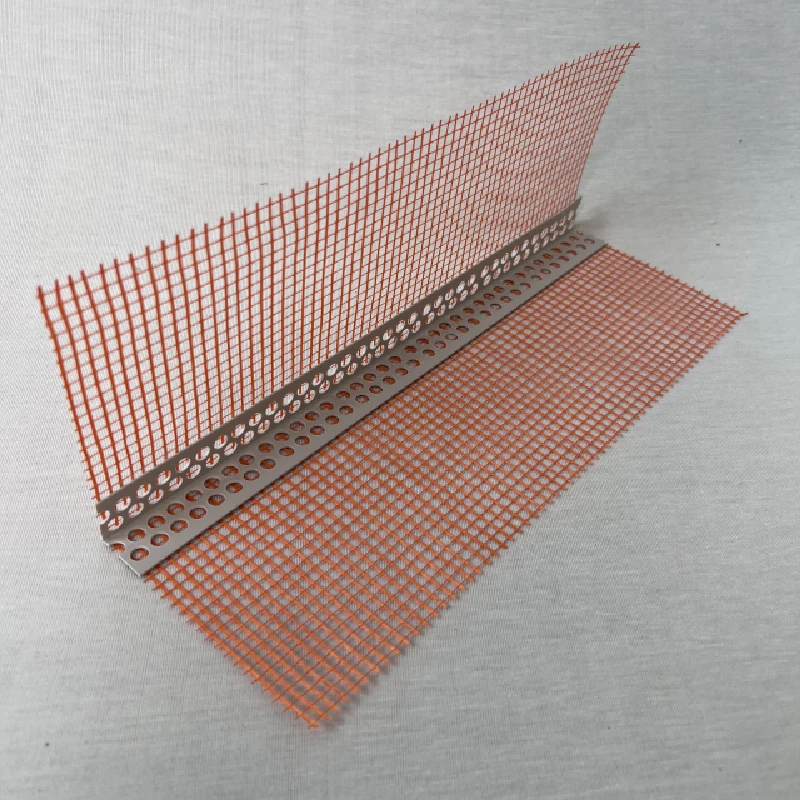
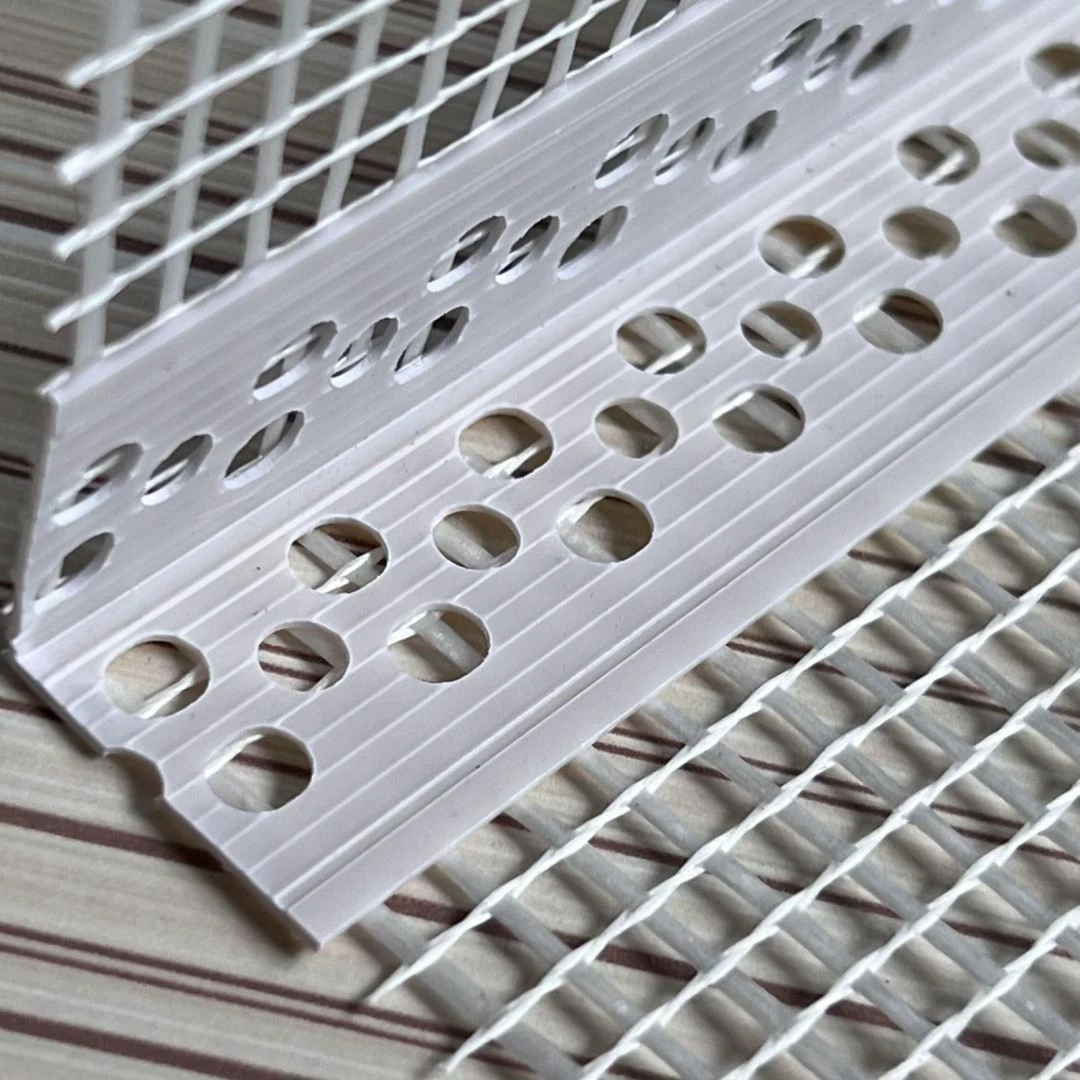
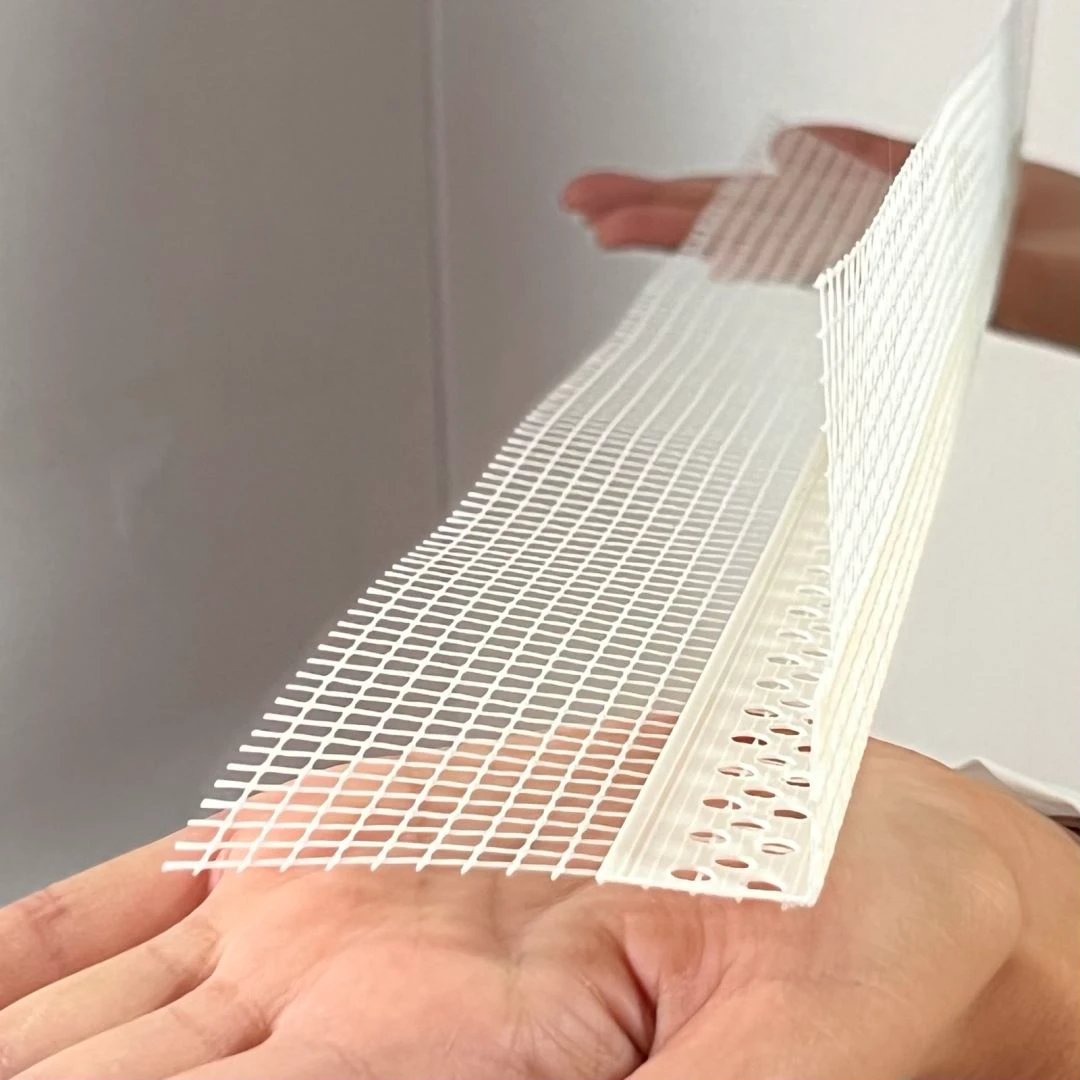
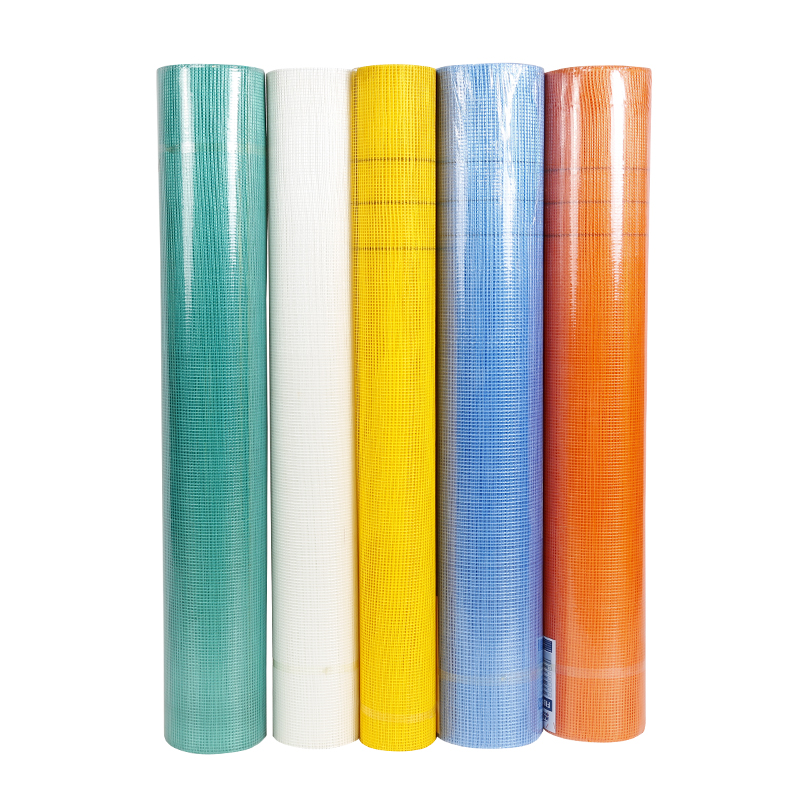
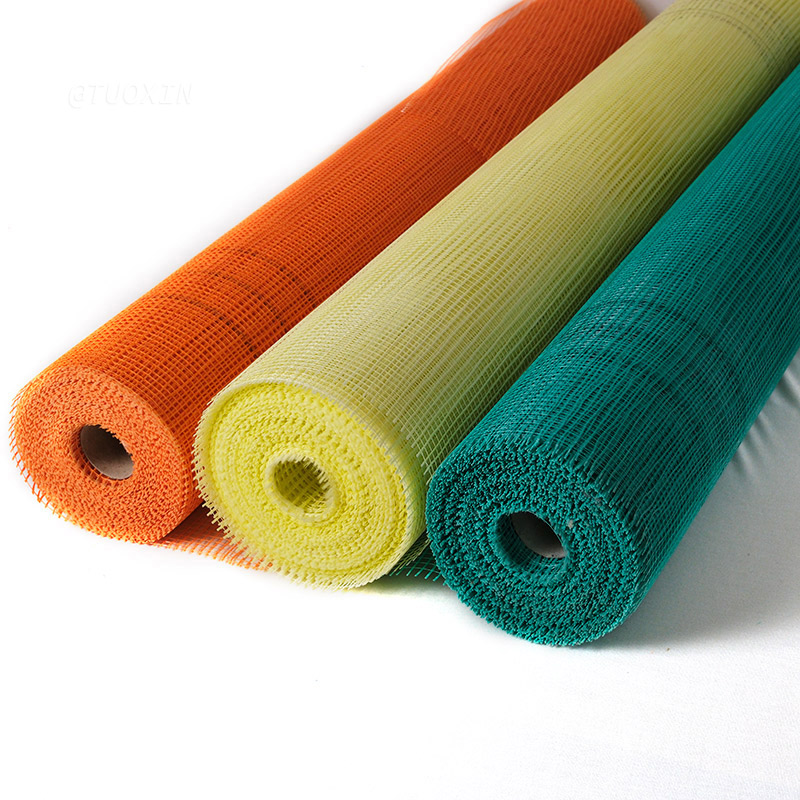
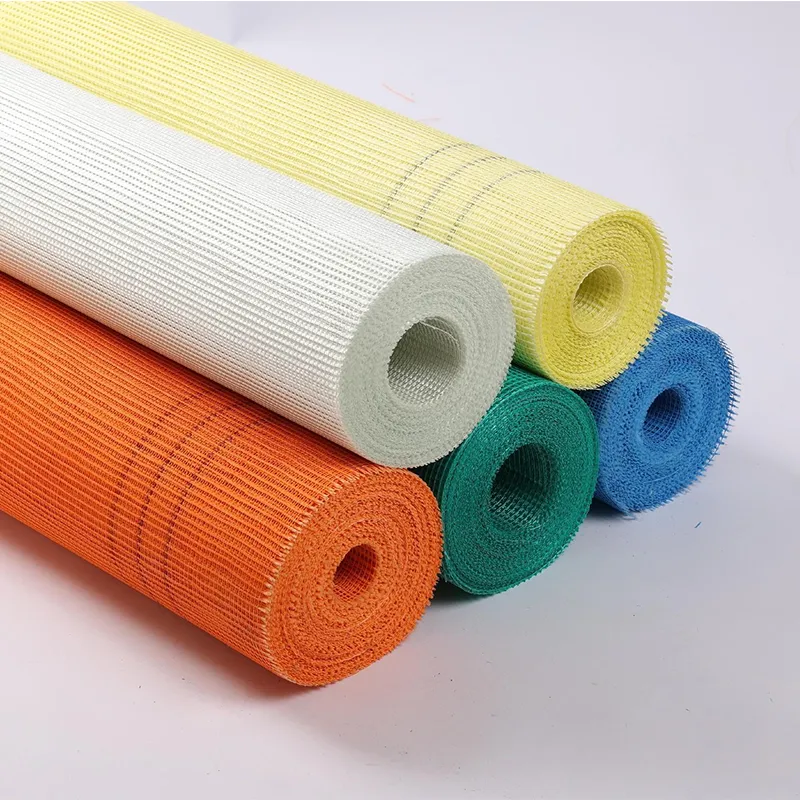
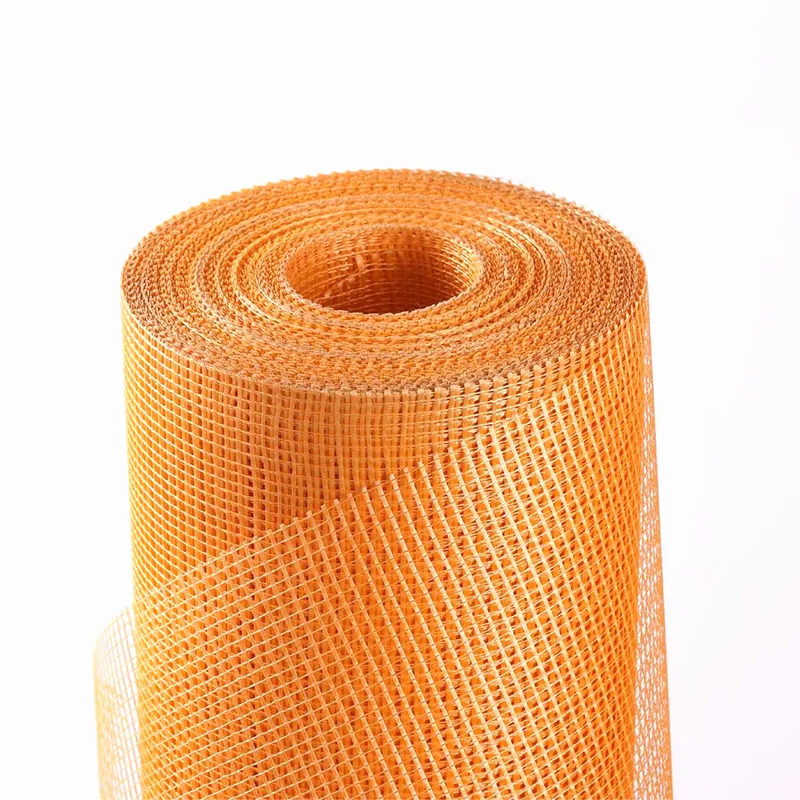
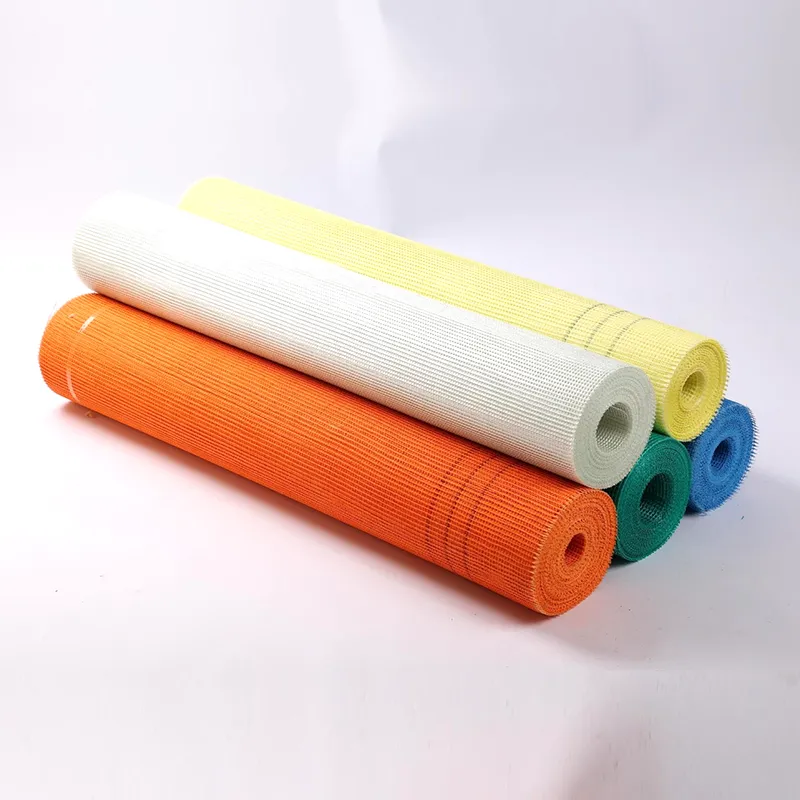
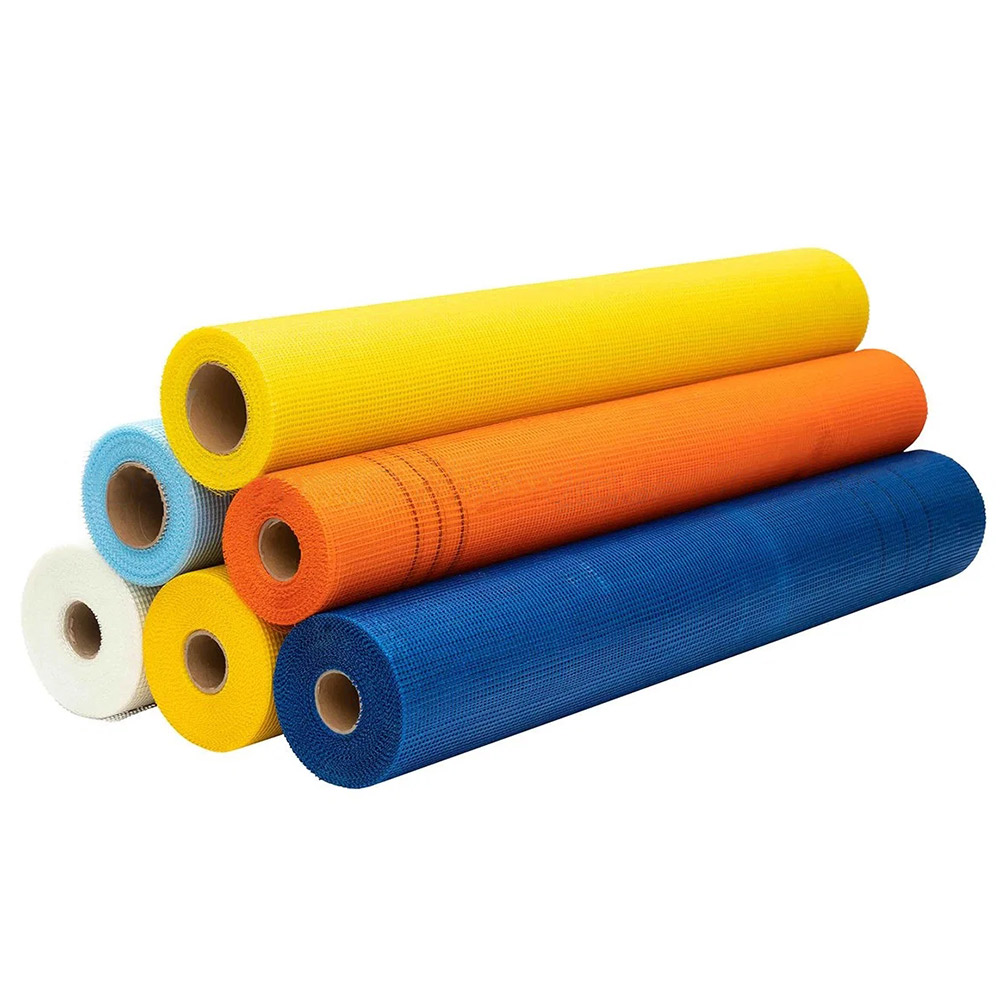
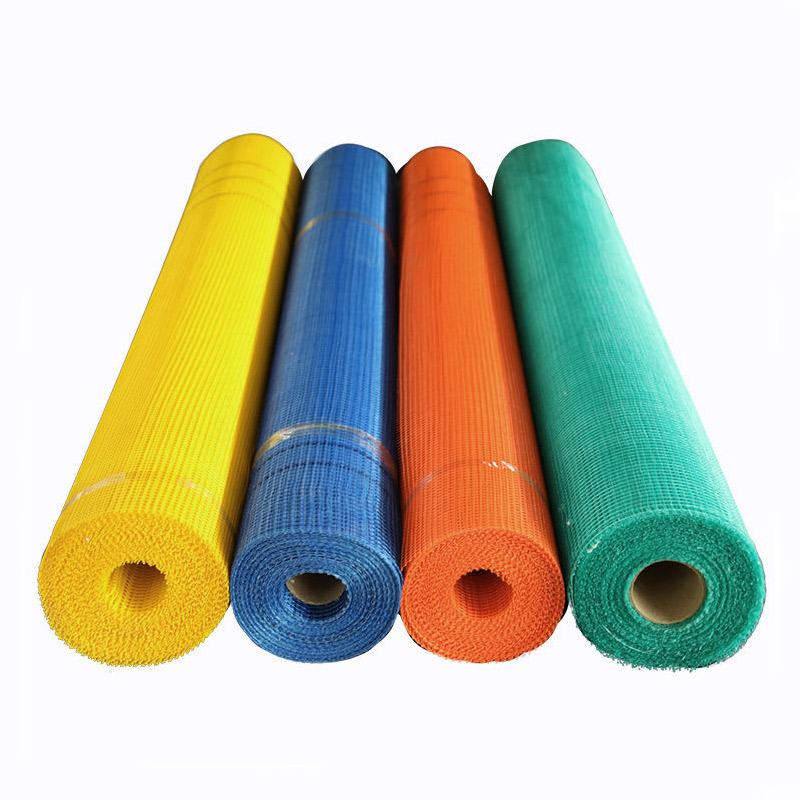
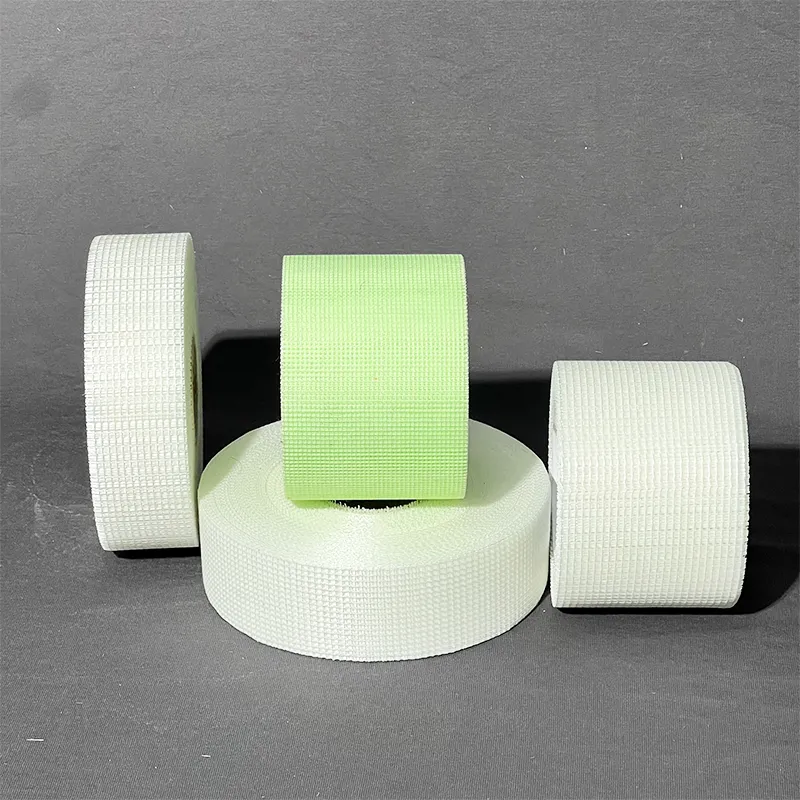
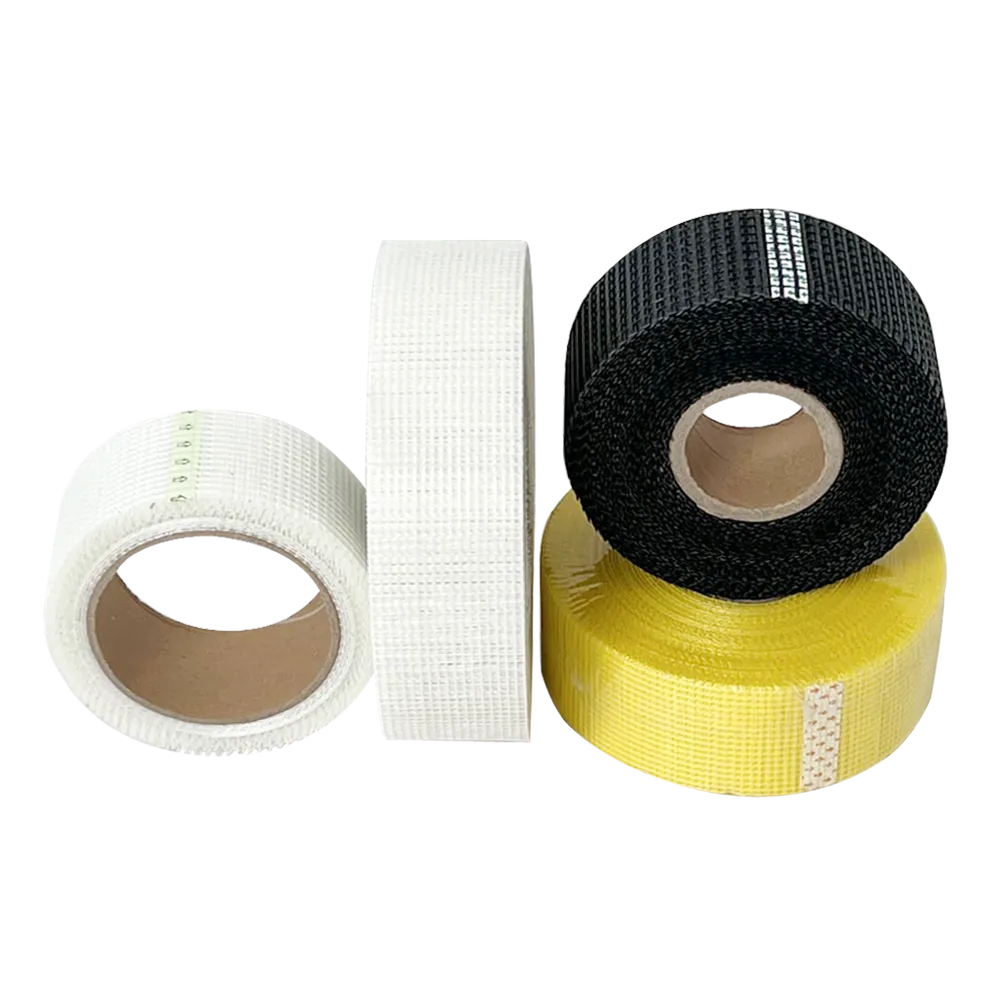
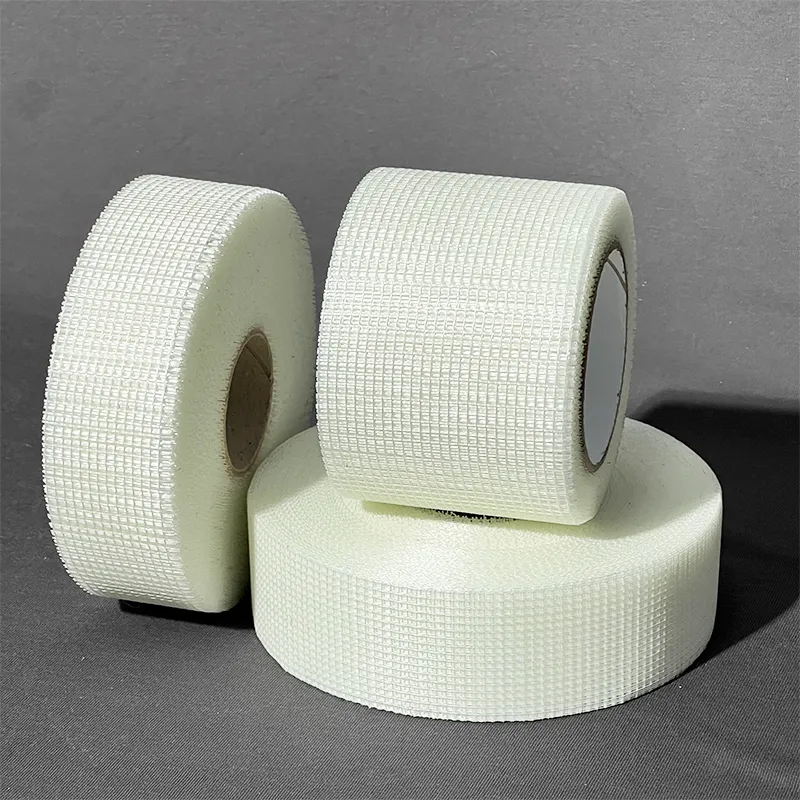
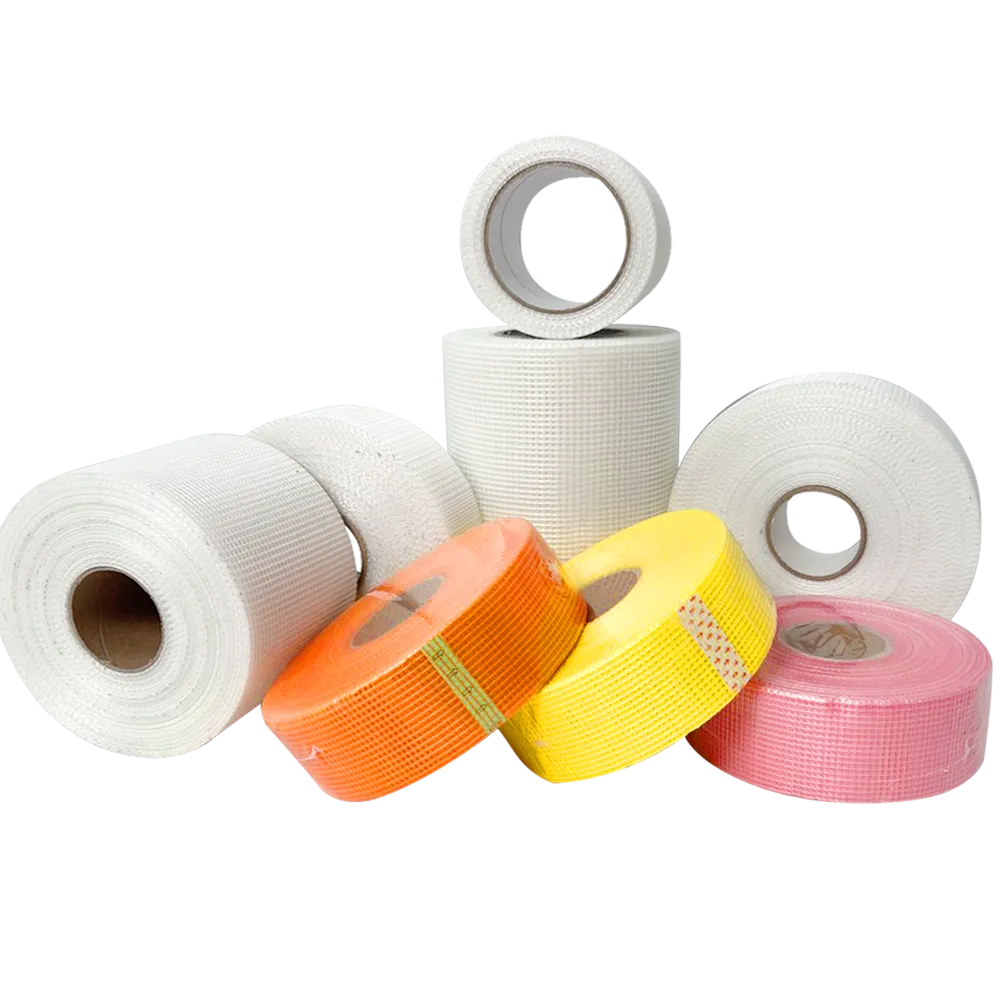
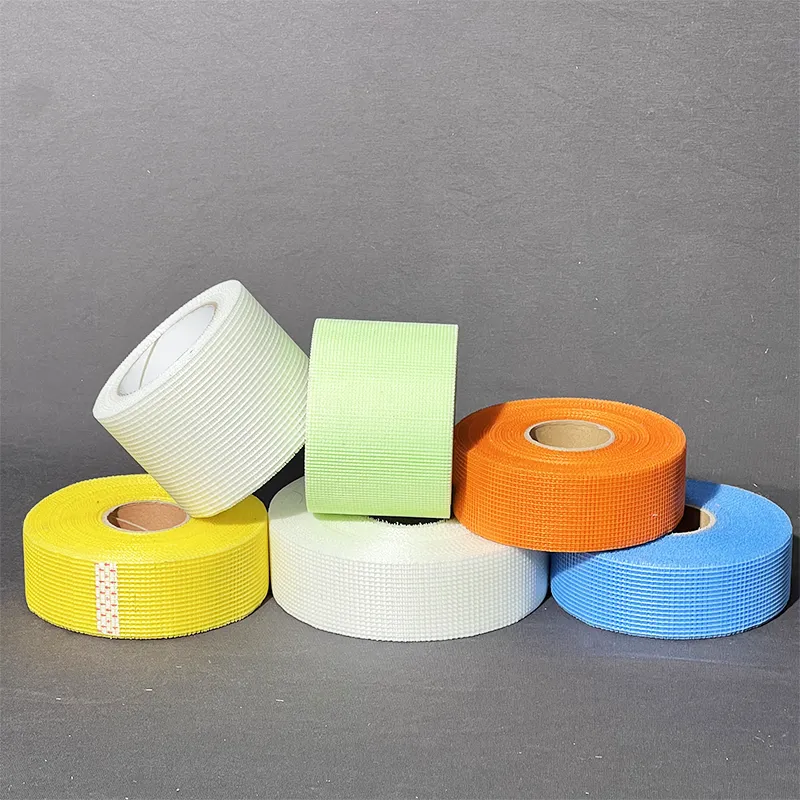
Simply put, fiberglass mesh is a woven fabric made out of fine glass fibers. It’s designed to provide a supportive layer beneath plaster or stucco finishes on walls and ceilings. The mesh distributes stress evenly, prevents cracks, and increases the structure’s overall strength. When we talk about fiberglass mesh for plastering quotes, we’re referring to the process of estimating how much mesh is needed, at what grade and specification, for a particular project.
Interestingly, this product also connects to larger humanitarian needs. For instance, in rebuilding efforts after natural disasters or in shelters for displaced populations, companies rely on fiberglass mesh to speed up plaster applications while ensuring lasting walls.
Key Factors Influencing Fiberglass Mesh for Plastering Quotes
1. Mesh Weight and Density
Fiberglass mesh comes in various weights, typically measured in grams per square meter (gsm). Heavier mesh offers greater reinforcement but costs more. Knowing the right balance is crucial for a precise quote.
2. Mesh Size and Aperture
The size of the weave or aperture affects plaster adhesion and flexibility. For instance, a denser mesh is optimal for exterior walls facing harsher weather.
3. Roll Dimensions
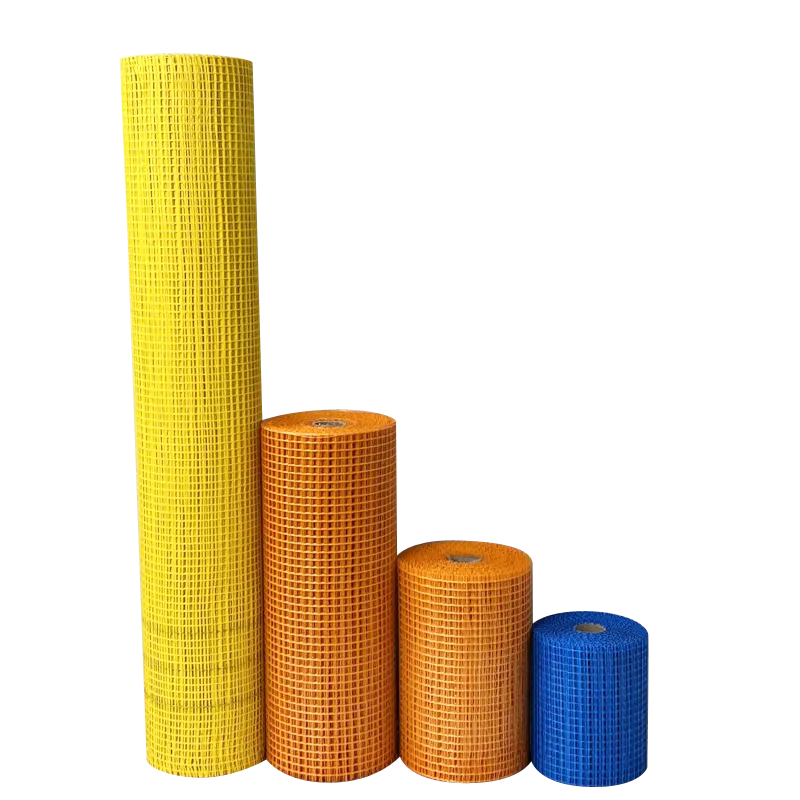
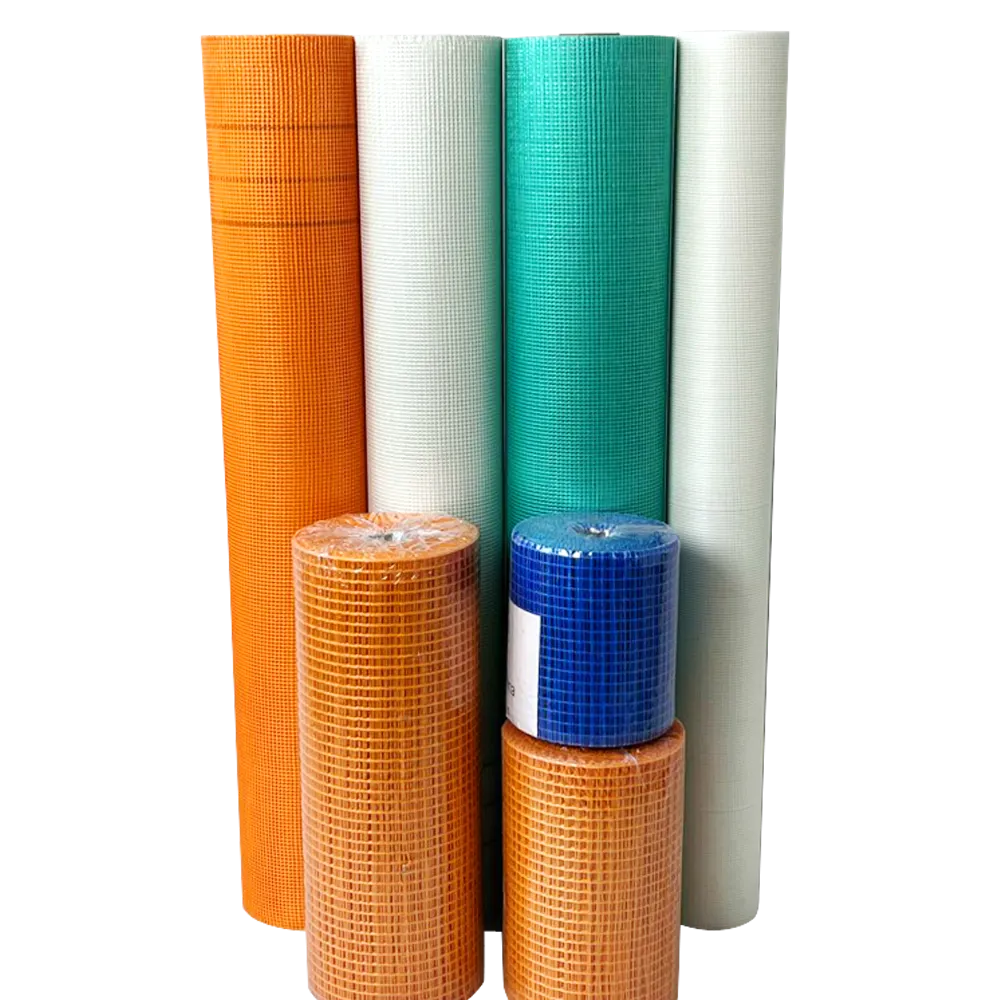
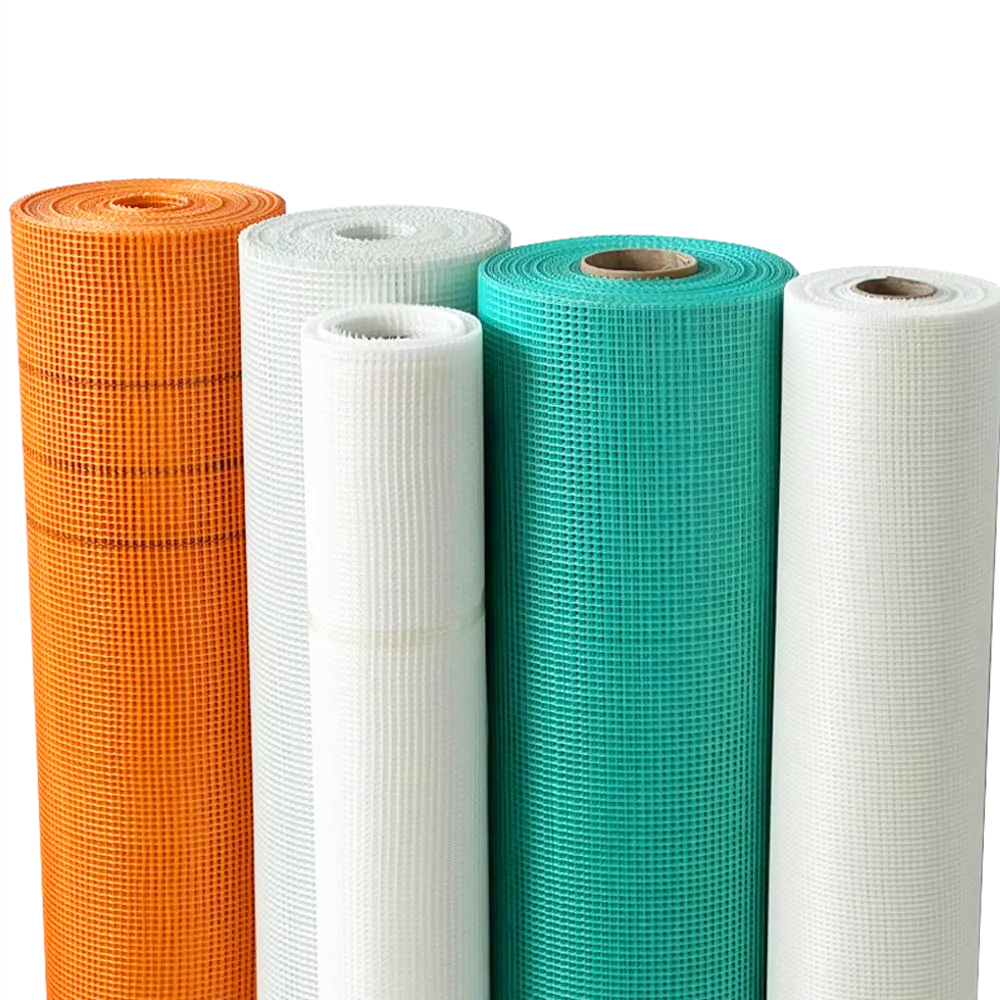
Length and width of mesh rolls vary between suppliers, impacting how much material you’ll need per square meter of plastering.
4. Alkali Resistance
Because plastering involves cement, which is alkaline, the mesh must resist chemical degradation. This spec matters when quoting for different environments.
5. Project Scale and Complexity
Large or architecturally complex façades demand customized quotes that factor extra labor or waste.
6. Delivery and Lead Times
Shipping logistics and supply chain factors often sneak into pricing — especially for remote or urgent projects.
Specifications of a Typical Fiberglass Mesh Roll
| Property | Specification | Units |
|---|---|---|
| Mesh Weight | 160 | gsm |
| Roll Width | 1 | meters |
| Roll Length | 50 | meters |
| Mesh Opening Size | 4 x 4 | mm |
| Alkali Resistance | >90% | Retention Rate |
Global Applications & Real-World Use Cases
Fiberglass mesh for plastering quotes isn’t limited to fancy architectural projects or urban developments. Oddly enough, it’s seen heavy use in humanitarian rebuilding. After the 2015 Nepal earthquake, for example, nonprofits used fiberglass mesh to speed up reinforcing plaster in shelters, reducing vulnerability to aftershocks.
In industrial regions—especially in parts of the Middle East and Africa—where extreme heat and sandstorms batter buildings, reinforced plastering with fiberglass mesh extends wall life, lowers maintenance costs, and improves comfort.
And in residential construction across Europe and North America, it’s become a go-to material to meet increasingly strict energy efficiency and building codes as per ISO 10592 standards.
Plus, many contractors now link their estimates and purchases to reliable online suppliers — you can find fiberglass mesh for plastering quotes in minutes, tailored to your project size.
Vendor Comparison: Fiberglass Mesh Suppliers at a Glance
| Supplier | Price per Roll (Approx.) | Lead Time | Alkali Resistance | Delivery Regions |
|---|---|---|---|---|
| Tainuo | $25 - $30 | 1-2 weeks | >90% | Global |
| MeshPro | $28 - $35 | 2-3 weeks | ~85% | Americas, Europe |
| BuildTech Fiberglass | $22 - $27 | 3-4 weeks | 90% | Asia, Australia |
Advantages and Long-Term Value
What’s truly compelling about fiberglass mesh is how it ticks so many boxes simultaneously:
- Cost Efficiency: Using fiberglass mesh reduces plaster cracking, which means fewer repairs over time and lower maintenance bills.
- Sustainability: Many brands now produce meshes with environmentally friendly fibers and coatings, meeting ISO environmental guidelines.
- Reliability: Enhanced resistance to alkali and weathering means buildings last longer, even in harsh climates.
- Safety & Dignity: Especially in humanitarian contexts, better reinforced walls provide peace of mind and resilience in precarious living conditions.
- Innovation: The dramatic improvement in adhesive compatibility has allowed plastering techniques to evolve rapidly over the last decade.
In real terms, contractors who understand fiberglass mesh for plastering quotes report fewer project overruns and happier clients — a win-win in a fast-paced market.
What’s Next? Future Trends & Innovations
Technology keeps pushing fiberglass mesh to new frontiers. We’re seeing:
- Eco-Fibers: Some manufacturers are experimenting with bio-based fiberglass composites that reduce carbon footprints.
- Smart Meshes: Embedded sensors to monitor wall health over time — a bit like fitbits but for buildings.
- Digital Quoting Platforms: AI-powered tools are streamlining how meshes are specified and ordered, helping avoid human errors.
- Automation: Robots applying fiberglass mesh in large-scale plastering projects are on the horizon.
These trends matter because the construction industry is one of the largest global carbon emitters. Materials like fiberglass mesh, when sustainably sourced and applied smartly, could lower environmental impact drastically.
Overcoming Challenges in Fiberglass Mesh Estimation
Despite all the advantages, quoting fiberglass mesh accurately isn’t without hurdles. Common issues include:
- Inconsistent Mesh Quality: Variance between suppliers can cause surprises.
- Wastage: Without precise measurement, excess material adds cost and waste.
- Latency in Supply Chain: Delays in delivery can stall entire plastering timelines.
Thankfully, many companies now use centralized databases and detailed project models to generate exact quantities. Some integrate directly with suppliers like fiberglass mesh for plastering quotes providers to get near real-time pricing and availability.
FAQ: Your Top Questions About Fiberglass Mesh for Plastering Quotes
Q1: How do I calculate how much fiberglass mesh I need for my plastering project?
A1: Generally, you measure the total surface area to be plastered and multiply by a factor accounting for overlaps and waste (typically 1.1 to 1.2). Then, check the roll dimensions to estimate how many rolls to order. Remember to confirm with your supplier — they often provide handy calculators or consultative support.
Q2: Is fiberglass mesh reusable if I only use part of a roll?
A2: While you can store unused mesh carefully, it’s best used soon after opening. Exposure to moisture and dirt can degrade its properties over time, impacting plaster adhesion.
Q3: What’s the difference between alkali-resistant and standard fiberglass mesh?
A3: Alkali-resistant mesh has a coating that prevents degradation when in contact with cement, which is naturally alkaline. Standard mesh will weaken and break down, so always use alkali-resistant types for plastering.
Q4: Can I get customized fiberglass mesh for unique construction projects?
A4: Absolutely. Many suppliers offer tailored mesh weights, roll sizes, and properties depending on your project needs. Custom quotes are available if you contact vendors directly, including fiberglass mesh for plastering quotes.
Q5: How can NGOs import fiberglass mesh quickly for emergency use?
A5: NGOs should work with suppliers familiar with relief operations, who can provide fast shipping and flexible order sizes. Many vendors maintain stockpiles and prioritize humanitarian shipments to disaster zones.
Wrapping It Up: Why Your Next Project Needs a Smart Fiberglass Mesh Quote
Fiberglass mesh for plastering quotes isn’t just a line item on your budget sheet — it’s a strategic tool that shapes the durability, safety, and cost-effectiveness of the structures we build. By understanding material specs, global applications, and the latest trends, contractors and organizations can confidently plan for success.
Got a project coming up? Don’t guess — get tailored quotes that save time and money. Visit fiberglass mesh for plastering quotes today and step into a smarter way to build.
References
-
Best Fiberglass Mesh Tape for RedGard Product Waterproofing GuideNewsApr.16,2026
-
Why High Strength Fiberglass Mesh Is Essential For Stucco ApplicationNewsApr.15,2026
-
Why Alkali Resistant Fiberglass Mesh Tape Is Essential For Cement Board And Tile InstallationsNewsApr.15,2026
-
Understanding The Role Of Drywall Fiberglass Mesh In Interior FinishingNewsApr.15,2026
-
Ultimate Guide To Using Fiberglass Mesh Tape For Drywall And Plaster RepairsNewsApr.15,2026
-
The Versatility Of Fiberglass Mesh In Marble And Stone MosaicNewsApr.15,2026