Nov . 30, 2025 14:30 Back to list
Reliable Fiberglass Sticky Mesh Supplier for Durable Construction Solutions
The Unseen Backbone of Modern Construction: Fiberglass Sticky Mesh Suppliers
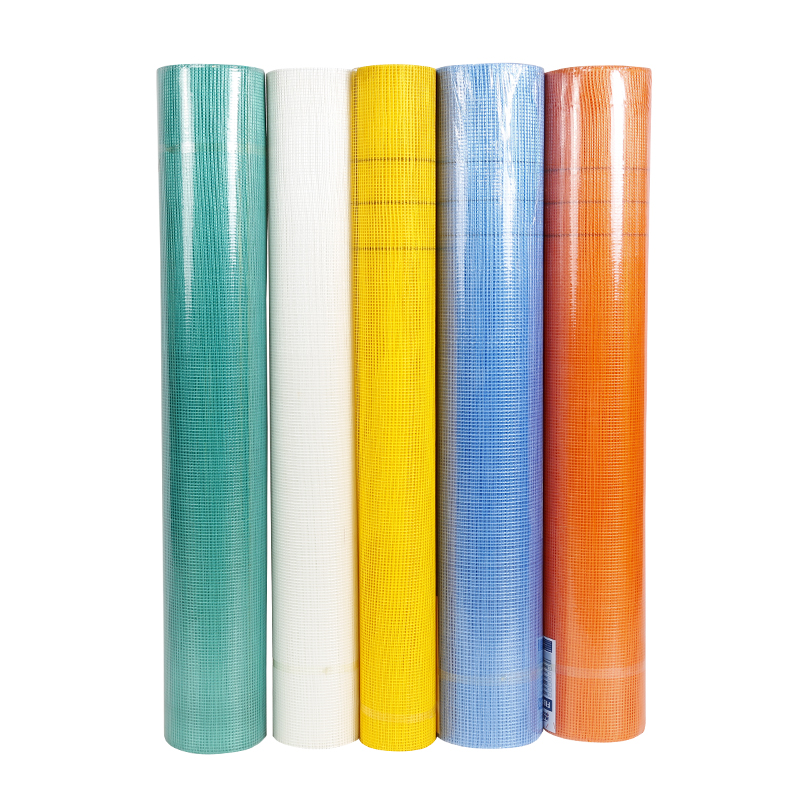
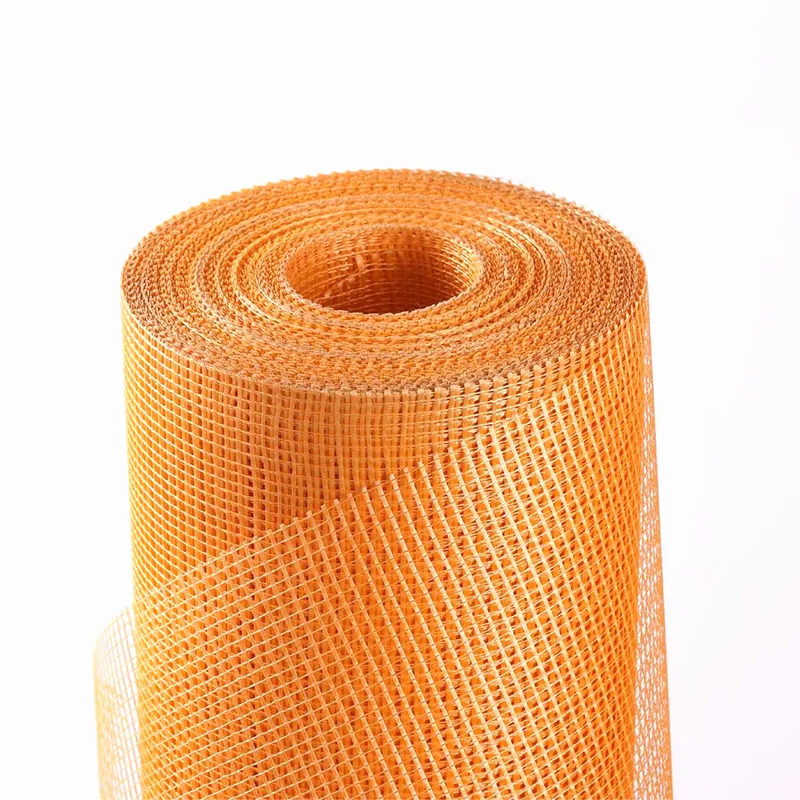
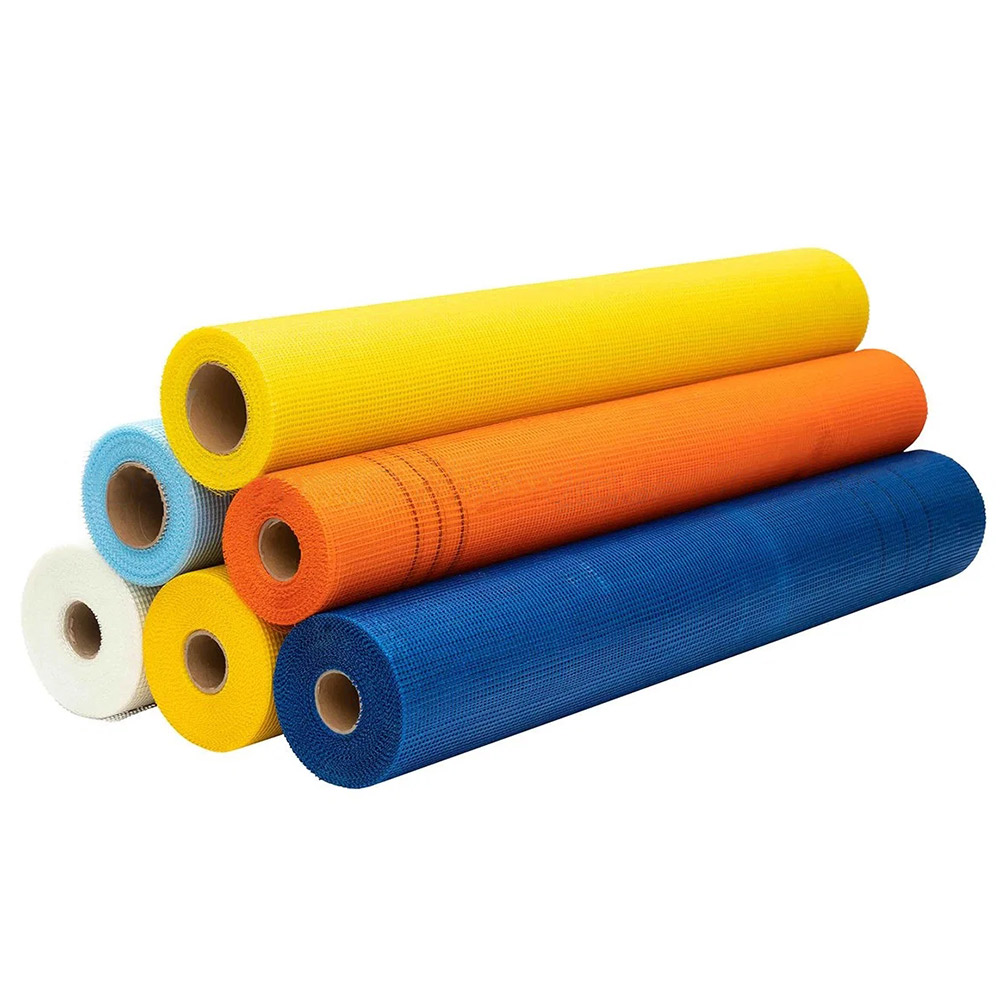
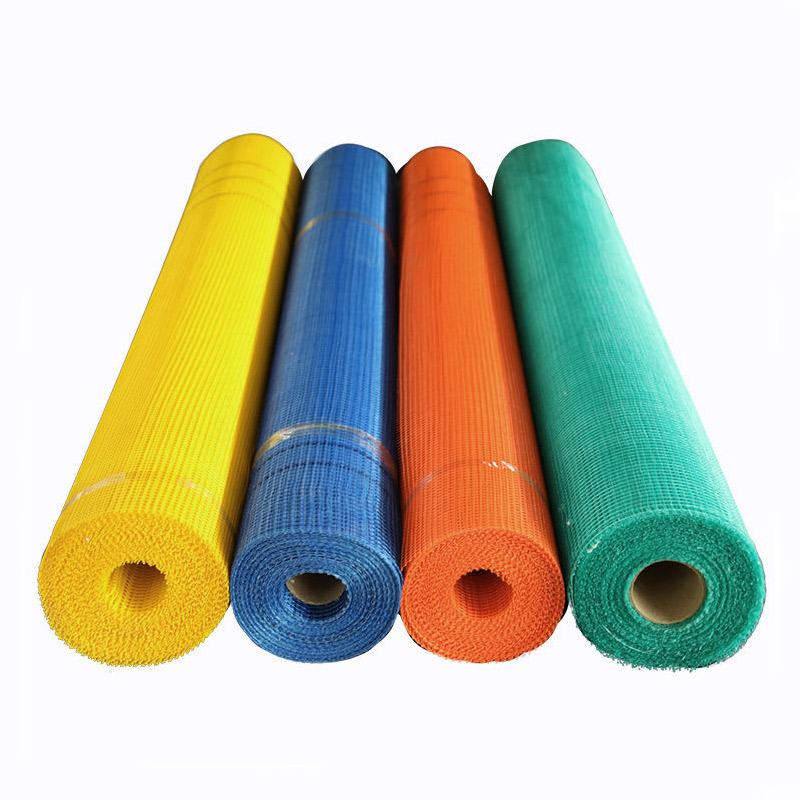
In today's fast-evolving construction and infrastructure landscape, a humble yet critical material silently supports countless projects worldwide — the fiberglass sticky mesh. Now, you might wonder why talking about a seemingly simple mesh matters at all. Yet, this product is pivotal in reinforcing surfaces, enhancing durability, and ultimately improving the safety and longevity of structures. For those who engage with sustainable building, disaster relief, or even industrial maintenance, understanding the role of a reliable fiberglass sticky mesh supplier can transform how you approach projects and procurement.
Worldwide Relevance: Why Fiberglass Sticky Mesh Matters
Global construction output has soared, with the World Bank reporting a consistent 3-4% growth annually. As urbanization accelerates, particularly in developing countries, building materials that balance cost efficiency with durability become crucial. Fiberglass sticky mesh fits this niche perfectly, addressing challenges like structural cracking, mold prevention, and the need for lightweight yet robust reinforcement materials.
Oddly enough, the fiberglass mesh’s simplicity belies its critical role across sectors. From reinforcing homes in typhoon-prone Southeast Asia to stabilizing infrastructure in earthquake zones of California, it’s a quiet hero. Meanwhile, organizations as diverse as the UN Habitat program and major construction firms rely on dependable mesh supplies to maintain quality standards. Yet, sourcing can be tricky: how do you find a supplier who balances quality, price, and sustainable practices?
Mini Takeaway: Fiberglass sticky mesh is more than a "building aid" — it's a global staple in reinforcing modern infrastructure that demands durability and resilience.
What Exactly Is a Fiberglass Sticky Mesh Supplier?
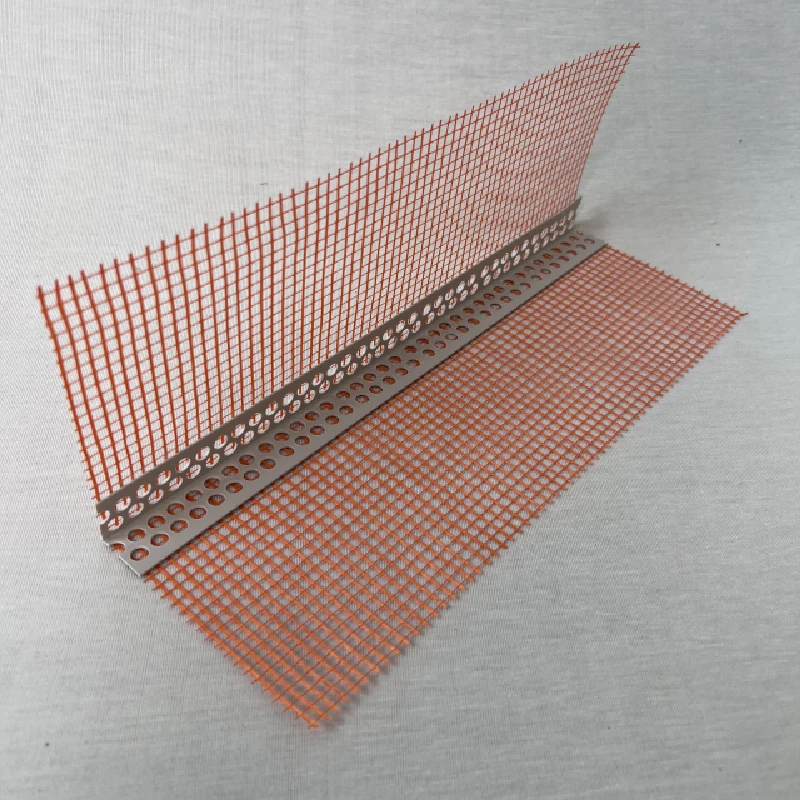
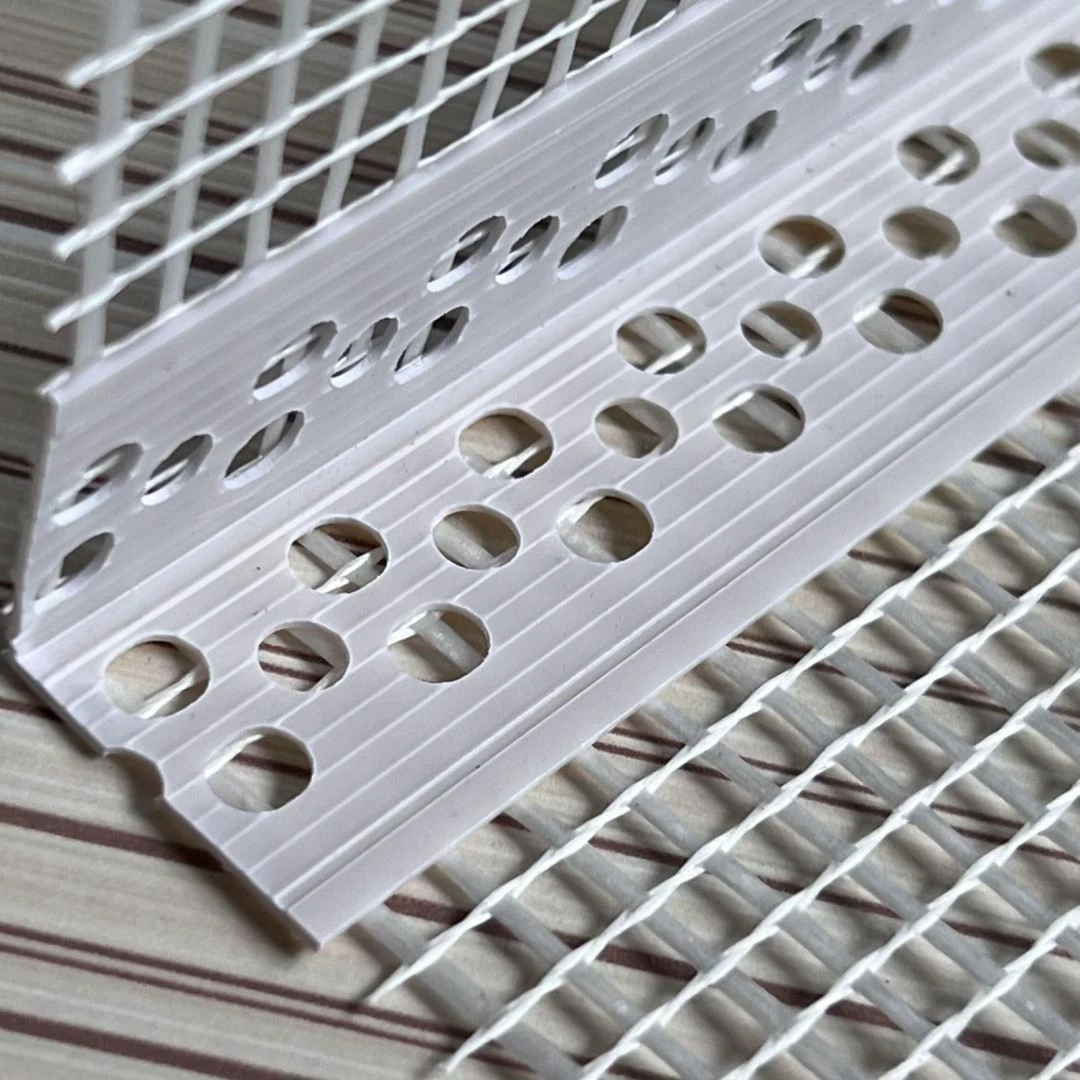
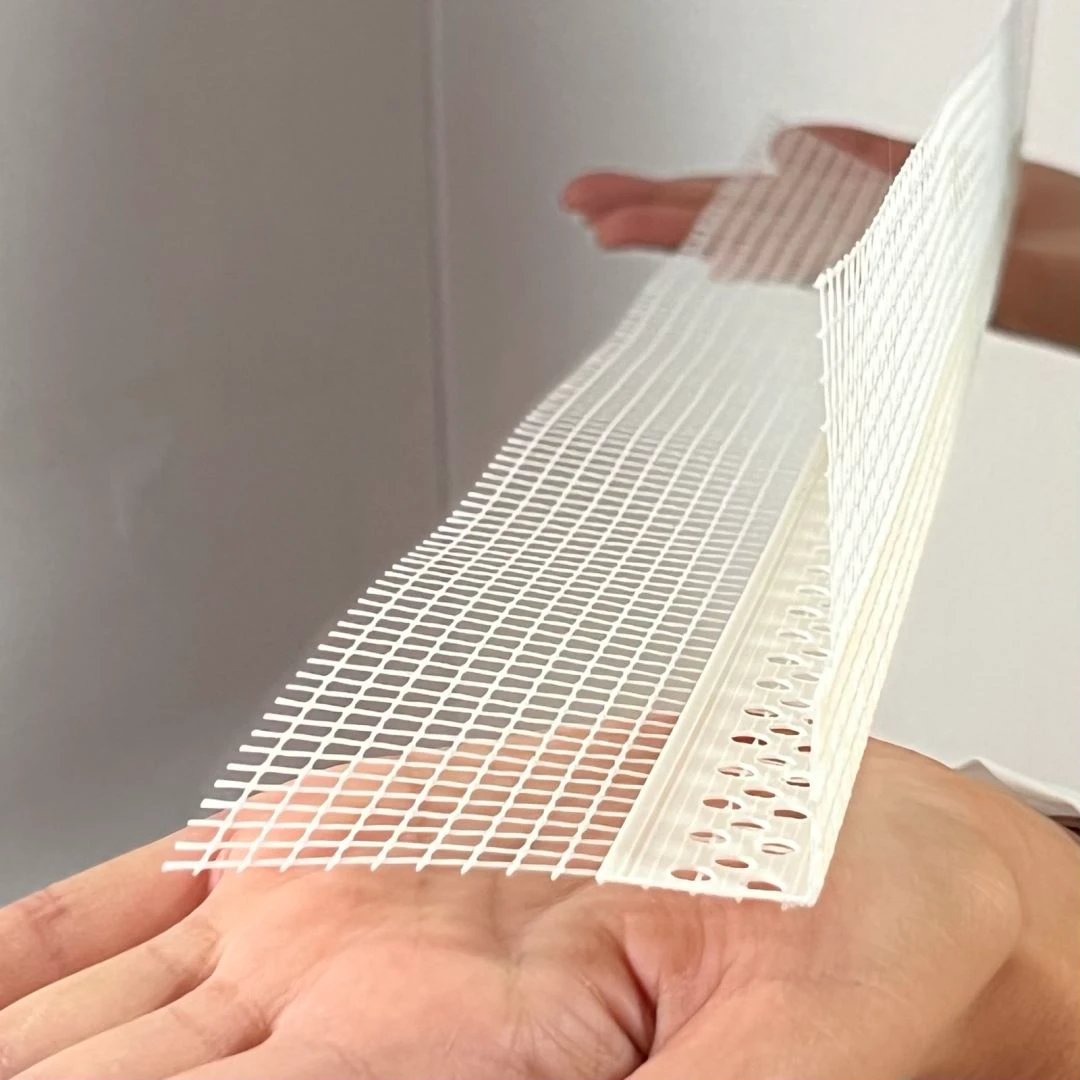
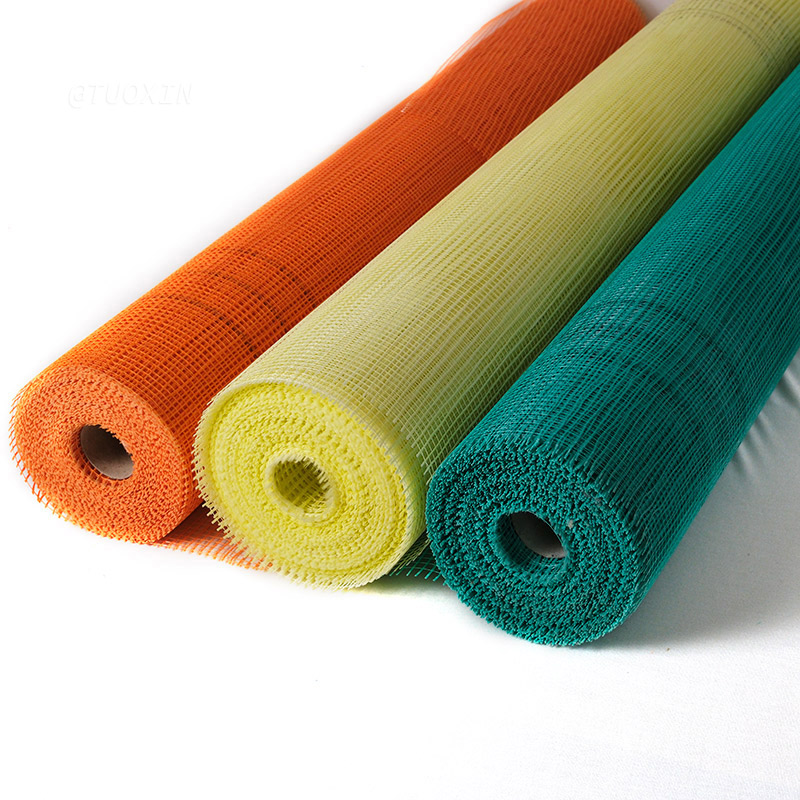
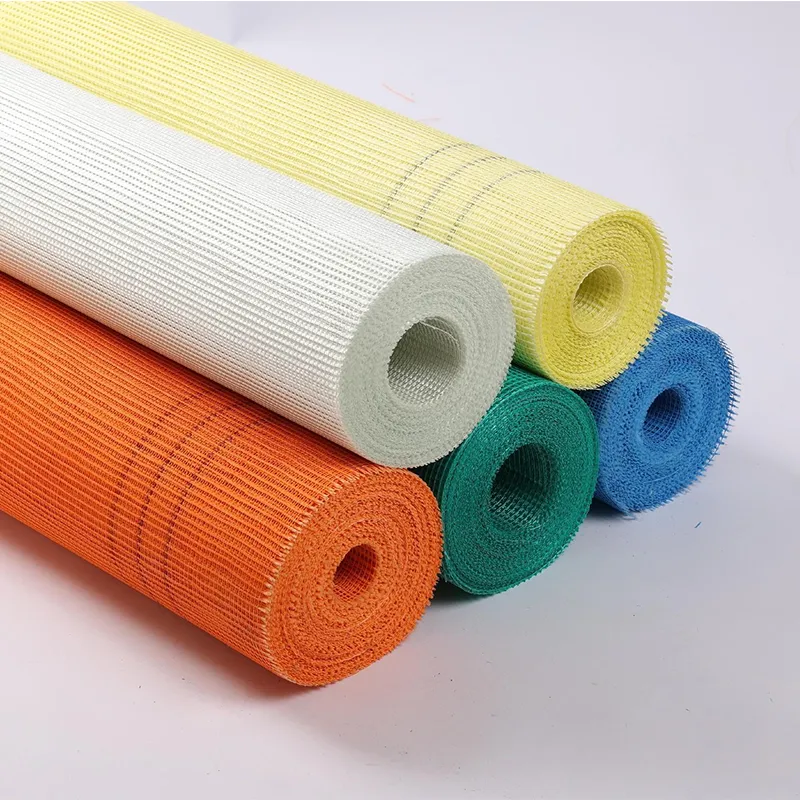
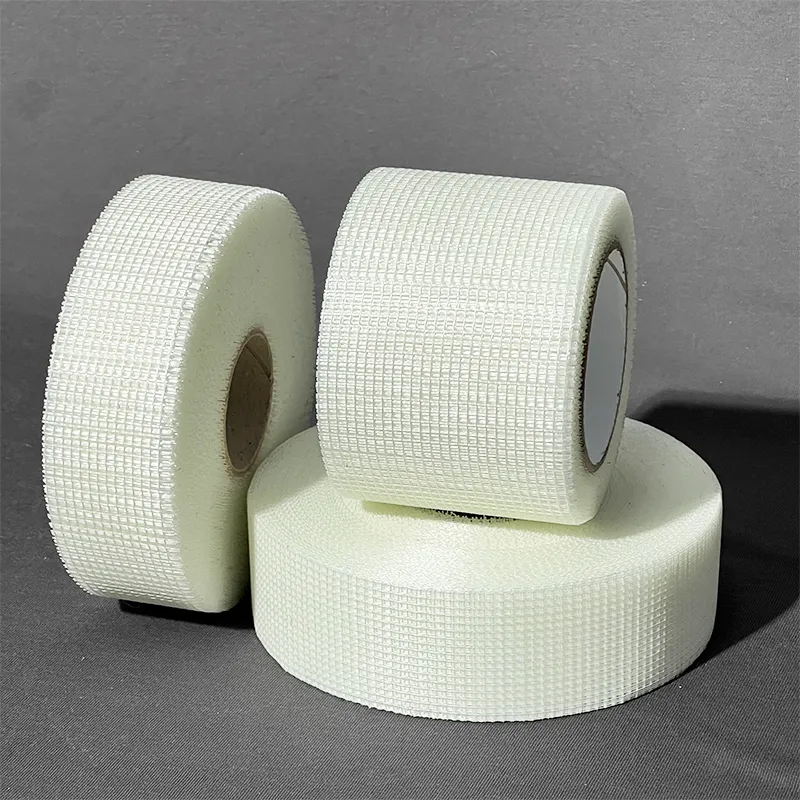
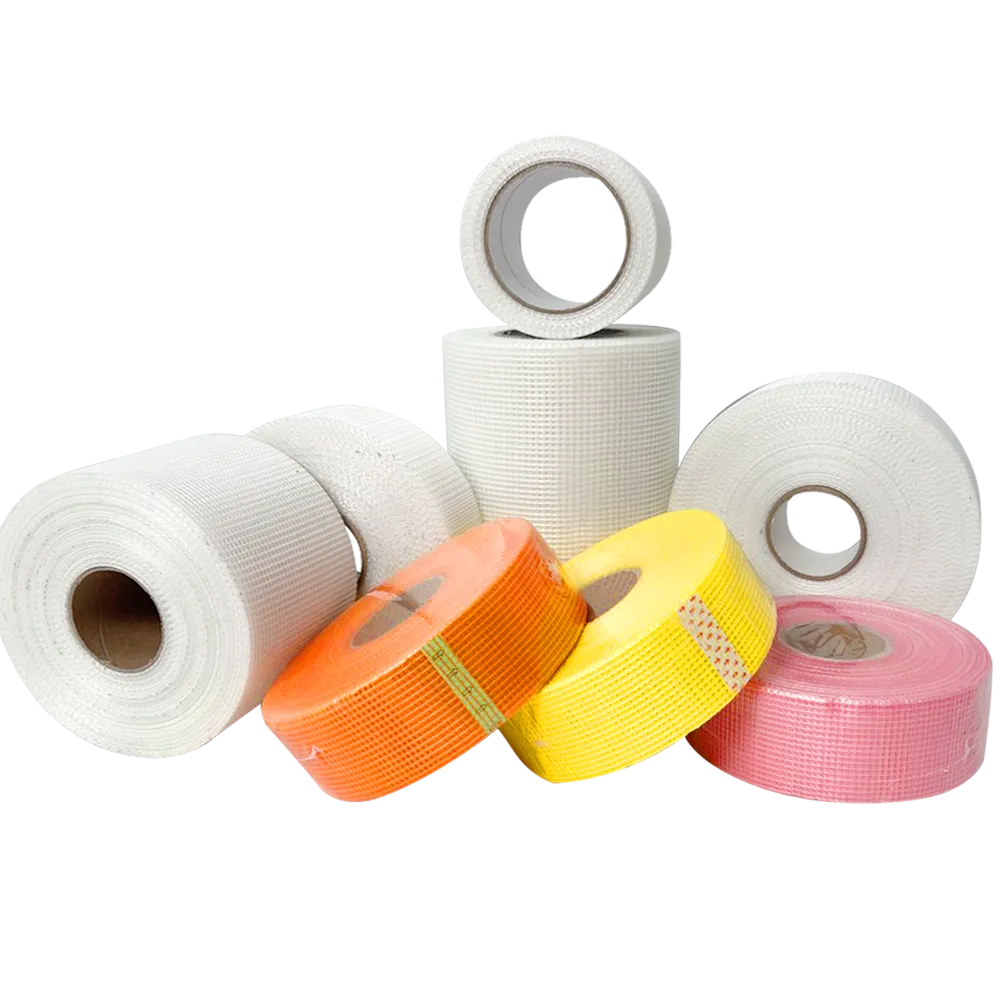
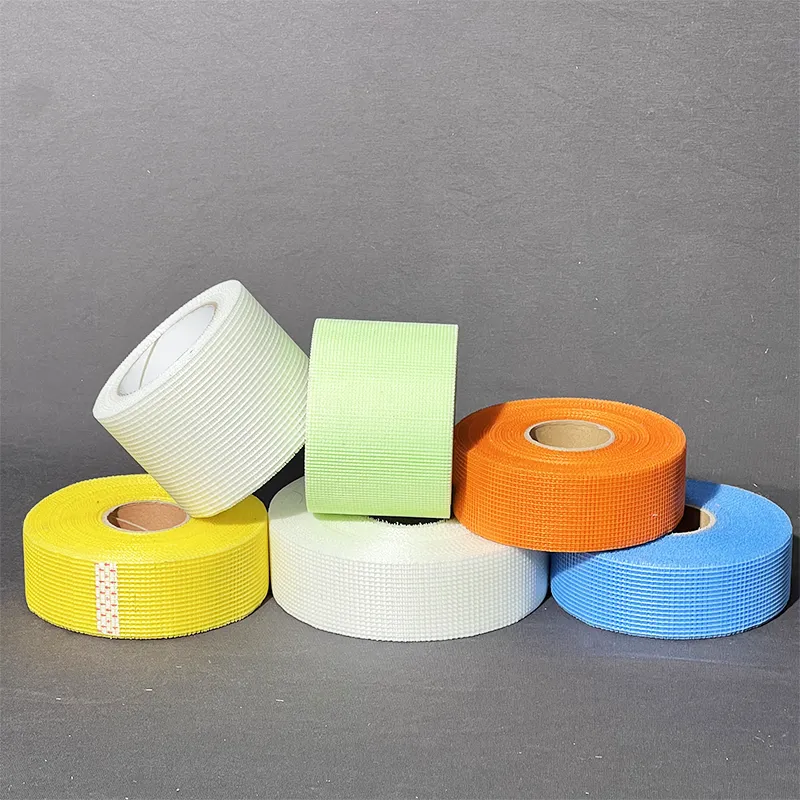
Put simply, a fiberglass sticky mesh supplier is a company or entity that manufactures and distributes fiberglass mesh products coated with an adhesive layer, meant to simplify application and improve bonding to surfaces. These sticky meshes are used primarily in construction, industrial repair, and even emergency shelter production.
The term sticky refers to the self-adhesive coating which helps the mesh cling instantly to walls, ceilings, or other surfaces without additional glue — a game changer for speed and convenience. In humanitarian contexts, for example, rapid deployment of shelters or protective coatings can make the difference between safety and vulnerability.
Core Attributes of Fiberglass Sticky Mesh Suppliers
Durability & Strength
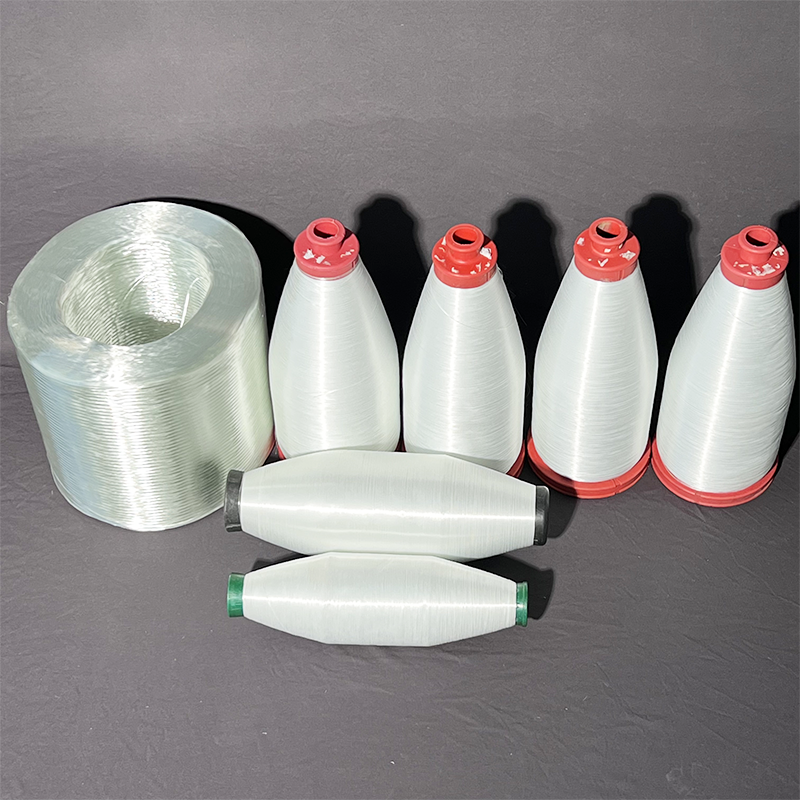
Fiberglass inherently offers high tensile strength and resistance to corrosion and moisture. Leading suppliers offer products tested to withstand harsh environments, essential for both humid coastal regions and dry, dusty deserts.
Adhesive Quality
The sticky coating varies in tackiness and resistance to environmental degradation. A great supplier crafts meshes that maintain adhesion over time, preventing peeling or detachment — an important factor especially in industrial applications.
Customization & Variety
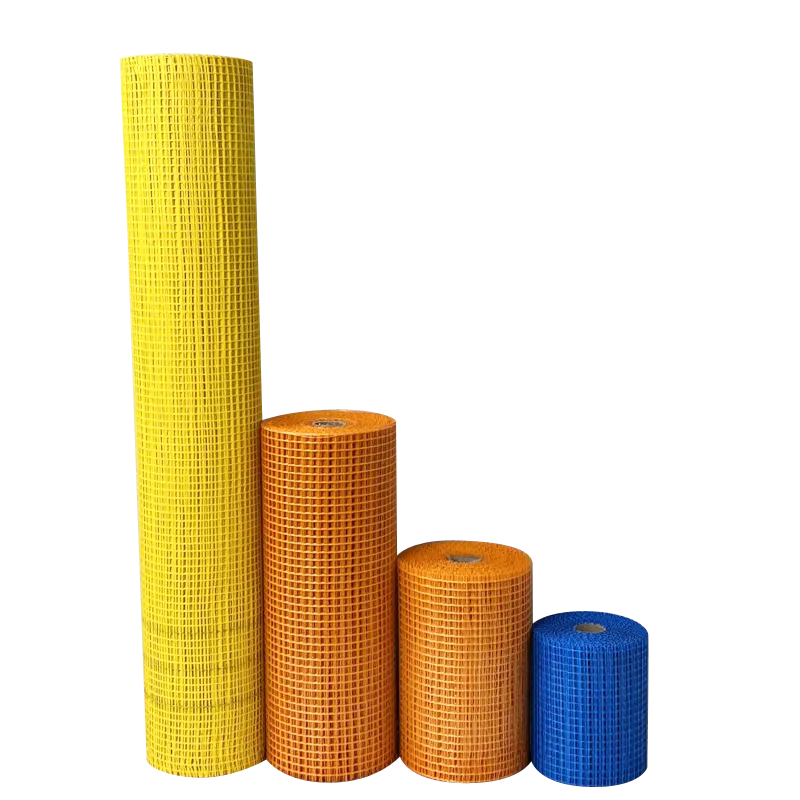
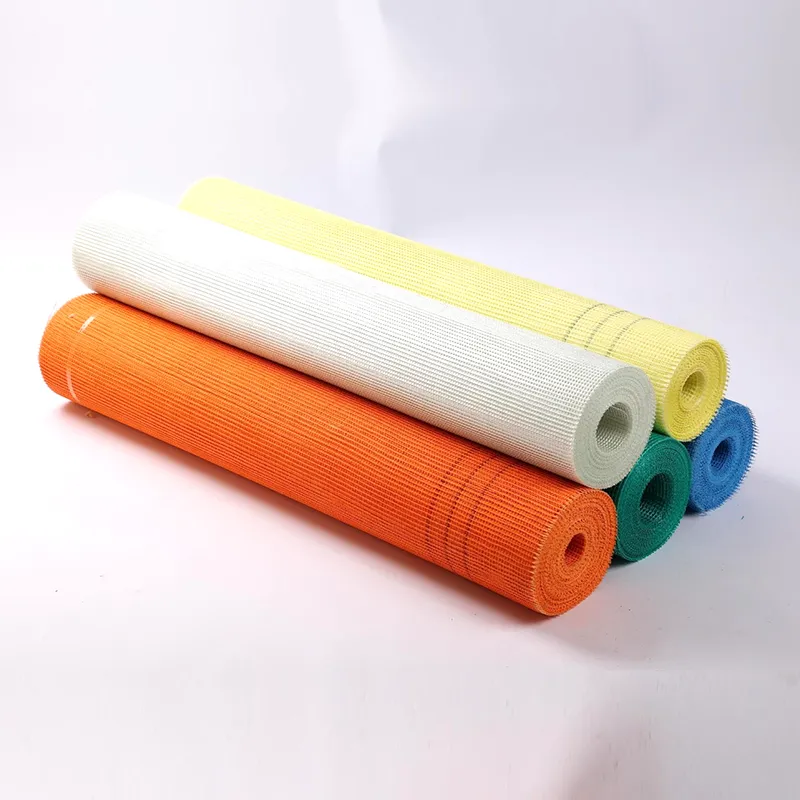
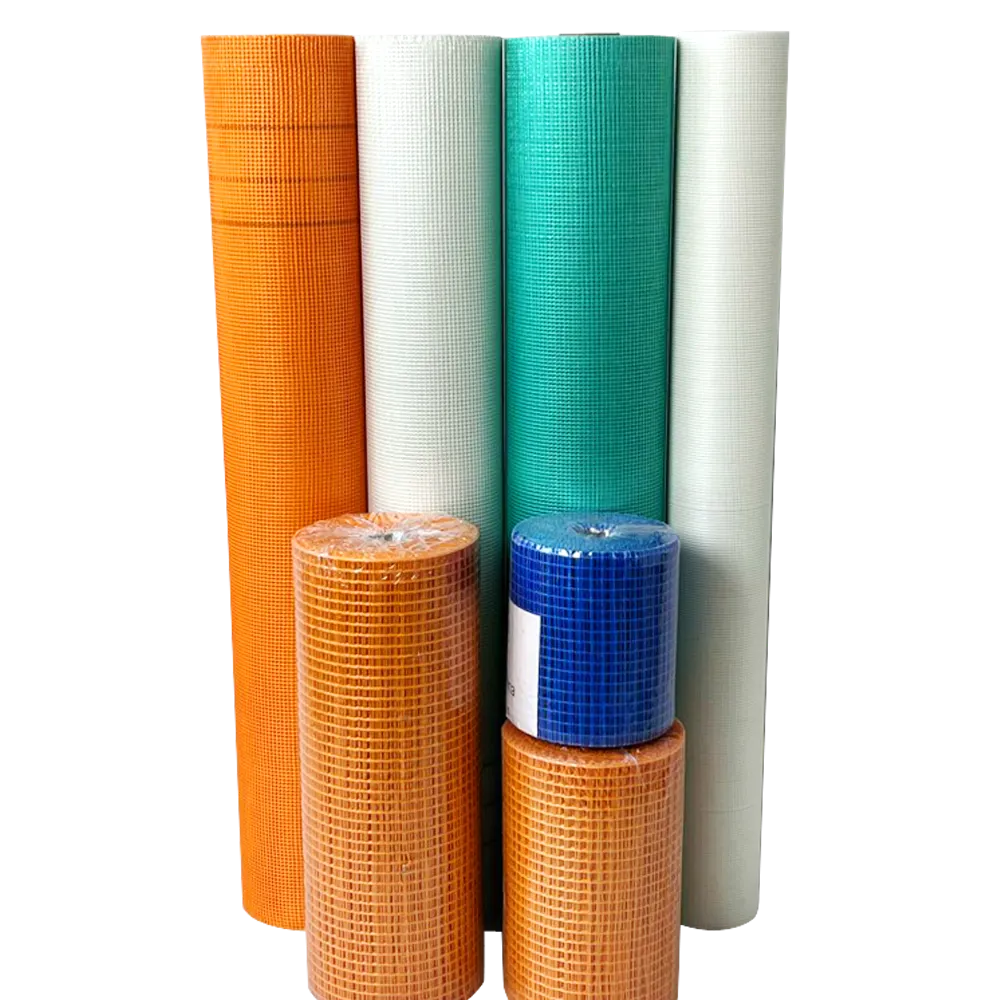
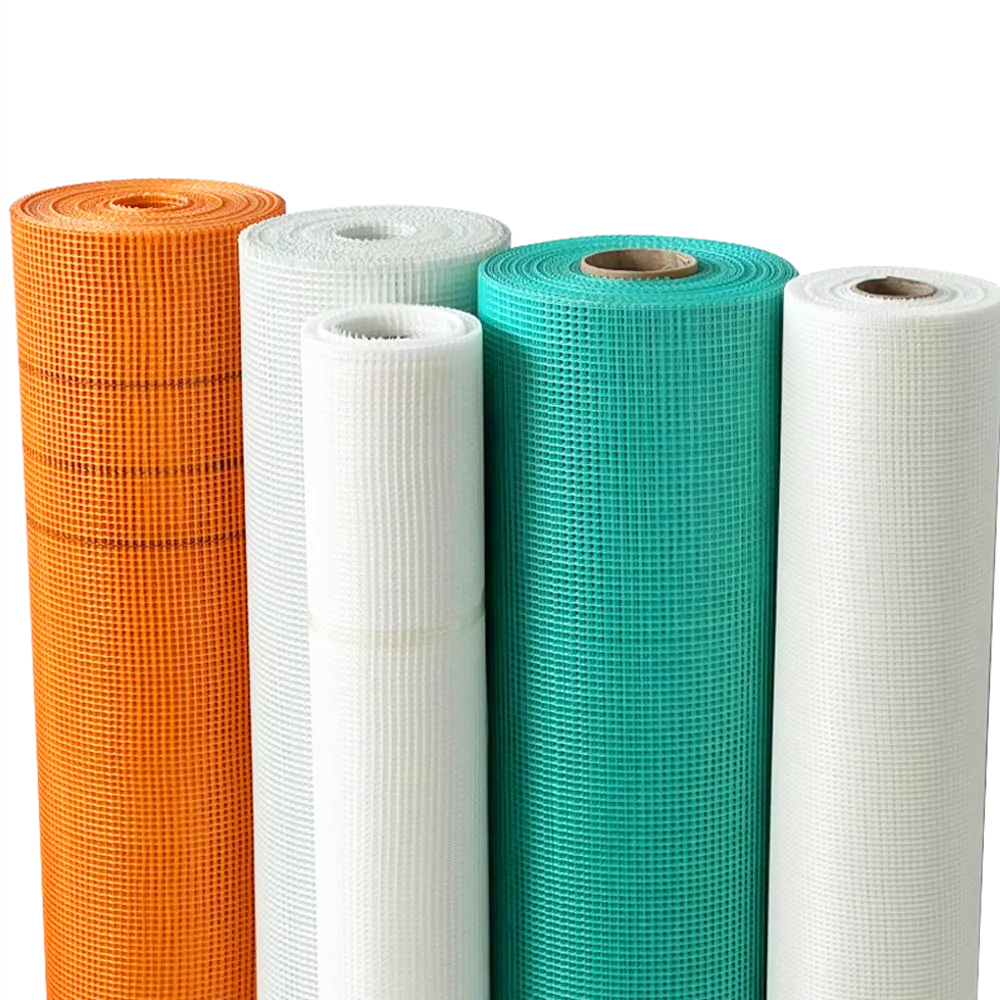
Many suppliers now offer customization in mesh density, weight, and adhesive thickness. This flexibility caters to different projects, from light household repairs to heavy-duty industrial reinforcements.
Compliance & Certification
Renowned suppliers provide ISO-certified meshes that align with international quality and safety standards — because, frankly, who wants to risk project failure over subpar mesh?
Scalability & Supply Chain Reliability
For larger projects or ongoing maintenance, reliable suppliers ensure consistent delivery schedules, which for big construction firms is non-negotiable.
Mini Takeaway: Quality fiberglass sticky mesh hinges on strength, adhesive durability, and supplier reliability — making your choice in supplier just as important as the mesh itself.
Product Specifications Snapshot
| Specification | Typical Values | Notes |
|---|---|---|
| Mesh Size | 4x4 mm to 10x10 mm | Depends on reinforcement needs |
| Adhesive Layer Thickness | 0.15 - 0.25 mm | Affects stickiness and durability |
| Tensile Strength | >450 N/5 cm | Manufacturer tested minimum |
| Moisture Resistance | >95% | Prevents mold & decay |
| Fire Retardant Rating | Class B (EN 13501-1) | Ensures compliance with safety laws |
How Fiberglass Sticky Mesh Is Changing Global Industries
Across Asia-Pacific, Africa, and the Americas, fiberglass sticky mesh enables faster, more resilient construction. In post-disaster relief operations — say, after hurricanes in the Caribbean — rapid reinforcement of temporary shelters often uses self-adhesive mesh to stabilize walls and prevent wear.
Industrial sectors, too, rely on these products for repairs in remote zones: pipelines or tanks lined internally with fiberglass mesh coatings resist corrosion better than traditional methods. I’ve heard from engineers who swear by quick patching with sticky mesh sheets that cut downtime dramatically.
In Europe and North America, this mesh finds use in energy-efficient housing, as it supports insulation layers preventing cracks that waste heat. Additionally, art restoration projects sometimes use fiberglass sticky mesh for stabilizing surfaces without bulky adhesives or nails.
Mini Takeaway: From shelters to industrial pipelines, fiberglass sticky mesh supplied by reliable vendors adapts to diverse needs globally, saving time and money in real-world applications.
Vendor Comparison: Making the Right Choice
| Feature | Supplier A | Supplier B | Supplier C |
|---|---|---|---|
| ISO Certification | Yes | Yes | No |
| Customization Options | High | Medium | Low |
| Bulk Supply Capability | Strong | Moderate | Weak |
| Eco-Friendly Materials | Yes | No | No |
| Price Range | $$$ | $$ | $ |
| Lead Time | 1-2 weeks | 2-4 weeks | 4+ weeks |
Long-Term Advantages of Choosing Quality Fiberglass Sticky Mesh Suppliers
The benefits are fairly straightforward, but they go beyond just sticking mesh on a wall. First, you get cost savings — less labor time, fewer repairs, and less material waste. Then there's the sustainability factor; many premium suppliers are embracing eco-friendly resins and recycling programs, softening the environmental blow of construction.
On the emotional side, using dependable meshes reduces stress and concerns about structural integrity, offering a sense of security. I noticed many builders say it “gives peace of mind” because it’s a tried-and-tested material that aligns with modern green building codes and safety standards.
Looking Ahead: Innovations in Fiberglass Sticky Mesh Supply
The future is bright. Expect to see more digitized supply chains increasing traceability and quality transparency. Materials engineers are experimenting with bio-based adhesives and nano-enhanced fiberglass yarns that could make meshes stronger and lighter than ever.
Green energy initiatives also push suppliers to factor in carbon footprints and sustainable production. Automation is cutting costs and improving customization velocity, allowing builders to order meshes tailored to the millimeter and specific project nuances.
Overcoming Challenges in the Fiberglass Sticky Mesh Industry
Challenges remain — for example, peeling adhesives in extreme weather or supply delays during global trade disruptions. Suppliers and clients often collaborate to improve storage conditions and pre-application surface treatments, minimizing failures.
Experts recommend early planning and thorough vetting of suppliers. Luckily, platforms like fiberglass sticky mesh supplier listings help access verified manufacturers who deliver both quality and innovation.
FAQ: Your Burning Questions About Fiberglass Sticky Mesh Suppliers
- What makes fiberglass sticky mesh better than traditional reinforcement materials?
- Its self-adhesive nature cuts down installation time, reduces the need for extra adhesives, and improves bonding strength. Compared to metal meshes or plain fiberglass matting, it’s lighter and less prone to corrosion. Perfect for fast repairs or large-scale projects.
- How long does fiberglass sticky mesh typically last in outdoor applications?
- With proper installation and quality materials, it can last 10-20 years. UV-resistant coatings and fire-retardant additives prolong its lifespan, especially in harsh climates.
- Are fiberglass sticky meshes eco-friendly?
- Modern suppliers increasingly use recyclable fiberglass and low-VOC adhesives. While not completely “green,” they represent a significant step toward reducing construction waste.
- How can NGOs source fiberglass sticky mesh internationally?
- Many suppliers offer export services and guidance on customs. Platforms like fiberglass sticky mesh supplier connect NGOs with manufacturers that understand international logistics and compliance.
- Is customization worth the extra cost?
- Absolutely. Tailored mesh sizes and adhesive properties can optimize performance for your exact application, reducing waste and improving outcomes.
Conclusion: Why the Right Fiberglass Sticky Mesh Supplier Makes All the Difference
Choosing the right fiberglass mesh supplier is not just a procurement decision — it’s a long-term investment in durability, safety, and sustainability. Whether you’re building homes, reinforcing infrastructure, or managing repairs, the right partner ensures you get quality materials that stand the test of time and environment.
For those ready to take the next step, why not explore trustworthy options at fiberglass sticky mesh supplier? A well-chosen mesh supplier can unlock efficiency, resilience, and peace of mind—more than enough reasons to click around a little.
References:
-
Best Fiberglass Mesh Tape for RedGard Product Waterproofing GuideNewsApr.16,2026
-
Why High Strength Fiberglass Mesh Is Essential For Stucco ApplicationNewsApr.15,2026
-
Why Alkali Resistant Fiberglass Mesh Tape Is Essential For Cement Board And Tile InstallationsNewsApr.15,2026
-
Understanding The Role Of Drywall Fiberglass Mesh In Interior FinishingNewsApr.15,2026
-
Ultimate Guide To Using Fiberglass Mesh Tape For Drywall And Plaster RepairsNewsApr.15,2026
-
The Versatility Of Fiberglass Mesh In Marble And Stone MosaicNewsApr.15,2026