Nov . 30, 2025 12:55 Back to list
Leading Fiberglass Sticky Mesh Companies for Durable, Cost-Effective Construction Solutions
Why Fiberglass Sticky Mesh Companies Matter in Today's Global Landscape
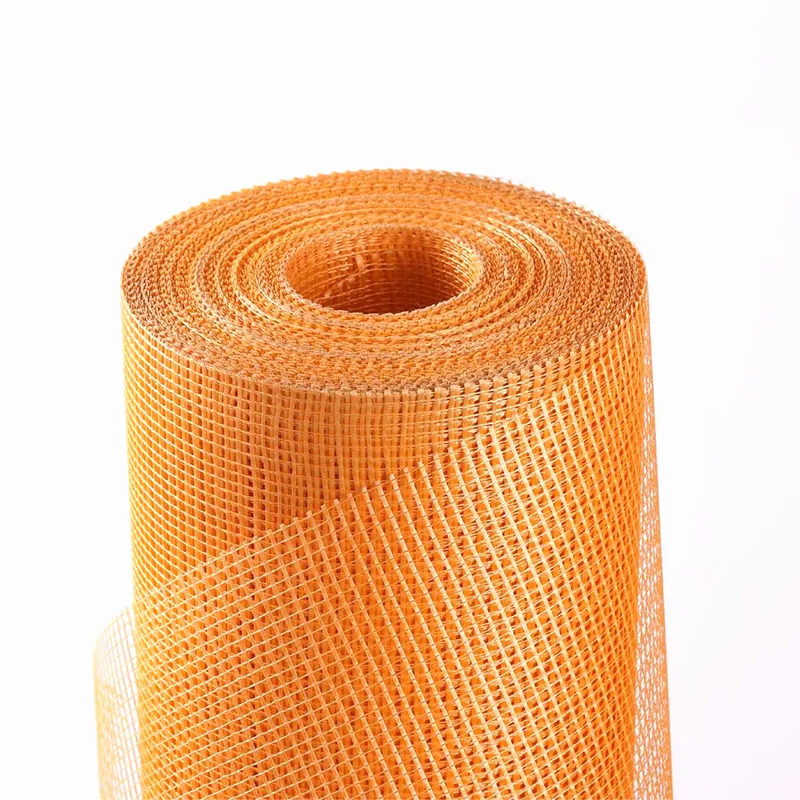
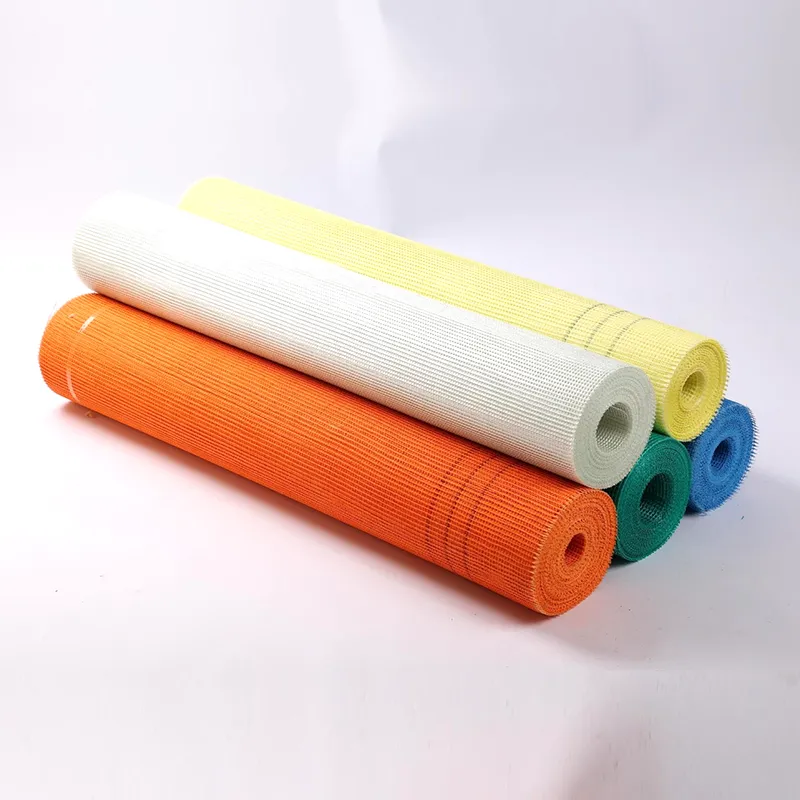
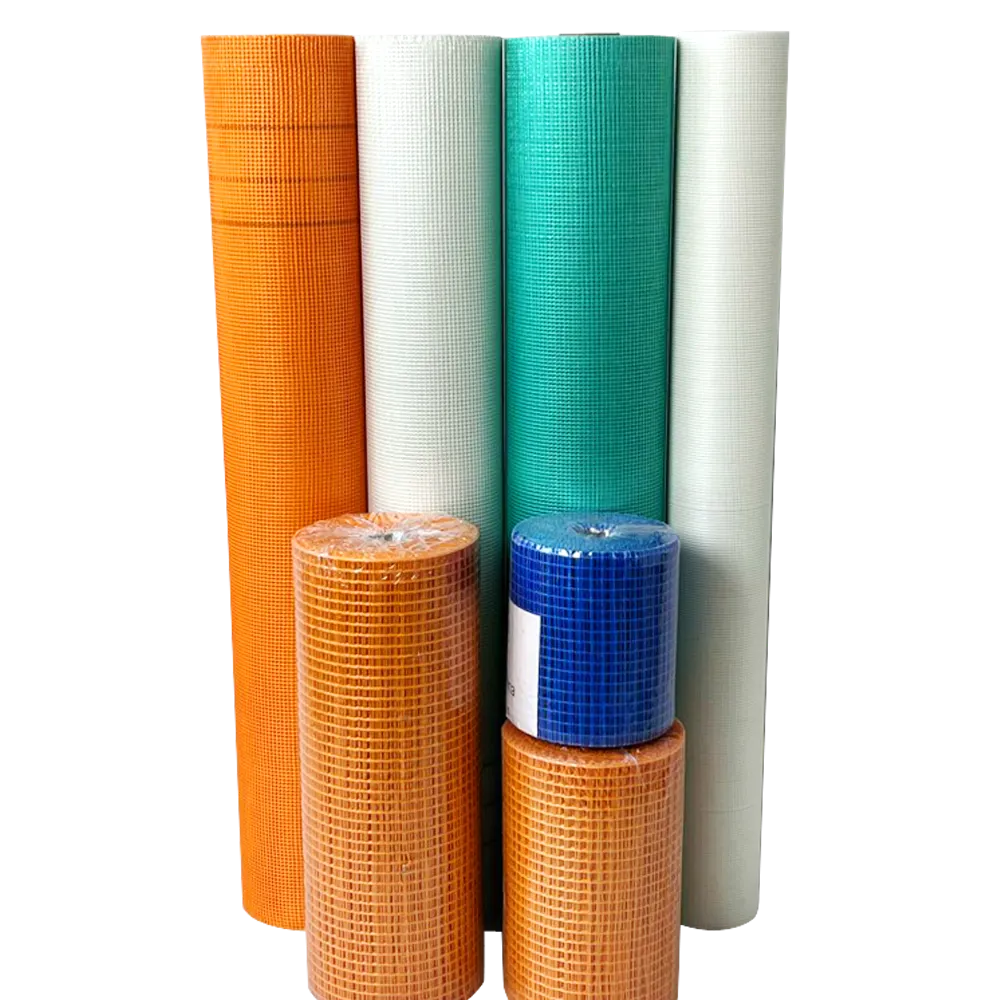
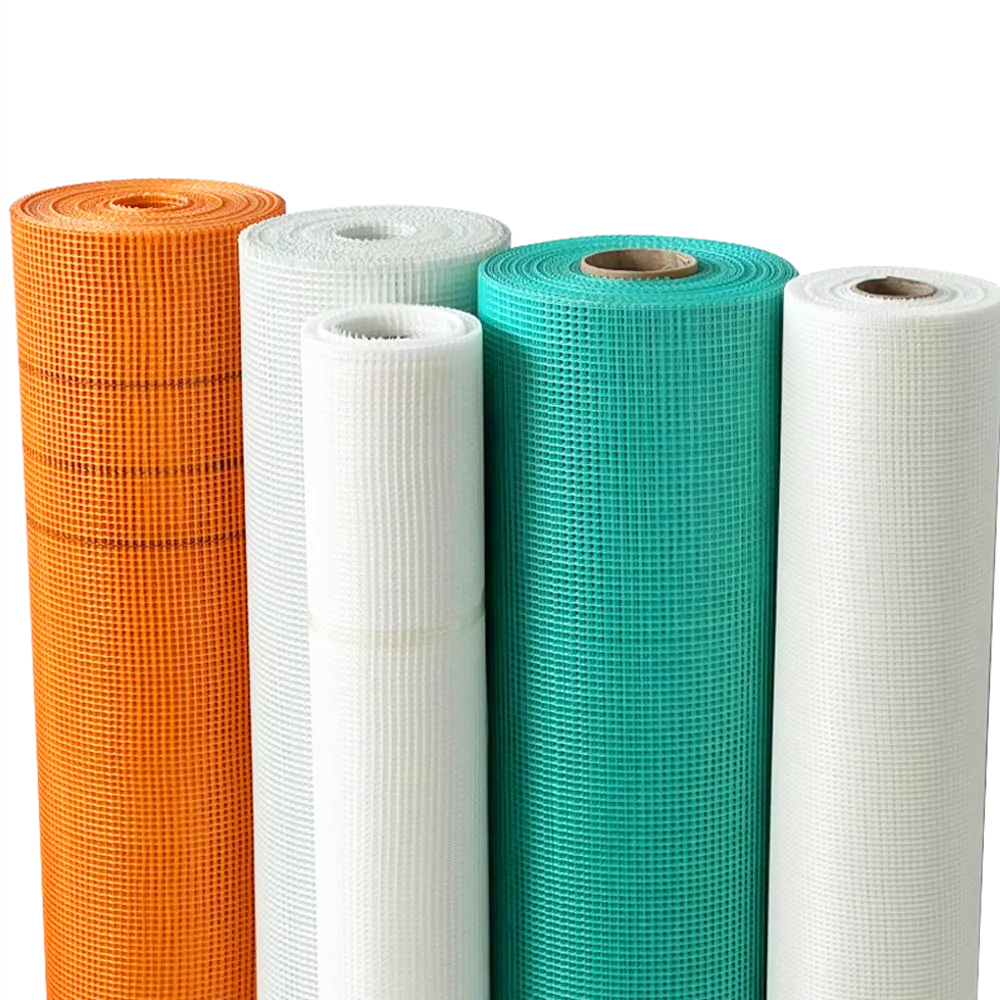
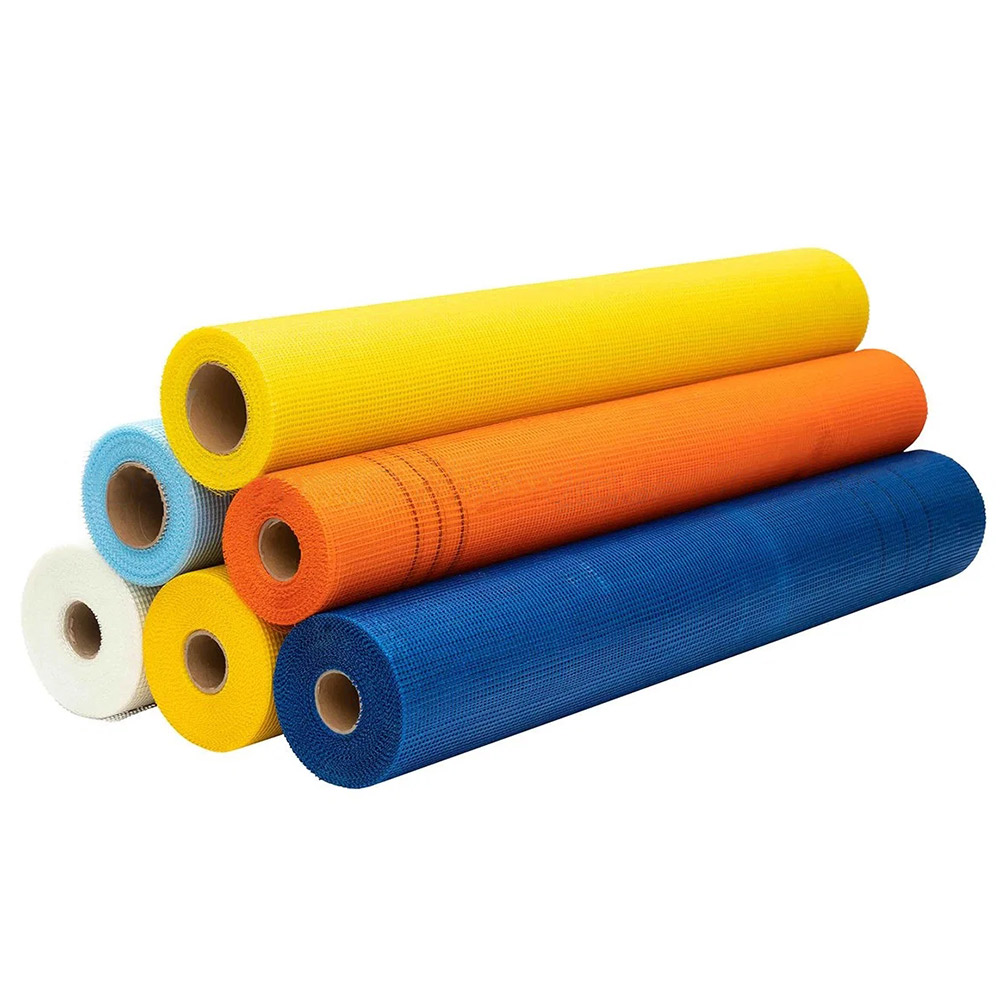
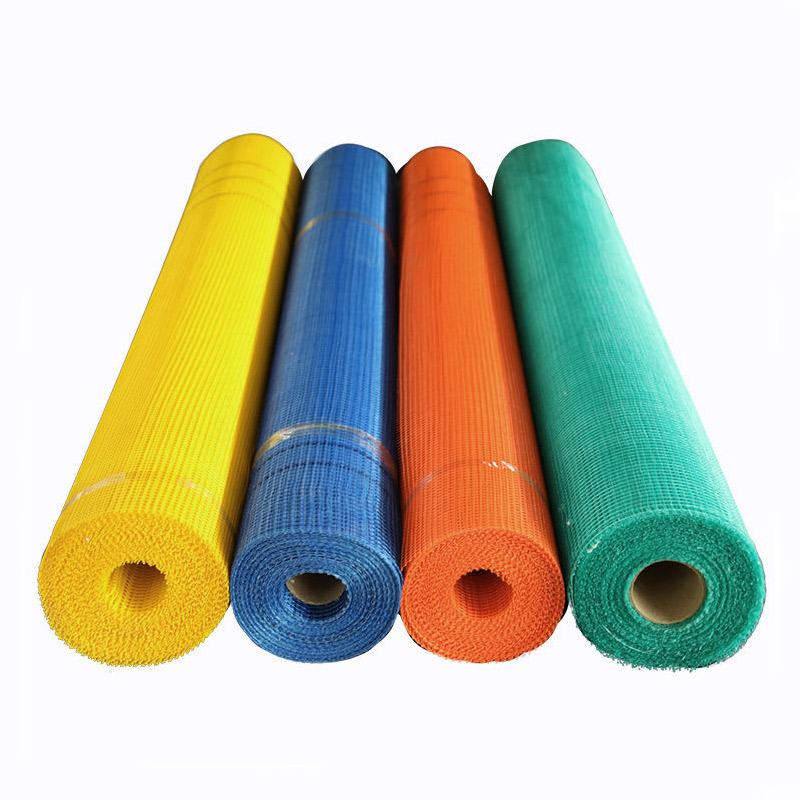
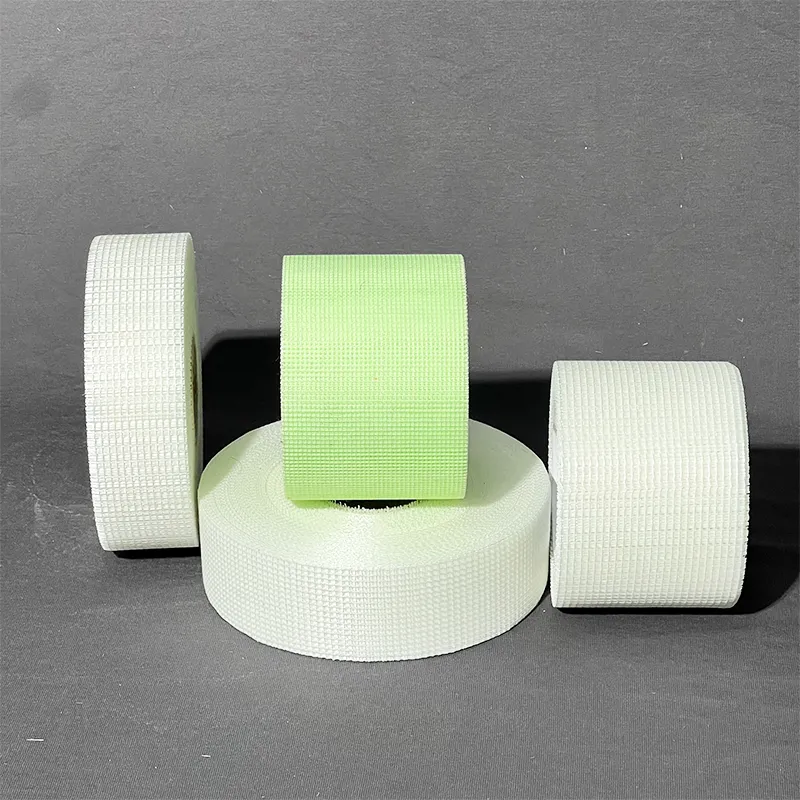
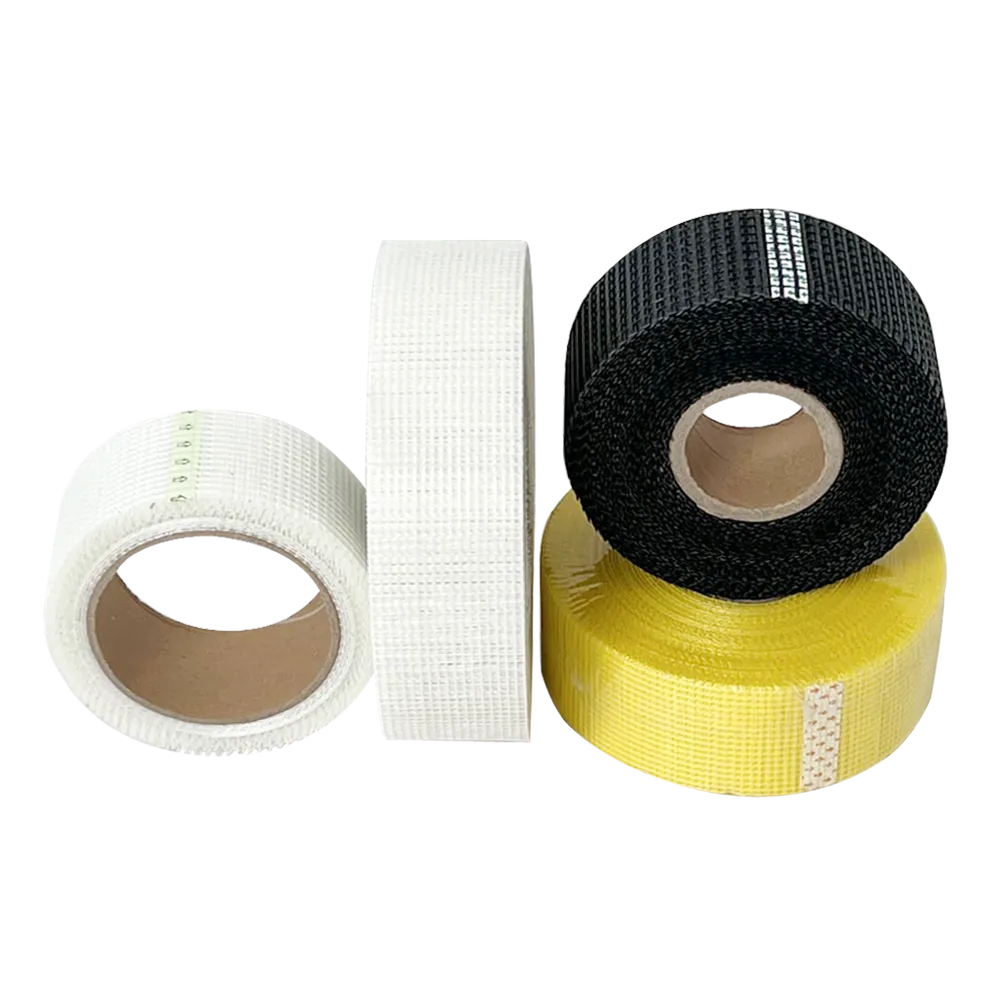
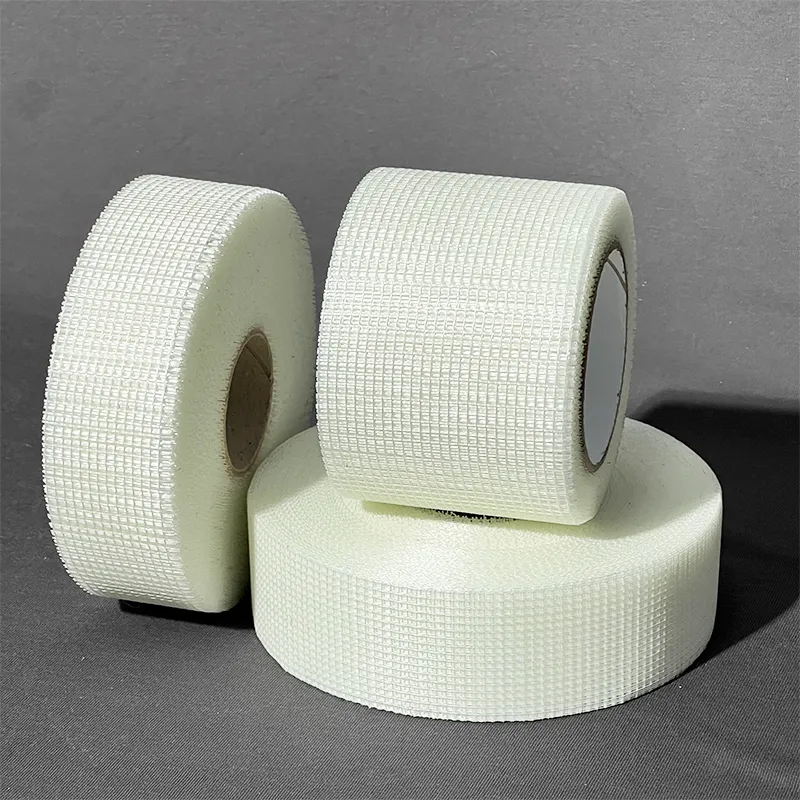
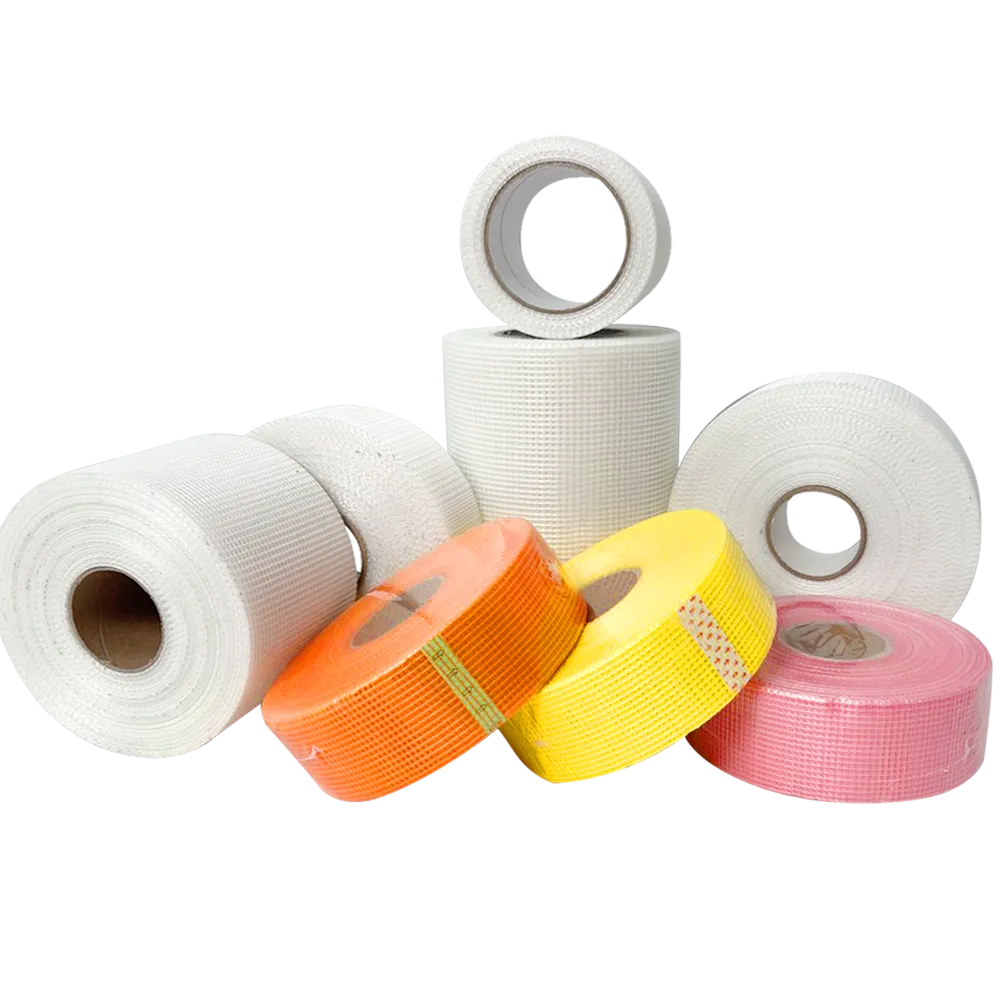
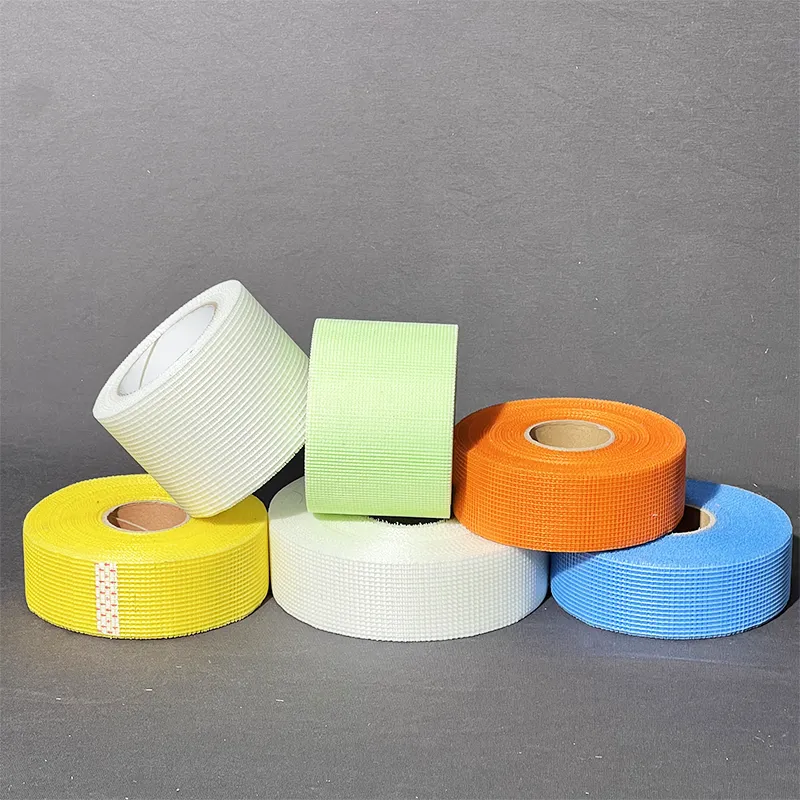
Fiberglass sticky mesh companies might not be a phrase you hear every day on the street corner, but if you’re involved in construction, disaster relief, or infrastructure maintenance, they’re an absolute game changer. These companies specialize in producing fiberglass mesh materials coated with sticky adhesives—used for reinforcement, repairs, and protective layering. Globally, their products help build safer, longer-lasting structures while offering cost-effective solutions for many industries. And frankly, understanding what they do is more important than you might think, especially as the world faces increasing environmental and economic pressures.
Introduction: The Global Relevance of Fiberglass Sticky Mesh Companies
In the context of rapidly urbanizing populations and climate change-induced challenges, infrastructure needs to be both resilient and adaptable. According to data from the World Bank, over 55% of the world’s population now lives in cities, requiring robust building materials that can withstand diverse stresses. Meanwhile, organizations such as the United Nations stress sustainable development and durable construction techniques to reduce environmental impact.
Fiberglass sticky mesh companies address problems like cracking, corrosion, and poor adhesion in reinforcing materials. By offering meshes that bond tightly with surfaces, they help extend the life of buildings and infrastructure, especially in challenging environments.
What Exactly Are Fiberglass Sticky Mesh Companies?
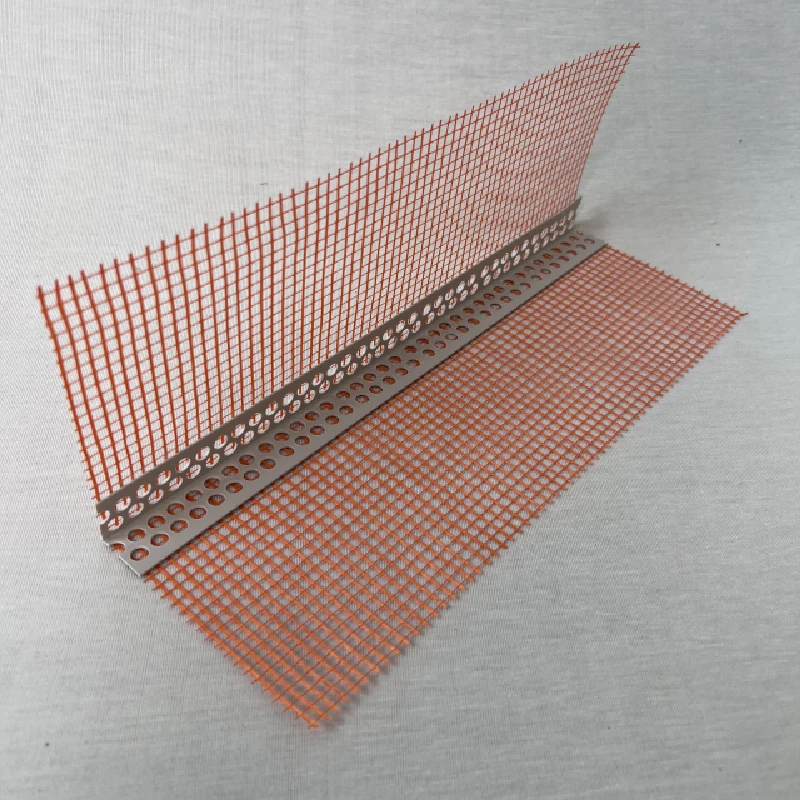
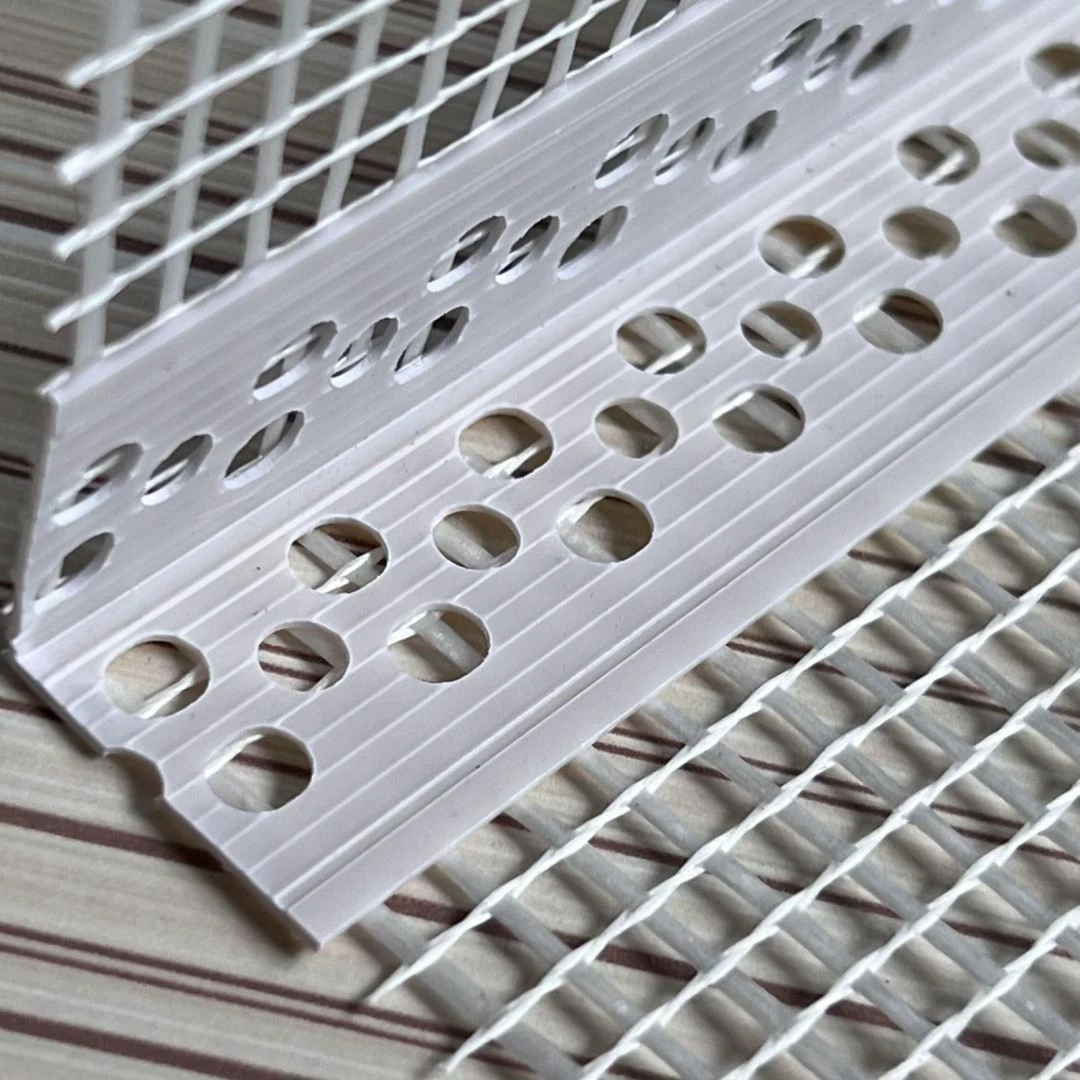
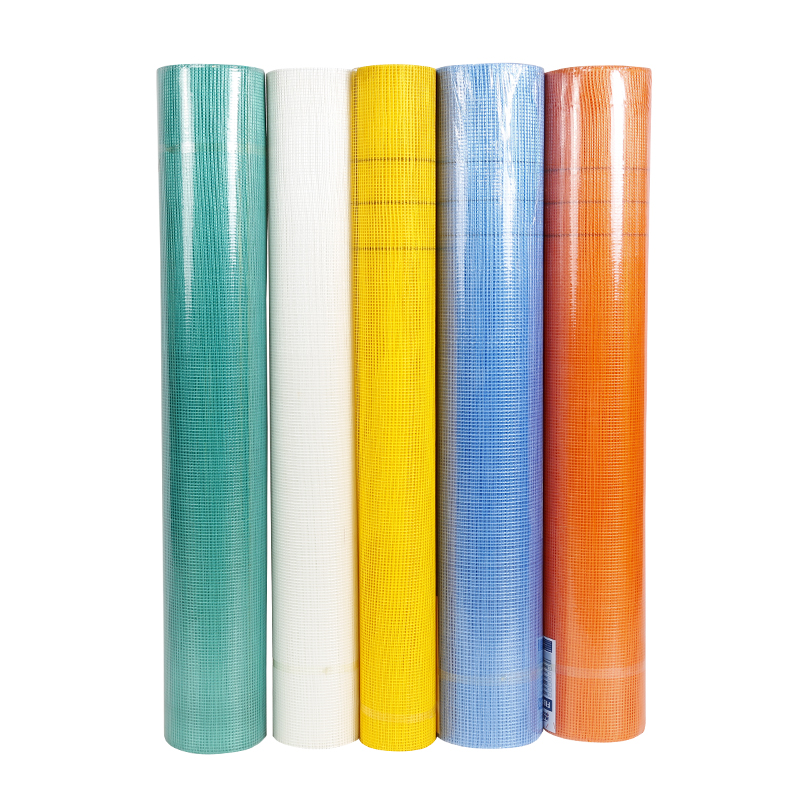
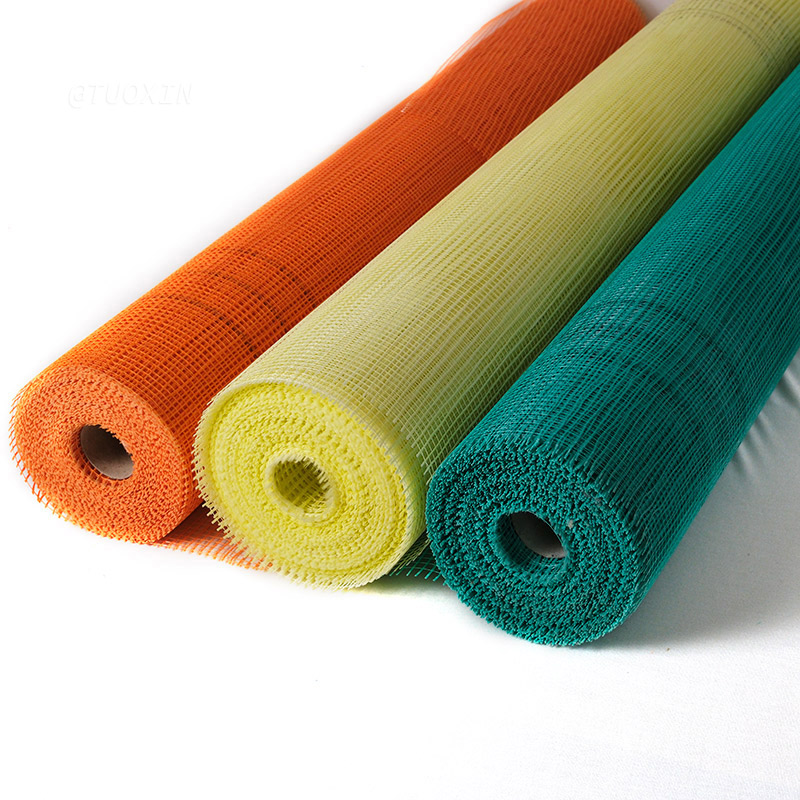
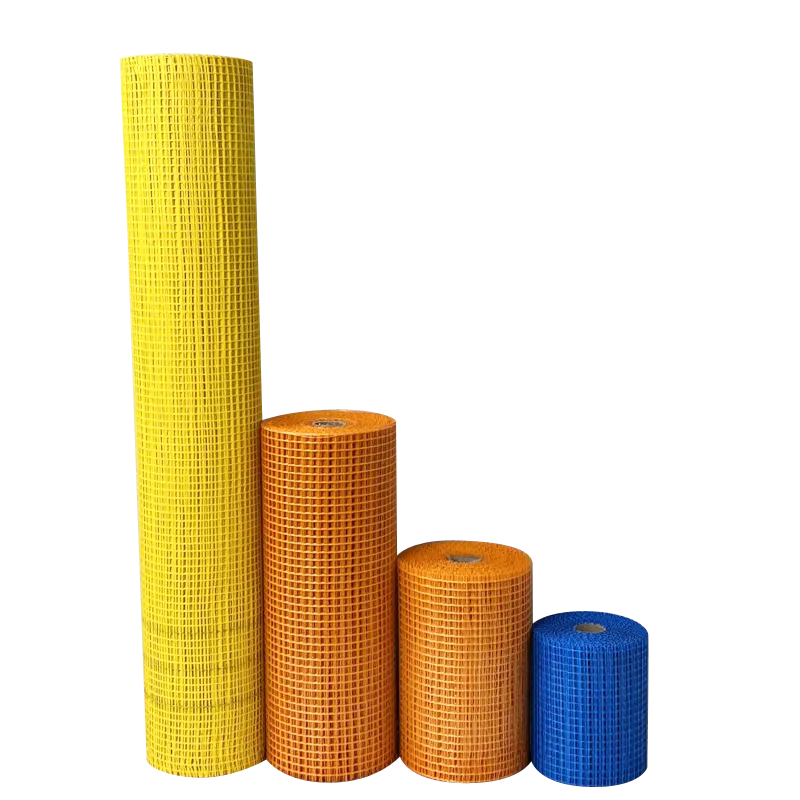
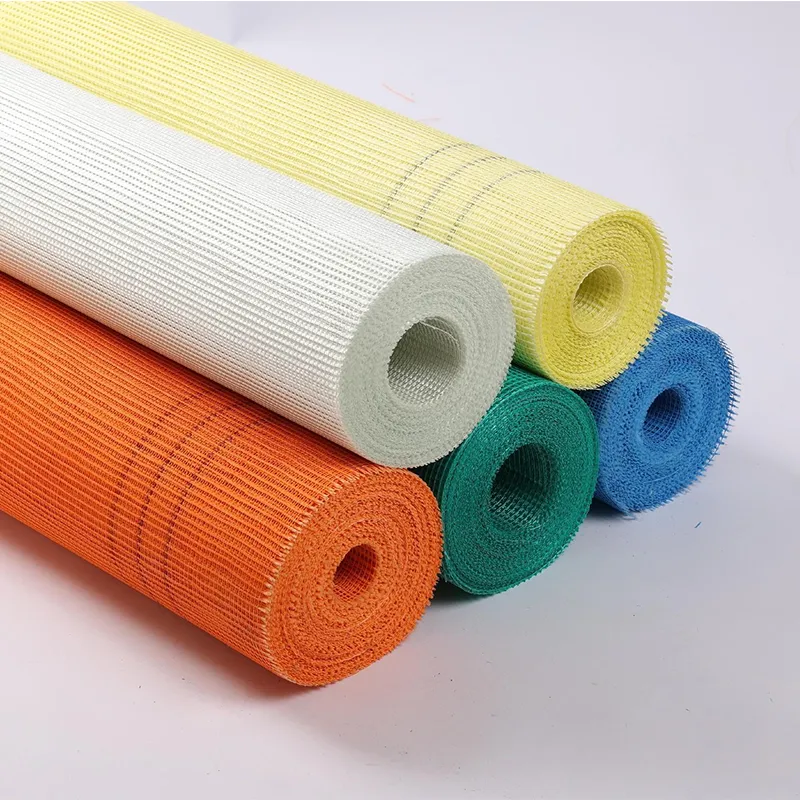
In simple terms, these companies create and supply fiberglass mesh fabrics with tacky or adhesive layers that enable quick, lasting bonding to substrates such as concrete, drywall, or insulation panels. This mesh acts as a reinforcement layer, preventing cracks and strengthening surfaces under tension or impact.
On a humanitarian level, these products are often crucial for rapid repairs in disaster zones where time and material availability are limited. For industries, they represent a lightweight, corrosion-resistant alternative to traditional metal reinforcements.
Core Features of Fiberglass Sticky Mesh
1. Durability
Fiberglass inherently resists rust, rot, and many chemicals, making the mesh perfect for harsh conditions. Combined with a dependable adhesive, these meshes last decades, even outdoors.
2. Flexibility and Scalability
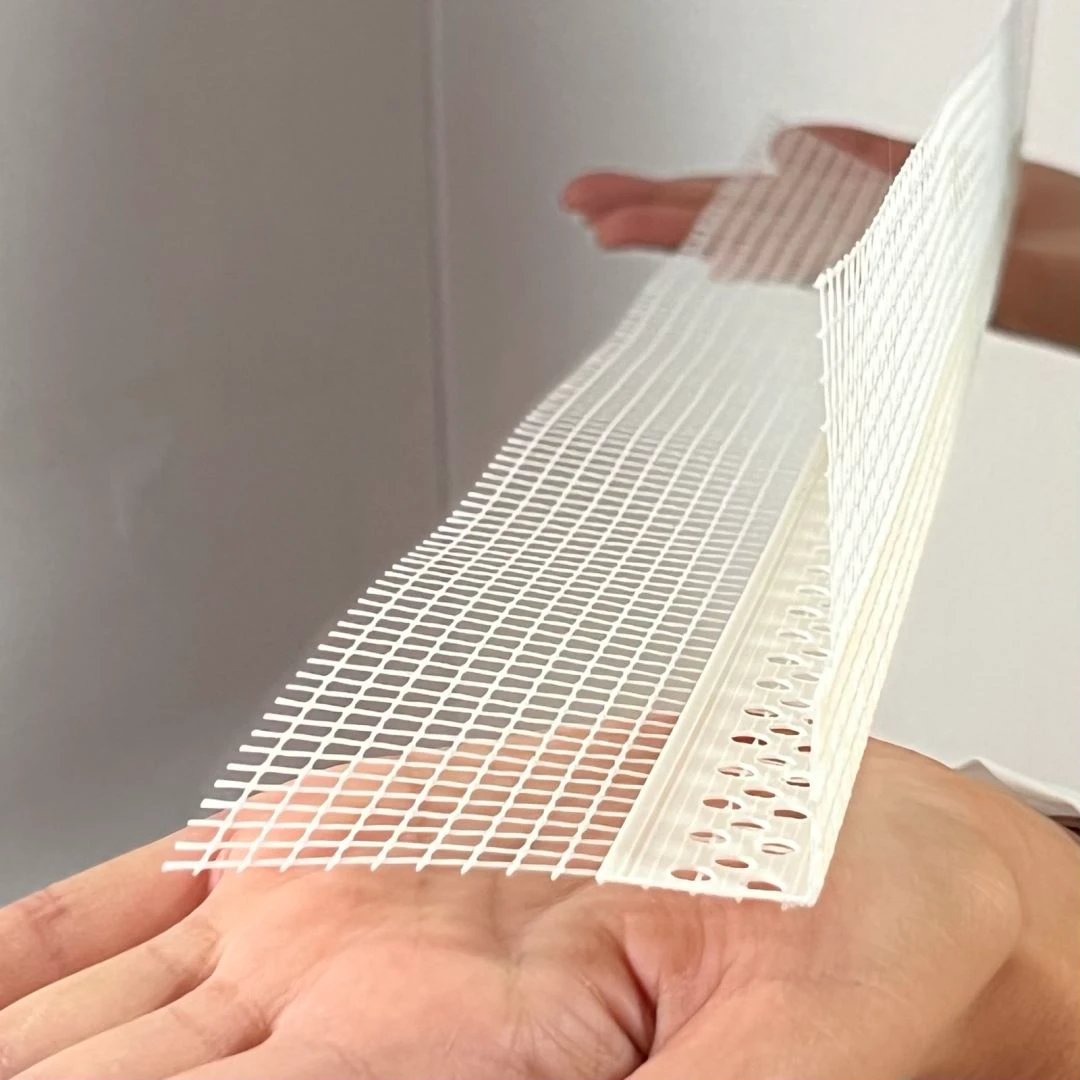
The mesh can be cut and adapted easily on site, supporting everything from small drywall patches to large-scale insulation projects.
3. Cost Efficiency
Because it speeds up installation and reduces secondary repairs, using sticky fiberglass mesh cuts long-term costs. It's less labor-intensive than metal lath or wire mesh.
4. Lightweight & Non-Conductive
Unlike steel mesh, fiberglass doesn’t conduct electricity and weighs less, simplifying transport and installation, especially in remote areas.
5. Environmental Resistance
The mesh withstands UV rays and moisture, vital for outdoor buildings facing sunlight and rain year-round.
Mini takeaway:
Fiberglass sticky mesh strikes a balance of strength, ease, and cost that engineers—well, many engineers I’ve spoken with—appreciate for tough construction challenges.
Where Fiberglass Sticky Mesh Gets Real: Global Use Cases
These products show up in surprising places. For instance:
- Post-disaster zones: After earthquakes or hurricanes, quick repairs using sticky mesh prevent further damage to compromised walls.
- Industrial facilities in remote regions: Sites where corrosion from chemicals or saltwater is common rely on fiberglass mesh to reinforce walls and tanks reliably.
- Residential and commercial building: In EU countries embracing energy retrofits, fiberglass sticky mesh is key to attaching insulation boards.
- Infrastructure projects: Bridges and roads sometimes use it under coatings to protect surfaces against cracks from temperature swings.
Take the example of a coastal town in Japan where salt spray damages concrete piers. The local contractor switched to fiberglass sticky mesh for repairs, extending maintenance intervals by years.
Advantages & Long-Term Value
To drill down a bit:
- Cost savings: Less labor, less downtime, and reduced future patchwork.
- Environmental impact: No rust means reduced use of metal replacements; many manufacturers now use recyclable materials too.
- Social benefit: Safer buildings mean better living conditions, less emergency repair stress.
- Technical trust: The mesh has predictable performance, which engineers rely on in critical structures.
Oddly enough, there’s an emotional side too: installers often say it “feels right” because it smooths out frustrations with messy past reinforcements.
A Quick-but-Useful Fiberglass Sticky Mesh Specification Table
| Specification | Typical Value | Units |
|---|---|---|
| Mesh Weight | 90 | g/m² |
| Adhesive Layer Thickness | 0.2–0.25 | mm |
| Tensile Strength | 450+ | N/50mm |
| Elongation at Break | 2.5 | % |
| UV Resistance | >2000 | hours |
Comparing Leading Fiberglass Sticky Mesh Companies
| Company | Product Range | Price Range (USD/m²) | Customization Options | Global Shipping |
|---|---|---|---|---|
| Tainuo Fiberglass Mesh | Standard & Custom Mesh | 0.85–1.50 | Yes | Yes |
| GlobalMesh Corp. | Limited Selection | 1.10–1.40 | No | Europe & Asia |
| EcoBond Fiberglass | Eco-friendly Range | 1.20–1.70 | Yes, limited | North America |
Future Trends: What’s Next for Fiberglass Sticky Mesh Companies?
Innovation doesn’t stop here. Companies are incorporating bio-based adhesives to minimize environmental footprints and improve recyclability. Digital manufacturing techniques like automated coating and roll inspection promise consistency and faster delivery. There’s a palpable shift towards meshes that are not only stronger but smarter—embedded sensors for structural health monitoring, for example.
Moreover, with countries tightening building codes to enhance sustainability, demand is expected to rise. The integration of these meshes in green retrofit projects and even 3D printing construction materials might be just around the corner.
Challenges Faced in the Industry & How They're Addressed
One issue is adhesion variability on surfaces exposed to dust or moisture — proper surface preparation is often overlooked by users, causing premature failure. Companies counter this by providing detailed instructions and improved adhesive formulations. Another challenge is uneven availability across developing regions due to shipping costs and tariff barriers. Some fiberglass sticky mesh companies offer regional warehouses and partnership programs to solve this.
FAQ: Your Top Questions On Fiberglass Sticky Mesh Companies
Q1: How quickly can a fiberglass sticky mesh be applied compared to traditional mesh?
A1: Typically, application is 30–50% faster because the sticky backing eliminates the need for nails or staples, reducing labor time and the risk of errors.
Q2: Are fiberglass sticky meshes suitable for outdoor use in rainy climates?
A2: Absolutely. Their UV and moisture resistance make them ideal for external walls, insulation systems, and repairs in wet environments.
Q3: Can these meshes be customized for specific project needs?
A3: Yes. Many manufacturers, including fiberglass sticky mesh companies, offer custom sizes, adhesive strengths, and even colors to match project specifications.
Q4: How does fiberglass sticky mesh impact the sustainability of a building?
A4: It reduces the frequency of repairs and extends material life, which means less waste and lower resource use overall, supporting greener construction standards.
Q5: What industries benefit most from fiberglass sticky mesh products?
A5: Construction, industrial maintenance, disaster relief, infrastructure retrofitting, and specialized manufacturing all rely heavily on these meshes for strength and flexibility.
Wrapping Up: Why Fiberglass Sticky Mesh Companies Deserve More Attention
When you consider all the benefits — durability, sustainability, cost savings, and adaptability — it’s clear why fiberglass sticky mesh companies have become indispensable. They’re quietly underpinning safer homes, resilient infrastructure, and rapid repairs worldwide. So, next time you think about the materials that keep our built environment together, remember the sticky little mesh that often goes unnoticed but makes a huge difference.
Interested in learning more or looking to source dependable products? Visit fiberglass sticky mesh companies for expert guidance and solutions tailored to your needs.
References
-
Best Fiberglass Mesh Tape for RedGard Product Waterproofing GuideNewsApr.16,2026
-
Why High Strength Fiberglass Mesh Is Essential For Stucco ApplicationNewsApr.15,2026
-
Why Alkali Resistant Fiberglass Mesh Tape Is Essential For Cement Board And Tile InstallationsNewsApr.15,2026
-
Understanding The Role Of Drywall Fiberglass Mesh In Interior FinishingNewsApr.15,2026
-
Ultimate Guide To Using Fiberglass Mesh Tape For Drywall And Plaster RepairsNewsApr.15,2026
-
The Versatility Of Fiberglass Mesh In Marble And Stone MosaicNewsApr.15,2026