Dec . 01, 2025 02:00 Back to list
Reliable Fiberglass Sticky Mesh Manufacturer | Durable Mesh Solutions for Construction
The Growing Importance of Fiberglass Sticky Mesh Manufacturers Worldwide
If you’ve ever been curious about the unsung heroes of modern construction and industrial materials, fiberglass sticky mesh manufacturers should be on your radar. Globally, the demand for reliable, lightweight, and durable meshes is increasing steadily — especially when it comes to applications like thermal insulation, wall reinforcement, waterproofing, and even disaster relief shelters. Understanding this niche industry reveals not just its role in building safer, more sustainable infrastructure but also its wider impact across multiple sectors including construction, environmental protection, and even humanitarian aid.
Why does it matter? Apart from the obvious durability and flexibility advantages, these products often help countries meet international building standards and environmental regulations, such as ISO 9001 for quality management. Plus, they contribute directly to reducing maintenance costs, increasing building longevity, and improving safety measures in seismic zones.
Global Context: Why Is the Fiberglass Sticky Mesh Market Expanding?
The fiberglass sticky mesh sector is no isolated niche—it rides on the wave of global industrial growth, urbanization, and environmental sustainability pushes. According to the UN’s latest reports, more than half the world’s population lives in urban areas, and building infrastructure has to keep pace with this rapid growth. That’s where reliable, scalable, and cost-effective materials like fiberglass sticky mesh come in.
But it’s not only about growth. The industry addresses real challenges, such as:
- Combating structural wear in harsh climates
- Ensuring faster and more economical renovations
- Reducing carbon footprint through lighter construction materials
In fact, the World Bank and ISO frameworks emphasize sustainable construction practices that involve such advanced composites. So, fiberglass sticky mesh manufacturers are more than suppliers — they’re partners in innovation and progress.
What Exactly Is a Fiberglass Sticky Mesh Manufacturer?
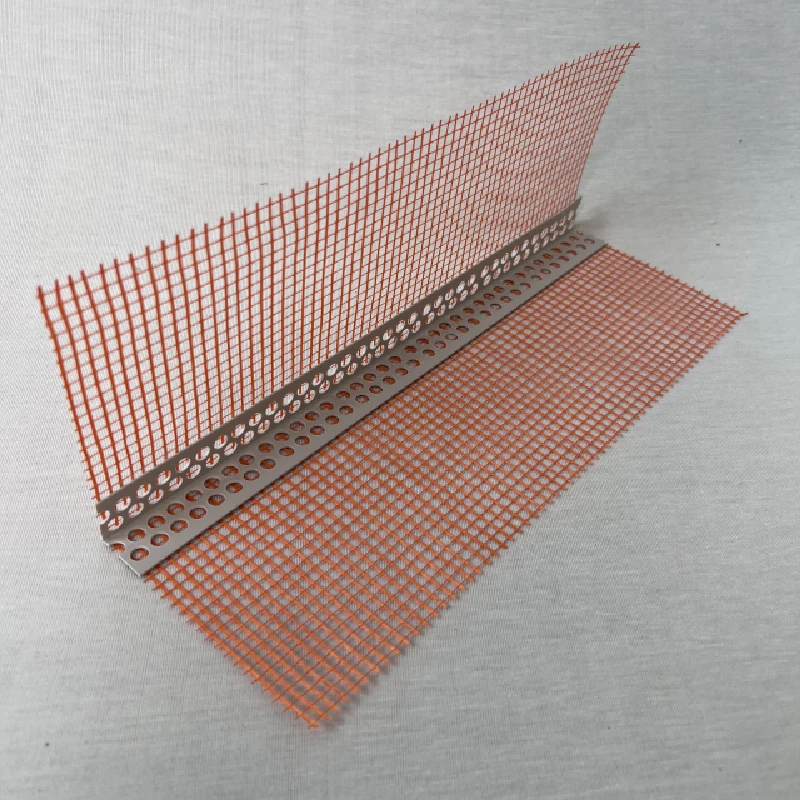
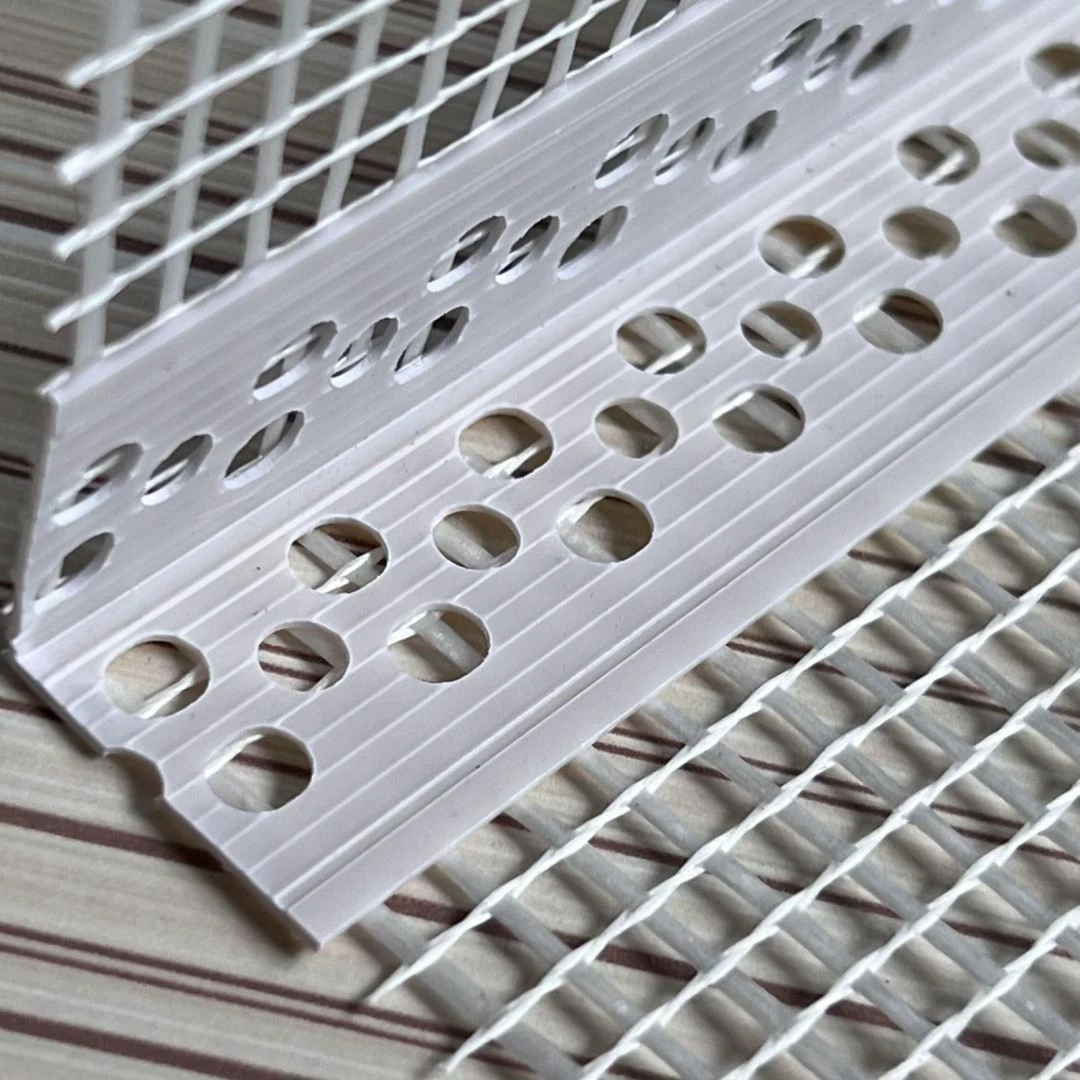
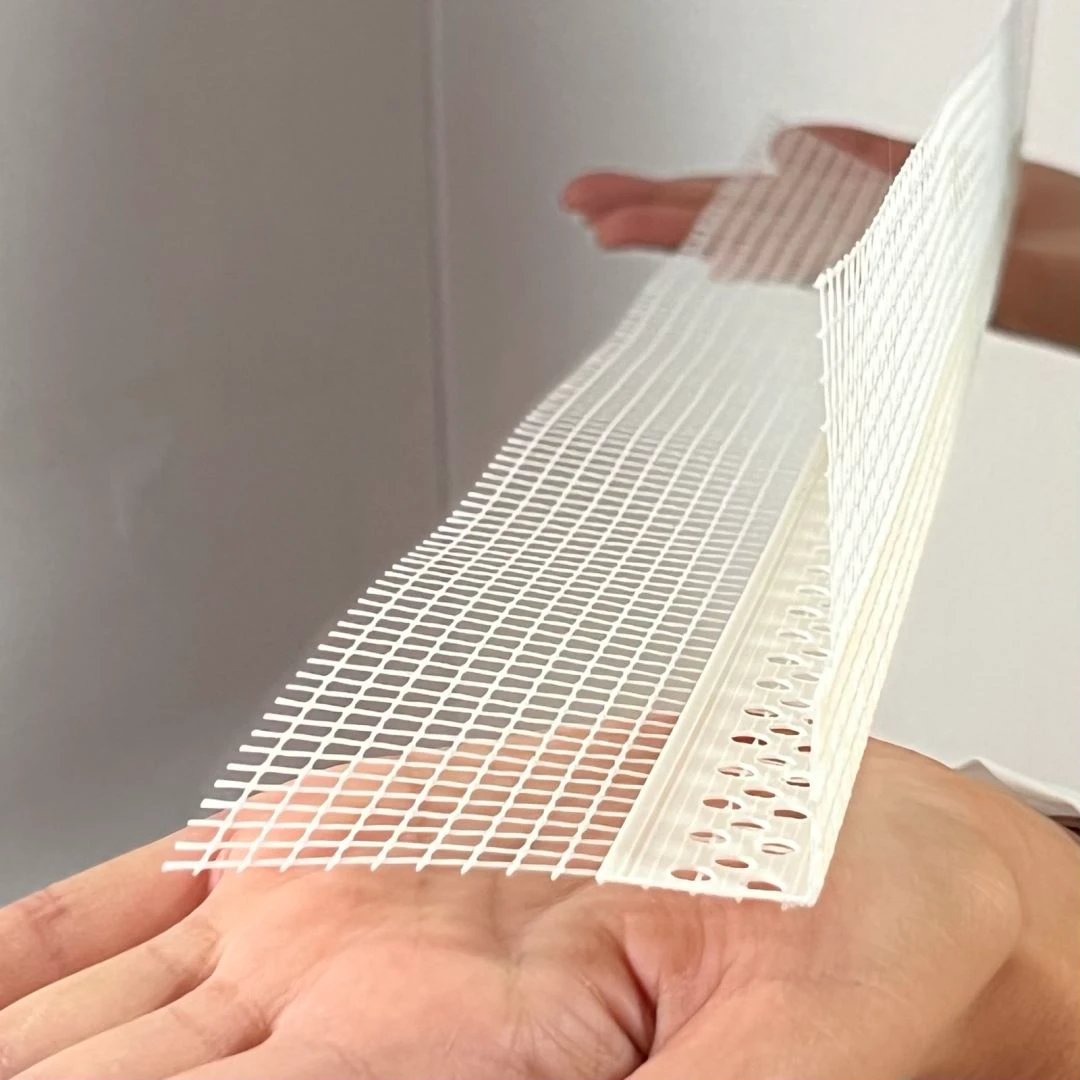
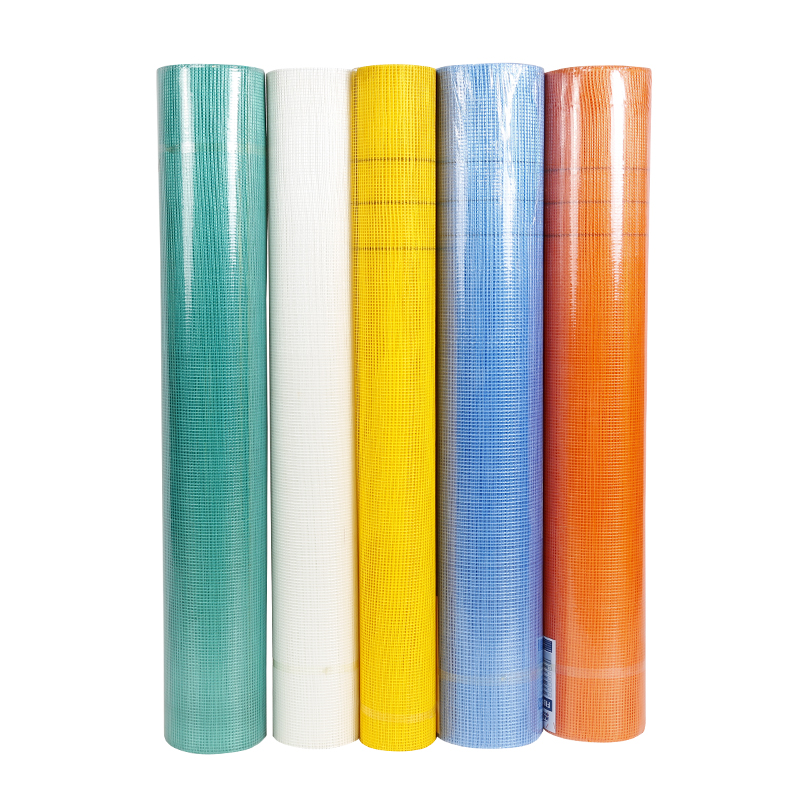
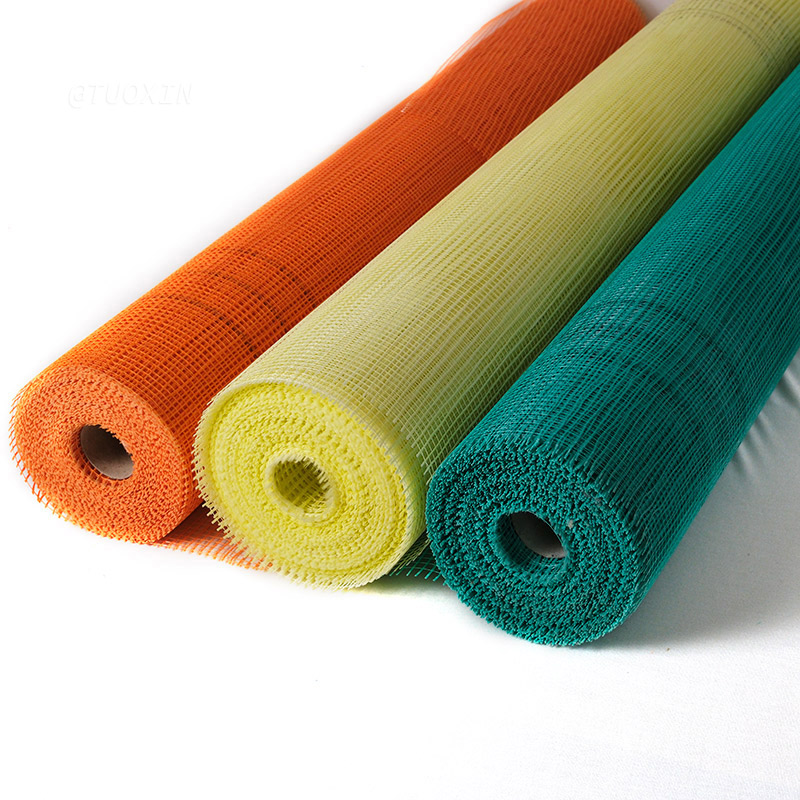
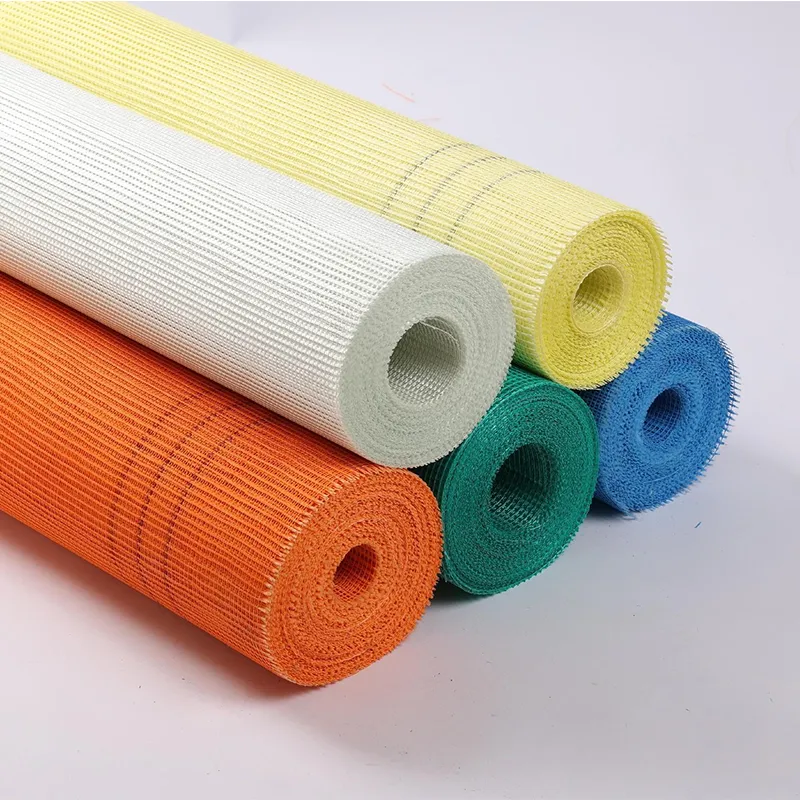
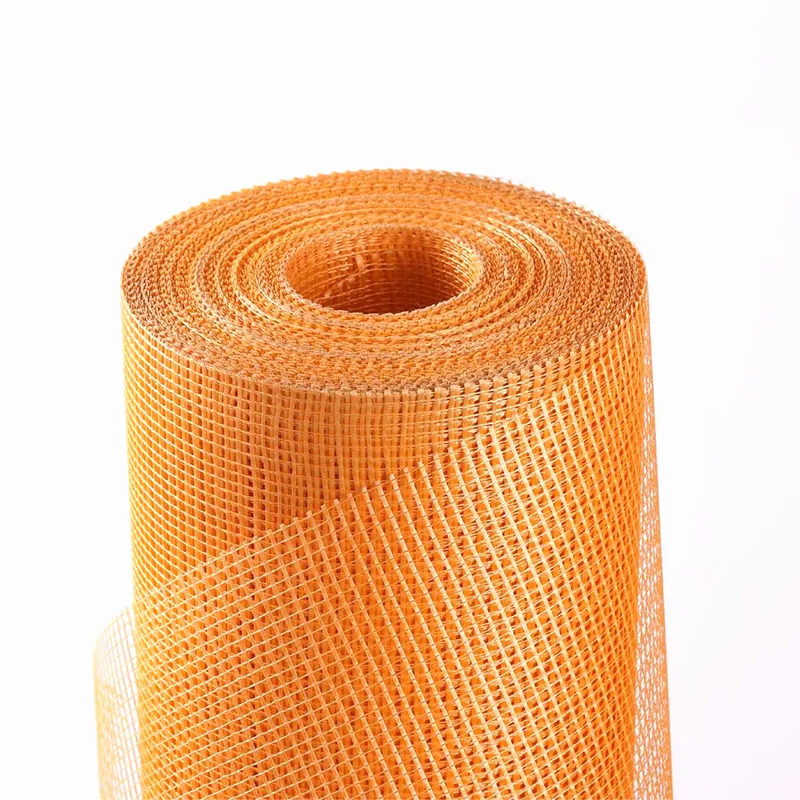
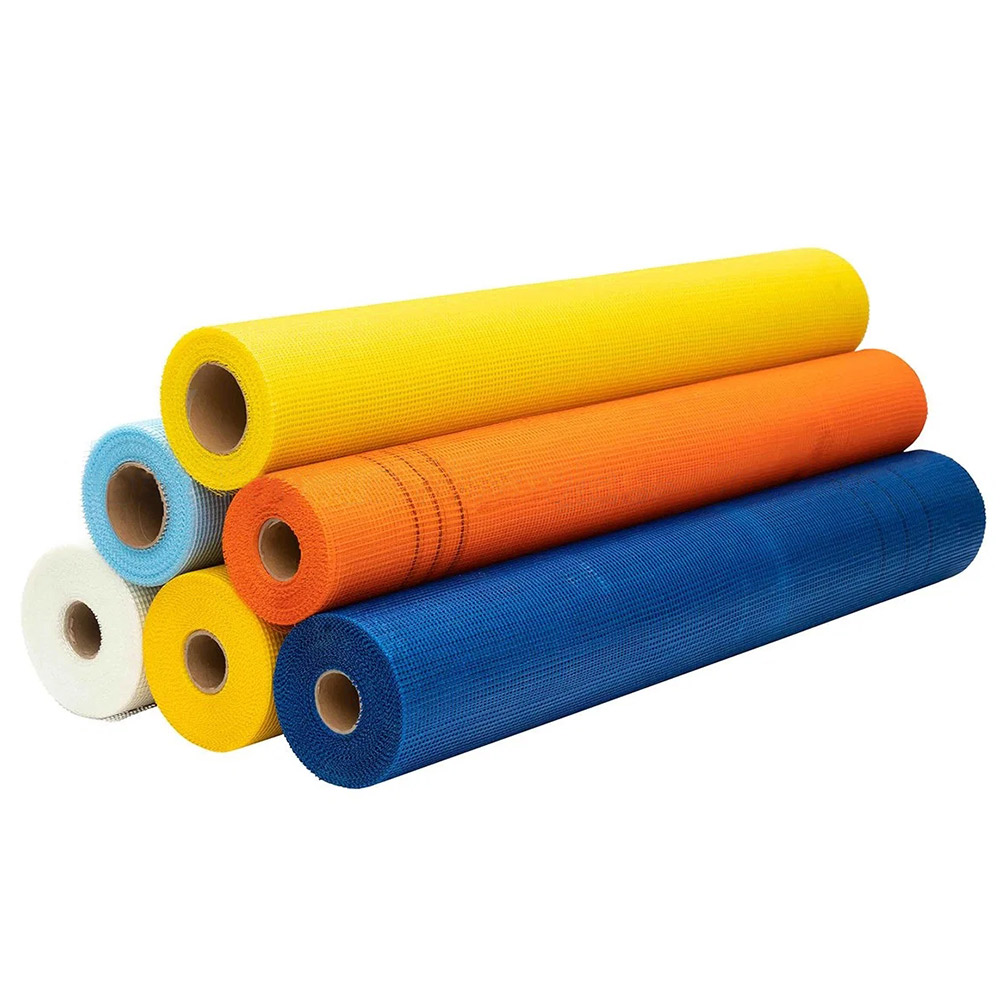
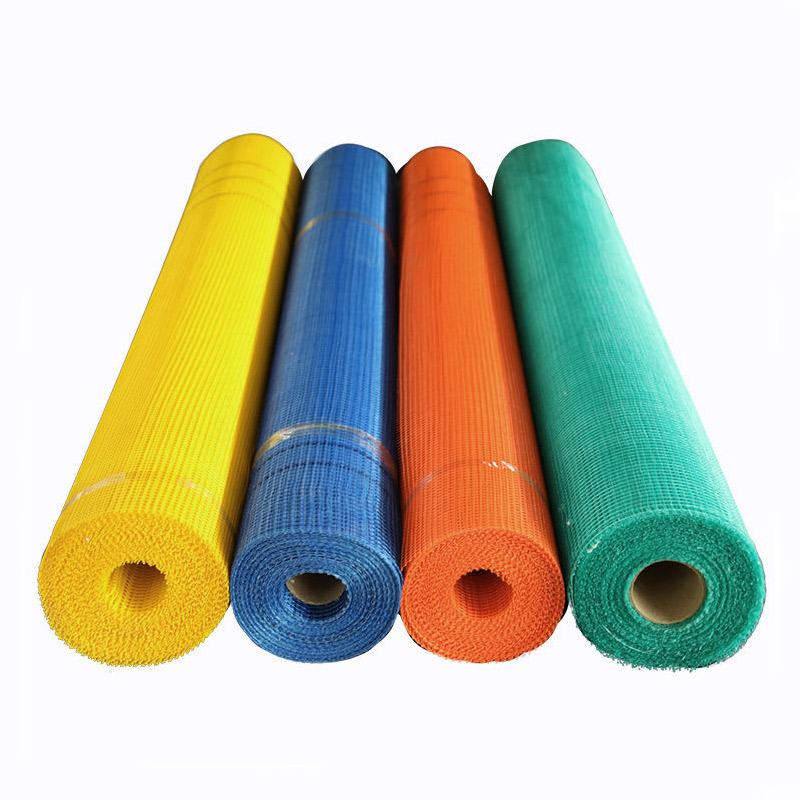
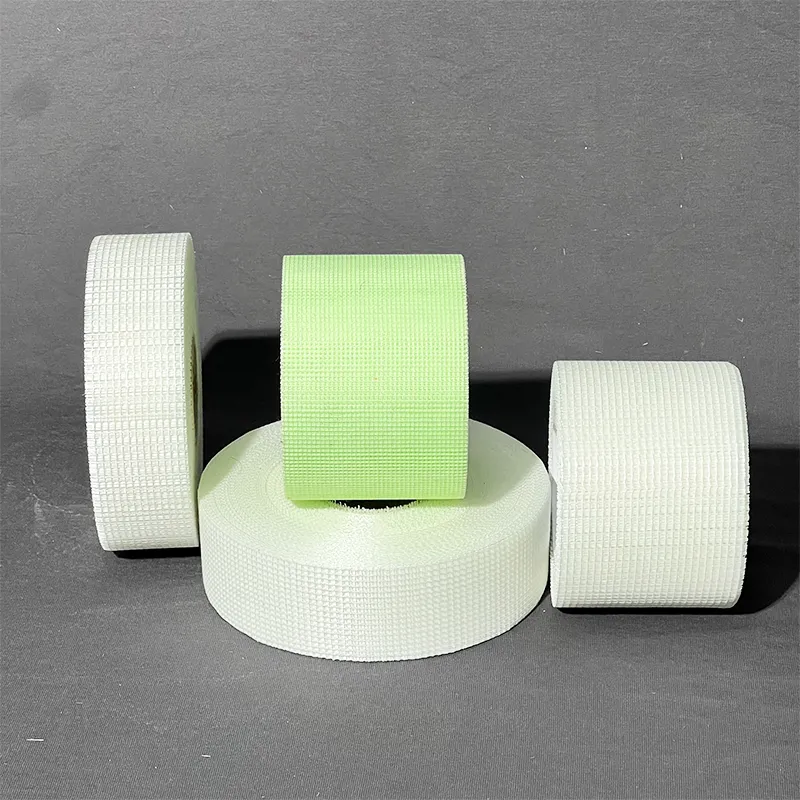
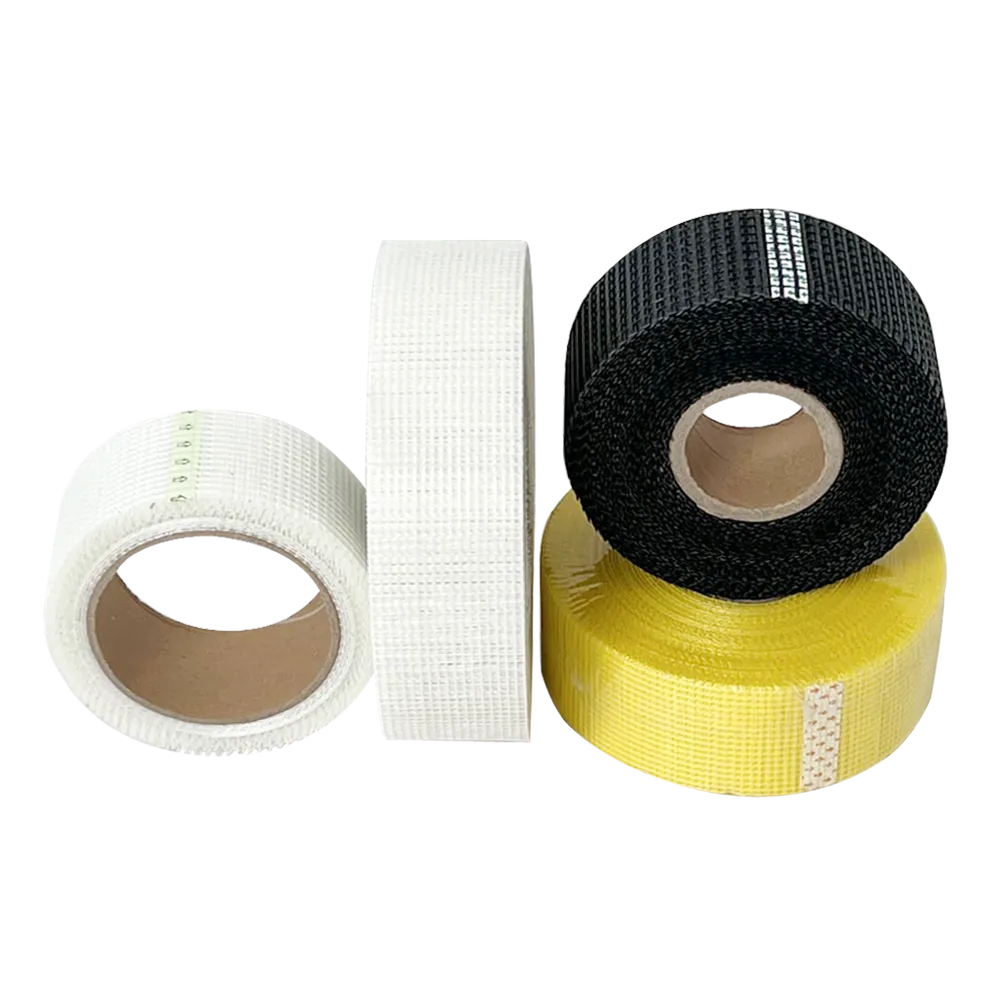
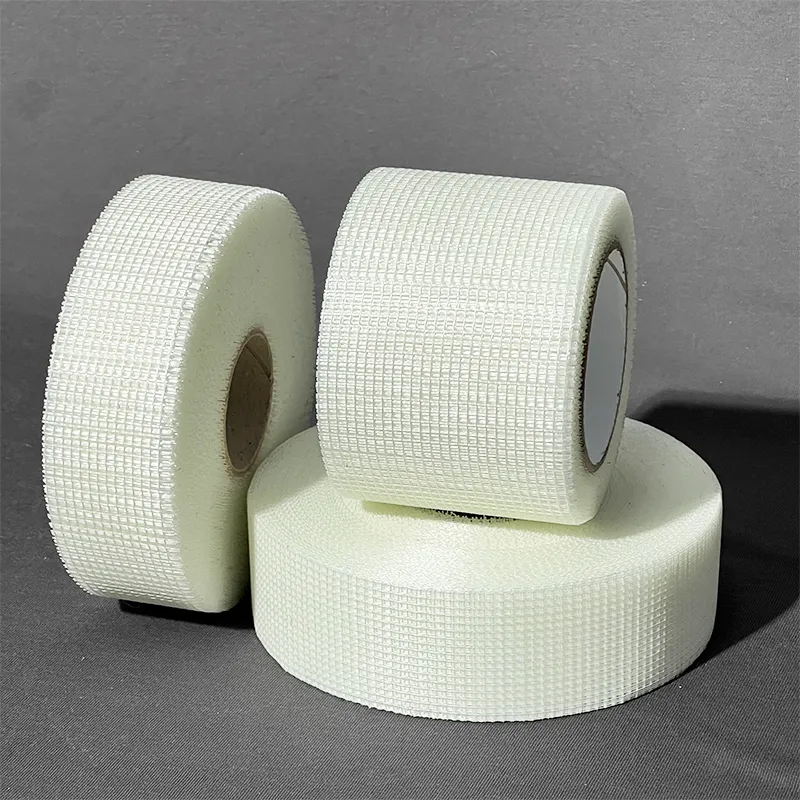
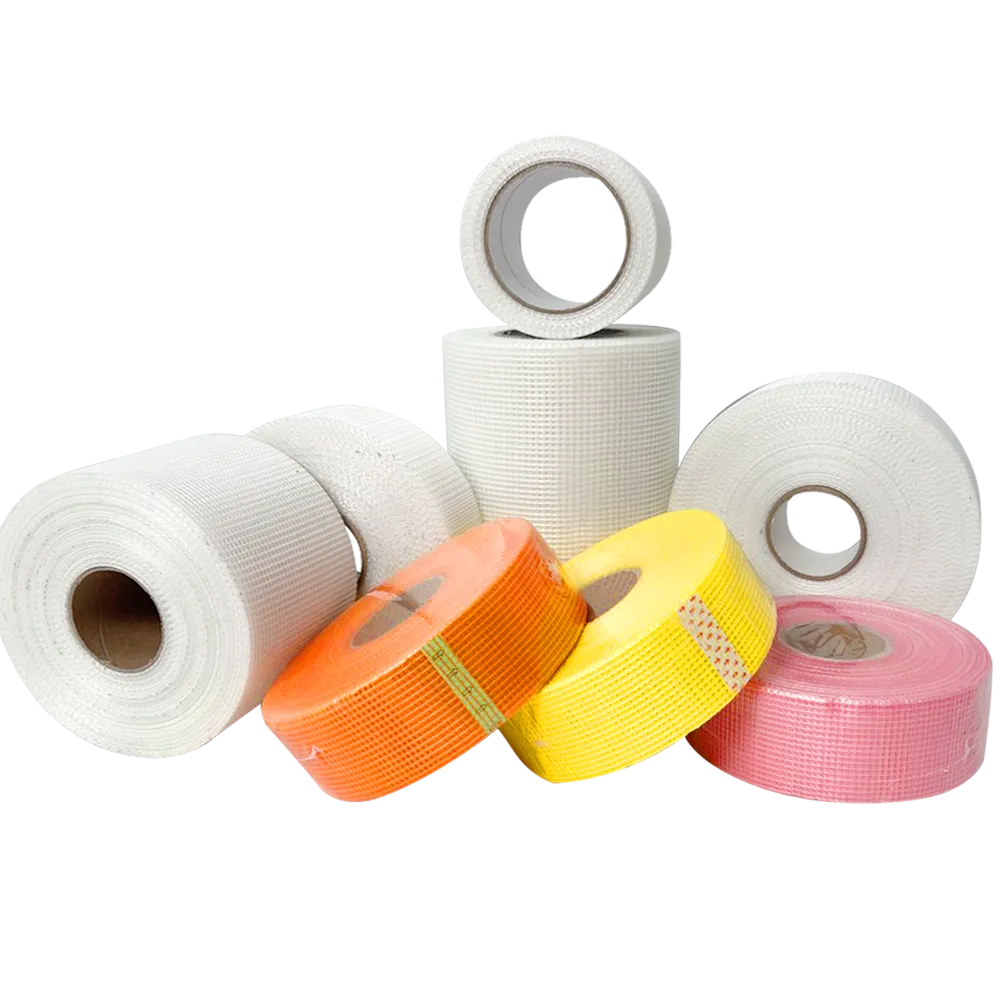
Simply put, a fiberglass sticky mesh manufacturer produces a mesh fabric made from woven fiberglass threads, coated with a ready-to-use adhesive. This sticky mesh is designed for easy application — generally sticking to surfaces without extra glue — and is widely used in construction for reinforcing walls, ceilings, and waterproofing layers.
You might be wondering why the “sticky” factor is emphasized. It’s because this adhesive coating reduces the labor time and complexity on-site, allowing faster installations. That’s especially helpful in large-scale renovation or fast-paced construction projects. The meshes themselves are lightweight, corrosion-resistant, and possess excellent tensile strength. They essentially bolster the structural integrity of surfaces with minimal fuss.
Connection to Industry & Humanitarian Needs
Interestingly, beyond conventional construction, fiberglass sticky meshes find essential use in emergency relief setups — from temporary shelters to rapid repair structures after earthquakes or floods. Organizations and NGOs increasingly partner with reputable fiberglass sticky mesh manufacturers to get supplies that combine durability with easy, rapid deployment.
Key Components and Characteristics Every Manufacturer Must Focus On
1. Durability and Strength
Fiberglass fibers resist cracking, stretching, and corrosion. The mesh enhances surface longevity by evenly distributing stress and reinforcing weak points.
2. Adhesive Quality and Ease of Application
A lot depends on the quality of the “sticky” coating. It must balance strong adhesion while allowing repositioning during installation. Poor adhesive can mean longer labor times or failure in challenging conditions.
3. Scalability and Thickness Variants
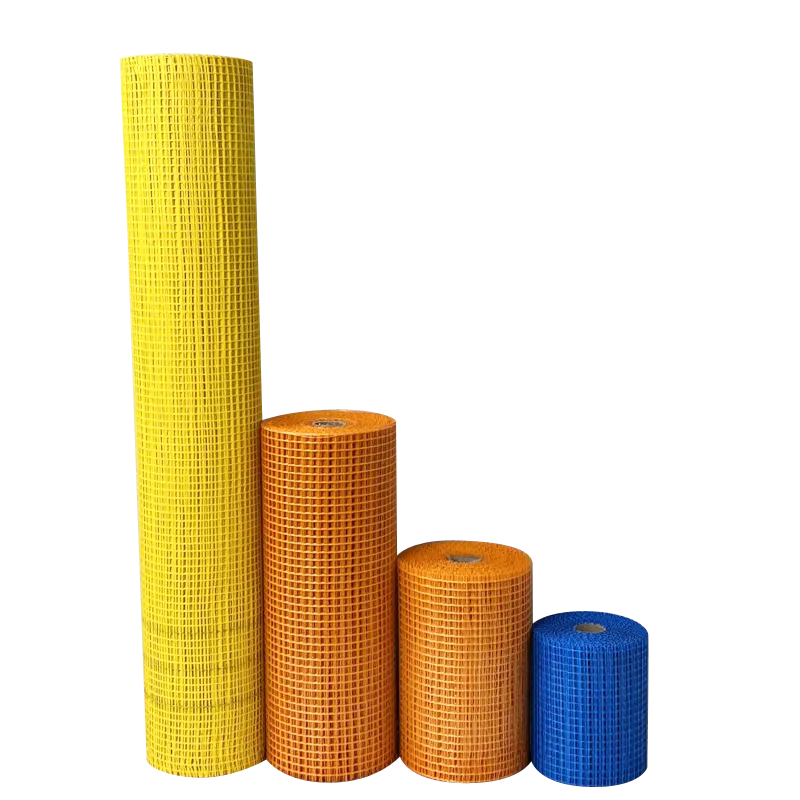
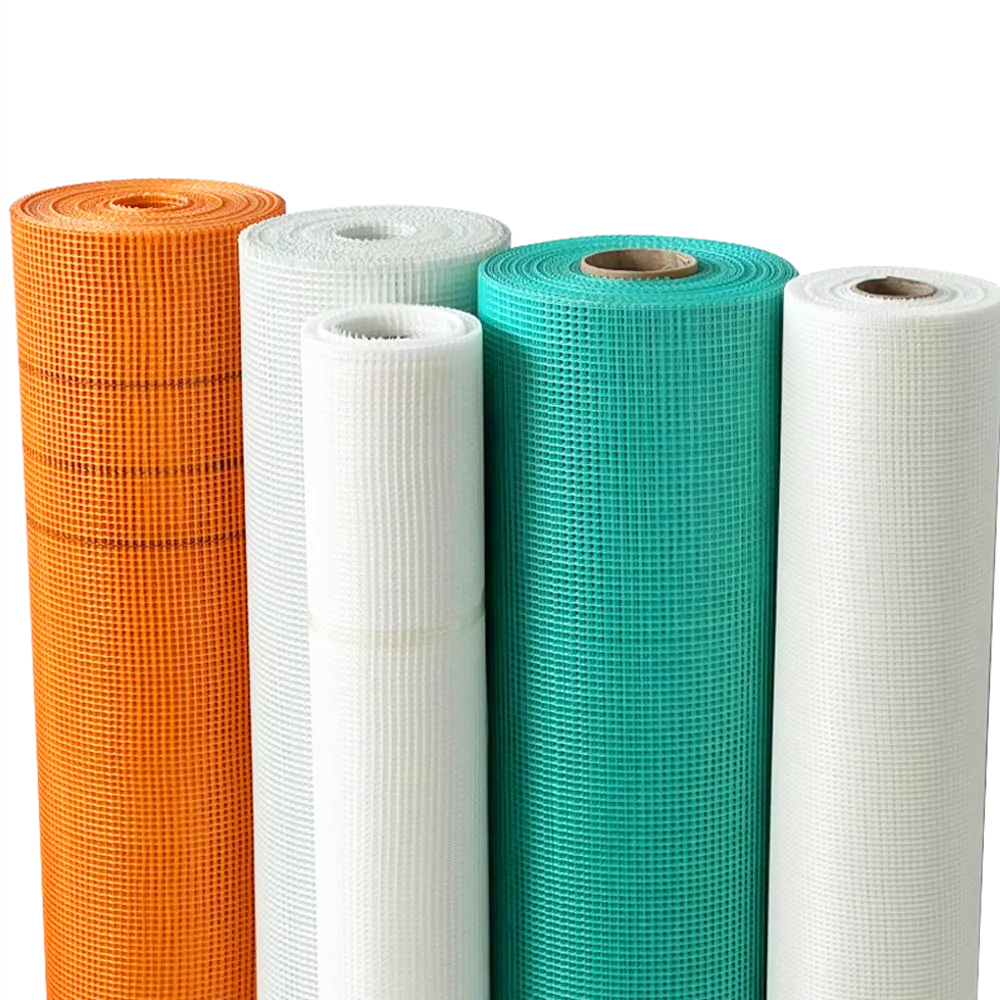
Different construction needs require varying mesh weights and thicknesses. Good manufacturers offer a range that can go from ultra-light meshes for paint reinforcement to heavy-duty ones for external thermal insulation systems.
4. Environmental Resistance
Resistance to moisture, UV rays, mold, and chemicals prolongs the mesh’s service life, especially outdoors. Materials developed with sustainability in mind also stand out here.
5. Customization Capabilities
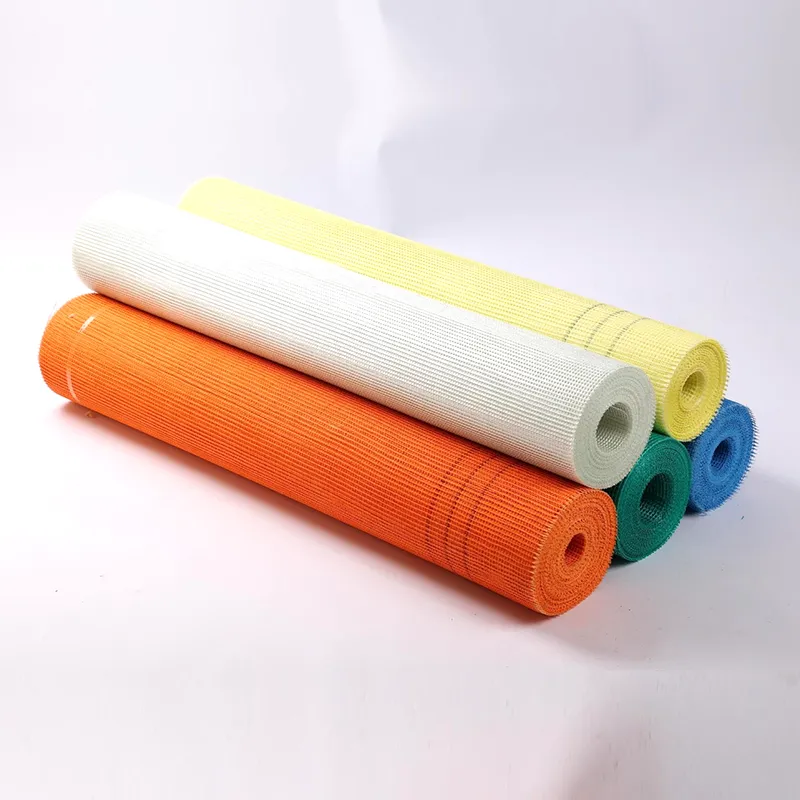
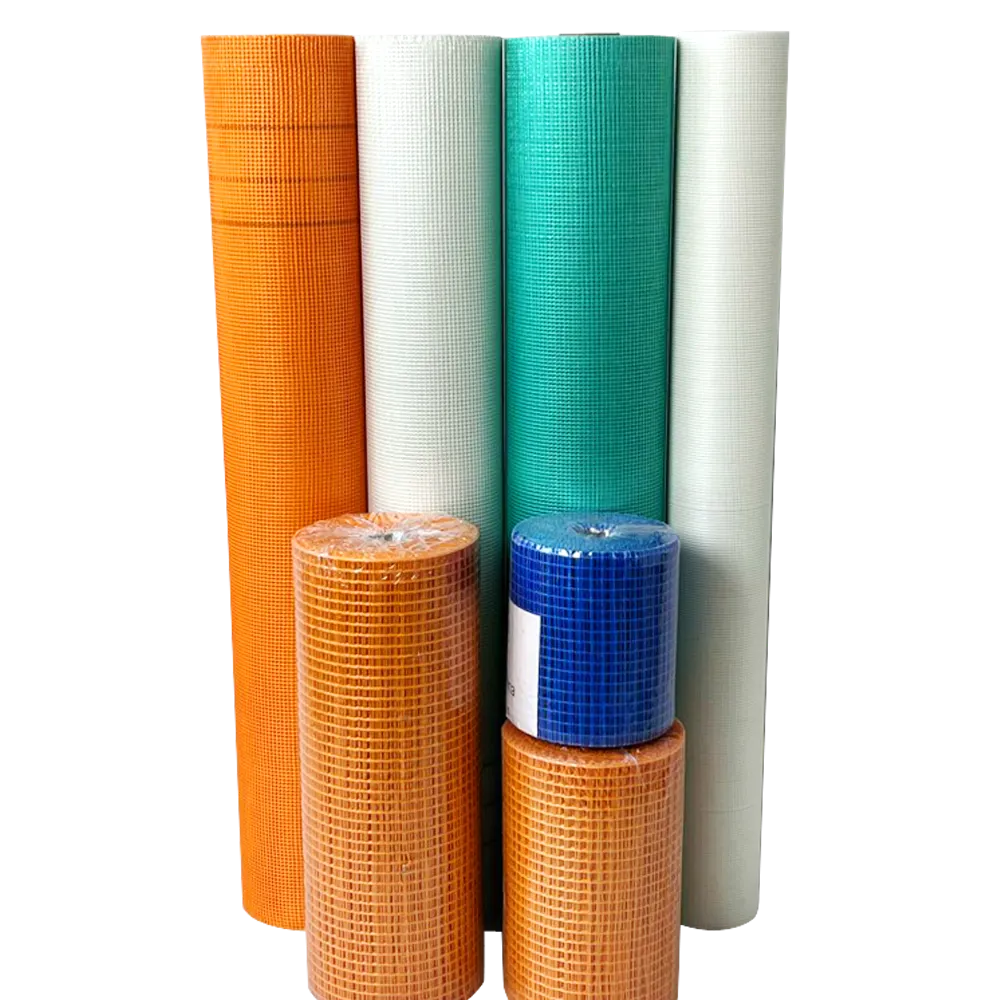
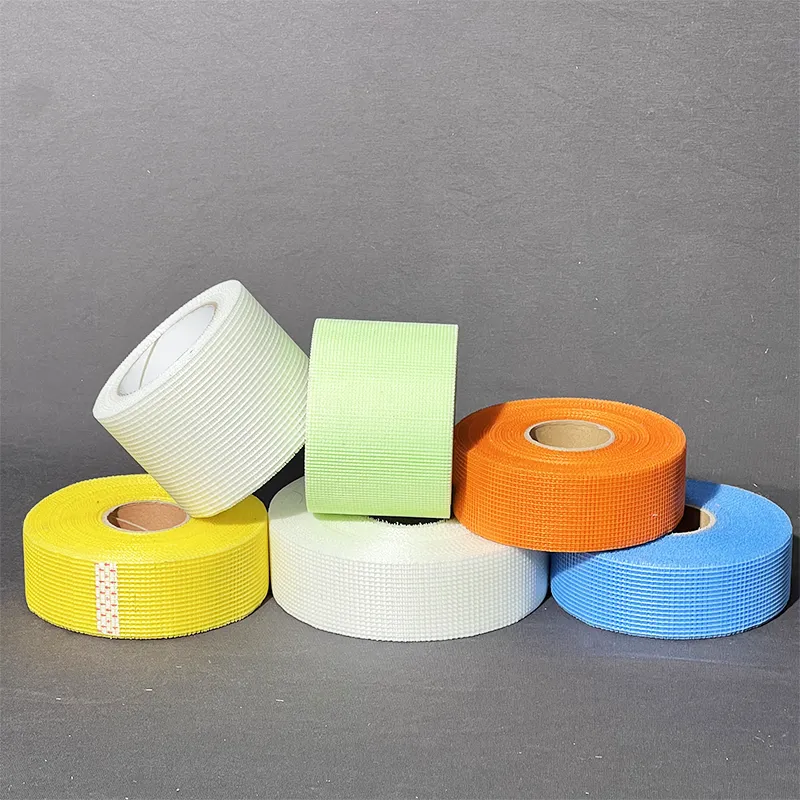
Whether it’s size, adhesive type, color coding, or packaging — flexible manufacturing means vendors can suit different markets and regulatory zones efficiently.
Product Specifications at a Glance
| Specification | Typical Value | Description |
|---|---|---|
| Weight | 50-150 g/m² | Light to heavy thickness mesh options for various applications |
| Fiber Diameter | 8-13 microns | Thickness of individual fiberglass threads |
| Adhesive Coating | Acrylic-based resin | Ensures stickiness & environmental resistance |
| Tensile Strength | >400 N/5cm | Ability to withstand tension without breaking |
Global Applications and The Real-World Impact
Fiberglass sticky mesh isn’t just confined to fancy urban developments — its tendrils reach across continents and industries:
- Europe and North America: Used heavily in EIFS (Exterior Insulation and Finish Systems), helping meet strict energy efficiency standards.
- Africa & Asia: Vital in affordable housing projects, where quick installation and durability matter most.
- Humanitarian Aid: NGOs rely on these meshes for rapid tent repairs or structural reinforcements in disaster zones. For example, after the 2021 floods in Southeast Asia, several relief agencies requested supplies from a fiberglass sticky mesh manufacturer to patch damaged shelters.
Oddly enough, even agricultural setups use these meshes underneath greenhouses to strengthen plastic films and reduce tearing from weather.
Vendor Comparison: What Sets Top Fiberglass Sticky Mesh Manufacturers Apart?
| Feature | Manufacturer A | Manufacturer B | Manufacturer C |
|---|---|---|---|
| Range of Mesh Weights | 50 - 160 g/m² | 60 - 130 g/m² | 45 - 150 g/m² |
| Custom Adhesive Formulations | Yes | No | Limited |
| Lead Time (Standard Orders) | 2-3 weeks | 4-6 weeks | 3-4 weeks |
| Sustainability Certifications | ISO 14001 | None | ISO 9001 |
The Long-Term Benefits of Working with Trusted Mesh Manufacturers
Choosing the right fiberglass sticky mesh supplier means more than ticking boxes. You’re actually investing in:
- Cost-efficiency: Durable products reduce repair and replacement frequency, lowering overall project budgets.
- Environmental impact: Lightweight yet strong materials shrink transport emissions and fit well into circular economy workflows.
- Safety and dignity: For temporary shelter use, better materials mean protected families and workers — a bottom-line social value.
- Innovation boost: Partnering with quality manufacturers encourages R&D collaboration and the adoption of new composite materials.
Frankly, it feels like the industry is shifting towards not just “making things stick” but making materials that truly stick around — in a positive sense.
What’s Next? The Future of Fiberglass Sticky Mesh Manufacturing
The horizon is bright with smart materials and automation. Imagine meshes embedded with sensors that monitor structural integrity or coatings that self-heal minor tears.
Sustainability trends will push manufacturers to explore bio-based resins or more energy-efficient production lines. Plus, with digital ordering and international logistics improving, global supply chains become smoother, meaning better access worldwide, even in remote or emergency settings.
Addressing Challenges: Overcoming Market Hurdles
Of course, no industry is perfect. Fiberglass sticky mesh manufacturers sometimes grapple with:
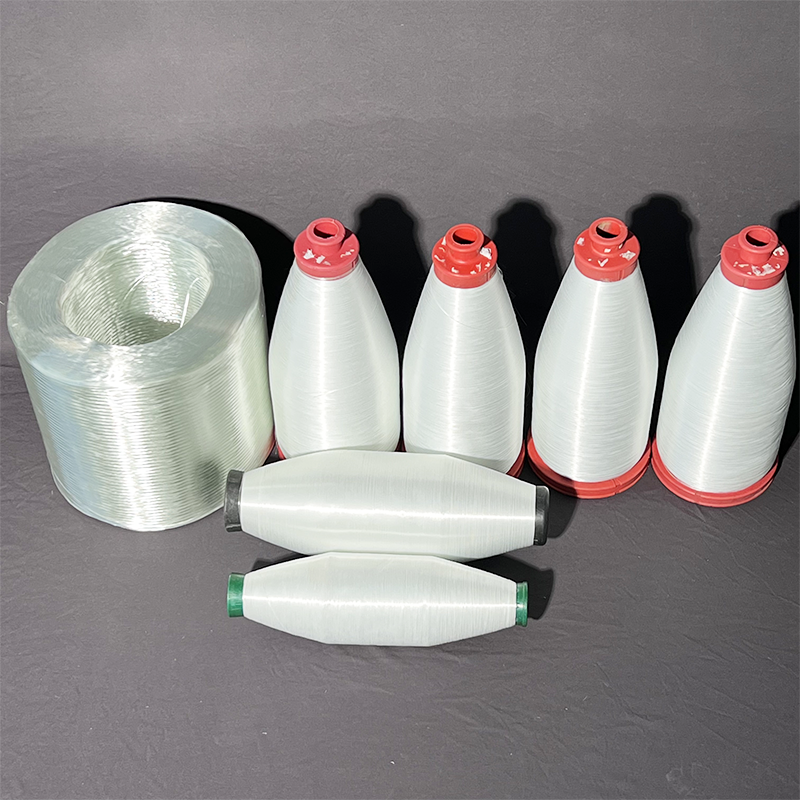
- Quality consistency: Fiberglass yarn variation can cause discrepancies in strength and adhesive performance.
- Cost pressures: Low-cost competitors may flood markets with inferior products.
- Environmental concerns: Disposal and recycling of fibrous composites remain tricky.
To tackle these, expert manufacturers invest in thorough quality controls and pursue certifications rigorously. Recycling advances and eco-design also promise solutions on the horizon.
FAQs About Fiberglass Sticky Mesh Manufacturers
Q1: How do I verify the quality of adhesive on fiberglass sticky mesh?
A: Look for technical datasheets that specify adhesive type and sticking strength. Samples are key—testing on your actual substrate before bulk orders helps avoid surprises. Reputable manufacturers also provide certifications for bonding performance.
Q2: Can fiberglass sticky mesh be used outdoors long-term?
A: Yes, but only those designed for outdoor use, featuring UV-resistant coatings and mildew protection. Otherwise, prolonged exposure may degrade adhesive properties and fibers.
Q3: What is the typical lead time for custom mesh orders?
A: Most manufacturers require 2-4 weeks depending on volume and customization level. Planning ahead is crucial, especially for international shipping.
Q4: Are these meshes recyclable?
A: Recycling fiberglass composites is complex, but some manufacturers are developing take-back or recycling programs. Ask your supplier about sustainability practices.
Q5: Which industries benefit most from fiberglass sticky mesh?
A: Construction, renovation, waterproofing, industrial manufacturing, agriculture, and disaster relief are main users. The mesh’s versatility suits many applications.
Bringing It All Together
In my years following construction tech, fiberglass sticky mesh manufacturers stand out as quiet but essential enablers of stronger, smarter, and more sustainable infrastructure. Their products don’t just stick walls together — they stick society’s future on a firm foundation. To explore top-quality meshes or to tailor orders to your needs, why not start with a reliable partner like this fiberglass sticky mesh manufacturer?
Thanks for sticking with me on this deep dive — it’s fascinating how much you can discover when something as simple as “mesh” becomes the backbone of industrial progress.
References
-
Best Fiberglass Mesh Tape for RedGard Product Waterproofing GuideNewsApr.16,2026
-
Why High Strength Fiberglass Mesh Is Essential For Stucco ApplicationNewsApr.15,2026
-
Why Alkali Resistant Fiberglass Mesh Tape Is Essential For Cement Board And Tile InstallationsNewsApr.15,2026
-
Understanding The Role Of Drywall Fiberglass Mesh In Interior FinishingNewsApr.15,2026
-
Ultimate Guide To Using Fiberglass Mesh Tape For Drywall And Plaster RepairsNewsApr.15,2026
-
The Versatility Of Fiberglass Mesh In Marble And Stone MosaicNewsApr.15,2026