Dec . 01, 2025 00:15 Back to list
Leading Fiberglass Sticky Mesh Manufacturers for Durable & Sustainable Construction
Fiberglass Sticky Mesh Manufacturers: Why They Matter in Today’s World
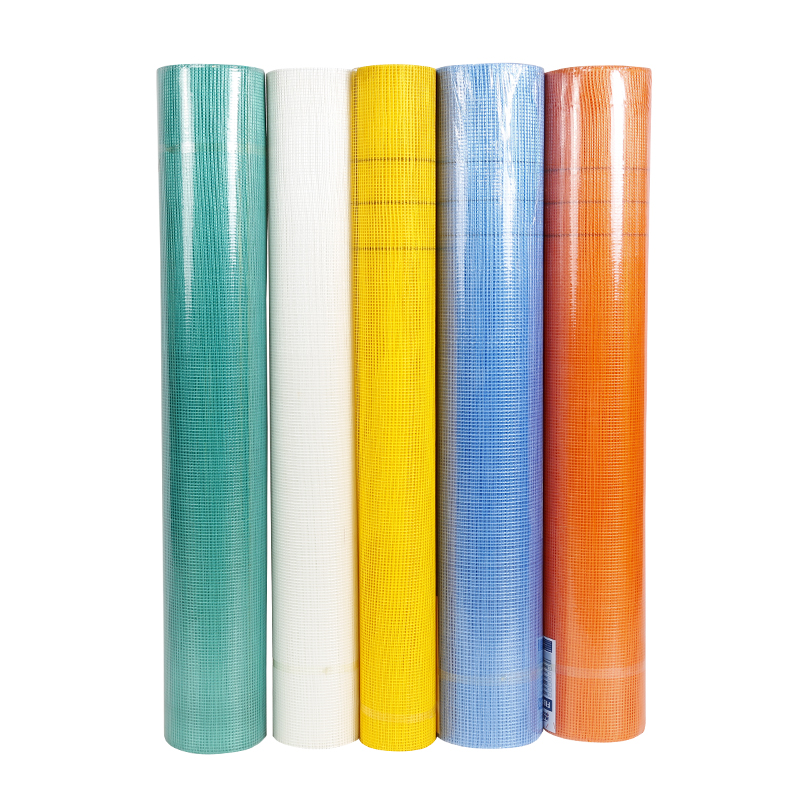
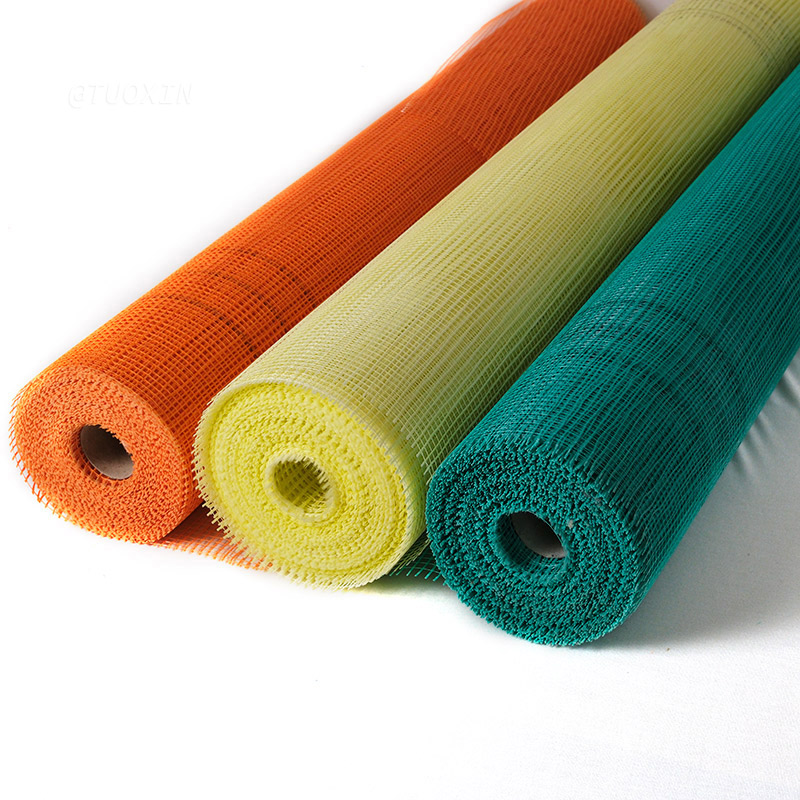
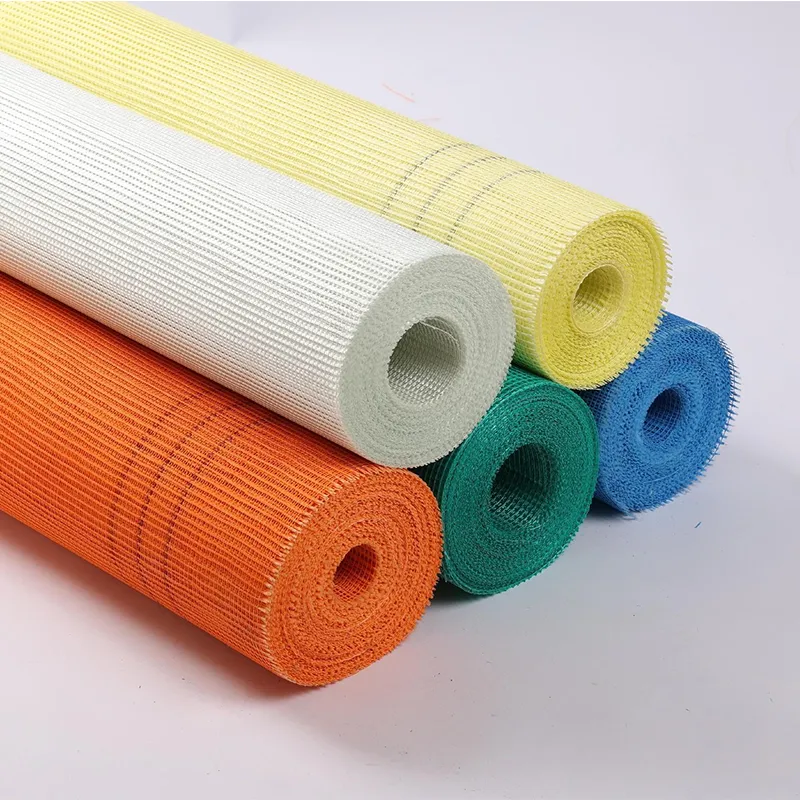
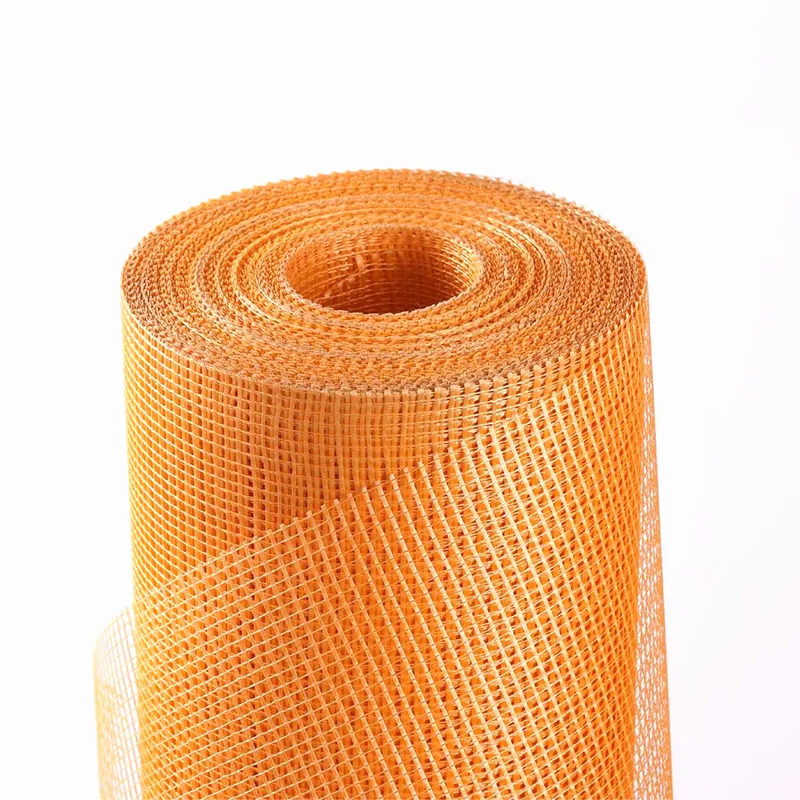
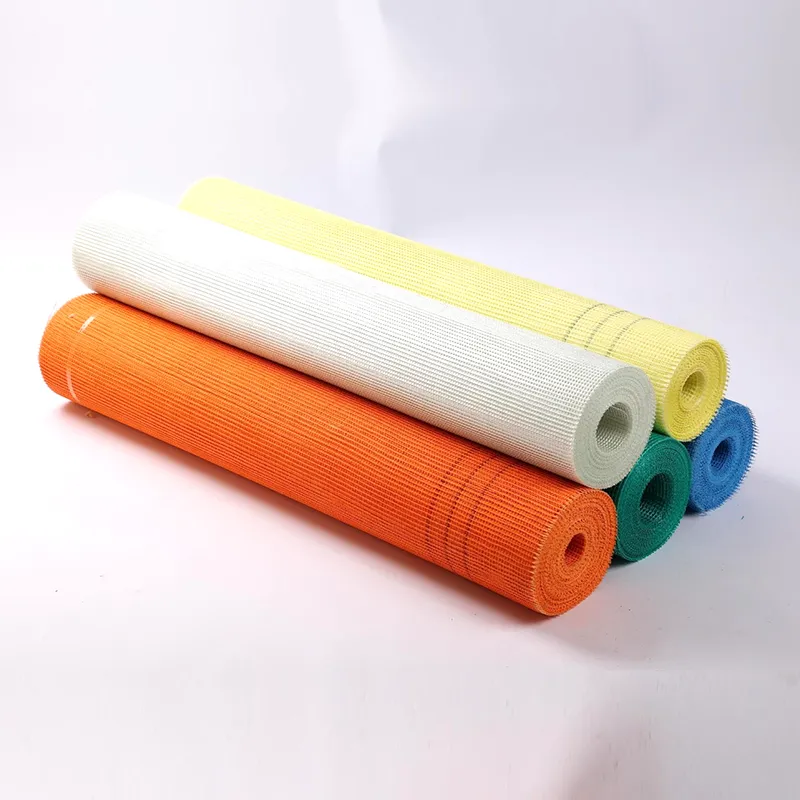
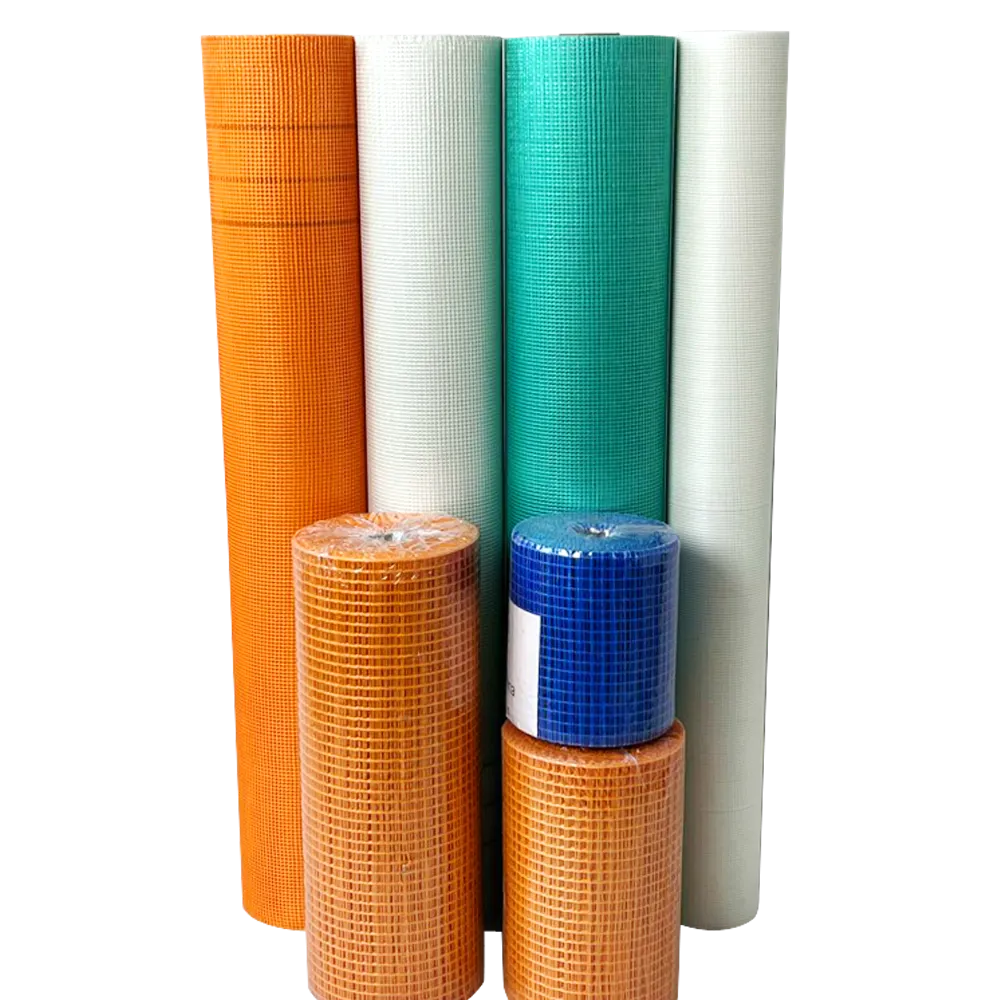
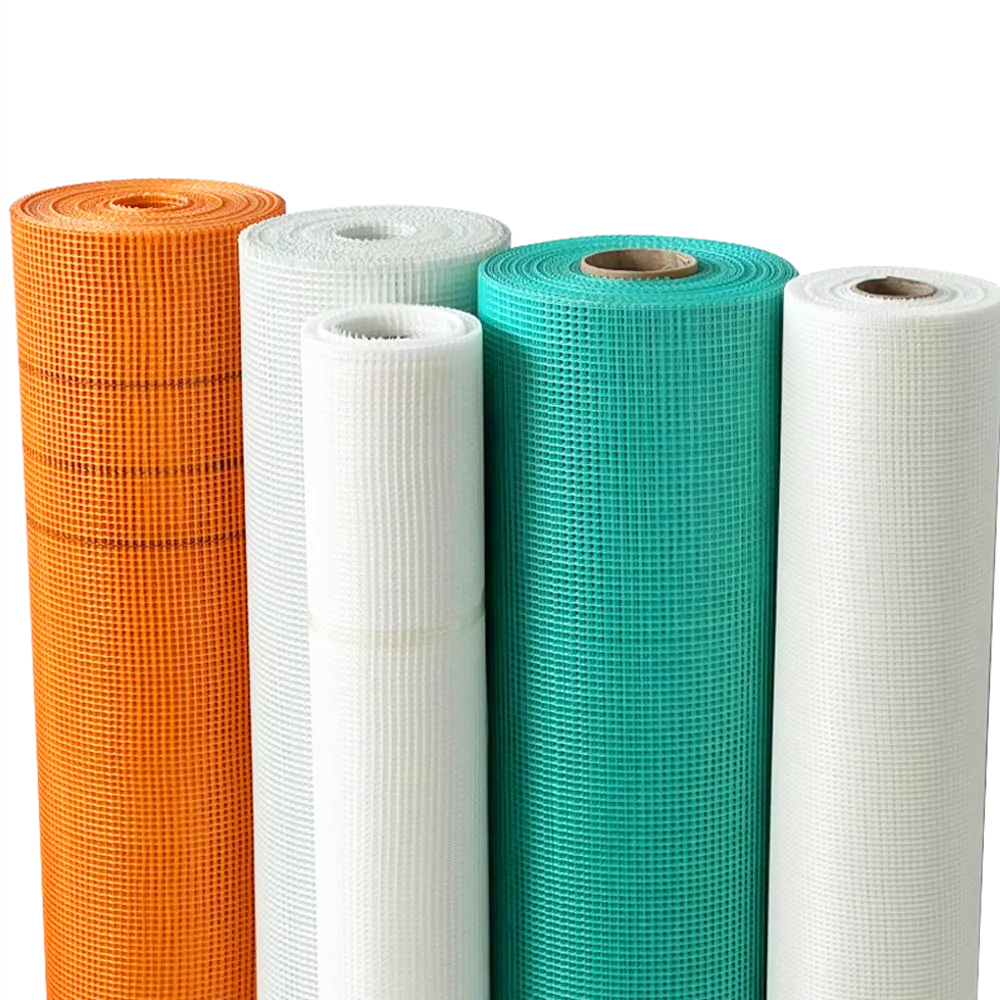
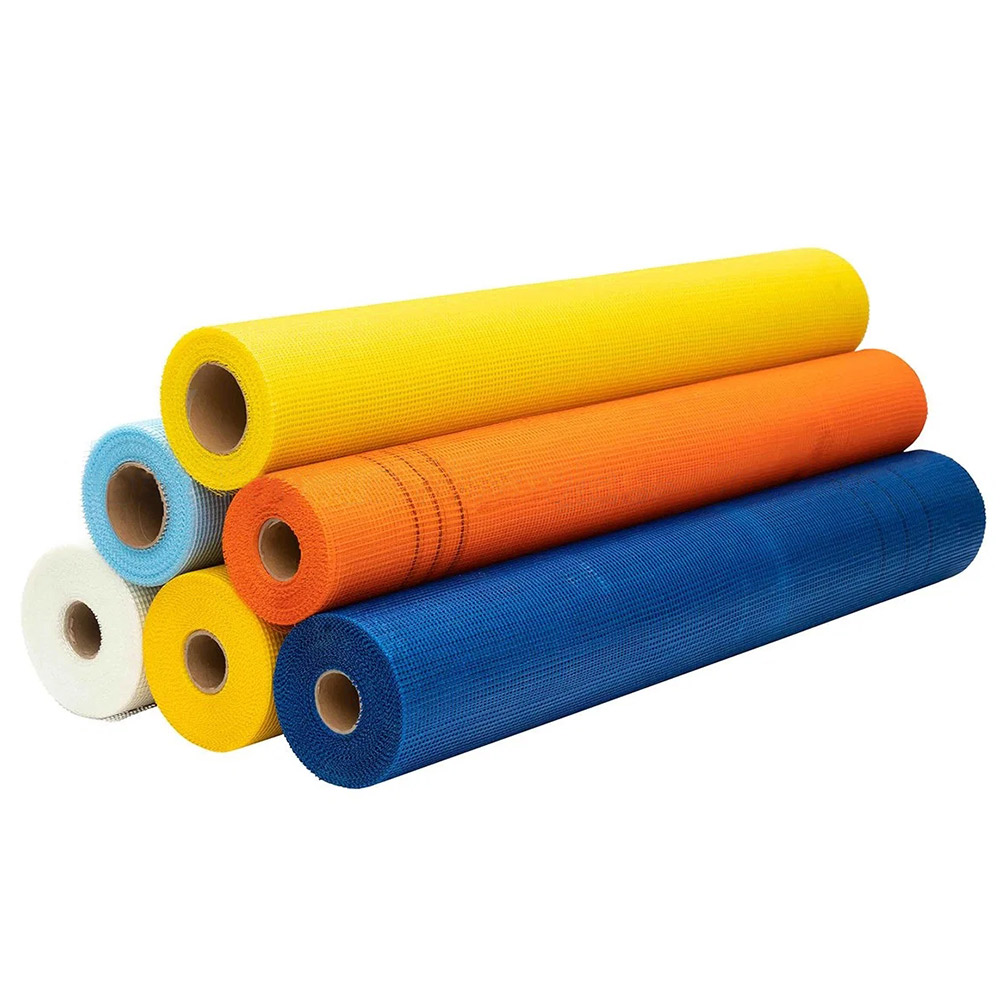
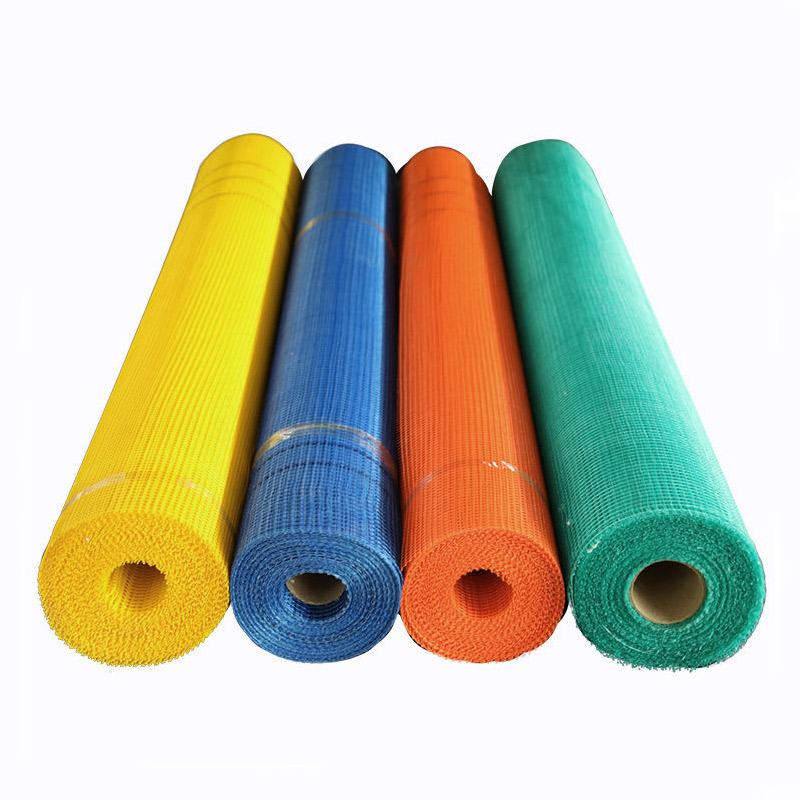
Fiberglass sticky mesh might sound like some obscure industrial jargon, but it’s quietly transforming sectors from construction to disaster relief. Globally, millions of buildings and infrastructure projects rely on these meshes — and understanding who makes them and why they’re important can make a big difference in quality, safety, and sustainability. So, what exactly is a fiberglass sticky mesh manufacturer, and why should you care? In a nutshell: these manufacturers produce a specialized mesh that boasts incredible strength and adhesion properties, essential for reinforcing walls, ceilings, and various composite materials. They matter because the demand for durable yet lightweight solutions is only growing, especially with climate challenges and urban growth.
The Global Stage: Why Fiberglass Sticky Mesh Manufacturers Are Crucial
If you look at global infrastructure stats released by the United Nations, billions of dollars are poured annually into construction and renovation — especially in fast-developing regions of Asia and Africa. Fiberglass sticky mesh manufacturers sit at the heart of this wave by providing materials that make buildings more resilient against natural disasters and wear-and-tear.
Interestingly, the growth of resilient infrastructure market size is projected to cross $120 billion globally by 2027 according to ISO studies — a huge market share going to products like fiberglass mesh that balance strength with cost-efficiency.
But there’s a hurdle here: traditional meshes often suffer from poor adhesion or degrade quickly under harsh conditions, especially in tropical or industrial environments. The “sticky” fiberglass mesh solves this by combining adhesion technology with durable fiberglass threads, making applications easier and longer-lasting.
What Exactly Are Fiberglass Sticky Mesh Manufacturers?
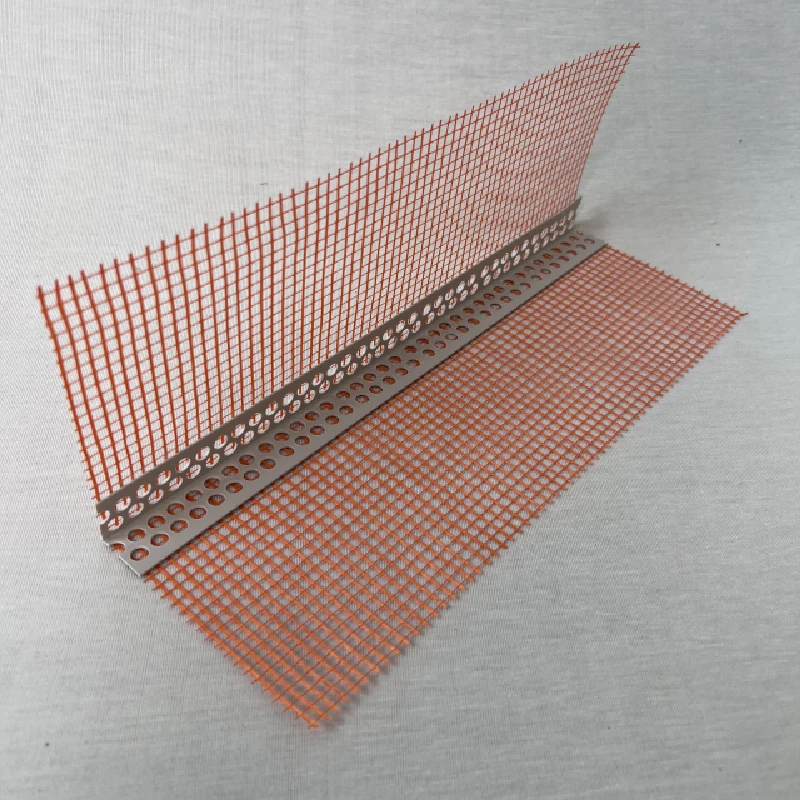
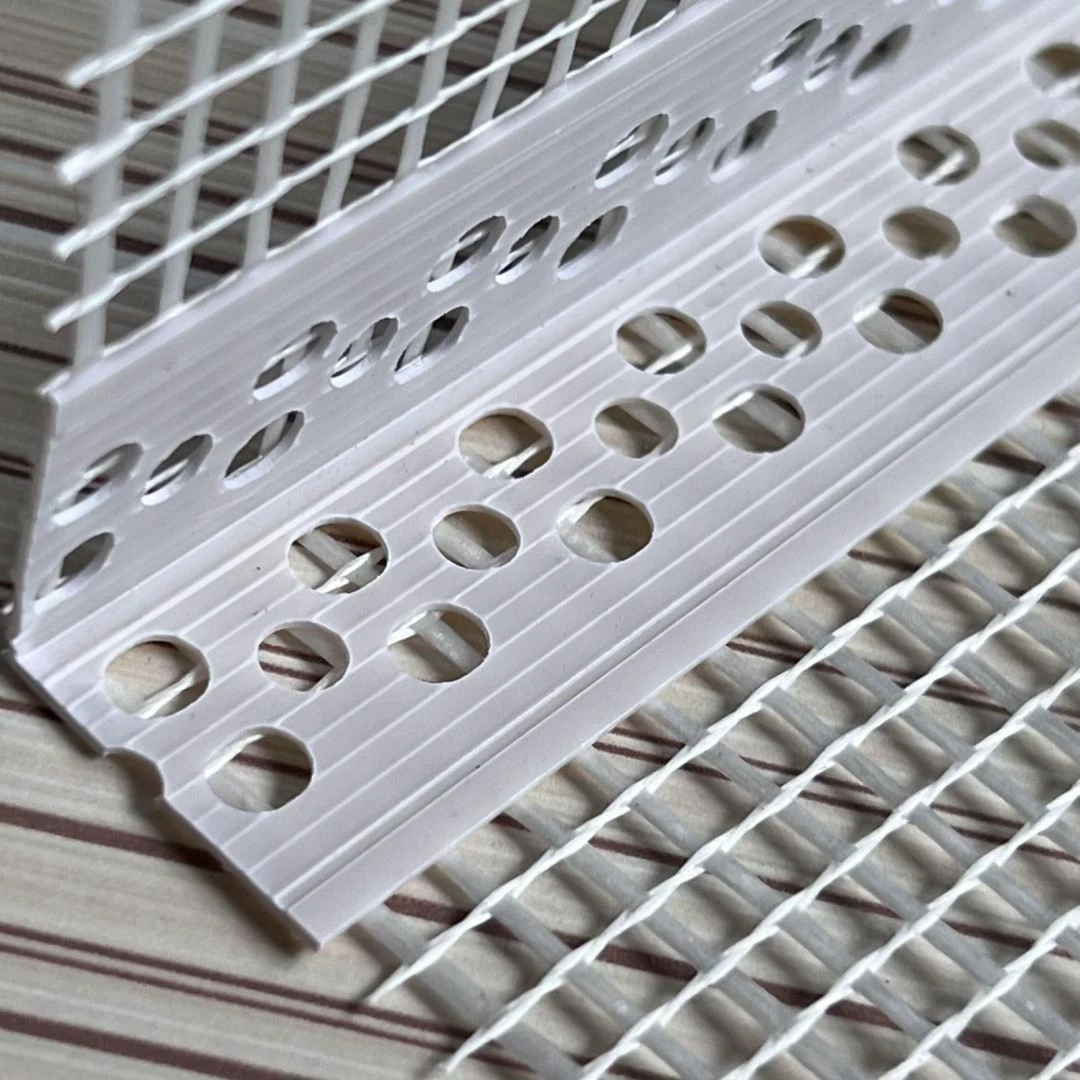
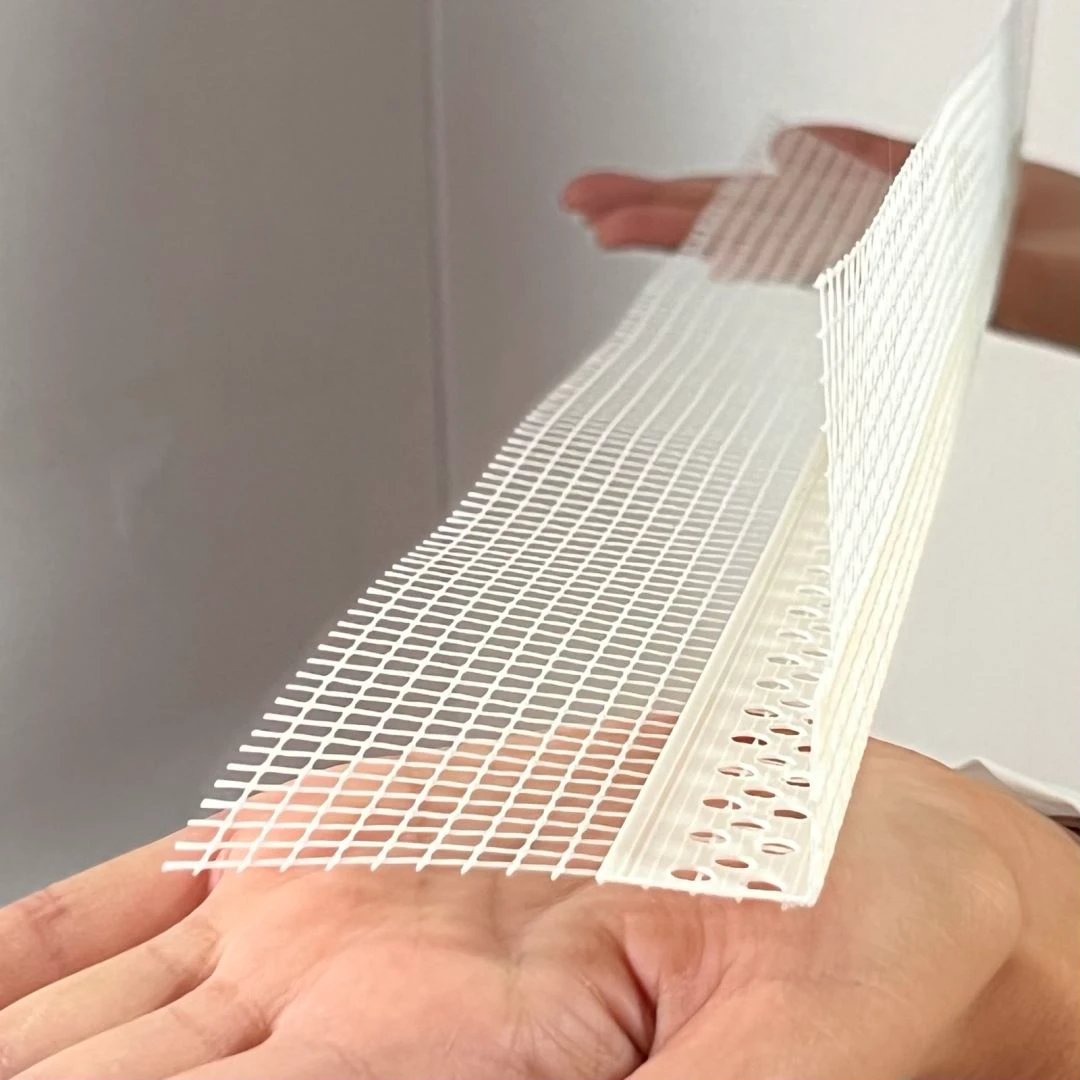
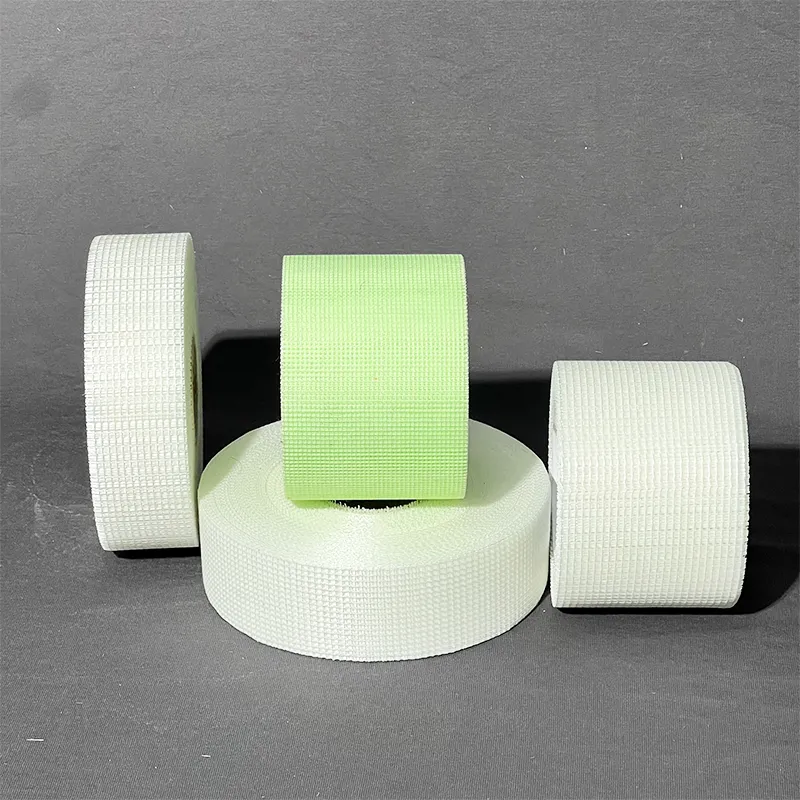
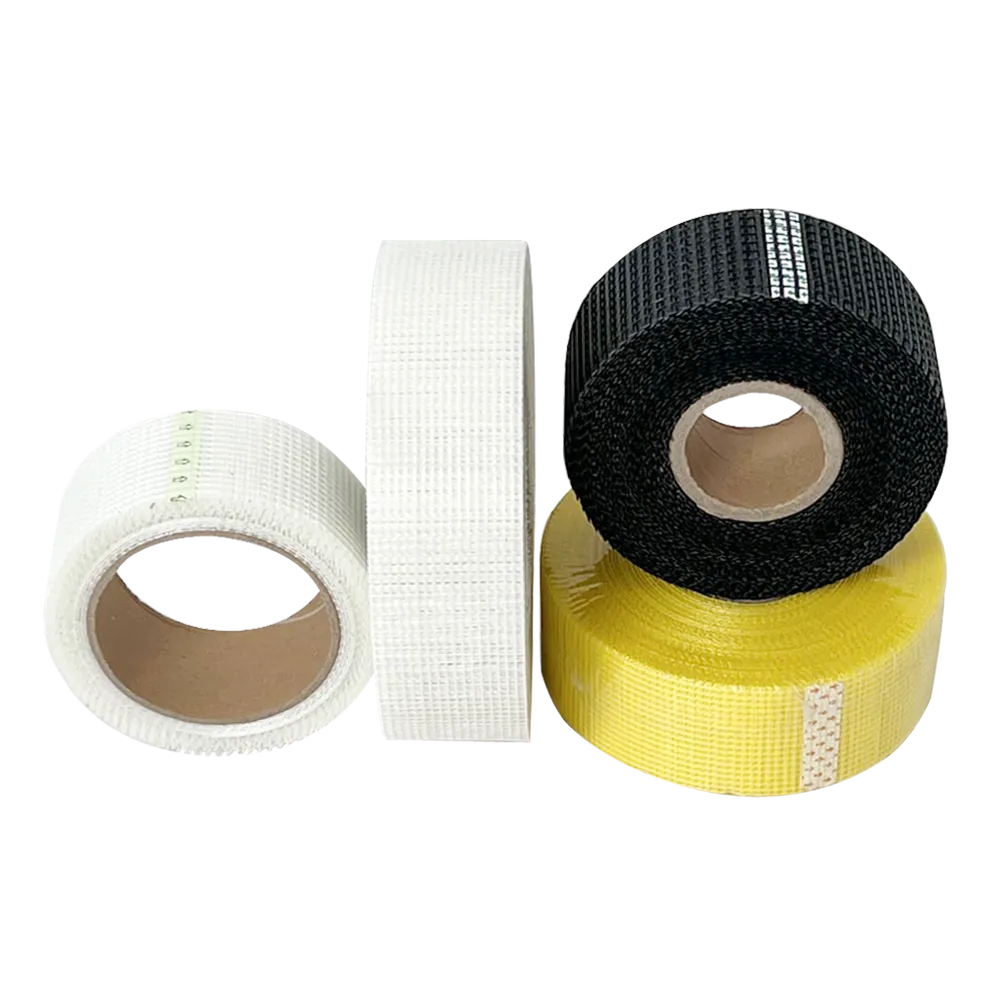
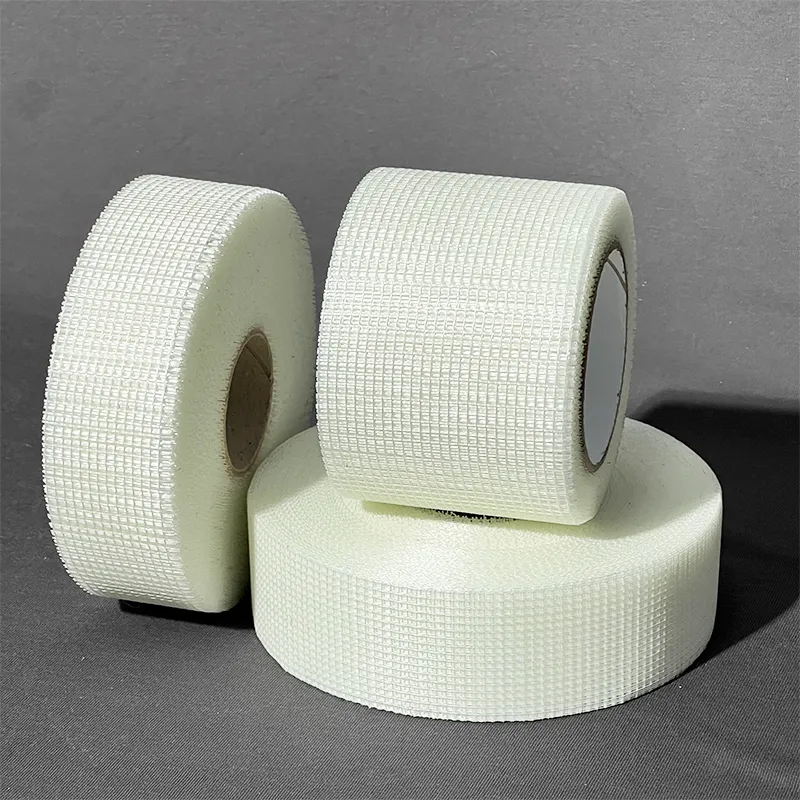
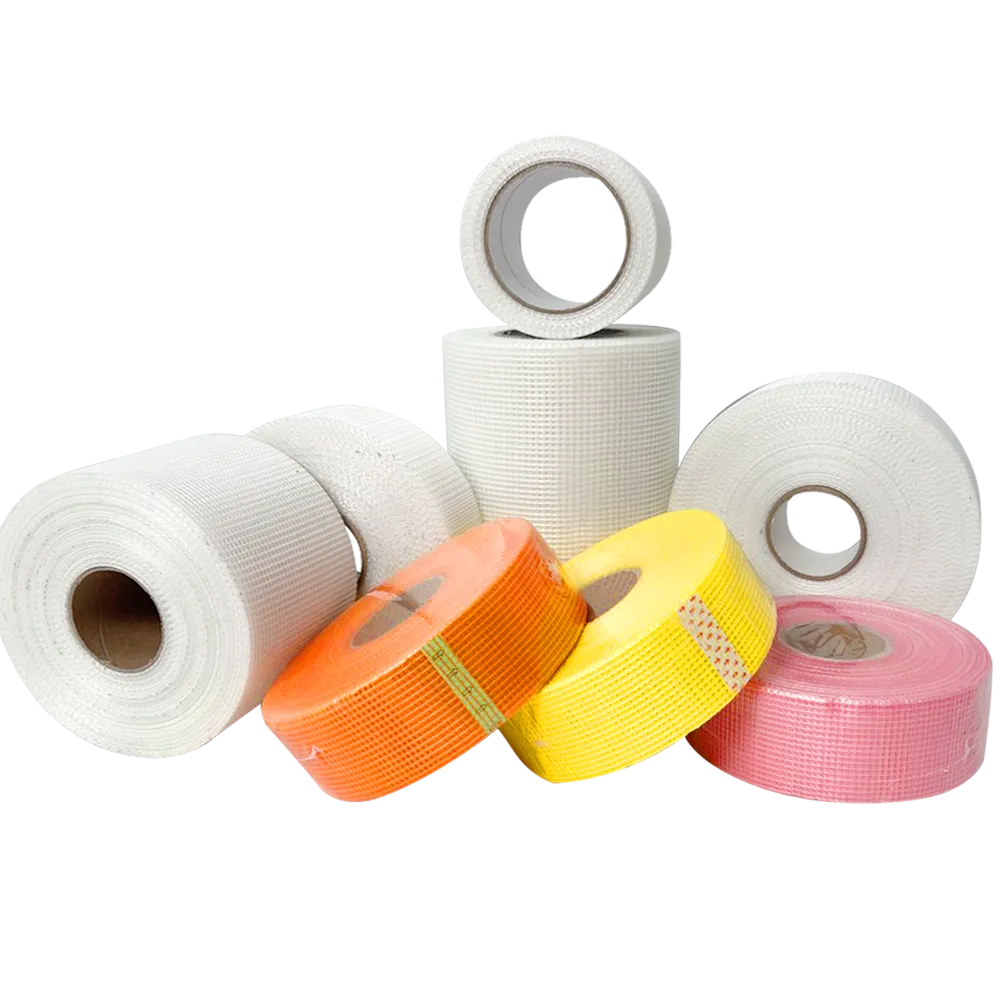
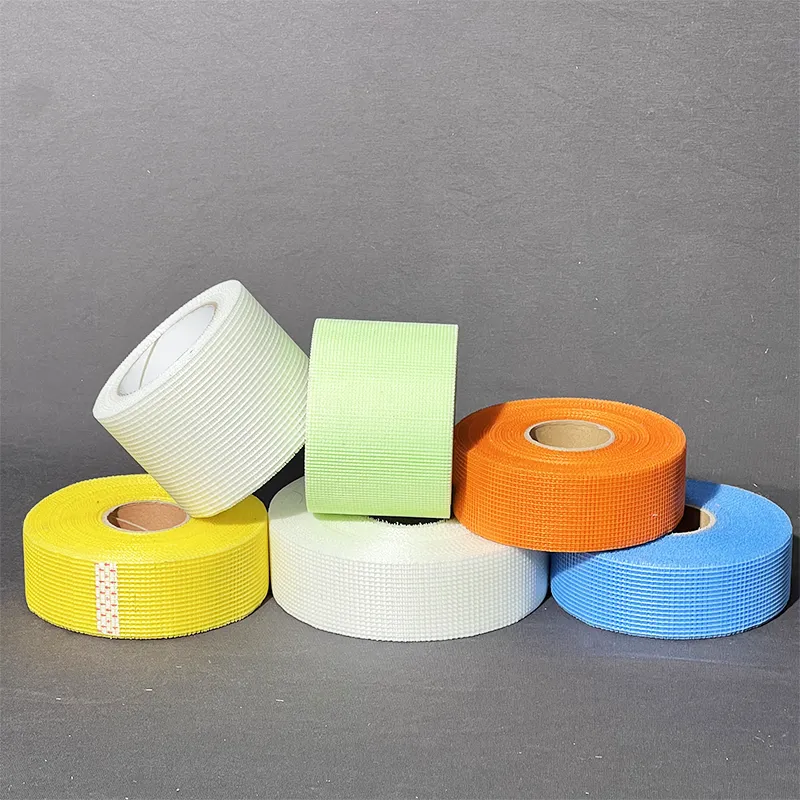
Simply put, these are companies specialized in producing fiberglass meshes coated with an adhesive layer or with inherent stickiness, designed to bond seamlessly onto surfaces such as plasterboard, concrete, or drywall. They blend fiberglass's well-known tensile strength with a sticky coating, offering a one-step reinforcement solution.
This isn’t just for improving drywall joints; these meshes find applications in waterproofing, fireproofing, and even in creating lightweight composite panels. Think of them as the unsung heroes behind your walls' stability and durability.
Core Components that Make the Difference
Durability
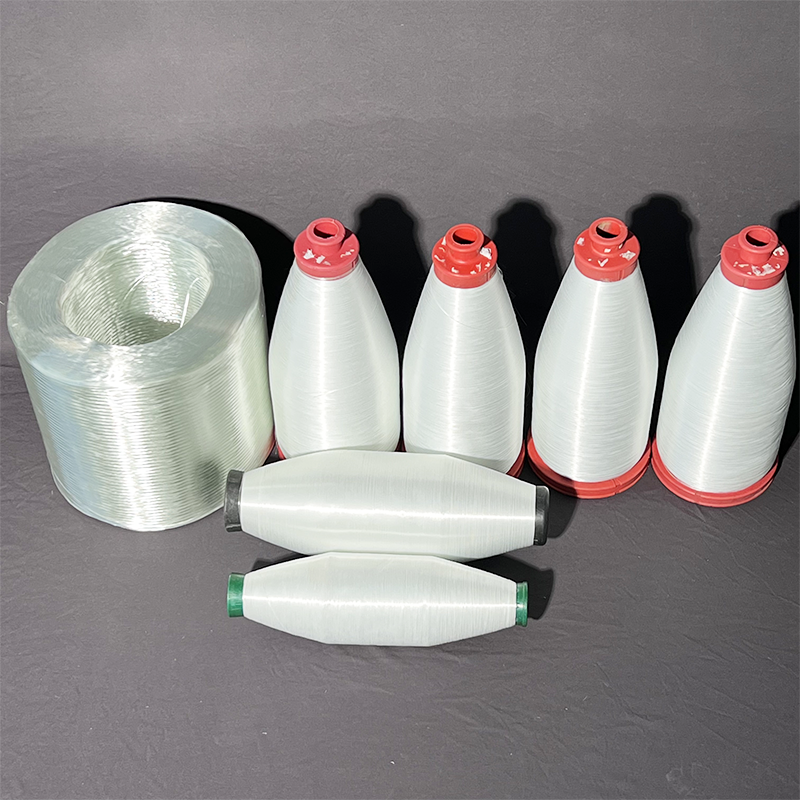
Fiberglass fibers resist chemical corrosion, moisture, and temperature extremes better than many synthetic alternatives. The sticky coating ensures it stays put during installation and long after.
Adhesion & Ease of Use
The “sticky” factor saves labor — installers no longer need separate adhesives, which often adds time and cost. It reduces errors too, which means fewer repairs later on.
Flexibility and Scalability
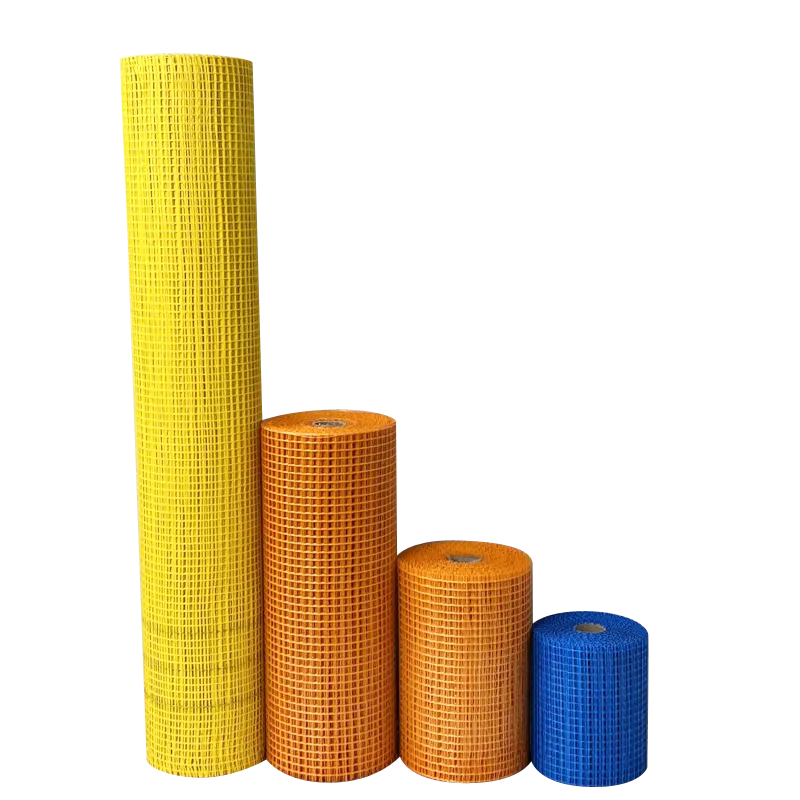
Different projects need different mesh densities and thicknesses. Manufacturers adapt their products to match varying loads and functions, making fiberglass sticky mesh versatile.
Cost Efficiency
While fiberglass isn’t the cheapest fiber mesh out there, the combination of durability and built-in adhesive means fewer replacements and less labor, driving overall savings.
Mini Takeaway:
At its core, fiberglass sticky mesh manufacturing fuses material science with practical usability — combining grip, toughness, and adaptability that industries crave.
Where Are These Meshes Used? Real-World Applications
Countries prone to typhoons and earthquakes, like Japan and the Philippines, rely heavily on fiberglass sticky mesh to reinforce building envelopes and reduce cracking in plaster. In cold climates such as Scandinavia, it's used to improve thermal insulation panels, making buildings more energy-efficient.
In industrial plants, you’ll find this mesh embedded within chemical-resistant coatings, helping walls resist harsh substances.
Not to forget humanitarian efforts: organizations deploying temporary shelters in disaster zones select sticky fiberglass mesh because it’s lightweight, tough, and accelerates setup...
Product Specification Table
| Specification | Typical Value | Unit |
|---|---|---|
| Mesh Density | 120 ± 5 | g/m² |
| Adhesive Strength | 2.0 | N/cm |
| Fiber Diameter | 10 ± 1 | μm |
| Elongation at Break | 3.2 | % |
| Max Operating Temperature | 150 | °C |
Looking at the Market: Comparing Leading Fiberglass Sticky Mesh Manufacturers
| Manufacturer | Product Range | Adhesion Technology | Lead Time | Pricing Level |
|---|---|---|---|---|
| Tainuo Industrial | Standard + Customized | Proprietary Polymer Coating | 2–3 weeks | Mid-range |
| GlobalFiberglass Ltd. | Standard Only | Solvent-Based Adhesion | 4–6 weeks | High |
| EcoMesh Corp. | Custom R&D Focus | Water-Based Adhesive | 5 weeks | Mid-High |
Advantages That Keep Fiberglass Sticky Mesh In Demand
- Saves installation time: Lowers labor costs and human error.
- Longevity: Resists UV, moisture, and temperature extremes better than alternatives.
- Lightweight & flexible: Easier to transport and handle on-site compared to metal meshes.
- Cost-effective: Despite initial higher unit cost, fewer repairs and replacements pay off in the long run.
- Sustainability: Many manufacturers adopt eco-friendly adhesives, reducing volatile organic compounds (VOCs).
Emerging Trends Impacting Fiberglass Sticky Mesh Manufacturers
Many manufacturers are now exploring bio-based adhesives to replace synthetic polymers, in line with stricter environmental regulations worldwide. Automated production lines incorporating AI-driven quality checks are becoming the industry norm, resulting in meshes with tighter tolerances and consistency.
Additionally, demand for "smart" meshes embedded with sensors for structural health monitoring is a budding niche, especially in urban infrastructure projects in Europe and North America.
Common Obstacles And How They’re Overcome
One challenge that folks in the industry face is balancing stickiness with shelf life — an overly sticky mesh can degrade or stick prematurely during transport. Manufacturers tackle this by optimizing coatings that activate upon slight moisture exposure or by packaging in airtight rolls.
Moreover, compatibility with diverse substrates requires a tailored adhesive approach — not every wall or panel behaves the same. Here, research teams spend significant time developing formulations suited to various climates and material finishes.
FAQ: Your Questions About Fiberglass Sticky Mesh Manufacturers Answered
Q1: How do fiberglass sticky meshes improve construction durability?
A: By reinforcing joints and surfaces, these meshes prevent cracks and improve resistance to weather, vibration, and impact. Their strong adhesion ensures the mesh remains bonded throughout the building's life.
Q2: Are sticky fiberglass meshes eco-friendly?
A: Many manufacturers now produce meshes with water-based or bio-sourced adhesives, reducing harmful emissions. The longevity of the mesh also contributes to sustainability by reducing the need for replacements.
Q3: Can I customize the mesh size or adhesion level?
A: Most fiberglass sticky mesh manufacturers, including fiberglass sticky mesh manufacturers, offer customization options to suit specific project needs, including mesh size, coating thickness, and adhesive type.
Q4: What regions benefit most from these meshes?
A: Areas with harsh climates, like Southeast Asia, the Middle East, and parts of Europe, see significant benefits — especially where storm resilience and energy efficiency are priorities.
Q5: How can NGOs source these meshes for humanitarian projects?
A: Establishing connections with manufacturers or authorized distributors, and verifying ISO certifications, ensures quality. Import logistics vary by country, so working with experienced suppliers like fiberglass sticky mesh manufacturers is recommended.
Wrapping Up: Why Fiberglass Sticky Mesh Manufacturers Deserve Your Attention
From boosting the resilience of your home to supporting quick, reliable shelter solutions in emergencies, fiberglass sticky meshes are quietly changing the game. Their blend of strength, ease, and sustainability means they’re only becoming more vital worldwide.
So if you’re involved in construction, infrastructure, or disaster response, keep an eye on these manufacturers and their innovations. Curious to explore options or custom requests? Visit our website at https://www.tainuofiberglassmesh.com to learn more about trusted suppliers who understand this nuanced market.
Mini Reference List:
-
Best Fiberglass Mesh Tape for RedGard Product Waterproofing GuideNewsApr.16,2026
-
Why High Strength Fiberglass Mesh Is Essential For Stucco ApplicationNewsApr.15,2026
-
Why Alkali Resistant Fiberglass Mesh Tape Is Essential For Cement Board And Tile InstallationsNewsApr.15,2026
-
Understanding The Role Of Drywall Fiberglass Mesh In Interior FinishingNewsApr.15,2026
-
Ultimate Guide To Using Fiberglass Mesh Tape For Drywall And Plaster RepairsNewsApr.15,2026
-
The Versatility Of Fiberglass Mesh In Marble And Stone MosaicNewsApr.15,2026