Jan . 14, 2026 15:27 Back to list
PVC Corner Beads with Fiberglass Mesh: Enhancing Durability and Precision in Plastering
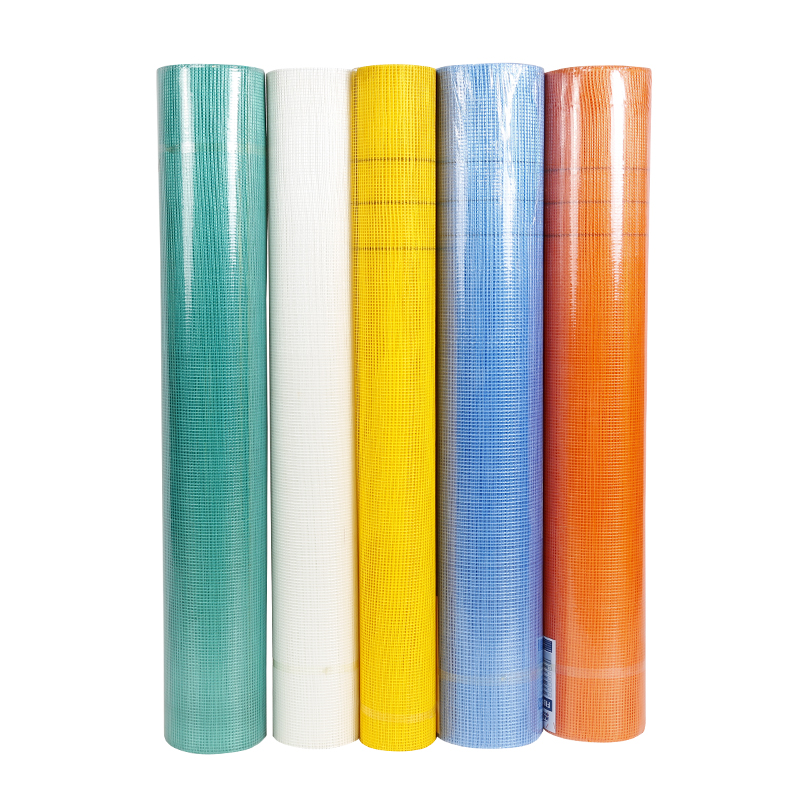
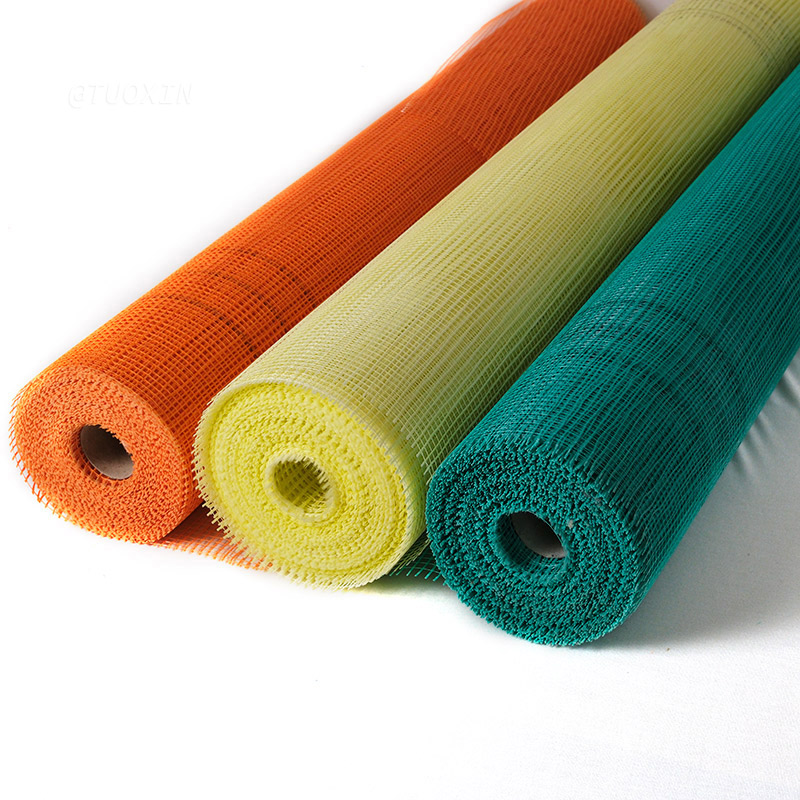
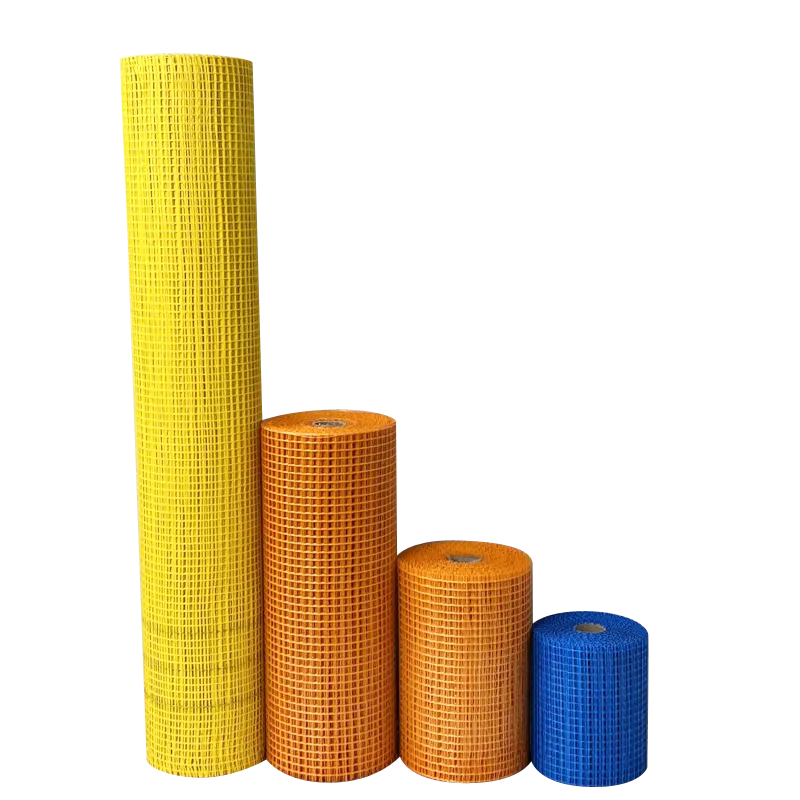
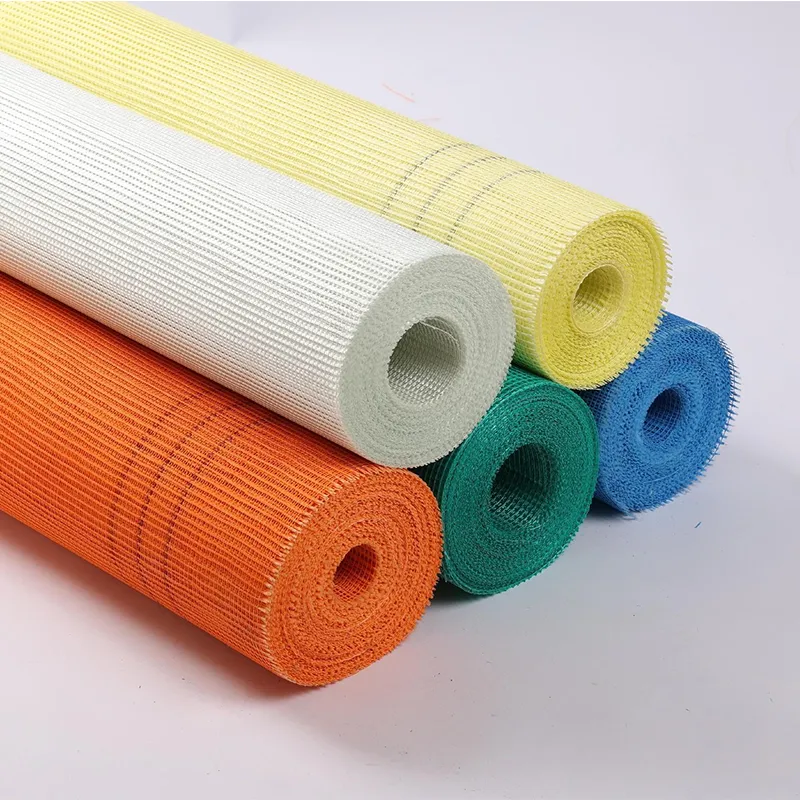
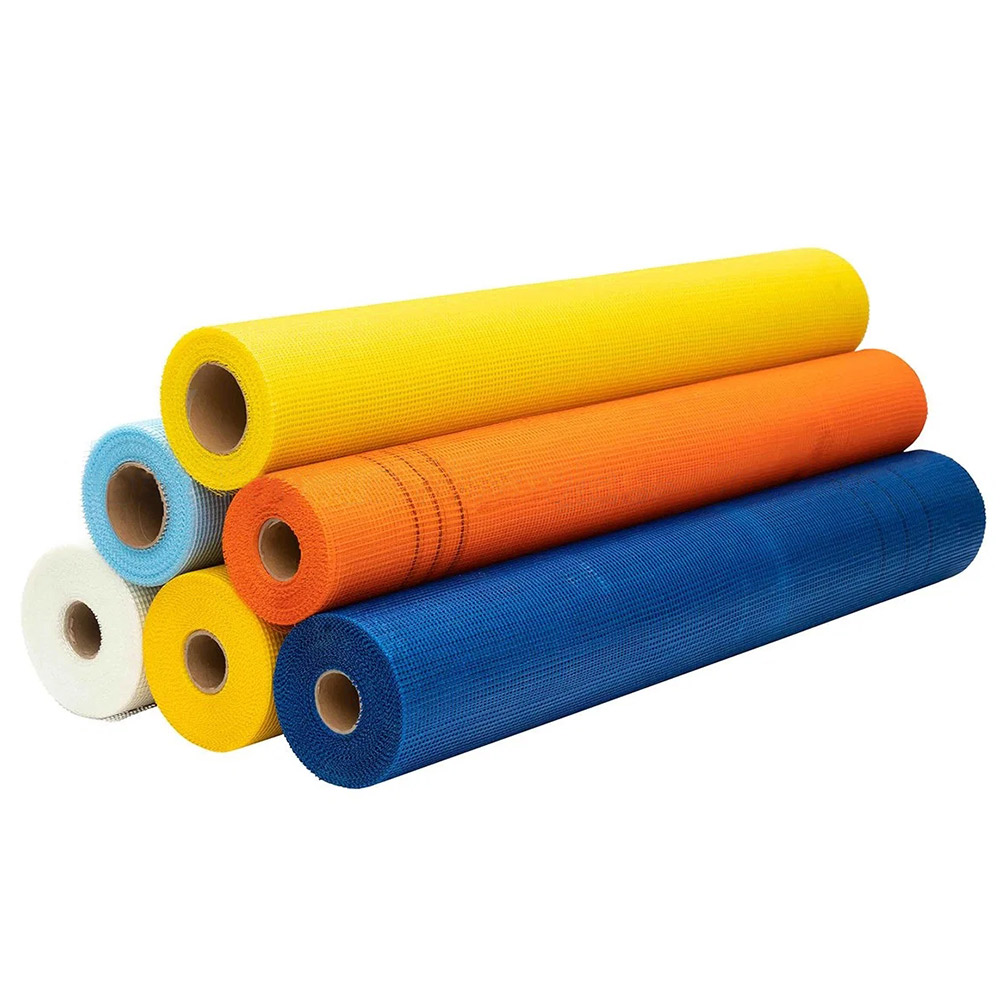
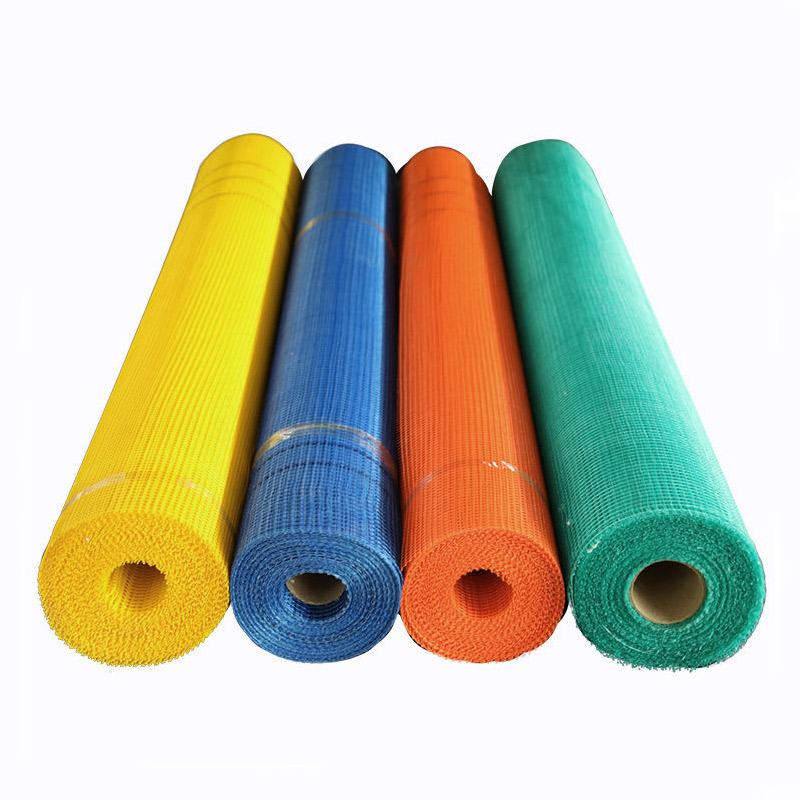
In modern construction and plastering, finishing corners with precision and durability is essential for achieving professional-quality walls and ceilings. Traditional metal corner beads are being increasingly supplemented or replaced by PVC corner bead with fiberglass mesh due to its flexibility, corrosion resistance, and ease of installation. With products like corner bead with fiberglass mesh, plastic corner bead with fiberglass mesh, and corner fiberglass mesh for plastering, contractors and DIY enthusiasts can achieve stronger, more precise corners while minimizing cracking and damage. This article explores the applications, benefits, and installation techniques of PVC corner beads reinforced with fiberglass mesh.
What Is a PVC Corner Bead with Fiberglass Mesh?
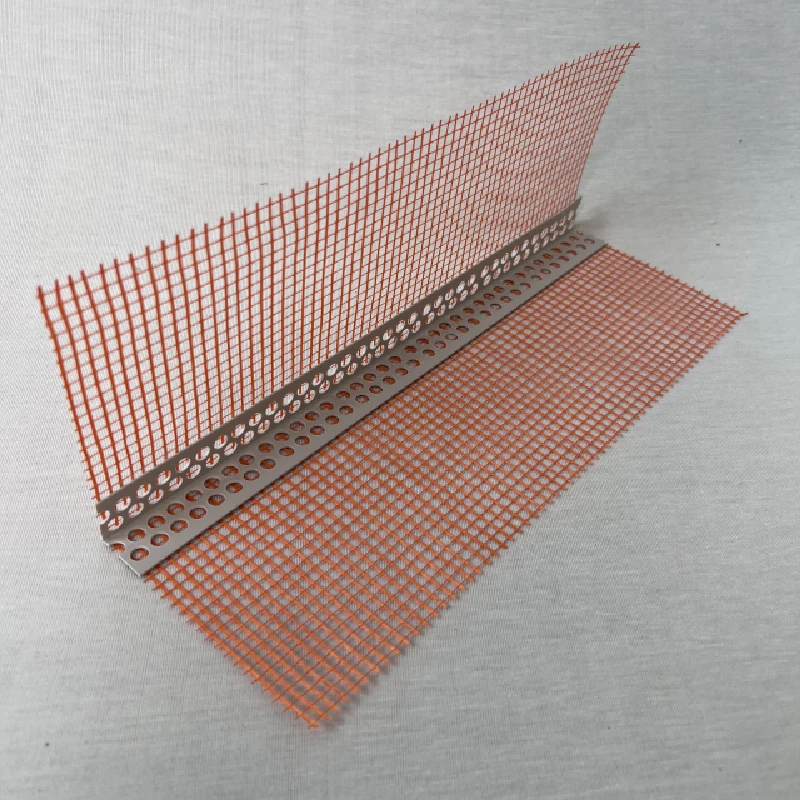
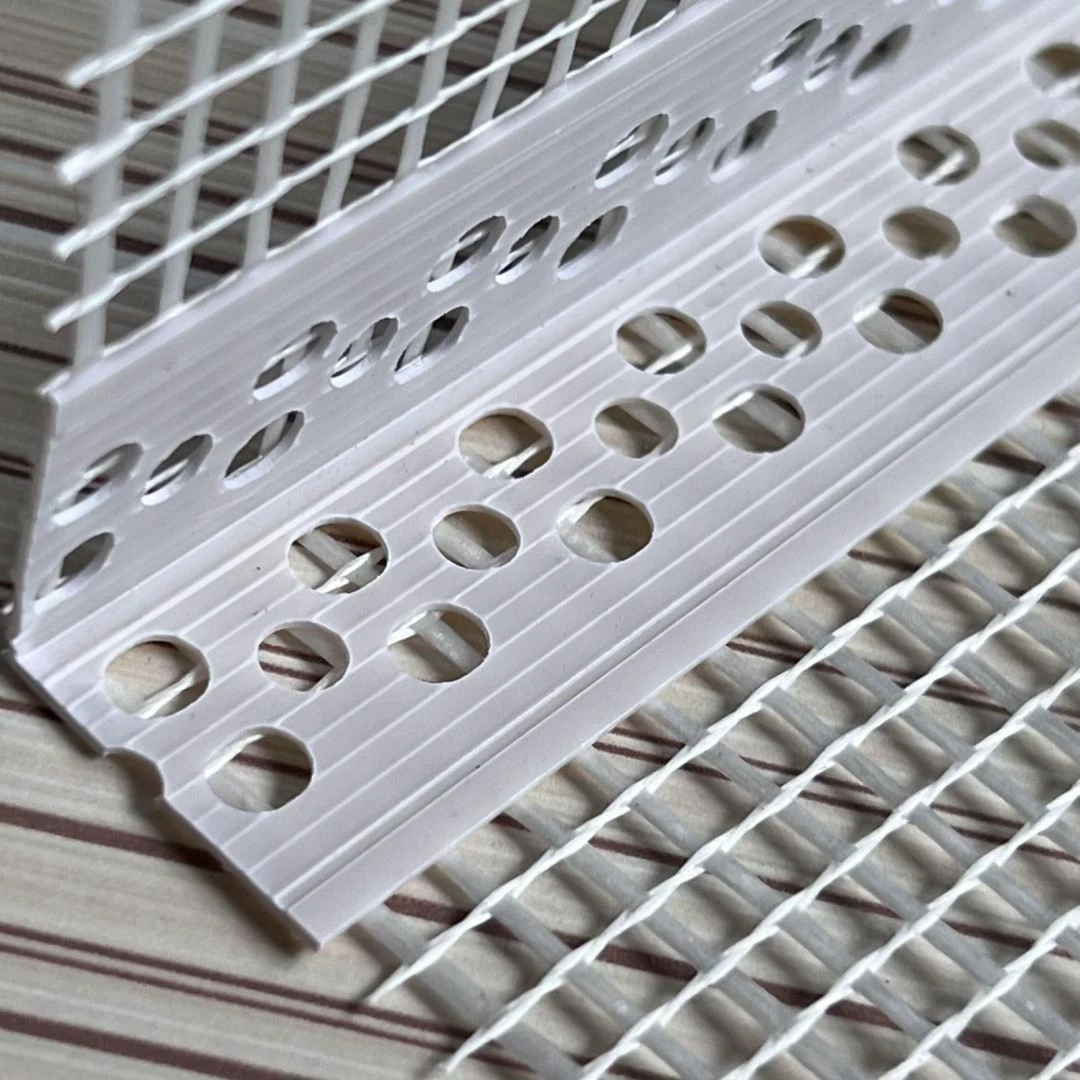
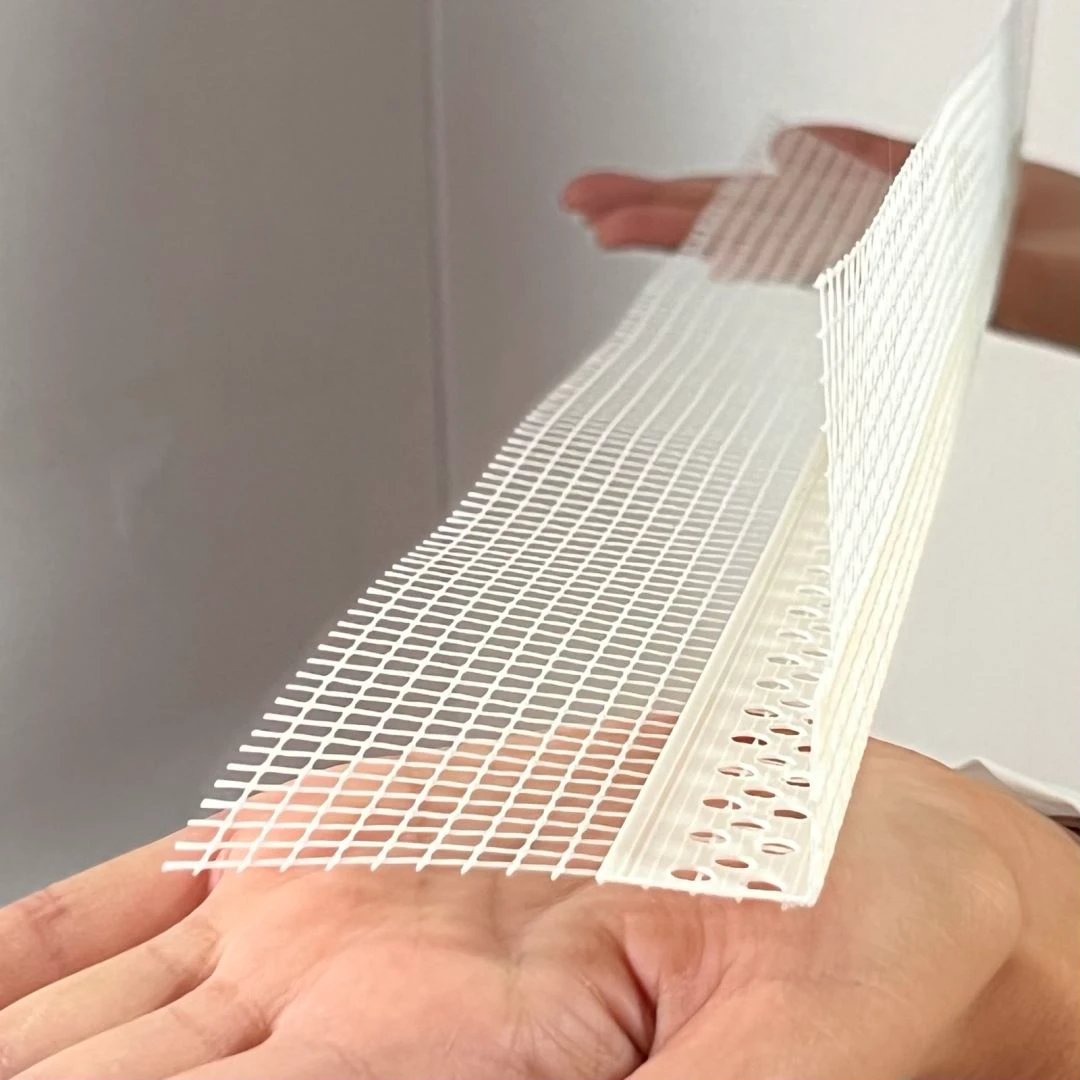
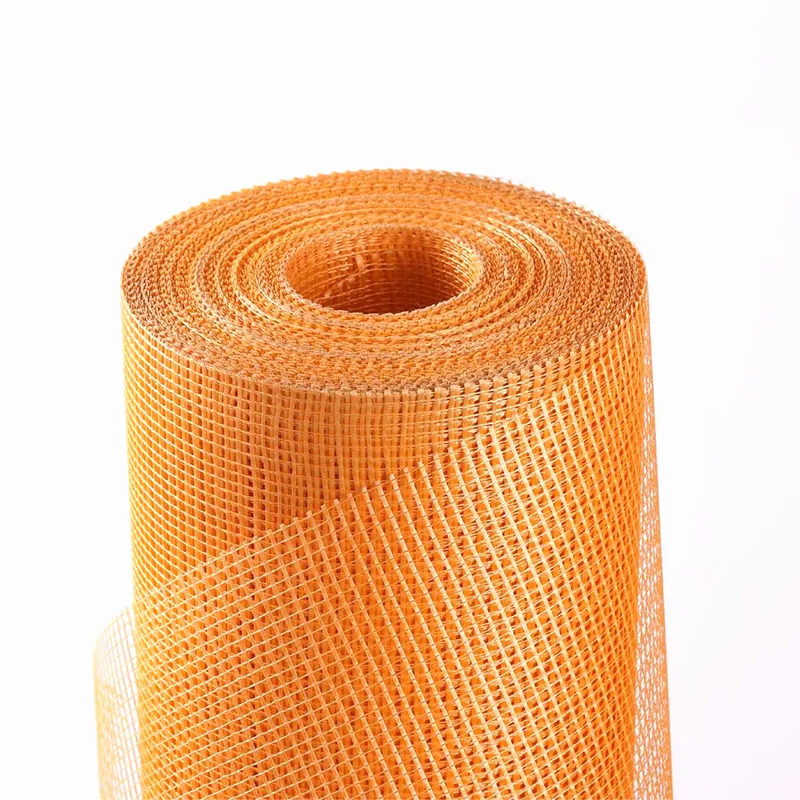
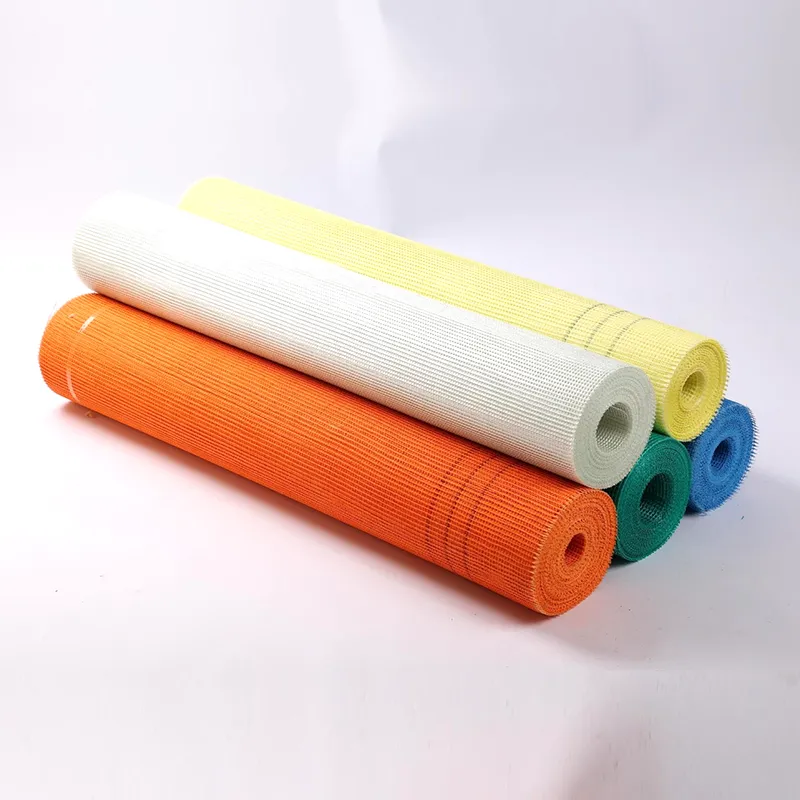
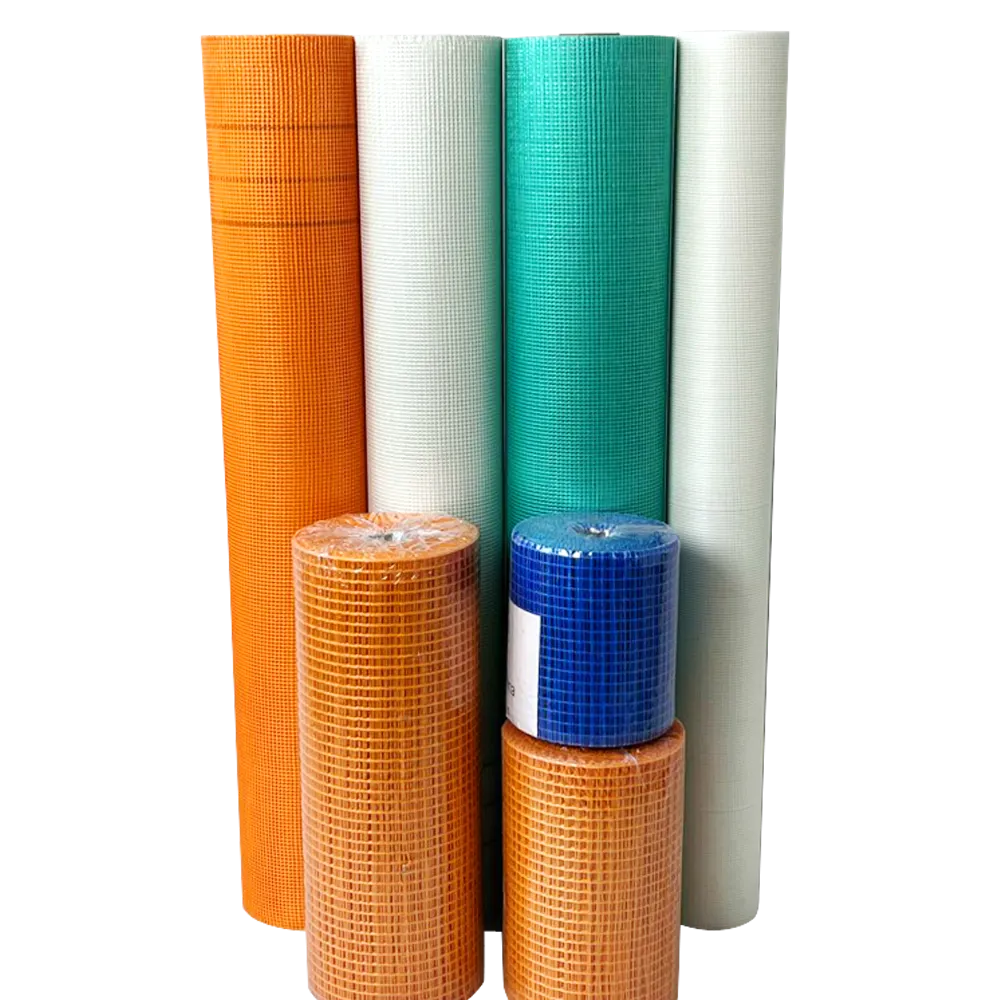
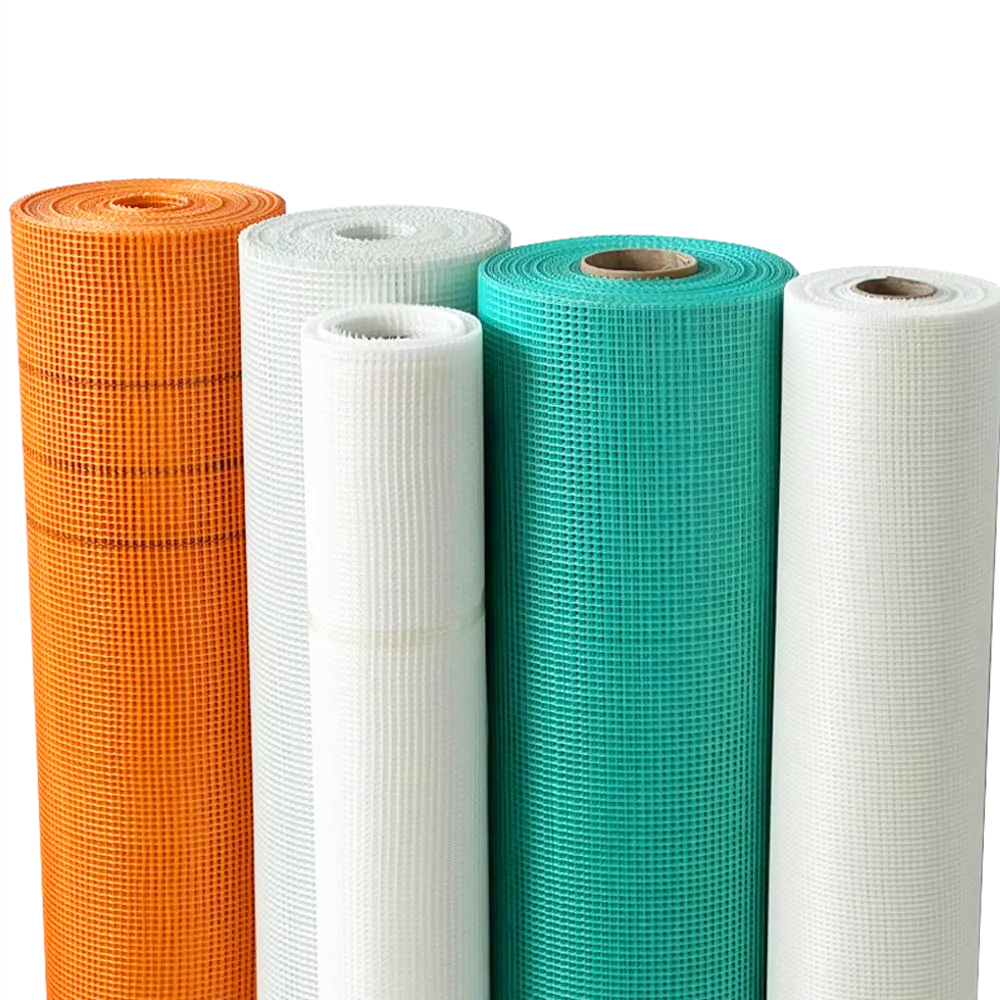
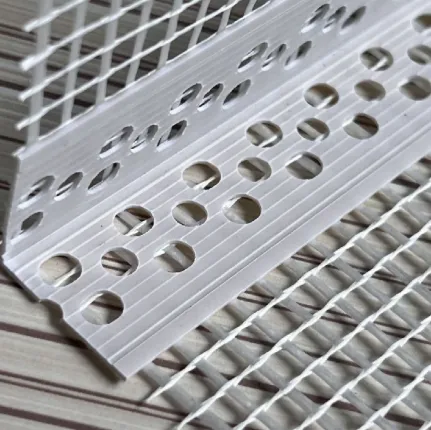
A PVC corner bead with fiberglass mesh is a pre-formed corner reinforcement strip designed for external and internal corners in plastering, drywall, and stucco applications. It combines a rigid PVC strip with an integrated fiberglass mesh that extends along the sides. The mesh is embedded into plaster, mortar, or joint compound, creating a reinforced transition between surfaces.
Unlike metal corner beads, PVC corner beads with fiberglass mesh are resistant to rust, corrosion, and deformation. The rigid PVC provides a straight, sharp edge, while the fiberglass mesh distributes stress and prevents cracking along corners. Variations such as PVC corner bead with fiberglass mesh or plastic corner bead with fiberglass mesh are lightweight and easy to cut to size, allowing for flexibility during installation.
The integrated mesh ensures that the corner bead bonds firmly to the surrounding plaster or drywall, reducing the risk of gaps, detachment, or surface cracking. This makes corner fiberglass mesh for plastering an essential tool for long-lasting, professional finishes.
Applications of PVC Corner Beads with Fiberglass Mesh
PVC corner beads with integrated mesh are highly versatile and suitable for a wide range of plastering and drywall projects.
Drywall and Plasterboard Installation
During drywall installation, PVC corner bead with fiberglass mesh is applied to external corners to provide a straight, durable edge. The mesh is embedded in joint compound or plaster, ensuring a strong bond. This approach simplifies finishing and minimizes sanding and touch-ups.
Stucco and Plaster Applications
In plastering or stucco projects, corner fiberglass mesh for plastering is used to reinforce corners where cracks commonly occur due to shrinkage, thermal expansion, or building movement. Embedding the mesh into the base coat improves adhesion and creates a long-lasting, crack-resistant corner.
Renovation and Repair
For renovation projects, PVC corner beads with fiberglass mesh are ideal for repairing damaged or uneven corners. The combination of rigid PVC and mesh allows for quick restoration while maintaining structural integrity and aesthetics.
Wet or Humid Environments
Unlike traditional metal beads that may rust over time, plastic corner bead with fiberglass mesh is highly resistant to moisture. It is suitable for bathrooms, kitchens, and other areas prone to humidity, ensuring corners remain straight and intact for years.
Advantages of Using PVC Corner Beads with fiberglass Mesh
The adoption of PVC corner beads with fiberglass mesh offers several advantages over traditional corner finishing methods.
Enhanced Crack Resistance
By combining the rigidity of PVC with the reinforcing power of fiberglass mesh, PVC corner bead with fiberglass mesh significantly reduces the risk of cracks along corners. The mesh distributes stress across the plaster surface, preventing fractures caused by settling, vibration, or temperature changes.
Easy and Accurate Installation
PVC corner bead with fiberglass mesh is lightweight and flexible, making it easy to cut, handle, and position. The integrated mesh adheres to plaster or joint compound, holding the bead in place during installation. This results in straighter corners and less manual adjustment.
Durability and Longevity
Unlike metal beads that may bend or corrode, PVC corner beads with fiberglass mesh maintain their shape and strength over time. This durability reduces maintenance and improves the overall lifespan of the finished surface.
Smooth, Professional Finish
The combination of rigid PVC and embedded mesh allows for cleaner, sharper corners. Finishing with plaster or joint compound produces smooth edges that enhance the aesthetic appeal of walls and ceilings.
Versatility Across Projects
Whether used in new construction, remodeling, or plastering over cement, PVC corner bead with fiberglass mesh and plastic corner bead with fiberglass mesh adapt to various substrates. The product is compatible with drywall, plasterboard, stucco, and cement-based plaster systems.
Installation Tips for Corner Mesh for Plastering
Proper installation ensures the full benefits of PVC corner beads with fiberglass mesh:
Measure and Cut: Measure the corner length and cut the bead using snips or a fine-toothed saw.
Apply Base Coat: Spread a thin layer of plaster or joint compound along the corner.
Position the Bead: Press the PVC corner bead into the wet compound, ensuring it aligns with the corner edges.
Embed the Mesh: Smooth the fiberglass mesh into the compound using a trowel or spatula, ensuring full adhesion.
Finish Surface: Apply additional plaster or compound over the bead and mesh, feathering edges to achieve a smooth, seamless finish.
Sand and Paint: Once dry, sand lightly and apply primer and paint as needed.
Following these steps ensures that PVC corner bead with fiberglass mesh provides strong, crack-resistant corners with a professional appearance.
PVC corner beads with fiberglass mesh represent a modern, efficient solution for achieving strong, durable, and precise corners in plastering and drywall projects. Products like PVC corner bead with mesh, plastic corner bead with fiberglass mesh, and corner fiberglass mesh for plastering combine the rigidity of PVC with the reinforcing power of fiberglass mesh to prevent cracks, improve adhesion, and simplify installation. Whether for new construction, renovation, or wet-area applications, these corner beads provide long-lasting performance and professional-quality finishes, making them a staple in modern construction and plastering practices.
-
Best Fiberglass Mesh Tape for RedGard Product Waterproofing GuideNewsApr.16,2026
-
Why High Strength Fiberglass Mesh Is Essential For Stucco ApplicationNewsApr.15,2026
-
Why Alkali Resistant Fiberglass Mesh Tape Is Essential For Cement Board And Tile InstallationsNewsApr.15,2026
-
Understanding The Role Of Drywall Fiberglass Mesh In Interior FinishingNewsApr.15,2026
-
Ultimate Guide To Using Fiberglass Mesh Tape For Drywall And Plaster RepairsNewsApr.15,2026
-
The Versatility Of Fiberglass Mesh In Marble And Stone MosaicNewsApr.15,2026