Jan . 09, 2026 09:37 Back to list
Fiberglass Mesh for Concrete: A Modern Solution for Stronger and More Durable Structures
Concrete has been one of the most widely used construction materials for centuries, valued for its compressive strength, versatility, and durability. However, traditional concrete also has inherent weaknesses, particularly when it comes to tensile strength and crack resistance. To overcome these limitations, various reinforcement materials have been developed. Among them, fiberglass mesh for concrete and fiber-based reinforcements have become increasingly popular due to their efficiency, ease of use, and long-term performance. This article explores how fiberglass mesh for concrete reinforcement and fiberglass mesh products are transforming modern construction and decorative concrete applications.
Understanding Fiber and Fiberglass Mesh in Concrete Reinforcement
Concrete naturally performs well under compression but poorly under tension. Cracks caused by shrinkage, thermal movement, and structural loads can compromise both strength and appearance. This is where fiberglass mesh for concrete reinforcement plays a vital role.
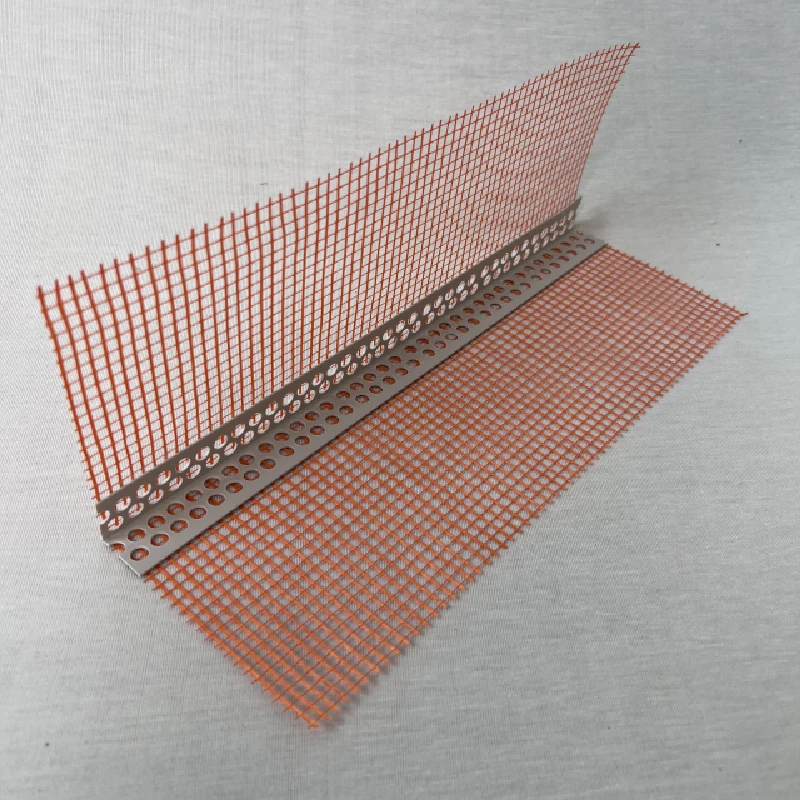
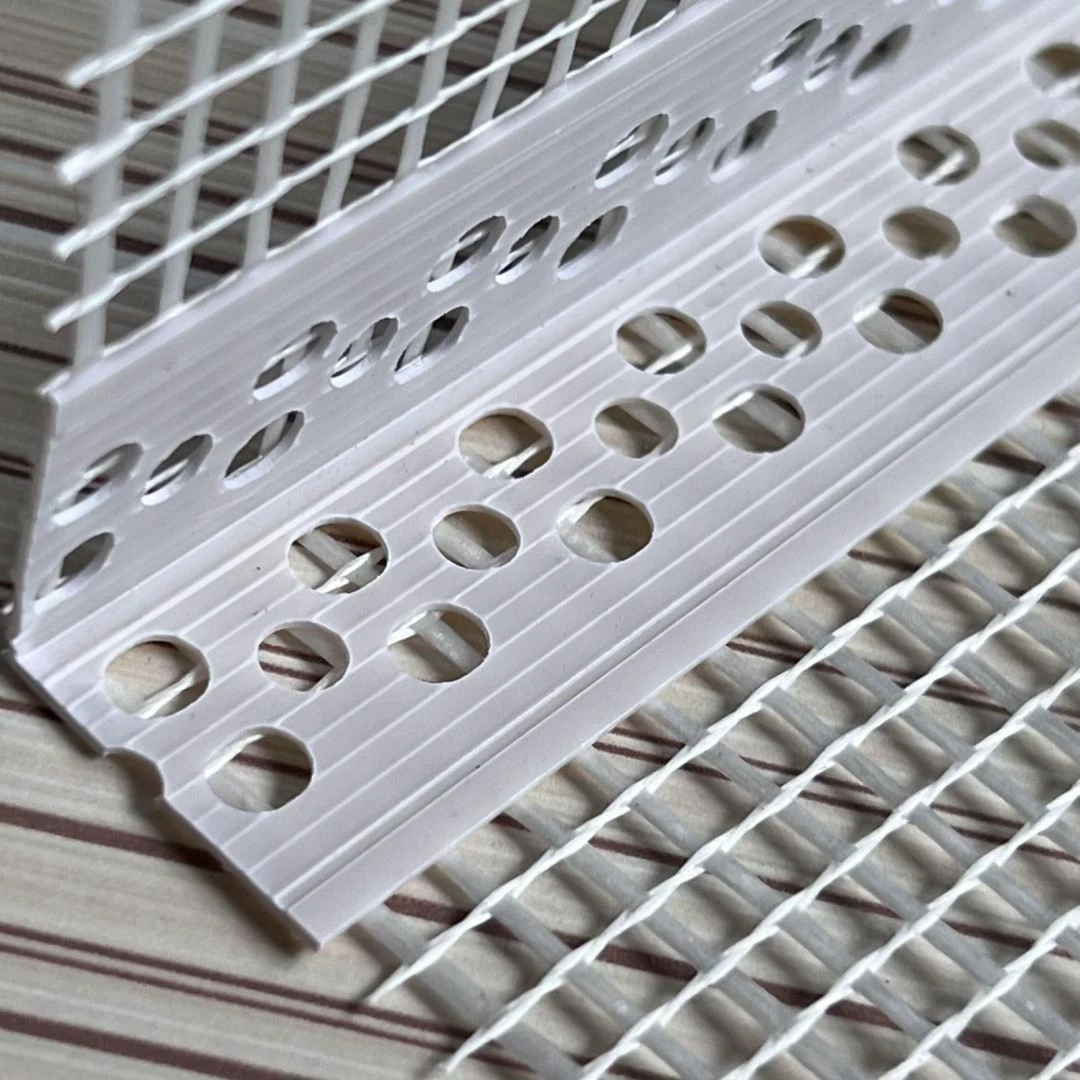
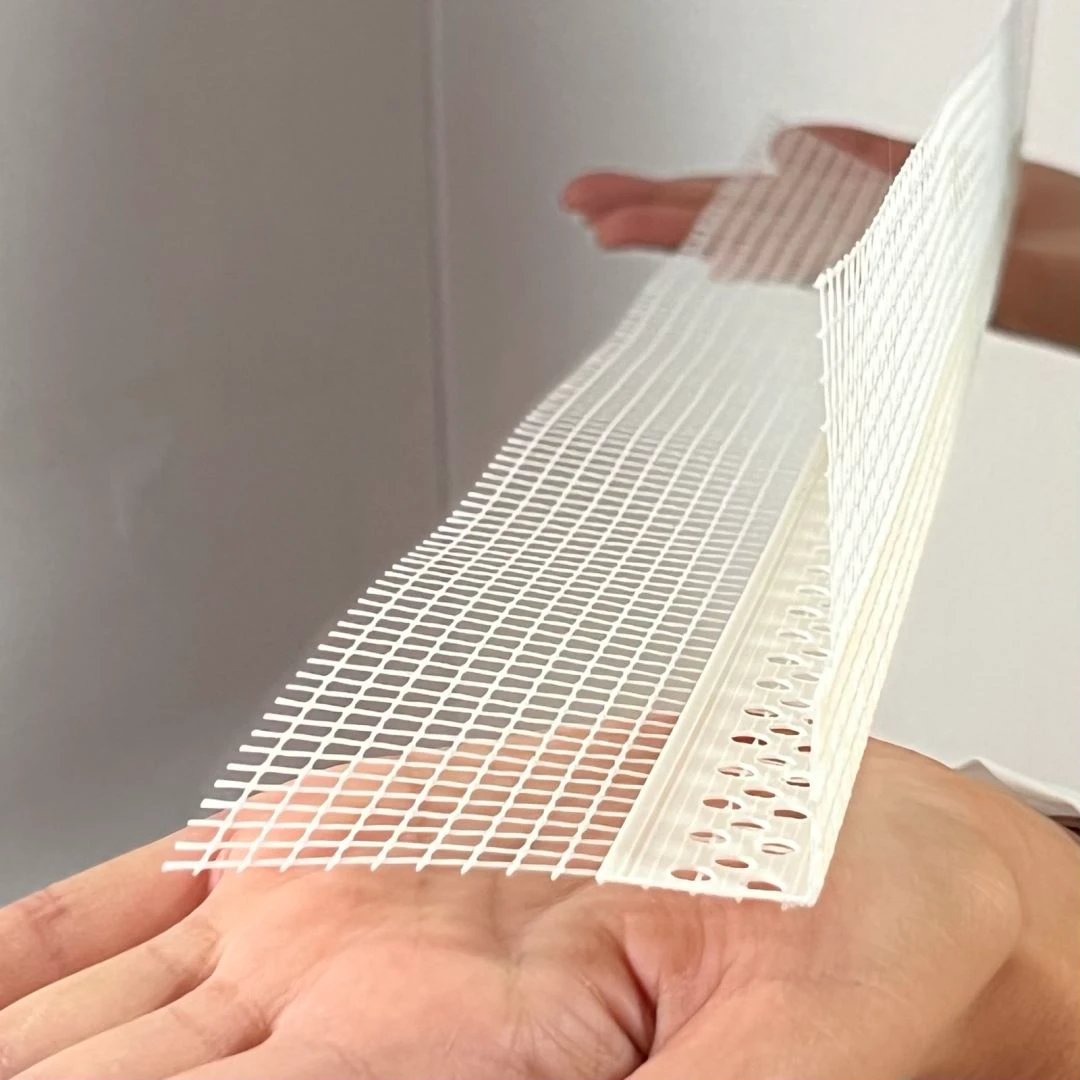
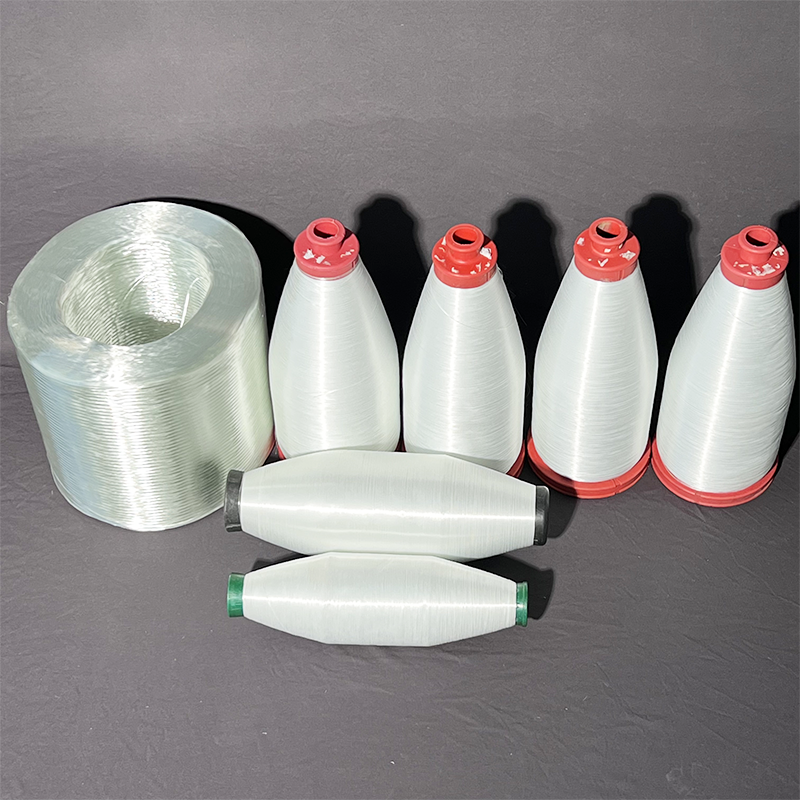
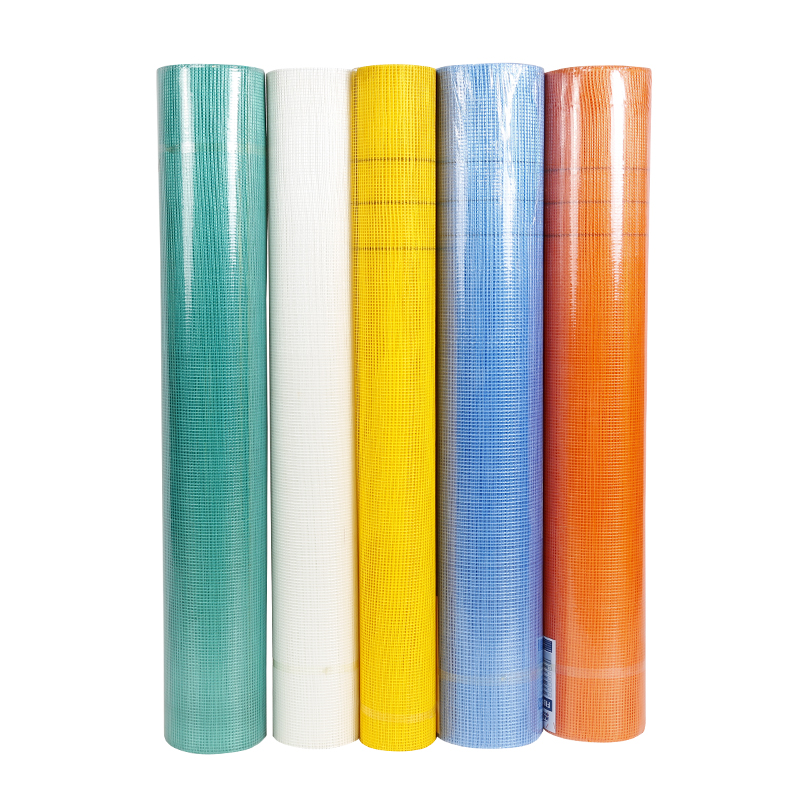
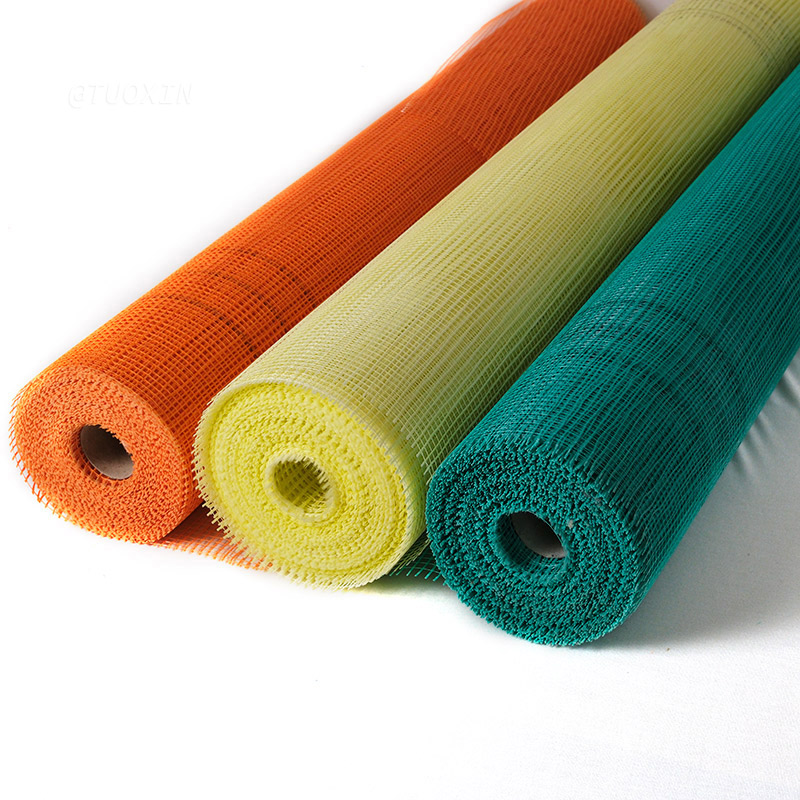
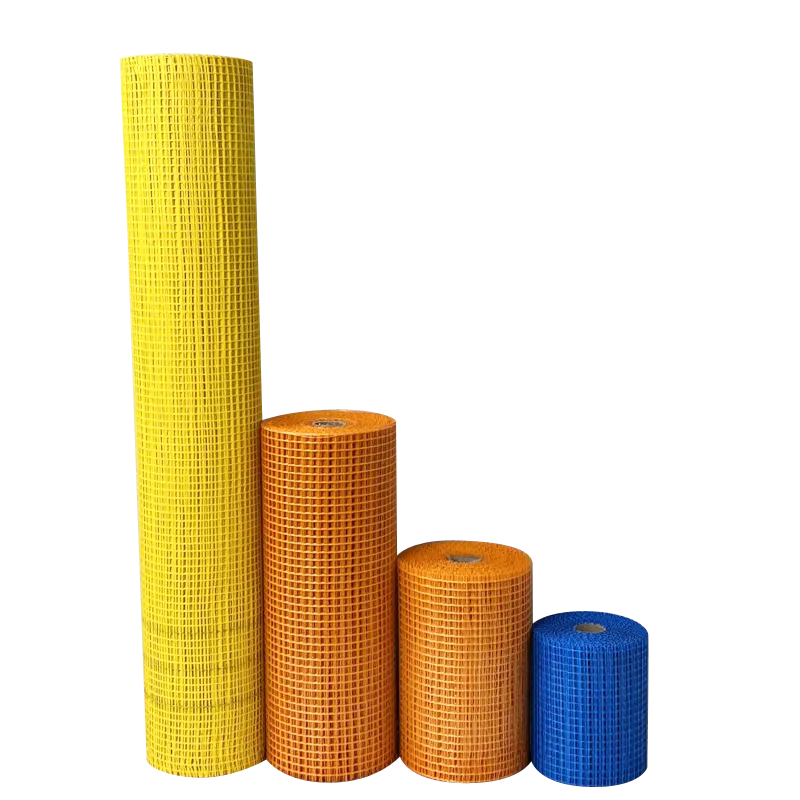
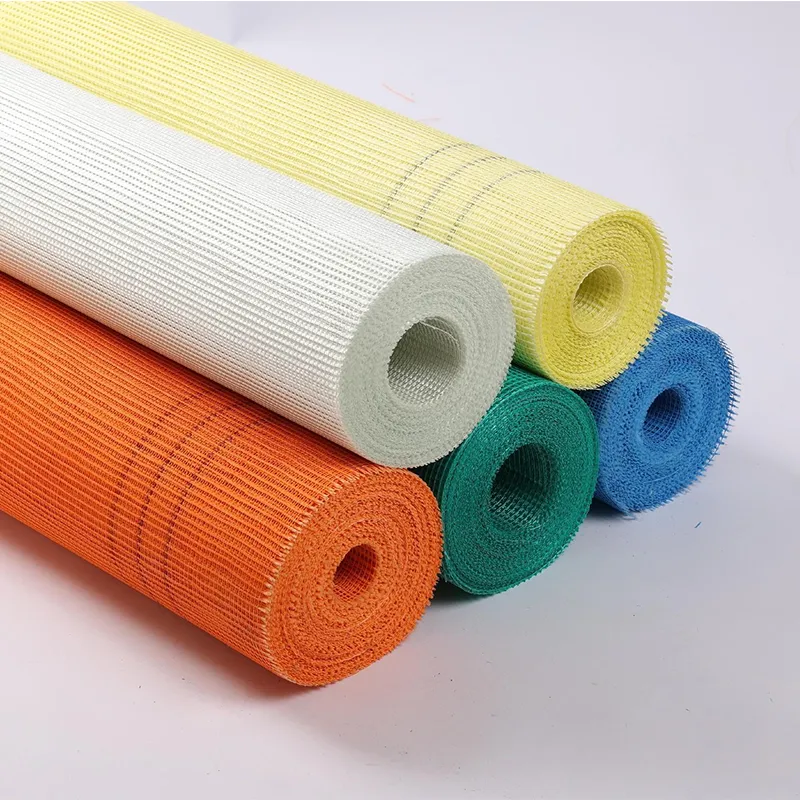
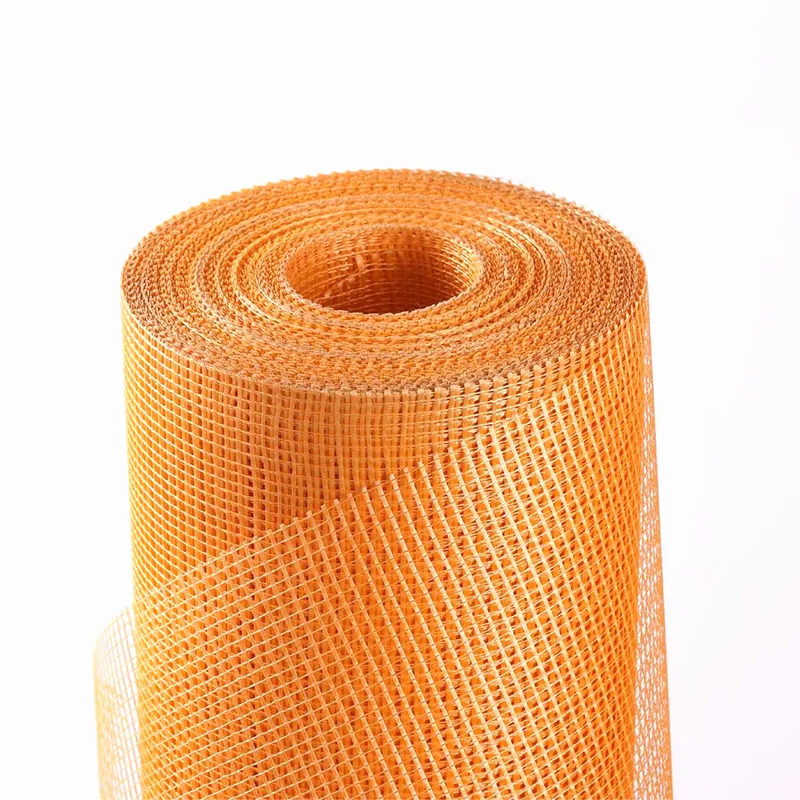
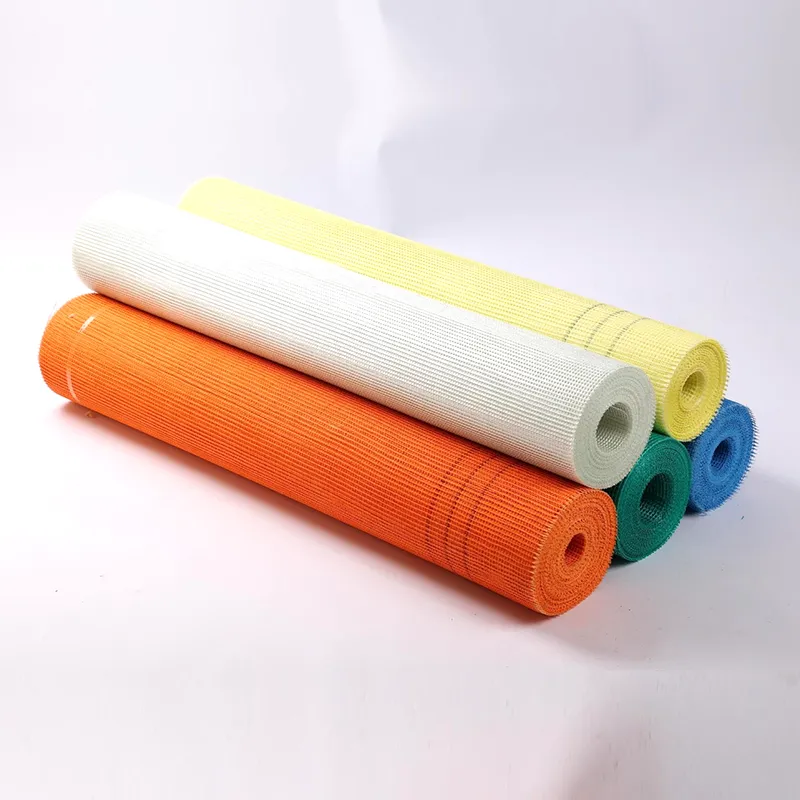
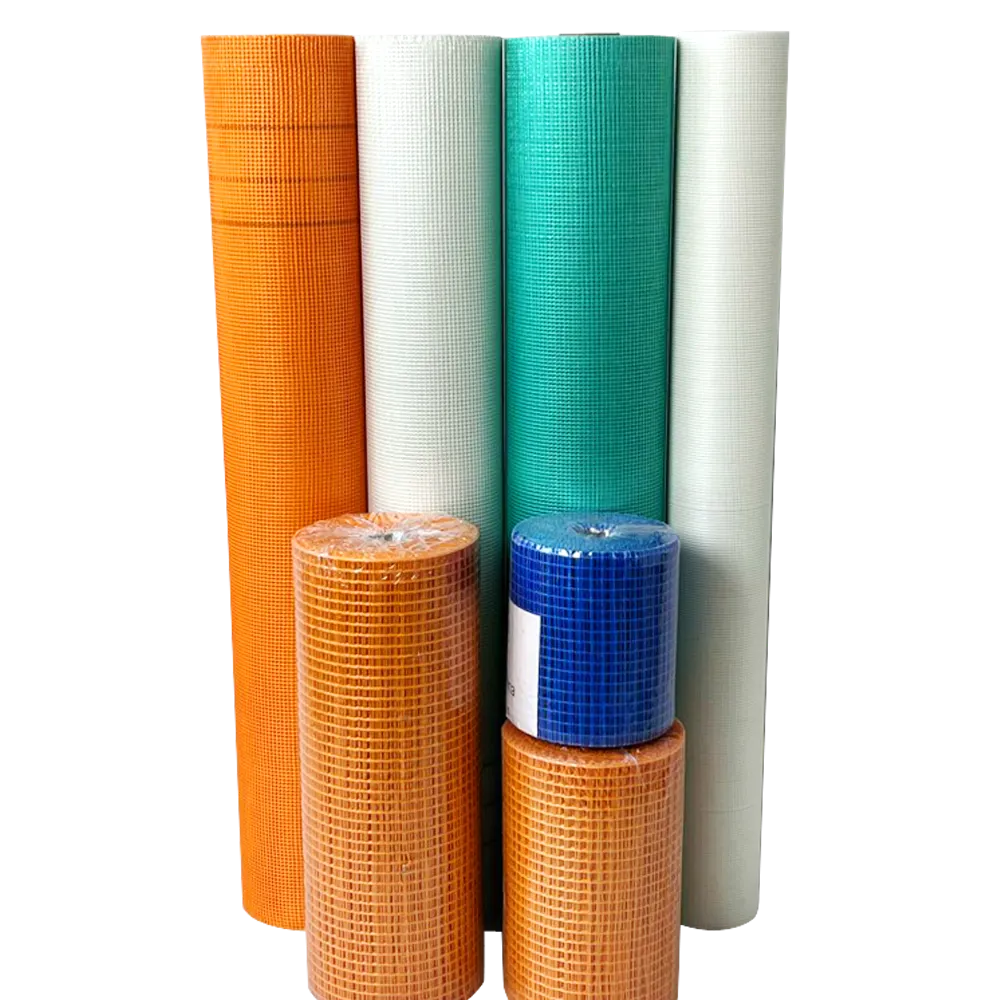
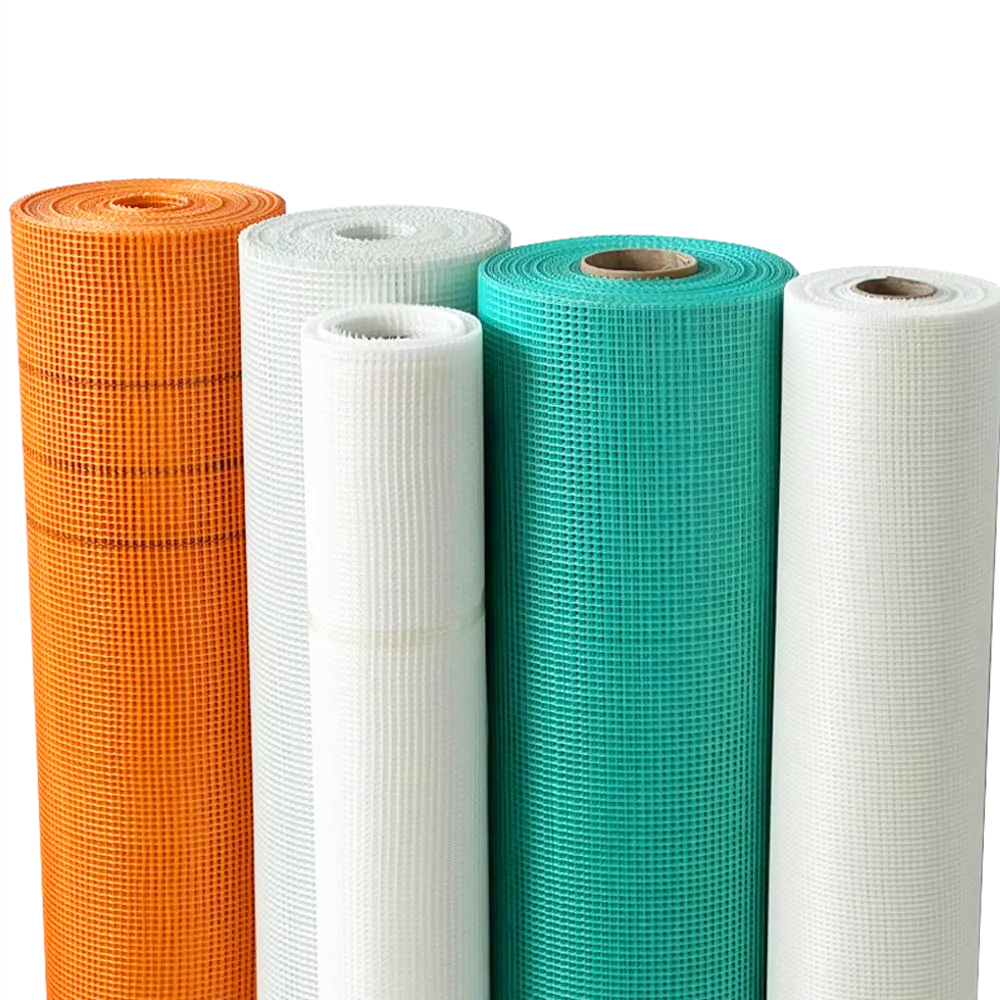
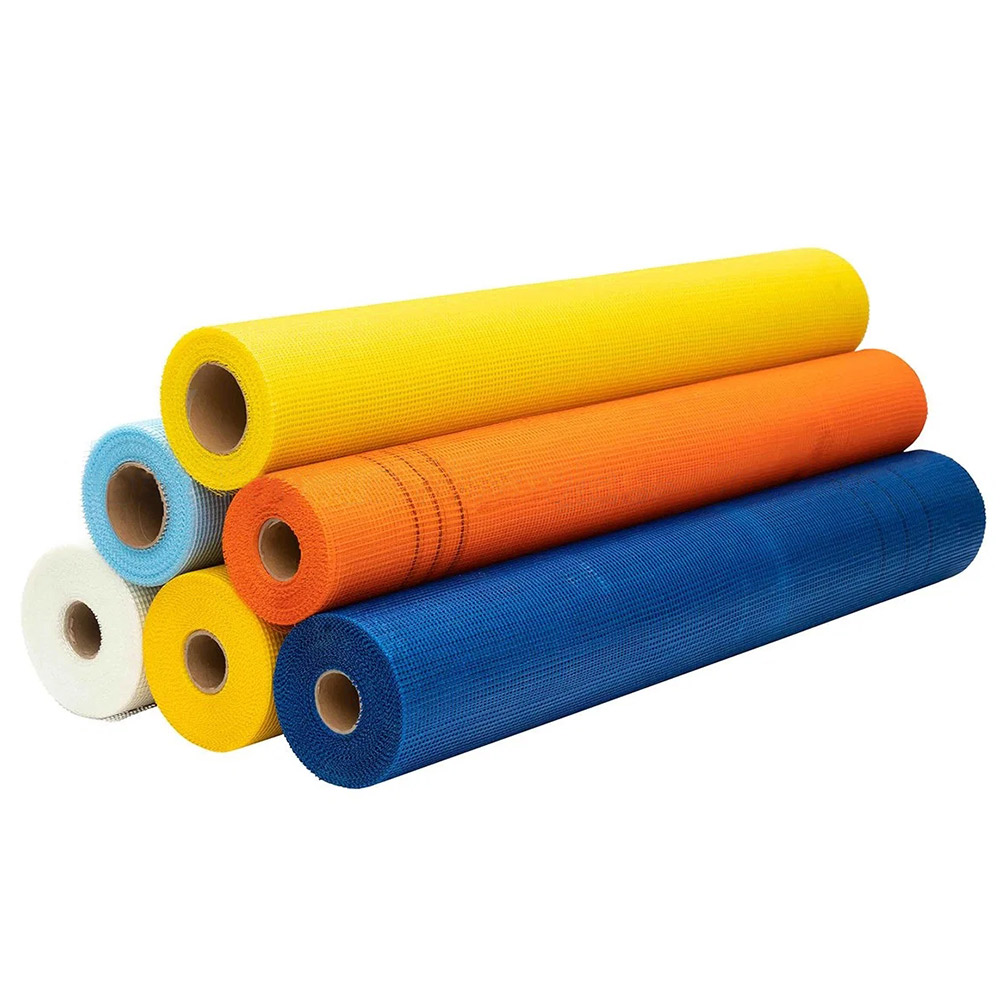
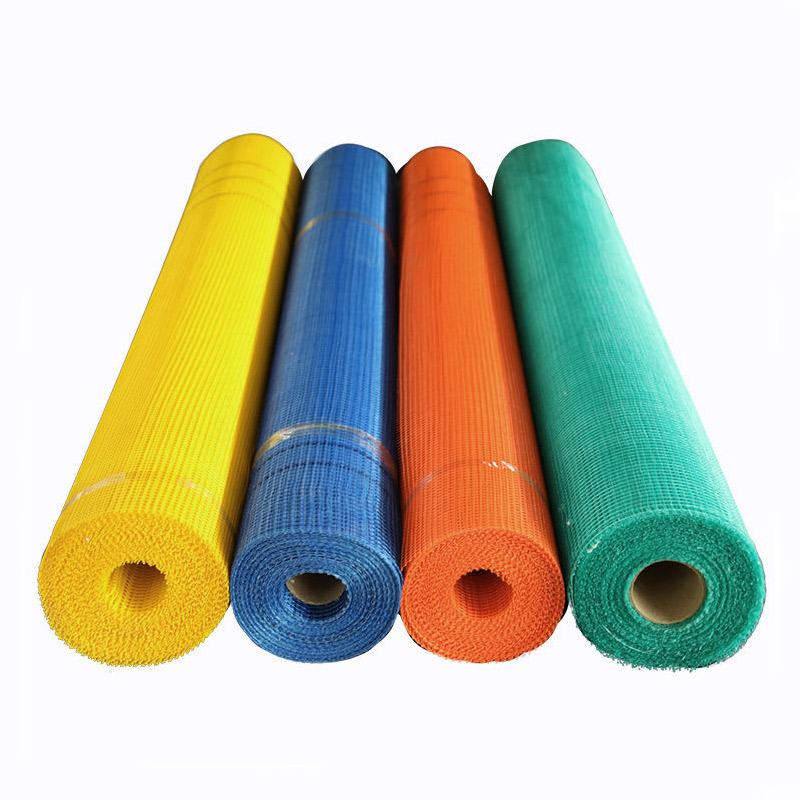
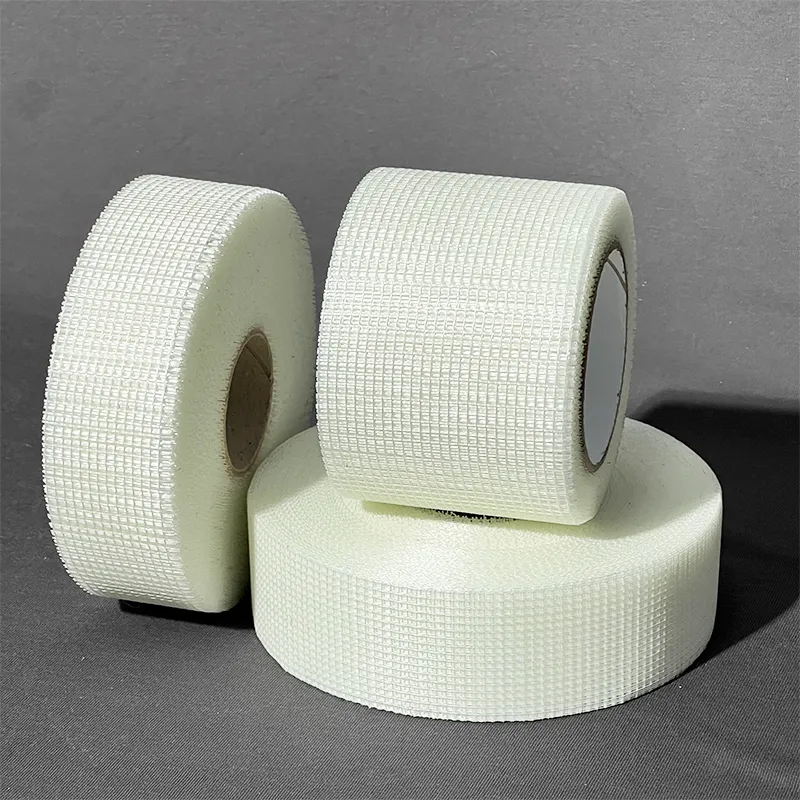
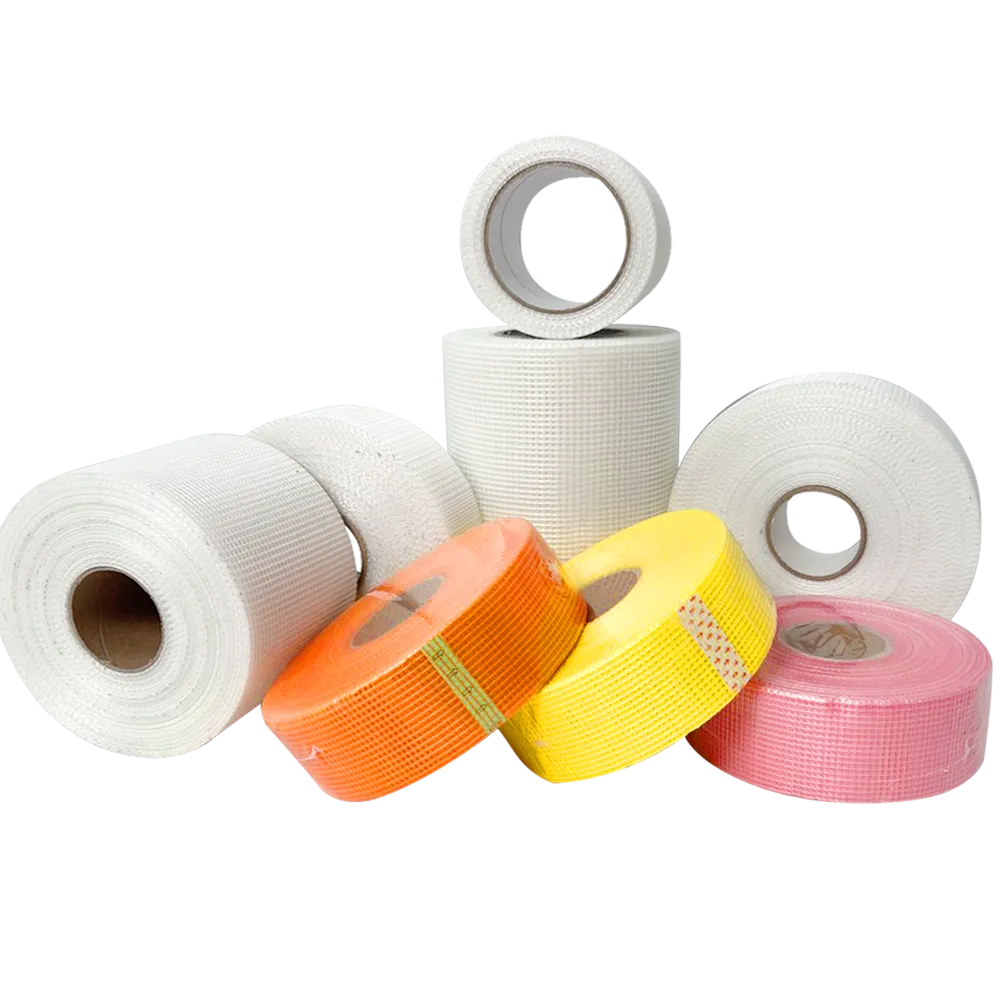
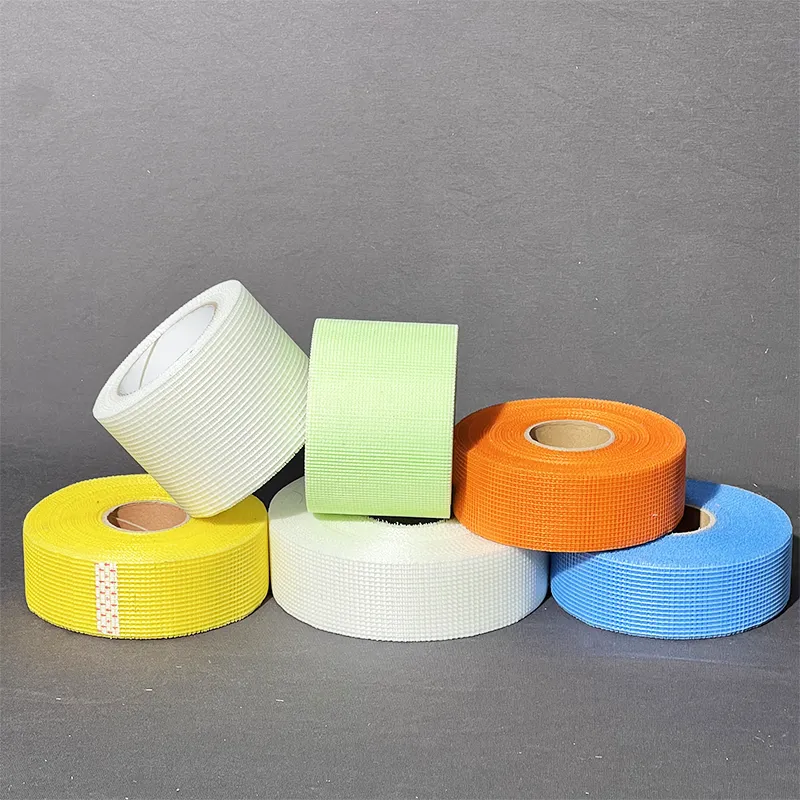
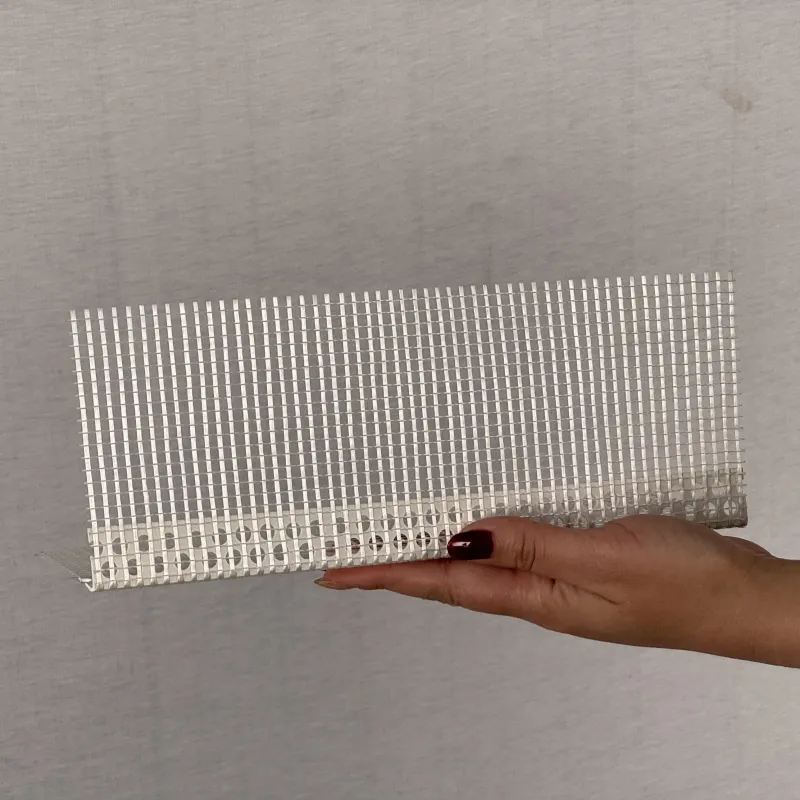
Fiberglass mesh is made from woven fiberglass yarns coated with alkali-resistant materials. This coating allows the mesh to withstand the highly alkaline environment of concrete without degrading. When embedded into concrete, fiberglass mesh for concrete distributes stress more evenly, controls crack propagation, and improves overall structural integrity.
Similarly, fiberglass mesh for concrete reinforcement refers to short, discrete fibers—often made from fiberglass, polypropylene, or other synthetic materials—mixed directly into the concrete. Unlike traditional steel rebar or wire mesh, fiber mesh works throughout the entire concrete matrix. This creates a three-dimensional reinforcement system that helps control plastic shrinkage cracking from the moment concrete is poured.
One key advantage of fiberglass-based solutions is corrosion resistance. Steel reinforcement can rust over time, leading to expansion and cracking. In contrast, fiberglass mesh for concrete remains stable and non-corrosive, making it ideal for applications exposed to moisture, chemicals, or outdoor environments.
Benefits of Fiberglass Mesh for Concrete Reinforcement
The growing use of fiberglass mesh for concrete reinforcement is driven by a wide range of practical and economic benefits. One of the most significant advantages is improved crack resistance. Fiberglass mesh helps limit both micro-cracks and visible surface cracks, enhancing the lifespan and performance of concrete structures.
Another important benefit is weight reduction. Compared to steel reinforcement, fiberglass mesh for concrete is lightweight and easy to transport, cut, and install. This simplifies handling on construction sites and reduces labor costs. Contractors can quickly position fiberglass mesh without heavy equipment, improving efficiency and safety.
Durability is another critical factor. Fiberglass mesh for concrete reinforcement improves impact resistance, fatigue performance, and resistance to freeze-thaw cycles. This makes it suitable for slabs, pavements, walls, precast panels, and overlays. Additionally, fiberglass mesh does not interfere with electromagnetic signals, which is particularly beneficial in specialized facilities such as hospitals or laboratories.
From a cost perspective, fiberglass mesh can be highly economical. While the initial material cost may be comparable to traditional reinforcement, savings are often realized through reduced labor, faster installation, and lower maintenance requirements. Over time, the enhanced durability provided by fiberglass mesh for concrete can significantly reduce repair and replacement expenses.
Environmental considerations also play a role. By extending the service life of concrete and reducing material waste, fiberglass mesh contributes to more sustainable construction practices.
Fiberglass Mesh for Concrete Countertops and Decorative Applications
Beyond structural reinforcement, fiberglass mesh for concrete countertops has gained widespread popularity in architectural and decorative concrete projects. Concrete countertops are admired for their modern appearance, customizability, and durability, but they are also susceptible to cracking due to their relatively thin profiles.
Using fiberglass mesh for concrete countertops provides internal reinforcement without adding excessive thickness or weight. The mesh is typically placed near the bottom of the countertop mold, where tensile stresses are greatest. This reinforcement allows designers to create thinner, lighter slabs while maintaining strength and stability.
In decorative concrete, surface quality is just as important as structural performance. Fiberglass mesh for concrete helps prevent hairline cracks that could mar the finished appearance. This is especially important for polished concrete, stamped surfaces, and architectural panels where aesthetics are critical.
Another advantage is design flexibility. Unlike steel, fiberglass mesh can be easily cut and shaped to fit complex forms, curves, and custom designs. This makes fiberglass mesh for concrete reinforcement an excellent choice for artistic and bespoke concrete projects.
Furthermore, fiberglass mesh does not stain concrete. Steel reinforcement can sometimes cause rust marks that bleed through to the surface over time. With fiberglass mesh for concrete, this risk is eliminated, ensuring long-lasting visual appeal.
As construction techniques continue to evolve, reinforcement materials must meet higher standards for performance, durability, and sustainability. Fiberglass mesh for concrete and fiberglass mesh for concrete reinforcement have proven to be reliable, efficient, and versatile solutions across a wide range of applications—from structural slabs and walls to fiberglass mesh for concrete countertops and decorative elements.
By improving crack control, enhancing durability, and simplifying installation, fiberglass-based reinforcement offers clear advantages over traditional methods. Whether used in large-scale infrastructure or refined architectural details, fiberglass mesh for concrete reinforcement plays a crucial role in creating stronger, longer-lasting, and more resilient concrete structures. As demand grows for innovative building materials, fiberglass mesh for concrete will undoubtedly remain an essential component of modern construction.
-
Best Fiberglass Mesh Tape for RedGard Product Waterproofing GuideNewsApr.16,2026
-
Why High Strength Fiberglass Mesh Is Essential For Stucco ApplicationNewsApr.15,2026
-
Why Alkali Resistant Fiberglass Mesh Tape Is Essential For Cement Board And Tile InstallationsNewsApr.15,2026
-
Understanding The Role Of Drywall Fiberglass Mesh In Interior FinishingNewsApr.15,2026
-
Ultimate Guide To Using Fiberglass Mesh Tape For Drywall And Plaster RepairsNewsApr.15,2026
-
The Versatility Of Fiberglass Mesh In Marble And Stone MosaicNewsApr.15,2026