Oct . 16, 2025 14:35 Back to list
Buy Fiber Mesh for Waterproofing - High Strength, Durable
Why contractors quietly prefer fiberglass mesh for waterproofing (and how to buy smart)
If you’re hunting where to buy fiber mesh for waterproofing, here’s the short version: the right mesh makes liquid membranes last longer, stops hairline cracks from translating, and saves rework. The longer version—well, that’s what this guide is for.
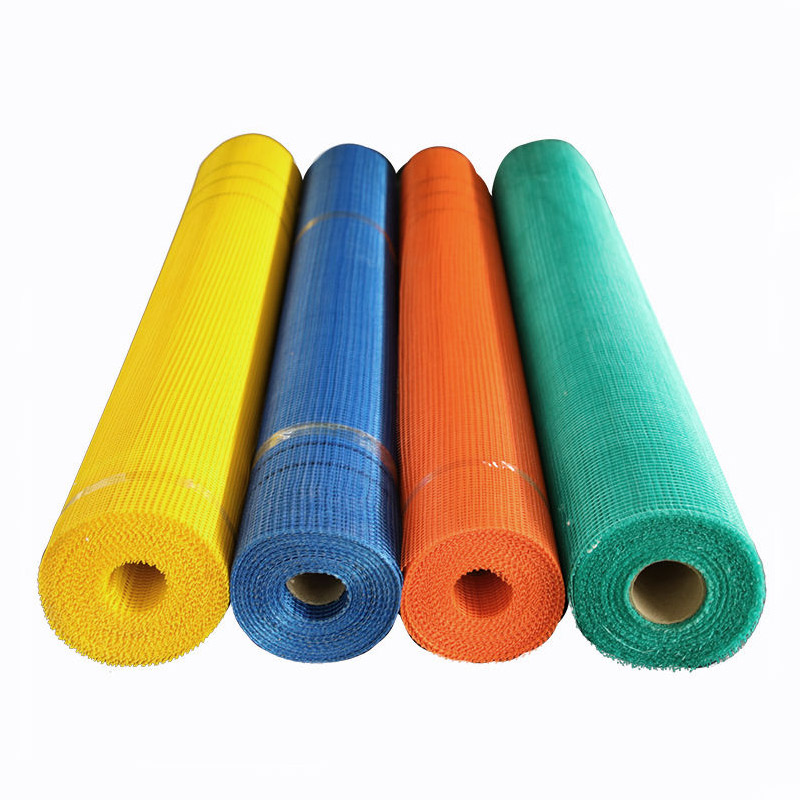
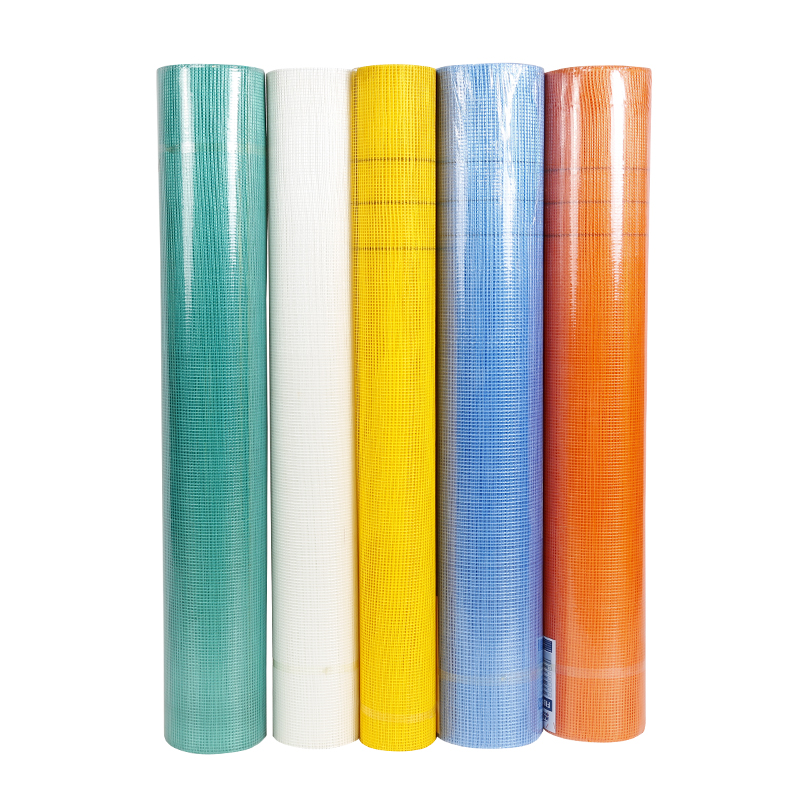
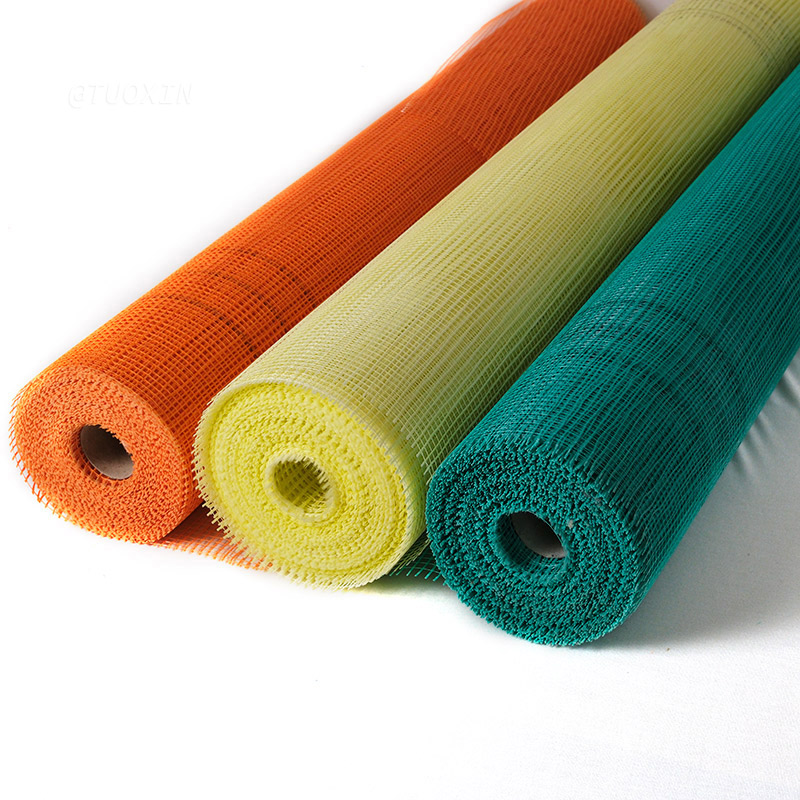
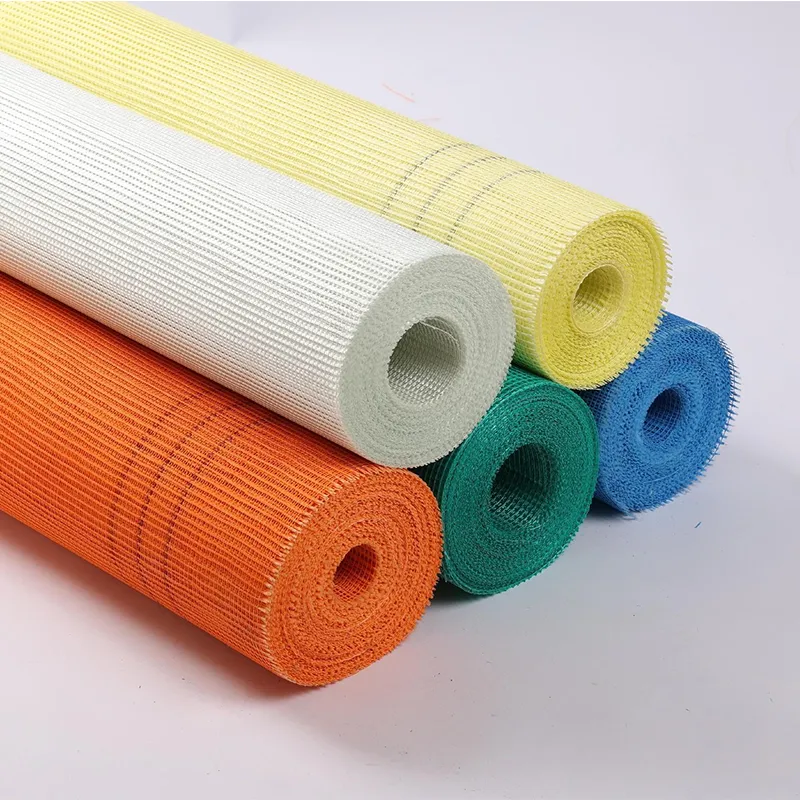
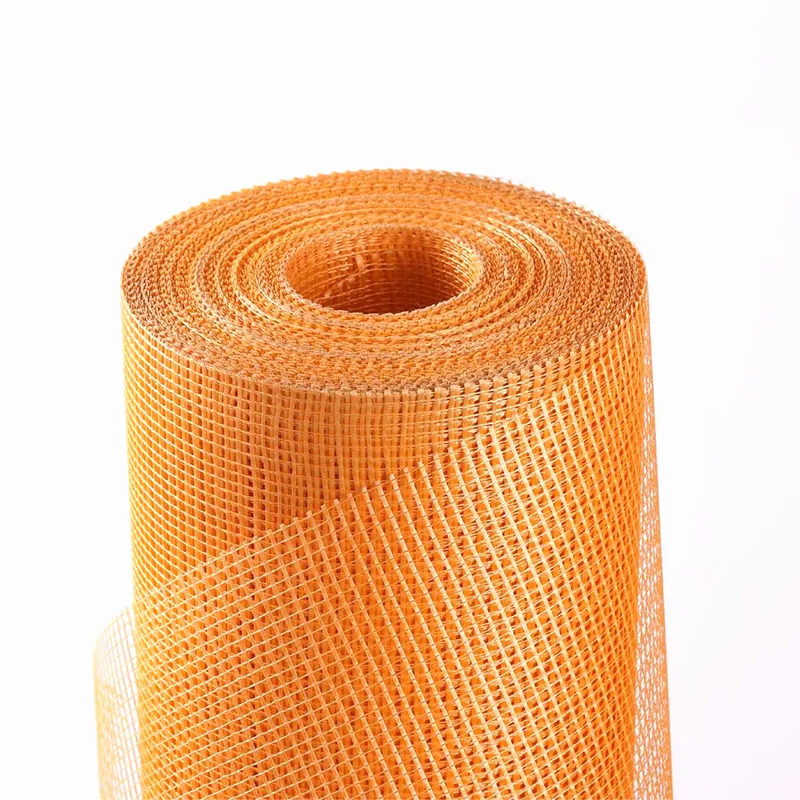
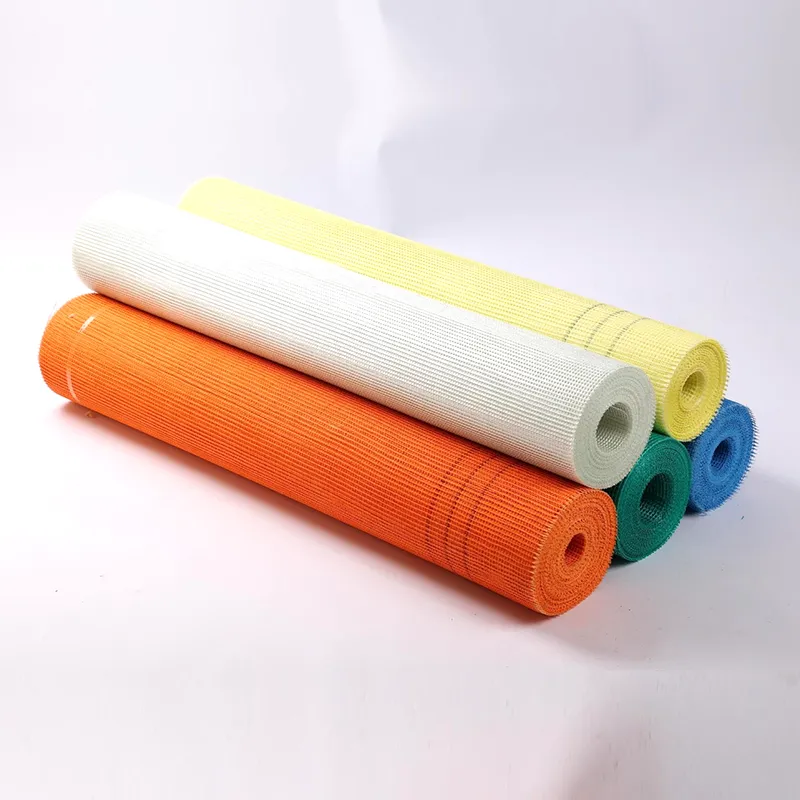
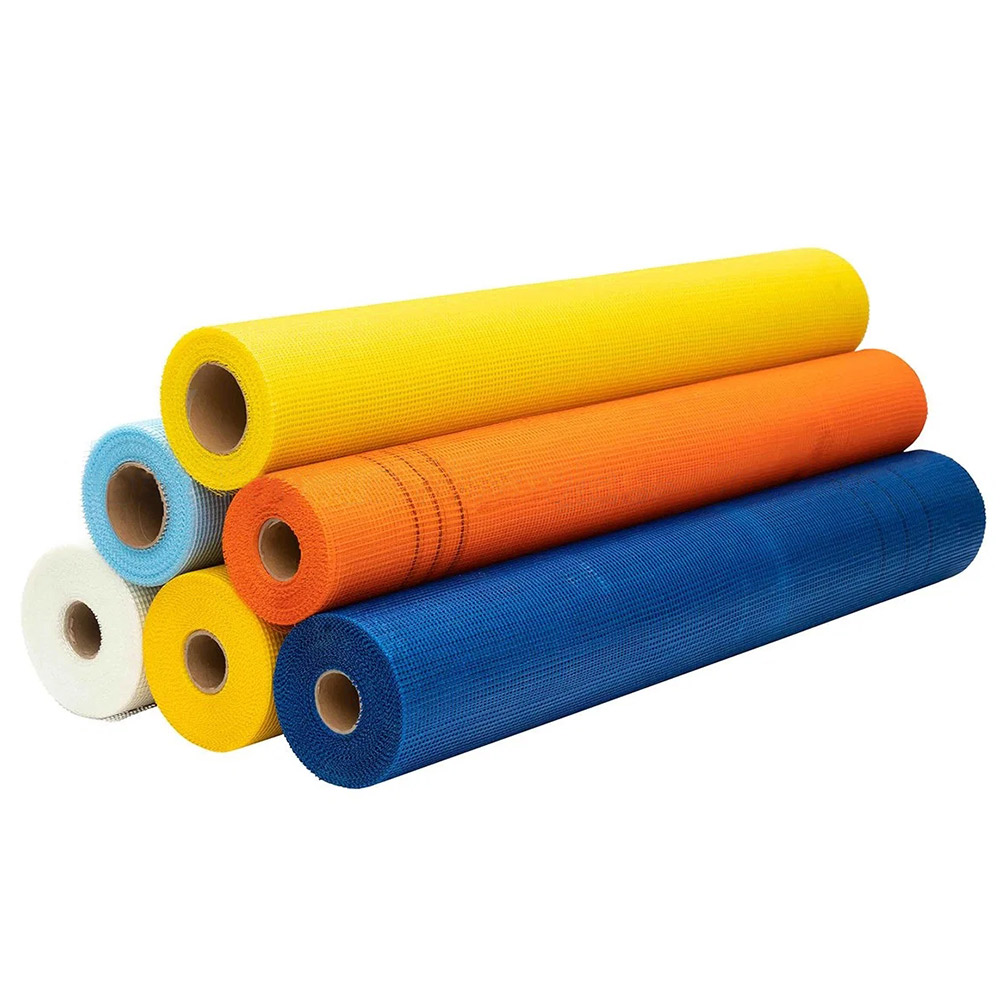
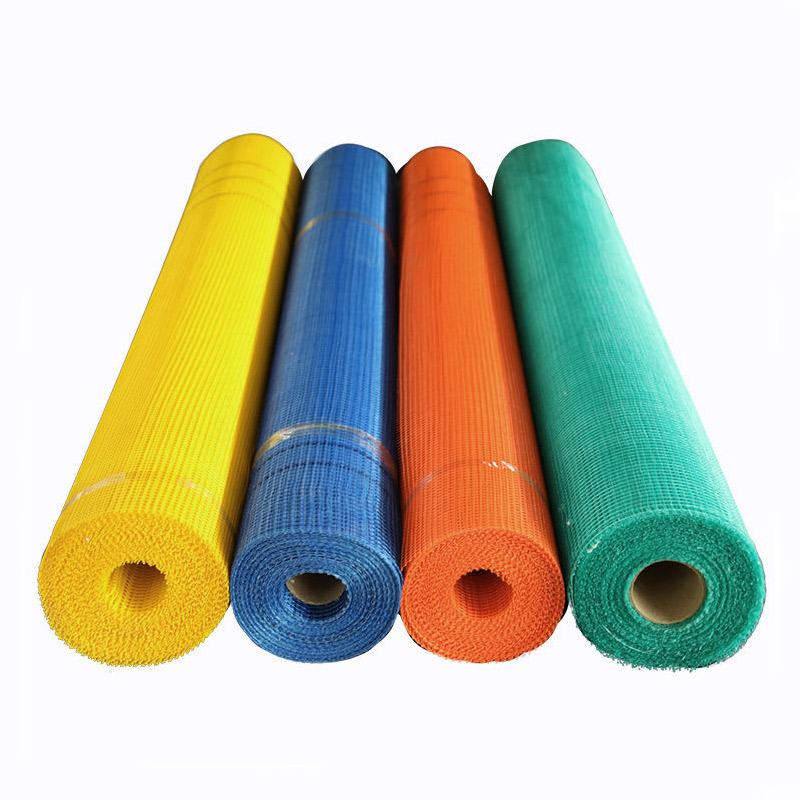
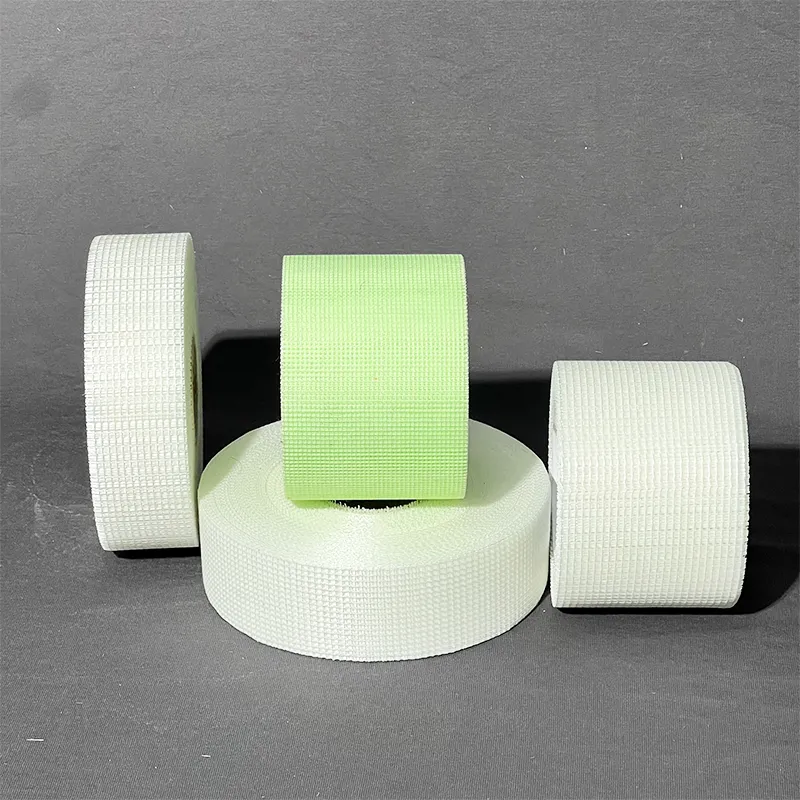
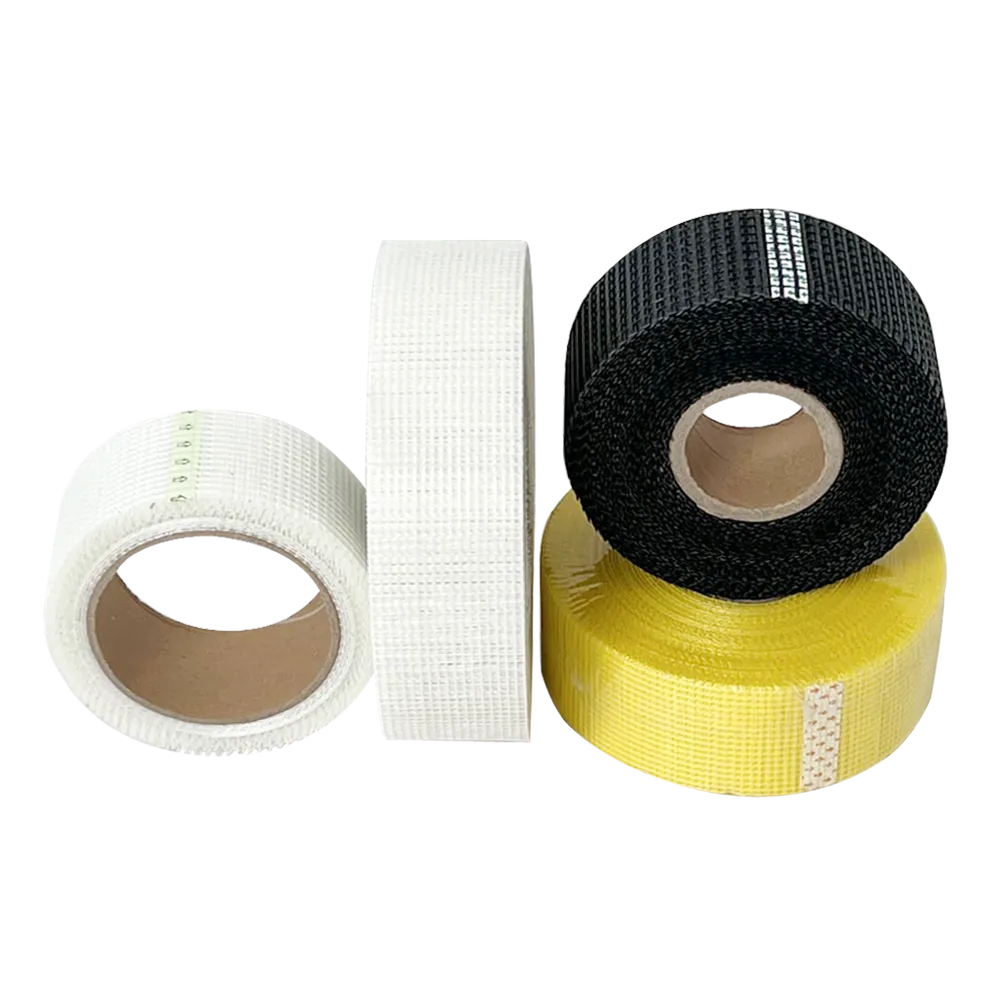
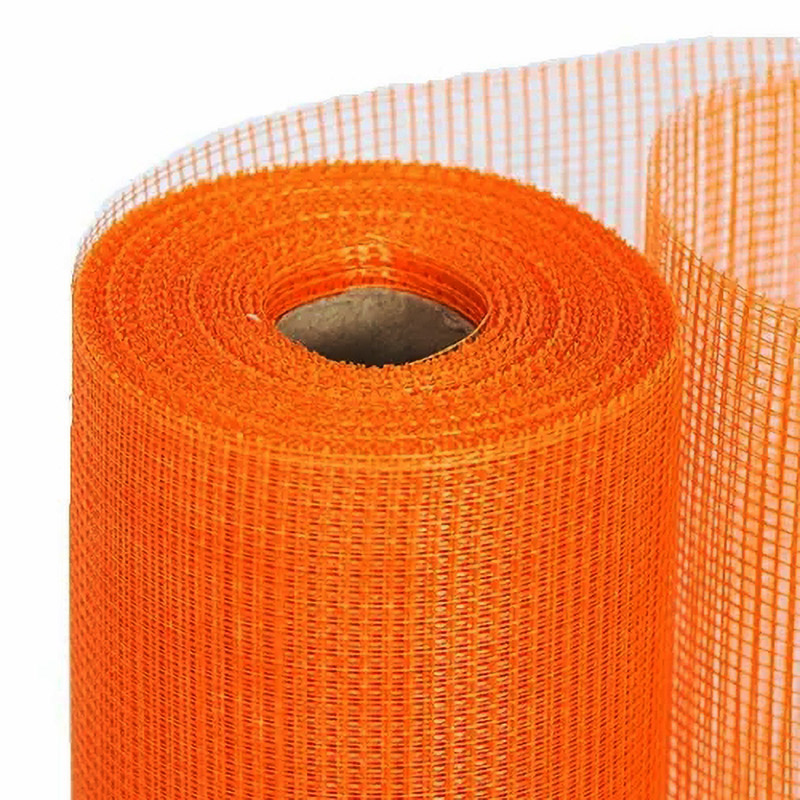
Product snapshot: Fiberglass mesh plaster netting for wall
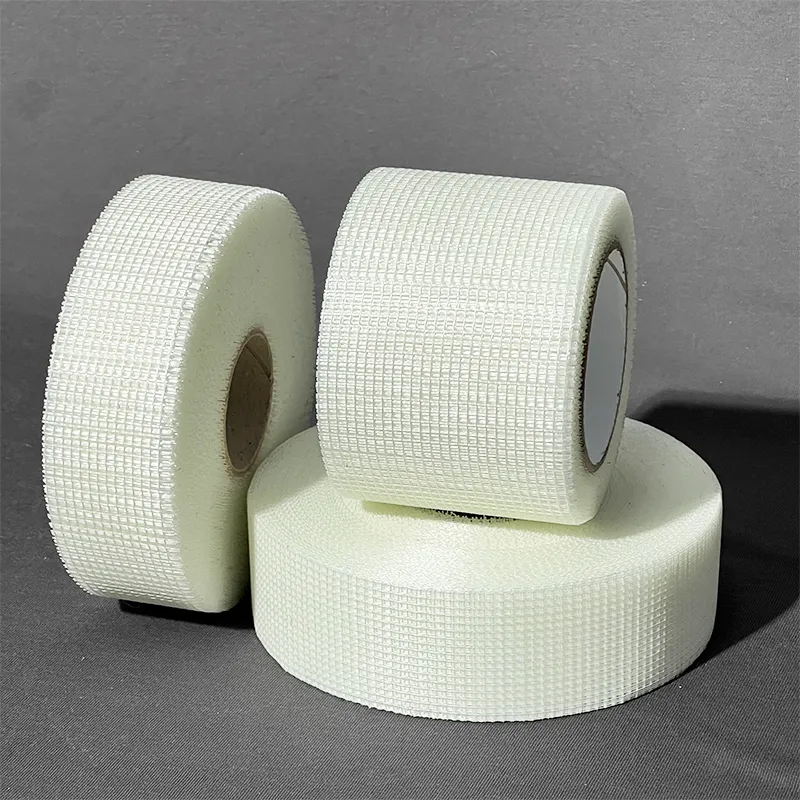
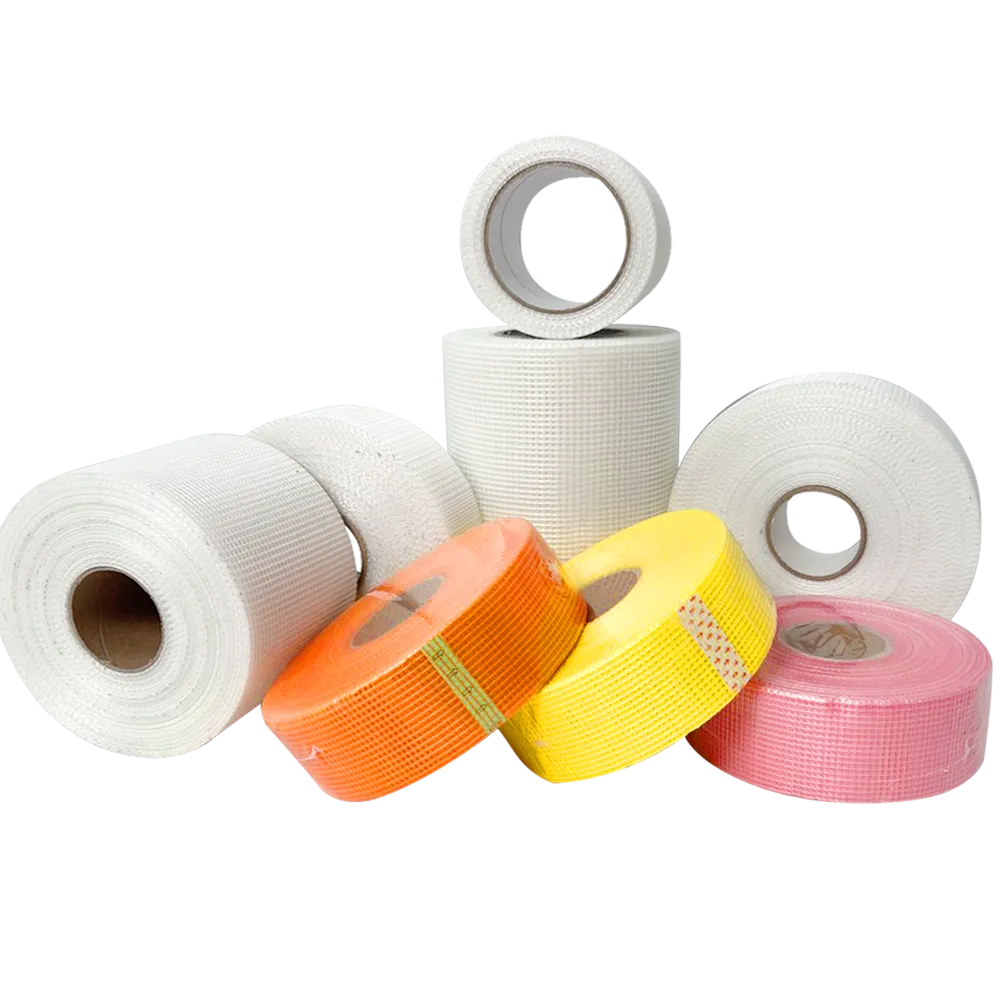
Origin: Xiaomen Village, Yilunbao Township, Renqiu City, Hebei Province, China. The mesh is woven from high-quality fiberglass strands and heat-set so it stays flat. Many customers say it “disappears” into cementitious waterproofing slurries and acrylic/PU membranes, which is exactly the point.
| Spec (typical) | Value (≈/range) |
|---|---|
| Mesh size | 4×4 mm or 5×5 mm |
| Basis weight | 125–160 g/m² |
| Yarn | E-glass with alkali-resistant (AR) coating |
| Tensile strength | ≥ 1250 N/50 mm (warp), ≥ 1100 N/50 mm (weft) after conditioning |
| Alkali retention | ≥ 90% after 28 days (per ETICS guidance) |
| Coating | Acrylic/AR sizing for cement compatibility |
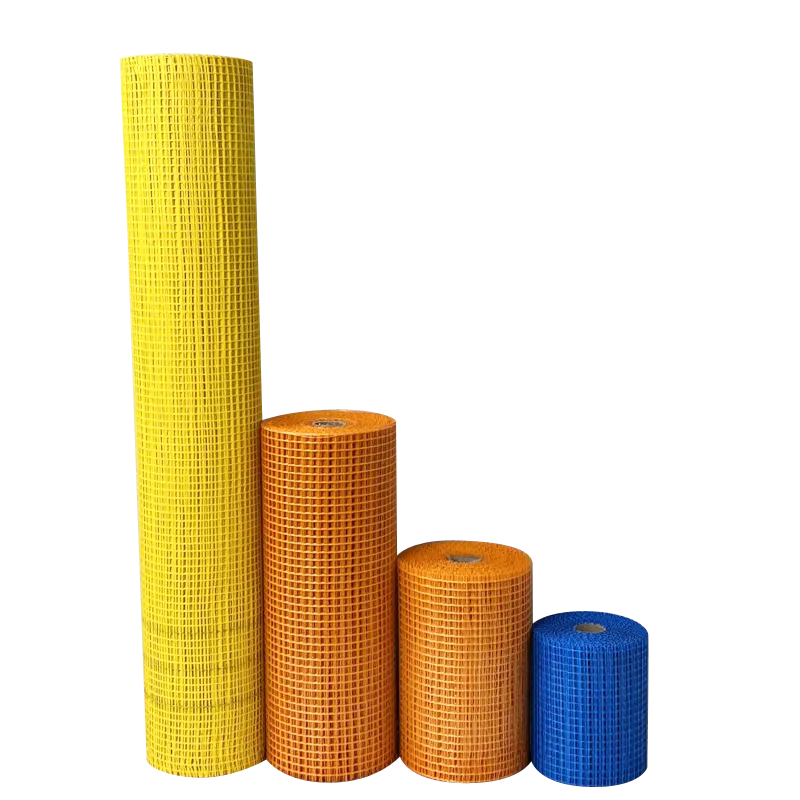
| Roll width/length | 1.0 m × 50 m (custom on request) |
| Service life (field) | ≈ 25–30 years in properly designed systems; real-world use may vary |
Where it shines (and why)
Application scenarios: rooftop waterproofing with acrylic/PU, bathroom wet rooms, basement negative-side slurry, swimming pools, tunnels and retaining walls, EIFS/ETICS base coats, and crack-bridging over CMU joints. Advantages? Dimensional stability, alkali resistance, and consistent tensile strength so membranes resist shrinkage and micro-cracking. To be honest, it’s the cheapest insurance you can bury in wet film.
Process flow (how it’s made and verified)
-
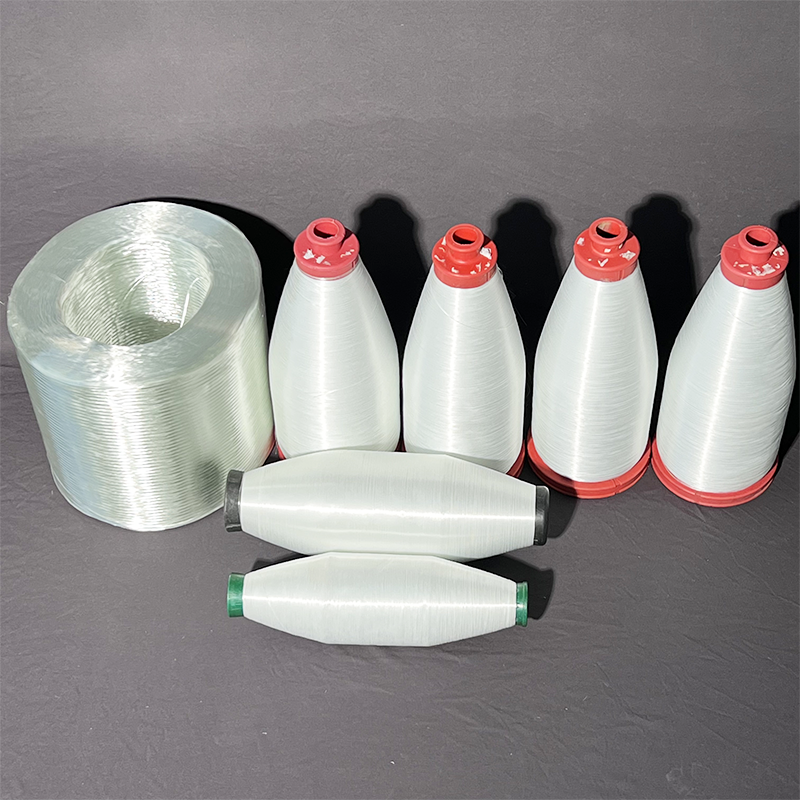
- Materials: E-glass roving → AR coating/sizing → plain/leno weave → heat setting for stability.
- Methods: Loom weaving, online coating, calibrated curing; edge binding reduces fray.
- Testing standards: tensile per ASTM D5035; ETICS guidance ETAG 004/EAD 040083-00-0404 for alkali aging; UV aging per ISO 4892-2 (optional); mesh performance in systems often checked vs EN 13496-type methods.
- QC: batch tensile logs (e.g., warp ≥ 1300 N/50 mm fresh; ≥ 1170 N/50 mm aged), weight ±5%, mesh aperture ±0.5 mm.
- Industries served: construction waterproofing, façade insulation, infrastructure rehab.
Real-world notes and feedback
A Florida contractor told me their acrylic roof topcoat stopped showing printing cracks once they embedded 160 g/m² mesh around drains and parapets. In a coastal hotel façade retrofit, mesh plus cementitious coat cut crack callbacks by ~70% year-over-year. Surprisingly simple fix.
How to install (short version)
- Prime per membrane maker’s data sheet; fix substrate defects.
- First coat: 0.8–1.2 kg/m² cement slurry or 0.5–0.8 kg/m² liquid membrane.
- Embed mesh while wet; overlap 100 mm; avoid wrinkles.
- Second coat: fully cover mesh; target total DFT 1.2–2.0 mm for liquids.
- Testing: pull-off (ASTM C1583) ≥ 1.0 MPa typical; flood test 24–48 h where allowed.
Vendor comparison (quick reality check)
| Vendor | Tensile (aged) | Alkali retention | Notes |
|---|---|---|---|
| Tainuo (this product) | ≥ 1100 N/50 mm | ≥ 90% | Consistent coating; custom gsm/colors; ISO 9001. |
| EU Brand A | ≈ 1200 N/50 mm | ≥ 92% | Top-tier, pricier; strong ETICS pedigree. |
| Budget Import C | 700–900 N/50 mm | ≈ 70–80% | Lower cost; watch for high fray and poor aging. |
Customization and documentation
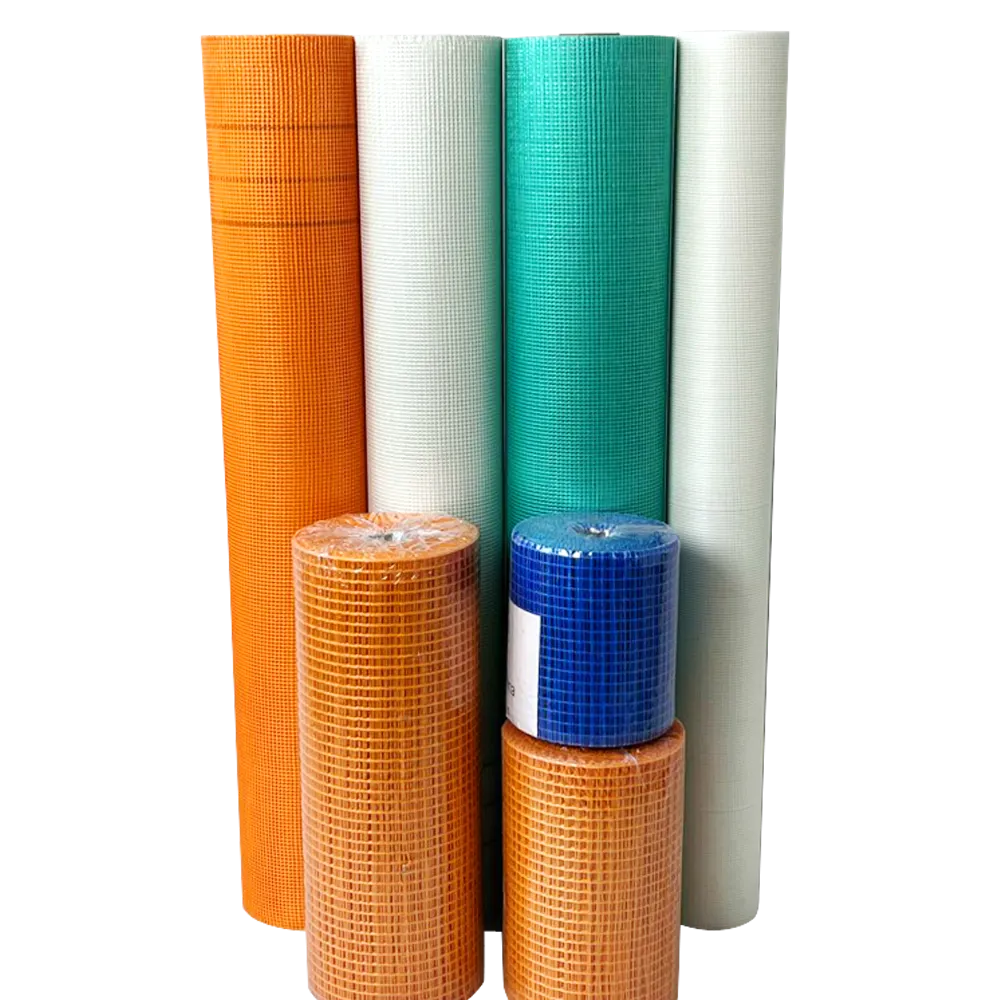
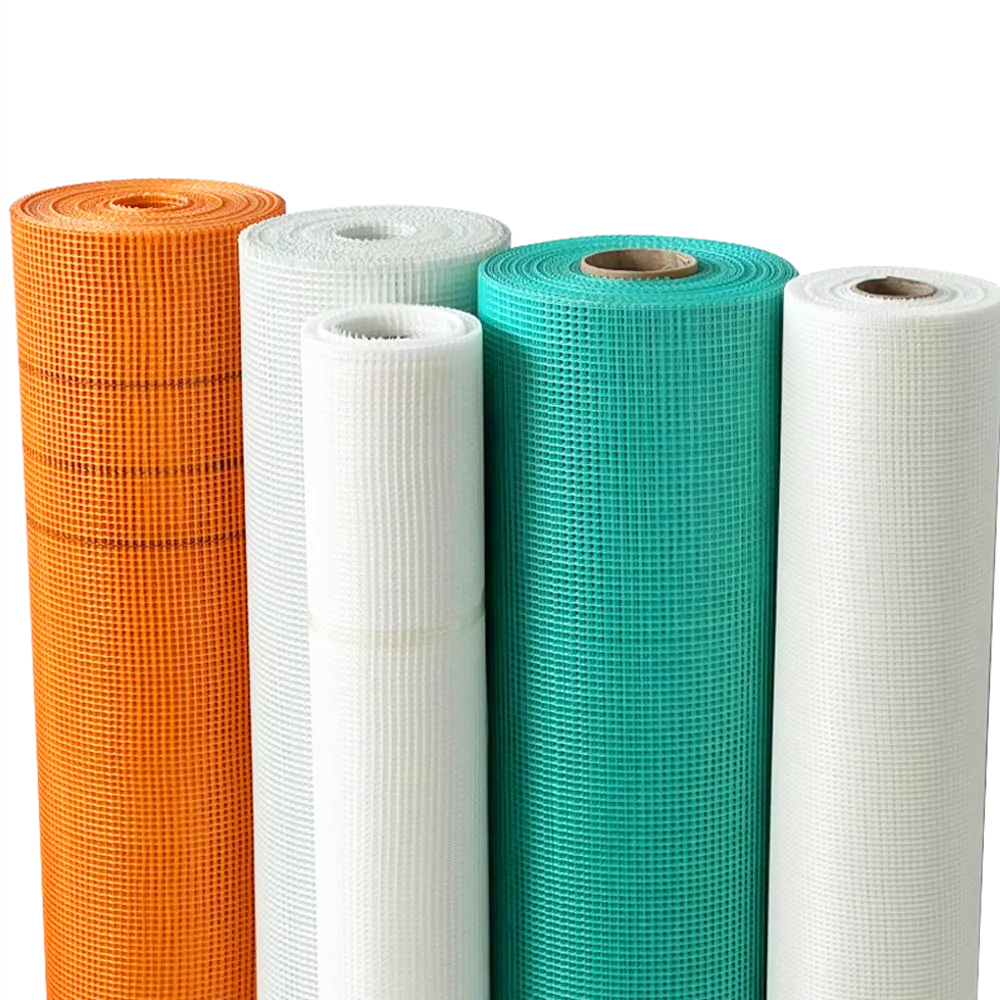
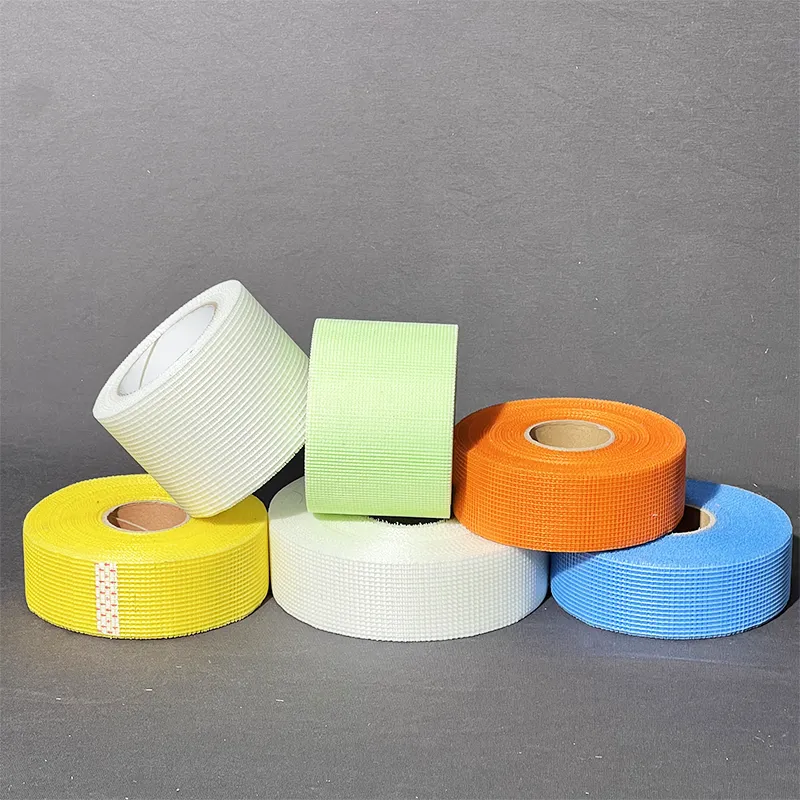
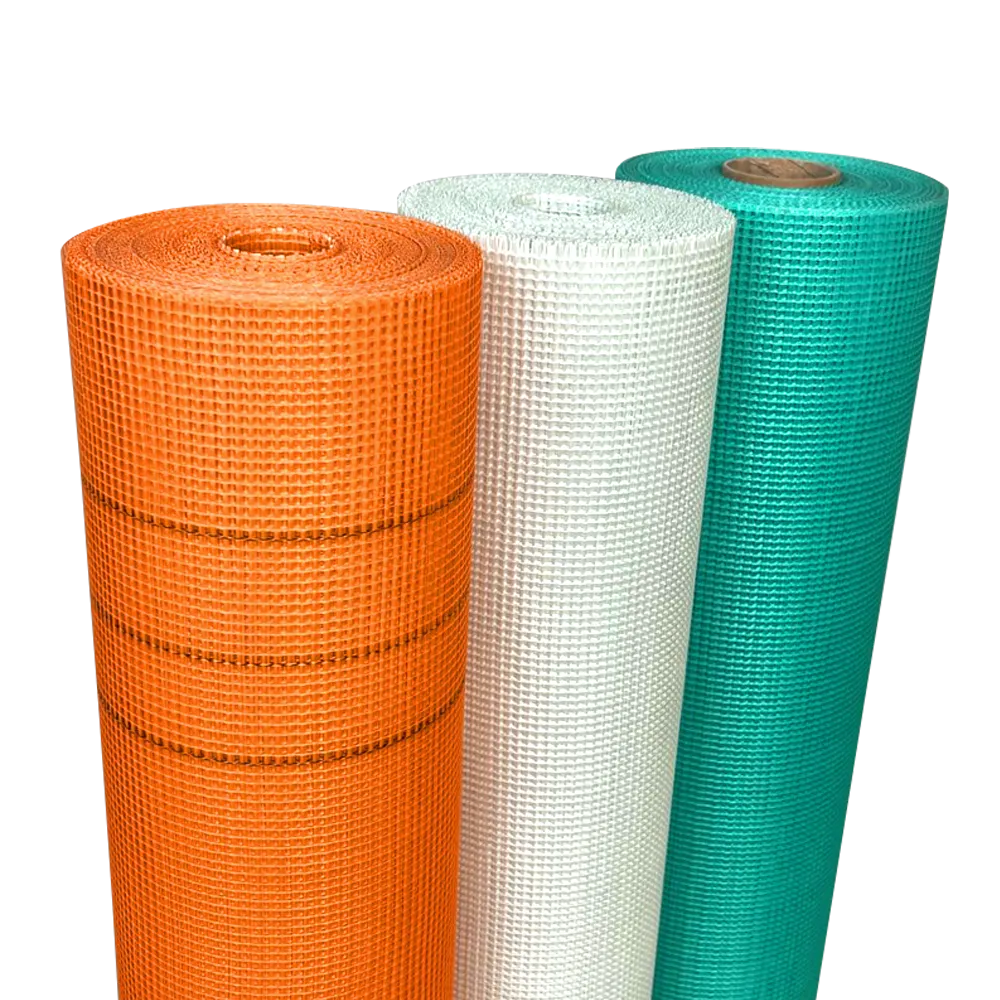
Options: 110–200 g/m², 4×4 or 5×5 mm apertures, roll width 1.0–1.2 m, private-label wrap. Certifications: ISO 9001; REACH/SVHC statements; CE documentation for ETICS on request. Factory CoA typically includes tensile (fresh/aged), gsm, aperture, and coating add-on.
Pro tip: when you buy fiber mesh for waterproofing, ask for aged tensile data and alkali retention—fresh strength alone can be misleading.
Case notes
- Metro tunnel lining: mesh-reinforced polymer-modified cement reduced seepage staining; pull-off averaged 1.6 MPa.
- Coastal podium deck: PU with mesh at transitions survived 1,000 h UV (ISO 4892-2) with no visible cracking; flood test passed 48 h.
Final thought: specs are great, but flat installation and proper overlaps are what make a membrane bulletproof. I guess that’s the unglamorous truth.
References
- ETAG 004 / EAD 040083-00-0404, External Thermal Insulation Composite Systems (ETICS).
- ASTM D5035, Standard Test Method for Breaking Force and Elongation of Textile Fabrics (Strip Method).
- ISO 4892-2, Plastics—Methods of exposure to laboratory light sources—Xenon-arc lamps.
- ASTM C1583/C1583M, Tensile Strength of Concrete Surfaces and the Bond Strength or Tensile Strength of Overlay Materials.
-
Best Fiberglass Mesh Tape for RedGard Product Waterproofing GuideNewsApr.16,2026
-
Why High Strength Fiberglass Mesh Is Essential For Stucco ApplicationNewsApr.15,2026
-
Why Alkali Resistant Fiberglass Mesh Tape Is Essential For Cement Board And Tile InstallationsNewsApr.15,2026
-
Understanding The Role Of Drywall Fiberglass Mesh In Interior FinishingNewsApr.15,2026
-
Ultimate Guide To Using Fiberglass Mesh Tape For Drywall And Plaster RepairsNewsApr.15,2026
-
The Versatility Of Fiberglass Mesh In Marble And Stone MosaicNewsApr.15,2026