Oct . 16, 2025 11:45 Back to list
Buy Adhesive Fiberglass Mesh | High Strength, Anti-Crack
A Practical Buyer’s Guide to Adhesive-Ready Fiberglass Mesh (with specs, tests, and real jobsite notes)
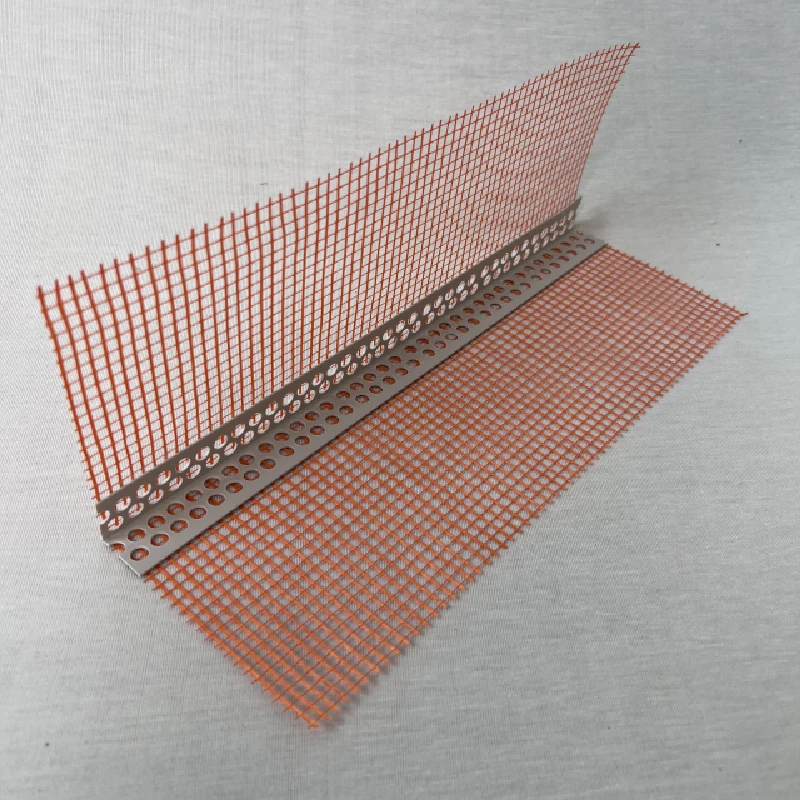
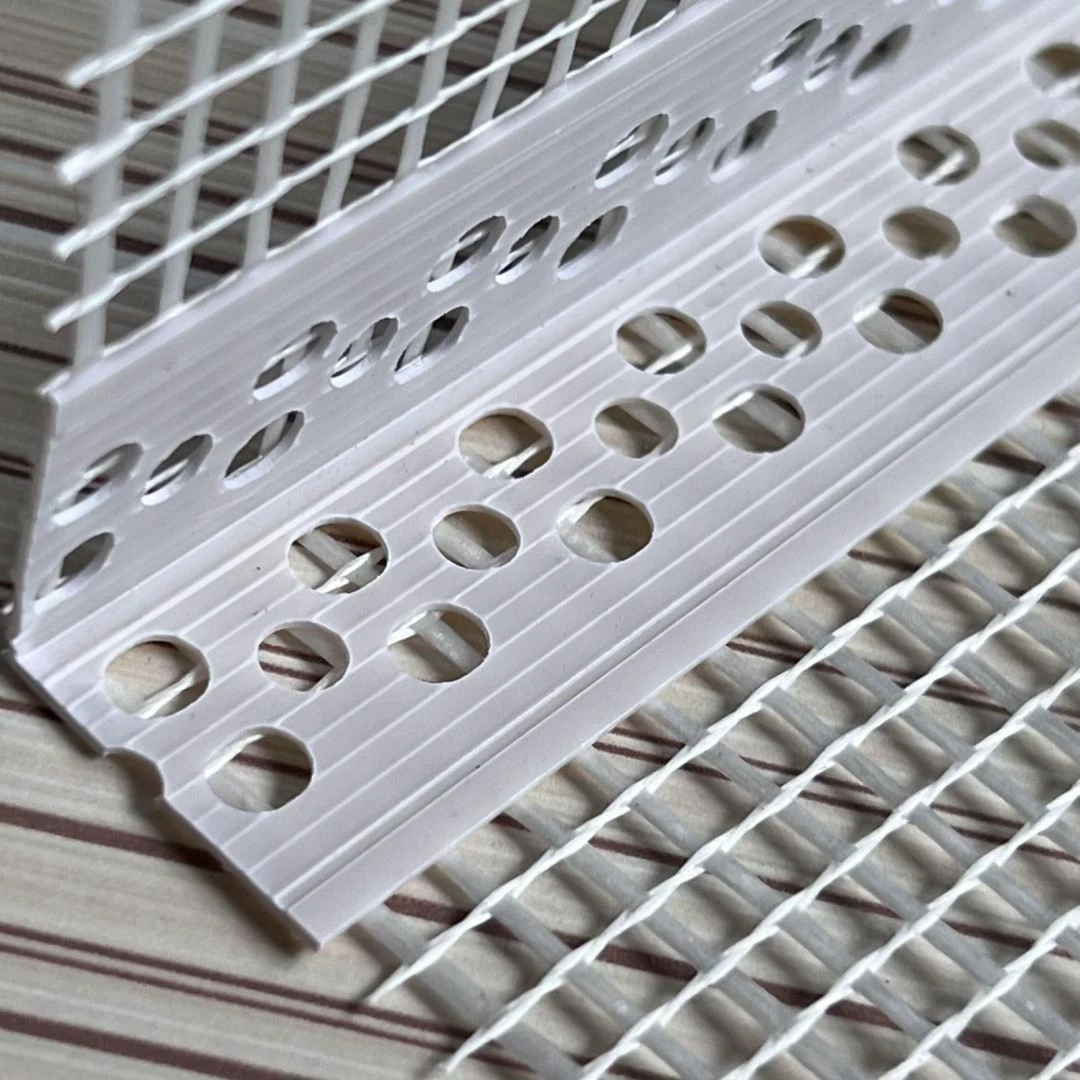
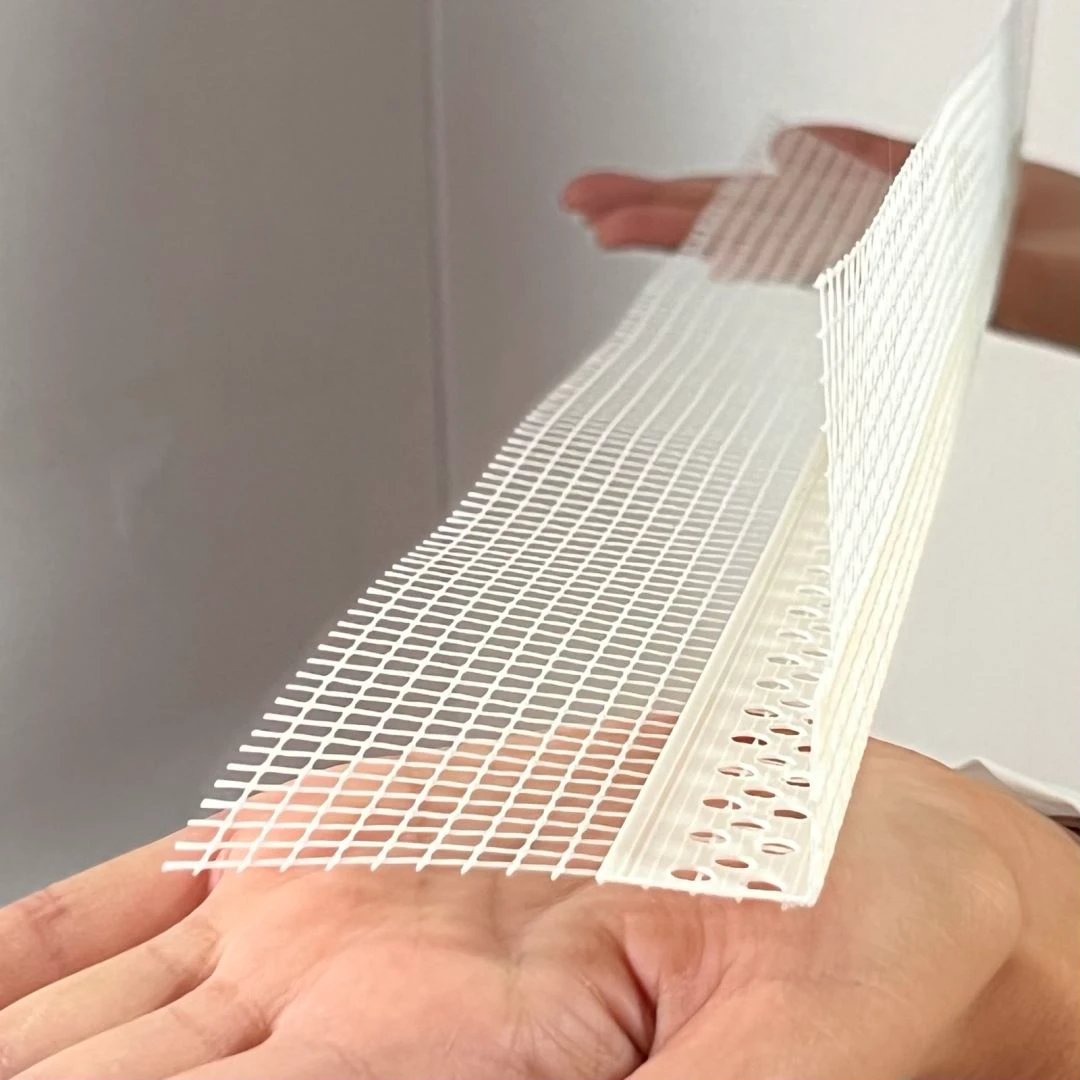
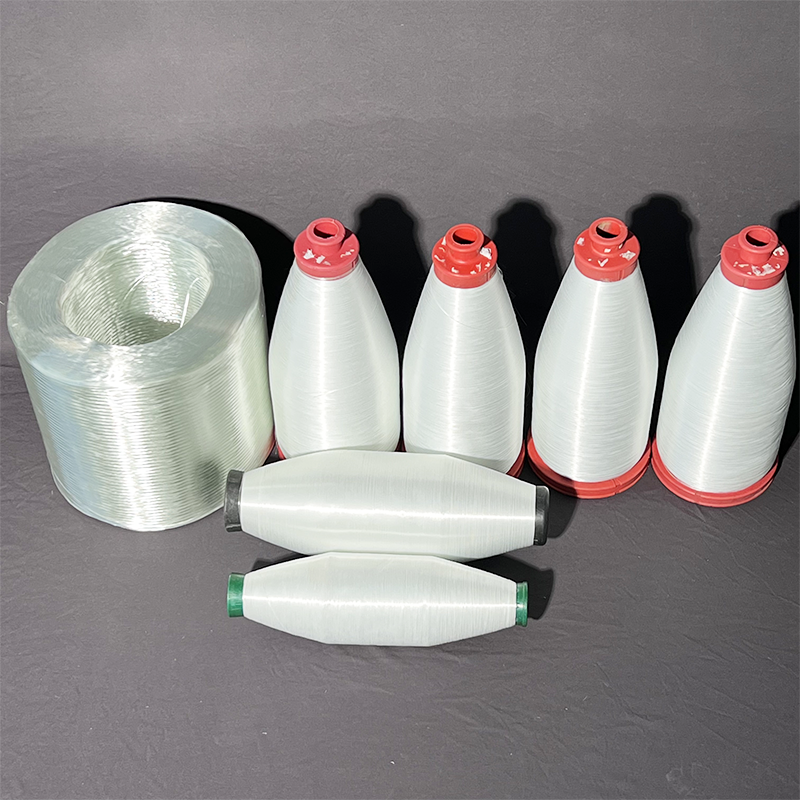
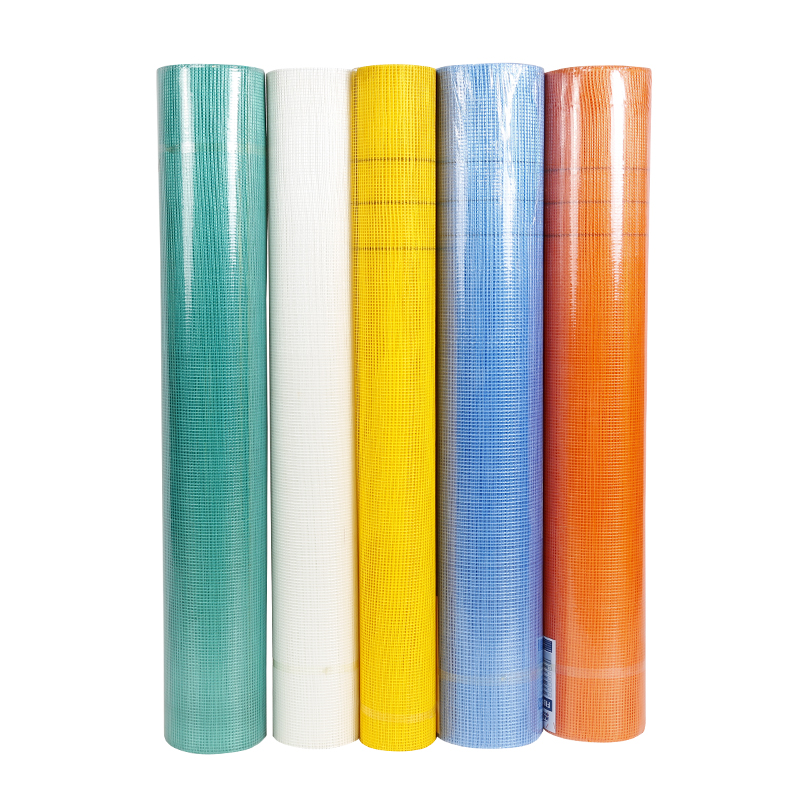
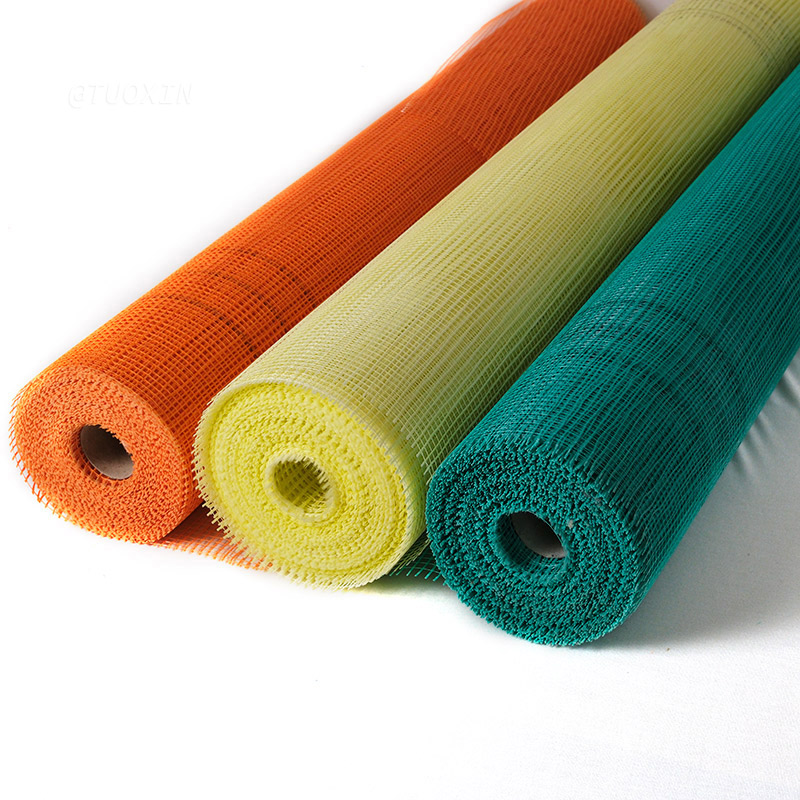
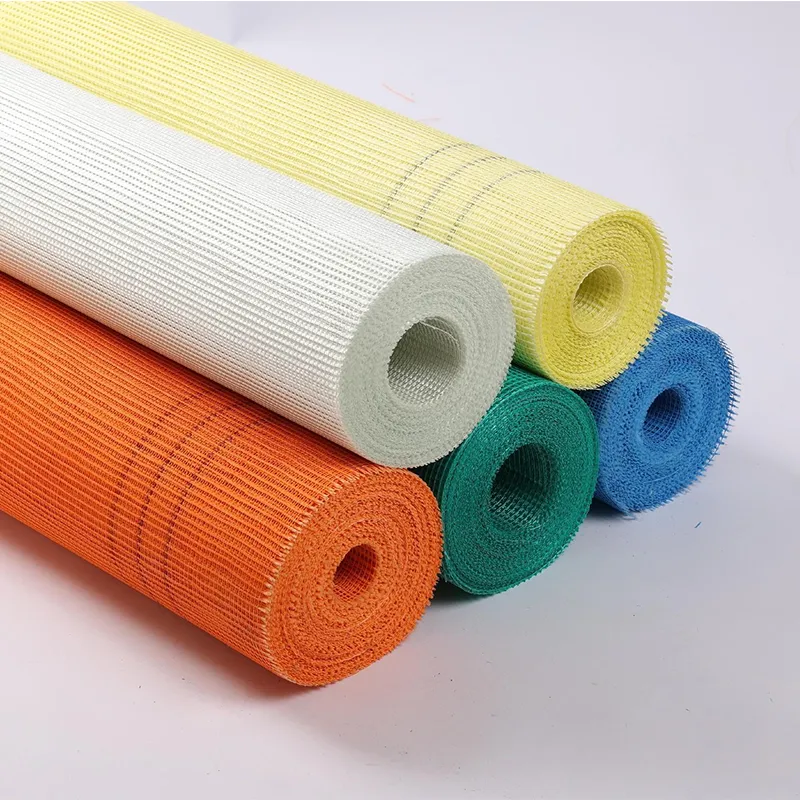
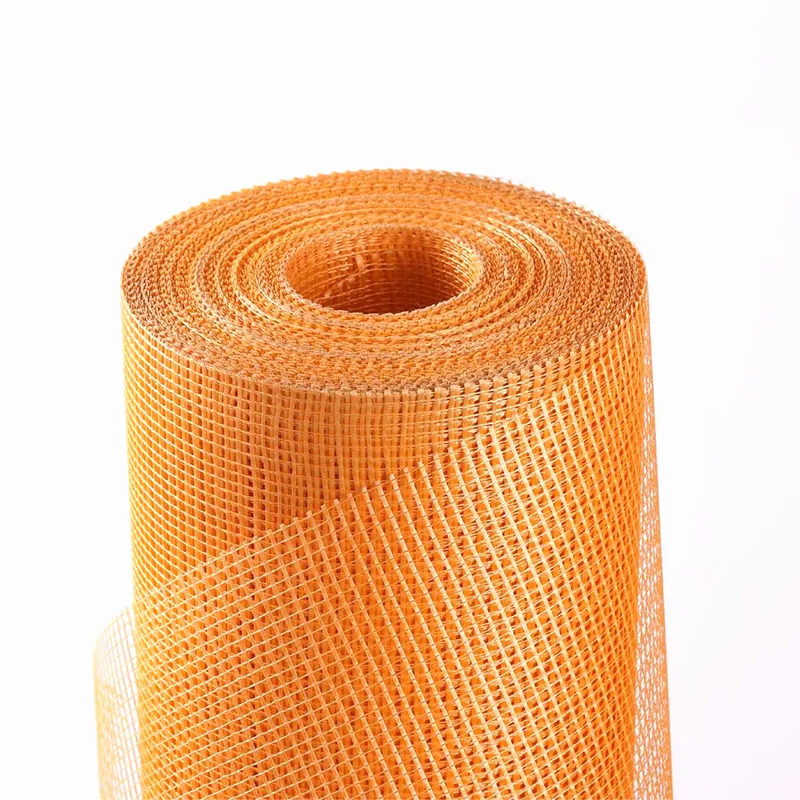
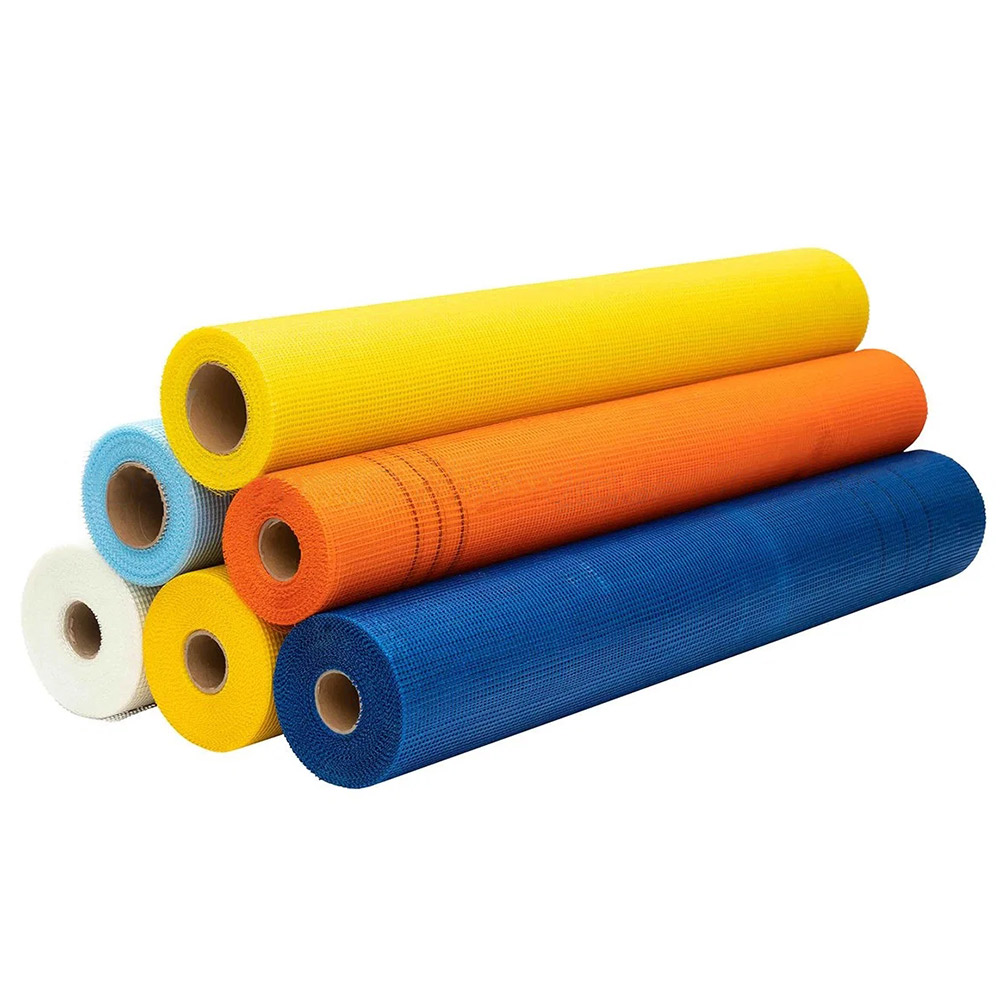
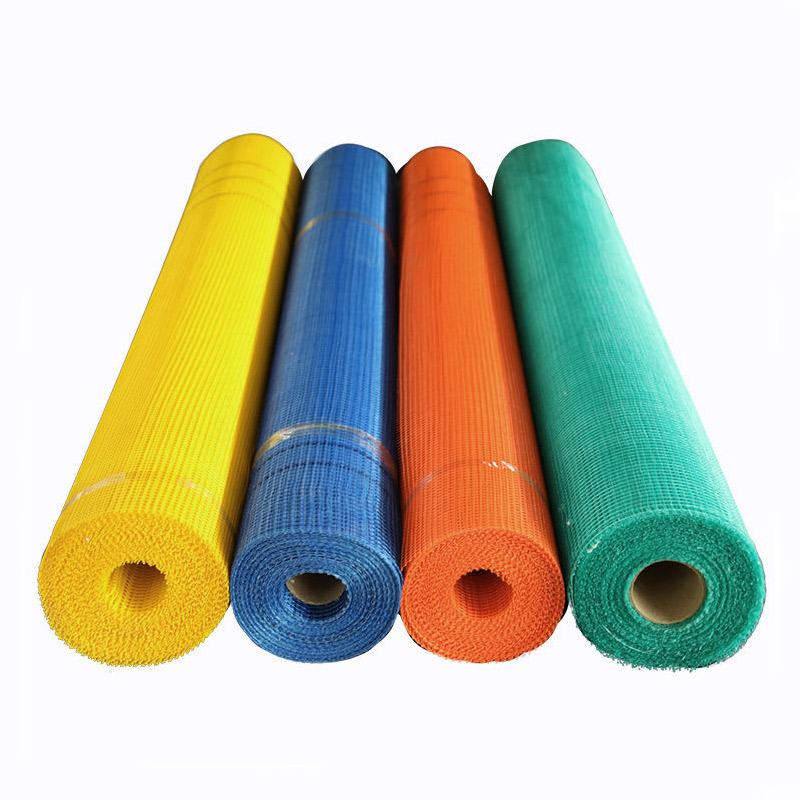
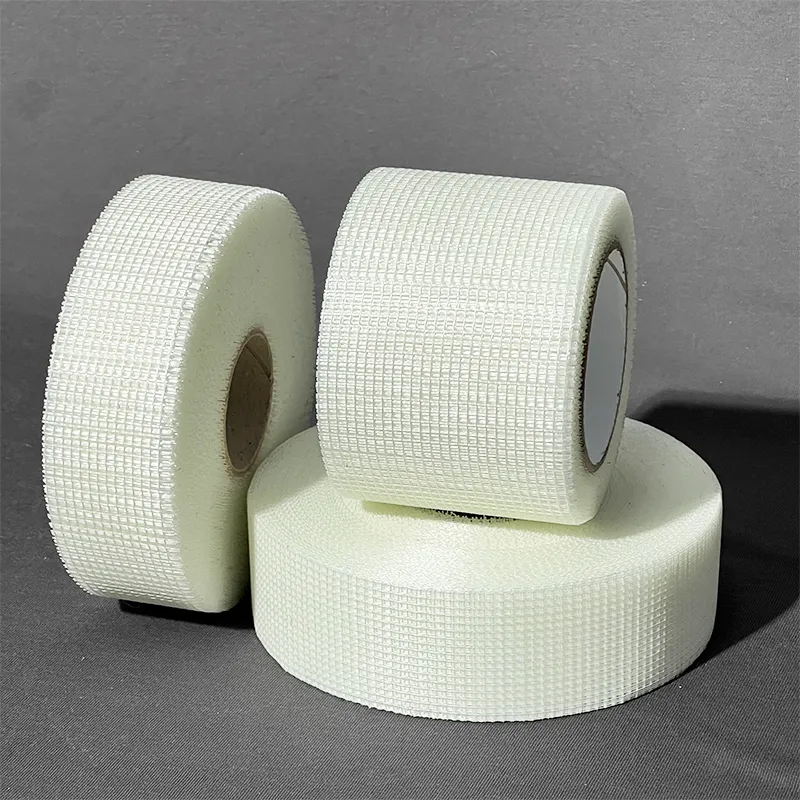
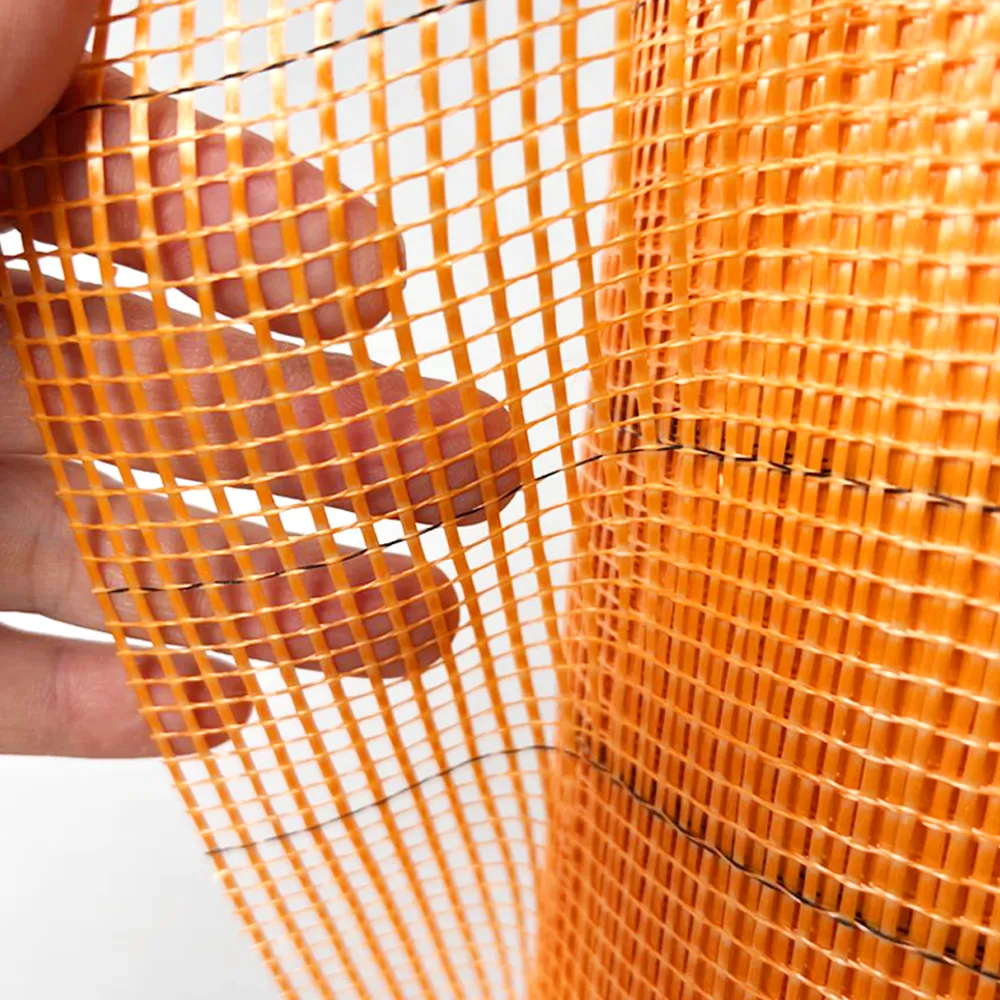
If you’re ready to buy adhesive fiberglass mesh, here’s the insider checklist I actually use on specs and site walks. The product in focus is “Fiberglass mesh manufacture plaster mesh net,” made in Xiaomen Village, Yilunbao Township, Renqiu City, Hebei Province, China. It’s woven from C-glass, E-glass, or AR-glass and coated with an acrylic acid copolymer—so it bonds well with polymer-modified mortars and, on request, can be pre-sized for light tack during install.
Industry trend check (quick but important)
EIFS/ETICS demand is still rising, and frankly, installers are choosy about mesh because alkali resistance drives crack control longevity. A few distributors told me they’re seeing more AR-glass blends on façade packages and tighter QC on tensile retention after alkali soak. Also, custom colors and pre-slit tape rolls are oddly popular—branding and speed matter on big jobs.
Core technical specs you should ask for
| Parameter | Typical value | Notes (real-world may vary) |
|---|---|---|
| Glass type | C-glass / E-glass / AR-glass | AR for higher alkali resistance in cement systems |
| Weave | Leno | Stable, good mortar key |
| Areal weight | ≈ 75–160 g/m² | 160 g/m² common for ETICS base coat |
| Mesh size | ≈ 4×4 / 5×5 / 10×10 mm | Pick per render thickness |
| Coating | Acrylic copolymer | Alkali-resistant, water-stable |
| Tensile strength | ≈ ≥1250 / ≥1100 N/50 mm (warp/weft) @160 g/m² | Per EN 13496 / comparable tensile methods |
| Alkali retention | ≥ 50–70% after 28-day soak | ETAG 004 guidance zone |
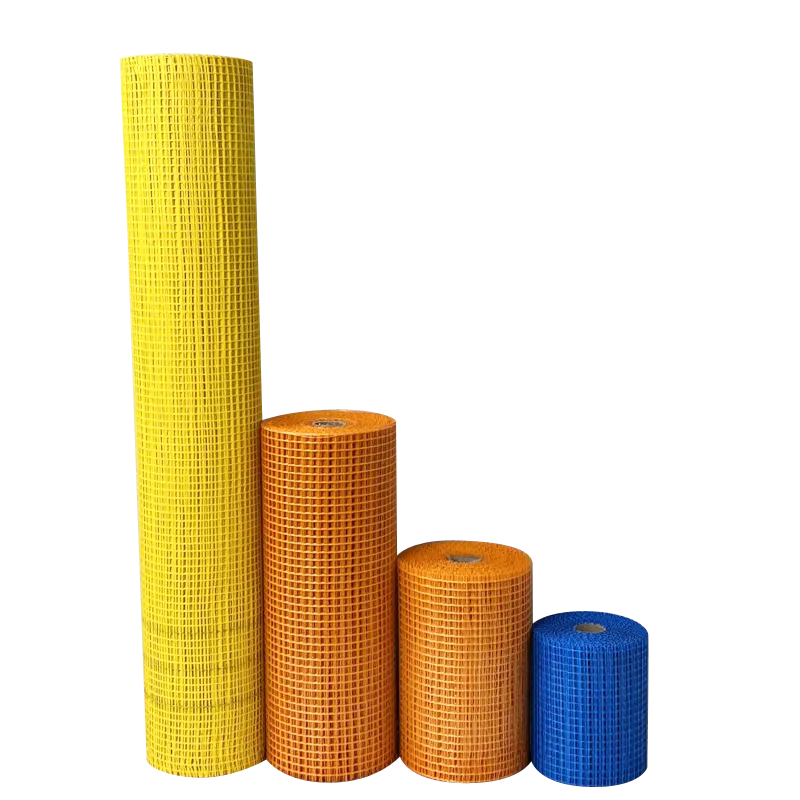
| Roll size | ≈ 1 m × 50 m | Custom widths on request |
Process in short: yarn selection → leno weaving → heat setting → copolymer coating → drying → slit/rewind → QC testing (tensile, alkali soak, mass per unit area). Service life in ETICS? Often 25+ years when installed per system specs; obviously climate and workmanship matter.
Where it’s used (and why installers like it)
- ETICS/EIFS base coat reinforcement on façades
- Plaster crack control over block/brick transitions
- Waterproofing layers in cementitious coatings
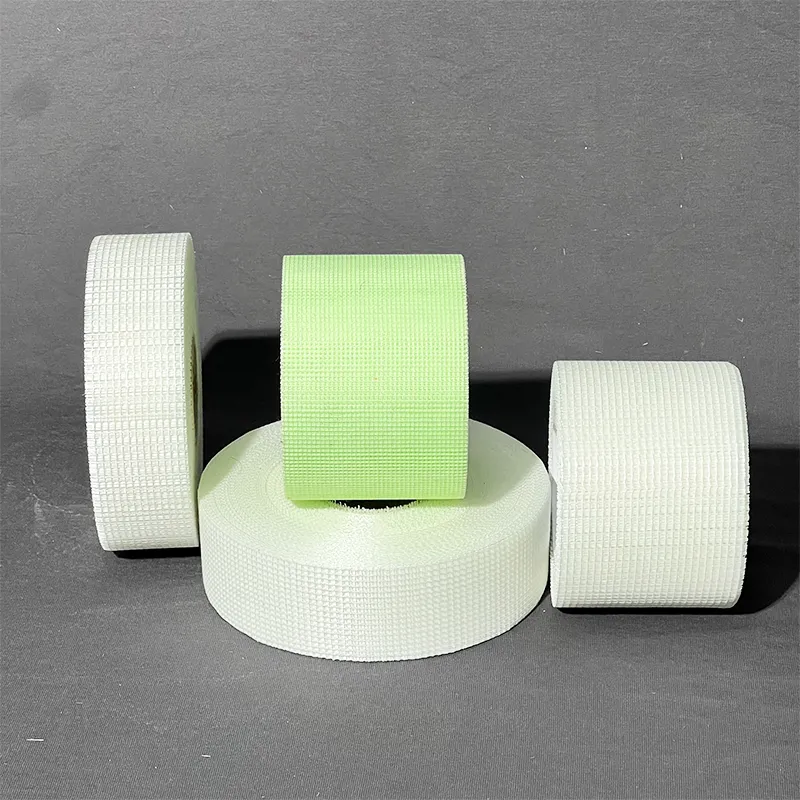
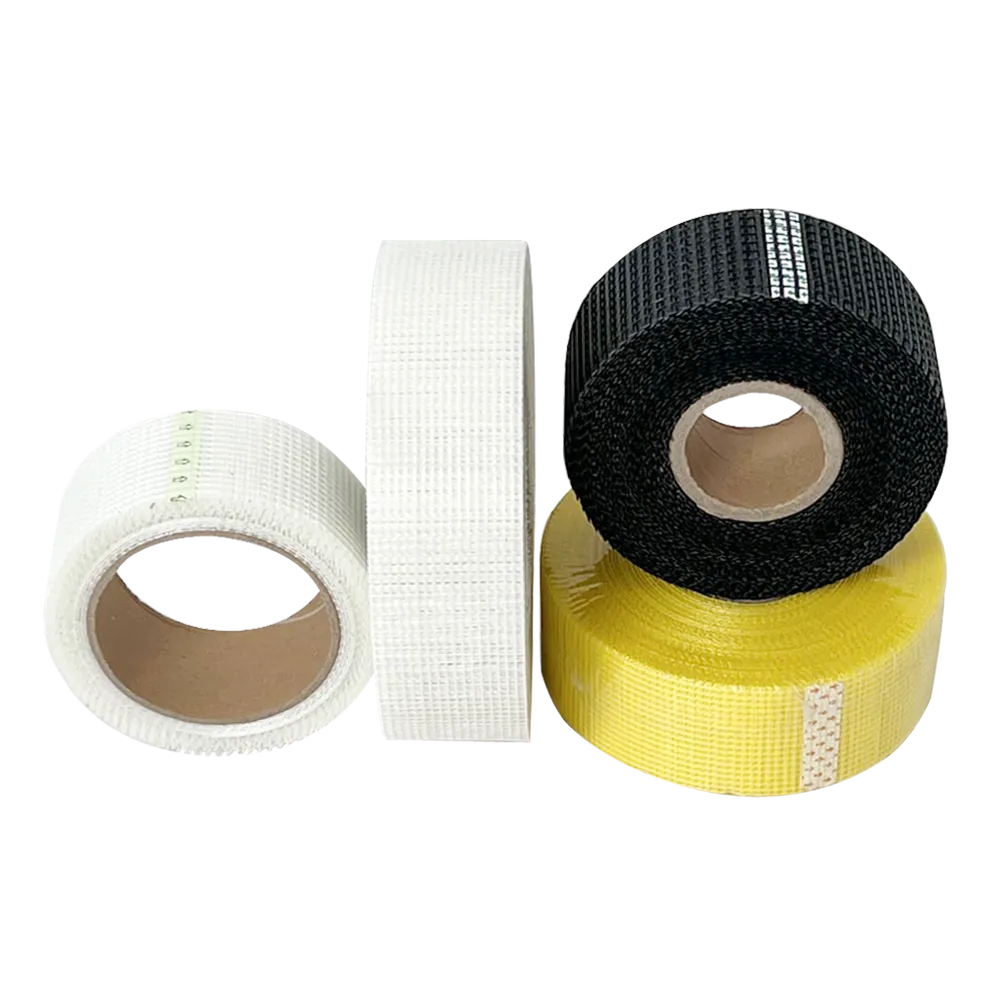
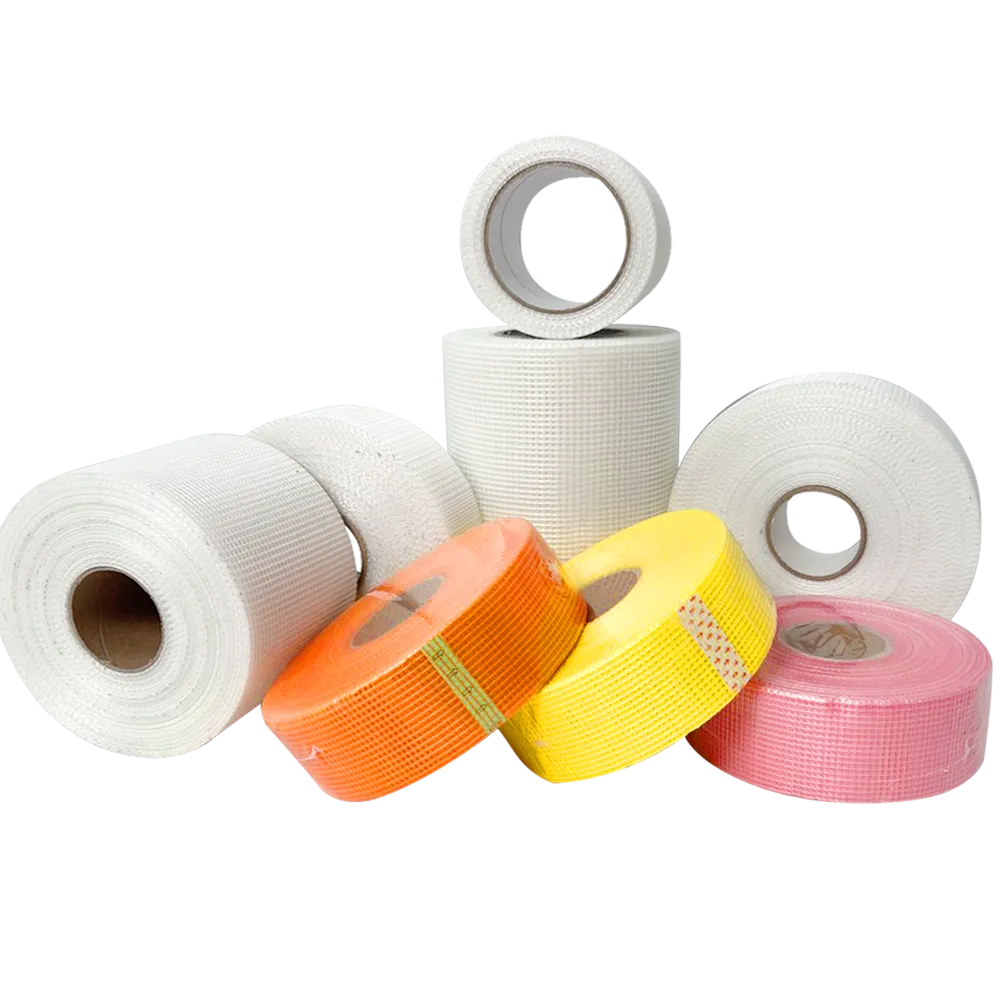
- Gypsum board joints (pre-slit tape; can be light-tack “adhesive-ready”)
- Tile backer leveling layers in wet rooms
Advantages: consistent alkali resistance, easy embed, good hand-feel (not too stiff), and yes, the coating makes it “stick” nicely into fresh adhesive mortar. Some customers say roll flatness is underrated—saves minutes per wall.
Vendor snapshot (what I compare on quotes)
| Feature | Tainuo (this product) | Vendor B | Vendor C |
|---|---|---|---|
| Alkali retention (28 d) | ≈ 60–70% | ≈ 50–60% | ≈ 60–75% |
| Tensile @160 g/m² | ≈ ≥1250/≥1100 N/50 mm | ≈ ≥1100/≥1000 N/50 mm | ≈ ≥1300/≥1200 N/50 mm |
| QC docs & traceability | Batch COA, test logs | COA on request | Full dossier |
| Customization | Widths/colors/tape slit | Limited | Moderate |
Certifications and testing: look for ISO 9001 QMS, EN 13496 tensile tests, alkali soak per ETAG 004 guidance, and—for fire/indoor specs—review system-level approvals, not just mesh data. I’ve seen great mesh underperform in a poor system, to be honest.
Customization and real-world feedback
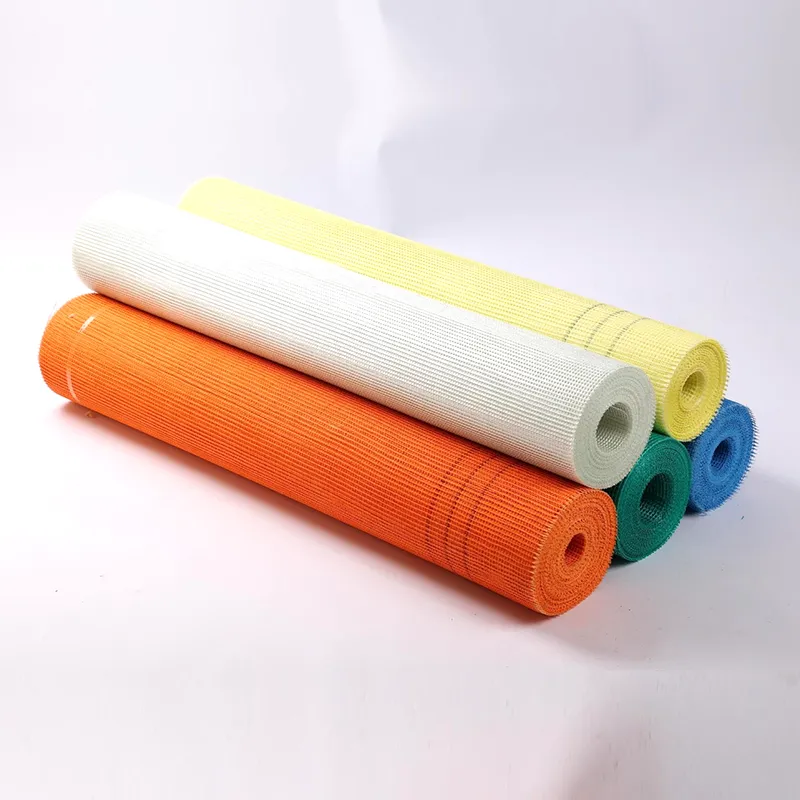
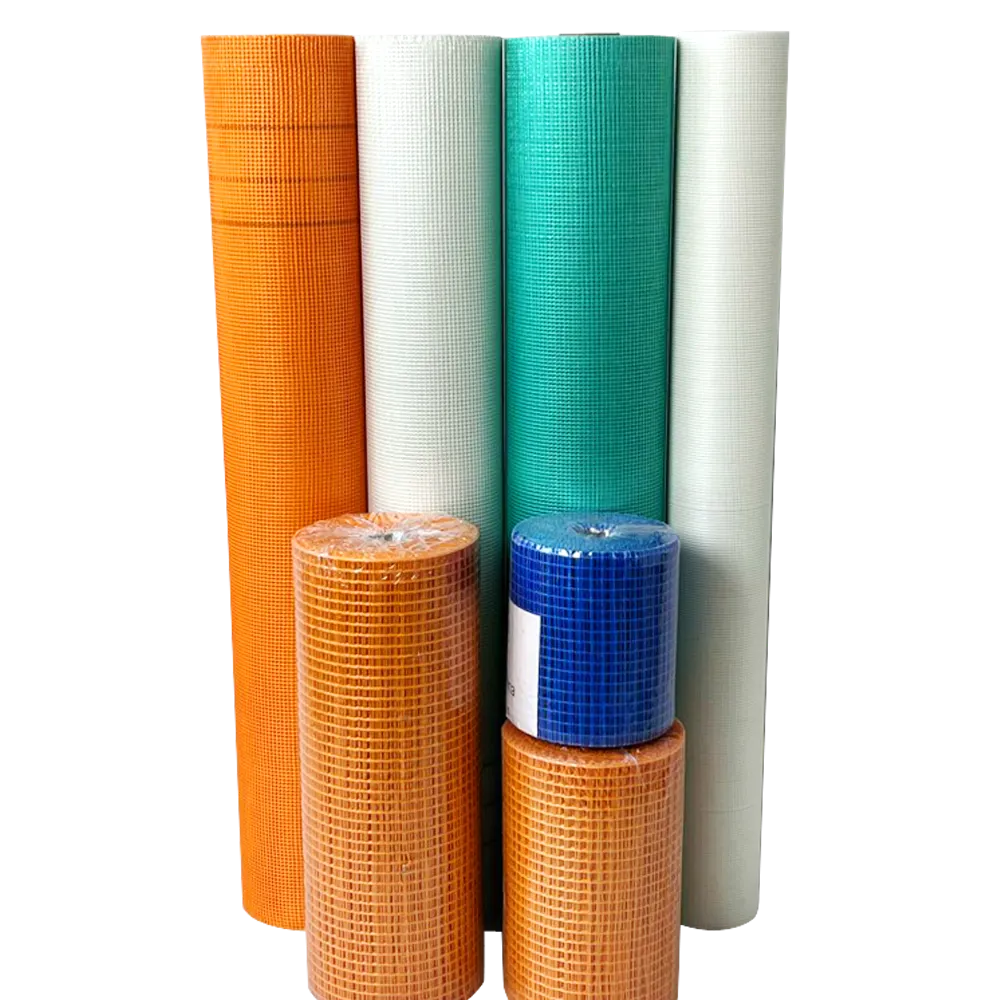
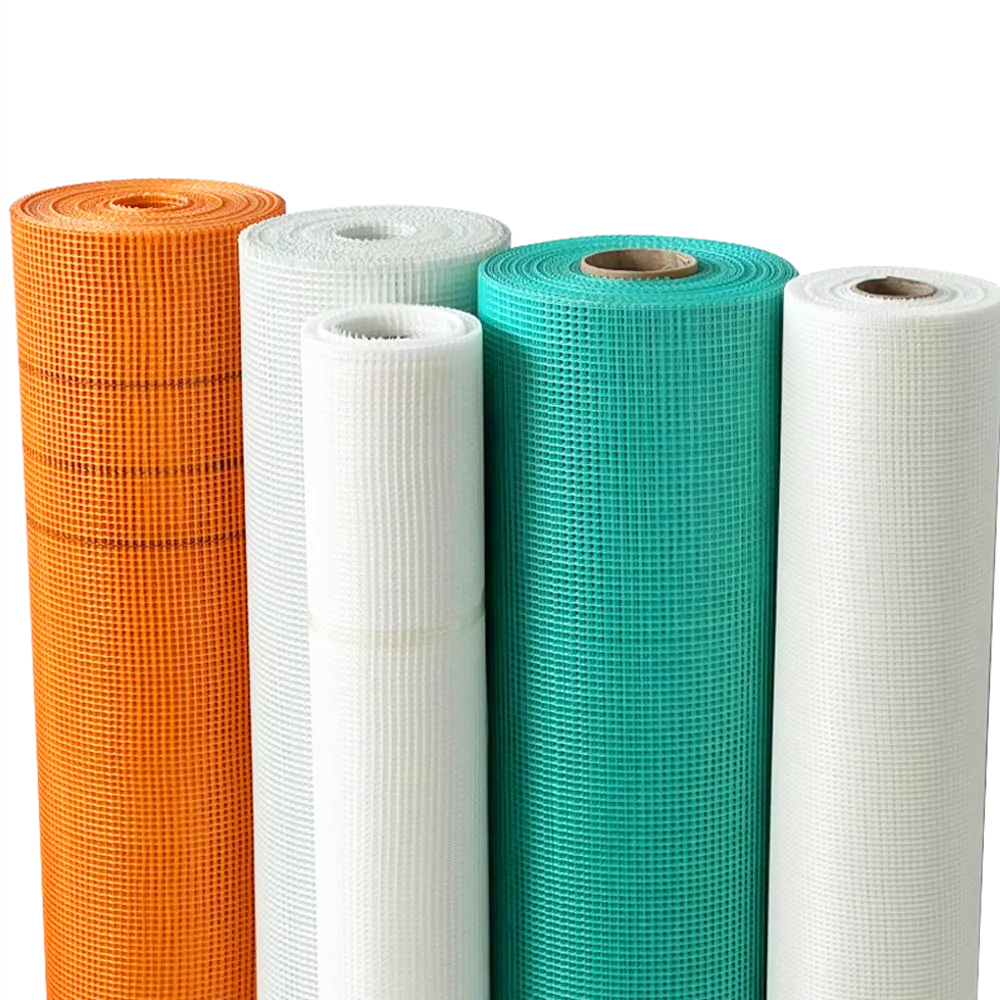
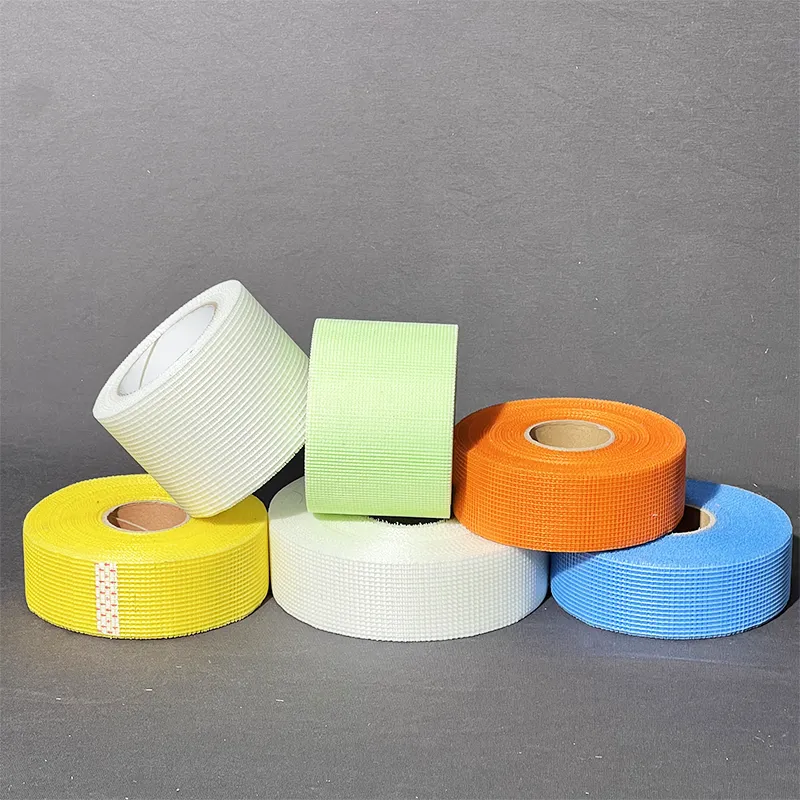
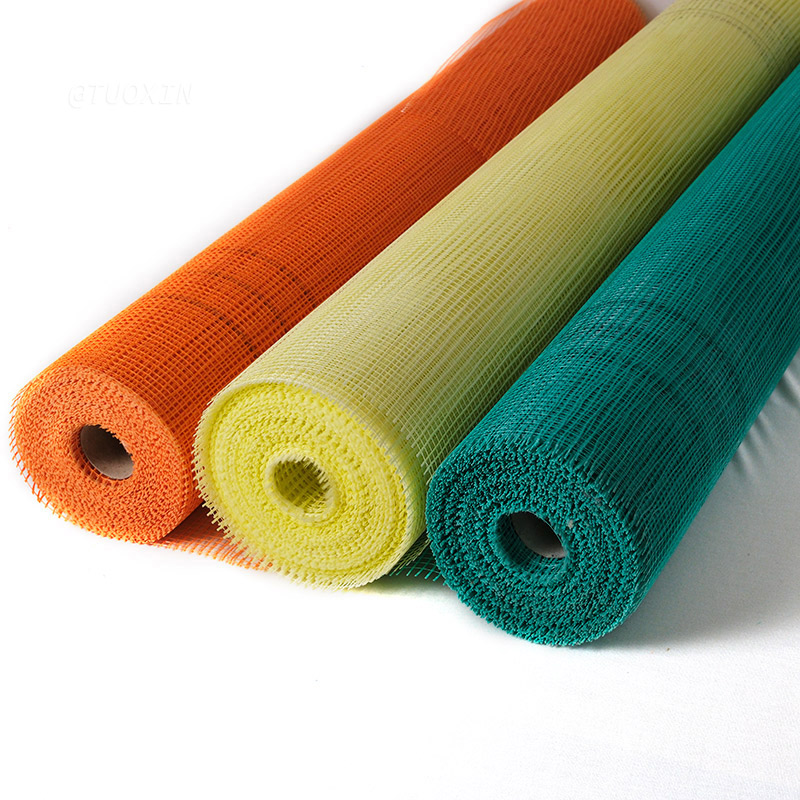
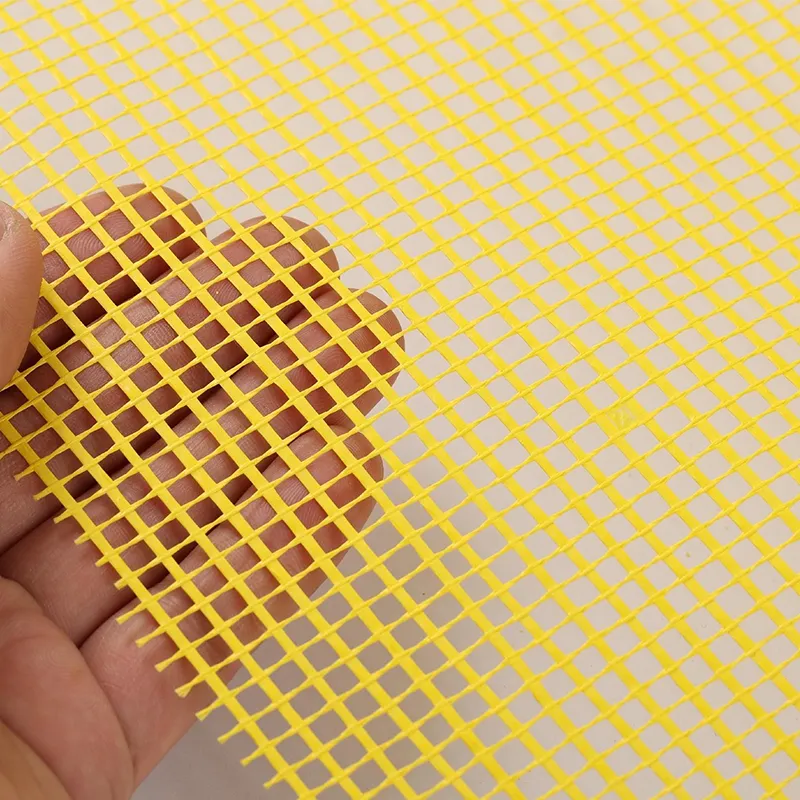
Options include mesh weight, mesh opening, color coding, private label, and pre-slit joint tape. A site foreman told me the roll edges were “clean, no fray,” which sounds small but keeps bases neat. A European distributor noted steady tensile after soak—no sudden drop-offs.
Two quick case notes
- Mid-rise hotel ETICS: 160 g/m², 5×5 mm mesh. Smooth embed, minimal fishmouths. Post-cure pull checks were solid.
- Wastewater gallery refurb: AR-glass variant in cementitious waterproofing. After cure, impact scuffs didn’t telegraph through the topcoat.
Buy adhesive fiberglass mesh with a clear spec: target tensile, alkali retention, and roll tolerances. Then verify with batch COAs and (ideally) a small pre-shipment test strip. It’s boring paperwork that saves rework later—ask any PM.
References
- ETAG 004 / EAD 040083-00-0404: External Thermal Insulation Composite Systems with rendering.
- EN 13496: Thermal insulation products for buildings — Determination of tensile properties of ETICS reinforcement meshes.
- ASTM D5035: Standard Test Method for Breaking Force and Elongation of Textile Fabrics (Strip Method).
- ISO 9001: Quality management systems — Requirements.
-
Best Fiberglass Mesh Tape for RedGard Product Waterproofing GuideNewsApr.16,2026
-
Why High Strength Fiberglass Mesh Is Essential For Stucco ApplicationNewsApr.15,2026
-
Why Alkali Resistant Fiberglass Mesh Tape Is Essential For Cement Board And Tile InstallationsNewsApr.15,2026
-
Understanding The Role Of Drywall Fiberglass Mesh In Interior FinishingNewsApr.15,2026
-
Ultimate Guide To Using Fiberglass Mesh Tape For Drywall And Plaster RepairsNewsApr.15,2026
-
The Versatility Of Fiberglass Mesh In Marble And Stone MosaicNewsApr.15,2026