Feb . 25, 2026 15:48 Kembali kepada senarai
The Essential Guide to Fiberglass Mesh Netting in Modern Construction
In today’s construction industry, durability, crack resistance, and long-term performance are no longer optional—they are fundamental requirements. One of the most reliable reinforcement materials used in modern building systems is fiberglass mesh netting. Whether applied in exterior insulation finishing systems (EIFS), interior plaster reinforcement, wall crack prevention, or waterproofing systems, fiberglass mesh has become a cornerstone material in residential, commercial, and industrial construction projects.
This article explores the applications, advantages, installation techniques, and performance benefits of fiberglass netting, while also discussing how materials such as jaringan jaring gentian kaca, fiberglass mesh roll for plastering, and plastering fiberglass mesh are transforming contemporary building practices.
Understanding Fiberglass Netting Mesh and Its Role in Construction
What Is Fiberglass Mesh?
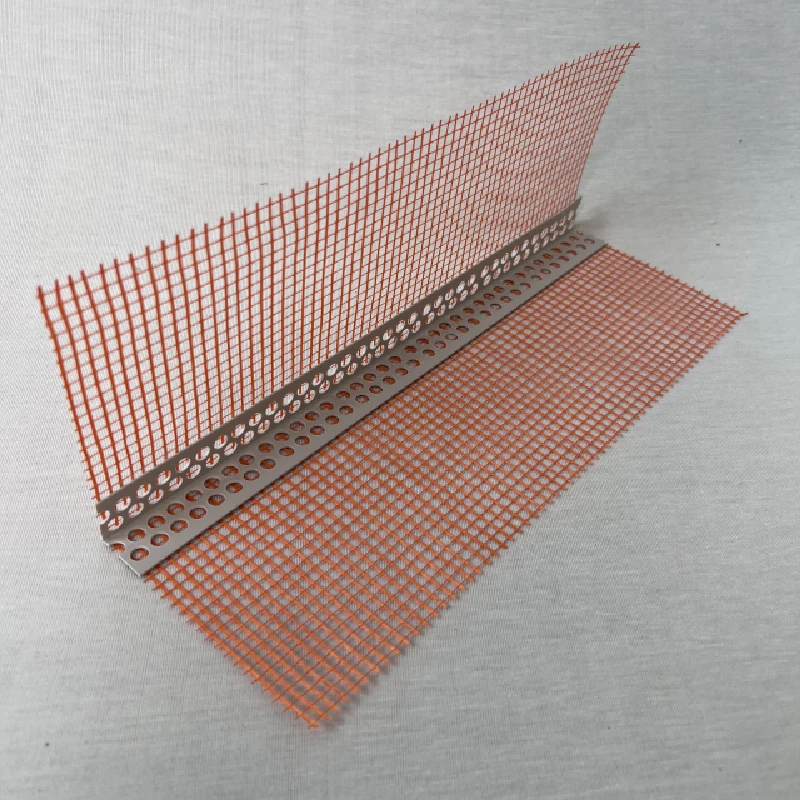
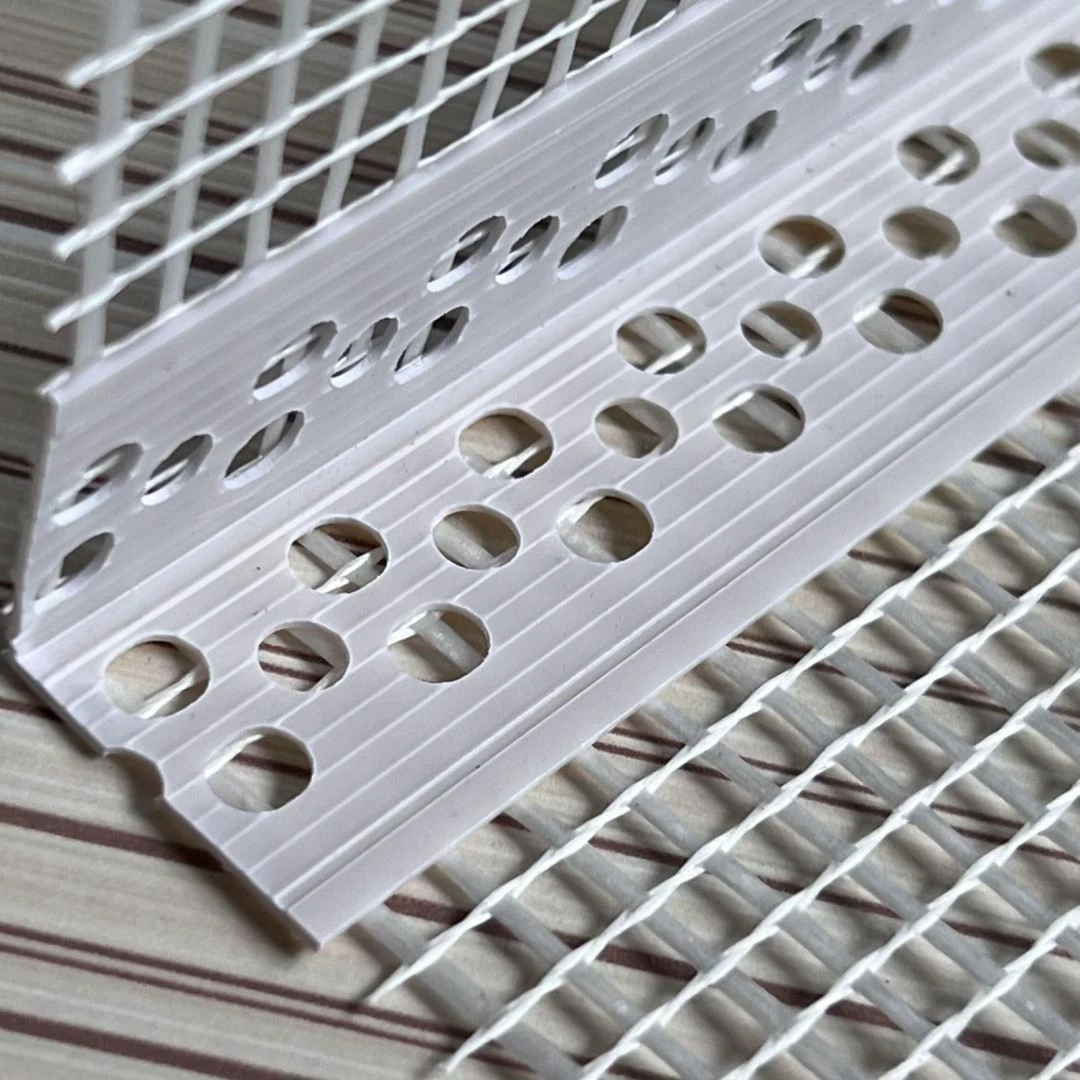
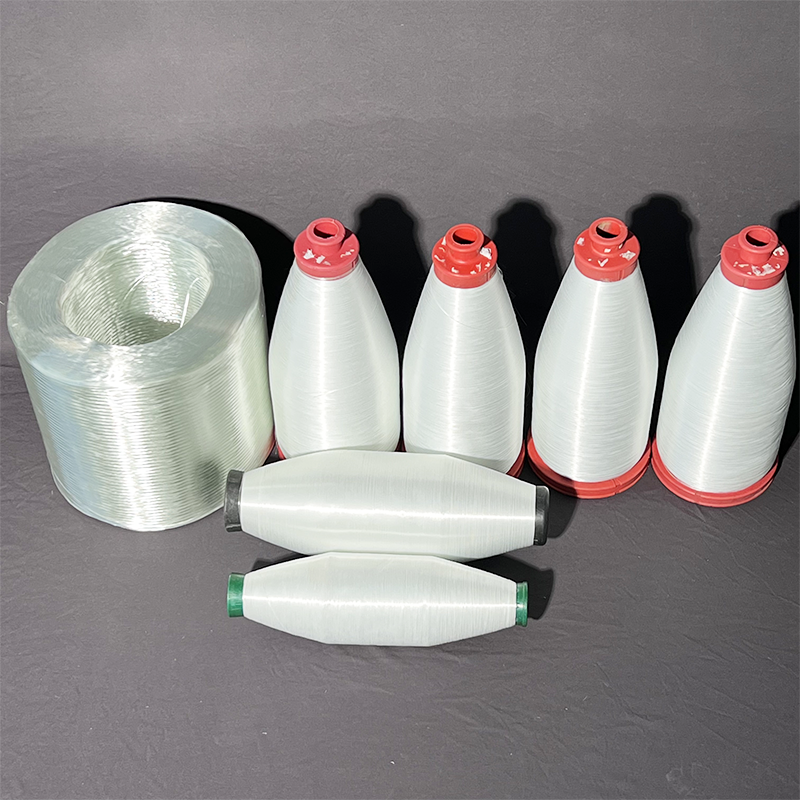
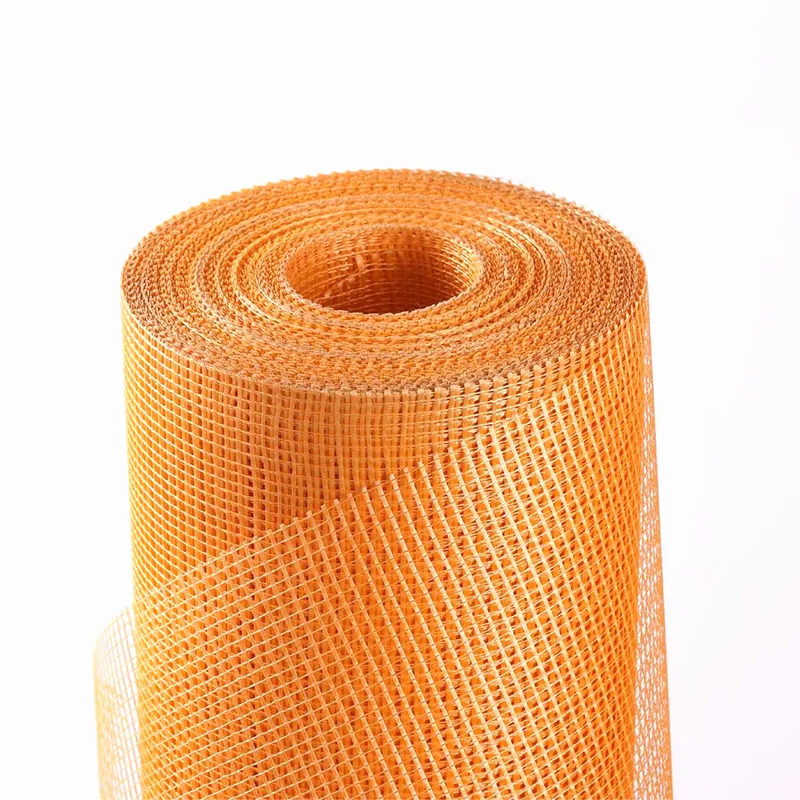
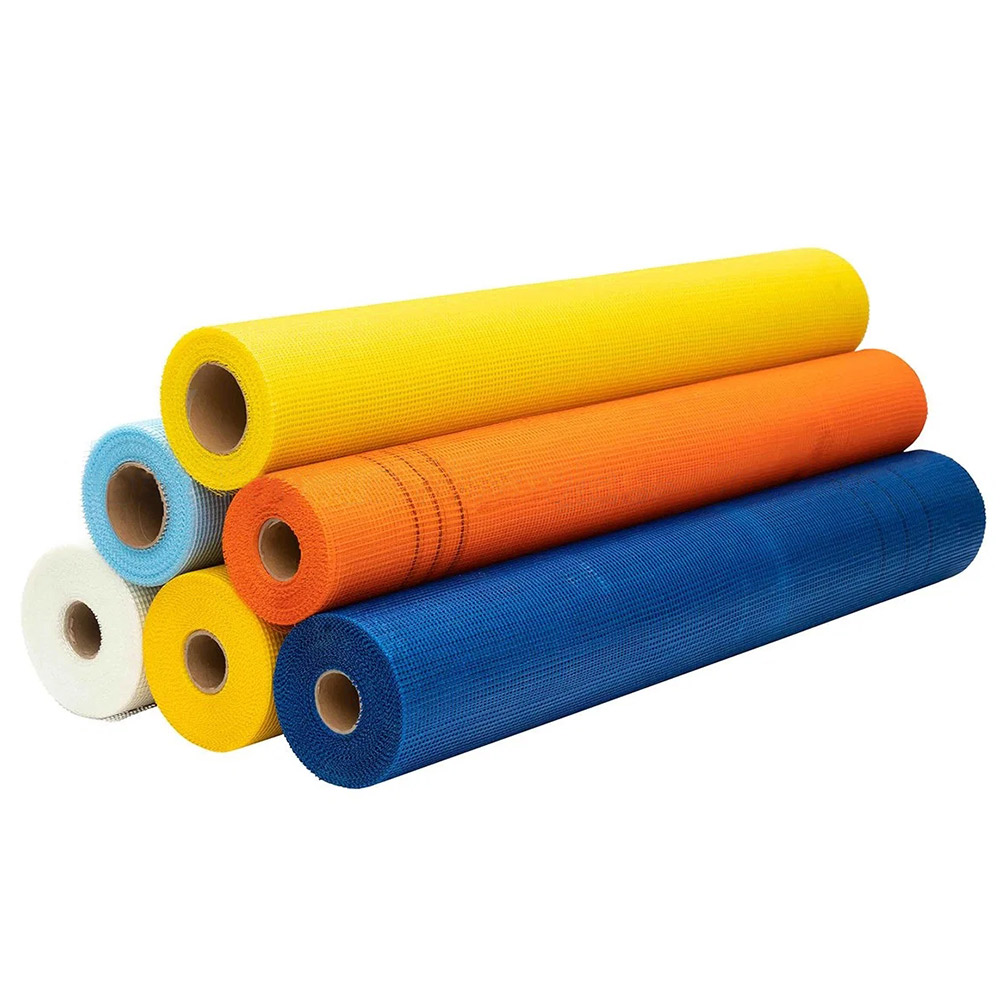
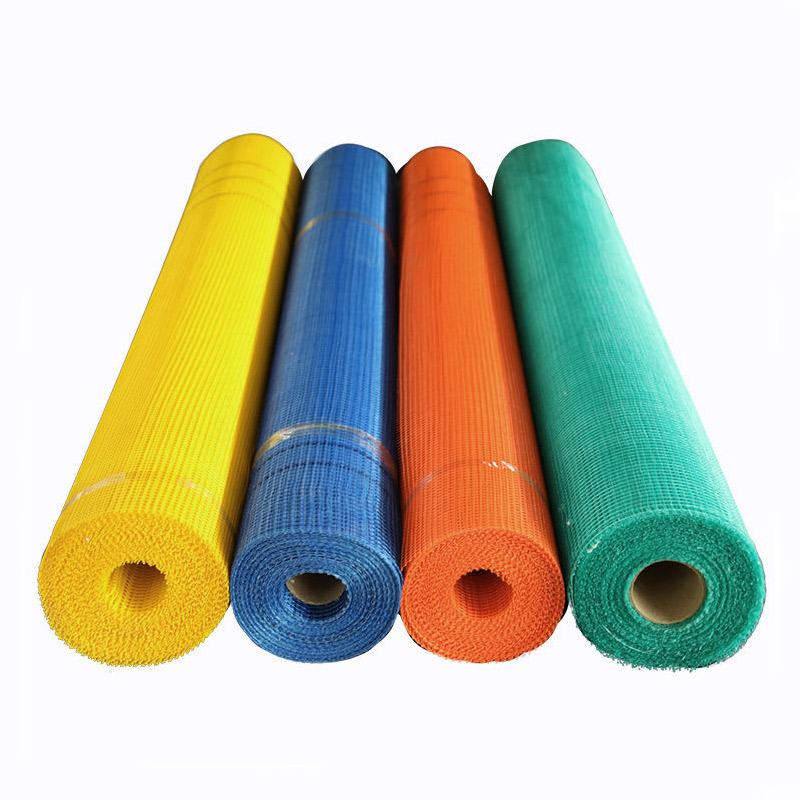
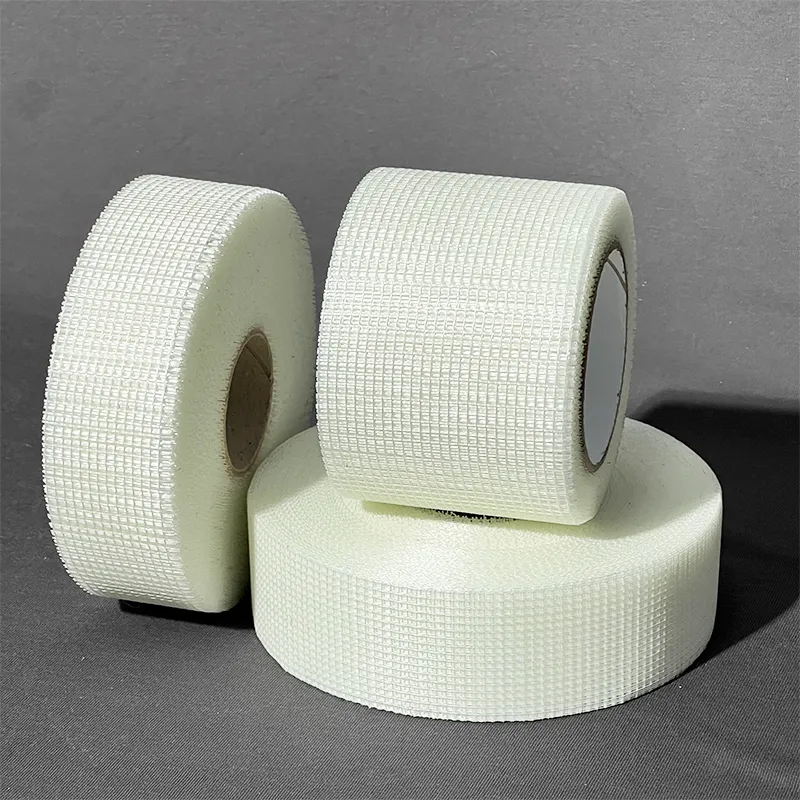
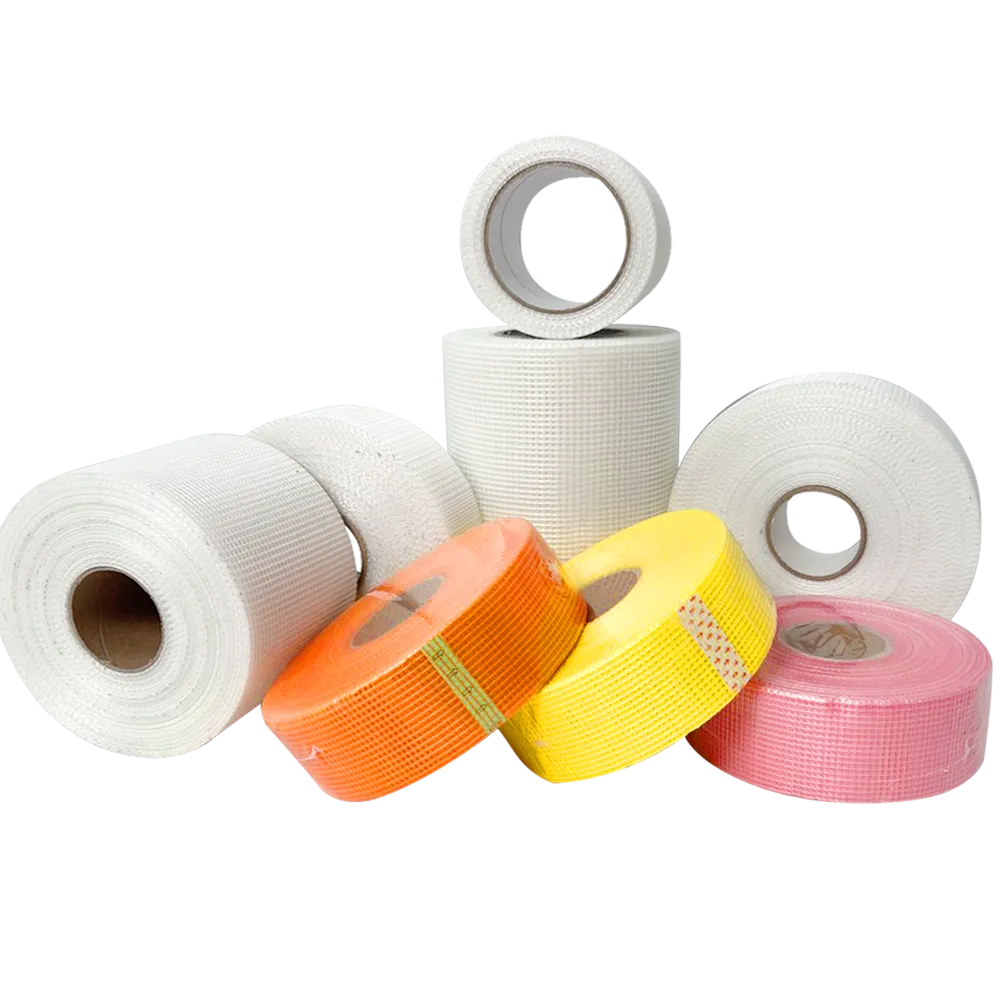
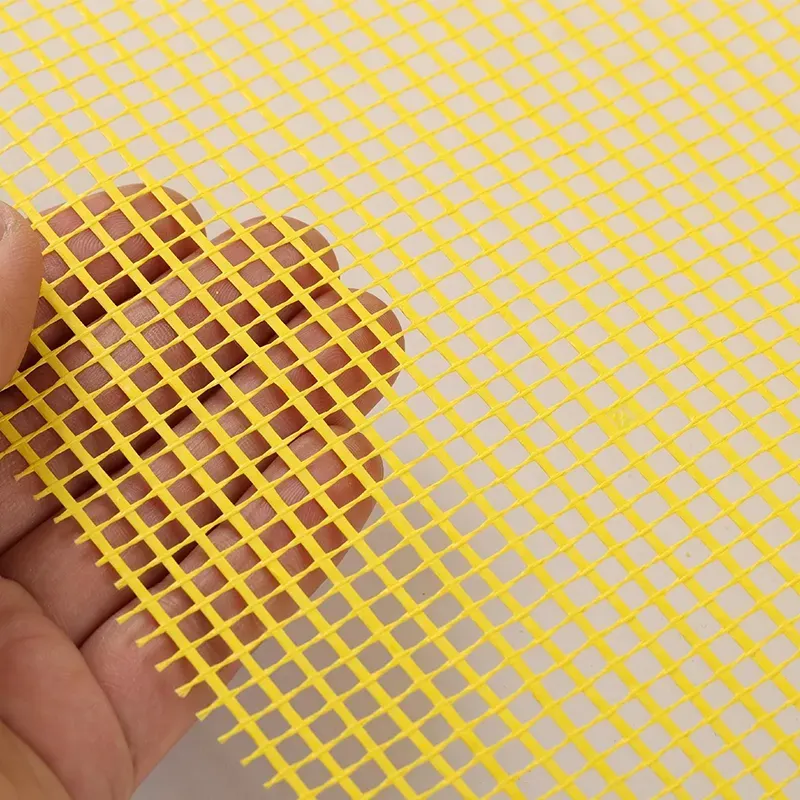
Fiberglass netting is a woven reinforcement material made from alkali-resistant glass fiber yarns. These yarns are typically coated with a polymer (often acrylic or latex-based) to enhance durability, flexibility, and resistance to alkaline environments such as cement and plaster.
The resulting jaringan jaring gentian kaca features:
High tensile strength
Excellent dimensional stability
Alkali resistance
Corrosion resistance
Lightweight yet durable structure
Because of these properties, it is widely used to reinforce plaster, cement render, stucco systems, and insulation boards.
Why Fiberglass Instead of Metal Mesh?
Traditional metal reinforcement meshes can corrode over time, especially in moist or alkaline environments. Corrosion weakens structural integrity and can cause cracks to reappear in plaster layers. In contrast, fiberglass mesh netting does not rust, maintains its structural integrity over time, and is significantly lighter and easier to handle.
Moreover, fiberglass mesh is non-conductive, making it safer in certain electrical or specialized construction environments.
Common Construction Applications
Wall reinforcement in plastering systems
EIFS (Exterior Insulation and Finish Systems)
Waterproofing membrane reinforcement
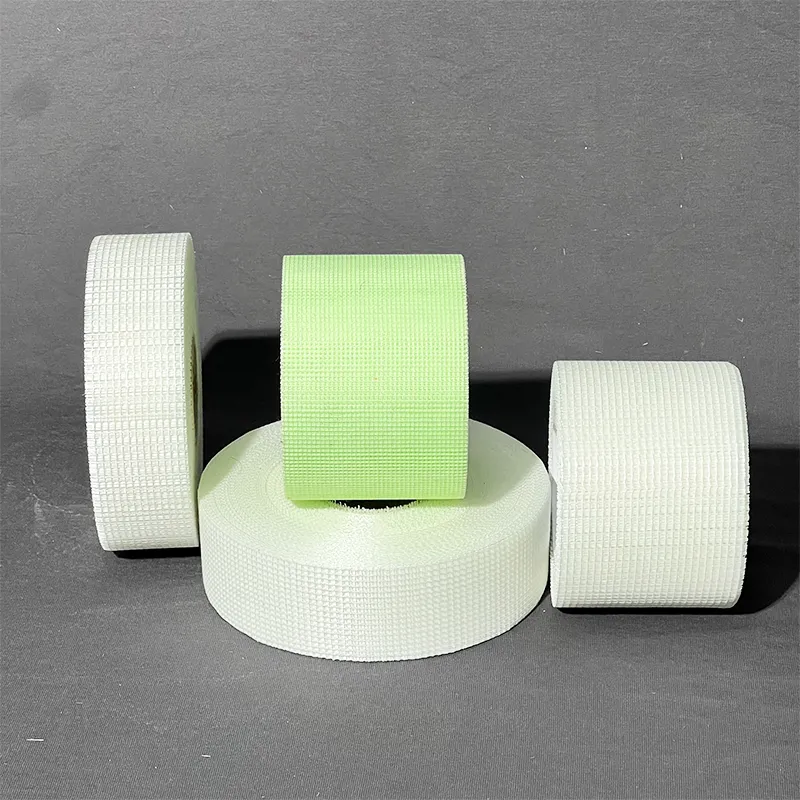
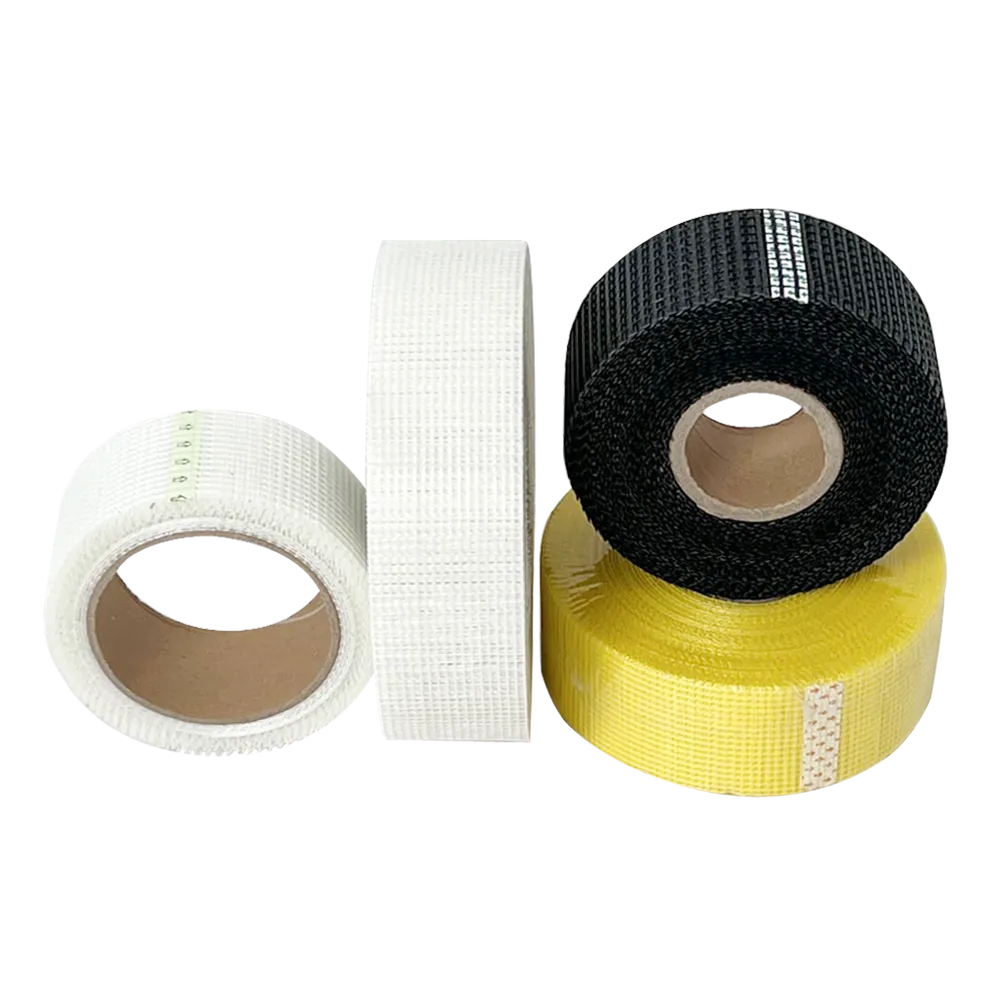
Crack repair in drywall and masonry
Roofing reinforcement
Tile underlayment systems
These applications demonstrate how plastering fiberglass mesh plays a crucial role in enhancing surface durability and preventing structural defects.
The Importance of Fiber Mesh Roll for Plastering in Wall Reinforcement
Crack Prevention and Structural Stability
Cracking is one of the most common issues in plastered surfaces. It may occur due to:
Temperature changes
Structural movement
Moisture fluctuations
Material shrinkage
Poor substrate preparation
Using a fiber mesh roll for plastering significantly reduces the likelihood of cracks forming. When embedded into wet plaster or render, the mesh distributes stress evenly across the surface. Instead of stress concentrating at a single point and causing cracks, the mesh absorbs and spreads the load.
Enhancing Impact Resistance
Walls reinforced with plastering fibreglass mesh demonstrate higher resistance to impact and mechanical stress. This is especially important in high-traffic commercial areas such as:
Hospitals
Schools
Shopping centers
Warehouses
Industrial facilities
The mesh acts as a reinforcing skeleton within the plaster layer, increasing resistance to dents and surface damage.
Compatibility with Various Plaster Systems
A key advantage of plastering fiberglass mesh is its compatibility with:
Cement-based plaster
Lime plaster
Gypsum plaster
Polymer-modified renders
Waterproof coatings
Because the mesh is alkali-resistant, it performs reliably in cementitious environments where many materials would degrade over time.
Roll Format for Efficient Installation
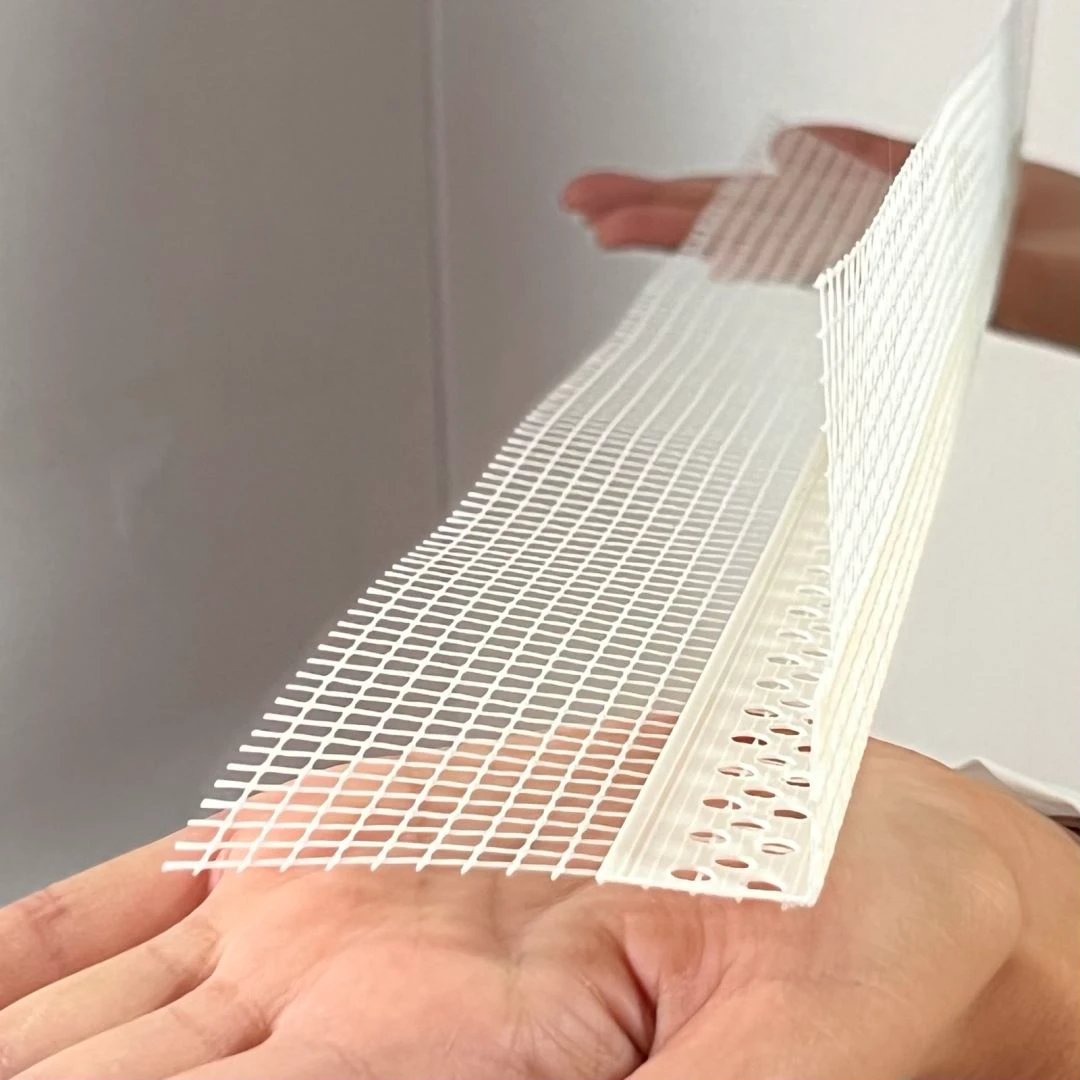
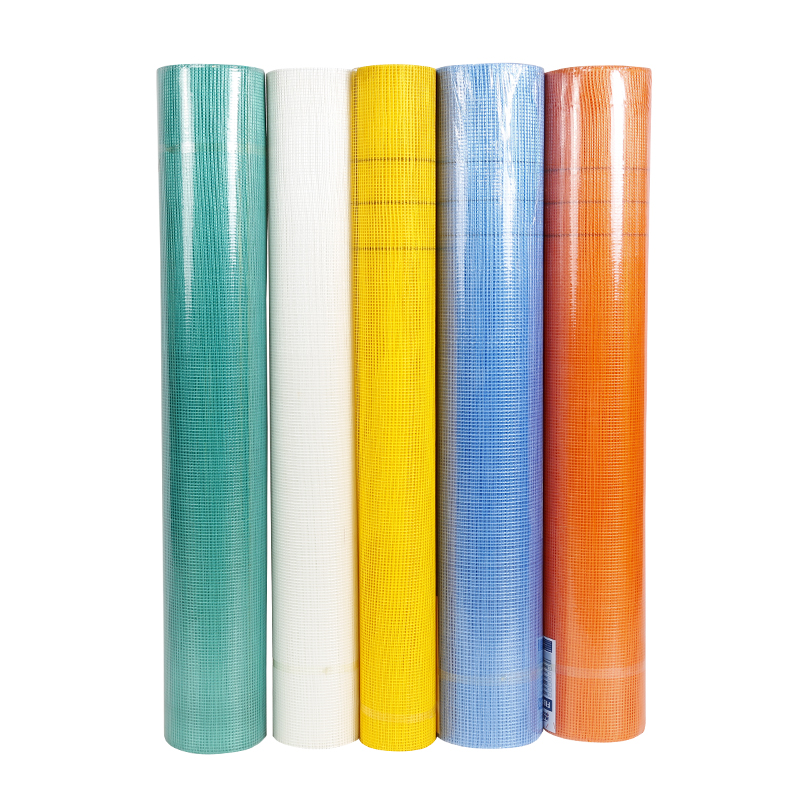
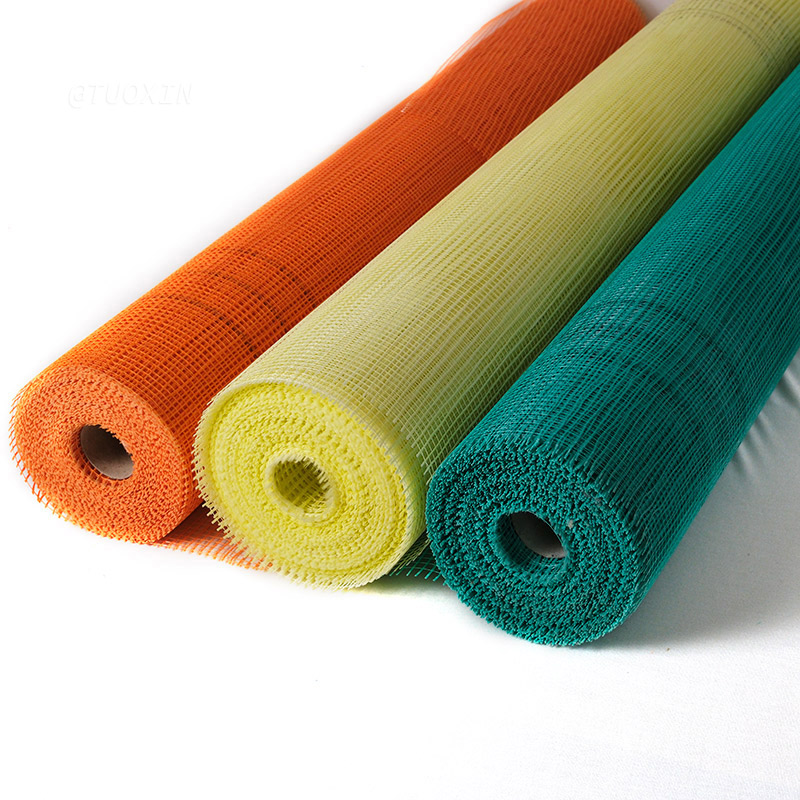
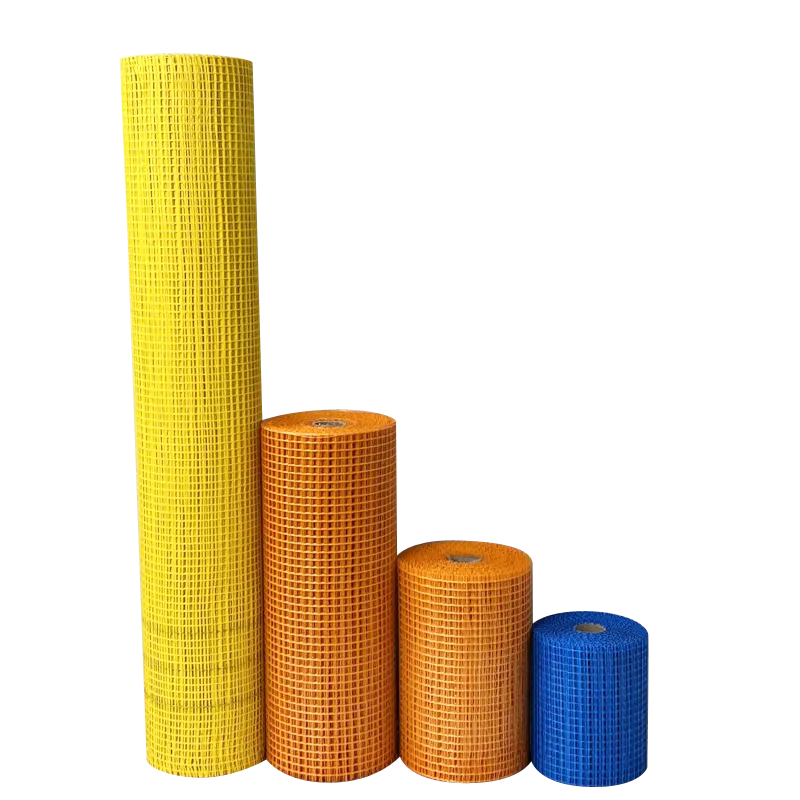
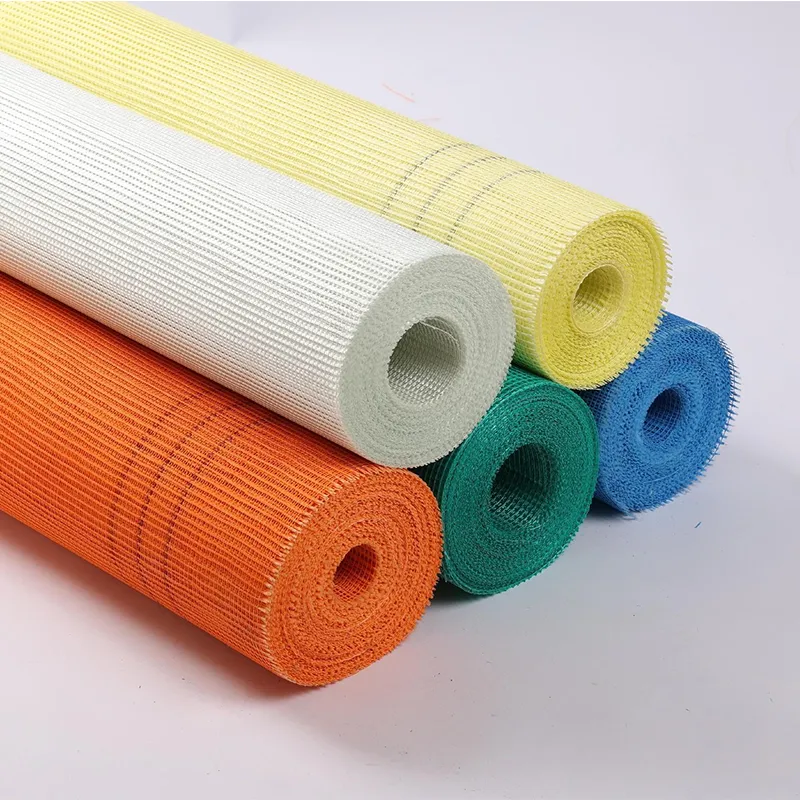
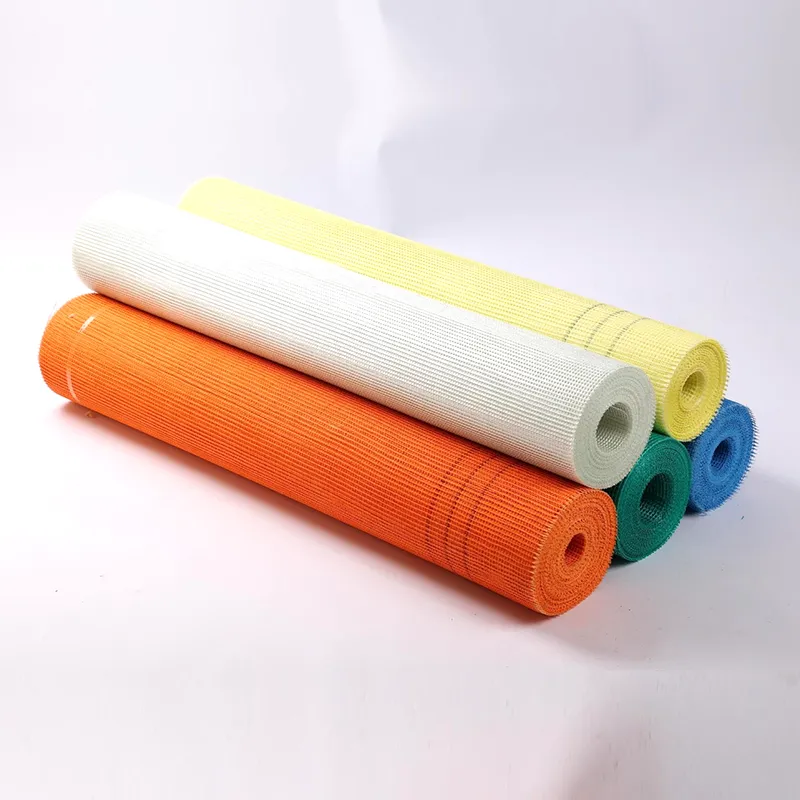
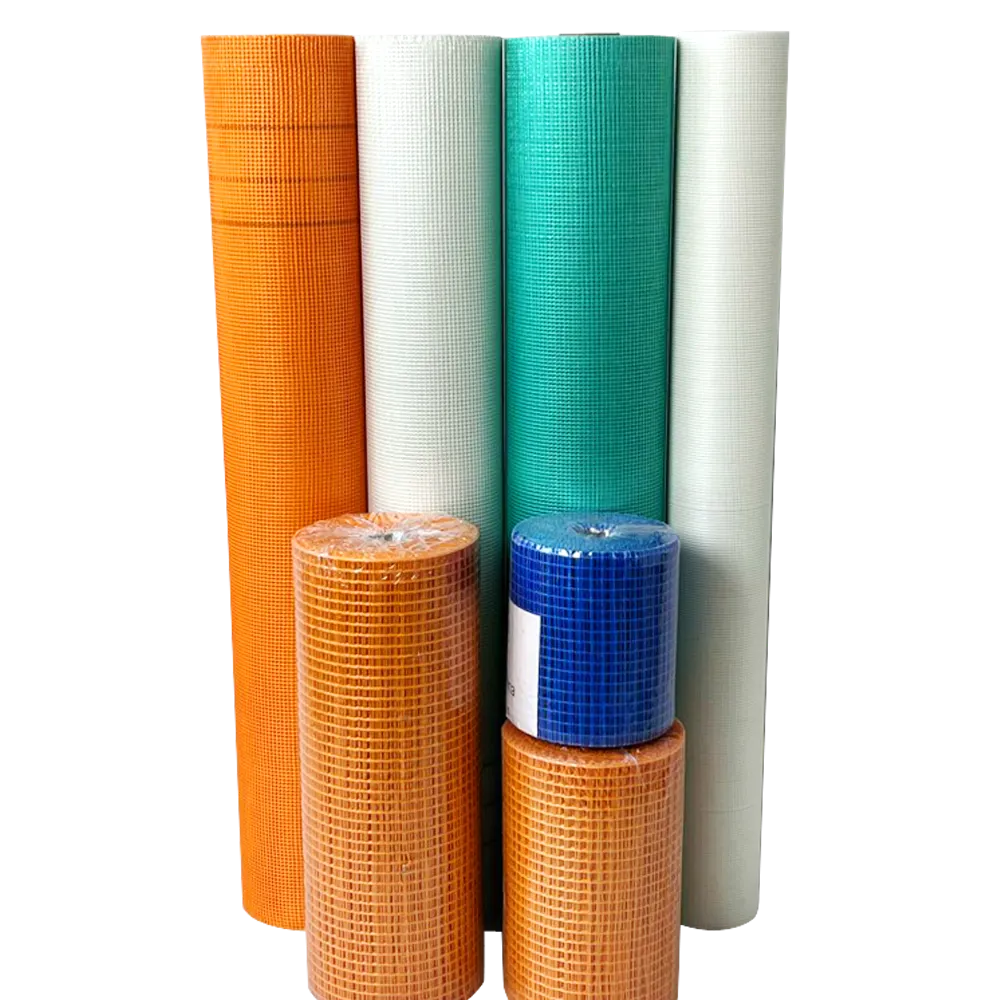
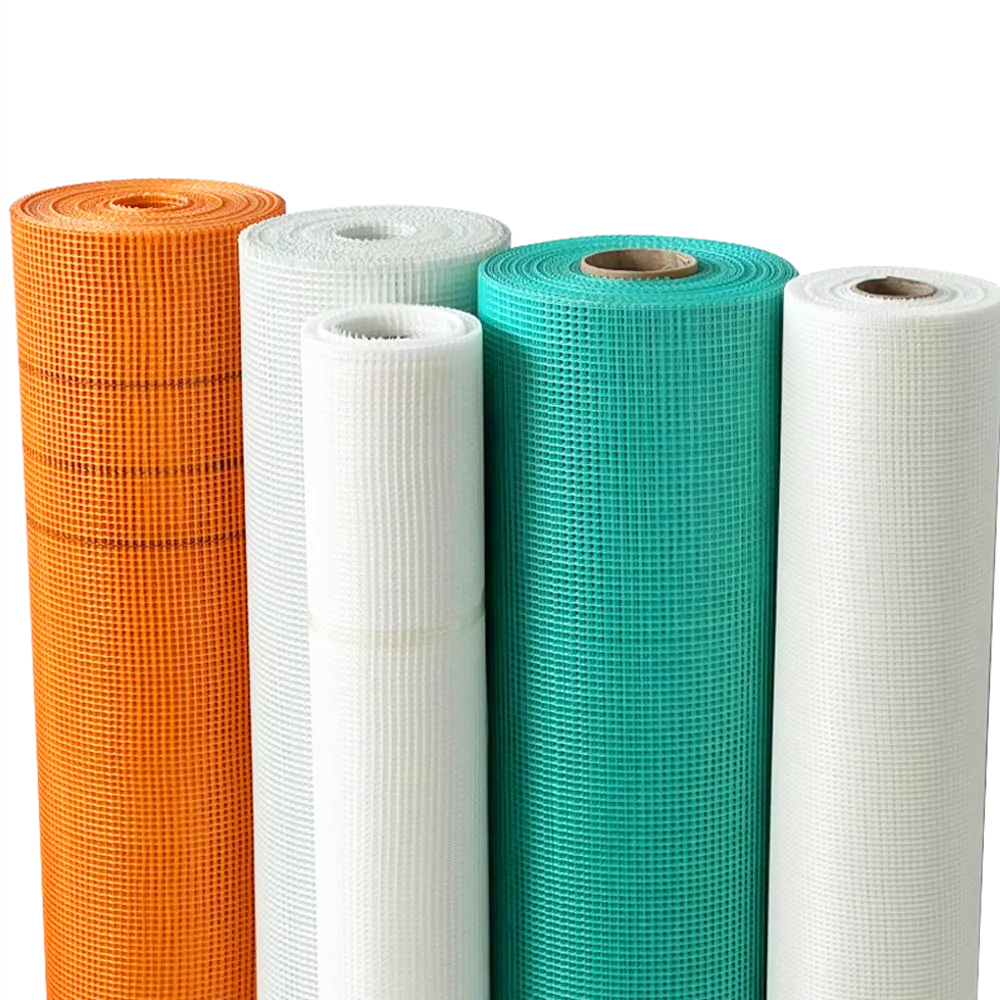
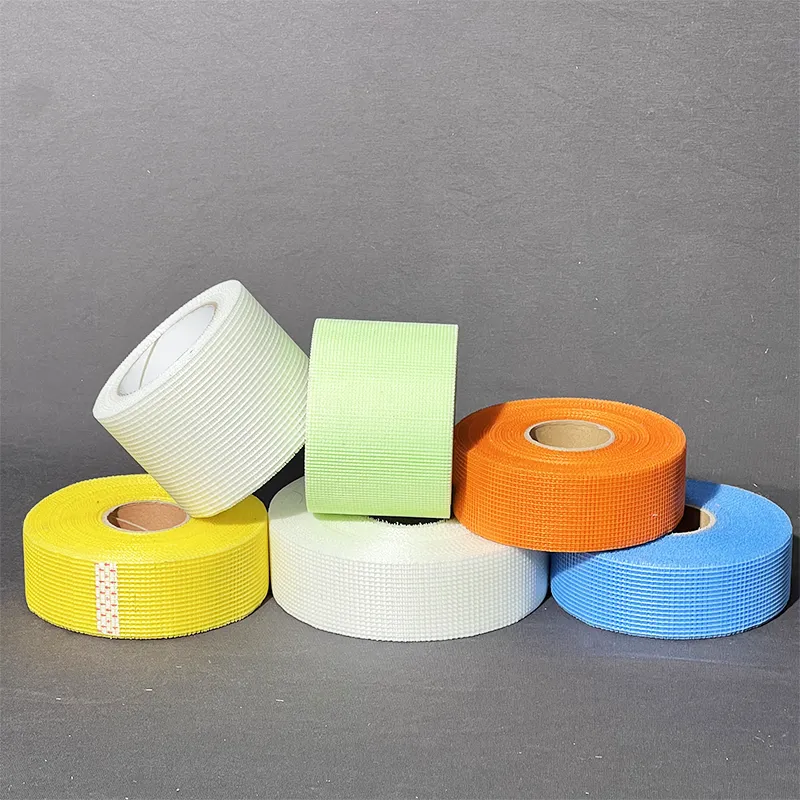
The availability of fiber mesh roll for plastering makes installation convenient and efficient. Contractors can easily cut the required length on-site, reducing waste and labor time. Rolls are typically available in various widths and weights, allowing selection based on project requirements.
For example:
60g/m² mesh for lightweight reinforcement
145g/m² mesh for standard wall plastering
160g/m²–200g/m² mesh for heavy-duty exterior systems
Best Practices for Installing Plastering Fiberglass Mesh
Surface Preparation
Proper substrate preparation is essential for optimal performance. The surface must be:
Clean and dust-free
Dry and structurally stable
Free from loose particles
Primed if necessary
Any structural cracks should be repaired before applying the mesh.
Embedding the Mesh Correctly
To ensure maximum effectiveness, plastering fiberglass mesh must be fully embedded within the plaster layer. The standard installation steps include:
Apply a base coat of plaster .
Press the jaringan jaring gentian kaca into the wet material.
Smooth the surface with a trowel, ensuring the mesh is fully covered.
Apply a second coat to completely encapsulate the mesh.
The mesh should not be visible after completion. Overlapping adjacent mesh sheets by at least 10 cm is recommended to maintain reinforcement continuity.
Avoiding Common Mistakes
Some common errors during installation include:
Placing mesh directly on dry substrate without embedding
Insufficient overlap between sheets
Using non-alkali-resistant mesh
Allowing mesh exposure on the surface
These mistakes can compromise the reinforcement effect and reduce the lifespan of the system.
Performance Advantages of Fiberglass Mesh Netting
- Long-Term Durability
Unlike metal alternatives, fiberglass mesh netting resists corrosion, ensuring long-term structural reinforcement even in humid or coastal environments.
- Lightweight and Easy Handling
The lightweight nature of fiberglass netting simplifies transportation and installation. Workers can handle large rolls without heavy lifting equipment.
- High Tensile Strength
Despite its lightweight structure, jaringan jaring gentian kaca offers excellent tensile strength, making it ideal for load distribution and crack prevention.
- Thermal Stability
Fiberglass has low thermal expansion, which helps maintain stability under temperature fluctuations. This makes it suitable for exterior wall systems exposed to sunlight and seasonal changes.
- Cost-Effectiveness
When compared to repairing cracked or failed plaster systems, the upfront investment in fiber mesh roll for plastering is highly economical. It extends the lifespan of wall finishes and reduces maintenance costs.
Applications in Modern Building Systems
Exterior Insulation Systems
In energy-efficient building envelopes, plastering fiberglass mesh is embedded within the base coat of EIFS systems. It reinforces the insulation boards and protects against surface cracking caused by thermal stress.
Waterproofing Systems
When combined with waterproof membranes, fiberglass mesh netting enhances tear resistance and mechanical durability.
Floor Reinforcement
Certain types of heavier jaringan jaring gentian kaca are used in floor screed systems to prevent cracking during curing.
Renovation and Retrofitting
In renovation projects, fiber mesh roll for plastering is commonly used to reinforce old walls before applying new finishing layers. This helps stabilize aged substrates and prevent recurring cracks.
Environmental and Safety Considerations
Modern construction increasingly emphasizes sustainability and environmental responsibility. Fiberglass netting contributes positively in several ways:
Long service life reduces material waste
Lightweight structure lowers transportation energy
Non-corrosive properties reduce replacement frequency
Compatible with energy-efficient insulation systems
Additionally, fiberglass mesh is non-toxic and safe for use in residential construction when handled according to standard safety guidelines.
Choosing the Right Plastering Fiberglass Mesh
When selecting mesh for a project, contractors should consider:
Mesh weight (g/m²)
Alkali resistance level
Coating quality
Tensile strength
Application environment (interior vs exterior)
For exterior plaster systems, heavier and more durable fiberglass mesh netting is recommended. For interior crack repair, lighter mesh may suffice.
Quality control is critical. Always ensure that the jaringan jaring gentian kaca complies with relevant building standards and specifications.
The construction industry continues to evolve toward stronger, more durable, and energy-efficient building systems. In this transformation, fiberglass mesh netting has emerged as an indispensable reinforcement material. From preventing cracks in plaster walls to reinforcing insulation systems and waterproof membranes, its versatility and reliability make it a key component in modern construction practices.
Products such as fiberglass netting, jaringan jaring gentian kaca, fiberglass mesh roll for plastering, plastering fiberglass mesh, and plastering fibreglass mesh provide builders and contractors with practical, cost-effective solutions to enhance structural integrity and surface longevity.
As building standards continue to rise and sustainability becomes increasingly important, fiberglass mesh technology will remain at the forefront of construction innovation—ensuring safer, stronger, and longer-lasting structures for generations to come.
-
Best Fiberglass Mesh Tape for RedGard Product Waterproofing GuideBeritaApr.16,2026
-
Why High Strength Fiberglass Mesh Is Essential For Stucco ApplicationBeritaApr.15,2026
-
Why Alkali Resistant Fiberglass Mesh Tape Is Essential For Cement Board And Tile InstallationsBeritaApr.15,2026
-
Understanding The Role Of Drywall Fiberglass Mesh In Interior FinishingBeritaApr.15,2026
-
Ultimate Guide To Using Fiberglass Mesh Tape For Drywall And Plaster RepairsBeritaApr.15,2026
-
The Versatility Of Fiberglass Mesh In Marble And Stone MosaicBeritaApr.15,2026