Jan . 30, 2026 14:35 Back to list
Comprehensive Guide to Drywall Fiberglass Tape Manufacturers and Selection
Drywall Fiberglass Tape Manufacturers: A Comprehensive Guide
When undertaking drywall projects, selecting the right tape is crucial for a durable and professional finish. Fiberglass drywall tape has become increasingly popular due to its strength, resistance to cracking, and ease of use. This article will delve into the world of drywall fiberglass tape manufacturers, exploring their offerings, key considerations when choosing a supplier, and the benefits of using fiberglass tape in your projects. We'll help you navigate the market to find the best tape for your needs, ensuring lasting results and a smooth application process.
Understanding Fiberglass Drywall Tape
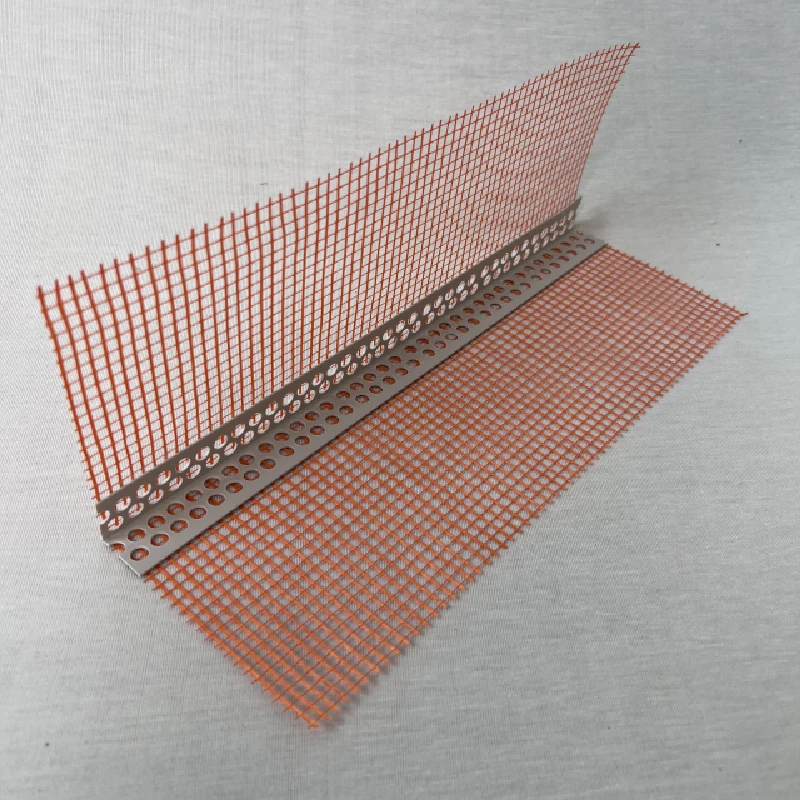
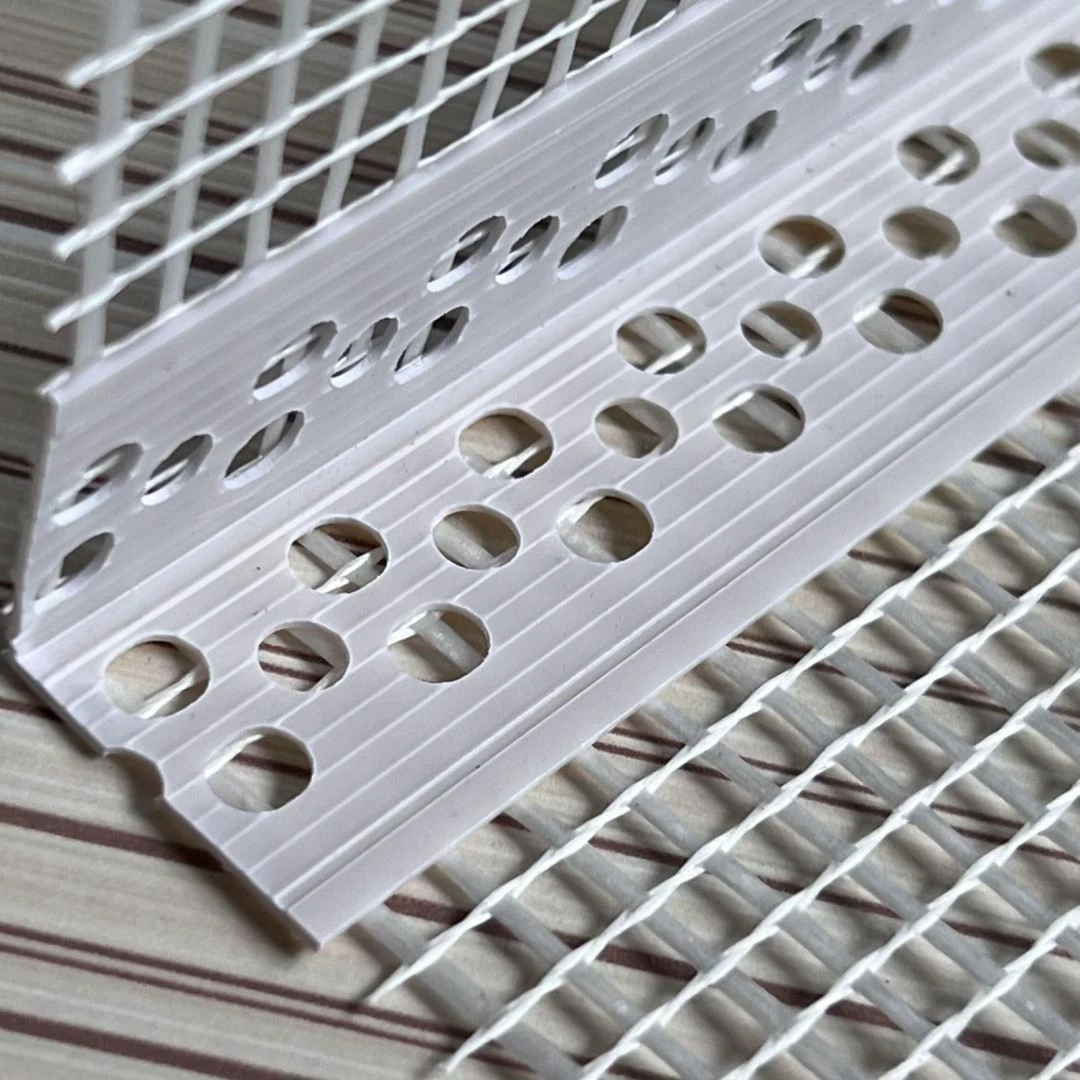
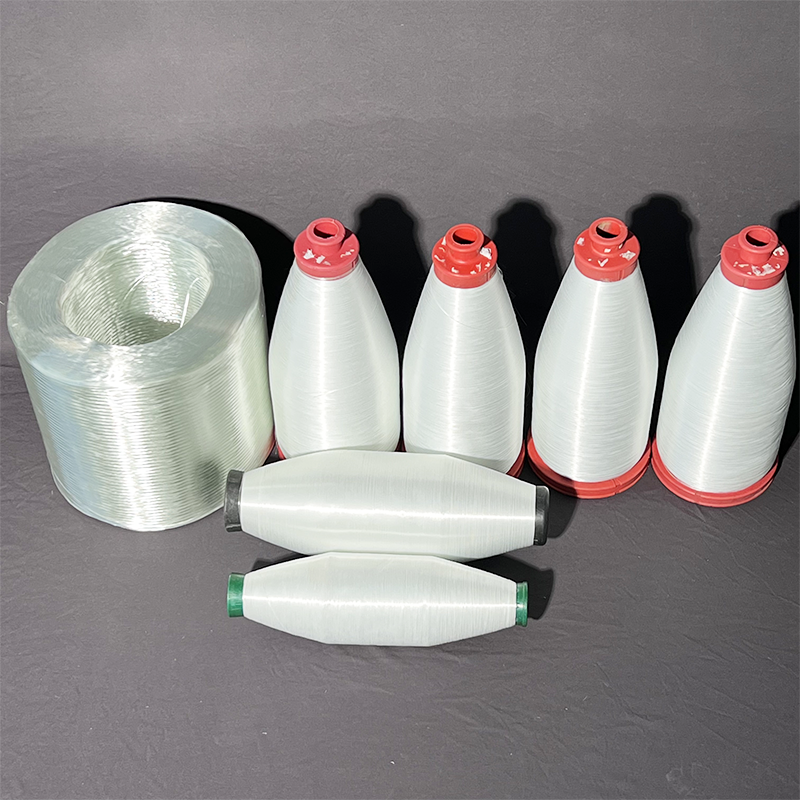
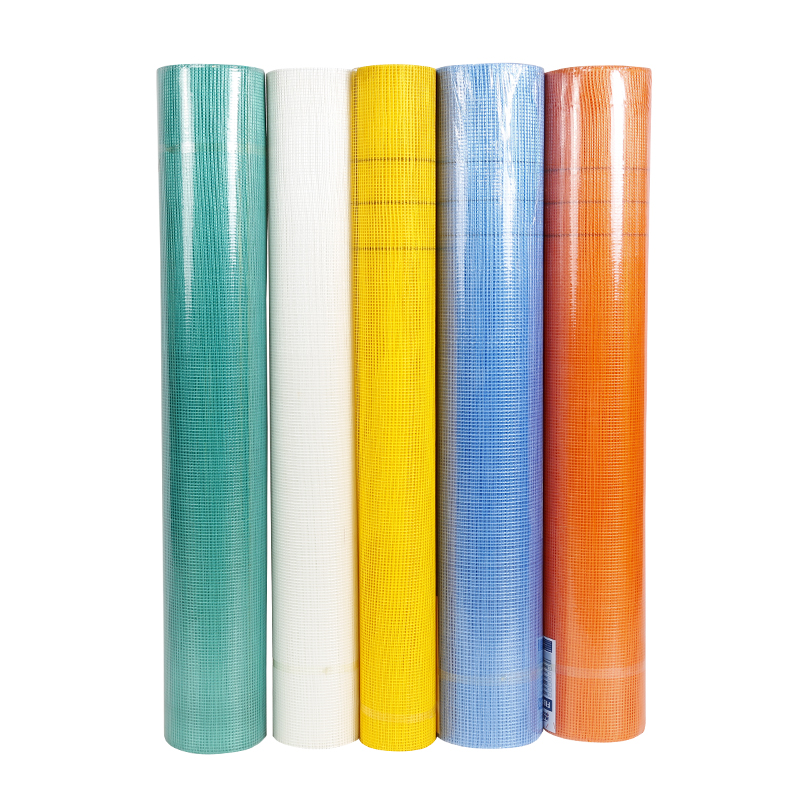
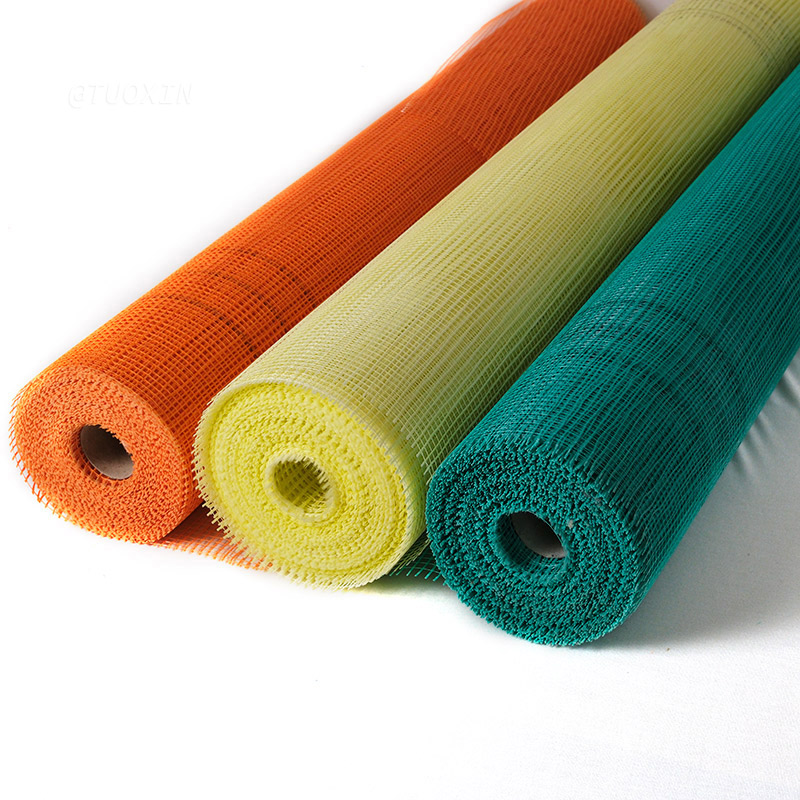
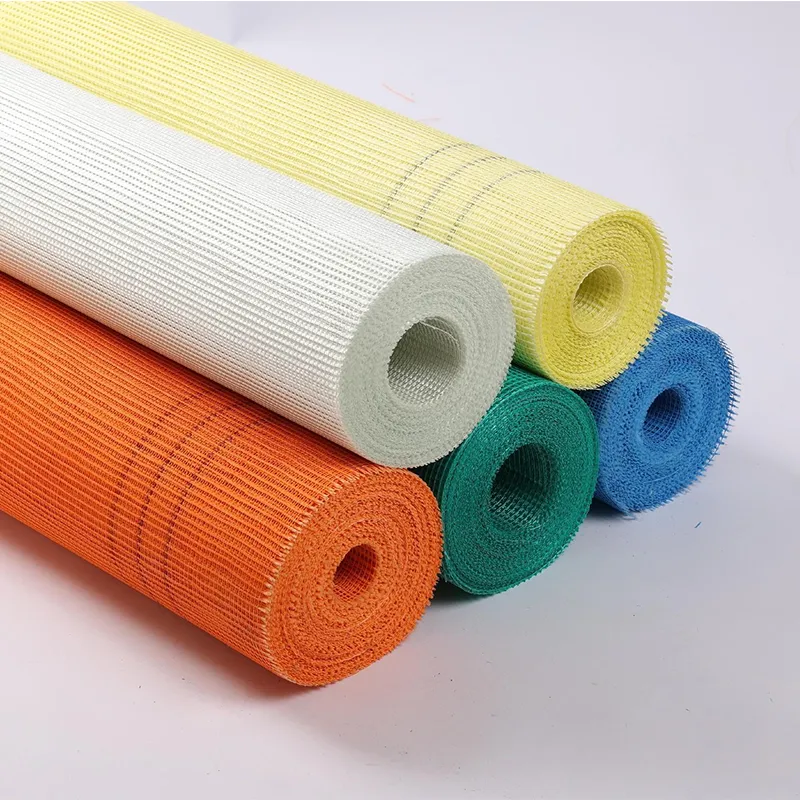
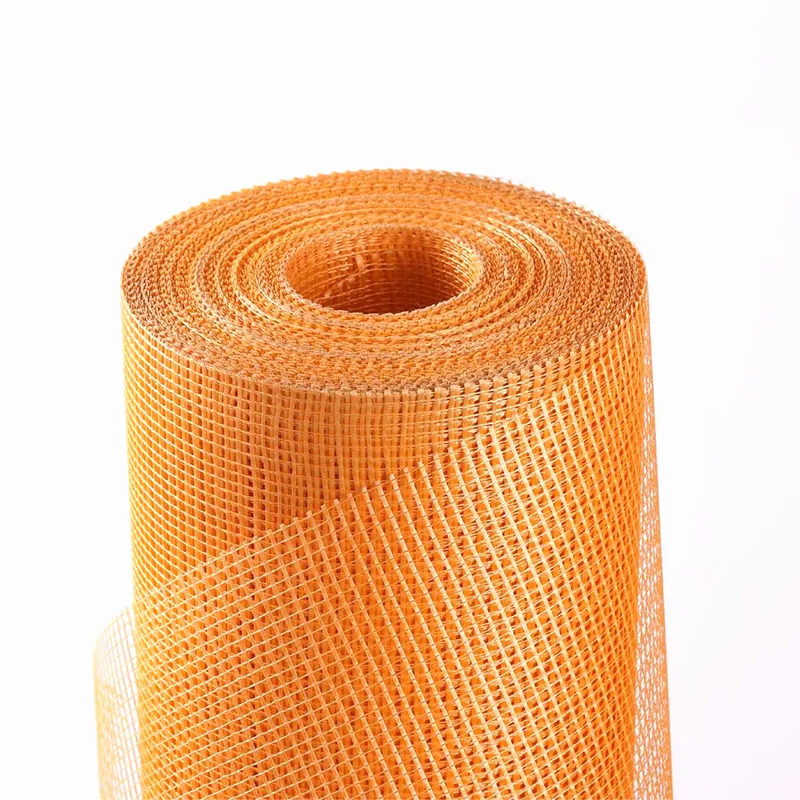
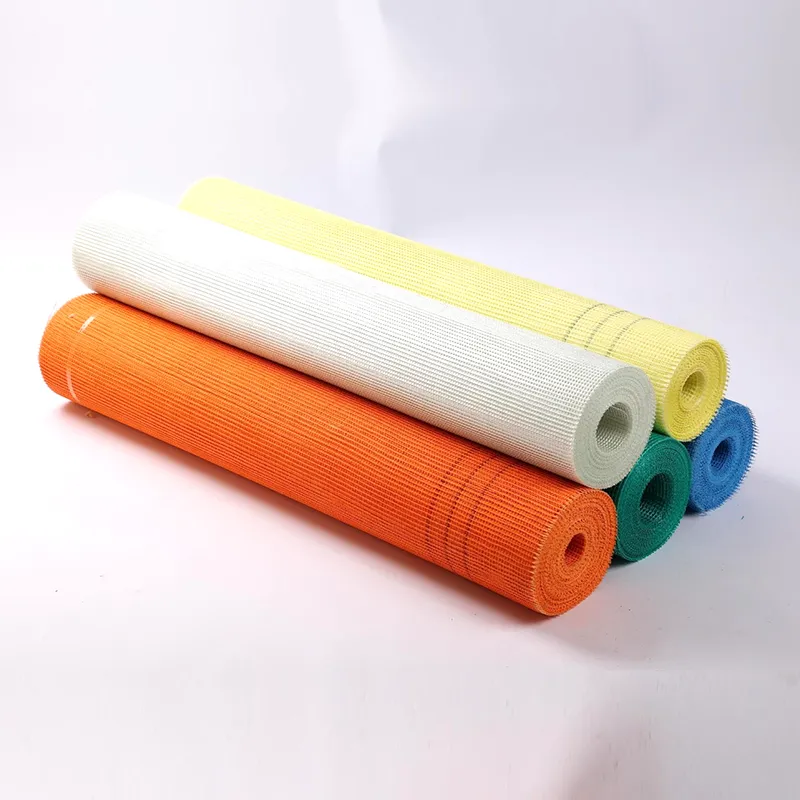
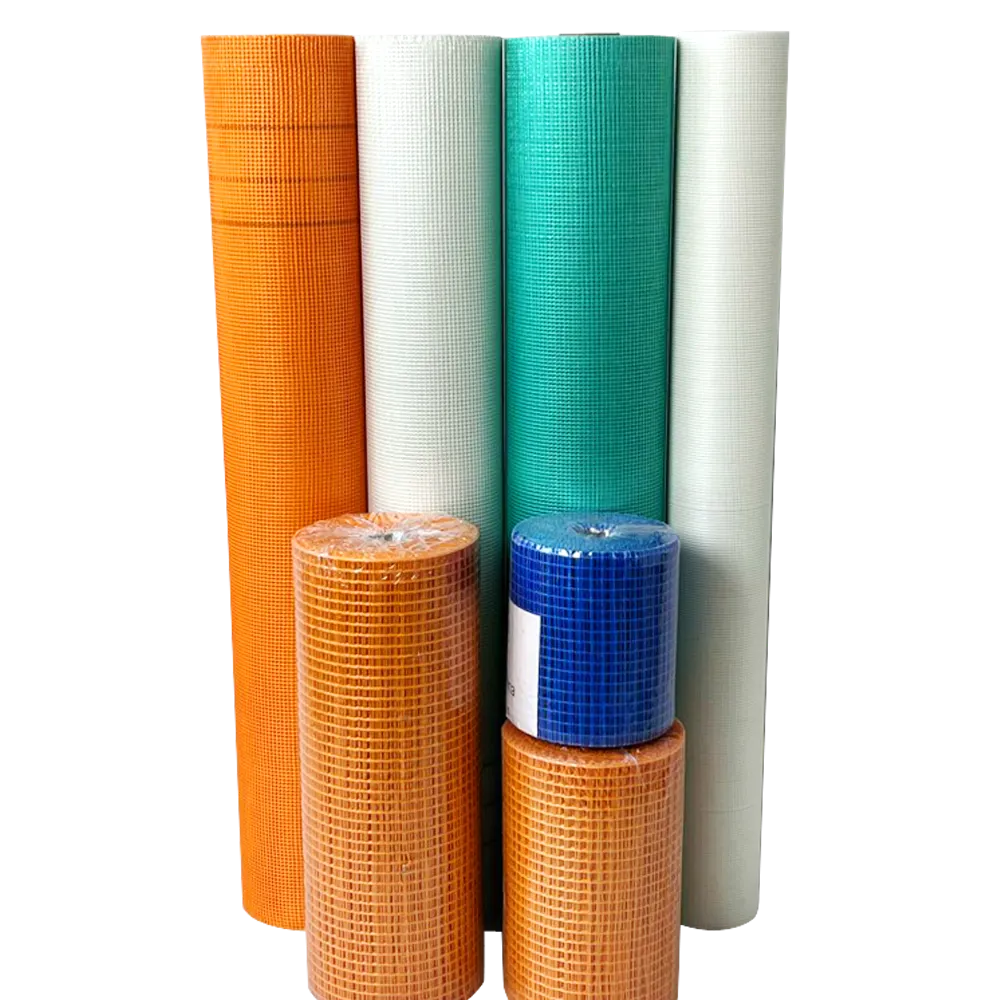
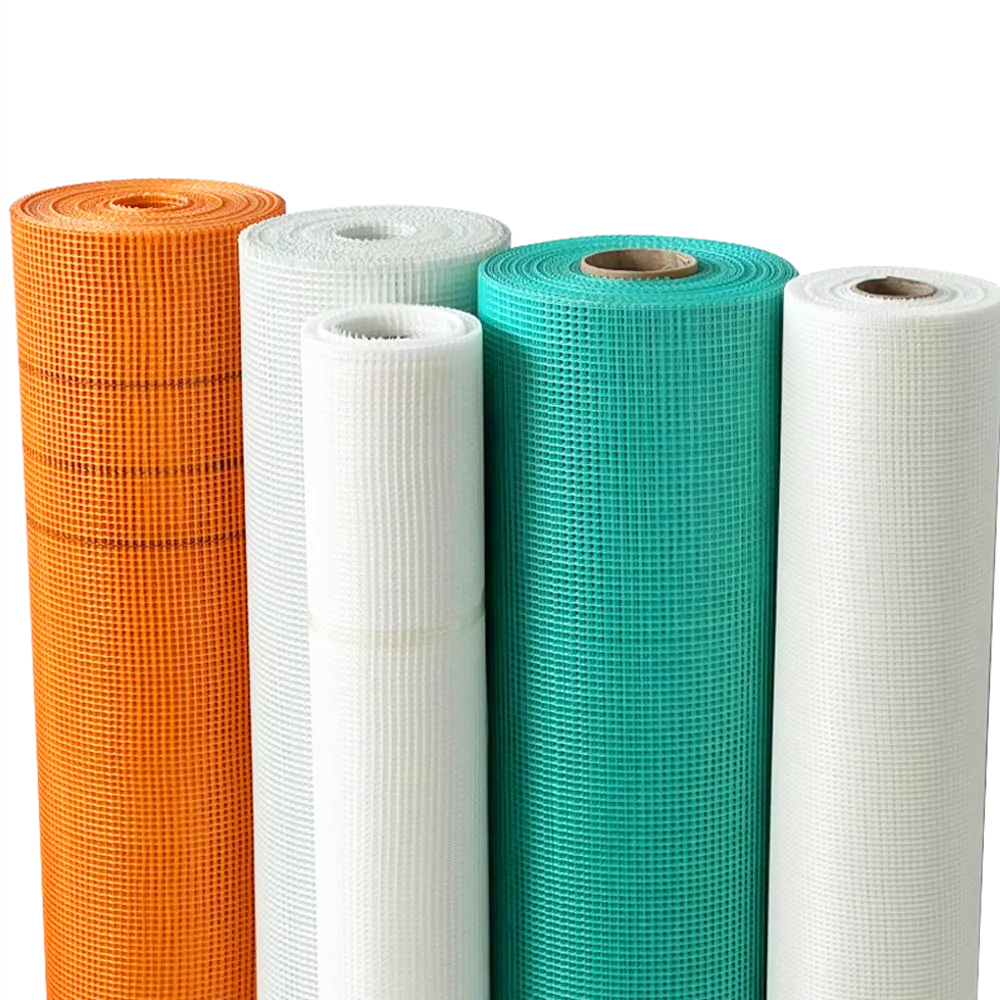
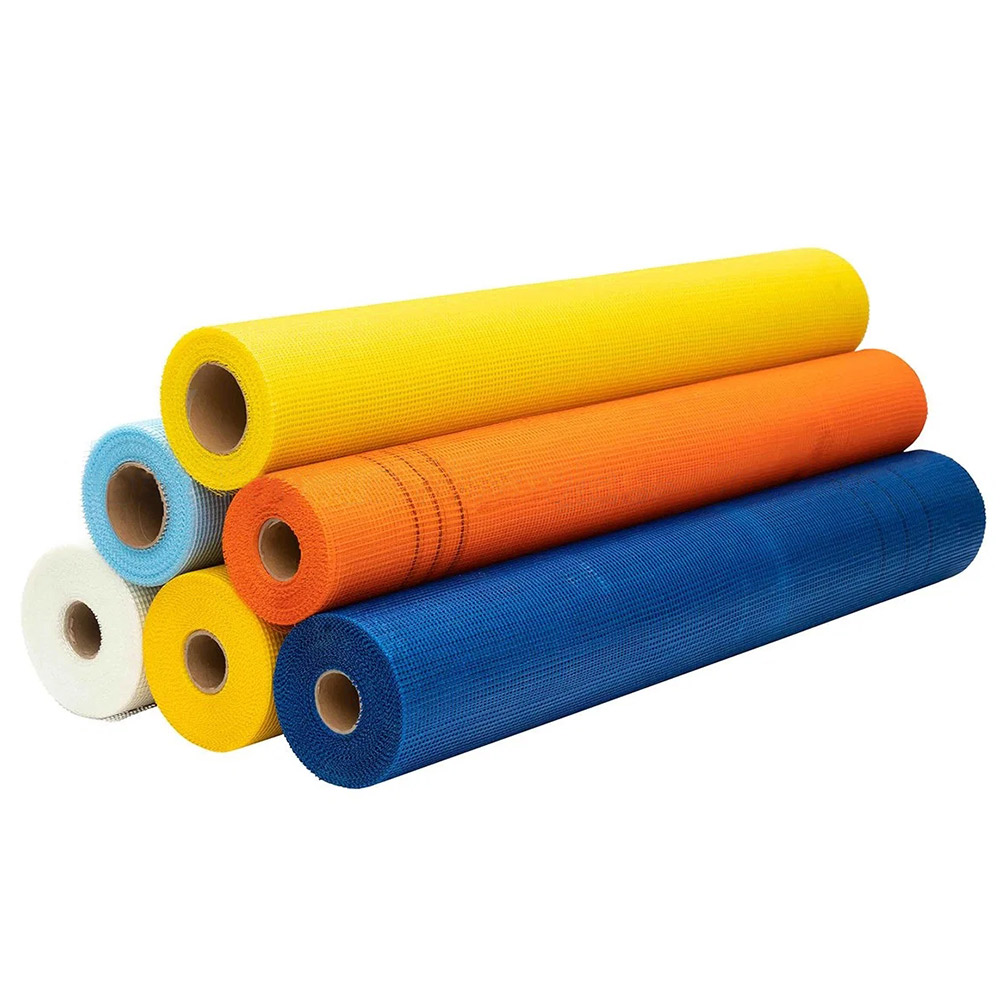
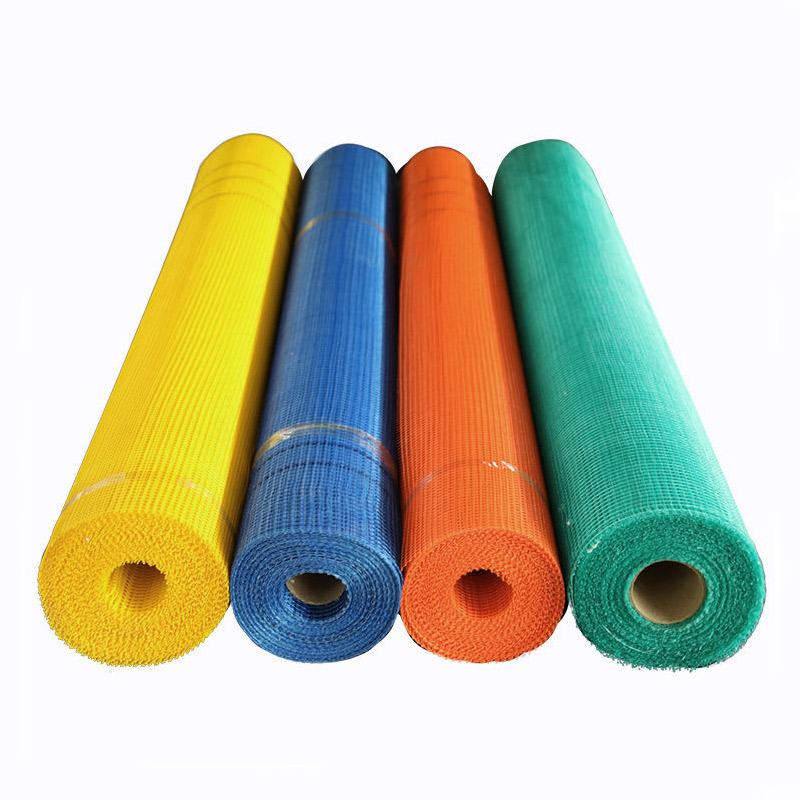
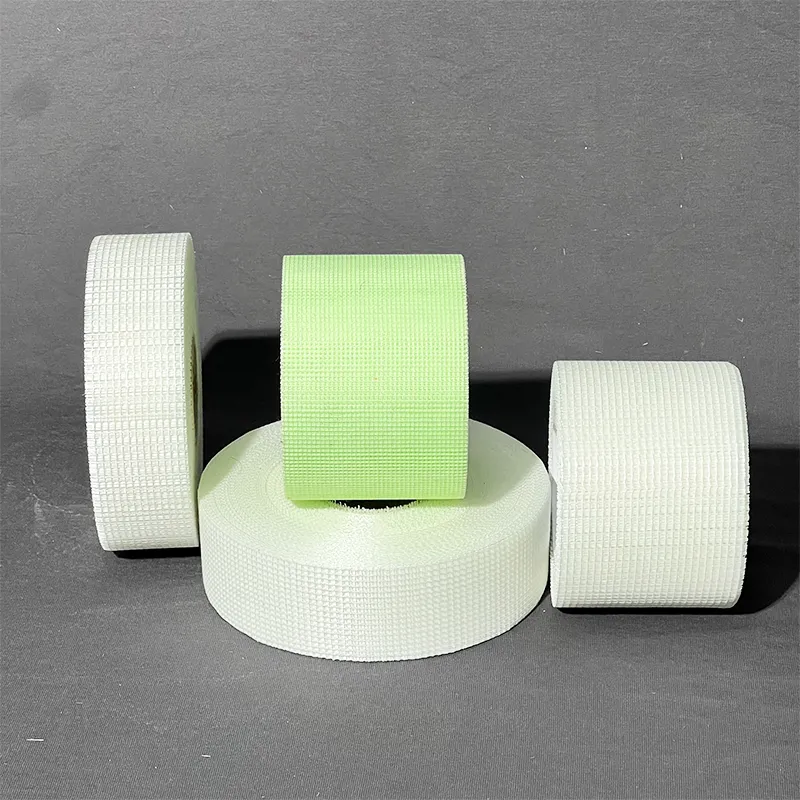
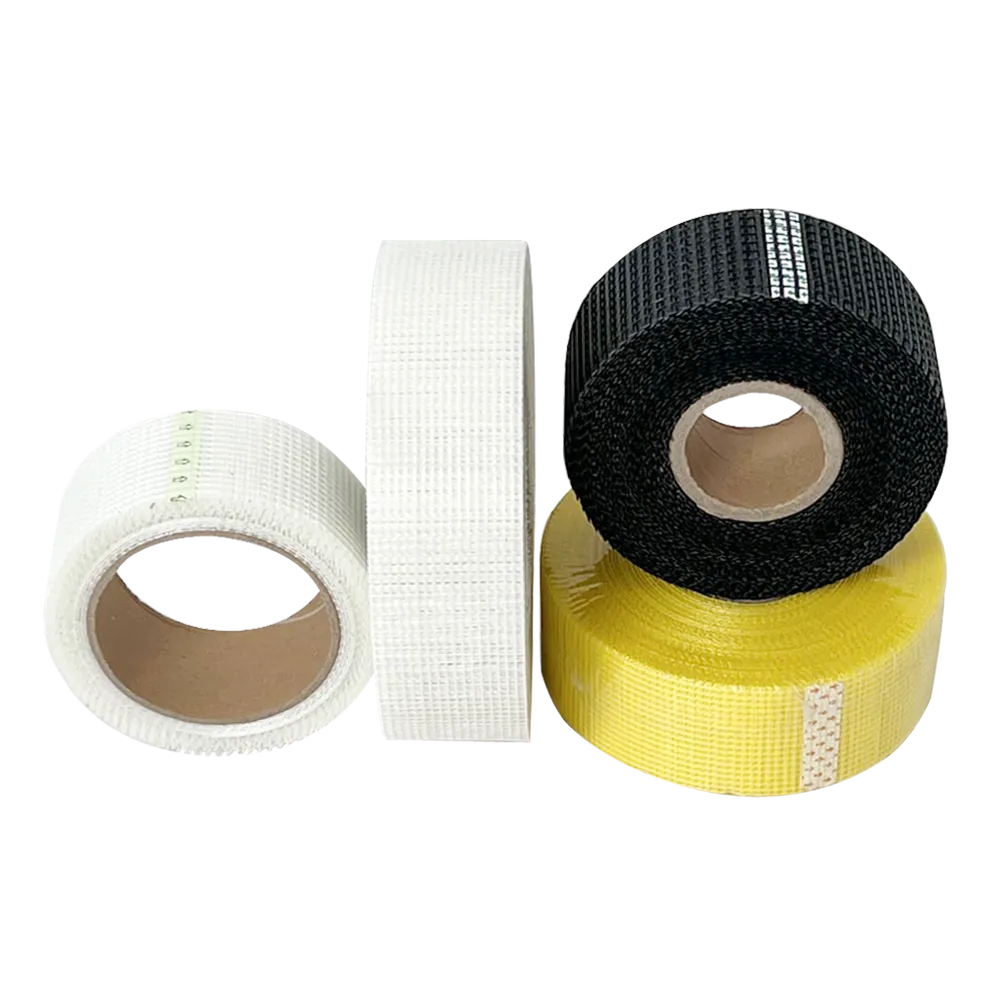
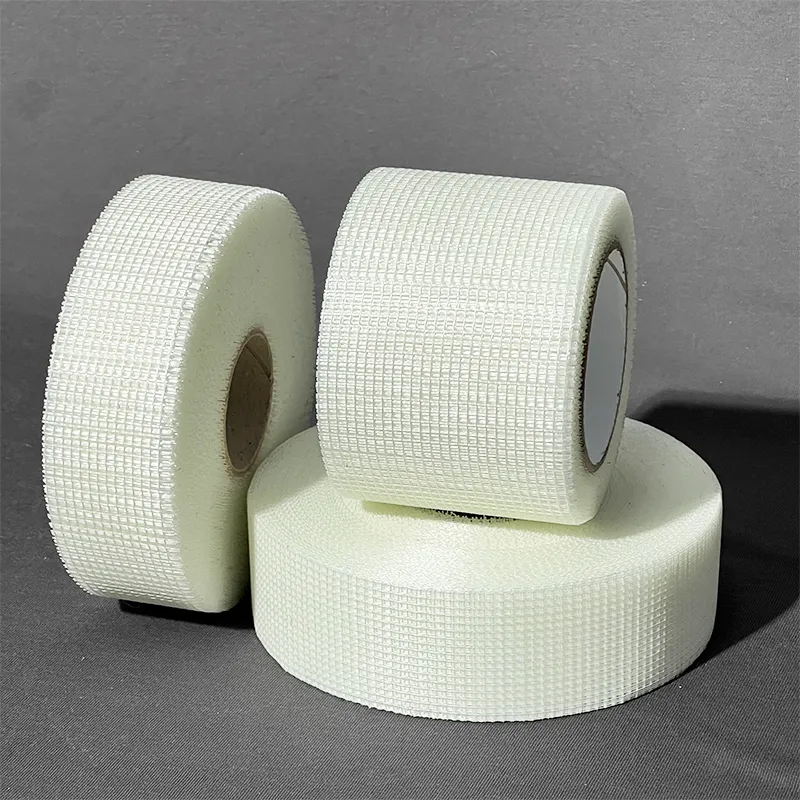
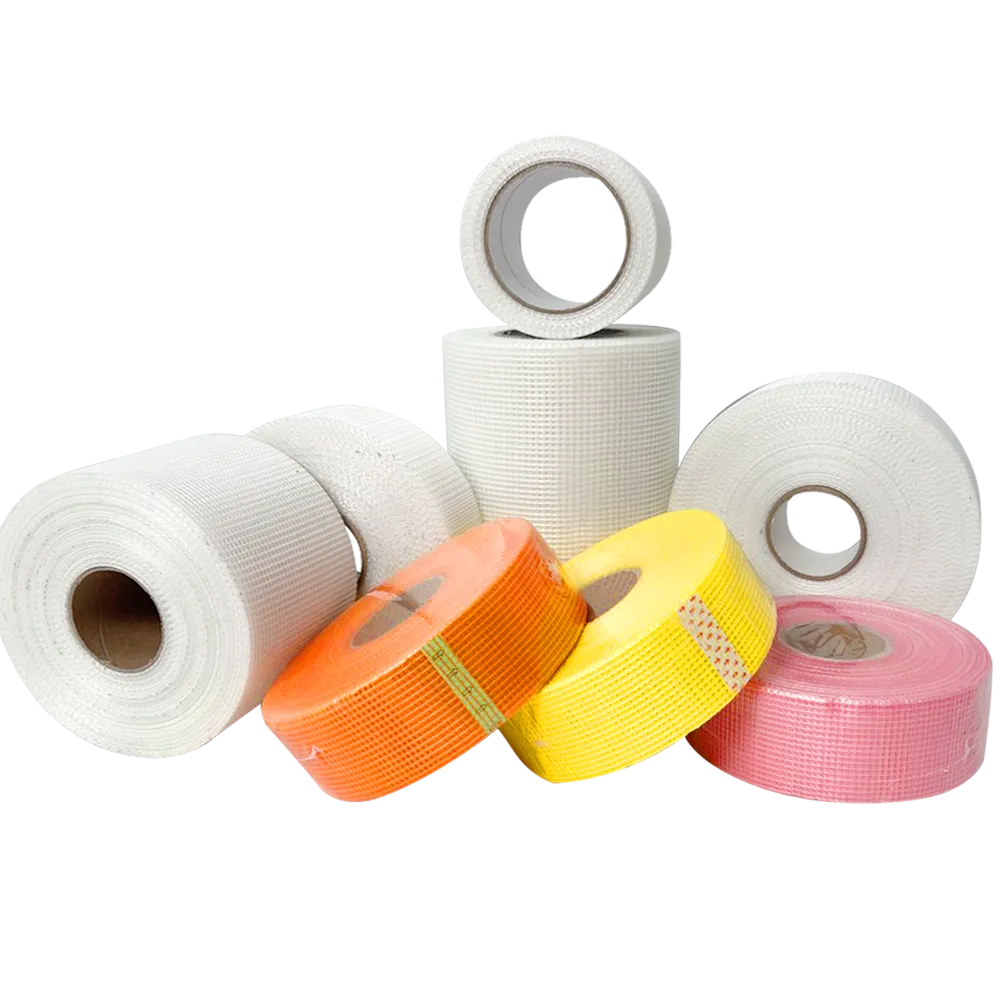
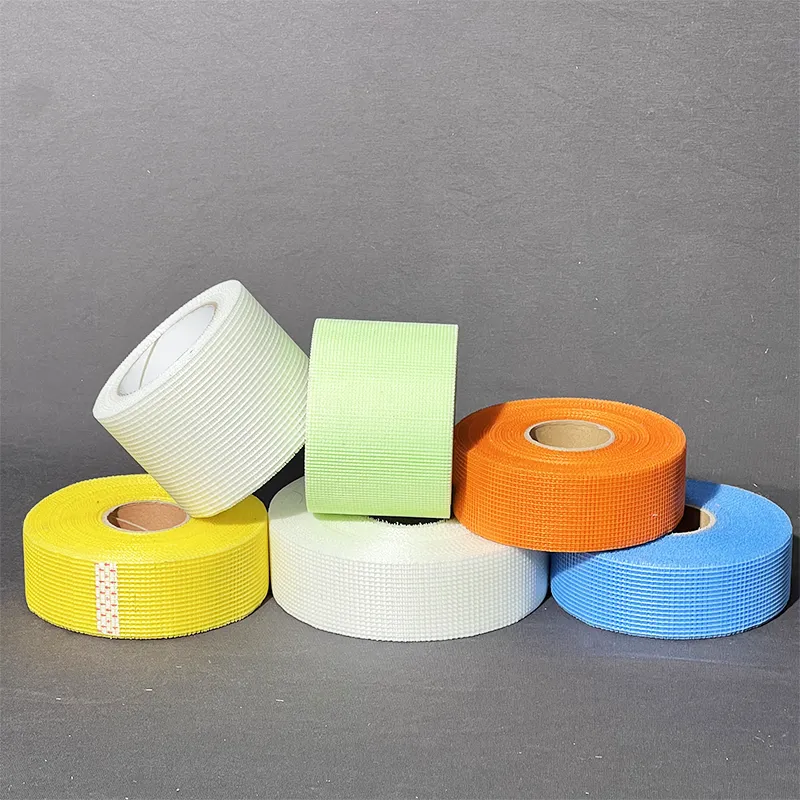
Unlike traditional paper tape, fiberglass drywall tape is made from woven fiberglass strands. This composition provides several advantages, including superior tensile strength and resistance to mold and mildew. It doesn’t shrink or stretch when wet, making it ideal for use with joint compounds. Choosing a quality fiberglass tape is essential; look for tapes with a strong adhesive backing and a consistent weave. Tainuo Fiberglass Mesh offers a range of options tailored to various drywall applications.
Key Benefits: Superior strength, mold resistance, no shrinking or stretching, easy application.
Choosing the Right Drywall Fiberglass Tape Manufacturer
Selecting a reliable drywall fiberglass tape manufacturer is crucial. Consider factors like production capacity, quality control processes, and the availability of customized solutions. Look for manufacturers with certifications demonstrating adherence to industry standards. Also, evaluate their shipping capabilities and customer service. A manufacturer that can consistently deliver high-quality products on time and offer responsive support is a valuable partner.
Important Considerations:
• Production capacity and scalability
• Quality control certifications (e.g., ISO 9001)
• Customization options (width, coating)
• Shipping logistics and lead times
Key Features to Look for in Fiberglass Drywall Tape
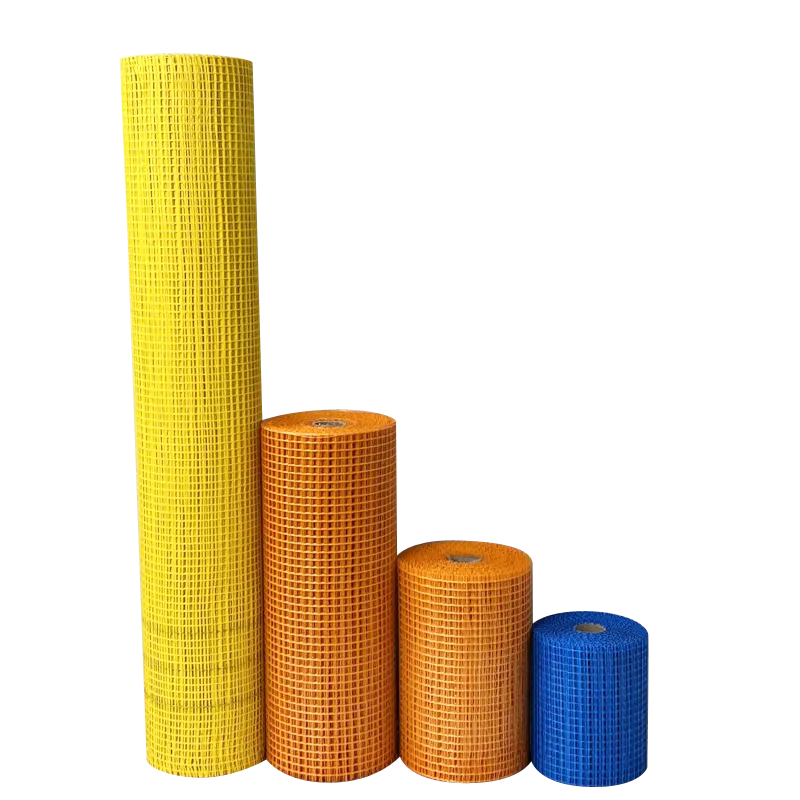
When evaluating different drywall fiberglass tapes, pay attention to several key features. The tape's weight (measured in ounces per square yard) indicates its strength and durability. A higher weight generally signifies a stronger tape. The adhesive coating is also critical; a strong, consistent adhesive ensures the tape stays securely in place during application and prevents bubbling or lifting. Look for self-adhesive tapes for ease of use. Tainuo Fiberglass Mesh offers tapes with varying weights and adhesive strengths to meet different project requirements.
Fiberglass Tape vs. Paper Tape: A Direct Comparison
For decades, paper tape was the standard for drywall joints. However, fiberglass tape offers significant advantages. Paper tape is susceptible to cracking and shrinking, especially in humid conditions. It requires multiple coats of joint compound to achieve a smooth finish. Fiberglass tape, on the other hand, provides superior durability and requires less compound. The initial cost of fiberglass tape may be slightly higher, but the long-term benefits – reduced cracking, easier application, and a more durable finish – often outweigh the expense. Choosing the right tape will depend on your specific project needs, but fiberglass tape is generally the preferred choice for professionals.
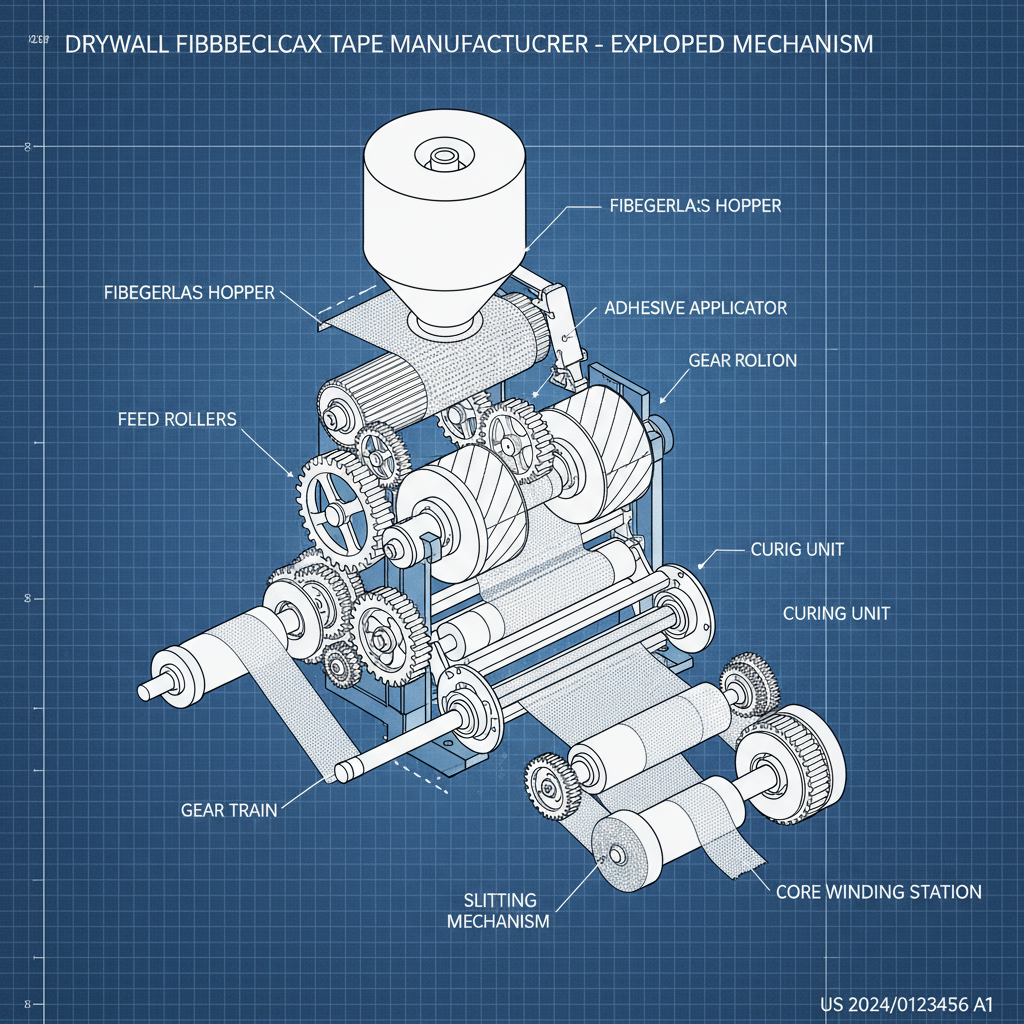
Applications of Fiberglass Drywall Tape
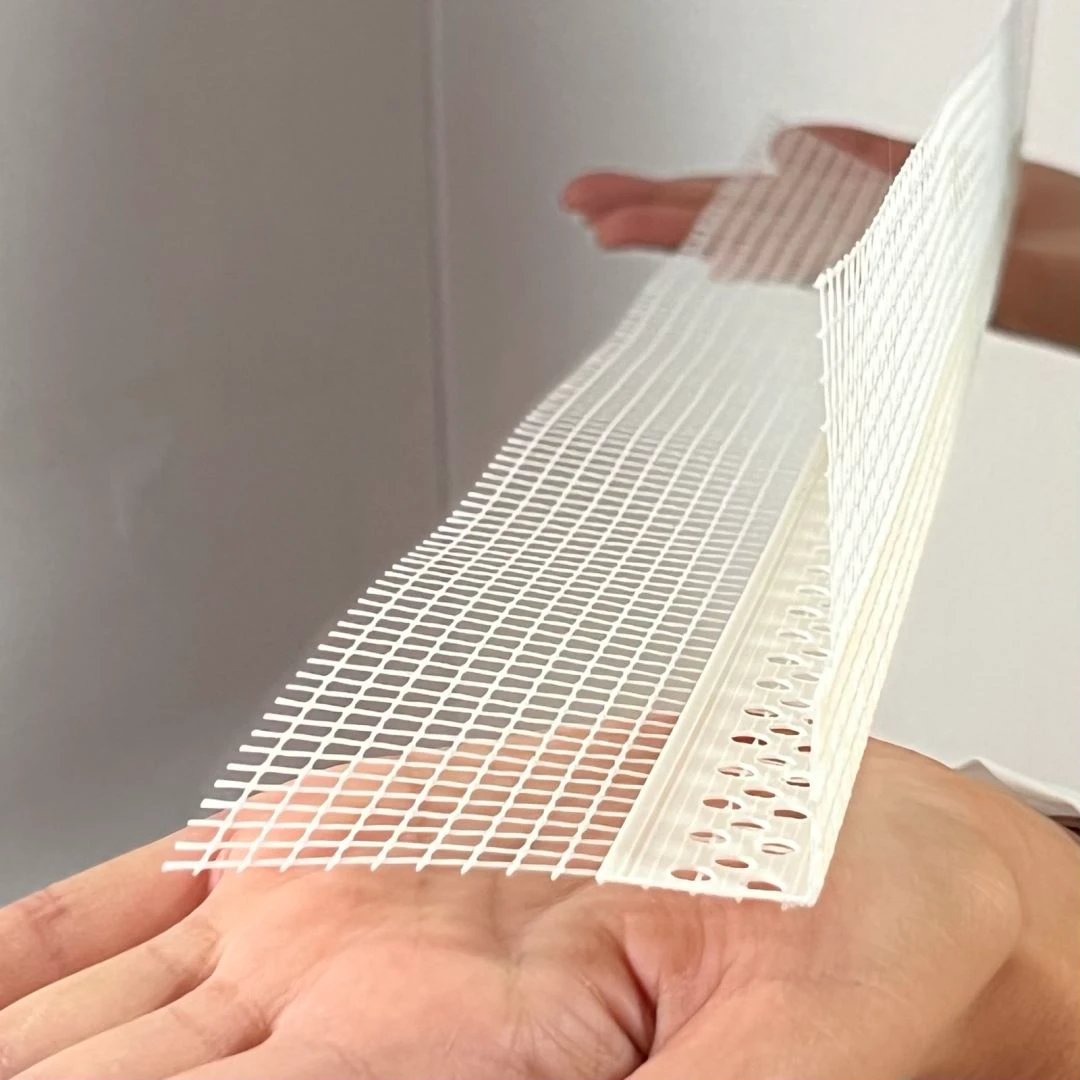
Fiberglass drywall tape is suitable for a wide range of applications, including taping and finishing drywall seams, repairing cracks, and reinforcing corners. It’s particularly well-suited for areas prone to moisture, such as bathrooms and kitchens. It can also be used for creating smooth transitions between different drywall surfaces. Tainuo Fiberglass Mesh provides tapes optimized for various applications, ensuring a professional finish every time.
Conclusion: Choosing the Right Partner for Quality Fiberglass Tape
Selecting the right drywall fiberglass tape manufacturer is paramount for achieving durable and professional results. Consider quality, reliability, and customer support when making your decision. Fiberglass tape offers significant advantages over traditional paper tape, providing superior strength, moisture resistance, and ease of application. Invest in quality tape and ensure a lasting, flawless finish for your drywall projects.
Frequently Asked Questions (FAQs)
Can fiberglass tape be used over existing drywall cracks?
Yes, fiberglass tape is an excellent solution for repairing existing drywall cracks. First, clean the cracked area thoroughly to remove any loose debris. Then, apply a thin layer of joint compound over the crack and embed the fiberglass tape into the compound. Apply additional coats of compound, feathering the edges to create a smooth, seamless repair. Fiberglass tape’s strength helps prevent the crack from reappearing.
How do I prevent bubbling under fiberglass tape?
Bubbling under fiberglass tape is often caused by air trapped between the tape and the drywall. To prevent this, apply firm, even pressure as you apply the tape, working from the center outwards. Ensure the drywall surface is clean and smooth before application. Using a high-quality tape with a strong adhesive backing also minimizes the risk of bubbling. If bubbles do appear, gently prick them with a needle and smooth the tape over the area.
Is fiberglass tape more difficult to work with than paper tape?
Initially, some may find fiberglass tape requires a slightly different technique than paper tape. However, with a little practice, most users find it easier to work with due to its strength and resistance to tearing. It doesn’t require as many coats of joint compound as paper tape, simplifying the finishing process. Using a good quality taping knife and applying even pressure are key to success.
What safety precautions should I take when working with fiberglass tape?
While fiberglass tape is generally safe, the tiny fiberglass strands can cause skin irritation for some individuals. It’s recommended to wear gloves and a dust mask when handling the tape, especially during cutting and application. Avoid rubbing your eyes or touching your face while working with fiberglass tape. Wash your hands thoroughly after use.
-
Best Fiberglass Mesh Tape for RedGard Product Waterproofing GuideNewsApr.16,2026
-
Why High Strength Fiberglass Mesh Is Essential For Stucco ApplicationNewsApr.15,2026
-
Why Alkali Resistant Fiberglass Mesh Tape Is Essential For Cement Board And Tile InstallationsNewsApr.15,2026
-
Understanding The Role Of Drywall Fiberglass Mesh In Interior FinishingNewsApr.15,2026
-
Ultimate Guide To Using Fiberglass Mesh Tape For Drywall And Plaster RepairsNewsApr.15,2026
-
The Versatility Of Fiberglass Mesh In Marble And Stone MosaicNewsApr.15,2026