Rgs . 08, 2025 15:19 Grįžti į sąrašą
The Essential Guide to Alkali Resistant Mesh Tapes for Construction and Drywall
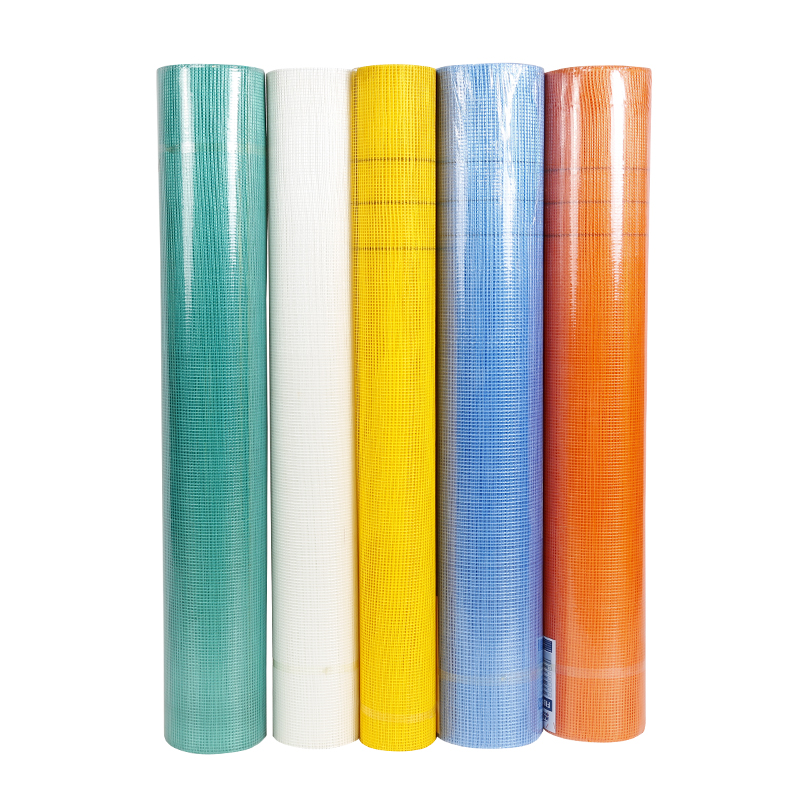
In modern construction and drywall systems, preventing cracks, reinforcing joints, and ensuring long-term durability are critical. One of the most reliable solutions for these needs is alkali resistant joint tape, particularly those made from fiberglass. This type of tape is specifically engineered to perform in environments where contact with alkaline substances—like cement or plaster—is unavoidable. Whether you're working with cement-based stucco, gypsum board, or drywall seams, using the right tape matters.
This guide explores the properties, uses, and benefits of šarmams atspari stiklo pluošto tinklelio juosta, white mesh joint tape, and more.
What Is Alkaline Resistant Tape and Why It Matters
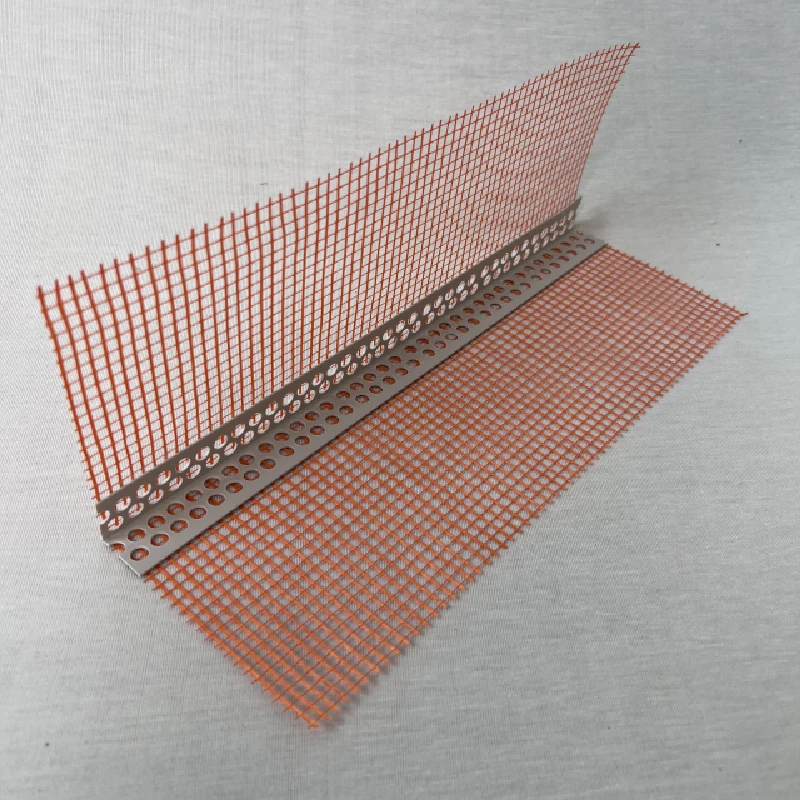
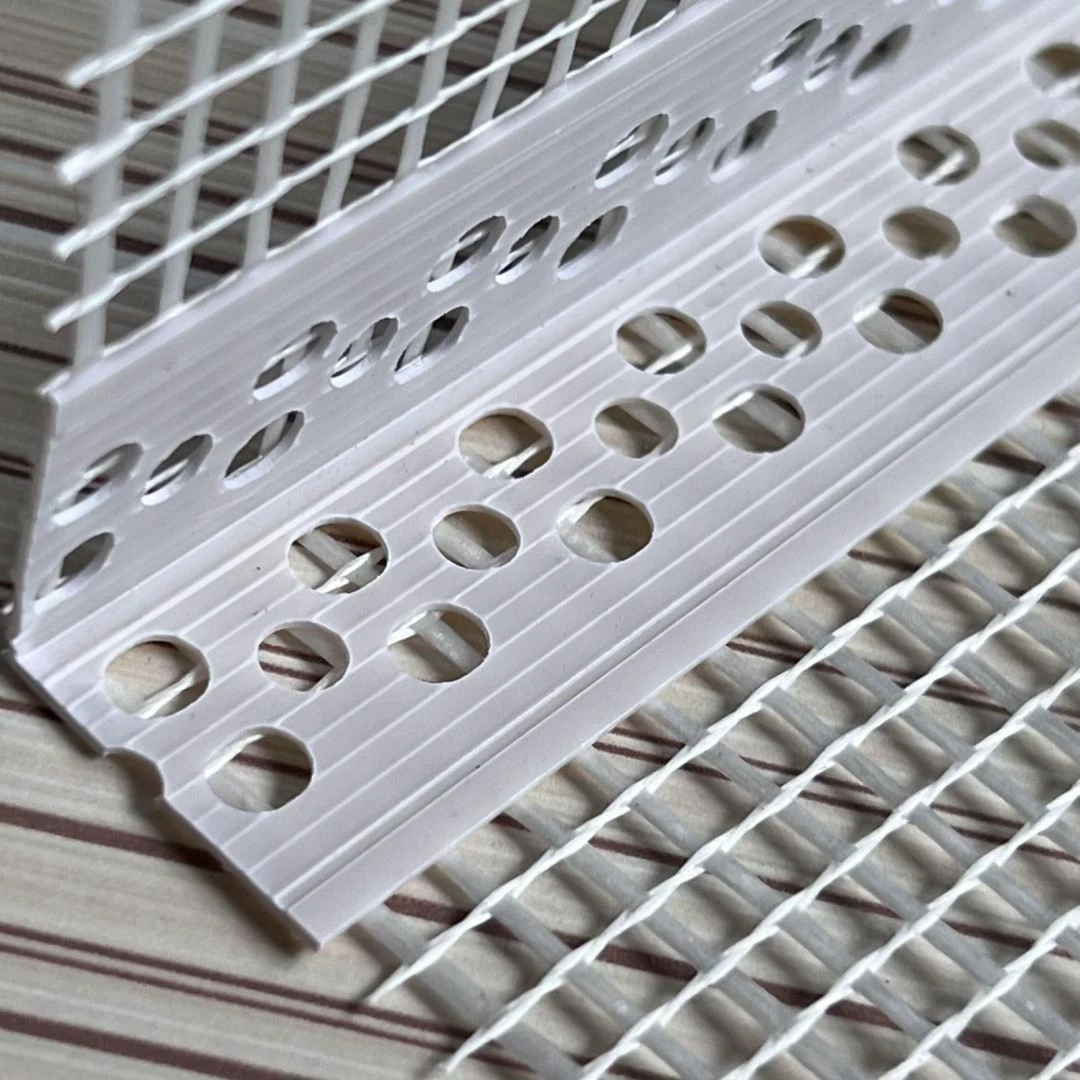
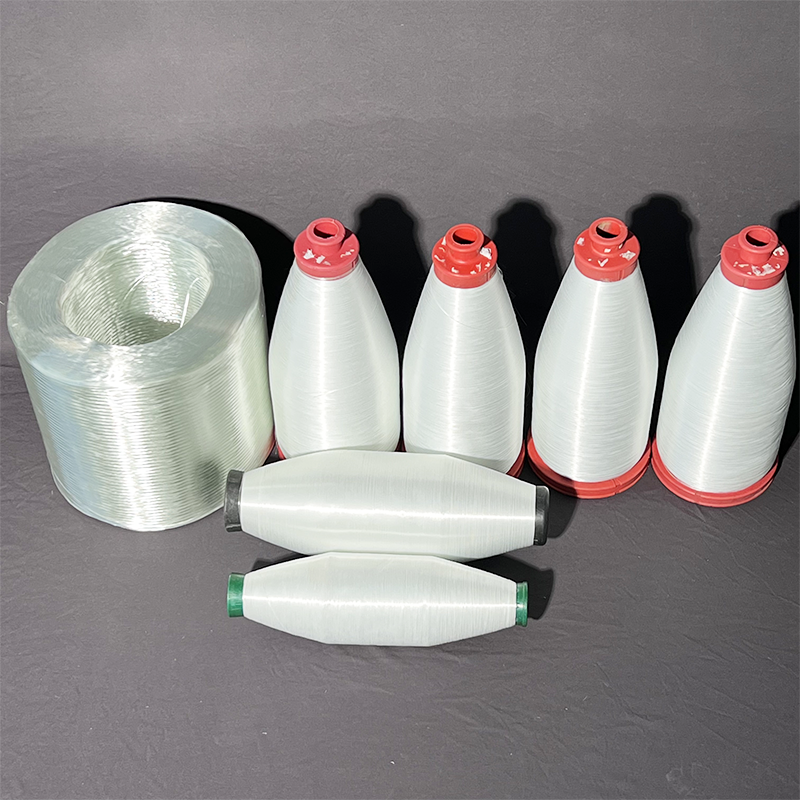
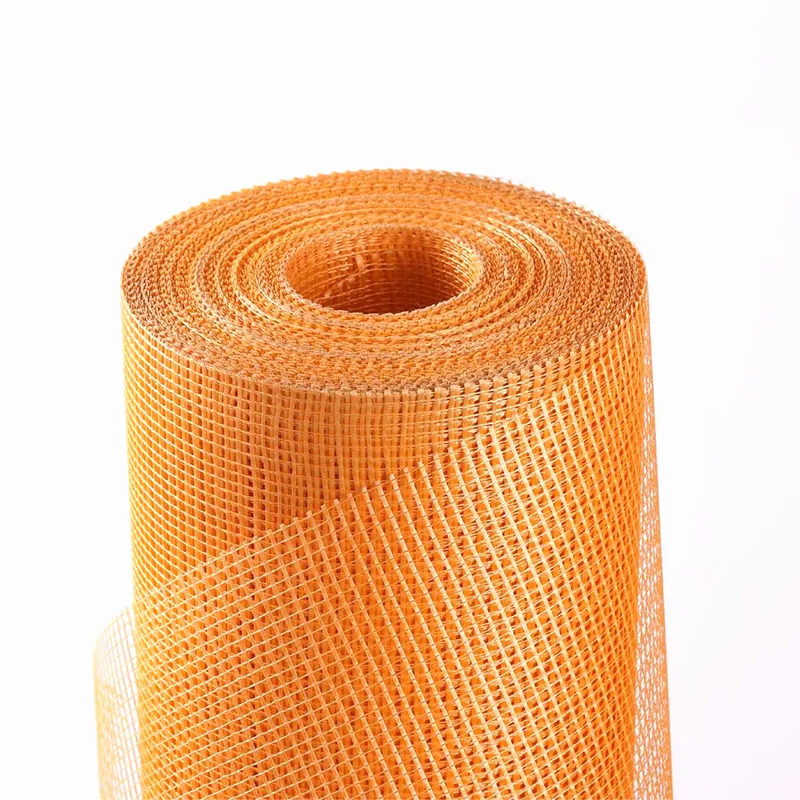
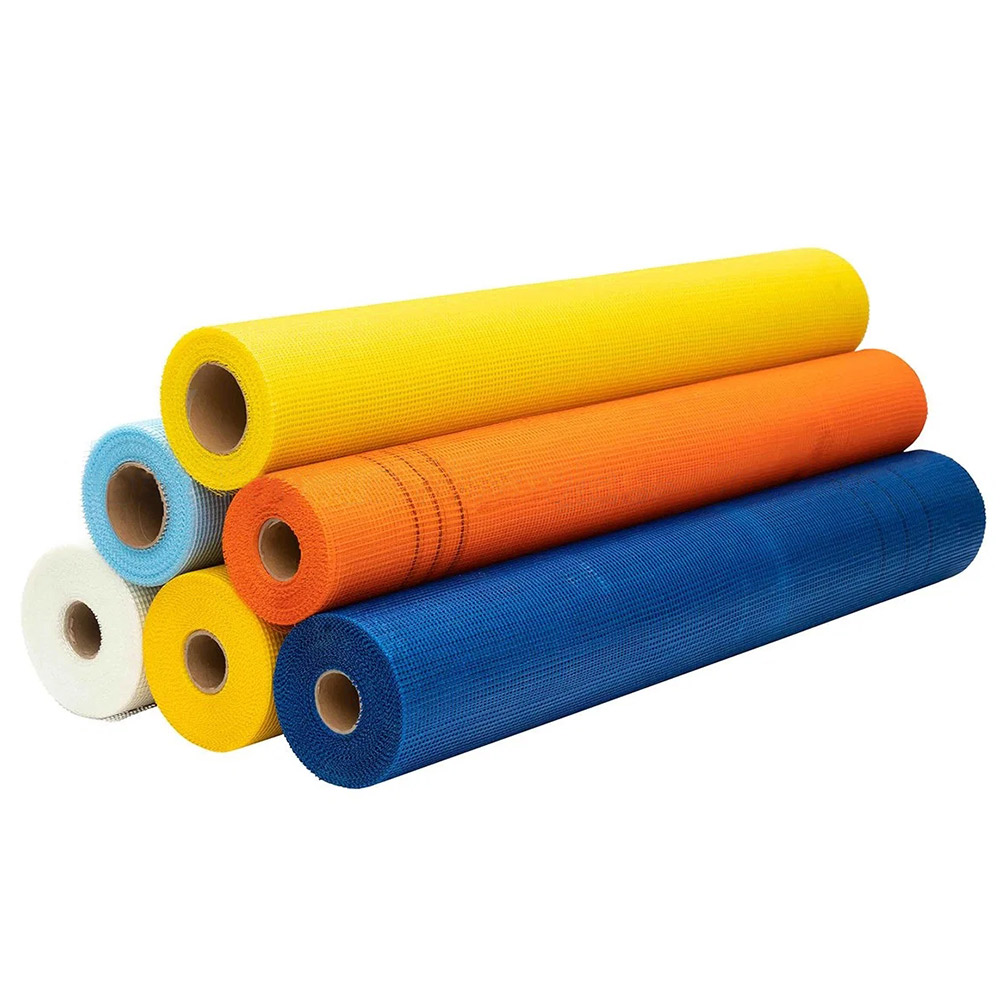
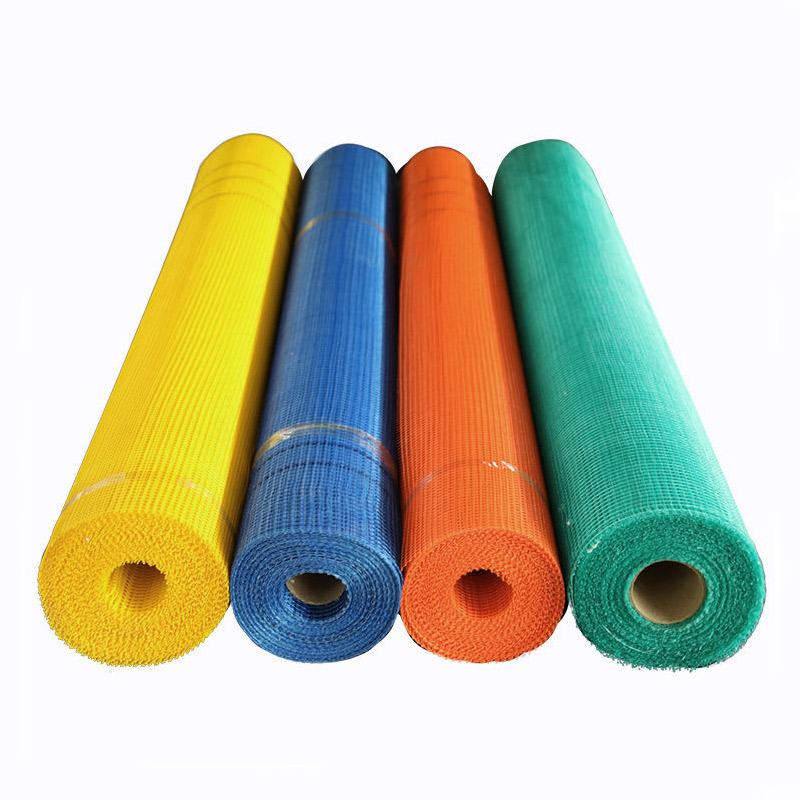
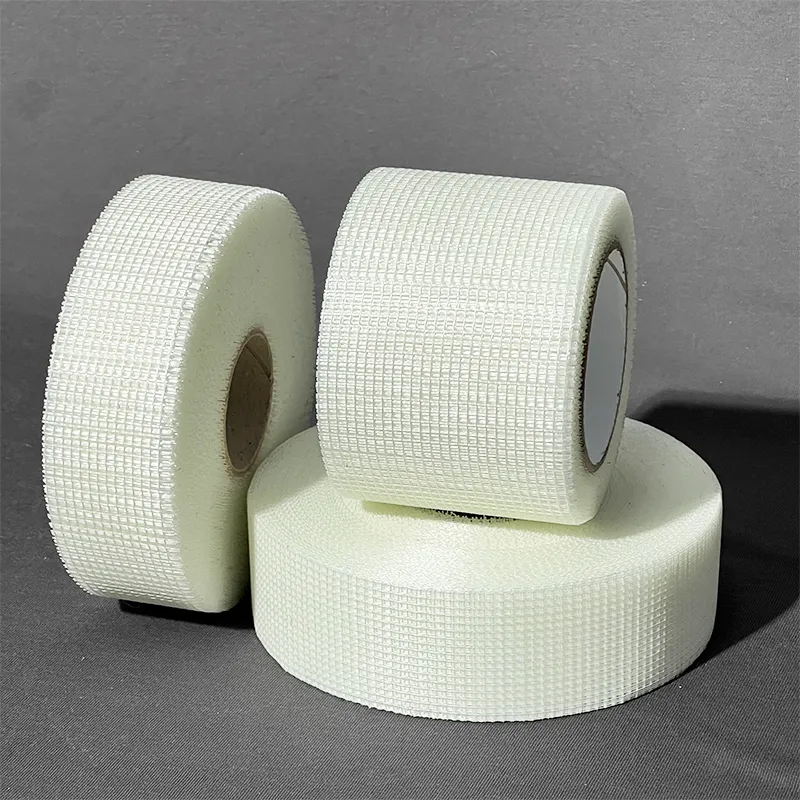
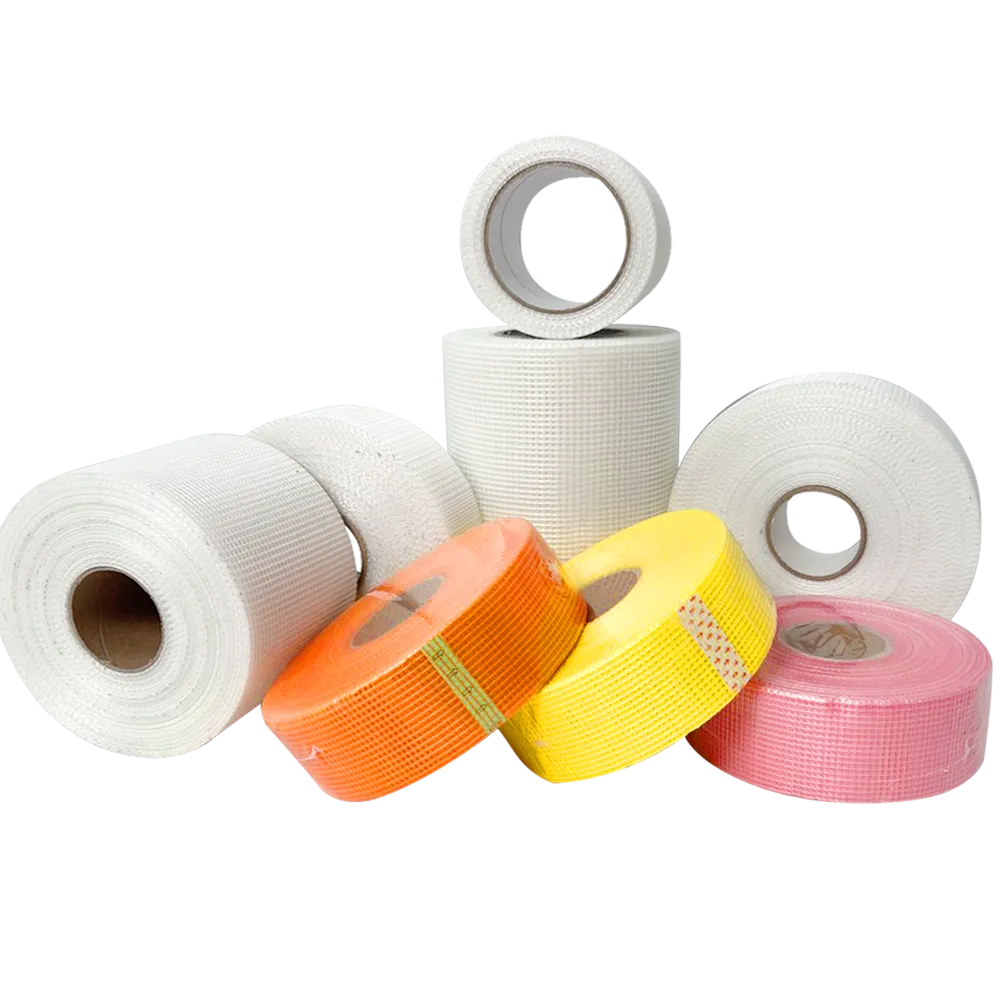
Alkaline resistant joint tape(https://www.tainuofiberglassmesh.com/alkali-resistant-fiberglass-mesh-drywall-tape.html) is a construction-grade tape made from glass fibers coated with an alkali-resistant material (commonly a polymer or resin). It is used to reinforce wall joints, prevent cracks, and hold surfaces together during and after plastering or joint compound application. Without such protection, tape can degrade when exposed to high-alkaline materials such as cement mortar, leading to premature failure.
Key Benefits:
High tensile strength
Resistance to alkaline degradation from cement or plaster
Non-flammable and mold-resistant
Easy to cut, handle, and apply
In contrast to standard paper tape or untreated mesh, alkali resistant fiberglass tape provides enhanced performance in wet, high-pH environments. That’s why it's the go-to material in projects involving gypsum boards, EIFS systems (Exterior Insulation and Finish Systems), and wet-area ceilings.
Comparing Types of Alkali Resistant Fiberglass Mesh Tape
There are various types of mesh tapes on the market, and knowing the differences helps in selecting the best option for your project.
Alkali Resistant Fiberglass Mesh Tape
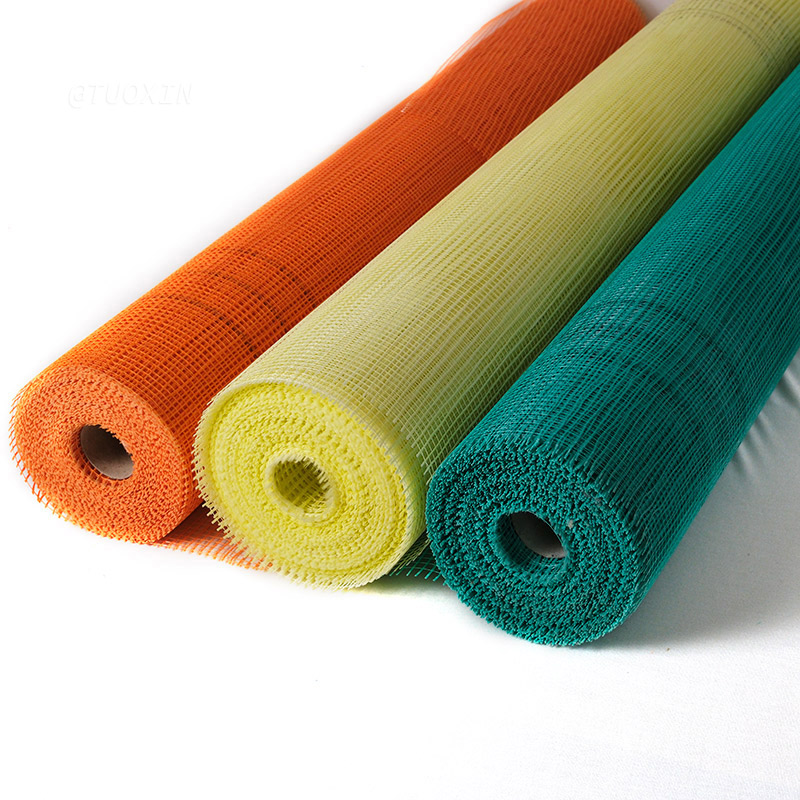
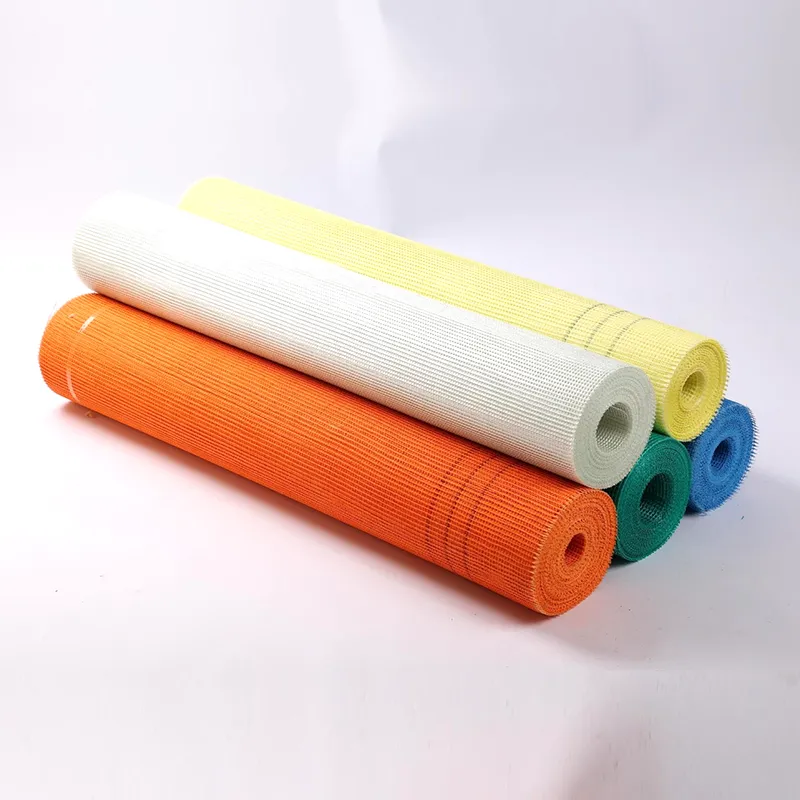
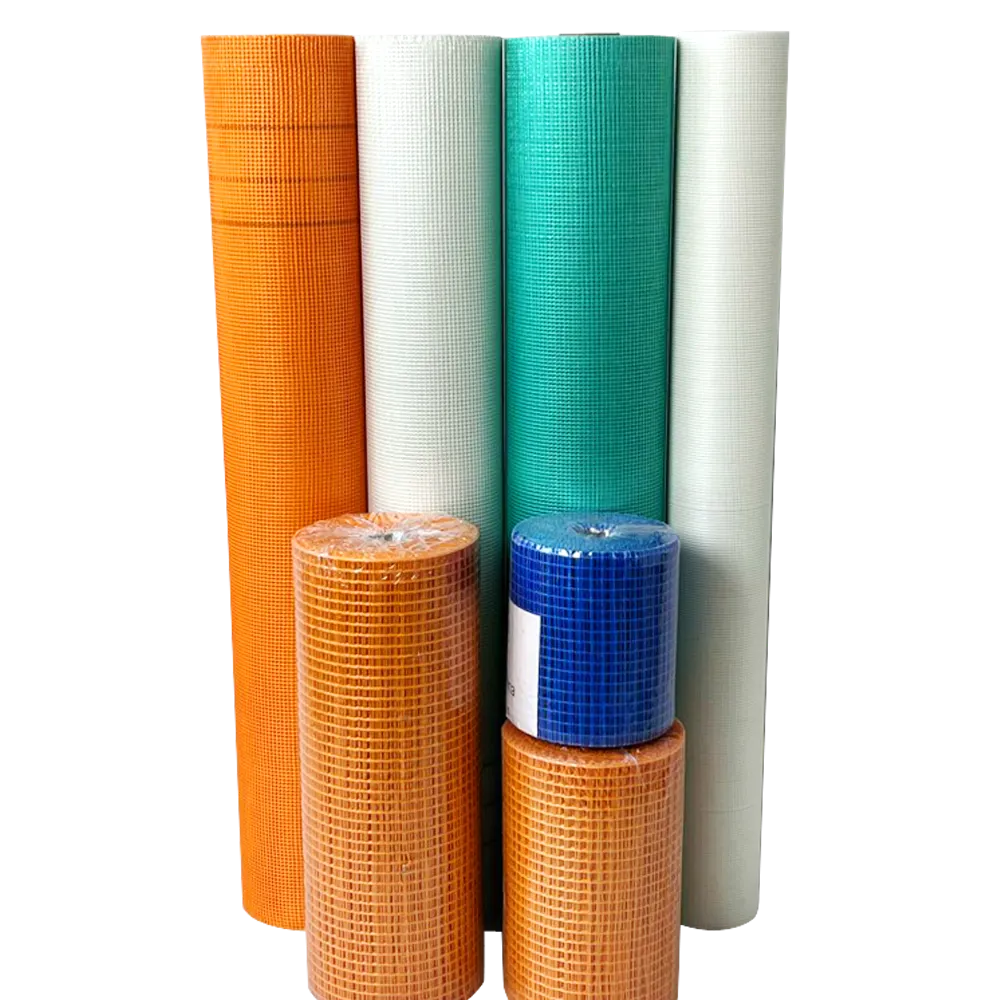
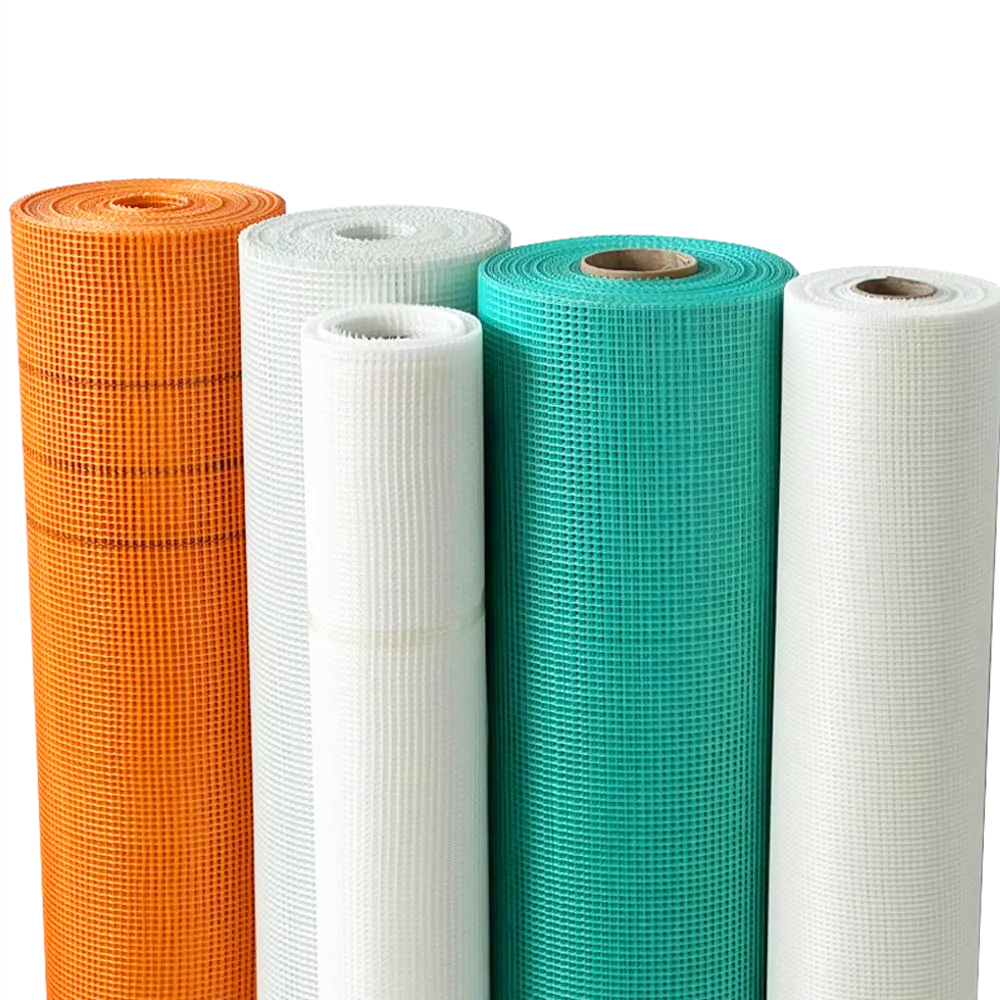
Alkali resistant fiberglass mesh tape is woven from glass fiber yarns and coated to protect it from alkaline reactions. It’s used for drywall seams, wall corners, and concrete reinforcement.
Applications:
Reinforcing gypsum board joints
Preventing cracks in cement-based plasters
EIFS base coat mesh
Its open weave structure ensures strong bonding with joint compounds or plaster, allowing the compound to flow through and harden around the fibers.
Alkali Resistant Glass Fiber Tape
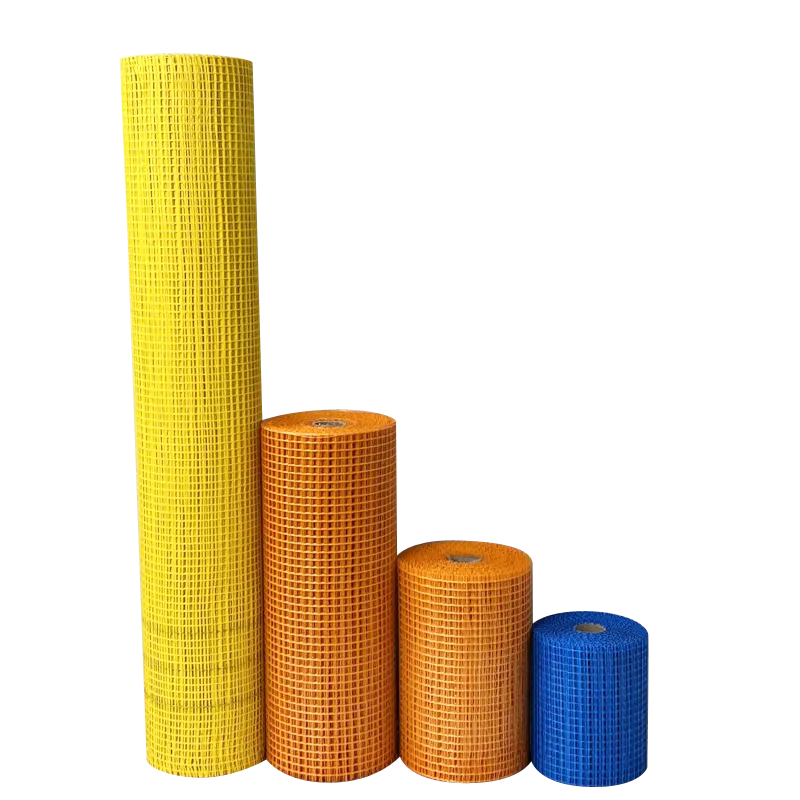
Similar to the above but sometimes with a tighter weave or narrower width, alkali resistant glass fiber tape is used in precision applications like narrow wall seams or specific repair work.
It’s ideal for:
Structural crack prevention
Taping joints in precast concrete walls
Custom tile substrate reinforcements
White Fiberglass Tape
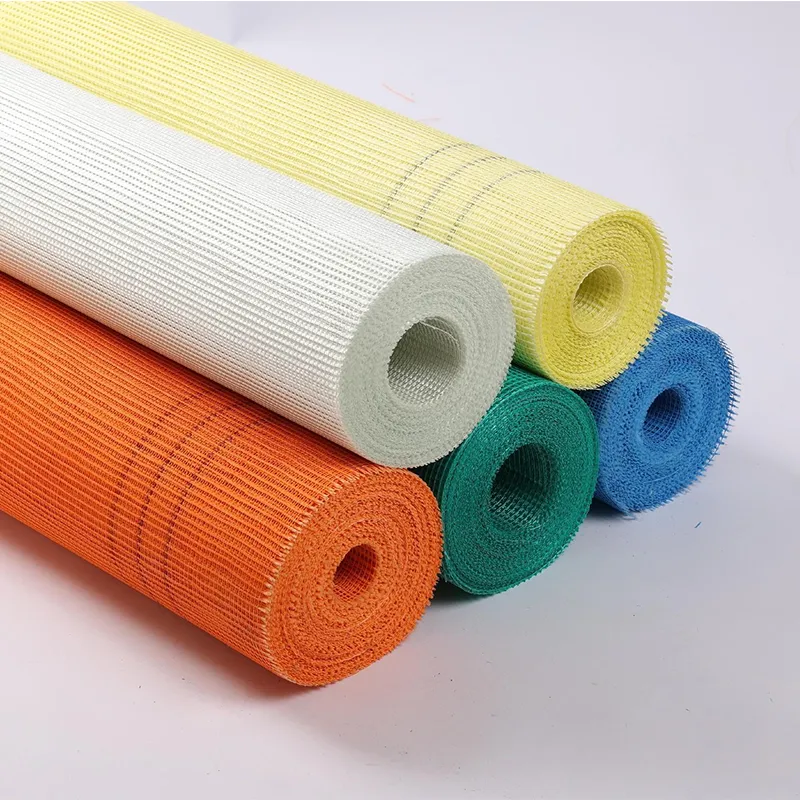
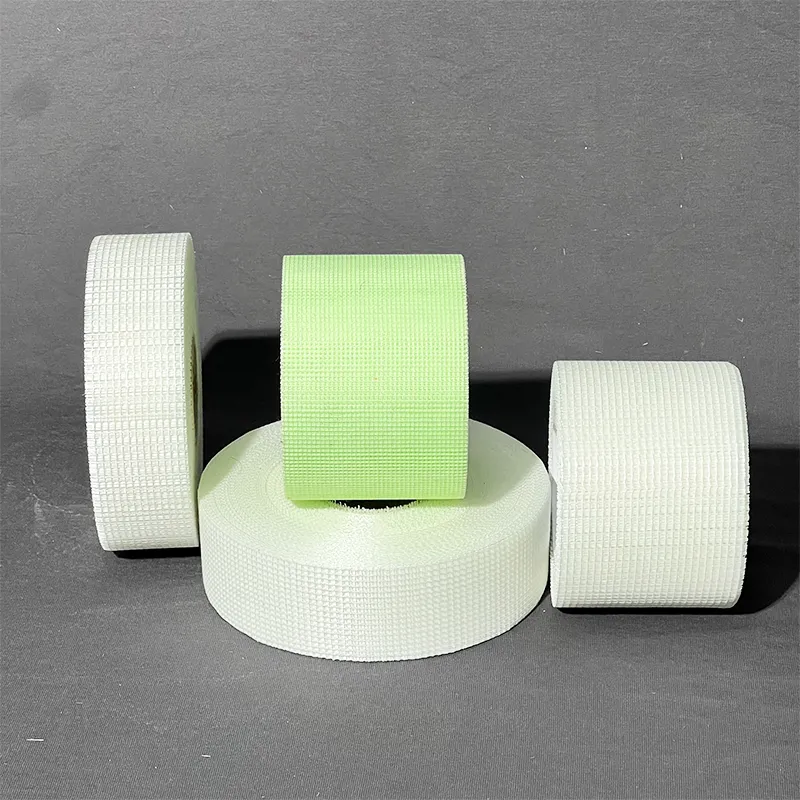
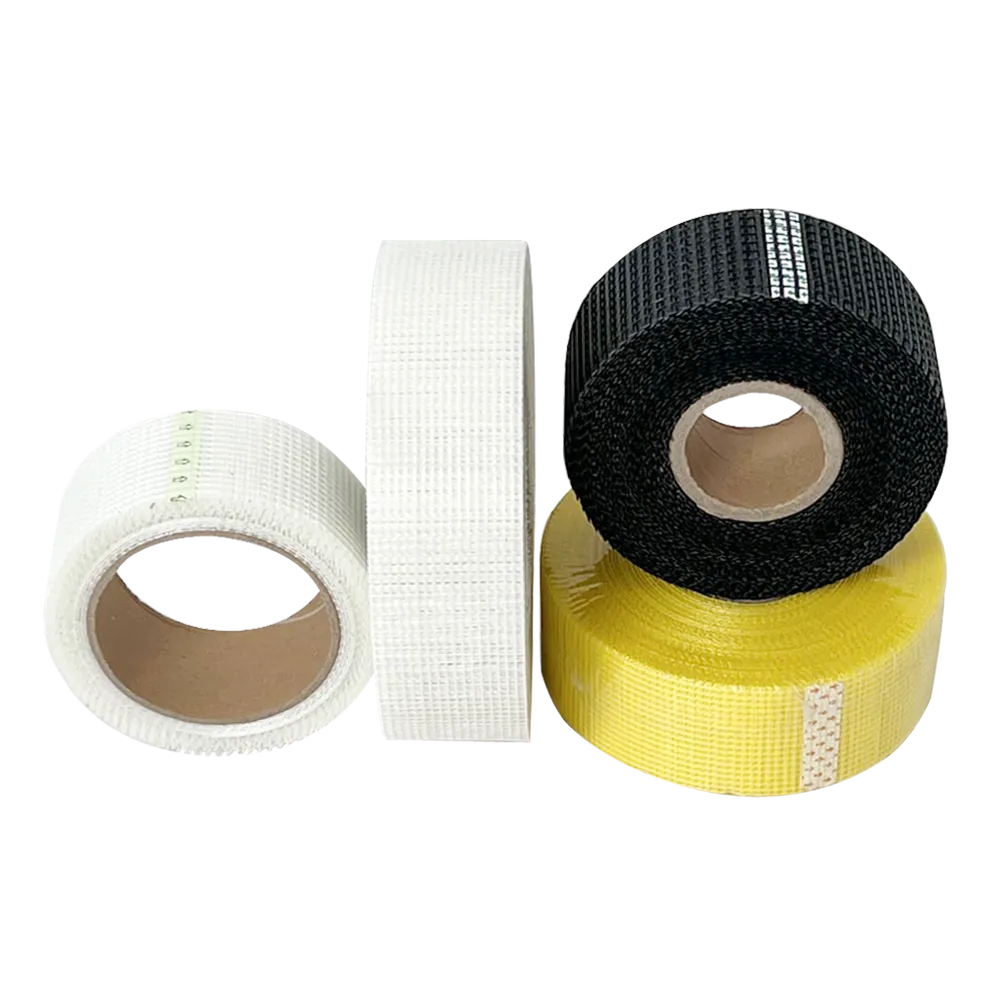
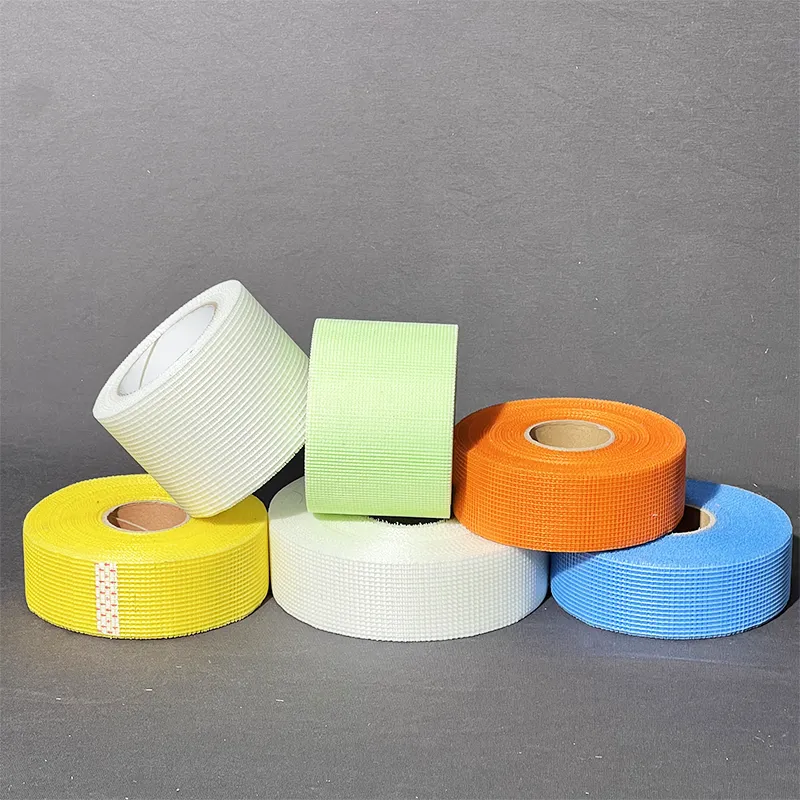
White fiberglass tape refers to fiberglass joint tape that’s typically dyed or manufactured in white for aesthetic or visibility purposes. It performs similarly to other mesh tapes but is often preferred for decorative plaster or finishing tasks where appearance during application matters.
White Mesh Joint Tape & White Mesh Tape
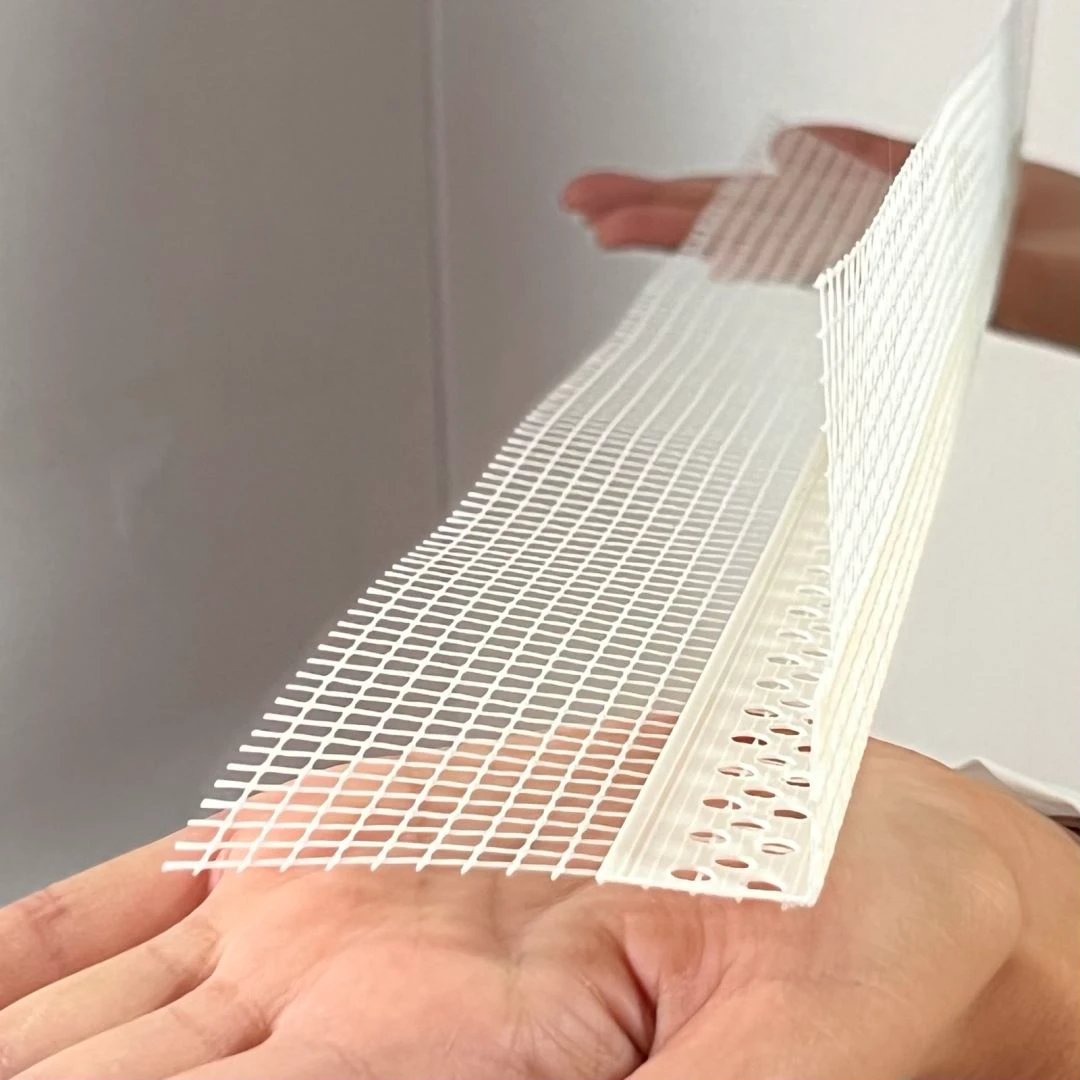
Both white mesh joint tape and white mesh tape are common in drywall finishing. These are self-adhesive fiberglass mesh tapes that are easy to apply and help maintain smooth wall surfaces.
Their white color helps with visibility under compound and makes it easier to see where additional application may be needed.
Use cases:
Taping interior drywall seams
Preventing seam cracks on white or light-colored plaster
Ceiling board reinforcements
When and How to Use Alkaline Resistant Mesh Tape
Proper usage of šarmams atspari stiklo pluošto tinklelio juosta ensures long-lasting wall integrity and reduces maintenance costs.
Ideal Situations for Use:
New drywall installations: Tape all seams with white mesh tape or alkali resistant fiberglass tape before applying joint compound.
Cement plaster walls: Reinforce high-stress or crack-prone areas with alkali resistant joint tape to prevent long-term damage.
Ceilings and wet areas: Use white mesh joint tape in kitchens, bathrooms, and ceilings for mold-resistant, durable reinforcement.
Installation Tips:
Surface Preparation: Ensure the surface is clean and dry. Remove any dust or loose debris.
Tape Application: Apply šarmams atspari stiklo pluošto tinklelio juosta directly over seams or cracks. For self-adhesive tapes, press firmly.
Compound Application: Cover the tape with joint compound, plaster, or mortar. Smooth out the surface with a trowel or knife.
Drying & Sanding: Allow the area to dry completely before sanding smooth or applying additional coats.
In high-alkali environments such as new concrete walls, using untreated tape can lead to fiber degradation. That’s why selecting alkali resistant glass fiber tape is not just beneficial—it's essential.
Choose Smart, Build Strong
Whether you're a professional contractor or a DIY enthusiast, choosing the right reinforcement tape is vital to achieving seamless finishes and durable structures. Alkali resistant joint tape and its variations, including šarmams atspari stiklo pluošto tinklelio juosta, offer unmatched protection against environmental and chemical wear—especially when dealing with plaster, mortar, or gypsum systems.
To recap:
Use alkali resistant fiberglass tape in cement or plaster-heavy projects.
Opt for white fiberglass tape or white mesh joint tape when appearance or visibility is a factor.
Reinforce ceiling seams, drywall joints, and gypsum board edges with alkali resistant glass fiber tape to avoid cracks and improve structural integrity.
By understanding the properties and best uses of these tapes, you’re investing in a smoother, stronger, and longer-lasting finish.
-
Best Fiberglass Mesh Tape for RedGard Product Waterproofing GuidežiniosApr.16,2026
-
Why High Strength Fiberglass Mesh Is Essential For Stucco ApplicationžiniosApr.15,2026
-
Why Alkali Resistant Fiberglass Mesh Tape Is Essential For Cement Board And Tile InstallationsžiniosApr.15,2026
-
Understanding The Role Of Drywall Fiberglass Mesh In Interior FinishingžiniosApr.15,2026
-
Ultimate Guide To Using Fiberglass Mesh Tape For Drywall And Plaster RepairsžiniosApr.15,2026
-
The Versatility Of Fiberglass Mesh In Marble And Stone MosaicžiniosApr.15,2026