Kov . 12, 2026 10:21 Grįžti į sąrašą
Roving Glass Fiber Yarn: High-Strength Material for Modern Industrial Applications
Glass fiber yarn has become an essential material in many industrial applications, providing high tensile strength, durability, and versatility. Known for its lightweight yet robust properties, roving fiber glass yarn is widely used in composites, insulation, textiles, and construction materials.
Different types of glass fiber yarn, such as fiberglass yarn and fiberglass yarn, serve specific purposes depending on mechanical, thermal, and chemical requirements. These fibers are produced by specialized manufacturers who ensure consistent quality and performance for demanding industrial applications.
This article explores the types, benefits, and applications of fiber glass yarn, while also highlighting the role of a fiberglass yarn manufacturer in producing high-quality materials for modern industries.
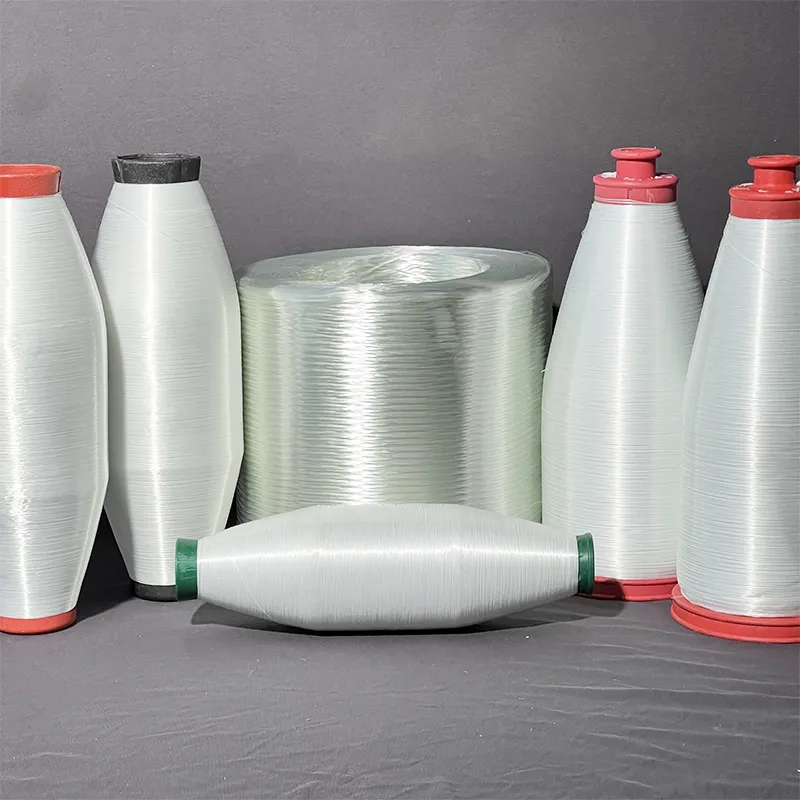
Types of fiber glass Yarn
Glass fiber yarn is available in different formulations and constructions to meet the specific needs of various industrial applications. Understanding the types helps manufacturers and end-users select the most appropriate yarn for their projects.
Roving fiber glass Yarn
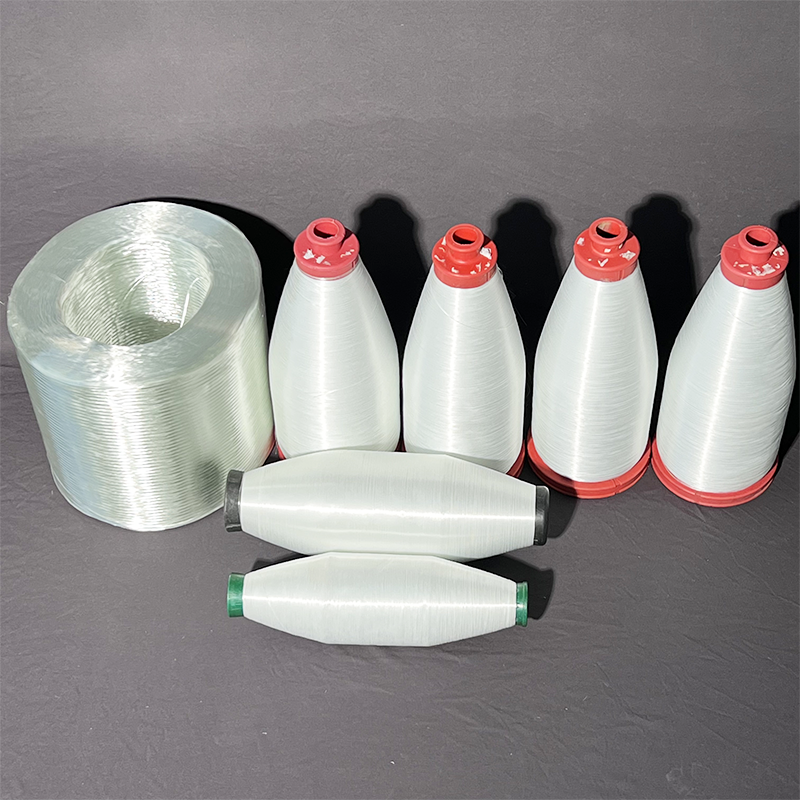
Roving fiber glass yarn is composed of untwisted or slightly twisted strands of continuous glass filaments. It is often used in composite reinforcement, pultrusion, and filament winding applications.
Roving yarn offers high tensile strength and low elongation, making it suitable for structural composites, boat hulls, automotive panels, and wind turbine blades. Its continuous filament structure ensures uniform strength and reduces weak points in reinforced materials.
C fiberglass Yarn
C fiberglass yarn is designed for chemical resistance and thermal stability. It is often used in environments where exposure to acidic or alkaline conditions is expected, such as chemical storage tanks, pipelines, and industrial insulation.
C glass yarn provides moderate mechanical strength but excels in corrosion resistance, making it ideal for applications where both durability and chemical inertness are required.
E fiberglass Yarn
E fiberglass yarn is the most common type of glass fiber used in industrial applications. It is electrically non-conductive and exhibits excellent tensile strength, making it ideal for composites, electronics insulation, and construction reinforcement.
E glass yarn is widely used in fiberglass mats, prepregs, woven fabrics, and pultruded profiles. Its combination of strength, lightweight properties, and electrical insulation makes it versatile for both structural and functional applications.
Fiber Glass Yarn
Fiber glass yarn is a broad term encompassing C glass, E glass, and other specialized glass fibers. It can be twisted, roved, or woven into different forms, such as yarns, mats, or fabrics, depending on the application.
This versatility allows fiber glass yarn to be used in reinforced plastics, insulation materials, roofing, electronics, and protective clothing. Its resistance to heat, corrosion, and electrical currents makes it a preferred material in multiple industries.
Role of a Fiberglass Yarn Manufacturer
A fiberglass yarn manufacturer produces high-quality yarns with precise filament diameters, consistent tensile strength, and uniform surface properties. Manufacturers use specialized processes such as fiberizing, sizing, and roving to ensure the yarn meets industrial specifications.
These manufacturers play a crucial role in maintaining product quality, providing technical support, and customizing yarn for specific applications such as high-strength composites, thermal insulation, or chemical-resistant products.
Advantages of Using fiber glass Yarn
Fiber glass yarn offers numerous benefits that make it a preferred material for industrial and commercial applications.
High Tensile Strength
Roving fiber glass yarn and E fiberglass yarn provide excellent tensile strength, which is essential for composite reinforcement. The yarn can withstand heavy loads while adding minimal weight to the final product.
This strength makes glass fiber yarn ideal for applications such as wind turbine blades, automotive panels, and structural components in construction.
Chemical and Thermal Resistance
C fiberglass yarn offers superior chemical resistance, while all glass fiber types can withstand high temperatures without losing structural integrity.
These properties make glass fiber yarn suitable for applications in harsh chemical environments, industrial insulation, and high-temperature composite molding processes.
Lightweight and Durable
Glass fiber yarn is lightweight, reducing the overall weight of composites or structural panels. Despite its low weight, it is highly durable and resistant to environmental degradation, corrosion, and aging.
This combination of lightness and durability is critical in industries such as aerospace, marine, and automotive, where reducing weight improves performance and efficiency.
Electrical Insulation
E fiberglass yarn provides excellent electrical insulation, making it ideal for electronic applications, printed circuit boards, and electrical components. Its non-conductive nature ensures safety and performance in electrical and electronic assemblies.
Versatility and Customization
Fiber glass yarn can be tailored to meet specific requirements. A fiberglass yarn manufacturer can produce yarns with varying filament counts, twist levels, coating sizes, and widths to optimize performance for different applications.
This versatility allows glass fiber yarn to be used in reinforcement, insulation, textiles, protective coatings, and composite materials, adapting to both structural and functional needs.
Applications of Fiberglass Yarn
Fiberglass yarn is used across diverse industries due to its combination of strength, durability, and resistance to heat, chemicals, and electrical currents.
Composites and Structural Reinforcement
Roving fiber glass yarn and E fiberglass yarn are widely used to reinforce polymer composites. Applications include automotive body panels, boat hulls, wind turbine blades, and aerospace components.
The continuous filament structure and high tensile strength of the yarn improve load-bearing capacity, reduce cracking, and enhance durability of composite materials.
Construction and Insulation
Fiber glass yarn is often used in construction materials such as reinforced plaster, roofing, wall panels, and insulation mats. Its heat resistance and lightweight properties improve energy efficiency and durability.
C fiberglass yarn is particularly useful for industrial insulation applications where chemical resistance is required, such as storage tanks, pipes, and furnaces.
Electrical and Electronics Applications
E fiberglass yarn serves as an excellent electrical insulator for wires, cables, printed circuit boards, and transformers. Its non-conductive nature and high thermal stability make it suitable for high-voltage and high-temperature applications.
Textiles and Protective Clothing
Fiberglass yarn can be woven into fabrics used for fire-resistant clothing, protective gear, and industrial curtains. Its heat resistance and durability protect workers from flames, sparks, and high temperatures.
Industrial and Specialty Uses
Glass fiber yarn is also used in filtration, composites tooling, and specialty coatings. Its chemical resistance, tensile strength, and dimensional stability make it ideal for high-performance applications such as filtration membranes, mats, and reinforcement layers.
In conclusion, roving fiber glass yarn, C fiberglass yarn, E fiberglass yarn, and other forms of fiber glass yarn provide high-strength, lightweight, and versatile solutions for modern industrial and construction applications.
A reputable fiberglass yarn manufacturer ensures consistent quality, proper sizing, and performance specifications to meet the demanding needs of industries such as composites, construction, electronics, textiles, and insulation.
From reinforcing structural components to providing electrical insulation and chemical resistance, glass fiber yarn is an essential material in today’s industrial landscape. Its combination of strength, durability, and adaptability makes it a preferred choice for engineers, manufacturers, and builders worldwide.
-
Best Fiberglass Mesh Tape for RedGard Product Waterproofing GuidežiniosApr.16,2026
-
Why High Strength Fiberglass Mesh Is Essential For Stucco ApplicationžiniosApr.15,2026
-
Why Alkali Resistant Fiberglass Mesh Tape Is Essential For Cement Board And Tile InstallationsžiniosApr.15,2026
-
Understanding The Role Of Drywall Fiberglass Mesh In Interior FinishingžiniosApr.15,2026
-
Ultimate Guide To Using Fiberglass Mesh Tape For Drywall And Plaster RepairsžiniosApr.15,2026
-
The Versatility Of Fiberglass Mesh In Marble And Stone MosaicžiniosApr.15,2026