Sep . 13, 2025 08:20 Back to list
Buy Adhesive Fiberglass Mesh | Strong, Self-Adhesive Repair Tape
Understanding Adhesive Fiberglass Mesh in Modern Construction
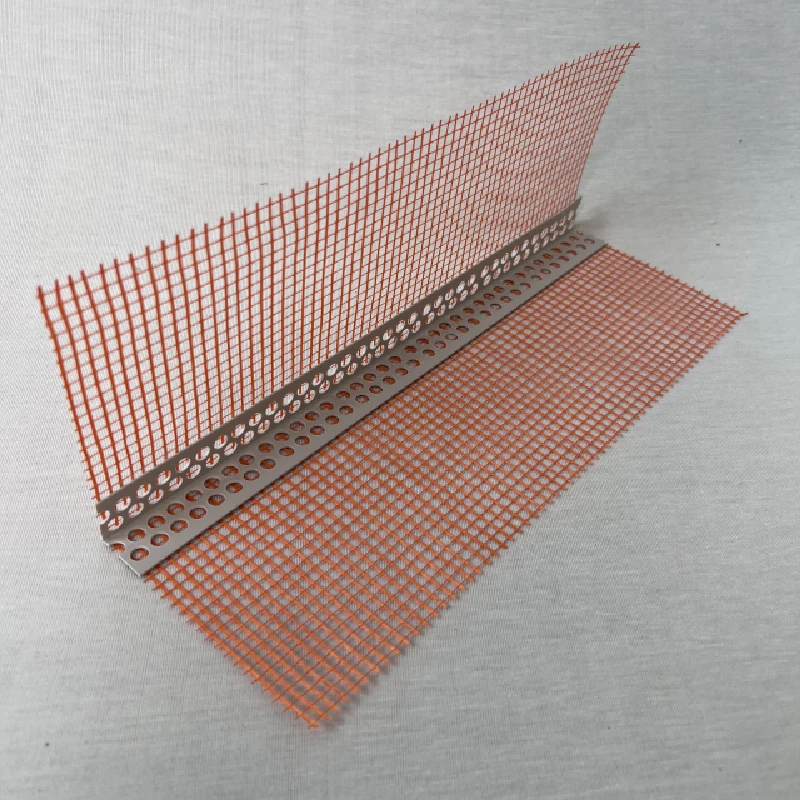
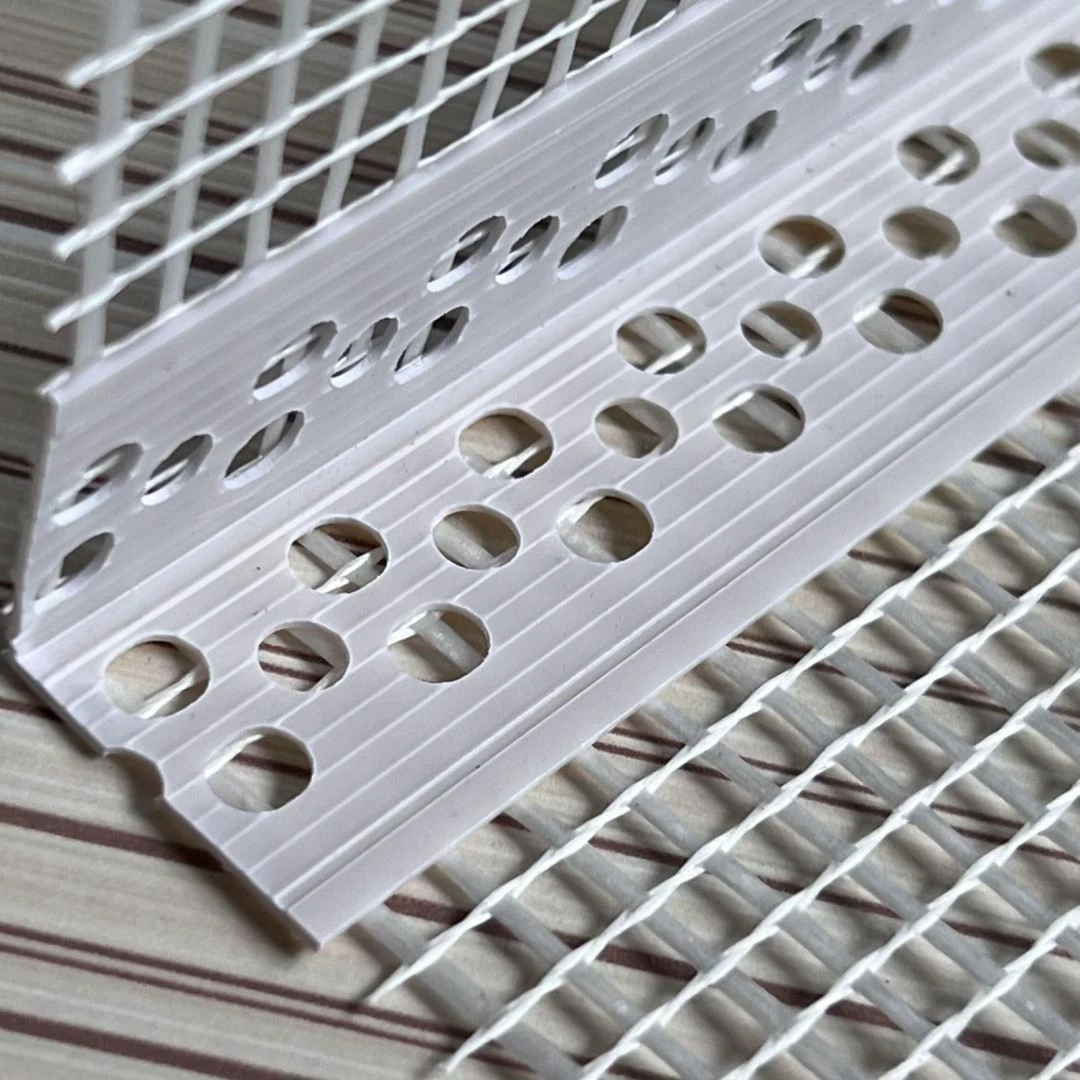
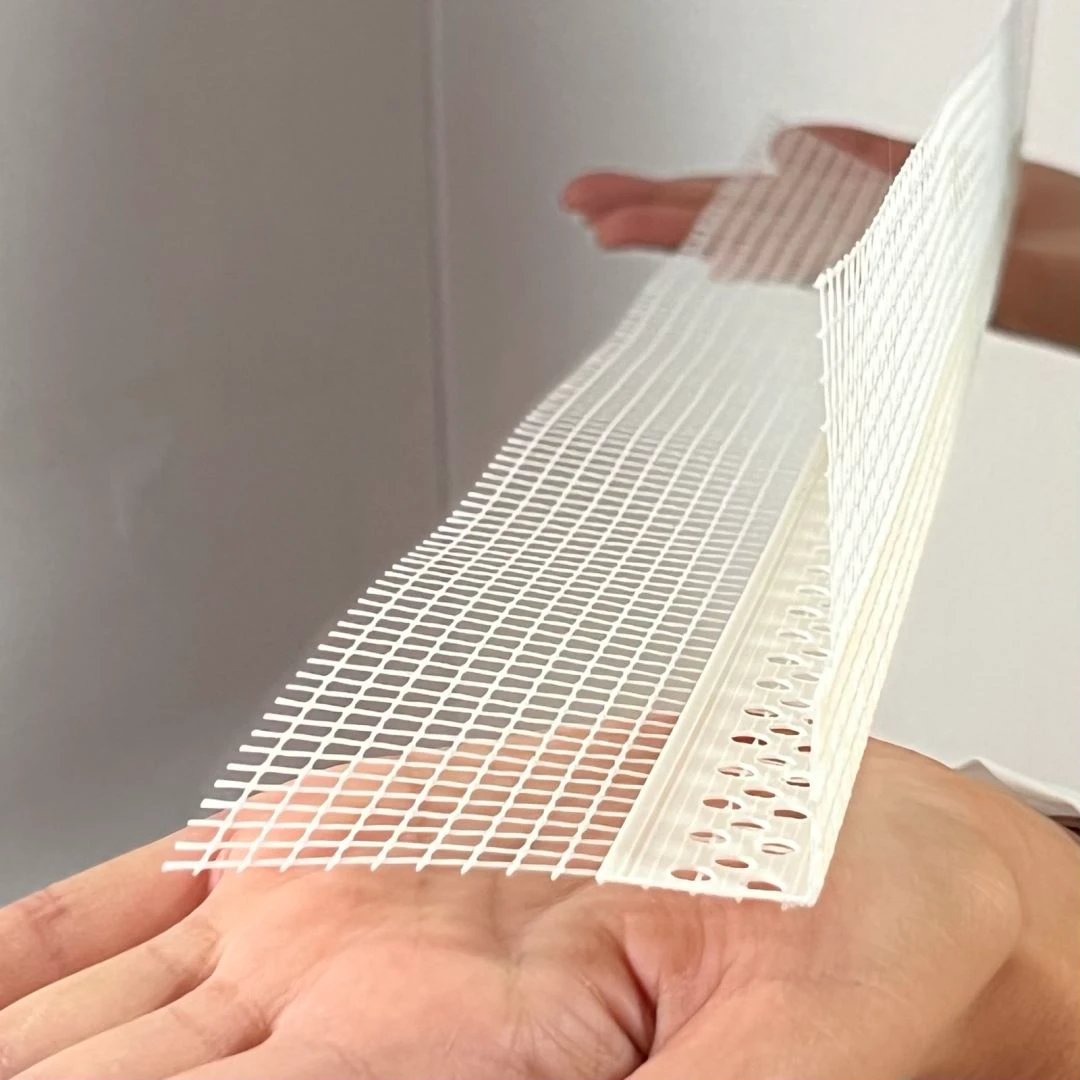
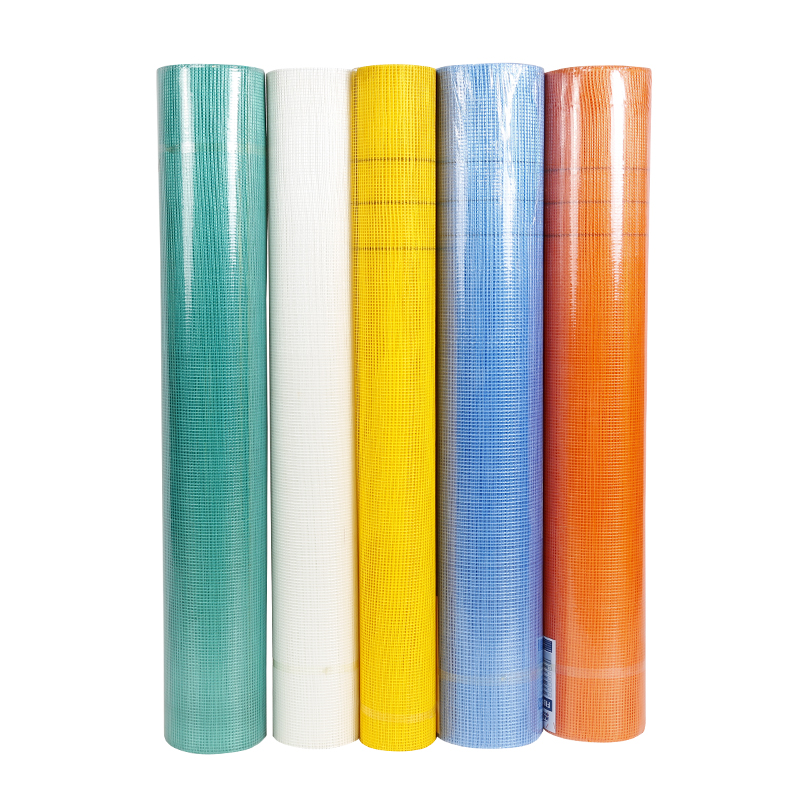
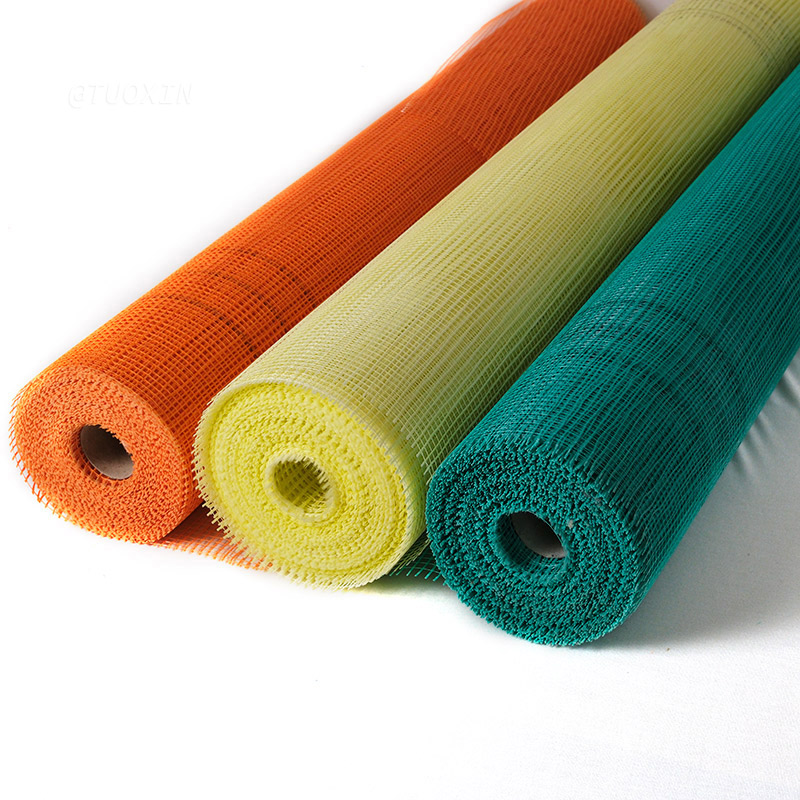
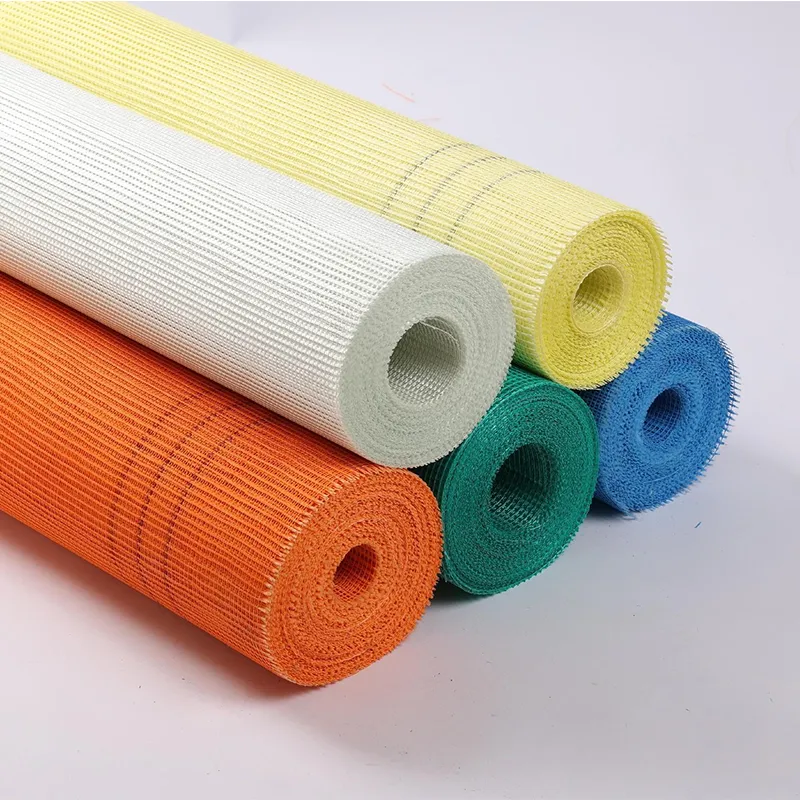
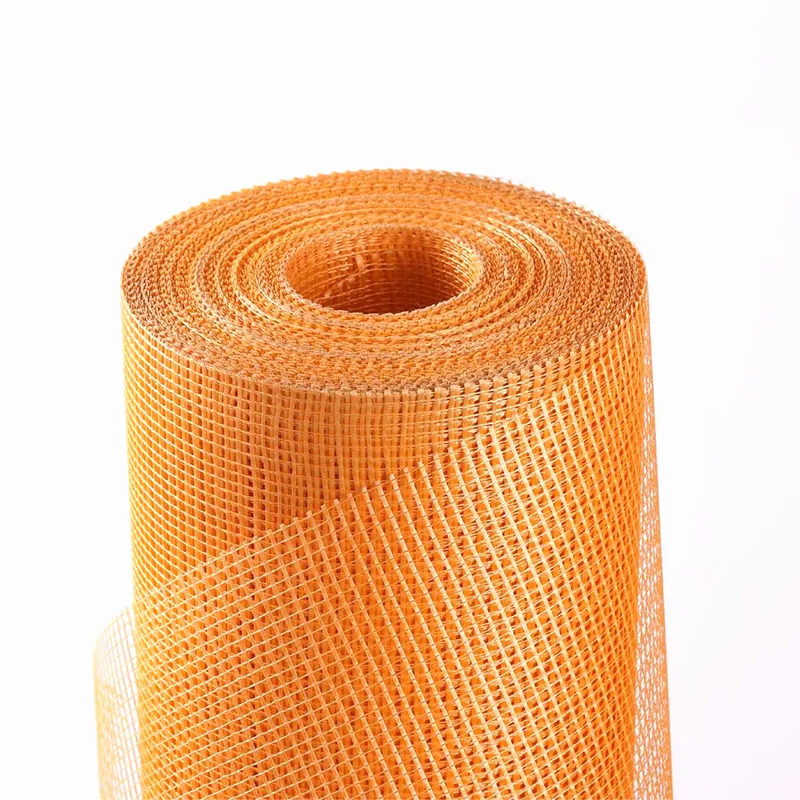
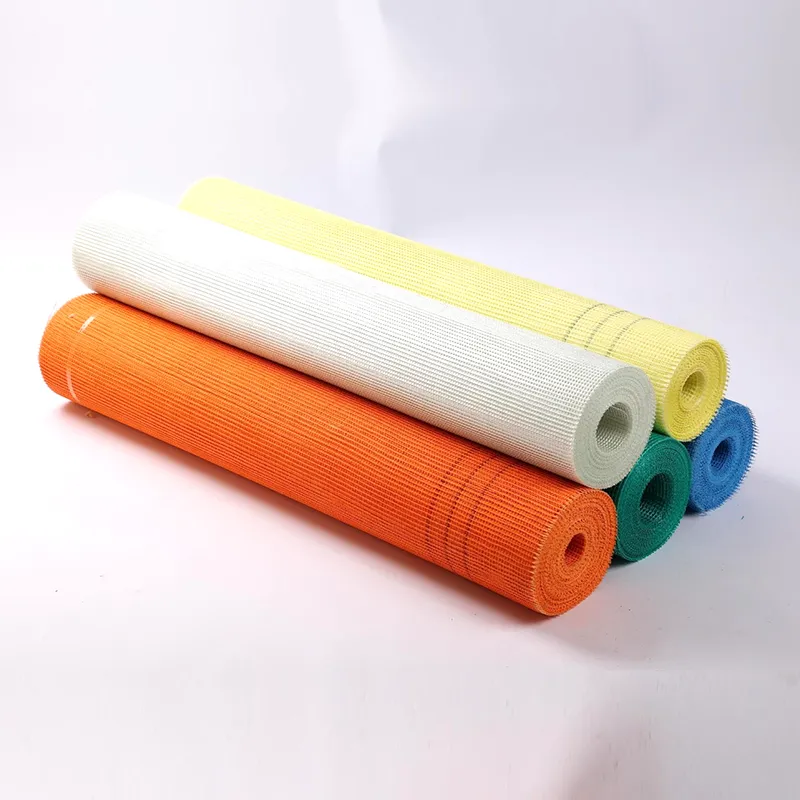
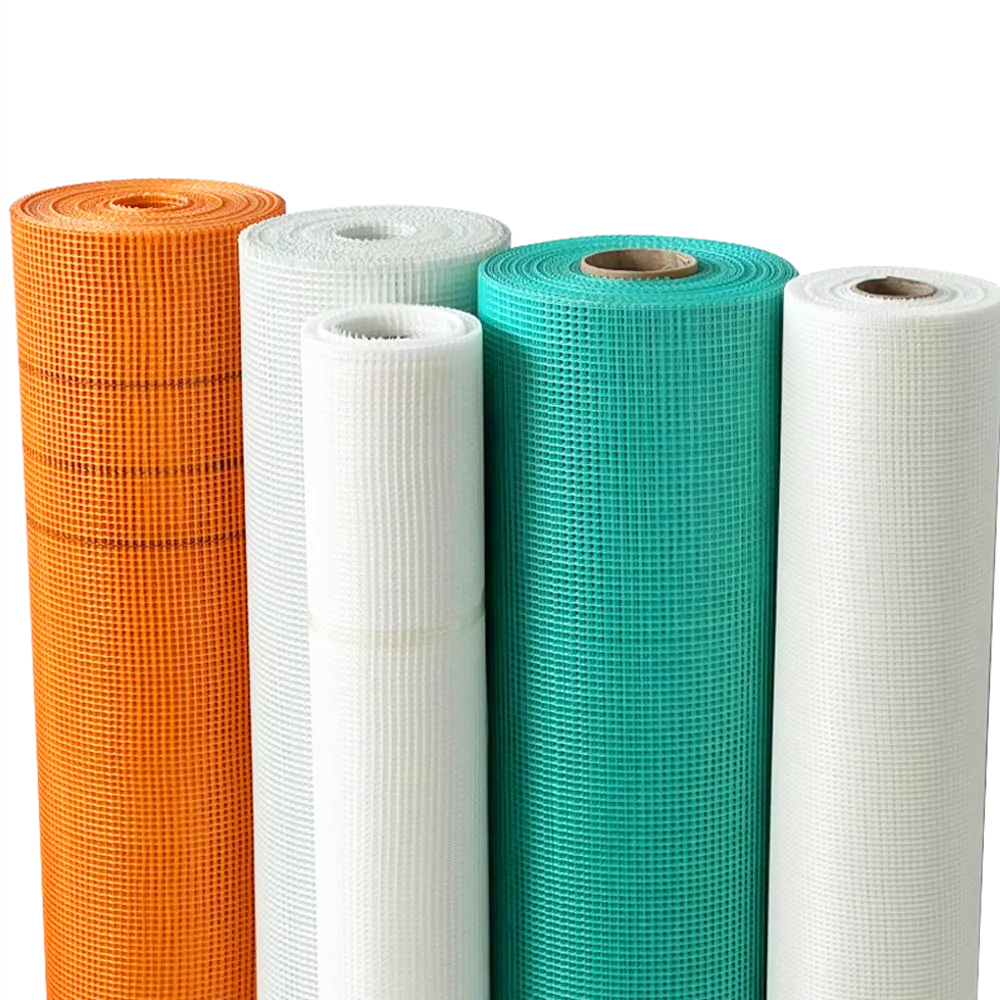
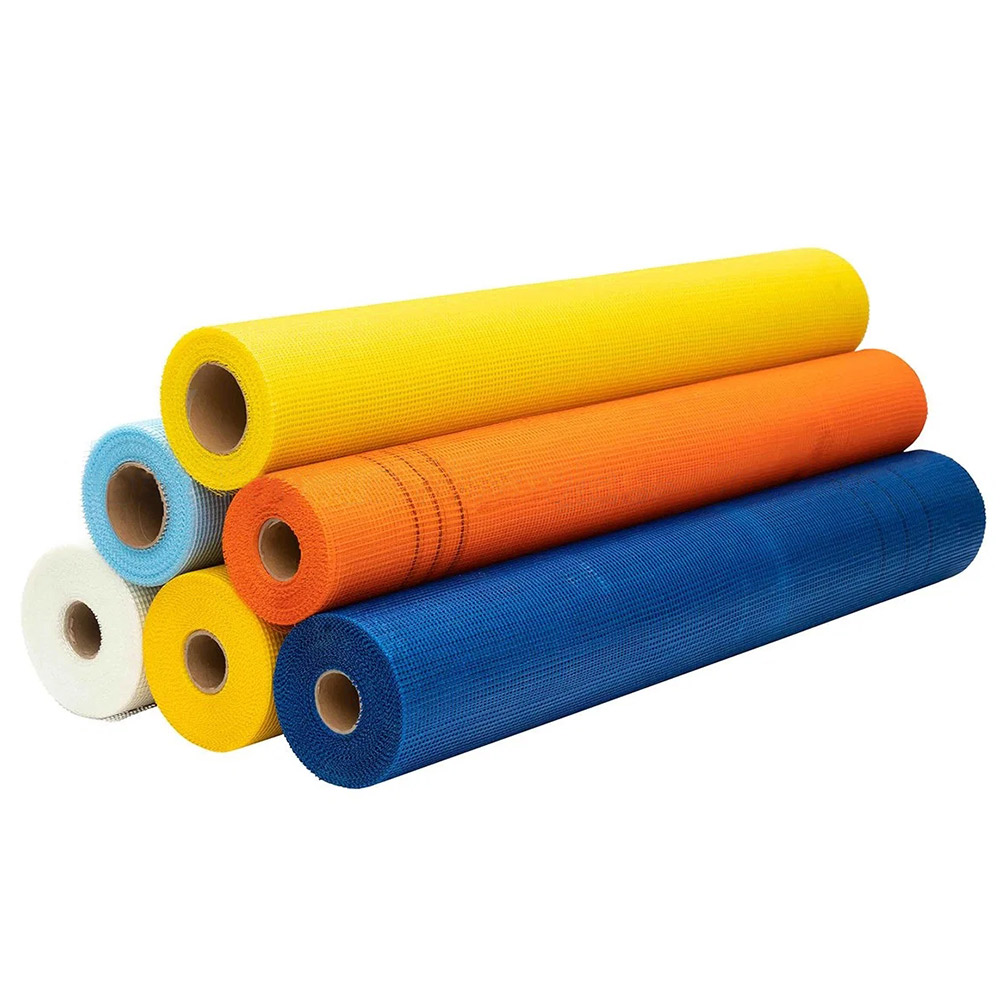
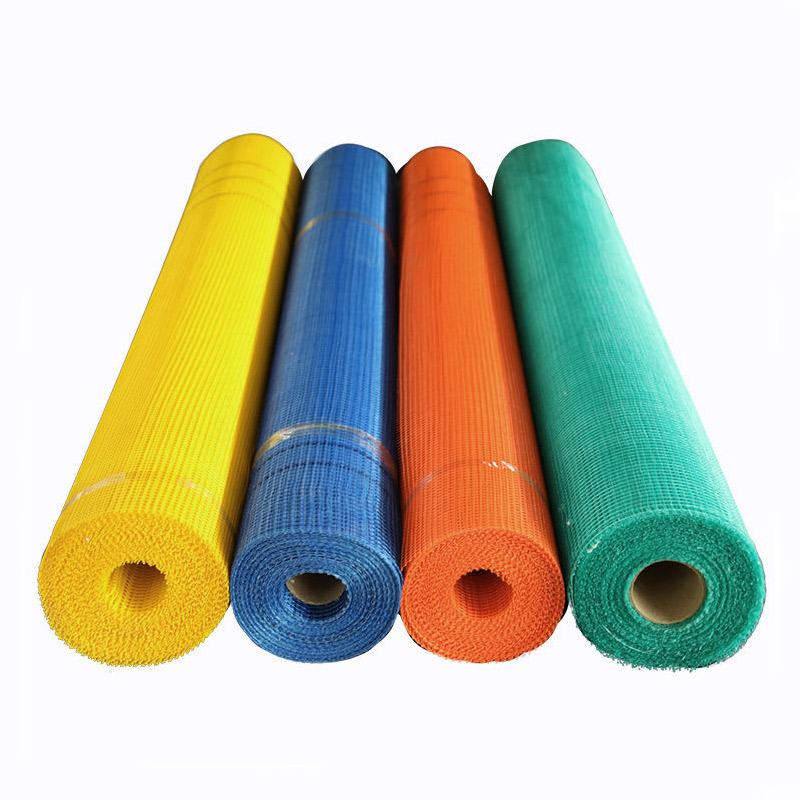
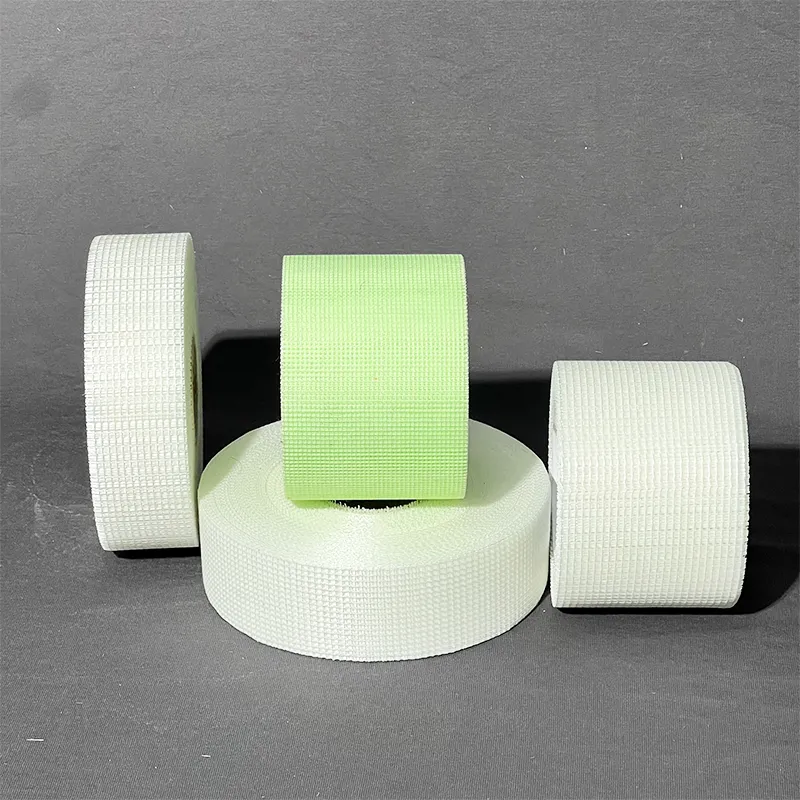
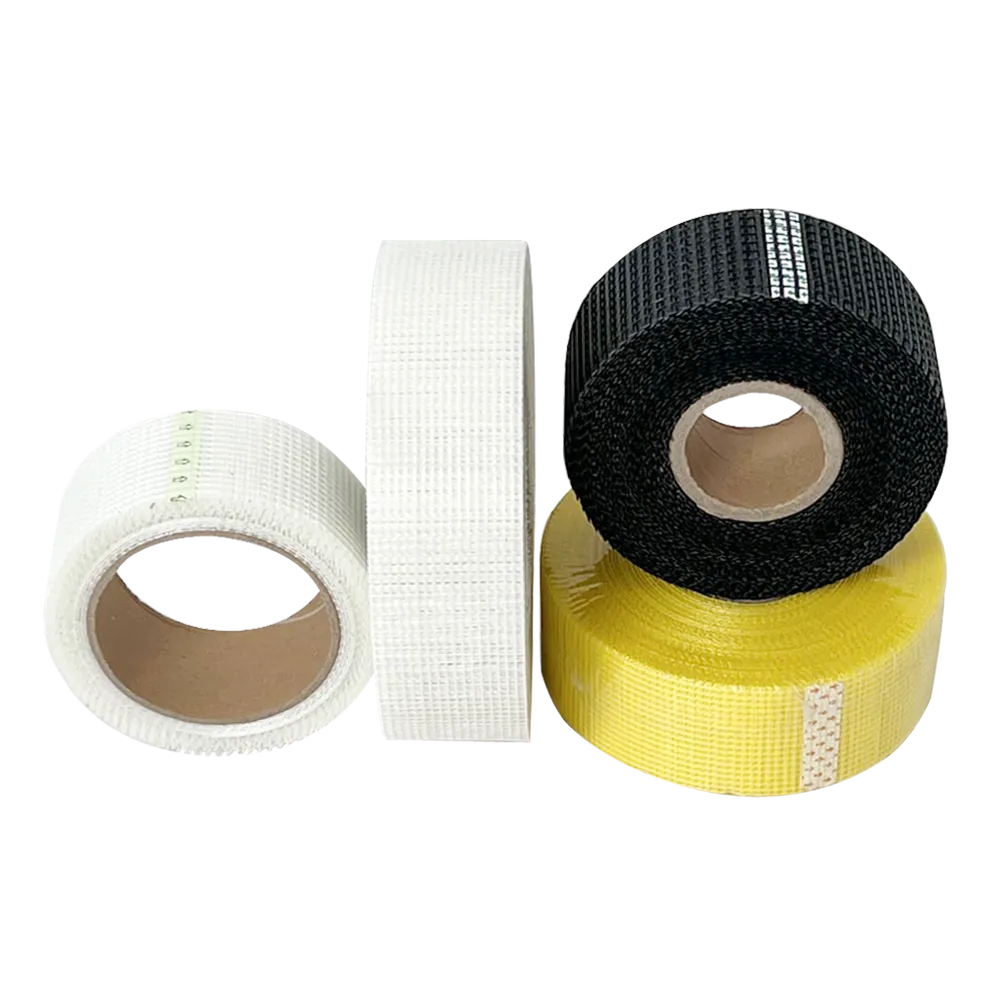
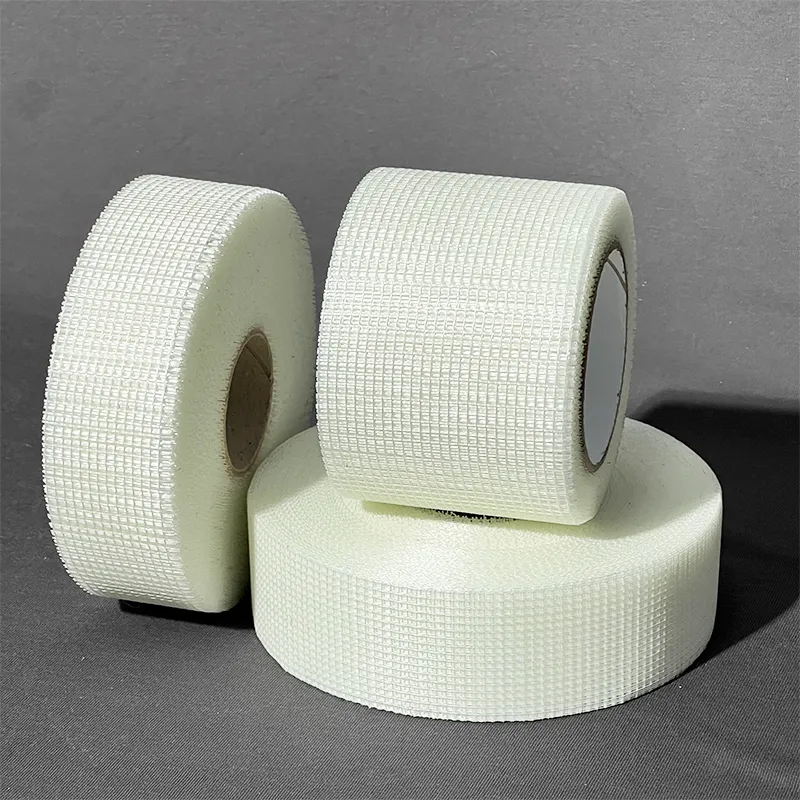
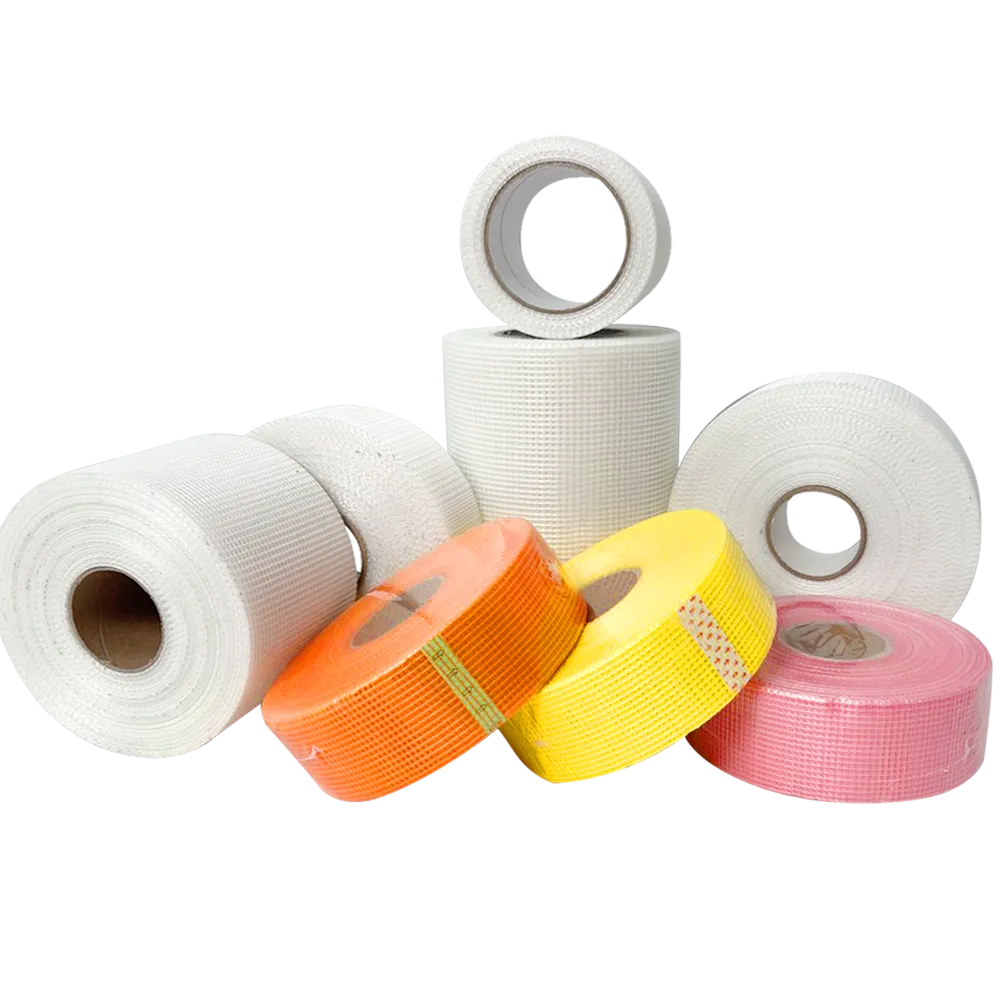
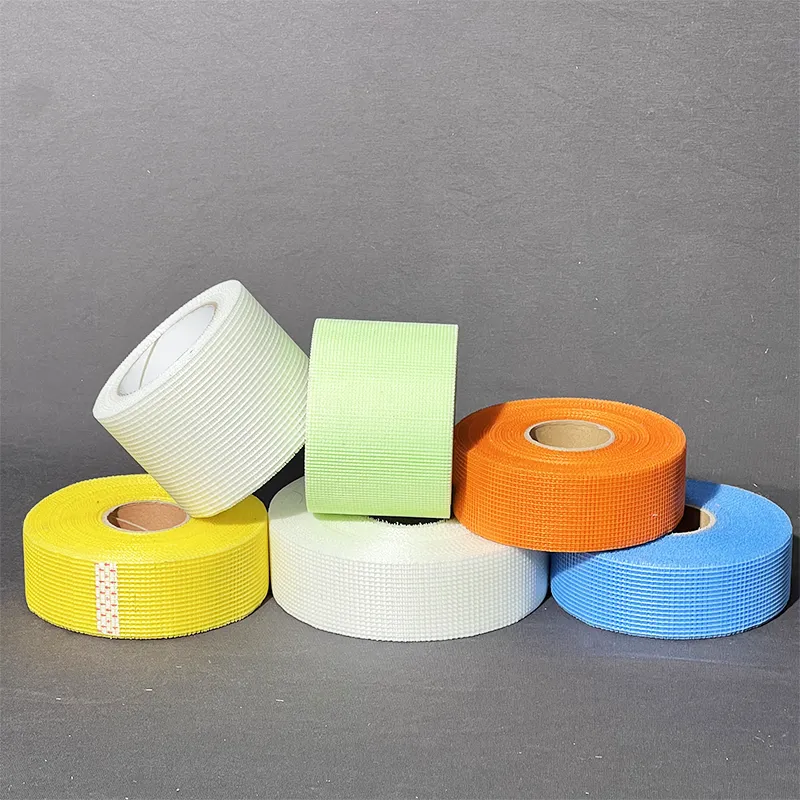
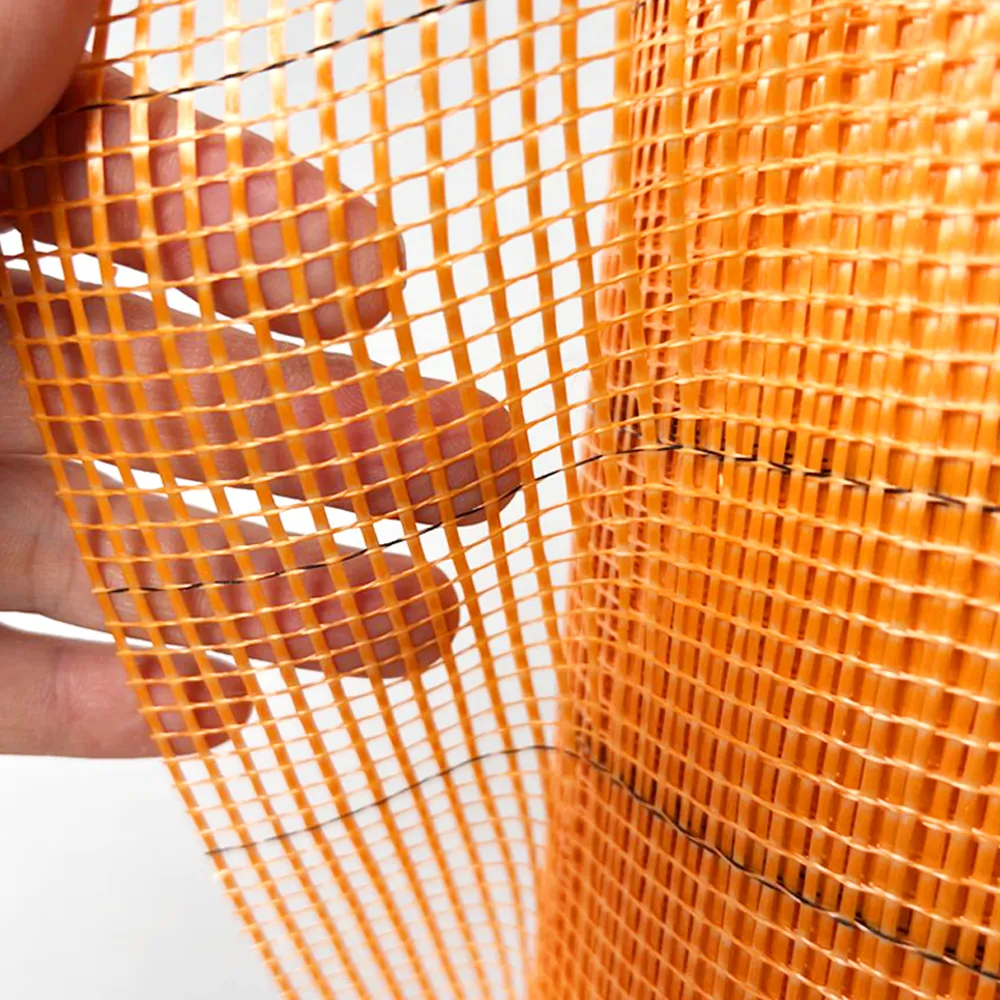
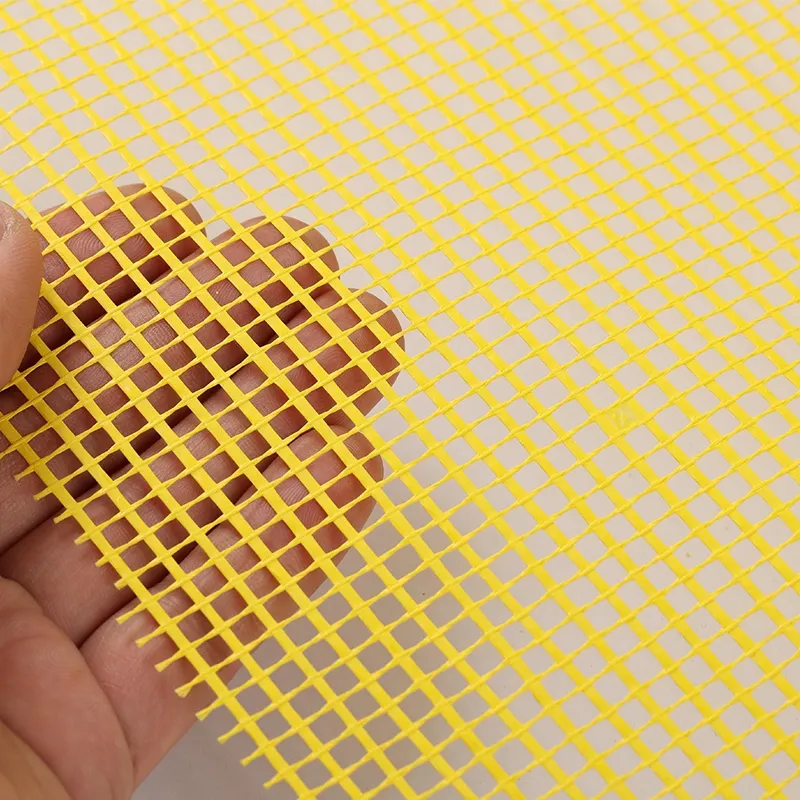
In the dynamic landscape of modern construction and renovation, the demand for materials that offer superior strength, durability, and ease of application is ever-increasing. Among these, buy adhesive fiberglass mesh stands out as a critical component for enhancing the structural integrity and longevity of various surfaces. This specialized material, often referred to as fiberglass mesh tape for drywall or self-adhesive fiberglass tape, is engineered to provide robust reinforcement, preventing cracks and ensuring a smooth, resilient finish. Its widespread adoption spans from reinforcing plaster and stucco to preparing surfaces for advanced waterproofing systems like RedGard, significantly streamlining application processes and reducing labor costs due to its inherent adhesive properties.
The primary function of this material is to create a seamless, monolithic layer that distributes stress evenly across a surface, thereby minimizing the impact of thermal expansion, structural shifts, and mechanical impacts. As construction techniques evolve, the emphasis on materials that contribute to energy efficiency and long-term structural stability becomes paramount. High strength fiberglass mesh products are integral to achieving these goals, providing a cost-effective solution for preventing common issues such as hairline cracks in plaster, delamination in EIFS (Exterior Insulation and Finish Systems), and general surface degradation in both residential and commercial projects.
Industry Trends and Market Dynamics
The market for construction reinforcement materials, particularly those based on fiberglass technology, is experiencing sustained growth driven by global infrastructure development, increasing regulatory standards for building longevity, and a rising focus on sustainable construction practices. Recent industry reports indicate a compound annual growth rate (CAGR) of approximately 5-7% for the fiberglass mesh market over the next five years, with significant demand stemming from the Asia-Pacific and North American regions. This surge is largely attributed to the advantages offered by materials like buy adhesive fiberglass mesh in improving construction efficiency and material performance.
Key trends include the development of alkali-resistant fiberglass meshes, crucial for longevity in cement-based applications, and the increasing adoption of self-adhesive variants that simplify installation. The push for green building certifications also plays a role, as durable materials reduce the need for frequent repairs and replacements, thereby lowering the environmental footprint of structures. Furthermore, the diversification of application scenarios—from traditional plaster reinforcement to specialized uses in floor screeds, façade insulation, and even road construction—underscores the versatility and evolving importance of these products. Manufacturers are also focusing on producing lighter, stronger meshes with enhanced adhesive properties to cater to the demand for efficient, high-performance solutions.
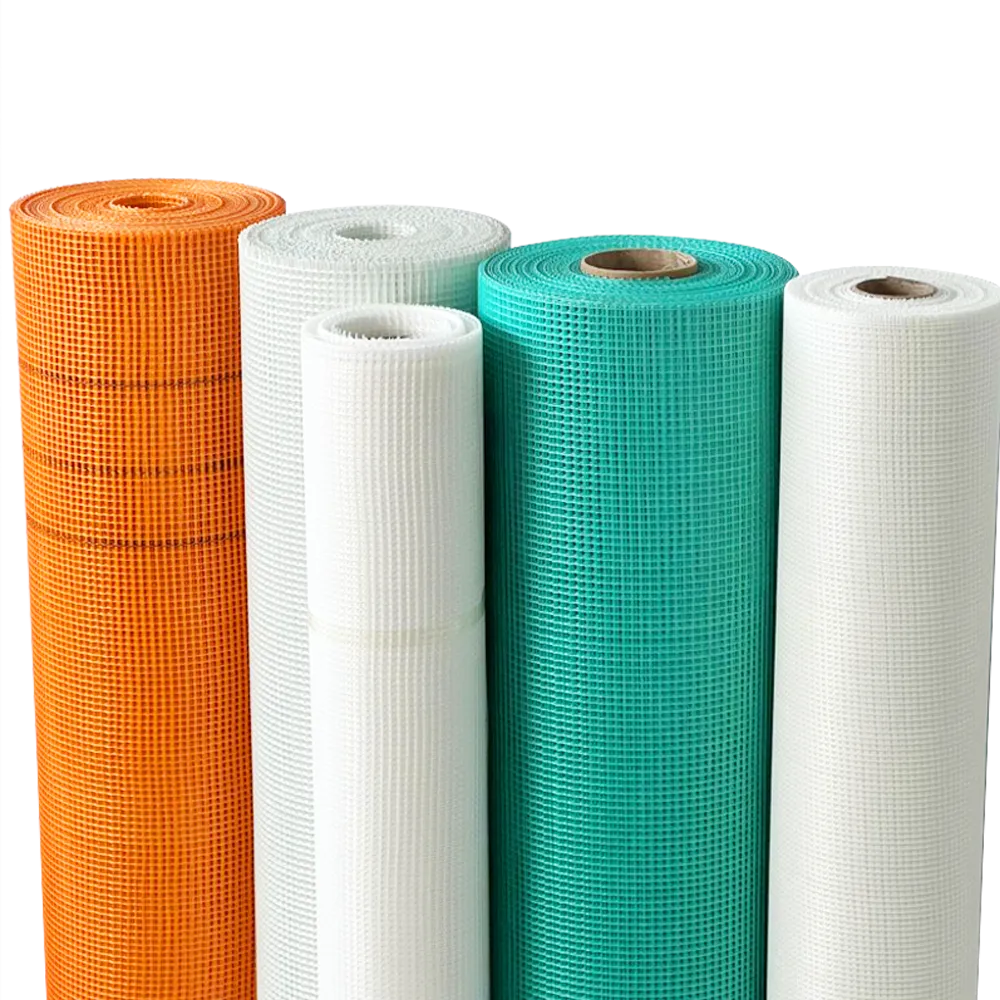
Detailed Manufacturing Process Flow of Adhesive Fiberglass Mesh
The production of buy adhesive fiberglass mesh involves a sophisticated, multi-stage process designed to imbue the final product with its characteristic strength, alkali resistance, and adhesive properties. This ensures its suitability for demanding construction environments.
Process Steps:
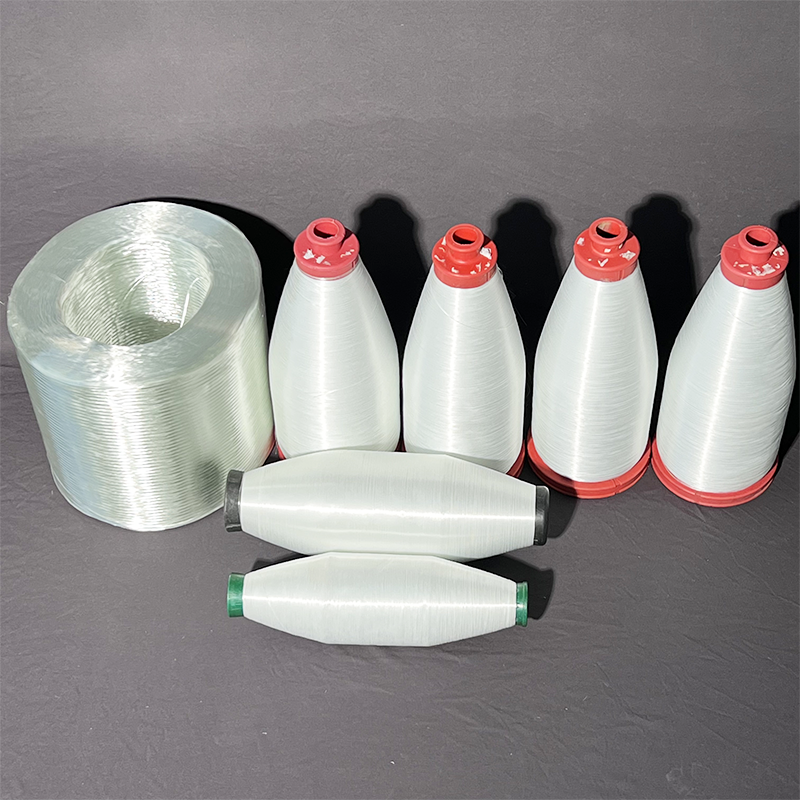
- Raw Material Sourcing (E-Glass Fibers): The primary material is E-glass (electrical glass) fiber roving, known for its high tensile strength and chemical stability. For alkali-resistant variants, Zirconia-enriched E-glass is often used to withstand the alkaline environment of cement and concrete. These fibers are typically supplied in spools.
- Weaving Process: The E-glass rovings are fed into specialized weaving looms (e.g., Rapier looms or air-jet looms) to create a mesh fabric. The warp (longitudinal) and weft (transverse) yarns are interwoven to form a stable grid structure. The mesh size (e.g., 5x5mm, 4x4mm) is determined at this stage, dictating the density and reinforcement capacity of the final product.
- Alkali-Resistant Coating (Sizing): The woven mesh undergoes an impregnation process where it is coated with an alkali-resistant polymer dispersion (e.g., acrylic copolymer emulsions, styrene-butadiene rubber (SBR) latex, or specialized PVC dispersions). This crucial step protects the glass fibers from the highly alkaline environment found in cementitious mortars and plasters, preventing degradation and ensuring long-term performance.
- Drying and Curing: After coating, the mesh passes through a drying oven to evaporate water from the polymer dispersion. Subsequently, it enters a curing zone where the polymer cross-links, forming a durable, flexible, and alkali-resistant coating that firmly bonds to the glass fibers. Precise temperature and time control are critical here.
- Adhesive Application: For self-adhesive variants (e.g., buy self adhesive fiberglass tape), a pressure-sensitive adhesive (PSA) layer is applied to one side of the cured mesh. This adhesive is typically a synthetic rubber or acrylic-based formulation, chosen for its strong tack, long-term adhesion, and resistance to environmental factors. A release liner is then applied over the adhesive to protect it until application.
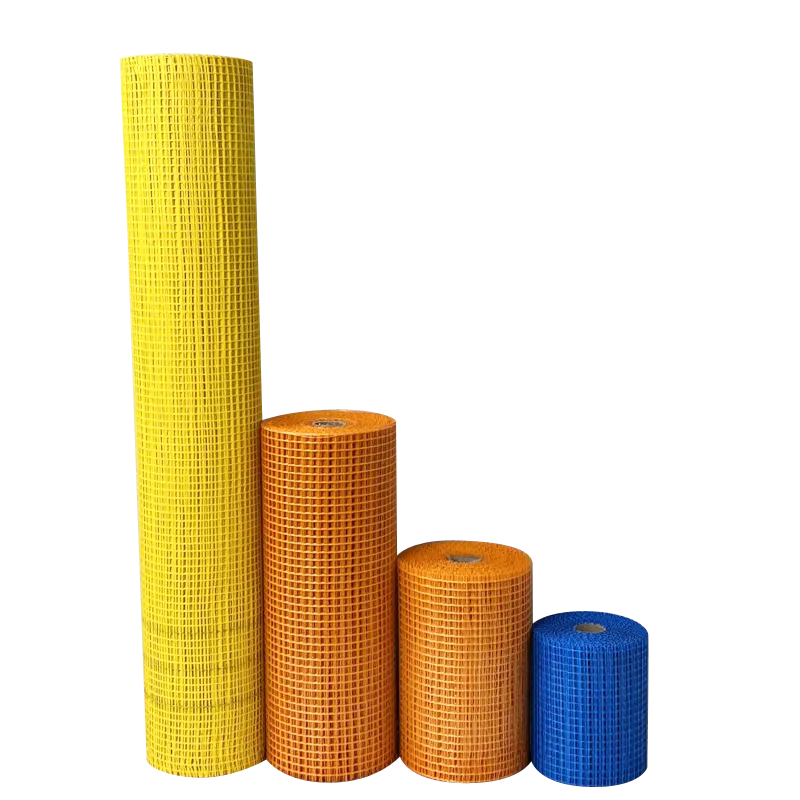
- Slitting and Winding: The wide rolls of coated and adhesive-backed mesh are then transported to slitting machines. Here, the material is precisely cut into narrower rolls of specified widths (e.g., 50mm, 100mm, 1m) and lengths (e.g., 20m, 50m, 100m), creating the final product formats ready for packaging.
-
Quality Control and Testing: Throughout the entire process, stringent quality control measures are implemented. This includes testing of raw materials, monitoring of weaving parameters, and post-coating checks for:
- Mesh count and aperture size.
- Tensile strength (both initial and after alkali immersion, per ISO 1349, ETAG 004).
- Weight per square meter.
- Alkali resistance (adherence to standards like ASTM C1622).
- Adhesive peel strength and tackiness (for self-adhesive variants).
- Flammability (if required by specific standards).
- Packaging: Finished rolls are labeled, wrapped, and packaged, often in moisture-resistant materials, ready for distribution.
Service Life & Target Industries: The service life of high-quality buy adhesive fiberglass mesh, when correctly installed and conforming to standards like ISO 9001, can exceed 50 years within typical building envelopes. Target industries include construction (residential, commercial, industrial), petrochemical, metallurgy (for heat-resistant applications), and water supply & drainage for repair and reinforcement. Its advantages in these scenarios include energy saving through improved insulation system integrity, superior corrosion resistance, and reduced maintenance cycles due to enhanced material durability.
Technical Specifications and Parameters
The performance of buy adhesive fiberglass mesh is defined by a series of critical technical parameters that dictate its suitability for specific applications. Understanding these specifications is essential for engineers and project managers to select the correct product for optimal structural integrity and longevity.
Typical Product Specifications: Alkali Resistant Reinforced Wall Construction Fiberglass Plaster Mesh
| Parameter | Specification Range | Testing Standard |
|---|---|---|
| Material | Alkali-resistant C-glass or E-glass fiber | ASTM D578, EN 15423 |
| Mesh Size (Aperture) | 4x4mm, 5x5mm, 10x10mm (customizable) | ISO 4602 |
| Weight per Square Meter | 70-160 g/m² (grammage) | ISO 3801 |
| Tensile Strength (Warp) | ≥ 1500 N/50mm (initial) | ISO 1349-1, ETAG 004 |
| Tensile Strength (Weft) | ≥ 1200 N/50mm (initial) | ISO 1349-1, ETAG 004 |
| Tensile Strength Retention (after alkali immersion) | ≥ 50% (initial strength after 28 days) | ASTM C1622 |
| Coating Type | Acrylic copolymer dispersion | Internal Testing |
| Adhesive Type | Pressure-Sensitive Acrylic (for self-adhesive variants) | ASTM D3330 |
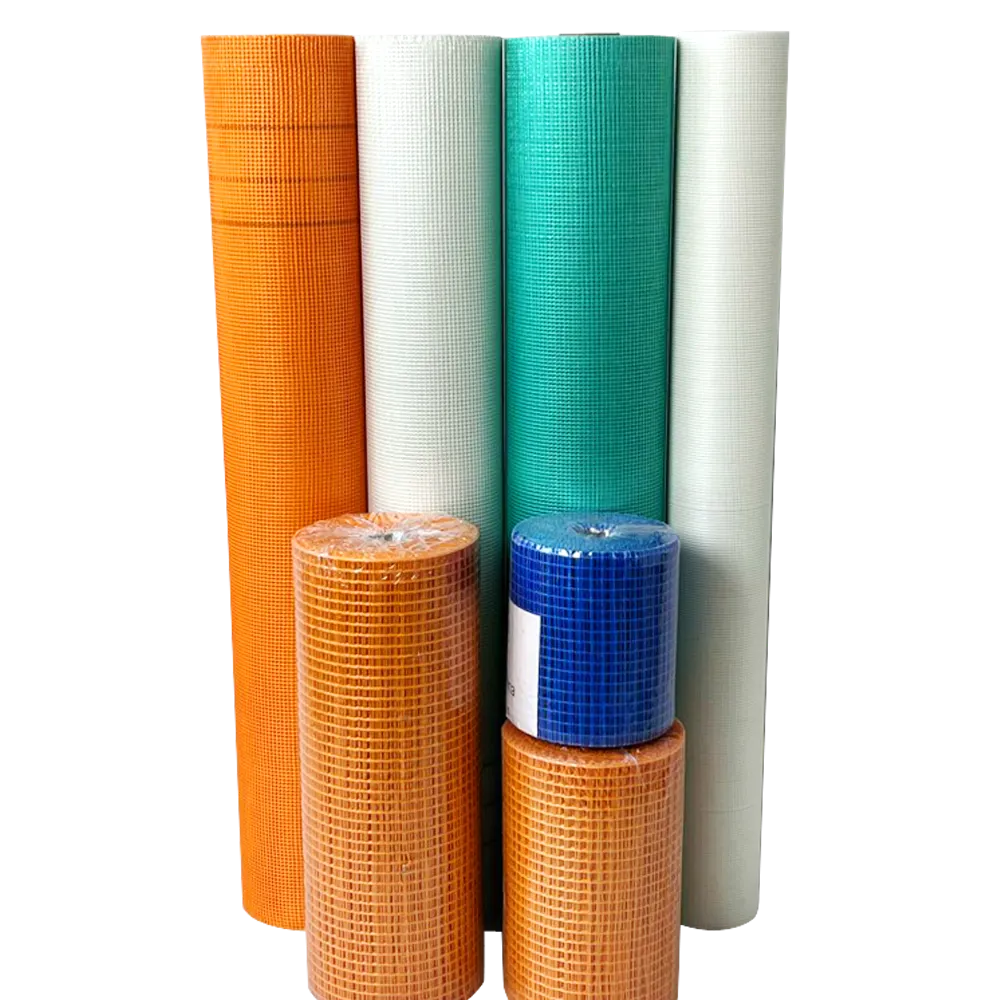
| Roll Widths Available | 50mm, 100mm, 200mm, 1000mm, 1200mm | N/A |
| Roll Lengths Available | 20m, 45m, 50m, 100m, 200m | N/A |
These parameters are critical for specifying the appropriate buy high strength fiberglass mesh for various applications, ensuring compliance with local building codes and performance requirements.
Application Scenarios and Technical Advantages
The versatility of buy adhesive fiberglass mesh makes it indispensable across a broad spectrum of construction and renovation projects, delivering distinct technical advantages that enhance structural integrity and longevity.
Key Application Areas:
- Drywall and Interior Plastering: Self-adhesive fiberglass tape for drywall is widely used to reinforce joints and repair cracks in plasterboard, preventing future cracking due to movement. Its ease of application eliminates the need for pre-bedding in joint compound, saving time and labor.
- Exterior Insulation and Finish Systems (EIFS): In EIFS, fiberglass mesh provides crucial reinforcement for the base coat, protecting the insulation from impact damage and preventing crack propagation due to thermal stress and structural movement. Specific EIFS mesh grades (often 160 g/m² or higher) ensure robust performance.
- Stucco and Cement Render Reinforcement: Alkali-resistant fiberglass mesh is embedded in stucco and cement renders to prevent shrinkage cracks and increase impact resistance, particularly important in areas prone to weather extremes or seismic activity.
- Waterproofing Membranes (e.g., RedGard): When you buy fiberglass mesh tape for RedGard or similar liquid waterproofing membranes, it significantly enhances the membrane's tensile strength and crack-bridging capabilities, especially over seams, corners, and changes in plane in wet areas like bathrooms and kitchens.
- Floor Screeds and Self-Leveling Compounds: Embedding mesh in floor screeds or self-leveling compounds minimizes the risk of cracking, particularly over underfloor heating systems or on substrates with varied absorption rates.
- Repair of Cracks and Surfaces: Smaller rolls of buy fiberglass sticky mesh are ideal for localized crack repair on walls, ceilings, and facades before plastering or painting, providing a durable patch that resists re-cracking.
Technical Advantages:
- Superior Tensile Strength: The woven glass fiber structure provides exceptional tensile strength, effectively resisting forces that cause cracking.
- Alkali Resistance: Specialized coatings protect the glass fibers from the alkaline environment of cementitious materials, ensuring long-term performance without degradation.
- Dimensional Stability: Fiberglass mesh exhibits excellent dimensional stability, meaning it does not stretch or shrink significantly with temperature fluctuations, thus maintaining the integrity of the reinforced layer.
- Impact Resistance: It significantly improves the impact resistance of plastered or rendered surfaces, reducing damage from accidental blows.
- Ease of Application: Self-adhesive variants simplify installation, reducing labor time and the need for additional fastening methods. They conform easily to irregular surfaces.
- Corrosion Resistance: Unlike metal reinforcements, fiberglass is impervious to corrosion, making it ideal for wet or chemically aggressive environments.
- Cost-Effectiveness: While an initial investment, its long-term benefits in crack prevention and reduced maintenance costs offer significant overall savings.
Vendor Comparison: Evaluating Leading Fiberglass Mesh Products
When looking to buy adhesive fiberglass tape, a thorough vendor comparison is crucial for B2B decision-makers. Key factors extend beyond price, encompassing quality, adherence to international standards, product range, and after-sales support. Below is a comparative overview, contrasting premium offerings with standard market alternatives.
Fiberglass Mesh Product Comparison Table
| Feature/Product Type | Tainuo Fiberglass Mesh (Premium Alkali-Resistant) | Standard Market Mesh (e.g., generic lowes fiberglass mesh tape) | USG Fiberglass Mesh Tape (Specialized, branded) |
|---|---|---|---|
| Primary Material | High-quality Zirconia-enriched E-glass | Standard E-glass | Specialized E-glass |
| Alkali Resistance Coating | Advanced Acrylic Copolymer (ETAG 004 compliant) | Basic PVC/SBR dispersion | Proprietary acrylic, strong bond |
| Tensile Strength Retention (28d Alkali) | > 50% | ~ 30-40% | > 45% |
| Adhesive Performance | High tack, long-term adhesion, temperature stable | Moderate tack, can lose adhesion over time | Reliable, good instant tack |
| Certifications | ISO 9001, CE, ETAG 004 | Basic factory certifications (if any) | ASTM, relevant building codes |
| Durability & Service Life | Excellent, >50 years in optimal conditions | Fair, 15-25 years typical | Very Good, 30-40 years |
| Customization Options | High (mesh size, weight, width, coating) | Limited (standard sizes only) | Moderate (specific branded sizes) |
While options like buy lowes fiberglass mesh tape or other generic brands might offer a lower initial cost, the long-term performance, durability, and reliability often justify investing in a higher-grade product. Brands like Tainuo, with extensive experience and adherence to rigorous standards, provide superior tensile strength retention and alkali resistance, critical factors for projects demanding longevity and minimal maintenance.
Customized Solutions and Application Case Studies
The diverse requirements of the construction industry often necessitate tailored solutions for reinforcement materials. Recognizing this, leading manufacturers of buy adhesive fiberglass mesh offer extensive customization options to meet specific project needs, from specialized mesh sizes and weights to unique coating formulations.
Customization Capabilities:
- Mesh Aperture and Grammage: Tailoring the opening size (e.g., 3x3mm for fine plaster, 10x10mm for heavy-duty reinforcement) and the weight per square meter (from 45 g/m² for internal light use to 300 g/m² for structural applications).
- Roll Dimensions: Custom widths and lengths to minimize waste and optimize application for large-scale projects or specialized details.
- Coating Formulations: Development of specific alkali-resistant coatings for extreme pH environments, enhanced UV stability for exterior applications, or improved fire retardancy.
- Adhesive Properties: Adjusting tack levels, peel strength, and temperature resistance of the adhesive layer for specific installation conditions or substrate types.
Application Case Studies:
Case Study 1: High-Rise Residential Complex, Dubai
Challenge: Reinforce exterior plastering against extreme temperatures, wind loads, and potential seismic activity to prevent cracking and ensure façade longevity. Standard mesh proved insufficient for the harsh desert climate.
Solution: A customized, 160 g/m² buy high strength fiberglass mesh with enhanced UV and alkali-resistant coating was developed. Its increased tensile strength and superior coating ensured optimal performance against environmental stressors.
Outcome: After five years, the façade shows no signs of significant cracking or degradation, significantly outperforming similar structures using standard mesh. The client reported reduced maintenance costs and high occupant satisfaction.
Case Study 2: Historic Building Restoration, Europe
Challenge: Restore damaged interior plaster walls in a protected heritage site, requiring a reinforcement solution that was thin, flexible, and offered long-term crack prevention without impacting the delicate historic substrates.
Solution: A lightweight (70 g/m²) buy plaster fiberglass mesh with a fine 4x4mm aperture and a specialized, low-tack self-adhesive backing was specified. This allowed for precise application and easy integration into thin plaster layers, minimizing intervention.
Outcome: The restoration project successfully preserved the aesthetic integrity while providing robust, invisible reinforcement. The self-adhesive feature greatly reduced installation time and the need for messy bonding agents, which was critical in a sensitive restoration environment.
Trustworthiness: FAQ, Lead Time, Warranty, and Support
At Tainuo, we understand that trust is built on transparency, reliability, and robust support. When you opt to buy adhesive fiberglass mesh from us, you gain a partner committed to excellence from order to application.
Frequently Asked Questions (FAQ):
-
Q: Is your fiberglass mesh truly alkali-resistant?
A: Yes, our mesh is specifically formulated with high-quality Zirconia-enriched E-glass fibers and coated with a premium acrylic copolymer dispersion, ensuring superior alkali resistance in cementitious environments. We provide test data conforming to ASTM C1622 and ETAG 004 standards. -
Q: Can I use this for both interior and exterior applications?
A: Absolutely. Our products are designed for versatility. The alkali-resistant coating and UV stability make them ideal for exterior EIFS, stucco, and render, while their flexibility and strength are perfect for interior drywall and plastering. -
Q: How does the self-adhesive feature perform in varying temperatures?
A: Our self-adhesive fiberglass tape uses a high-performance acrylic pressure-sensitive adhesive that maintains excellent tack and peel strength across a wide operational temperature range, typically from -10°C to +60°C, ensuring reliable application in diverse climates. -
Q: What makes your product superior to a standard fiberglass mesh tape for drywall?
A: Our mesh boasts higher initial tensile strength, significantly better tensile strength retention after alkali exposure, and a more durable, consistent adhesive layer. This translates to longer-lasting repairs, fewer callbacks, and overall superior structural integrity compared to generic alternatives.
Lead Time and Fulfillment:
We maintain efficient production lines and robust supply chain management to ensure timely delivery.
- Standard Orders: Typically 7-14 business days from order confirmation for in-stock items.
- Customized Orders: Depending on complexity and volume, lead times range from 14-28 business days.
- Expedited Shipping: Available upon request, subject to additional charges. Please contact our sales team for options.
Warranty Commitments:
Tainuo provides a comprehensive product warranty, ensuring that our buy adhesive fiberglass mesh is free from manufacturing defects and performs as specified for its intended application. Our standard warranty covers products for a period of 5 years from the date of purchase, contingent on proper storage, handling, and application according to our technical datasheets and industry best practices. Specific project warranties for large-scale applications can be discussed and tailored.
Customer Support Information:
Our dedicated customer support team is available to assist with technical queries, order placement, and after-sales support.
- Technical Support: Our engineers provide expert guidance on product selection, application methods, and problem-solving.
- Sales Inquiries: Reach out for quotes, product information, and order tracking.
- Contact Methods:
- Email: sales@tainuofiberglassmesh.com
- Phone: +86-538-888-XXX (Placeholder)
- Website: www.tainuofiberglassmesh.com/contact
We are committed to building long-term partnerships through reliable products and exceptional service, making us the trusted choice when you need to buy adhesive fiberglass mesh.
References
- European Organisation for Technical Approvals (EOTA). (2013). ETAG 004: Guideline for European Technical Approval of External Thermal Insulation Composite Systems (ETICS) with Rendering.
- ASTM International. (2010). C1622/C1622M-10: Standard Specification for Cold-Applied, Self-Adhering, Modified Bituminous Waterproofing Membrane on Concrete.
- ISO (International Organization for Standardization). (2018). ISO 1349: Textiles — Glass fibre reinforced plastics — Determination of flexural properties.
- International Building Code (IBC) - Chapter 25: Gypsum Board and Plaster. (Latest Edition).
-
Best Fiberglass Mesh Tape for RedGard Product Waterproofing GuideNewsApr.16,2026
-
Why High Strength Fiberglass Mesh Is Essential For Stucco ApplicationNewsApr.15,2026
-
Why Alkali Resistant Fiberglass Mesh Tape Is Essential For Cement Board And Tile InstallationsNewsApr.15,2026
-
Understanding The Role Of Drywall Fiberglass Mesh In Interior FinishingNewsApr.15,2026
-
Ultimate Guide To Using Fiberglass Mesh Tape For Drywall And Plaster RepairsNewsApr.15,2026
-
The Versatility Of Fiberglass Mesh In Marble And Stone MosaicNewsApr.15,2026