Sep . 14, 2025 08:20 Back to list
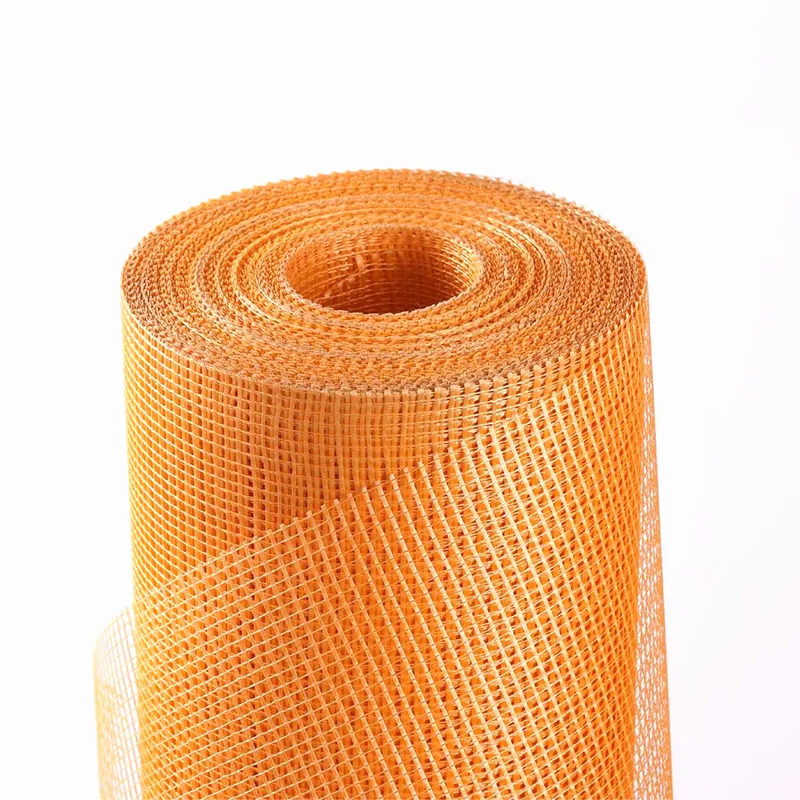
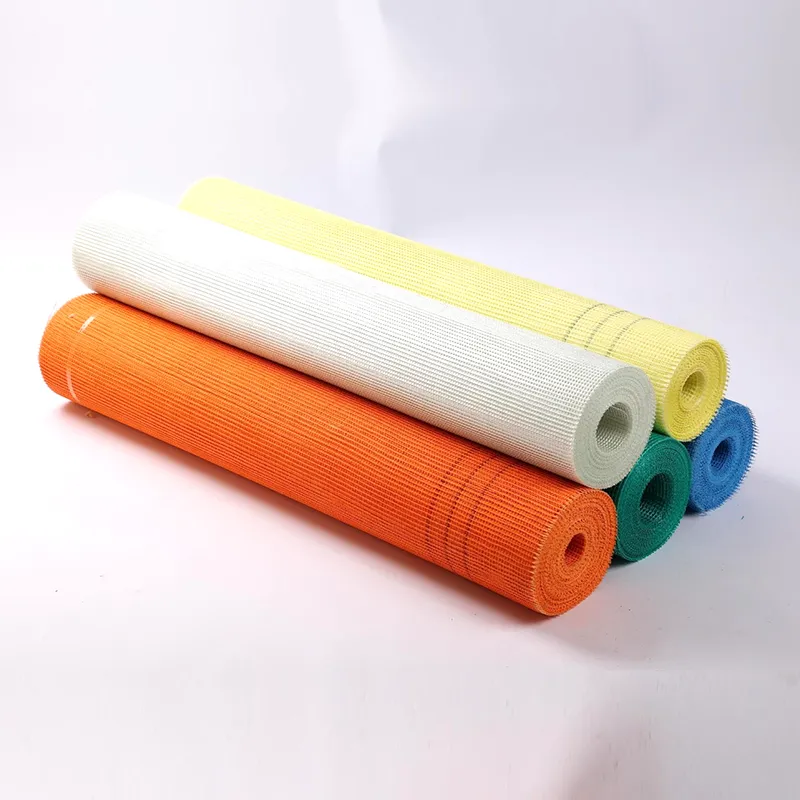
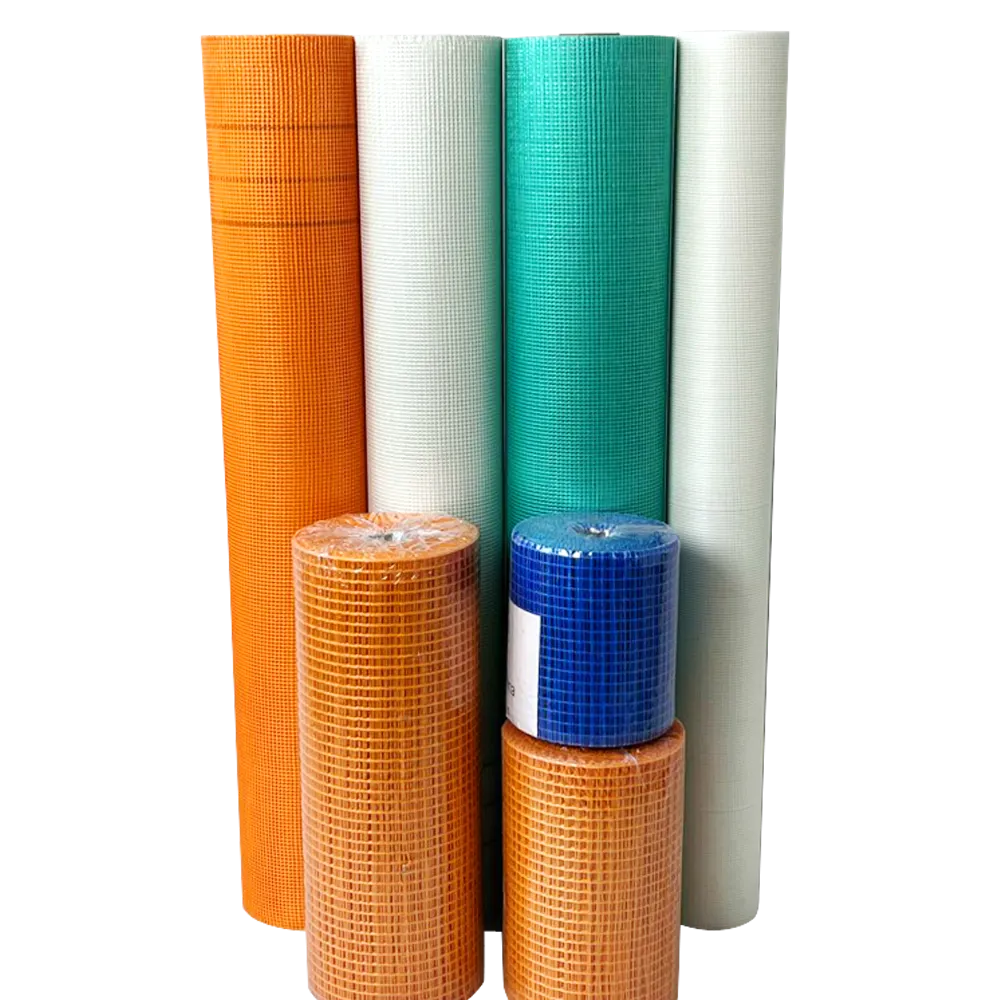
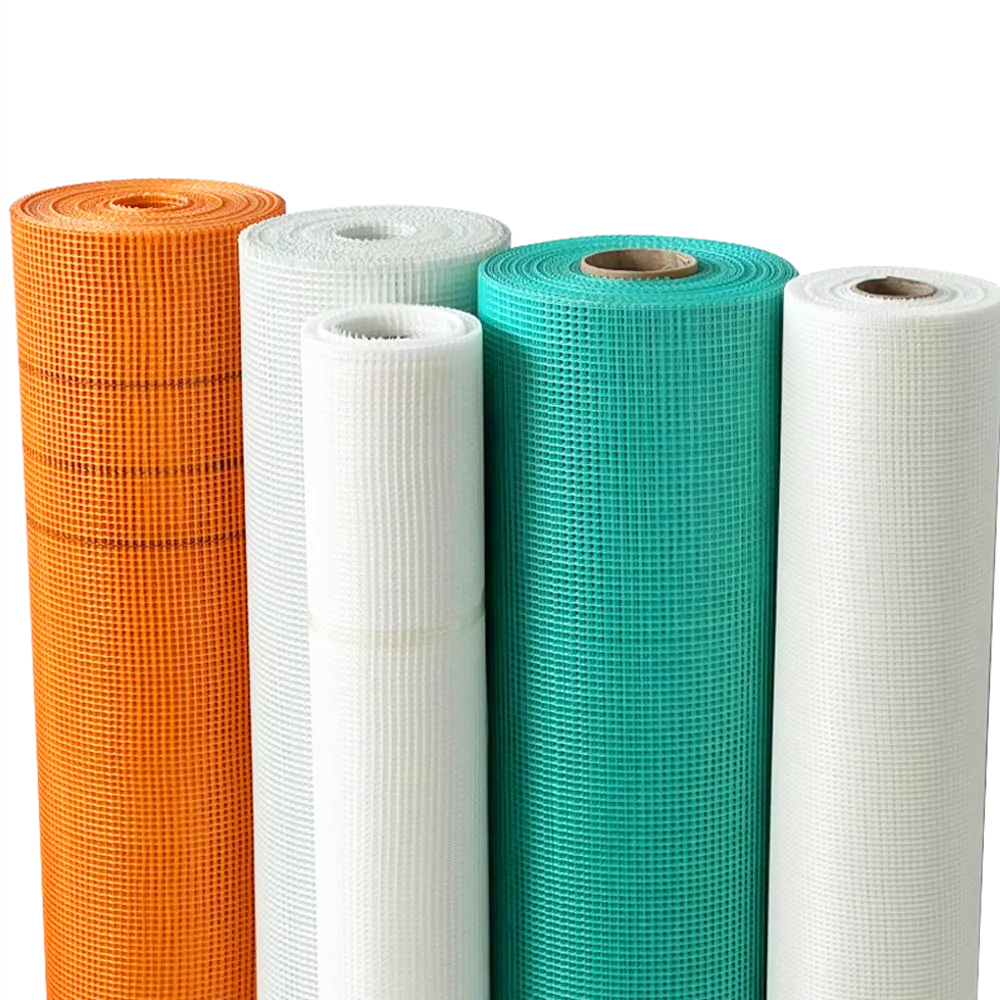
Buy Concrete Fiberglass Mesh for Superior Reinforcement
Industry Trends in Concrete Reinforcement
The global construction sector is witnessing a paradigm shift towards advanced materials that offer superior structural performance, enhanced durability, and improved sustainability. A key trend driving this evolution is the increasing adoption of composite reinforcement solutions, particularly fiberglass mesh. Traditional steel reinforcement, while effective, often presents limitations such as susceptibility to corrosion, considerable weight, and complex handling requirements. This has spurred innovation, positioning lightweight, non-corrosive alternatives at the forefront of modern construction. As the imperative for resilient infrastructure and sustainable building practices intensifies globally, the market for high-performance composite materials is experiencing robust growth. Industry professionals are actively seeking to buy concrete fiberglass mesh to capitalize on its inherent advantages in crack prevention, structural integrity enhancement, and extended service life, especially in aggressive environmental conditions. Market analysis projects the composite reinforcements market in construction to exceed $15 billion by 2028, fueled by significant infrastructure development and continuous advancements in material science.
Key market accelerators include rapid urbanization, substantial global investments in civil and commercial infrastructure projects, and the critical need to minimize long-term maintenance expenditures for existing and new structures. Furthermore, the growing emphasis on green building certifications and reducing carbon footprints mandates the use of materials that demonstrate greater energy efficiency in production and application, along with environmental benefits throughout their lifecycle. This fundamental shift underscores a broader industry commitment to materials that not only adhere to stringent performance criteria but also contribute meaningfully to a more sustainable and economically viable construction ecosystem. The demand to buy concrete reinforcement fiberglass mesh is particularly pronounced in coastal regions, areas with high seismic activity, or industrial zones where material resistance to environmental stressors is paramount.
Detailed Manufacturing Process Flow
The production of premium-grade fiberglass mesh for concrete reinforcement is a sophisticated, multi-stage engineering process, meticulously designed to ensure the final product consistently meets and exceeds rigorous international performance and durability standards. This comprehensive flow emphasizes the selection of superior raw materials, precision manufacturing techniques, and stringent quality control protocols.
1. Raw Material Sourcing & Preparation
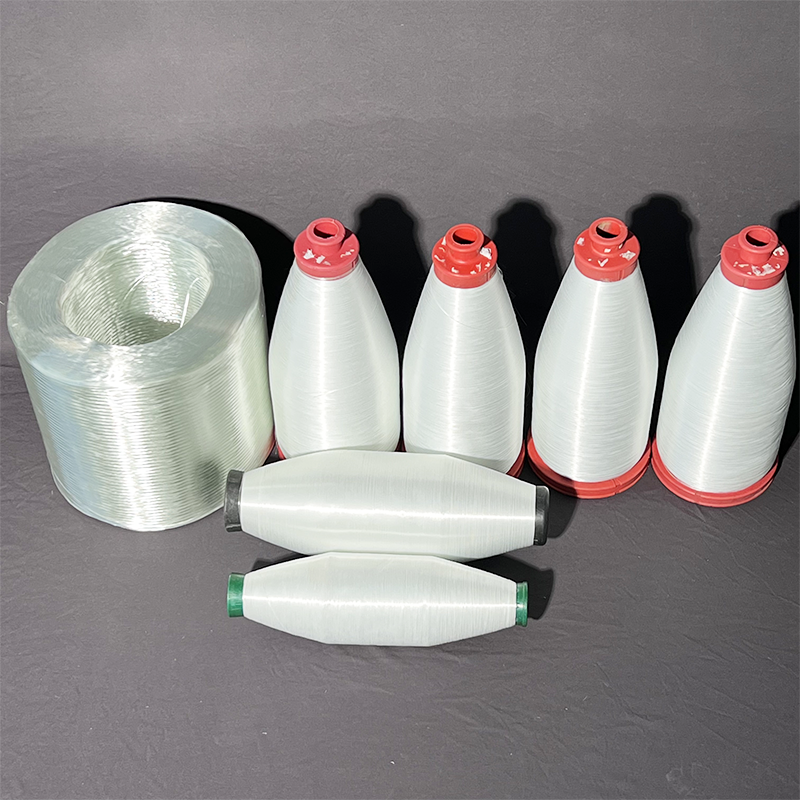
The cornerstone of a high-performance fiberglass mesh begins with the quality of its constituent fibers. We exclusively utilize high-grade Alkali-Resistant (AR) glass fibers. AR glass fibers are indispensable for concrete applications due to their exceptional resistance to the aggressive alkaline environment inherently present in cement. These specialized fibers, characterized by their consistent filament diameter, high tensile strength, and precise chemical composition (incorporating zirconium dioxide), are procured from certified global suppliers. The raw glass material is subjected to high-temperature melting, followed by precision drawing into ultra-fine filaments, which are then bundled into continuous rovings.
2. Precision Weaving Process
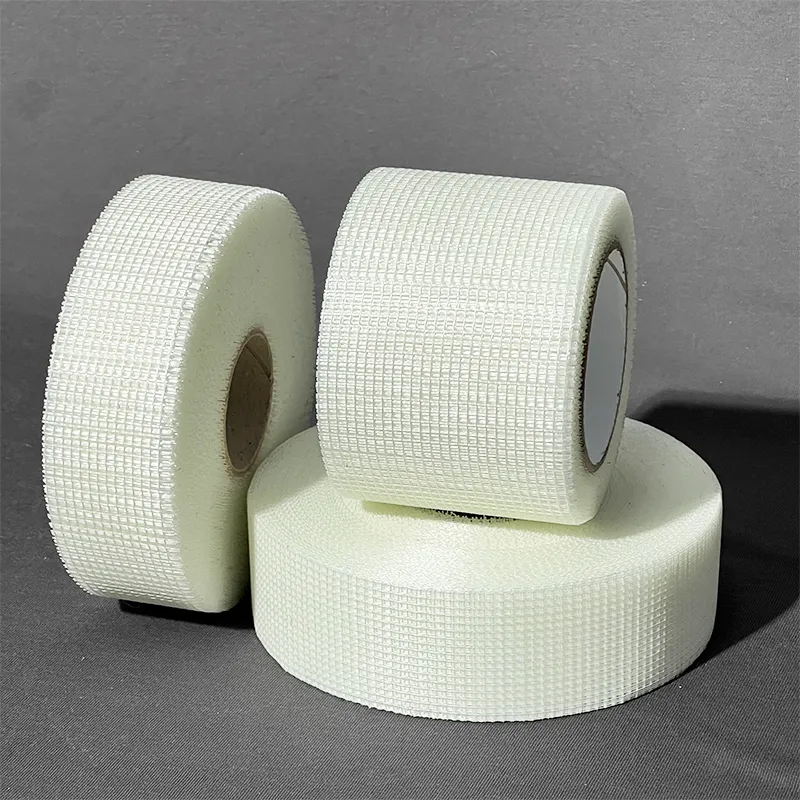
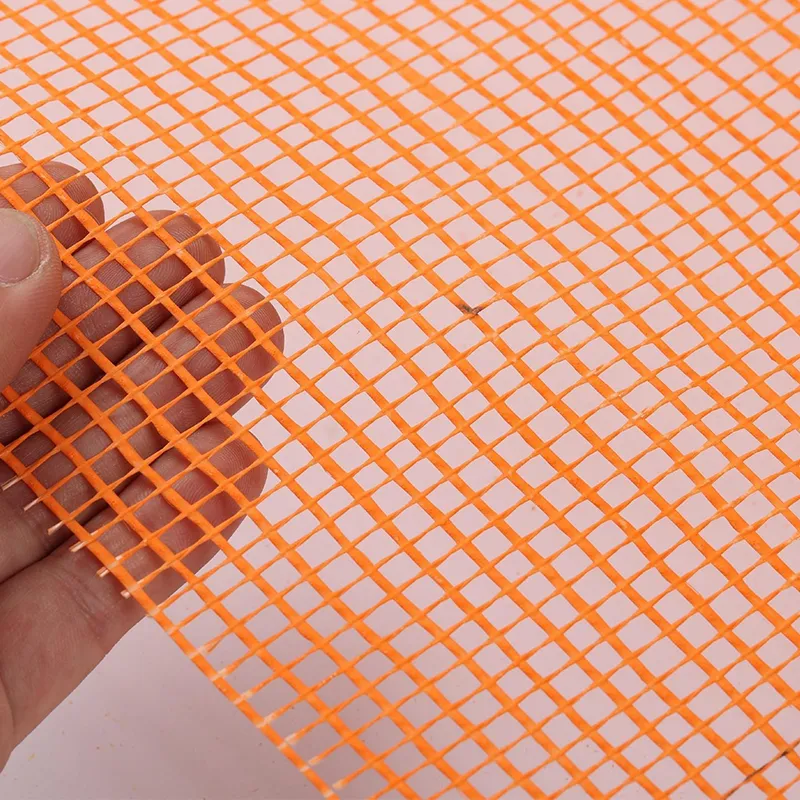
The prepared rovings are expertly fed into state-of-the-art weaving looms, typically employing a robust leno weave pattern. This particular weave configuration is critical as it produces a highly stable, non-fraying mesh structure where the warp and weft threads are firmly interlocked, ensuring superior dimensional stability and structural integrity. Precision-controlled weaving parameters ensure a uniform mesh aperture size (e.g., 4x4 mm for our 145g product), which is vital for achieving consistent stress distribution and crack control within the concrete matrix. The entire weaving operation is continuously monitored to guarantee the desired density and tensile strength characteristics of the mesh fabric.
3. Polymer Emulsion Coating Application
Subsequent to the weaving stage, the raw fiberglass mesh undergoes a critical polymer emulsion coating process. It is either thoroughly immersed in or precisely sprayed with a proprietary alkali-resistant polymer emulsion, typically an acrylic latex blend. This specialized coating performs several essential functions:
- Alkali Protection: It forms a protective barrier around the individual glass fibers, effectively shielding them from the corrosive effects of the high pH environment within fresh concrete, thereby preserving long-term tensile strength.
- Flexibility Enhancement: The coating imparts optimal flexibility, facilitating easier handling, cutting, and installation of the mesh without susceptibility to cracking or damage.
- Bonding Improvement: It significantly enhances the chemical and mechanical bond between the fiberglass mesh and cementitious materials, optimizing composite performance.
- Durability & Abrasion Resistance: The coating contributes to the overall durability of the mesh, improving its resistance to mechanical abrasion during handling and application.
The application parameters, including coating weight and uniformity, are meticulously controlled to ensure consistent and optimal performance characteristics.
4. Controlled Curing & Drying
After the coating application, the mesh is conveyed through a precisely controlled drying and curing oven. This stage is vital for solidifying the polymer coating, facilitating the cross-linking of polymer chains to achieve maximum alkali resistance, optimal mechanical properties, and long-term stability. Temperature profiles and dwell times within the oven are meticulously calibrated to prevent any thermal degradation of the glass fibers and ensure complete, uniform curing of the polymer.
5. Precision Slitting & Rolling
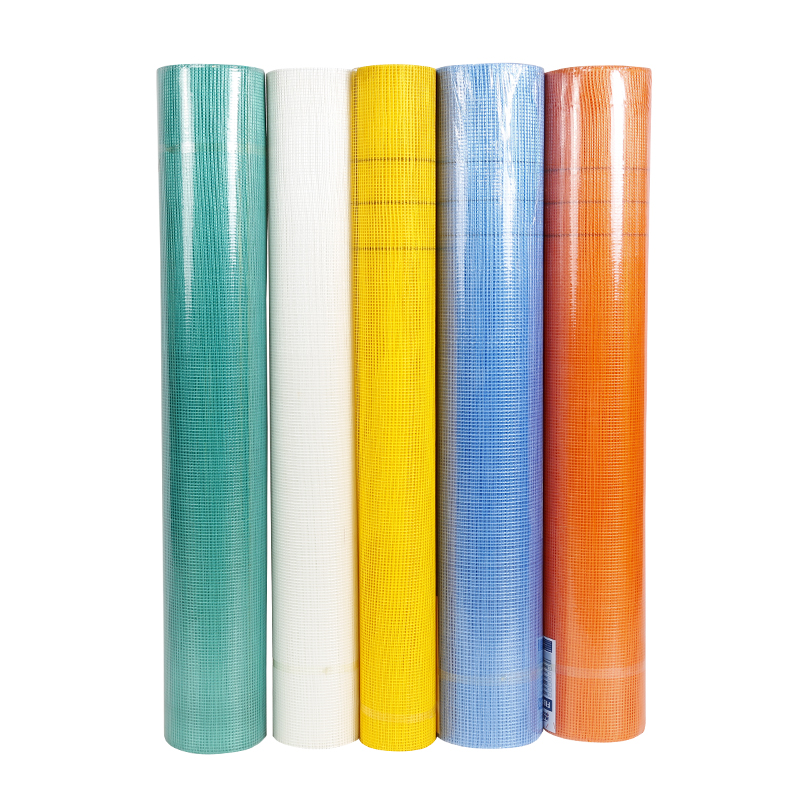
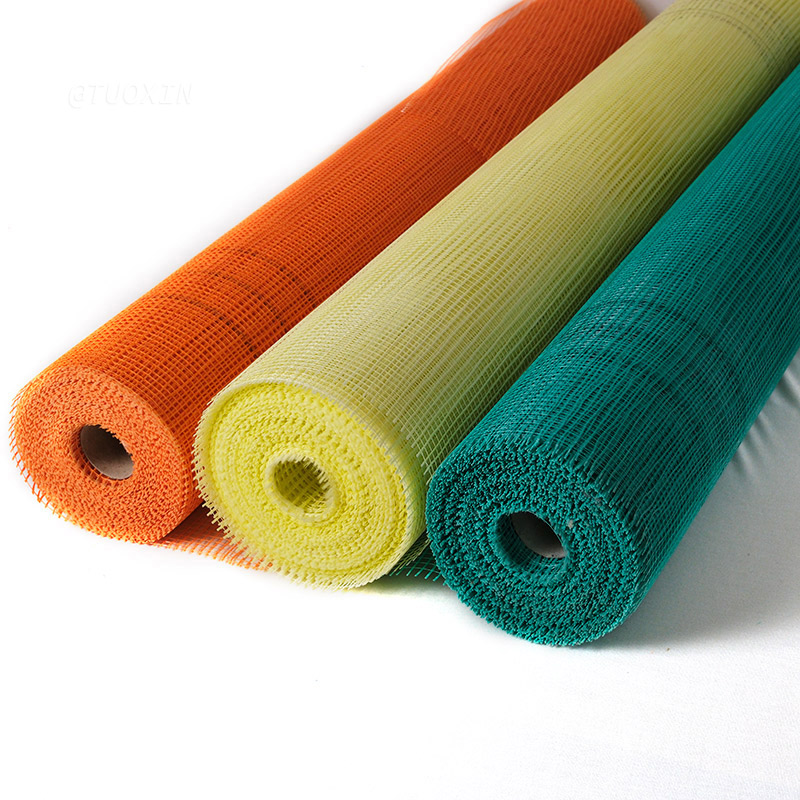
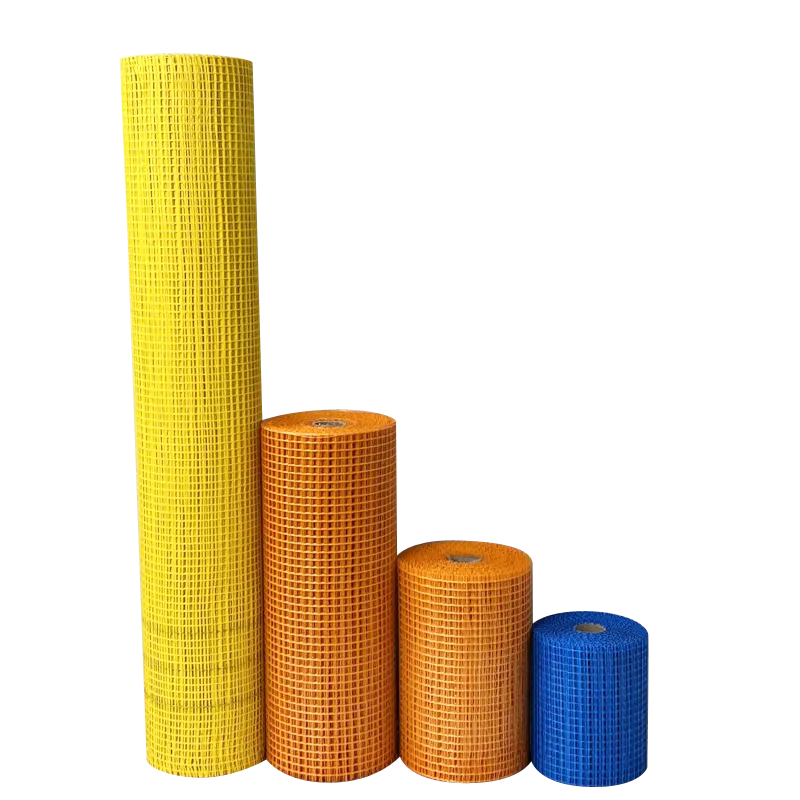
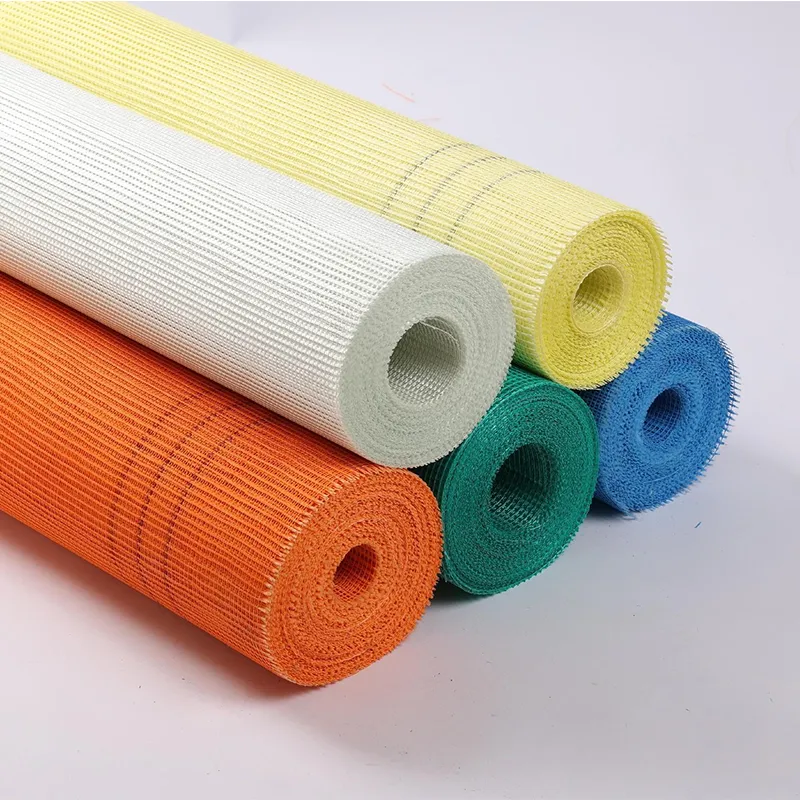
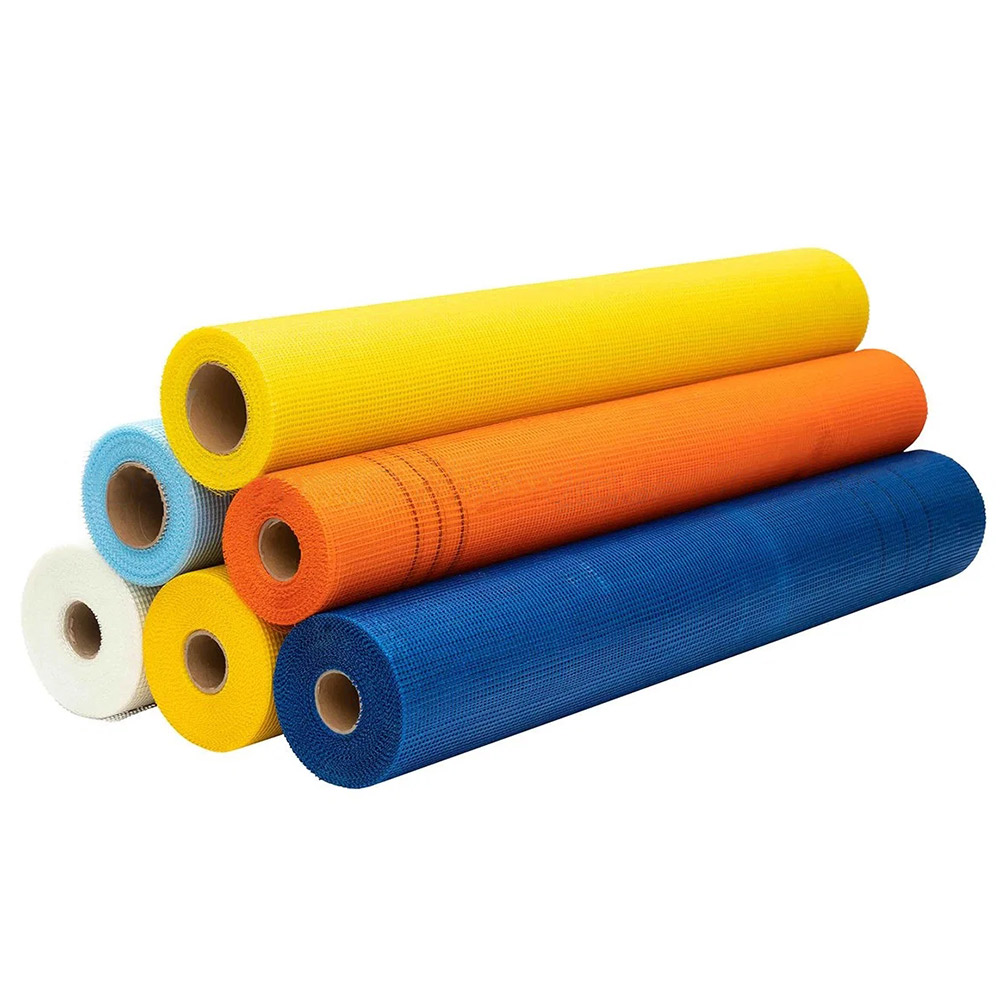
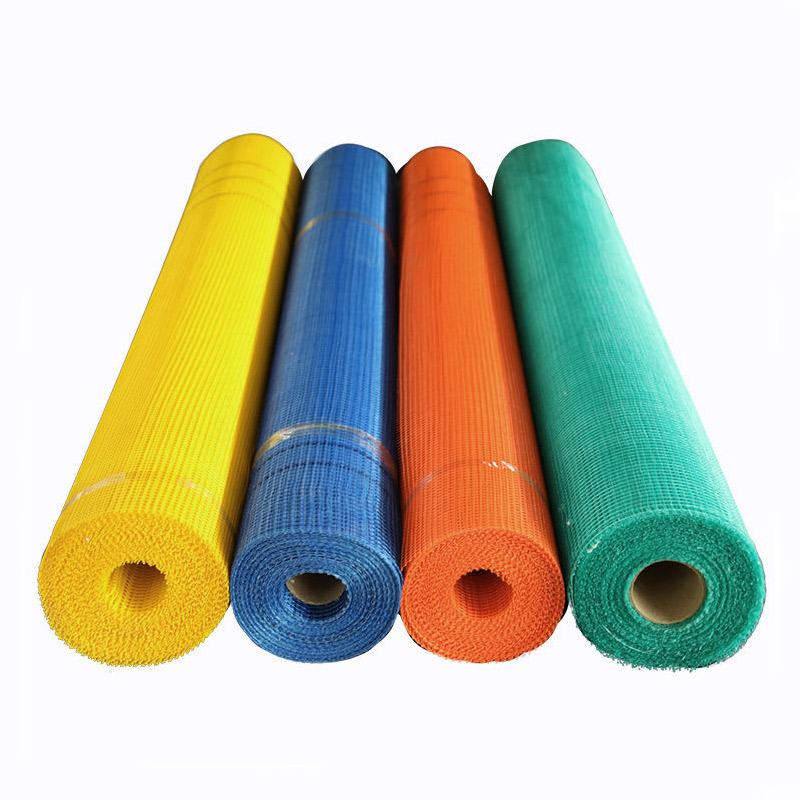
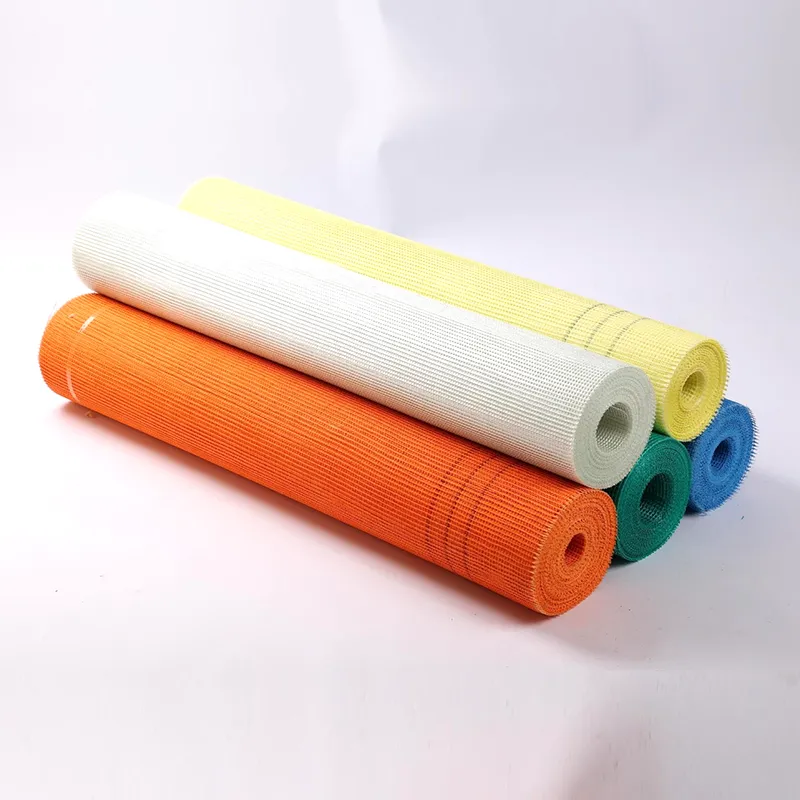
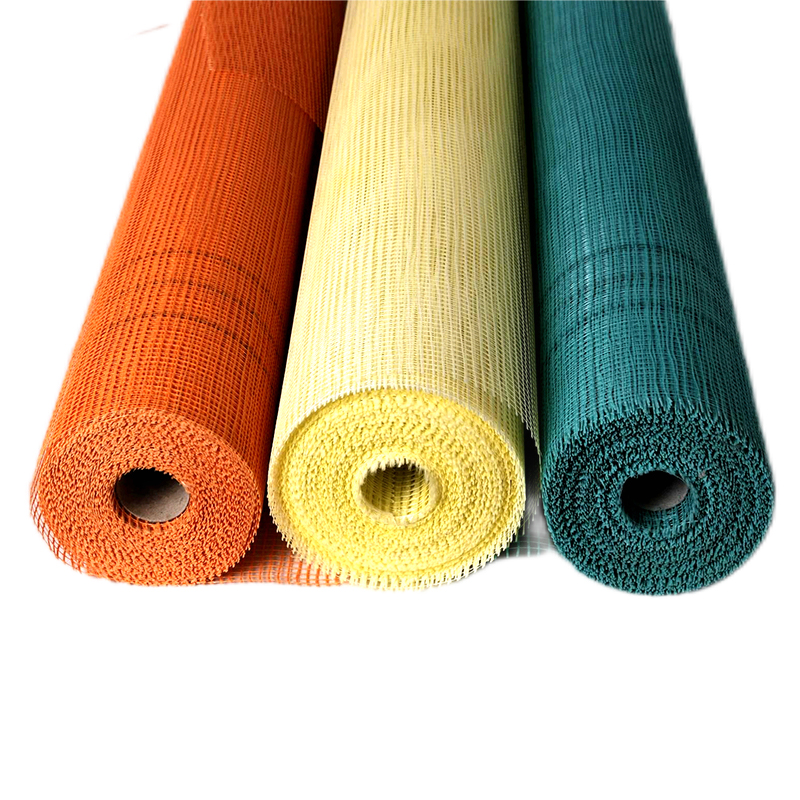
Once fully cured, the wide rolls of fiberglass mesh are precision-slit using automated machinery into specified widths (e.g., 1.0 meter standard). These narrower rolls are then expertly wound onto sturdy cores to form the final product rolls in standard lengths (e.g., 50-meter or 100-meter). Advanced automation systems ensure the highest accuracy in dimensions and consistent roll tension, guaranteeing ease of use on site.
6. Rigorous Quality Control & Testing Standards
Throughout every phase of the manufacturing process, from raw material inspection to final product packaging, stringent quality control measures are implemented. Samples from each production batch undergo comprehensive laboratory testing to ensure compliance with leading international standards, including ISO 9001 (Quality Management System), ASTM D578 (Standard Specification for Glass Fiber Strands), and EN 13496 (External Thermal Insulation Composite Systems). Critical performance tests include:
- Tensile Strength: Measured both before and critically, after prolonged alkali aging (as per EN 13496).
- Mesh Aperture Uniformity: Precise measurement to confirm consistent grid spacing.
- Alkali Resistance: Quantitative assessment of strength retention after exposure to simulated concrete environments.
- Coating Content & Adhesion: Verification of correct polymer application and bonding efficiency.
- Dimensional Stability: Evaluation of resistance to stretching or shrinking under various conditions.
Our 4x4 145g fiberglass mesh roll for Turkey, for instance, is meticulously designed and tested to meet the demanding requirements of the Turkish construction market, fully adhering to relevant national building codes and European standards. The robust manufacturing process ensures that when you choose to buy concrete fiberglass mesh from us, you are investing in a product engineered for unparalleled long-term performance and unwavering reliability.
Projected Service Life & Target Industries
When installed correctly and in accordance with manufacturer guidelines, our premium fiberglass mesh significantly enhances the service life of concrete and render systems by effectively mitigating cracking and improving overall structural durability. Products adhering to these stringent manufacturing and testing standards typically offer an estimated service life exceeding 50 years under standard environmental conditions.
Primary Target Industries and Typical Application Advantages:
- Building & Construction: Essential for External Thermal Insulation Composite Systems (ETICS/EIFS), plaster reinforcement, concrete floor screeds, and underfloor heating applications. Advantages include enhanced crack resistance and improved energy efficiency.
- Infrastructure Development: Utilized in bridge deck overlays, road pavement repairs, tunnel linings, and precast concrete elements. Offers superior corrosion resistance and extended structural lifespan.
- Water Management & Utilities: Employed in reservoir linings, drainage channels, and wastewater treatment plant structures. Critical for its non-corrosive properties in moisture-rich and chemically aggressive environments.
- Industrial & Commercial Flooring: Reinforces concrete floors in manufacturing plants, warehouses, and chemical processing facilities. Provides excellent resistance to heavy loads and chemical exposure, minimizing costly maintenance.
Technical Specifications and Parameters
For discerning engineers and procurement specialists, a precise understanding of technical specifications is fundamental to ensuring the selected fiberglass mesh is optimally suited for specific concrete reinforcement applications. Our products are meticulously engineered to deliver peak performance and reliability. Below are the definitive parameters for our flagship 4x4 145g fiberglass mesh roll, a versatile and high-performance solution for diverse construction projects.
Product Specification Table: 4x4 145g Fiberglass Mesh Roll
These meticulously defined specifications guarantee that our fiberglass mesh delivers exceptional crack resistance and robust structural stability across a diverse range of concrete and masonry applications. For projects with highly specific certification requirements or adjusted performance parameters, we strongly encourage consultation with our dedicated technical team. Our comprehensive testing procedures, strictly aligned with leading international standards such as ISO and EN, provide verifiable assurance of the reliability and enduring performance of every roll when you buy concrete fiberglass mesh from our extensive product line.
Application Scenarios and Case Studies
The remarkable versatility and superior intrinsic properties of fiberglass mesh position it as an indispensable material in an expansive array of modern construction and engineering applications. Its unparalleled capacity to augment concrete durability and effectively prevent the onset and propagation of cracking is a critical advantage in both innovative new construction endeavors and intricate renovation projects.
Typical Application Scenarios:
- External Thermal Insulation Composite Systems (ETICS/EIFS): Fiberglass mesh is a fundamental and non-negotiable component, strategically embedded within the base coat mortar layer. It provides essential impact resistance and effectively prevents cracking in the outer render layers of insulation systems, thereby ensuring the long-term integrity, aesthetic appeal, and energy-efficient performance of building façades.
- Wall and Ceiling Plaster Reinforcement: Extensively utilized to reinforce internal and external plaster, render, and stucco finishes, particularly in areas susceptible to differential movement, transitions between dissimilar substrate materials, or expansive surface areas. This application dramatically minimizes hairline cracks and significantly enhances the longevity of the finished surface.
- Floor Screeds and Underfloor Heating Systems: The strategic embedding of fiberglass mesh within floor screeds substantially improves their resistance to shrinkage-induced cracking and ensures a more uniform distribution of thermal stresses, which is absolutely critical for the enduring performance of underfloor heating systems. It presents a lightweight and efficient alternative when you buy concrete fiberglass mesh for slab projects.
- Concrete Slab Reinforcement (Non-Structural): For non-load-bearing concrete elements such as driveways, patios, walkways, and decorative concrete, fiberglass mesh delivers superior crack control, extending the service life of the pavement without the inherent weight and corrosion concerns associated with traditional steel reinforcement.
- Waterproofing Membrane Reinforcement: Seamlessly integrated into liquid-applied waterproofing systems for roofs, balconies, wet rooms, and foundations. It provides essential tensile strength and prevents the tearing or cracking of the membrane, particularly at critical junctions, corners, and areas of high stress concentration.
- Repair and Renovation Projects: An ideal material for stabilizing aged, cracked, or deteriorated plaster and masonry surfaces prior to the application of new finishes. It offers a highly durable and cost-effective solution for long-lasting repair work.
Application Case Study: High-Rise Residential Building Façade in Istanbul, Turkey
A prominent real estate developer in Istanbul embarked on the ambitious construction of a new 30-story luxury residential tower. Given Istanbul's well-documented seismic activity and the client's unwavering emphasis on long-term façade integrity, energy efficiency, and low maintenance, the selection of robust ETICS materials was a paramount consideration. The developer strategically opted to buy concrete fiberglass mesh specifically, our 4x4 145g alkali-resistant mesh, for the external insulation system.
- Challenge: To engineer an exterior insulation and render system capable of enduring severe thermal cycling, substantial wind loads, and minor structural movements inherent in high-rise construction, all while preventing cracking or delamination over several decades of service.
- Solution: An impressive volume of over 150,000 square meters of our 4x4 145g fiberglass mesh was expertly embedded within the base coat of the ETICS. Its superior tensile strength, combined with its certified alkali resistance, provided the crucial reinforcement necessary to effectively distribute stresses and absorb minor substrate movements, thereby safeguarding the entire façade system.
- Outcome: Two years subsequent to project completion, the building’s façade exhibits absolutely no signs of cracking, delamination, or degradation. Its original aesthetic appeal and designed thermal performance remain perfectly intact. The project manager lauded the product's consistent quality, verified technical specifications, and ease of installation as decisive factors contributing to their complete satisfaction.
Case Study: Industrial Floor Reinforcement in a Chemical Processing Plant
A major chemical manufacturing facility required the installation of a new concrete floor system designed to withstand exceptionally heavy point loads, frequent exposure to chemical spills, and significant temperature fluctuations. The use of traditional steel reinforcement was a serious concern due to its known susceptibility to corrosion when exposed to aggressive industrial chemicals.
- Challenge: To engineer and construct a highly durable, crack-resistant concrete floor system for a chemically active and thermally variable industrial environment, while simultaneously minimizing future maintenance requirements and ensuring long-term structural integrity.
- Solution: The facility's engineering team, after thorough analysis, definitively opted for a fiberglass mesh-reinforced concrete slab. Their decision to buy fiberglass mesh reinforced concrete was primarily driven by its unparalleled chemical inertness and inherent alkali resistance. A robust, heavier gauge mesh (e.g., 6x6 160g) was specifically chosen and strategically integrated into the top third of the concrete slab in critical operational zones.
- Outcome: The industrial floor has demonstrated exceptional performance over a period exceeding five years, exhibiting a significantly lower incidence of surface cracks and degradation compared to older, adjacent steel-reinforced sections installed in similar environments. The non-corrosive nature of the fiberglass mesh has entirely eliminated concerns regarding future spalling, delamination, and structural compromise typically associated with rust expansion.
Technical Advantages of Fiberglass Mesh Reinforcement
The strategic decision to buy concrete fiberglass mesh over conventional reinforcement materials is underpinned by a compelling array of technical advantages that collectively translate into superior performance, extended durability, and enhanced cost-efficiency across a diverse range of construction projects.
- Superior Alkali Resistance: Our high-grade AR (Alkali-Resistant) fiberglass mesh is specifically engineered with zirconium dioxide (ZrO2) to robustly withstand the highly aggressive alkaline environment inherent in cement and concrete. This critical property ensures the mesh retains its full tensile strength and structural integrity over multiple decades, unlike standard E-glass fibers which are prone to rapid degradation in such conditions.
- Exceptional Tensile Strength: Despite its remarkably lightweight nature, fiberglass mesh provides impressive tensile strength. It effectively distributes localized stresses, thereby significantly preventing the initiation and propagation of shrinkage, settlement, and thermal cracks within concrete, render, and plaster layers.
- Inherently Non-Corrosive: Unlike all forms of steel, fiberglass is completely immune to rust and galvanic corrosion. This eliminates critical concerns about corrosion-induced cracking, spalling, and unsightly staining of concrete surfaces, particularly vital in environments characterized by high humidity, exposure to chlorides, or aggressive chemical agents. This represents a substantial long-term maintenance and longevity advantage.
- Lightweight and Enhanced Handling: Fiberglass mesh is considerably lighter than conventional steel rebar or welded wire mesh. This translates directly into easier transportation, significantly faster installation times, and markedly reduced labor costs on site. It can be effortlessly cut with standard utility knives and conforms readily to irregular or curved surfaces without requiring specialized tools.
- Outstanding Dimensional Stability and Flexibility: The specialized leno weave pattern ensures exceptional dimensional stability, preventing stretching or distortion. Concurrently, the carefully formulated polymer coating imparts sufficient flexibility for easy handling and seamless integration into various construction systems without compromising its structural reinforcement capabilities.
- Optimal Thermal Insulation Compatibility: As an integral component within ETICS/EIFS, fiberglass mesh substantially enhances the mechanical durability and long-term performance of external insulation systems. This directly contributes to improved building energy efficiency, leading to significant reductions in heating and cooling operational costs over the building’s lifespan.
- Drastically Reduced Cracking and Improved Overall Durability: By acting as an effective stress-distributing and crack-bridging layer, the mesh dramatically reduces both the likelihood and the severity of cracks that commonly arise from drying shrinkage, thermal expansion/contraction cycles, and minor structural movements, thereby extending the functional service life of the concrete element by many years.
- Electrically Non-Conductive: Fiberglass is inherently an electrical insulator and non-magnetic. This characteristic makes it exceptionally suitable for specialized applications where electromagnetic interference must be stringently avoided, or where the presence of metallic corrosion poses severe operational or safety hazards.
These comprehensive and synergistic benefits clearly demonstrate why modern, forward-thinking construction projects are increasingly turning to fiberglass mesh for robust, reliable, and exceptionally long-lasting concrete reinforcement solutions.
Vendor Comparison and Selection Criteria
When the objective is to buy concrete fiberglass mesh, selecting the appropriate vendor is a decision of equivalent criticality to selecting the correct product specifications. A comprehensive and rigorous vendor comparison must extend beyond the initial unit cost to encompass crucial factors such as intrinsic product quality, manufacturing consistency, the availability of expert technical support, and robust logistical capabilities.
Key Factors for Exhaustive Vendor Evaluation:
- International Certifications: Verify adherence to critical international quality management systems such as ISO 9001 and product-specific performance standards (e.g., EN 13496 for ETICS mesh, ASTM C1625 for alkali resistance). These certifications are indicative of a commitment to consistent quality.
- Raw Material Quality: Inquire in detail about the precise type of glass fiber utilized (specifically AR-glass for concrete applications) and the chemical composition and proprietary nature of the polymer coating. Superior raw materials are directly correlated with long-term product performance.
- Manufacturing Consistency: A reputable and reliable vendor will be able to demonstrate consistently strict quality control protocols meticulously applied throughout their entire production process. This guarantees uniformity in mesh size, areal weight, and precise coating application across all production batches.
- Expert Technical Support & Expertise: Evaluate the availability and responsiveness of a highly knowledgeable technical team capable of providing expert guidance on product selection, optimizing application methodologies, and offering effective problem-solving assistance.
- Customization Capabilities: Assess the vendor's ability to offer bespoke mesh sizes, specific areal weights, customized roll widths, and varying lengths to precisely align with unique project specifications and logistical requirements.
- Efficient Lead Time & Logistics: Scrutinize the vendor's capacity for efficient order processing, dependable production scheduling, and robust global logistics networks to ensure timely and predictable delivery to your project site, minimizing costly delays.
- Industry Reputation and Extensive Experience: A significant tenure within the industry, consistently positive customer feedback, and a verifiable portfolio of successfully completed projects are compelling indicators of a vendor's reliability and established expertise.
- Comprehensive Warranty and Responsive After-Sales Service: Clear, unambiguous warranty terms and the provision of prompt, effective after-sales support for any product-related inquiries or issues are critical for long-term partnership confidence.
Product Comparison: Fiberglass Mesh vs. Steel Welded Wire Mesh
To further elucidate the inherent advantages, the following comparative analysis highlights why many discerning professionals choose to buy fiberglass mesh in concrete over traditional steel alternatives for a broad range of specific applications.
Customized Solutions and Project Tailoring
Recognizing that every B2B construction project inherently presents a distinct set of challenges, architectural specifications, and performance requirements, we are steadfastly committed to offering comprehensive and meticulously customized solutions for our fiberglass mesh products. Our core objective is to forge strategic partnerships with our esteemed clients, providing advanced reinforcement materials that precisely align with their unique technical, logistical, and budgetary parameters. This bespoke approach rigorously ensures optimal performance, unparalleled efficiency, and maximum value for any application where clients need to buy concrete fiberglass mesh for tailored reinforcement.
Our Extensive Customization Capabilities Encompass:
- Precision Mesh Weight and Density: We offer a wide spectrum of customizable weights, ranging from lighter weaves (e.g., 70 g/m²) optimized for delicate interior plastering to exceptionally heavy-duty options (e.g., 160 g/m² or significantly higher) engineered for high-impact zones within ETICS or robust industrial flooring systems.
- Specific Mesh Aperture (Grid Size): Custom grid sizes (e.g., 5x5 mm, 8x8 mm, 10x10 mm) can be meticulously manufactured to precisely optimize the mesh's performance characteristics based on the specific aggregate size of the concrete, the type of mortar being utilized, and the exact level of crack control mandated by the project.
- Tailored Roll Dimensions: We facilitate the production of fiberglass mesh rolls in highly specific widths (from very narrow strips for detailing to expansive wider sheets for large areas) and customized lengths (e.g., 20m, 50m, 100m, or even longer continuous rolls). This flexibility minimizes material waste on site and significantly streamlines the installation process, enhancing project efficiency.
- Advanced Coating Formulations: While our standard alkali-resistant polymer coating offers exceptional robustness for most applications, we possess the capability to develop and apply specialized coating formulations. These are designed for extreme chemical exposures, highly aggressive environmental conditions, or unique bonding requirements where standard formulations may not suffice.
- Private Branding and Bespoke Packaging: We provide comprehensive private labeling services and fully customized packaging solutions. These are meticulously designed to meet specific client branding requirements, facilitate easier inventory management, or comply with unique shipping and logistical mandates.
- Compliance with Diverse Regional Standards: Our manufacturing process allows for the precise tailoring of products to rigorously meet and exceed specific local building codes, stringent regulatory requirements, and mandatory certification standards across various international markets. This ensures seamless project approval and full compliance wherever our products are deployed.
Our highly experienced technical team engages in close, collaborative consultation with project managers, visionary architects, and expert engineers. This collaboration is designed to thoroughly understand the intricate nuances of each unique application. Through these detailed consultations, we meticulously recommend the optimal fiberglass mesh specification, rigorously substantiated by comprehensive laboratory testing, extensive field experience, and verifiable performance data. This deeply collaborative and client-centric approach unequivocally ensures that when you choose to buy concrete fiberglass mesh from our extensive product range, you are procuring a bespoke solution perfectly synchronized with your project's precise demands, thereby guaranteeing maximum operational efficiency and exceptional long-term value.
Commitment to Trust: FAQ, Lead Time, Warranty & Support
Cultivating and sustaining deep trust with our valued B2B partners is the foundational principle guiding every aspect of our operations. This profound commitment extends beyond merely supplying exceptionally high-quality products; it encompasses providing absolute transparency, consistently reliable service, and comprehensive, proactive support throughout the entire project lifecycle.
Frequently Asked Questions (FAQ)
Q: What is the fundamental distinction between E-glass and AR-glass fiberglass mesh?
A: AR-glass (Alkali-Resistant) fiberglass mesh is specifically formulated with a high content of zirconium dioxide (ZrO2) to inherently resist the aggressive alkaline environment of fresh concrete and cementitious mortars. This ensures its long-term durability and crucial strength retention. Conversely, standard E-glass mesh is suitable for non-alkaline applications but will predictably degrade in concrete over time, compromising its reinforcement capabilities. We exclusively provide AR-glass based mesh for all concrete reinforcement applications to guarantee maximum longevity.
Q: Can fiberglass mesh serve as a complete replacement for structural steel rebar?
A: Fiberglass mesh is primarily engineered for superior crack control in non-structural or lightly loaded concrete elements, such as floor screeds, render systems, and facade applications, where it excels as a surface reinforcement. It is generally not intended as a direct substitute for primary structural steel rebar in heavily load-bearing applications, which are designed to provide the main tensile strength for structural integrity. However, for a vast majority of crack-prevention and secondary reinforcement roles, it offers significant advantages due to its non-corrosive nature, lightweight properties, and ease of installation.
Q: What is the typical lead time for an order of fiberglass mesh?
A: For standard orders of our 4x4 145g fiberglass mesh, the typical lead time ranges from 15 to 20 business days from the official order confirmation date to dispatch from our manufacturing facility. This timeframe can vary depending on the specific order volume, current production schedules, and prevailing logistical conditions. For highly customized solutions or exceptionally large bulk orders, lead times will be precisely confirmed on an individual project basis. We consistently endeavor to accommodate urgent project timelines wherever operationally feasible.
Lead Time and Fulfillment Details
Our state-of-the-art production facilities operate with highly sophisticated and dynamic scheduling systems to ensure exceptionally efficient order fulfillment. Immediately upon definitive order confirmation, all clients receive a detailed and transparent production and shipping schedule. We manage global logistics with precision, offering a comprehensive suite of shipping options (including sea freight, air cargo, and rail transport) specifically tailored to accommodate diverse project deadlines and budgetary constraints. Real-time tracking information is systematically provided for all shipments, ensuring complete visibility and peace of mind for our clients.
Comprehensive Warranty Commitments
We unequivocally stand behind the exceptional quality and enduring performance of every product we manufacture. All our fiberglass mesh products, including the 4x4 145g fiberglass mesh roll for Turkey, are backed by a comprehensive product warranty. This warranty covers all manufacturing defects and guarantees the material's integrity for a period of 5 years from the original date of purchase. This warranty is rigorously contingent upon the proper storage, correct handling, and appropriate application of the product in strict accordance with industry best practices and our detailed technical guidelines. For large-scale projects or specific long-term commitments, extended warranties or bespoke project-based guarantees can be thoroughly discussed and formalized.
Dedicated Customer Support and After-Sales Service
Our highly responsive and expert customer support team is perpetually available to provide unparalleled assistance with all inquiries, ranging from initial product selection guidance to crucial post-installation support. We pride ourselves on offering:
- Specialized Technical Consultation: Access to expert advice on optimal product application techniques, material compatibility assessments, and comprehensive compliance guidance for various regulations.
- Efficient Order Management: Dedicated assistance with precise order placement, real-time tracking, and sophisticated logistics coordination to ensure seamless delivery.
- Prompt Problem Resolution: A commitment to providing rapid, effective, and decisive responses to any product or service-related concerns that may arise.
- Comprehensive Documentation Provision: Ready access to detailed technical datasheets, critical safety data sheets, and all required certification documents to support project requirements.
You can readily reach our professional support team via phone, email, or through our intuitive online portal during standard business hours. We are profoundly committed to fostering enduring, mutually beneficial partnerships built upon unwavering trust and shared success, ensuring that when you choose us to buy fiberglass mesh concrete solutions, you receive an unparalleled level of service and support.
Authoritative References
- EN 13496: External Thermal Insulation Composite Systems (ETICS) with rendering – Specifications for expanded polystyrene boards – Determination of the resistance to alkali. European Committee for Standardization.
- ASTM C1625/C1625M-19: Standard Test Method for Measuring the Alkali Resistance of Glass Fiber Reinforcements for Concrete. ASTM International.
- ISO 9001: Quality management systems – Requirements. International Organization for Standardization.
- ACI 544.1R-96: State-of-the-Art Report on Fiber Reinforced Concrete. American Concrete Institute.
- Bentur, A., & Mindess, S. (2006). Fibre Reinforced Cementitious Composites. Taylor & Francis.
- Grand View Research. (2021). Global Fiberglass Composites Market Size, Share & Trends Analysis Report By Fiber Type, By Resin Type, By Application, By Region, And Segment Forecasts, 2021 – 2028.
-
Best Fiberglass Mesh Tape for RedGard Product Waterproofing GuideNewsApr.16,2026
-
Why High Strength Fiberglass Mesh Is Essential For Stucco ApplicationNewsApr.15,2026
-
Why Alkali Resistant Fiberglass Mesh Tape Is Essential For Cement Board And Tile InstallationsNewsApr.15,2026
-
Understanding The Role Of Drywall Fiberglass Mesh In Interior FinishingNewsApr.15,2026
-
Ultimate Guide To Using Fiberglass Mesh Tape For Drywall And Plaster RepairsNewsApr.15,2026
-
The Versatility Of Fiberglass Mesh In Marble And Stone MosaicNewsApr.15,2026