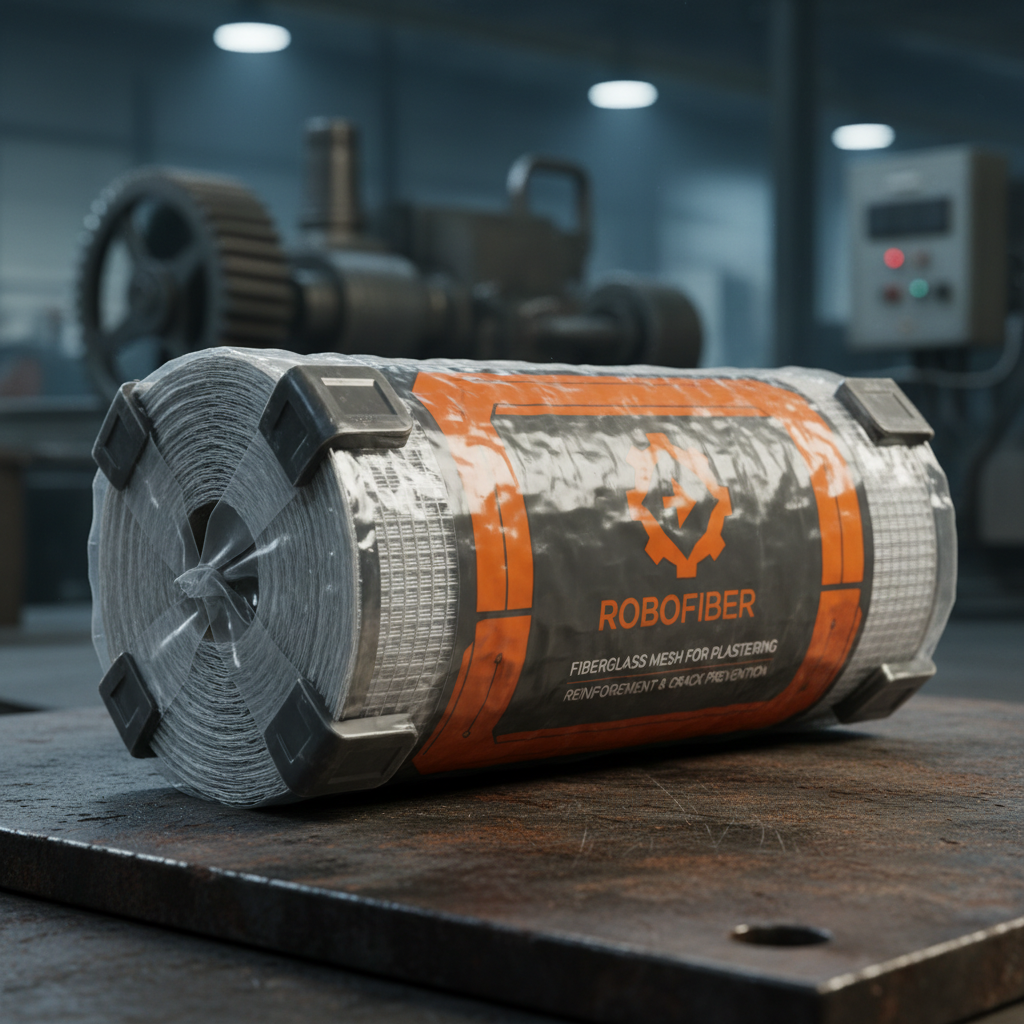
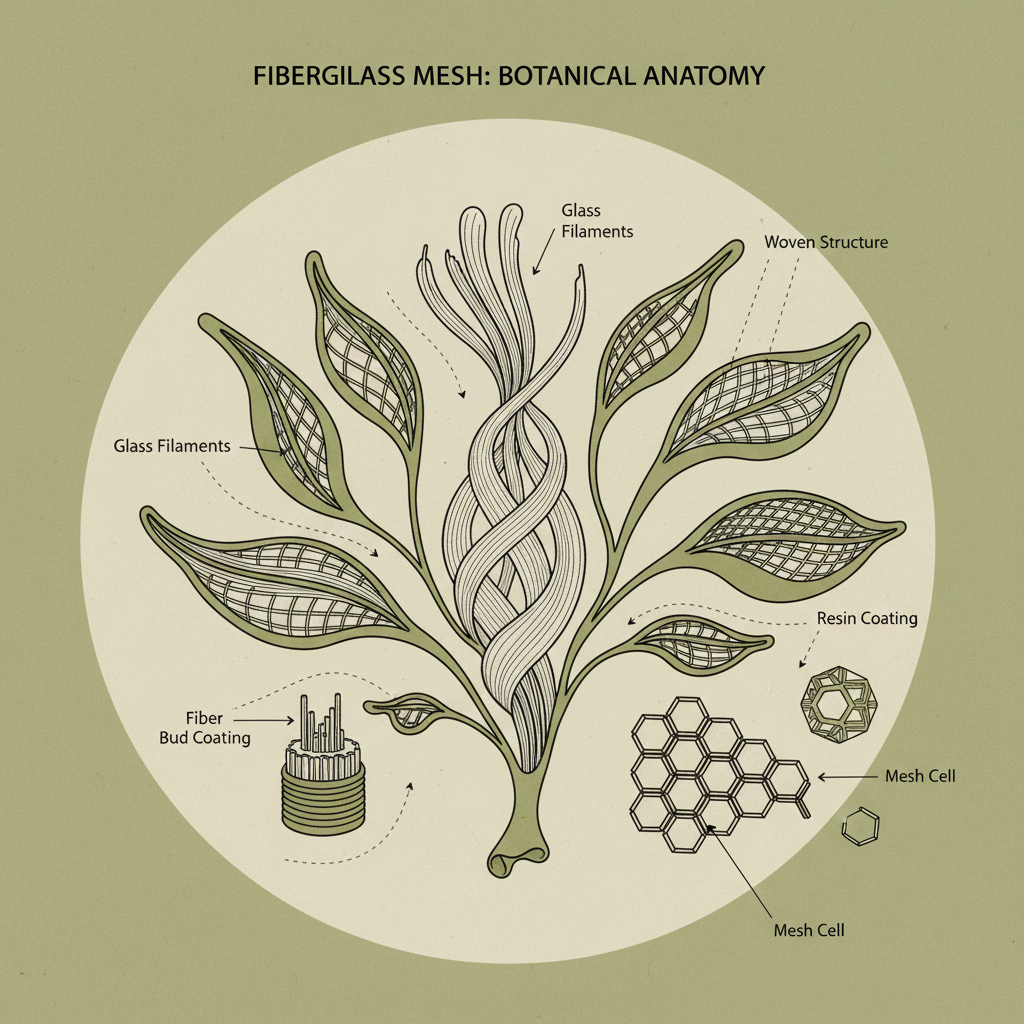
Fiberglass mesh for plastering represents a significant advancement in construction and repair techniques globally. Its lightweight nature, combined with high tensile strength, makes it an ideal material for reinforcing plasters, enhancing their durability and crack resistance. This is particularly crucial in regions prone to seismic activity or extreme weather conditions, where structural integrity is paramount. The demand for durable and cost-effective building materials drives the increasing adoption of fiberglass mesh across diverse construction projects.
The global construction industry is experiencing unprecedented growth, fueled by rapid urbanization and infrastructure development, particularly in emerging economies. Within this context, fiberglass mesh for plastering offers a sustainable and efficient solution to common building challenges. Its ease of application, reduced material consumption, and longer lifespan contribute to a lower overall project cost and environmental impact. Understanding its properties and applications is vital for architects, contractors, and building material suppliers worldwide.
The increasing emphasis on sustainable building practices also plays a key role in the popularity of fiberglass mesh. Compared to traditional metal lath, fiberglass mesh is lighter, easier to transport, and generates less waste. Its corrosion-resistant properties further extend its lifespan, minimizing the need for frequent replacements, and aligning with green building standards. The widespread acceptance of this technology signifies a paradigm shift towards more resilient and eco-friendly construction methods.
Introduction to Fiberglass Mesh for Plastering
Fiberglass mesh for plastering has quickly become a standard component in modern construction, replacing traditional materials like metal lath in many applications. Its core function is to reinforce plaster layers, preventing cracking and improving overall structural stability. This makes it invaluable in both interior and exterior applications, ranging from residential buildings to large-scale commercial projects.
The use of fiberglass mesh extends beyond just reinforcement. It also enhances the adhesion of plaster to substrates, leading to a smoother and more durable finish. Its flexibility allows it to conform to curved surfaces and complex geometries, making it a versatile solution for architects and designers. This inherent adaptability combined with its cost-effectiveness has propelled its widespread adoption.
Defining Fiberglass Mesh for Plastering
Fiberglass mesh for plastering is a woven fabric created from glass fibers, often treated with a coating to enhance its compatibility with plaster and other building materials. The mesh structure distributes stress throughout the plaster layer, preventing localized cracking and enhancing its overall strength. It's typically supplied in rolls of varying widths and weights, allowing for customized application based on project requirements.
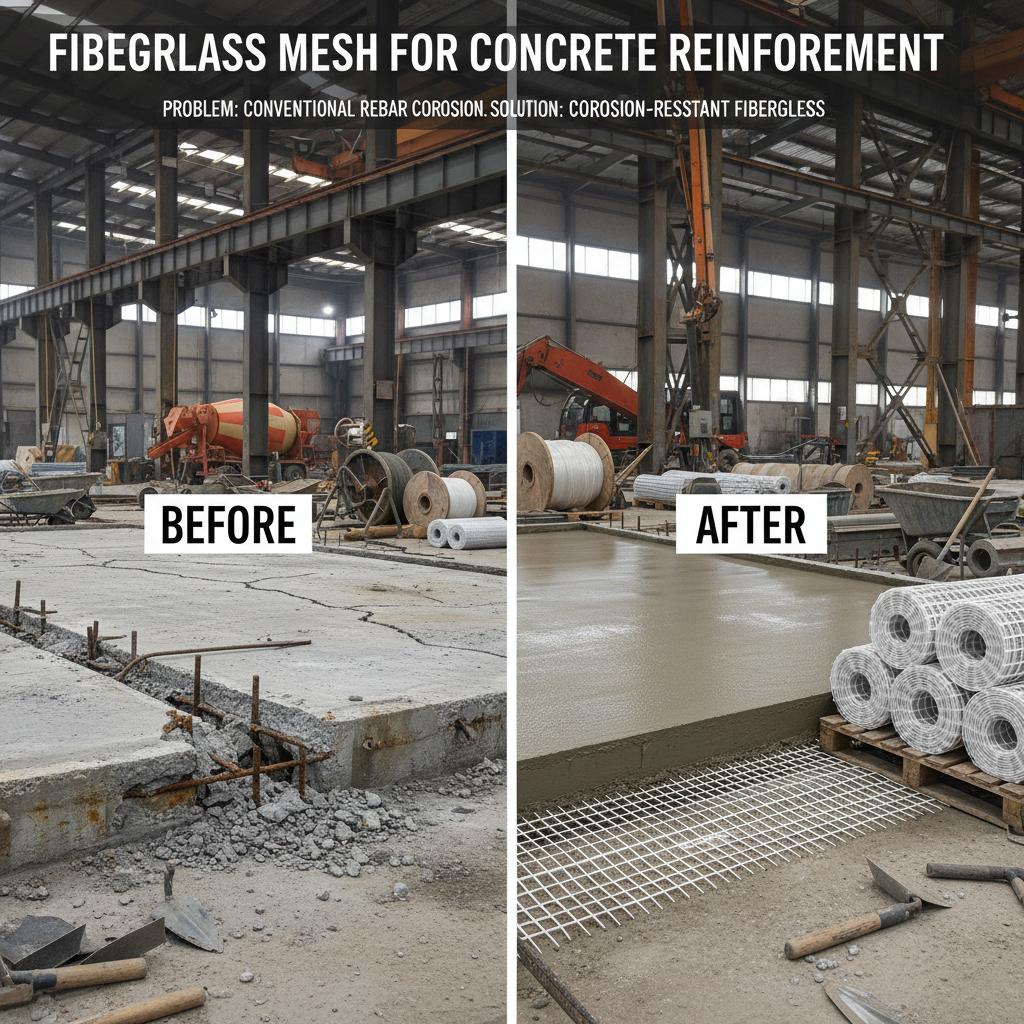
Unlike metal lath, fiberglass mesh is non-corrosive, making it suitable for use in humid environments and coastal regions where corrosion is a significant concern. It's also significantly lighter than metal alternatives, reducing installation time and labor costs. This characteristic is crucial when considering projects with time or weight constraints.
The connection to modern industry stems from the need for more durable, cost-effective, and sustainable building materials. As demands for green building practices and longevity increase, fiberglass mesh presents itself as a practical and environmentally sound solution, offering performance benefits that exceed traditional methods while reducing the overall carbon footprint of construction projects.
Key Factors of Fiberglass Mesh for Plastering
Durability: Fiberglass mesh exhibits exceptional resistance to weathering, corrosion, and degradation, ensuring long-lasting performance even in harsh environments. Its inherent strength and resilience contribute to the longevity of plaster applications.
Tensile Strength: The high tensile strength of fiberglass mesh prevents cracking and provides structural support to plaster layers. This is particularly important in areas prone to movement or seismic activity, as it absorbs stress and maintains the integrity of the plaster.
Alkali Resistance: Fiberglass mesh designed for plastering typically incorporates an alkali-resistant coating, protecting the glass fibers from the corrosive effects of alkaline components found in cement-based plasters. This significantly extends the lifespan of the mesh and maintains its structural integrity.
Lightweight & Ease of Use: Compared to traditional metal lath, fiberglass mesh is significantly lighter, making it easier to handle, cut, and install. This reduces labor costs and speeds up project completion times.
Cost-Effectiveness: The combination of reduced material costs, faster installation, and longer lifespan makes fiberglass mesh a highly cost-effective solution for plaster reinforcement. It often results in lower overall project expenses compared to traditional methods.
Global Applications of Fiberglass Mesh for Plastering
Fiberglass mesh for plastering is utilized extensively in residential construction, commercial buildings, and infrastructure projects worldwide. In Europe, it is a preferred choice for exterior insulation finishing systems (EIFS) due to its durability and weather resistance. North America sees its widespread use in stucco applications and interior plastering.
In regions prone to earthquakes, such as Japan and Chile, fiberglass mesh provides crucial reinforcement to plaster walls, minimizing cracking and ensuring structural stability during seismic events. Furthermore, in post-disaster relief operations, it can be deployed quickly to create temporary shelters and repair damaged structures, offering a rapid and cost-effective solution for humanitarian aid.
The demand for fiberglass mesh is also growing in developing countries, where affordable and durable building materials are essential for addressing housing shortages and improving living conditions. In remote industrial zones, where access to skilled labor and specialized equipment is limited, its ease of application makes it a particularly attractive option.
Fiberglass Mesh for Plastering Application Ratings
Advantages and Long-Term Value
The adoption of fiberglass mesh for plastering yields significant advantages beyond immediate cost savings. Its enhanced durability minimizes maintenance and repair expenses over the lifespan of a building, resulting in a lower total cost of ownership. This is particularly important for large-scale projects with long-term investment horizons.
From a sustainability perspective, fiberglass mesh contributes to a reduced environmental footprint through decreased material consumption and waste generation. Its lightweight nature also lowers transportation costs and energy consumption, further enhancing its eco-friendliness. This aligns with growing demands for green building practices and responsible construction methods.
Future Trends and Innovations
Ongoing research focuses on developing even more advanced fiberglass mesh formulations with enhanced alkali resistance and tensile strength. Nanotechnology is being explored to improve fiber bonding and create ultra-high-performance materials. These advancements will further expand the applications of fiberglass mesh in demanding construction environments.
The integration of digital technologies, such as 3D printing and robotic construction, is also opening up new possibilities for the use of fiberglass mesh. Automated application systems can ensure precise placement and optimal material utilization, maximizing efficiency and minimizing waste. These innovations will reshape the construction industry and drive the adoption of advanced materials like fiberglass mesh.
Challenges and Solutions
One challenge associated with fiberglass mesh is the potential for fiber shedding during cutting and installation, requiring appropriate personal protective equipment (PPE). However, manufacturers are addressing this issue by developing low-shed formulations and providing guidelines for safe handling practices.
Another challenge is ensuring proper adhesion between fiberglass mesh and certain types of plaster. The use of compatible primers and bonding agents can overcome this obstacle, creating a strong and durable bond. Furthermore, educating installers on best practices and application techniques is crucial for maximizing performance.
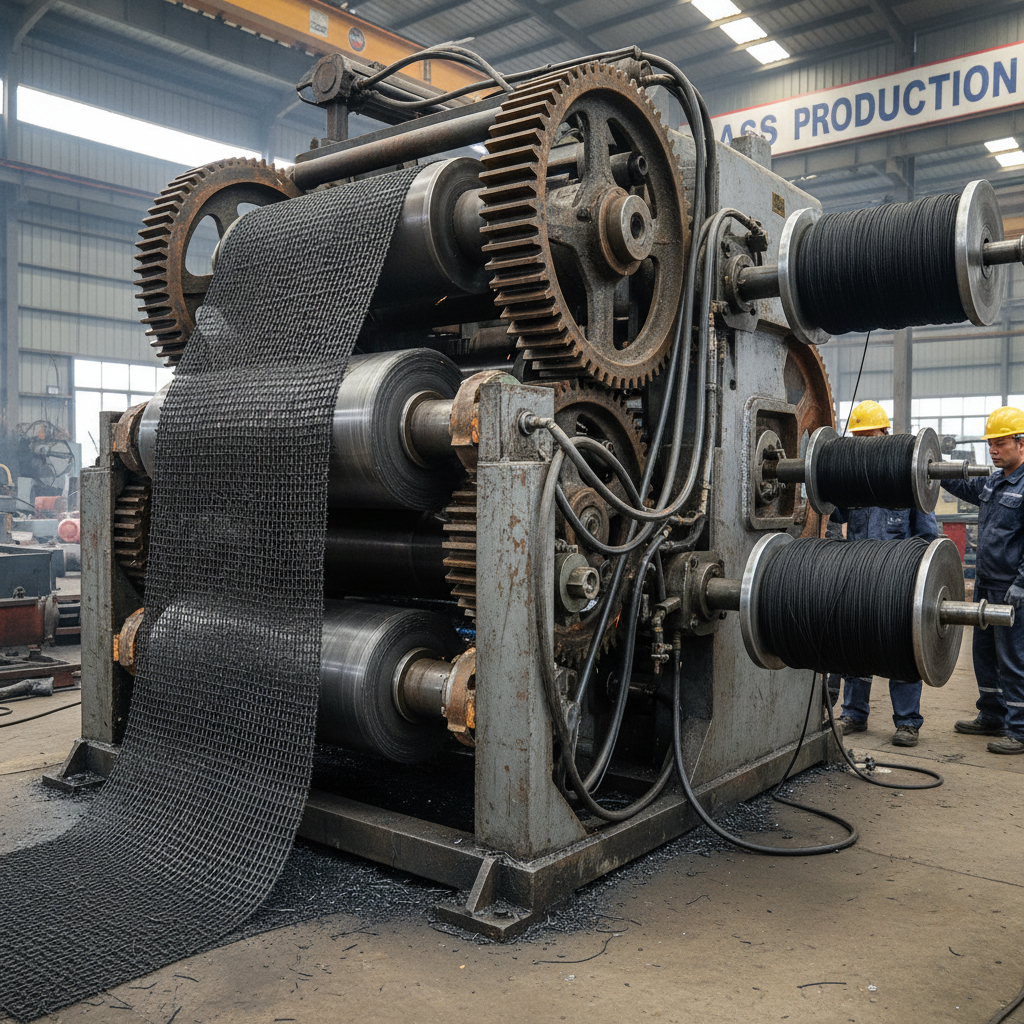
Finally, maintaining consistent quality control throughout the manufacturing process is essential for ensuring the reliability and long-term performance of fiberglass mesh. Implementing rigorous testing procedures and adhering to industry standards are critical for addressing this challenge.
Summary of Fiberglass Mesh for Plastering Challenges and Mitigation Strategies
| Challenge |
Impact on Performance |
Mitigation Strategy |
Implementation Cost (1-10) |
| Fiber Shedding |
Health Hazard, Installation Discomfort |
Low-Shed Formulations, PPE Usage |
2 |
| Adhesion Issues |
Reduced Plaster Durability, Cracking |
Primer Application, Bonding Agents |
3 |
| Alkali Degradation |
Loss of Strength, Reduced Lifespan |
Alkali-Resistant Coatings |
4 |
| Inconsistent Mesh Weight |
Uneven Plaster Thickness, Structural Weakness |
Quality Control Measures, Standardized Production |
5 |
| Improper Installation Techniques |
Reduced Reinforcement, Increased Cracking |
Installer Training, Detailed Guidelines |
3 |
| Material Sourcing & Quality |
Substandard Materials, Reliability Concerns |
Verified Suppliers, Material Testing |
6 |
FAQS
Fiberglass mesh offers several advantages over metal lath, including a significantly lighter weight, making it easier to handle and install. It’s also non-corrosive, increasing its lifespan, especially in humid or coastal environments. Furthermore, fiberglass mesh is more flexible, allowing for application on curved surfaces, and often presents a cost-effective alternative while maintaining, or exceeding, the structural integrity of the plaster.
Proper adhesion is crucial for long-term performance. Start by ensuring the substrate is clean, dry, and free of loose debris. Applying a compatible primer designed for use with fiberglass mesh and plaster is highly recommended. Some plasters may also benefit from the addition of a bonding agent. Always follow the manufacturer’s guidelines for both the mesh and the plaster to ensure optimal compatibility.
Yes, fiberglass mesh is well-suited for exterior applications, but selecting the right type is critical. Choose a mesh specifically designed for exterior use, featuring a high level of alkali resistance to withstand the corrosive effects of cement-based plasters and weathering. Proper installation, including overlapping seams and securing the mesh firmly to the substrate, is also essential for durability.
Fiberglass mesh can release small fibers during cutting and installation, which may cause skin and respiratory irritation. It’s important to wear appropriate personal protective equipment (PPE), including gloves, safety glasses, and a dust mask or respirator. Work in a well-ventilated area, and avoid creating excessive dust. Always consult the manufacturer’s safety data sheet (SDS) for specific recommendations.
Fiberglass mesh is significantly lighter than traditional metal lath, which translates to reduced labor costs and faster installation times. The lighter weight makes it easier for installers to handle, cut, and position the mesh, minimizing fatigue and improving efficiency. This can result in substantial savings, especially for large-scale projects.
The lifespan of a plaster system reinforced with fiberglass mesh depends on various factors, including the quality of the materials used, the environmental conditions, and the quality of installation. However, with proper selection and application, a fiberglass mesh-reinforced plaster system can easily last for 20-30 years, and even longer in less demanding environments, often exceeding the lifespan of systems utilizing traditional metal lath.
Conclusion
Fiberglass mesh for plastering represents a significant advancement in building materials, offering a compelling combination of durability, cost-effectiveness, and sustainability. Its widespread adoption is a testament to its superior performance and versatility, making it an essential component in modern construction practices globally. By reinforcing plaster systems, it enhances structural integrity, reduces maintenance, and contributes to a more resilient built environment.
Looking ahead, continued innovation in materials science and application techniques will further expand the capabilities of fiberglass mesh. Embracing these advancements will be crucial for architects, contractors, and building material suppliers seeking to create safer, more sustainable, and long-lasting structures. To learn more about the benefits of fiberglass mesh for plastering and explore our product range, visit our website: www.tainuofiberglassmesh.com