Mar . 05, 2026 17:22 Тизмеге кайтуу
Fiberglass Mesh for Plastering: A Modern Material Enhancing Wall Durability and Crack Resistance
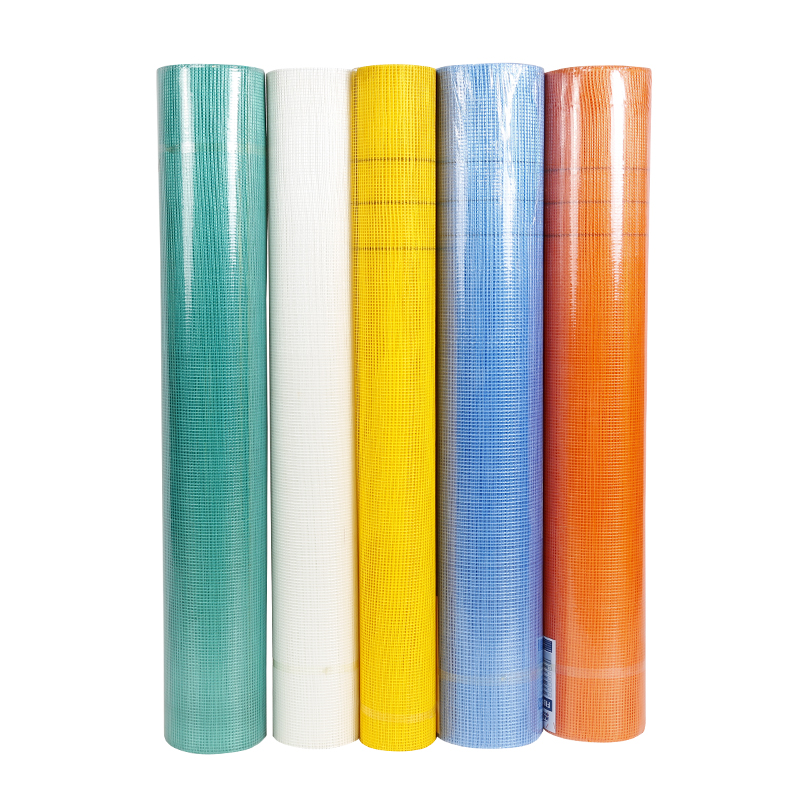
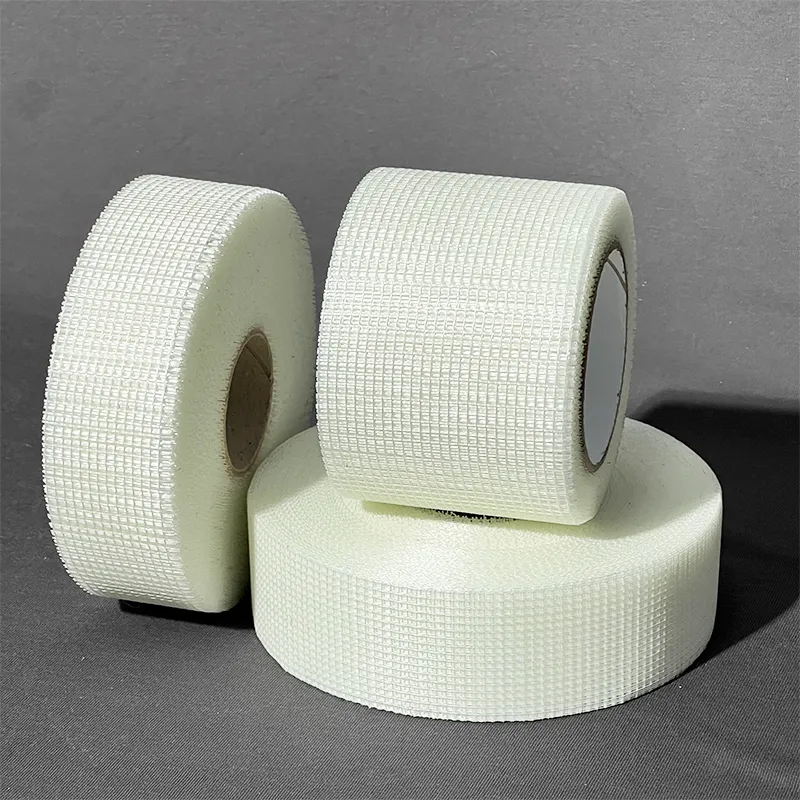
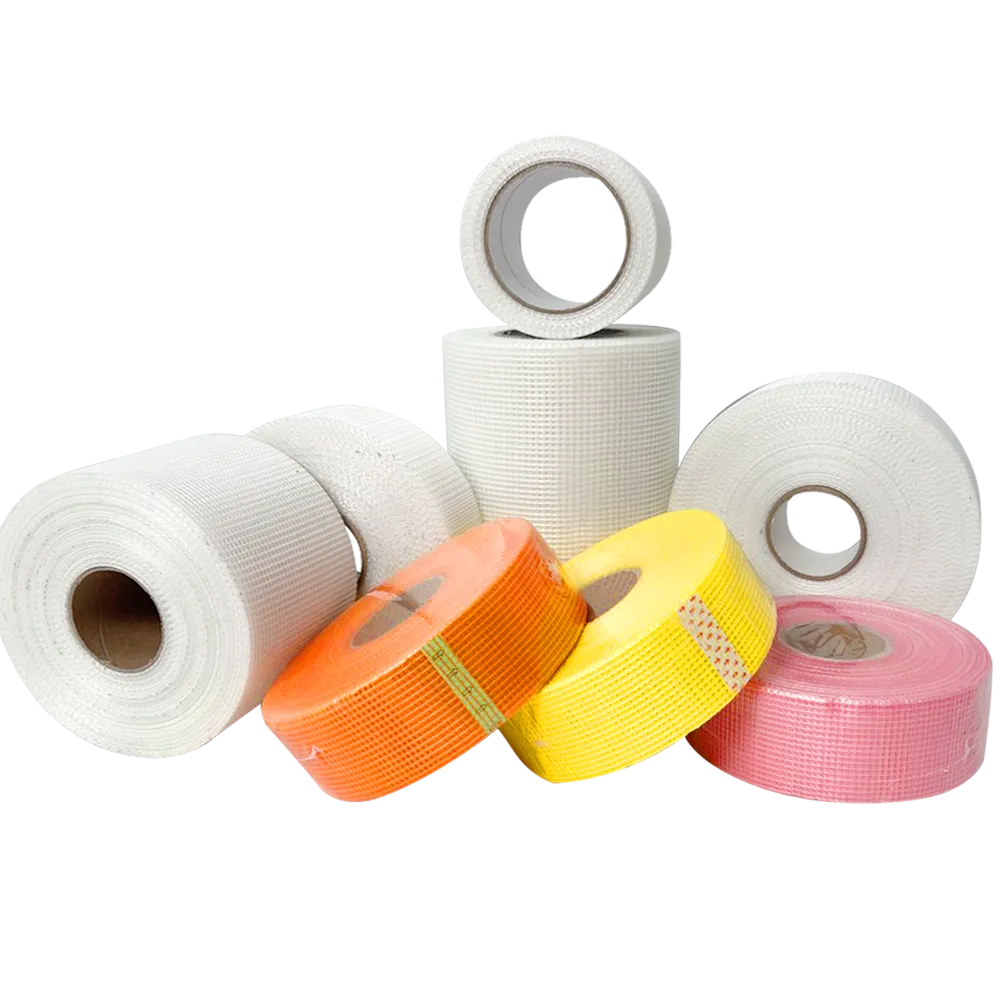
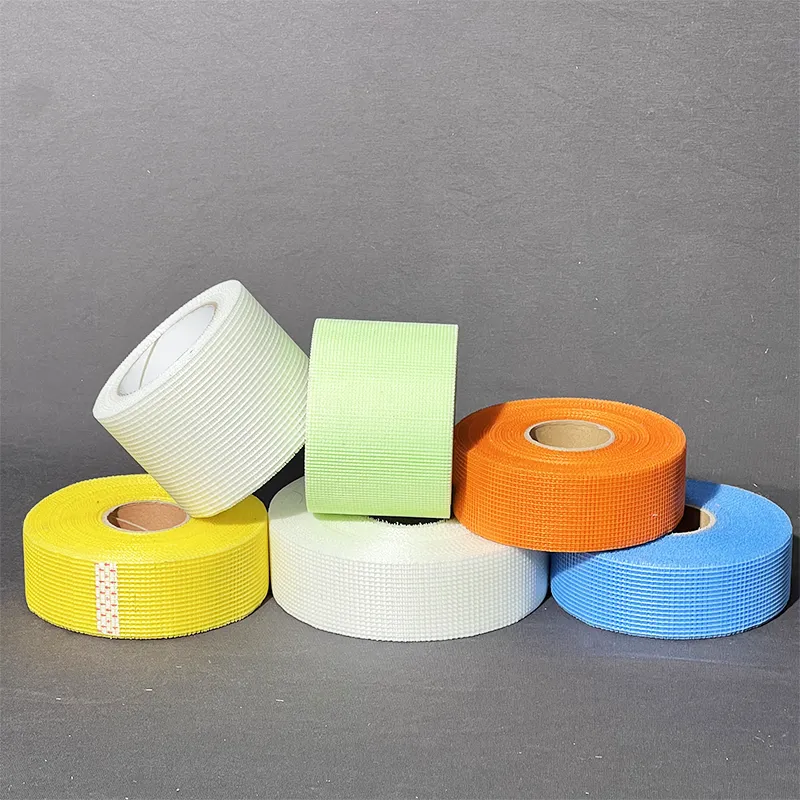
In today’s construction industry, durability and crack prevention are essential factors for achieving long-lasting walls and surfaces. One of the most widely used reinforcement materials is fiberglass mesh for plastering, a specialized mesh designed to strengthen plaster layers and prevent structural cracks. With the increasing demand for reliable reinforcement solutions, products such as fiberglass mesh roll, fibreglass mesh plastering, and fiber glass mesh for plastering have become standard materials in residential, commercial, and industrial construction projects.
This article explores the structure, applications, advantages, and installation of fiberglass mesh for plastering, including different forms such as fiber glass mesh for plastering used around the world.
What Is Fiberglass Mesh for Plastering and How Is It Made?
Composition and Manufacturing Process
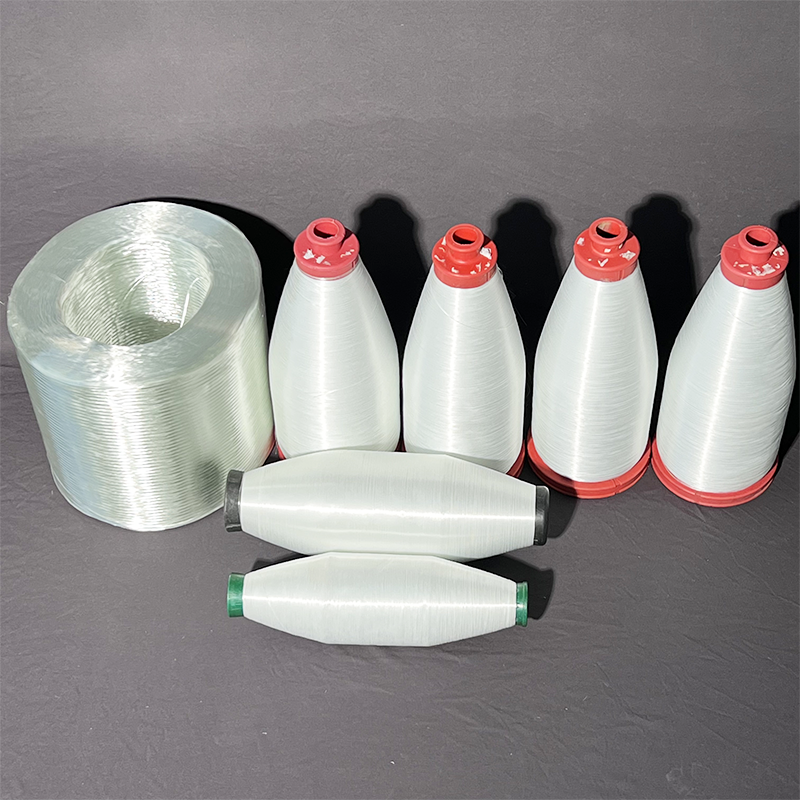
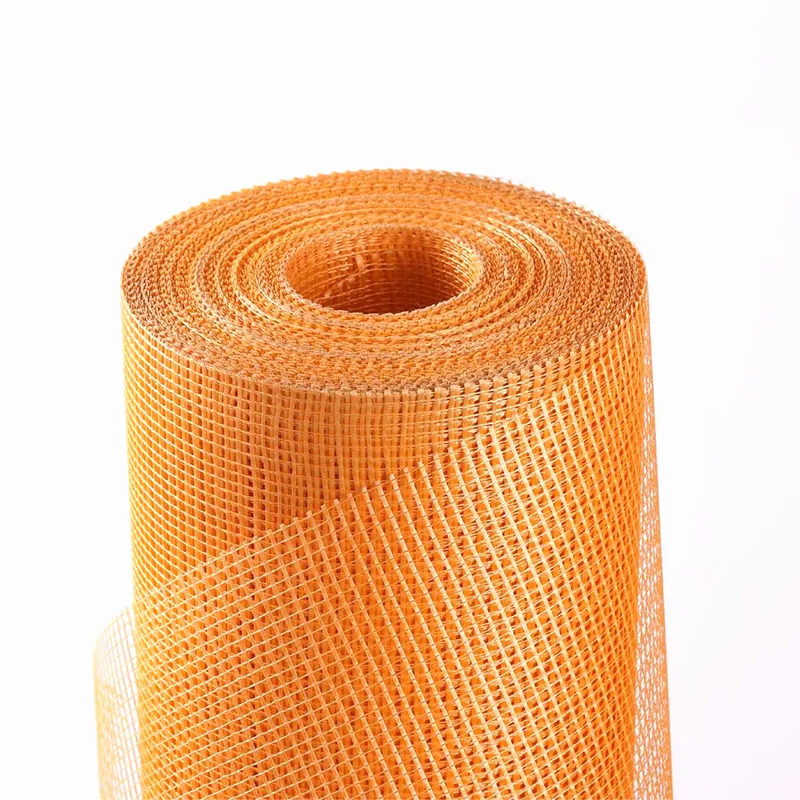
Fiberglass mesh for plastering is manufactured from woven glass fiber yarns that are treated with a protective alkali-resistant coating. The glass fibers are first drawn from molten glass and then woven into a grid-like structure. After weaving, the mesh is coated with a polymer or latex compound that enhances durability and chemical resistance.
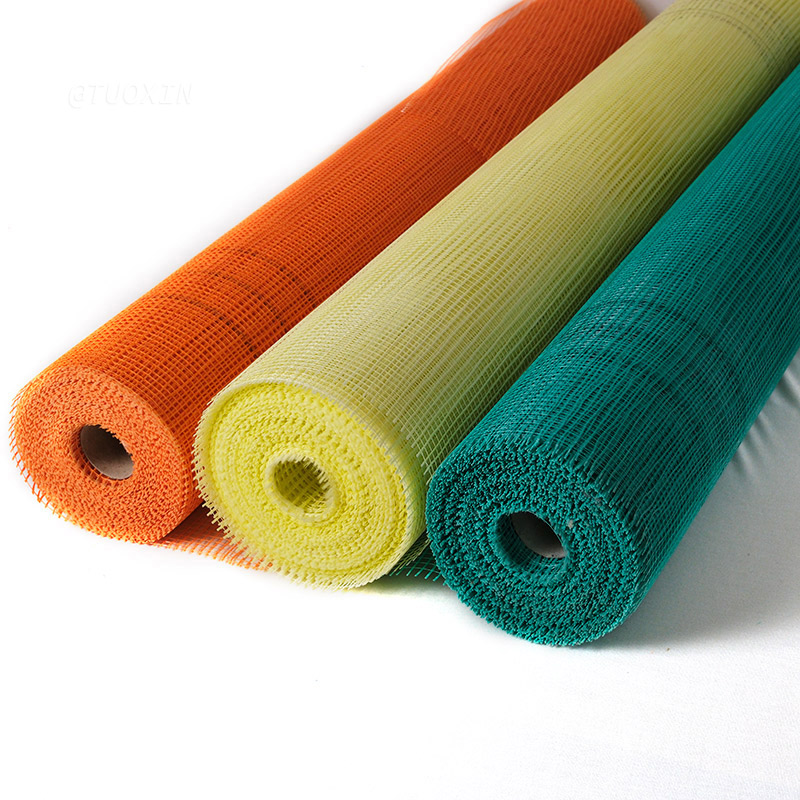
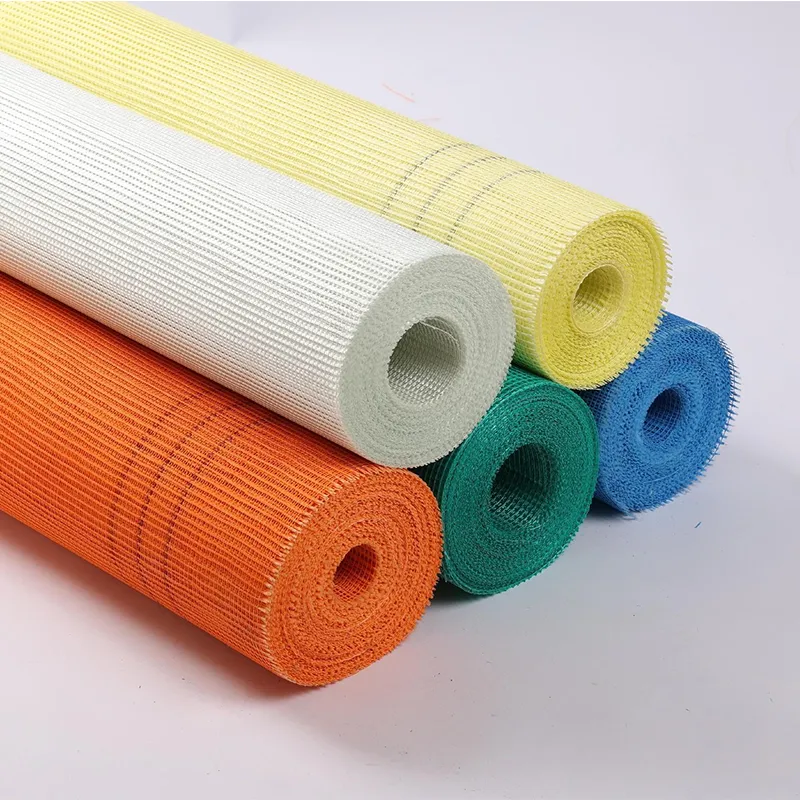
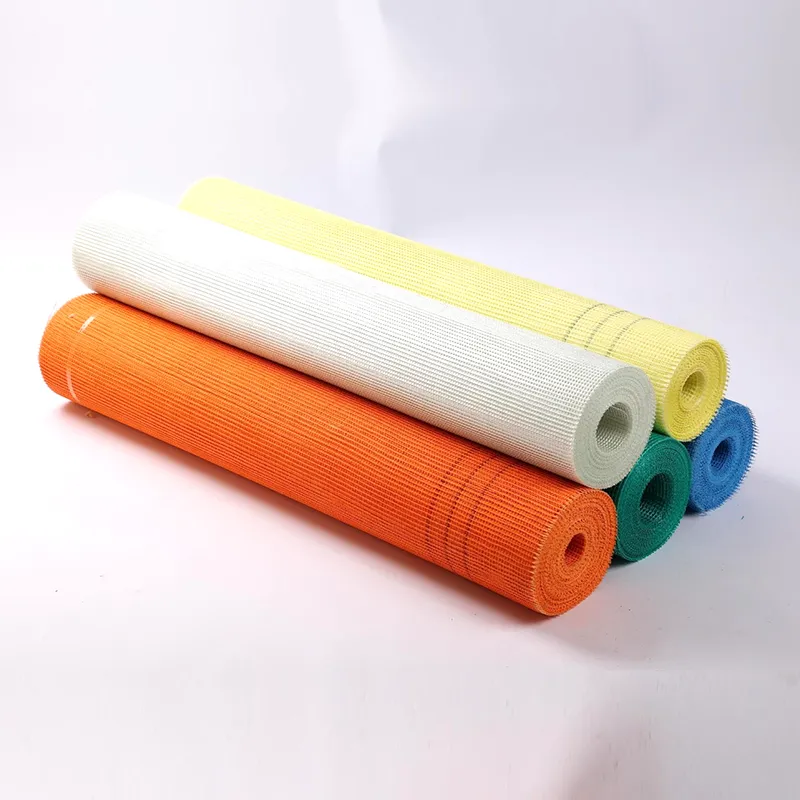
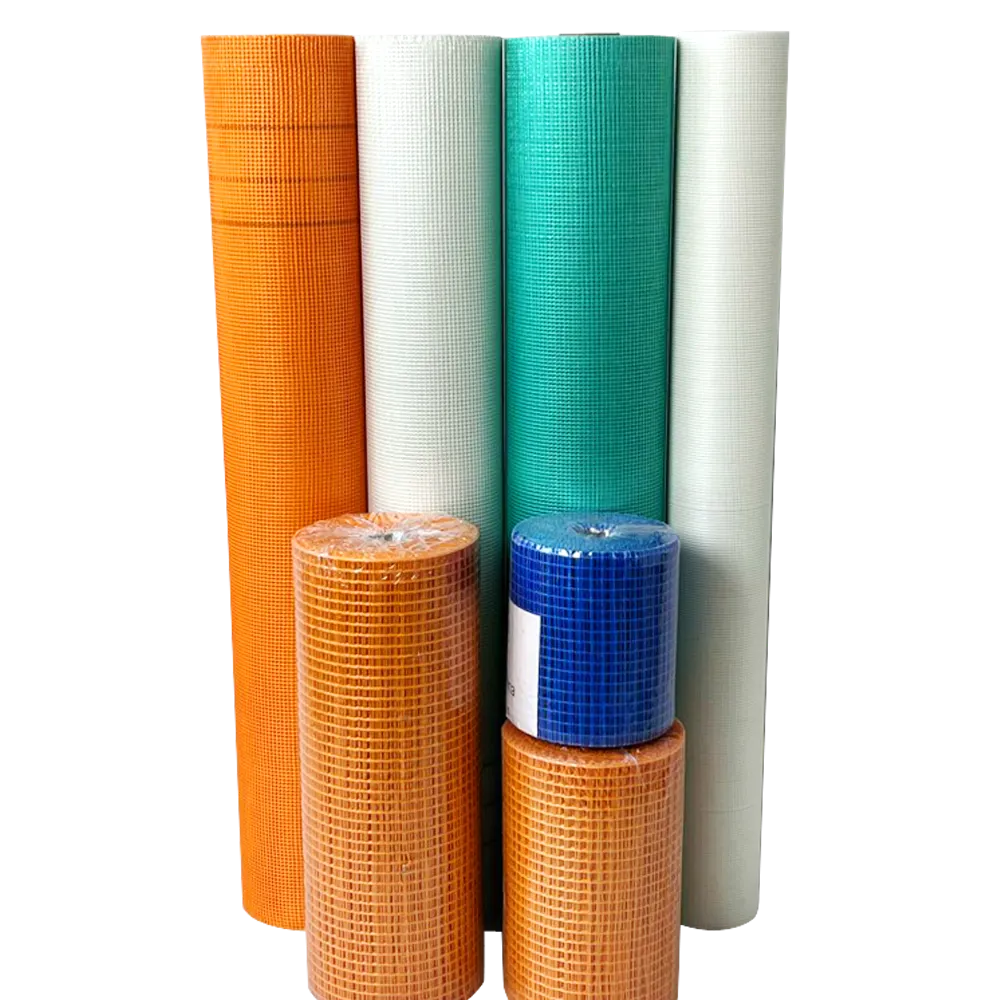
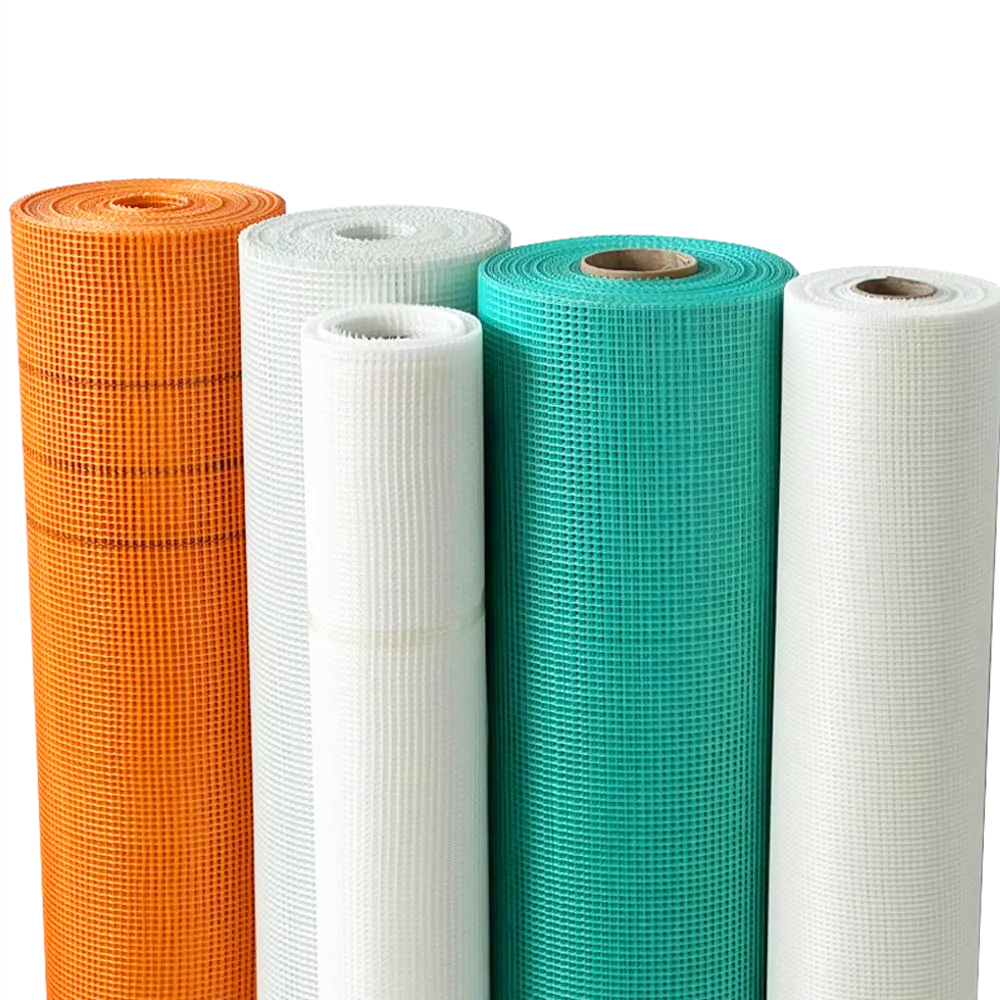
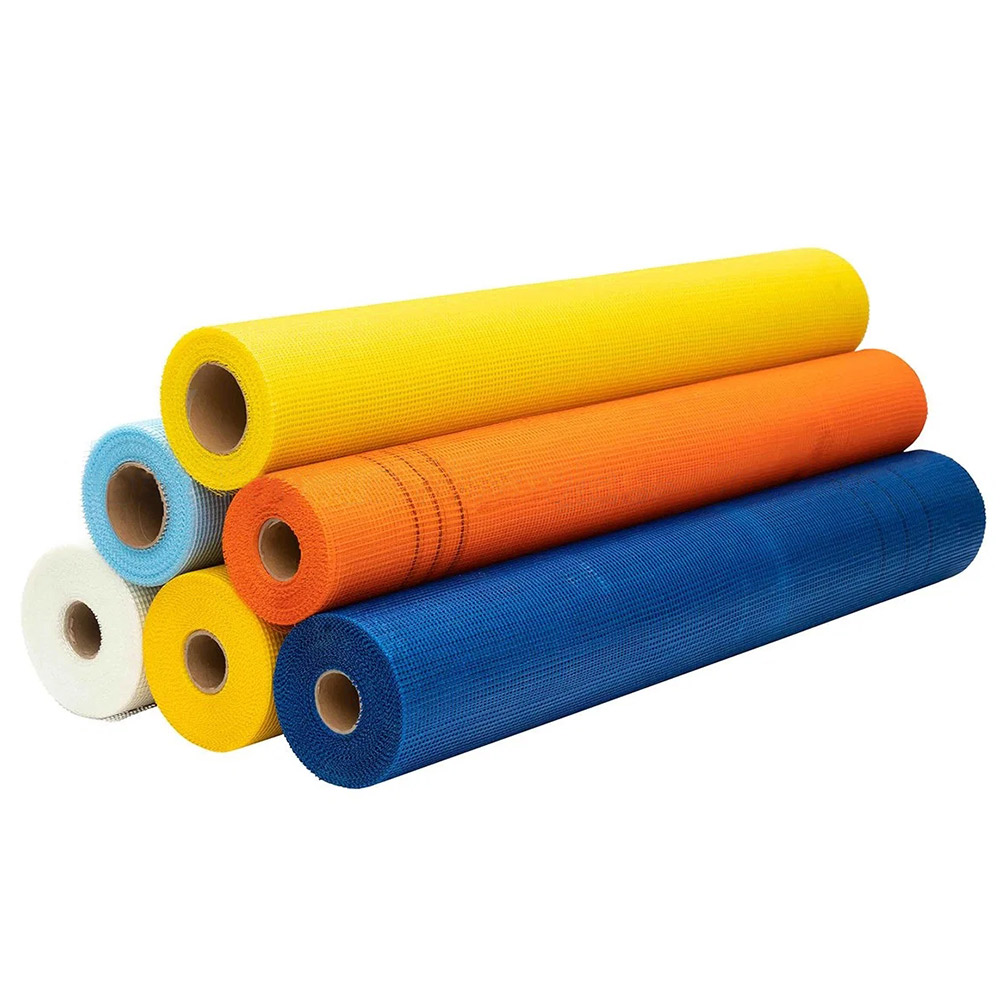
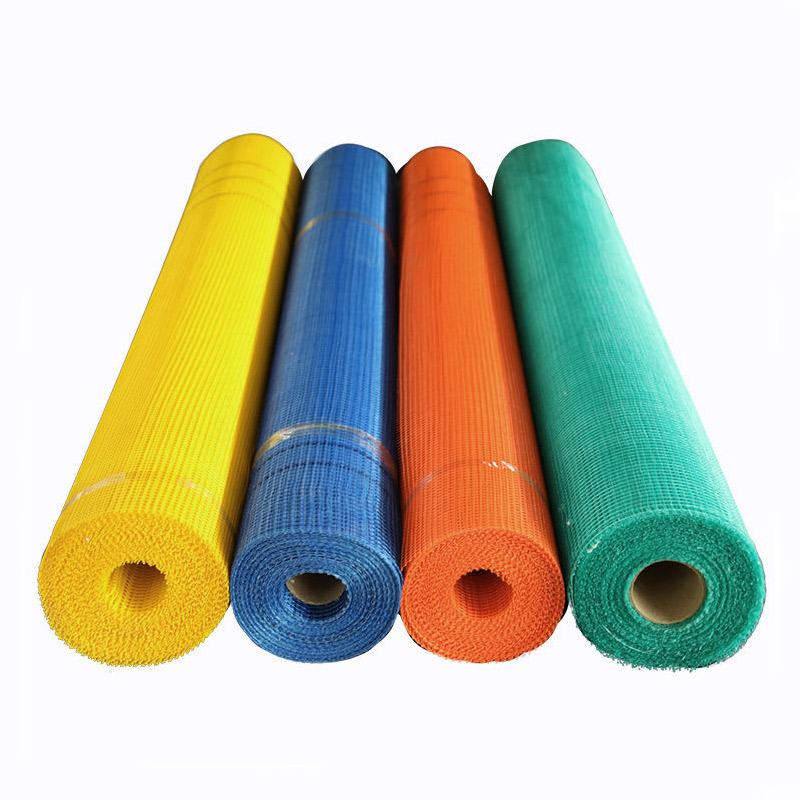
This process results in a flexible yet strong reinforcement material known as fiber glass mesh for plastering. The mesh is typically supplied in roll form, commonly referred to as a стекловолокно сетка түрмөк, making it easy to transport, store, and install on construction sites.
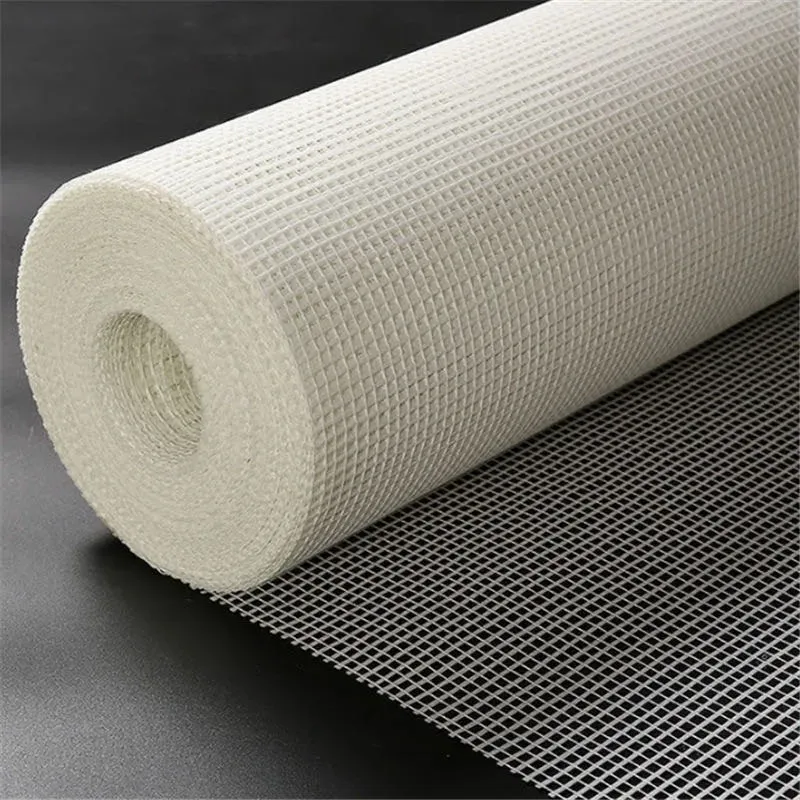
Structure of Fiberglass Mesh Roll
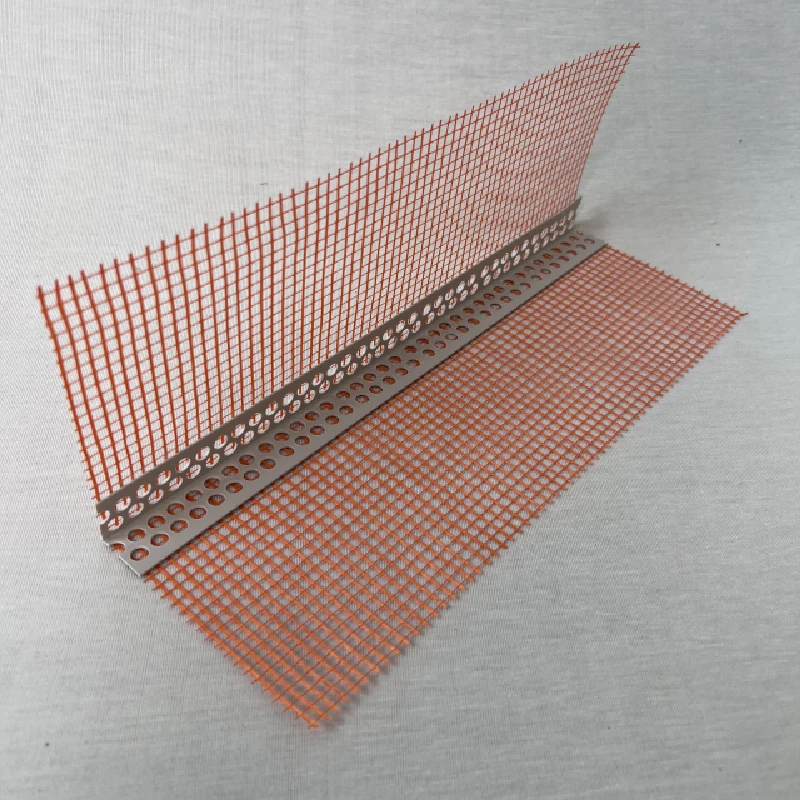
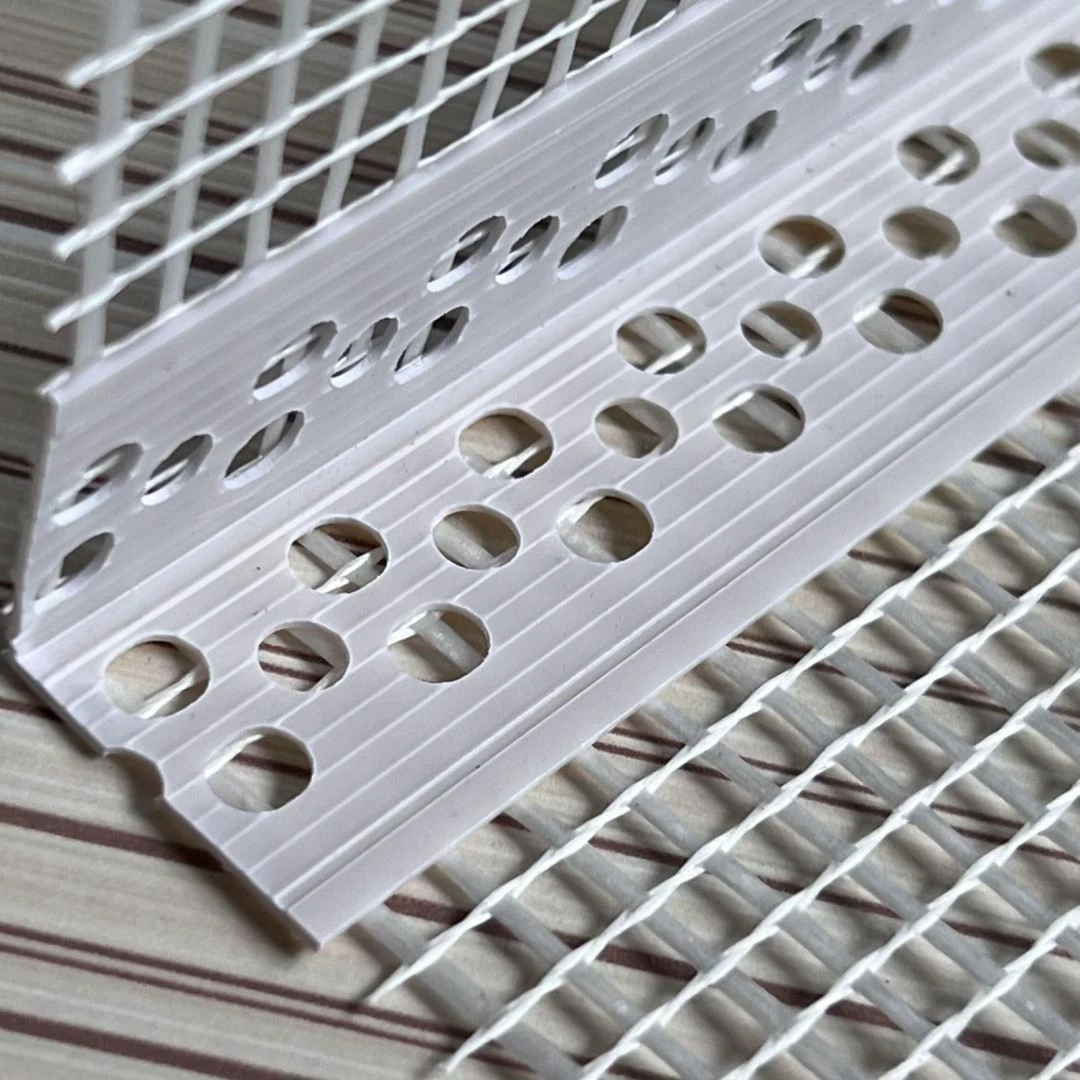
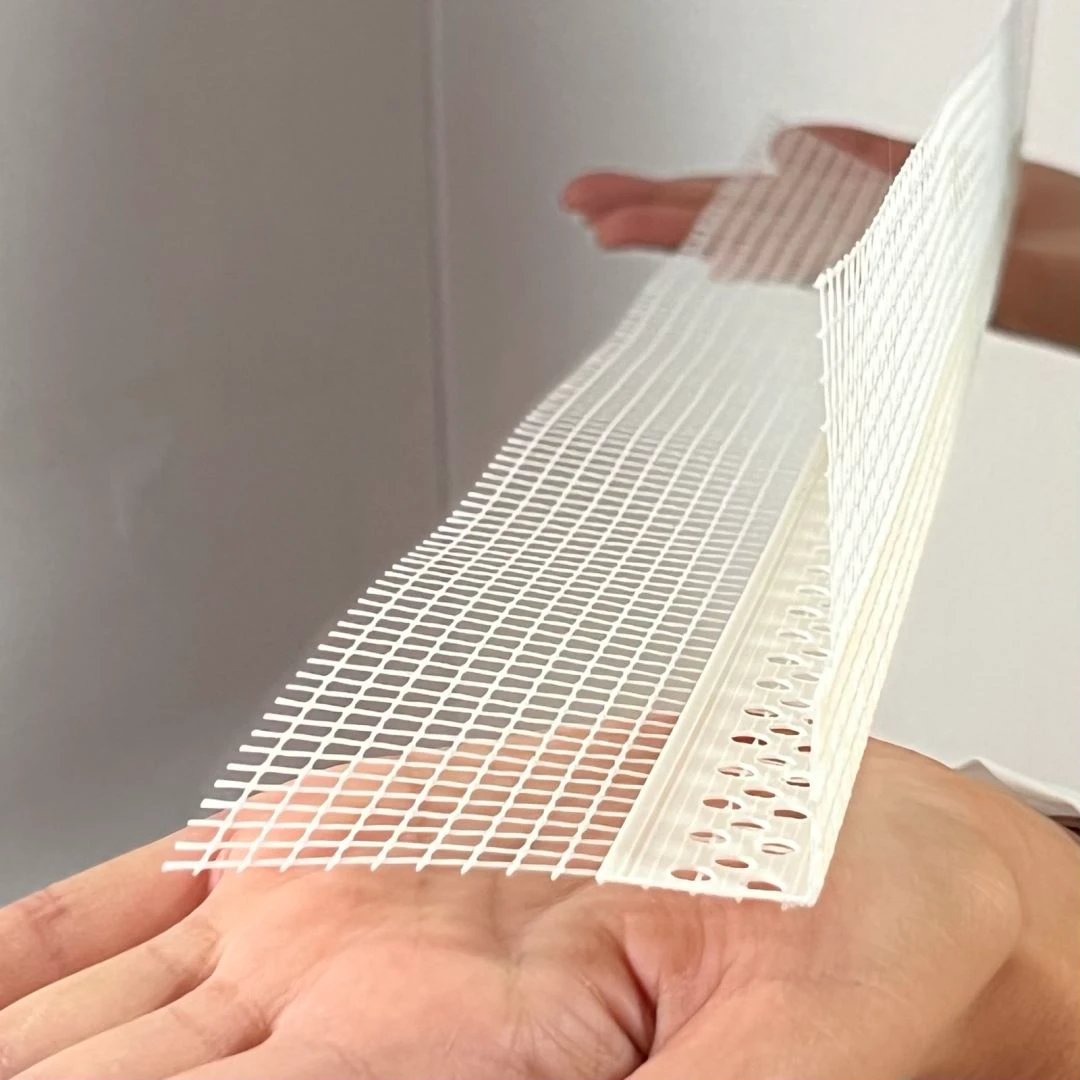
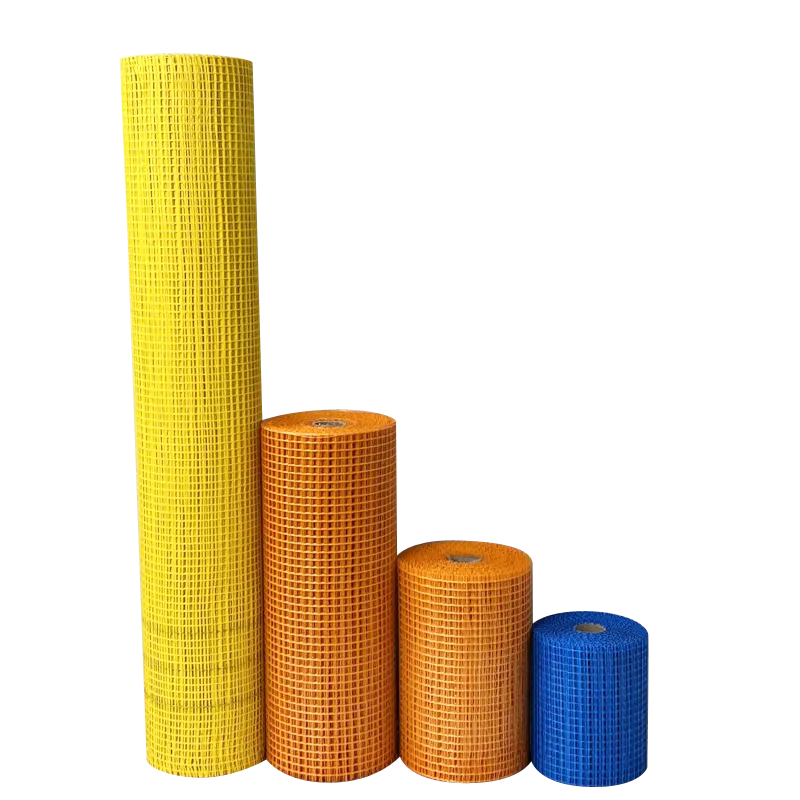
A fiberglass mesh roll consists of evenly spaced vertical and horizontal fibers forming square openings. The mesh size and fabric weight determine its strength and application.
Typical features include:
Uniform grid pattern
High tensile strength
Alkali-resistant coating
Lightweight structure
Excellent flexibility
Because of these properties, fibreglass mesh plastering products are widely used in both interior and exterior wall reinforcement systems.
Differences Between Various Mesh Types
Although the terms fiber glass mesh for plastering, fiber glass mesh for plastering, and fibreglass mesh plastering are often used interchangeably, they may vary slightly depending on regional spelling and manufacturing specifications.
However, all of these materials share the same core characteristics:
Reinforcement capability
Resistance to cracking
Compatibility with cement-based plaster systems
The choice between them usually depends on supplier standards, mesh density, and project requirements.
Applications of fiber glass Mesh for Plastering
The versatility of fiber glass mesh for plastering makes it suitable for many construction and renovation applications.
Wall Plaster Reinforcement
One of the most common uses of fiberglass mesh for plastering is reinforcing plaster layers on interior and exterior walls. When embedded into wet plaster, the mesh distributes stress evenly across the surface, preventing cracks caused by:
Drying shrinkage
Structural movement
Temperature changes
Impact or vibration
By integrating fiber glass mesh for plastering into wall systems, builders significantly increase the durability of the plaster finish.
Exterior Insulation Systems
Modern energy-efficient buildings often use External Thermal Insulation Composite Systems (ETICS). In these systems, fiber glass mesh for plastering reinforces the base coat applied over insulation boards.
The mesh improves:
Impact resistance
Structural stability
Adhesion of finishing layers
Because fibreglass mesh plastering materials are resistant to alkali, they perform exceptionally well in cement-based coatings used in insulation systems.
Crack Repair and Surface Renovation
Renovation projects frequently require reinforcement to stabilize damaged or aging surfaces. Contractors often apply a стекловолокно сетка түрмөк over cracked areas before applying a new plaster layer.
This method helps restore wall strength and prevents cracks from reappearing.
Common renovation applications include:
Repairing cracked masonry walls
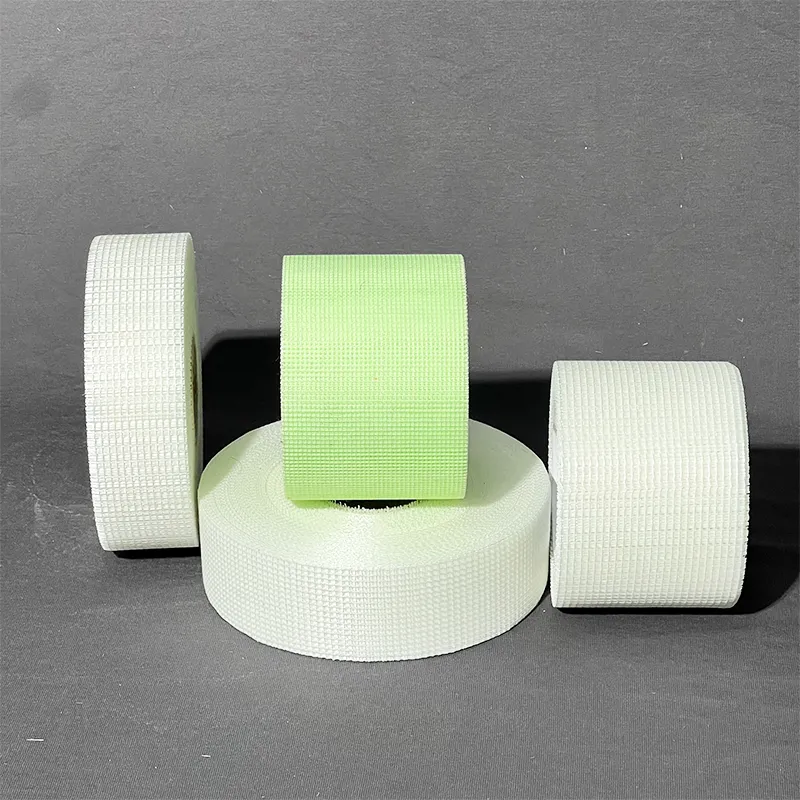
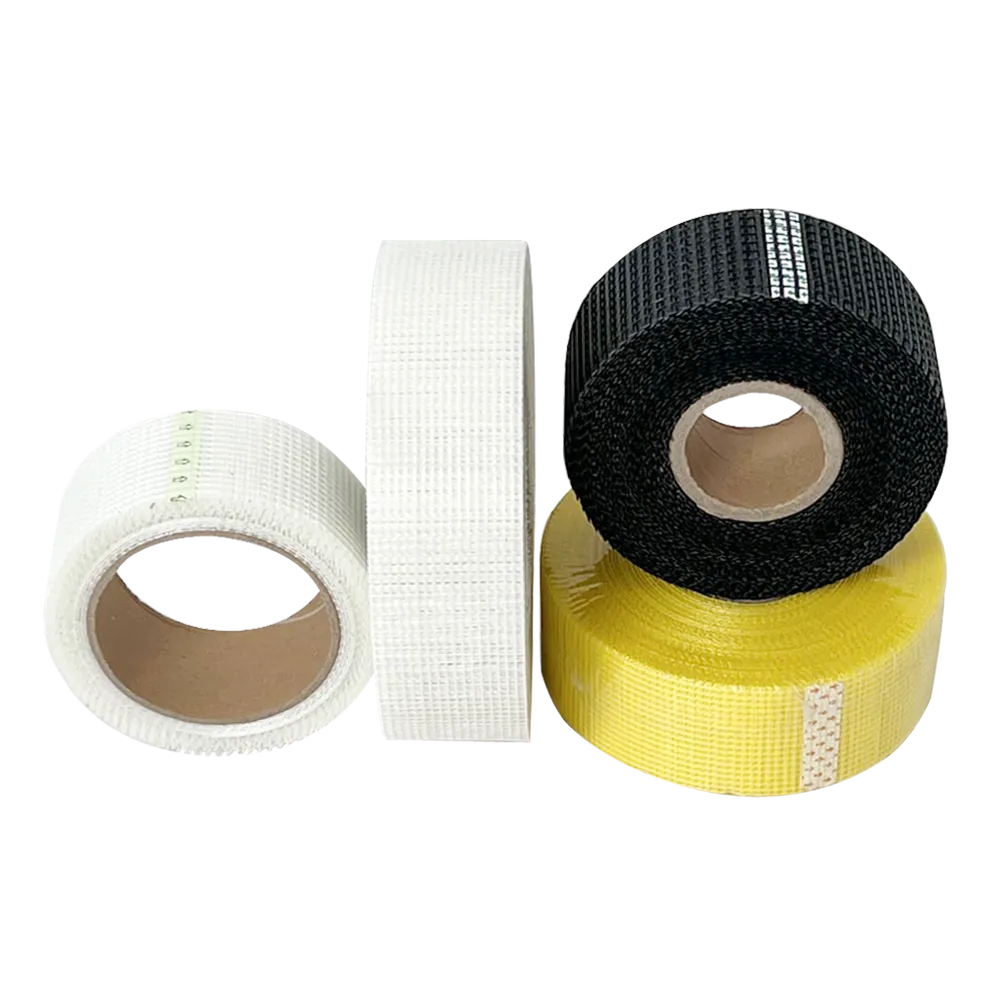
Reinforcing drywall joints
Strengthening ceiling plaster
Stabilizing old plaster surfaces
Waterproofing and Tile Substrates
In wet environments such as bathrooms, balconies, and kitchens, fiber glass mesh for plastering can be embedded in waterproof coatings or tile adhesives. The mesh enhances bonding strength and prevents substrate movement from affecting the finished surface.
Advantages of Using Fiber Glass Mesh for Plastering
Excellent Crack Resistance
The main purpose of fiberglass mesh for plastering is to prevent cracks in plaster surfaces. The mesh grid structure distributes stress evenly, reducing the formation of hairline cracks.
Using fibreglass mesh plastering materials significantly improves the long-term stability of walls and ceilings.
Lightweight Yet Strong
Despite its strength, fiberglass mesh roll products are extremely lightweight. This makes them easy to transport and install without requiring specialized equipment.
Workers can cut fiber glass mesh for plastering with simple tools such as scissors or utility knives.
Corrosion and Chemical Resistance
Unlike metal reinforcement materials, fiber glass mesh for plastering does not rust. Its alkali-resistant coating protects the fibers from chemical reactions with cement-based plaster.
This property makes fiber glass mesh for plastering ideal for:
Exterior walls
Coastal regions
Humid climates
Wet interior environments
Long Service Life
Once embedded within plaster layers, fiberglass mesh for plastering becomes part of the wall structure. High-quality mesh maintains its strength for decades, providing long-term reinforcement.
This durability reduces maintenance costs and increases building longevity.
Types of Fiberglass Mesh Roll
There are several types of fiberglass mesh roll products available, each designed for specific construction needs.
Standard Plastering Mesh
This type of fiberglass mesh for plastering is used for general wall reinforcement in residential construction.
Medium-Duty Reinforcement Mesh
Often used in fibreglass mesh plastering systems for exterior walls and insulation applications.
Heavy-Duty Mesh
Designed for high-impact areas, commercial buildings, and industrial environments. Heavy-duty fiber glass mesh for plastering provides maximum crack resistance and structural stability.
Installation Guide for Fiber glass Mesh for Plastering
Proper installation is essential to achieve the full benefits of fiberglass mesh for plastering.
Step 1: Surface Preparation
Clean the wall thoroughly to remove dust, grease, and loose particles. A clean surface ensures proper adhesion of plaster.
Step 2: Apply Base Coat
Spread a thin layer of plaster or render over the surface using a trowel.
Step 3: Embed the Mesh
Place the fiberglass mesh roll onto the wet plaster and press it gently with a trowel until it is fully embedded.
Ensure the mesh lies flat without wrinkles.
Step 4: Overlap Sections
Adjacent sections of fiber glass mesh for plastering should overlap by at least 5–10 centimeters to maintain continuous reinforcement.
Step 5: Apply Finishing Layer
Cover the embedded mesh with another layer of plaster until it is completely concealed.
Proper installation ensures that fiber glass mesh for plastering functions effectively as reinforcement.
Factors to Consider When Choosing Fibreglass Mesh Plastering
When selecting fibreglass mesh plastering materials, consider the following:
Mesh weight (grams per square meter)
Grid opening size
Alkali resistance level
Roll width and length
Intended application (interior or exterior)
Higher-density fiberglass mesh for plastering provides better reinforcement for demanding construction projects.
Why Builders Prefer fiber glass Mesh for Plastering
The widespread use of fiber glass mesh for plastering in the construction industry is due to several key advantages:
Cost-effective reinforcement solution
Easy installation
Excellent durability
Compatibility with modern plaster systems
Reduced cracking and maintenance
These benefits make fiberglass mesh roll products essential for both new construction and renovation projects.
As construction standards continue to improve, reinforcement materials like fiberglass mesh for plastering have become indispensable for achieving durable and crack-resistant surfaces. Products such as fiberglass mesh roll, fiberglass mesh for plastering, and fiber glass mesh for plastering offer reliable performance across a wide range of building applications.
Whether used for exterior insulation systems, wall repairs, or interior plaster reinforcement, fibreglass mesh plastering materials help ensure structural stability and long-lasting finishes. With their lightweight design, corrosion resistance, and excellent strength, fiberglass mesh solutions remain one of the most effective reinforcement materials in modern construction.
-
Best Fiberglass Mesh Tape for RedGard Product Waterproofing GuideЖаңылыктарApr.16,2026
-
Why High Strength Fiberglass Mesh Is Essential For Stucco ApplicationЖаңылыктарApr.15,2026
-
Why Alkali Resistant Fiberglass Mesh Tape Is Essential For Cement Board And Tile InstallationsЖаңылыктарApr.15,2026
-
Understanding The Role Of Drywall Fiberglass Mesh In Interior FinishingЖаңылыктарApr.15,2026
-
Ultimate Guide To Using Fiberglass Mesh Tape For Drywall And Plaster RepairsЖаңылыктарApr.15,2026
-
The Versatility Of Fiberglass Mesh In Marble And Stone MosaicЖаңылыктарApr.15,2026