شوبات . 25, 2026 15:51 Vegere navnîşê
The Complete Guide to Fiberglass Mesh for Plastering in Modern Construction
In the modern construction industry, durability, crack resistance, and long-term structural stability are essential for both residential and commercial buildings. One of the most effective reinforcement materials used today is fiberglass mesh for plastering. As building standards continue to rise, contractors increasingly rely on advanced reinforcement materials to enhance plaster performance and prevent surface defects.
Products such as roll tevna fiberglass, fibreglass mesh plastering, fiber glass mesh for plastering, glass fiber mesh for plastering, and glass fibre mesh for plastering have become standard components in wall reinforcement systems worldwide. This article explores the composition, applications, benefits, installation techniques, and long-term value of fiberglass mesh in plastering systems.
Understanding Fiberglass Mesh Roll and Its Composition
What Is Fiberglass Mesh?
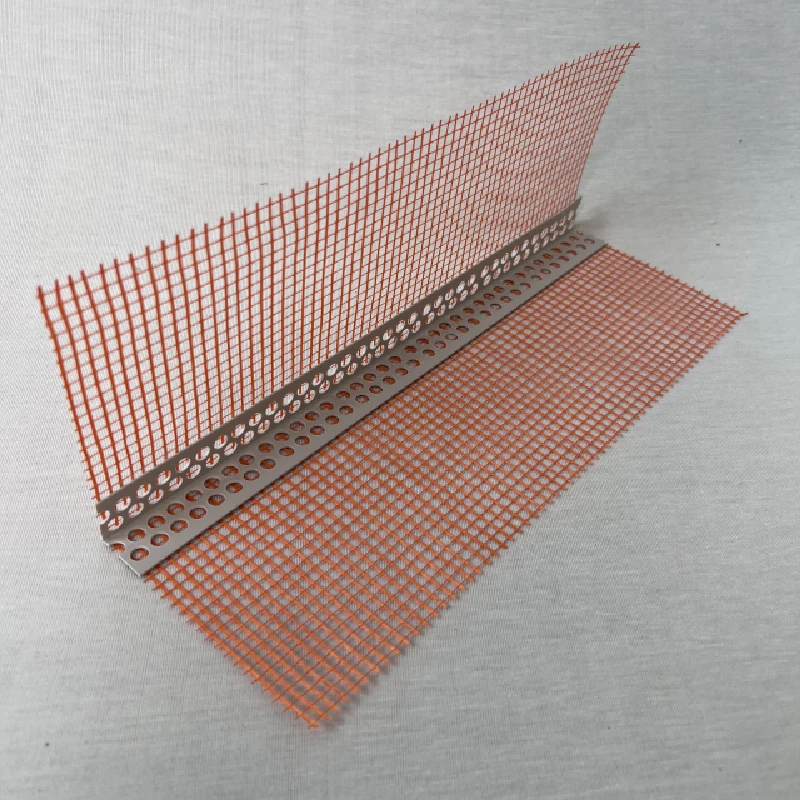
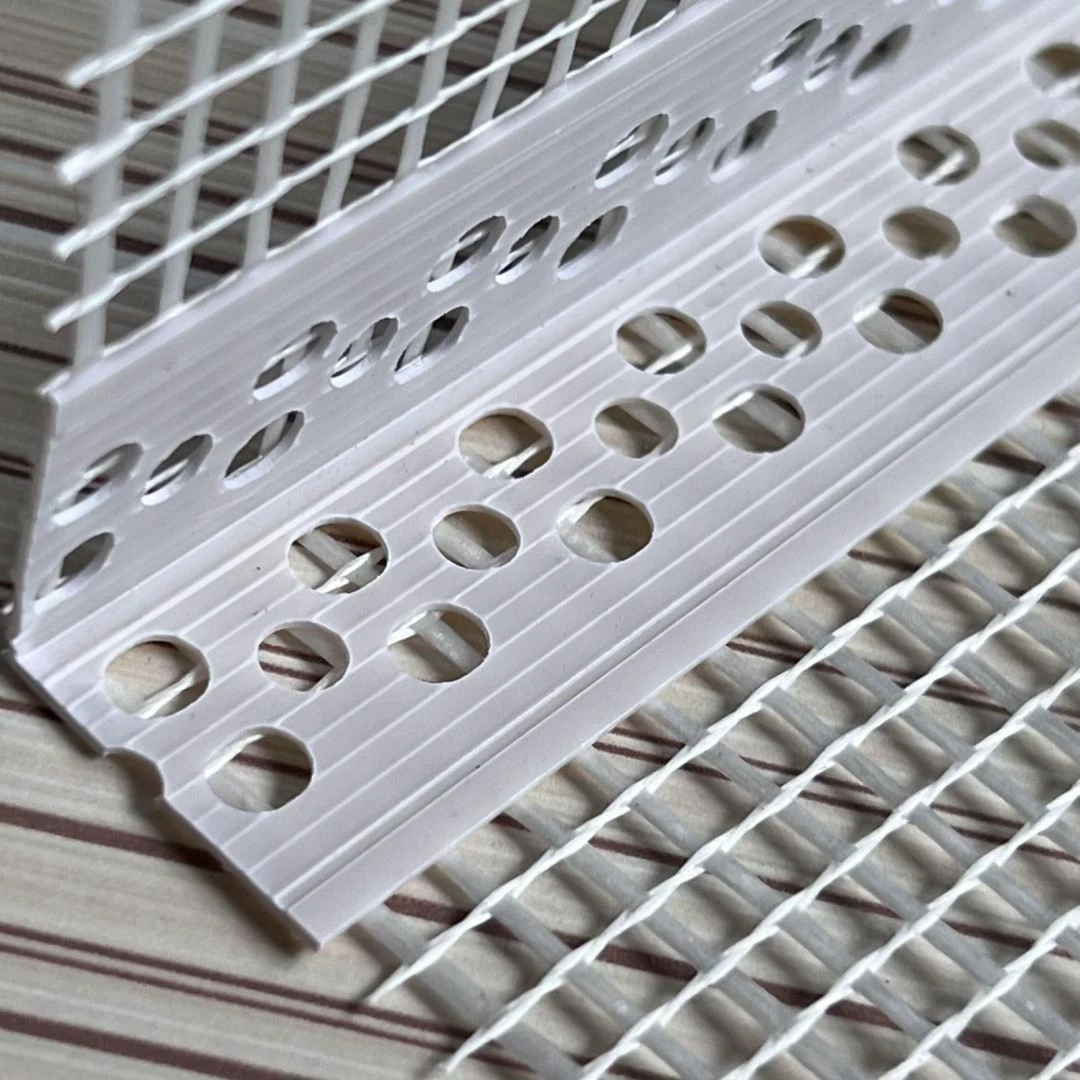
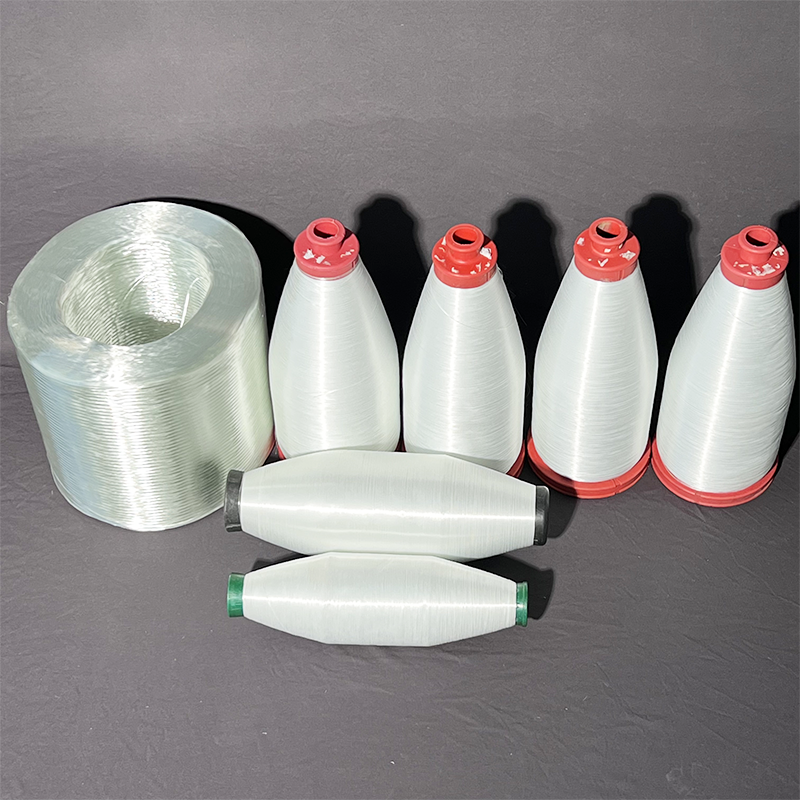
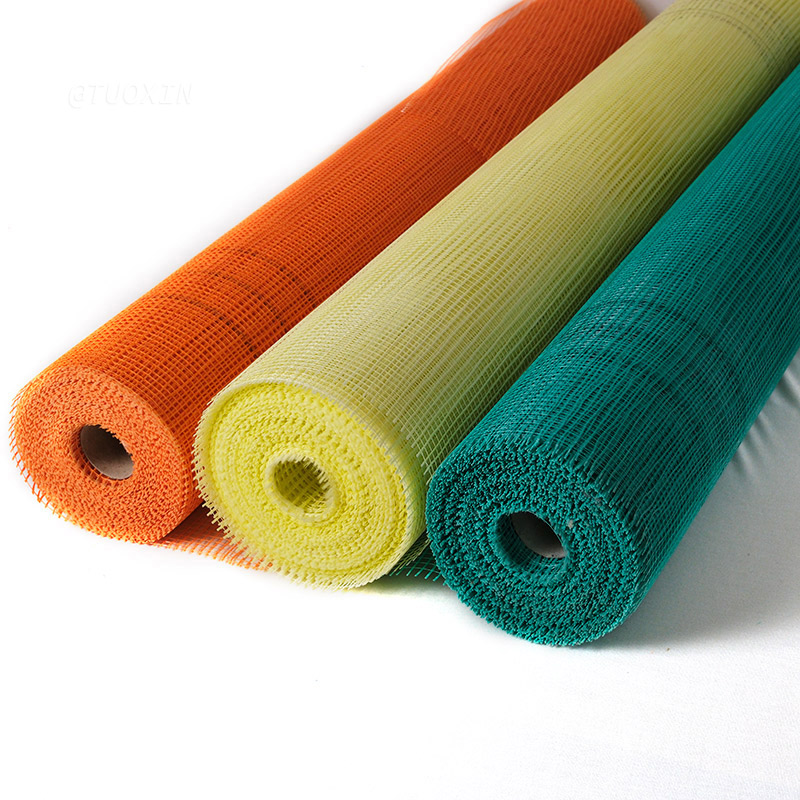
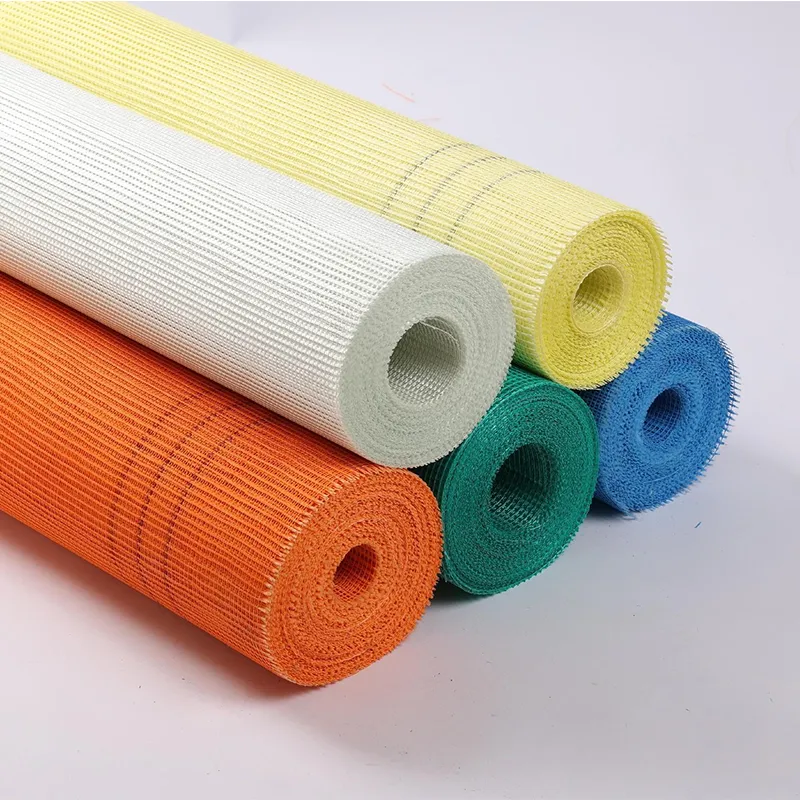
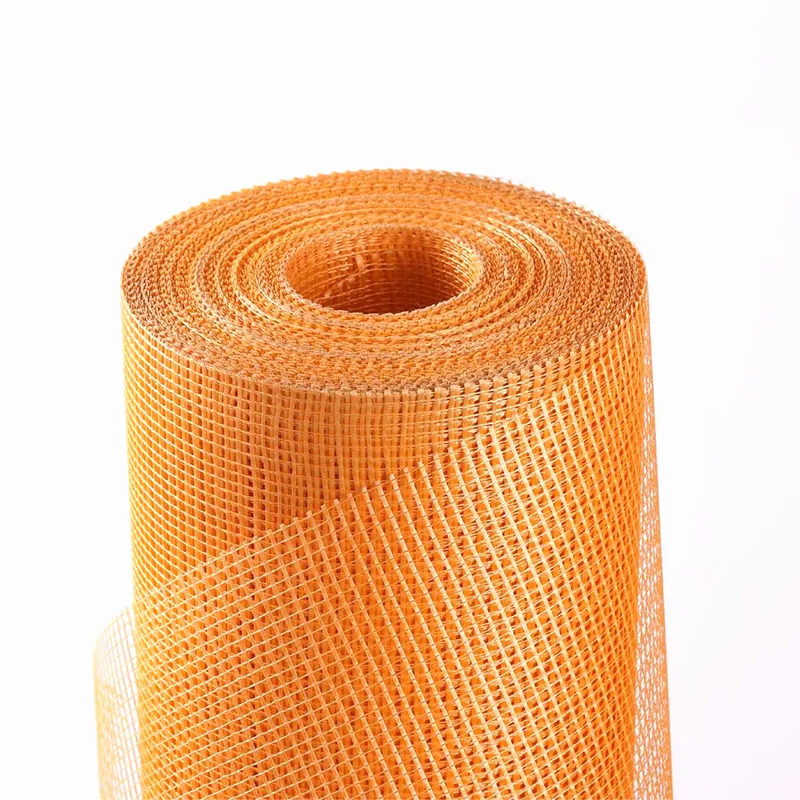
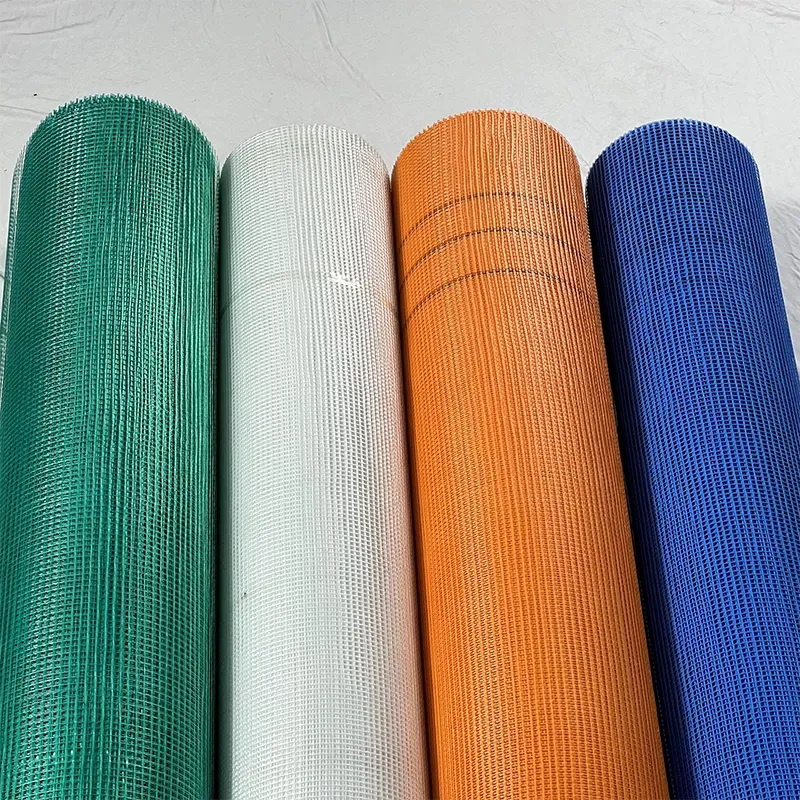
Fiberglass mesh for plastering is a woven reinforcement material manufactured from high-quality glass fiber yarns. These yarns are interlaced into a grid structure and coated with alkali-resistant polymers to ensure durability in cement-based environments.
Because cement and plaster contain alkaline substances, untreated glass fibers would degrade over time. However, modern glass fiber mesh for plastering is specially treated with alkali-resistant coatings that prevent chemical breakdown and maintain structural integrity.
Structure and Material Properties
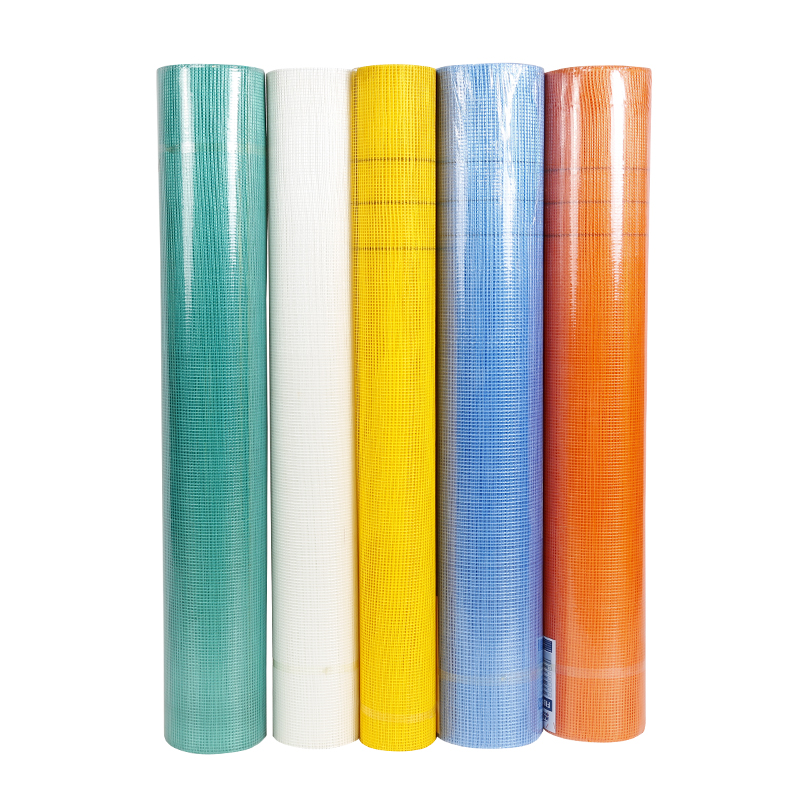
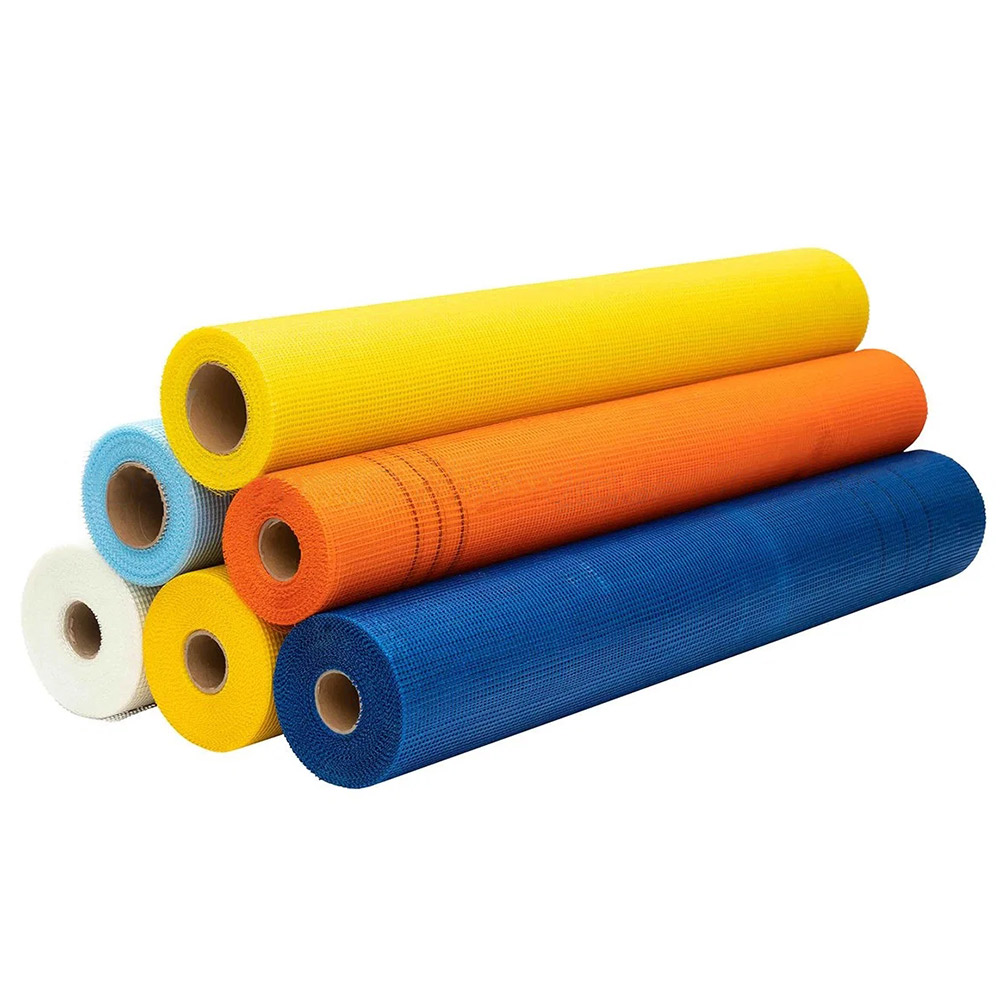
A typical fiberglass mesh roll offers the following characteristics:
High tensile strength
Excellent dimensional stability
Strong alkali resistance
Lightweight and flexible design
Corrosion resistance
Impact resistance
The grid-like structure allows the mesh to distribute stress evenly across the plaster surface. When embedded within wet plaster, the mesh acts as a reinforcement skeleton, significantly reducing the likelihood of cracking.
Roll Format for Construction Efficiency
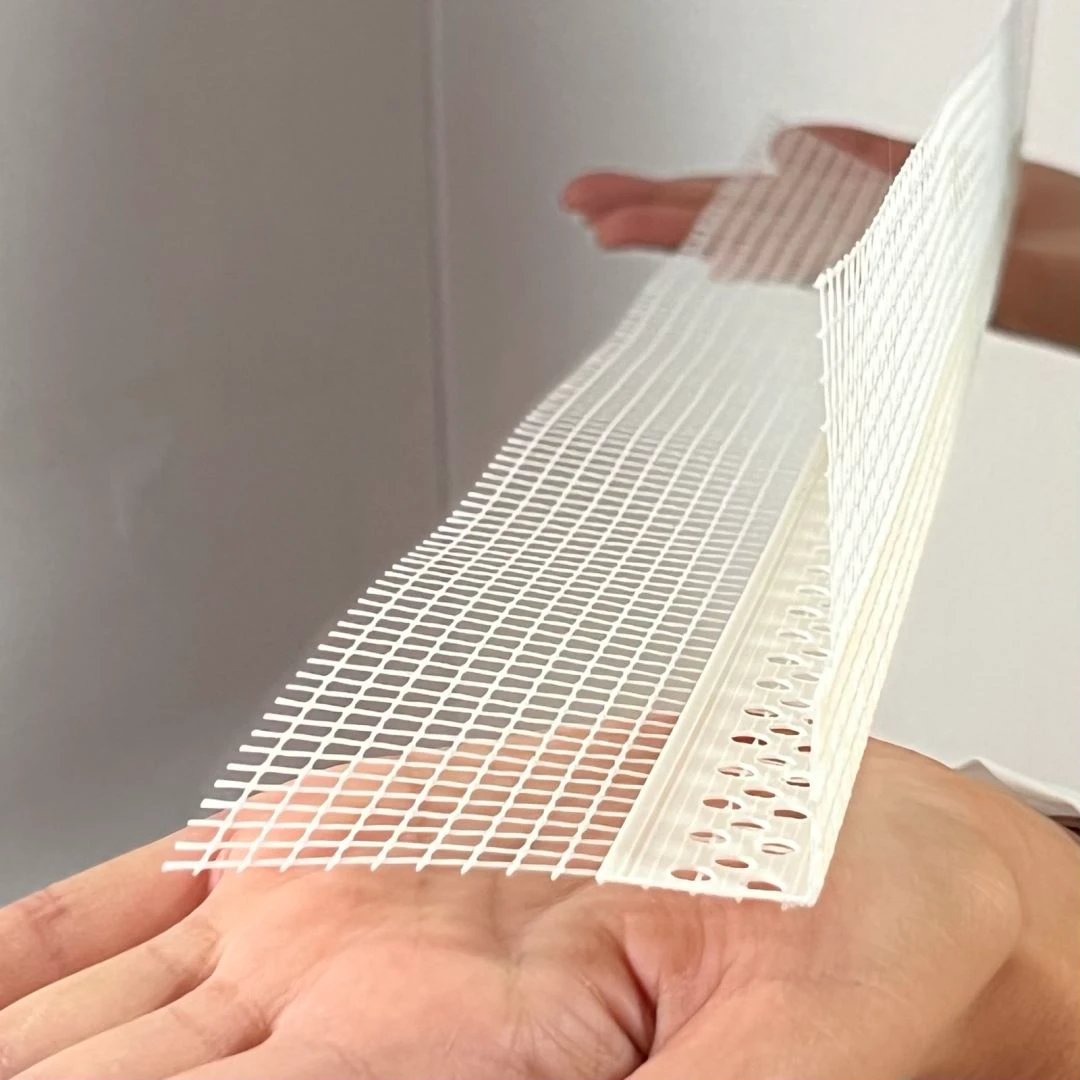
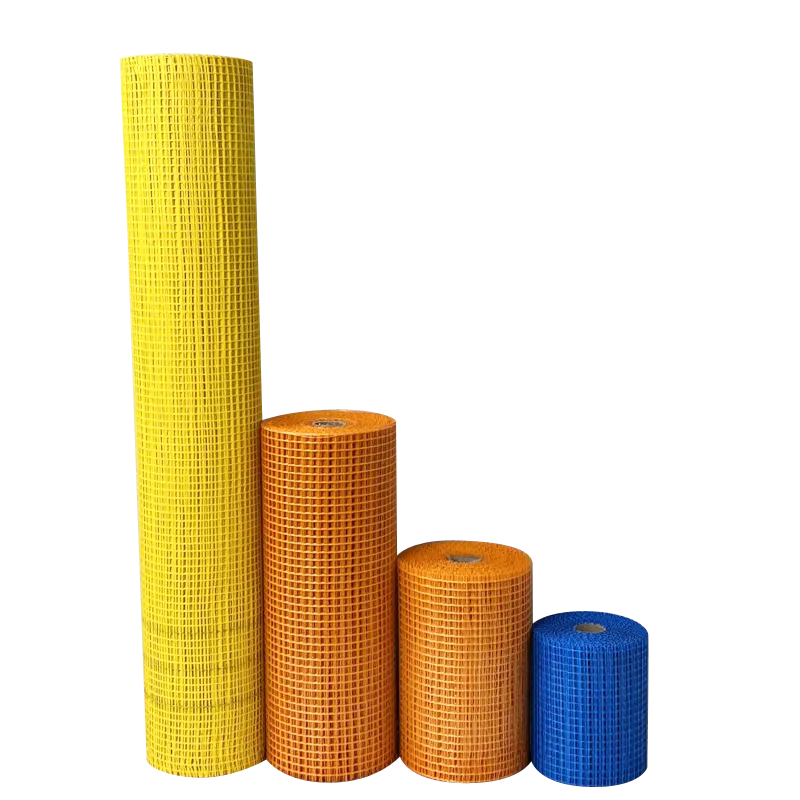
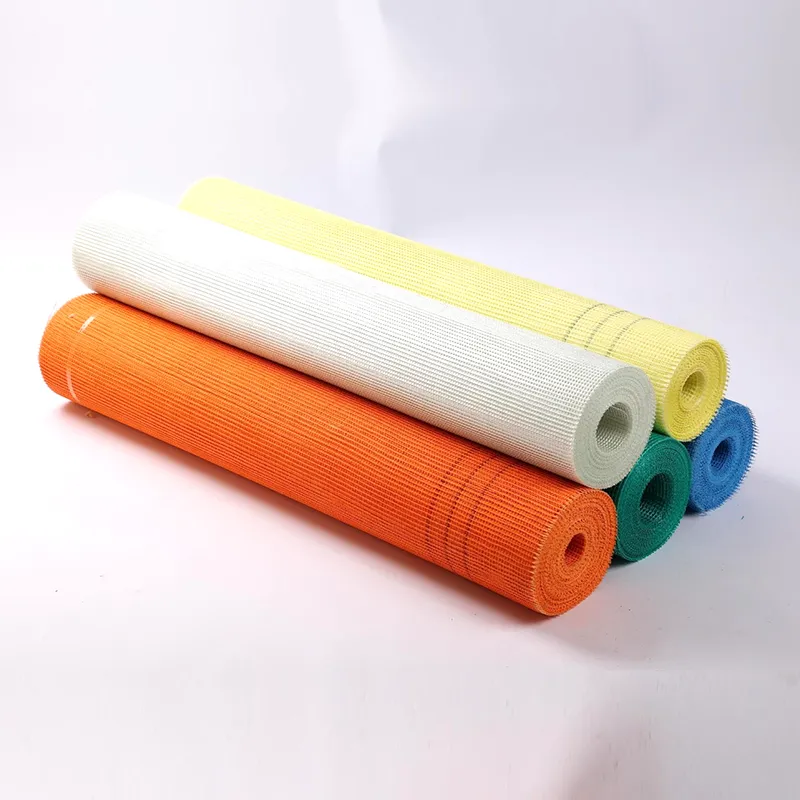
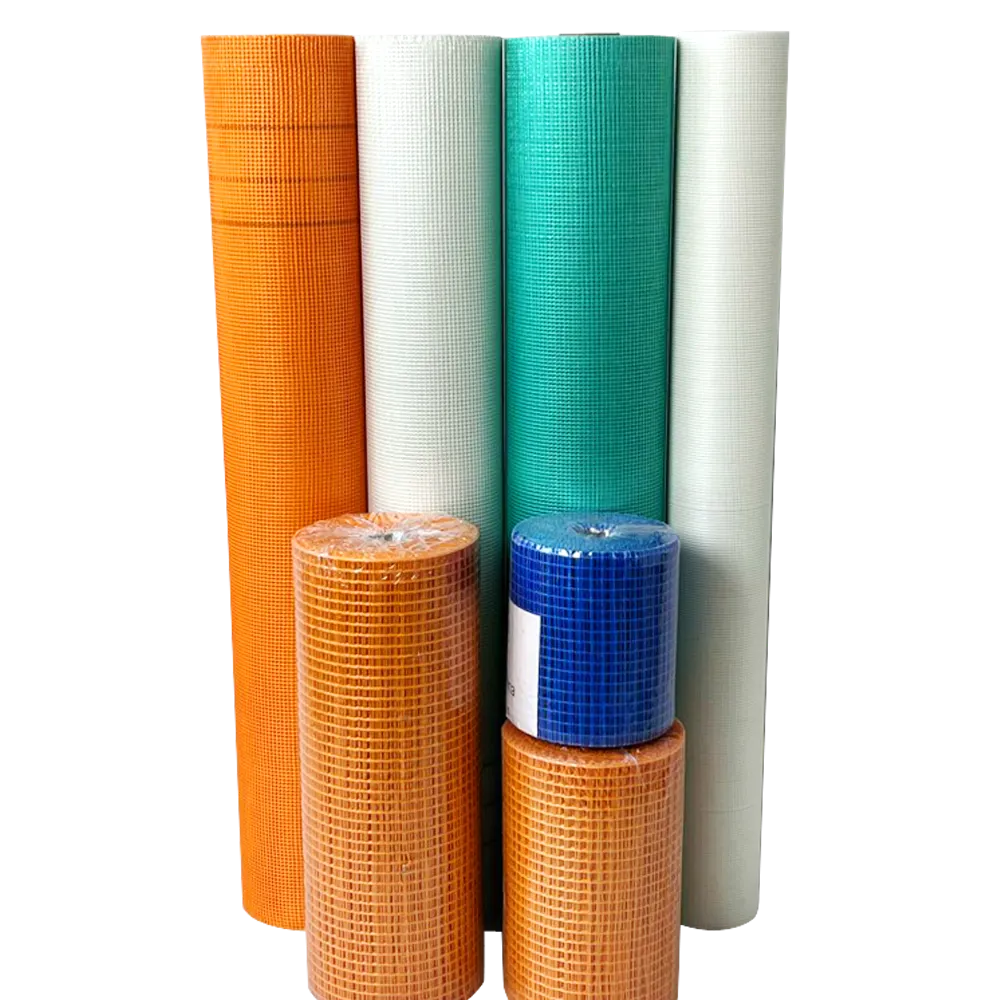
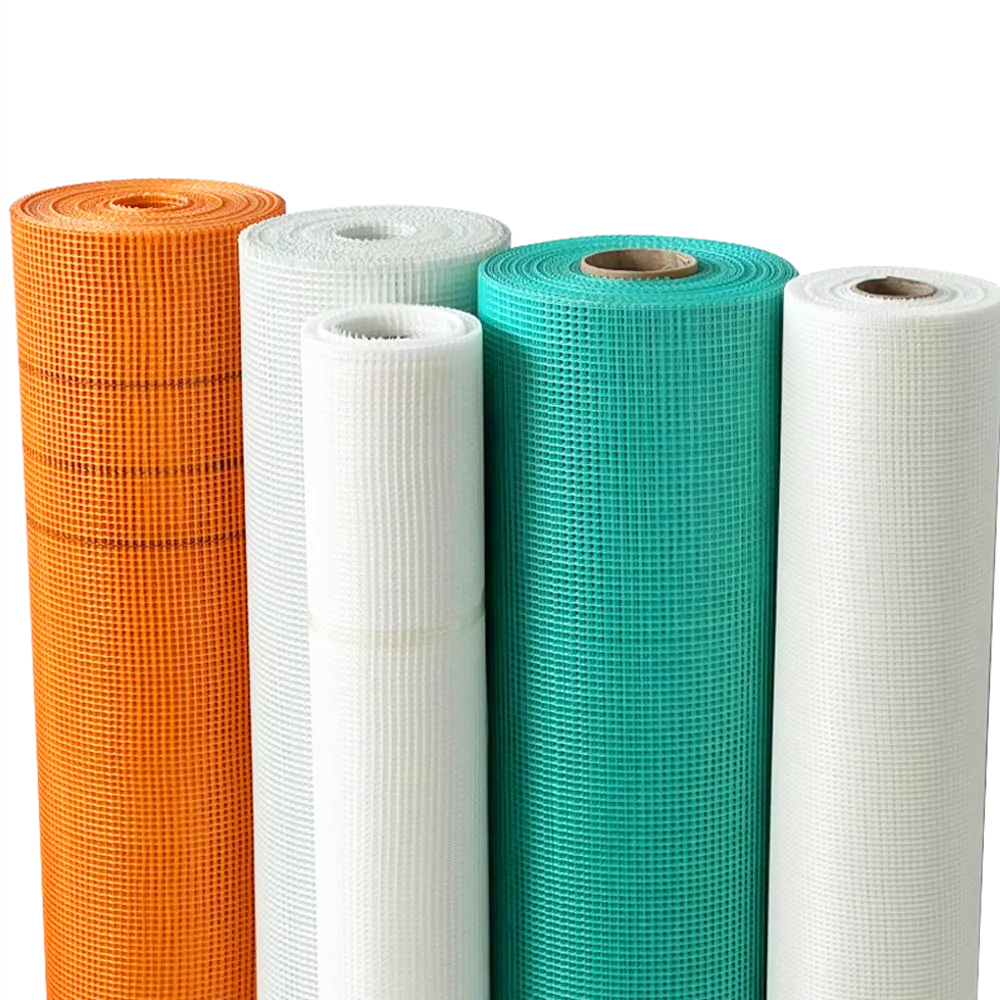
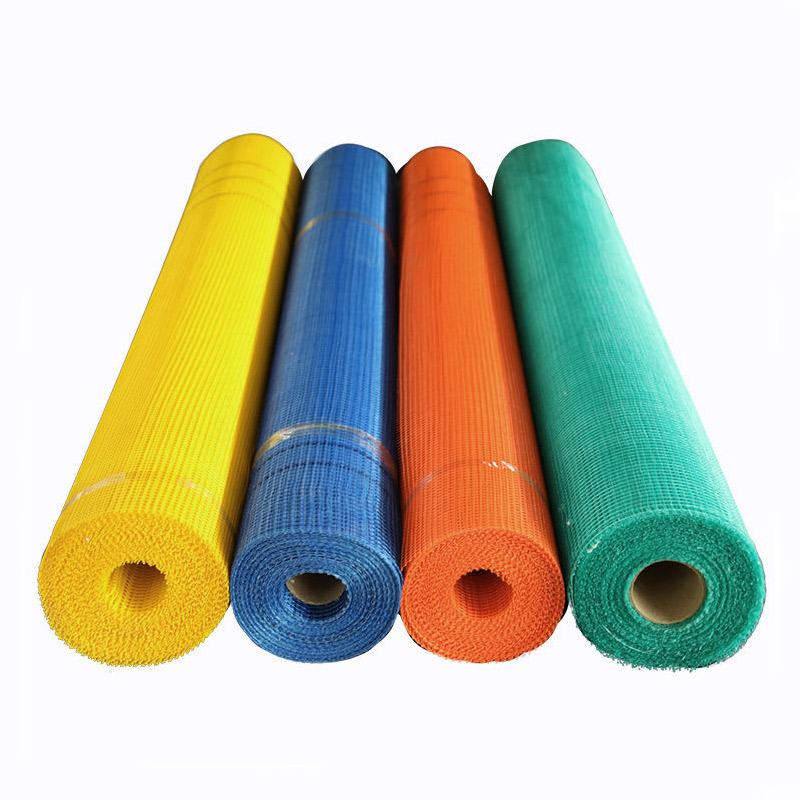
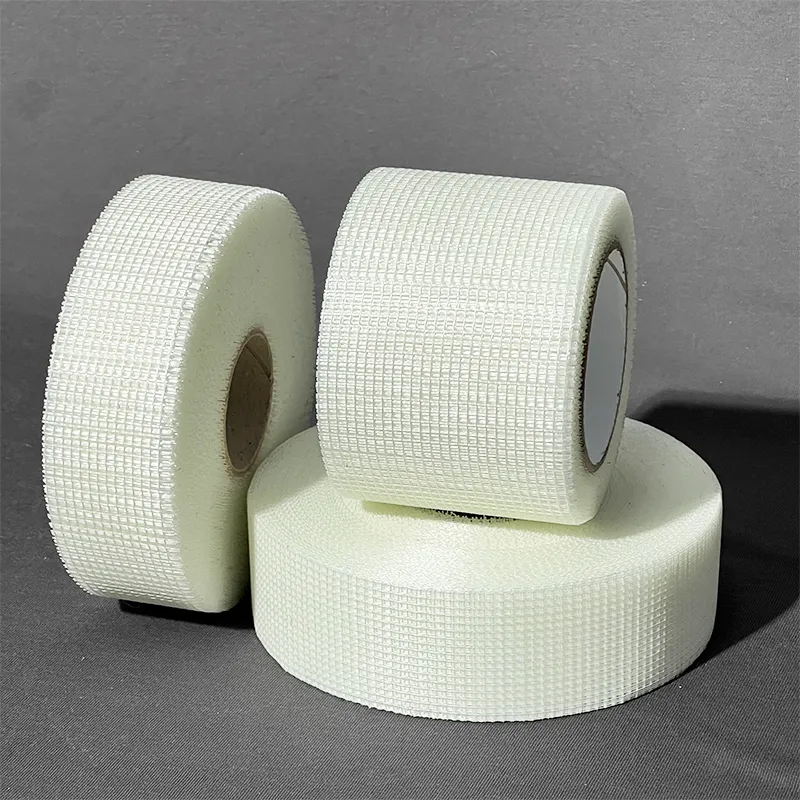
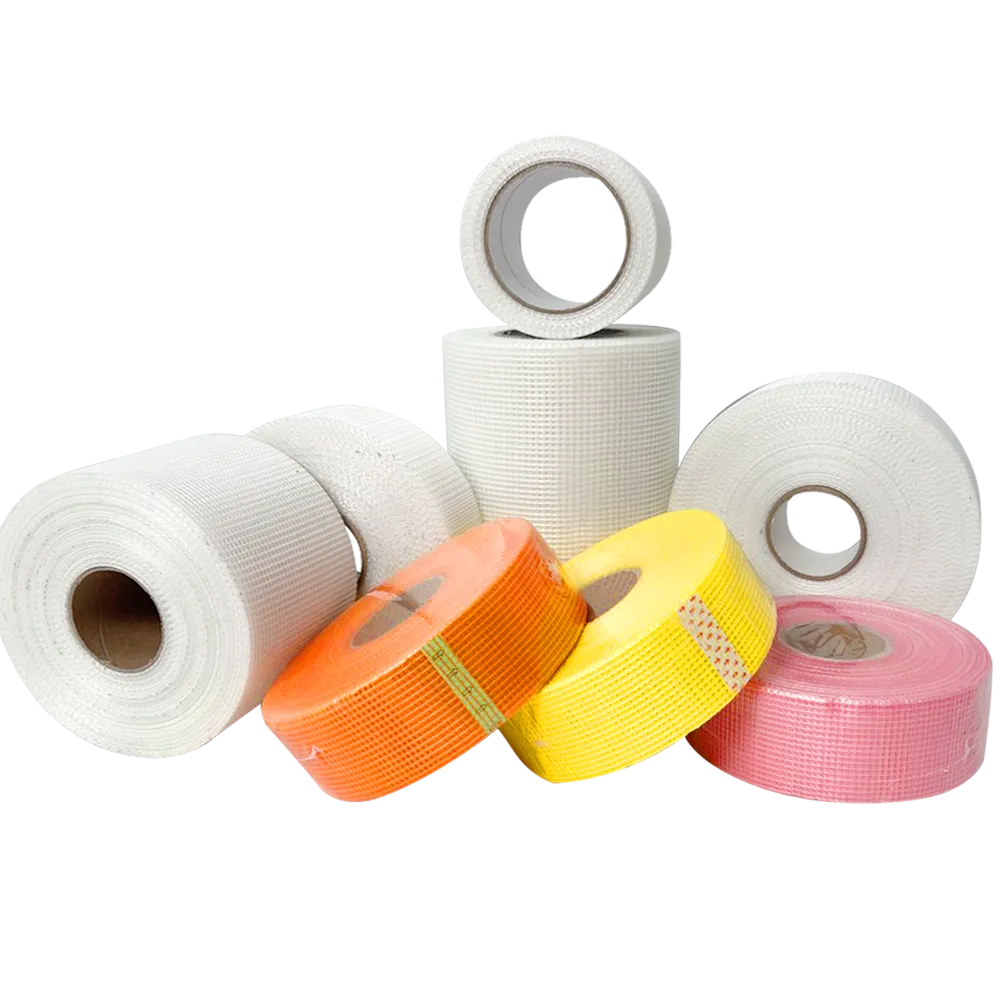
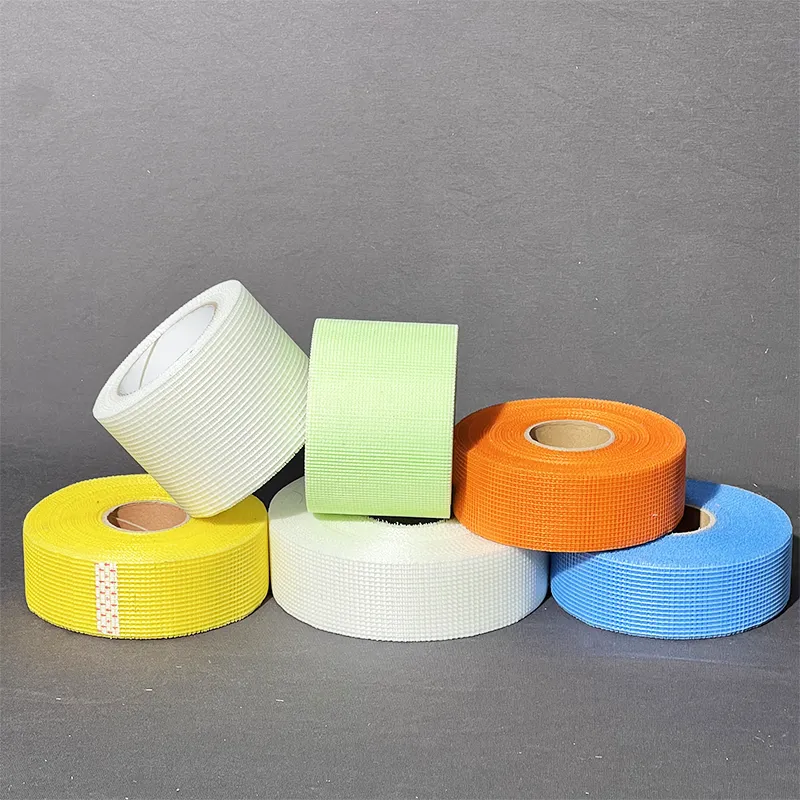
One of the major advantages of using a fiberglass mesh roll is its practicality on construction sites. Supplied in convenient rolls of various widths and lengths, contractors can easily cut the required size to fit walls, ceilings, or corners. This minimizes material waste and improves installation speed.
Rolls are typically available in different weights (measured in grams per square meter), allowing professionals to select the appropriate strength for specific applications, whether light interior plastering or heavy-duty exterior rendering.
Why Fibreglass Mesh Plastering Is Essential for Crack Prevention
Common Causes of Plaster Cracking
Plaster cracks are a common issue in both new and existing buildings. They can be caused by:
Thermal expansion and contraction
Structural movement
Shrinkage during curing
Substrate instability
Moisture fluctuations
Mechanical impact
Without reinforcement, plaster layers are vulnerable to stress concentration, leading to visible cracks that compromise aesthetics and durability.
How Fiber Glass Mesh for Plastering Reinforces Walls
When embedded into the base coat, fiber glass mesh for plastering absorbs tensile forces and distributes them across a wider surface area. Instead of allowing stress to concentrate at a single weak point, the mesh spreads the load evenly, preventing cracks from forming or propagating.
This reinforcement method is particularly important in:
Exterior wall insulation systems (EIFS)
Cement render systems
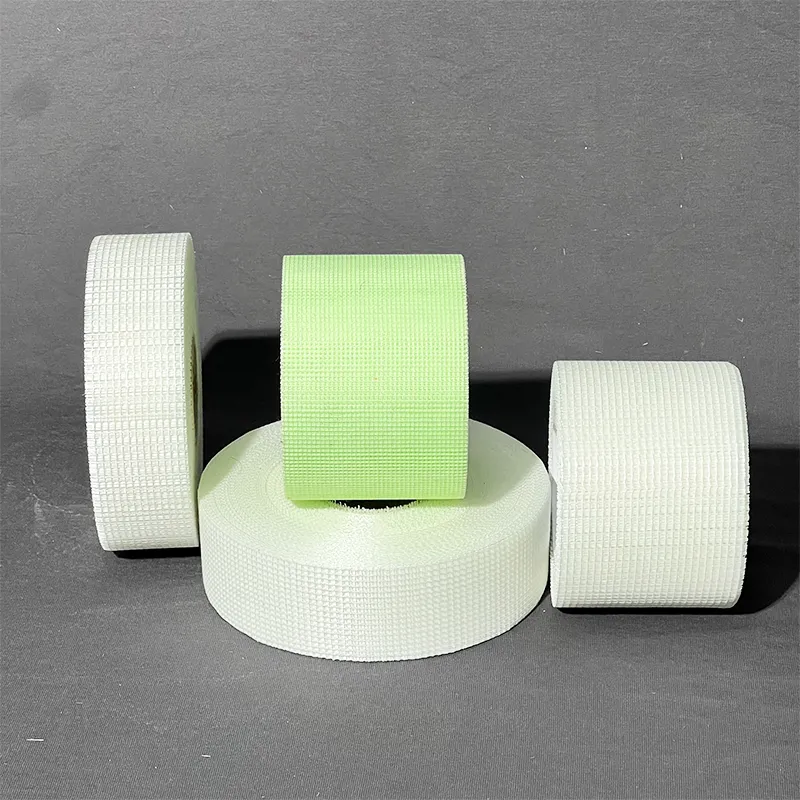
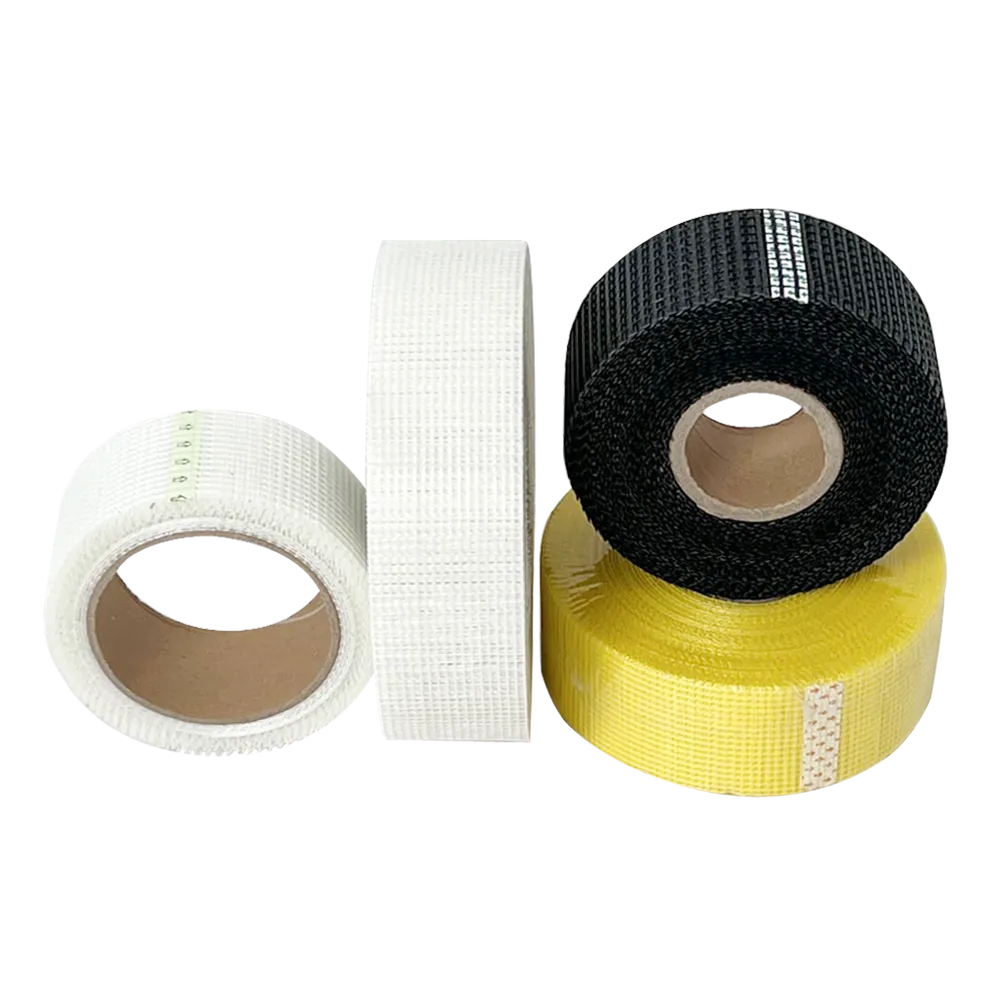
Interior drywall joint reinforcement
Ceiling plaster applications
Renovation and retrofitting projects
Enhanced Structural Stability
In addition to crack prevention, glass fibre mesh for plastering improves the overall mechanical performance of plaster systems. Reinforced plaster layers demonstrate:
Higher impact resistance
Improved adhesion to substrates
Greater resistance to vibration
Reduced shrinkage effects
These performance improvements make fiberglass mesh an indispensable material in modern plastering applications.
Applications of Glass Fiber Mesh for Plastering in Construction Projects
- Exterior Insulation and Finishing Systems (EIFS)
Energy-efficient building envelopes rely heavily on reinforced render systems. In EIFS applications, fibreglass mesh plastering is embedded within the base coat over insulation boards. This provides surface stability and prevents cracking caused by temperature variations and environmental stress.
Exterior walls are constantly exposed to wind, rain, UV radiation, and temperature changes. Using glass fiber mesh for plastering ensures that the render layer remains intact despite these environmental challenges.
- Interior Wall Reinforcement
Interior plaster surfaces also benefit from fiberglass mesh for plastering. It is commonly used to:
Reinforce drywall joints
Repair cracks in old plaster
Strengthen partition walls
Improve surface durability
In renovation projects, applying a fiberglass mesh roll before re-plastering old surfaces significantly reduces the risk of recurring cracks.
- Ceiling Applications
Ceilings are particularly prone to cracking due to structural movement and gravity-related stress. Incorporating fiber glass mesh for plastering into ceiling systems increases stability and reduces maintenance needs.
- Waterproofing Systems
When used in conjunction with waterproof coatings, glass fibre mesh for plastering enhances tear resistance and mechanical durability. This makes it suitable for:
Bathrooms
Kitchens
Basements
Swimming pools
Roof waterproofing layers
- Floor and Screed Reinforcement
Heavier grades of fibreglass mesh plastering can also be used in floor screed systems to minimize shrinkage cracks during curing.
Installation Best Practices for Fiberglass Mesh for Plastering
Step 1: Surface Preparation
Proper preparation is critical. Surfaces must be:
Clean and dust-free
Dry and structurally stable
Free from loose particles
Appropriately primed if necessary
Substrate irregularities should be repaired before applying plaster.
Step 2: Applying the Base Coat
Apply an even layer of plaster or adhesive mortar to the substrate. The thickness should be sufficient to fully embed the mesh.
Step 3: Embedding the Mesh
Press the fiberglass mesh roll into the wet base coat using a trowel. Ensure that:
The mesh is fully embedded
There are no air bubbles
Adjacent sheets overlap by at least 10 cm
The mesh remains centered within the plaster layer
The mesh should not be visible after finishing.
Step 4: Applying the Top Coat
Once the base layer has partially set, apply a finishing coat to fully encapsulate the glass fiber mesh for plastering.
Advantages of Using Glass Fibre Mesh for Plastering
Long-Term Durability
Unlike metal reinforcement materials, glass fibre mesh for plastering does not rust or corrode. This ensures long-term structural stability, even in humid or coastal environments.
Lightweight and Easy Handling
A fiberglass mesh roll is significantly lighter than steel mesh, making transportation and installation easier. Workers can handle large areas without heavy equipment.
Alkali Resistance
Cement-based materials create alkaline environments that degrade many materials over time. However, fiber glass mesh for plastering is specifically designed to withstand these conditions.
Cost-Effectiveness
While adding reinforcement increases initial material costs slightly, the reduction in maintenance, repair, and repainting expenses makes fibreglass mesh plastering highly cost-effective over the lifespan of a building.
Improved Surface Finish
Reinforced plaster systems maintain smoother surfaces with fewer visible cracks, improving overall building aesthetics.
Selecting the Right Fiberglass Mesh for Plastering
When choosing the appropriate mesh, consider the following factors:
Mesh weight (typically 60g/m² to 200g/m²)
Tensile strength
Alkali resistance rating
Application type (interior vs exterior)
Climate conditions
For heavy-duty exterior applications, higher-weight glass fiber mesh for plastering is recommended. For interior crack repairs, lighter mesh may be sufficient.
Quality certification and compliance with local construction standards are also important considerations.
Future Trends in Fiberglass Reinforcement Technology
As construction technology advances, manufacturers continue to improve the performance of fiberglass mesh roll products. Innovations include:
Enhanced polymer coatings
Higher tensile strength fibers
Improved flexibility
Eco-friendly manufacturing processes
These advancements further strengthen the role of fiberglass mesh for plastering in sustainable and energy-efficient construction systems.
In today’s demanding construction environment, reinforcement is no longer optional—it is essential. Fiberglass mesh for plastering provides a reliable, cost-effective, and durable solution for crack prevention and structural stability. From residential interiors to large-scale commercial projects, products such as fiberglass mesh roll, fibreglass mesh plastering, fiber glass mesh for plastering, glass fiber mesh for plastering, and glass fibre mesh for plastering continue to redefine modern plastering practices.
By improving tensile strength, enhancing impact resistance, and ensuring long-term durability, fiberglass mesh plays a crucial role in delivering stronger, longer-lasting, and more resilient building surfaces. As construction standards continue to evolve, fiberglass mesh technology will remain a fundamental component of high-performance plaster systems worldwide.
-
Best Fiberglass Mesh Tape for RedGard Product Waterproofing GuideNûçeApr.16,2026
-
Why High Strength Fiberglass Mesh Is Essential For Stucco ApplicationNûçeApr.15,2026
-
Why Alkali Resistant Fiberglass Mesh Tape Is Essential For Cement Board And Tile InstallationsNûçeApr.15,2026
-
Understanding The Role Of Drywall Fiberglass Mesh In Interior FinishingNûçeApr.15,2026
-
Ultimate Guide To Using Fiberglass Mesh Tape For Drywall And Plaster RepairsNûçeApr.15,2026
-
The Versatility Of Fiberglass Mesh In Marble And Stone MosaicNûçeApr.15,2026