ئازار . 20, 2026 16:01 Vegere navnîşê
Step-by-Step Guide: Fiberglass Mesh Stucco Application Best Practices
The architectural beauty of a stucco finish is often overshadowed by the common fear of surface cracking and delamination. Stucco, while durable and fire-resistant, is essentially a rigid cementitious shell that must endure the natural movements of a building's frame. To ensure a professional and long-lasting exterior, the integration of a high-performance reinforcement system is mandatory. Mastering the fiberglass mesh stucco application process is the definitive way to bridge the gap between traditional masonry and modern engineering requirements. By providing a flexible yet high-tensile skeleton within the base coat, this mesh allows the stucco to absorb mechanical stresses and thermal expansion, resulting in a flawless facade that maintains its integrity across various climates and structural conditions.
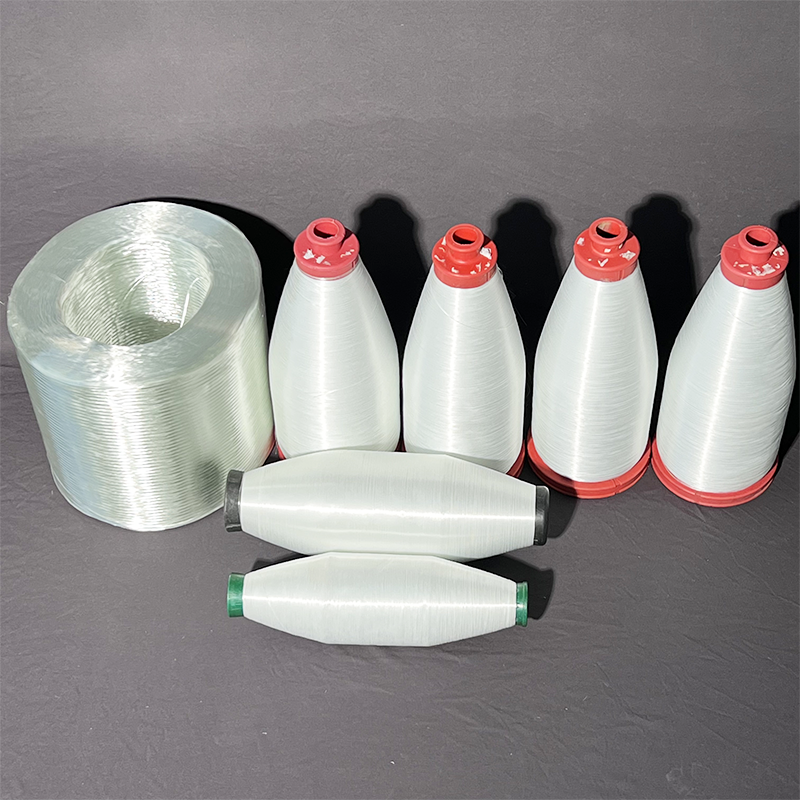
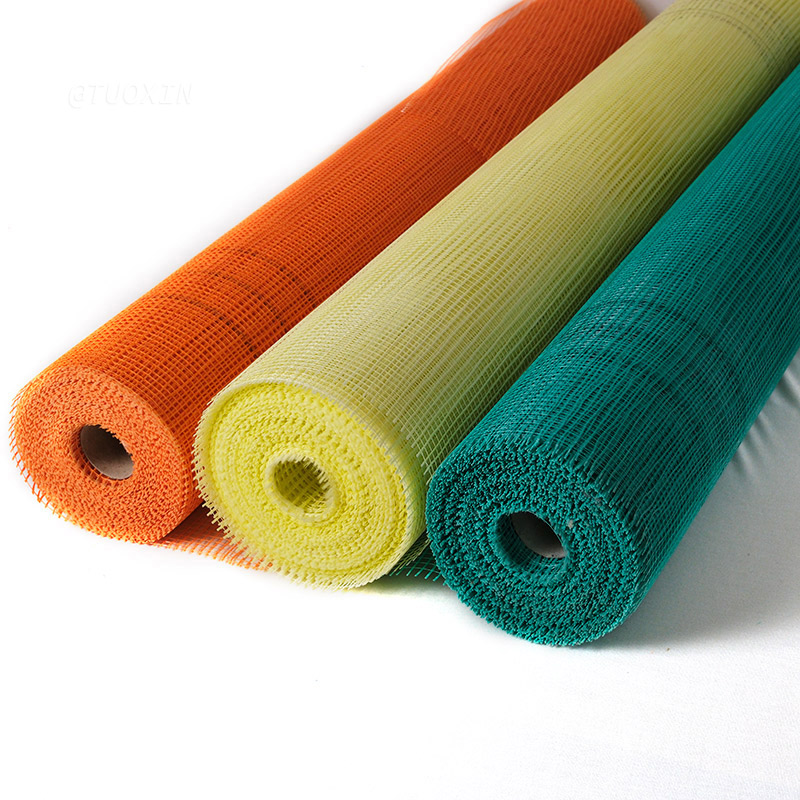
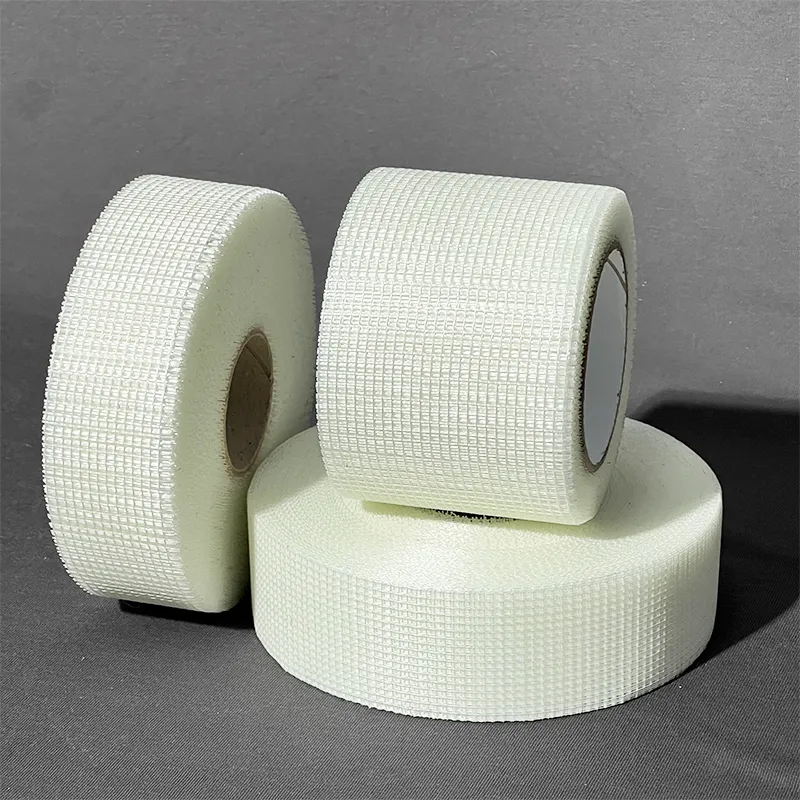
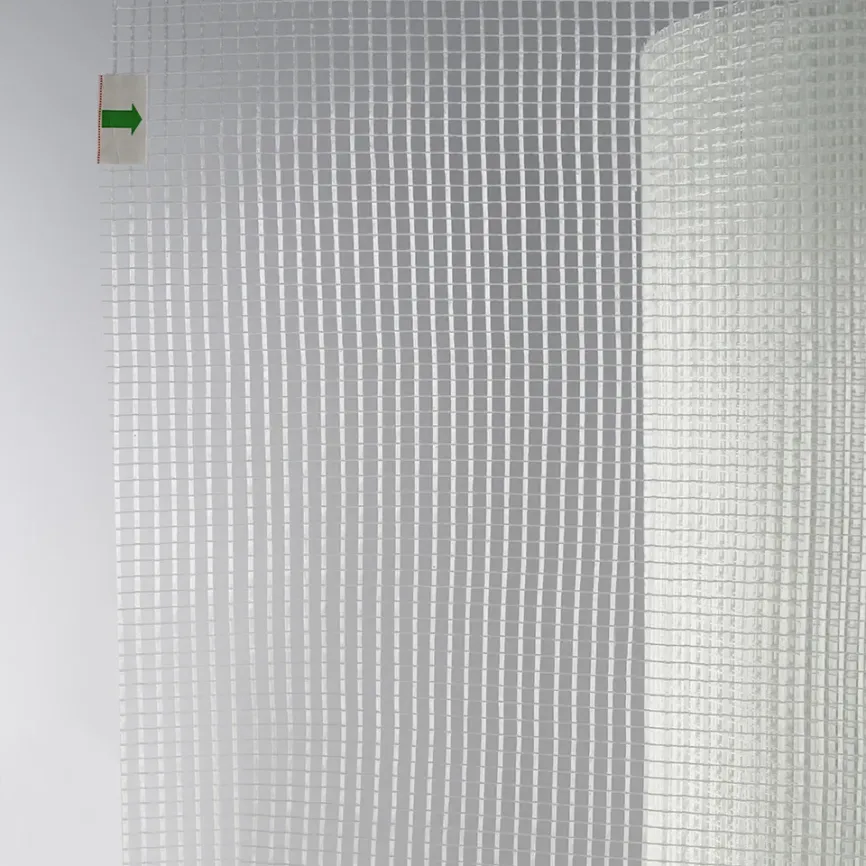
Understanding the mechanics of reinforcement starts with the material itself. Modern stucco fiberglass mesh is not merely a plastic grid; it is a sophisticated textile woven from alkali-resistant glass fibers. Because cement and lime are naturally caustic, unprotected glass would eventually dissolve within the wet mortar. The specialized polymer coating on professional-grade mesh ensures that the reinforcement remains functional for the entire lifespan of the building. For a contractor, the primary goal of the fiberglass mesh stucco application is to create a reinforced composite layer that acts as a buffer between the substrate and the final decorative finish, ensuring that micro-movements do not translate into visible fractures.
Preparing The Substrate For Stucco Fiberglass Mesh Integration
Before any mesh is unrolled, the underlying surface must be meticulously prepared to ensure a permanent bond. Whether the project involves External Insulation and Finish Systems (EIFS) or traditional hard-coat stucco, the substrate must be clean, dry, and free of any debris that could interfere with adhesion. In a professional fiberglass mesh stucco application, the installer first inspects the insulation boards or the masonry base for any gaps or unevenness. If insulation boards are used, they must be rasped to create a slightly roughened surface, which significantly improves the mechanical "keying" of the base coat mortar. This preparation phase is the foundation upon which the entire reinforcement system rests.
Once the surface is ready, the first layer of base coat is applied using a stainless steel trowel. It is a critical error to attempt to stick the stucco fiberglass mesh directly to a dry wall. Instead, the mesh must be embedded into a wet bed of mortar. The base coat should be applied in a uniform thickness, typically slightly thicker than the mesh itself. This creates the "bed" into which the stucco fiberglass mesh will be submerged. By ensuring that the mortar is fresh and workable, the installer guarantees that the glass fibers will be completely encapsulated, providing the maximum possible shear resistance and preventing the mesh from "ghosting" or appearing as a shadow through the final finish.
Executing The Perfect Fiberglass Mesh Stucco Application Technique
The core of the reinforcement process involves the careful placement and embedding of the grid into the wet base coat. The installer begins at the top of the wall and works downward, unrolling the fiberglass mesh for stucco into the freshly applied mortar. Using a flat trowel and starting from the center of the mesh strip, the worker presses the mesh into the mud with firm, overlapping strokes. The goal of this phase of the fiberglass mesh stucco application is to pull the mortar through the openings of the grid until the mesh is fully submerged and no longer visible on the surface. If the mesh is pressed too hard against the substrate, it will lose its reinforcing properties; if it sits too close to the surface, it may cause the finish coat to peel.
Proper tensioning is also a hallmark of expert craftsmanship. As the fiberglass mesh for stucco is troweled in, the installer must ensure there are no wrinkles, bubbles, or sags. A smooth, flat reinforcement layer is essential for achieving a Level 5 finish. If a wrinkle does occur, it is often better to pull the mesh back and re-embed it rather than trying to cover it with extra mortar, which would create an unsightly hump in the wall profile. This attention to detail during the embedding phase ensures that the reinforcement acts as a unified "skin" that moves in harmony with the building's exterior, providing a stable and flat substrate for the subsequent texture or color coats.
Managing Joints And Overlaps Using Fiberglass Mesh Rolls
One of the most common points of failure in exterior finishes occurs at the seams where different strips of reinforcement meet. To prevent vertical cracking, it is imperative that the lîsteyên tevna fiberglass are applied with a significant overlap. Industry standards generally require an overlap of at least ten centimeters (four inches) at all edges. In a professional fiberglass mesh stucco application, these overlaps ensure that there is no "weak link" in the reinforcement chain. By maintaining a continuous web of glass fibers across the entire facade, the system can effectively distribute lateral tension that would otherwise concentrate at the joints between insulation panels.
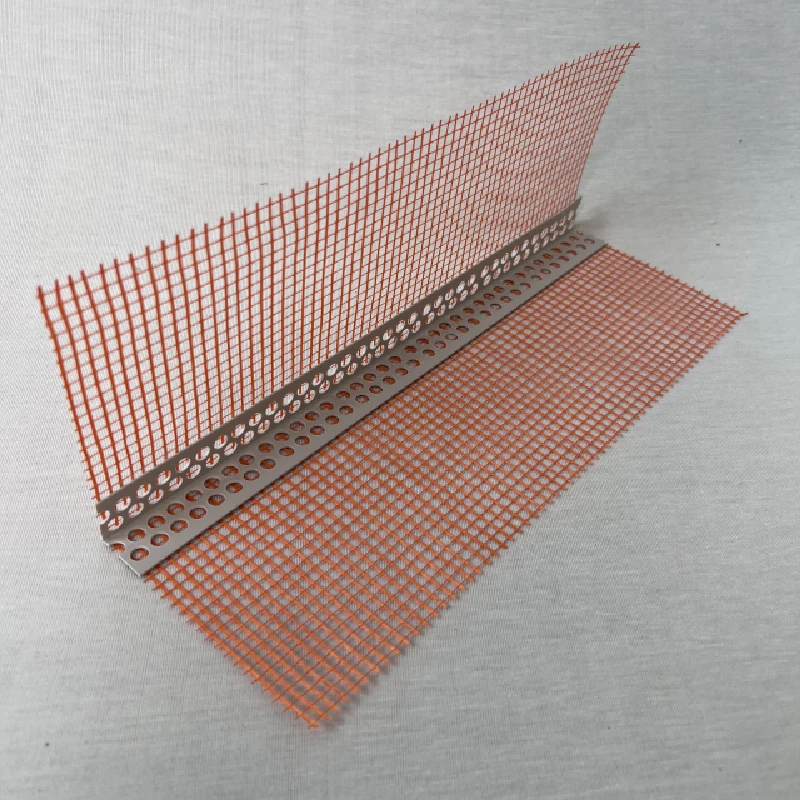
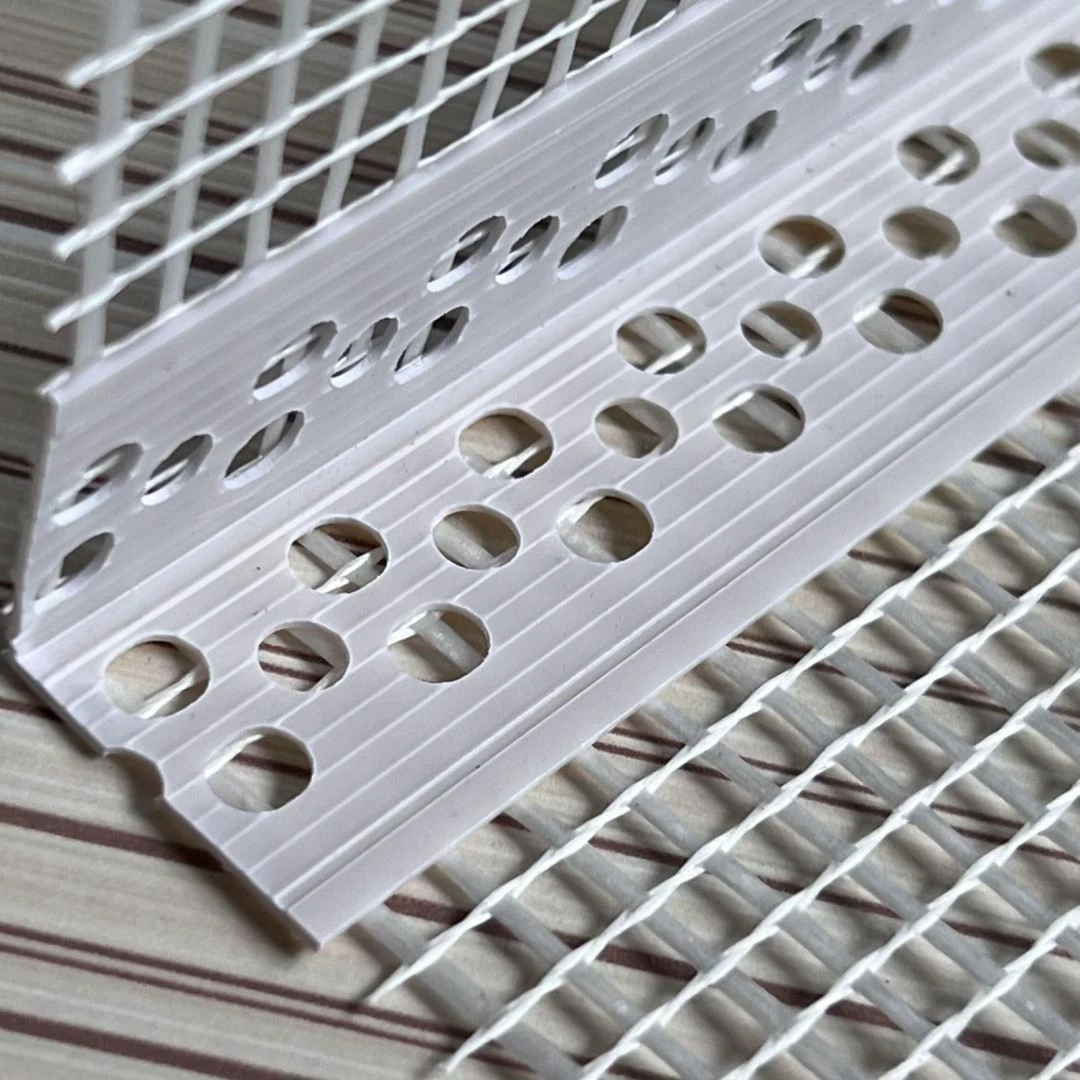
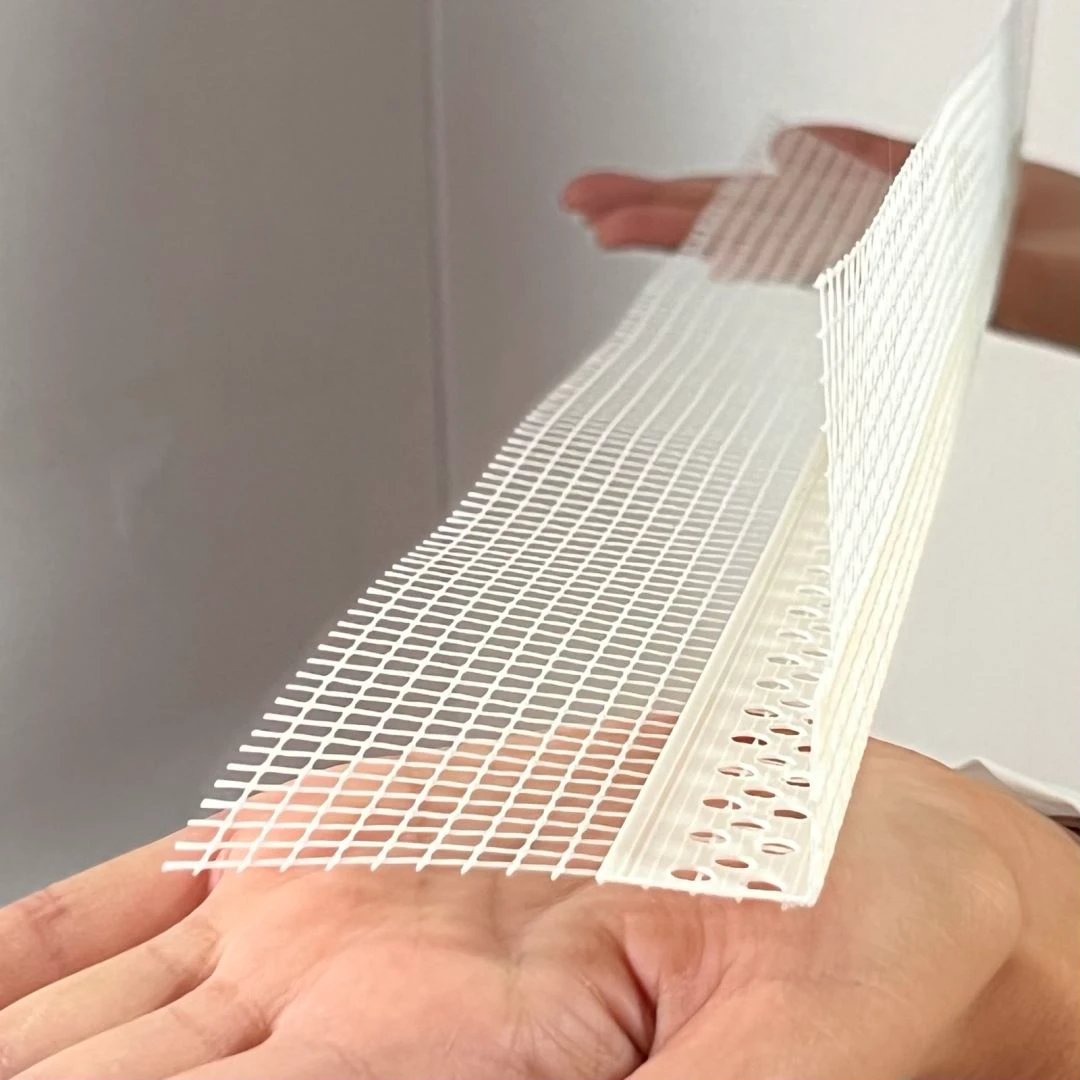
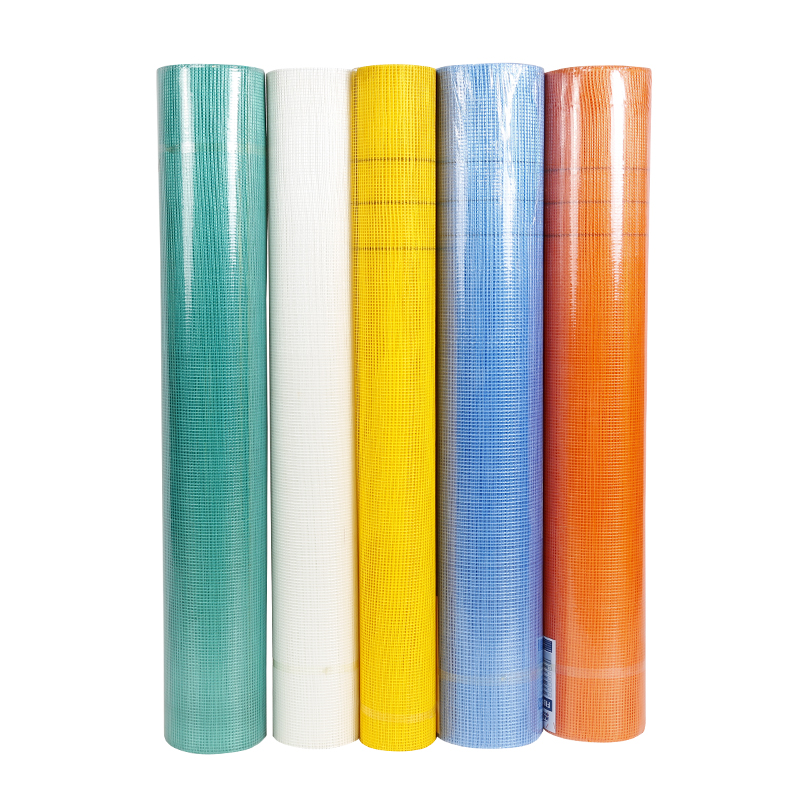
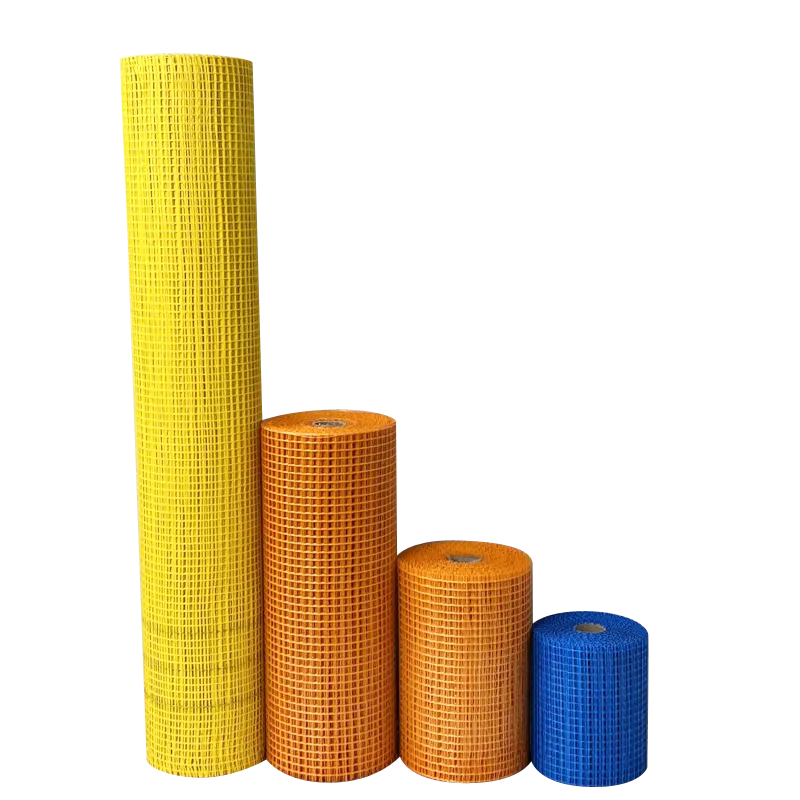
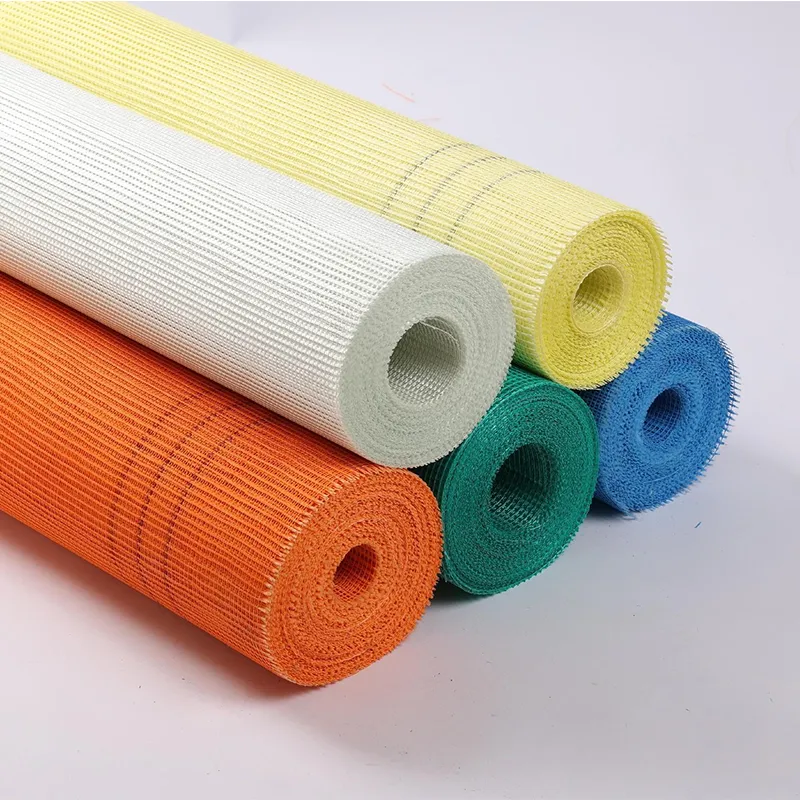
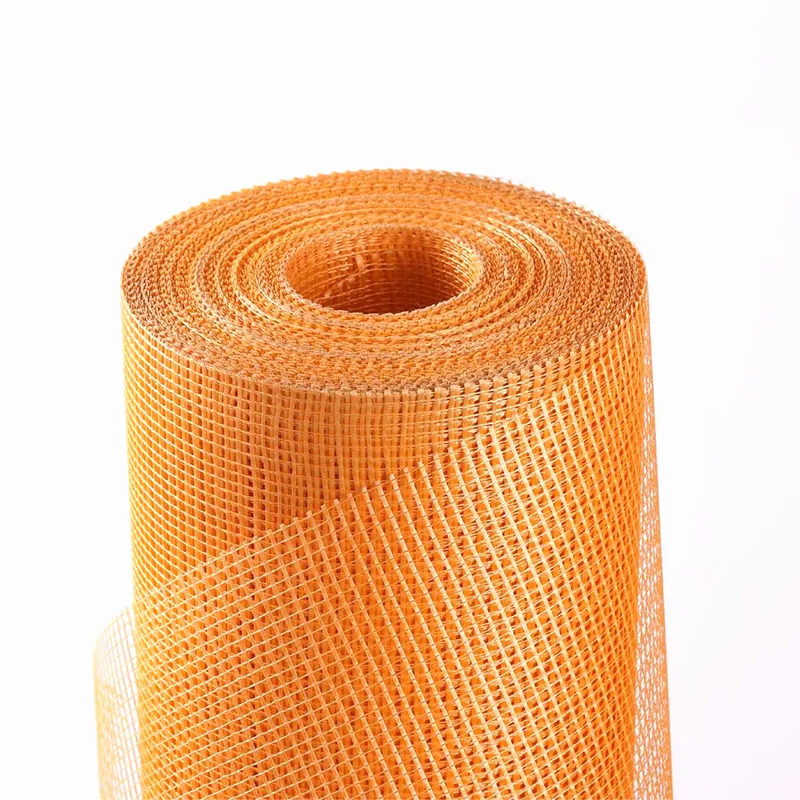
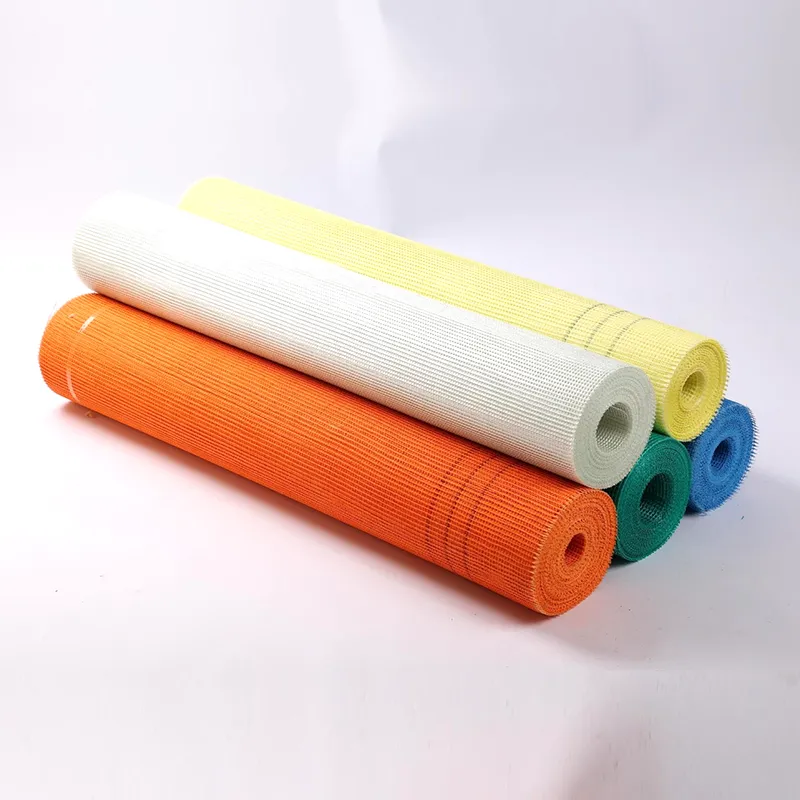
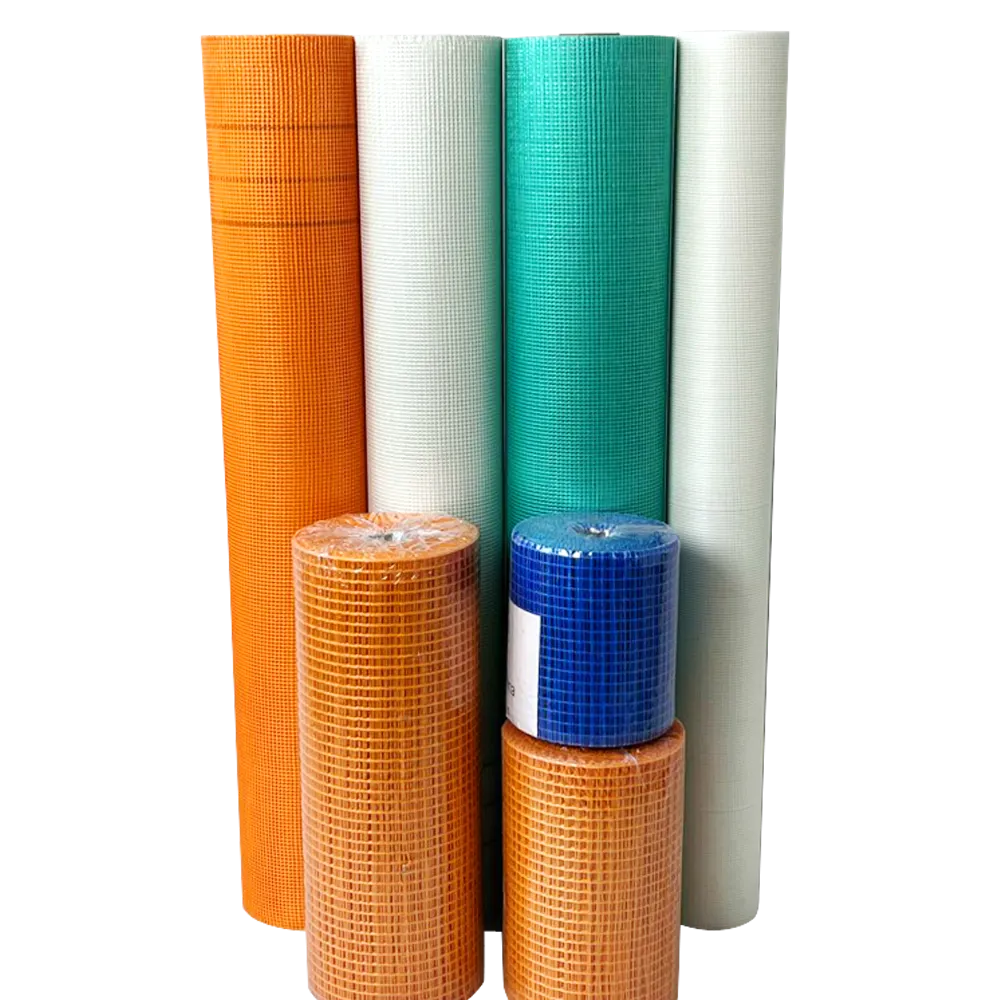
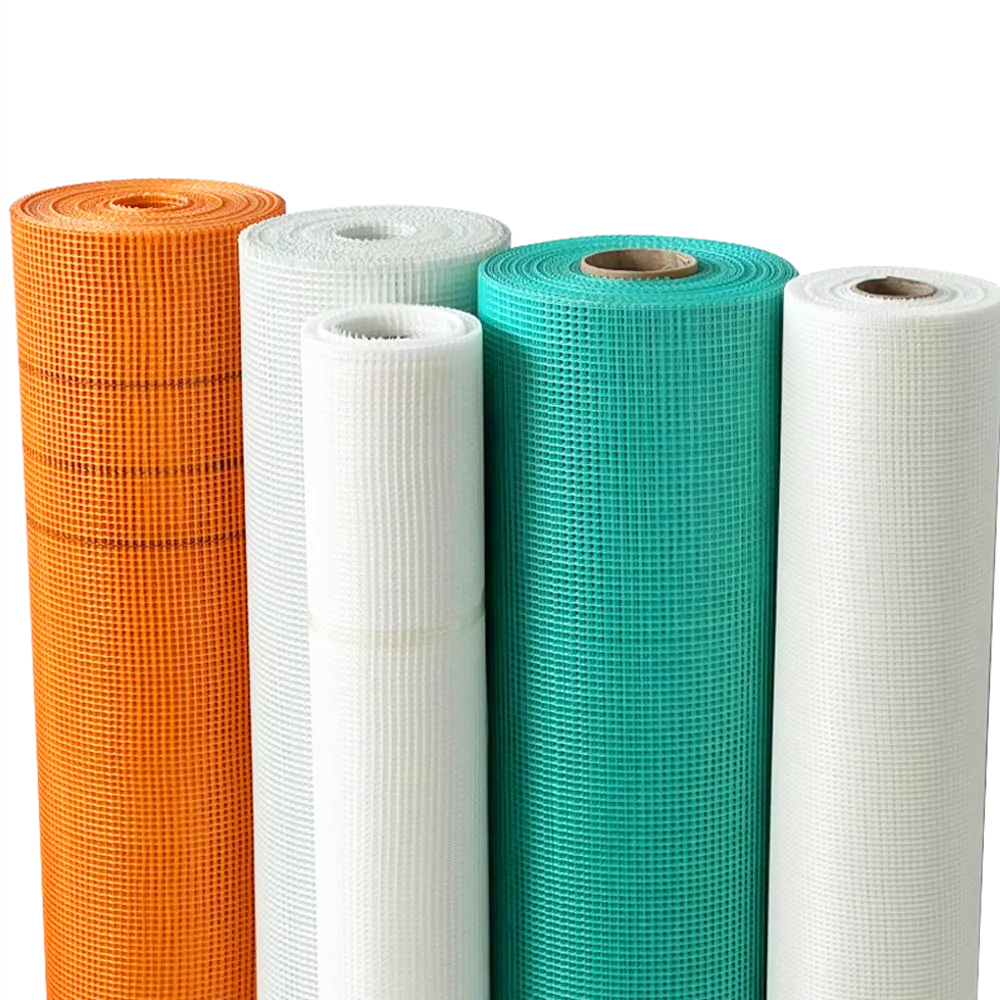
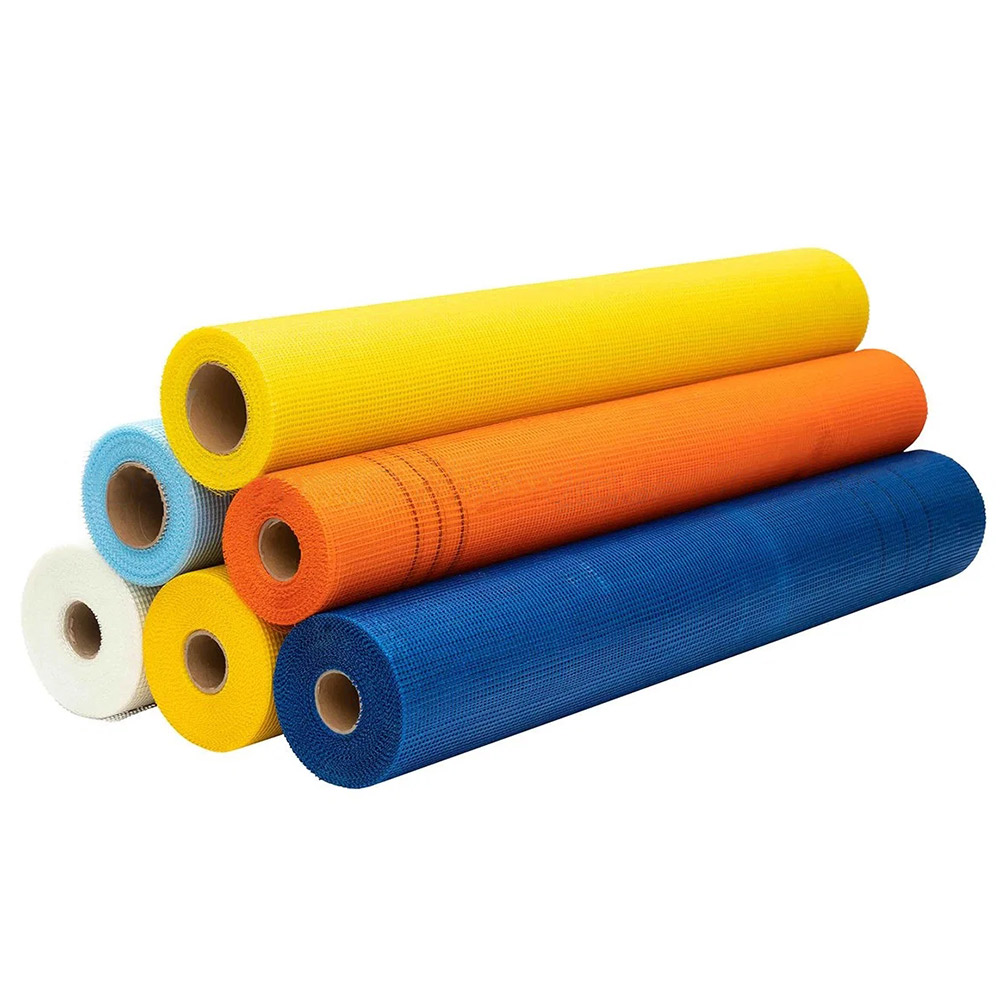
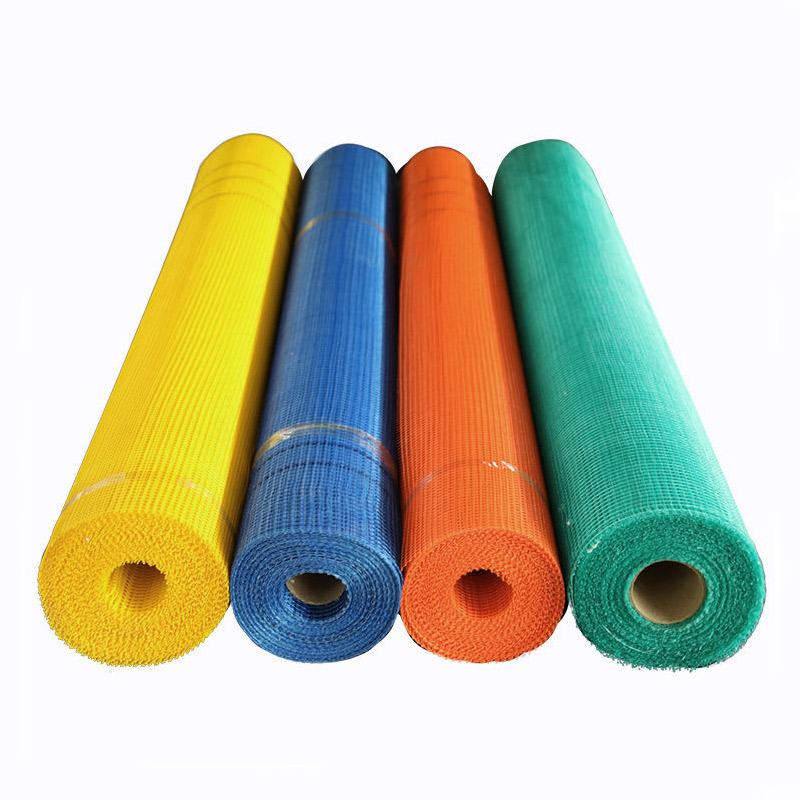
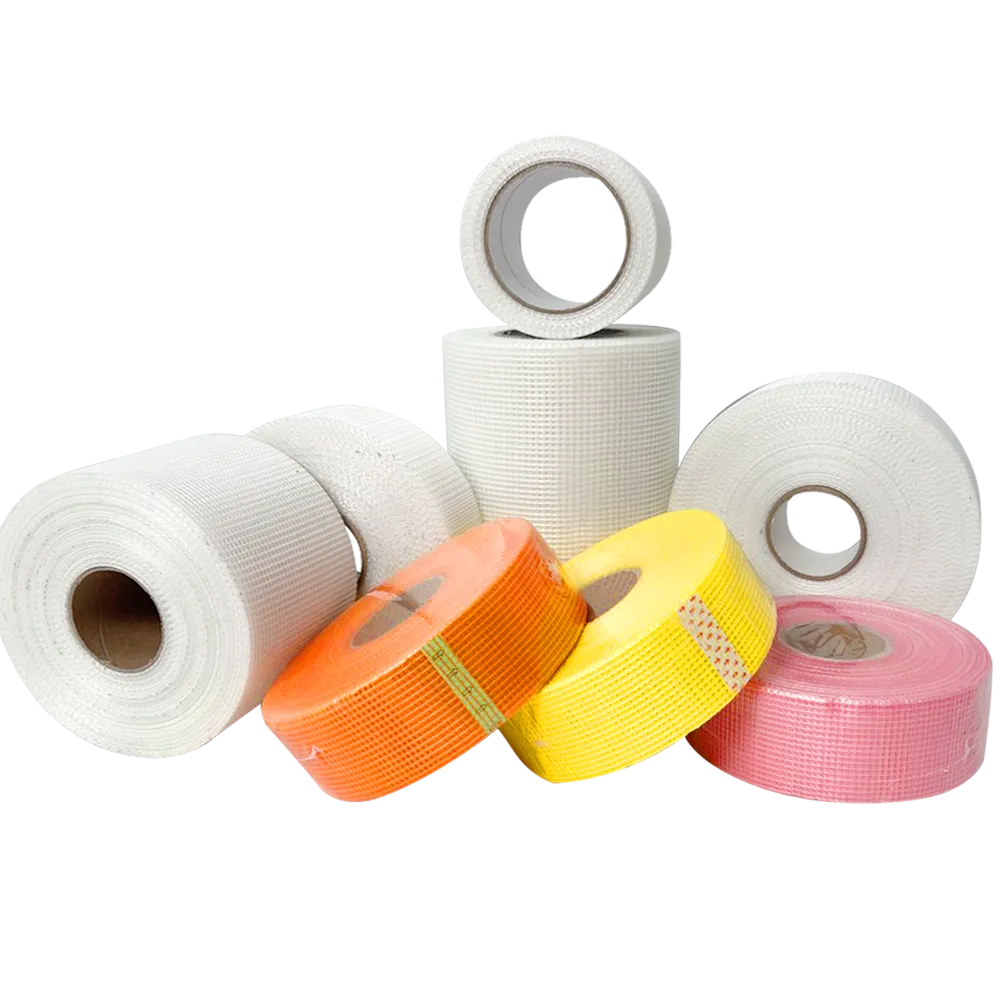
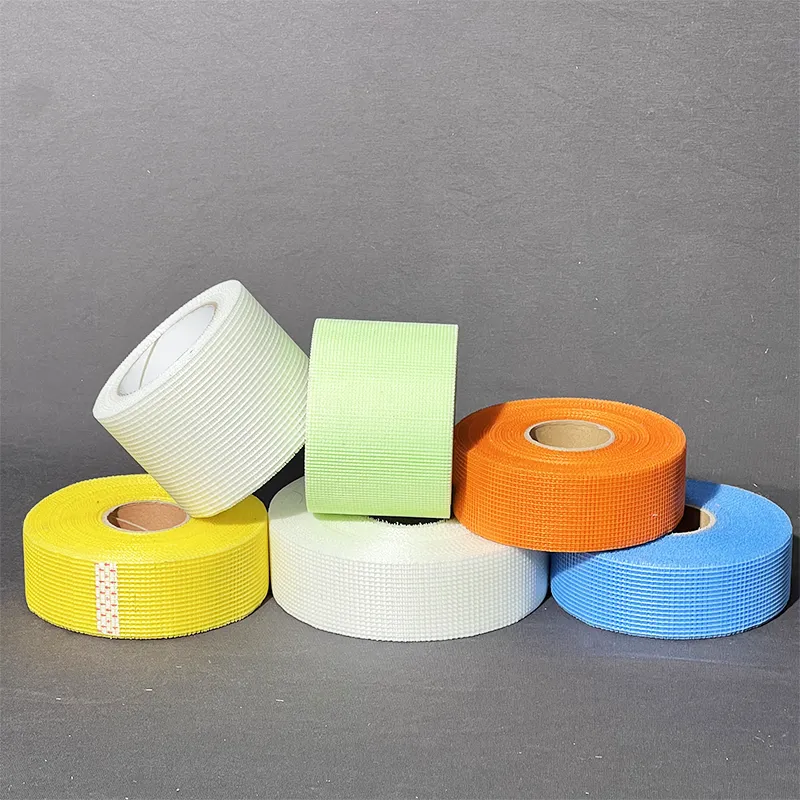
Managing the logistics of large-scale projects is made significantly easier by the portability of lîsteyên tevna fiberglass. A single roll can cover a vast area, yet it is light enough for a worker to handle while standing on scaffolding. When transitioning around corners, the mesh should be wrapped continuously around the edge rather than cut at the corner. This "wrapping" technique provides extra structural stability at the building's most vulnerable points. For windows and doors, installers often apply double layers or diagonal "butterfly" strips of mesh at the corners to counteract the 45-degree stress lines that frequently lead to corner cracks. By utilizing the flexibility of the lîsteyên tevna fiberglass, the building team can create a seamless armor that protects every square inch of the architectural envelope.
Finalizing The Surface With High-Quality Fiberglass Mesh Netting
As the base coat cures, the fiberglass mesh netting becomes an inseparable part of the wall matrix. It is important to allow sufficient drying time—usually twenty-four to forty-eight hours—before applying the final texture or color coat. During this time, the fiberglass mesh netting works to control the initial shrinkage of the cement as it loses moisture. This proactive crack control is the primary reason why reinforced stucco looks superior to non-reinforced alternatives even years after the initial installation. The open-weave design of the fiberglass mesh netting ensures that vapor can still pass through the wall system, preventing the buildup of moisture behind the facade which could lead to rot or mold.
The final result of a well-executed fiberglass mesh stucco application is a wall that feels solid to the touch and remains aesthetically vibrant. The glass fiber reinforcement prevents the "alligatoring" effect often seen in older stucco homes and provides a high level of impact resistance against hail or accidental strikes. Whether you are a homeowner overseeing a renovation or a contractor managing a commercial development, the use of professional-grade fiberglass mesh netting is the ultimate guarantee of quality. By following these best practices, you are not just applying a finish; you are engineering a high-performance architectural shield that will stand the test of time, weather, and structural movement.
-
Best Fiberglass Mesh Tape for RedGard Product Waterproofing GuideNûçeApr.16,2026
-
Why High Strength Fiberglass Mesh Is Essential For Stucco ApplicationNûçeApr.15,2026
-
Why Alkali Resistant Fiberglass Mesh Tape Is Essential For Cement Board And Tile InstallationsNûçeApr.15,2026
-
Understanding The Role Of Drywall Fiberglass Mesh In Interior FinishingNûçeApr.15,2026
-
Ultimate Guide To Using Fiberglass Mesh Tape For Drywall And Plaster RepairsNûçeApr.15,2026
-
The Versatility Of Fiberglass Mesh In Marble And Stone MosaicNûçeApr.15,2026