Қаз . 15, 2025 16:13 Тізімге оралу
Reinforcing Walls with Fiberglass Mesh Netting: A Modern Plastering Solution
In the construction and renovation industries, materials that enhance wall durability and prevent cracking are crucial for long-lasting results. One of the most reliable and widely adopted reinforcement materials is fiberglass mesh netting. Whether it’s a new plastering project or a restoration task, integrating plastering fiberglass mesh significantly improves the strength and lifespan of wall surfaces. Lightweight, alkali-resistant, and easy to apply, fiberglass netting has become an essential part of modern plastering systems.
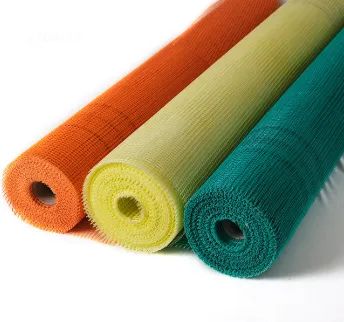
This article explores the different types and applications of шыны талшықты тор, its benefits for plastering, and how it compares with traditional methods.
What Is Fiberglass Mesh Netting?
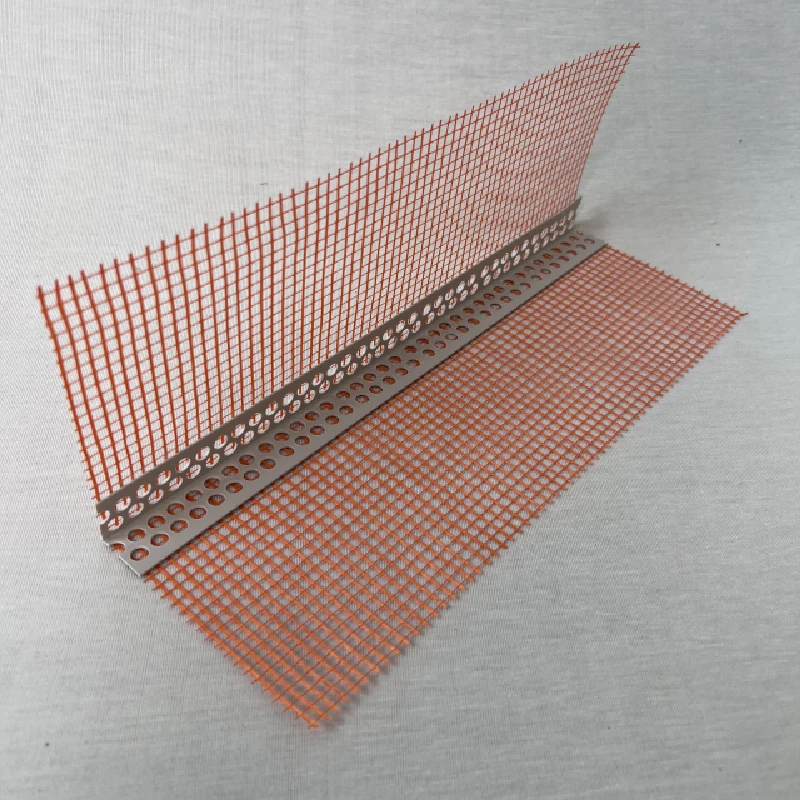
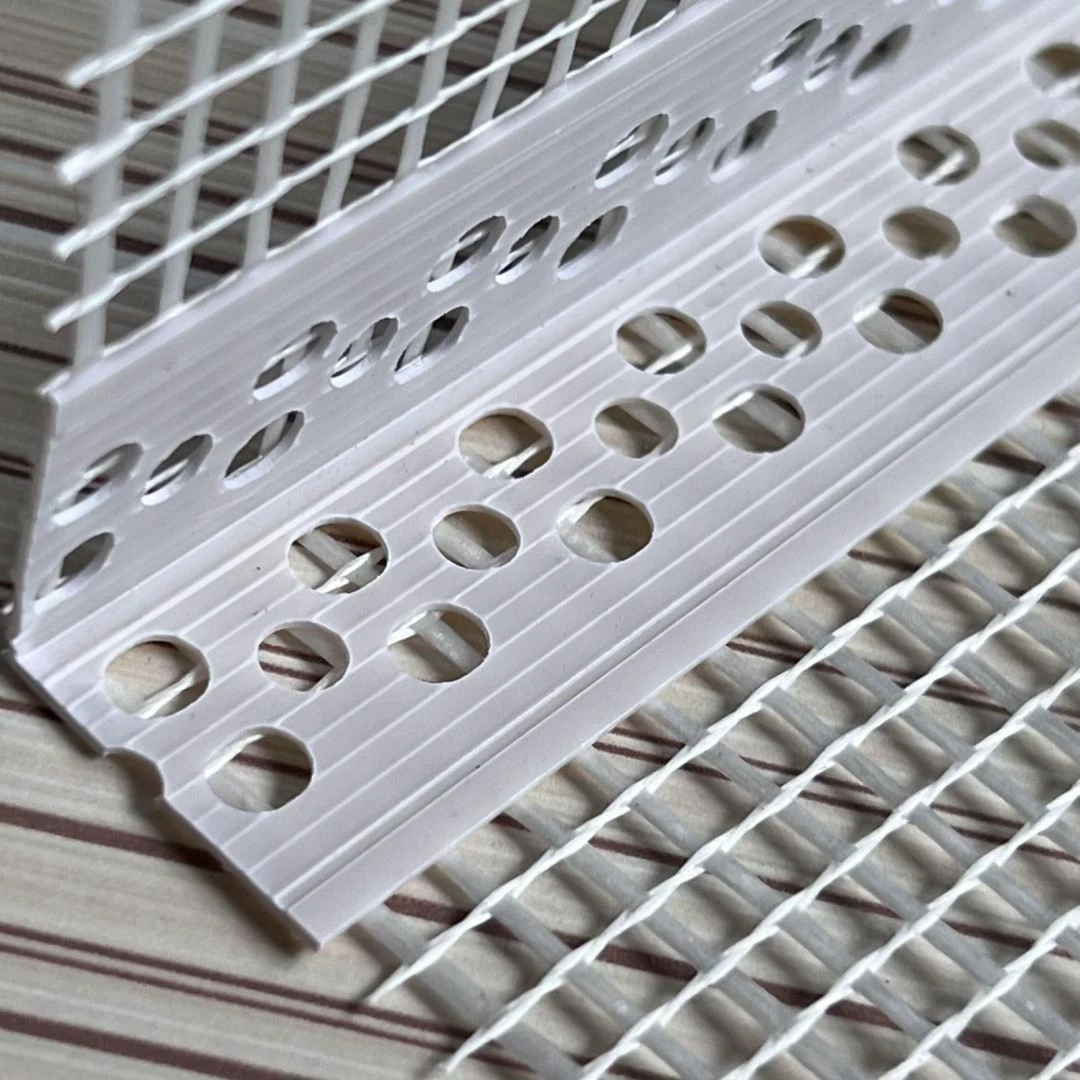
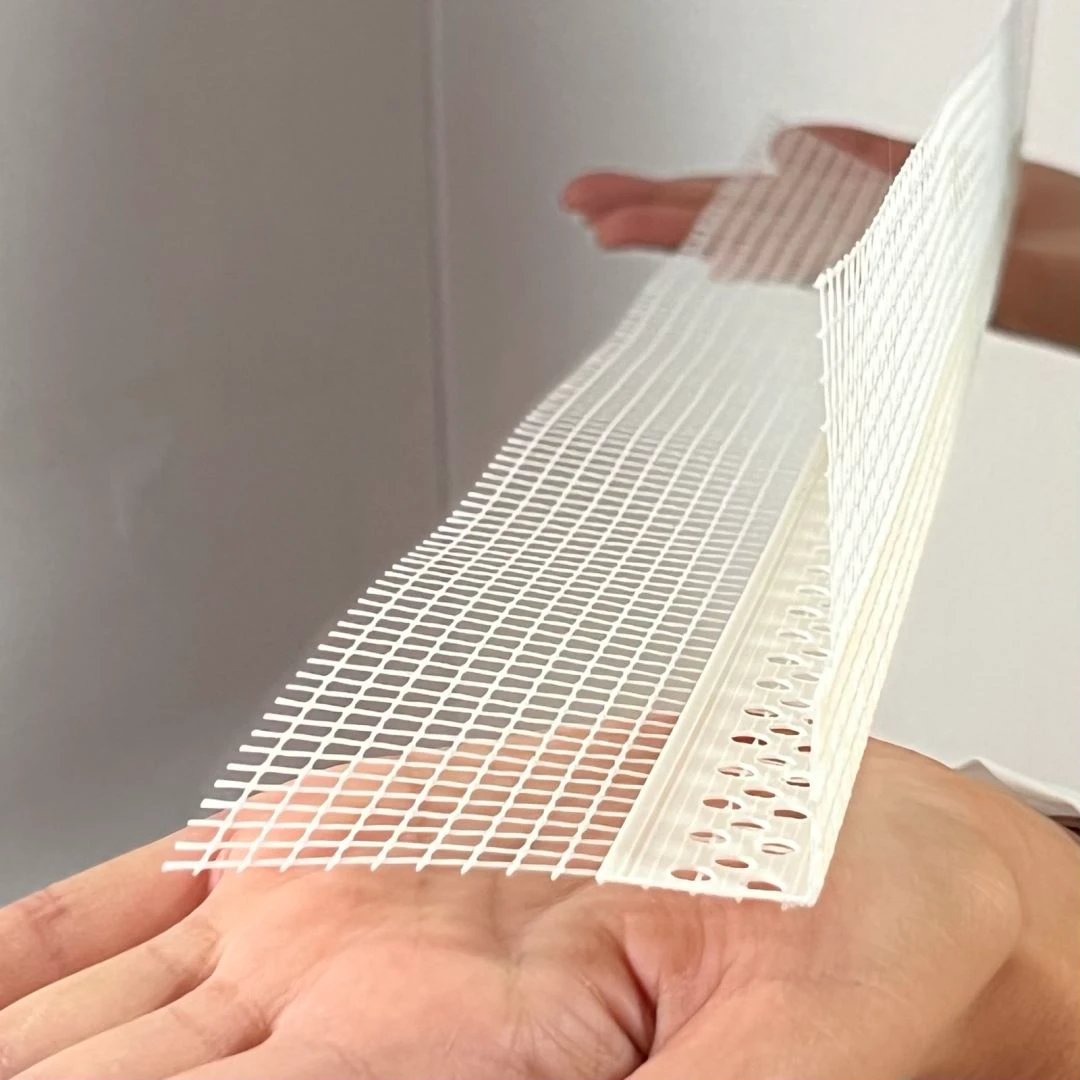
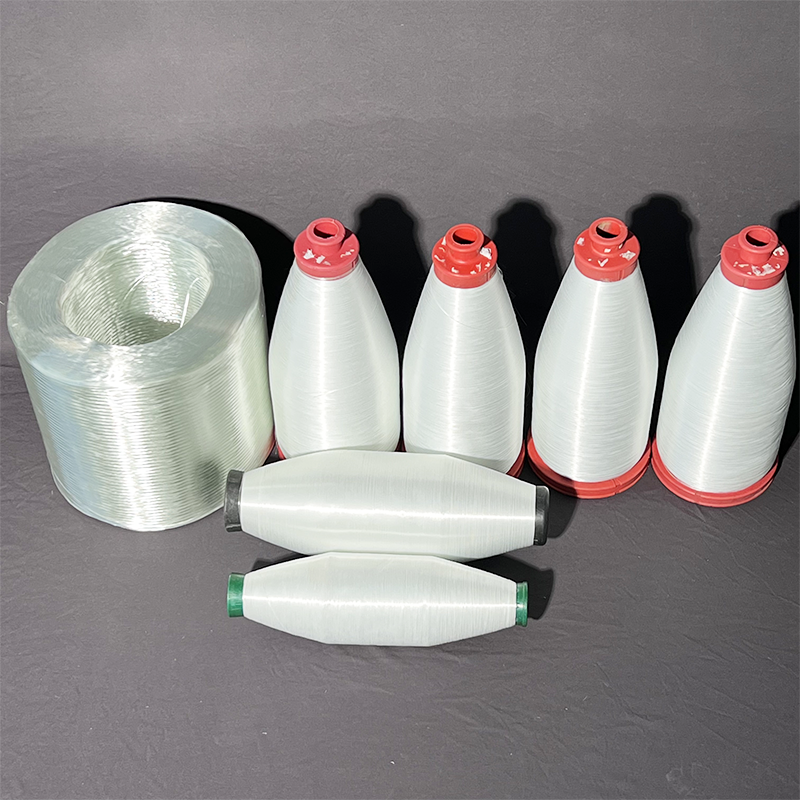
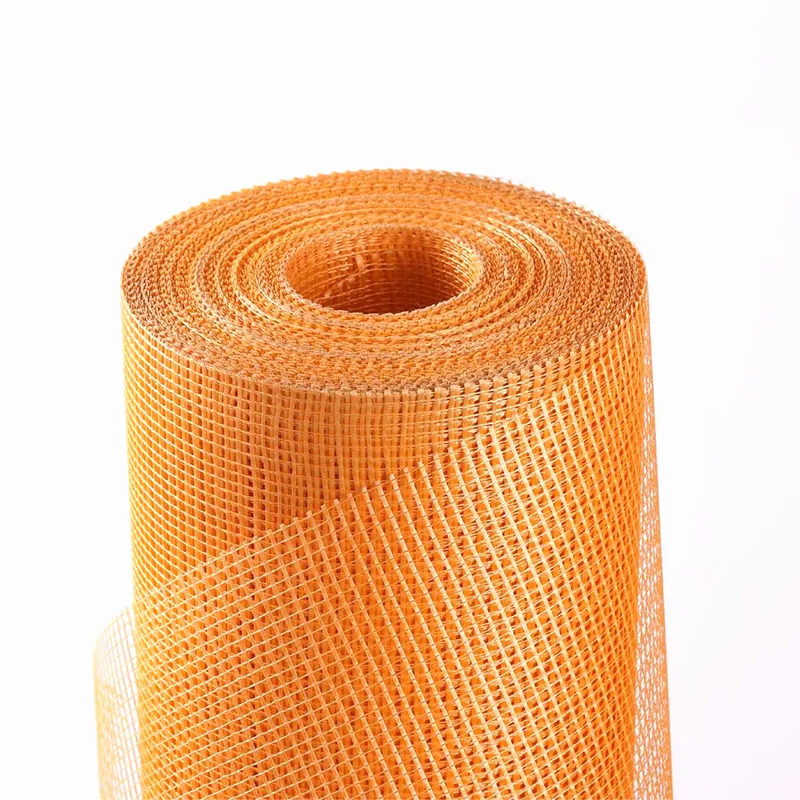
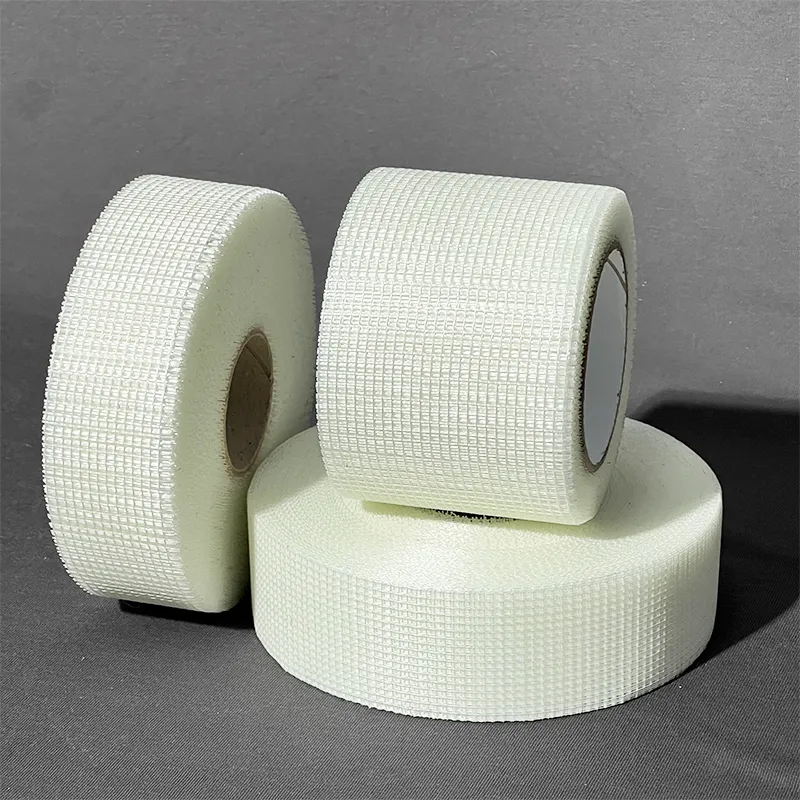
Fiberglass mesh netting is a woven mesh fabric made from fine glass fibers coated with an alkali-resistant solution. It is used to reinforce plaster, cement, and stucco layers in walls, ceilings, and facades. When embedded in a base coat, the mesh helps to distribute tensile stress and prevent cracking due to settling, movement, or temperature changes.
Key Characteristics:
Excellent alkali resistance, ideal for cement-based environments
Lightweight and easy to cut or install
High tensile strength for long-lasting reinforcement
Compatible with internal and external plastering systems
Thanks to these features, fiberglass mesh has replaced many traditional wire-based lath systems, offering a rust-free and flexible solution for modern buildings.
Practical Uses of Fiberglass Netting in Plastering
In plastering applications, both plastering fiberglass mesh and plastering fibreglass mesh (British spelling) serve as reinforcement layers placed between base coats and finish coats. Their role is to hold the plaster together, reduce surface tension, and prevent fine or deep cracks.
Common Uses Include:
Reinforcement in External Thermal Insulation Composite Systems (ETICS)
Crack prevention in drywall and gypsum board systems
Strengthening joints between different materials (e.g., concrete and brick)
Wall and ceiling restoration projects
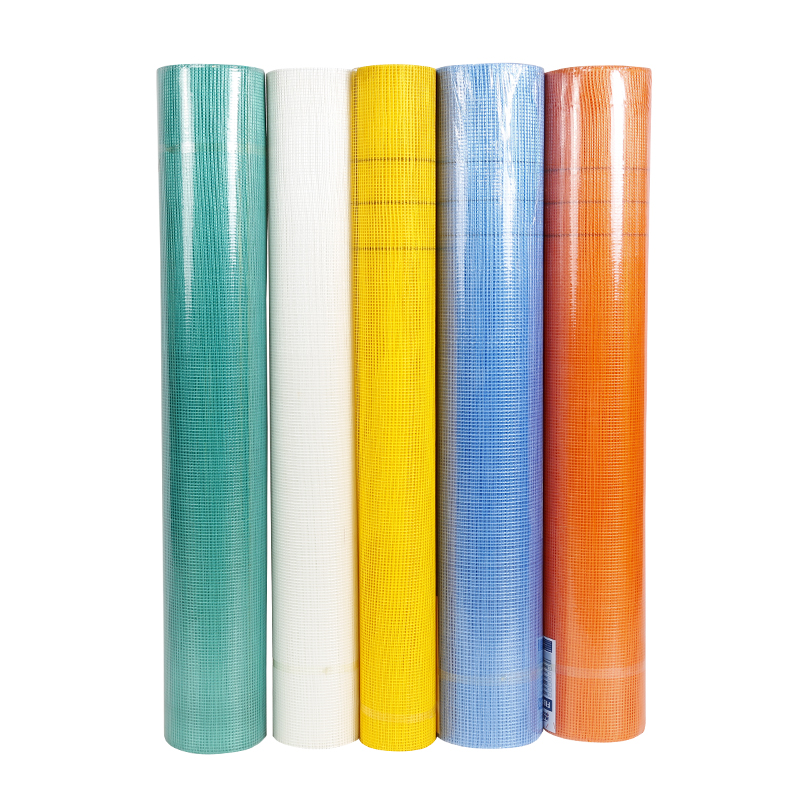
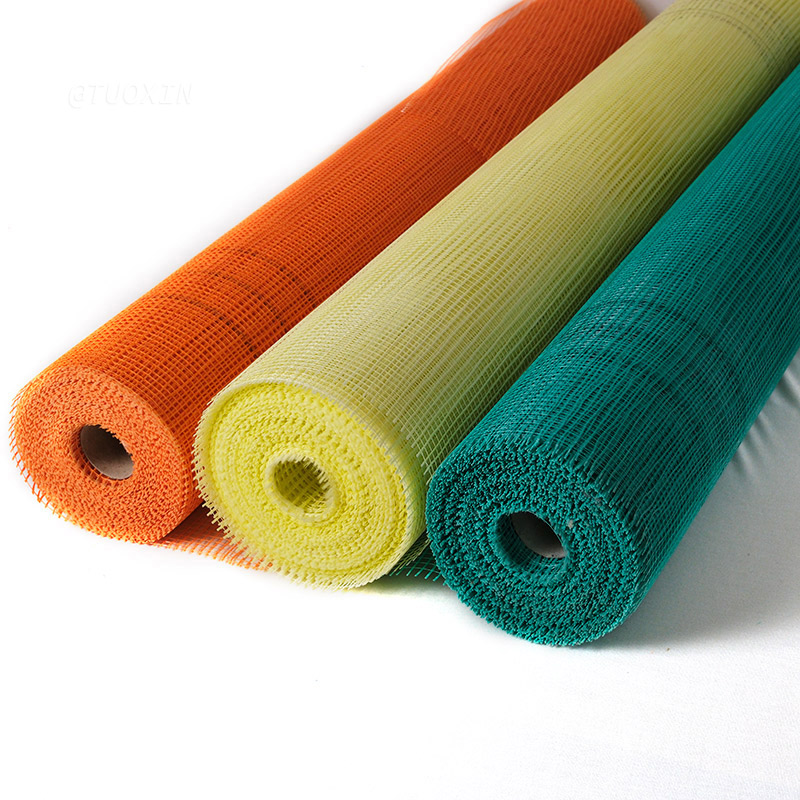
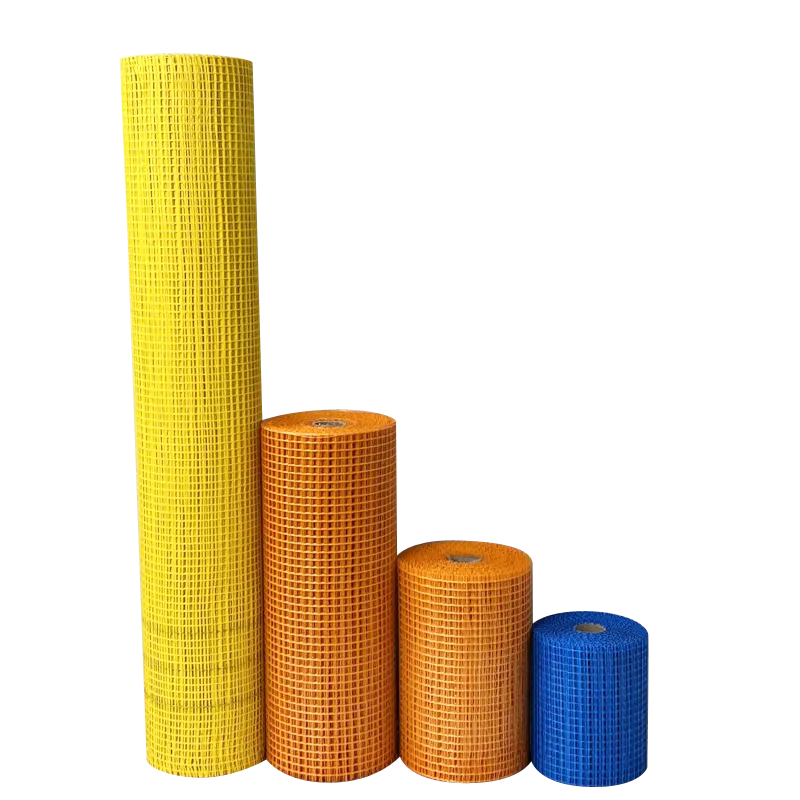
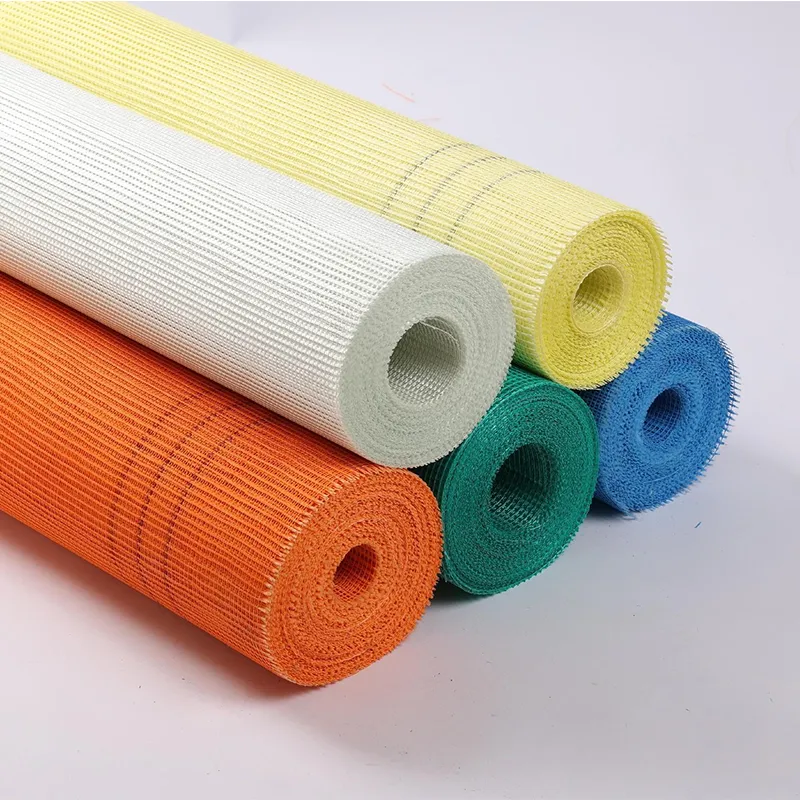
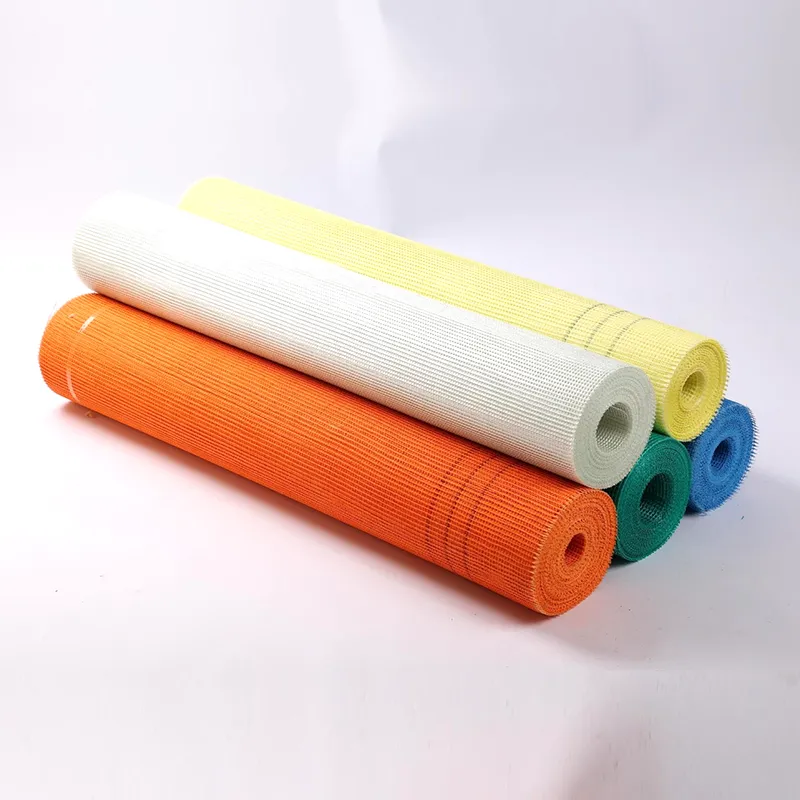
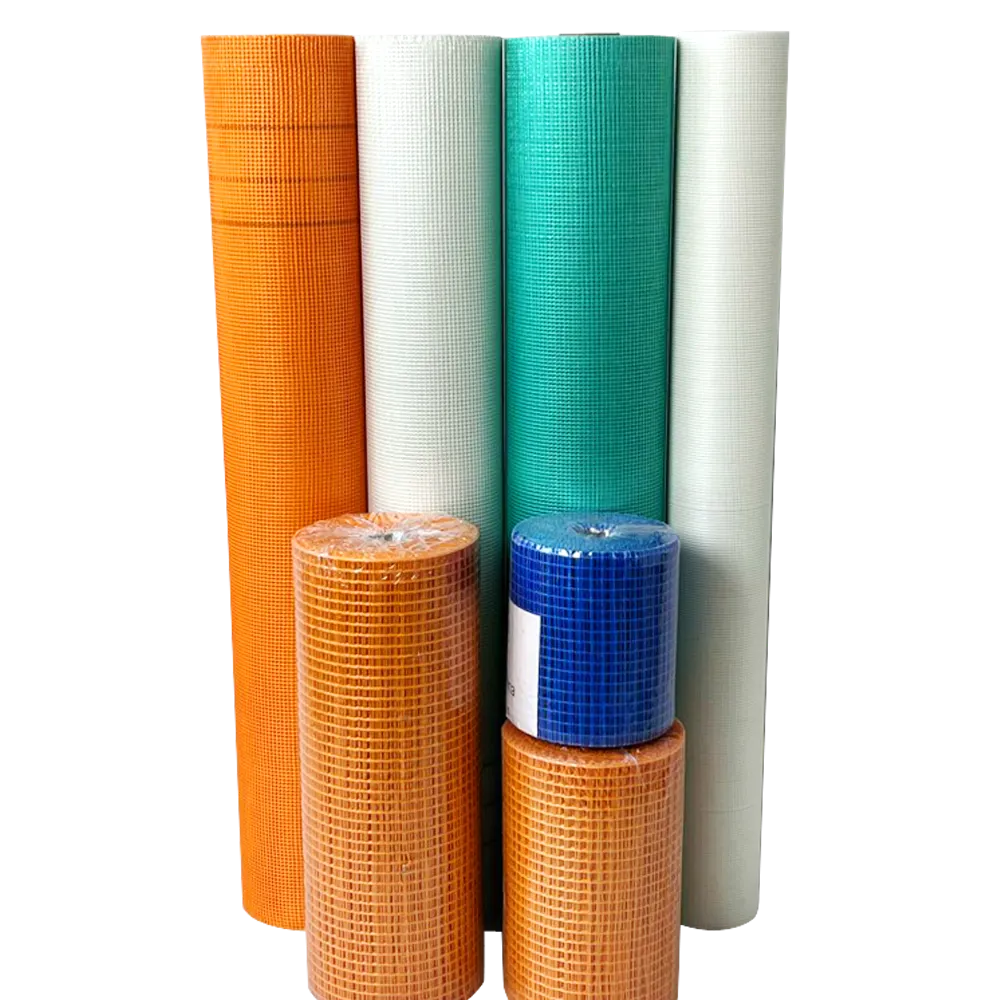
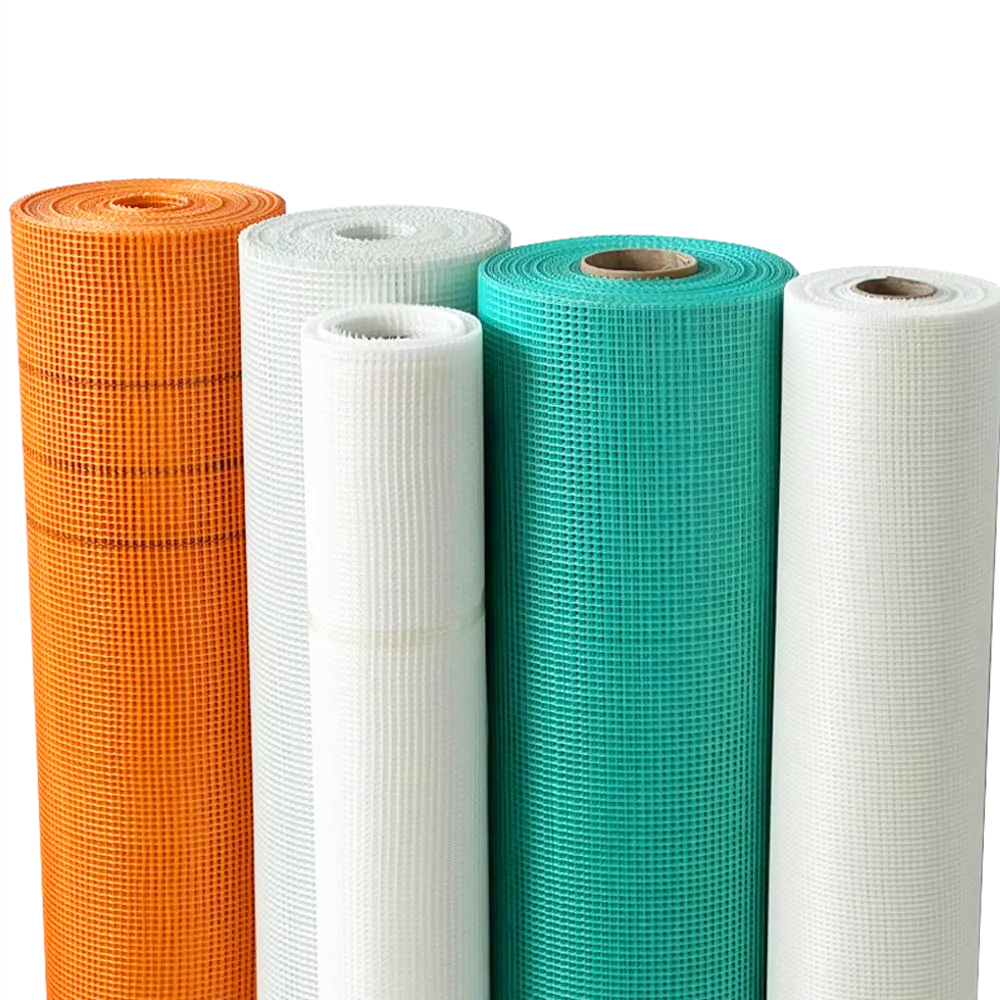
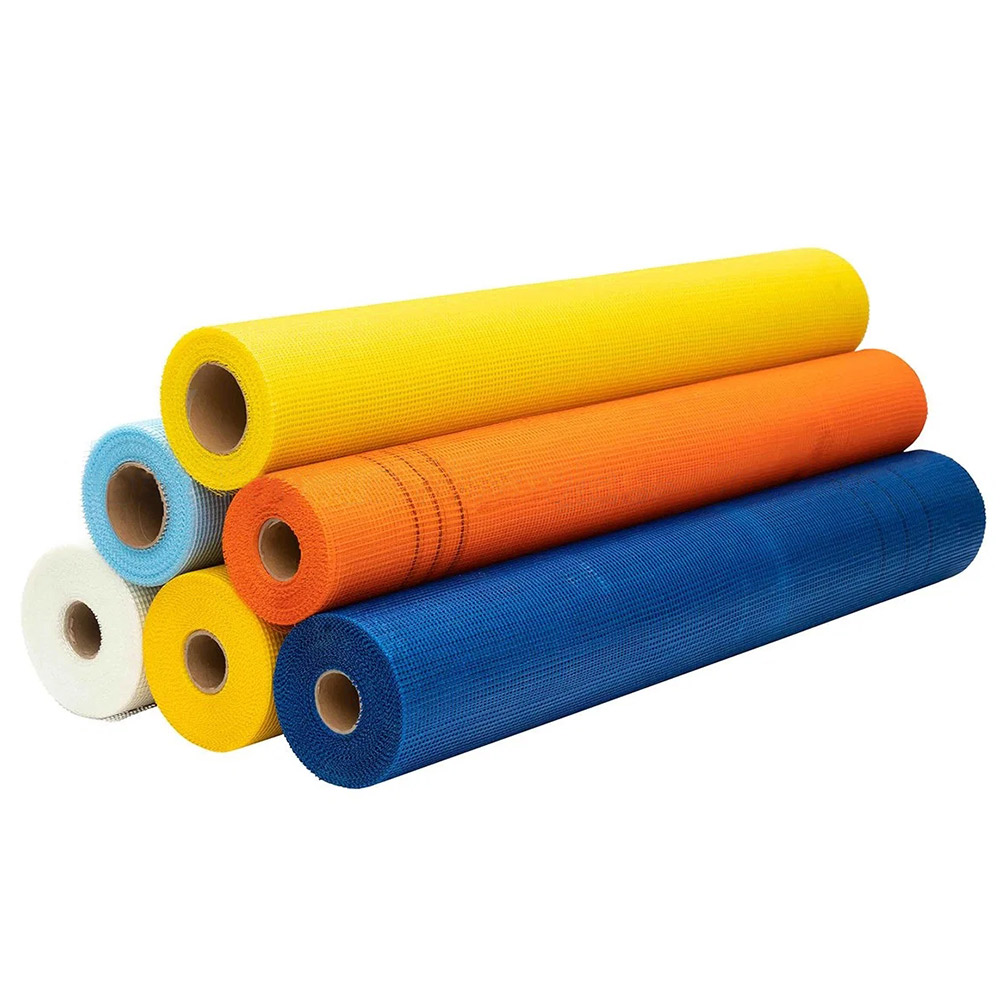
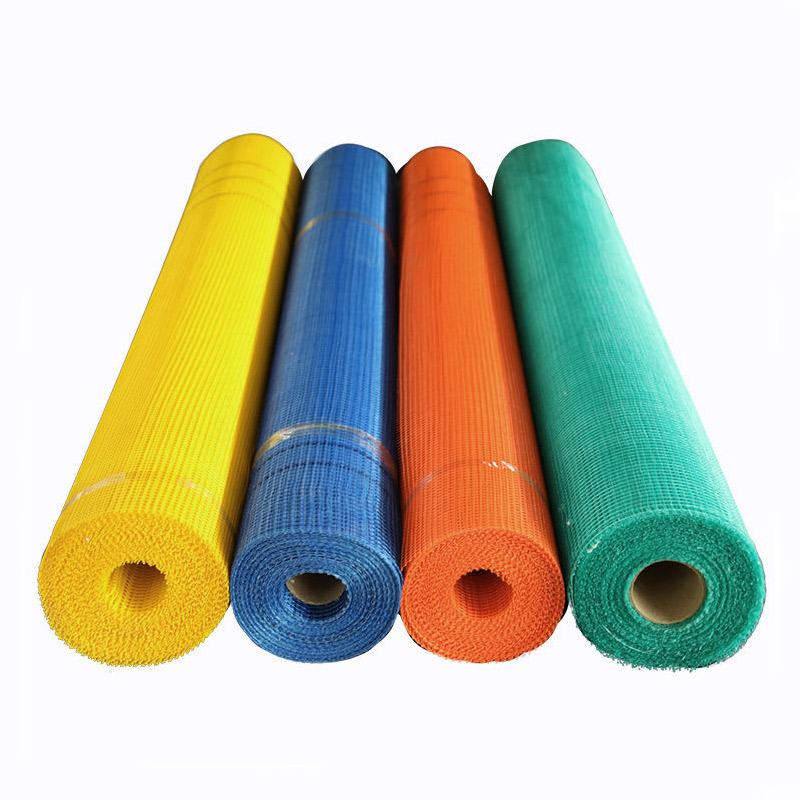
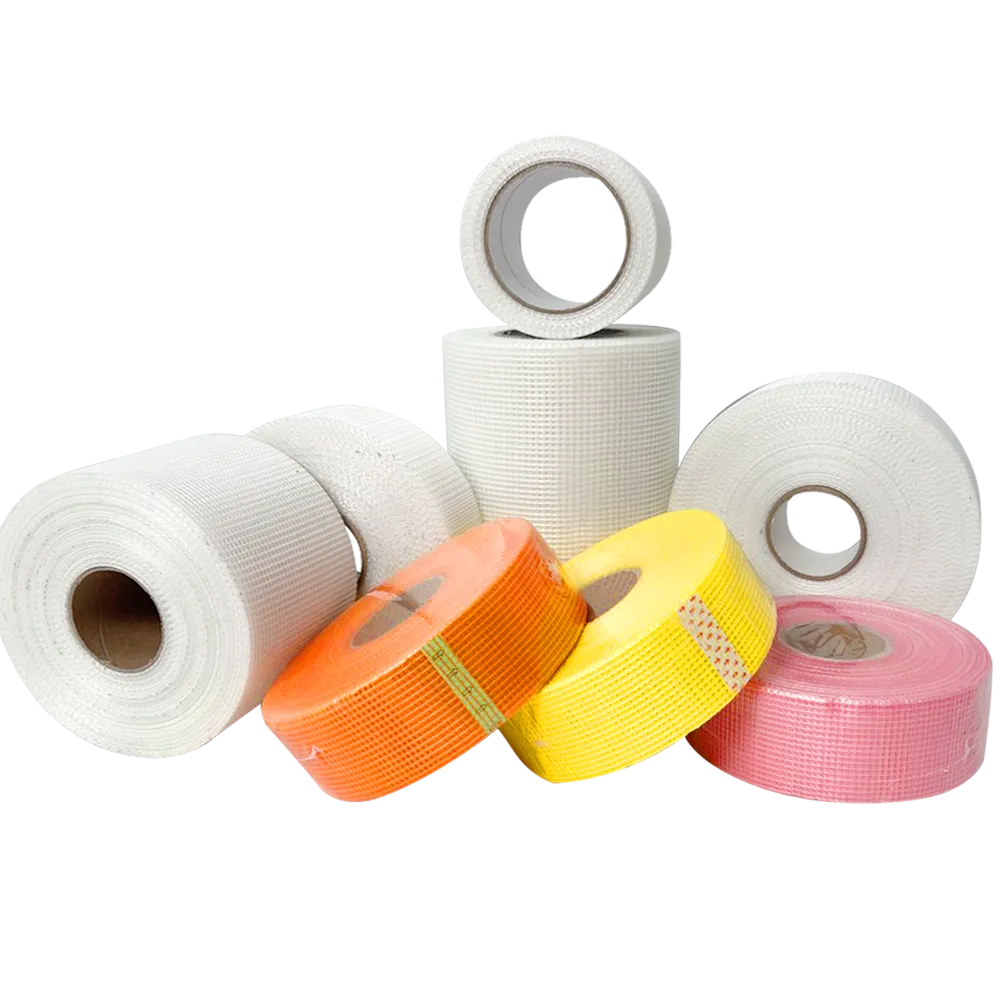
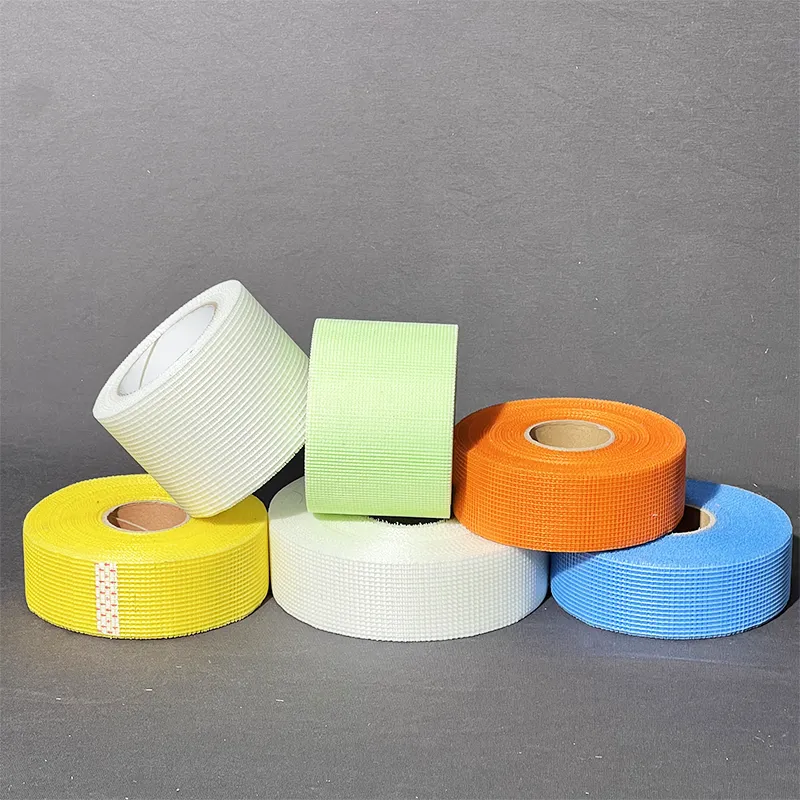
Contractors frequently use a fiberglass mesh roll for plastering for its convenience in handling and ability to cover wide areas quickly. Rolls come in different mesh sizes and densities, suitable for light or heavy plaster applications.
Advantages:
Prevents cracking due to shrinkage or vibration
Enhances plaster adhesion and cohesion
Resistant to mold, corrosion, and fire
Helps maintain a smooth, crack-free finish over time
Whether you're working on a residential home or a commercial building, using plastering fiberglass mesh ensures both structural stability and a polished final appearance.
Comparing Mesh Types: Netting, Rolls, and Regional Terms
While the core material—glass fiber—is consistent, the terminology used can vary based on product type or regional language. Let’s break down the most common terms:
Fiberglass Mesh Netting vs. Fiberglass Netting
Fiberglass mesh netting typically refers to a reinforced, coated product with a defined mesh pattern.
Fiberglass netting, in general, may also include loosely woven or uncoated products used for less demanding applications such as garden netting or insect barriers.
In construction, fiberglass mesh netting is the preferred term for mesh used in plastering and wall reinforcement.
Fiberglass Netting Mesh
The term шыны талшықты тор is often used interchangeably with mesh netting. It highlights the crisscross pattern that allows plaster to bond while still offering flexibility and support. This mesh is available in various widths and strengths for different stages of construction.
fiberglass Mesh Roll for Plastering
A fiberglass mesh roll for plastering is the most practical form of fiberglass mesh. These rolls are used directly on-site and are easy to transport, store, and apply. They allow for:
Quick coverage of large wall or ceiling areas
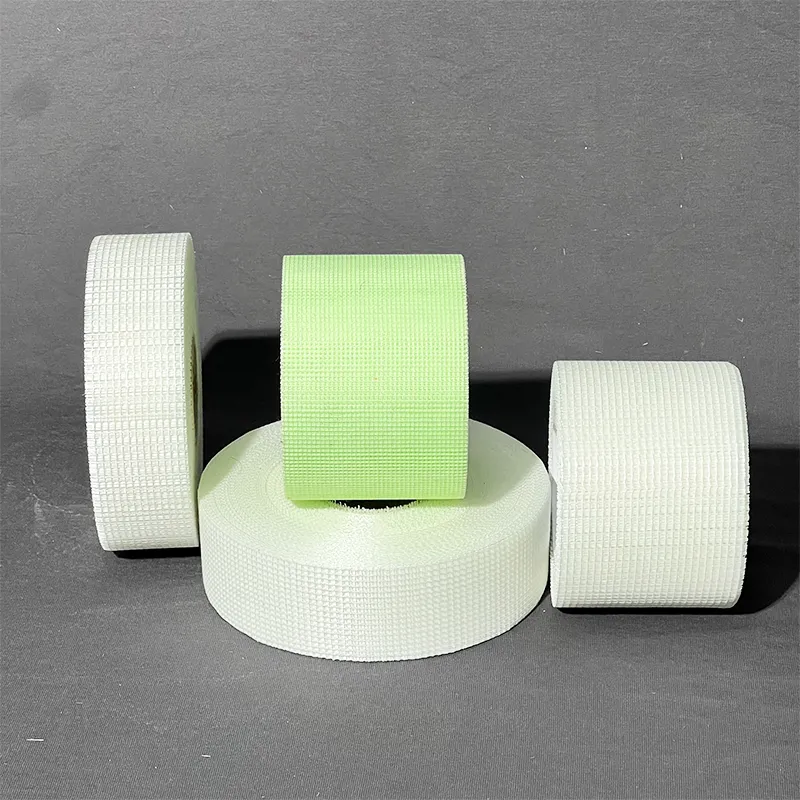
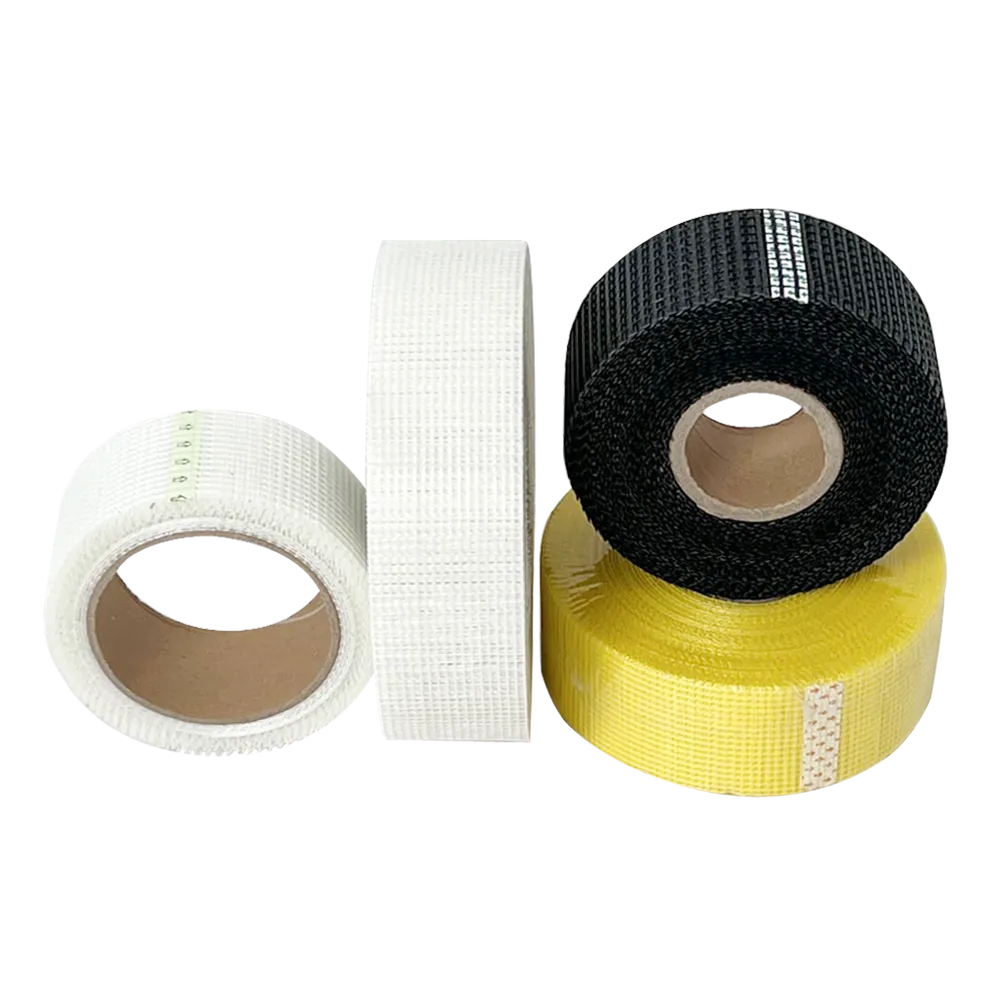
Seamless joint reinforcement between boards or materials
Versatile use in both interior and exterior settings
Plastering Fiberglass Mesh vs. Plastering Fibreglass Mesh
This is simply a spelling variation: plastering fiberglass mesh is commonly used in American English, while plastering fibreglass mesh is used in British English. Both terms refer to the same high-performance mesh used in wall plaster reinforcement.
A Smart Investment in Wall Integrity
In any plastering job—whether new construction, renovation, or repair—fiberglass mesh netting is an invaluable asset. It not only reinforces the plaster layer but also prevents costly repairs due to cracking and surface failures. Available in the form of fiberglass mesh rolls, шыны талшықты тор, or as plastering fiberglass mesh, this material offers unmatched durability, ease of use, and long-term protection.
By using high-quality fiberglass mesh roll for plastering, professionals ensure smooth finishes, enhanced structural integrity, and long-lasting surfaces that stand up to stress and time. Whether you're plastering brick, block, cement board, or drywall, integrating fiberglass mesh into your workflow is a proactive step toward better, more resilient construction.
-
Best Fiberglass Mesh Tape for RedGard Product Waterproofing GuideЖаңалықтарApr.16,2026
-
Why High Strength Fiberglass Mesh Is Essential For Stucco ApplicationЖаңалықтарApr.15,2026
-
Why Alkali Resistant Fiberglass Mesh Tape Is Essential For Cement Board And Tile InstallationsЖаңалықтарApr.15,2026
-
Understanding The Role Of Drywall Fiberglass Mesh In Interior FinishingЖаңалықтарApr.15,2026
-
Ultimate Guide To Using Fiberglass Mesh Tape For Drywall And Plaster RepairsЖаңалықтарApr.15,2026
-
The Versatility Of Fiberglass Mesh In Marble And Stone MosaicЖаңалықтарApr.15,2026