მარ . 05, 2026 17:09 სიაში დაბრუნება
The Complete Guide to Fiberglass Mesh Netting for Plastering and Construction
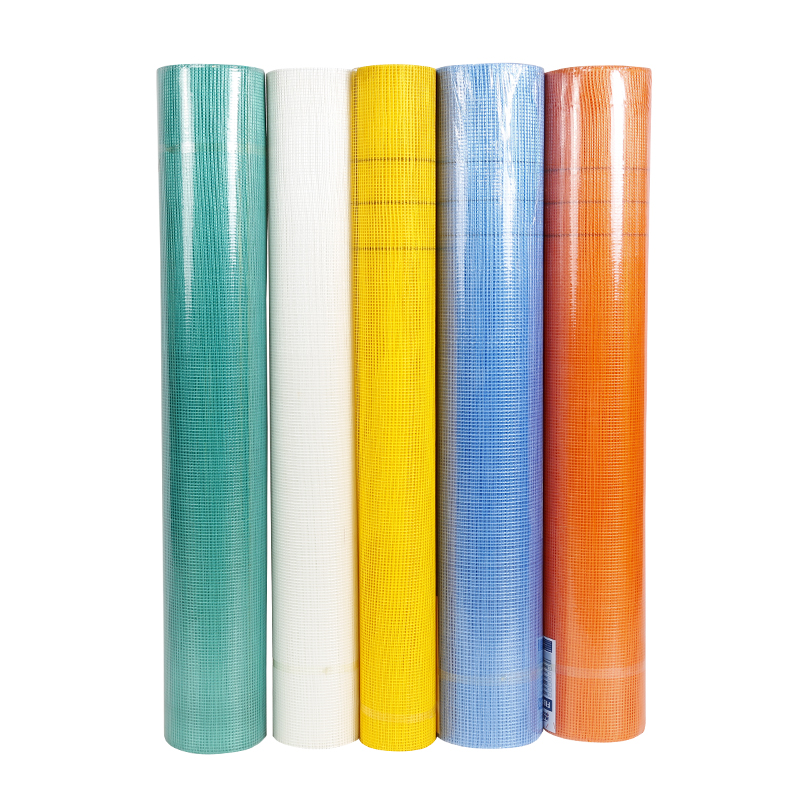
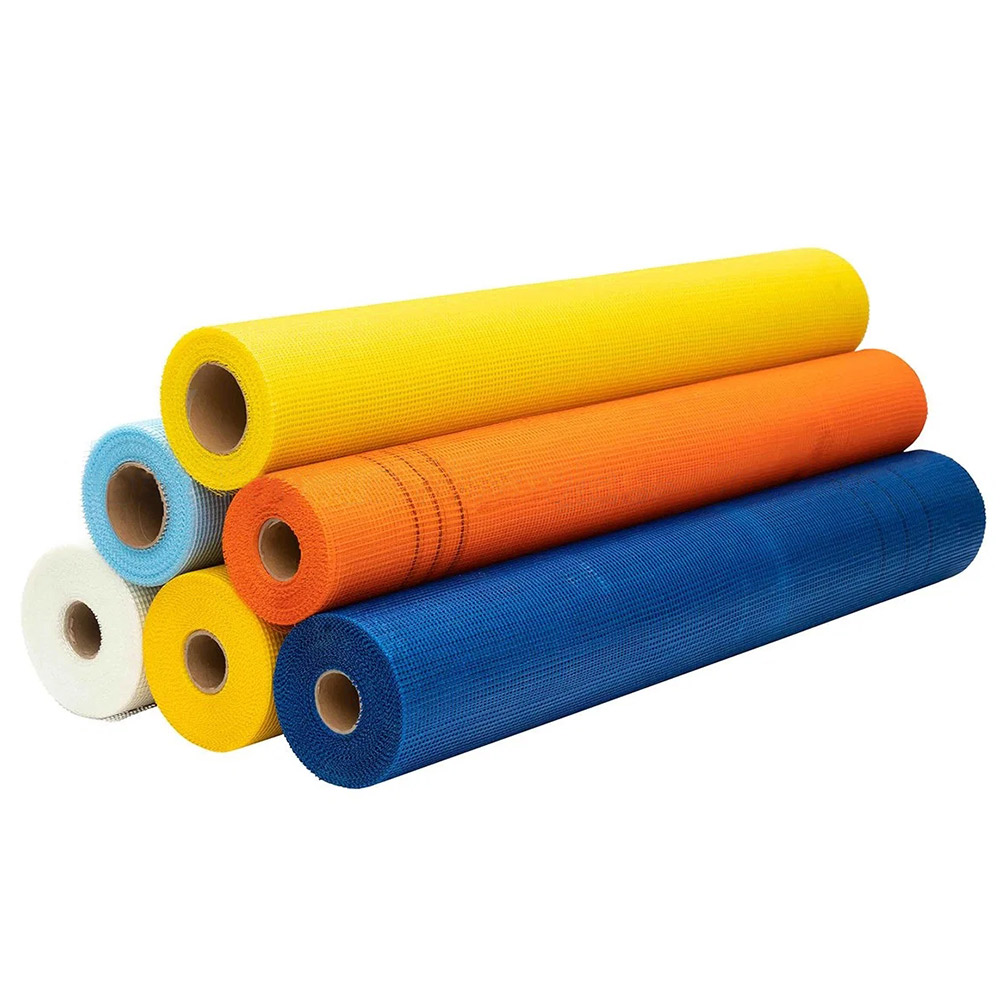
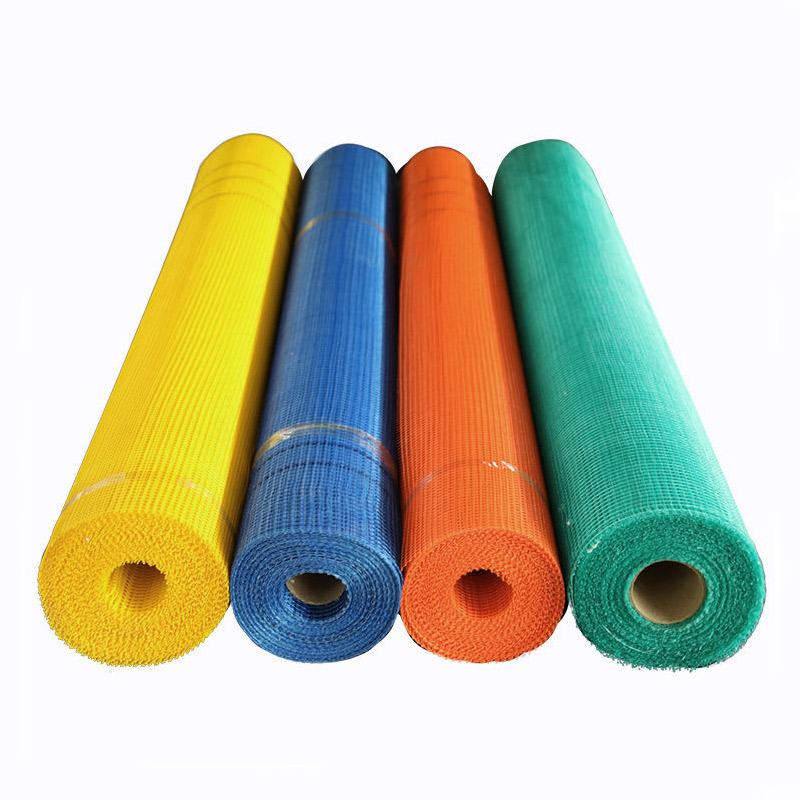
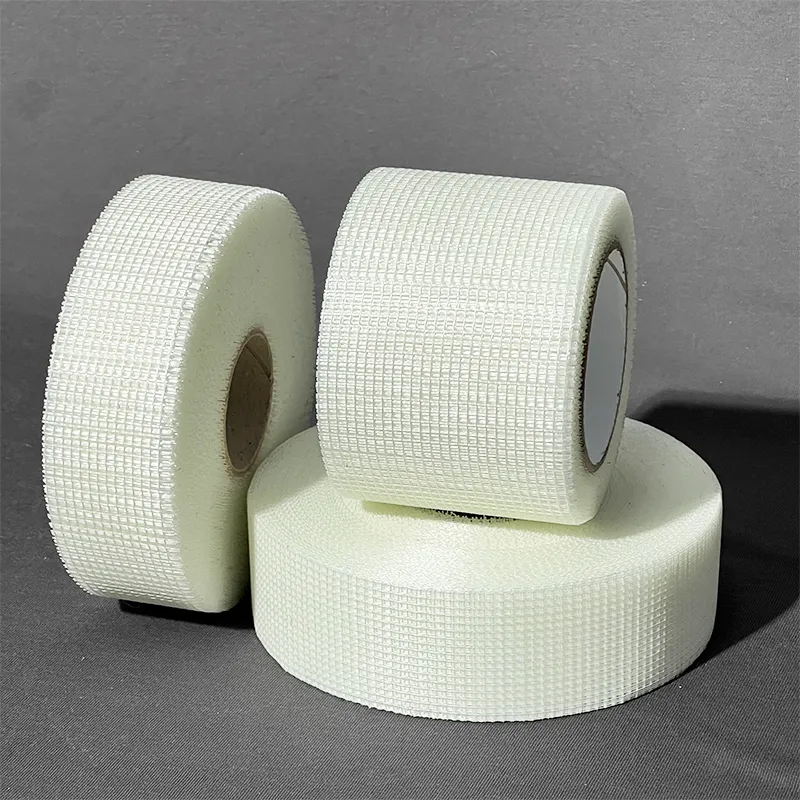
In modern construction and renovation projects, reinforcement materials play a critical role in ensuring durability and crack resistance. Among the most widely used reinforcement products is fiberglass mesh netting, a lightweight yet strong material designed to strengthen plaster, stucco, and insulation systems. Builders, contractors, and homeowners rely on various forms of fiberglass netting and მინაბოჭკოვანი ბადე to improve surface stability and extend the lifespan of walls and ceilings.
This comprehensive guide explores the structure, applications, benefits, and installation of fiberglass mesh roll for plastering, including both plastering fiberglass mesh and plastering fibreglass mesh options used worldwide.
What Is Fiberglass Mesh Netting and How Does It Work?
Composition and Manufacturing
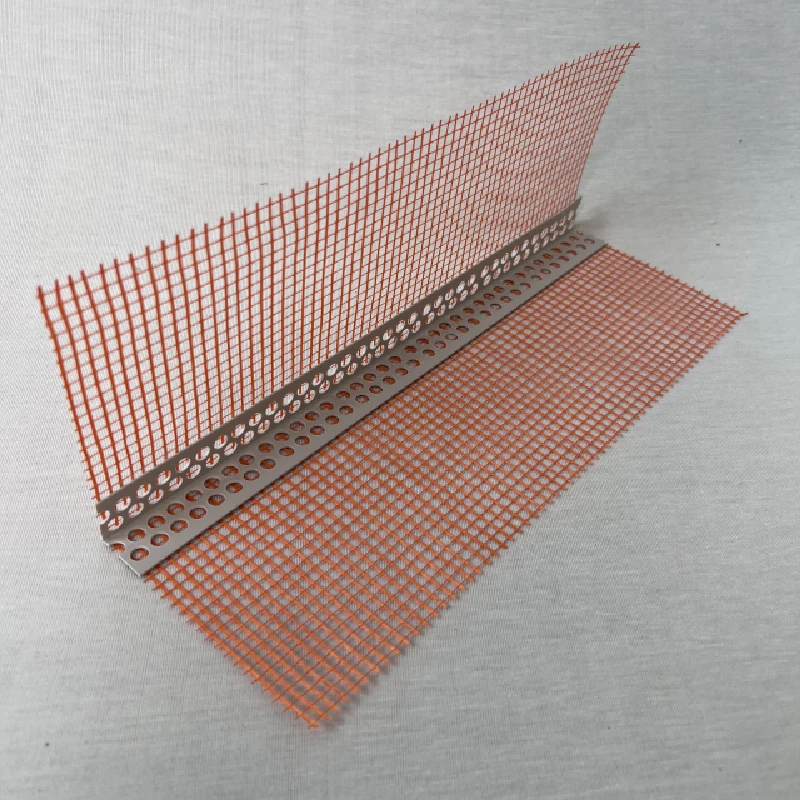
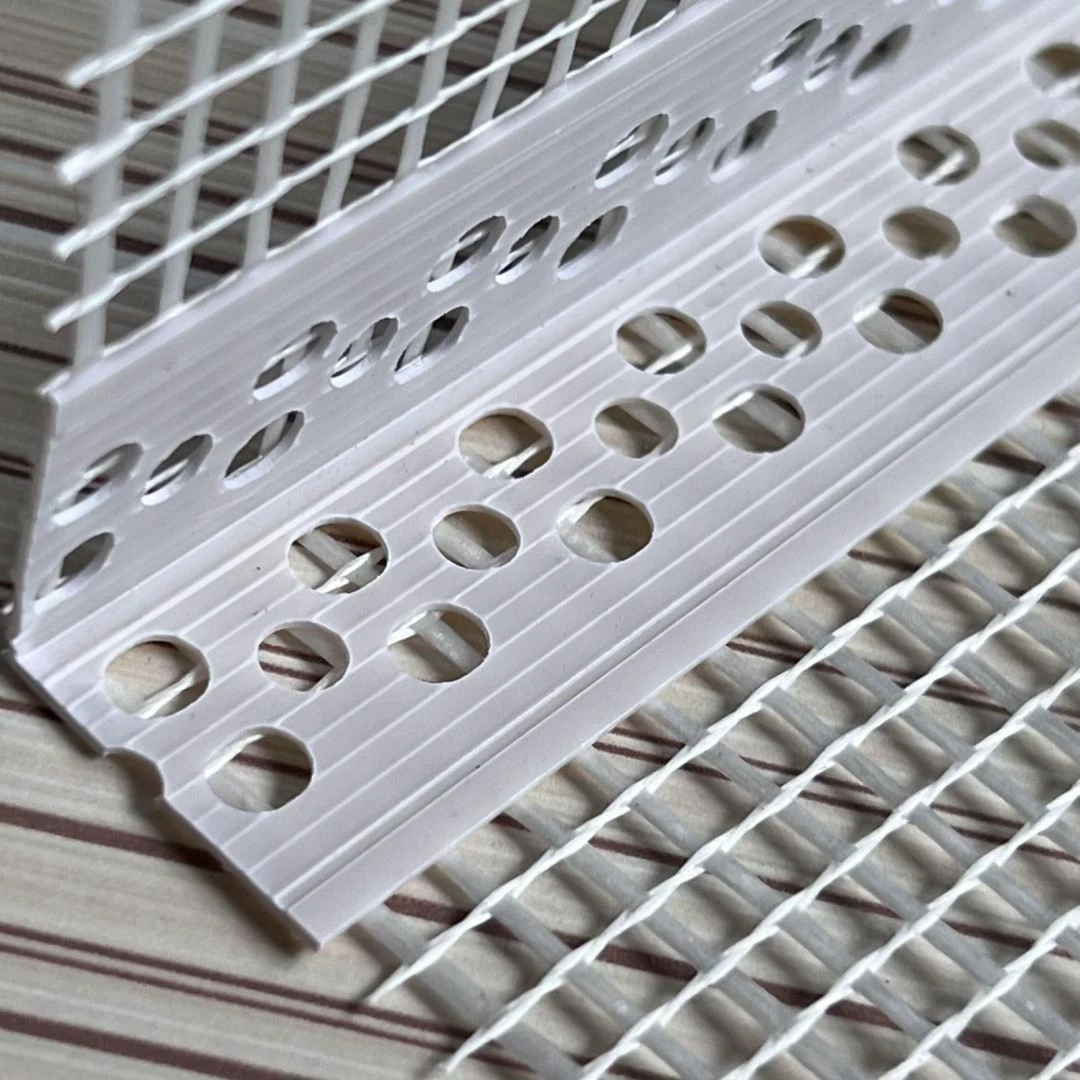
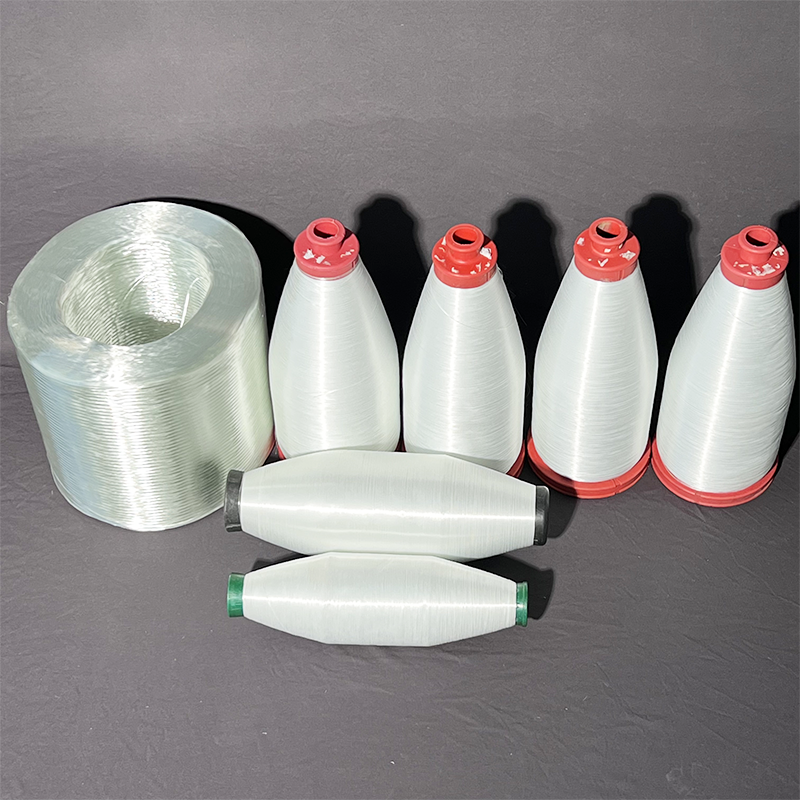
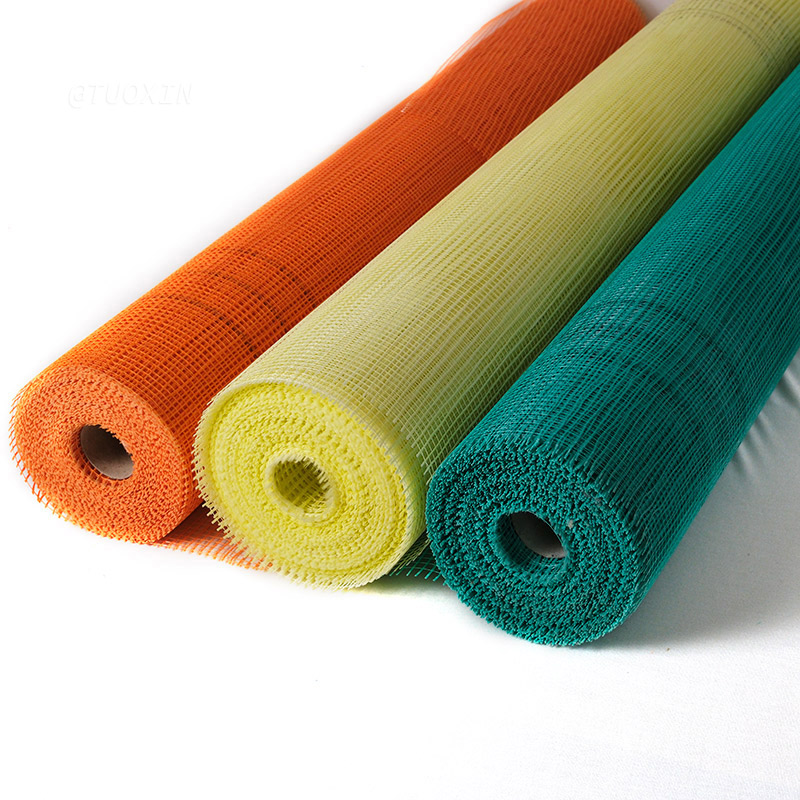
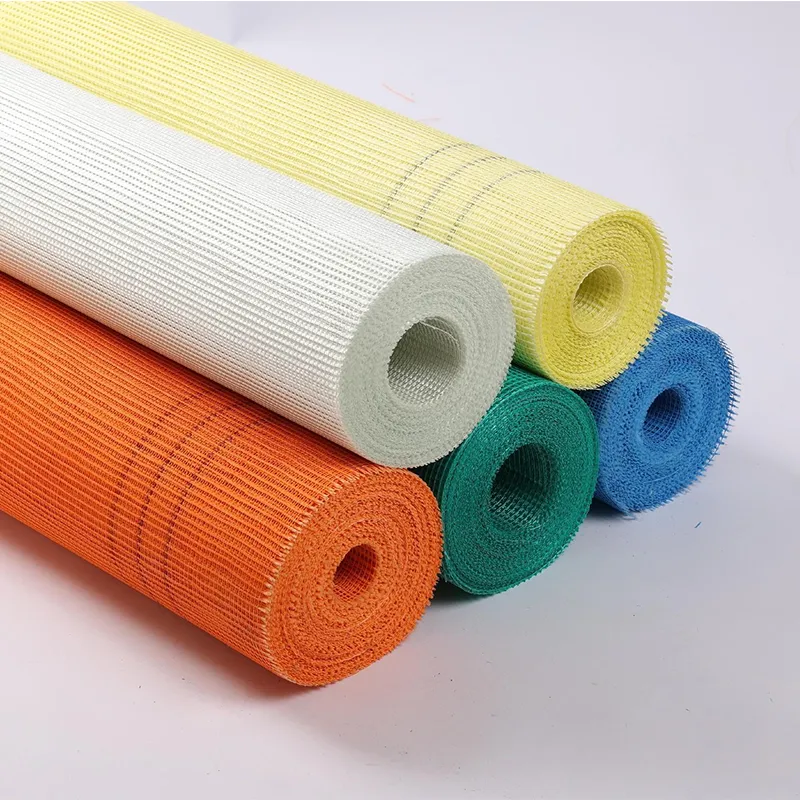
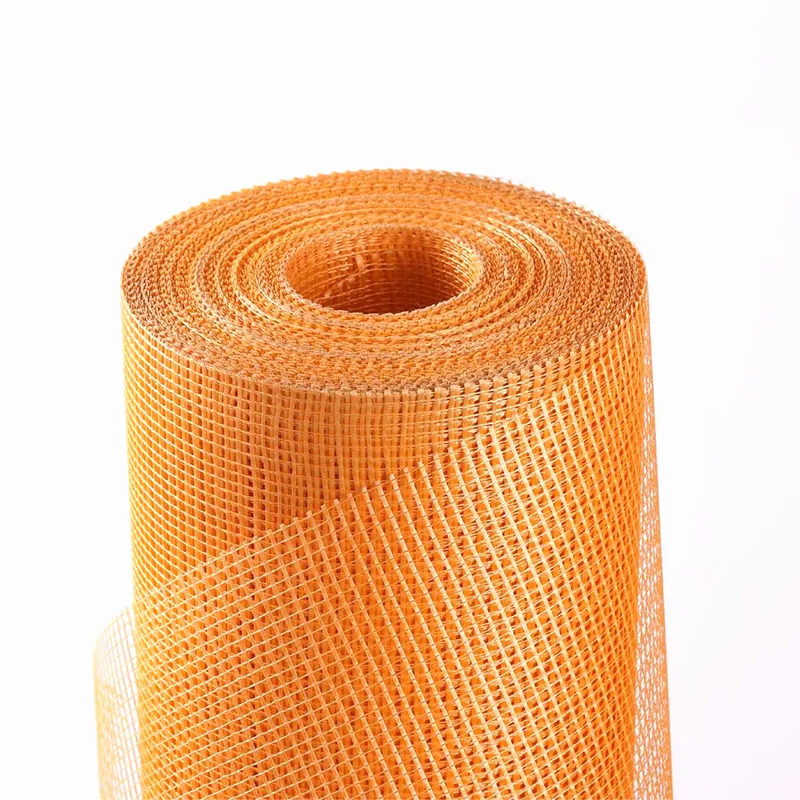
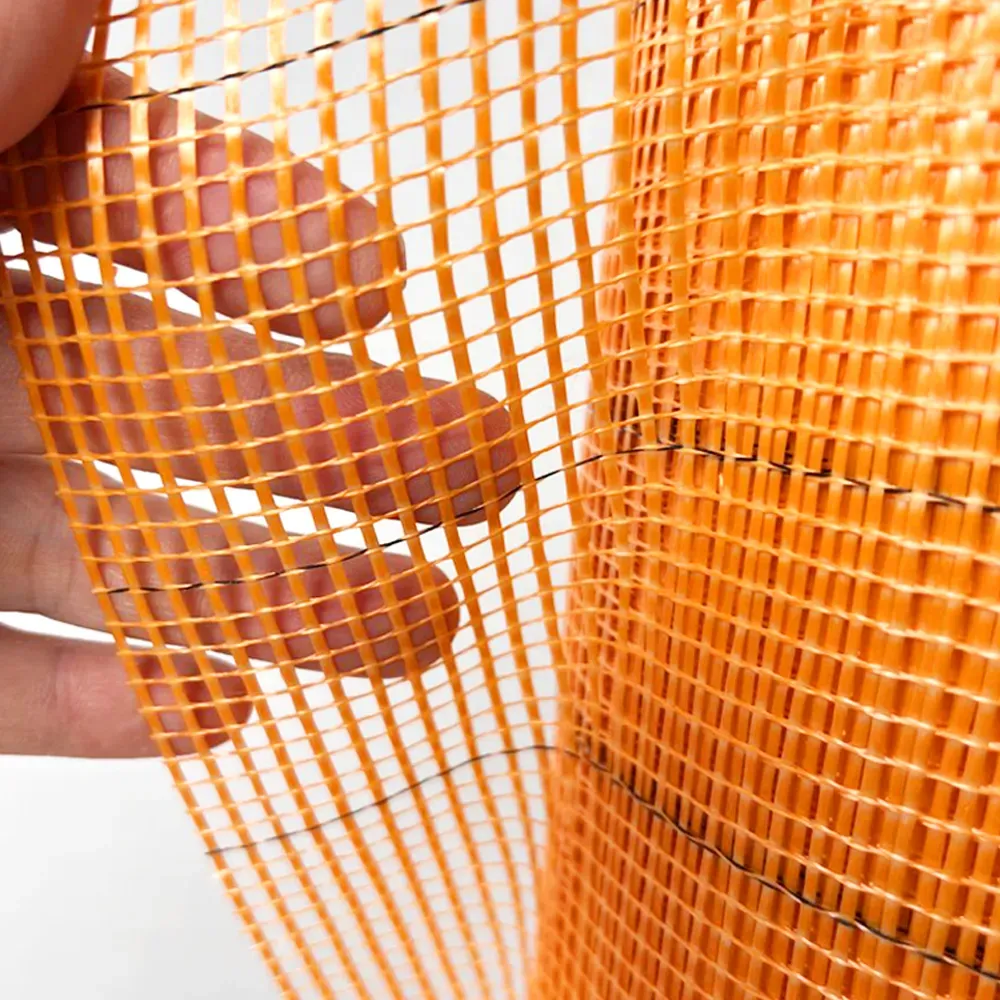
Fiberglass mesh netting is made from woven glass fiber yarns that are coated with an alkali-resistant resin, typically latex or acrylic. The coating enhances durability and ensures the mesh maintains strength when embedded in cement-based materials.
The weaving process creates a grid-like structure known as მინაბოჭკოვანი ბადე, which provides uniform reinforcement across plastered surfaces. Because fiberglass fibers are non-corrosive, they perform exceptionally well in moisture-prone environments.
Key Characteristics of Fiberglass Netting
High-quality fiberglass netting offers several important properties:
Alkali resistance
High tensile strength
Lightweight structure
Dimensional stability
Crack prevention capability
Easy cutting and installation
Unlike metal reinforcement materials, fiberglass mesh netting does not rust or stain plaster finishes, making it ideal for both interior and exterior applications.
Differences Between Standard and Plastering Mesh
Although მინაბოჭკოვანი ბადე can serve multiple purposes, plastering fiberglass mesh is specifically designed for embedding into plaster, stucco, or render layers.
The key difference lies in:
Coating thickness
Mesh density (grams per square meter)
Grid size
Alkali resistance level
For heavy-duty rendering systems, contractors often choose higher-density plastering fibreglass mesh to ensure optimal crack resistance and impact strength.
Applications of Fiberglass Mesh Roll for Plastering
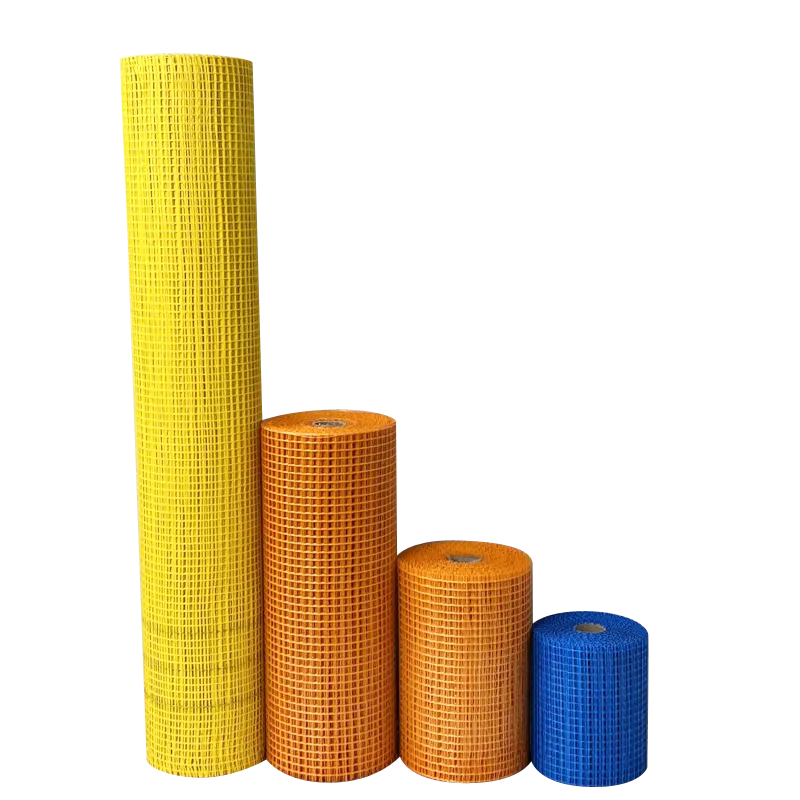
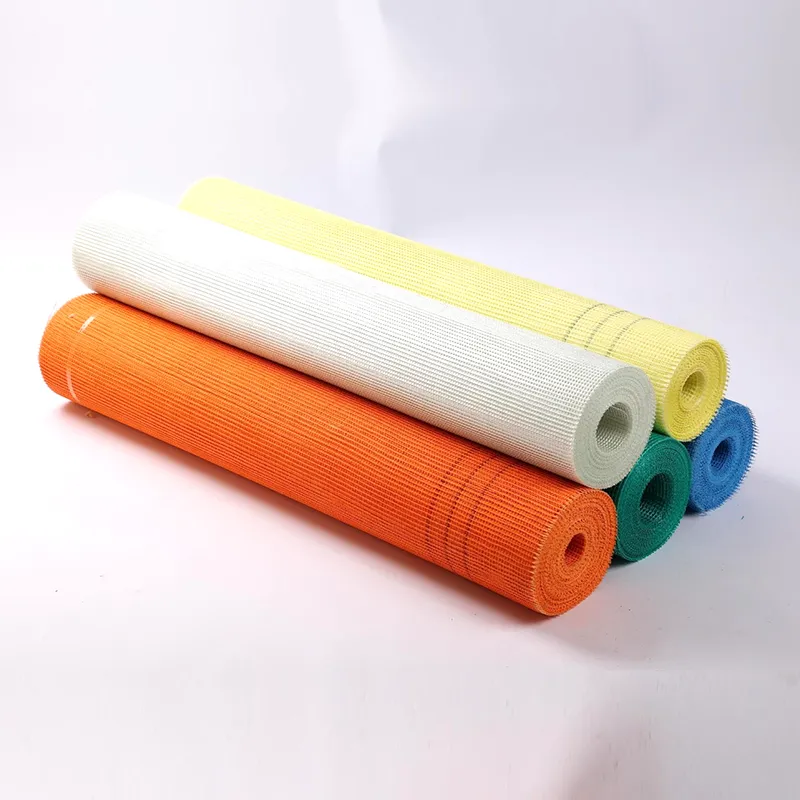
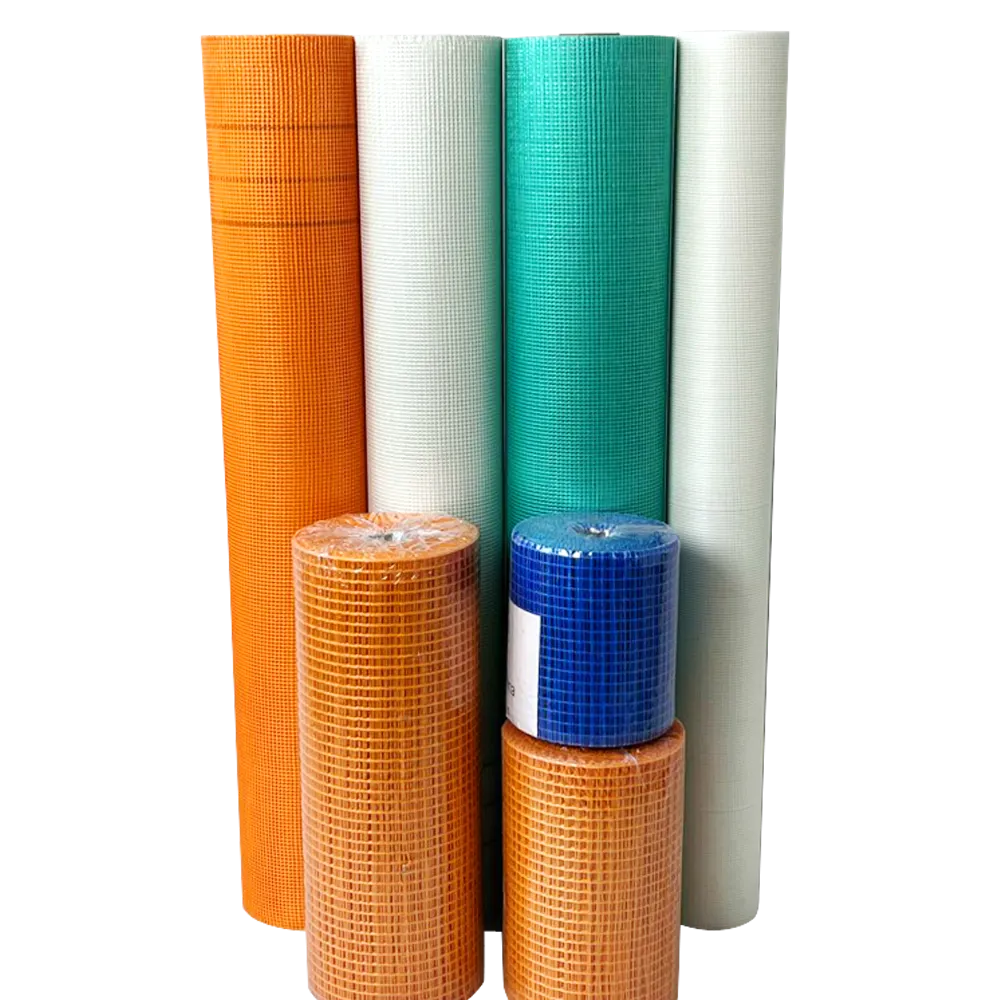
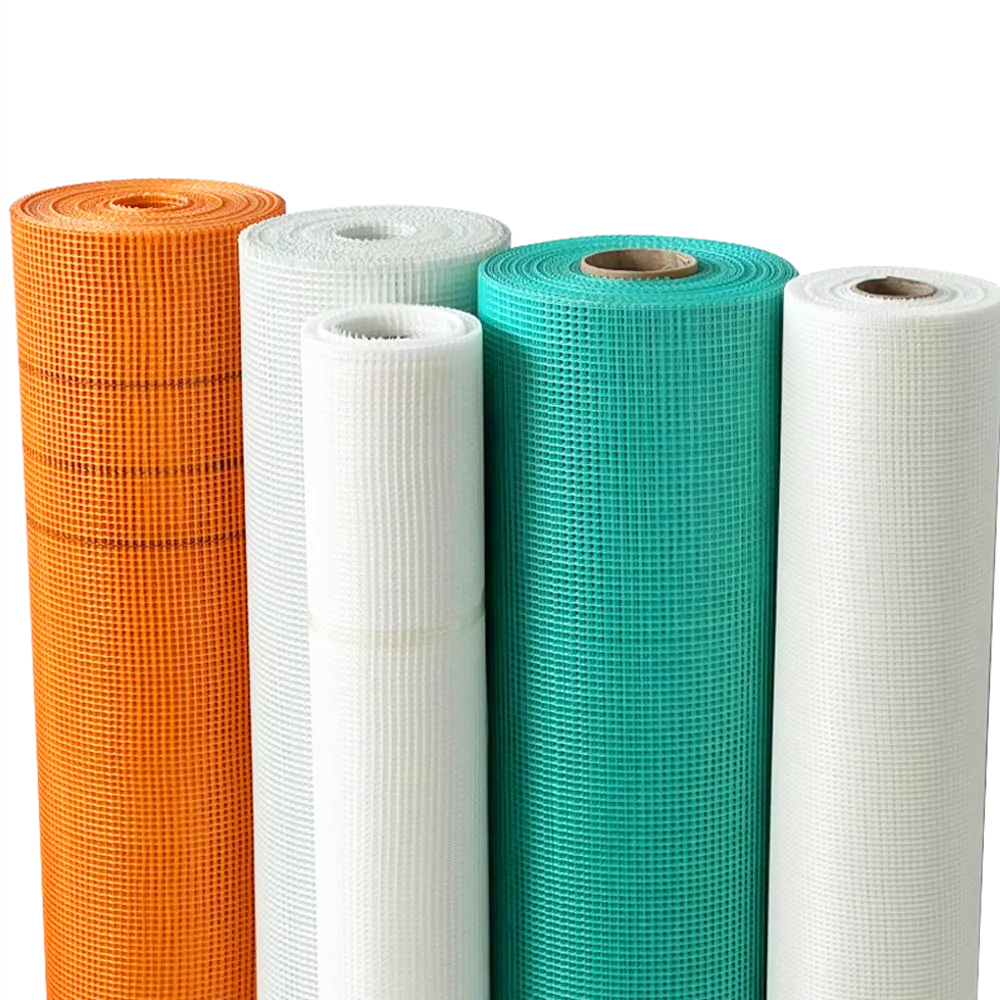
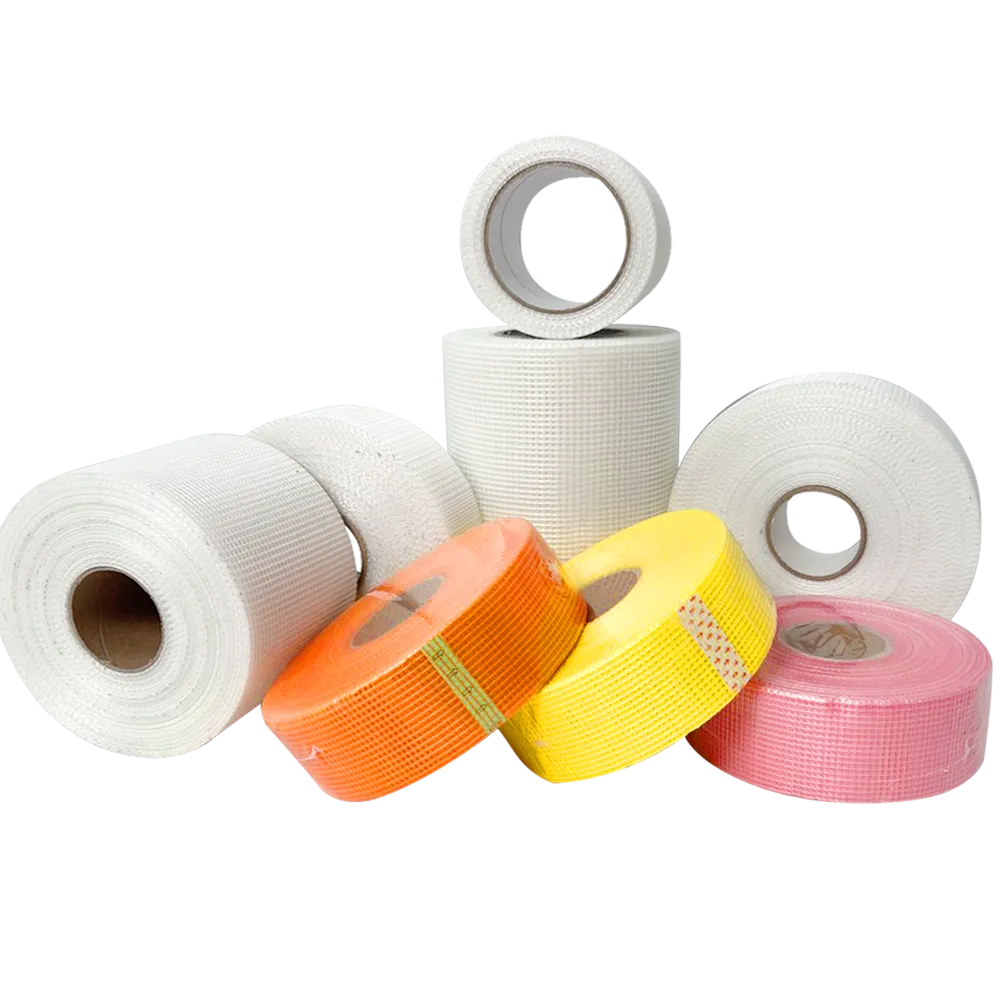
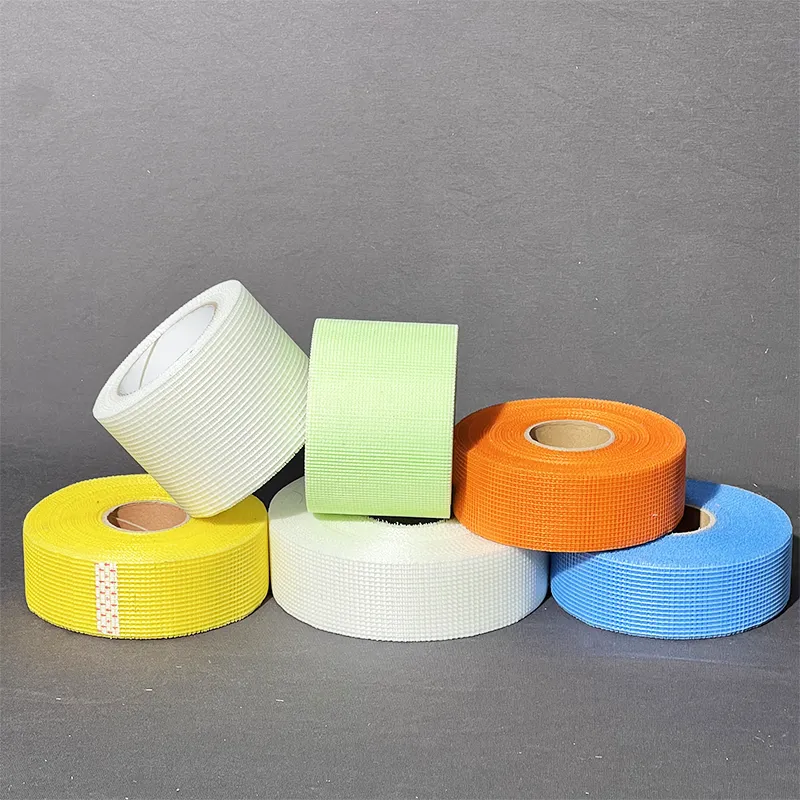
One of the most common forms available on the market is the fiberglass mesh roll for plastering, which comes in convenient roll packaging for easy handling on construction sites.
- Wall Plaster Reinforcement
When embedded into wet plaster, plastering fiberglass mesh distributes stress evenly across the surface. This significantly reduces the risk of cracks caused by:
Drying shrinkage
Temperature fluctuations
Structural movement
Minor foundation shifts
Using მინაბოჭკოვანი ბადე in plastering applications enhances surface durability and minimizes maintenance costs over time.
- Exterior Insulation and Finish Systems (EIFS)
In modern insulation systems, fiberglass mesh netting is a core reinforcement component. It strengthens the base coat layer and ensures long-term stability of exterior wall finishes.
The alkali-resistant coating on plastering fibreglass mesh prevents degradation when in contact with cement-based adhesives and renders. This makes it essential for energy-efficient building systems.
- Crack Repair and Renovation
For renovation projects, a fiberglass mesh roll for plastering is often used to repair damaged or cracked walls. Contractors apply a new plaster layer with embedded fiberglass netting to reinforce weak surfaces.
This method is particularly effective for:
Repairing old masonry
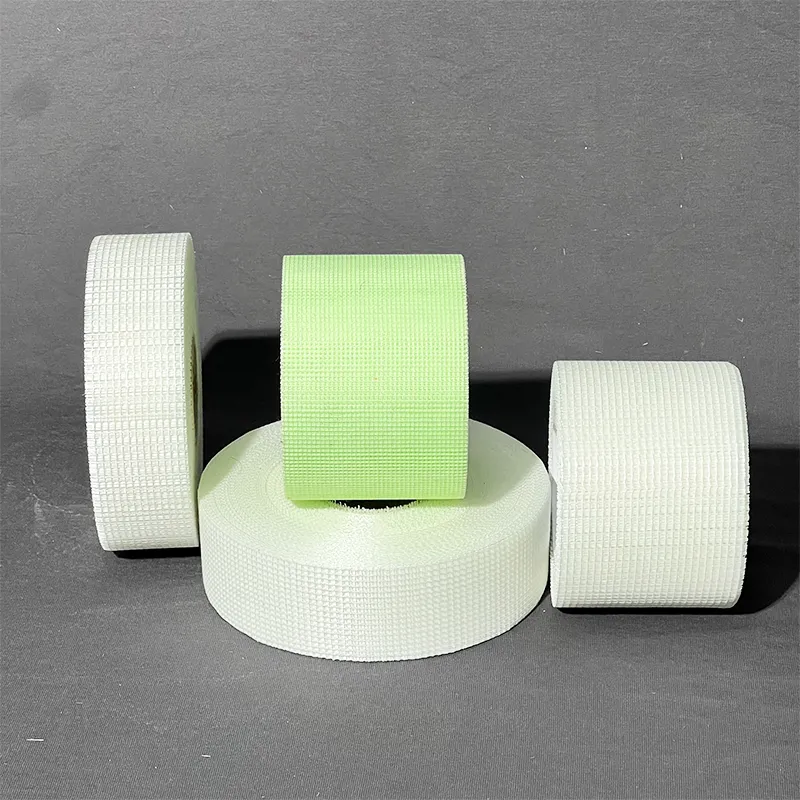
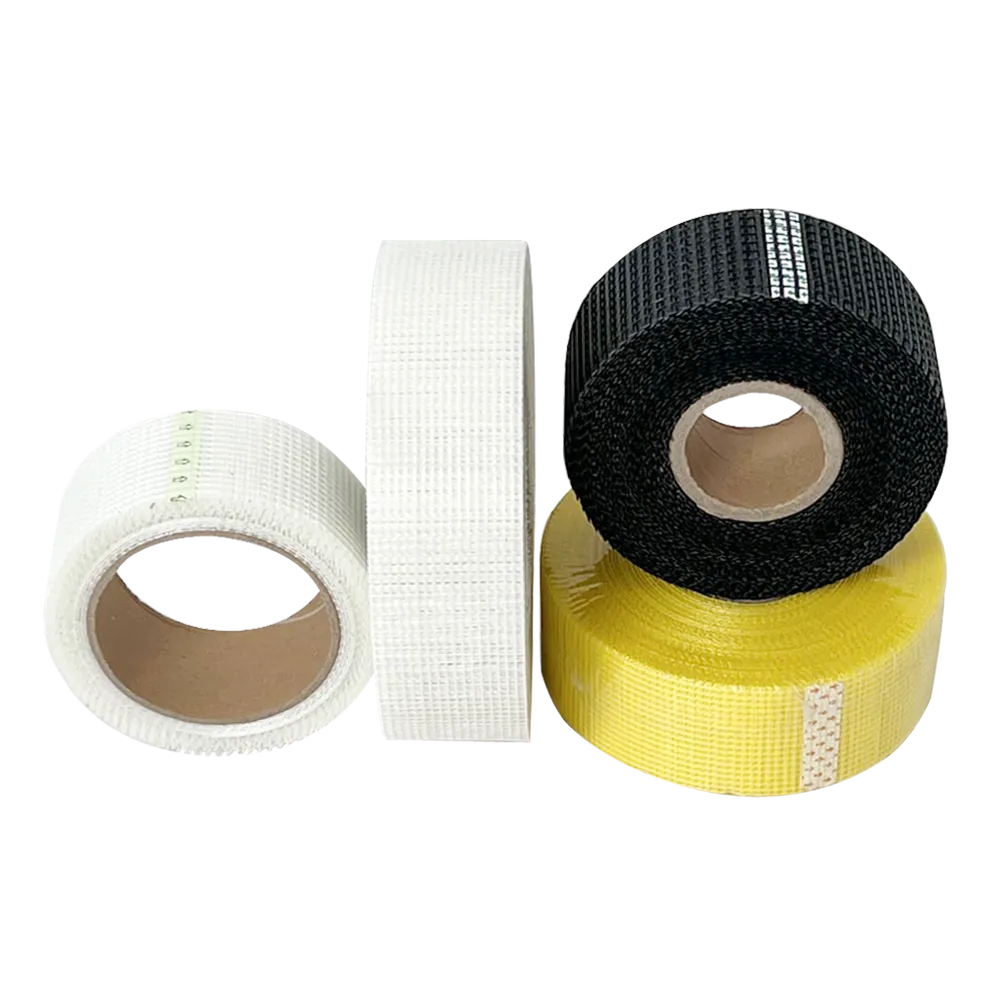
Strengthening drywall joints
Reinforcing ceiling corners
Stabilizing patched surfaces
The mesh acts as a flexible reinforcement layer, preventing cracks from reappearing.
- Waterproofing and Tiling Support
In bathrooms, kitchens, and balconies, fiberglass mesh netting is often used beneath waterproof membranes or tile adhesive layers. It enhances bonding strength and prevents substrate movement from affecting tile finishes.
Advantages of Using Plastering Fiberglass Mesh
- Superior Crack Resistance
The primary purpose of plastering fiberglass mesh is to prevent cracks. Its grid structure spreads stress across the entire surface, minimizing localized pressure points.
When applied correctly, plastering fibreglass mesh significantly reduces the likelihood of hairline fractures.
- Lightweight and Easy to Install
Compared to metal reinforcement, fiberglass netting is much lighter and easier to handle. A fiber mesh roll for plastering can be cut with scissors or a utility knife, simplifying on-site adjustments.
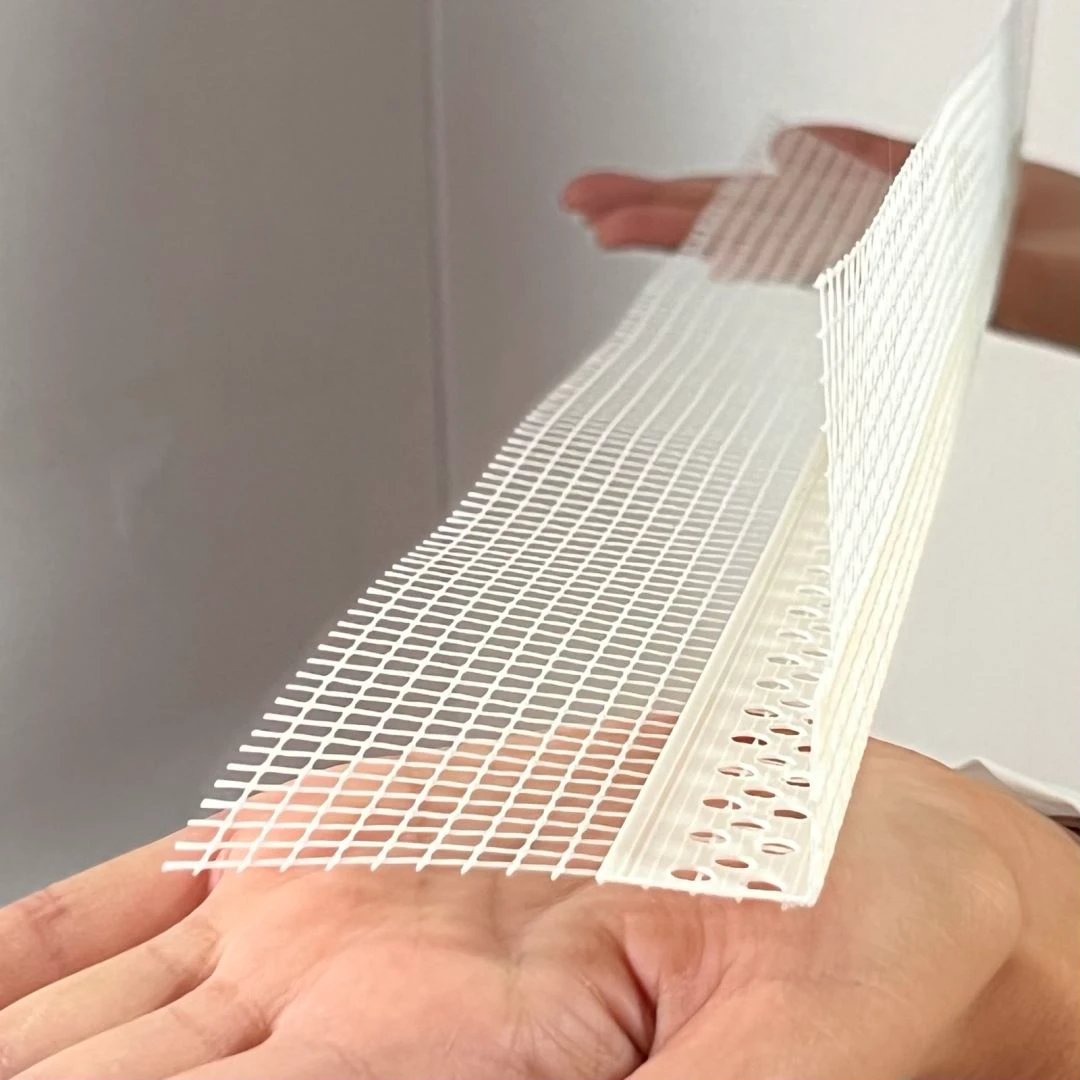
Its flexibility allows it to conform to corners, curves, and irregular surfaces without difficulty.
- Corrosion Resistance
Unlike steel mesh, მინაბოჭკოვანი ბადე does not corrode when exposed to moisture. This makes it ideal for:
Coastal regions
Humid climates
Basement walls
Exterior facades
The alkali-resistant coating further protects fiberglass mesh netting from degradation in cement-based environments.
- Long Service Life
Because of its chemical stability, plastering fiberglass mesh maintains strength over time. High-quality plastering fibreglass mesh can last for decades when properly embedded in plaster systems.
Types of Fiberglass Netting Mesh Available
Standard Density Mesh
Suitable for interior plaster reinforcement and light repair work.
Medium Density Mesh
Commonly used for general exterior rendering applications.
Heavy-Duty Mesh
Designed for high-impact areas, insulation systems, and commercial buildings. This type of fiberglass mesh netting offers maximum durability.
Installation Guide for Fiberglass Mesh Roll for Plastering
Proper installation is critical for maximizing performance.
Step 1: Surface Preparation
Ensure the wall surface is clean, dry, and free from dust or loose particles.
Step 2: Apply Base Coat
Spread a thin, even layer of plaster or render.
Step 3: Embed the Mesh
Place the plastering fiberglass mesh onto the wet base coat and press it gently using a trowel. Ensure the mesh is fully embedded without wrinkles.
Step 4: Overlap Sections
Overlap adjacent sections of მინაბოჭკოვანი ბადე by at least 5–10 cm to maintain structural continuity.
Step 5: Apply Final Coat
Cover the mesh with another thin layer of plaster until it is completely concealed.
Correct embedding ensures that fiberglass netting performs effectively and prevents surface cracking.
Choosing the Right Plastering Fibreglass Mesh
When selecting plastering fibreglass mesh, consider the following factors:
Weight (grams per square meter)
Mesh opening size
Alkali resistance certification
Roll width and length
Intended application (interior or exterior)
For larger construction projects, purchasing a high-quality fiber mesh roll for plastering ensures consistency and performance.
Maintenance and Storage Tips
Although fiberglass mesh netting is durable, proper storage ensures optimal performance:
Keep rolls in a dry, covered area
Avoid prolonged exposure to direct sunlight before installation
Protect from sharp objects that may damage the weave
Once embedded, plastering fiberglass mesh requires no special maintenance, as it becomes an integral part of the wall system.
Why Builders Prefer Fiberglass Netting
The popularity of მინაბოჭკოვანი ბადე continues to grow because it offers:
Cost-effective reinforcement
Long-term durability
Compatibility with modern insulation systems
Easy handling and installation
Excellent crack control
Whether used in residential renovation or commercial construction, fiberglass mesh netting provides reliable performance across a wide range of applications.
From reinforcing exterior facades to repairing interior cracks, fiberglass mesh netting has become an essential component in modern plastering systems. Products such as fiberglass netting, მინაბოჭკოვანი ბადე, and fiberglass mesh roll for plastering offer strength, flexibility, and long-term durability.
By incorporating high-quality plastering fiberglass mesh or plastering fibreglass mesh into construction projects, builders can significantly reduce cracking, improve structural integrity, and extend the lifespan of finished surfaces.
Lightweight, corrosion-resistant, and easy to install, fiberglass mesh solutions remain one of the most effective and reliable reinforcement materials in today’s construction industry.
-
Best Fiberglass Mesh Tape for RedGard Product Waterproofing GuideსიახლეებიApr.16,2026
-
Why High Strength Fiberglass Mesh Is Essential For Stucco ApplicationსიახლეებიApr.15,2026
-
Why Alkali Resistant Fiberglass Mesh Tape Is Essential For Cement Board And Tile InstallationsსიახლეებიApr.15,2026
-
Understanding The Role Of Drywall Fiberglass Mesh In Interior FinishingსიახლეებიApr.15,2026
-
Ultimate Guide To Using Fiberglass Mesh Tape For Drywall And Plaster RepairsსიახლეებიApr.15,2026
-
The Versatility Of Fiberglass Mesh In Marble And Stone MosaicსიახლეებიApr.15,2026