მარ . 20, 2026 15:55 სიაში დაბრუნება
Choosing Fiberglass Reinforcement Mesh For EIFS
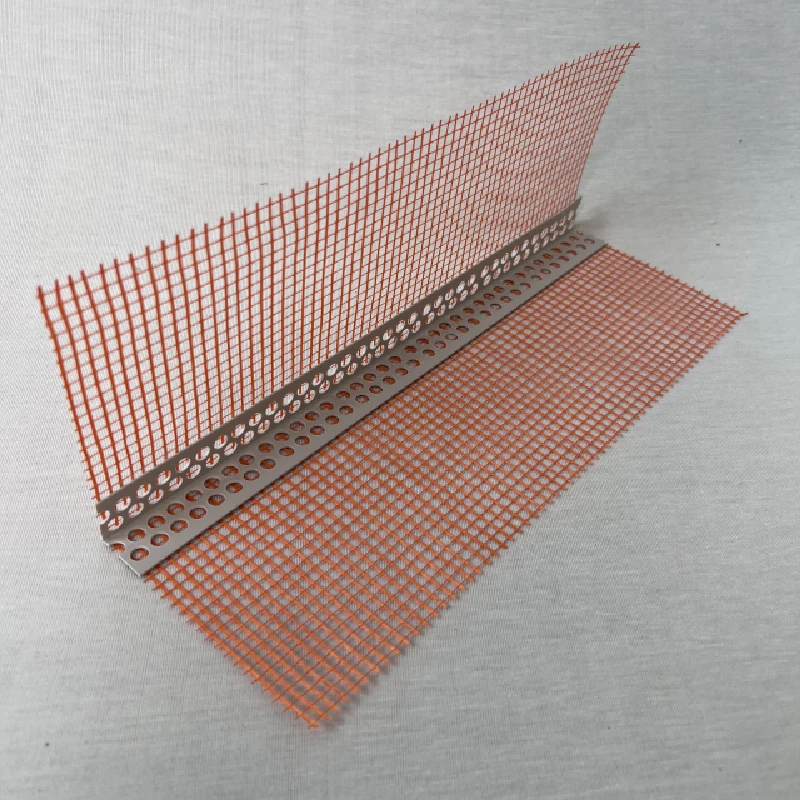
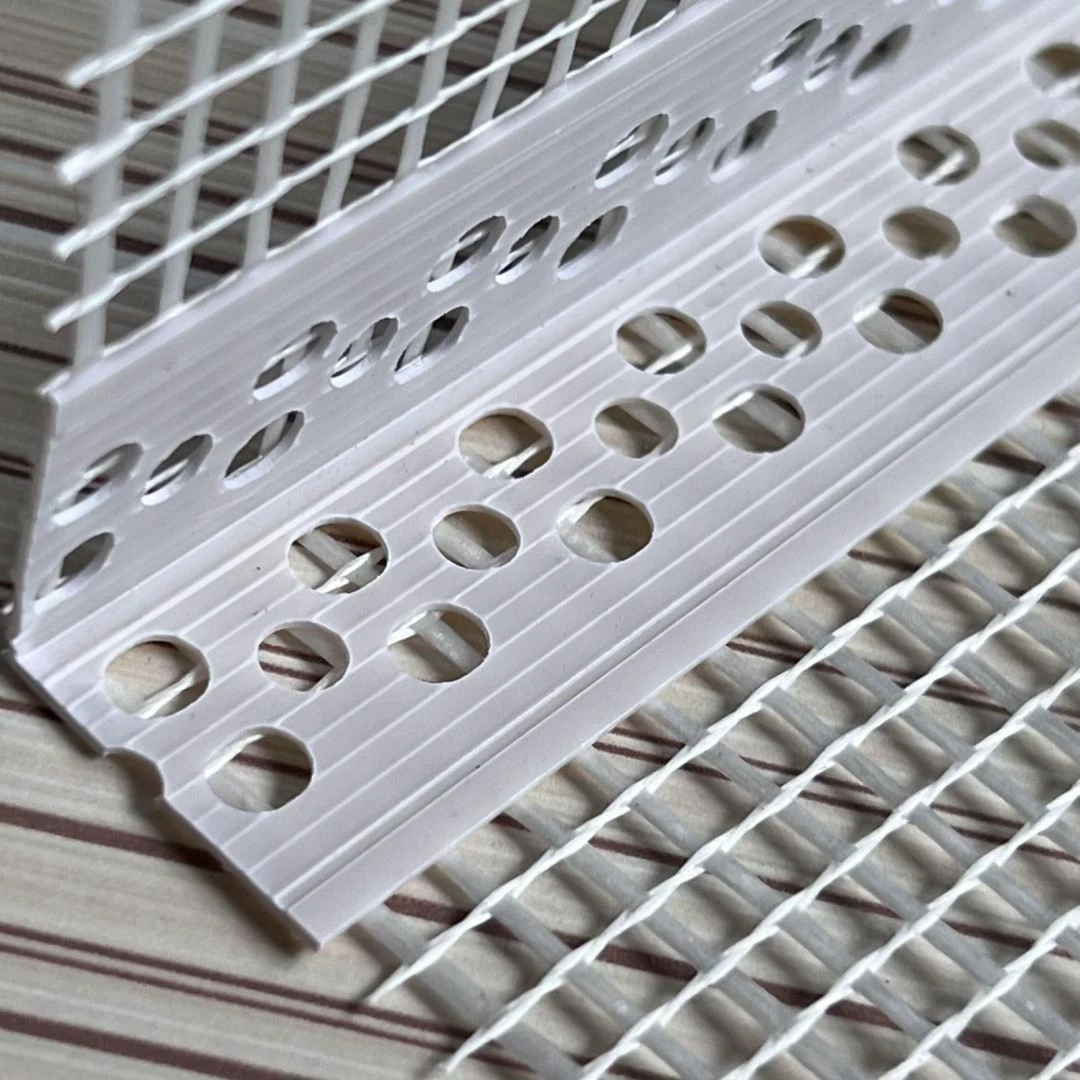
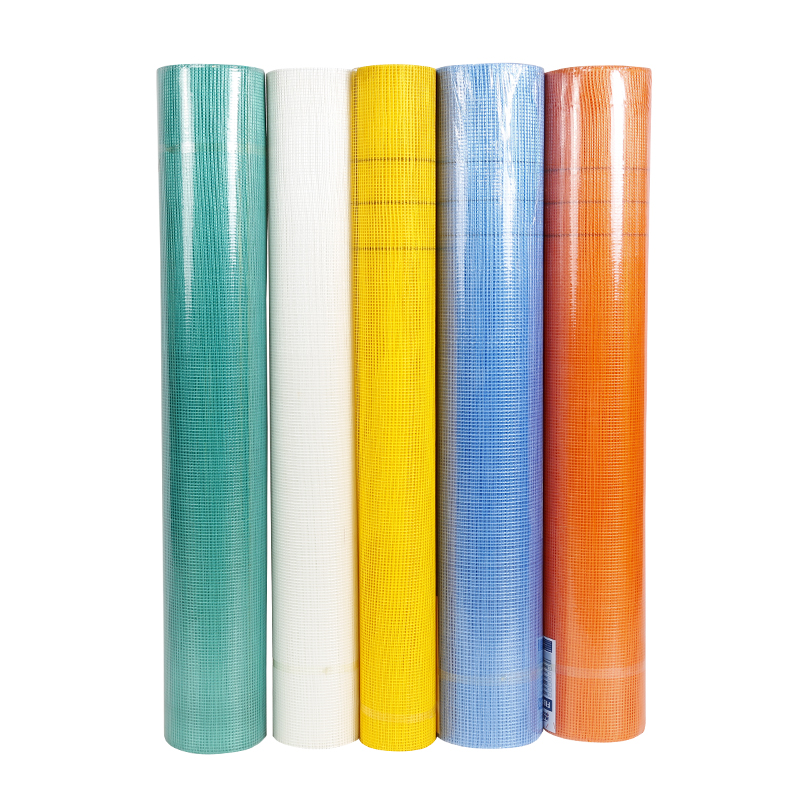
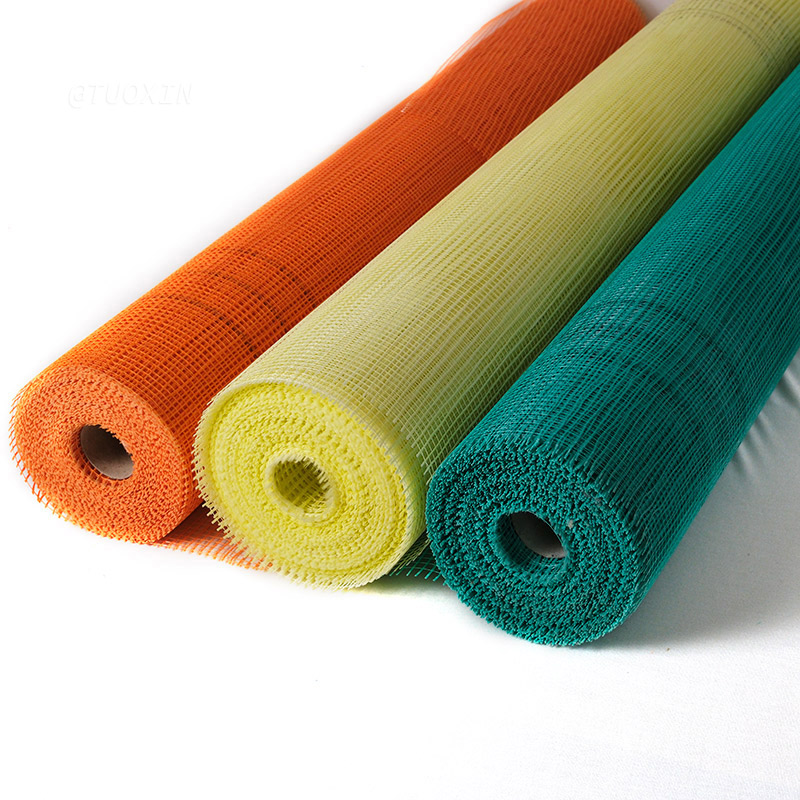
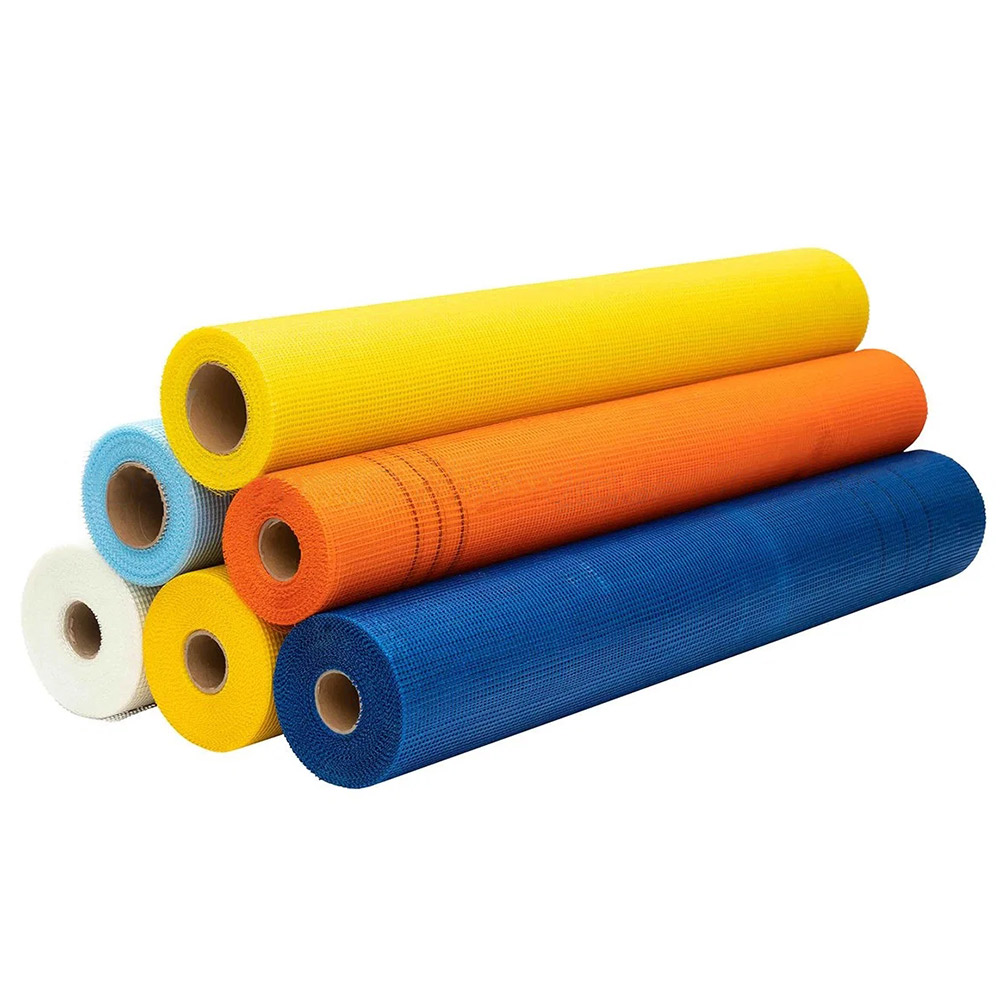
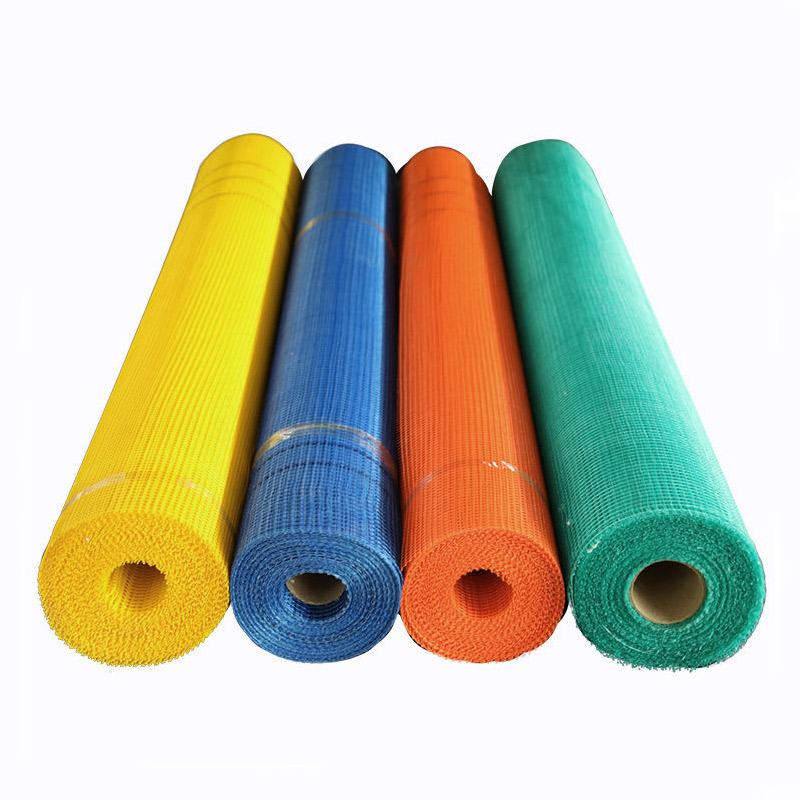
In the realm of modern architectural envelopes, the Exterior Insulation and Finish System (EIFS) has redefined the standards for thermal efficiency and design flexibility. However, the long-term success of these multi-layered facades is entirely dependent on the structural core that binds the insulation to the final aesthetic finish. As the primary component for impact resistance and crack prevention, selecting the correct fiberglass reinforcement mesh is the most critical decision an architect or contractor can make during the specification phase. This specialized textile serves as the "sinew" of the building, providing the necessary tensile strength to bridge the joints of insulation boards and absorb the mechanical stresses caused by wind loads, thermal expansion, and physical impacts.
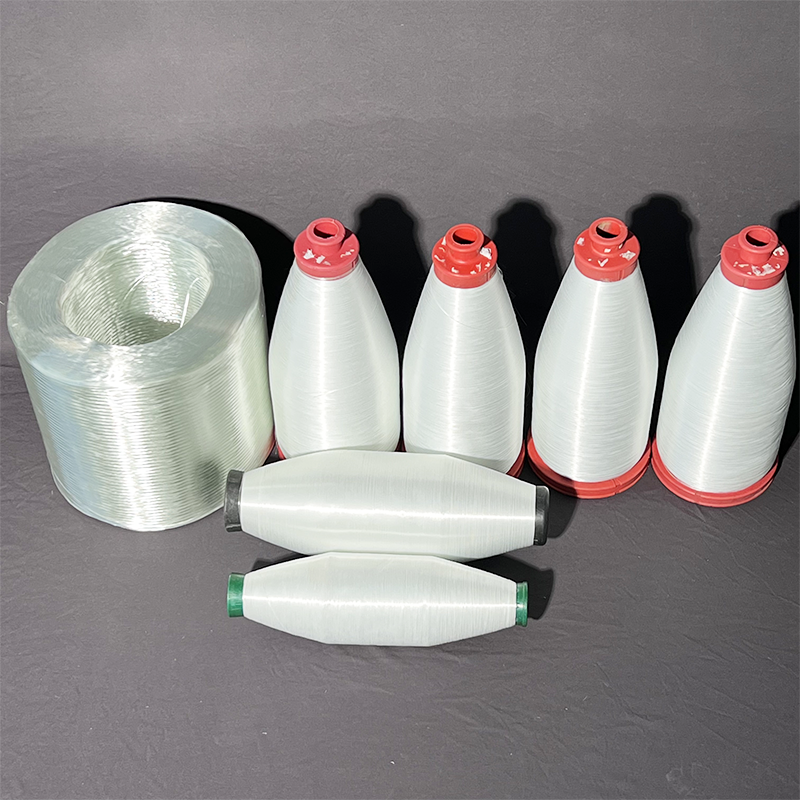
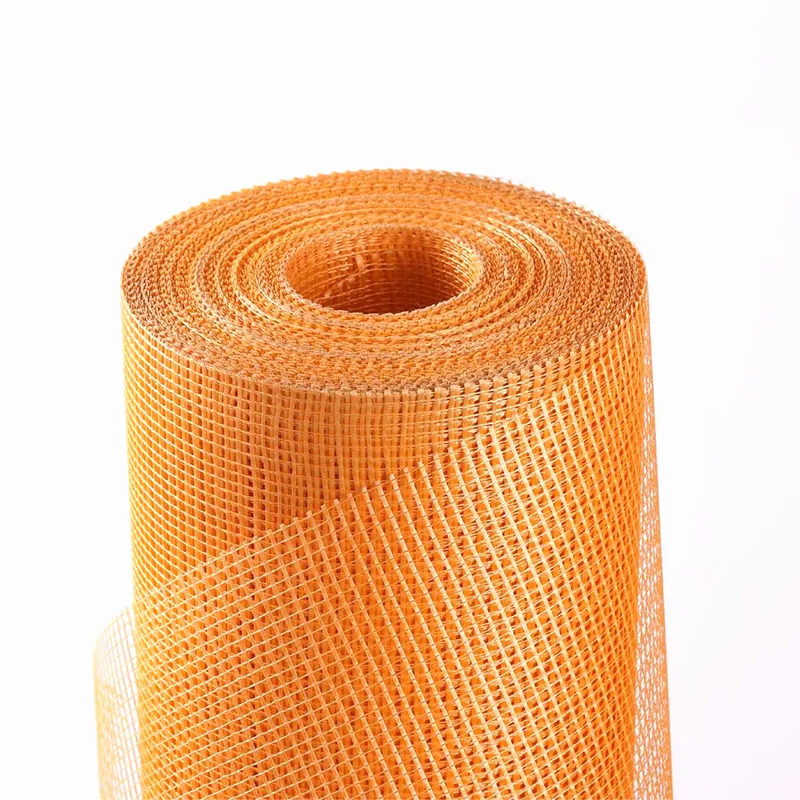
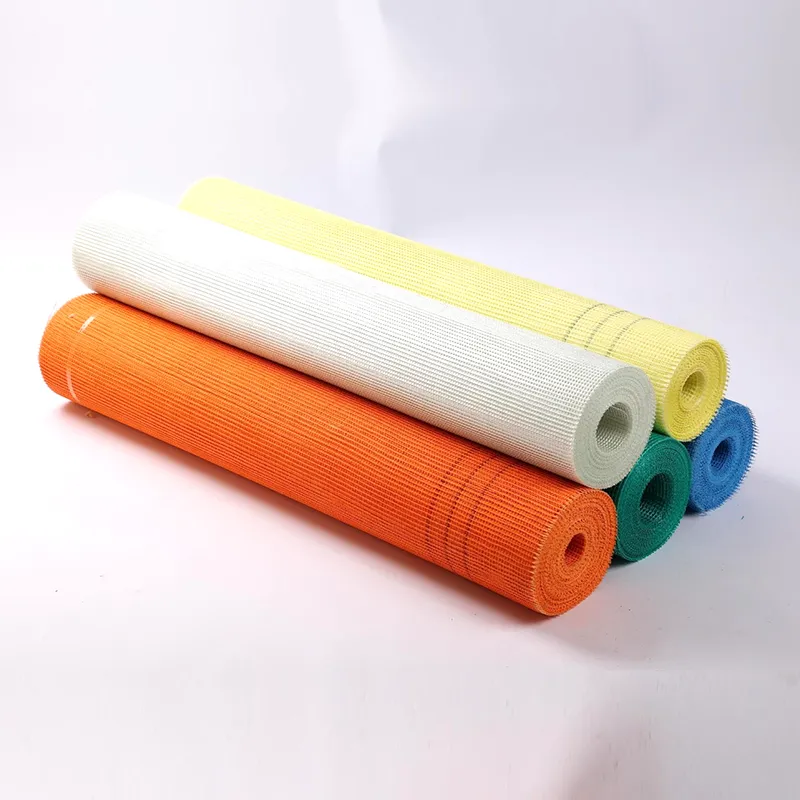
The engineering behind fiberglass reinforcement mesh involves a sophisticated weaving process of glass filaments that are inherently fire-resistant and dimensionally stable. Unlike organic fibers that might swell or degrade when exposed to moisture, glass fibers maintain their integrity regardless of environmental shifts. When embedded within the base coat of an EIFS assembly, the mesh creates a reinforced matrix that prevents the brittle cementitious layer from fracturing. For the global supplier or building professional, understanding the nuances of mesh weight, weave density, and coating quality is the key to ensuring that a building’s exterior remains a seamless and protective barrier for its entire lifespan.
Technical Resilience Of Alkali Resistant Fiberglass Mesh In Facade Systems
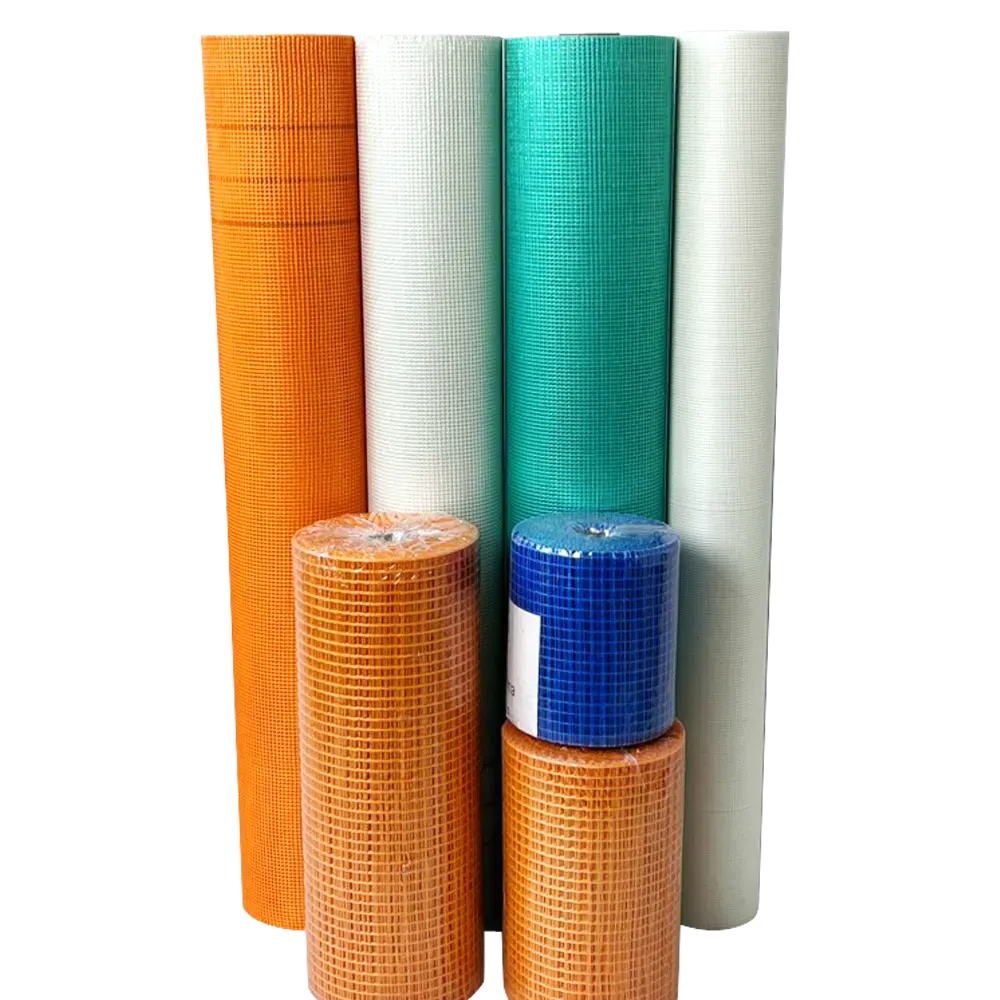
The chemistry of the base coat used in EIFS is predominantly cementitious, which means it possesses a high pH level and remains chemically active during the curing process. This creates a harsh, corrosive environment for standard glass fibers. To counteract this, high-performance ტუტე რეზისტენტული მინაბოჭკოვანი ბადე is treated with a specialized polymer coating, typically a synthetic latex or acrylic resin. This protective shield is not merely a surface treatment; it is a vital barrier that prevents the alkaline salts in the mortar from attacking and dissolving the glass filaments. Without this alkali resistance, the reinforcement would eventually become brittle and vanish, leaving the facade vulnerable to catastrophic cracking and water infiltration.
When specifying ტუტე რეზისტენტული მინაბოჭკოვანი ბადე, professionals must look for materials that have undergone rigorous testing for strength retention after immersion in alkaline solutions. A high-quality mesh will retain a significant portion of its original tensile strength even after months of exposure to the curing base coat. This chemical endurance is what allows the EIFS system to survive the "settling" period of a new building, during which the most significant structural shifts occur. By prioritizing a mesh with superior chemical stability, developers are making a proactive investment in the building's maintenance-free future, ensuring that the insulation layers remain protected from the elements.
Optimizing Impact Resistance With EIFS Fiberglass Mesh
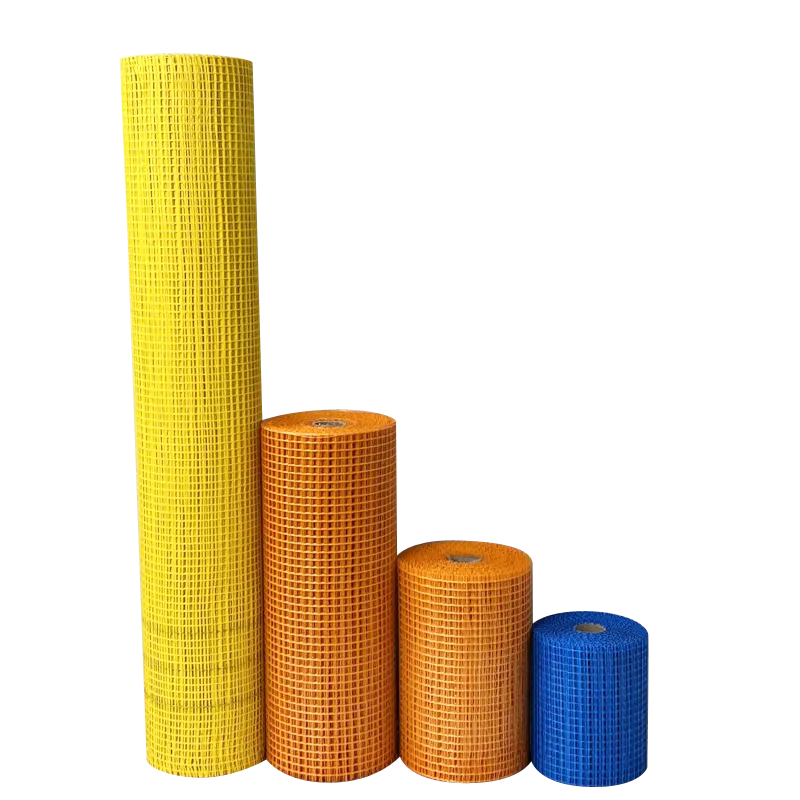
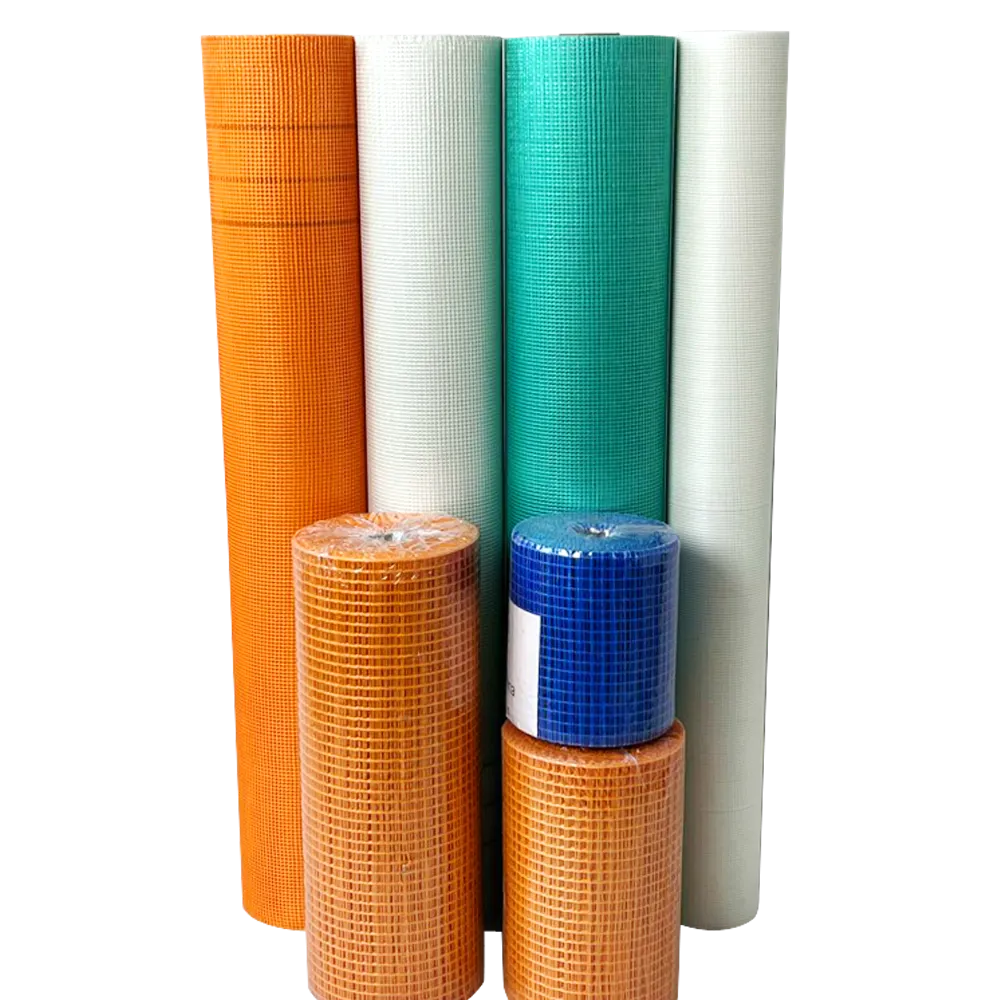
One of the primary functions of eifs მინაბოჭკოვანი ბადე is to provide a "buffer zone" against physical damage. Exterior walls, particularly at the ground-floor level, are subjected to a variety of mechanical stresses—from accidental strikes by pedestrians to the high-velocity impact of hail during severe storms. To address these different levels of risk, manufacturers produce eifs მინაბოჭკოვანი ბადე in varying weights. Standard-duty mesh provides excellent crack resistance for upper stories, while heavy-duty "impact" mesh is required for areas prone to physical contact.
The strategic application of eifs მინაბოჭკოვანი ბადე involves layering different grades of reinforcement to create a graduated defense system. For instance, a high-impact mesh might be applied as a primary layer at the base of the building, followed by a standard layer that wraps the entire facade. This multi-layered approach ensures that the insulation boards—which are relatively soft—are not punctured or dented. The ability of the glass fiber grid to dissipate the energy of an impact across a wider surface area is what prevents localized failures. For the contractor, choosing the right weight of eifs მინაბოჭკოვანი ბადე is a balance between meeting the project's safety requirements and maintaining a manageable application thickness for the finishing trowel.
Installation Precision For Fiberglass Mesh For EIFS
The ultimate performance of the facade is heavily influenced by the technique used during the embedding of the მინაბოჭკოვანი ბადე ეიფისთვის. It is a common misconception that the mesh should be applied directly to the insulation board and then covered with mortar. In a professional application, a layer of base coat is first applied to the insulation, and the მინაბოჭკოვანი ბადე ეიფისთვის is then pressed into the wet mixture. This ensures that the mesh is perfectly centered within the thickness of the base coat, which is the optimal position for resisting both positive and negative wind pressures.
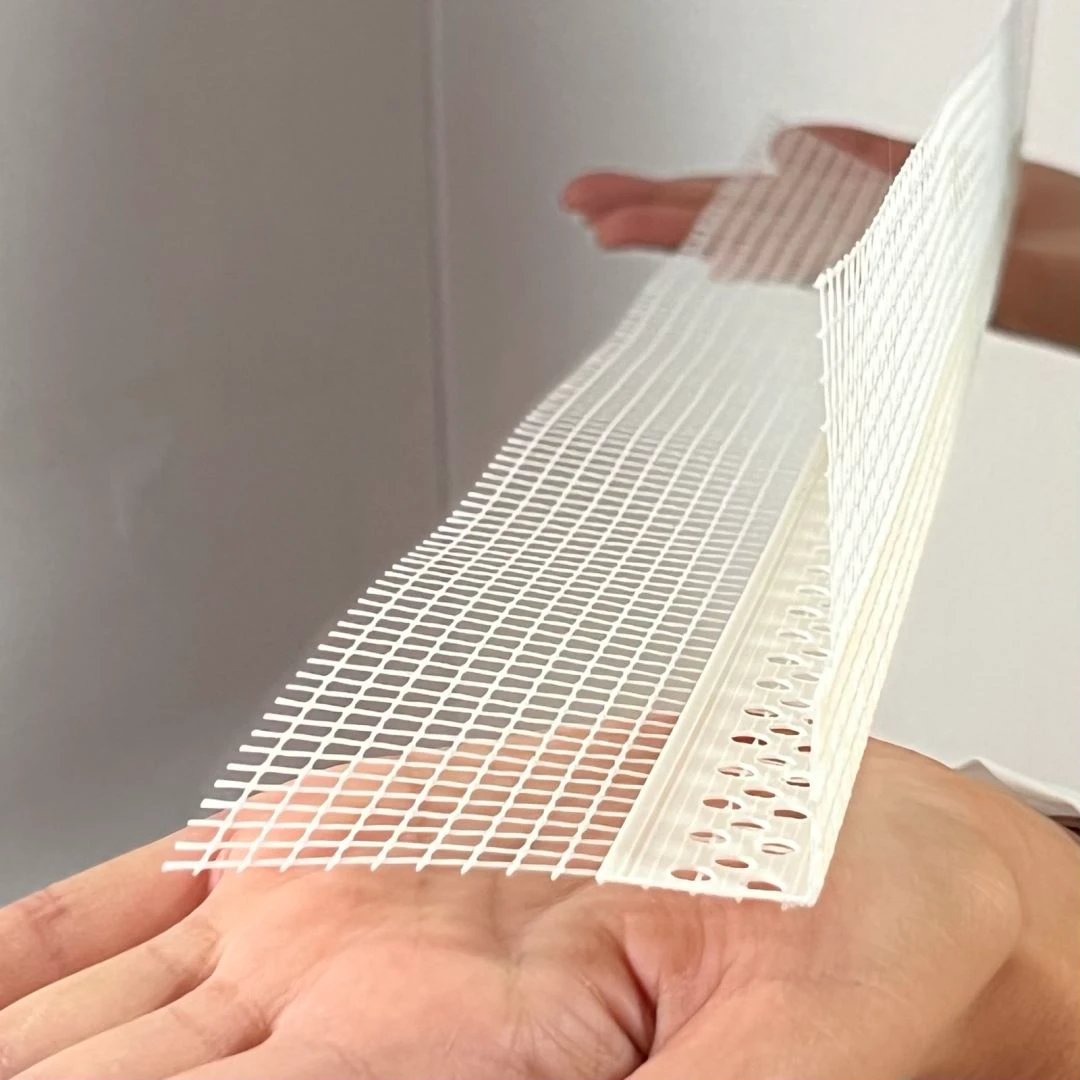
Furthermore, the continuity of the reinforcement is paramount. Every strip of მინაბოჭკოვანი ბადე ეიფისთვის must overlap the adjacent strip by several inches to ensure that there are no weak points at the seams. Special attention is also required at the corners of openings, such as windows and doors, where stress concentrations are highest. Installers often apply a double layer of mesh or a diagonal "butterfly" strip at these locations to counteract the diagonal tension that leads to the infamous "spiderweb" cracking. By following these rigorous installation standards, the building team ensures that the მინაბოჭკოვანი ბადე ეიფისთვის functions as a unified, monolithic skin that protects the building from structural fatigue.
The Material Advantages Of High-Quality Fiberglass Mesh Cloth
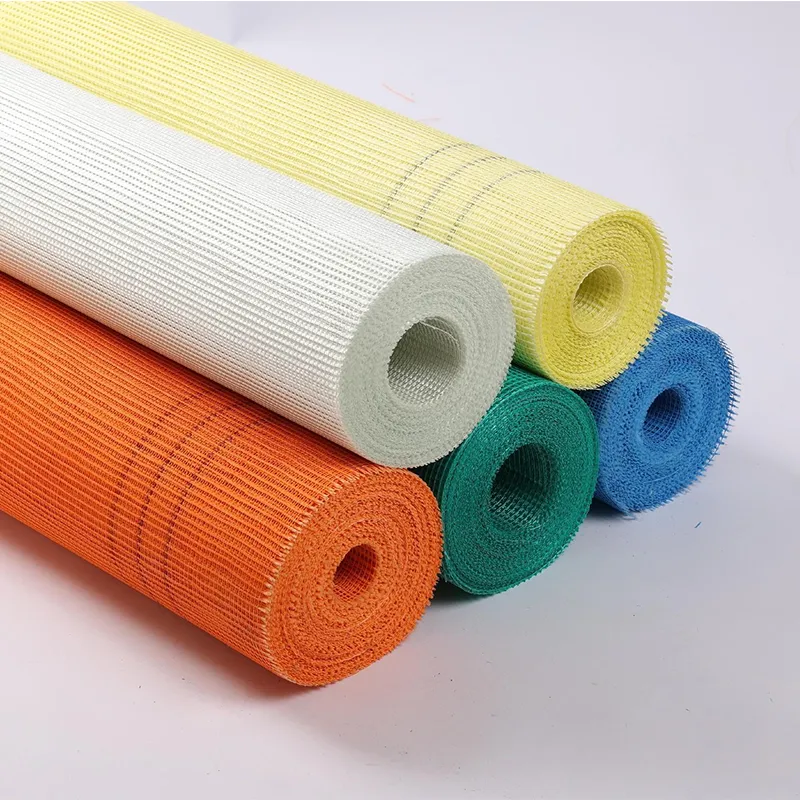
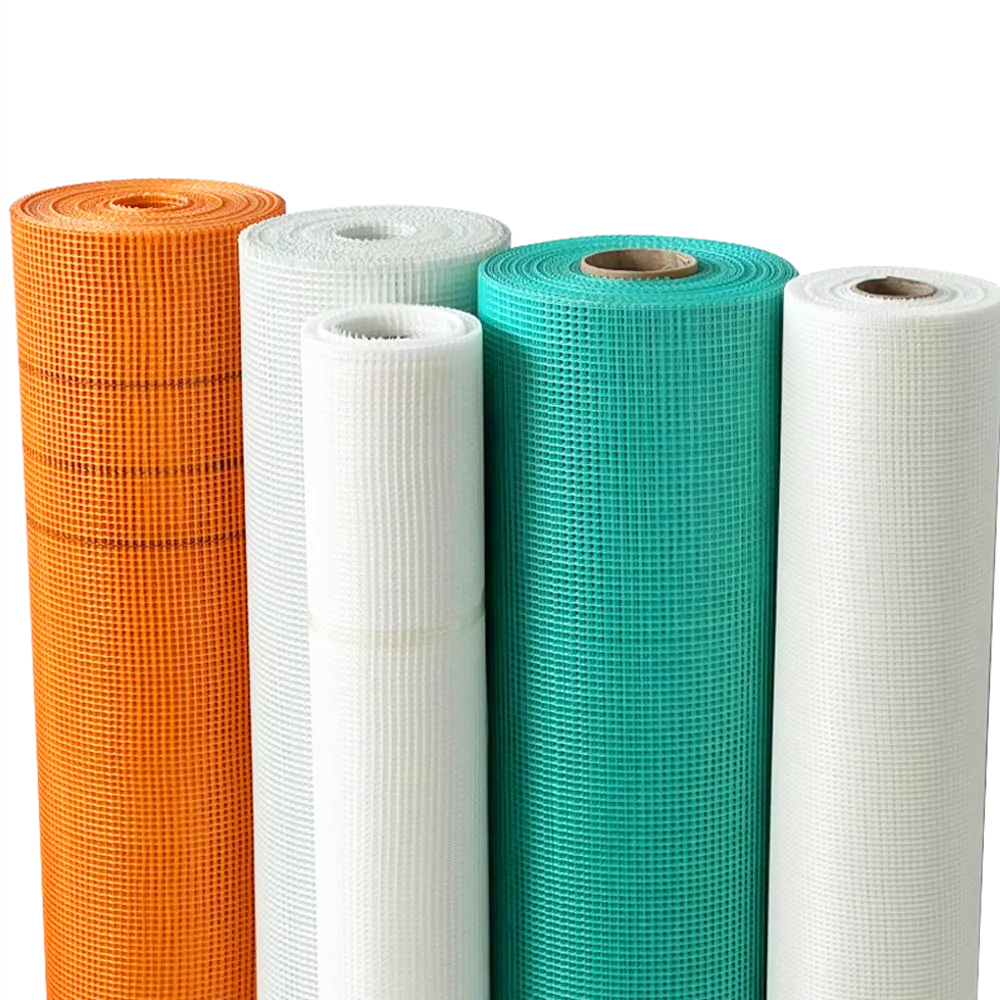
The physical handling of fiberglass mesh cloth during the construction process is an often-overlooked factor that impacts the final quality of the wall. A superior fiberglass mesh cloth should be flexible enough to wrap around intricate architectural details, such as cornices or window returns, without snapping or losing its shape. However, it must also possess enough "body" or stiffness to remain flat against the wall without sagging or wrinkling as the trowel passes over it. This balance is achieved through precision weaving and a carefully calibrated coating process.
Moreover, the inorganic nature of fiberglass mesh makes it an ideal companion for modern sustainable building practices. It does not support the growth of mold or mildew, and it does not contribute to the organic loading of the building envelope. As we move toward more airtight and highly insulated structures, the breathability and stability of the reinforcement layer become even more critical. The mesh allows for a uniform drying of the base coat, which prevents internal stresses from developing during the curing phase. By choosing a high-standard fiberglass mesh , suppliers are providing a tool that not only strengthens the building but also simplifies the work of the artisans who create its final appearance.
-
Best Fiberglass Mesh Tape for RedGard Product Waterproofing GuideსიახლეებიApr.16,2026
-
Why High Strength Fiberglass Mesh Is Essential For Stucco ApplicationსიახლეებიApr.15,2026
-
Why Alkali Resistant Fiberglass Mesh Tape Is Essential For Cement Board And Tile InstallationsსიახლეებიApr.15,2026
-
Understanding The Role Of Drywall Fiberglass Mesh In Interior FinishingსიახლეებიApr.15,2026
-
Ultimate Guide To Using Fiberglass Mesh Tape For Drywall And Plaster RepairsსიახლეებიApr.15,2026
-
The Versatility Of Fiberglass Mesh In Marble And Stone MosaicსიახლეებიApr.15,2026