Sep . 22, 2025 17:07 Kembali ke daftar
Understanding the Versatility of Fiberglass Yarn: Roving, C-Glass, and E-Glass Explained
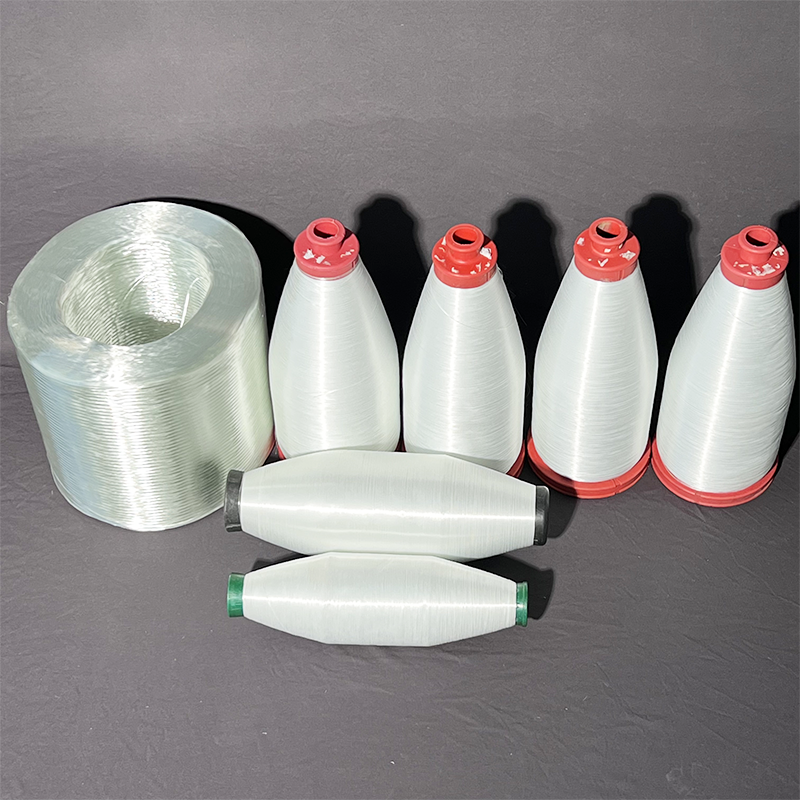
Fiberglass yarn is a widely used industrial material, known for its durability, thermal resistance, and lightweight structure. As industries continue to demand stronger, more heat-resistant, and more chemically stable materials, different types of fiberglass yarn have been developed to meet these specialized needs. Among the most common varieties are roving fiber glass yarn, C-glass fiberglass yarn, E-glass fiberglass yarn, and the general fiber glass yarn. Each type has unique characteristics that make it suitable for specific applications.
What Is Fiberglass Yarn?
Fiberglass yarn is made from fine strands of glass that are spun into a yarn-like form. It combines the benefits of glass (such as high tensile strength, chemical resistance, and non-combustibility) with the flexibility and processability of textile fibers. As a result, fiberglass yarn is used in various sectors including construction, automotive, aerospace, marine, electronics, and consumer goods.
The manufacturing process involves melting raw materials like silica sand and other minerals, then drawing the molten glass into filaments. These filaments are bundled into fibers, which are then twisted or texturized to create yarns suitable for weaving or knitting into fabric. Depending on the type of glass used, the yarn can exhibit specific properties such as electrical insulation, corrosion resistance, or high mechanical strength.
Types of Fiberglass Yarn: Roving, C-Glass, and E-Glass
Understanding the types of fiberglass yarn is essential for selecting the right material for a specific application.
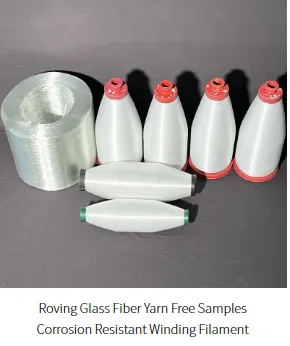
Roving fiber glass Yarn
Roving is a form of fiberglass yarn that consists of bundles of continuous filaments loosely gathered together without any twist. Roving glass fiber yarn is known for its high strength and uniform filament distribution. It is often used in pultrusion, filament winding, and weaving processes.
Key Features:
High tensile strength and impact resistance
Excellent compatibility with various resins
Ideal for use in composite reinforcement, especially in automotive parts, wind turbine blades, and boat hulls
Roving glass fiber yarn is typically used in applications where bulk strength and structural support are needed more than flexibility or softness.
C-Glass fiberglass Yarn
C-glass fiberglass yarn is primarily valued for its superior chemical resistance. The "C" stands for "chemical," reflecting its suitability for corrosive environments. It is commonly used in the manufacturing of chemical-resistant fabrics and components.
Key Features:
Excellent corrosion resistance, especially to acids
Lower mechanical strength compared to E-glass
Used in battery separators, chemical tanks, and pipes exposed to corrosive materials
While C-glass yarn does not offer the highest mechanical strength, its chemical resistance makes it indispensable in industries dealing with aggressive substances.
E-Glass fiberglass Yarn
E-glass, or electrical glass, is the most commonly used type of fiberglass yarn. It offers a well-balanced combination of high mechanical strength, electrical insulation, and thermal resistance. The "E" stands for "electrical," as it was originally developed for insulating electrical conductors.
Key Features:
High strength-to-weight ratio
Excellent electrical insulation
Good thermal and moisture resistance
Cost-effective and widely available
E-glass fiber yarn is found in printed circuit boards, insulating tapes, and structural composites. It is also used in the aerospace and automotive industries due to its lightweight and high-performance characteristics.
Applications and Advantages of Fiber Glass Yarn
Beyond the specific varieties like roving, C-glass, and E-glass, fiber glass yarn as a whole offers numerous advantages that have made it a staple across industries.
Thermal and Electrical Insulation
Fiber glass yarn has excellent heat resistance, often withstanding temperatures up to 550°C depending on the formulation. Its low electrical conductivity also makes it ideal for insulation in electrical and electronic applications.
Durability and Strength
Thanks to its high tensile strength, fiberglass yarn is used in applications requiring structural integrity, such as reinforcing fabrics, composites for sporting goods, or construction materials like panels and roofing.
Lightweight and Non-Flammable
Fiberglass yarn provides the necessary strength without adding weight. Moreover, it is inherently non-flammable, making it suitable for protective clothing, fire blankets, and aircraft interiors.
Chemical Resistance
Most types of fiberglass yarn resist water, oils, and most chemicals, especially C-glass. This makes them ideal for filtration systems, battery insulators, and other applications where chemical exposure is frequent.
From roving fiber glass yarn used in high-strength composites, to C-glass fiberglass yarn designed for chemical resistance, and E-glass fiberglass yarn preferred for its electrical and mechanical balance, each type of fiber glass yarn plays a critical role in modern manufacturing and engineering. Choosing the right type of yarn depends on your application's requirements—whether it's resistance to heat, chemicals, electricity, or mechanical stress.
As industries evolve and the demand for high-performance materials increases, fiberglass yarn continues to offer innovative solutions, proving that this versatile material is here to stay.
-
Best Fiberglass Mesh Tape for RedGard Product Waterproofing GuideBeritaApr.16,2026
-
Why High Strength Fiberglass Mesh Is Essential For Stucco ApplicationBeritaApr.15,2026
-
Why Alkali Resistant Fiberglass Mesh Tape Is Essential For Cement Board And Tile InstallationsBeritaApr.15,2026
-
Understanding The Role Of Drywall Fiberglass Mesh In Interior FinishingBeritaApr.15,2026
-
Ultimate Guide To Using Fiberglass Mesh Tape For Drywall And Plaster RepairsBeritaApr.15,2026
-
The Versatility Of Fiberglass Mesh In Marble And Stone MosaicBeritaApr.15,2026