Mar . 20, 2026 15:57 Kembali ke daftar
How To Use Fiberglass Mesh In Concrete For Maximum Durability
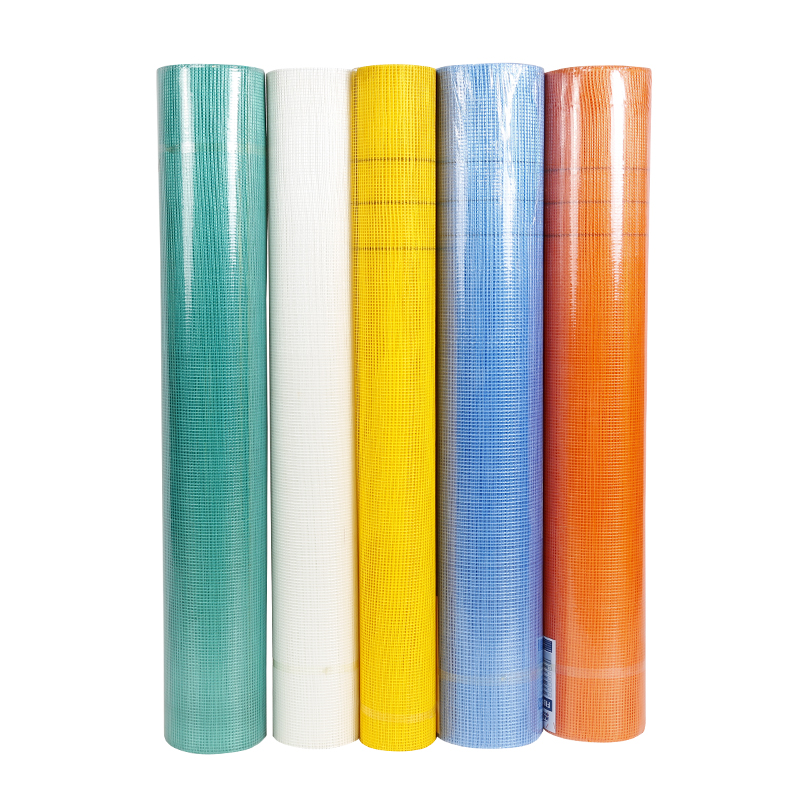
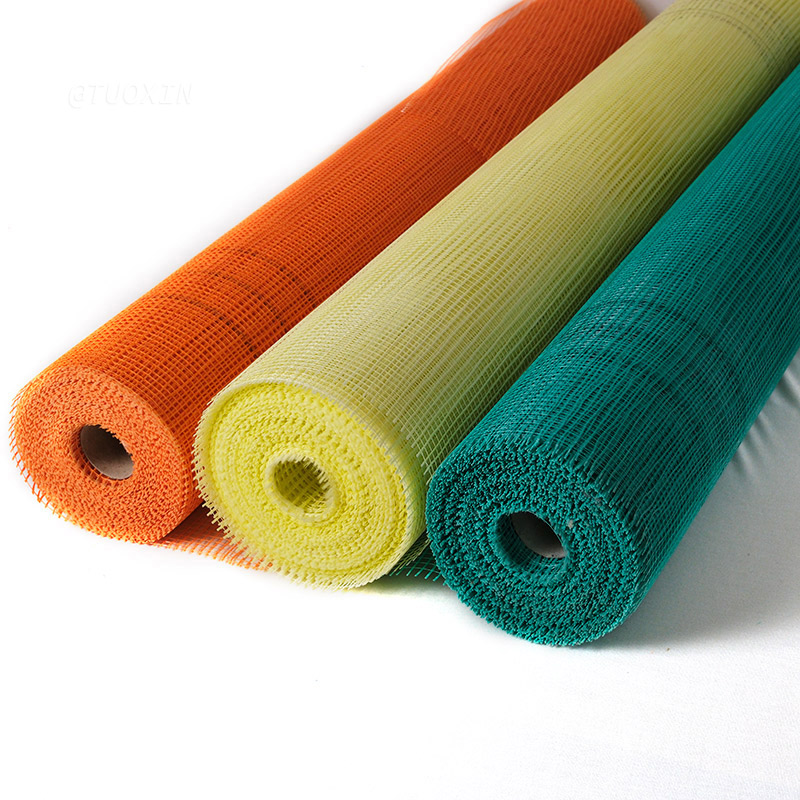
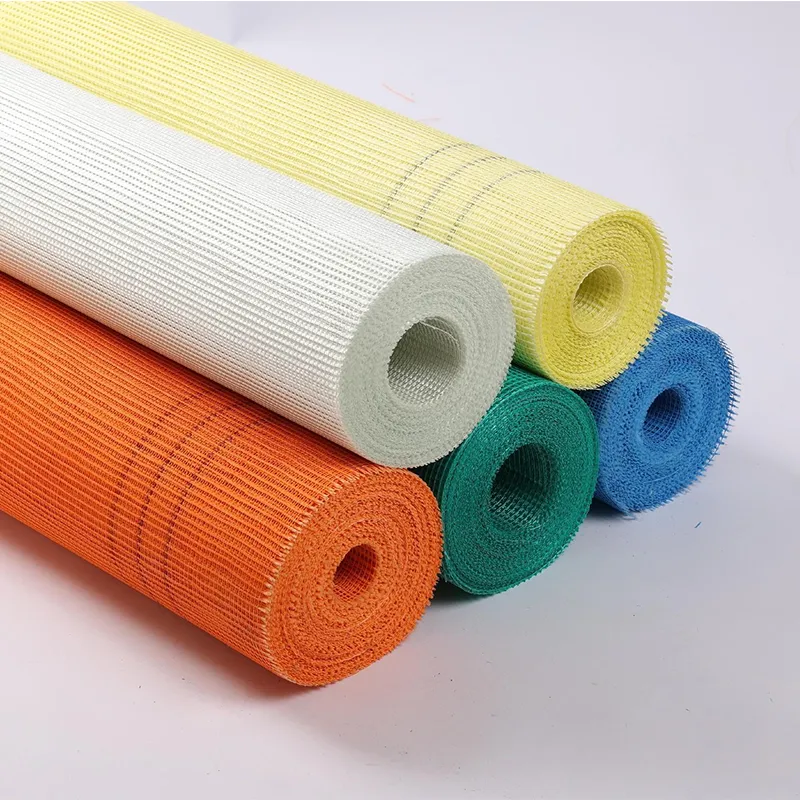
The integration of advanced composite materials into traditional masonry has fundamentally altered the lifespan and structural reliability of modern concrete applications. While steel rebar has long been the standard for heavy-duty load-bearing structures, the introduction of jaring fiberglass dalam beton provides a sophisticated solution for crack control and surface stabilization in thin-slab and decorative projects. Concrete is naturally strong in compression but inherently weak in tension; as it cures, the evaporation of water can lead to shrinkage cracks that compromise both the aesthetic and the structural integrity of the slab. By embedding a high-tensile glass fiber grid within the wet matrix, builders can effectively distribute these internal stresses, ensuring that the concrete remains a monolithic and durable surface for decades.
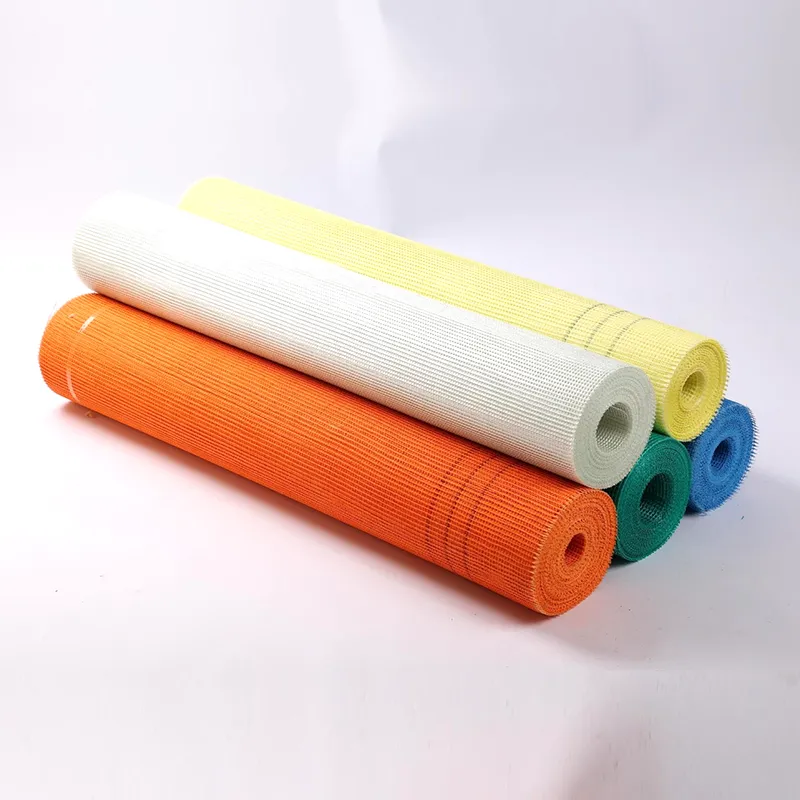
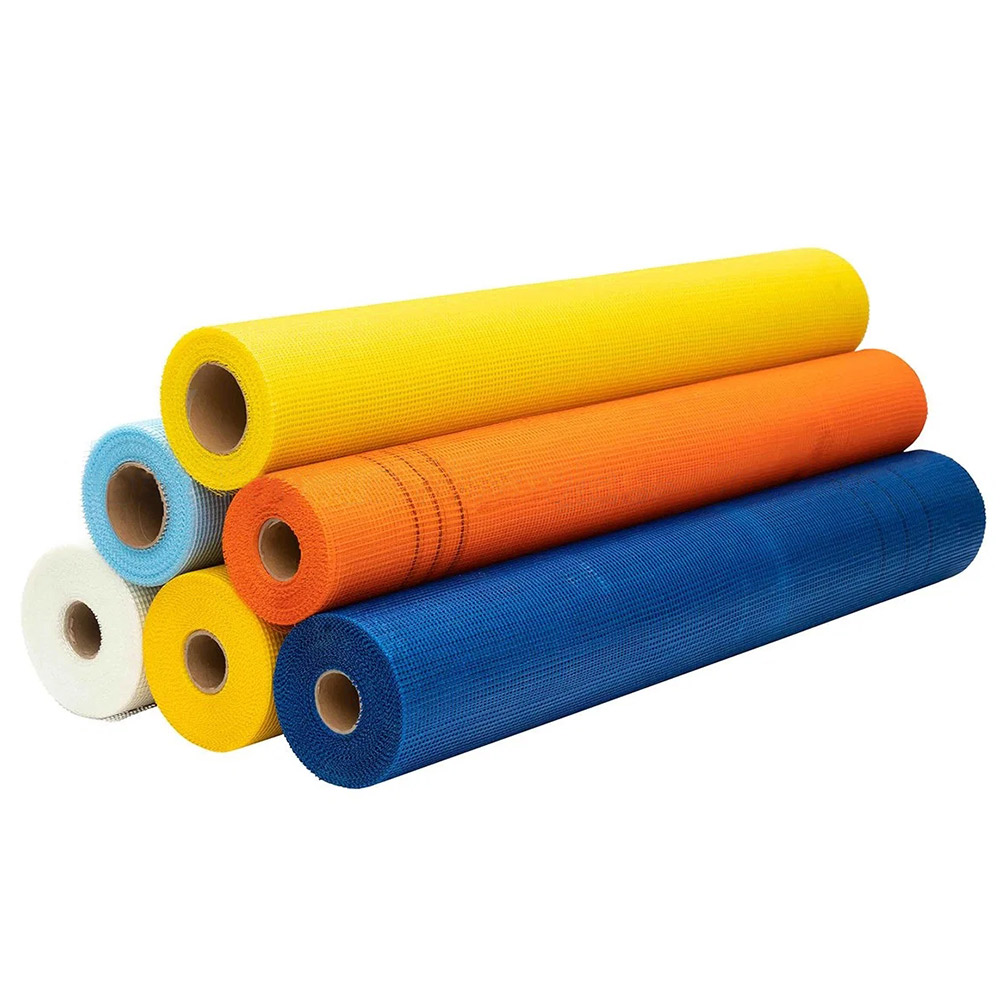
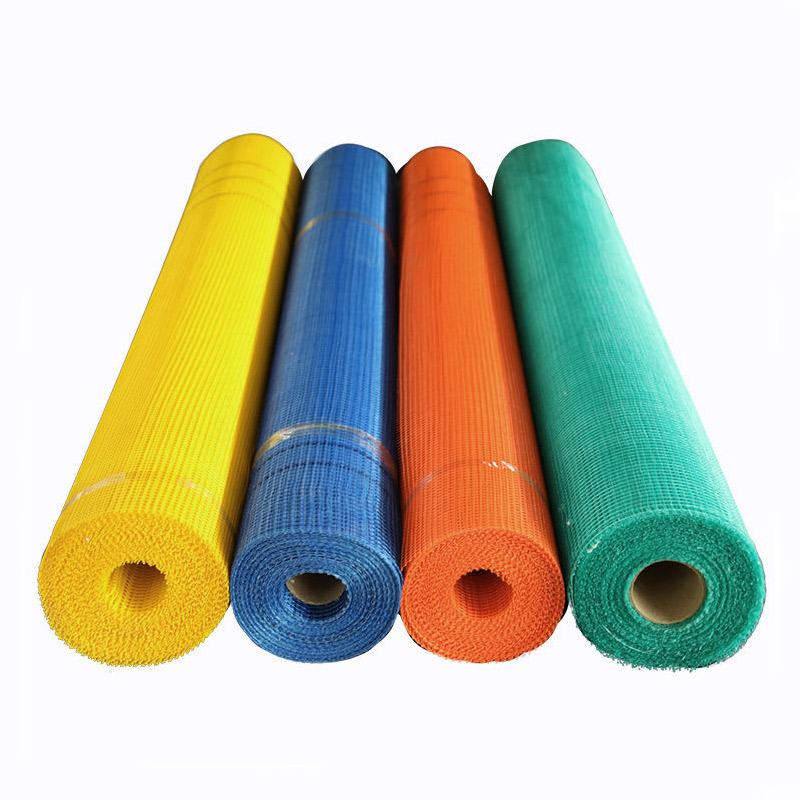
As an innovative reinforcement method, jaring fiberglass dalam beton acts as a multi-directional support system. Unlike traditional metal lath, which can be prone to corrosion and is difficult to manipulate, glass fiber grids are lightweight, rust-proof, and chemically inert. This makes them particularly valuable for outdoor installations, coastal environments, or wet-room slabs where moisture infiltration is a constant threat. For the professional contractor, the goal is not merely to "stiffen" the concrete but to create a reinforced composite that can withstand the thermal expansion and contraction cycles of the natural environment without manifesting unsightly surface fractures.
Technical Superiority Of Alkaline Resistant Fiberglass Mesh In Masonry
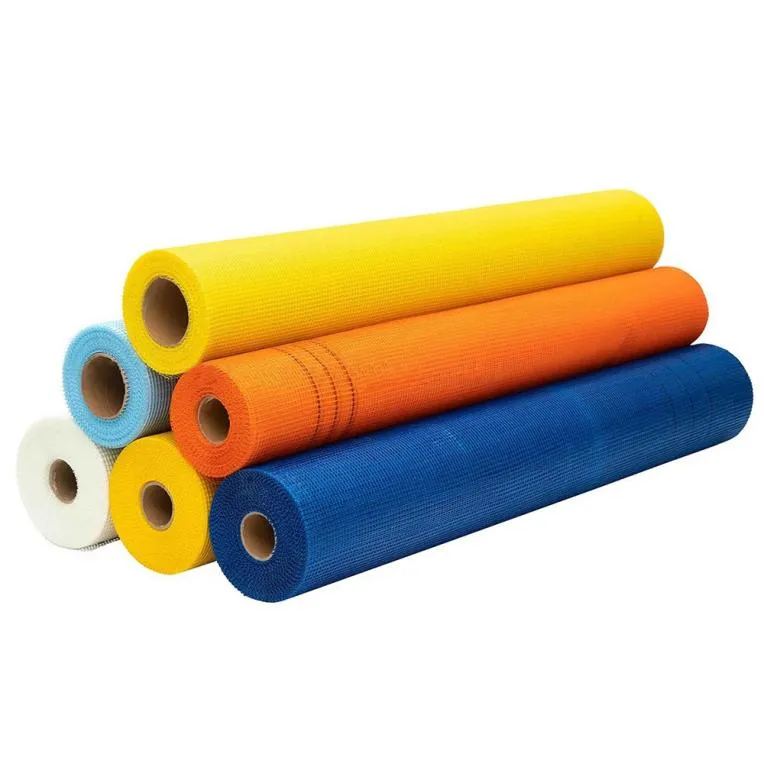
One of the most critical factors in the success of any glass-fiber-reinforced project is the chemical compatibility between the reinforcement and the binder. Raw glass fibers are susceptible to degradation when exposed to the high pH environment of wet cement. Therefore, the use of jaring fiberglass tahan alkali is a non-negotiable requirement for permanent construction. This specialized mesh is treated with a robust polymer coating—typically a synthetic latex or acrylic resin—that acts as a barrier against the corrosive alkali salts present in the concrete matrix. Without this protective shield, the glass filaments would eventually become brittle and lose their tensile strength, leading to a complete failure of the reinforcement system.
Choosing a high-quality jaring fiberglass tahan alkali ensures that the reinforcement remains functional throughout the entire curing process and the subsequent life of the structure. The coating also enhances the bond between the mesh and the concrete, ensuring that the two materials work in unison to resist mechanical loads. For architects and engineers, specifying the correct grade of alkali-resistant coating is the primary safeguard against the "ghosting" of cracks that often occurs when inferior materials are used. By investing in chemically stable reinforcement, the building team ensures that the internal skeleton of the concrete remains as strong as the day it was poured.
Strategic Placement Of Concrete Fiberglass Mesh For Structural Integrity
The mechanical effectiveness of jaring fiberglass beton is largely determined by its position within the thickness of the pour. It is a common misconception among novice installers that laying the mesh directly on the ground before pouring is sufficient. In reality, for the jaring fiberglass beton to provide maximum reinforcement, it must be encapsulated within the "tension zone"—typically the upper third or the center of the slab, depending on the specific application. This placement allows the mesh to intercept shrinkage cracks as they begin to form at the surface, preventing them from migrating deeper into the slab and causing structural separation.
To achieve this ideal positioning, professional masons often use a "two-pour" technique or specialized "chairs" to hold the mesh at the correct height. In the two-pour method, a base layer of concrete is leveled, the jaring fiberglass beton is laid flat over the wet surface, and then a second layer of concrete is immediately applied. This ensures that the mesh is perfectly sandwiched within the matrix, providing a continuous and uniform reinforcement layer. This meticulous approach to installation is what separates a high-end architectural finish from a standard utility pour, providing the structural continuity necessary for large-format decorative floors and thin-shell concrete designs.
Maximizing Surface Protection With Fiberglass Mesh Net Systems
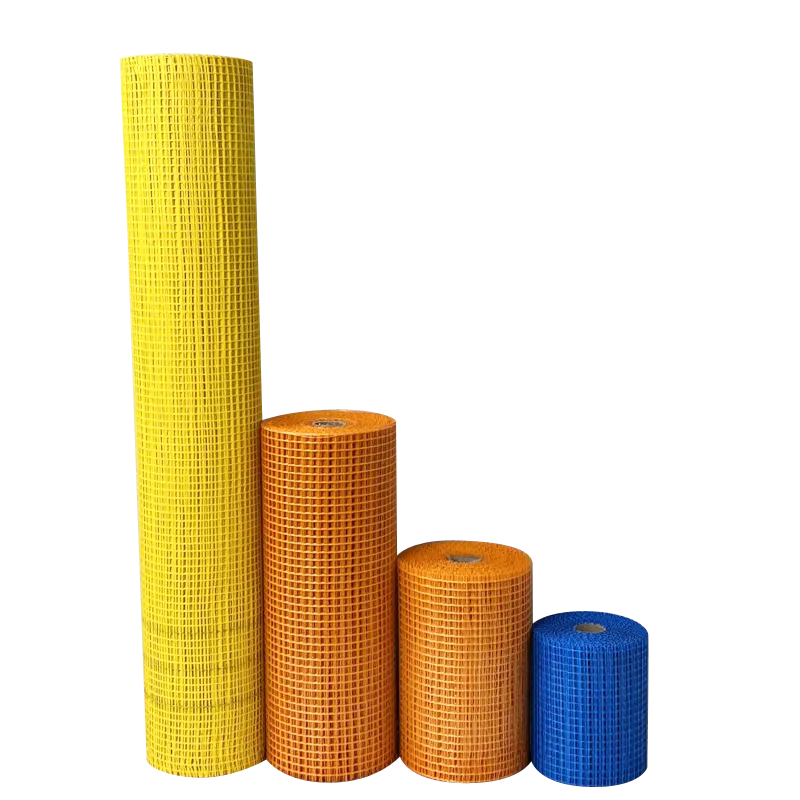
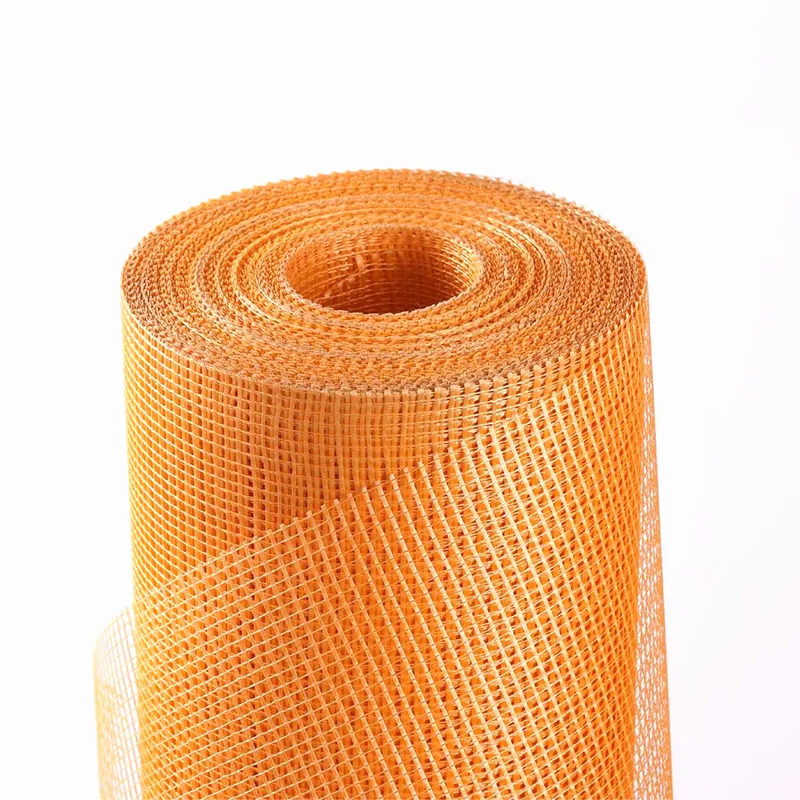
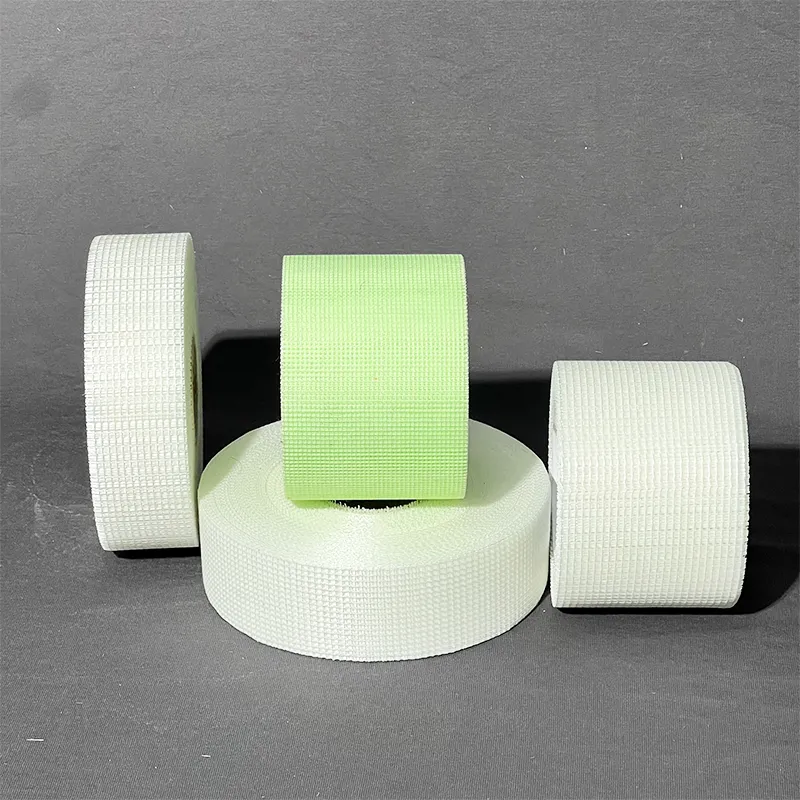
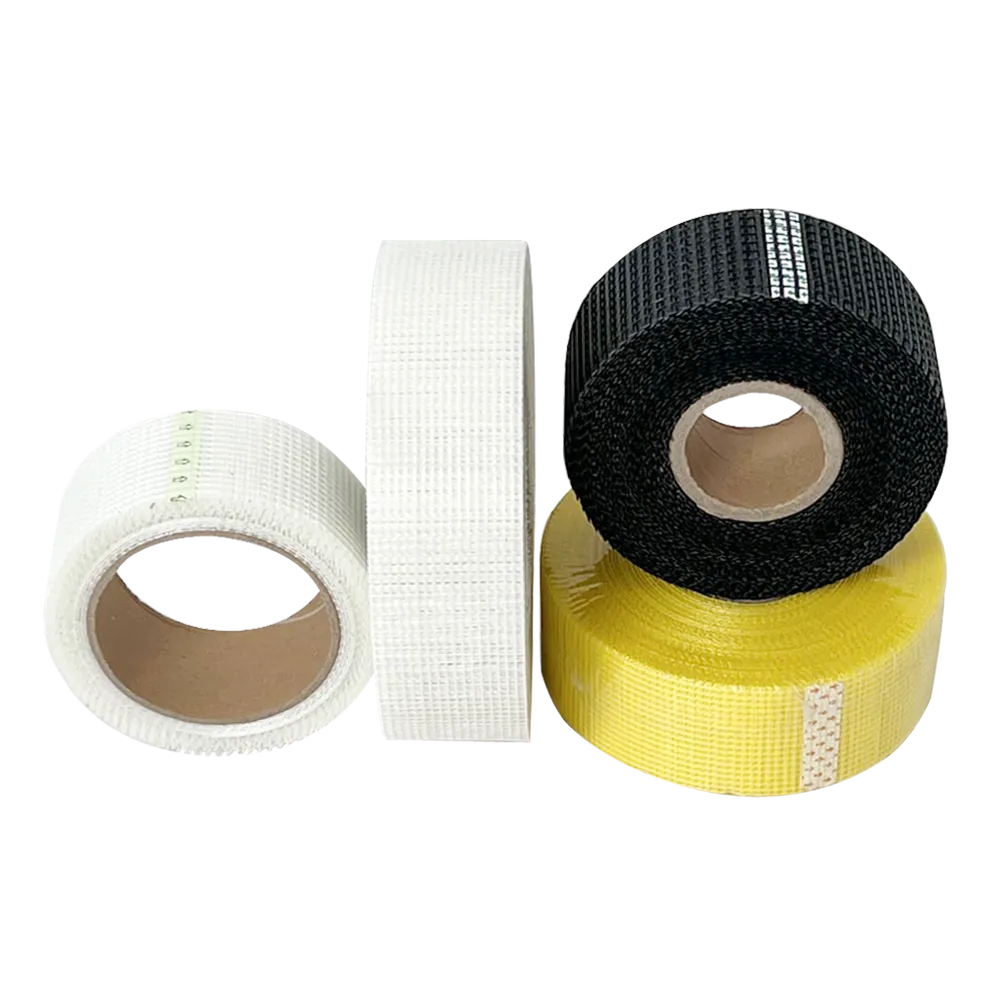
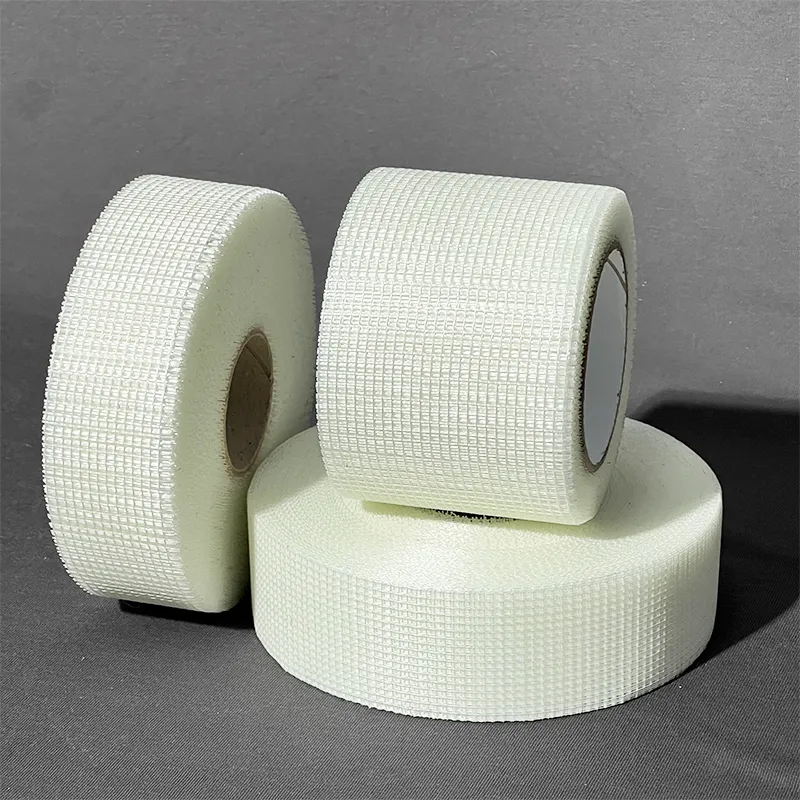
In specialized applications such as concrete countertops, pre-cast panels, and artistic masonry, the use of a fiberglass mesh net provides an unparalleled level of detail protection. These fine-grid systems are engineered to provide high tensile strength in a low-profile format, allowing for the creation of thinner, lighter concrete elements that do not sacrifice durability. The fiberglass mesh net acts as a secondary reinforcement that prevents "corner cracking" and edge chipping, which are frequent issues in high-detail concrete work. Because the mesh is flexible, it can be easily wrapped around intricate molds or vertical returns, ensuring that every square inch of the concrete is reinforced.
Furthermore, the open-weave design of the fiberglass mesh net allows for the unhindered flow of the concrete aggregate, ensuring that there are no hollow spots or air pockets behind the reinforcement. This is vital for achieving a smooth, "cream-top" finish that is free from blemishes. The synergy between the fine glass filaments and the concrete paste creates a high-density surface that is more resistant to impact and abrasion. For creators of bespoke concrete furniture or high-traffic commercial flooring, the implementation of a mesh net system is a strategic choice that enhances the tactile quality and the longevity of the finished piece.
The Advantages Of Fiberglass Mesh For Concrete Reinforcement Over Traditional Steel
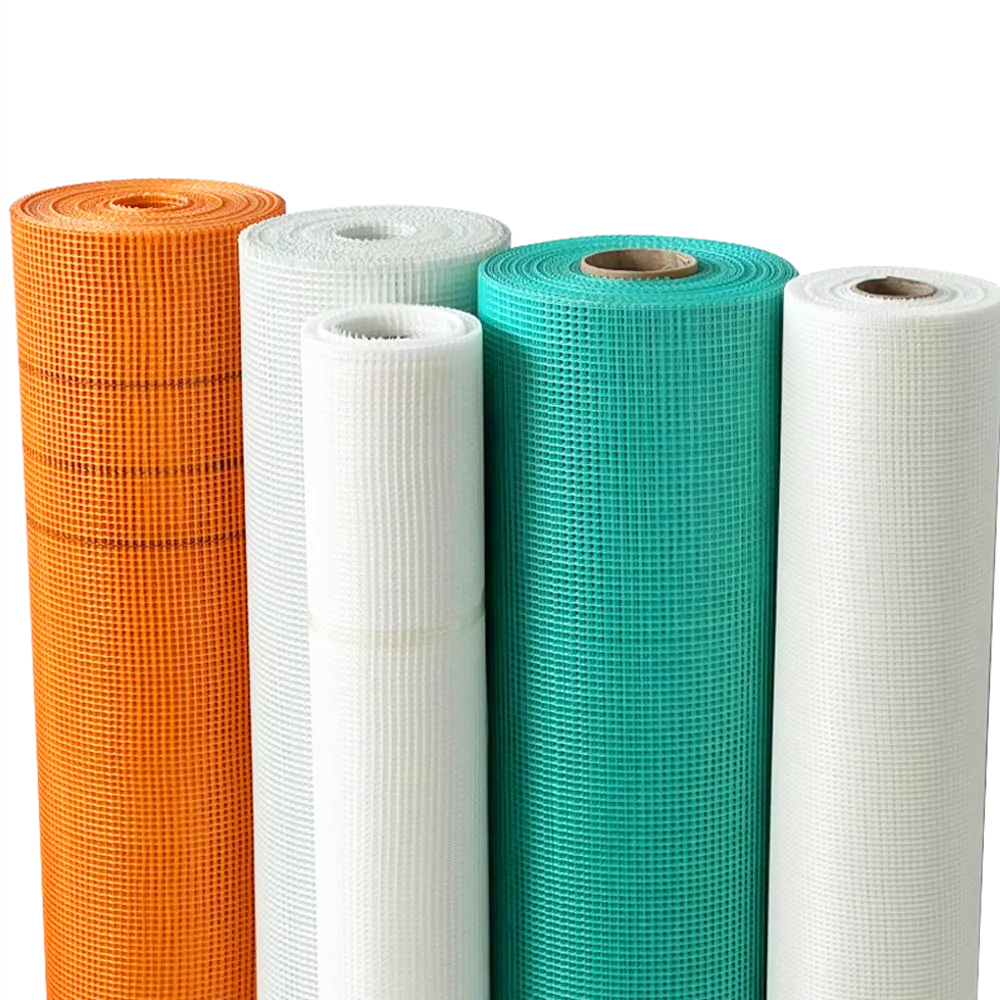
When evaluating materials for a project, the comparison between fiberglass mesh untuk tulangan beton and traditional steel rebar or wire mesh often comes down to weight and corrosion resistance. Steel is exceptionally strong, but its weight adds significant labor costs and its vulnerability to rust can lead to "spalling"—a condition where the expanding rust on the internal steel causes the surrounding concrete to crack and fall away. Fiberglass mesh for concrete reinforcement completely eliminates this risk. Since glass does not oxidize, it can be used in the most demanding environments, such as pool decks, seawalls, and chemical storage areas, without the need for expensive epoxy coatings.
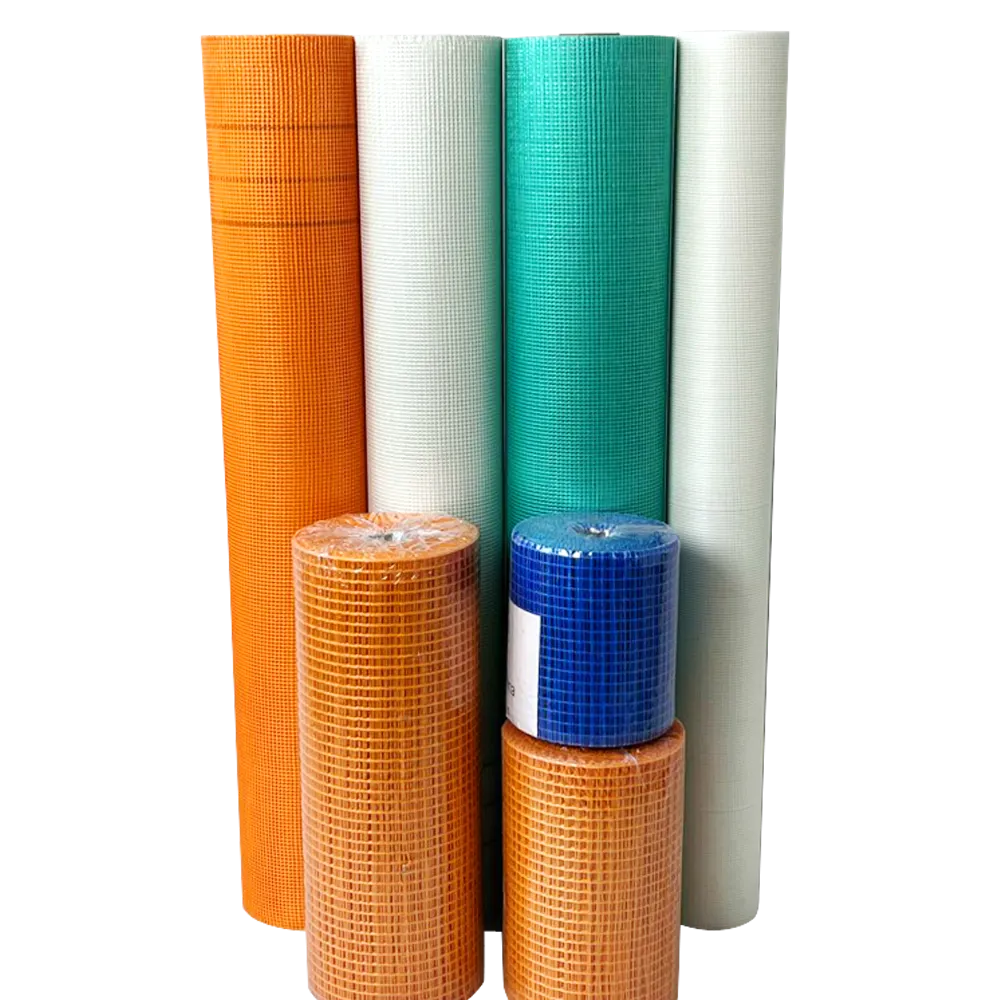
The ease of handling associated with fiberglass mesh untuk tulangan beton also contributes to a faster and safer job site. A single roll of mesh can cover hundreds of square feet but is light enough to be carried by a single worker. It can be easily cut to size with standard utility knives or shears, allowing for rapid customization around plumbing pipes or electrical conduits. This reduced labor intensity not only lowers the overall project cost but also minimizes the physical strain on the crew. By modernizing the reinforcement process with glass fiber technology, contractors can deliver a superior product that meets the aesthetic demands of the client while adhering to the highest standards of structural engineering.
-
Best Fiberglass Mesh Tape for RedGard Product Waterproofing GuideBeritaApr.16,2026
-
Why High Strength Fiberglass Mesh Is Essential For Stucco ApplicationBeritaApr.15,2026
-
Why Alkali Resistant Fiberglass Mesh Tape Is Essential For Cement Board And Tile InstallationsBeritaApr.15,2026
-
Understanding The Role Of Drywall Fiberglass Mesh In Interior FinishingBeritaApr.15,2026
-
Ultimate Guide To Using Fiberglass Mesh Tape For Drywall And Plaster RepairsBeritaApr.15,2026
-
The Versatility Of Fiberglass Mesh In Marble And Stone MosaicBeritaApr.15,2026