אפר . 02, 2026 09:48 בחזרה לרשימה
How To Apply Self Adhesive Fiberglass Mesh Tape For Seamless Drywall Joint Finishing
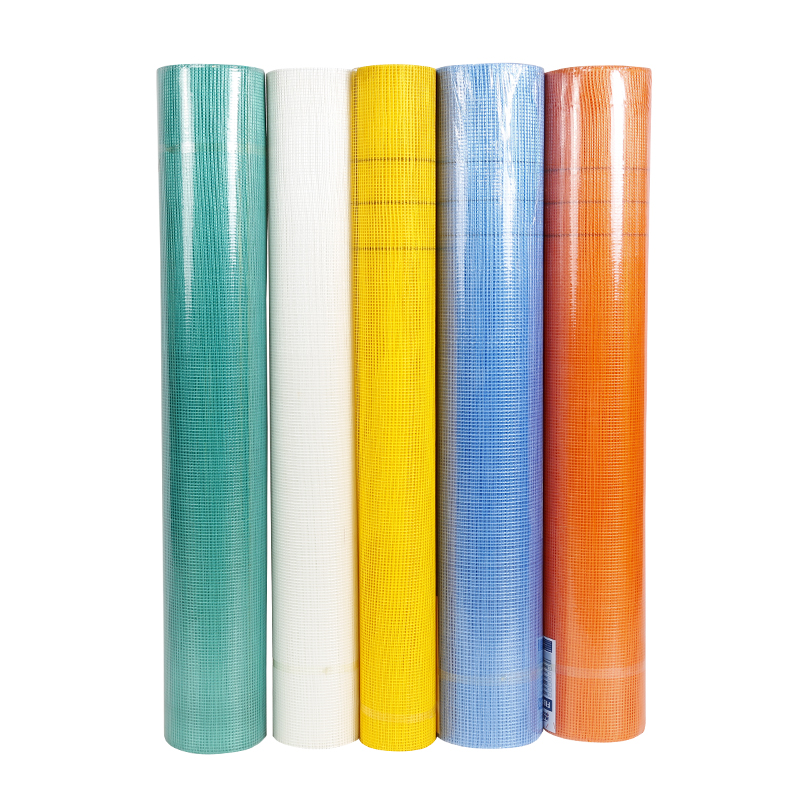
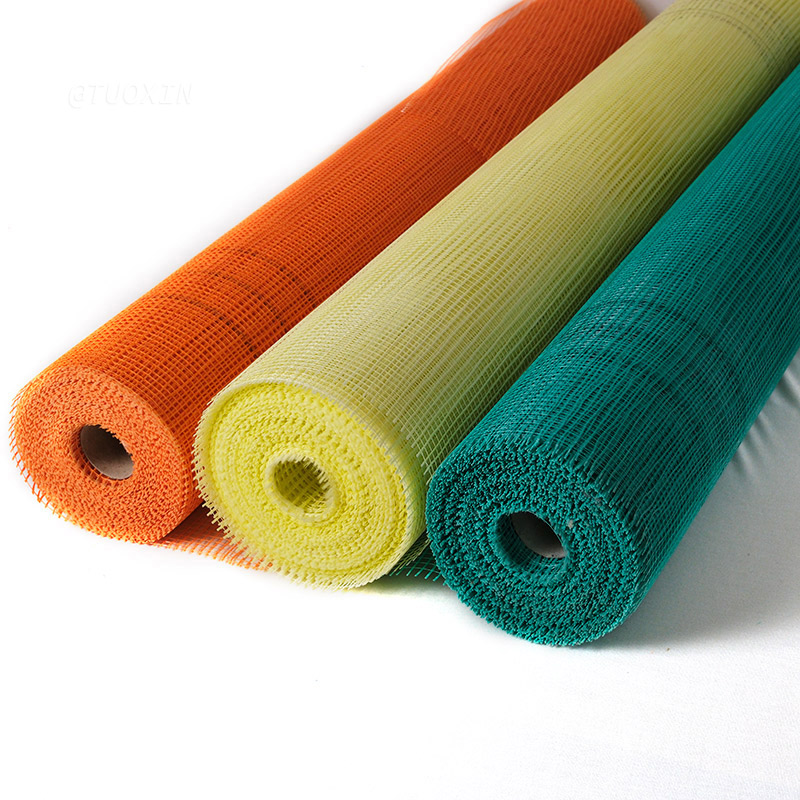
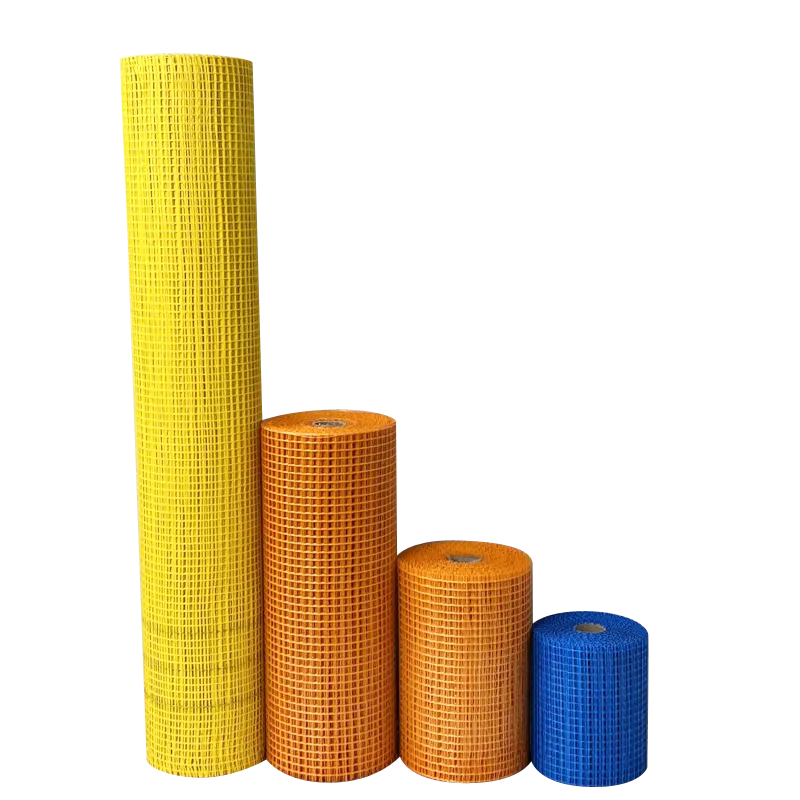
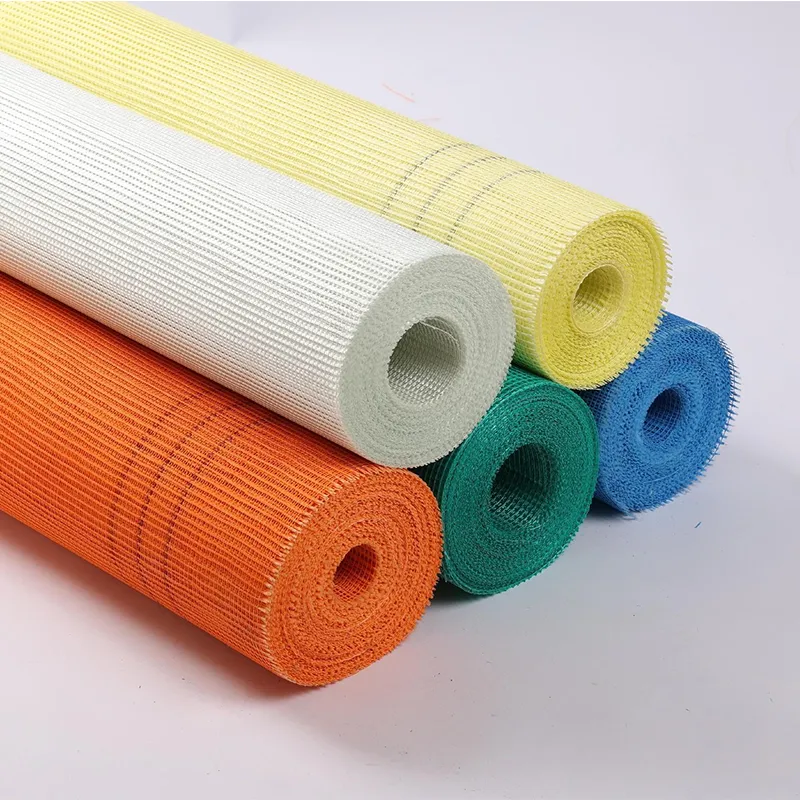
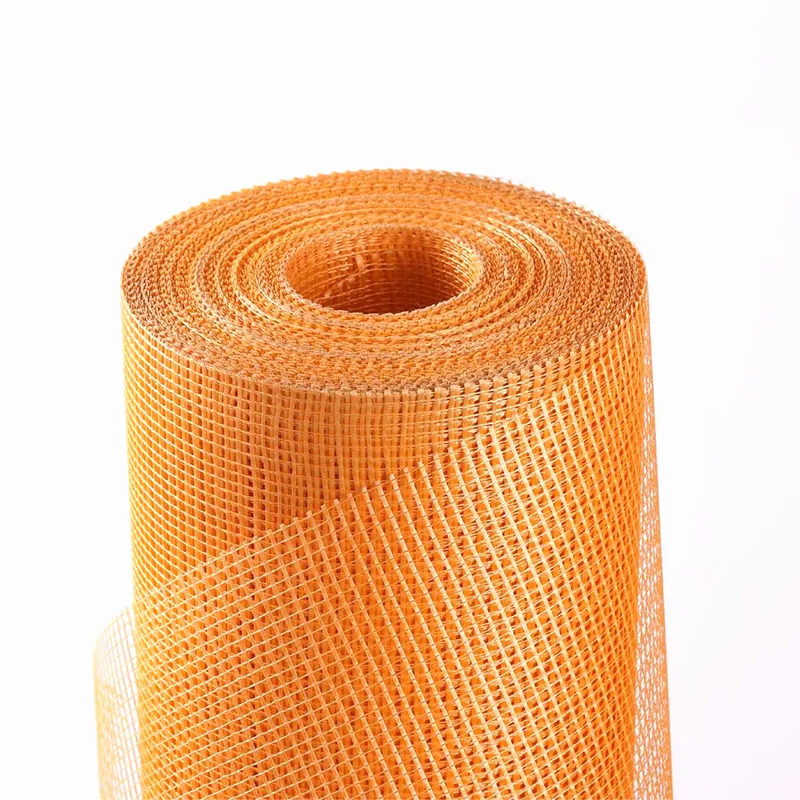
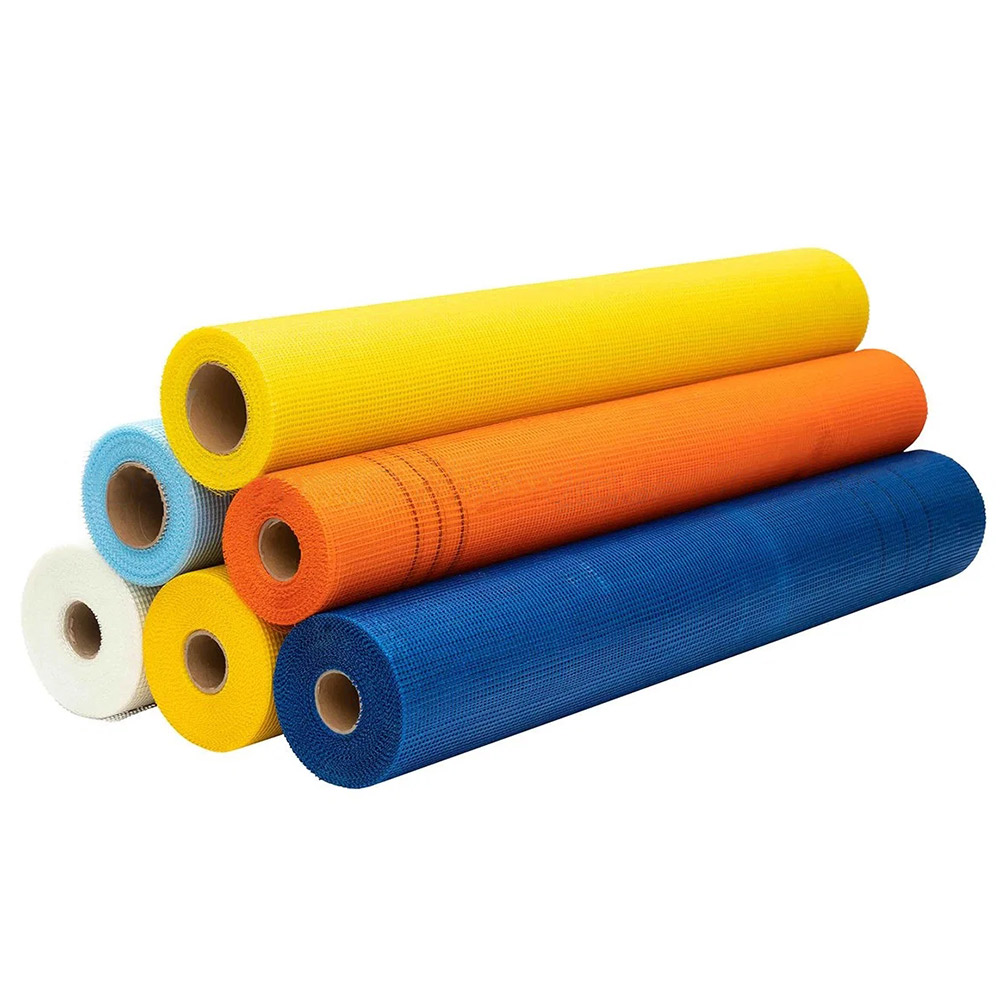
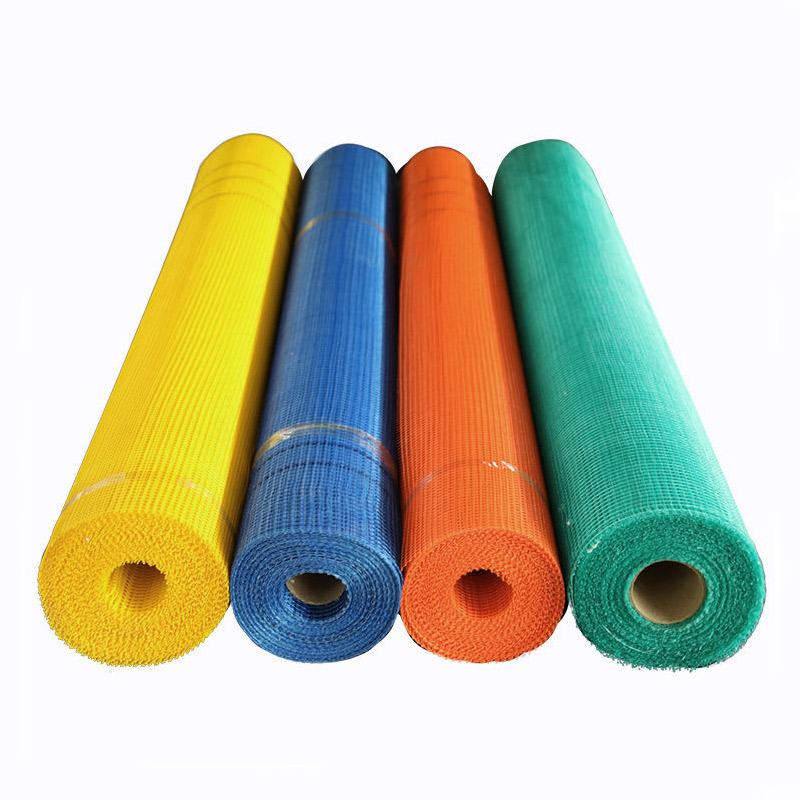
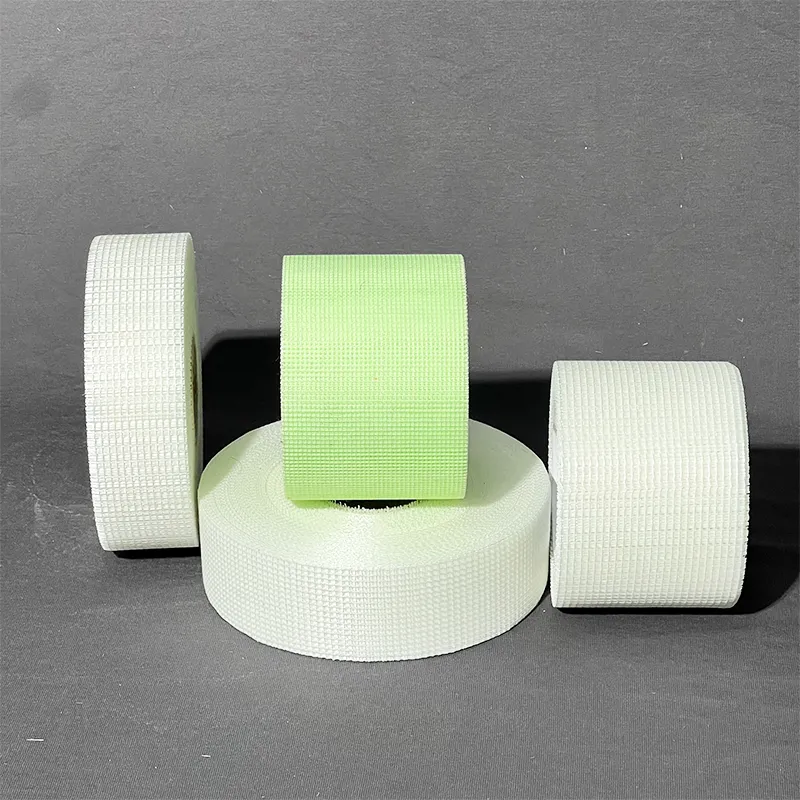
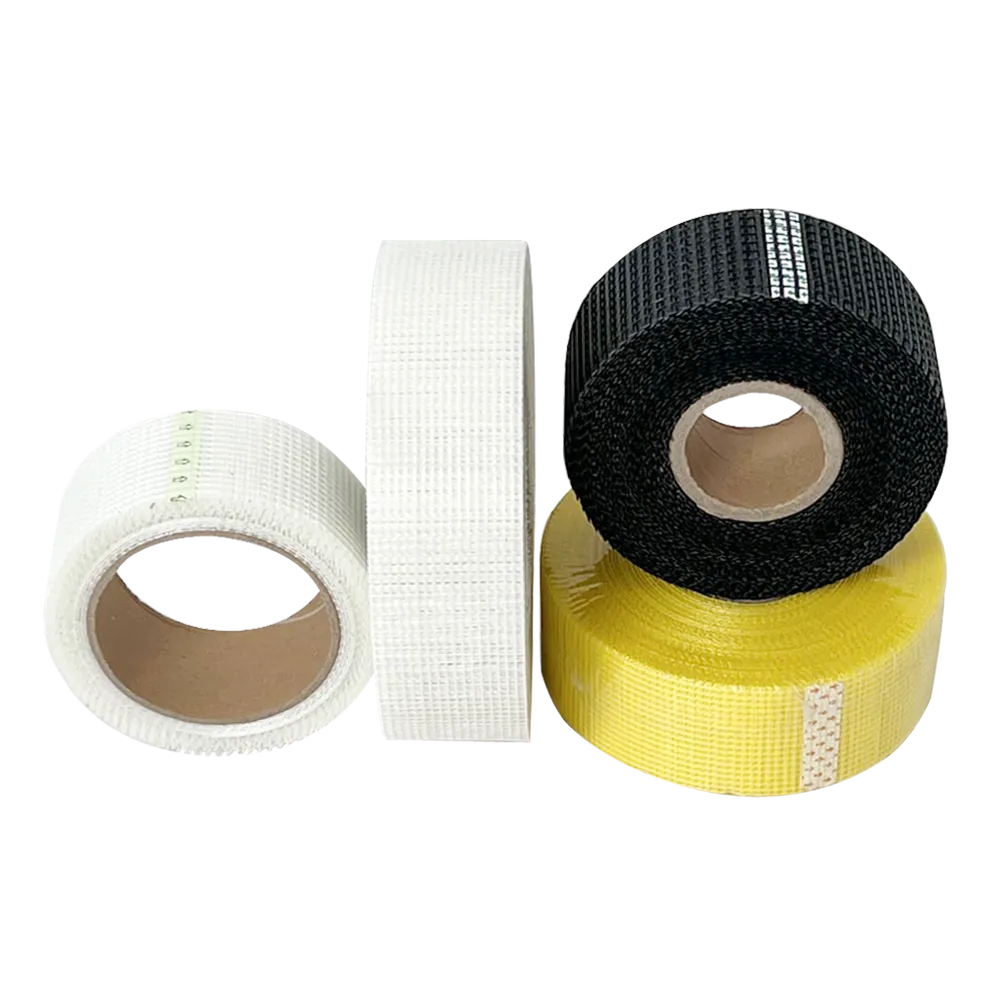
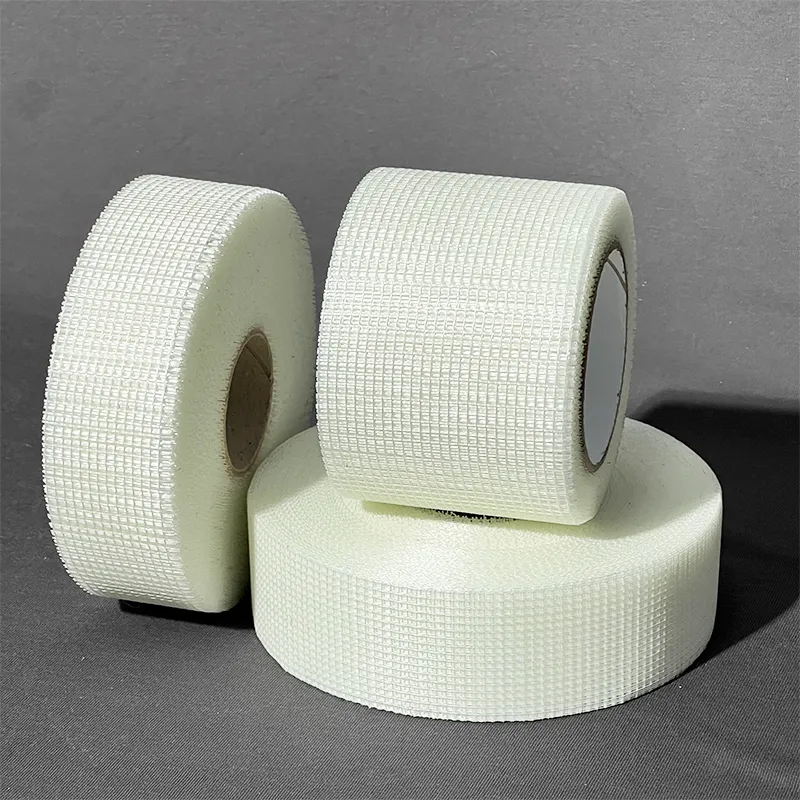
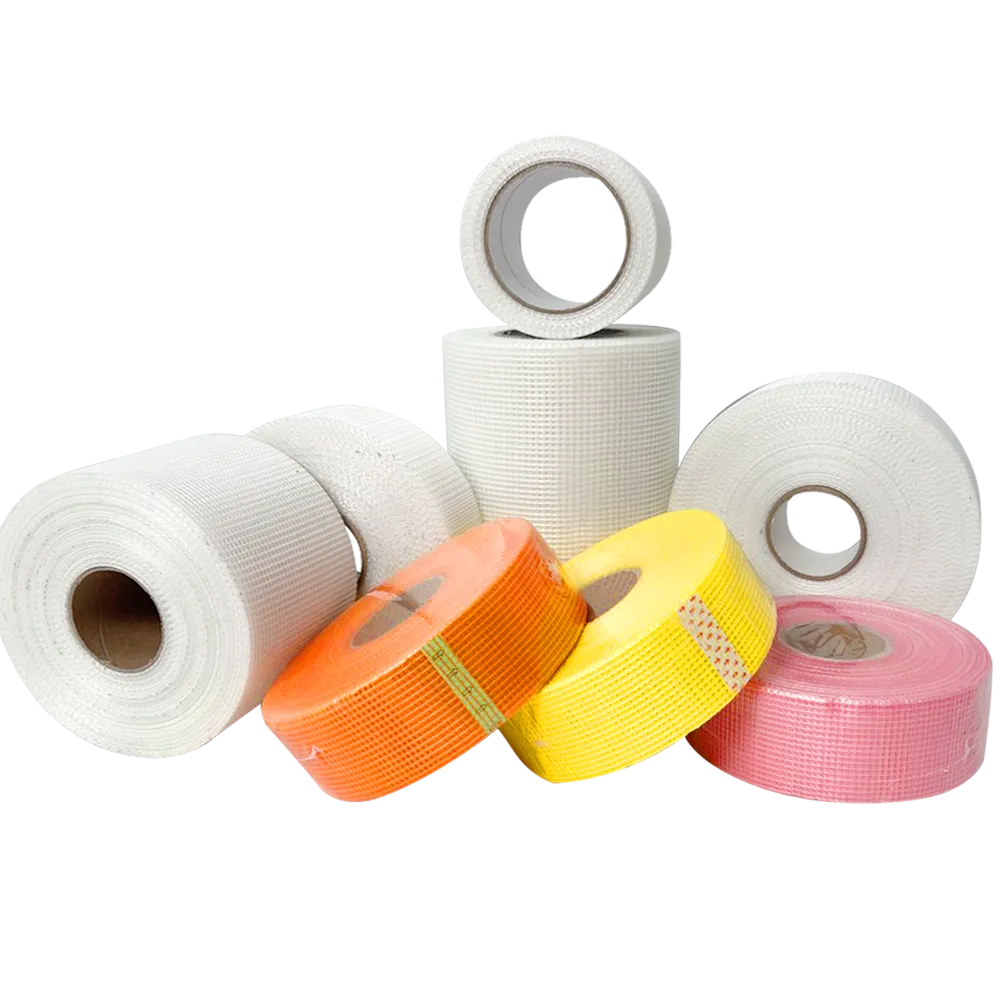
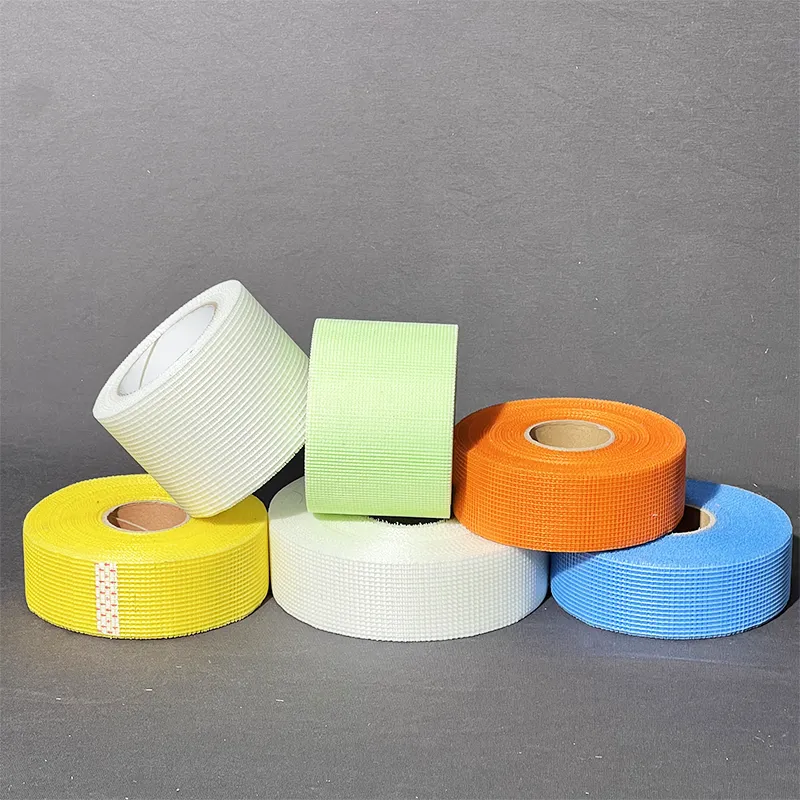
The pursuit of a flawless interior wall surface is an art form that relies heavily on the quality of the structural skeleton hidden beneath the paint. When a contractor or a dedicated homeowner begins the process of hanging gypsum panels, the most critical phase for long-term durability is the treatment of the seams. Among the various methods available to modern builders, the use of סרט רשת פיברגלס דביק עצמי has become a benchmark for efficiency and structural resilience. Unlike traditional paper tapes that require a messy "pre-mudding" step to stay in place, the adhesive nature of fiberglass mesh allows it to be applied directly to the dry seam. This fundamental shift in the workflow not only saves significant labor time but also provides a multidirectional reinforcement grid that effectively counters the natural expansion and contraction of the building’s frame.
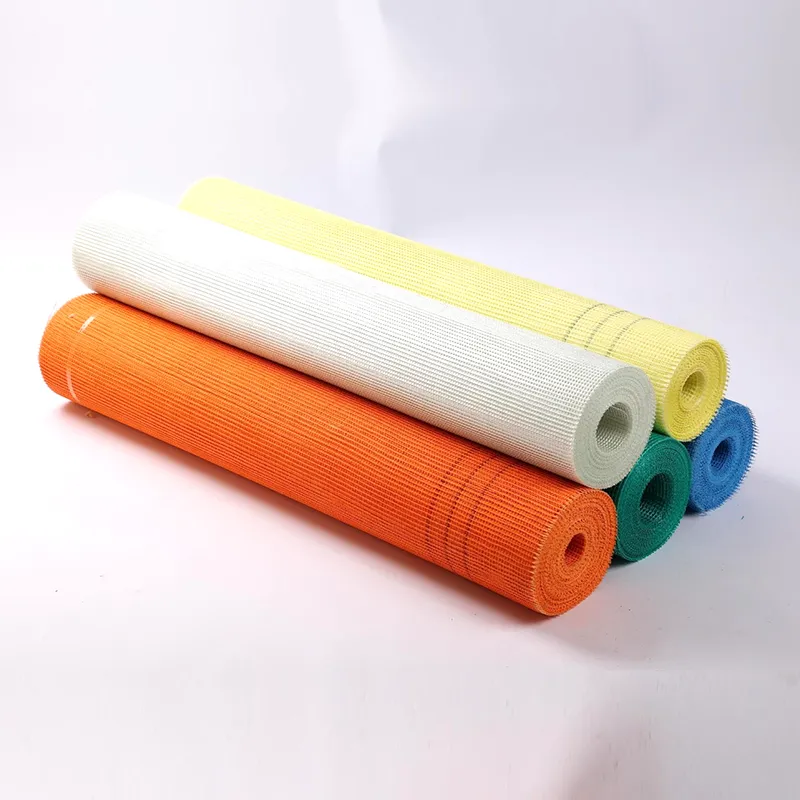
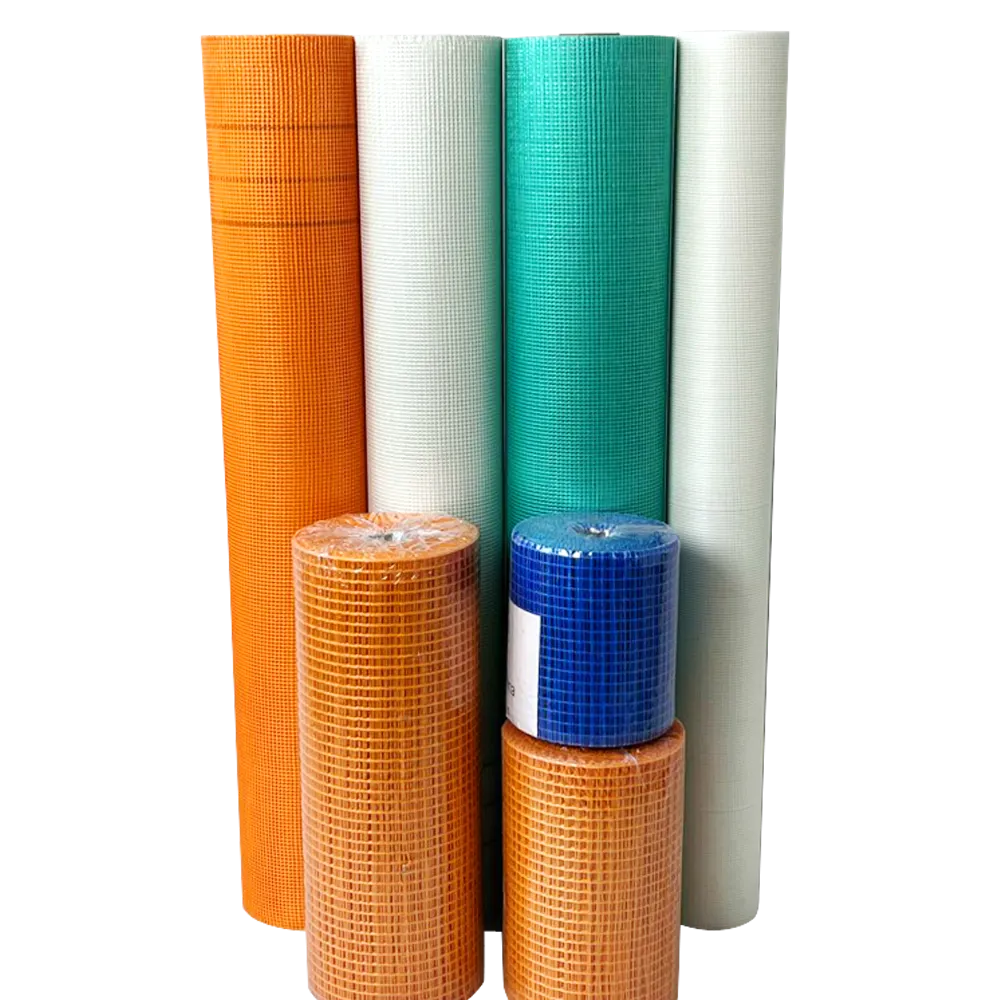
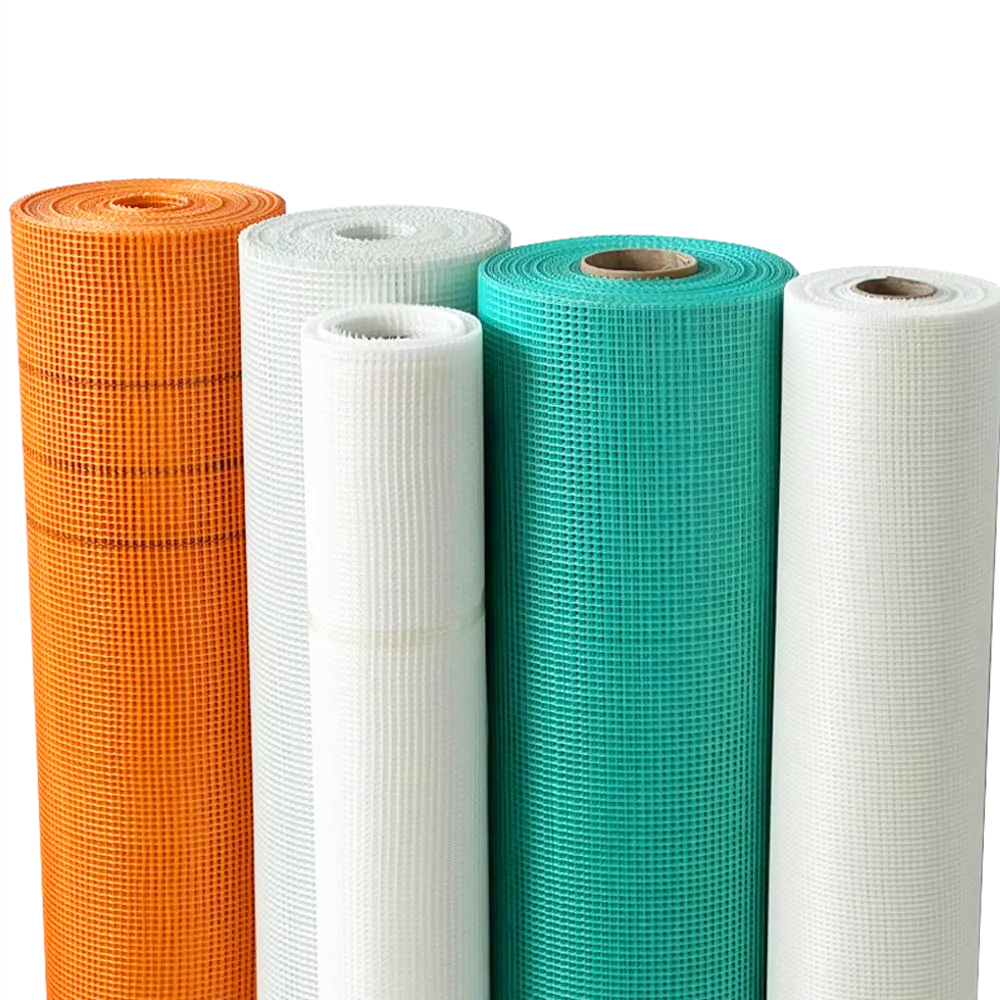
Achieving a seamless finish starts with understanding the mechanical properties of סרט רשת פיברגלס דביק עצמי. This material is composed of woven glass filaments that are inherently resistant to moisture, mold, and fire. When these fibers span a joint, they create a high-tensile bridge that distributes physical stress across a wider surface area. Because the tape is porous, the joint compound is able to flow through the mesh, locking the tape into the beveled edges of the drywall and creating a mechanical bond that is far superior to simple surface adhesion. For those looking to avoid the common pitfalls of joint cracking and tape bubbling, mastering the application of this mesh system is the definitive path toward a professional-grade interior.
Preparing The Surface For Fiberglass Joint Mesh Tape Application
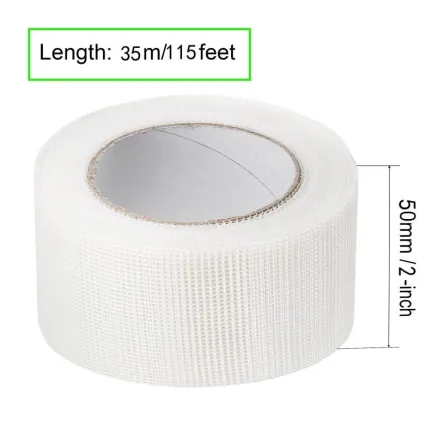
Before a single inch of סרט רשת משותף פיברגלס is unrolled, the substrate must be meticulously prepared to ensure maximum adhesion. Drywall installation often leaves behind a fine layer of gypsum dust and loose paper fibers, both of which act as a barrier to the pressure-sensitive adhesive. A professional installer begins by using a damp microfiber cloth or a soft-bristled brush to clear the beveled edges of the panels. This ensures that the סרט רשת משותף פיברגלס makes direct contact with the solid core of the drywall. Furthermore, any protruding screw heads must be driven slightly below the surface of the paper to prevent the tape from snagging or creating a hump that would be impossible to hide during the final skimming phase.
Once the surface is clean and level, the application of the סרט רשת משותף פיברגלס can proceed with incredible speed. The tape should be centered exactly over the seam, spanning the gap between the two panels. As you unroll the material, use a clean taping knife or even the side of your hand to press the mesh firmly against the wall. The goal is to eliminate any air pockets or loose sections that might shift once the compound is applied. This initial "dry" application is what makes mesh so revolutionary; it allows the installer to inspect the entire room for alignment and tension before the first drop of wet compound ever touches the wall, ensuring a symmetrical and balanced foundation for the finish.
Mastering The First Coat With Fiberglass Mesh Drywall Joint Tape
The true strength of a wall is forged during the application of the first coat of compound over the סרט גבס רשת פיברגלס. Because this tape is a mesh rather than a solid strip, it functions differently than paper. It is highly recommended to use a setting-type joint compound—often referred to as "hot mud"—for this initial layer. Setting compounds undergo a chemical hardening process that creates a much more rigid and stable plug within the mesh holes. As you pull the compound over the סרט גבס רשת פיברגלס, use a six-inch knife to force the material through the grid and into the joint gap. This ensures that the tape is fully encapsulated and that there are no voids behind the mesh that could lead to structural weakness.
The technique for this first coat is to keep the compound layer as thin as possible while ensuring the mesh is completely covered. You are not trying to hide the tape at this stage; you are trying to "lock" it into the wall. If the compound is applied too thickly, it can sag or create unnecessary work during the subsequent sanding phases. By focusing on a tight, even application, the סרט גבס רשת פיברגלס becomes an integral part of the drywall panel itself. This method creates a reinforced bridge that is specifically designed to withstand the vibrations of a house—such as doors slamming or heavy traffic—without showing the slightest sign of a hairline fracture.
Achieving Symmetry With Fiberglass Mesh Tape In Corners
One of the most challenging aspects of drywall finishing is managing the internal corners where walls meet. The use of סרט רשת פיברגלס simplifies this process by allowing the installer to pre-fold the tape and stick it into the corner without fighting a wet bed of mud. To achieve a crisp 90-degree angle, start by cutting a strip of סרט רשת פיברגלס to the required height. Fold the tape lengthwise to create a sharp crease, then press it into the corner, ensuring that each half of the tape is firmly adhered to its respective wall. This "dry-fit" approach prevents the tape from wandering or bunching up, which is a common frustration when using non-adhesive alternatives.
When mudding over the סרט רשת פיברגלס in a corner, it is best to work on one side at a time and allow it to dry before tackling the adjacent wall. This prevents the knife from digging into the wet compound on the opposite side and ruining the sharp line of the corner. The mesh provides a flexible yet strong reinforcement that conforms to any slight irregularities in the framing. Because the glass fibers do not absorb moisture, they will not "soften" or tear while you are working the corner with a metal tool. The result is a clean, durable corner that remains straight and crack-free for the life of the building.
Final Skimming And Feathering The Fiberglass Mesh Tape Drywall Surface
The final phase of creating a seamless joint involves the "feathering" process, where the slightly raised area of the fiberglass mesh tape drywall joint is blended into the flat surface of the panels. Since the mesh has a measurable thickness, you must use a wider knife—typically ten or twelve inches—to apply subsequent coats of lightweight finishing compound. Each layer should extend several inches further out than the previous one. This creates a very gradual, invisible slope that the human eye cannot detect once the wall is painted. The porous nature of the fiberglass mesh tape drywall allows the moisture from these finishing coats to evaporate evenly, reducing the risk of the compound shrinking or pulling away from the tape.
During the final sanding, the benefits of using fiberglass become even more apparent. Because the glass filaments are buried deep within the setting mud, you can sand the finishing compound to a feather-edge without the risk of "fuzzing" the tape. This allows for an ultra-smooth transition that is perfectly suited for high-gloss paints or specialized wall coverings. By taking the time to properly feather and sand the fiberglass mesh tape drywall joints, you ensure that the finished room looks like a continuous, monolithic surface. The strength of the mesh provides the long-term protection, while the precision of the skimming provides the aesthetic beauty.
-
Best Fiberglass Mesh Tape for RedGard Product Waterproofing GuideחֲדָשׁוֹתApr.16,2026
-
Why High Strength Fiberglass Mesh Is Essential For Stucco ApplicationחֲדָשׁוֹתApr.15,2026
-
Why Alkali Resistant Fiberglass Mesh Tape Is Essential For Cement Board And Tile InstallationsחֲדָשׁוֹתApr.15,2026
-
Understanding The Role Of Drywall Fiberglass Mesh In Interior FinishingחֲדָשׁוֹתApr.15,2026
-
Ultimate Guide To Using Fiberglass Mesh Tape For Drywall And Plaster RepairsחֲדָשׁוֹתApr.15,2026
-
The Versatility Of Fiberglass Mesh In Marble And Stone MosaicחֲדָשׁוֹתApr.15,2026