ינו . 22, 2026 09:41 בחזרה לרשימה
Fiberglass Mesh for Concrete Reinforcement: Strengthening Modern Concrete Systems
Concrete is one of the most widely used construction materials in the world, valued for its compressive strength, versatility, and durability. However, despite its many advantages, concrete has an inherent weakness: low tensile strength. Without proper reinforcement, concrete structures are prone to cracking caused by shrinkage, thermal movement, and structural stress. To address this limitation, reinforcement materials are essential.
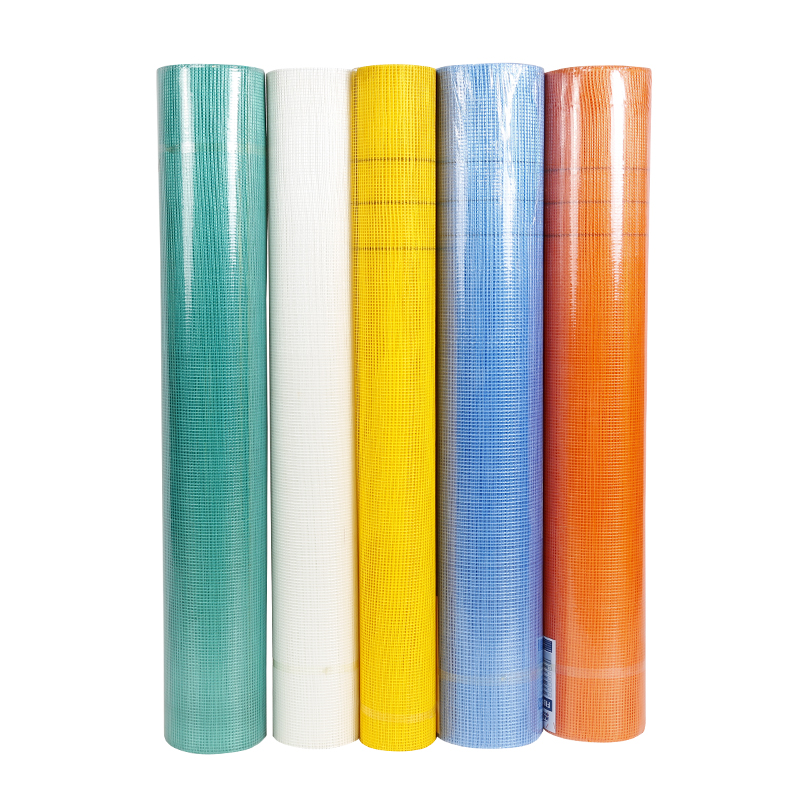
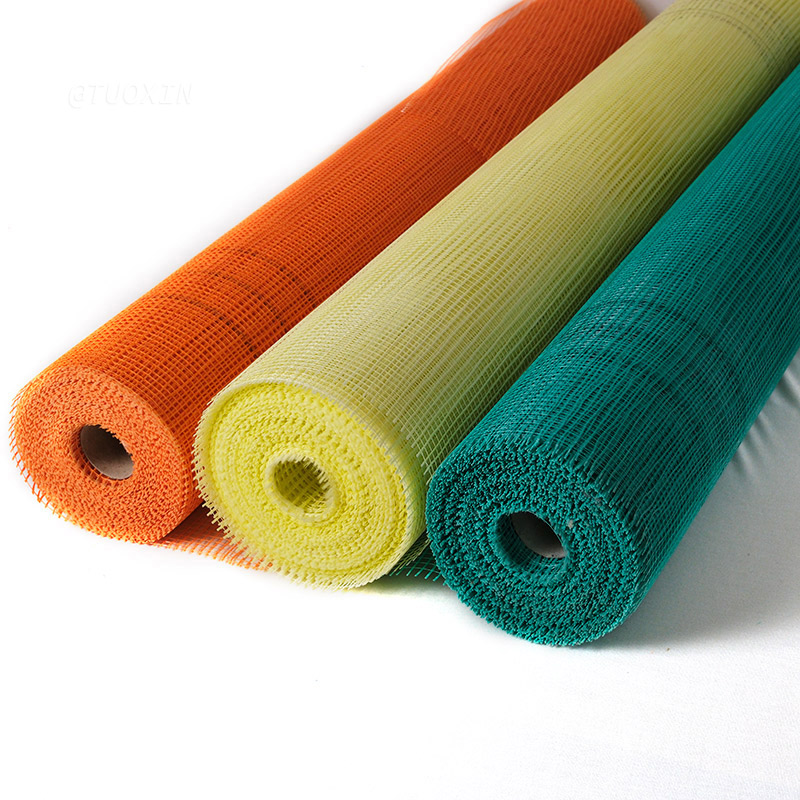
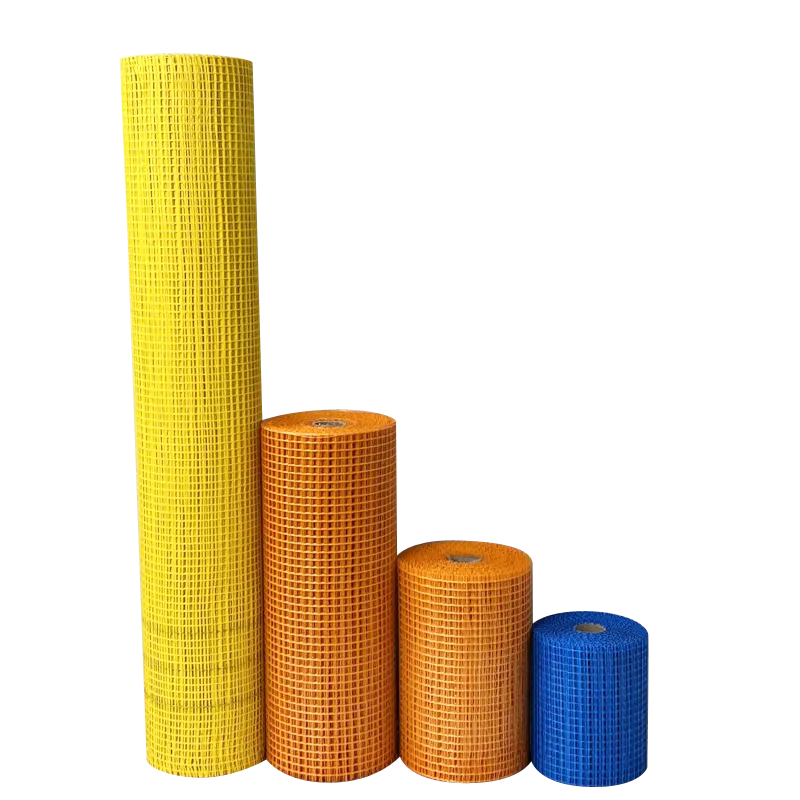
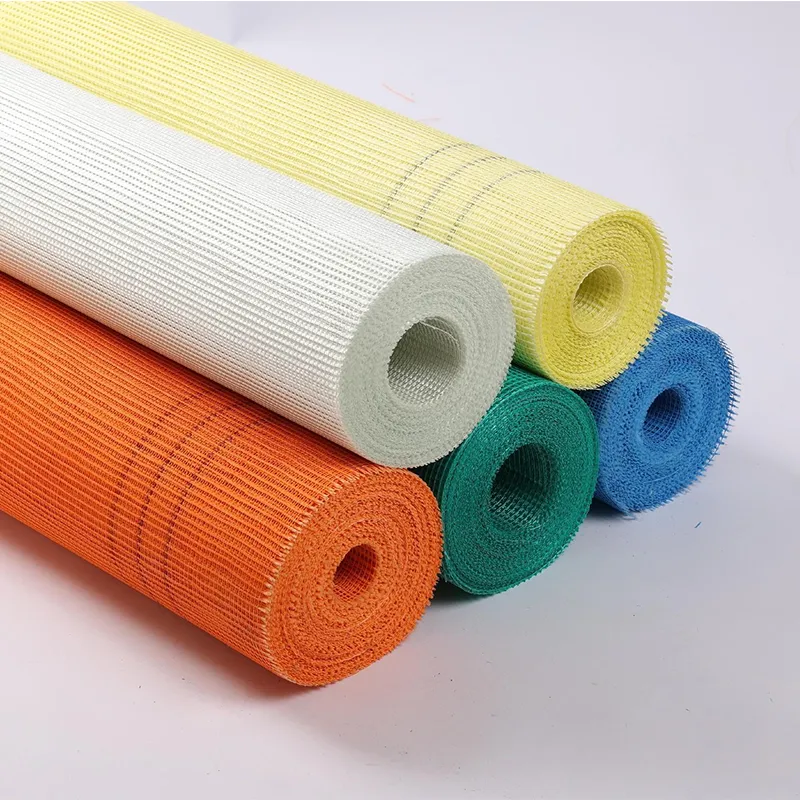
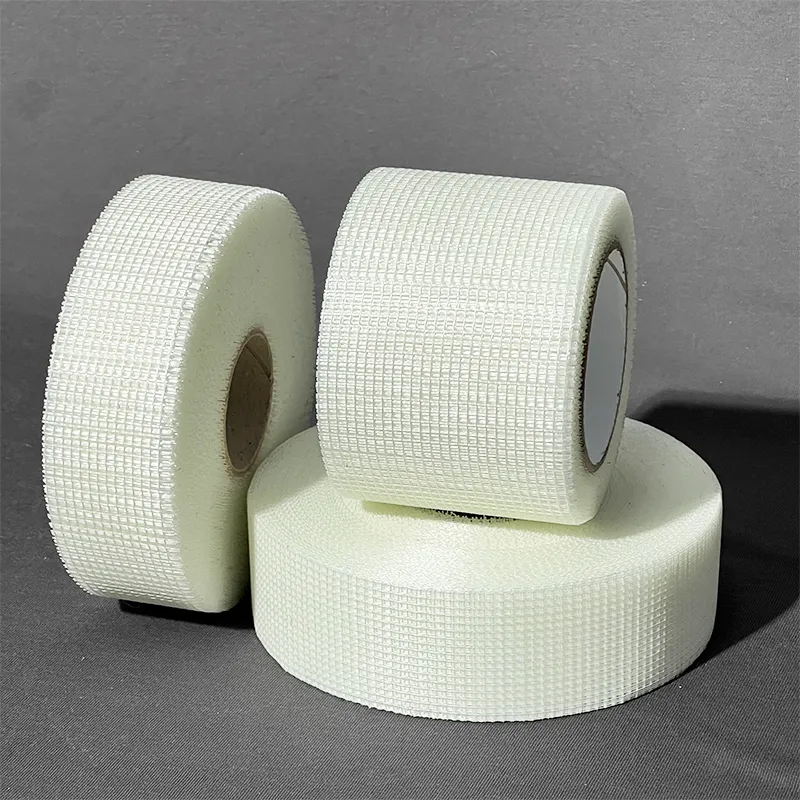
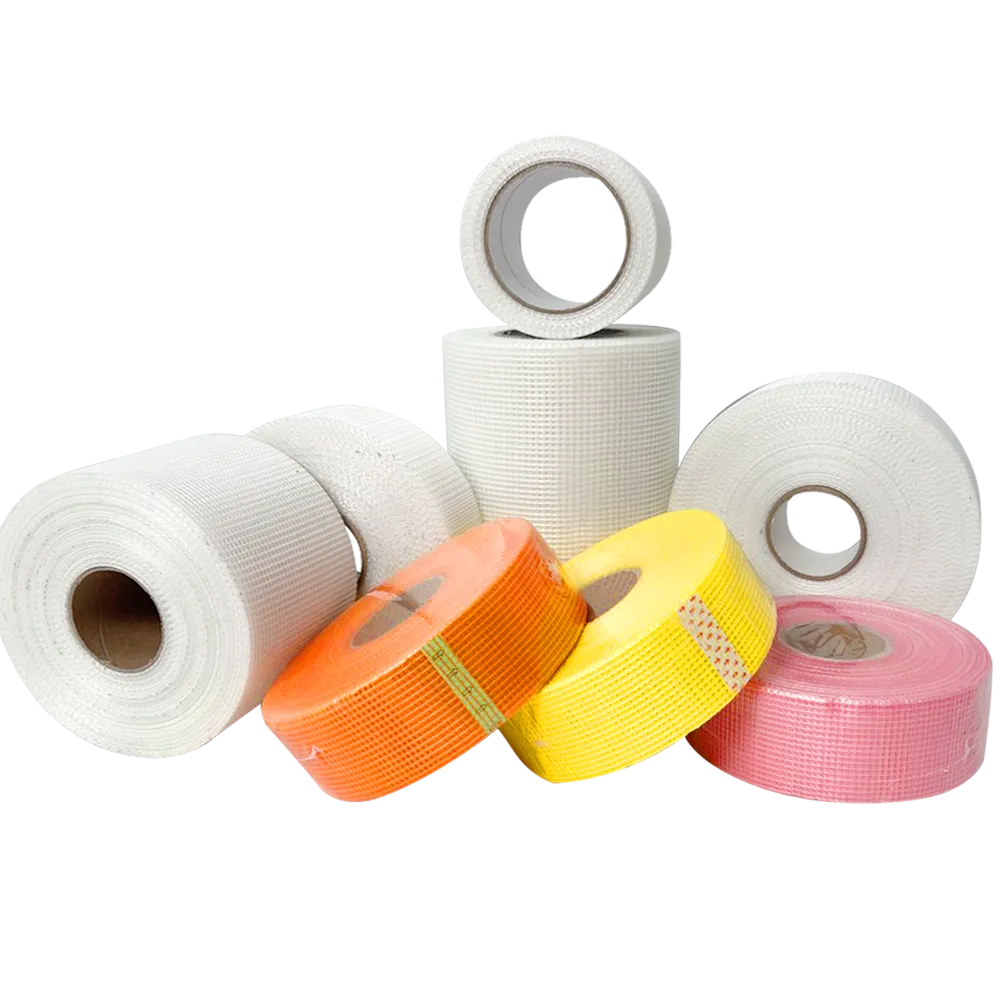
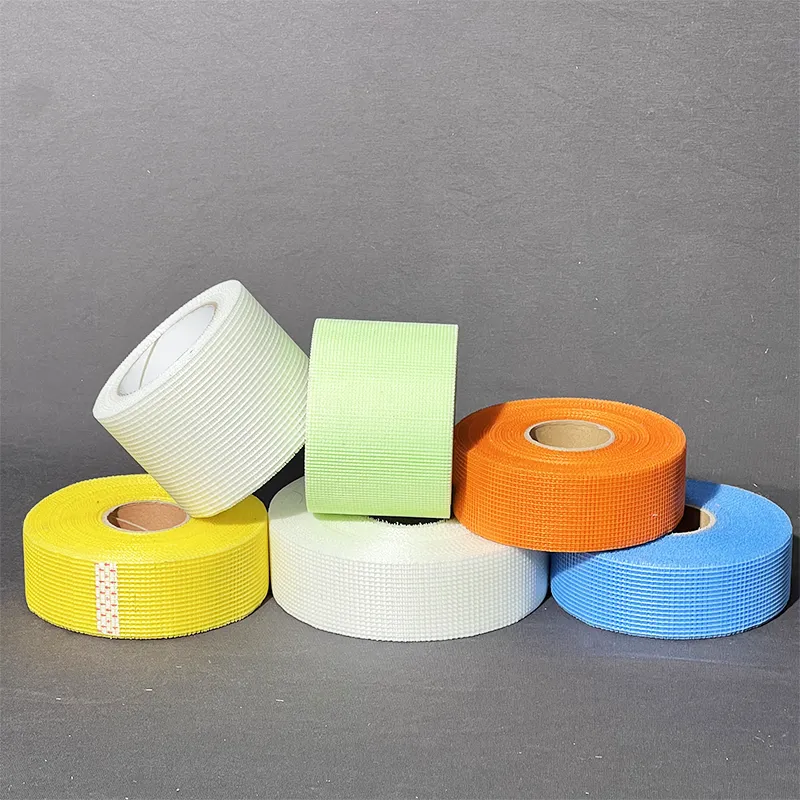
In recent years, fiber glass mesh for concrete and related reinforcement solutions have gained widespread acceptance as effective alternatives or complements to traditional steel reinforcement. Products such as fiberglass mesh for concrete reinforcement, רשת פיברגלס לבטון, and fibreglass mesh for concrete provide lightweight, corrosion-resistant reinforcement that improves crack control and long-term durability. These materials are increasingly used in floors, walls, countertops, precast elements, and decorative concrete systems.
This article explores how fiberglass mesh functions in concrete reinforcement, its applications, and its advantages in modern construction.
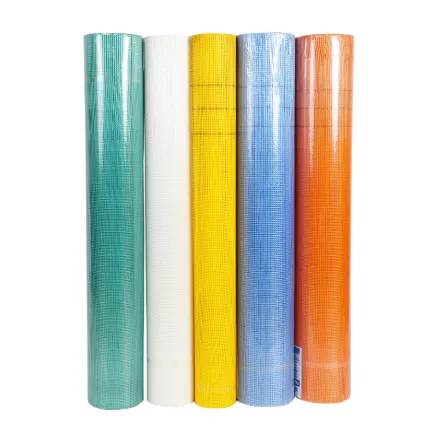
Understanding Fiber Mesh and Fiberglass Mesh for Concrete
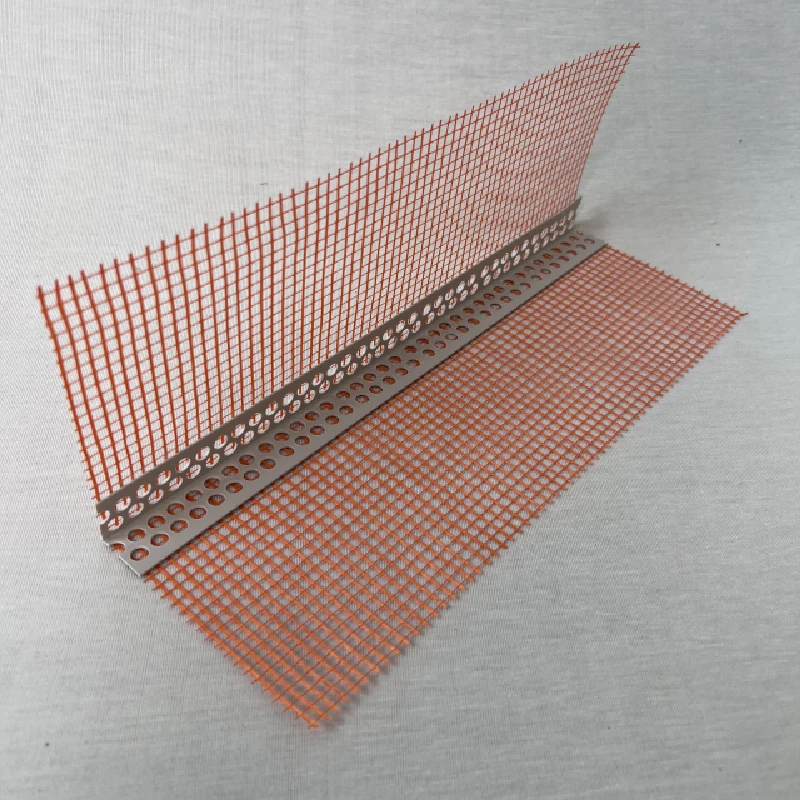
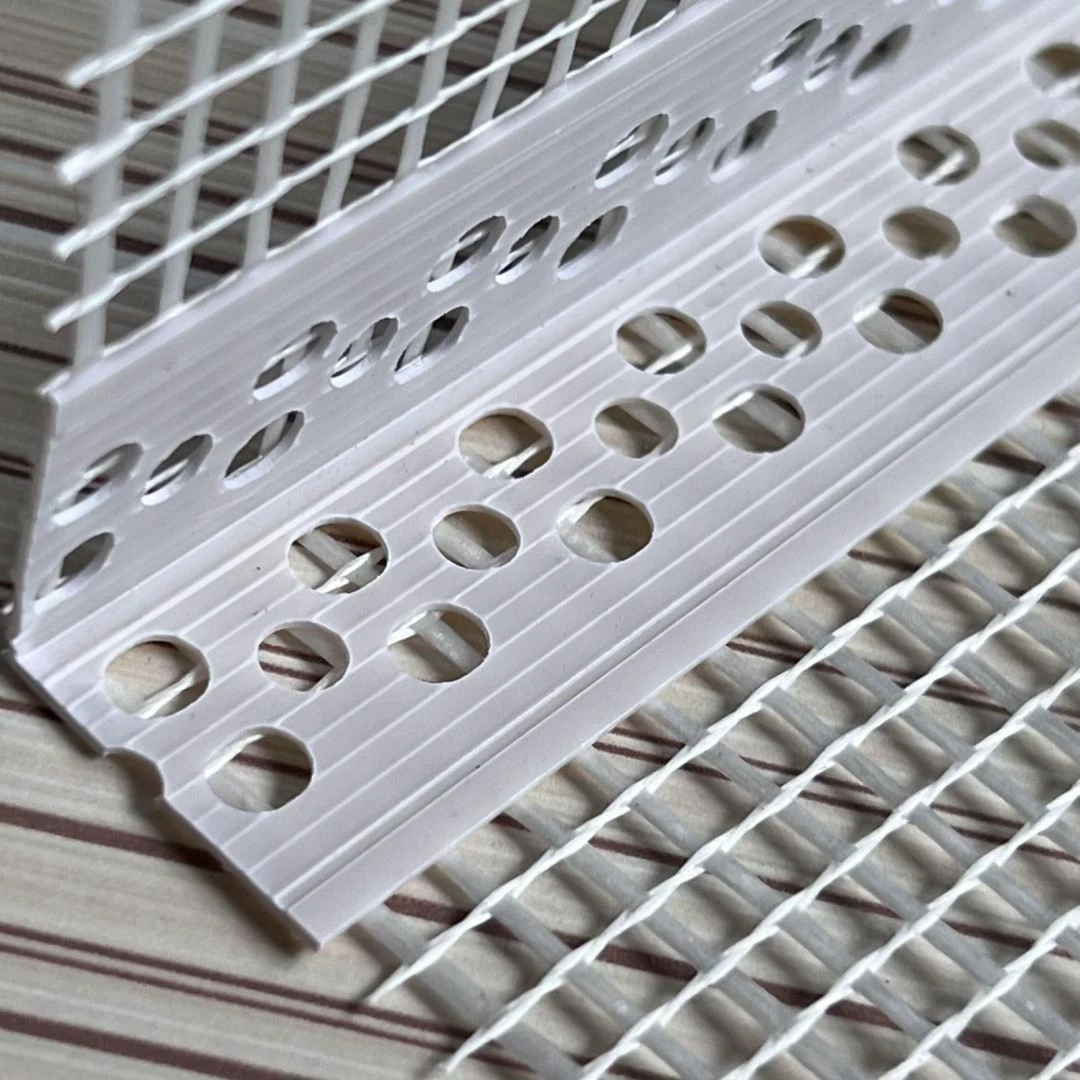
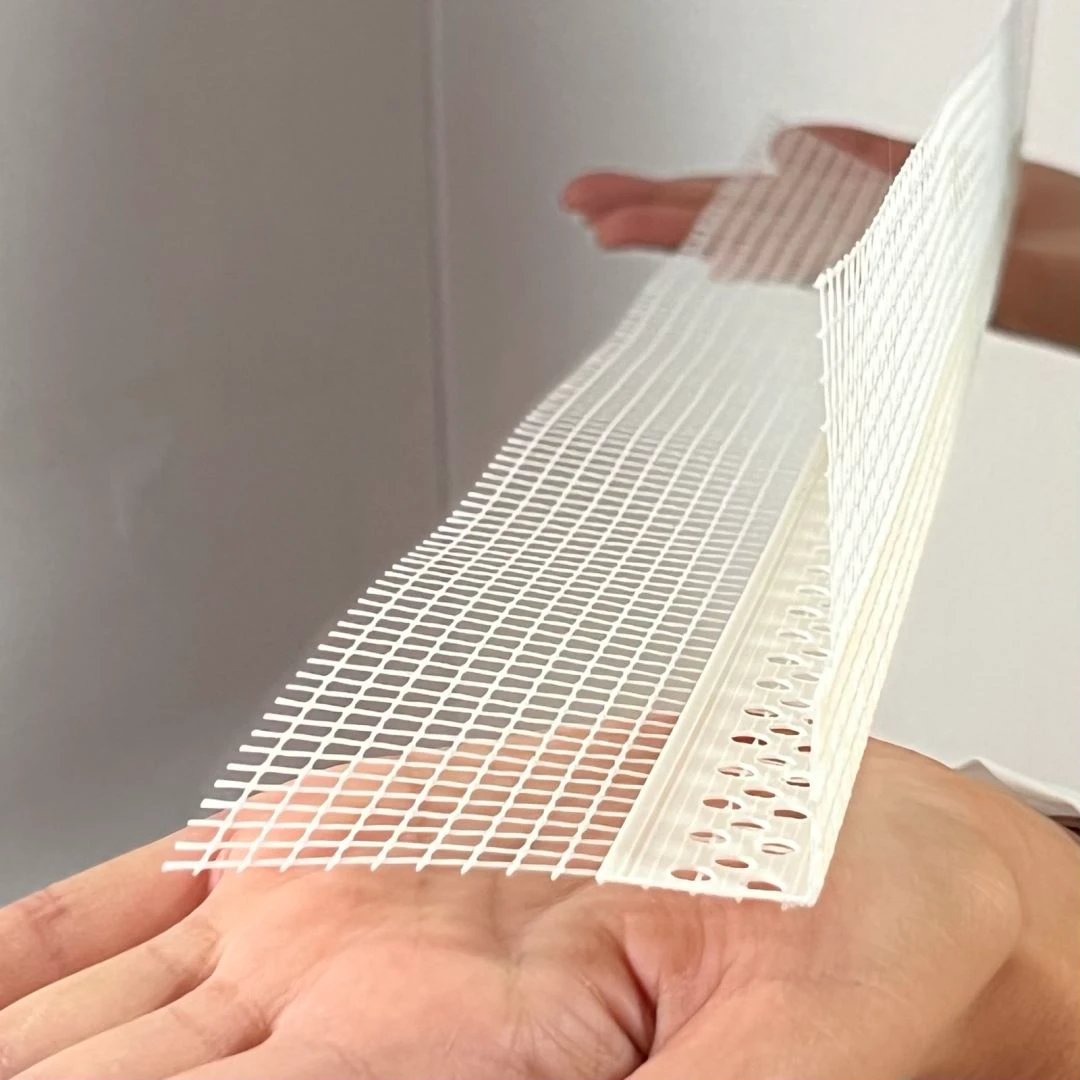
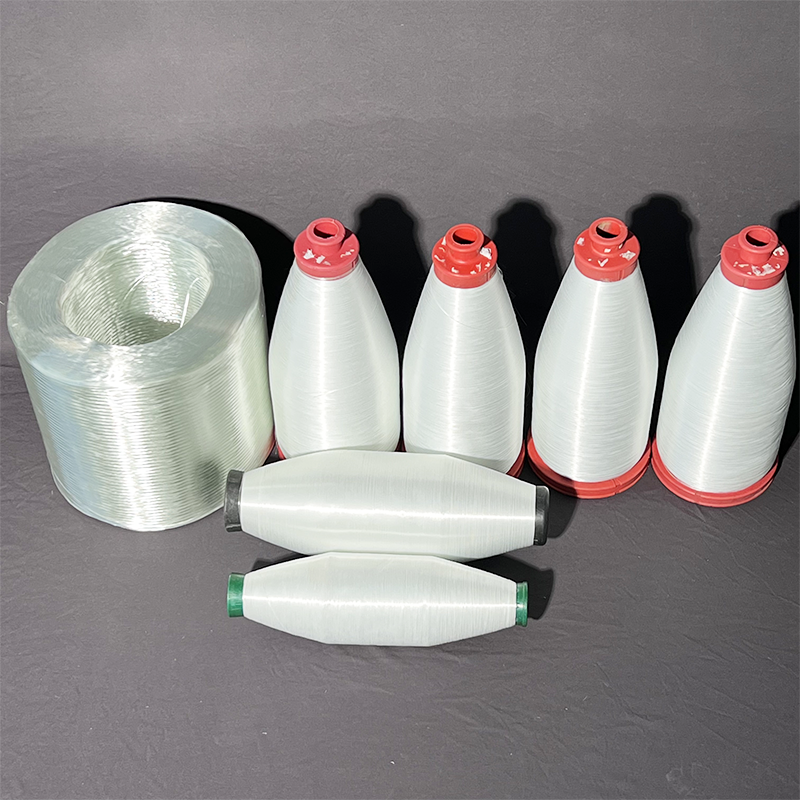
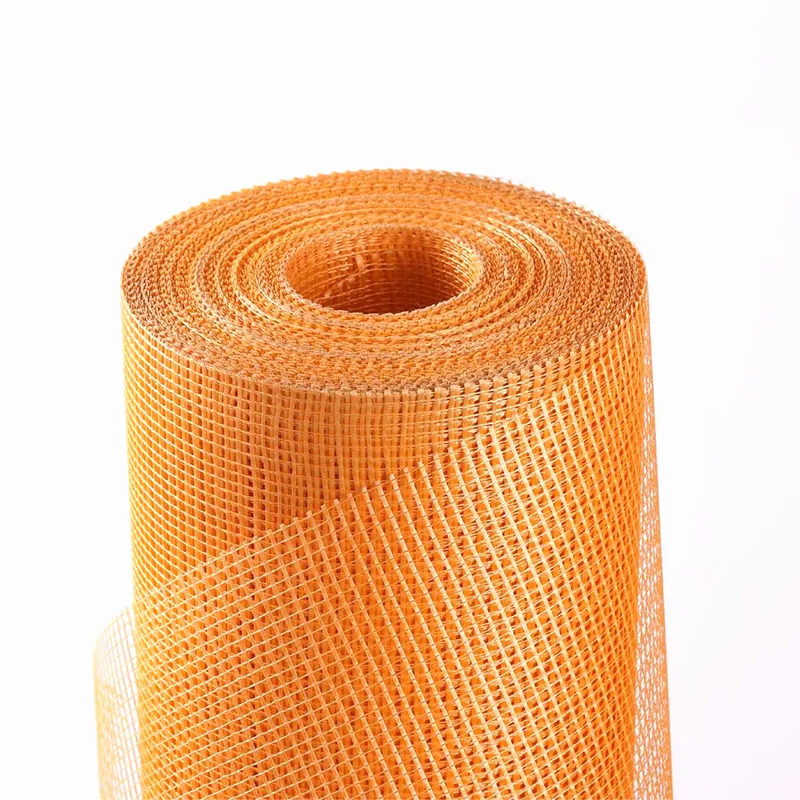
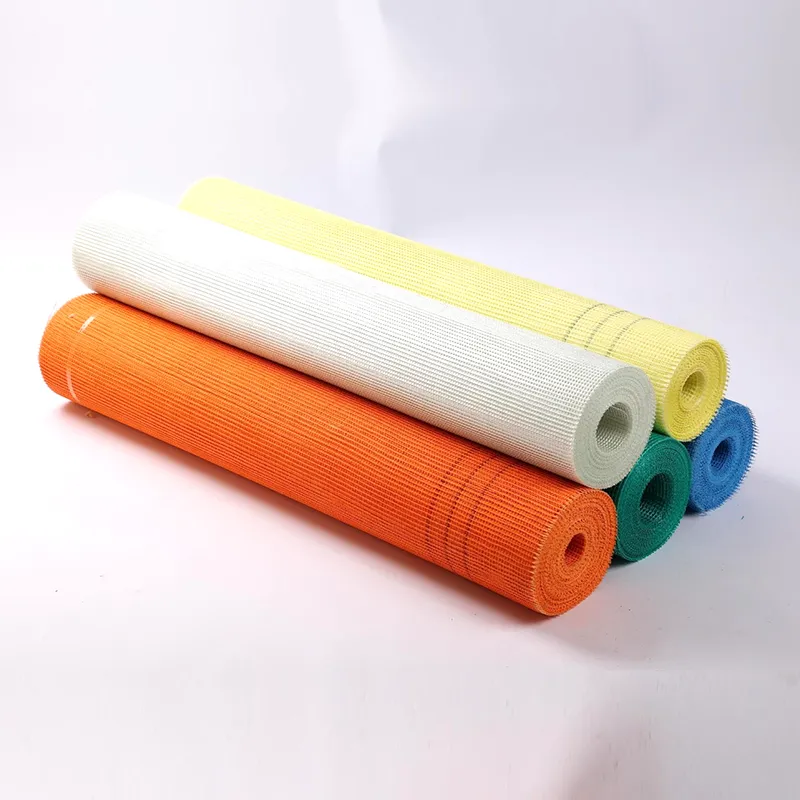
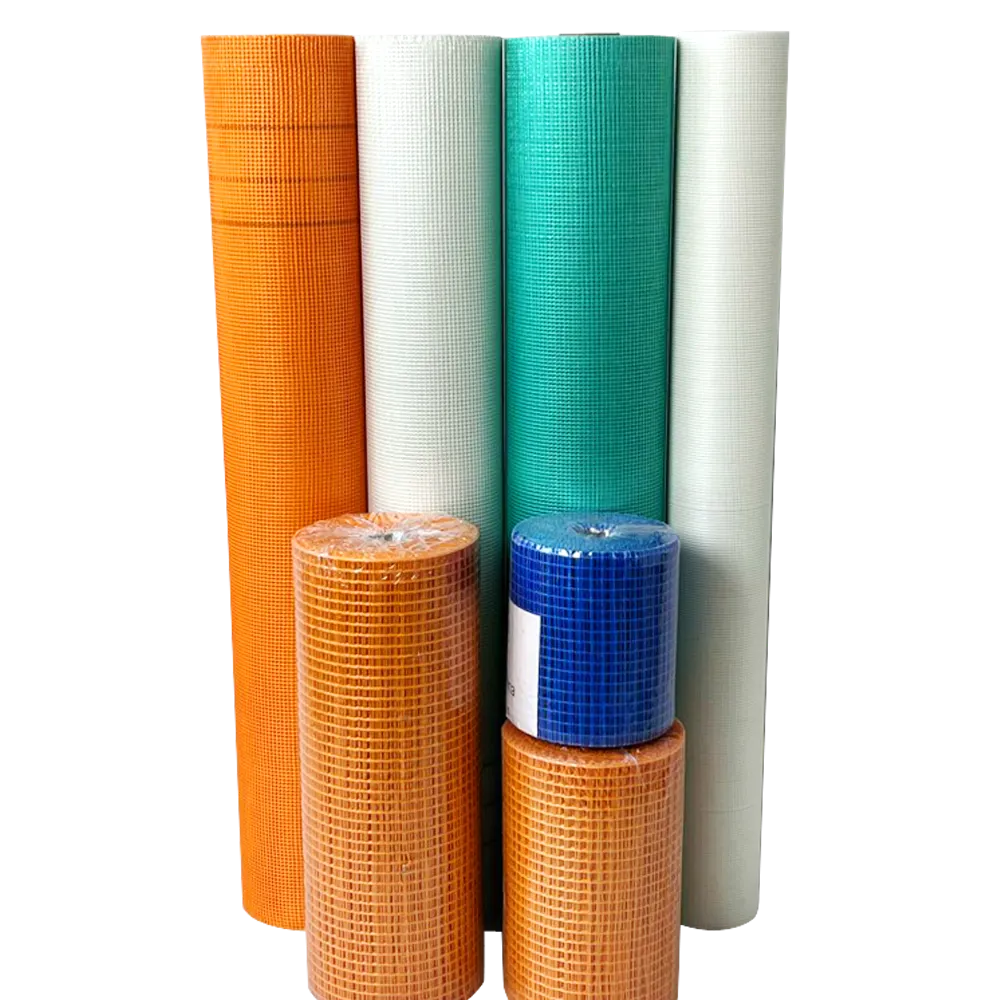
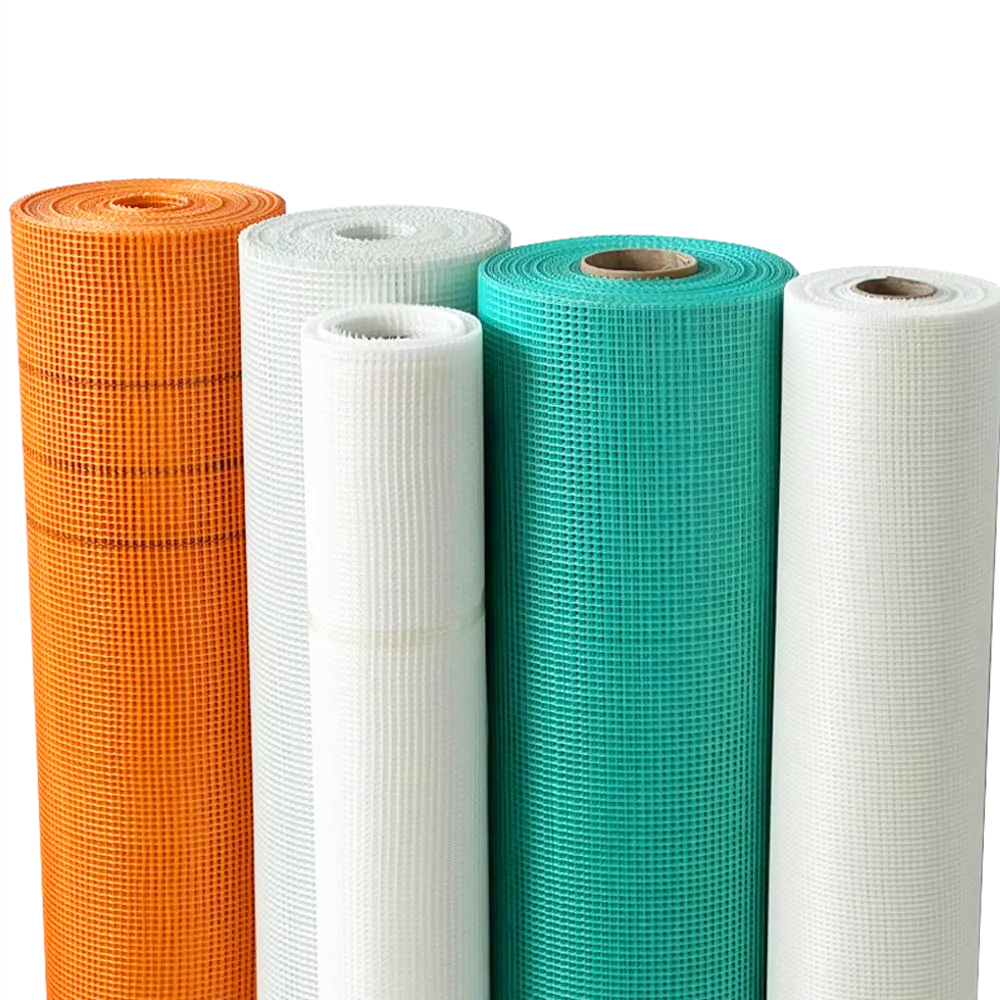
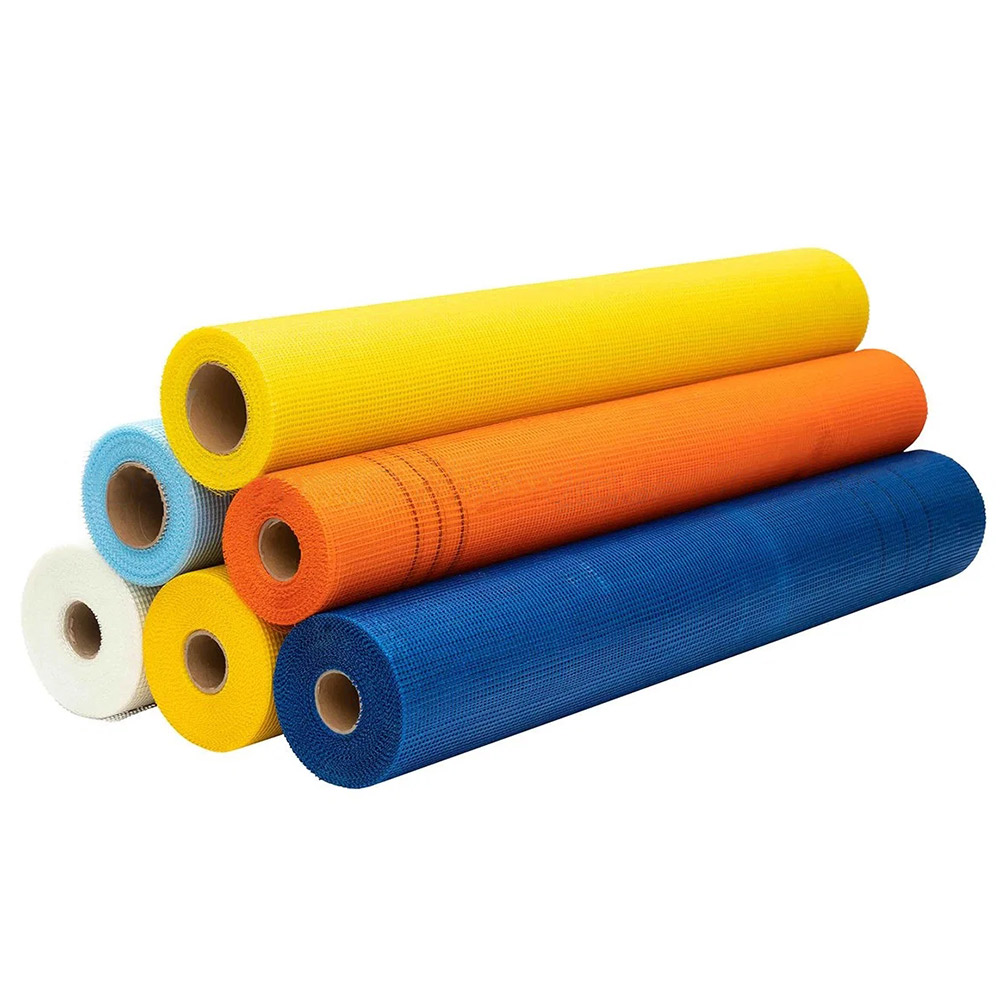
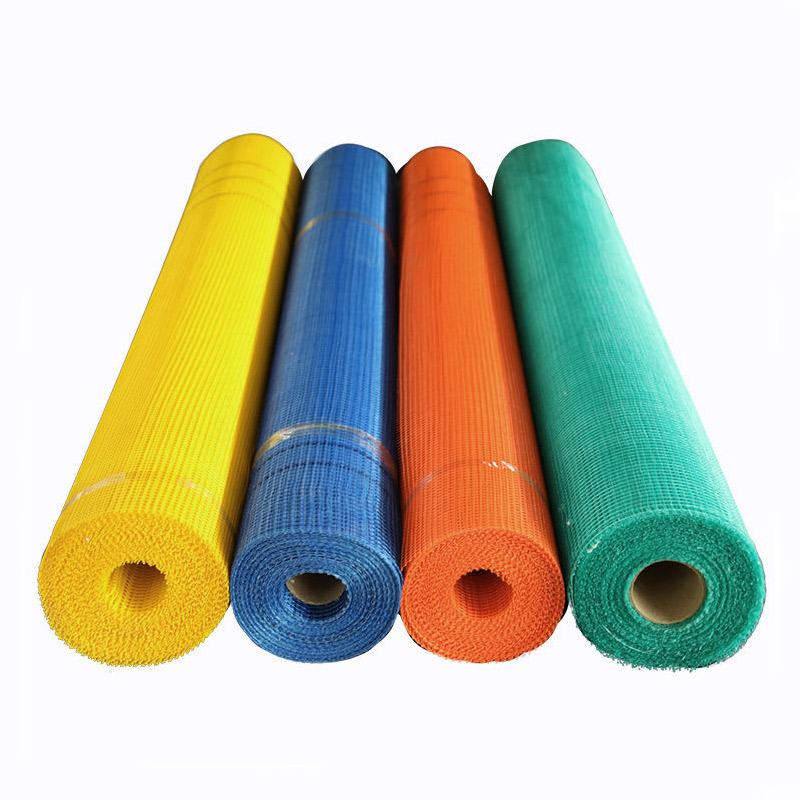
Fiberglass mesh for concrete is produced from woven glass fiber yarns coated with alkali-resistant polymers. This coating is essential because cement-based materials create a highly alkaline environment that would otherwise weaken untreated glass fibers over time.
Unlike steel reinforcement, fiberglass mesh does not rust, expand, or corrode. This makes it particularly suitable for thin concrete layers, architectural elements, and environments exposed to moisture or chemicals.
Fiber Mesh for Concrete Reinforcement
The term fiberglass mesh for concrete reinforcement generally refers to reinforcement systems designed to improve tensile strength and crack resistance. While chopped fiber mesh is mixed directly into concrete, fiberglass mesh is typically placed within or near the surface of the concrete layer to control cracking and distribute stress.
Key characteristics include:
High tensile strength in two directions
Excellent alkali resistance
Lightweight and easy handling
Non-corrosive and non-magnetic
Improved dimensional stability
Fiberglass mesh reinforcement works by holding microcracks together as they form, preventing them from expanding into visible or structural cracks. This crack-bridging effect significantly enhances durability and appearance.
Fiber Glass Mesh for Concrete Applications
Fiber glass mesh for concrete is especially effective in thin-section concrete where traditional steel reinforcement may be impractical. Its flexibility allows it to conform easily to curved or complex shapes, making it ideal for architectural concrete and decorative designs.
Because fiberglass mesh is thin and lightweight, it does not interfere with concrete flow or finishing, while still providing reliable reinforcement performance.
Fiberglass Mesh for Concrete Reinforcement in Structural and Decorative Uses
Fiberglass mesh for concrete reinforcement is used across a wide range of construction applications, from structural components to decorative surfaces.
Crack Control and Stress Distribution
Concrete naturally shrinks during curing. Temperature changes and load movement also create internal stress. Fiberglass mesh distributes these stresses evenly across the surface, reducing crack concentration.
When properly embedded, the mesh acts as a secondary reinforcement system that:
Limits shrinkage cracking
Improves impact resistance
Enhances load distribution
Extends service life
This makes fiberglass mesh particularly useful in slabs, overlays, render systems, and repair work.
Fiberglass Mesh for Concrete Countertops
Fiberglass mesh for concrete countertops has become increasingly popular in residential and commercial design. Concrete countertops are thin by nature and require reinforcement to prevent cracking during curing, transport, and installation.
Fiberglass mesh provides several advantages in countertop applications:
No corrosion or staining risk
Lightweight reinforcement for thin sections
Excellent flexibility for custom shapes
Compatibility with pigments and decorative aggregates
In countertop fabrication, mesh is typically placed near the surface or sandwiched between concrete layers. It reinforces the slab without adding bulk, allowing designers to create sleek, modern profiles.
Fiberglass mesh is also compatible with glass fiber–reinforced concrete (GFRC) systems, where it complements internal fiber reinforcement for added strength.
Advantages of Fibreglass Mesh for Concrete Compared to Traditional Reinforcement
The use of fibreglass mesh for concrete offers several technical and economic advantages over conventional steel reinforcement.
Corrosion Resistance
One of the greatest limitations of steel reinforcement is corrosion. When steel rusts, it expands, causing internal pressure that leads to cracking and spalling. Fiberglass mesh does not corrode, making it ideal for:
Wet environments
Outdoor structures
Marine or coastal areas
Chemical exposure zones
This significantly improves durability and reduces long-term maintenance costs.
Lightweight and Easy Installation
Fiberglass mesh is easy to cut, transport, and install. It does not require heavy tools or specialized equipment, reducing labor time and installation errors.
Contractors benefit from:
Faster placement
Reduced handling effort
Improved jobsite safety
Cost Efficiency Over Lifecycle
While the initial cost of fiberglass mesh may be comparable to traditional reinforcement in some cases, the long-term savings are substantial. Reduced cracking, lower maintenance, and longer service life make fiberglass reinforcement a cost-effective solution over the lifespan of concrete structures.
Compatibility with Modern Concrete Systems
Modern construction increasingly relies on thin, lightweight, and decorative concrete systems. Fiberglass mesh aligns perfectly with these trends due to its adaptability and performance in thin sections.
It is widely used in:
Architectural panels
Precast concrete elements
Concrete overlays
Countertops and decorative slabs
Repair and retrofit projects
Installation Best Practices
To achieve optimal performance, fiberglass mesh should be fully embedded within the concrete matrix. Proper placement ensures effective crack control and stress distribution.
Best practices include:
Using alkali-resistant mesh specifically designed for concrete
Maintaining correct mesh positioning
Avoiding folding or overlapping excessively
Ensuring complete concrete coverage
Correct installation transforms the mesh from a surface material into a functional reinforcement component.
Fiberglass mesh has become a highly effective and reliable reinforcement solution in modern concrete construction. Products such as fiber glass mesh for concrete, fiberglass mesh for concrete reinforcement, רשת פיברגלס לבטון, and fibreglass mesh for concrete provide lightweight, corrosion-resistant alternatives to traditional steel reinforcement.
From structural crack control to decorative applications like fiberglass mesh for concrete countertops, these materials enhance durability, flexibility, and long-term performance. By improving tensile strength and reducing cracking, fiberglass mesh helps concrete structures maintain both structural integrity and visual quality over time.
As construction technology continues to evolve toward efficiency, sustainability, and durability, fiberglass mesh reinforcement will remain a key component in next-generation concrete systems worldwide.
-
Best Fiberglass Mesh Tape for RedGard Product Waterproofing GuideחֲדָשׁוֹתApr.16,2026
-
Why High Strength Fiberglass Mesh Is Essential For Stucco ApplicationחֲדָשׁוֹתApr.15,2026
-
Why Alkali Resistant Fiberglass Mesh Tape Is Essential For Cement Board And Tile InstallationsחֲדָשׁוֹתApr.15,2026
-
Understanding The Role Of Drywall Fiberglass Mesh In Interior FinishingחֲדָשׁוֹתApr.15,2026
-
Ultimate Guide To Using Fiberglass Mesh Tape For Drywall And Plaster RepairsחֲדָשׁוֹתApr.15,2026
-
The Versatility Of Fiberglass Mesh In Marble And Stone MosaicחֲדָשׁוֹתApr.15,2026