ספט . 25, 2025 09:58 בחזרה לרשימה
Alkali-resistant fiberglass mesh for cement mortar applications
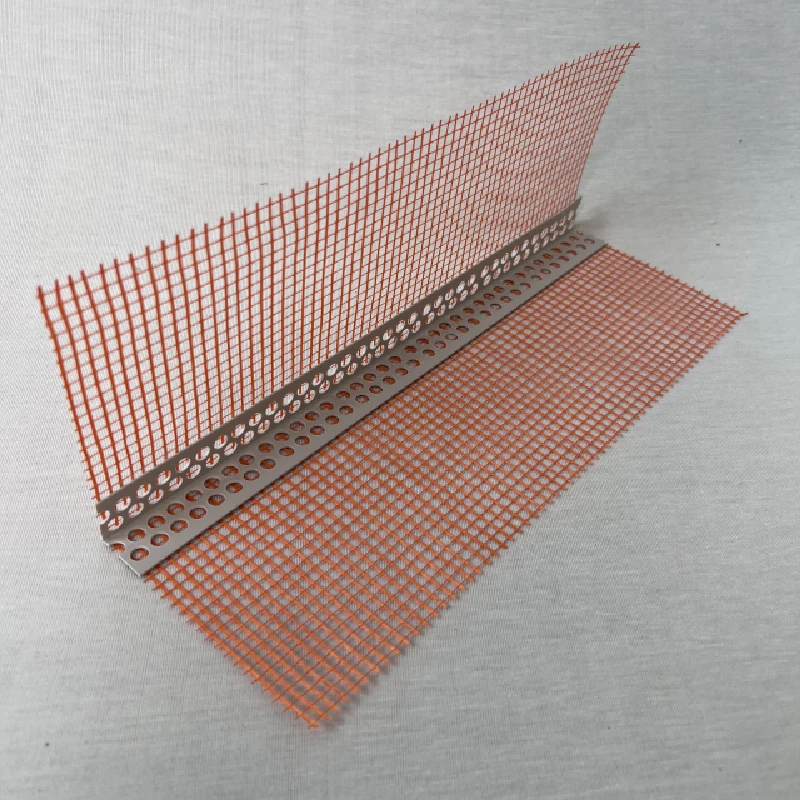
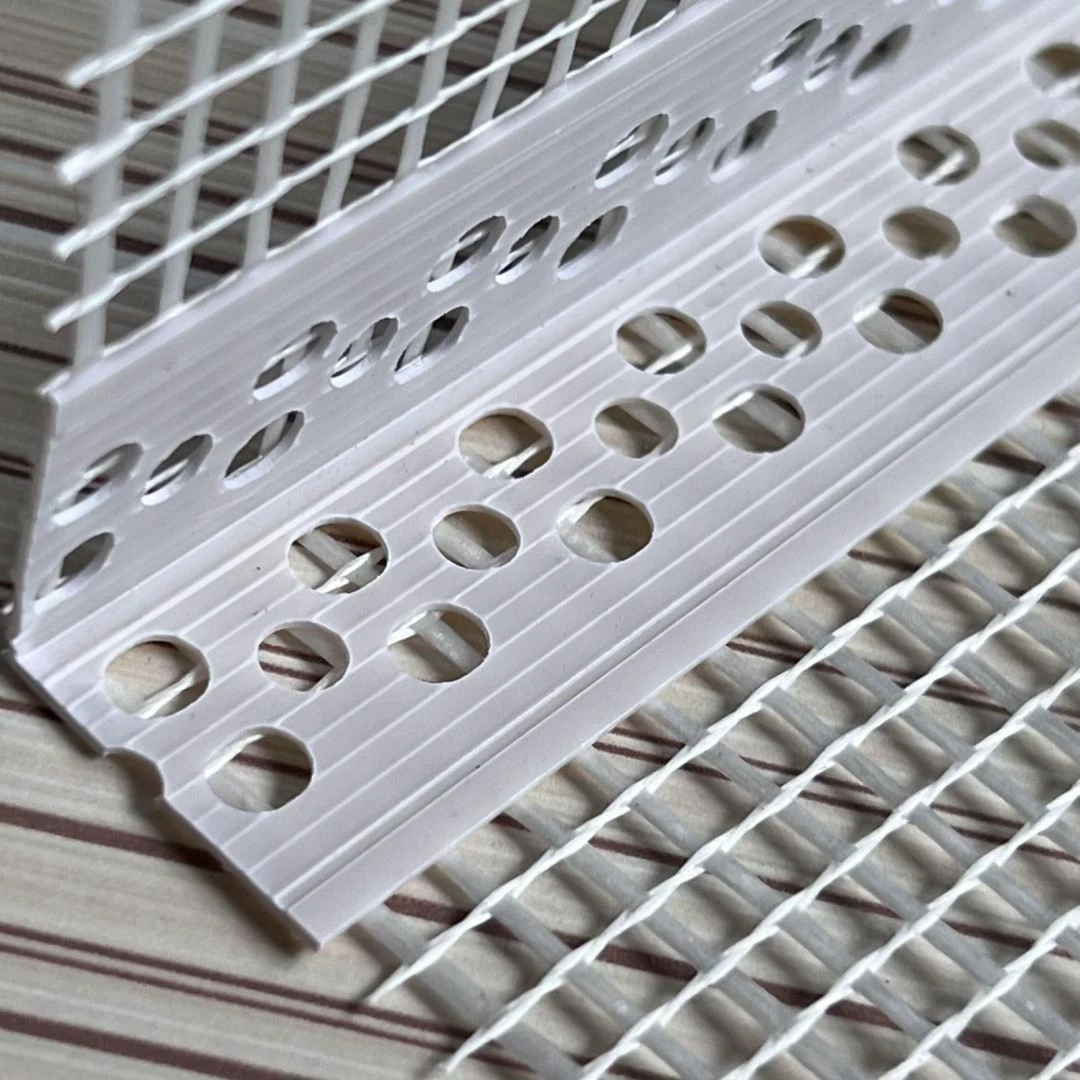
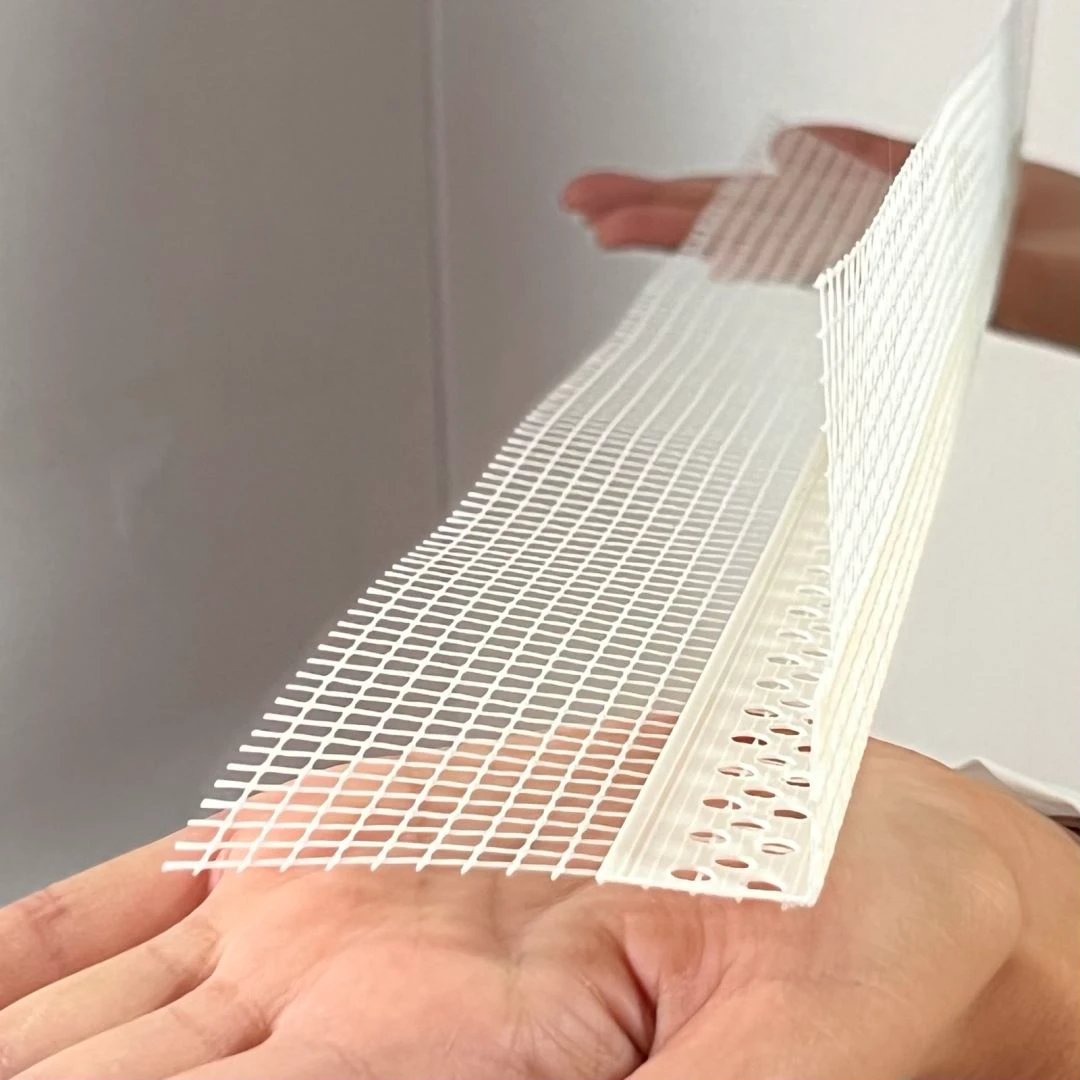
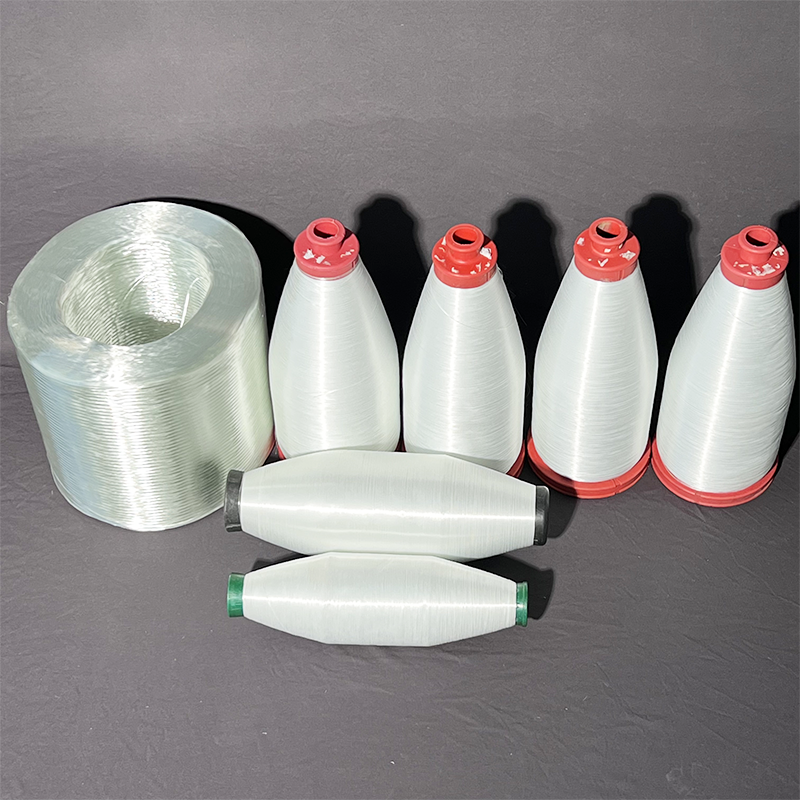
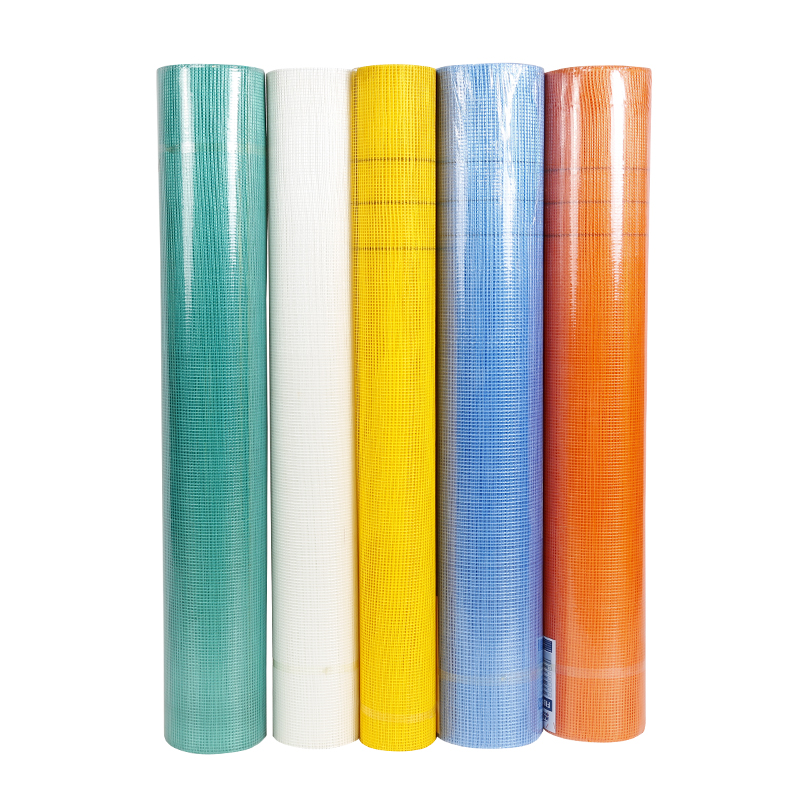
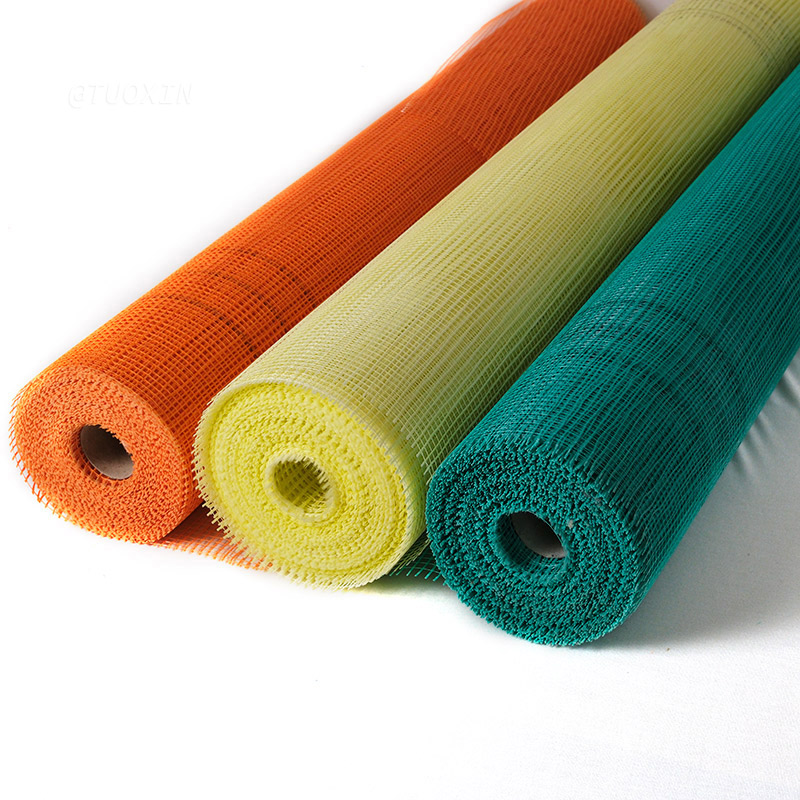
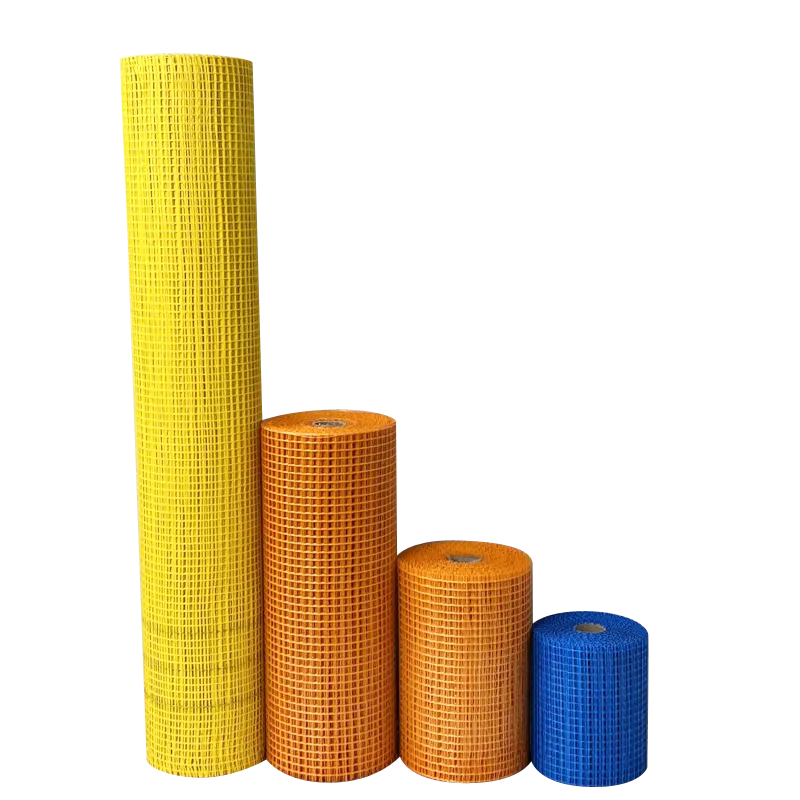
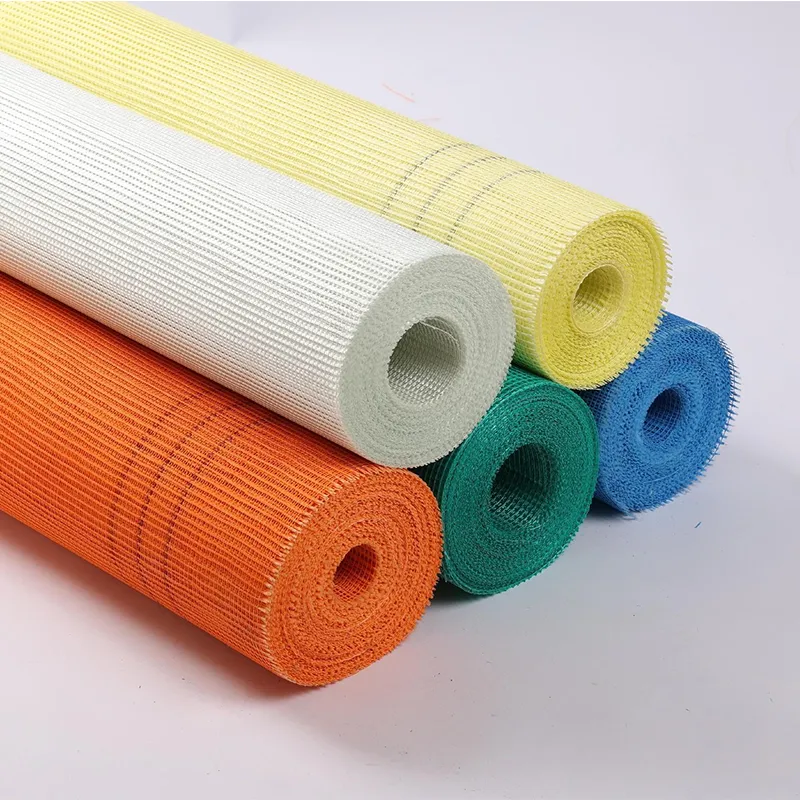
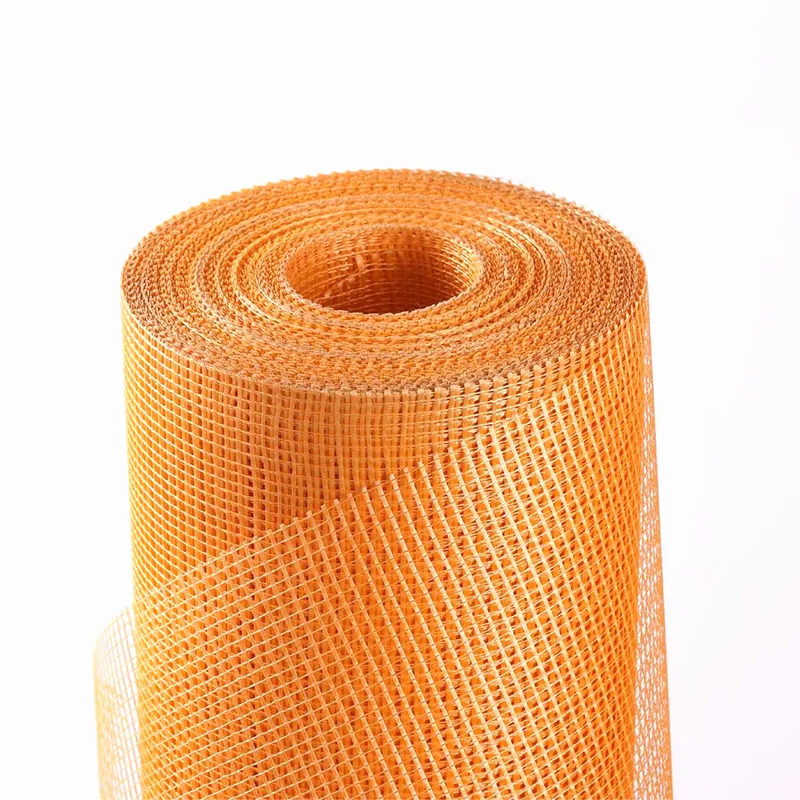
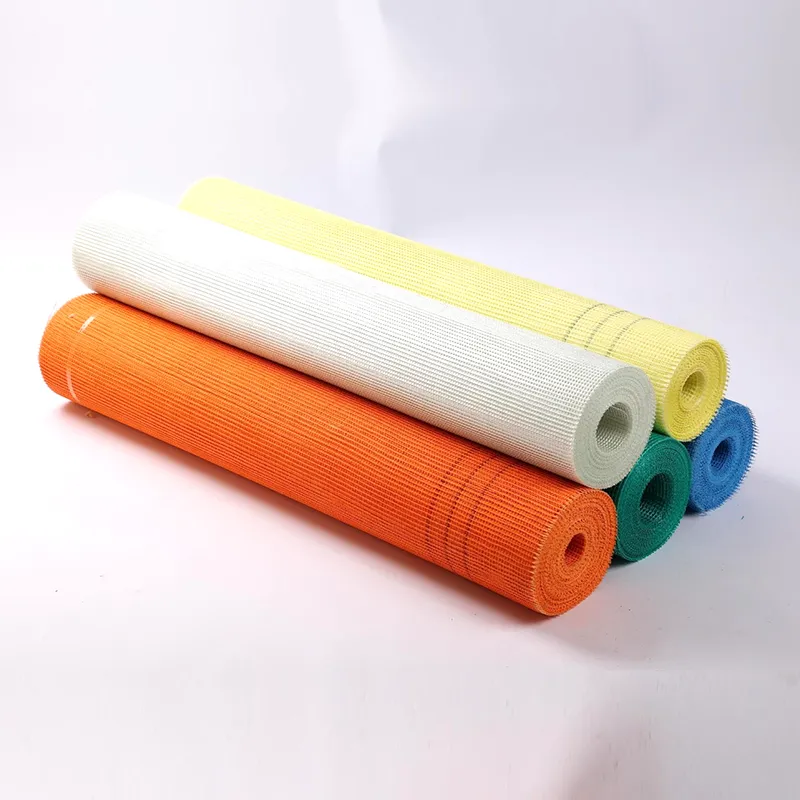
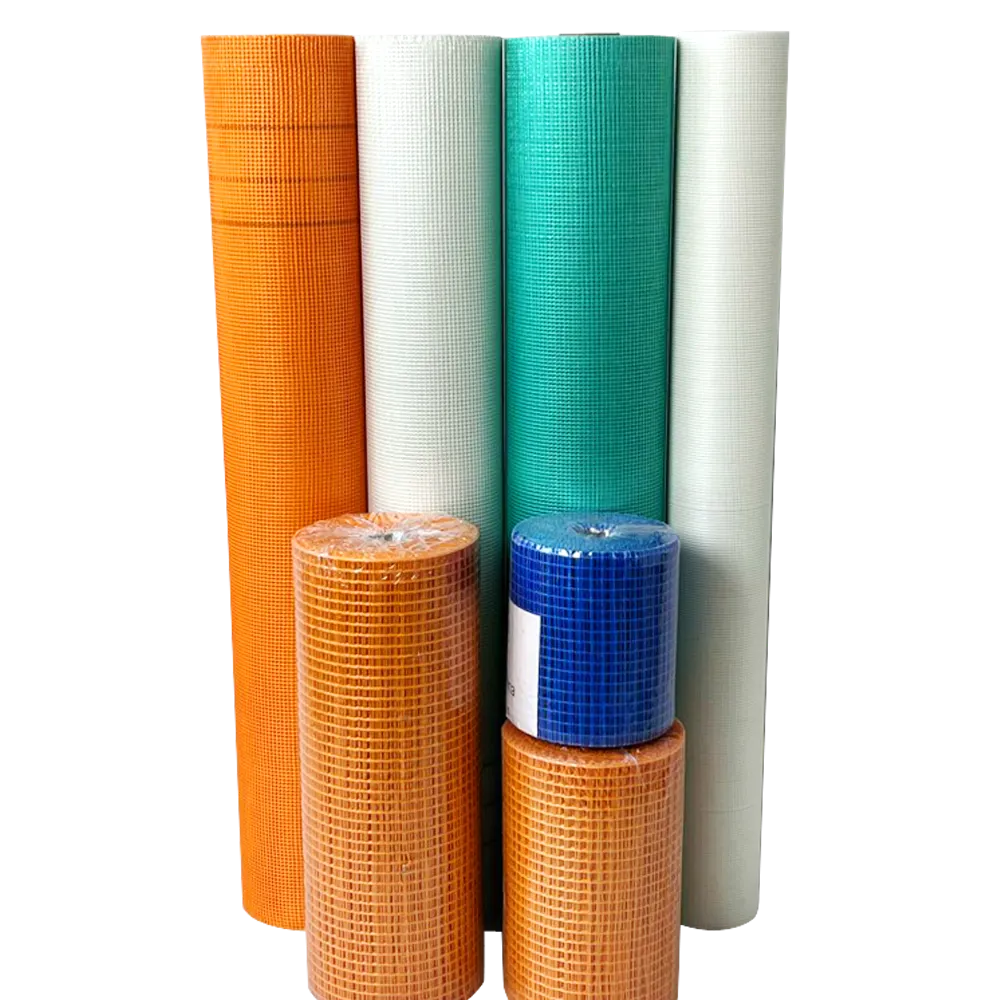
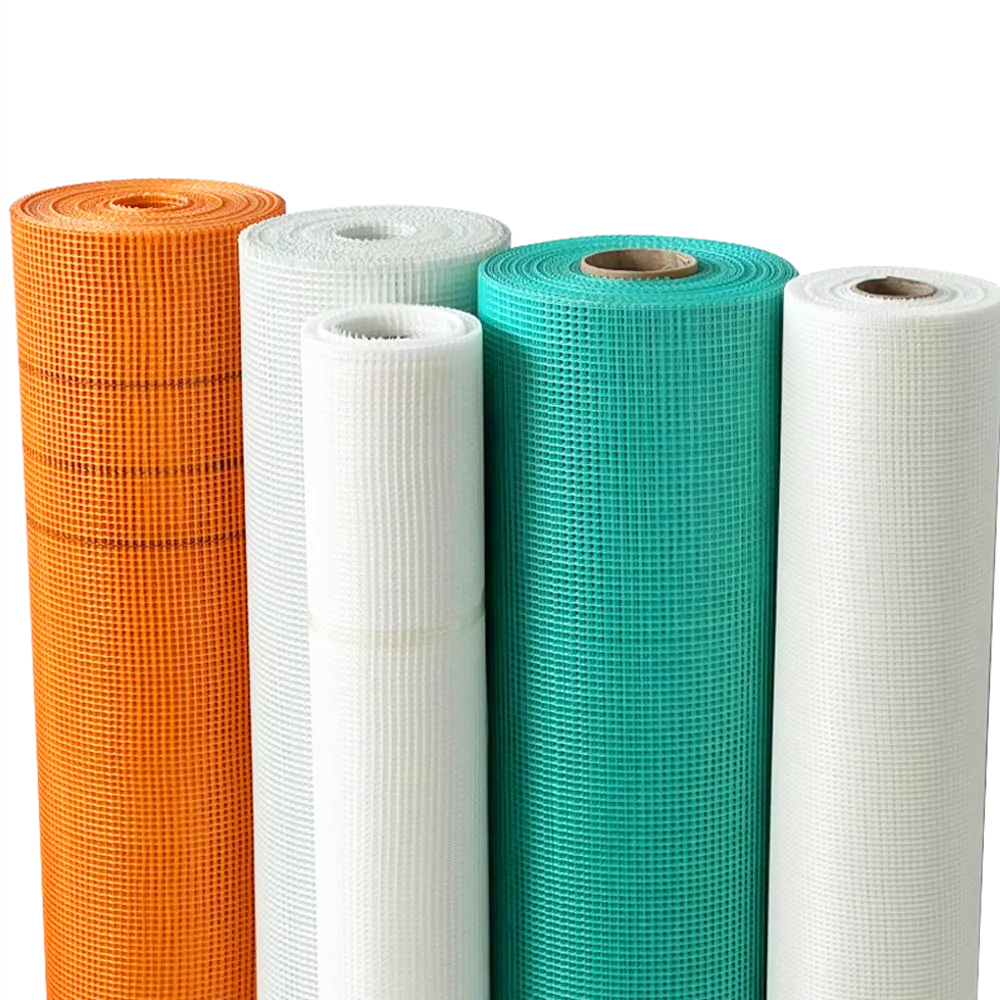
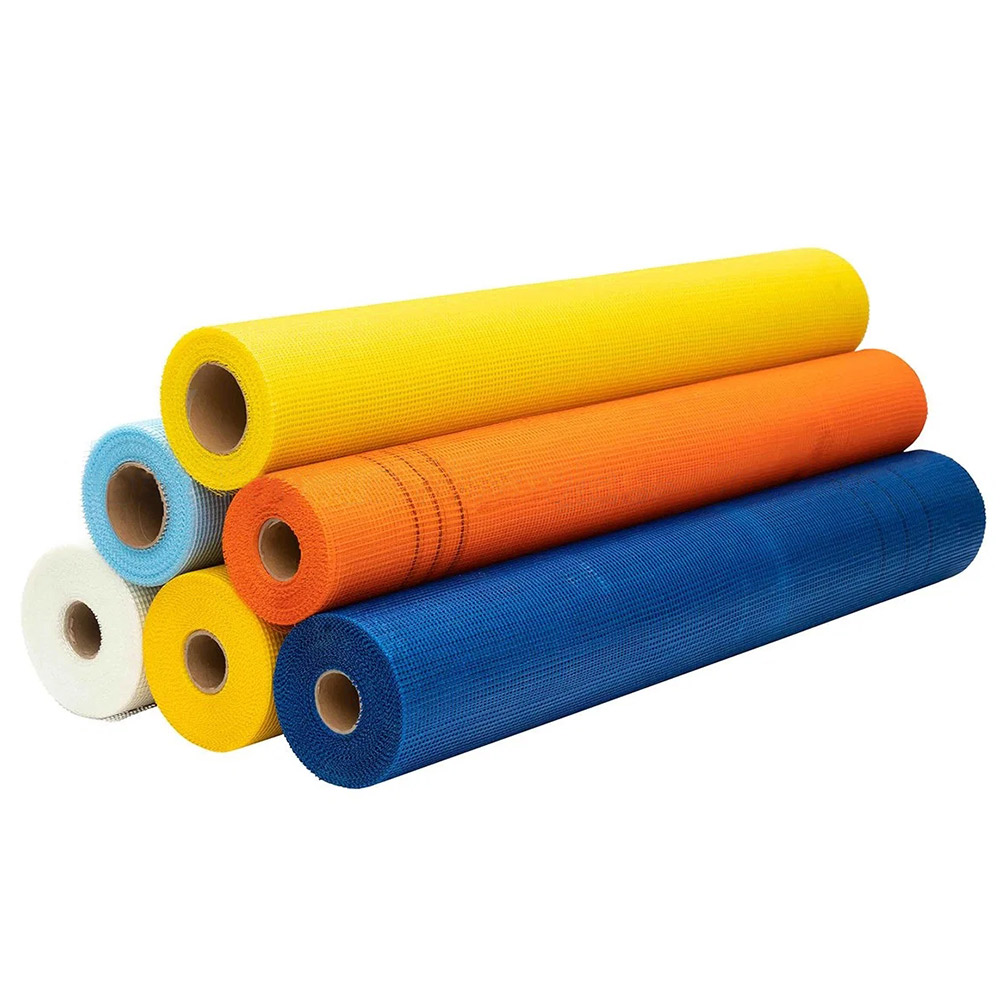
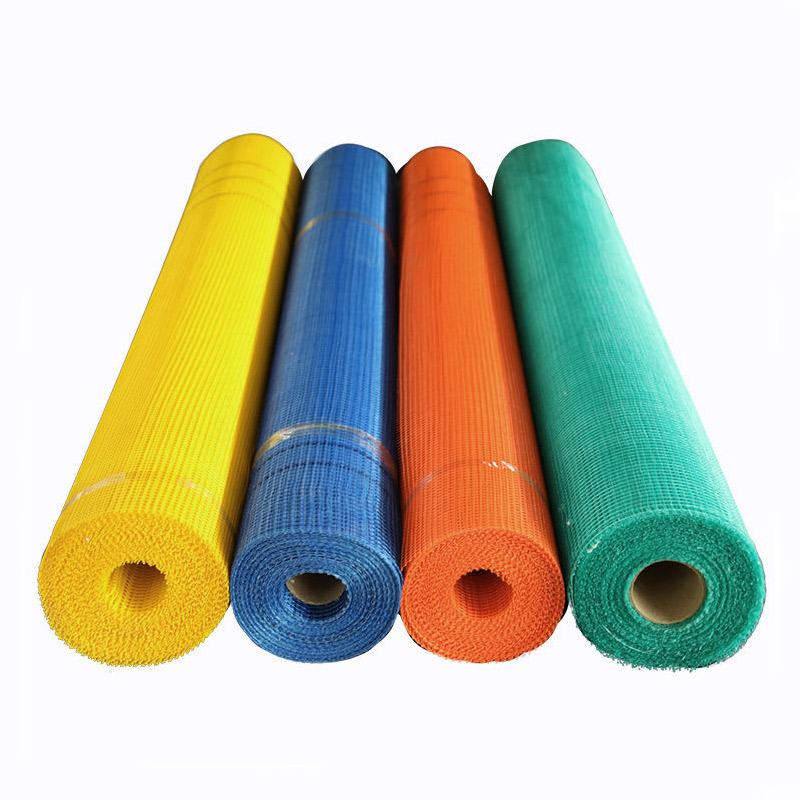
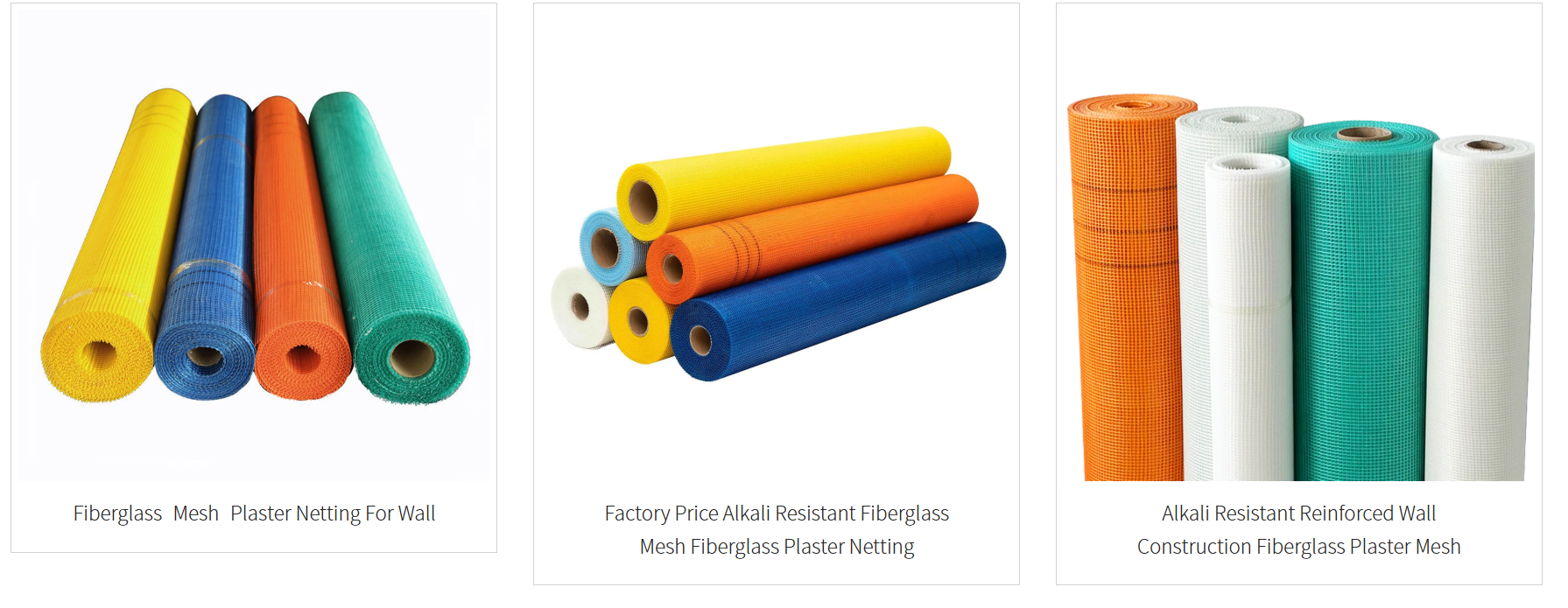
The construction industry increasingly relies on specialized reinforcement materials, with fiberglass mesh, רשת גבס, and fiber glass mesh playing critical roles in modern cement mortar applications. These meshes provide essential reinforcement that prevents cracking and enhances the durability of cement-based surfaces in both interior and exterior building applications. The alkali-resistant properties of these meshes make them particularly valuable for construction projects where long-term structural integrity is paramount, as they withstand the harsh chemical environment within cement mortar while maintaining their tensile strength and dimensional stability over time.
Technical Advantages of Fiberglass Mesh in Construction
• Fiberglass mesh demonstrates exceptional tensile strength and dimensional stability when embedded in cement mortar, effectively distributing stress across surfaces to prevent crack formation and propagation in building facades, interior walls, and flooring systems.
• The chemical composition of fiberglass mesh includes zirconia particles that provide superior resistance to alkaline degradation, ensuring long-term performance in cementitious applications where high pH levels would degrade standard meshes.
• Construction-grade fiberglass mesh features optimal mesh openings that allow for complete mortar penetration and mechanical bonding, creating a unified composite material that withstands thermal expansion, structural settling, and environmental stresses in building envelopes.
Performance Characteristics of Plaster Mesh
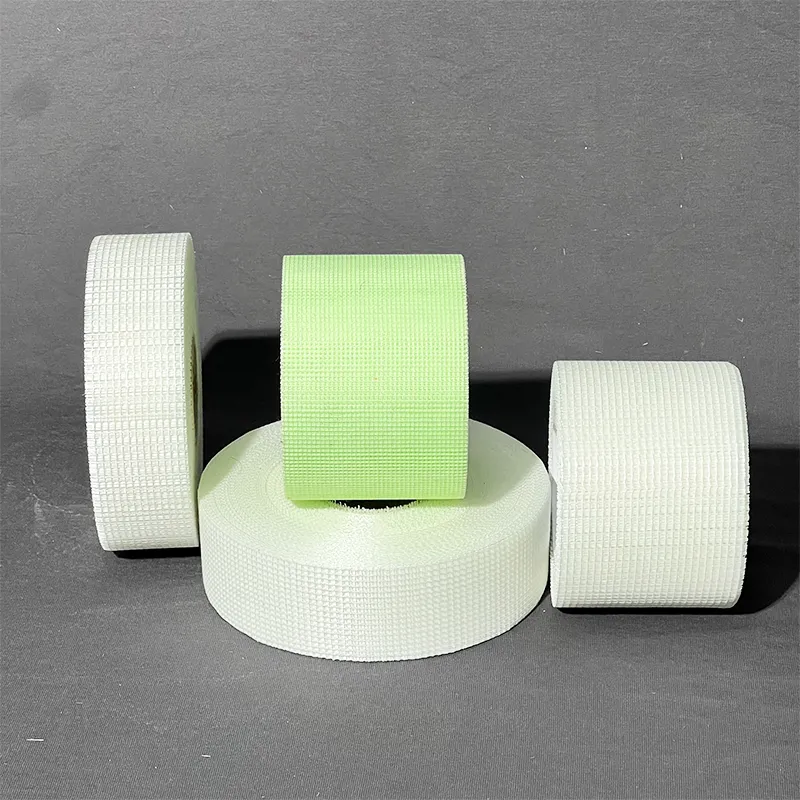
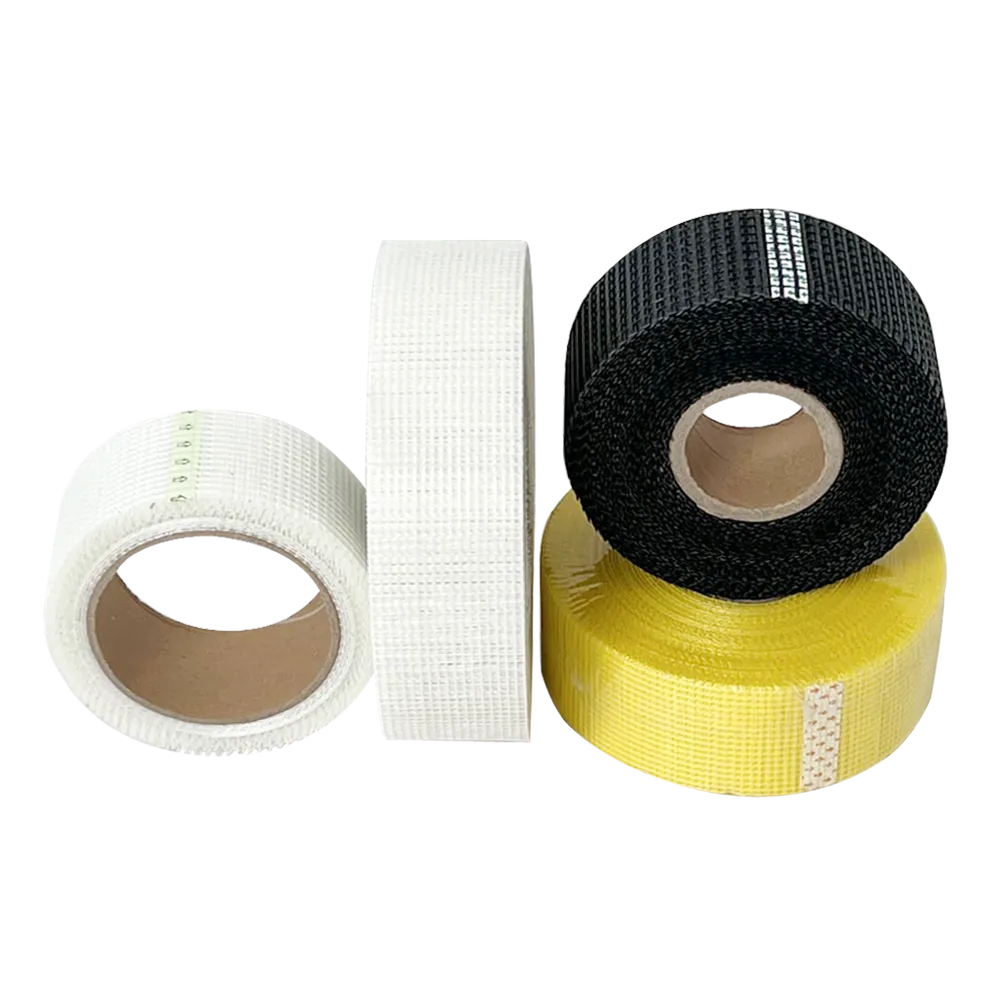
• High-quality רשת גבס maintains flexibility during installation while providing rigid reinforcement once embedded in cement mortar, allowing construction workers to contour it around corners and irregular surfaces without compromising its reinforcing function.
• The surface treatment of plaster mesh includes specialized polymer coatings that enhance adhesion to cement mortars while providing additional protection against alkaline attack, extending the service life of rendered exteriors and interior wall systems.
• Plaster mesh exhibits consistent performance across temperature variations from -40°C to 100°C, making it suitable for building applications in diverse climatic conditions without losing reinforcing capabilities or dimensional stability.
Application Specifications for Fiber Glass Mesh
• Proper installation of fiber glass mesh requires complete embedding in the fresh mortar layer with adequate coverage on all sides, typically requiring a minimum 2mm mortar cover to ensure optimal bonding and protection against alkaline exposure in cement applications.
• The weight and mesh count of fiber glass mesh must be selected according to specific construction requirements, with heavier meshes (145-165g/m²) used for exterior applications and standard weights (80-110g/m²) sufficient for interior wall reinforcement in building projects.
• Fiber glass mesh should be applied with overlapping joints of at least 100mm at seams and edges to create continuous reinforcement without weak points, following building code requirements for reinforced cement mortar applications in commercial and residential construction.
רשת פיברגלס FAQS
Q: What’s the difference between fiberglass mesh and plaster mesh in terms of performance for exterior wall plastering, and which is more suitable for high-humidity areas?
A: Fiberglass mesh and רשת גבס are technically similar (both made of glass fibers), but רשת גבס often has a denser weave (10x10mm vs 12x12mm for standard fiberglass mesh) and a thicker alkali-resistant coating. For exterior wall plastering in high-humidity areas (e.g., coastal regions), plaster mesh is more suitable—it resists moisture absorption better, preventing coating peeling or mesh degradation over time. Fiberglass mesh works for moderate-humidity areas, but may need extra waterproofing treatment in damp environments. Both meet basic construction standards, but plaster mesh offers longer durability in high-humidity conditions.
Q: Can fiber glass mesh be used for concrete slab reinforcement, and what thickness is recommended for residential vs commercial projects?
A: Yes, fiber glass mesh is ideal for concrete slab reinforcement—it disperses stress evenly to prevent shrinkage cracks. For residential projects (e.g., garage floors, patio slabs), a 160-200g/㎡ thickness is recommended; it’s lightweight enough for easy installation and provides sufficient strength for regular foot traffic or light vehicle use. For commercial projects (e.g., warehouse slabs, retail floors), opt for 200-300g/㎡ fiber glass mesh—the thicker weave handles heavier loads (e.g., forklifts, large equipment) and reduces the risk of structural cracks. Always ensure the fiber glass mesh has alkali-resistant treatment, as concrete’s alkaline environment can degrade non-treated mesh over time.
Q: How to install fiberglass mesh correctly for EIFS (Exterior Insulation and Finish Systems) to avoid insulation failure?
A: Correct installation of fiberglass mesh is critical for EIFS performance. First, apply a base coat of EIFS mortar (3-5mm thick) to the insulation board. Then, unroll fiberglass mesh over the wet mortar, ensuring it’s flat (no wrinkles) and overlaps adjacent mesh by 50-100mm (to avoid gaps). Press the mesh gently into the mortar using a trowel, making sure 90% of the mesh is embedded (only the top layer should be visible). Wait 24 hours for the base coat to cure, then apply a finish coat (2-3mm thick) over the mesh. Avoid stretching the mesh too tightly (it may crack the mortar) or leaving loose areas (moisture can seep in). Follow this process to ensure the fiberglass mesh reinforces the insulation and prevents system failure.
Q: What maintenance is required for fiber glass mesh used in masonry wall reinforcement, and how often should inspections be done?
A: Fiber glass mesh for masonry wall reinforcement requires minimal maintenance, but regular inspections help catch issues early. First, avoid using harsh chemicals (e.g., high-pressure water with bleach) to clean the wall—this can damage the mesh’s protective coating. Inspect the wall annually: look for signs of mesh exposure (cracks in the masonry coating that reveal the mesh) or corrosion (discolored mesh, usually from moisture seeping through gaps). If exposure is found, patch the area with matching masonry mortar to re-cover the fiber glass mesh. For high-traffic or harsh-environment areas (e.g., walls near roads, coastal regions), inspect every 6 months. With proper inspection and minor patching, fiber glass mesh can maintain its reinforcing function for 20+ years.
-
Best Fiberglass Mesh Tape for RedGard Product Waterproofing GuideחֲדָשׁוֹתApr.16,2026
-
Why High Strength Fiberglass Mesh Is Essential For Stucco ApplicationחֲדָשׁוֹתApr.15,2026
-
Why Alkali Resistant Fiberglass Mesh Tape Is Essential For Cement Board And Tile InstallationsחֲדָשׁוֹתApr.15,2026
-
Understanding The Role Of Drywall Fiberglass Mesh In Interior FinishingחֲדָשׁוֹתApr.15,2026
-
Ultimate Guide To Using Fiberglass Mesh Tape For Drywall And Plaster RepairsחֲדָשׁוֹתApr.15,2026
-
The Versatility Of Fiberglass Mesh In Marble And Stone MosaicחֲדָשׁוֹתApr.15,2026