מרץ . 20, 2026 15:52 בחזרה לרשימה
A Professional Comparison: Drywall Tape Vs Fiberglass Mesh For Interior Construction
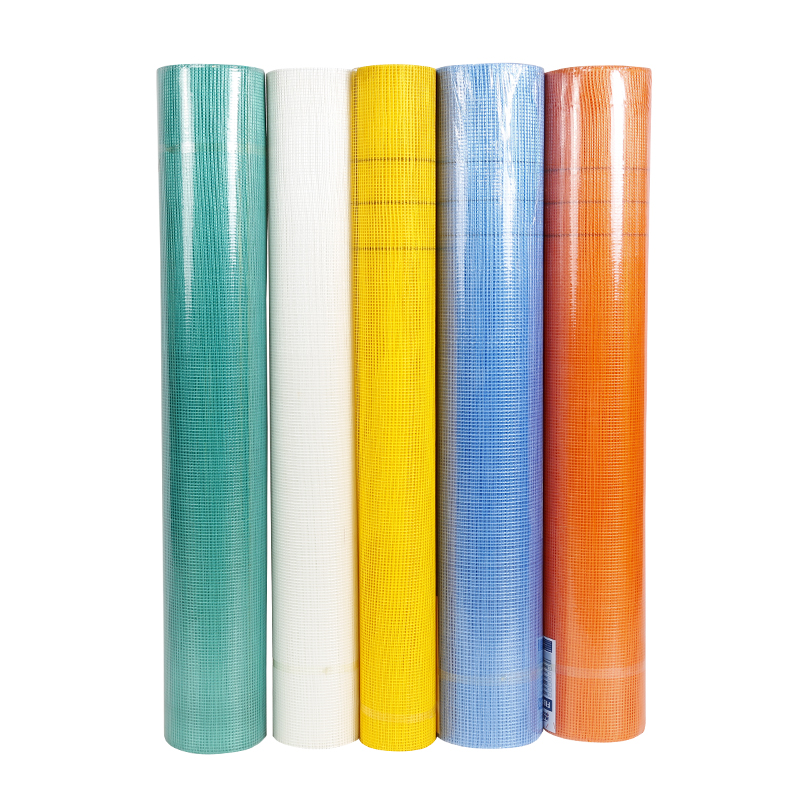
The debate between traditional paper-based methods and modern composite materials has remained a central topic in the world of interior finishing for decades. As the construction industry pushes toward faster turnaround times and higher structural performance, the choice between drywall tape vs fiberglass mesh has become a critical decision for every general contractor and professional taper. While both materials are designed to bridge the gaps between gypsum panels, they operate on entirely different mechanical principles. Paper tape relies on a layer of wet compound to create a chemical and physical bond, whereas the mesh alternative utilizes a self-adhesive backing and a woven grid to provide multidirectional reinforcement. Understanding the nuanced differences between these two systems is essential for achieving a wall surface that is not only visually perfect but also resilient against the inevitable stresses of building settlement.
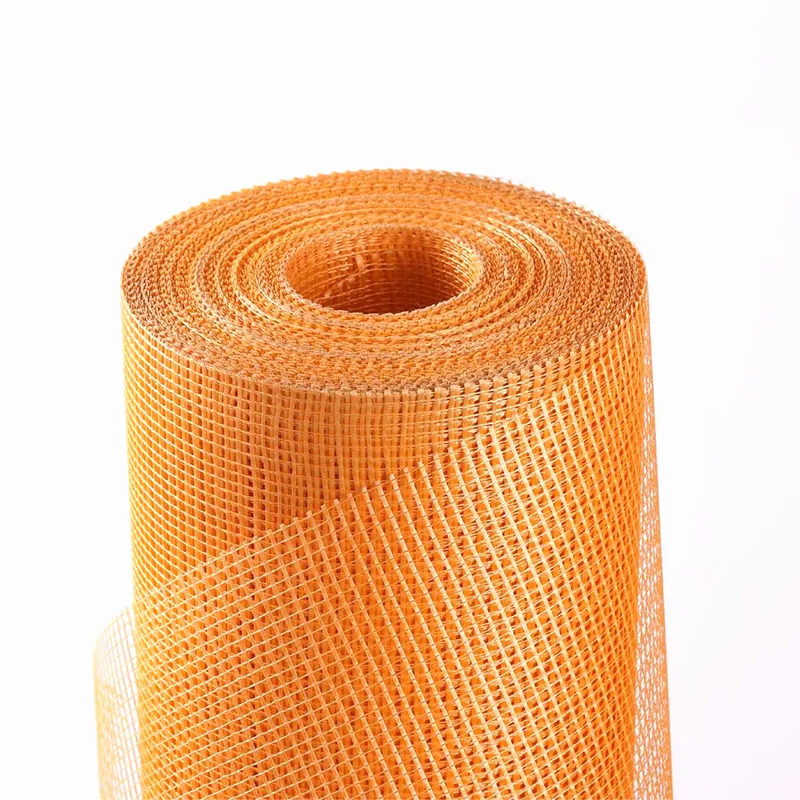
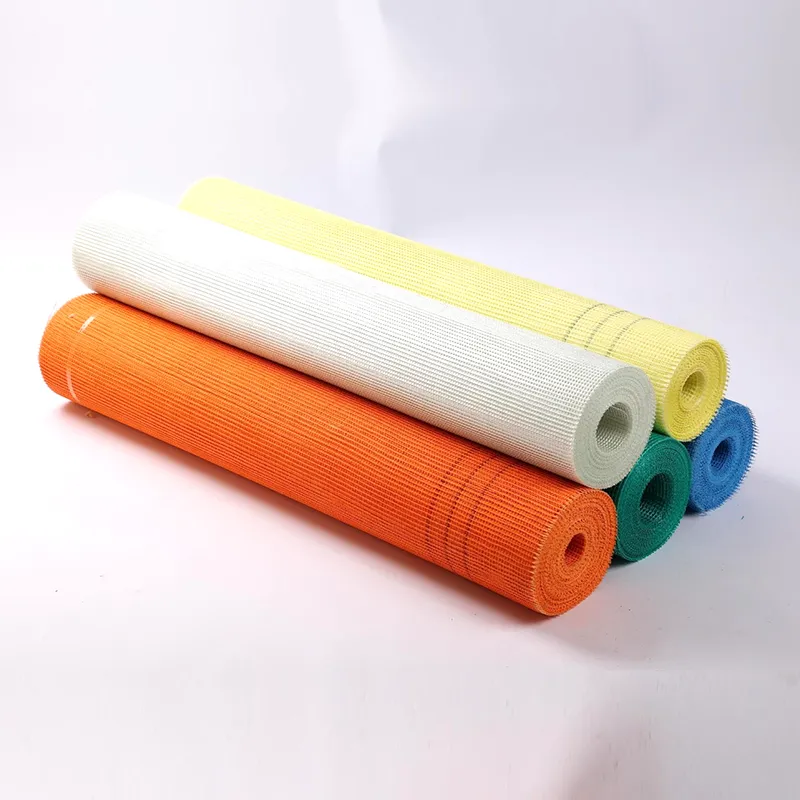
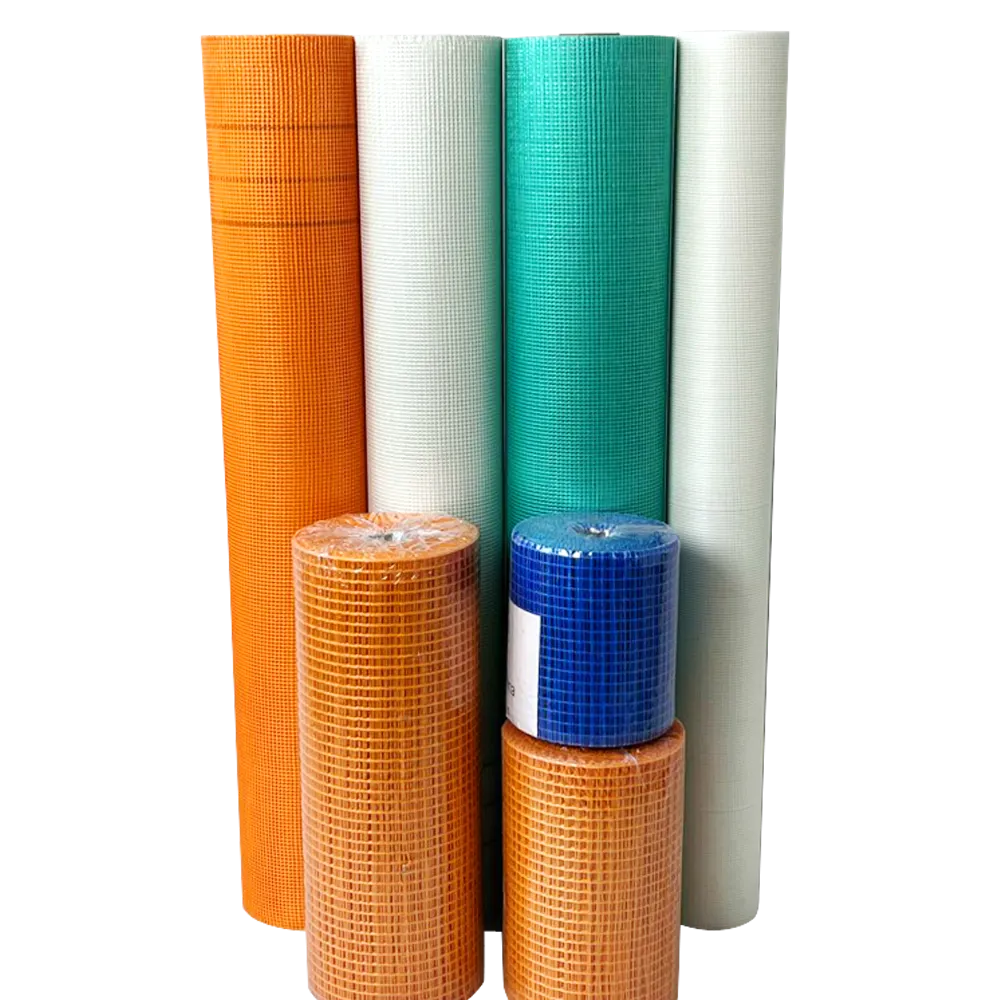
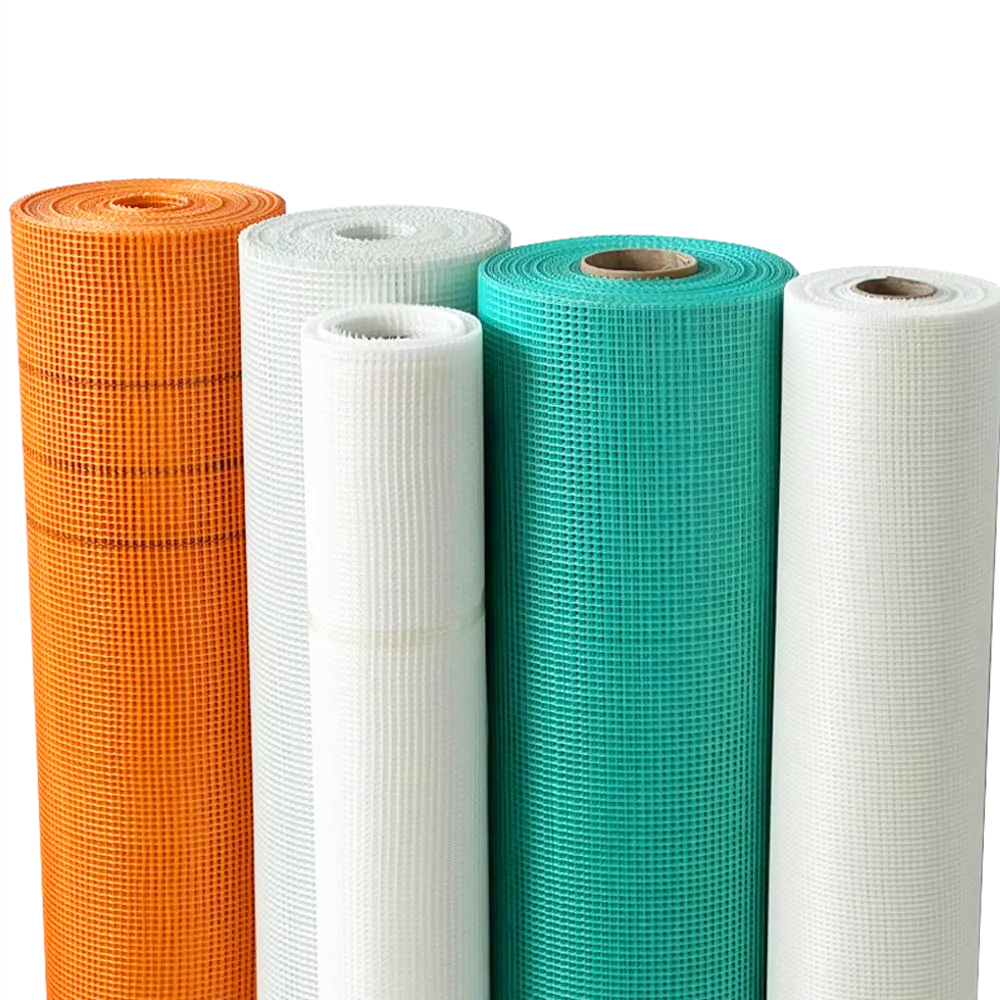
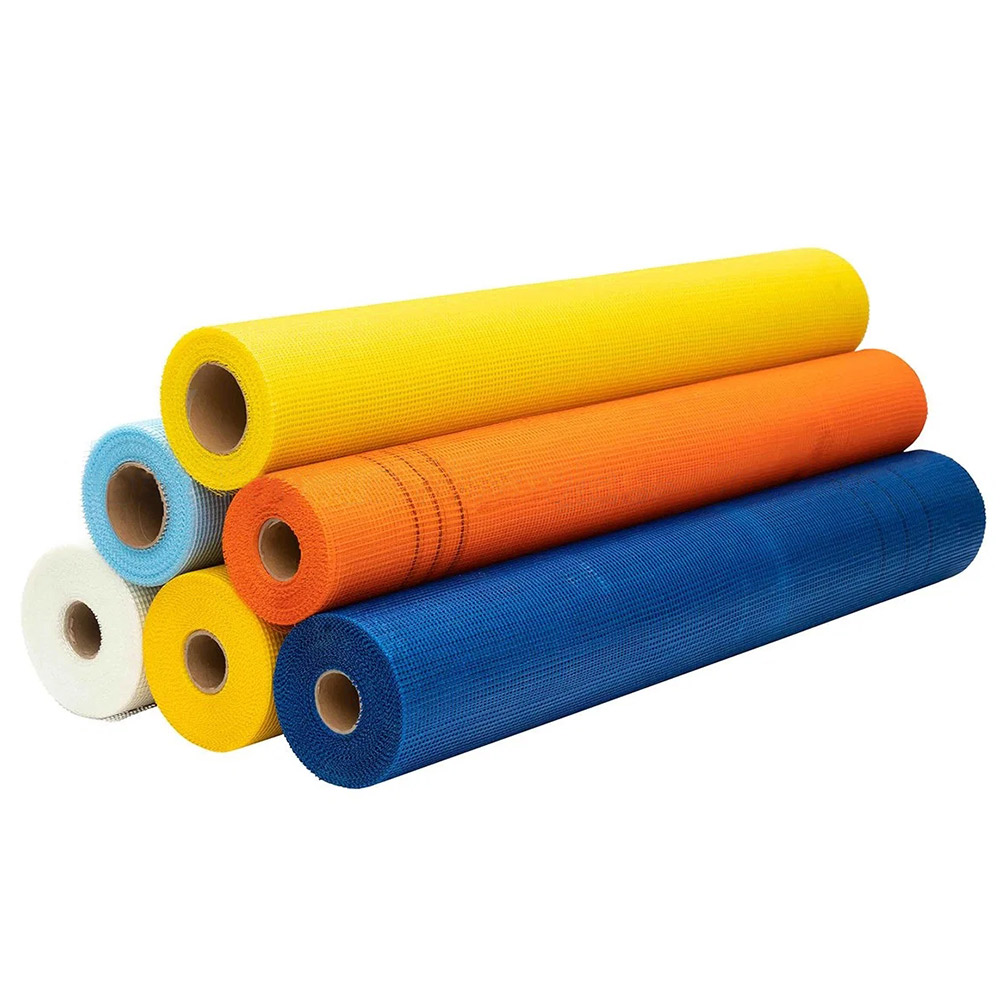
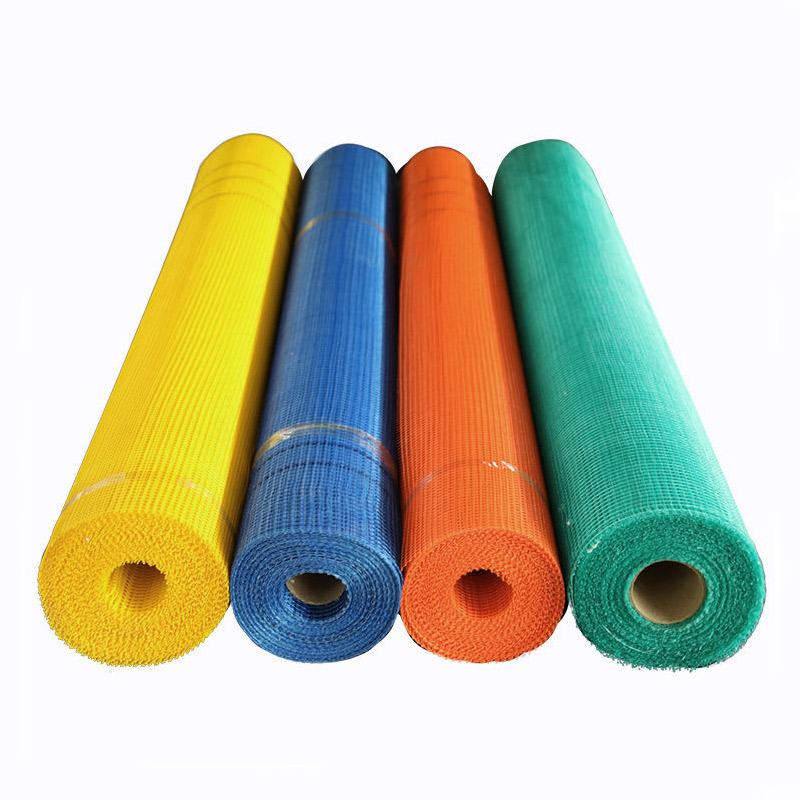
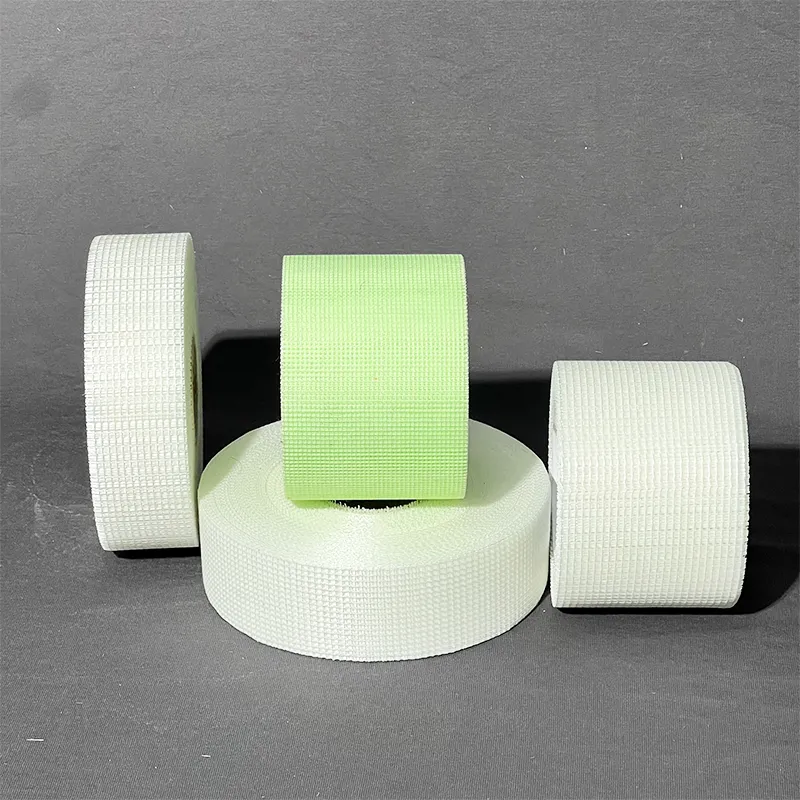
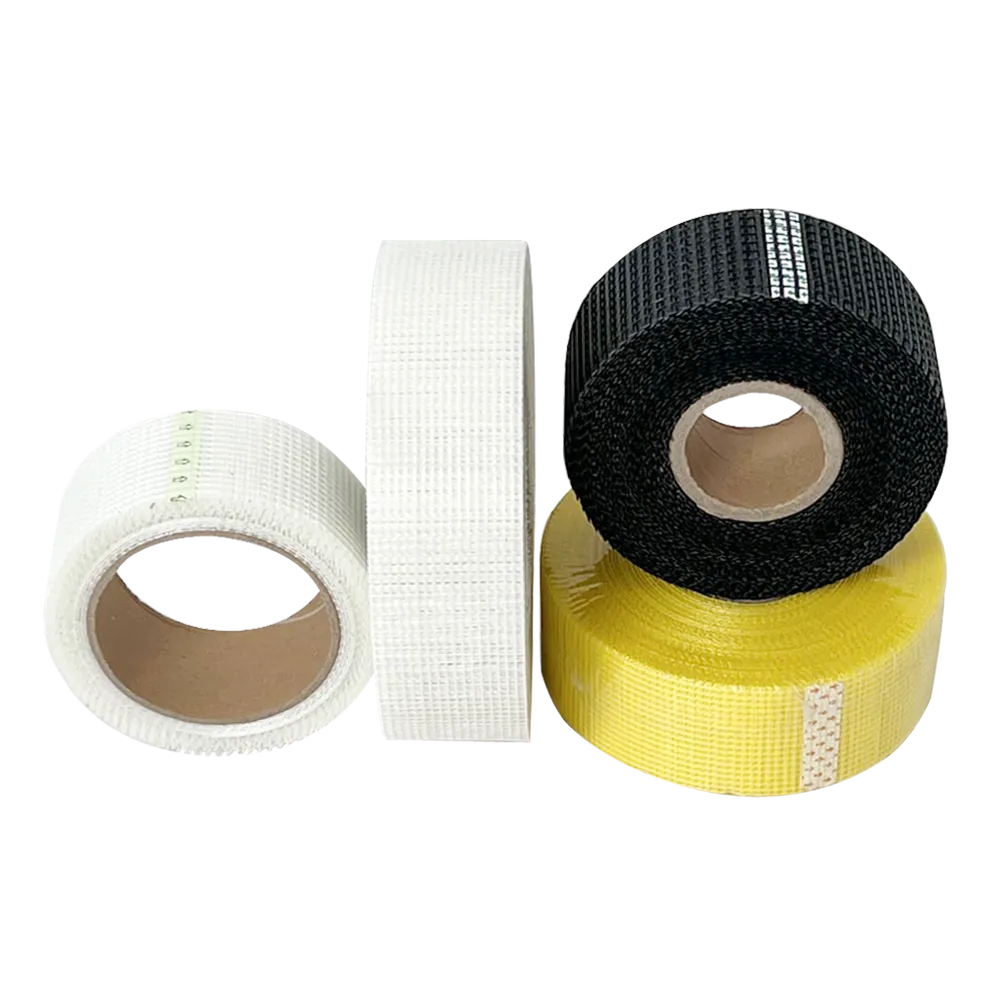
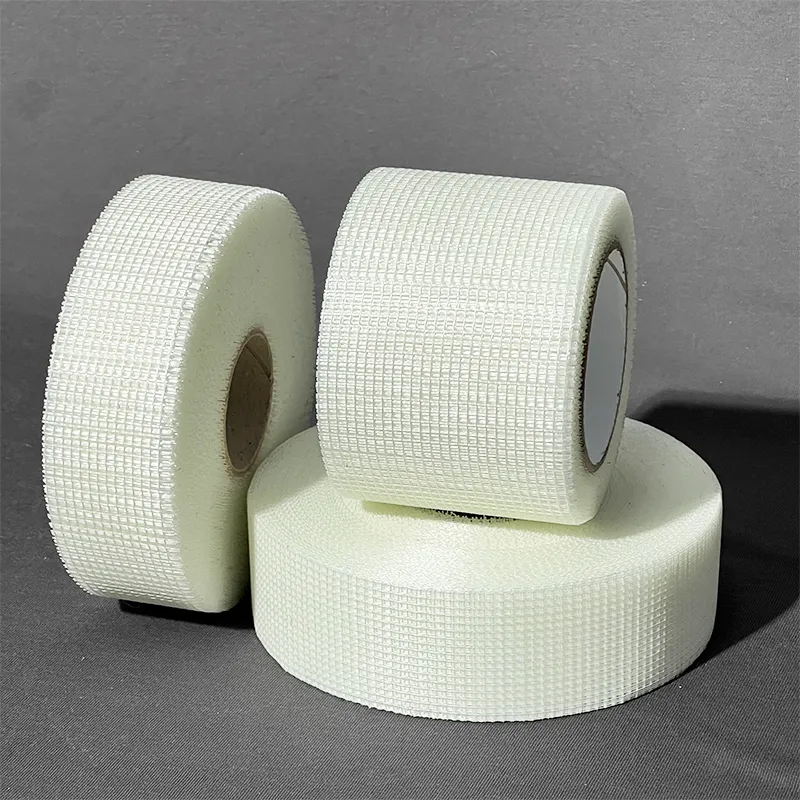
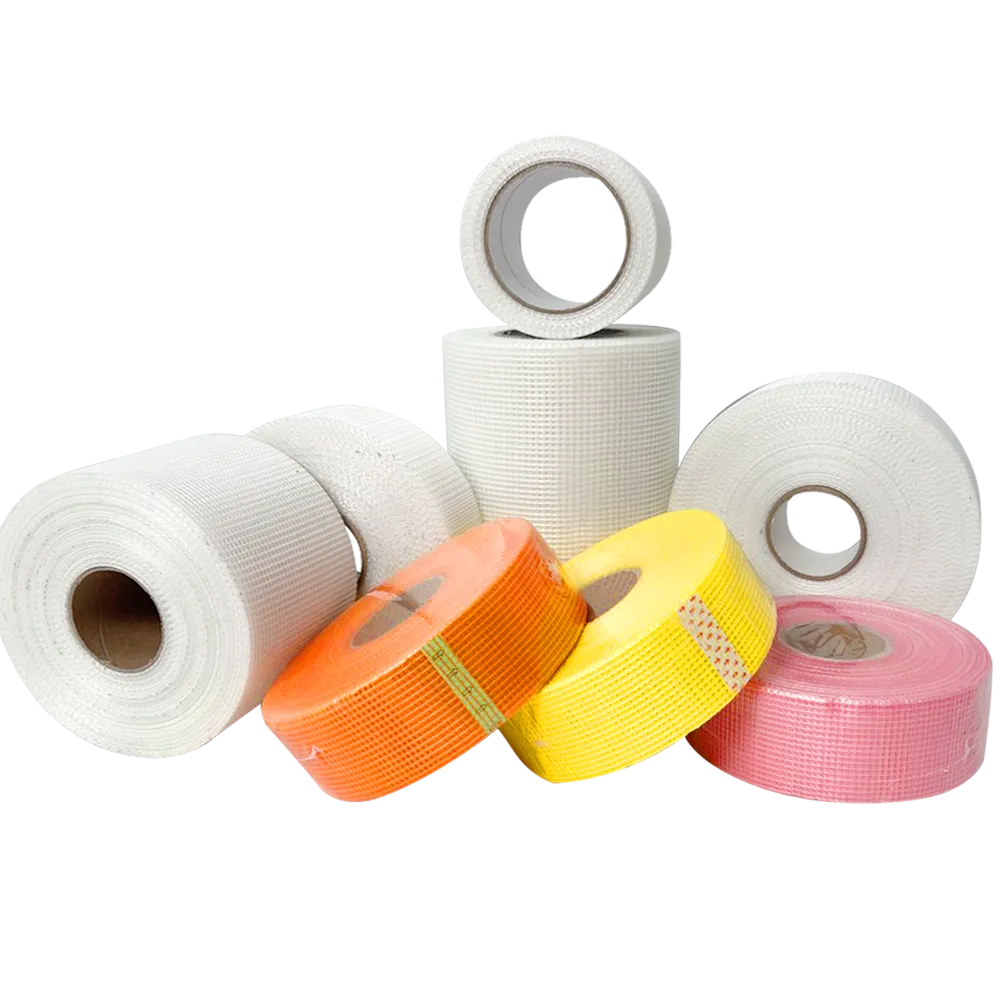
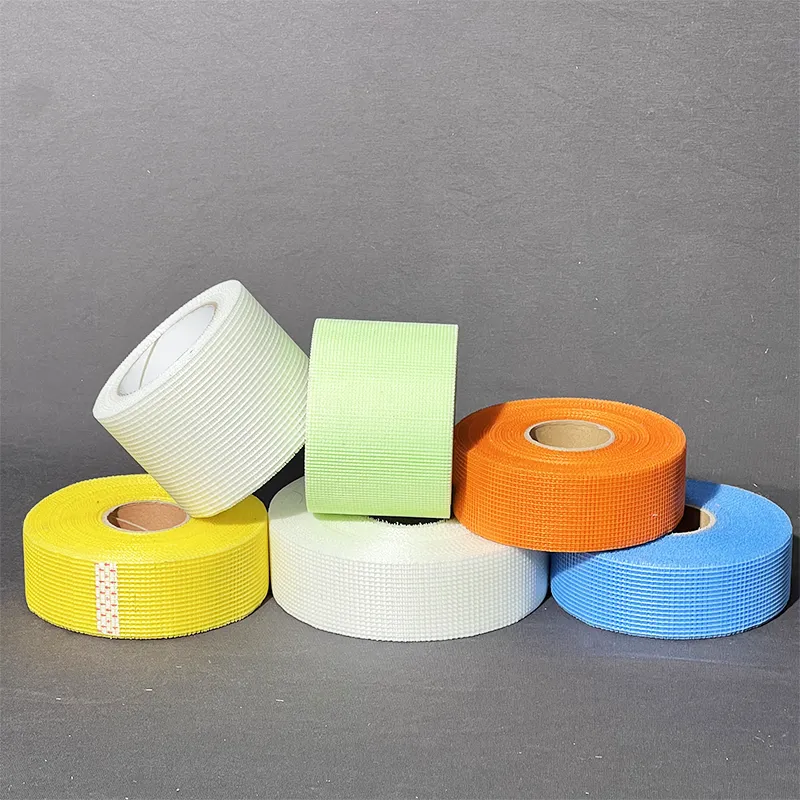
The fundamental divergence in the drywall tape vs fiberglass mesh comparison lies in the application process and the resulting joint thickness. Paper tape is notoriously difficult for beginners to master, as it requires the perfect "bedding" of compound to prevent peeling or bubbling. In contrast, the implementation of a high-quality סרט רשת פיברגלס allows for a dry-application method that significantly reduces the margin for error. For professionals working on large-scale commercial projects, the time saved by sticking the tape directly to the board can translate into thousands of dollars in labor savings. However, the choice is not merely about speed; it is about the specific environmental conditions of the job site and the intended longevity of the wall assembly.
Technical Performance Of Drywall Fiberglass Mesh Tape In High-Stress Environments
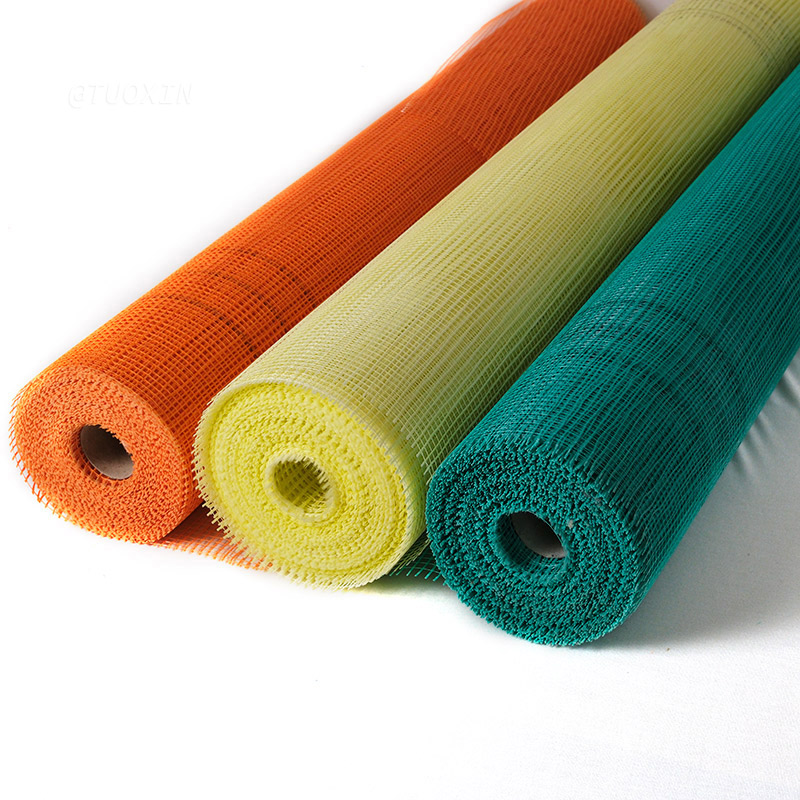
In modern architecture, walls are subject to constant micro-movements caused by wind loads, heavy door closures, and the expansion of wooden framing members. To counter these forces, the use of סרט רשת פיברגלס קיר גבס has become the standard for high-performance builds. This material is composed of thousands of intertwined glass filaments that possess a high modulus of elasticity. Unlike paper, which can stretch or tear under localized pressure, the glass fibers in סרט רשת פיברגלס קיר גבס maintain their dimensional stability. This ensures that the joint remains closed even when the house "breathes" during seasonal transitions.
The structural superiority of סרט רשת פיברגלס קיר גבס is particularly evident in the reinforcement of butt joints—the areas where the non-tapered ends of drywall sheets meet. These joints are notoriously prone to cracking because they lack the recessed space for a thick layer of compound. By using a thin yet incredibly strong mesh, the finisher can create a reinforced bridge that is flat enough to be easily feathered out with a skimming coat. This ability to provide high tensile strength in a low-profile format is why many industrial builders prefer mesh for high-traffic corridors and commercial office spaces where wall durability is a non-negotiable requirement.
Analyzing The Versatility Of Fiberglass Mesh Drywall Tape Applications
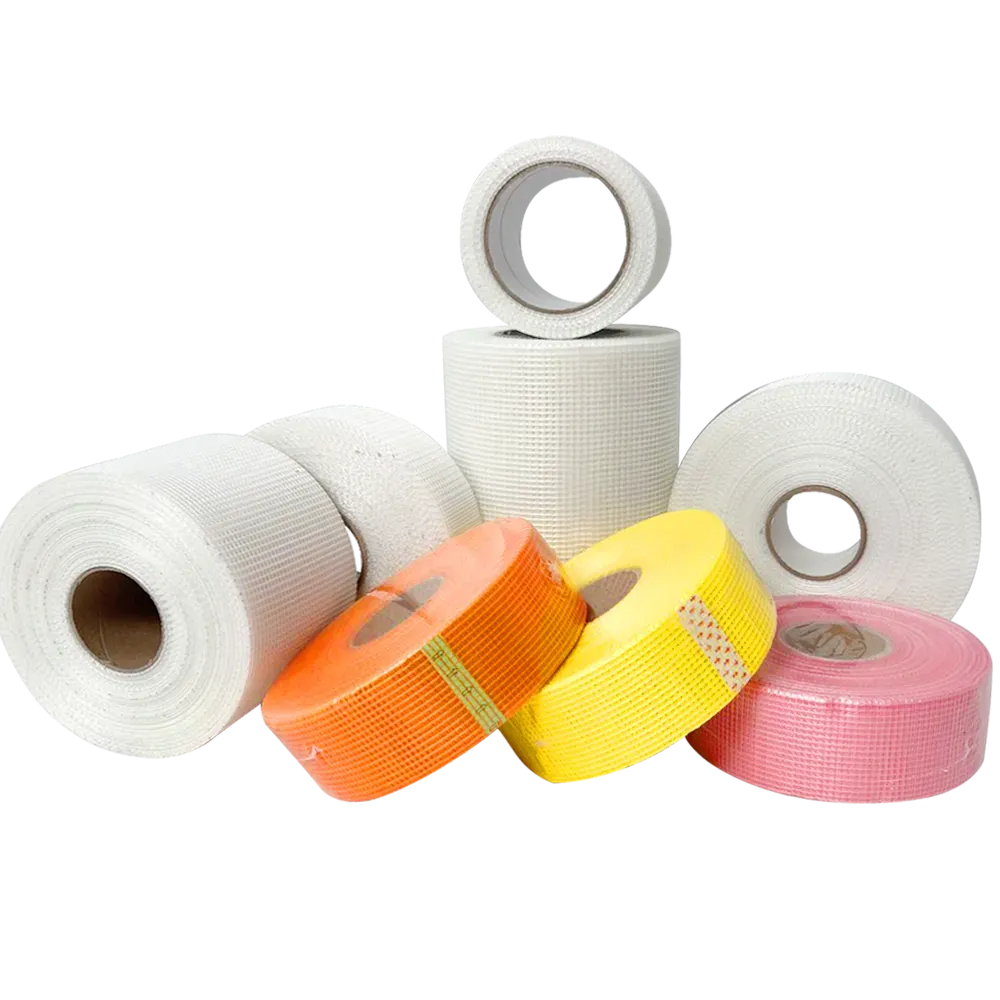
Beyond the standard bedroom or living room walls, the scope of סרט גבס רשת פיברגלס extends into specialized areas of construction that organic materials simply cannot handle. Because glass is inorganic, it is naturally resistant to mold, mildew, and rot. This makes סרט גבס רשת פיברגלס the only logical choice for high-moisture environments such as laundry rooms, commercial kitchens, and residential bathrooms. While paper tape can absorb humidity and become a breeding ground for spores behind the paint, the mesh remains unaffected, preserving the hygiene and structural integrity of the wall system.
The versatility of סרט גבס רשת פיברגלס also shines in the realm of ceiling repair. Working overhead is physically taxing, and trying to manage a wet, heavy strip of paper tape while standing on a ladder is a common cause of frustration. The self-adhesive nature of the mesh allows the installer to "tack" the reinforcement into place with one hand while keeping the other free to manage tools. This ease of use ensures a much more accurate placement, centering the tape perfectly over the seam. When combined with a quick-setting compound, the resulting ceiling joint is virtually indestructible, providing a safe and smooth overhead surface that will not sag or blister over time.
Exploring The Diverse Range Of Fiberglass Mesh Tape Uses In Renovation
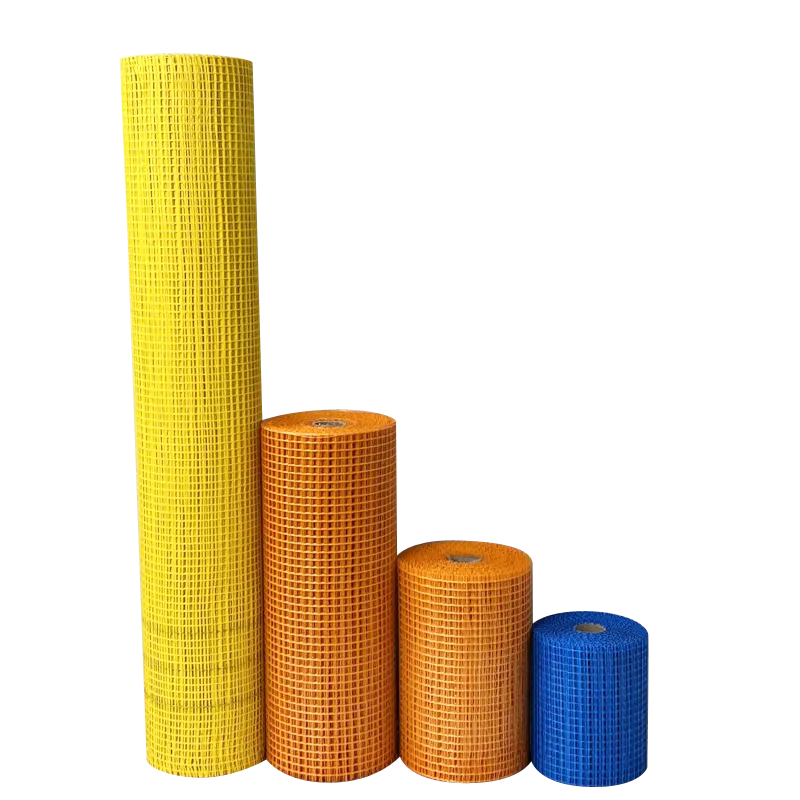
While the primary focus of jointing materials is the seam between new panels, the actual catalog of סרט רשת פיברגלס uses in a renovation context is incredibly broad. Professional restorers often use the mesh to stabilize old plaster walls that have begun to delaminate from their lath backing. By applying a wide-format סרט רשת פיברגלס over a spiderweb of cracks, the contractor can essentially create a new structural "skin" that binds the old material together. This is far more effective than simply filling the cracks with spackle, as the mesh provides the lateral tension necessary to prevent the cracks from reappearing after the first cold snap of winter.
Other common סרט רשת פיברגלס uses include the reinforcement of interior corners that have been damaged by impact, and the patching of large holes left by electrical or plumbing upgrades. In these scenarios, the mesh acts as a bridge that supports the weight of the patch compound until it hardens. Because the mesh is porous, it allows the repair compound to bond directly with the edges of the existing wall, creating a seamless and strong repair. This "bridging" capability is a hallmark of the material's utility, making it an indispensable tool in the kit of every maintenance professional and restoration expert.
Achieving A Flawless Surface With Professional Mesh Fiberglass Tape
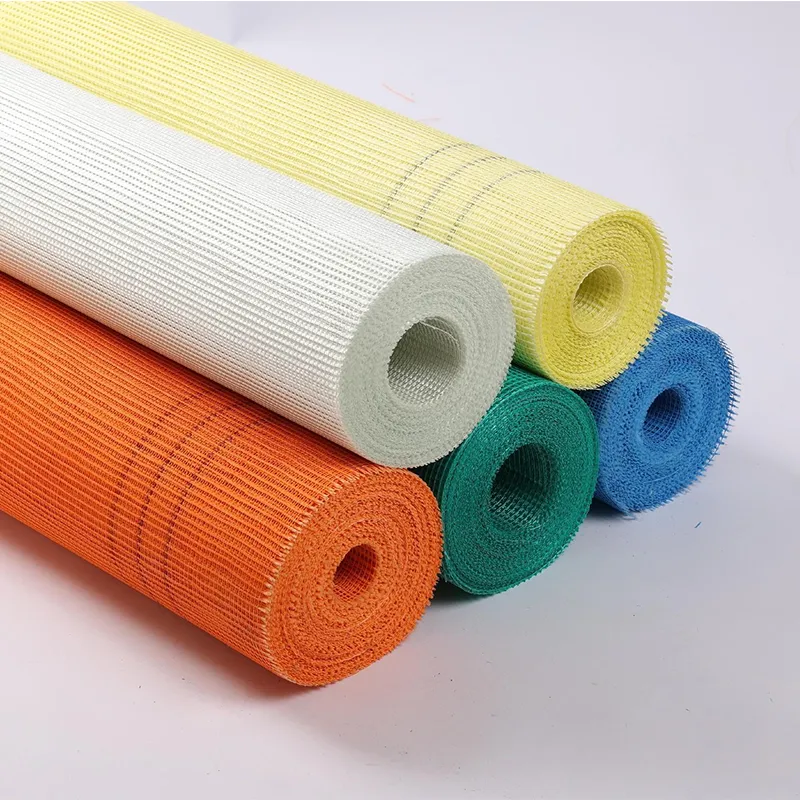
The final aesthetic of an interior space is determined by the "level of finish" achieved during the sanding and priming phases. One of the historical criticisms of סרט רשת פיברגלס was that its grid pattern could sometimes show through the paint. However, with modern high-density weaves and advanced setting compounds, this is no longer a concern for the professional taper. The key to a perfect finish is the encapsulation of the סרט רשת פיברגלס within a high-strength setting mud. This creates a rock-hard core that can then be feathered out with lightweight finishing coats.
When the סרט רשת פיברגלס is properly buried, the transition between the joint and the drywall panel becomes entirely invisible. Because the glass fibers do not "fuzz" when touched by a sanding block—unlike the edges of paper tape—the finisher can achieve a much sharper and cleaner edge. This leads to a level of surface perfection that is ideal for high-gloss paints or specialized wall coverings. The combination of the material's high-tech strength and its ability to be polished to a mirror-smooth finish is what makes it a premium choice for modern, minimalist interiors where every imperfection is highlighted by natural light.
-
Best Fiberglass Mesh Tape for RedGard Product Waterproofing GuideחֲדָשׁוֹתApr.16,2026
-
Why High Strength Fiberglass Mesh Is Essential For Stucco ApplicationחֲדָשׁוֹתApr.15,2026
-
Why Alkali Resistant Fiberglass Mesh Tape Is Essential For Cement Board And Tile InstallationsחֲדָשׁוֹתApr.15,2026
-
Understanding The Role Of Drywall Fiberglass Mesh In Interior FinishingחֲדָשׁוֹתApr.15,2026
-
Ultimate Guide To Using Fiberglass Mesh Tape For Drywall And Plaster RepairsחֲדָשׁוֹתApr.15,2026
-
The Versatility Of Fiberglass Mesh In Marble And Stone MosaicחֲדָשׁוֹתApr.15,2026