નવેમ્બર . 19, 2025 10:46 યાદી પર પાછા
The Role of Fiberglass Netting in Green Building Practices
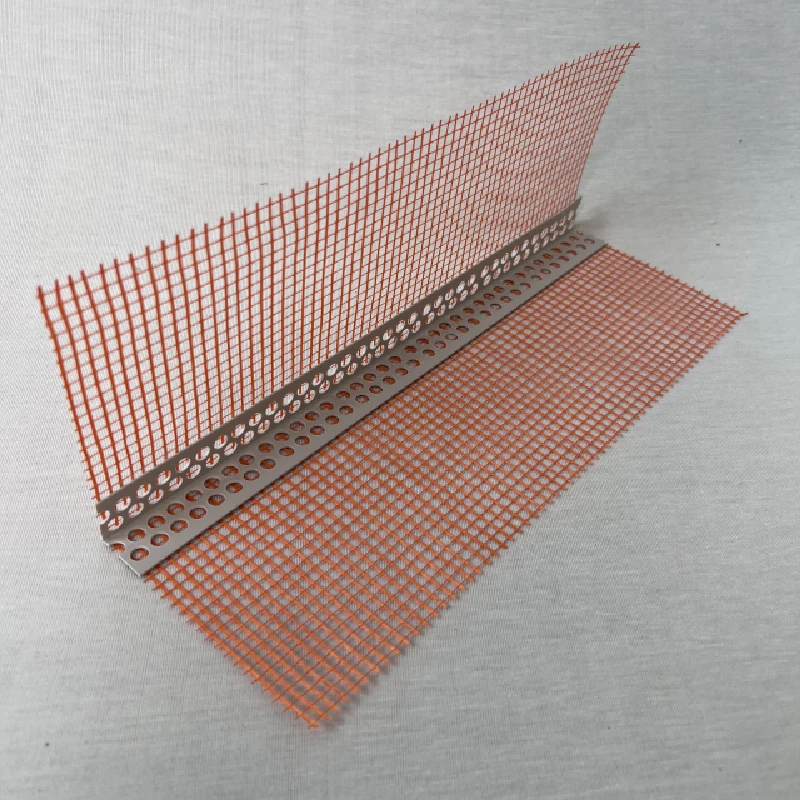
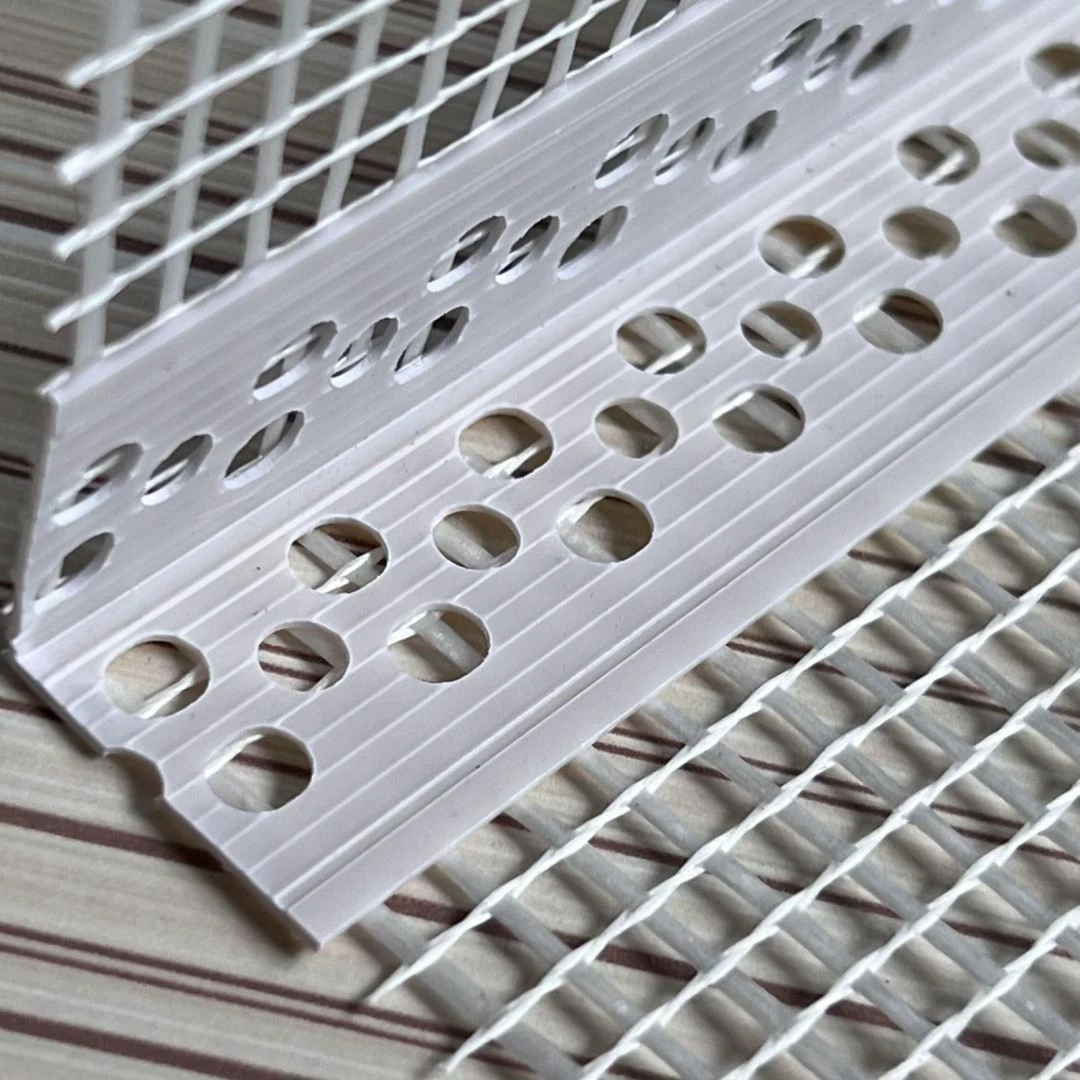
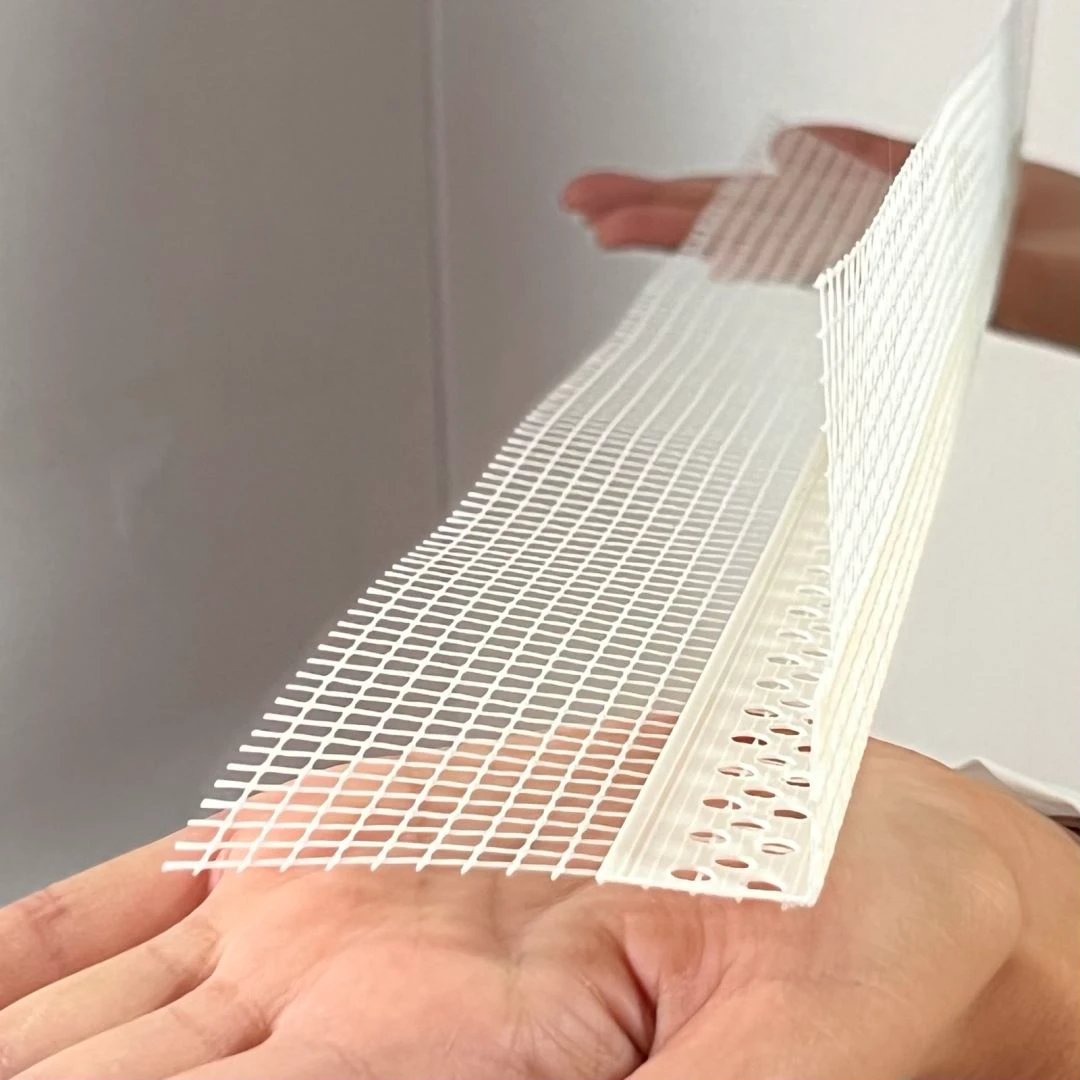
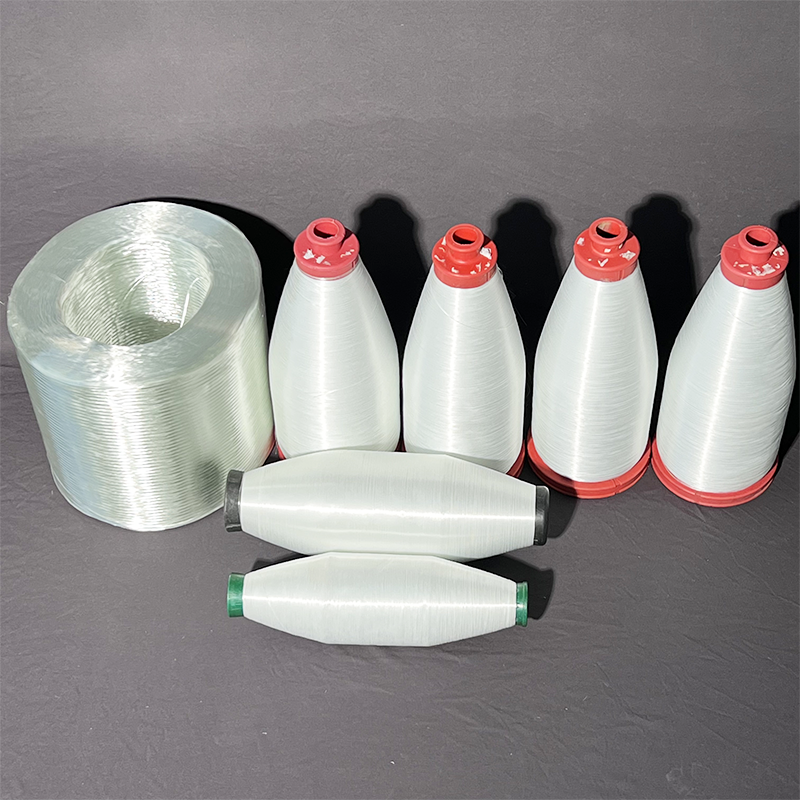
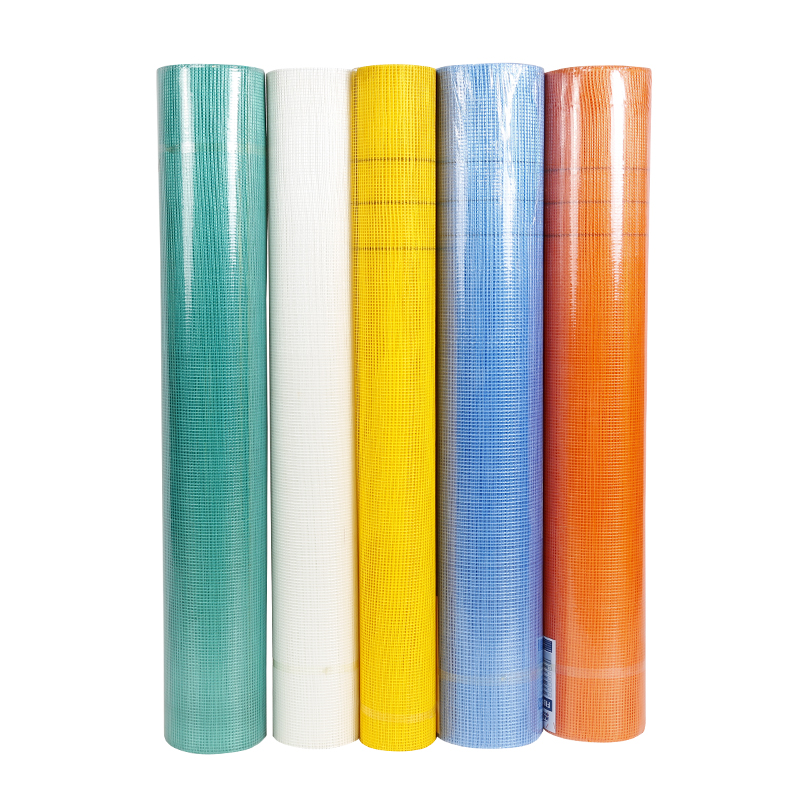
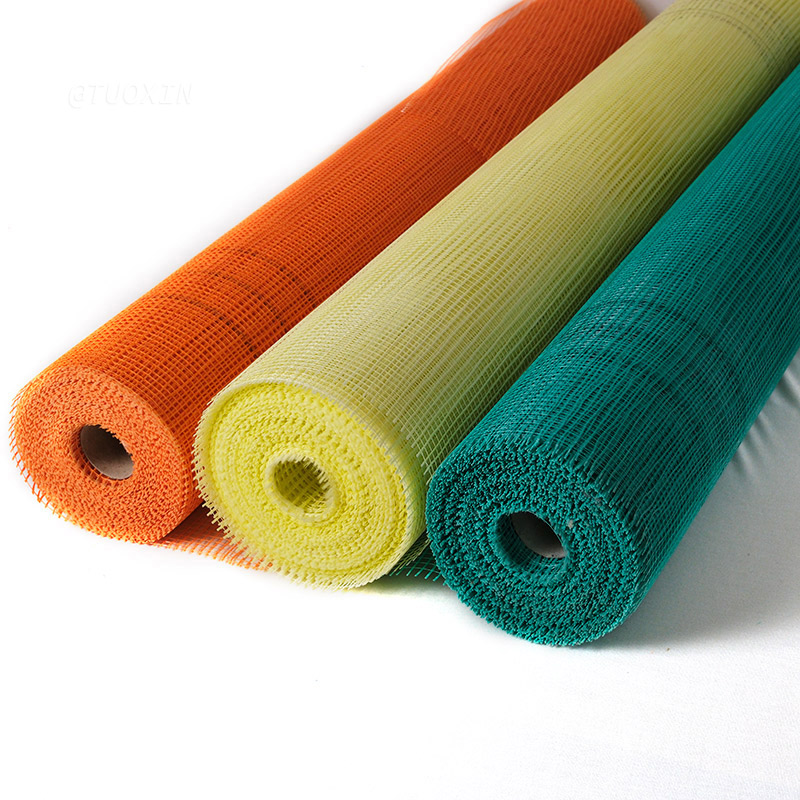
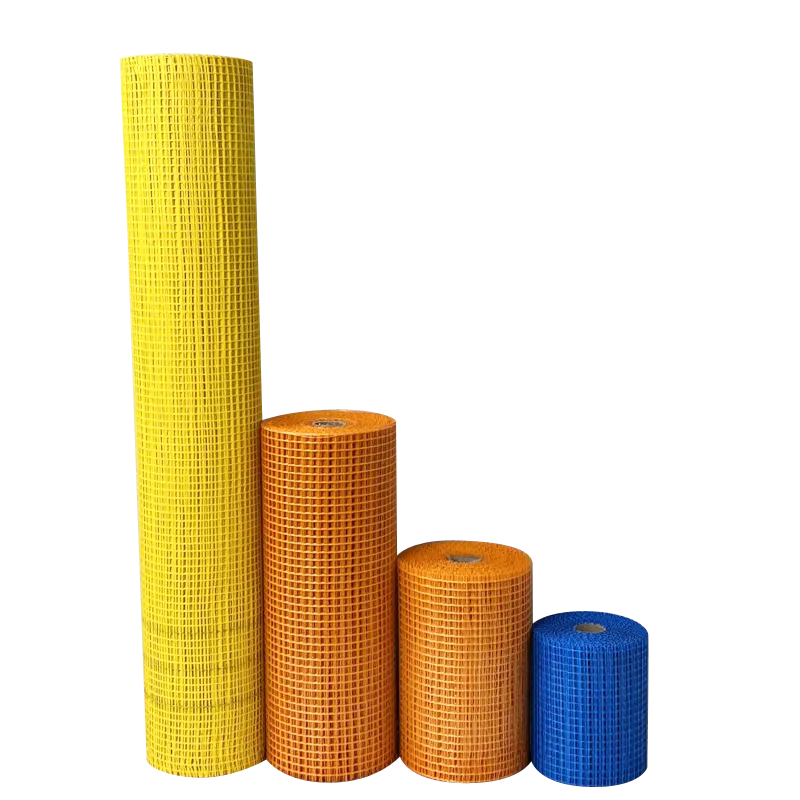
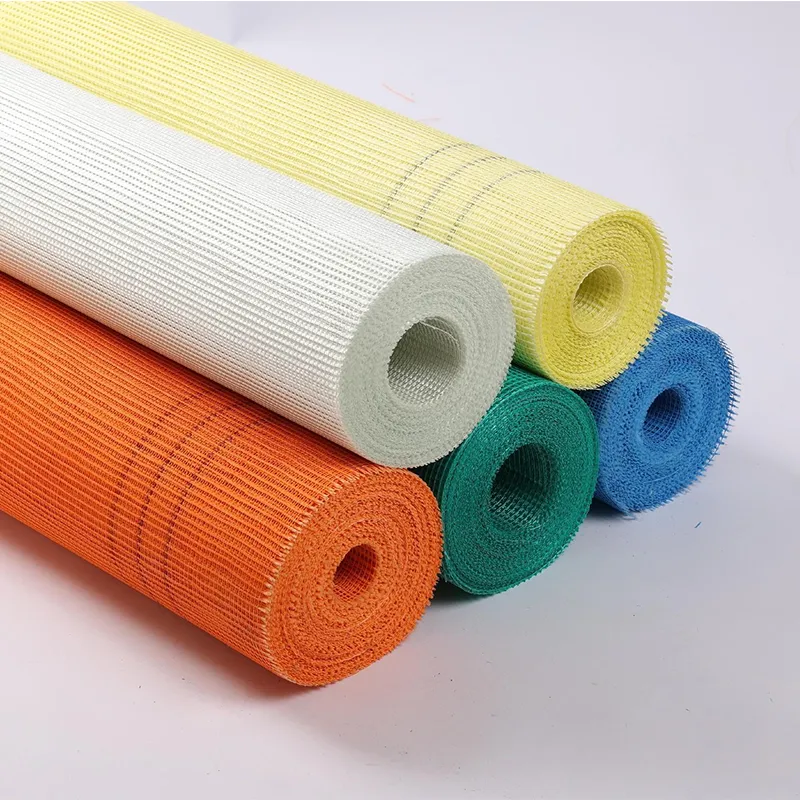
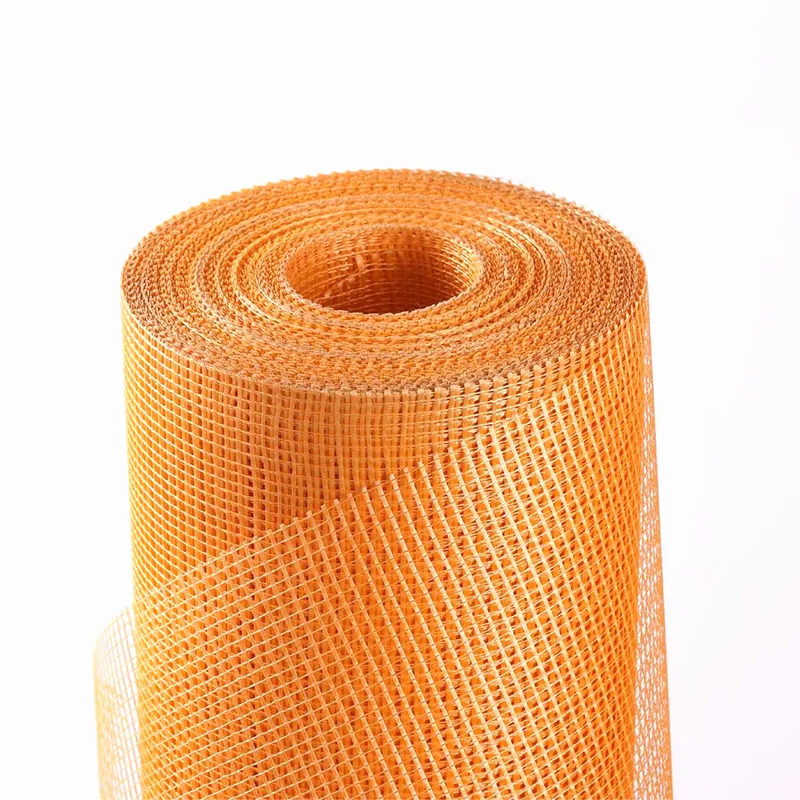
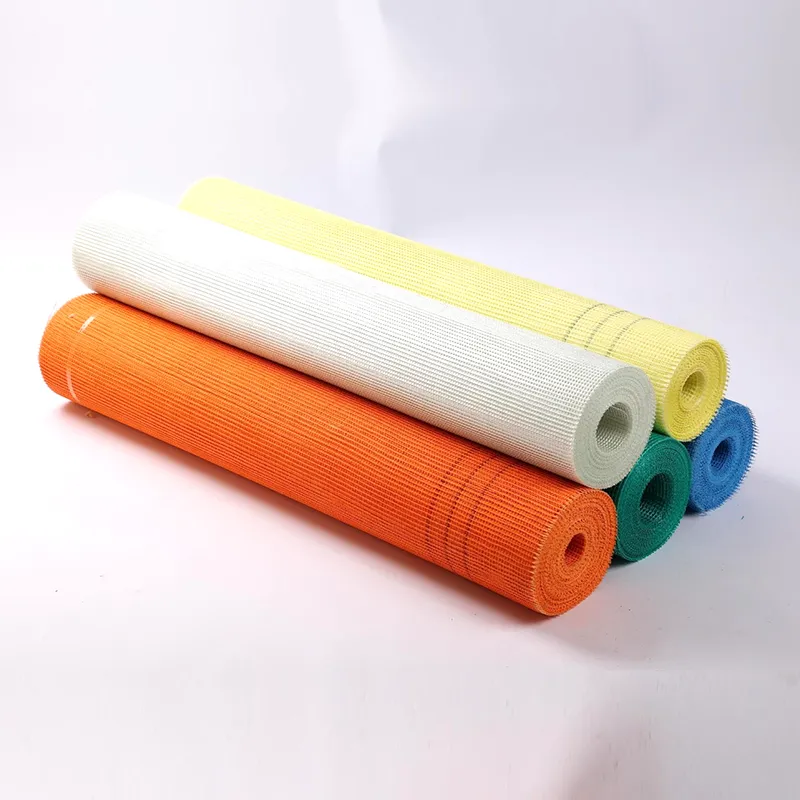
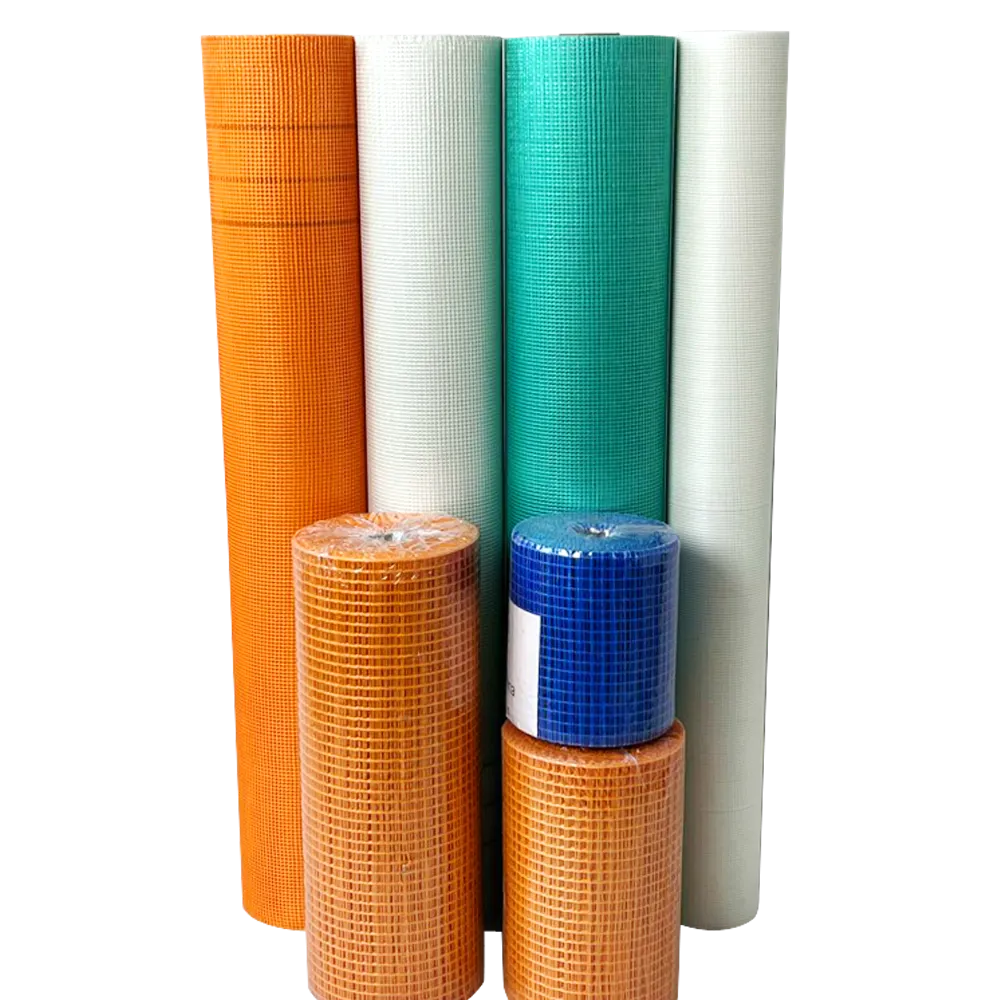
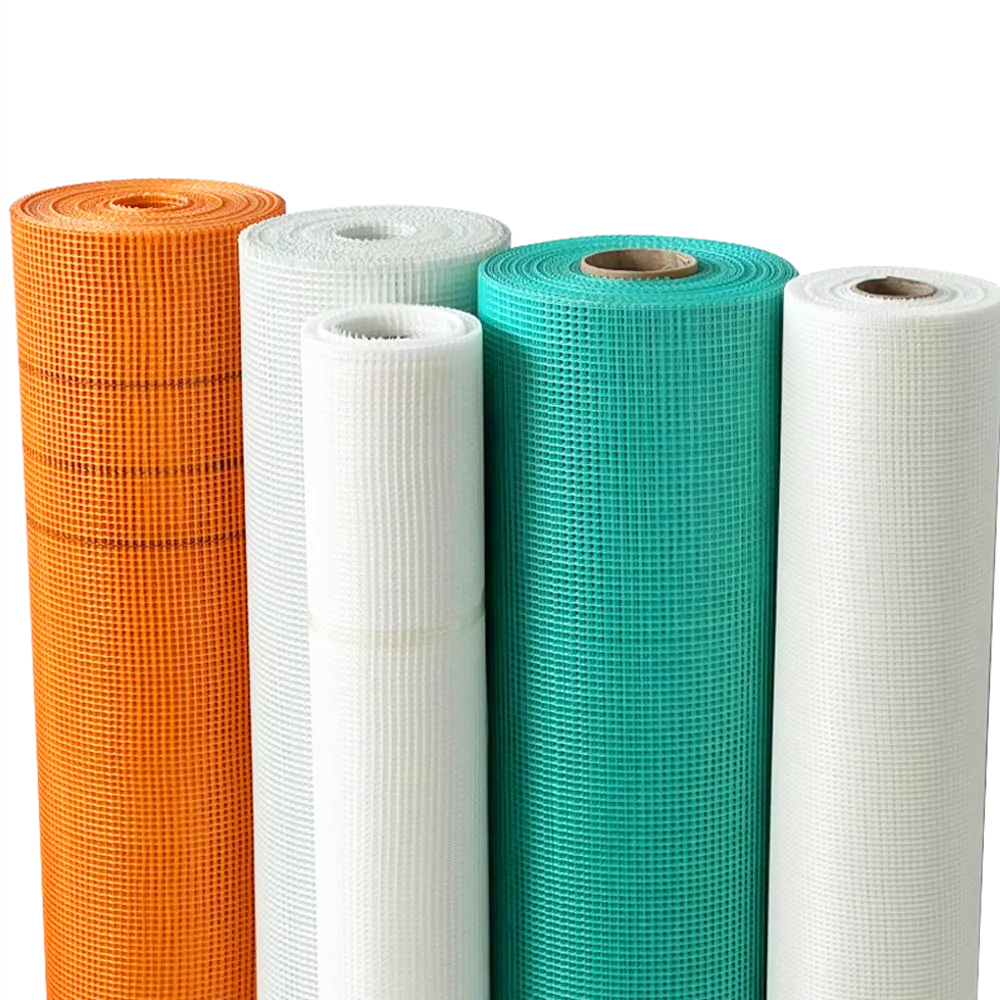
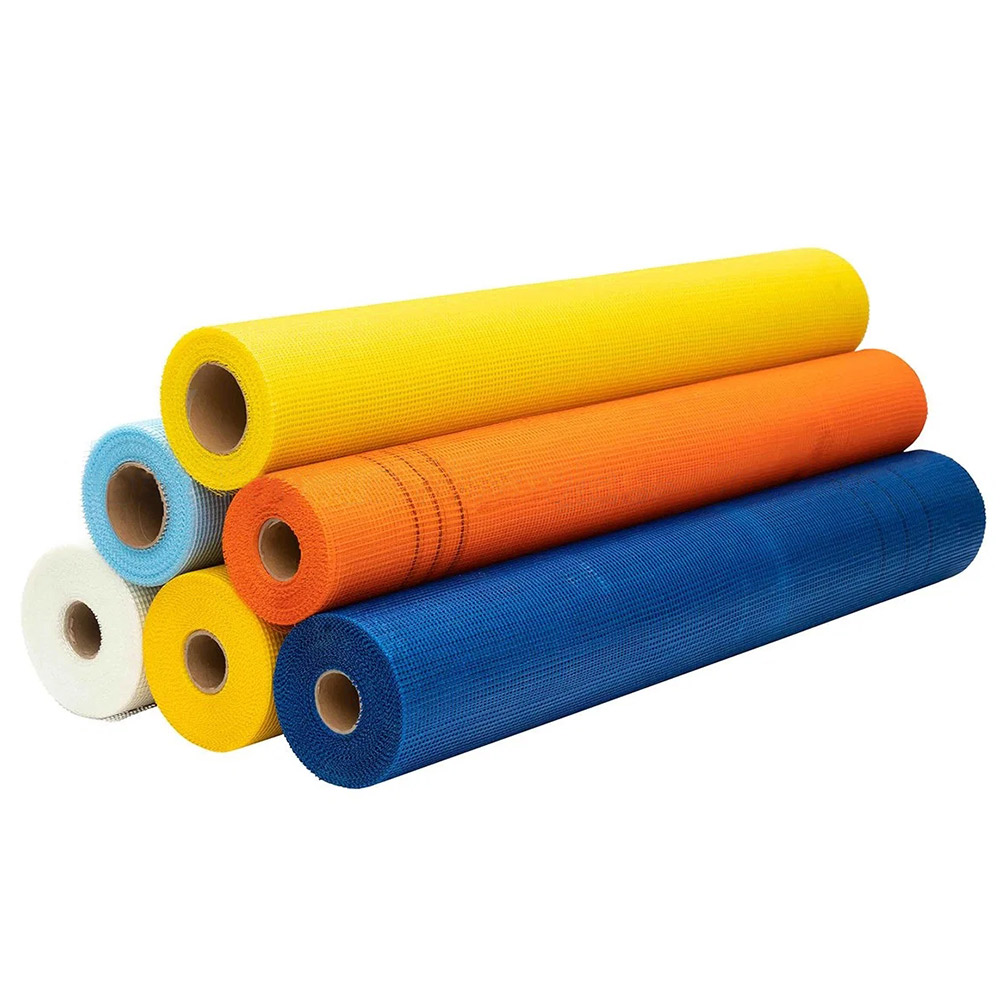
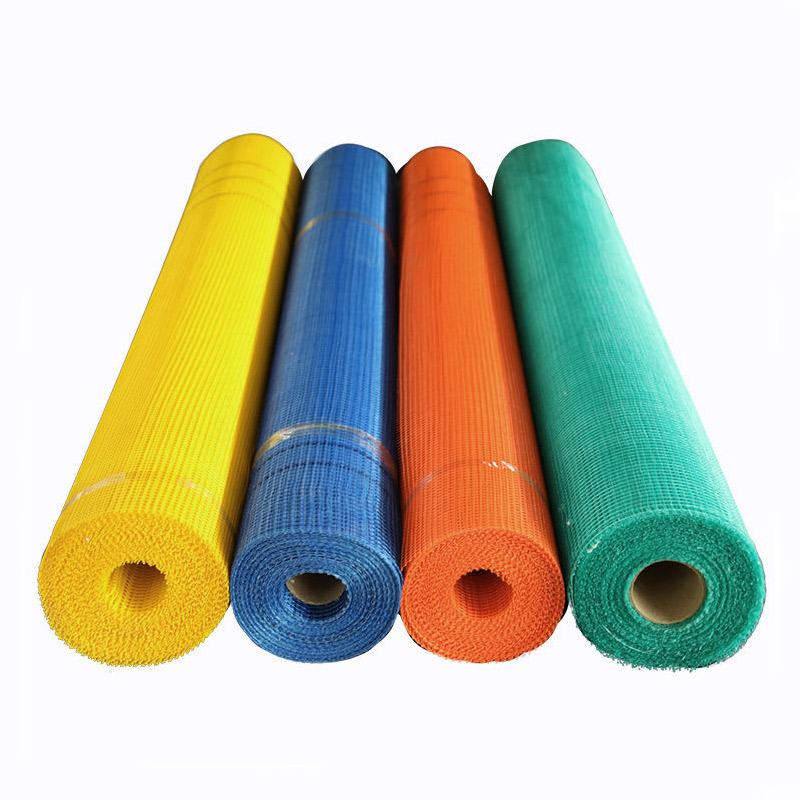
Green building practices—focused on energy efficiency, sustainability, and reduced environmental impact—rely on materials that balance performance with eco-friendliness. Fiberglass netting (including fiberglass mesh netting and ફાઇબરગ્લાસ નેટિંગ મેશ) stands out as a key enabler: it reinforces building materials to extend lifespan (reducing replacement waste), enhances insulation efficiency (cutting energy use), and is made from recyclable components. Tainuo Fiberglass Mesh Factory, established in 2000 in Renqiu City, Hebei Province, is a leader in supplying these sustainable solutions—an integrated enterprise with 4 fiberglass yarn production lines, a 10,000-square-meter weaving workshop, and an annual output of 60 million square meters of fiberglass netting products. As one of North China’s largest fiberglass mesh production bases, Tainuo delivers high-quality fiberglass mesh netting and ફાઇબરગ્લાસ નેટિંગ મેશ tailored for green buildings, supporting wholesalers serving eco-focused construction projects. For building material wholesalers, partnering with Tainuo means accessing fiberglass netting that aligns with green building standards—backed by decades of technical expertise and large-scale, eco-conscious production.
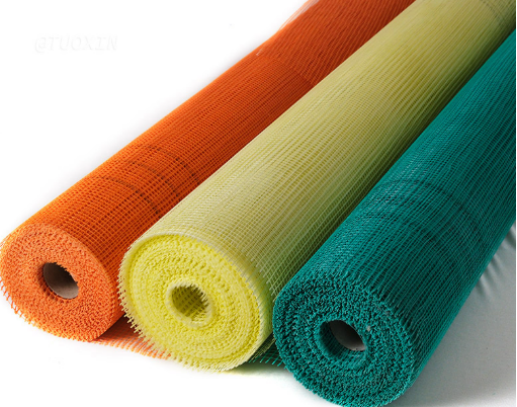
Key Roles of Fiberglass Netting in Green Building Sustainability
- Extending Material Lifespan with Fiberglass Mesh Netting : Fiberglass mesh netting reinforces concrete, plaster, and facade materials, preventing cracking and deterioration that would require early replacement. This reduces construction waste—a major environmental burden—and lowers the carbon footprint of building maintenance. Tainuo’s fiberglass mesh netting adds 15–20 years to the lifespan of exterior wall coatings, as shown in a green residential project in East China: walls reinforced with Tainuo’s ફાઇબરગ્લાસ નેટિંગ મેશ showed zero cracks after 10 years, while unreinforced walls needed repainting and patching every 3–4 years. Wholesalers can emphasize this, as fiberglass netting directly supports green building goals of “reduced lifecycle impact,” helping clients meet sustainability certifications.
- Boosting Energy Efficiency with Fiberglass Netting Mesh: Fiberglass netting mesh enhances the performance of insulation materials (e.g., foam, mineral wool) by holding them in place without compressing—maintaining their thermal resistance (R-value). In green buildings, this translates to 10–15% lower heating and cooling costs, as insulation retains its efficiency longer. Tainuo’s fiberglass netting is designed to be lightweight yet strong, ensuring it doesn’t add unnecessary weight to walls while preserving insulation integrity. An eco-resort wholesaler reported that using Tainuo’s fiberglass mesh netting in insulation systems helped the resort achieve LEED Silver certification, thanks to reduced energy consumption. Wholesalers can market this as an “energy saver,” as fiberglass netting turns standard insulation into a long-term green solution.
Types of Fiberglass Netting for Green Building Applications
|
Fiberglass Netting Type |
Key Properties (Tainuo’s Standards) |
Ideal Green Building Applications |
Sustainability Benefits |
Market Regions Served |
|
Fiberglass Mesh Netting |
Lightweight (30–50g/m²); High tensile strength; Recyclable fiberglass core |
Exterior wall reinforcement, plaster base, facade coatings |
Extends material lifespan by 15+ years; reduces maintenance waste |
East China (green residential), EU (LEED-certified projects) |
|
Fiberglass Netting Mesh |
Thickened weave (60–80g/m²); UV-resistant coating; Compatibility with insulation materials |
Insulation retention, roof underlayment, green roof systems |
Maintains insulation R-value; cuts energy use by 10–15% |
North America (eco-resorts), North China (green commercial buildings) |
|
Heavy-Duty Fiberglass Netting |
Durable (100–120g/m²); Weatherproof; Made with 30% recycled fiberglass |
Concrete reinforcement, sustainable infrastructure (bridges) |
Reduces concrete usage by 5–8% (via reinforcement); contains recycled content |
Central China (infrastructure), Southeast Asia (green urban projects) |
Tips for Wholesalers Promoting Fiberglass Netting in Green Buildings
- Highlight Tainuo’s Eco-Conscious Production & Scale: Tainuo’s fiberglass netting production prioritizes sustainability—using energy-efficient weaving machines, recycling production waste (reclaiming 15% of fiberglass scraps), and ensuring products are recyclable at end-of-life. With an annual output of 60 million square meters, Tainuo can meet bulk orders for large green building projects, a critical advantage for wholesalers serving developers. Every batch of fiberglass mesh netting also undergoes testing to confirm compliance with green standards. A European wholesaler noted that Tainuo’s ફાઇબરગ્લાસ નેટિંગ મેશ helped their clients meet 10% of LEED’s “Materials and Resources” credits, simplifying certification. Wholesalers can use this as a “green guarantee,” as Tainuo’s production aligns with eco-building goals.
- Emphasize Customization for Green Project Needs: Tainuo offers tailored fiberglass netting solutions—e.g., fiberglass mesh netting with extra UV resistance for green roof systems, or ફાઇબરગ્લાસ નેટિંગ મેશ with recycled content for projects targeting “circular economy” credits. The company’s technical team also provides guidance on matching fiberglass netting to specific green standards. For example, a North China wholesaler requested fiberglass netting with 40% recycled content for a commercial green building; Tainuo adjusted production to meet the requirement, helping the project earn extra sustainability points. Wholesalers can frame this as a “solution partner” benefit, as Tainuo’s customization ensures fiberglass netting fits unique green building goals.
Fiberglass Netting FAQS
Is Fiberglass Mesh Netting Compatible with Recyclable Building Materials?
Yes—Tainuo’s fiberglass mesh netting is fully compatible with recyclable building materials (e.g., recycled concrete, eco-plaster). It doesn’t react with these materials and can be separated during end-of-life recycling (fiberglass is recyclable into new fiberglass netting). A green residential wholesaler used Tainuo’s fiberglass mesh netting with recycled concrete walls, and post-demolition tests showed 80% of the netting could be recycled—aligning with the project’s “zero-waste” goals. Wholesalers can assure clients that fiberglass mesh netting supports a circular building economy.
Can Fiberglass Netting Mesh Reduce a Building’s Carbon Footprint?
Absolutely—ફાઇબરગ્લાસ નેટિંગ મેશ cuts carbon footprint in two key ways: by extending material lifespan (reducing emissions from manufacturing replacements) and boosting insulation efficiency (lowering energy use, which reduces fossil fuel consumption). Tainuo’s data shows that a 10,000-square-meter building using ફાઇબરગ્લાસ નેટિંગ મેશ in insulation reduces annual carbon emissions by 5–8 tons. A North American eco-resort wholesaler reported that this translated to a 3% reduction in the resort’s total carbon footprint, helping it market itself as “carbon-conscious.” Wholesalers can explain this tangible impact to clients focused on eco-friendly branding.
Is Fiberglass Netting Suitable for Green Roof Systems?
Definitely—Tainuo’s ફાઇબરગ્લાસ નેટિંગ મેશ is ideal for green roof systems, where it reinforces the waterproof membrane and holds growing medium in place without damaging eco-friendly materials. Its UV-resistant coating ensures it withstands outdoor exposure for 10+ years, and it’s lightweight enough to avoid adding excess load to roofs. A Southeast Asian wholesaler supplied Tainuo’s fiberglass mesh netting for a Singapore green roof project, with the netting supporting 5,000 square meters of vegetation without degradation. Wholesalers can promote this application, as green roofs are a fast-growing segment of green building.
Does Tainuo Offer Bulk Orders of Fiberglass Netting for Large Green Projects?
Yes—Tainuo specializes in bulk fiberglass netting orders, with minimum order quantities (MOQs) starting at 10,000 square meters for fiberglass mesh netting and 5,000 square meters for ફાઇબરગ્લાસ નેટિંગ મેશ. The company’s 10,000-square-meter weaving workshop and 4 production lines ensure fast delivery (3–4 weeks for bulk orders), critical for large green building timelines. A Middle Eastern wholesaler ordered 500,000 square meters of fiberglass netting for a LEED Gold residential complex, and Tainuo delivered on time with consistent quality. To explore bulk pricing, request green certification documents, or discuss custom fiberglass netting solutions for your clients’ green projects, visit Tainuo’s webpage today—let’s build a more sustainable future together!
-
Best Fiberglass Mesh Tape for RedGard Product Waterproofing GuideસમાચારApr.16,2026
-
Why High Strength Fiberglass Mesh Is Essential For Stucco ApplicationસમાચારApr.15,2026
-
Why Alkali Resistant Fiberglass Mesh Tape Is Essential For Cement Board And Tile InstallationsસમાચારApr.15,2026
-
Understanding The Role Of Drywall Fiberglass Mesh In Interior FinishingસમાચારApr.15,2026
-
Ultimate Guide To Using Fiberglass Mesh Tape For Drywall And Plaster RepairsસમાચારApr.15,2026
-
The Versatility Of Fiberglass Mesh In Marble And Stone MosaicસમાચારApr.15,2026