સપ્ટેમ્બર . 26, 2025 09:52 યાદી પર પાછા
E glass yarn for outdoor signage composite frames
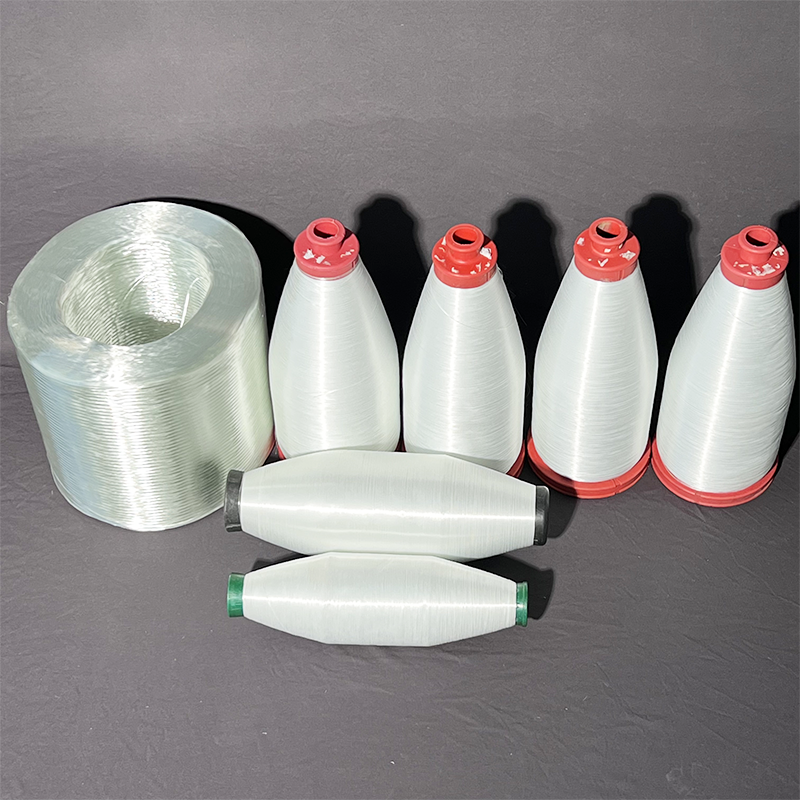
The manufacturing of durable outdoor signage requires specialized materials, with fiberglass yarn, particularly e glass yarn, and its precursor material fiberglass roving yarn serving as fundamental components in composite frame production. These materials provide the structural backbone for signage that must withstand environmental challenges while maintaining dimensional stability and visual appeal. The unique properties of e glass yarn make it particularly suitable for outdoor applications where resistance to moisture, temperature fluctuations, and UV exposure are critical requirements for long-term performance and minimal maintenance in commercial and architectural signage systems.
Technical Properties of Fiberglass Yarn for Signage
• Fiberglass yarn demonstrates exceptional tensile strength and dimensional stability, making it ideal for reinforcing composite frames that must resist wind loads, impact forces, and structural stresses in outdoor signage applications across various climate conditions.
• The chemical composition of fiberglass yarn provides inherent resistance to moisture absorption and corrosion, ensuring that signage frames maintain their structural integrity without deteriorating when exposed to rain, snow, humidity, and temperature variations throughout seasonal changes.
• Fiberglass yarn offers excellent compatibility with various resin systems including polyester, epoxy, and vinyl ester, allowing manufacturers to create composite materials with customized mechanical properties tailored to specific signage requirements and environmental exposure conditions.
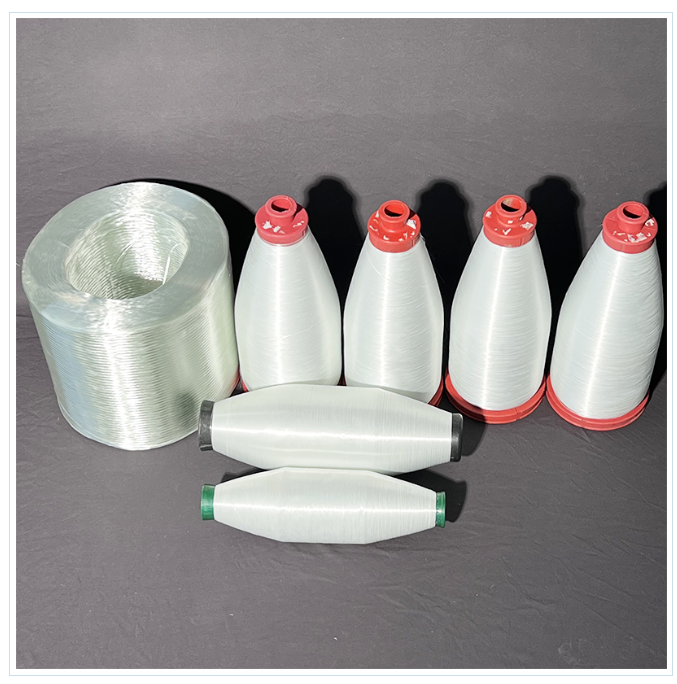
Manufacturing Advantages of Fiberglass Roving Yarn
• Fiberglass roving yarn provides efficient processing characteristics for pultrusion and filament winding operations used in signage frame manufacturing, offering consistent strand integrity and minimal fuzz generation during high-speed production processes.
• The continuous filament structure of fiberglass roving yarn ensures uniform resin wet-out and distribution within composite frames, creating homogeneous material properties that prevent weak points and ensure consistent performance across the entire signage structure.
• Fiberglass roving yarn is available in various tex weights and twist levels that can be selected based on specific mechanical requirements, allowing signage manufacturers to optimize material usage while achieving the desired strength-to-weight ratio for different sized signage applications.
Performance Benefits of E Glass Yarn in Outdoor Applications
• E glass yarn exhibits excellent electrical insulation properties that enhance safety in illuminated signage applications, preventing electrical conductivity issues that could compromise signage functionality in wet outdoor environments.
• The low thermal expansion coefficient of e glass yarn helps maintain dimensional stability in composite frames exposed to temperature extremes, preventing warping, cracking, or distortion that could affect signage appearance and structural integrity over time.
• E glass yarn demonstrates superior UV resistance when properly resin-encapsulated, protecting against fiber blooming and strength degradation that can occur in composite materials continuously exposed to direct sunlight in outdoor signage installations.
ફાઇબરગ્લાસ યાર્ન FAQS
Q: What makes E glass yarn different from regular fiberglass yarn for construction applications, and which is more suitable for alkali-rich environments like concrete?
A: E glass yarn (electrical glass yarn) differs from regular fiberglass yarn in composition—it contains higher silica and alumina, making it more alkali-resistant and heat-stable. For construction, E glass yarn is far better for alkali-rich environments (e.g., concrete, cement mortar) because it retains 85%+ of its tensile strength after long-term contact with alkalis, while regular fiberglass yarn degrades by 40%-60% in the same conditions. E glass yarn is also more durable for outdoor or high-moisture projects (e.g., concrete bridges, exterior wall composites), while regular fiberglass yarn works for low-alkali uses like interior insulation blankets or non-structural composites.
Q: Can fiberglass roving yarn be used to reinforce concrete beams in high-rise buildings, and what installation methods are common for this scenario?
A: Yes, fiberglass roving yarn is ideal for reinforcing concrete beams in high-rises—it has high tensile strength (≥700MPa) and low weight, which enhances beam load-bearing capacity without adding excessive mass. Common installation methods include: 1) Pre-embedded placement: Adding fiberglass roving yarn bundles into the concrete formwork before pouring, ensuring even distribution along the beam’s length; 2) External wrapping: For existing beams, wrapping fiberglass roving yarn (impregnated with epoxy resin) around the beam’s exterior to strengthen it against bending or cracking. This method is often used for seismic retrofitting, as fiberglass roving yarn bonds tightly with concrete and resists corrosion better than steel reinforcement.
Q: How does the thickness (denier) of fiberglass yarn affect its performance in manufacturing construction-grade fiberglass mesh, and what denier range is recommended?
A: The denier (mass per unit length) of fiberglass yarn directly impacts mesh strength and flexibility. For construction-grade mesh (e.g., EIFS reinforcement, concrete anti-cracking), a denier range of 1500-3000 is recommended: lower denier (1500-2000) yarn creates lighter, more flexible mesh (suitable for interior plastering or small-scale repairs); higher denier (2500-3000) yarn makes heavier, more rigid mesh (ideal for exterior walls, concrete slabs, or structural reinforcement). If denier is too low (<1500), the mesh may tear under mortar pressure; if too high (>3000), the mesh becomes stiff, hard to install, and prone to cracking at seams.
Q: Is fiberglass roving yarn compatible with all types of resin binders for construction composites, or are there specific pairings to avoid?
A: Fiberglass roving yarn works with most common construction resins, but some pairings are more effective (or should be avoided). It bonds best with epoxy resins (for high-strength composites like bridge decks or structural beams) and polyester resins (for cost-effective composites like wall panels or insulation boards)—these resins adhere tightly to the yarn’s surface and enhance its durability. Avoid pairing fiberglass roving yarn with vinyl ester resins for low-stress applications (e.g., interior composites): vinyl ester is more expensive and offers minimal added benefit here. Also, avoid water-based resins for outdoor projects—they don’t seal the yarn properly, leading to moisture absorption and composite degradation over time.
Q: For manufacturing fire-retardant building materials (e.g., fire-rated wall panels), should I choose E glass yarn or regular fiberglass yarn, and why?
A: Choose E glass yarn for fire-retardant building materials—it outperforms regular fiberglass yarn in high-temperature scenarios. E glass yarn has a higher softening point (≈840°C vs ≈700°C for regular fiberglass yarn) and doesn’t release toxic fumes when exposed to fire, meeting key construction fire standards (e.g., ASTM E84 Class A). Regular fiberglass yarn may melt or emit harmful gases at lower temperatures, compromising the fire-retardant material’s performance. Additionally, E glass yarn retains structural integrity longer during fires, helping fire-rated panels maintain their barrier function for 1-2 hours (critical for evacuation time in commercial buildings). While E glass yarn costs 15%-20% more, it’s essential for compliant, safe fire-retardant construction materials.
-
Best Fiberglass Mesh Tape for RedGard Product Waterproofing GuideસમાચારApr.16,2026
-
Why High Strength Fiberglass Mesh Is Essential For Stucco ApplicationસમાચારApr.15,2026
-
Why Alkali Resistant Fiberglass Mesh Tape Is Essential For Cement Board And Tile InstallationsસમાચારApr.15,2026
-
Understanding The Role Of Drywall Fiberglass Mesh In Interior FinishingસમાચારApr.15,2026
-
Ultimate Guide To Using Fiberglass Mesh Tape For Drywall And Plaster RepairsસમાચારApr.15,2026
-
The Versatility Of Fiberglass Mesh In Marble And Stone MosaicસમાચારApr.15,2026