એપ્રિલ . 15, 2026 10:29 યાદી પર પાછા
Children’s ride-on toys are commonly used in kindergartens, daycare centers, playgrounds, and amusement facilities.The Advantages Of Self Adhesive Fiberglass Meshtape For Tile Backing
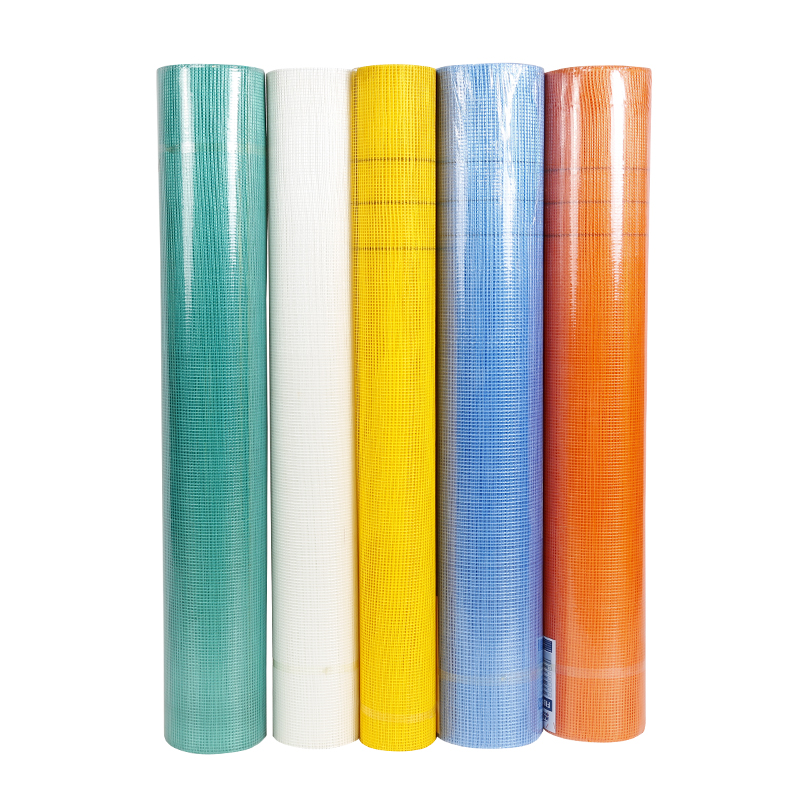
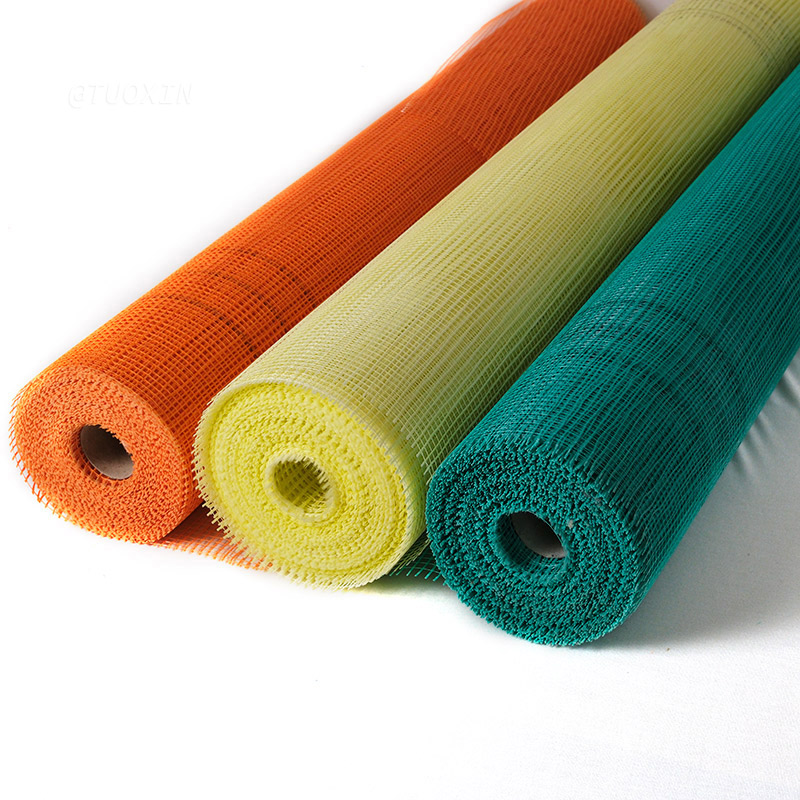
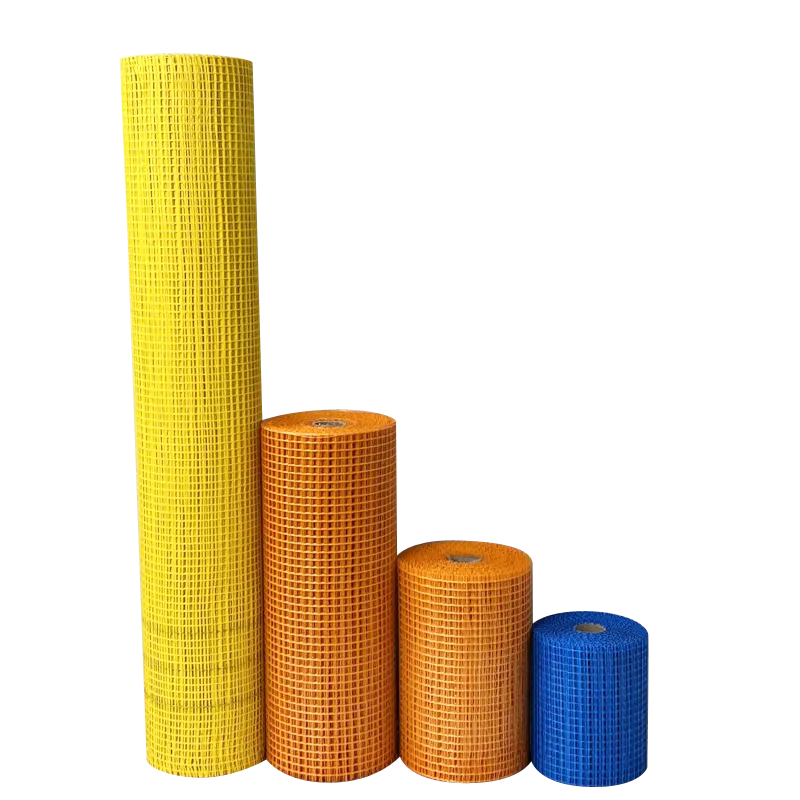
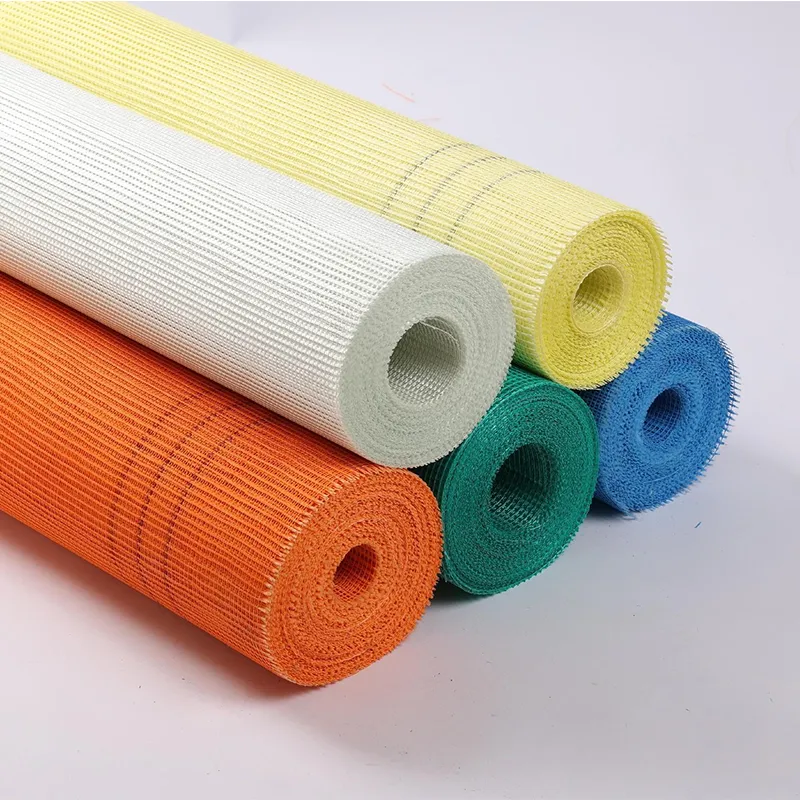
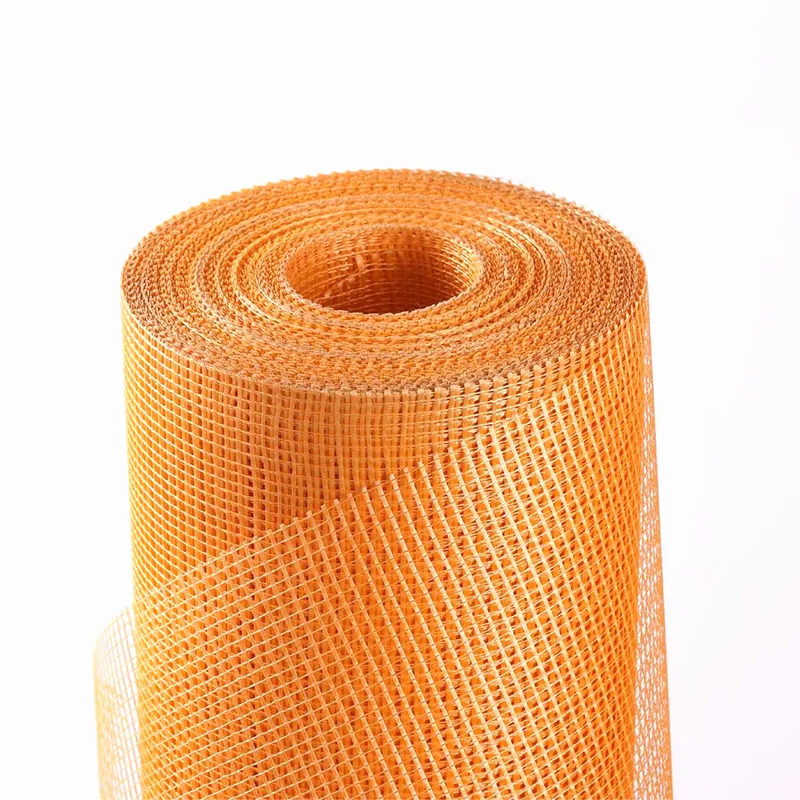
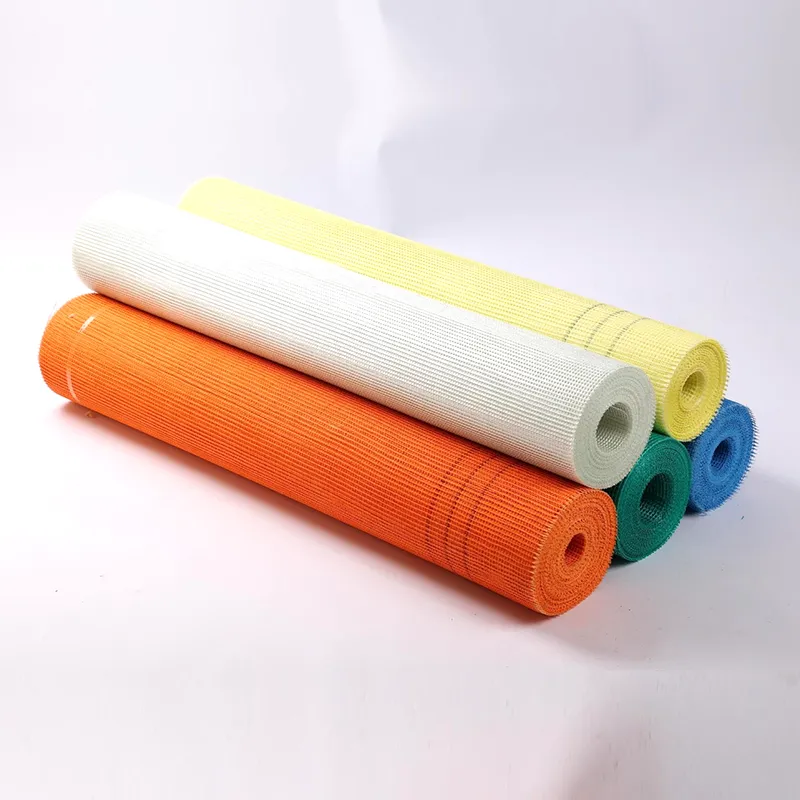
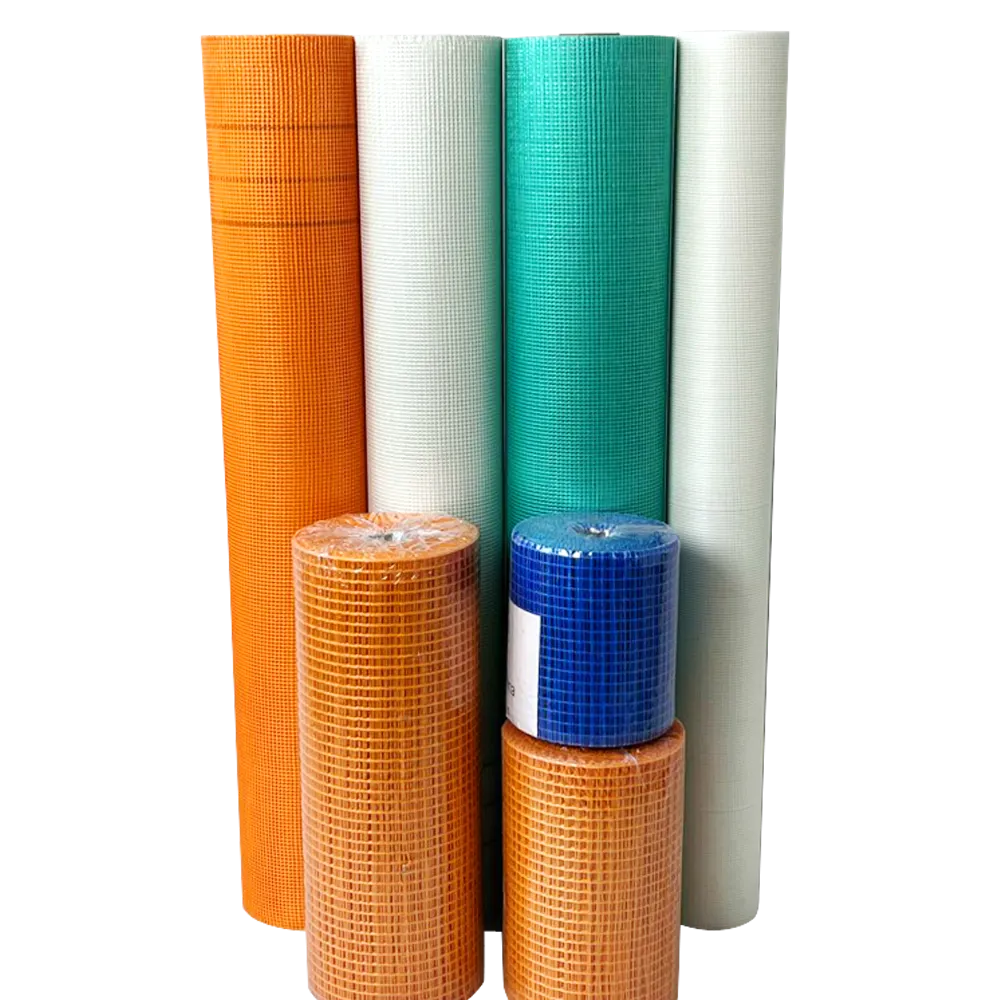
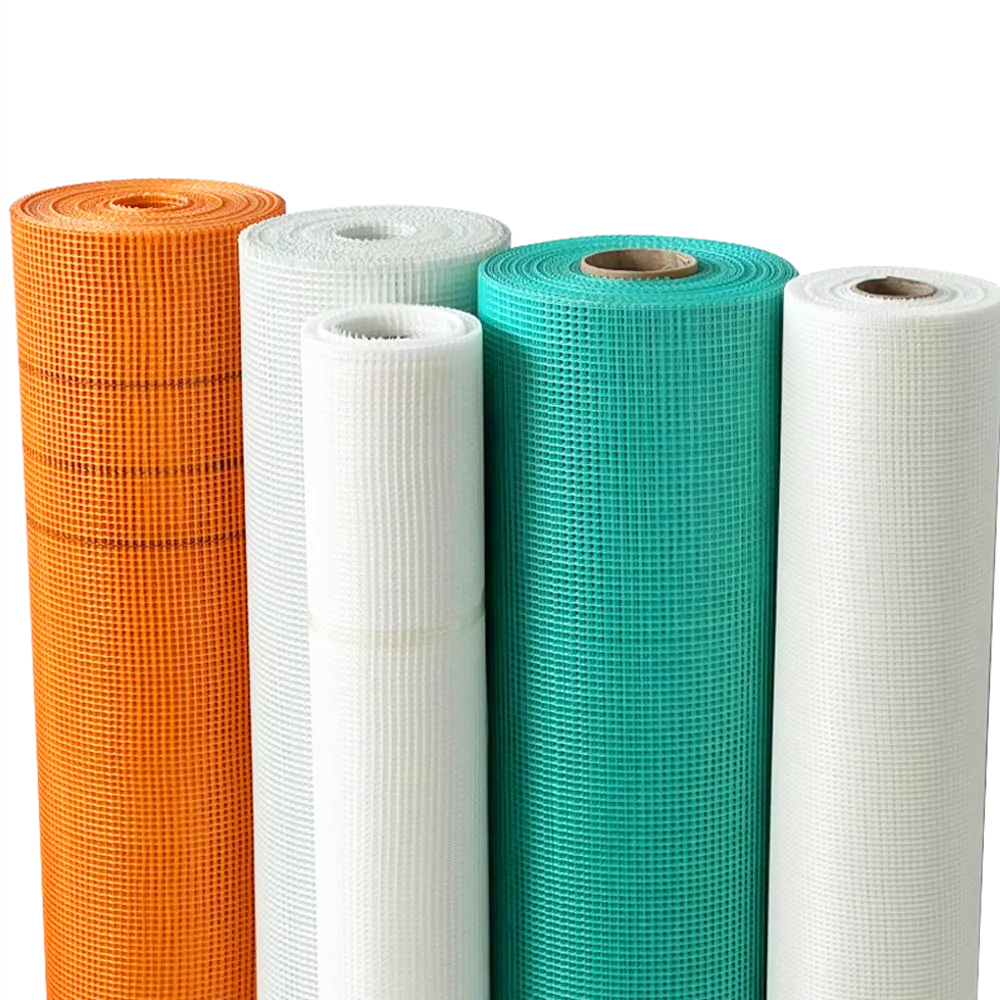
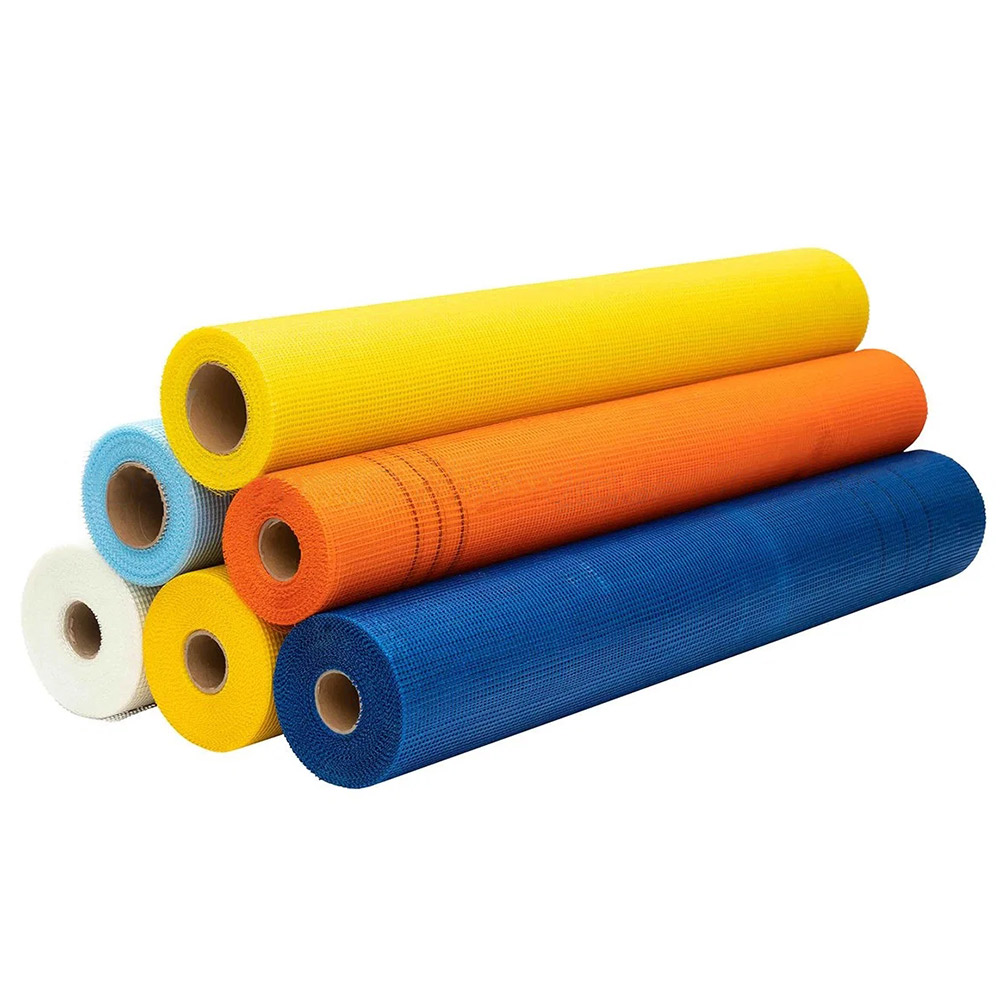
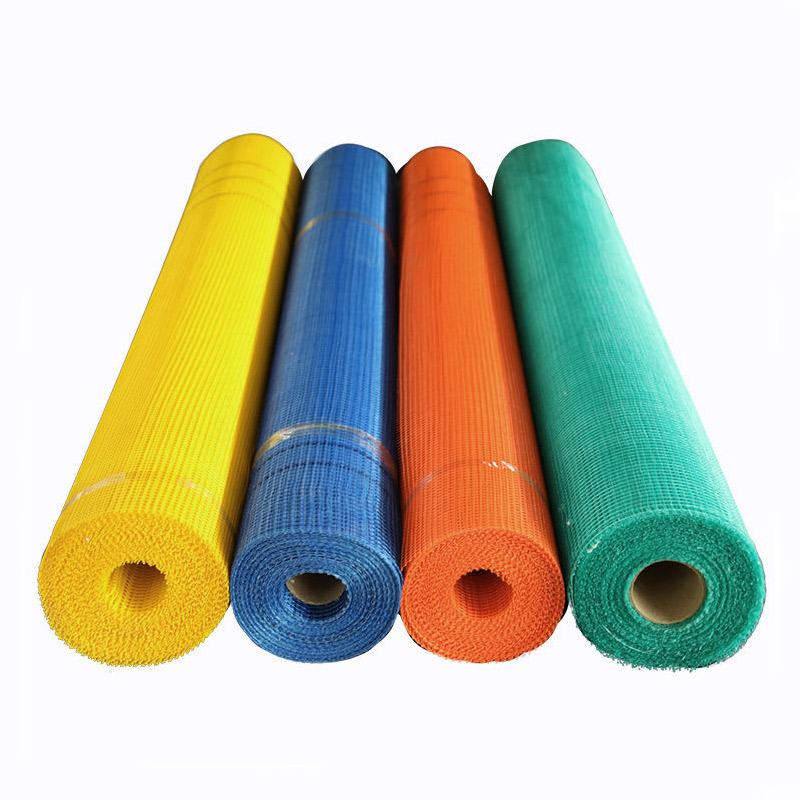
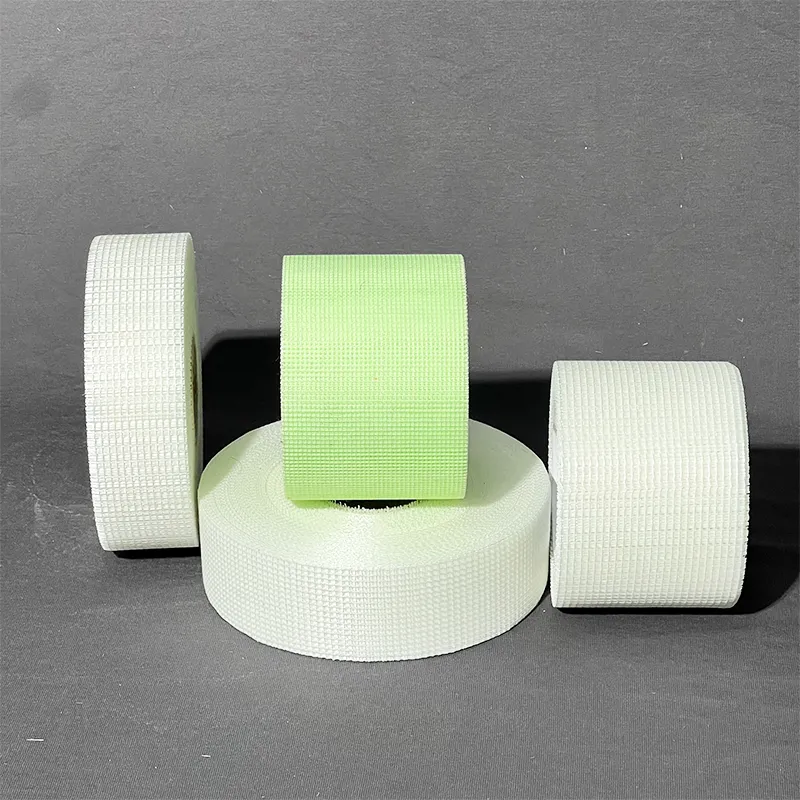
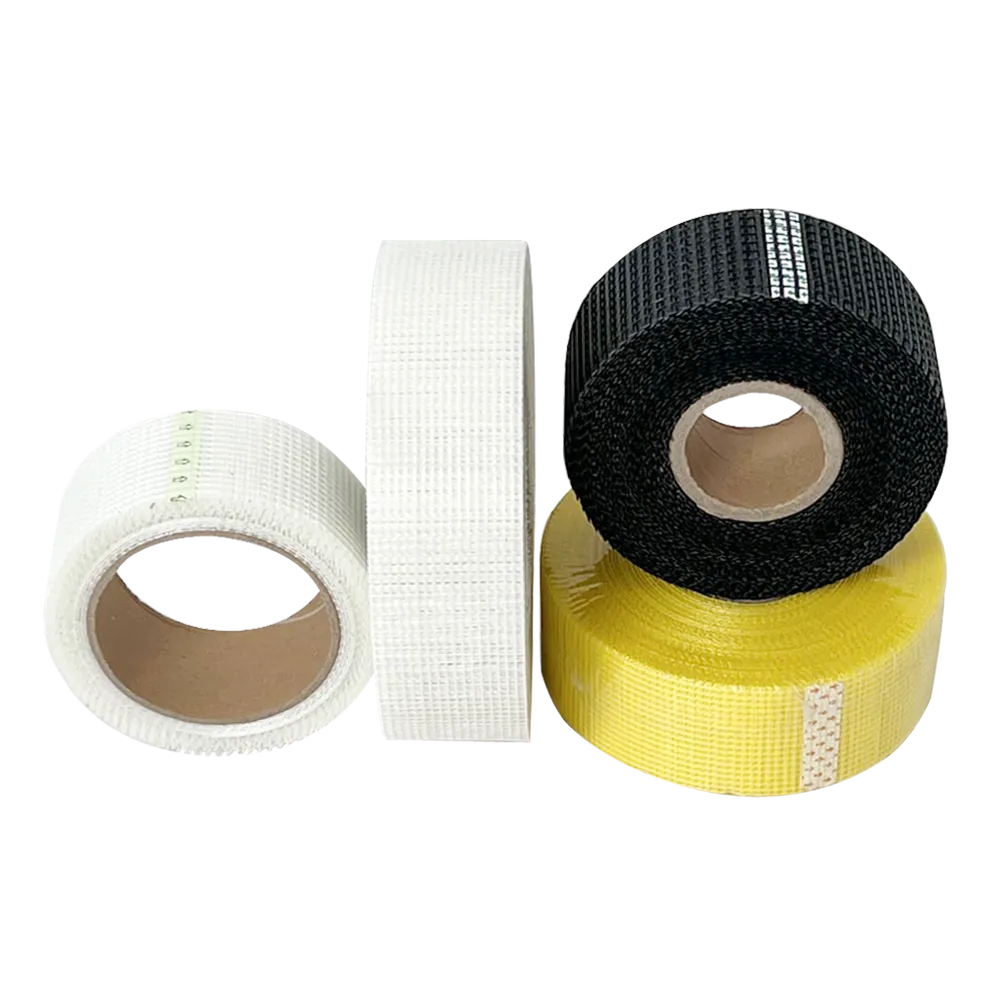
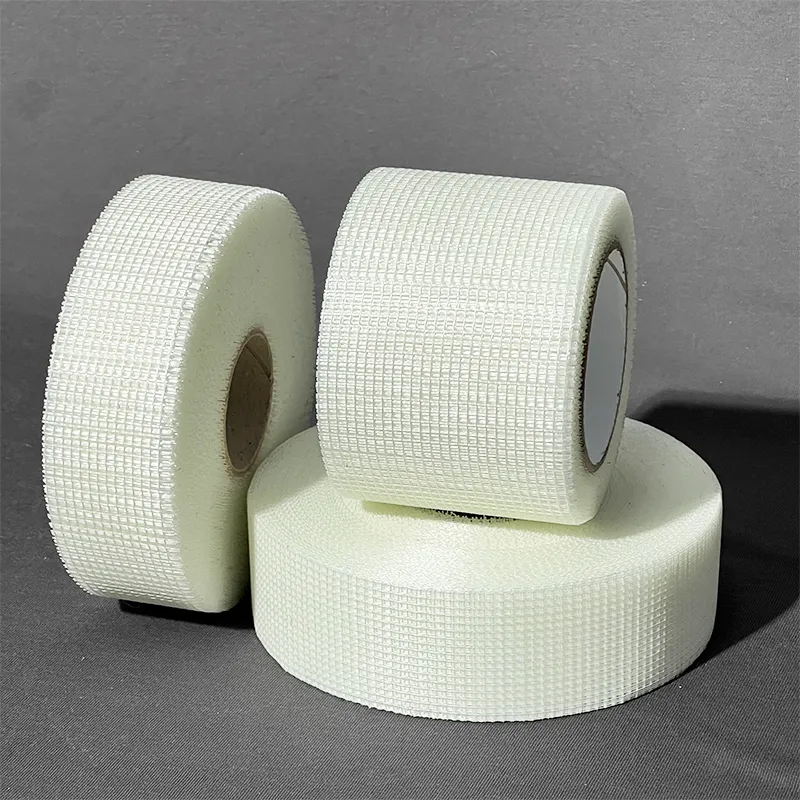
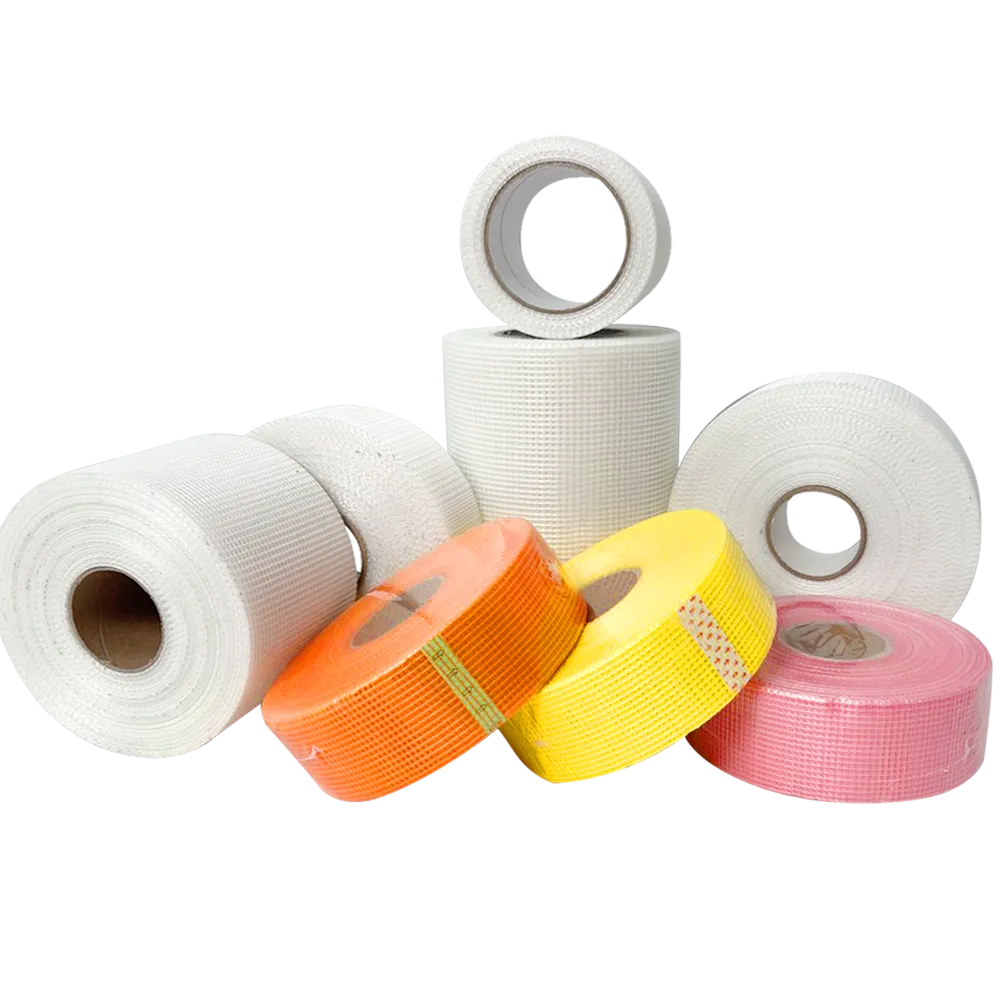
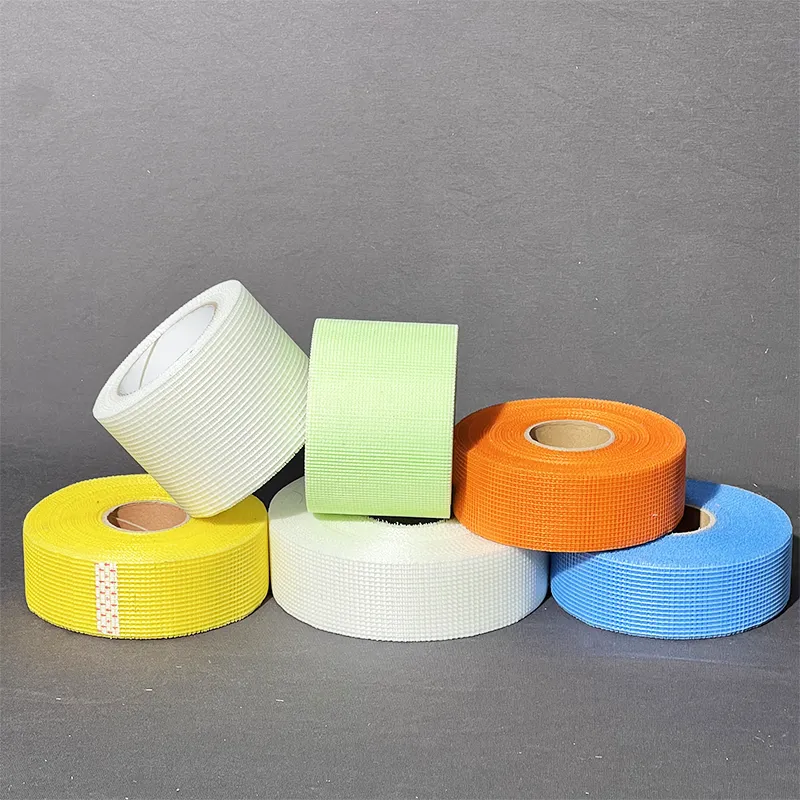
The evolution of modern interior design has placed a significant emphasis on the durability and structural integrity of tiled surfaces. Whether in a high-moisture residential bathroom or a heavy-traffic commercial kitchen, the success of a tile installation is fundamentally determined by the quality of the substrate and the reinforcement hidden beneath the aesthetic finish. In recent years, the implementation of self adhesive fiberglass meshtape has revolutionized the industry by offering a high-strength, efficient, and moisture-resistant solution for stabilizing tile backer boards and mosaic assemblies. Unlike traditional reinforcement methods that require a messy "bedding" layer of mortar to stay in place, the advanced pressure-sensitive adhesive on these glass fiber grids allows for a dry-application process that significantly reduces labor time while maximizing the bond between the tile and the wall.
As a specialized material, self adhesive fiberglass meshtape acts as a structural bridge, spanning the gaps between substrate panels and preventing the telegraphing of cracks through the grout lines. Because tiles are inherently rigid, any minor movement in the building's frame can lead to catastrophic fractures if the joints are not properly reinforced. The glass filaments within the mesh possess a high tensile strength, allowing the grid to absorb mechanical stress and distribute it across a wider surface area. For the professional installer, this means a more reliable installation that can withstand the test of time, moisture, and temperature fluctuations, ensuring that the beauty of the tile work remains unmarred by structural failure.
Technical Excellence Of Fiberglass Mesh For Tile Installations
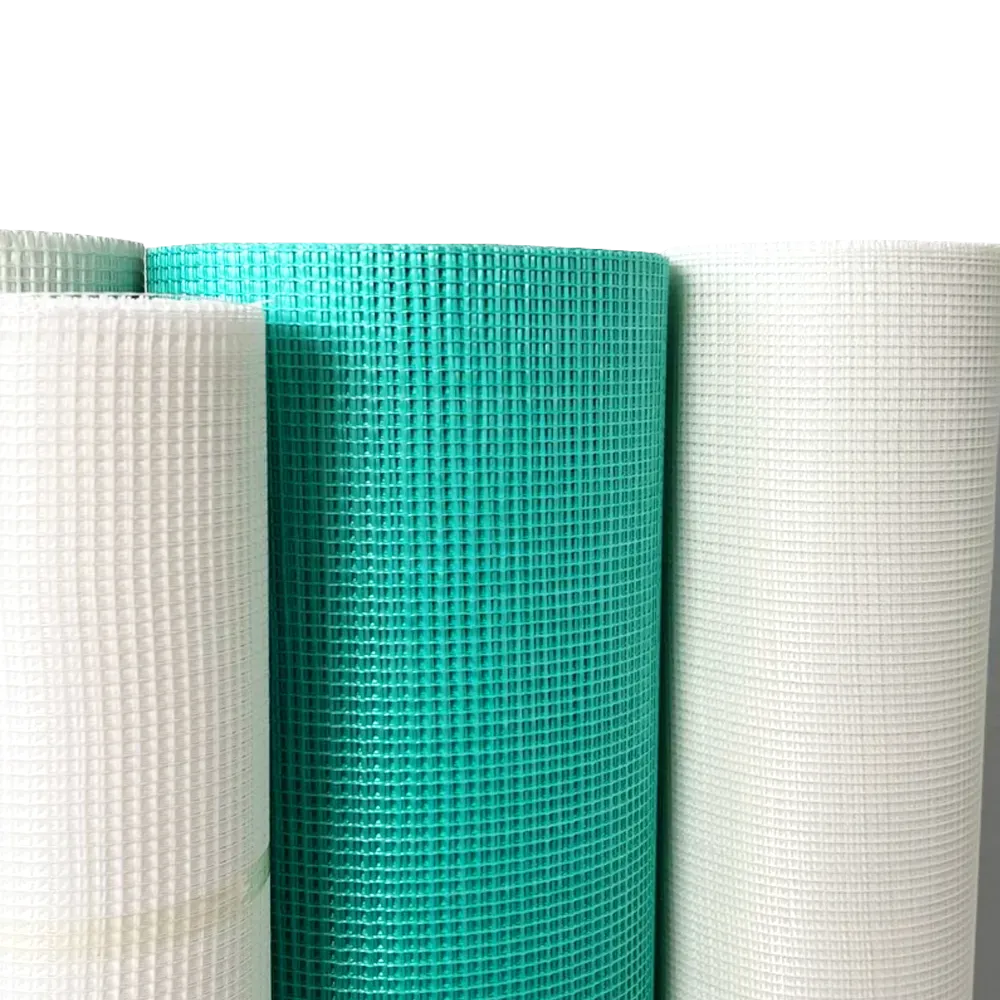
The primary challenge in wet-area tiling is the presence of corrosive elements and constant humidity. Standard organic tapes often succumb to mold or lose their structural integrity when exposed to the alkaline environment of cementitious thin-set mortars. However, the use of fiberglass mesh for tile addresses these issues through superior material science. These meshes are typically treated with an alkali-resistant coating that shields the glass fibers from the high pH levels of the mortar. This chemical resilience is critical; it ensures that the reinforcement does not become brittle or dissolve over time, maintaining a permanent bond between the tile and the substrate.
Furthermore, fiberglass mesh for tile provides an open-weave design that facilitates a perfect mechanical lock. When the thin-set is troweled over the mesh, it passes through the grid and bonds directly to the backer board, effectively encapsulating the mesh within the mortar bed. This creates a reinforced composite layer that is far stronger than the mortar alone. For large-format tiles, which exert significant weight on the vertical plane, this added reinforcement is essential for preventing sagging or lippage. By utilizing a high-performance mesh, contractors can provide a stable, flat surface that meets the rigorous demands of modern architectural tiling.
Structural Stability With Fiberglass Mesh Tile Backing Systems
When preparing a subfloor or a wall for tiling, the choice of fiberglass mesh tile backing is often dictated by the need for dimensional stability. Cement backer units and magnesium oxide boards are the industry standards for tile substrates, but their edges are prone to crumbling or shifting if not properly joined. Utilizing a specialized fiberglass mesh tile backing at these seams ensures that the individual panels function as a single, monolithic unit. The mesh provides the necessary lateral tension to keep the joints closed, even as the building undergoes natural settling. This is particularly vital in floor installations, where the weight of foot traffic can cause micro-deflections in the subfloor that would otherwise lead to cracked tiles.
The application of fiberglass mesh tile backing also simplifies the process of creating "waterproof tanks" in shower enclosures. When combined with liquid waterproofing membranes, the mesh acts as a reinforcing fabric that strengthens the corners and transitions. Because the mesh is flexible, it can be easily pressed into 90-degree angles, providing a robust skeleton for the waterproofing agent to cling to. This proactive approach to moisture management prevents water from seeping into the wall cavity, protecting the wooden or metal framing from rot and ensuring the long-term hygiene of the living space. For the building owner, this translates into a maintenance-free installation that preserves the value of the property.
Efficiency Gains With Self-Adhesive Fiberglass Mesh tape
The most transformative feature of modern tiling supplies is the development of self-adhesive fiberglass mesh tape. In the past, installers had to apply a layer of thin-set, embed the mesh, and wait for it to dry before they could begin tiling—a process that added significant time and complexity to the project. With the advent of self-adhesive fiberglass mesh tape, the reinforcement is applied directly to the dry substrate. The pressure-sensitive adhesive is strong enough to hold the mesh in place even on vertical surfaces or ceilings, allowing the installer to move immediately to the tiling phase. This "one-step" reinforcement process is a major efficiency boost for commercial contractors who manage tight schedules and large-scale installations.
Beyond speed, self-adhesive fiberglass mesh tape offers unparalleled accuracy. Because the mesh is stuck firmly to the wall, there is no risk of it shifting, bunching, or wrinkling during the troweling of the thin-set. This ensures that the reinforcement is exactly where it needs to be—centered over the joint—providing maximum structural benefit. The low profile of the fabric also means that it does not add unnecessary thickness to the mortar bed, which is crucial for maintaining a level surface when using thin-set or mosaic tiles. For the artisan tiler, the ease of handling this fabric allows them to focus on the precision of the tile layout rather than struggling with a shifting reinforcement layer.
Maximizing Bond Strength Through Fiberglass Mesh Adhesive Technology
The success of a self-adhesive product is only as good as the chemistry of its bond. The fiberglass mesh adhesive used in high-quality construction tapes is engineered to provide an immediate tack that remains stable under varying temperatures. It must be strong enough to adhere to the dusty surface of a cement board but also compatible with the moisture in the wet mortar that will eventually cover it. When the thin-set is applied, it creates a secondary chemical bond that essentially "melts" into the fiberglass mesh adhesive, creating a unified matrix. This ensures that the mesh does not act as a "bond breaker" but rather as a facilitator of a stronger, more resilient connection between the layers of the wall.
Innovations in fiberglass mesh adhesive have also led to products that are repositionable during the initial application. This allows the installer to pull the mesh back and realign it if it starts to wander, ensuring a perfectly straight seam reinforcement. Once pressed firmly into place, the adhesive sets, providing the stable foundation required for heavy masonry work. For projects involving intricate mosaic tiles or natural stone, where every millimeter of alignment matters, the reliability of the fiberglass mesh adhesive is a non-negotiable factor. It provides the craftsman with the control and confidence needed to execute a flawless design that will remain beautiful for years to come.
-
Best Fiberglass Mesh Tape for RedGard Product Waterproofing GuideસમાચારApr.16,2026
-
Why High Strength Fiberglass Mesh Is Essential For Stucco ApplicationસમાચારApr.15,2026
-
Why Alkali Resistant Fiberglass Mesh Tape Is Essential For Cement Board And Tile InstallationsસમાચારApr.15,2026
-
Understanding The Role Of Drywall Fiberglass Mesh In Interior FinishingસમાચારApr.15,2026
-
Ultimate Guide To Using Fiberglass Mesh Tape For Drywall And Plaster RepairsસમાચારApr.15,2026
-
The Versatility Of Fiberglass Mesh In Marble And Stone MosaicસમાચારApr.15,2026