Ira . 25, 2025 10:08 Itzuli zerrendara
How to cut fiberglass mesh tape for irregular wall cracks?
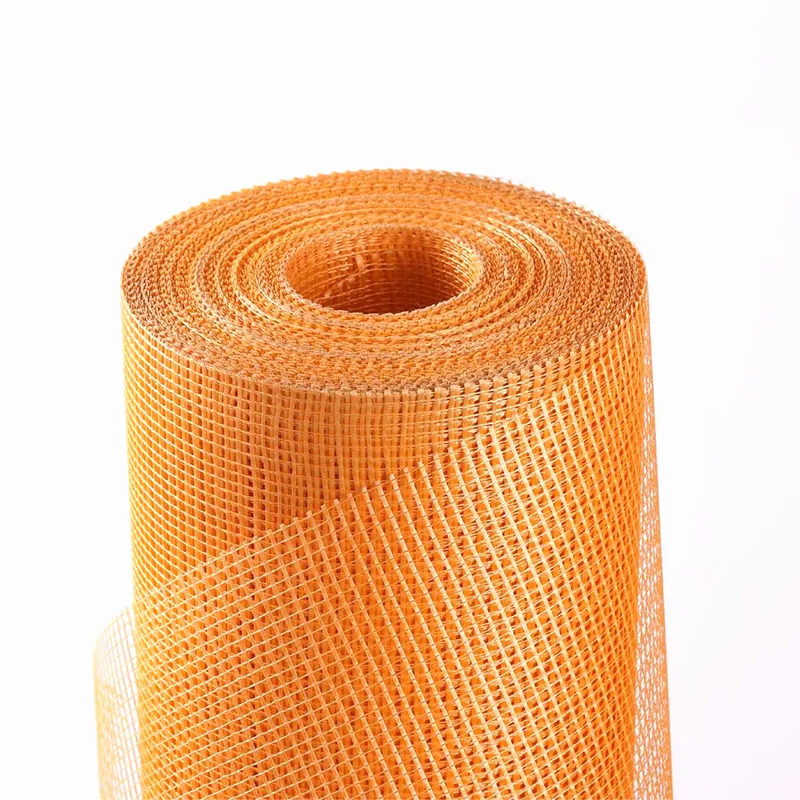
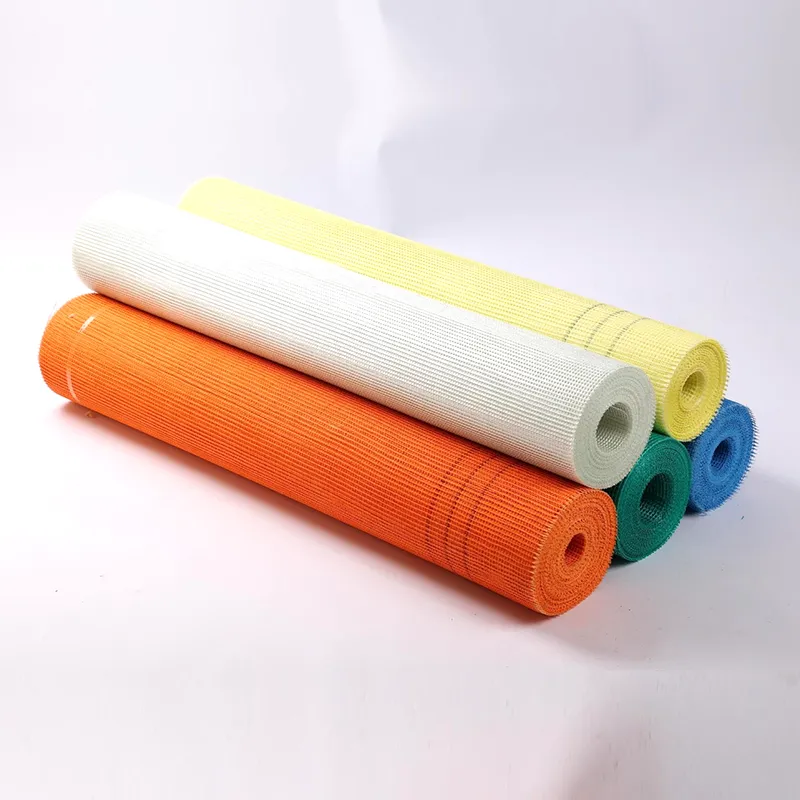
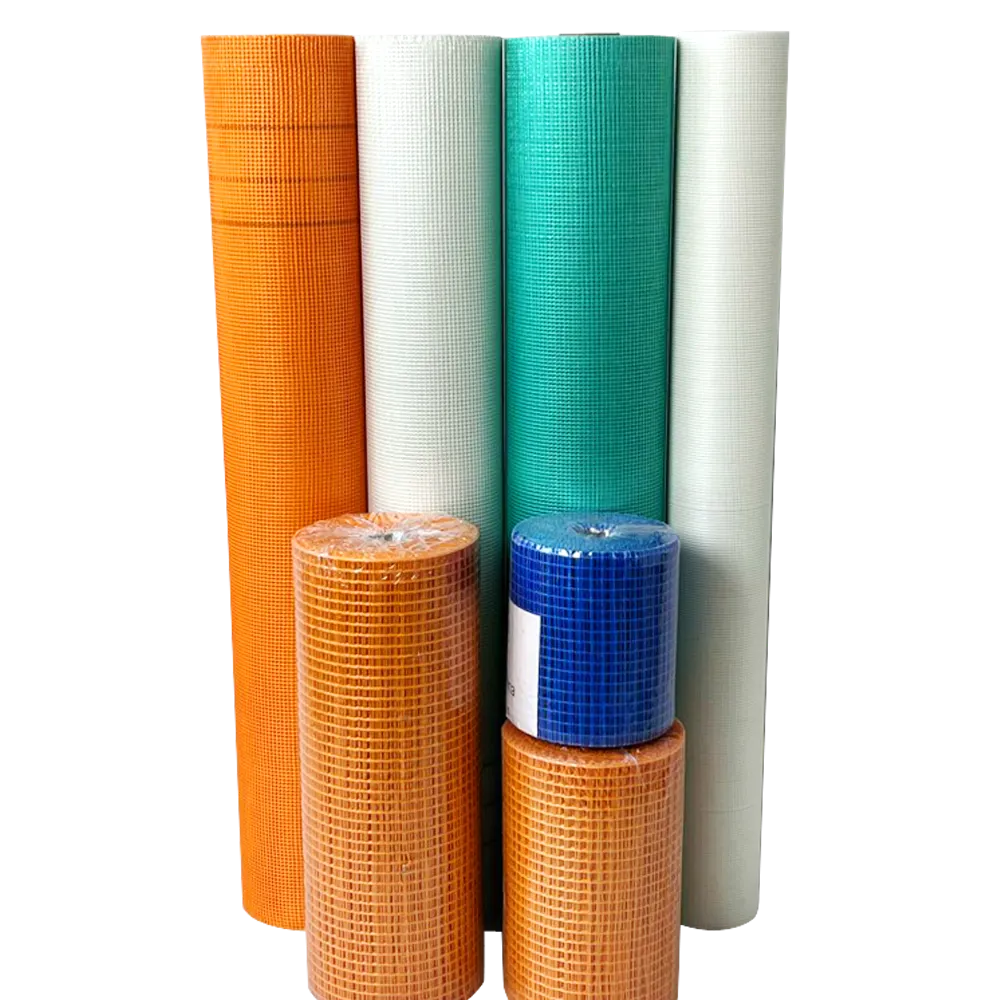
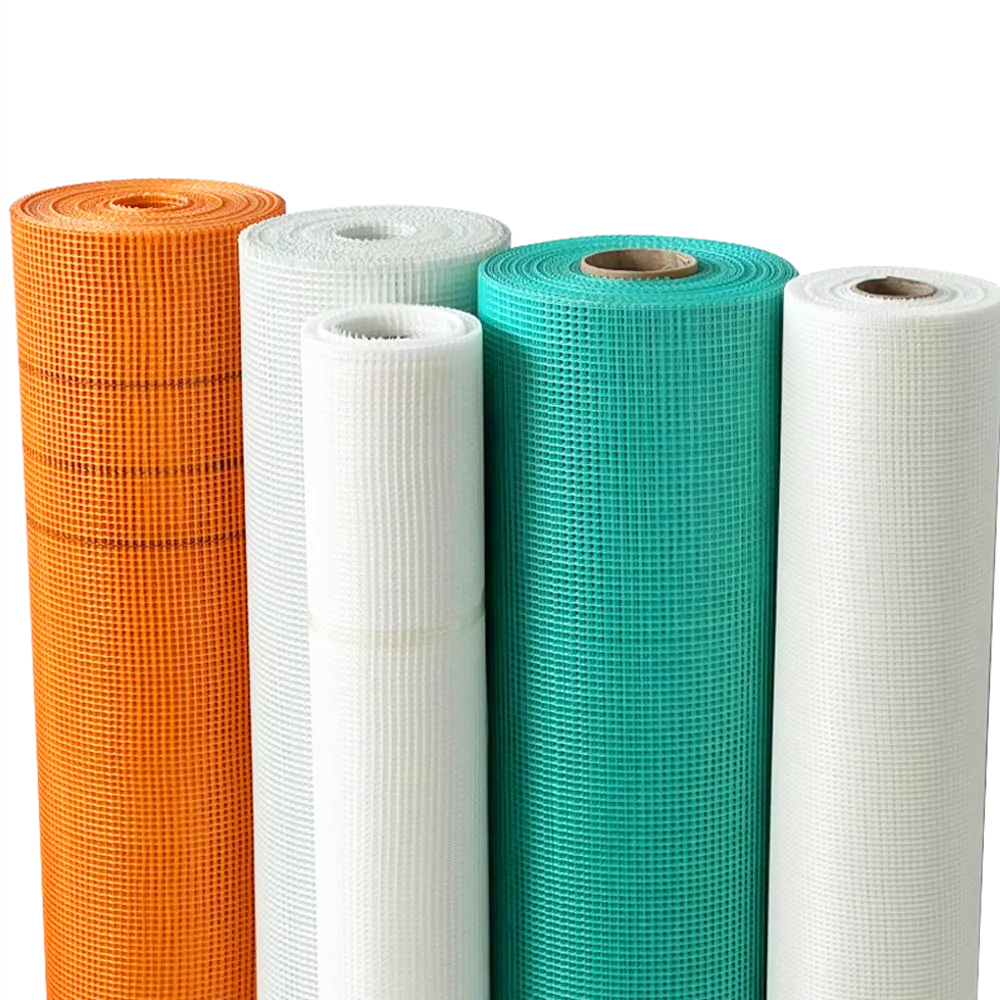
Properly addressing irregular wall cracks requires precise cutting techniques for beira-zuntzezko sare zinta, with specific considerations for different widths like 4 inch fiberglass mesh tape and 6 inch fiberglass mesh tape. These specialized tapes provide essential reinforcement for drywall and plaster surfaces, particularly when dealing with complex crack patterns that demand customized solutions. The cutting methodology varies depending on the tape width, crack configuration, and surface characteristics, making proper technique essential for achieving seamless repairs that prevent future cracking and maintain structural integrity in building applications.
Cutting Techniques for Fiberglass Mesh Tape
• Measure the irregular crack's length and direction before cutting the beira-zuntzezko sare zinta, allowing extra length (approximately 2-3 inches beyond the crack endpoints) to ensure complete coverage and proper reinforcement of the damaged area in wall surfaces.
• Use sharp utility scissors or a specialized mesh tape cutter for clean edges that prevent fraying, cutting the beira-zuntzezko sare zinta at slight angles when dealing with branching cracks to create custom shapes that follow the crack pattern without unnecessary overlap.
• For complex crack patterns, cut the beira-zuntzezko sare zinta into multiple sections rather than attempting to use a single piece, creating patches that individually address each crack segment while maintaining proper alignment and tension during application.
Application Methods for 4 Inch Fiberglass Mesh Tape
• The 4 inch fiberglass mesh tape is ideal for standard-width cracks and requires cutting techniques that maintain the tape's structural integrity, particularly when dealing with curved or zigzag cracks that need precise following of the crack path.
• When using 4 inch fiberglass mesh tape for irregular cracks, cut the tape lengthwise to create narrower strips (1-2 inches wide) for better conformity to complex crack patterns, ensuring each strip fully covers a segment of the crack with minimal wrinkling.
• For corner cracks intersecting at angles, cut the 4 inch fiberglass mesh tape using specialized techniques like relief cuts or dart cuts that allow the tape to lay flat against compound angles without buckling or creating air pockets under the surface.
Handling Strategies for 6 Inch Fiberglass Mesh Tape
• The wider 6 inch fiberglass mesh tape requires more sophisticated cutting approaches for irregular cracks, often involving template creation that matches the crack pattern before making actual cuts to the tape material.
• When working with 6 inch fiberglass mesh tape on large, irregular cracks, employ the "patch and bridge" technique by cutting the tape to extend at least 3 inches beyond the crack in all directions, creating a reinforcement zone that distributes stress away from the damaged area.
• For spider-web cracks or radial crack patterns, cut the 6 inch fiberglass mesh tape into circular or oval patches that completely cover the crack system, ensuring the tape's edges are feathered to blend smoothly with the surrounding wall surface.
Beira-zuntzezko sare zinta FAQS
Q: Can fiberglass mesh tape be used for both interior drywall repairs and exterior wall plastering, or does it need different types for each scenario?
A: Fiberglass mesh tape has specialized variants for interior and exterior use—don’t use the same type for both. For interior drywall (e.g., room walls, ceilings), choose standard, lightweight beira-zuntzezko sare zinta (usually 48mm wide, 80-100g/㎡) that bonds well with drywall mud and resists minor moisture. For exterior wall plastering (e.g., stucco, EIFS systems), use alkali-resistant fiberglass mesh tape—it has a zirconium oxide coating to withstand cement mortar’s alkaline corrosion and outdoor weather (rain, UV rays). Using interior tape outdoors will cause it to degrade within 1-2 years, leading to plaster cracking; exterior tape indoors is unnecessary but safe (just more costly).
Q: When should I choose 4 inch fiberglass mesh tape over narrower options (e.g., 2 inch) for construction projects, and what’s its main advantage?
A: 4 inch fiberglass mesh tape is ideal for standard drywall joints (where two drywall panels meet) and medium-sized cracks (3-10mm wide)—narrower tapes (2 inch) work only for small cracks (<3mm) and risk peeling from wide seams. Its main advantage is wider coverage: it spans the entire joint gap (typically 3-5mm) and adheres to 1.5-2 inches of drywall on both sides, distributing stress evenly to prevent future cracking. For example, in residential room renovations, 4 inch fiberglass mesh tape is the go-to for ceiling/wall joints—it’s easy to install (no pre-wetting needed) and creates a smooth base for drywall mud, reducing sanding time compared to narrower tapes.
Q: What scenarios require 6 inch fiberglass mesh tape instead of smaller sizes, and is it harder to install on curved surfaces?
A: 6 inch fiberglass mesh tape is for large-scale, high-stress areas: wide cracks (>10mm) in exterior walls, concrete slab joints, or commercial building facade seams (e.g., high-rises, stadiums). It’s also used for reinforcing corners in industrial spaces (e.g., warehouses, factories) where walls endure heavy impact. For curved surfaces (e.g., rounded drywall arches, curved exterior walls), 6 inch fiberglass mesh tape is slightly harder to install than smaller sizes, but not impossible—cut it into 1-2 inch wide strips along the curve (instead of using the full 6 inches) to avoid wrinkles. The wider width still provides better reinforcement than 4 inch tape for curved, high-stress areas.
Q: Do I need to pre-wet fiberglass mesh tape before applying it to drywall, or can it be used directly with drywall mud?
A: You don’t need to pre-wet beira-zuntzezko sare zinta—it’s designed for “dry application” with drywall mud, which saves time vs paper tape (which requires pre-wetting). To install, first apply a thin layer of drywall mud (1-2mm thick) to the joint/crack, then press the beira-zuntzezko sare zinta into the wet mud using a trowel (ensure it’s flat, no bubbles). Immediately apply a second layer of mud over the tape, feathering the edges to blend with the drywall. Pre-wetting is unnecessary and can even harm the tape: it may weaken the mesh’s structure or cause the adhesive (in self-adhesive variants) to fail. Only pre-wet if the tape is labeled “pre-wet required” (rare for standard construction-grade tape).
Q: How does the adhesion of 4 inch fiberglass mesh tape compare to self-adhesive fiberglass mesh tape, and which is better for temporary vs permanent repairs?
A: 4 inch fiberglass mesh tape (non-adhesive) relies on drywall mud for adhesion, while self-adhesive beira-zuntzezko sare zinta has a sticky backing to hold it in place before mud is applied. For permanent repairs (e.g., residential drywall, commercial walls), non-adhesive 4 inch fiberglass mesh tape is better—it bonds more strongly with mud over time, creating a durable seal that resists cracking for 10+ years. Self-adhesive tape is ideal for temporary repairs (e.g., fixing cracks before painting, temporary construction walls) or hard-to-reach areas (e.g., high ceilings) where holding non-adhesive tape in place is tricky. However, self-adhesive tape’s backing can degrade over time (especially in humid areas), making it less reliable for long-term use.
-
Best Fiberglass Mesh Tape for RedGard Product Waterproofing GuideBerriakApr.16,2026
-
Why High Strength Fiberglass Mesh Is Essential For Stucco ApplicationBerriakApr.15,2026
-
Why Alkali Resistant Fiberglass Mesh Tape Is Essential For Cement Board And Tile InstallationsBerriakApr.15,2026
-
Understanding The Role Of Drywall Fiberglass Mesh In Interior FinishingBerriakApr.15,2026
-
Ultimate Guide To Using Fiberglass Mesh Tape For Drywall And Plaster RepairsBerriakApr.15,2026
-
The Versatility Of Fiberglass Mesh In Marble And Stone MosaicBerriakApr.15,2026