Ira . 24, 2025 09:53 Itzuli zerrendara
Fiberglass products price for building facade material production?
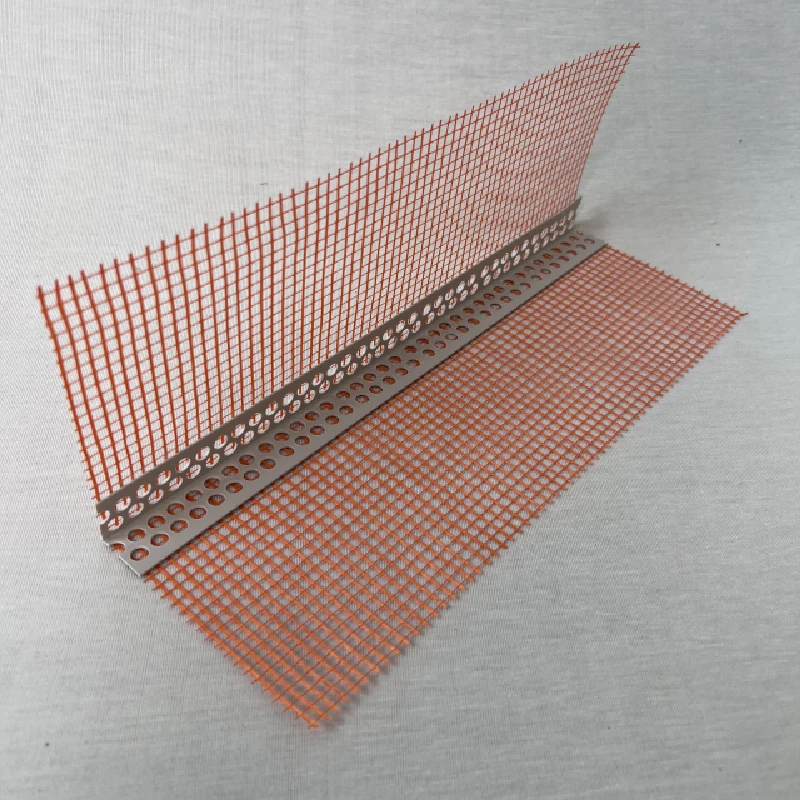
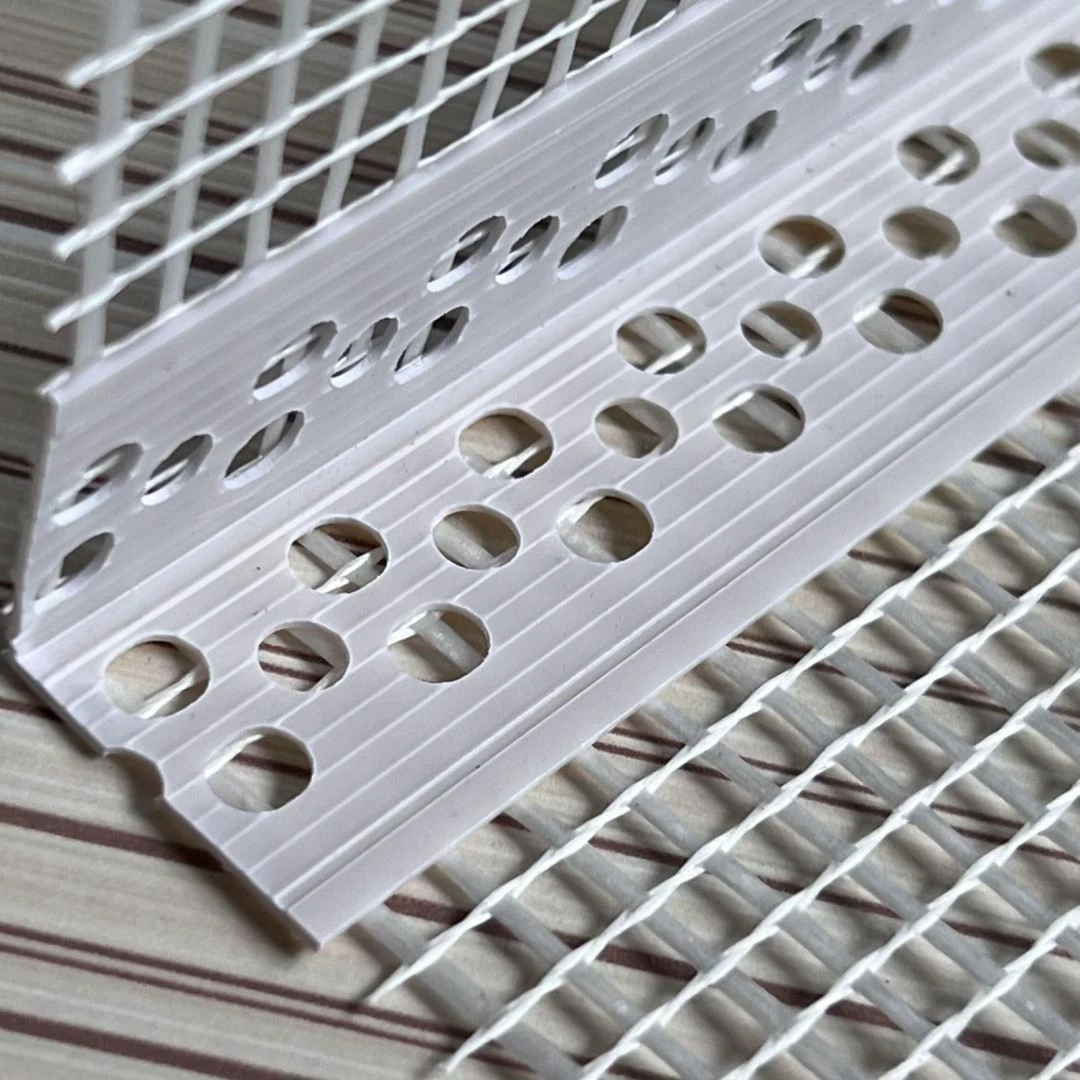
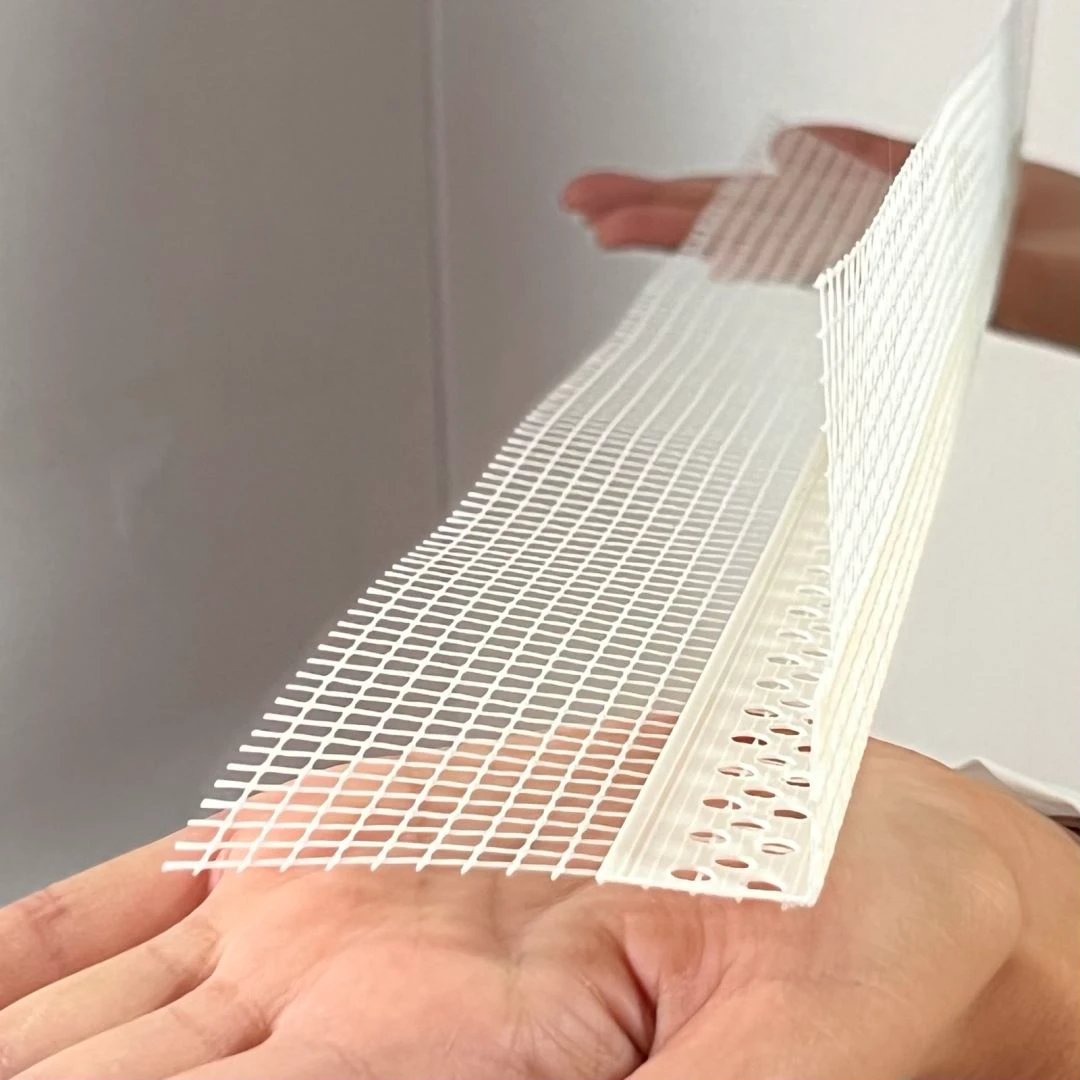
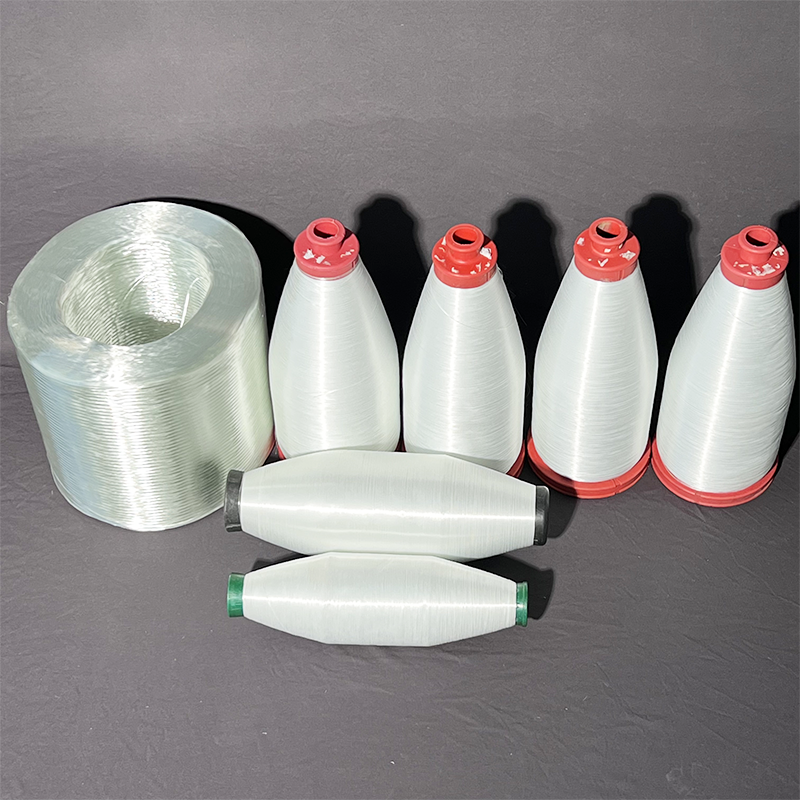
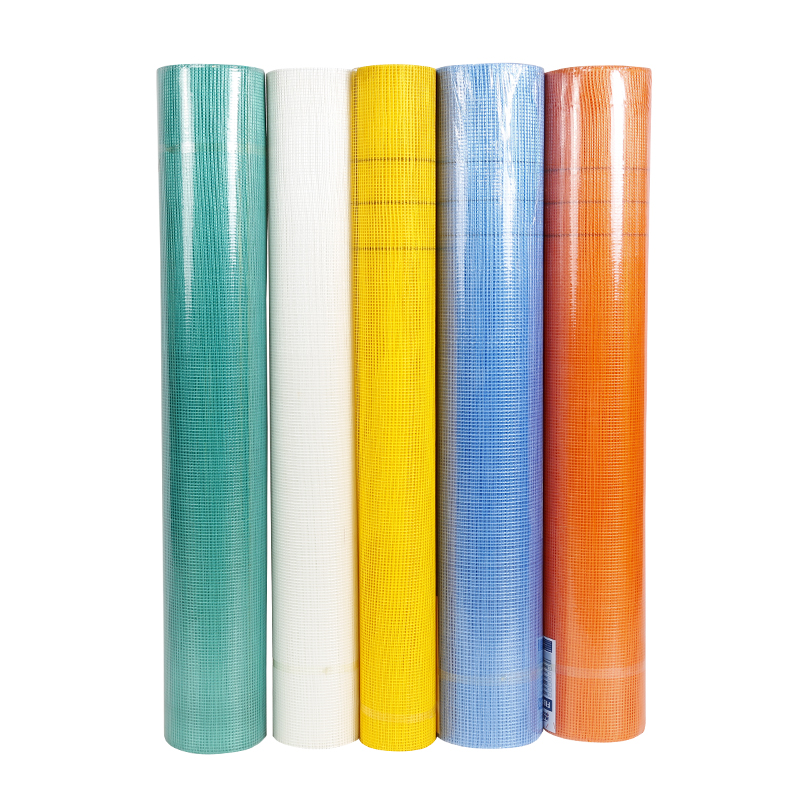
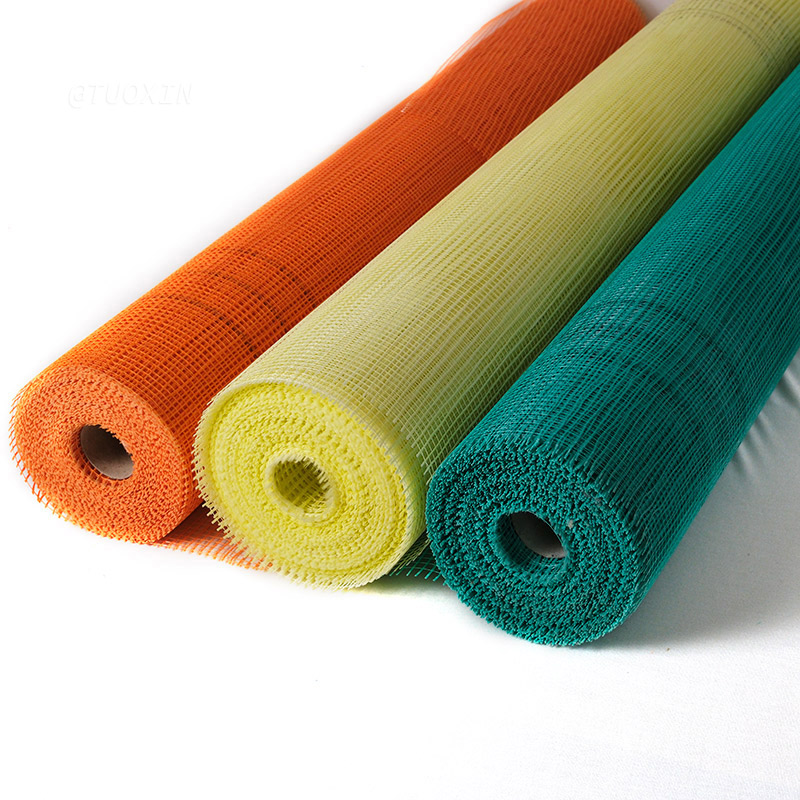
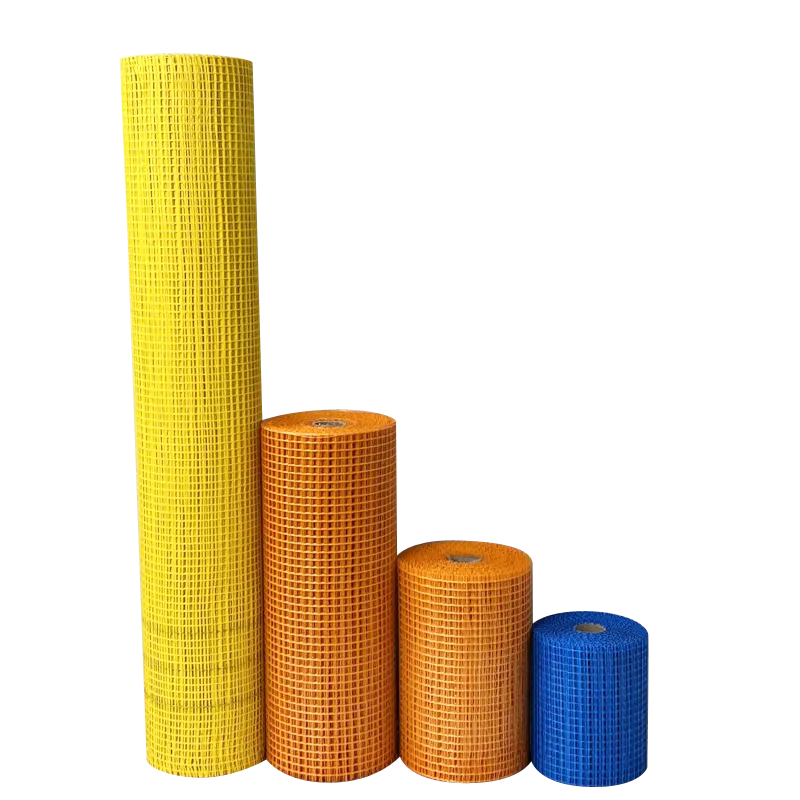
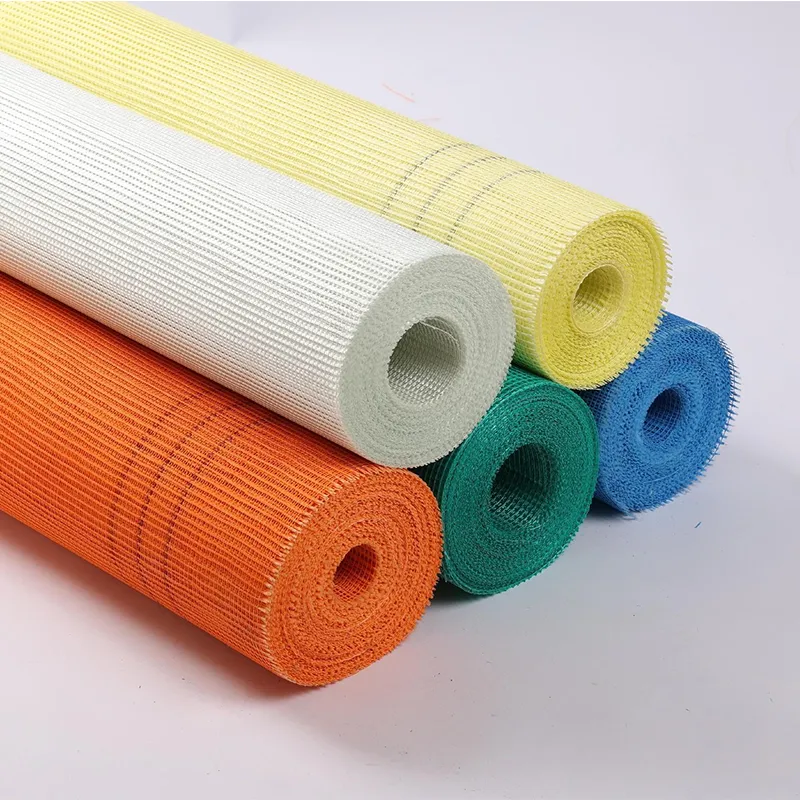
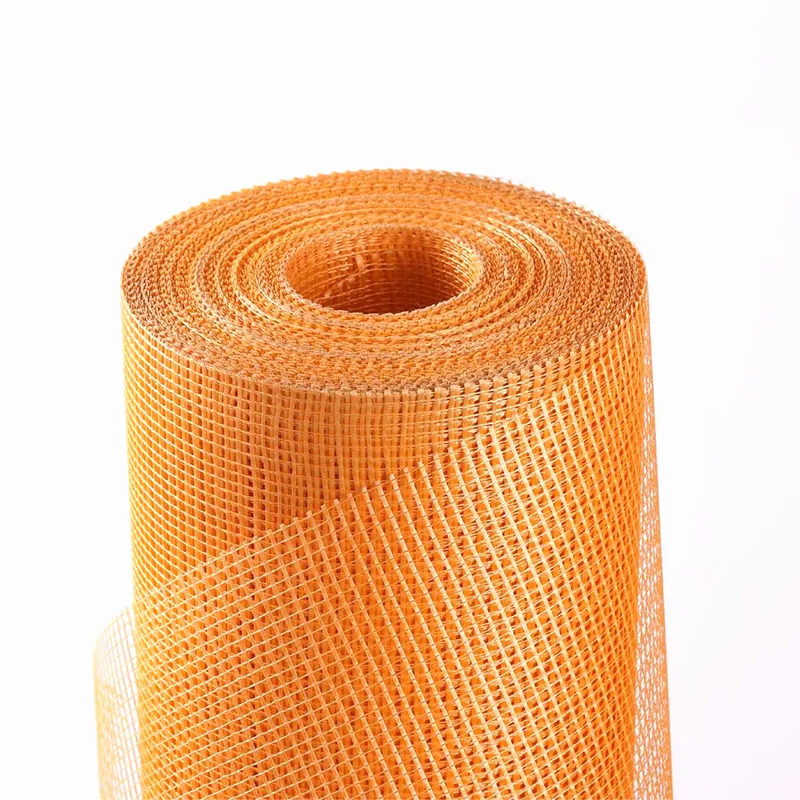
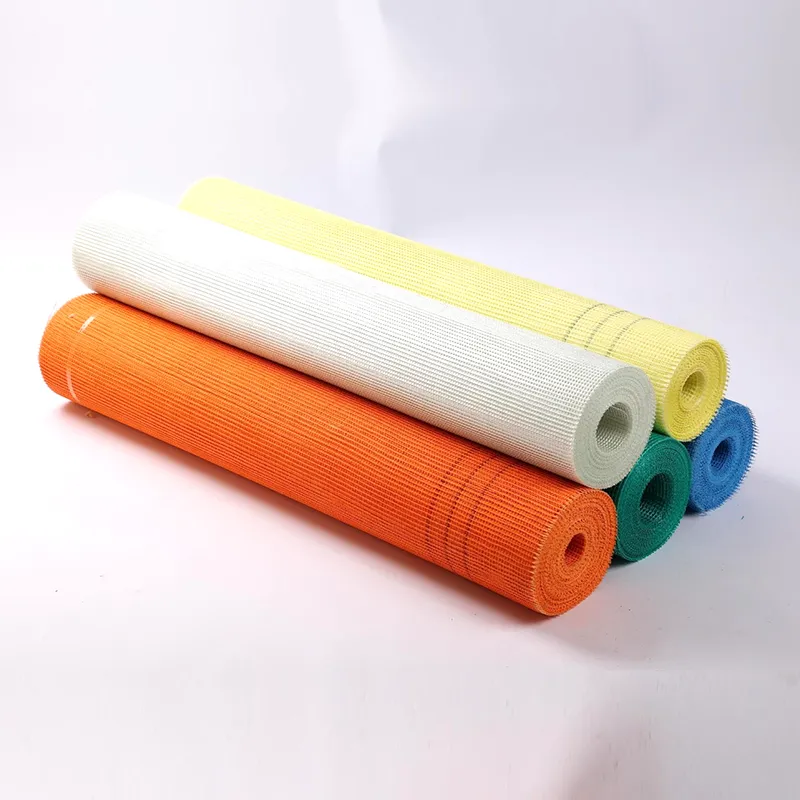
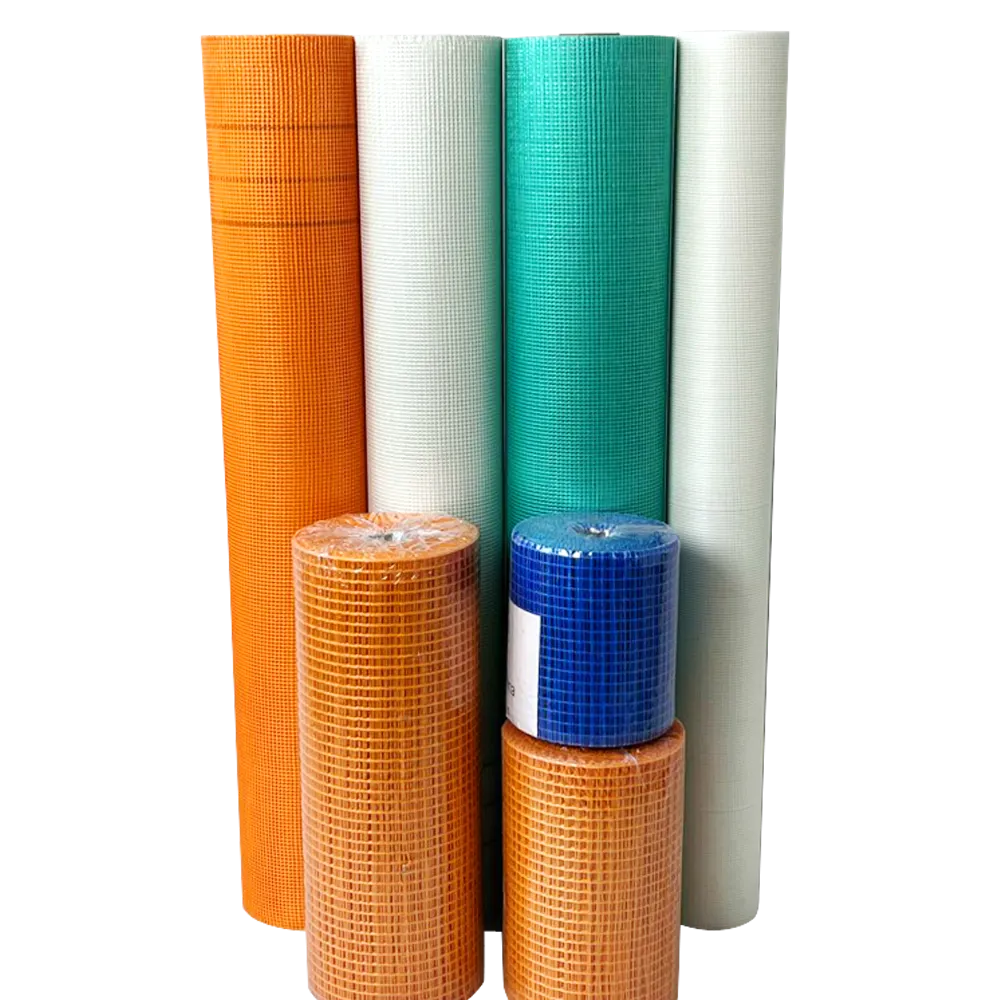
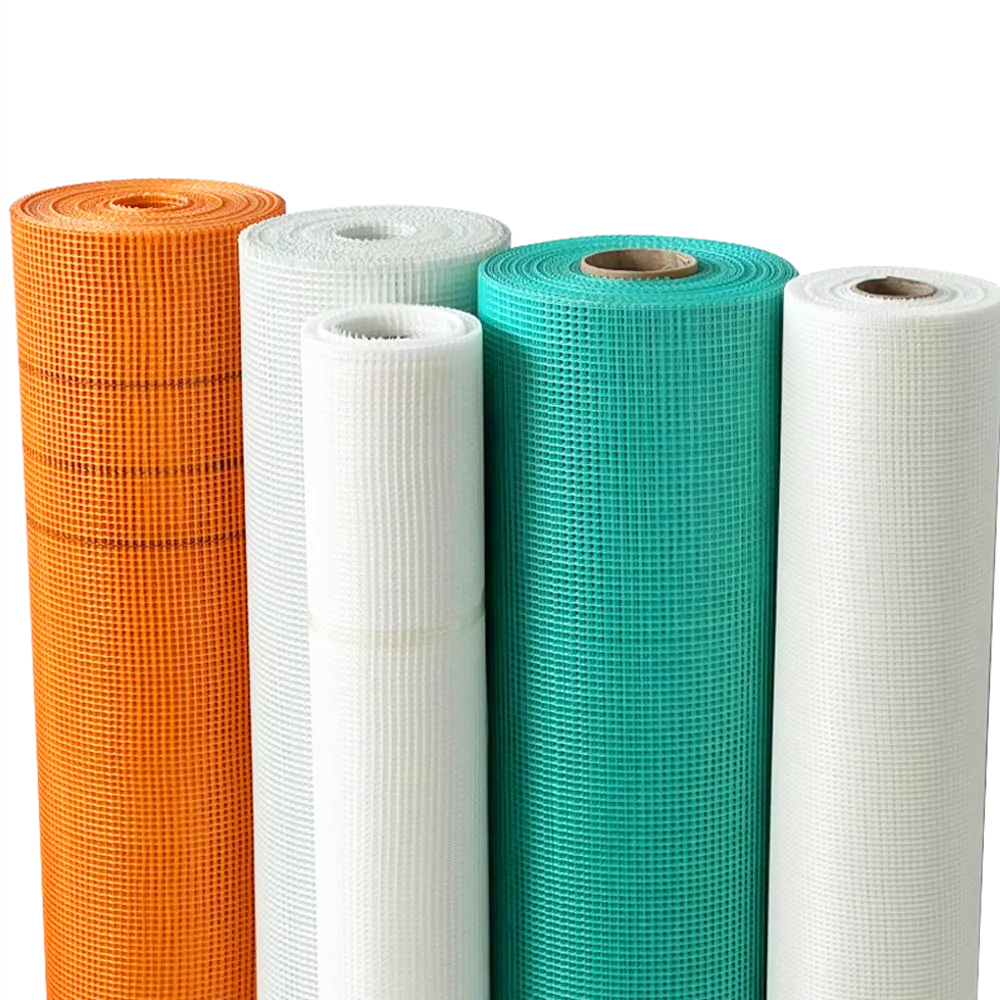
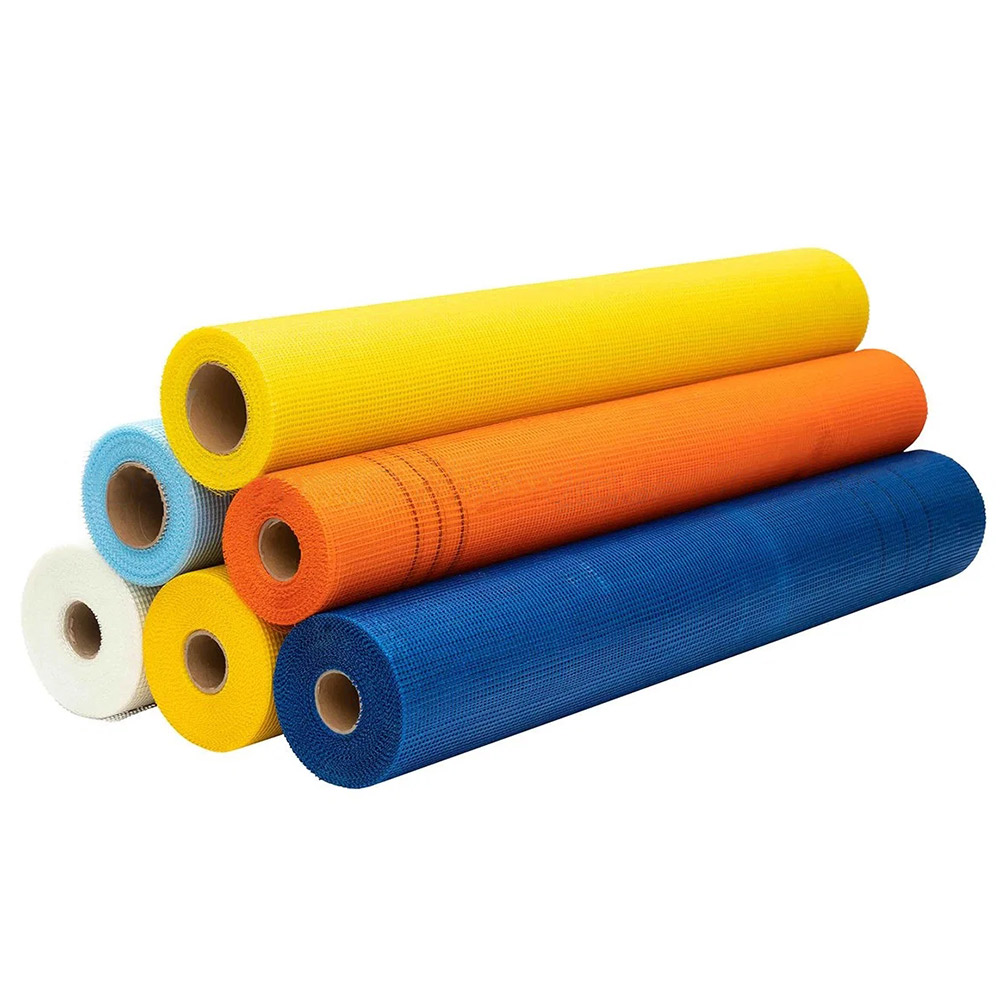
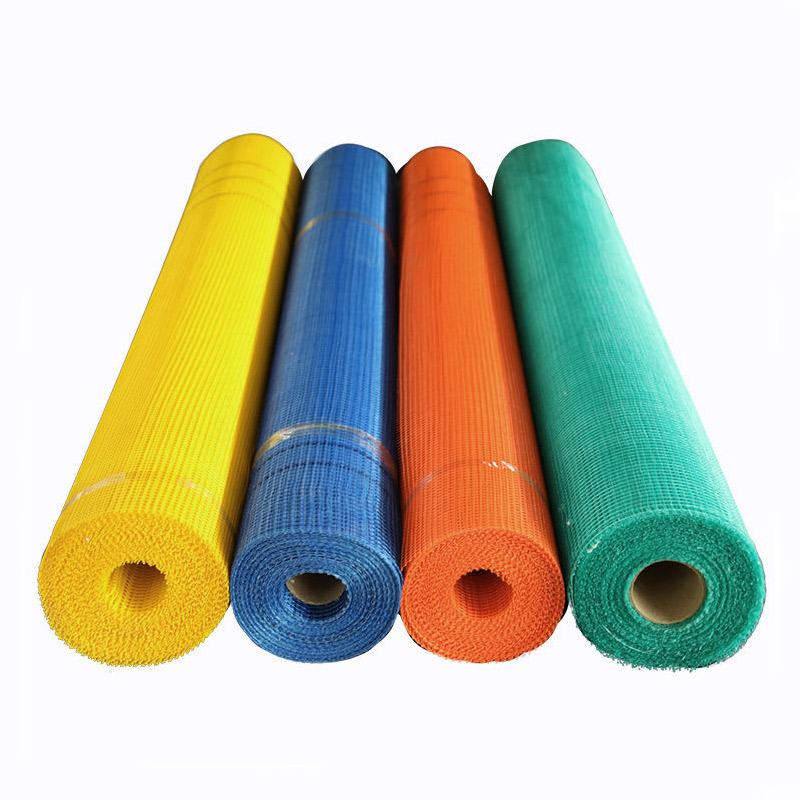
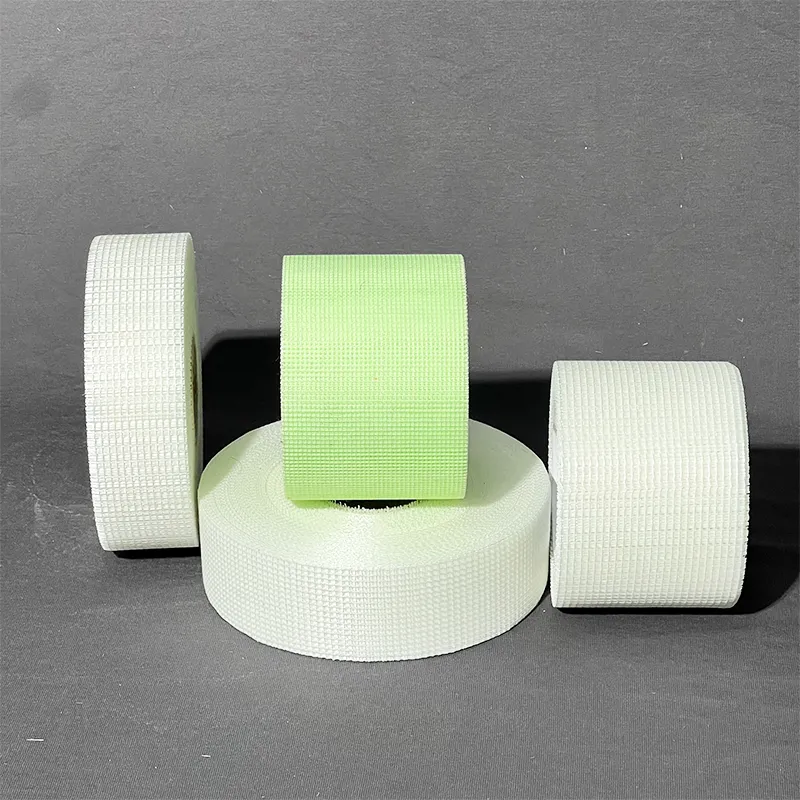
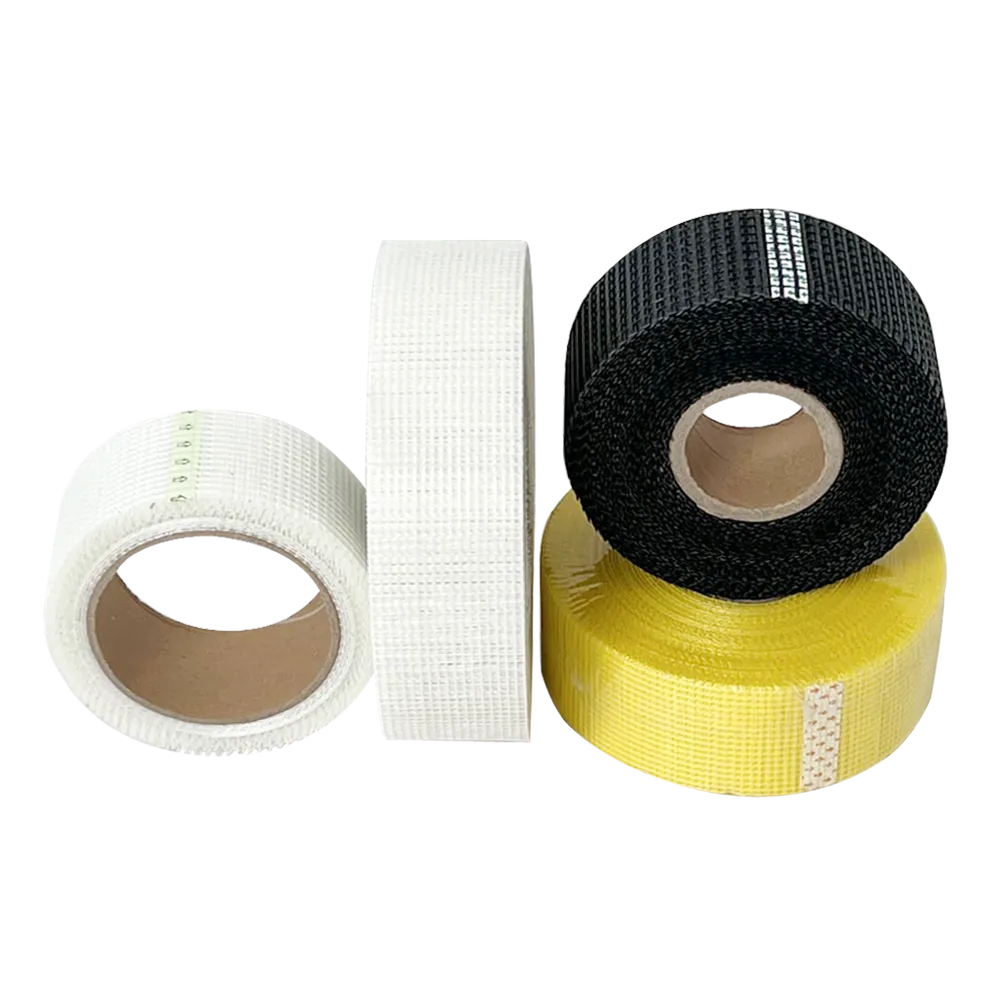
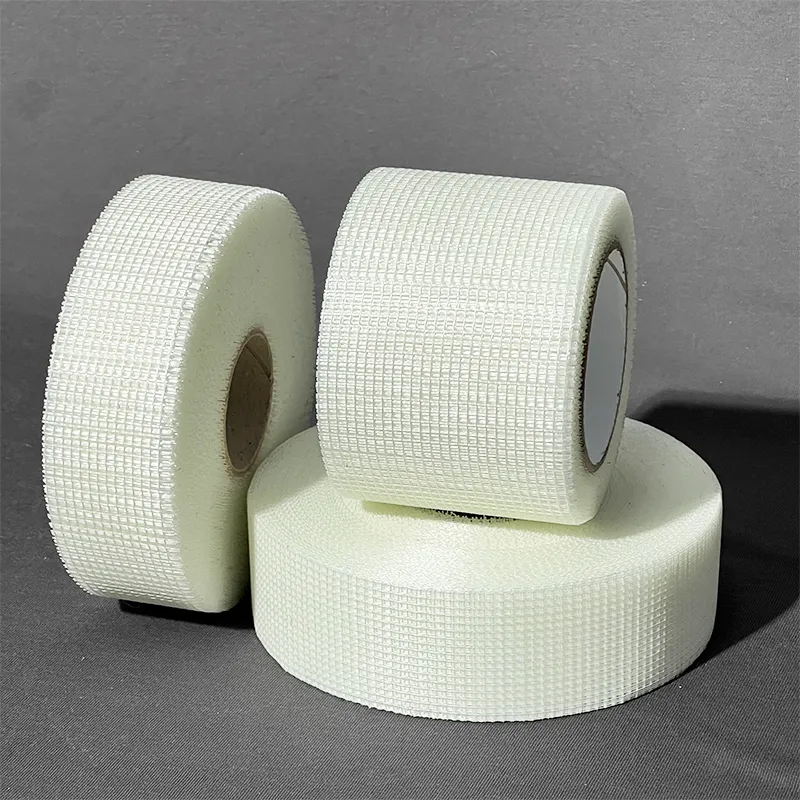
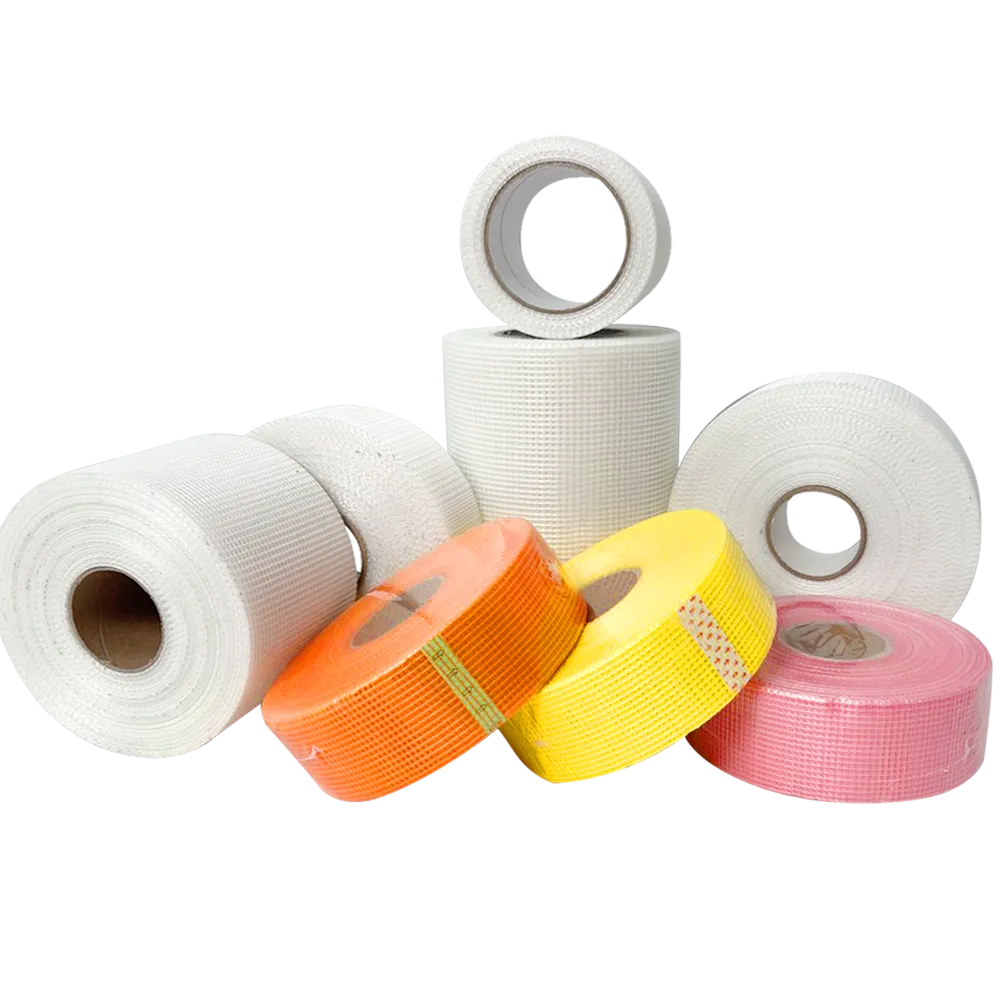
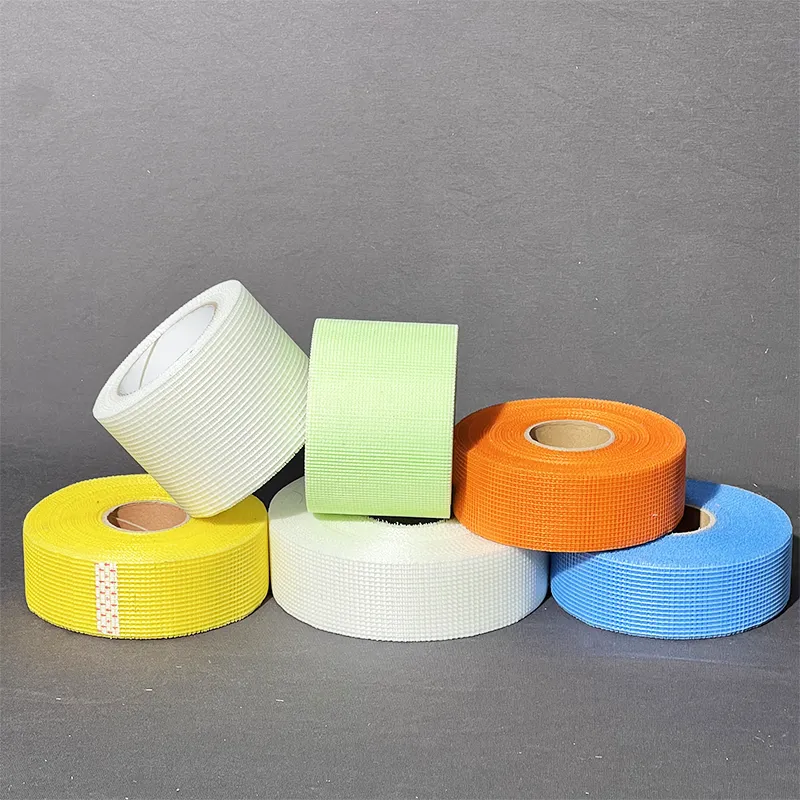
Understanding the pricing structure of raw materials is crucial for construction projects, particularly when considering the fiberglass yarn price for producing high-quality building facade materials. The final cost of facade systems is significantly influenced by both the fiberglass mesh price and the specialized fiberglass mesh tape cost used for reinforcement and joint treatment. These three cost components - yarn, mesh, and tape - form an interconnected pricing ecosystem that determines the overall budget for exterior insulation finishing systems (EIFS), stucco reinforcements, and other facade applications. Market fluctuations, raw material quality, manufacturing technology, and order volumes all contribute to the final pricing that construction professionals must evaluate when sourcing materials for building envelope projects.
Factors Influencing Fiberglass Mesh Tape Cost
• The fiberglass mesh tape cost is primarily determined by the quality of the base yarn used, with alkali-resistant (AR) glass compositions commanding premium prices due to their enhanced durability in cementitious environments, while standard E-glass variants offer more budget-friendly options for less demanding applications.
• Manufacturing specifications significantly impact the fiberglass mesh tape cost, including tape width (typically 50mm-100mm for facade applications), mesh count per inch, and the type of coating applied, with self-adhesive variants and specialized coatings adding to the final price point for construction projects.
• Market dynamics including fiberglass supply chain stability, international trade policies, and seasonal demand fluctuations create variability in the fiberglass mesh tape cost, making strategic purchasing and long-term supplier relationships important for budget management in facade construction.
Market Analysis of Fiberglass Mesh Price
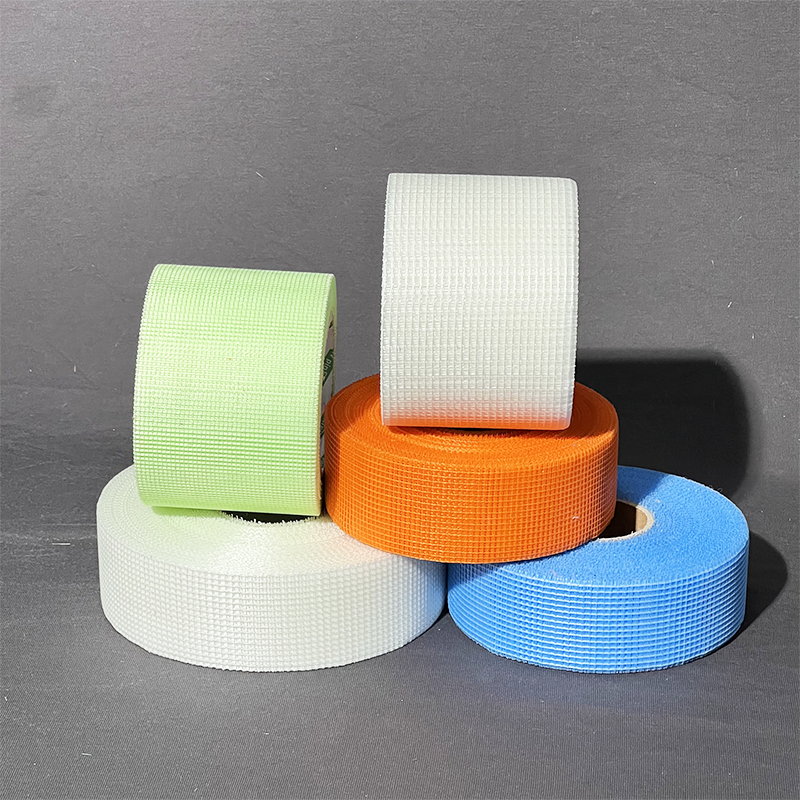
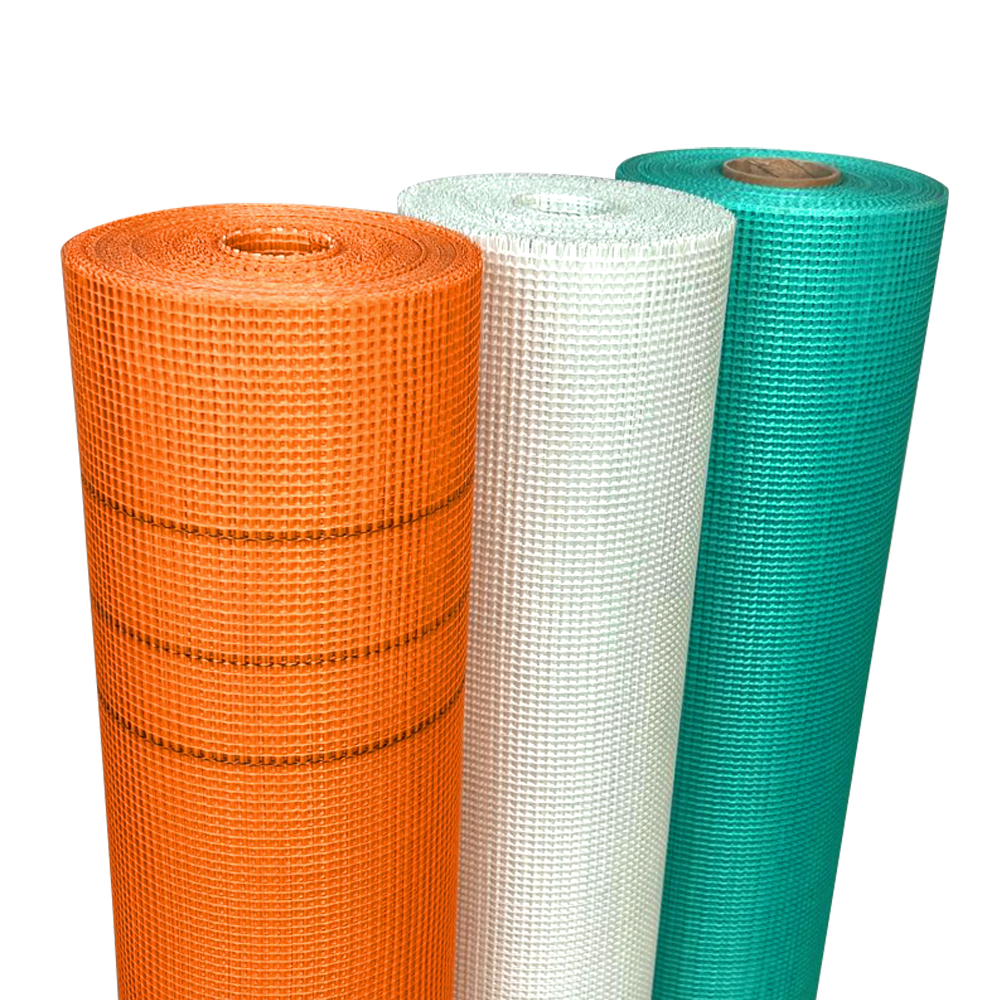
• The global fiberglass mesh price structure varies by region and quality grade, with heavy-duty facade meshes (typically 160g/m² and above) priced significantly higher than standard wall meshes due to their enhanced tensile strength and crack resistance capabilities in building exteriors.
• Technical specifications directly affecting the fiberglass mesh price include mesh weight, alkali resistance percentage, tensile strength in both warp and weft directions, and the type of polymer coating used, all of which contribute to performance in harsh weather conditions and long-term facade durability.
• Volume purchasing typically reduces the per-square-meter fiberglass mesh price, with project-scale buyers able to negotiate better terms, while additional costs for certification compliance, custom widths, and specialized packaging can influence the final price for construction applications.
Determinants of Fiberglass Yarn Price
• The fundamental fiberglass yarn price is driven by raw material costs, particularly the prices of silica sand, limestone, and other minerals, along with energy expenses for the high-temperature melting process required for fiber production, making it sensitive to global commodity market fluctuations.
• Production technology and quality standards significantly impact the fiberglass yarn price, with AR-glass fibers requiring specialized zirconia content (typically 14-17%) commanding higher prices than standard E-glass fibers due to their superior resistance to alkaline degradation in cement-based facade systems.
• The fiberglass yarn price varies according to filament diameter, with finer filaments (such as 9 microns) used for high-quality facade meshes being more expensive to produce than coarser variants, while twist levels, sizing formulations, and packaging specifications also contribute to cost differences for construction applications.
Fiberglass Mesh Price FAQS
Q: How does mesh density (e.g., 10x10mm vs 12x12mm) affect fiberglass mesh price for exterior wall insulation (EIFS) in construction?
A: Mesh density directly impacts fiberglass mesh price—denser mesh (e.g., 10x10mm) typically costs 15%-25% more than less dense options (e.g., 12x12mm) for EIFS applications. Denser mesh has more fiber per square meter, offering higher tensile strength (critical for resisting insulation mortar shrinkage) and better crack prevention, which justifies the higher price. For residential EIFS projects, 12x12mm mesh (around \(0.30-\)0.45 per sqm) is cost-effective for standard insulation needs; for commercial high-rises or areas with extreme weather, 10x10mm mesh (around \(0.40-\)0.60 per sqm) is preferred for long-term durability, even with the higher cost.
Q: Is fiberglass mesh tape cost lower for bulk orders, and what’s the typical minimum order quantity (MOQ) for construction projects?
A: Yes, fiberglass mesh tape cost decreases significantly for bulk orders—suppliers often offer 10%-20% discounts when ordering 500 rolls or more (standard roll size: 50m x 48mm). For small renovation projects (e.g., residential drywall repairs), single rolls may cost \(2-\)4 each; for bulk orders (e.g., commercial building crack repair), the cost drops to \(1.20-\)2.50 per roll. The typical MOQ for bulk pricing is 100 rolls, but many suppliers waive MOQs for long-term construction partners. Additionally, ordering tape in full pallets (usually 200-300 rolls) can reduce shipping costs further, lowering the overall per-unit cost.
Q: Why does fiberglass yarn price vary between alkali-resistant (AR) and regular types, and which is more cost-effective for concrete reinforcement?
A: Fiberglass yarn price differs because AR yarn has a specialized zirconium oxide coating (resists cement’s alkaline corrosion), making it 30%-40% more expensive than regular yarn. Regular fiberglass yarn costs around \(1.80-\)2.50 per kg, while AR yarn ranges from \(2.50-\)3.50 per kg. For concrete reinforcement (e.g., slabs, beams), AR yarn is more cost-effective long-term—regular yarn degrades in alkaline concrete within 3-5 years, leading to cracks and costly repairs. AR yarn maintains strength for 20+ years, eliminating the need for rework. Even with the higher upfront price, AR yarn reduces total lifecycle costs for construction projects, especially infrastructure like bridges or industrial floors.
Q: Does the width of fiberglass mesh (e.g., 1m vs 2m) affect fiberglass mesh price per square meter, and which width is better for large-scale wall construction?
A: Width has little impact on fiberglass mesh price per square meter—1m-wide mesh (around \(0.35-\)0.55 per sqm) and 2m-wide mesh (around \(0.30-\)0.50 per sqm) are nearly identical in unit cost. The slight difference comes from production efficiency: 2m-wide rolls have fewer seams, reducing material waste and labor time for large-scale wall construction (e.g., residential complexes or commercial buildings). For projects covering 1,000+ sqm, 2m-wide mesh cuts installation time by 30% (fewer rolls to handle and overlap), making it more cost-effective overall—even if the per-sqm price is similar, the labor savings offset any minor cost differences.
Q: Are there seasonal fluctuations in fiberglass mesh tape cost, and when is the best time to purchase for construction projects?
A: Fiberglass mesh tape cost fluctuates seasonally, driven by raw material (glass fiber) prices and construction demand. Prices rise 10%-15% in spring and summer (peak construction seasons) due to high demand, while winter (slow construction period) brings 5%-10% discounts. For example, a 50m roll may cost \(3-\)4 in June but \(2.50-\)3.20 in January. The best time to purchase is late fall (November-December) or early winter (January-February)—suppliers often run end-of-year clearance sales to reduce inventory, and raw material prices are lower due to reduced demand. Ordering 2-3 months before your project starts (e.g., buying in December for a March construction start) locks in lower prices and ensures stock availability.
-
Best Fiberglass Mesh Tape for RedGard Product Waterproofing GuideBerriakApr.16,2026
-
Why High Strength Fiberglass Mesh Is Essential For Stucco ApplicationBerriakApr.15,2026
-
Why Alkali Resistant Fiberglass Mesh Tape Is Essential For Cement Board And Tile InstallationsBerriakApr.15,2026
-
Understanding The Role Of Drywall Fiberglass Mesh In Interior FinishingBerriakApr.15,2026
-
Ultimate Guide To Using Fiberglass Mesh Tape For Drywall And Plaster RepairsBerriakApr.15,2026
-
The Versatility Of Fiberglass Mesh In Marble And Stone MosaicBerriakApr.15,2026