Api . 02, 2026 09:46 Itzuli zerrendara
Best Fiberglass Mesh Tape Solutions For Reinforcing Wall Cracks And Structural Joints
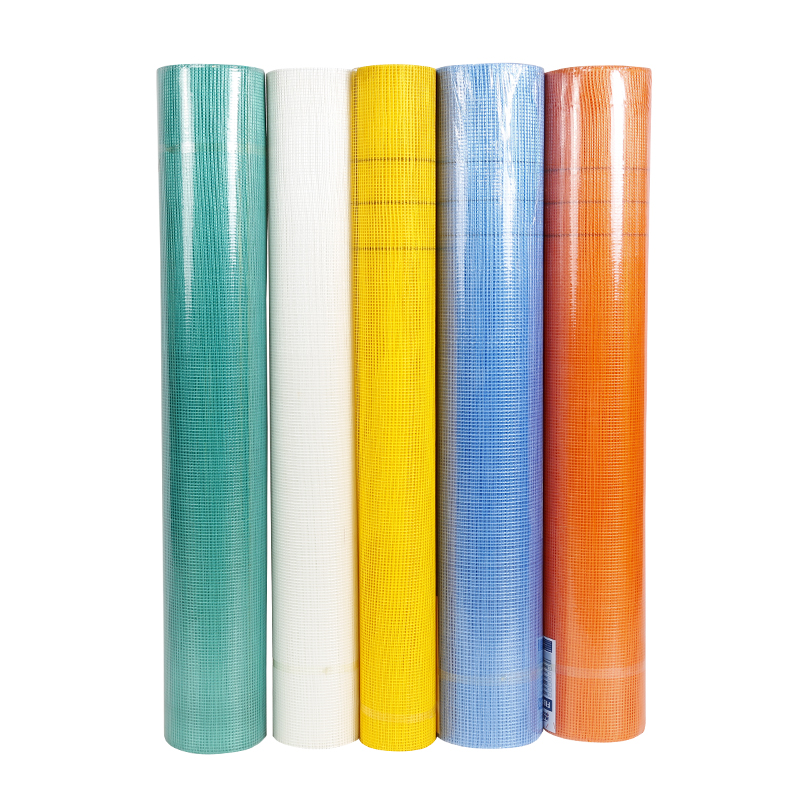
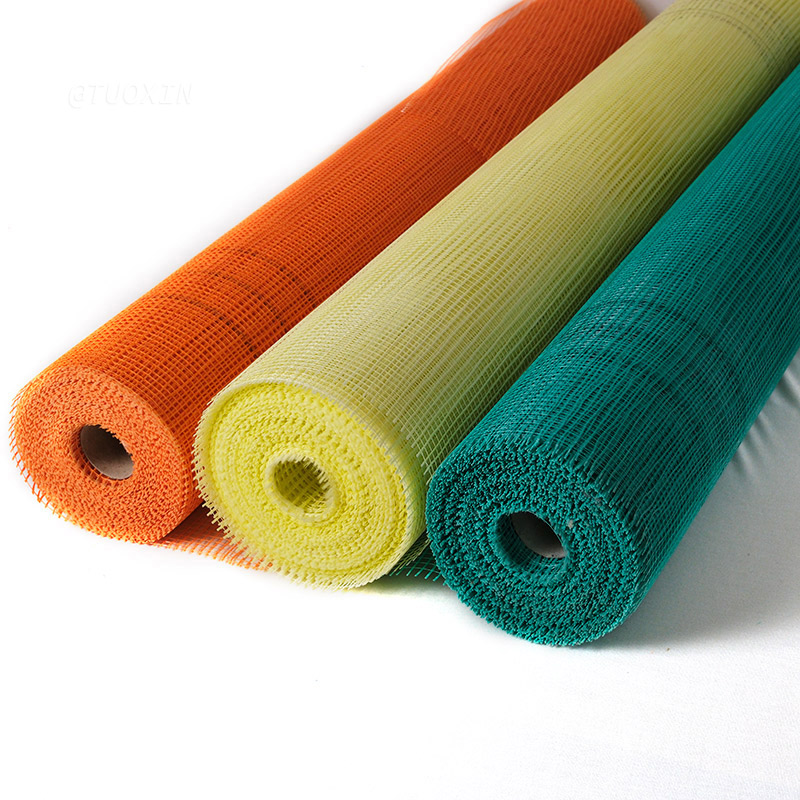
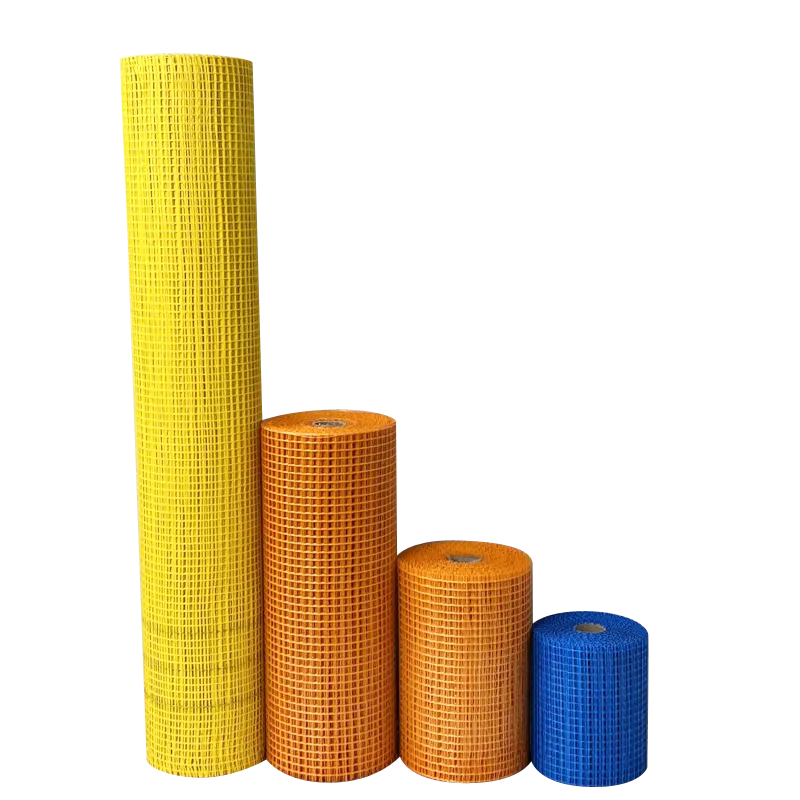
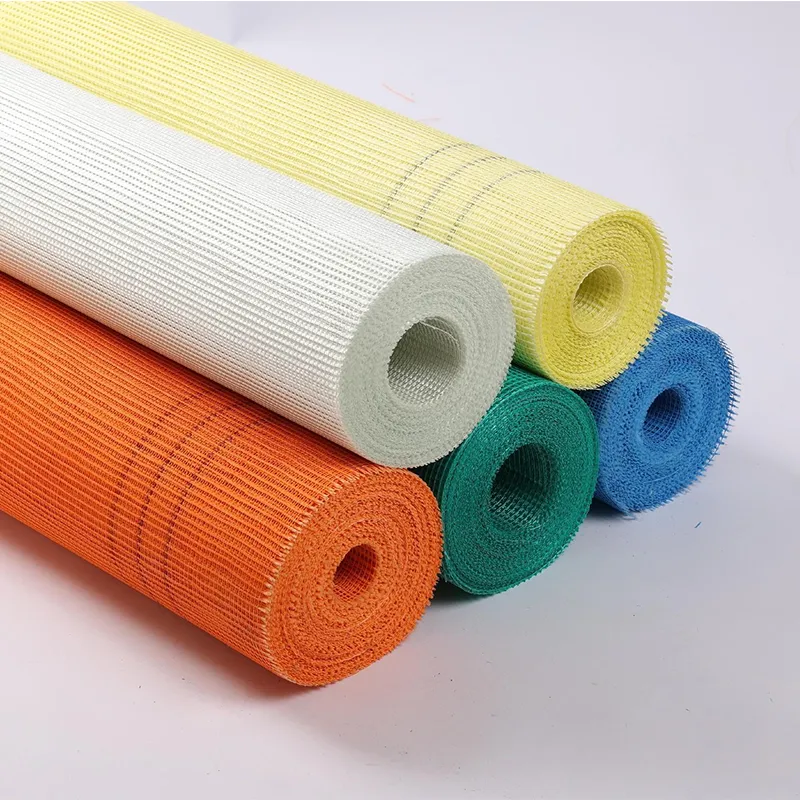
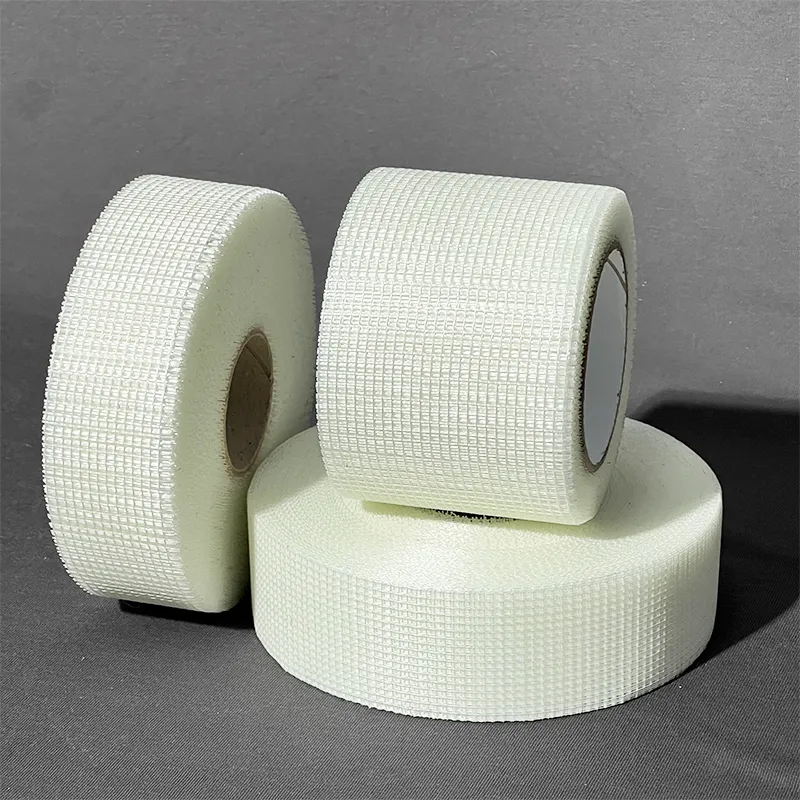
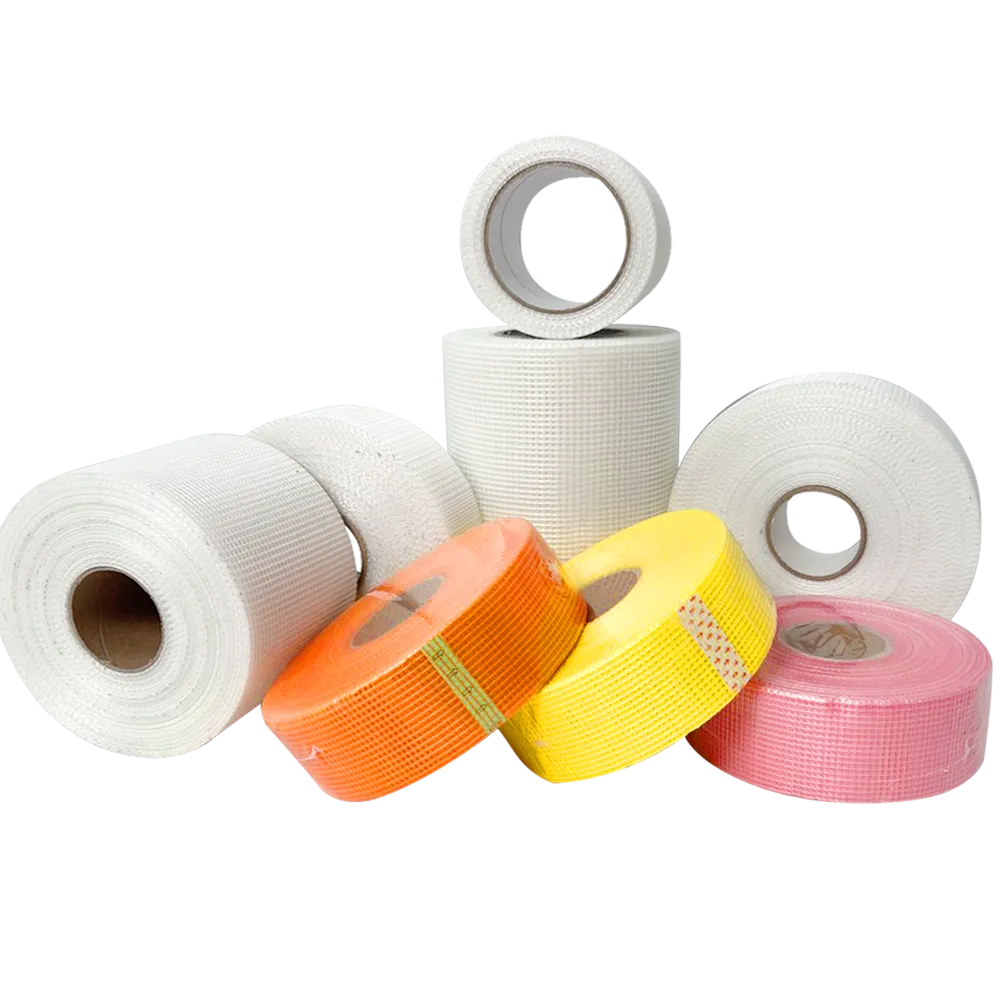
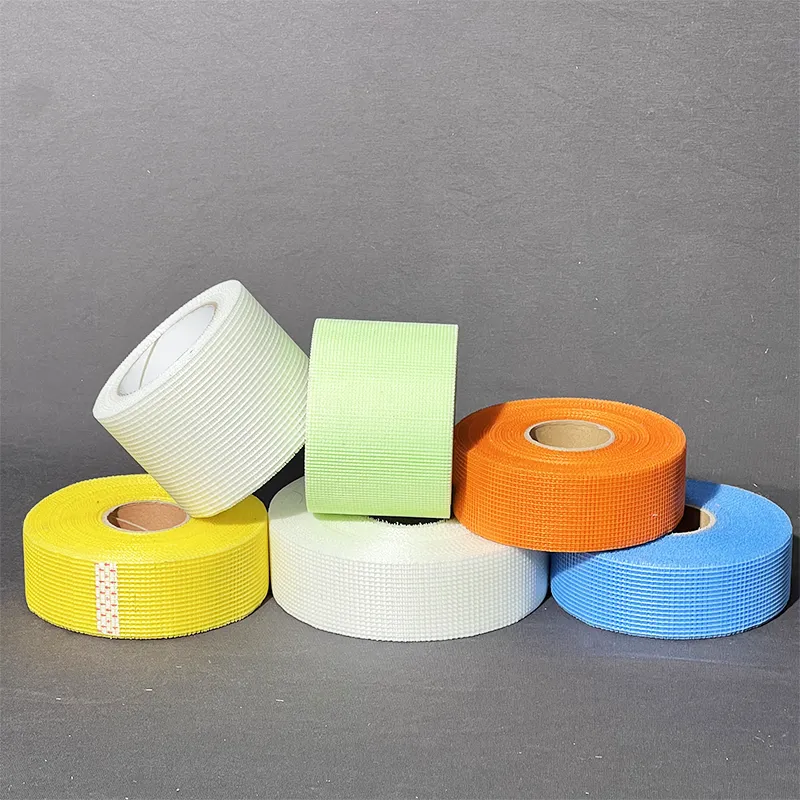
The integrity of a building's interior and exterior surfaces is constantly challenged by the natural settling of foundations, thermal expansion, and the subtle vibrations of daily occupancy. In the face of these inevitable structural shifts, maintaining a pristine, crack-free finish requires more than just a high-quality coat of paint or a layer of plaster. It demands a specialized reinforcement system that can bridge the gaps between shifting panels and stabilize failing substrates. This is where the selection of the best fiberglass mesh tape becomes a critical factor for contractors and property owners alike. By providing a high-tensile, multidirectional web of protection, this material ensures that the seams and fractures within a wall do not compromise the visual or structural quality of the finish.
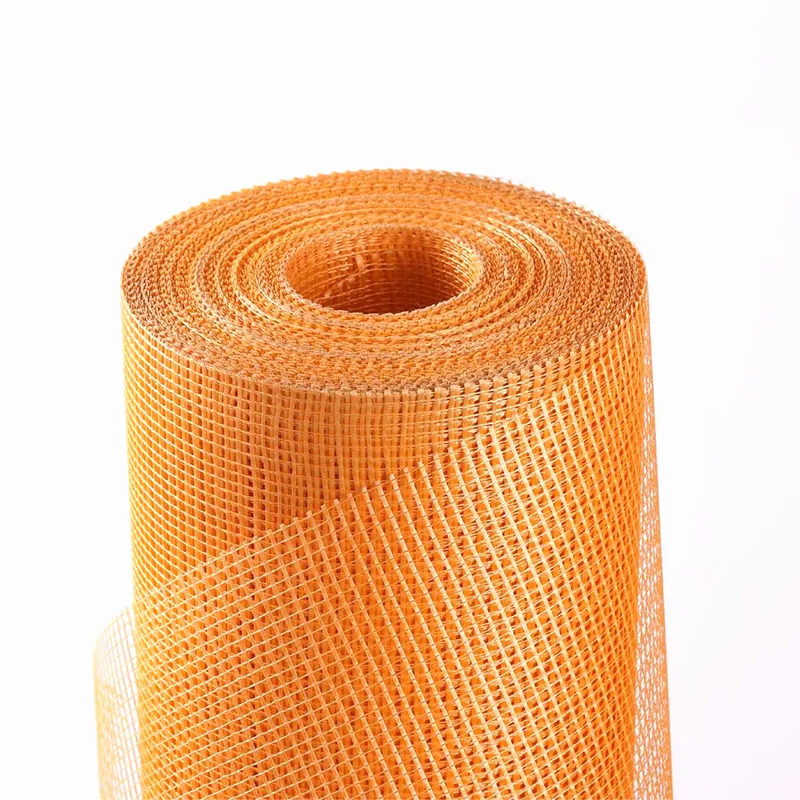
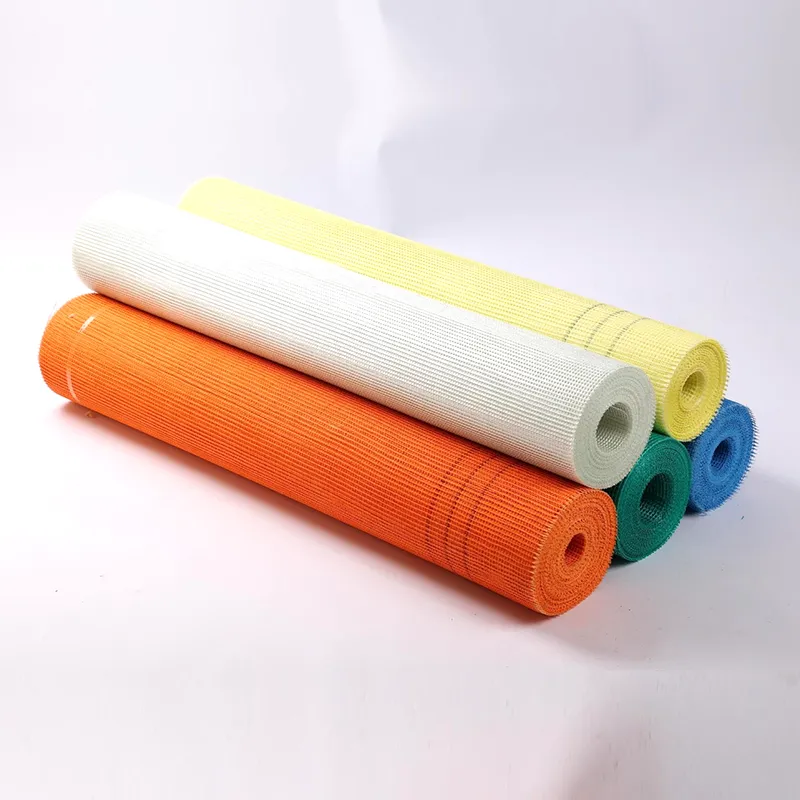
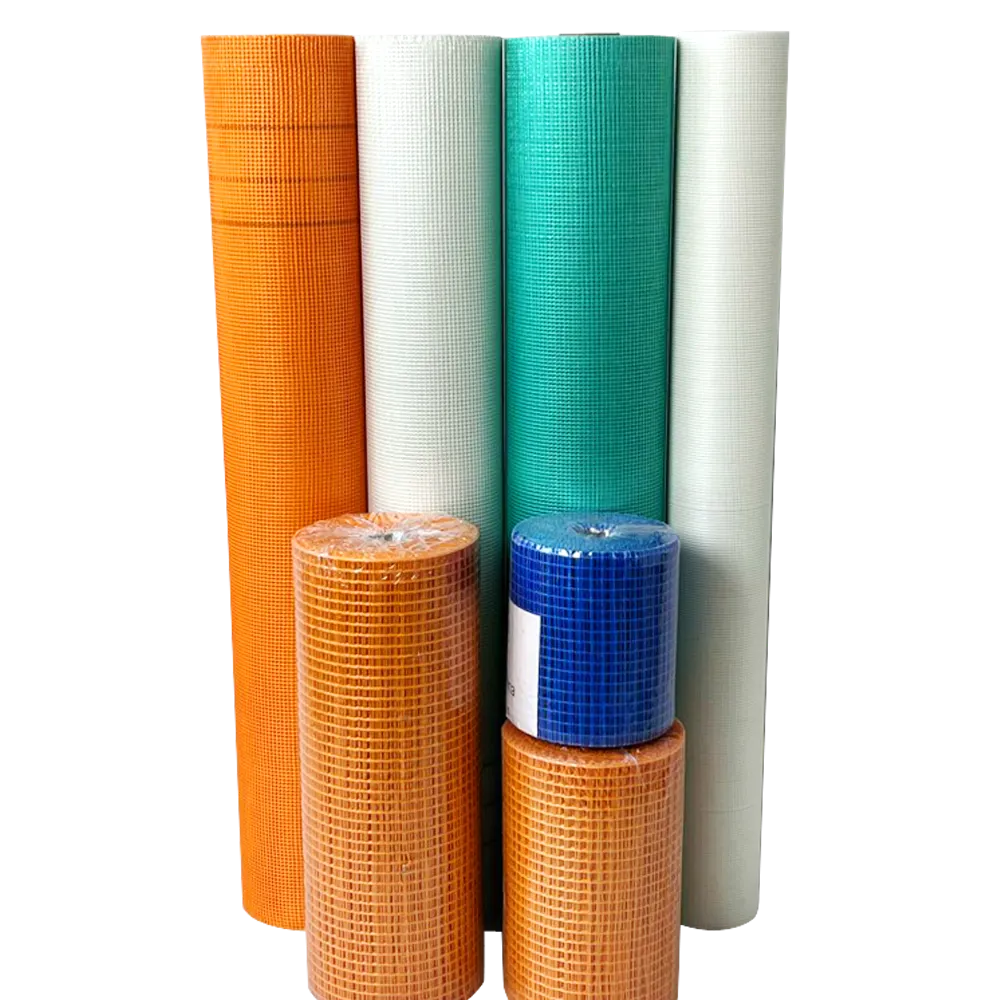
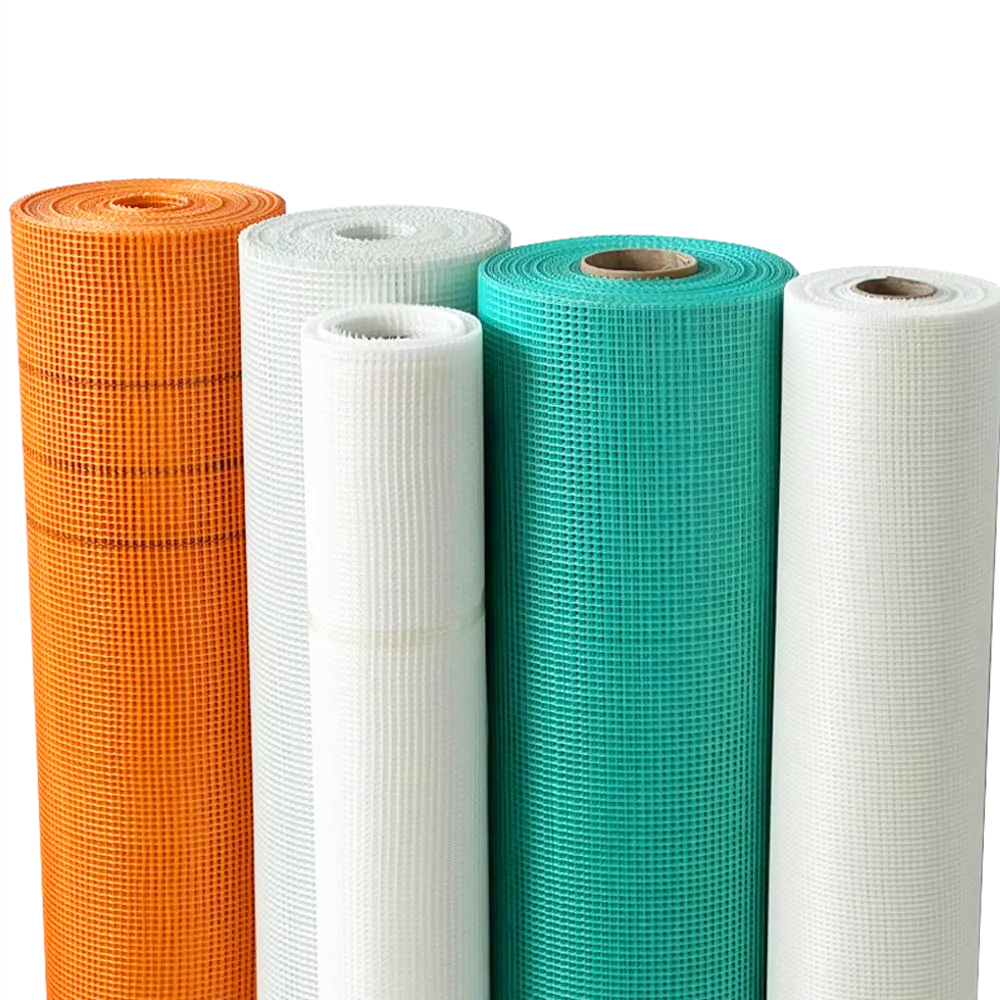
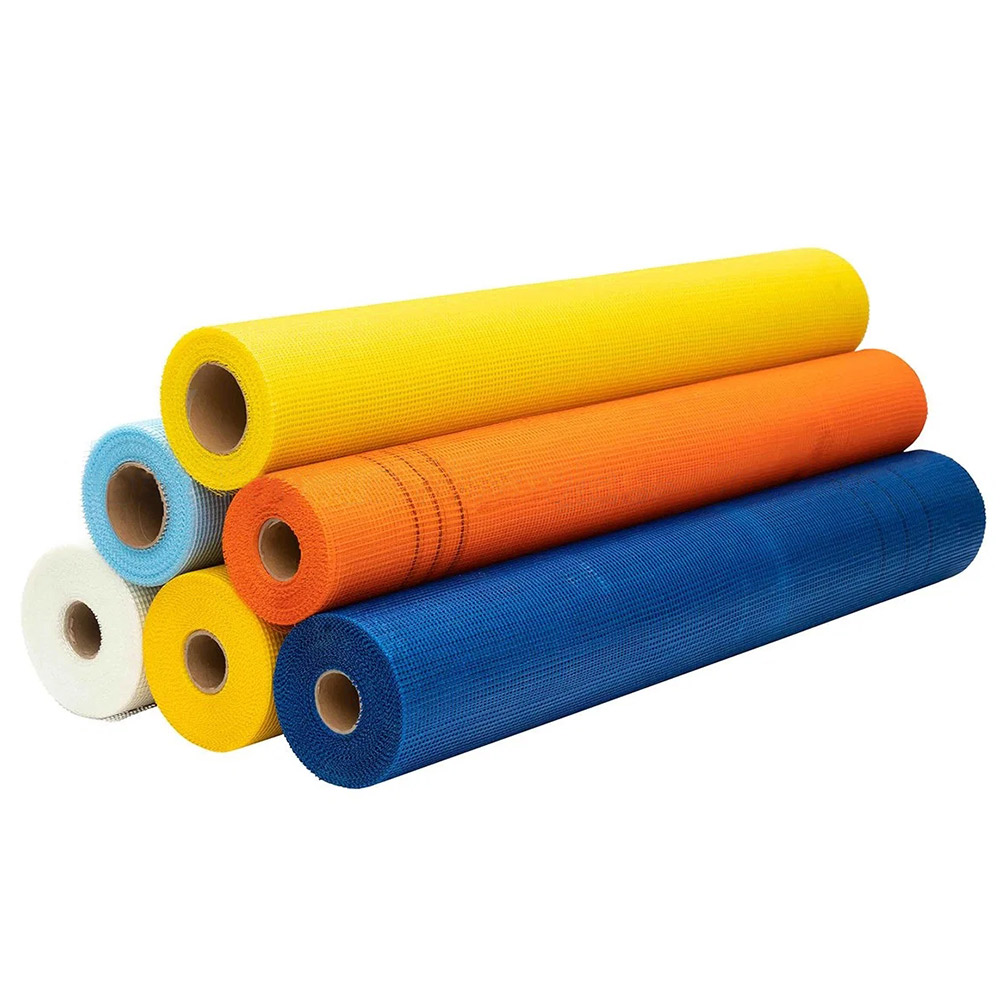
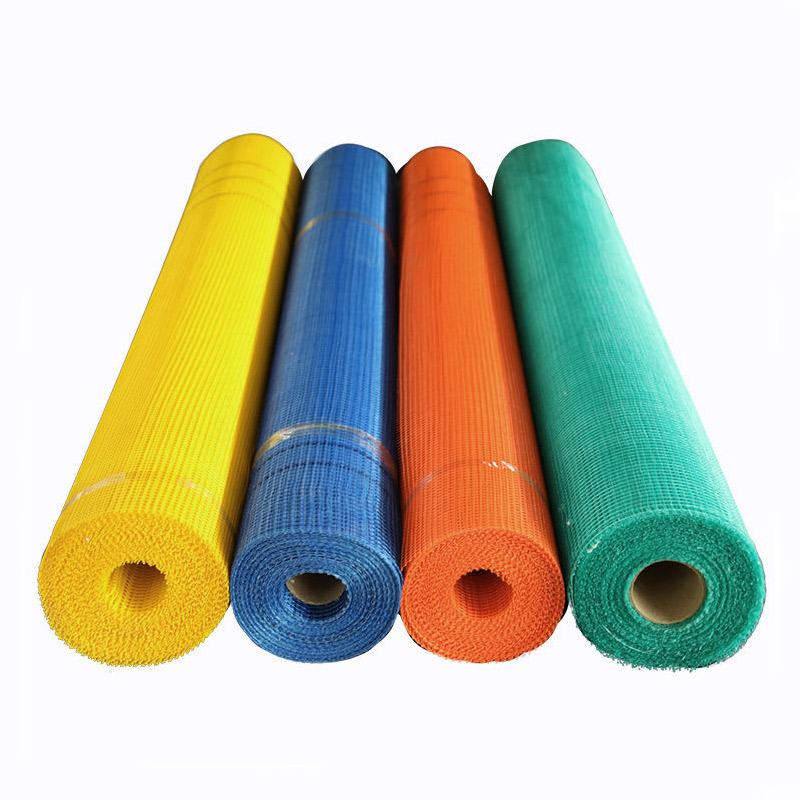
Modern engineering has transformed the humble roll of tape into a high-performance industrial asset. The best fiberglass mesh tape is characterized by its ability to maintain dimensional stability under stress, resisting the stretching and tearing that often leads to the failure of traditional paper-based jointing systems. Because the glass fibers are inorganic and chemically inert, they provide a permanent solution that does not degrade in the presence of moisture or fluctuating humidity levels. This makes the implementation of a professional-grade mesh system the definitive choice for those seeking to protect their investment in high-end residential or commercial construction projects.
Targeted Repairs: Utilizing Fiberglass Mesh Tape For Cracks And Surface Failures
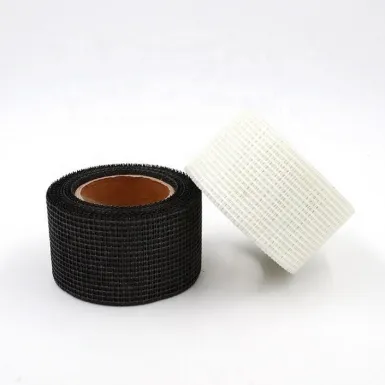
One of the most common challenges in property maintenance is the recurring hairline fracture that appears above door frames or along the seams of old plaster walls. These failures are often the result of localized stress concentrations that simple joint compounds cannot handle on their own. Applying fiberglass mesh tape for cracks offers a proactive reinforcement method that essentially creates a "new skin" over the damaged area. The mesh spreads the mechanical load across a wider surface, preventing the movement of the underlying substrate from telegraphing through to the final decorative layer. This technique is particularly effective for large-scale renovations where the stability of the original walls is in question.
When using fiberglass mesh tape for cracks, the repair process involves more than just covering the visible line. A professional technician will typically rake out the loose debris from the fracture before bridging the gap with the mesh. Because the tape is thin and flexible, it conforms to the irregular contours of old masonry or damaged drywall without creating a bulky hump that is difficult to hide. The result of using fiberglass mesh tape for cracks is a reinforced repair that is far superior to "caulk-and-paint" methods, providing a rock-solid foundation that remains intact even as the building continues to breathe and settle over time.
Structural Continuity With Professional Fiberglass Mesh Joint Tape
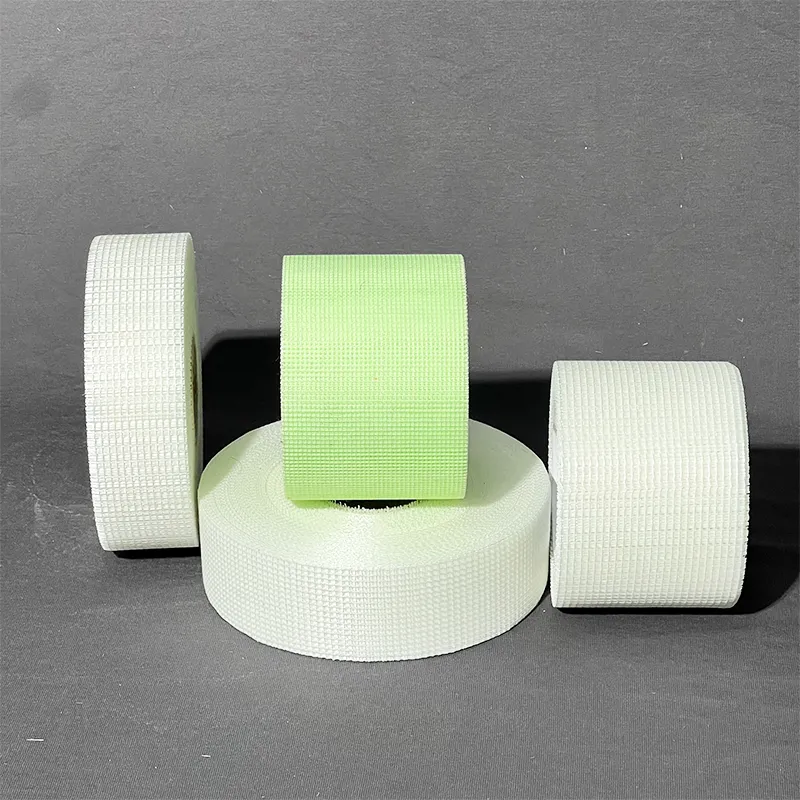
In new construction, the quality of the finish is established at the seams where two panels of drywall or cement board meet. These joints are the most vulnerable points in any wall assembly, as they are subject to the concentrated forces of structural movement. Utilizing fiberglass mesh joint tape at these junctions ensures that the two independent panels act as a single, monolithic unit. The cross-woven structure of the mesh allows the joint compound to fully encapsulate the fibers, creating a mechanical bond that locks the panels together. This "grid" reinforcement is essential for preventing the ridging or popping of joints that can occur when the building’s frame shifts during seasonal changes.
The versatility of fiberglass mesh joint tape also extends to its compatibility with various finishing agents. Whether an installer prefers a traditional gypsum-based compound or a high-performance setting mud, the open-weave design of the mesh facilitates maximum penetration. This ensures that there are no hollow spots or air pockets behind the tape, which are the leading causes of tape failure and blistering. By prioritizing the use of fiberglass mesh joint tape for every structural seam, builders can significantly reduce the need for future callbacks, enhancing their reputation for quality and ensuring a long-lasting, maintenance-free interior for the end-user.
Material Innovation: The Versatility Of Modern beira-zuntzezko sare zinta
The broad adoption of beira-zuntzezko sare zinta across the construction industry is a testament to its superior material properties. Unlike organic materials, glass filaments do not provide a food source for mold, making this tape an ideal candidate for kitchens, bathrooms, and industrial basements where moisture levels are often elevated. The open-grid design of beira-zuntzezko sare zinta also allows for a faster drying time for the joint compound, as air and moisture can pass through the holes more freely than they can through solid paper. This efficiency gain is a major advantage on large-scale job sites where meeting tight deadlines is a constant pressure.
Furthermore, the high modulus of elasticity found in beira-zuntzezko sare zinta means it can absorb a significant amount of energy before failing. This is particularly relevant in earthquake-prone regions or urban environments subject to the constant vibration of heavy traffic. The tape acts as a shock absorber for the wall, maintaining the integrity of the plaster or drywall joints under conditions that would cause other materials to fail. This blend of chemical resistance, thermal stability, and mechanical strength is what makes beira-zuntzezko sare zinta an indispensable tool in the modern builder's arsenal, providing a versatile solution for a wide range of interior and exterior reinforcement tasks.
Efficiency And Accuracy Through Self Adhesive Fiberglass Mesh Tape
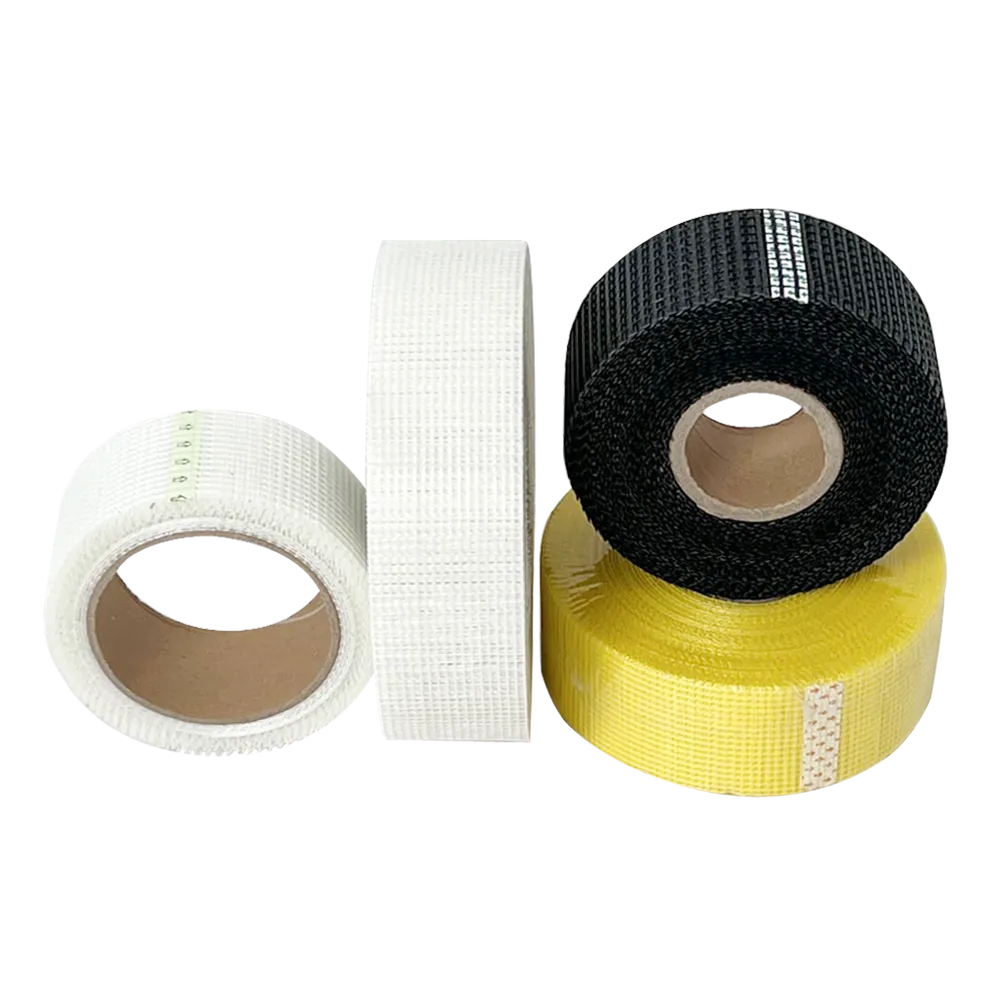
The most significant advancement in taping technology has been the development of the pressure-sensitive adhesive backing. The use of Beira-zuntzezko sare zinta autoitsasgarria修改为Self Adhesive Fiberglass Mesh Tape has completely reimagined the workflow of the drywall finisher. In traditional methods, an installer must apply a "bedding coat" of wet mud before they can lay the tape—a process that is both messy and time-consuming. With Beira-zuntzezko sare zinta autoitsasgarria修改为Self Adhesive Fiberglass Mesh Tape, the material is applied directly to the dry wall. This allows the user to precisely align the tape and ensure it is perfectly flat before any compound is introduced. This "dry-tacking" capability is especially beneficial for complex geometry, such as vaulted ceilings or decorative archways, where gravity would otherwise make wet tape difficult to manage.
Once the Self Adhesive Fiberglass Mesh Tape is in place, it stays in place. There is no risk of the tape slipping or sagging as the first coat of compound is troweled over the surface. This stability ensures that the reinforcement is exactly where it needs to be—centered over the joint—providing maximum structural benefit. For professional crews, the reduction in labor steps leads to a dramatic increase in daily productivity. For the building owner, the use of Self Adhesive Fiberglass Mesh Tape translates into a cleaner job site and a more uniform wall finish, free from the humps and bubbles that often plague non-adhesive taping methods.
-
Best Fiberglass Mesh Tape for RedGard Product Waterproofing GuideBerriakApr.16,2026
-
Why High Strength Fiberglass Mesh Is Essential For Stucco ApplicationBerriakApr.15,2026
-
Why Alkali Resistant Fiberglass Mesh Tape Is Essential For Cement Board And Tile InstallationsBerriakApr.15,2026
-
Understanding The Role Of Drywall Fiberglass Mesh In Interior FinishingBerriakApr.15,2026
-
Ultimate Guide To Using Fiberglass Mesh Tape For Drywall And Plaster RepairsBerriakApr.15,2026
-
The Versatility Of Fiberglass Mesh In Marble And Stone MosaicBerriakApr.15,2026