Sep . 15, 2025 08:20 Back to list
Buy Adhesive Fiberglass Mesh: Strong, Self-Adhesive Tape
Strategic Procurement of Self-Adhesive Fiberglass Mesh for Advanced Construction
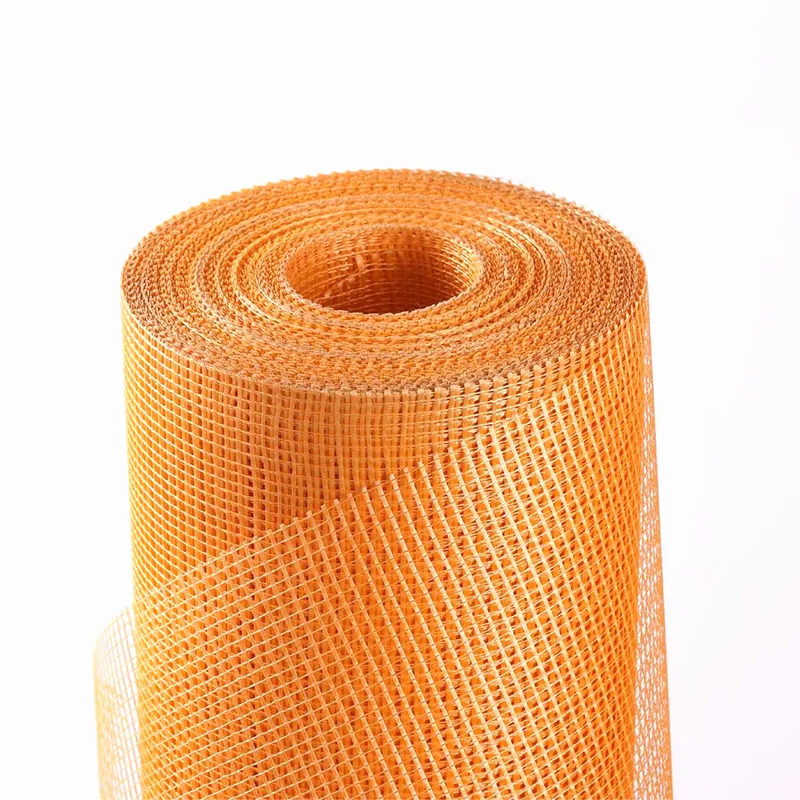
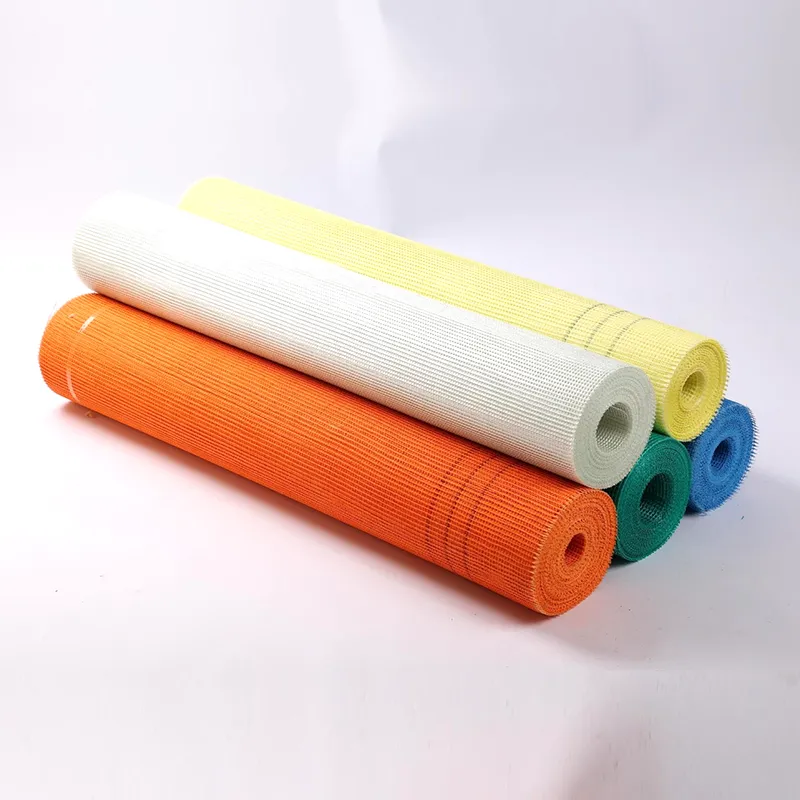
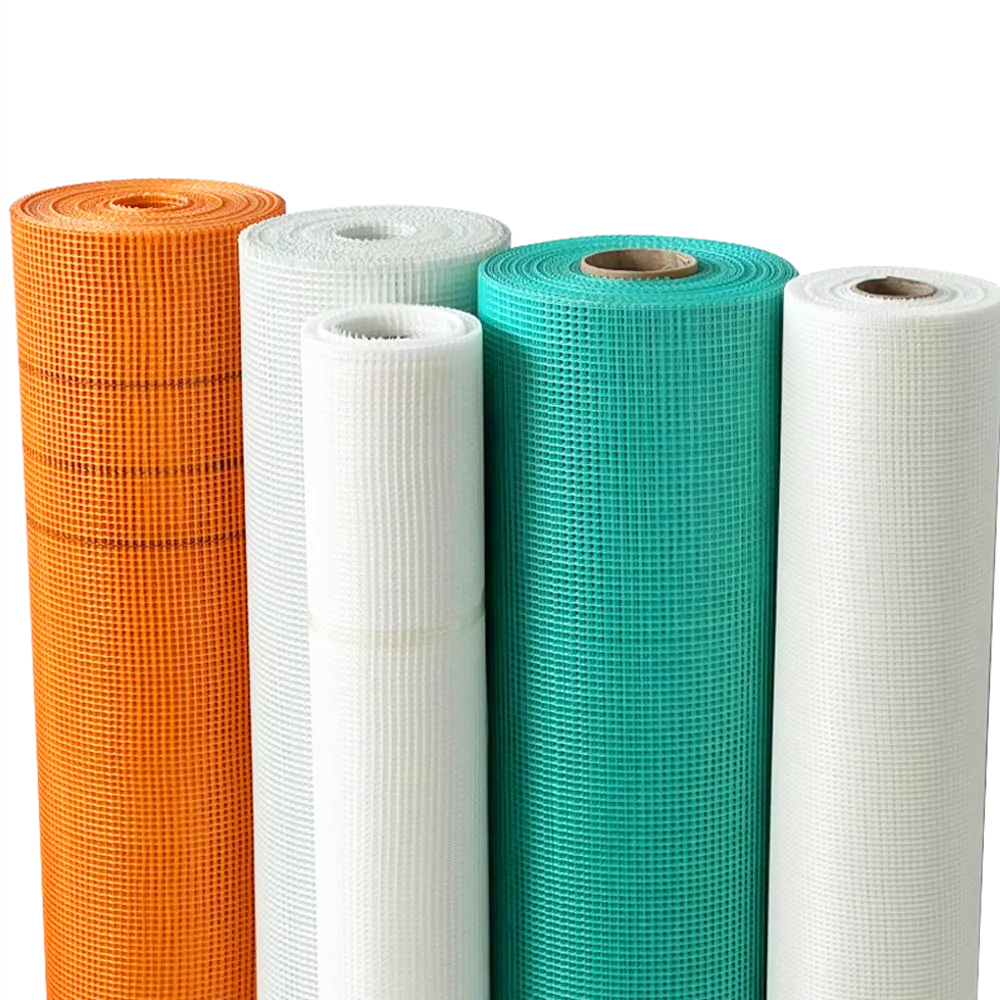
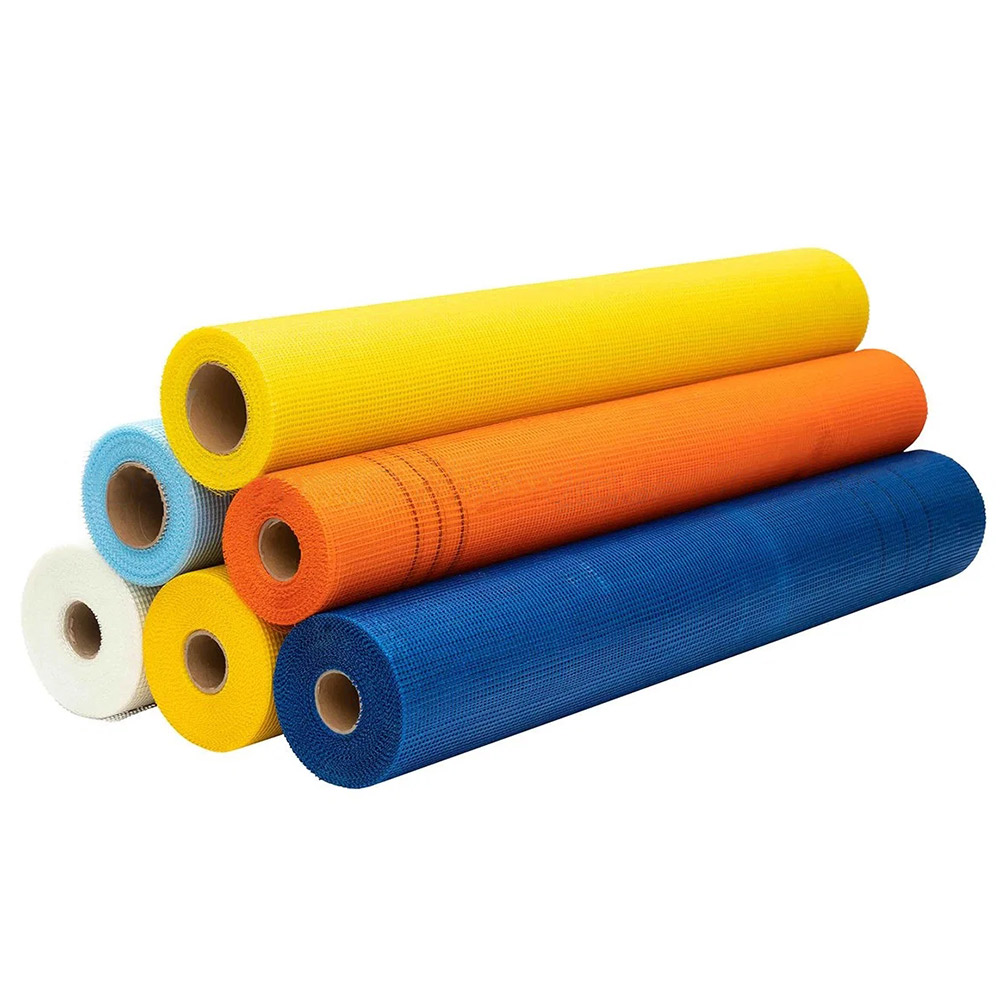
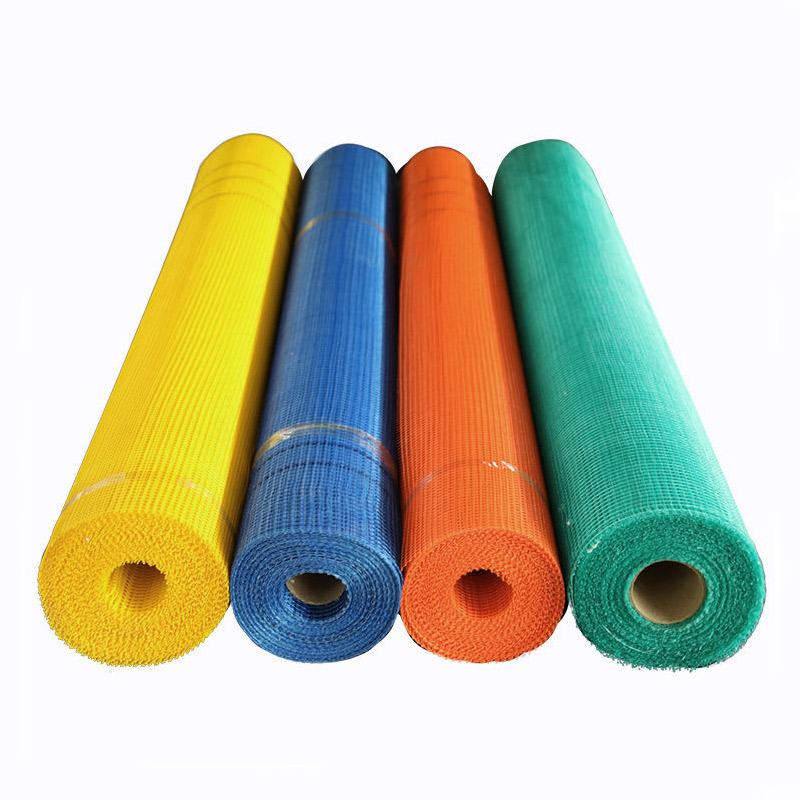
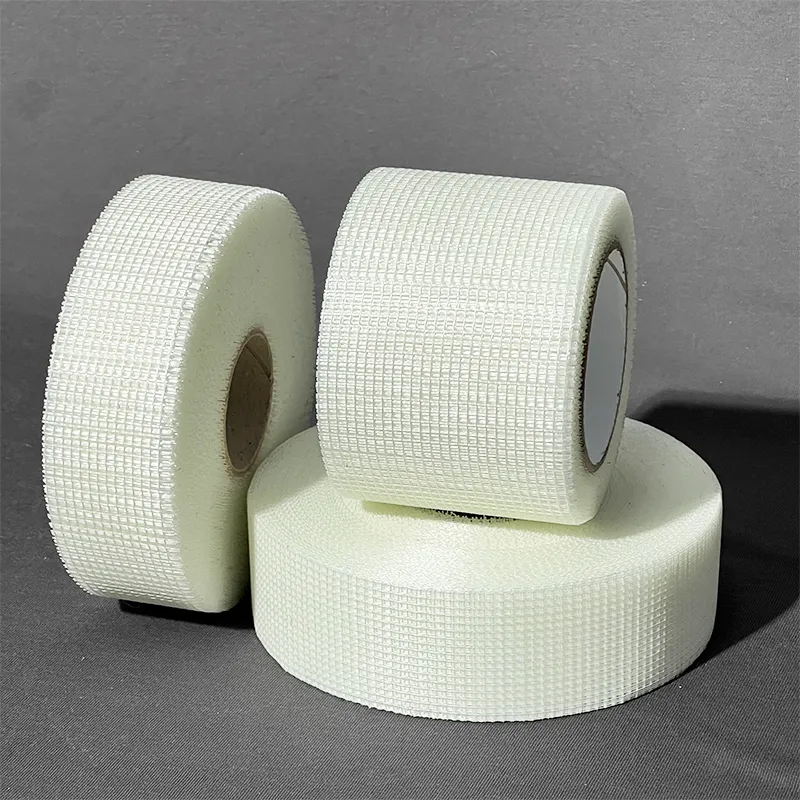
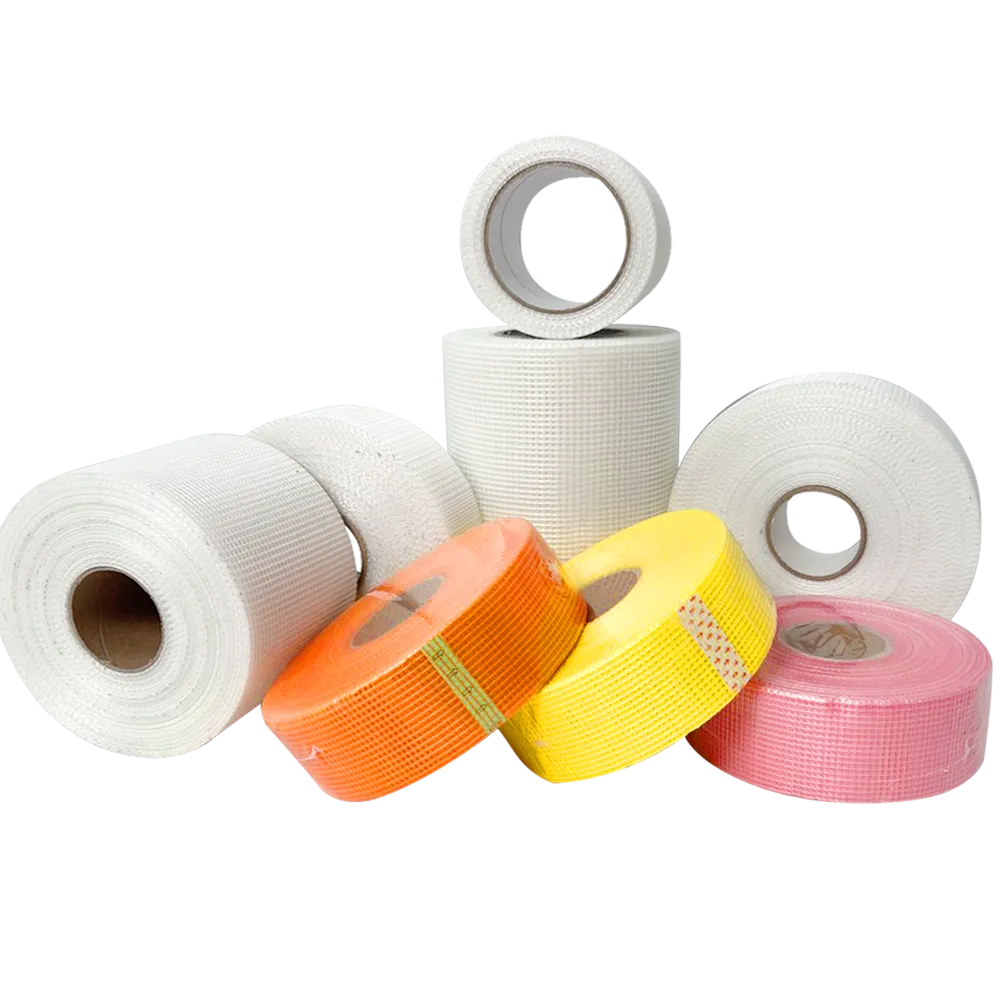
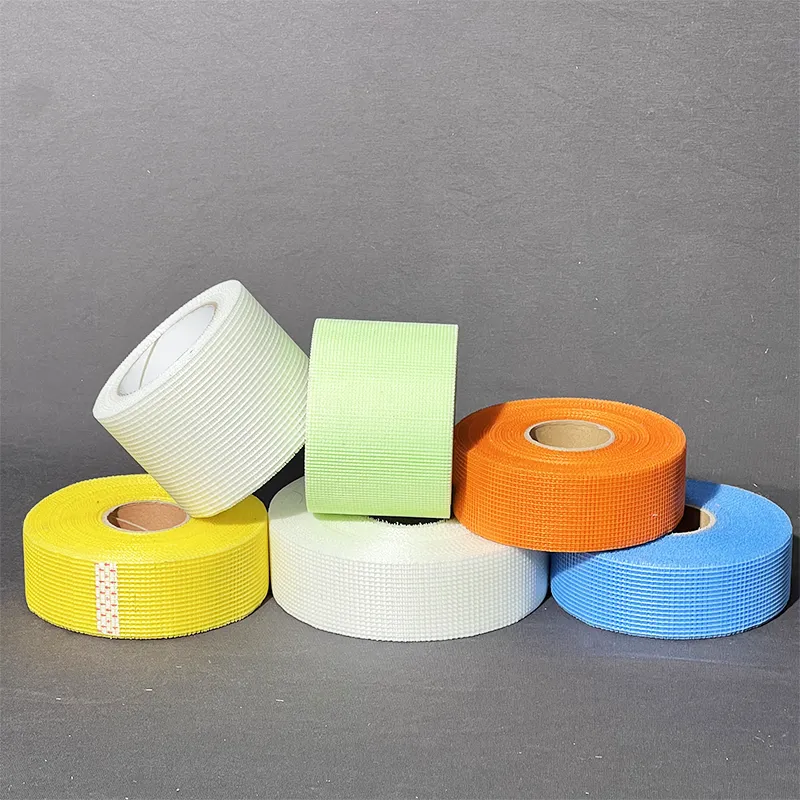
For discerning procurement specialists and construction project managers, the decision to buy adhesive fiberglass mesh is pivotal for ensuring the structural integrity and longevity of modern building facades and interior finishes. This comprehensive guide delves into the critical aspects of selecting and integrating high-performance fiberglass mesh products, emphasizing technical specifications, application efficacy, and supply chain considerations crucial for B2B stakeholders. The focus remains on providing authoritative information that supports informed purchasing decisions, particularly for applications requiring superior crack resistance and structural reinforcement.
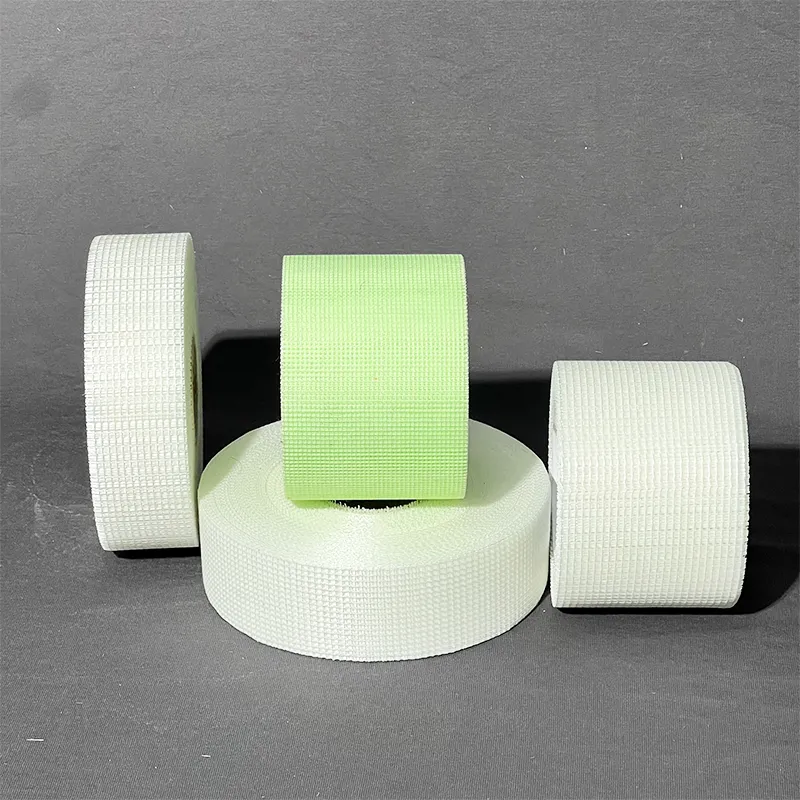
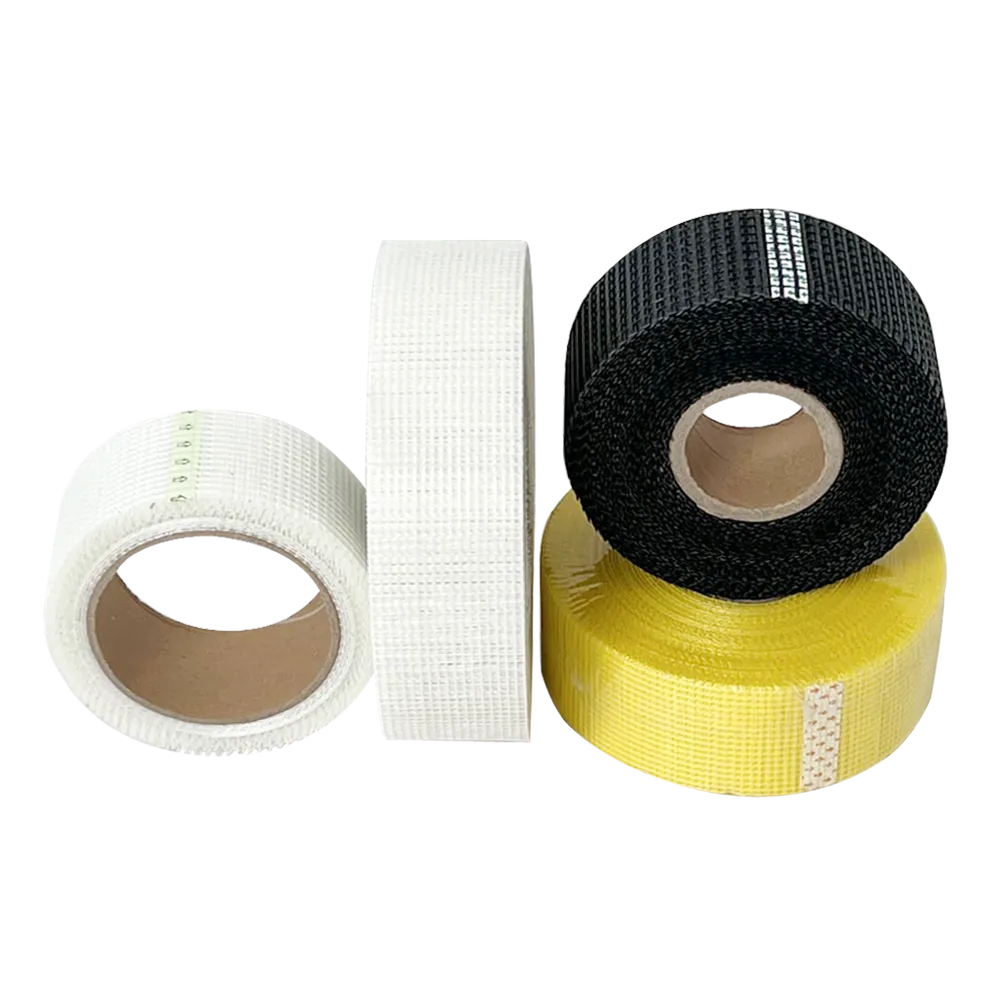
The demand for robust, easy-to-apply reinforcement solutions continues to grow across various construction sectors. Understanding the nuanced technical details and manufacturing excellence behind products like fiberglass self adhesive mesh tape for drywall joint applications is essential. This article will provide an in-depth look at what defines a premium product in this category, helping you to confidently source solutions that meet stringent industry standards.
Advanced Manufacturing Process Flow for Self-Adhesive Fiberglass Mesh
The production of high-quality buy adhesive fiberglass mesh involves a meticulously controlled, multi-stage manufacturing process designed to impart superior mechanical properties and consistent adhesion. Unlike traditional casting or forging common in metal fabrication, fiberglass mesh production primarily involves weaving and specialized coating.
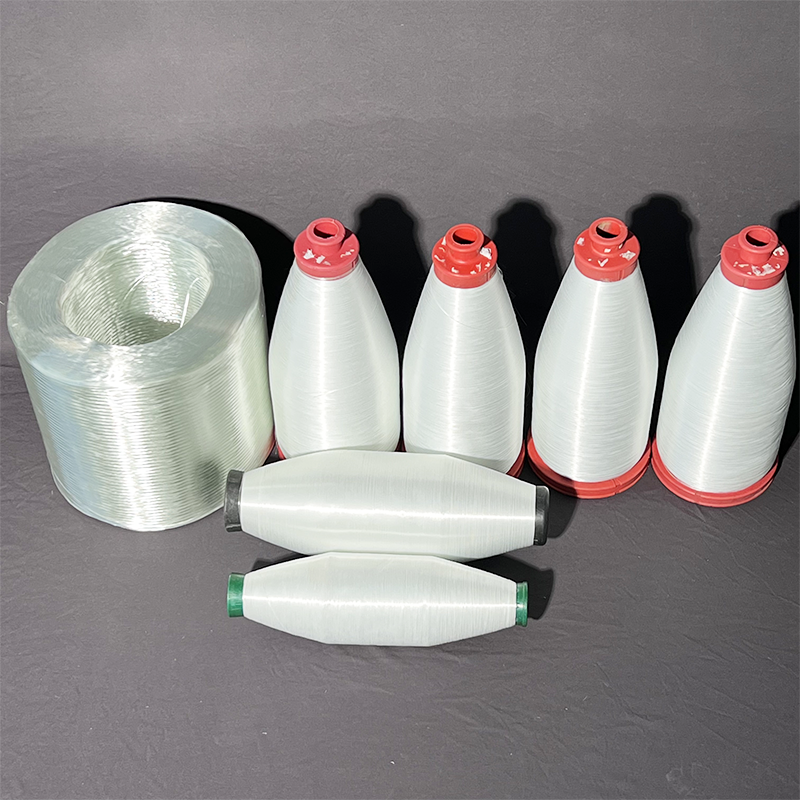
- Glass Fiber Yarn Production: The process begins with the raw material: E-glass (electrical glass) fibers. These fibers are produced by melting glass batch materials (silica sand, limestone, kaolin clay, etc.) in a furnace at approximately 1370°C. The molten glass is then drawn through fine bushings into continuous filaments, which are subsequently bundled into yarns. Key material characteristics include high tensile strength (typically 3400 MPa) and resistance to high temperatures.
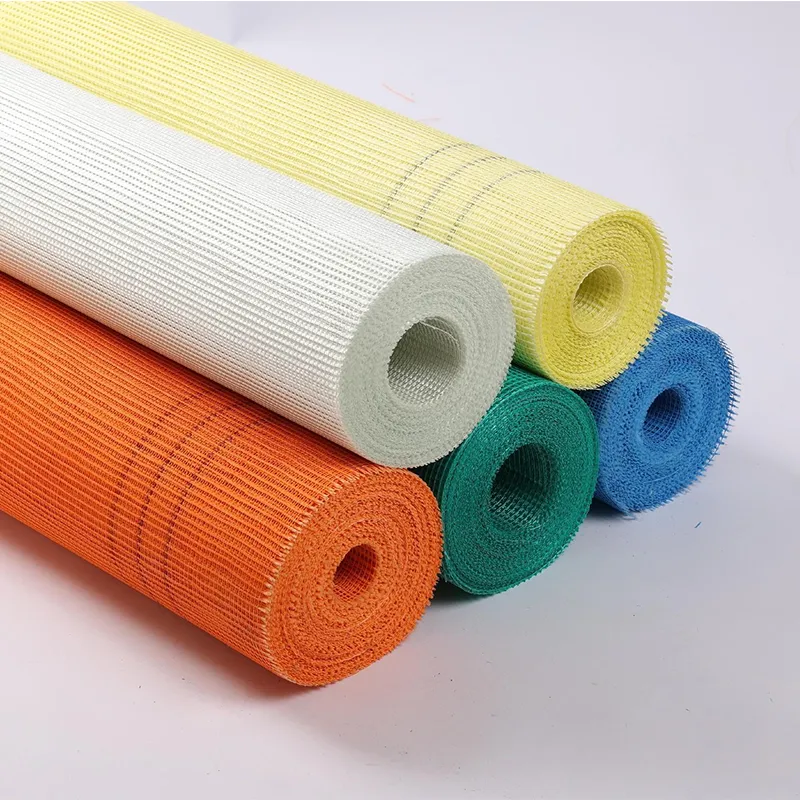
- Weaving: The E-glass yarns are then spooled and fed into high-speed weaving machines (rapier or air-jet looms) to create a consistent, open-weave mesh fabric. The weave pattern (typically leno or plain weave) and mesh count (e.g., 9x9, 5x5 threads per inch) are precisely controlled to ensure dimensional stability and uniform aperture size. This stage determines the initial tensile and tear strength of the mesh.
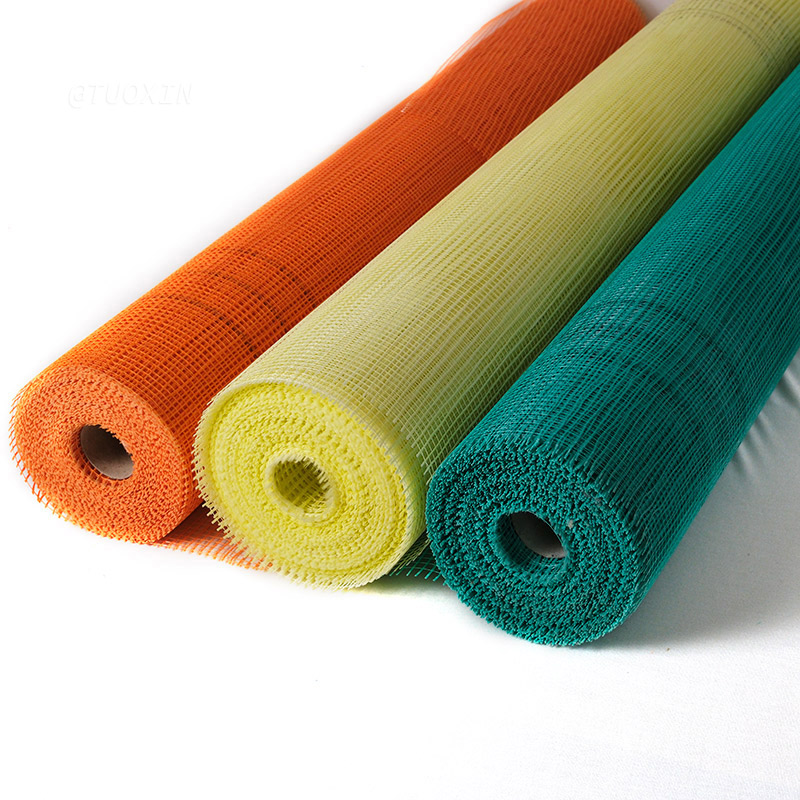
- Alkali-Resistant Treatment (ARP Coating): To withstand the alkaline environment of cementitious materials (e.g., plaster, concrete), the woven fiberglass mesh undergoes an essential alkali-resistant polymer (ARP) coating process. This involves immersing the mesh in an aqueous dispersion of specialty acrylic copolymers. The coating encapsulates the glass fibers, protecting them from chemical degradation and ensuring long-term performance. This significantly extends the service life in target industries such as construction and infrastructure.
- Drying and Curing: After ARP coating, the mesh passes through a high-temperature drying oven to remove water and cure the polymer coating. Precise temperature and dwell time control are critical to achieve optimal cross-linking of the polymer, enhancing adhesion and mechanical properties.
- Adhesive Application: The next crucial step is applying the self-adhesive backing. A high-tack, pressure-sensitive adhesive (PSA), typically acrylic-based, is uniformly coated onto one side of the ARP-treated mesh. The adhesive formulation is engineered for optimal initial grab and long-term bond strength on various substrates like drywall, concrete, and plaster.
- Slitting and Packaging: The wide rolls of adhesive-coated mesh are then precision-slit into specified widths (e.g., 2", 3", 4", 6") using automated slitting machines. Each roll is carefully inspected for quality, length, and adhesion before being packaged according to client specifications.
- Quality Control and Testing: Throughout the entire process, rigorous quality control measures are implemented. This includes testing of raw materials, in-process checks (e.g., mesh count, coating uniformity), and final product testing. Key testing standards often adhere to ISO 9001, ASTM D579 (fabric), and specific industry performance tests for tensile strength (ASTM D5034), alkali resistance (ISO 13460), and adhesive peel strength (ASTM D3330). These standards ensure product reliability and a service life typically exceeding 20 years in appropriate applications.
The advantages in typical application scenarios include enhanced energy saving through crack prevention in insulation systems (EIFS/ETICS), superior corrosion resistance in harsh environments due to the ARP coating, and significant labor cost reduction due to the self-adhesive nature eliminating the need for pre-bedding compounds. Target industries for such products include residential and commercial construction, façade systems, and repair/renovation.
Industry Trends and Market Outlook for Reinforcement Meshes
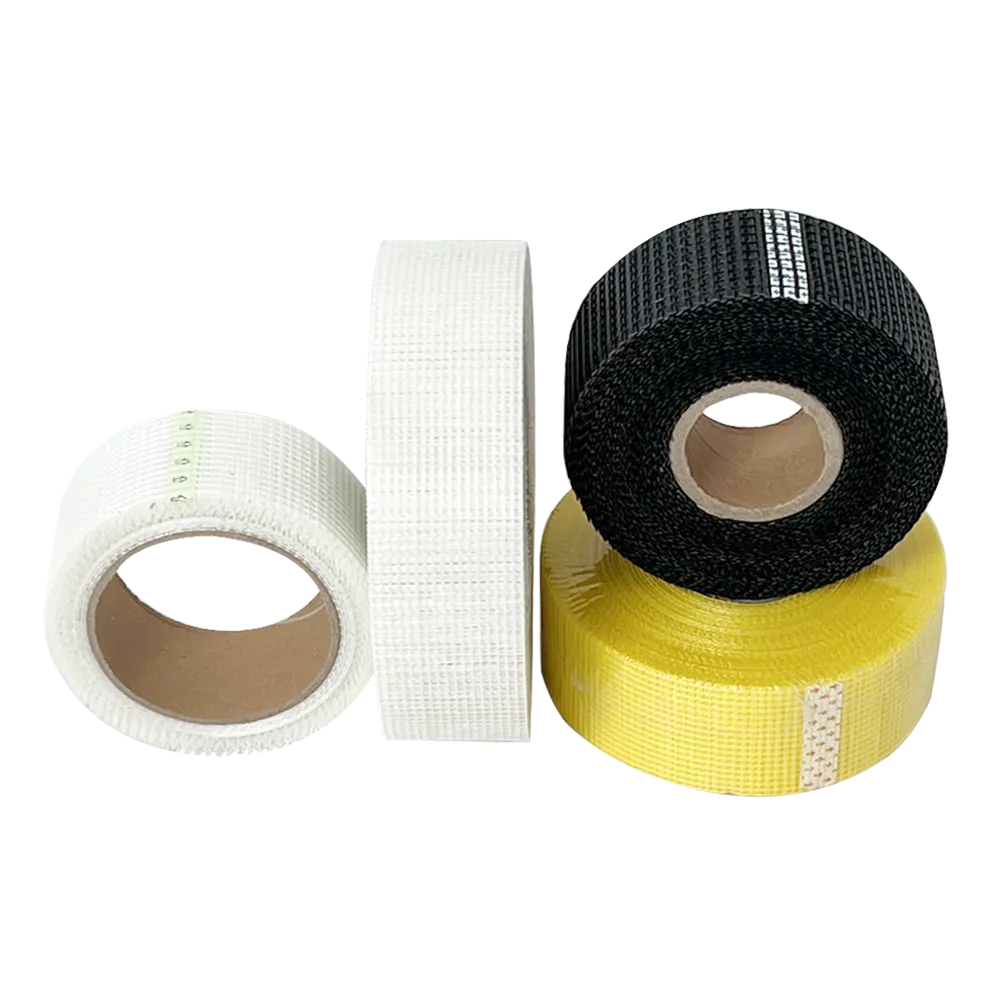
The global market for fiberglass reinforcement products, including solutions to buy adhesive fiberglass mesh, is experiencing sustained growth driven by several key trends. Increasing urbanization, infrastructure development, and a strong emphasis on sustainable and resilient building practices are primary catalysts. There's a notable shift towards materials that offer both performance and ease of application, making products like buy fiberglass mesh tape for drywall and buy fiberglass mesh tape for redgard increasingly popular.
- Sustainable Construction: Growing demand for green building materials that reduce environmental impact while enhancing building longevity. Fiberglass mesh contributes to extended service life of structures, reducing repair frequency.
- Pre-fabricated and Modular Construction: The move towards off-site construction benefits from pre-applied reinforcement solutions, integrating seamlessly into modular panels and reducing on-site labor.
- Enhanced Performance Standards: Stricter building codes and performance requirements in seismic zones or areas prone to extreme weather necessitate higher strength and more durable reinforcement materials. This drives demand for buy high strength fiberglass mesh options.
- DIY and Professional Efficiency: The self-adhesive format of products like buy self adhesive fiberglass tape simplifies application, making them appealing for both professional contractors seeking efficiency and for skilled DIY enthusiasts.
- Specialized Applications: Increasing use in niche areas such as waterproofing (e.g., with RedGard membranes), EIFS (External Insulation Finishing Systems), and plaster reinforcement, highlighting the versatility of fiberglass mesh.
The market outlook remains robust, with projections indicating steady growth driven by innovation in polymer coatings and adhesive technologies, further enhancing the performance and applicability of self-adhesive fiberglass mesh products.
Key Technical Specifications of Fiberglass Self-Adhesive Mesh Tape
When you need to buy adhesive fiberglass mesh, understanding the precise technical specifications is paramount for ensuring optimal performance in diverse construction environments. The following table outlines typical parameters for high-quality self-adhesive fiberglass mesh tape used in drywall and general repair applications. These specifications adhere to international standards and reflect the product's suitability for demanding professional use.
| Parameter | Typical Specification | Measurement Standard |
|---|---|---|
| Material Composition | E-glass fiber, Acrylic polymer coating, Acrylic pressure-sensitive adhesive | ISO 1887, ASTM D579 |
| Mesh Size (Aperture) | 9x9 threads/inch (approx. 2.85mm x 2.85mm) | ASTM E2016 |
| Gram Weight (Mass per Unit Area) | 65-75 g/m² | ISO 3374 |
| Tensile Strength (Warp/Weft) | ≥ 400 N/50mm / ≥ 400 N/50mm | ASTM D5034, ISO 13934-1 |
| Alkali Resistance (after 28 days in 5% NaOH) | Tensile strength retention ≥ 70% | ISO 13460, ETAG 004 |
| Adhesive Peel Strength | ≥ 5 N/25mm (Stainless Steel) | ASTM D3330 |
| Elongation at Break | ≤ 4% | ASTM D5034 |
| Temperature Resistance | -40°C to +80°C (continuous) | Internal Test Method |
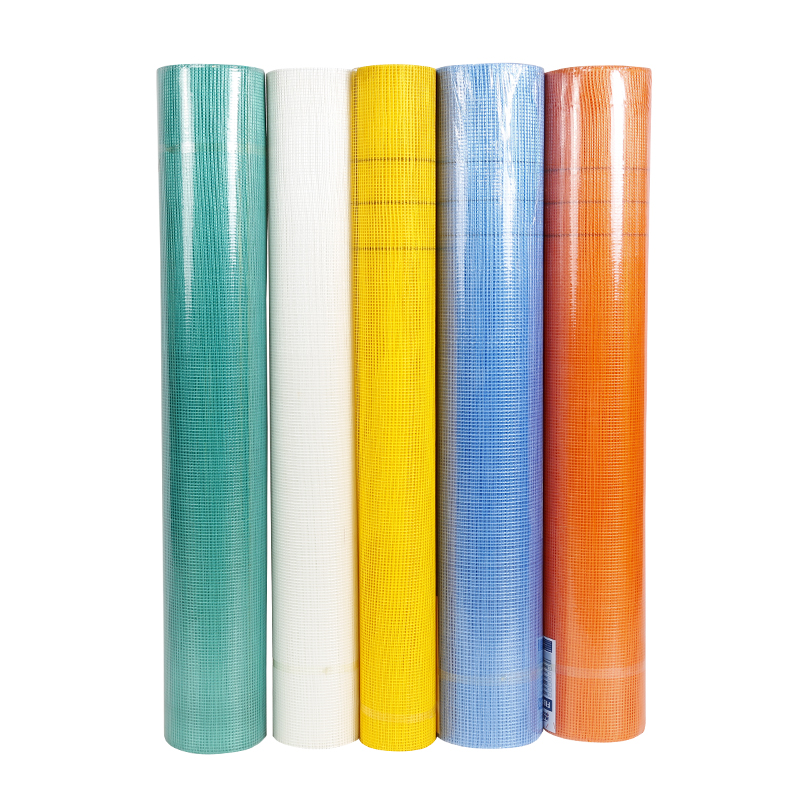
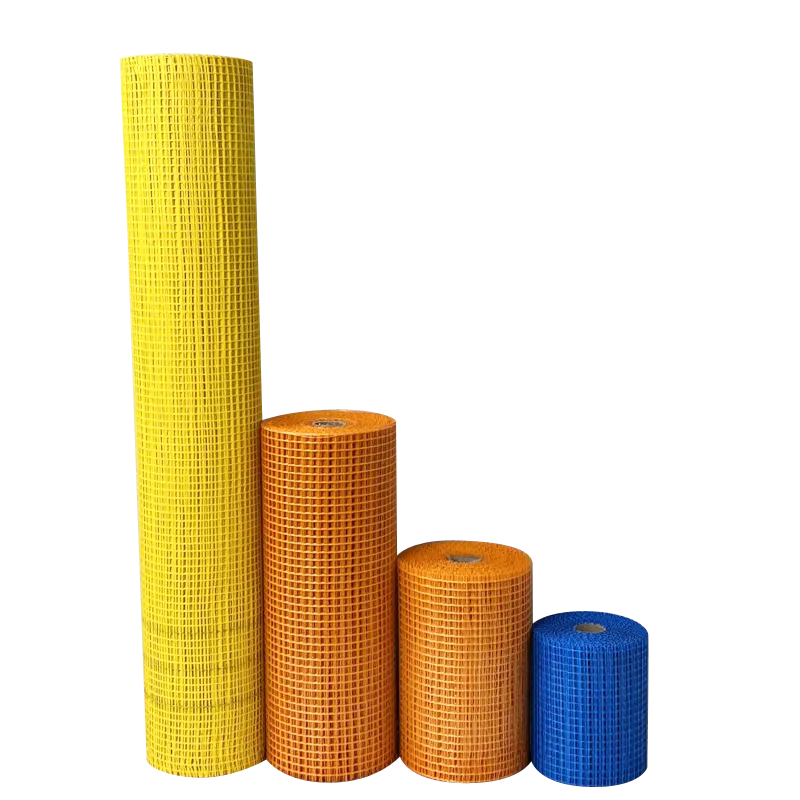
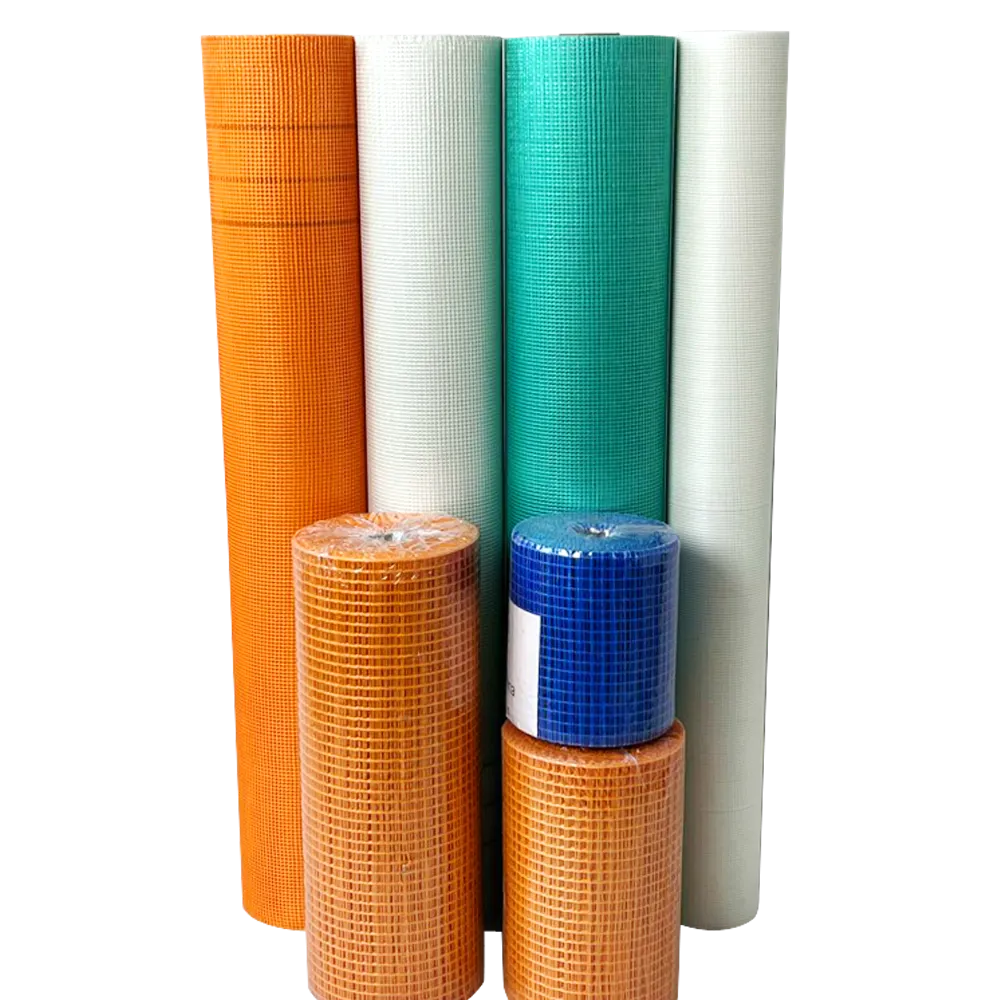
| Roll Widths Available | 2", 3", 4", 6" (50mm, 75mm, 100mm, 150mm) and customized | N/A |
| Roll Lengths Available | 90m (300ft), 150m (500ft) and customized | N/A |
These detailed specifications are critical for engineers and project managers when evaluating product suitability, ensuring the chosen mesh will perform reliably under the specific environmental and structural stresses of their projects.
Versatile Application Scenarios
The adaptability of self-adhesive fiberglass mesh makes it an indispensable component in a wide array of construction and renovation applications. Its primary function is to provide critical reinforcement, preventing cracks and enhancing the structural integrity of surfaces.
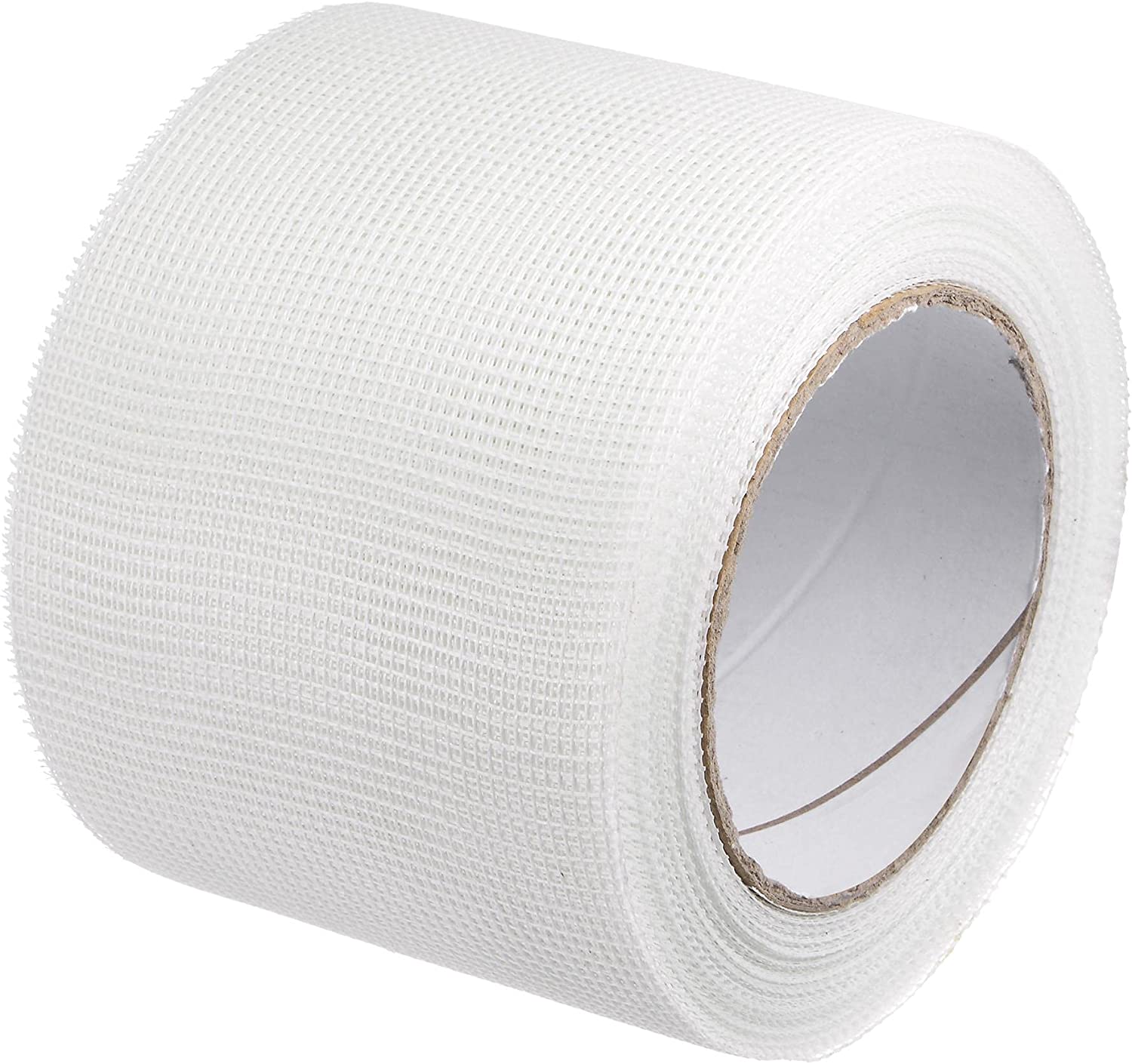
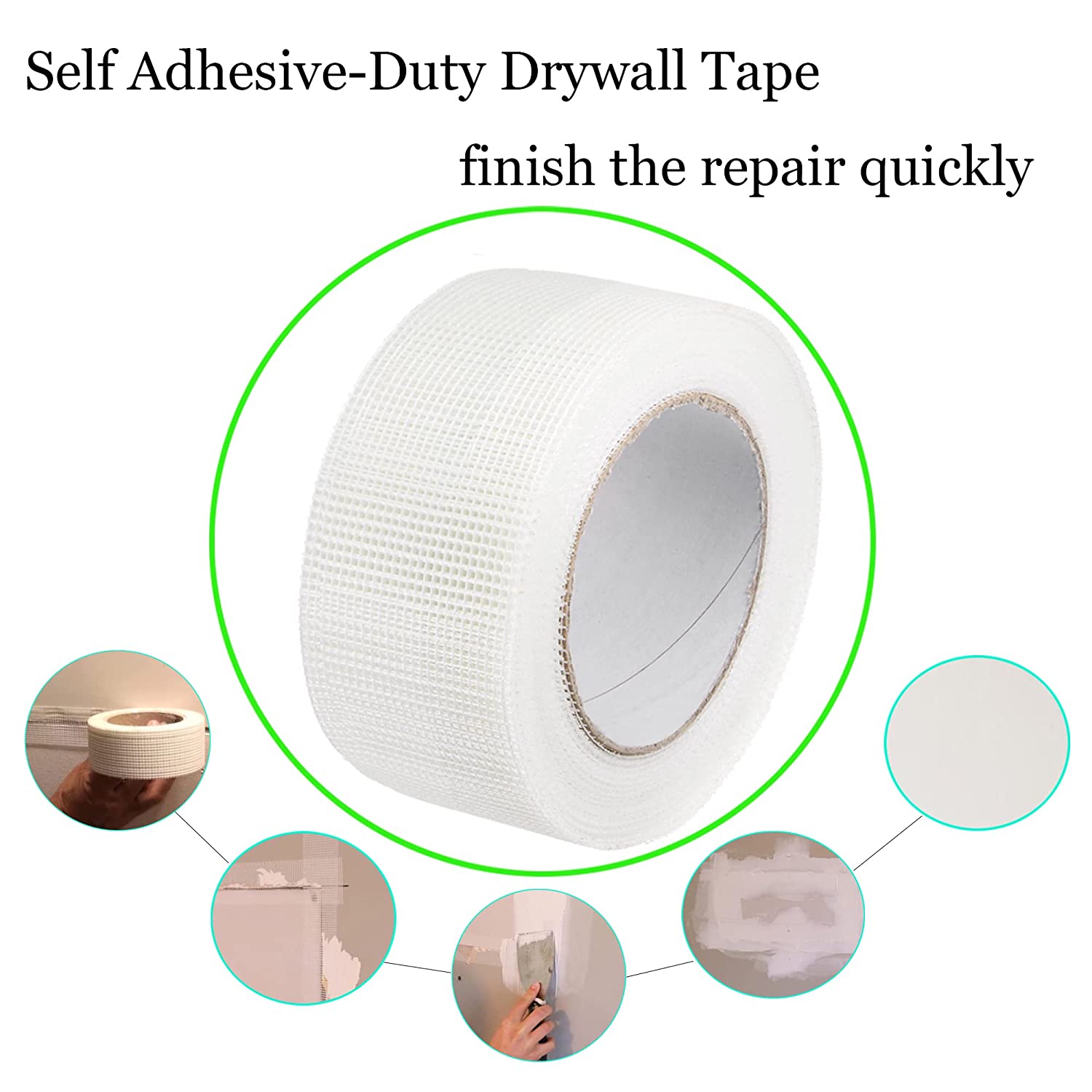
- Drywall Joint Reinforcement: This is arguably the most common application. When you buy fiberglass mesh tape for drywall, you are investing in a seamless finish. The self-adhesive nature allows for quick application over drywall joints, corner beads, and around openings, providing a strong, continuous reinforcement layer that minimizes cracking in the joint compound.
- EIFS (Exterior Insulation Finishing Systems) and ETICS (External Thermal Insulation Composite Systems): Fiberglass mesh is integral to these energy-efficient facade systems. It is embedded within the base coat layer, providing tensile strength to resist cracking from thermal expansion, contraction, and structural movement, thereby protecting the insulation and finish coat.
- Plaster and Stucco Reinforcement: To prevent unsightly cracks in plaster and stucco finishes, contractors often buy plaster fiberglass mesh. It provides crucial reinforcement, especially in areas subjected to stress, such as around windows, doors, and transitions between different building materials.
- Waterproofing Membrane Reinforcement: Products like buy fiberglass mesh tape for redgard are specifically designed to reinforce liquid-applied waterproofing membranes. They bridge cracks and gaps in substrates (e.g., in bathrooms, showers, and exterior decks) before membrane application, ensuring a continuous and durable waterproof layer.
- Concrete and Cement Overlay Reinforcement: For thin concrete overlays, self-leveling compounds, and repair mortars, incorporating a layer of fiberglass mesh significantly improves flexural strength and prevents shrinkage cracks, extending the service life of the repair.
- General Crack Repair: From minor wall cracks to larger structural fissures, self-adhesive fiberglass mesh provides a quick and effective reinforcement solution before patching and finishing.
The versatility and proven performance across these diverse scenarios underscore why selecting the right partner when you buy adhesive fiberglass mesh is a critical procurement decision.
Technical Advantages of High-Quality Fiberglass Mesh
Investing in a superior product when you buy adhesive fiberglass mesh yields a multitude of technical advantages that translate directly into project efficiencies, enhanced durability, and long-term cost savings.
- Superior Crack Resistance: The primary advantage is its exceptional ability to reinforce substrates, effectively preventing and bridging cracks caused by structural movement, thermal stress, or substrate settlement. This is crucial for maintaining aesthetic appeal and structural integrity.
- Alkali Resistance: The specialized alkali-resistant (AR) coating protects the glass fibers from degradation when exposed to alkaline environments found in cement, plaster, and stucco, ensuring long-term performance and preventing embrittlement.
- High Tensile Strength-to-Weight Ratio: Fiberglass provides significant tensile strength (resistance to pulling forces) without adding considerable weight, making it an ideal lightweight yet robust reinforcement. This is particularly relevant for buy high strength fiberglass mesh applications.
- Dimensional Stability: The woven structure and polymer coating provide excellent dimensional stability, resisting stretching and shrinking, which ensures consistent reinforcement coverage and prevents waving or buckling during application.
- Self-Adhesive Convenience: The pressure-sensitive adhesive backing significantly streamlines installation, eliminating the need for pre-bedding in joint compounds for many applications. This reduces labor time and material usage.
- Corrosion Resistance: Unlike metal lath, fiberglass mesh is non-corrosive and will not rust or degrade when exposed to moisture, making it suitable for both interior and exterior applications, including those involving wet environments.
- Ease of Application: Its flexibility allows it to conform easily to irregular surfaces, corners, and curves, facilitating a smooth, professional finish with minimal effort.
Vendor Comparison: Selecting the Right Supplier
The market for construction materials offers numerous suppliers for self-adhesive fiberglass mesh. A meticulous vendor comparison is crucial for B2B entities to ensure product quality, supply chain reliability, and competitive pricing. Key differentiators extend beyond unit cost to encompass material science, manufacturing rigor, and customer support.
| Feature/Criterion | Premium Supplier (e.g., Tainuo Fiberglass Mesh) | Standard Supplier |
|---|---|---|
| Fiberglass Material Grade | Pure E-glass, Virgin material only | May use lower grade or recycled glass, potentially affecting strength |
| Alkali-Resistant Coating | Proprietary acrylic copolymer, high retention (>70% after 28 days) | Basic coating, lower retention, prone to early degradation |
| Adhesive Quality | High-tack acrylic PSA, consistent bond strength (≥5 N/25mm) | Variable tack, poor long-term adhesion, leaves residue |
| Mesh Uniformity & Weave | Precise, consistent aperture, strong weave integrity (e.g., leno weave) | Irregular apertures, loose weave, prone to unraveling |
| Certifications & Testing | ISO 9001, ASTM, ETAG 004 compliance, third-party lab reports | Minimal or self-issued certifications, limited testing data |
| Customization Capability | Extensive options for width, length, gram weight, adhesive type | Limited standard sizes only |
| Technical Support | Dedicated B2B account managers, technical consultants, installation guidance | Basic sales support, limited technical expertise |
| Warranty & After-Sales | Clear product warranty, robust return/replacement policies | Vague or non-existent warranty, difficult returns |
When you buy fibreglass tape or mesh, especially in bulk, considering these factors will mitigate risks and ensure project success. Partnering with a supplier demonstrating a strong track record and adherence to international quality standards (e.g., ISO, CE) is paramount.
Customized Solutions for Specific Project Requirements
Recognizing that every construction project presents unique challenges, leading manufacturers of fiberglass mesh offer extensive customization options. This flexibility is vital for B2B clients who often require tailored specifications that standard off-the-shelf products cannot meet. When you need to buy adhesive fiberglass mesh for specialized applications, look for partners who can deliver bespoke solutions.
- Varying Mesh Apertures and Densities: Custom mesh sizes (e.g., 5x5, 10x10 threads/inch) and gram weights (e.g., 45 g/m² to 160 g/m²) can be produced to optimize reinforcement for different base coats, render thicknesses, or substrate types. For instance, heavier meshes are often specified for high-impact zones.
- Specific Roll Dimensions: Tailored roll widths and lengths minimize waste and optimize workflow on large projects. This includes extra-wide rolls for extensive wall sections or narrow tapes for intricate detail work.
- Adjustable Adhesive Properties: The adhesive tack can be modified for specific environmental conditions (e.g., low-temperature application) or substrate compatibility (e.g., highly porous surfaces). Some projects may require a lower tack for repositioning or a higher tack for immediate, permanent bonding.
- Enhanced Alkali Resistance: For projects in extremely harsh or aggressive alkaline environments, specialized coatings can be formulated to provide even greater long-term protection, exceeding standard requirements.
- Branding and Packaging: Private labeling and customized packaging are often available, allowing distributors and large contractors to market the product under their own brand, enhancing brand recognition and loyalty.
Collaborating with a manufacturer capable of delivering these customized solutions ensures that the fiberglass mesh perfectly integrates into complex project specifications, leading to superior performance and cost-effectiveness.
Application Case Studies: Real-World Success
The practical utility and efficacy of self-adhesive fiberglass mesh are best illustrated through real-world application case studies. These examples demonstrate how the product contributes to project success, durability, and cost-efficiency.
- Major Commercial Office Complex – Drywall Finishing: A prominent developer constructing a 30-story office tower utilized buy usg fiberglass mesh tape equivalent from a leading supplier for all internal drywall joints. The project encompassed over 50,000 linear meters of joints. By opting for a self-adhesive solution, the contractor reported a 20% reduction in labor time for joint finishing compared to traditional paper tape and embedding compound methods. Post-completion inspections two years later confirmed zero visible cracks in the reinforced joints, attributed to the mesh's high tensile strength and consistent adhesive bond.
- Heritage Building Renovation – Plaster Restoration: A historical preservation project involving a 19th-century public library required extensive plaster restoration. Traditional methods risked recurrent cracking due to substrate movement. The conservation team chose to embed a flexible, alkali-resistant buy plaster fiberglass mesh within a thin layer of restoration plaster before the final finish. The mesh provided essential reinforcement, stabilizing the antique plaster and preventing new crack formation. Five years post-renovation, the plaster surfaces remain pristine, demonstrating the long-term effectiveness of the mesh in sensitive applications.
- Luxury Residential Development – Exterior Facade (EIFS): For a new development featuring EIFS facades, a specialized buy high strength fiberglass mesh (160 g/m²) was specified. This heavier mesh was embedded into the base coat to provide enhanced impact resistance and crack prevention against thermal cycling and minor structural shifts. The self-adhesive feature accelerated installation, particularly around intricate architectural details. The project successfully passed stringent ETAG 004 compliance tests, showcasing superior performance under simulated weathering, leading to projected façade service life exceeding 30 years.
These case studies underscore the reliability and performance benefits derived from strategic selection and application of quality self-adhesive fiberglass mesh.
Ensuring Trust: Certifications and Quality Assurance
For B2B buyers, trustworthiness is built on verifiable credentials and a commitment to quality. When you decide to buy adhesive fiberglass mesh, validating a supplier's adherence to industry standards and robust quality assurance protocols is paramount.
- ISO 9001 Certification: This internationally recognized standard for quality management systems ensures consistent product quality and continuous improvement in manufacturing processes. A certified supplier demonstrates a structured approach to meeting customer and regulatory requirements.
- ASTM & ANSI Compliance: Adherence to American Society for Testing and Materials (ASTM) and American National Standards Institute (ANSI) standards guarantees that product performance (e.g., tensile strength, alkali resistance, adhesive properties) meets established industry benchmarks.
- ETAG 004/EAD Compliance: For mesh used in EIFS/ETICS applications, compliance with European Technical Approval Guidelines (ETAG 004) or the new European Assessment Documents (EAD) signifies that the product has undergone rigorous testing for durability, weather resistance, and performance in external insulation systems.
- Third-Party Testing & Verification: Independent laboratory test reports provide objective proof of product specifications and performance. These reports offer an unbiased assessment, further bolstering confidence in the product's claims.
- Established Industry Partnerships: Collaborations with reputable industry associations or leading construction material brands validate a supplier's standing and contribution within the sector. Years of service and a robust client portfolio also speak volumes about reliability and experience.
A supplier's commitment to these certifications and rigorous quality assurance processes directly translates into a trustworthy product that performs as expected, safeguarding project integrity and reputation.
Frequently Asked Questions (FAQ)
- Q: What makes self-adhesive fiberglass mesh superior to paper tape for drywall?
- A: Self-adhesive fiberglass mesh offers several advantages, including superior crack resistance due to its woven structure and inherent strength. Its self-adhesive backing eliminates the need for a bedding coat of compound, saving time and labor. It is also more resistant to moisture and mold compared to paper tape, and does not blister as easily.
- Q: Can this mesh be used on exterior surfaces?
- A: Yes, high-quality self-adhesive fiberglass mesh with an alkali-resistant coating is designed for both interior and exterior applications. Its resistance to alkali found in cementitious materials and its non-corrosive nature make it ideal for EIFS, stucco, and plaster on external facades.
- Q: What is the typical service life of fiberglass mesh?
- A: When properly installed and protected within a suitable system (e.g., EIFS, drywall), high-quality alkali-resistant fiberglass mesh can provide effective reinforcement for 20-50 years, often exceeding the lifespan of the building's finish layer. The AR coating is critical for this longevity.
- Q: Is custom sizing available for large projects?
- A: Absolutely. Most reputable manufacturers offer extensive customization for roll widths, lengths, mesh sizes, and gram weights to meet specific project demands, optimize material usage, and streamline installation.
Lead Time, Warranty, and Customer Support
For B2B procurement, understanding the logistical and support frameworks is as critical as product quality.
- Lead Time & Fulfillment: Standard orders for widely available specifications typically have a lead time of 7-14 business days. For customized solutions or large-volume orders, lead times may extend to 3-4 weeks, depending on production schedules and shipping logistics. Expedited shipping options are often available upon request. Efficient order fulfillment processes, including robust inventory management and global shipping capabilities, ensure timely delivery to project sites worldwide.
- Warranty Commitments: Leading manufacturers provide a comprehensive product warranty, typically covering defects in material and workmanship for a specified period (e.g., 5-10 years for material integrity, longer for alkali resistance when embedded). This warranty underscores confidence in product quality and offers recourse in rare instances of manufacturing faults. Specific terms and conditions are always provided with quotations.
- Customer Support: Professional customer support is integral to the B2B experience. This includes dedicated account managers, technical support teams accessible via phone, email, and online portals, offering expert guidance on product selection, application techniques, and troubleshooting. Post-sales support ensures client satisfaction and addresses any concerns promptly.
Conclusion
The strategic decision to buy adhesive fiberglass mesh is a critical investment in the longevity, structural integrity, and aesthetic quality of modern construction projects. By prioritizing suppliers who demonstrate expertise in manufacturing, adhere to stringent international standards, offer comprehensive technical support, and provide clear warranty commitments, B2B decision-makers can ensure optimal project outcomes. The versatility, technical advantages, and proven performance in diverse applications underscore fiberglass mesh as an indispensable material in the contemporary construction toolkit.
From enhancing the resilience of drywall joints and plaster finishes to reinforcing complex EIFS facades and waterproofing systems, the right choice in fiberglass mesh directly contributes to superior construction quality and reduced maintenance over the life cycle of a building.
References
- American Society for Testing and Materials (ASTM). (2020). ASTM D5034-09(2020) Standard Test Method for Breaking Strength and Elongation of Textile Fabrics (Grab Test).
- International Organization for Standardization (ISO). (2021). ISO 13460:2021 Glass fibre products -- Textile glass staple fibres -- Determination of resistance to alkalis.
- European Organisation for Technical Approvals (EOTA). (2013). ETAG 004: Guideline for European Technical Approval of External Thermal Insulation Composite Systems with rendering.
- The Glass Fiber Reinforced Concrete Association (GFRCA). (2018). GFRC Technical Data Manual.
- National Gypsum Company. (2022). Gypsum Board and Finishing Product Guide.
-
Best Fiberglass Mesh Tape for RedGard Product Waterproofing GuideNewsApr.16,2026
-
Why High Strength Fiberglass Mesh Is Essential For Stucco ApplicationNewsApr.15,2026
-
Why Alkali Resistant Fiberglass Mesh Tape Is Essential For Cement Board And Tile InstallationsNewsApr.15,2026
-
Understanding The Role Of Drywall Fiberglass Mesh In Interior FinishingNewsApr.15,2026
-
Ultimate Guide To Using Fiberglass Mesh Tape For Drywall And Plaster RepairsNewsApr.15,2026
-
The Versatility Of Fiberglass Mesh In Marble And Stone MosaicNewsApr.15,2026