Sep . 08, 2025 11:09 Zurück zur Liste
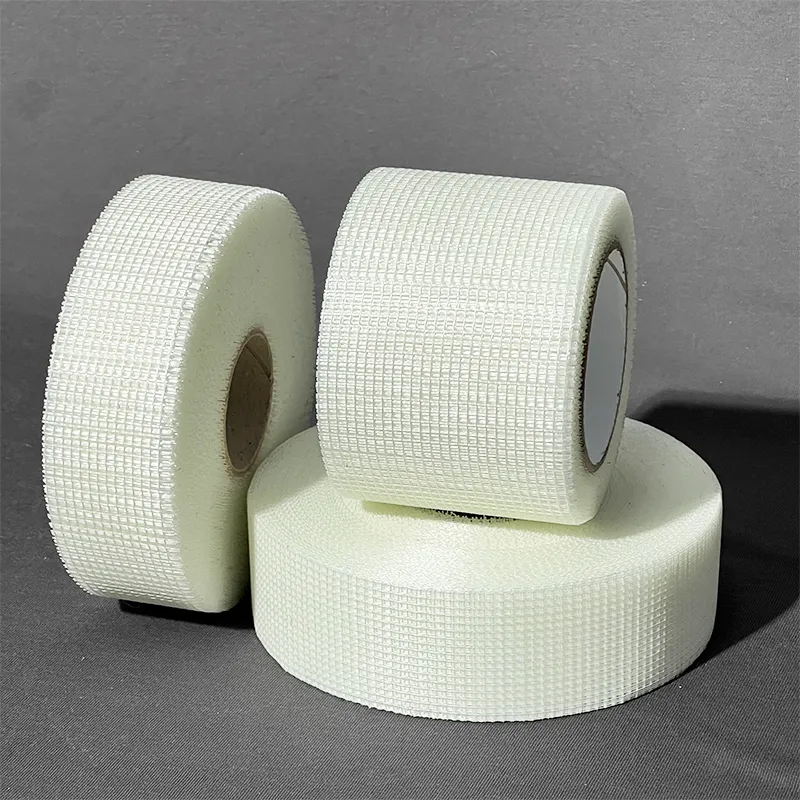
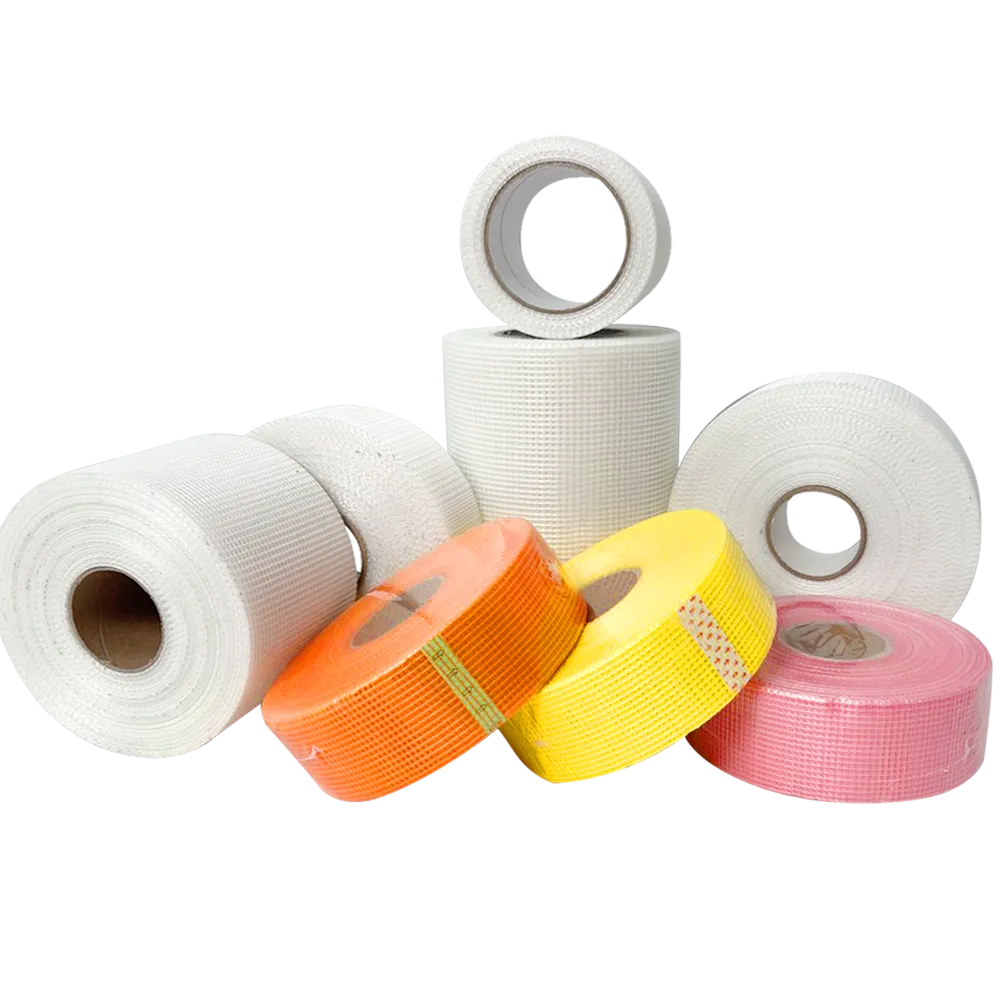
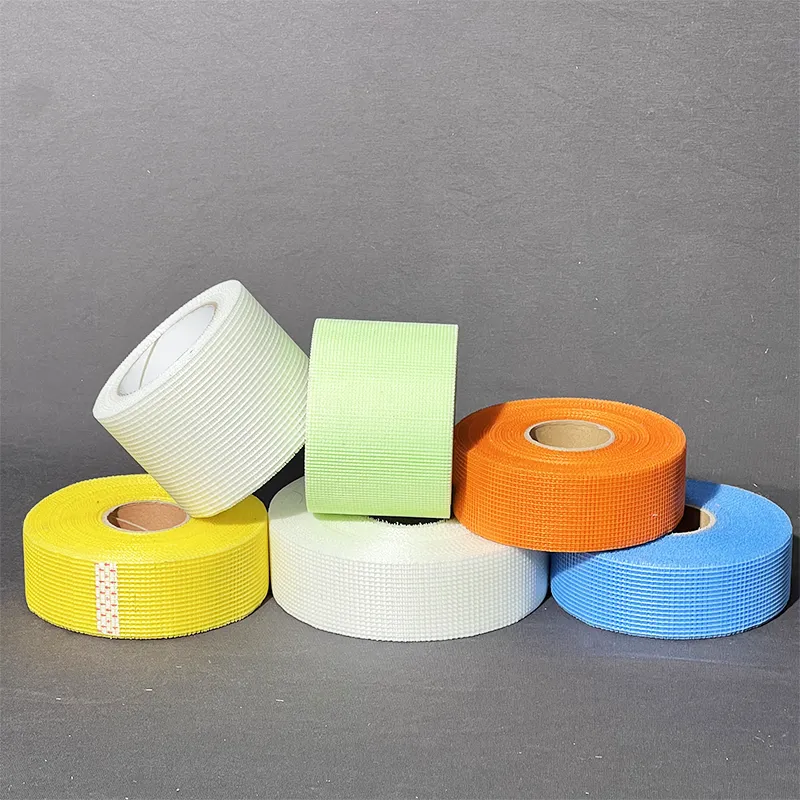
Self Adhesive Fiberglass Mesh Tape Lamination For Lightweight Architectural Paper Panels
In the ever-evolving world of architecture and interior design, the quest for materials that are both aesthetically pleasing and functionally superior is never-ending. Designers and builders are constantly seeking solutions that offer durability without sacrificing beauty, and innovation without exorbitant cost. Enter a transformative process that is reshaping surfaces: self adhesive fiberglass mesh tape lamination. This technique, particularly utilizing advanced fiberglass meshes, is unlocking new possibilities for creating robust, stable, and incredibly lightweight architectural paper panels. This isn't just about reinforcement; it's about reimagining the potential of paper-based materials for modern construction and design.
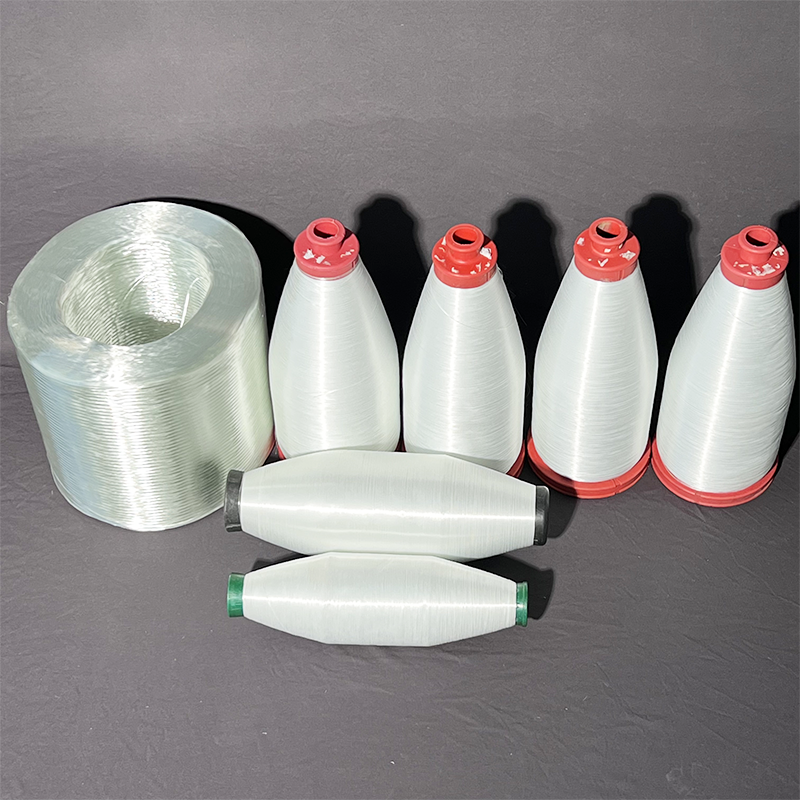
At the heart of this innovation are companies dedicated to material science, like Tainuo Fiberglass Mesh Factory. Established in 2000 and located in Renqiu City, Hebei Province, Tainuo has grown into one of the largest fiberglass mesh production bases in Northern China. Their journey, beginning with fiberglass yarn production and expanding into a massive 10,000-square-meter weaving workshop equipped with advanced production lines, reflects a deep commitment to progress. This integrated enterprise, with its strong technical team and unwavering focus on science and technology innovation, provides the essential high-quality materials that make such architectural advancements possible. Their commitment to customer satisfaction, evident in prompt delivery, competitive pricing, and expert after-sales service, ensures that these innovative materials are accessible to a global market.
The Role of Fiberglass Mesh in Modern Construction
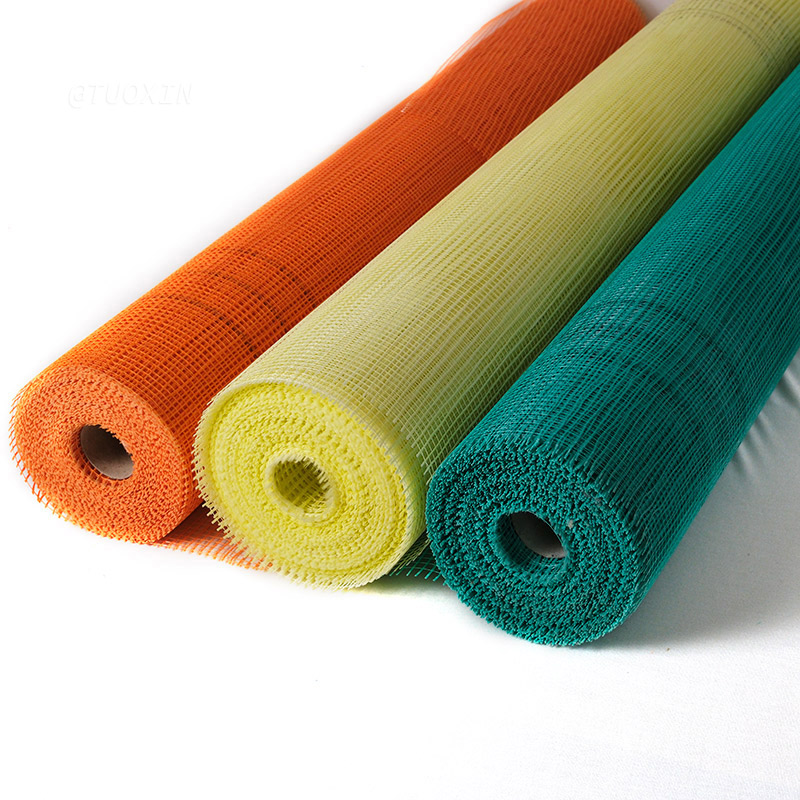
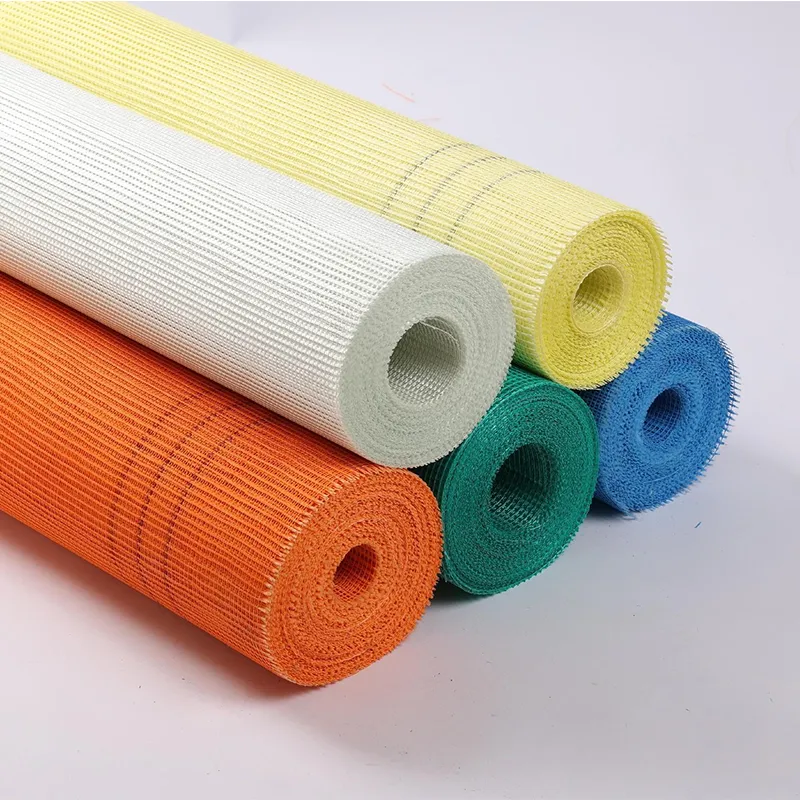
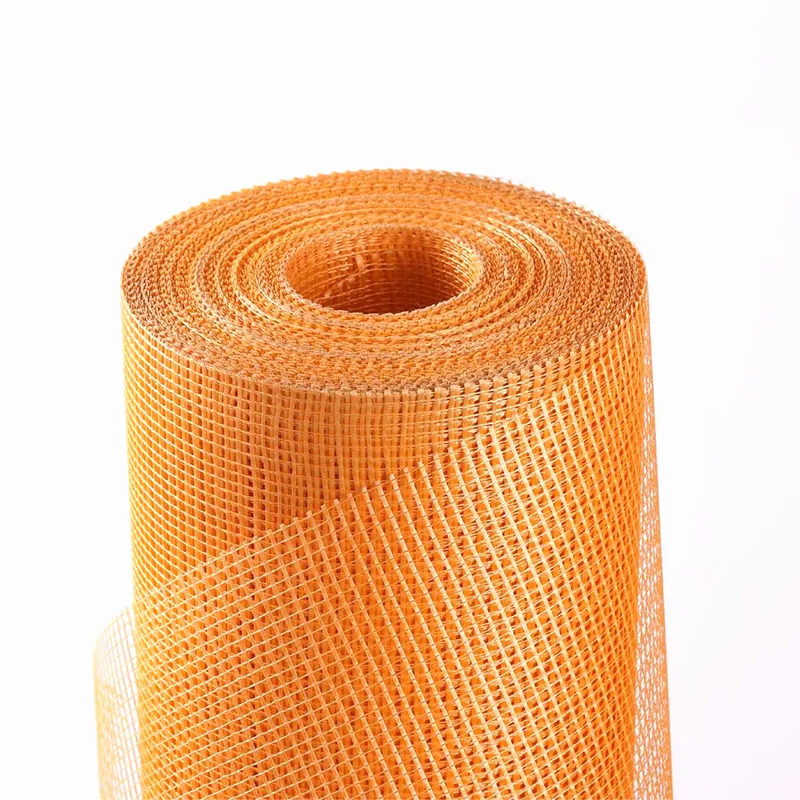
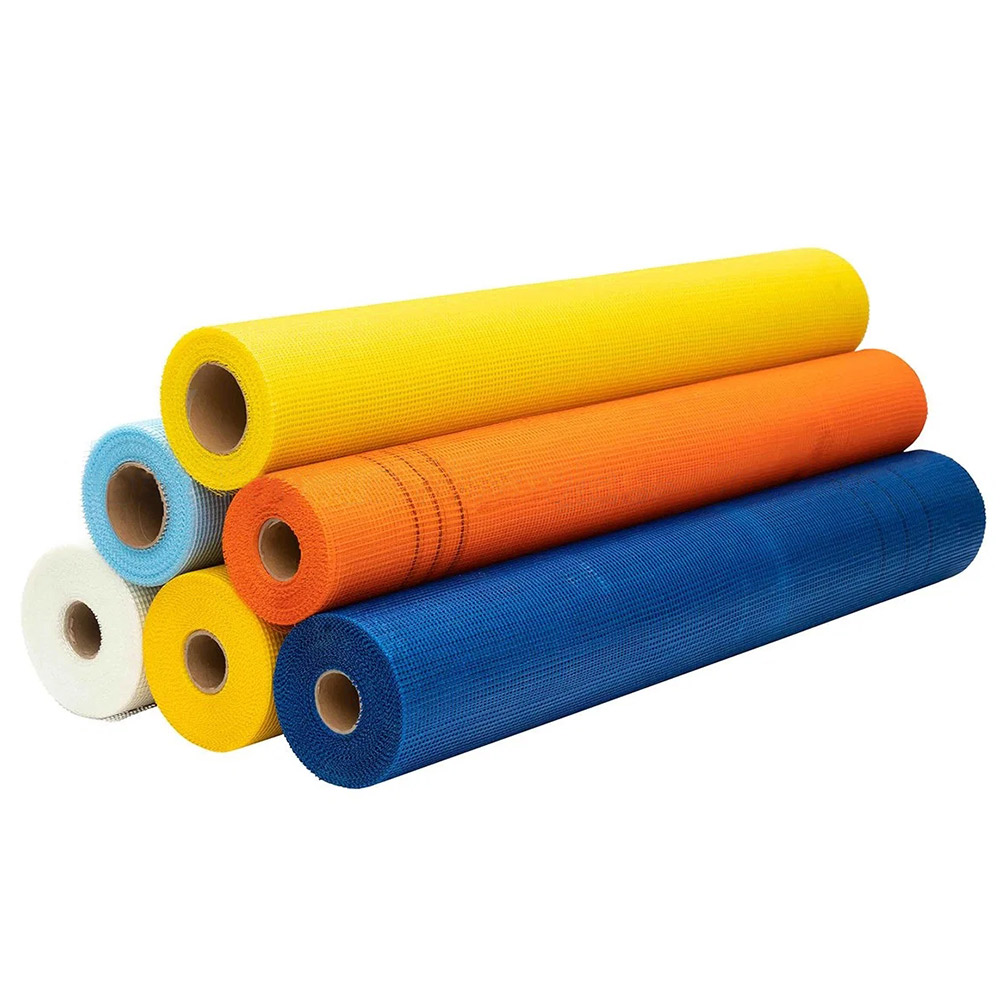
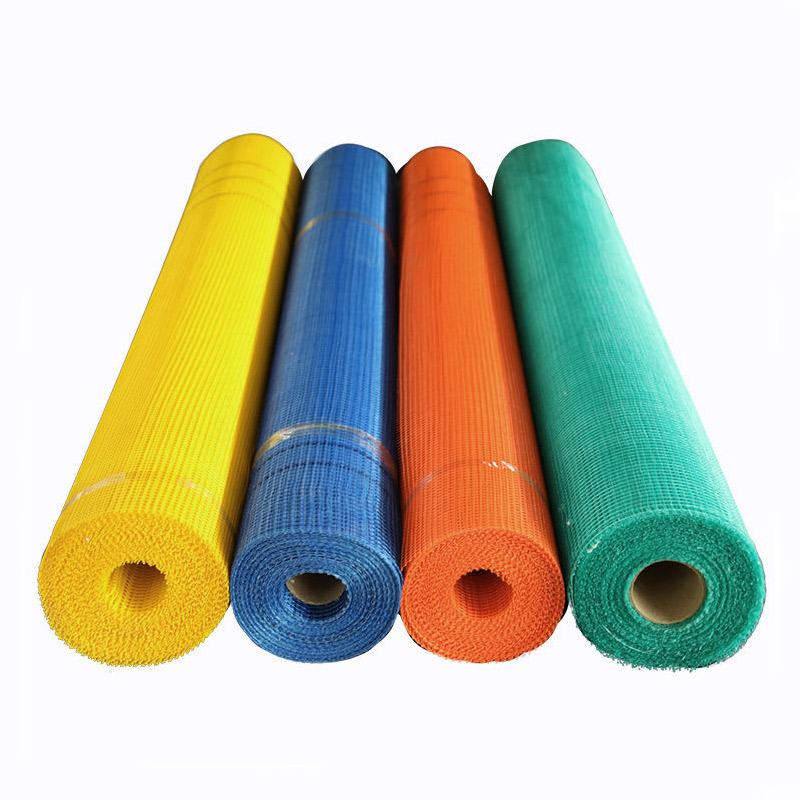
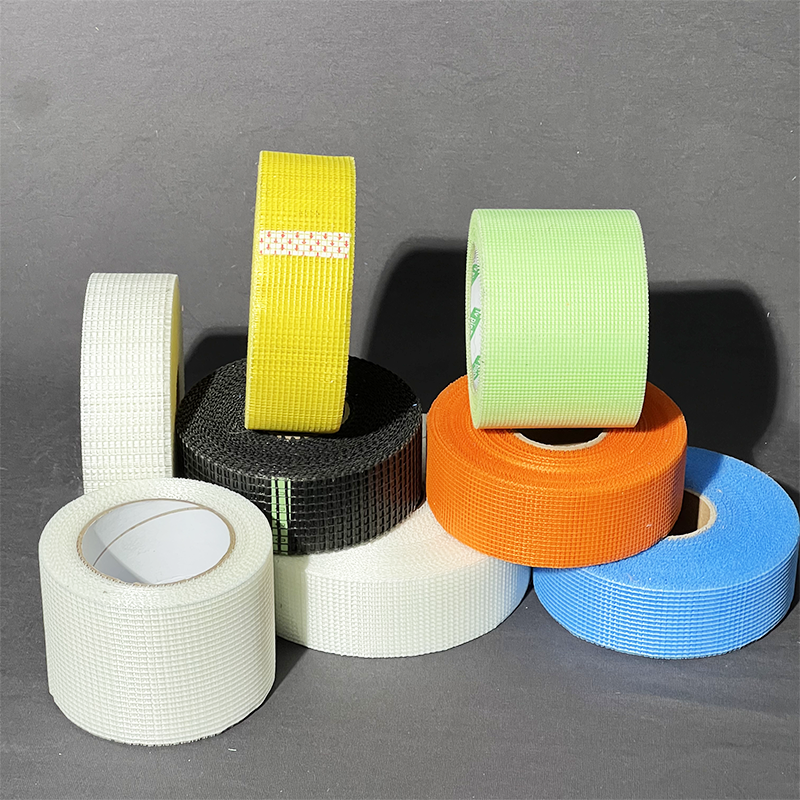
To understand the breakthrough of adhesive lamination, one must first appreciate the material at its core: fiberglass mesh. This versatile fabric, woven from fine fiberglass filaments, is a cornerstone of modern construction and renovation. Its inherent properties make it an ideal candidate for reinforcement applications. Fiberglass mesh is characterized by its high tensile strength, meaning it can withstand significant pulling forces without breaking. Simultaneously, it is remarkably lightweight and flexible, allowing it to conform to curved surfaces and complex shapes with ease.
Furthermore, it is chemically inert and resistant to moisture, alkalis, and mildew, ensuring long-term performance without degradation. Traditionally, its most recognized role has been in reinforcing wall and ceiling systems. When embedded in cementitious or acrylic-based coatings, it creates a continuous armor that distributes stress and prevents the formation of cracks across a surface. This proven track record in demanding construction environments provides a solid foundation of trust for its newer application in architectural panel lamination. The transition from a hidden reinforcement layer within a wall to a critical component in a visible, decorative panel is a natural evolution of its capabilities, leveraging its strength and stability to enhance a completely different product category.
Self Adhesive Fiberglass Mesh Tape: The Engine of Panel Lamination
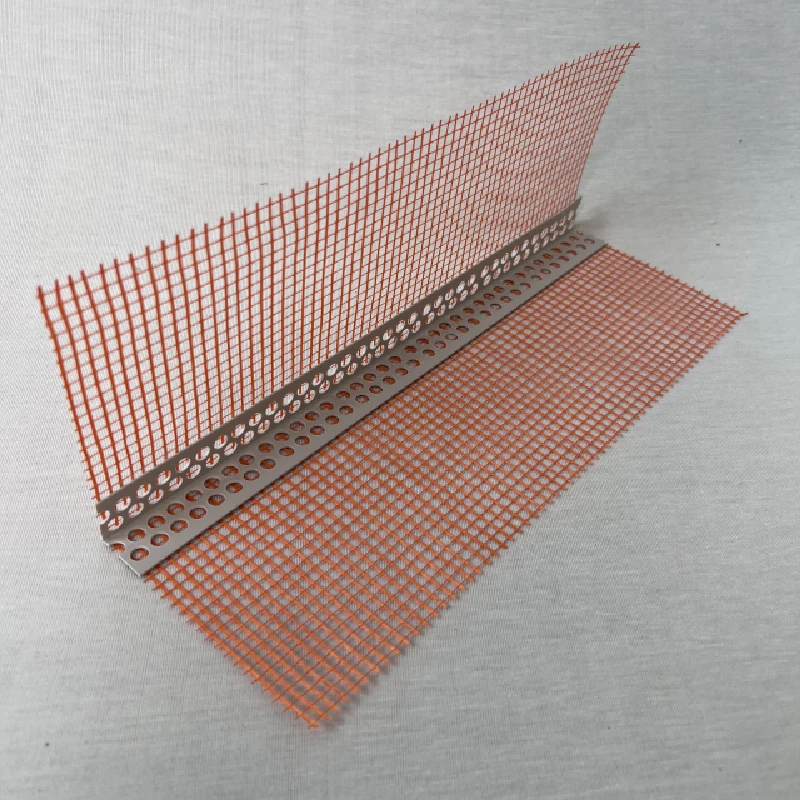
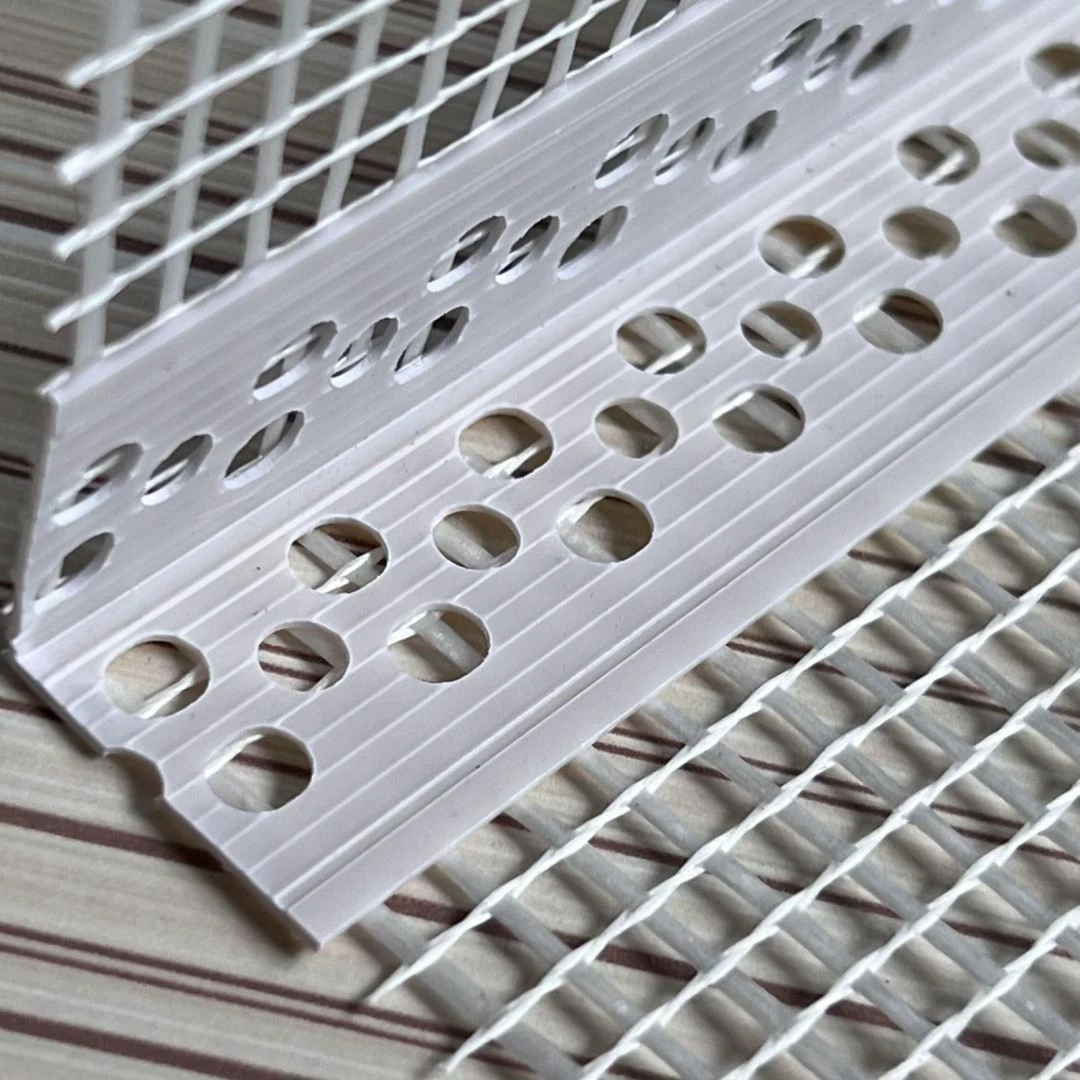
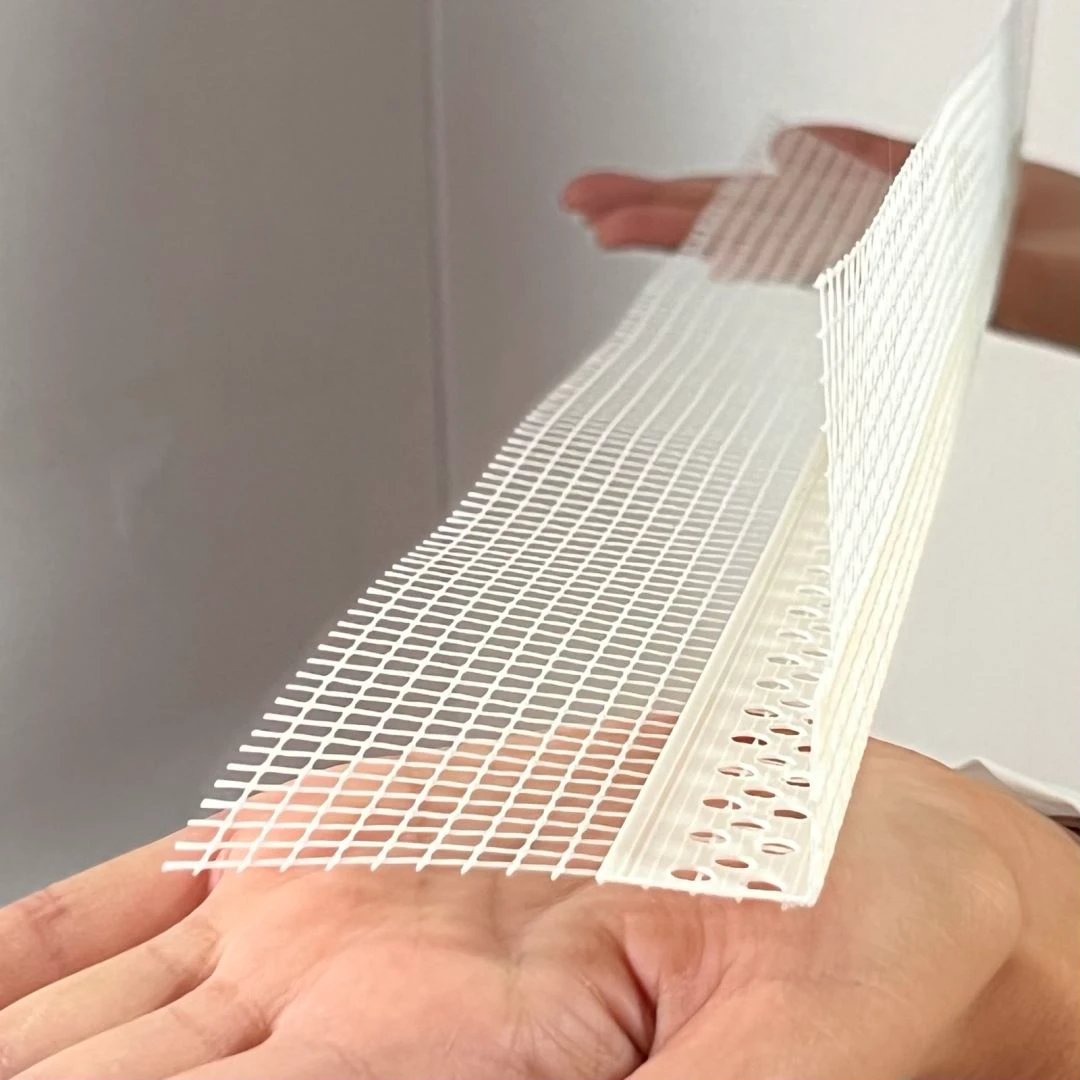
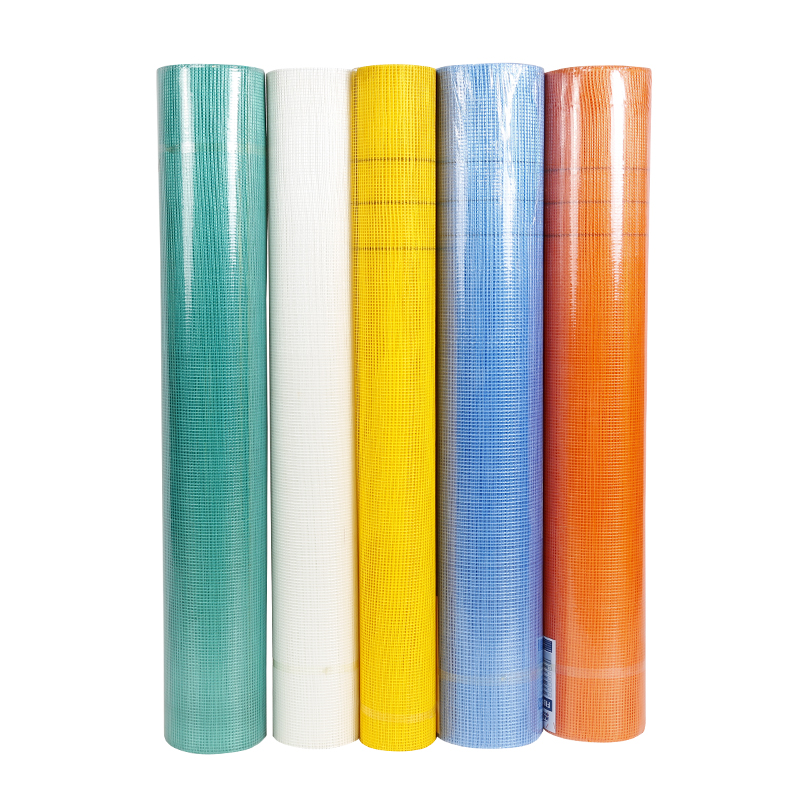
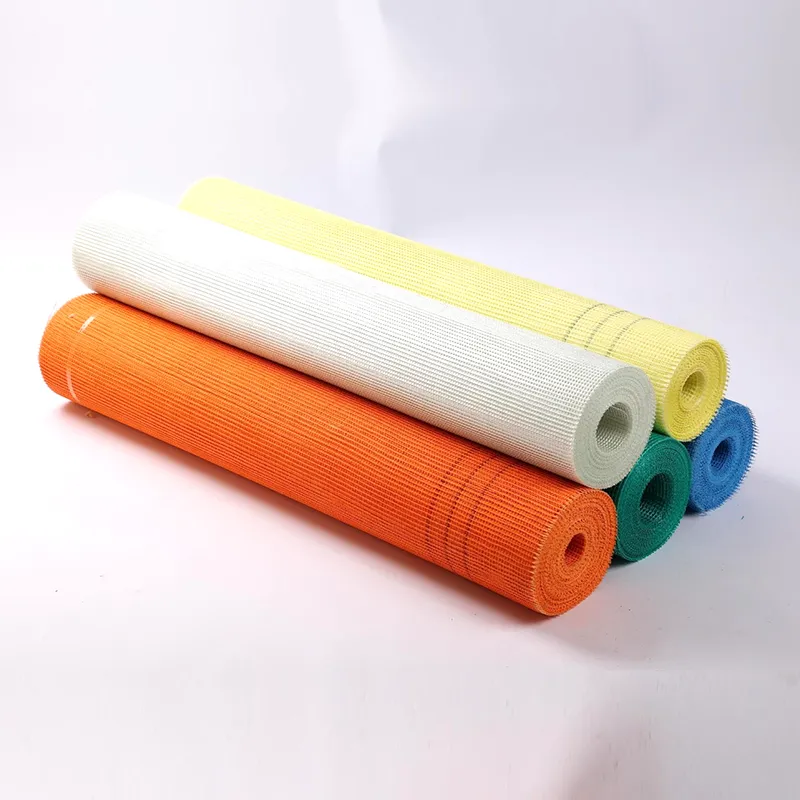
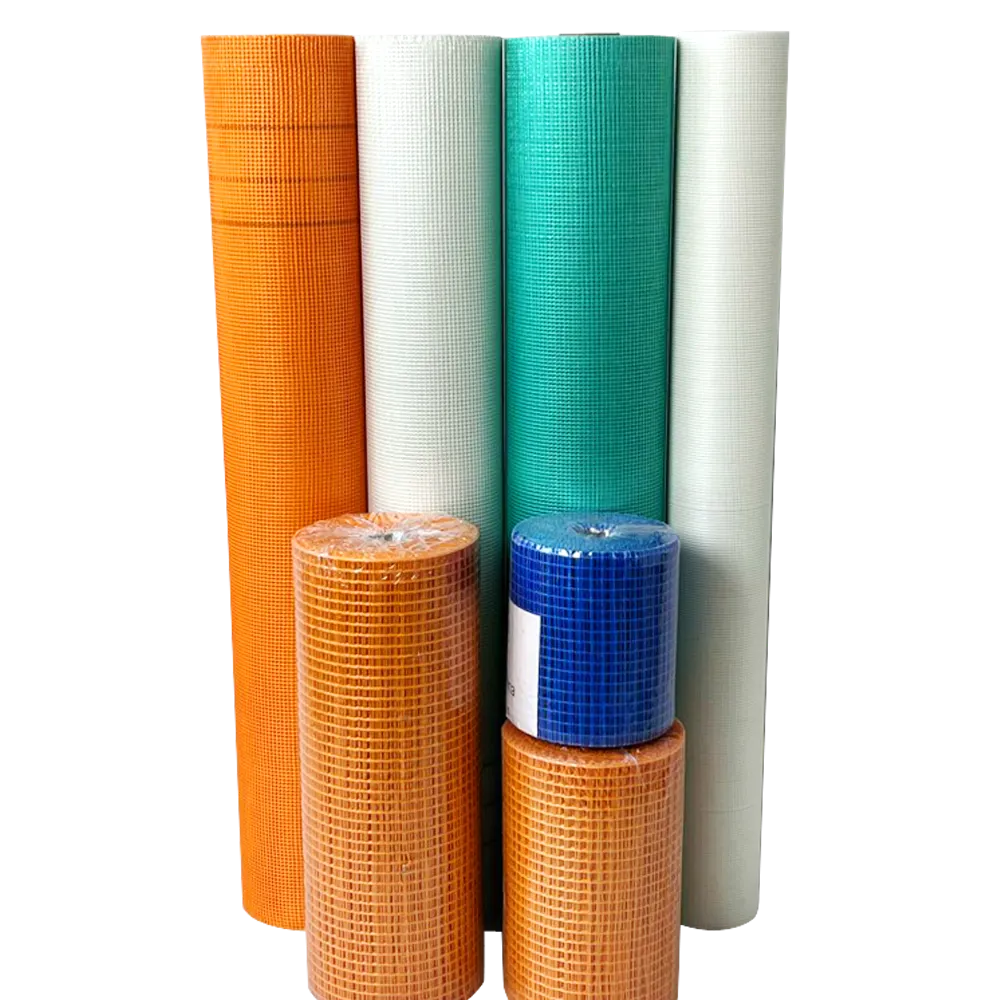
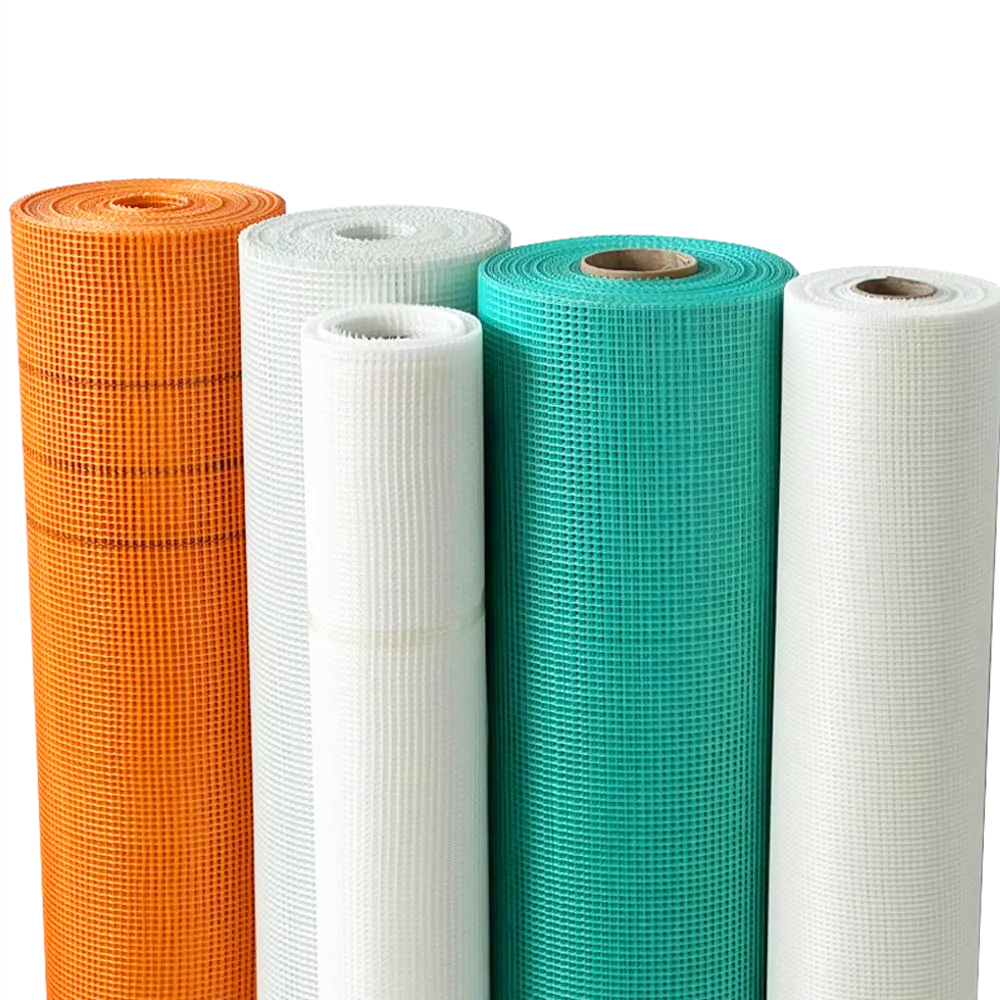
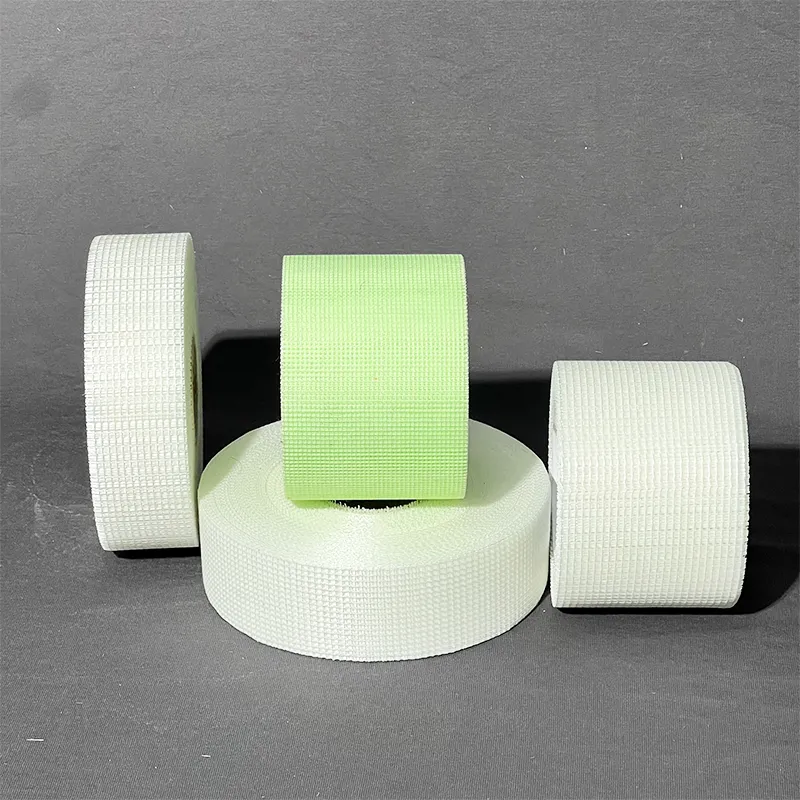
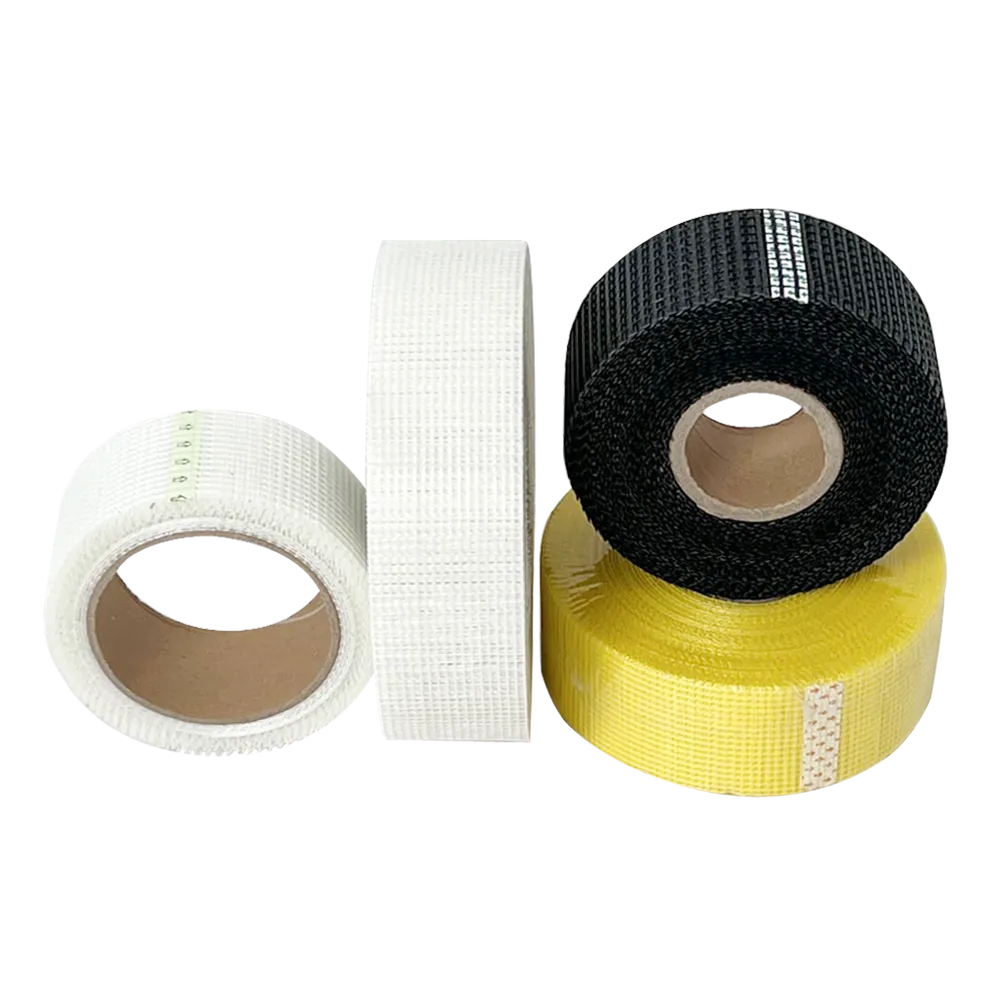
The leap from a standard fiberglass mesh to an self adhesive fiberglass mesh tape is what truly enables the efficient lamination process for architectural panels. An self adhesive fiberglass mesh tape is a composite product where the standard mesh is pre-coated on one side with a layer of pressure-sensitive or thermally activated adhesive. This crucial transformation turns a passive reinforcement material into an active, easy-to-apply component that drives manufacturing efficiency.
For panel producers, this pre-applied adhesive is a game-changer. It simplifies the lamination process dramatically. Manufacturers can use automated rollers to precisely align the mesh with the paper substrate and then apply either pressure, heat, or both to activate the bond. This creates a instant and permanent laminate without the mess, inconsistency, and extended drying times associated with applying liquid adhesives separately. The adhesive layer is formulated to be strong yet flexible, ensuring the bond remains intact even if the finished panel is flexed or cut. The uniformity of the pre-coated adhesive also guarantees consistent performance across the entire panel, eliminating weak spots and ensuring every square inch of the material benefits from the full reinforcing power of the fiberglass mesh. This reliability is paramount for producing high-quality, batch-consistent architectural products.
Beyond Drywall: Versatile Applications of Fiberglass Drywall Mesh
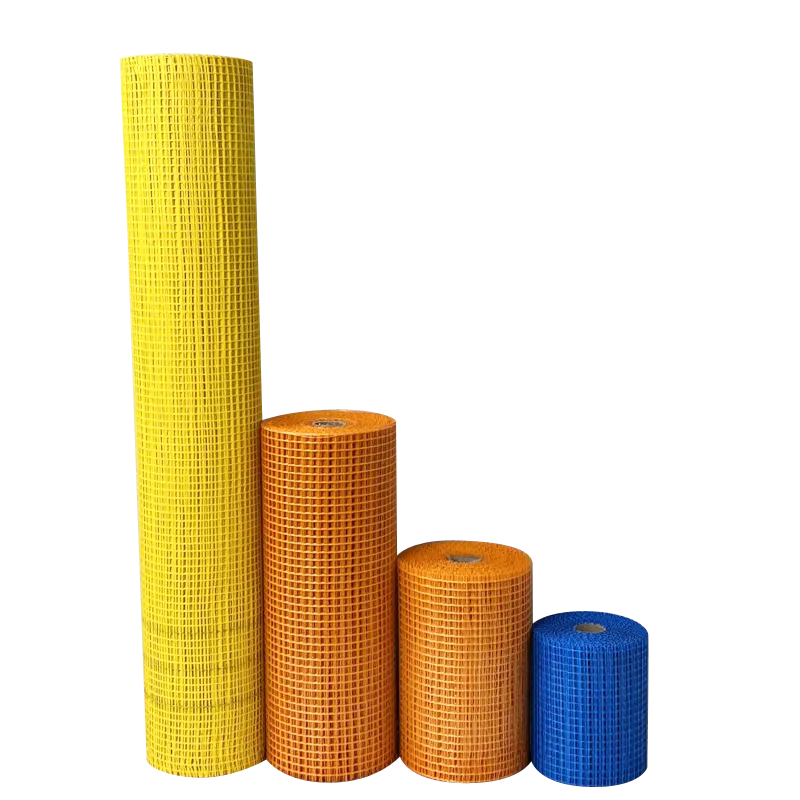
While often associated with its primary function, the potential of fiberglass drywall mesh extends far beyond taping the seams between drywall panels. This specific type of mesh, typically featuring a standard 5x5mm mesh size and a weight designed for easy embedding, possesses precisely the qualities needed for paper panel lamination. Its open weave allows for excellent adhesive penetration and breathability, while its weight adds minimal mass to the final product, preserving its lightweight nature.
Architects and designers are now specifying self selbstklebendes Glasfasernetzband -laminated panels for a diverse array of applications. These reinforced panels are ideal for creating large-format, seamless wall coverings in commercial spaces, offering a durable and crack-resistant surface for high-traffic areas like offices, hotels, and retail stores. They are also being used in innovative ceiling systems, providing a stable base for decorative finishes that won't sag or deform over time. The lightweight property is a significant advantage for manufacturing movable walls and partitions, simplifying installation and reducing the structural load on buildings. Even the furniture and interior décor market is adopting this technology, using laminated panels for cabinet siding, decorative screens, and other design elements that require a perfect, stable surface. The ability to be easily printed, painted, or veneered makes these panels an incredibly versatile canvas for creative expression.
|
Parameter |
Specification |
|
Material |
100 % Fiberglas |
|
Farbe |
Weiß oder individuell |
|
Länge |
45m,50m, 90m |
|
Breite |
5cm 10cm or customized |
|
Maschenweite |
3x3mm, 4x4mm, 5x5mm |
|
Gewicht |
45-160g/m² |
FAQs About Self Adhesive Fiberglass Mesh Tape
What are the key advantages of using self adhesive fiberglass mesh tape?
The key advantages are multifaceted. Firstly, it provides exceptional dimensional stability, preventing paper panels from warping, expanding, or contracting with changes in humidity and temperature. Secondly, it dramatically increases tensile strength and tear resistance, allowing for the creation of larger, more durable panels that can withstand handling and installation. Thirdly, the pre-applied adhesive ensures a fast, clean, and consistent lamination process, boosting manufacturing efficiency and product quality. Finally, it adds minimal weight and thickness, preserving the desired lightweight and sleek profile of the architectural panel.
How does fiberglass mesh improve panel durability?
The fiberglass mesh acts as a reinforcing skeleton within the panel composite. When a force is applied that would normally cause a paper panel to tear or crack, the mesh distributes this stress across its entire network of fibers. This distribution of force prevents any single point of failure, much like steel rebar reinforces concrete. The result is a panel that is highly resistant to impact, punctures, and cracking, significantly extending its lifespan even in demanding commercial environments.
Is the laminated panel with self adhesive fiberglass mesh tape still easy to cut and install?
Absolutely. One of the remarkable features of using adhesive fiberglass mesh in the lamination process is that it enhances durability without sacrificing workability. The laminated panels can be easily cut using standard tools like utility knives, saws, or CNC routers. The fiberglass mesh within the laminate actually helps create cleaner cuts by preventing the paper from fraying or tearing along the cut line. This makes installation quicker and more precise for contractors and installers, ensuring a seamless application process.
Can self adhesive fiberglass mesh tape be used for curved panels?
Yes, the inherent flexibility of the fiberglass mesh makes it an excellent choice for laminating curved or rounded architectural panels. The mesh can conform to compound curves and complex geometries without wrinkling or buckling, ensuring a smooth, consistent reinforcement across the entire surface. This opens up exciting design possibilities for creating dynamic, flowing interior spaces with curved walls, arched openings, and custom-shaped design elements.
Why is Tainuo a trusted source for fiberglass mesh?
With over two decades of specialized experience, Tainuo Fiberglass Mesh Factory is a vertically integrated manufacturer that controls the process from yarn production to finished mesh. This ensures strict quality control and deep technical expertise at every stage. Their investment in advanced production lines and a strong R&D team guarantees a product that is consistent, high-performing, and reliable. Their commitment to customer support means clients receive not just a product, but expert guidance and solutions tailored to their specific manufacturing needs.
-
Best Fiberglass Mesh Tape for RedGard Product Waterproofing GuideNachrichtApr.16,2026
-
Why High Strength Fiberglass Mesh Is Essential For Stucco ApplicationNachrichtApr.15,2026
-
Why Alkali Resistant Fiberglass Mesh Tape Is Essential For Cement Board And Tile InstallationsNachrichtApr.15,2026
-
Understanding The Role Of Drywall Fiberglass Mesh In Interior FinishingNachrichtApr.15,2026
-
Ultimate Guide To Using Fiberglass Mesh Tape For Drywall And Plaster RepairsNachrichtApr.15,2026
-
The Versatility Of Fiberglass Mesh In Marble And Stone MosaicNachrichtApr.15,2026