Lis . 19, 2025 10:01 Zpět na seznam
Integrating Fiberglass Mesh for Plastering into Your Workflow
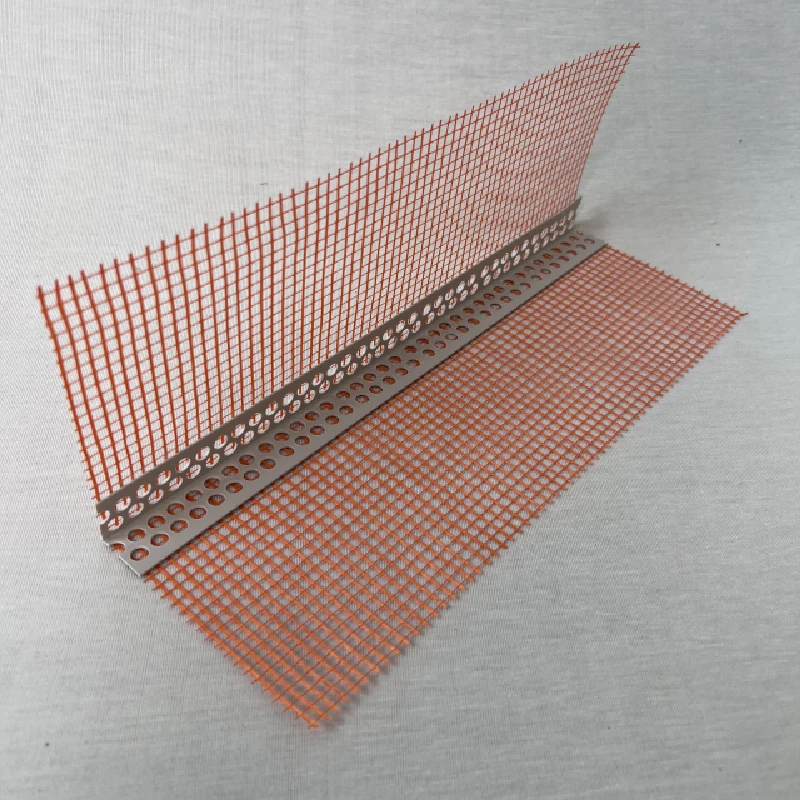
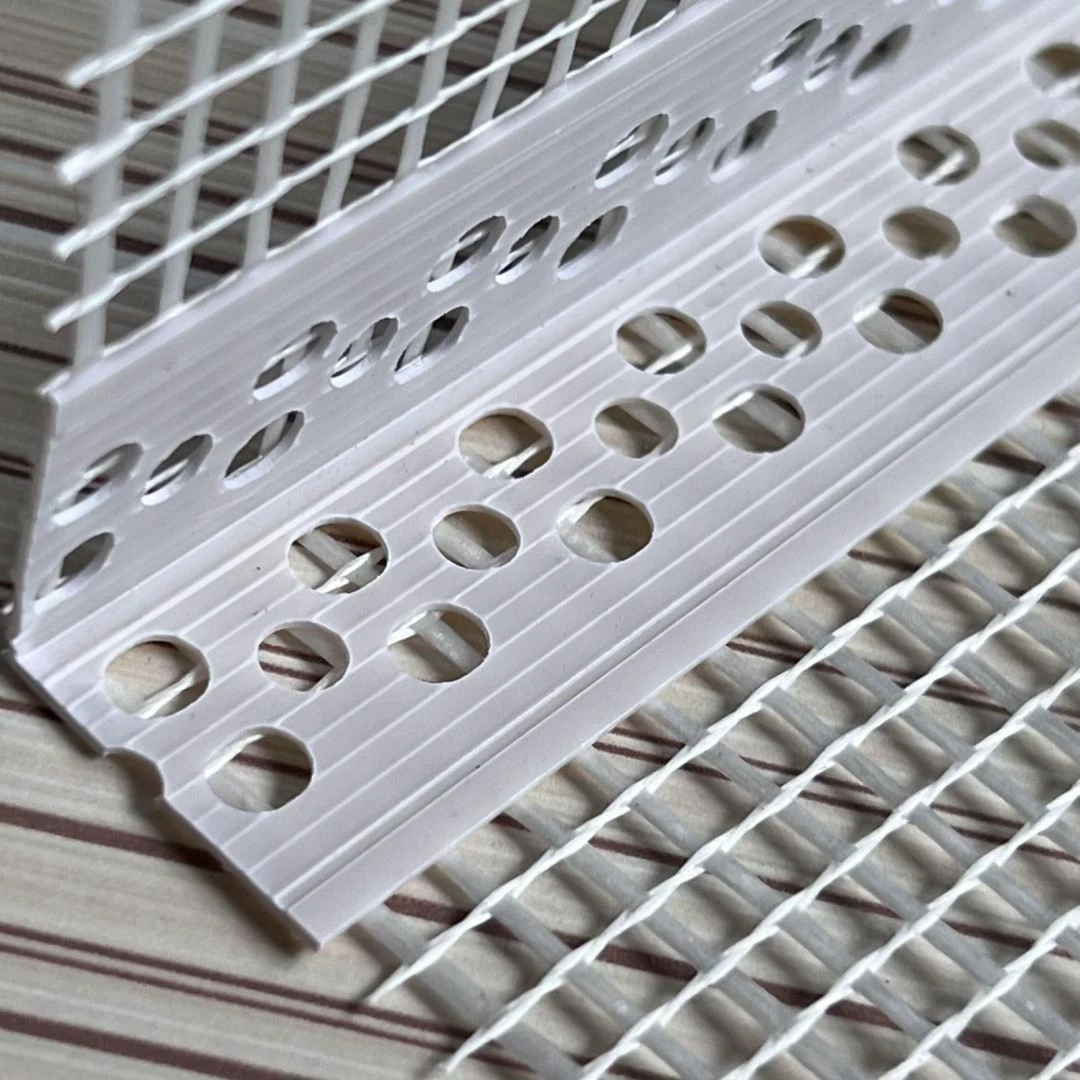
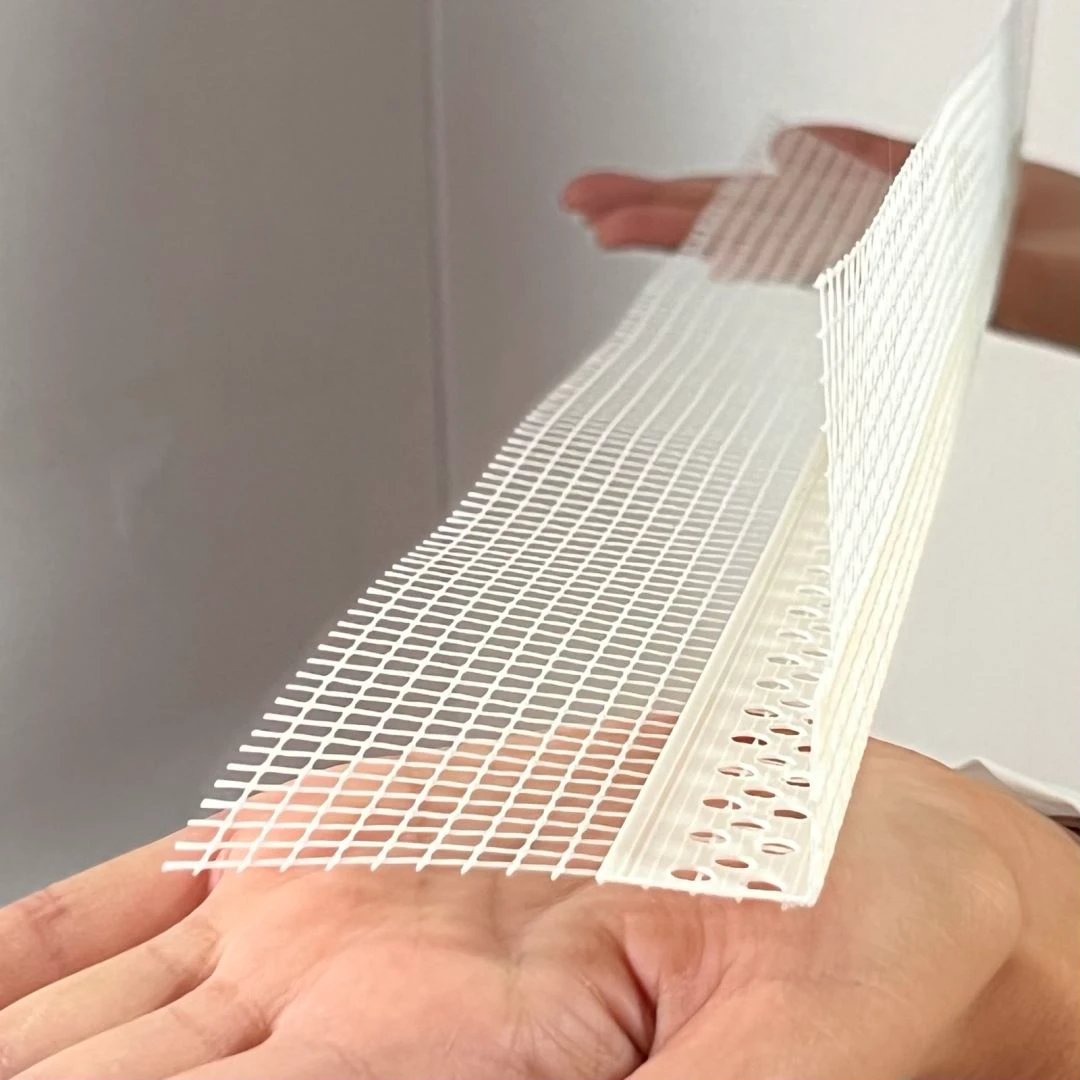
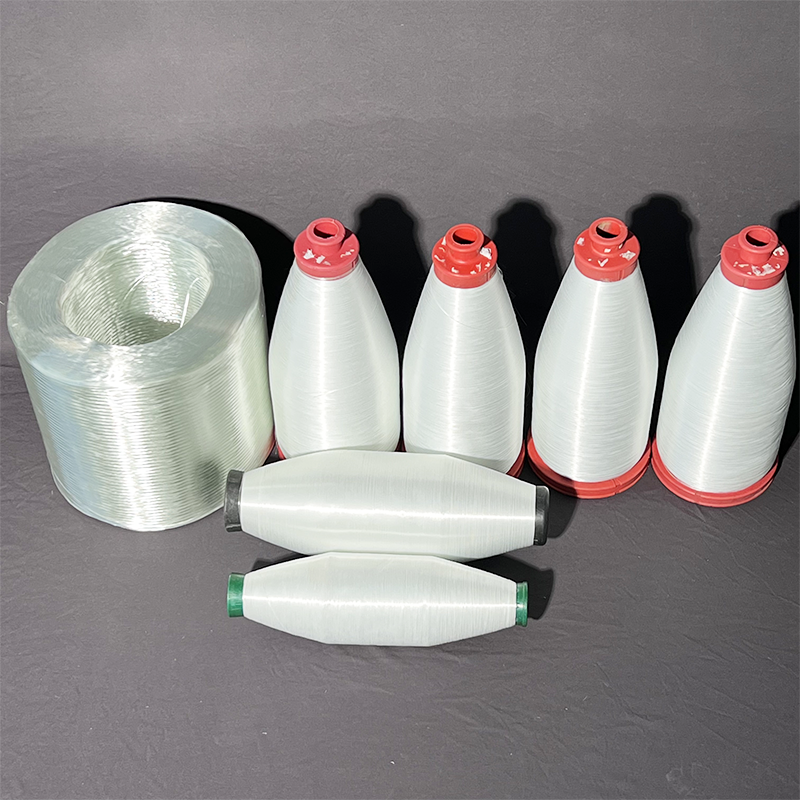
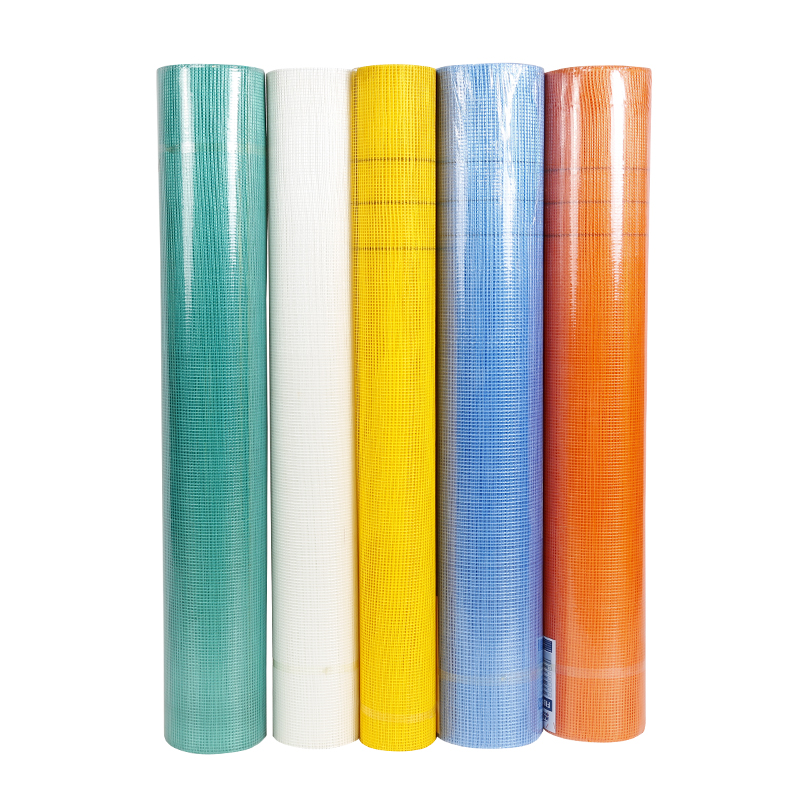
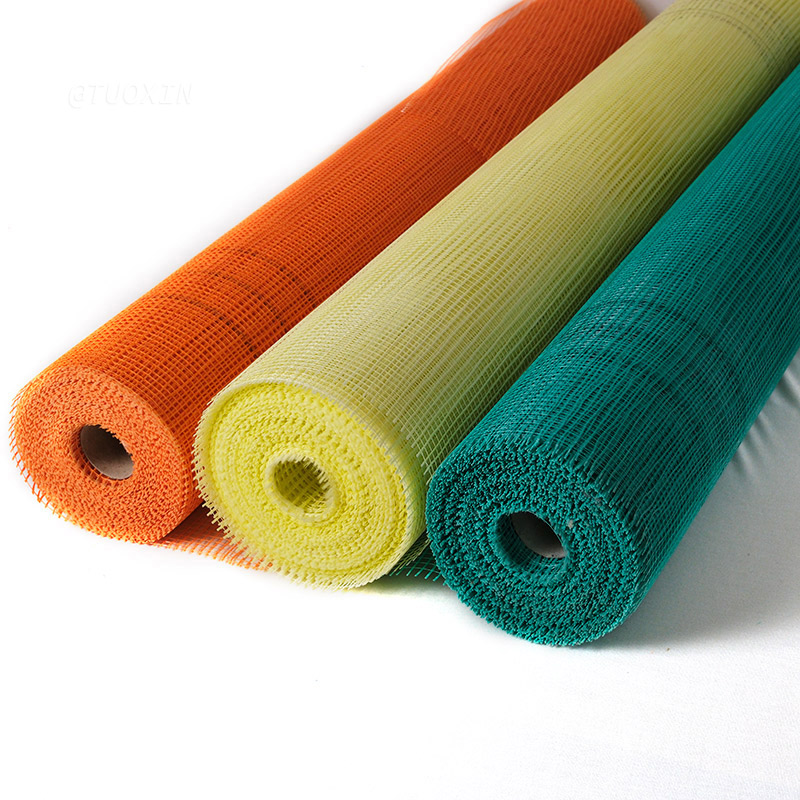
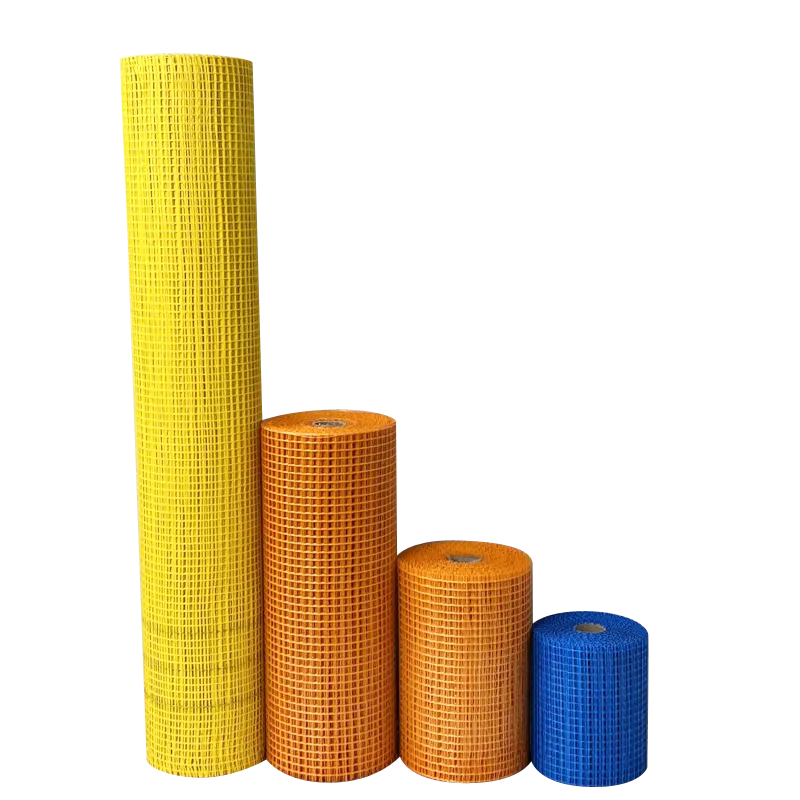
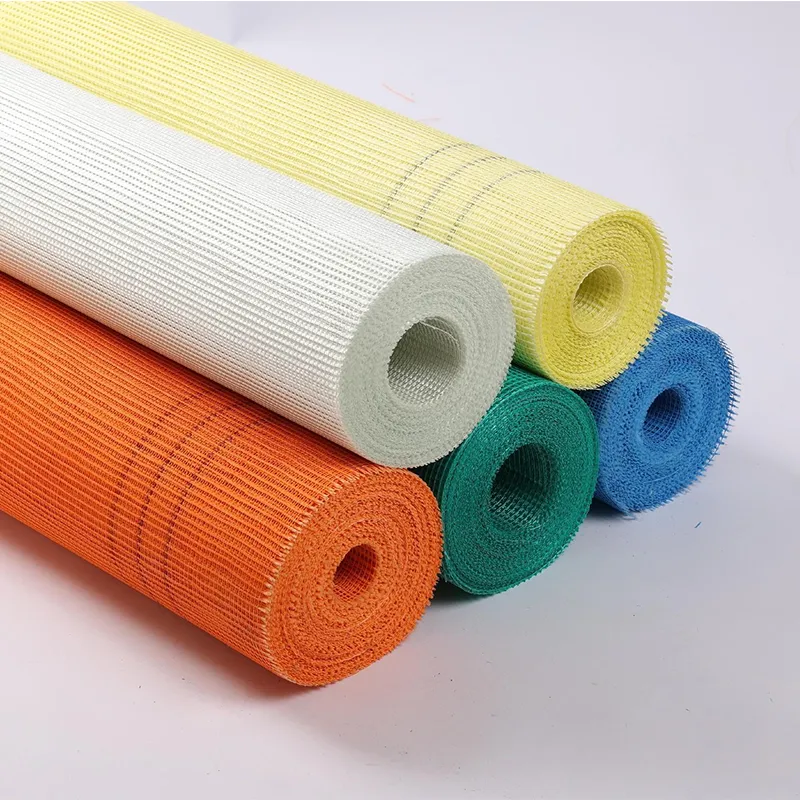
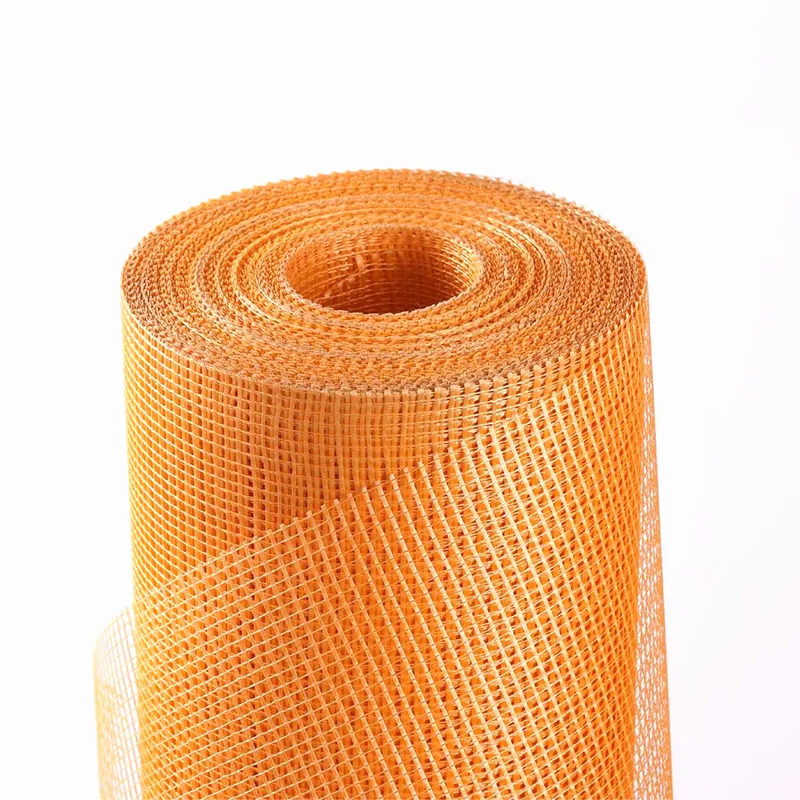
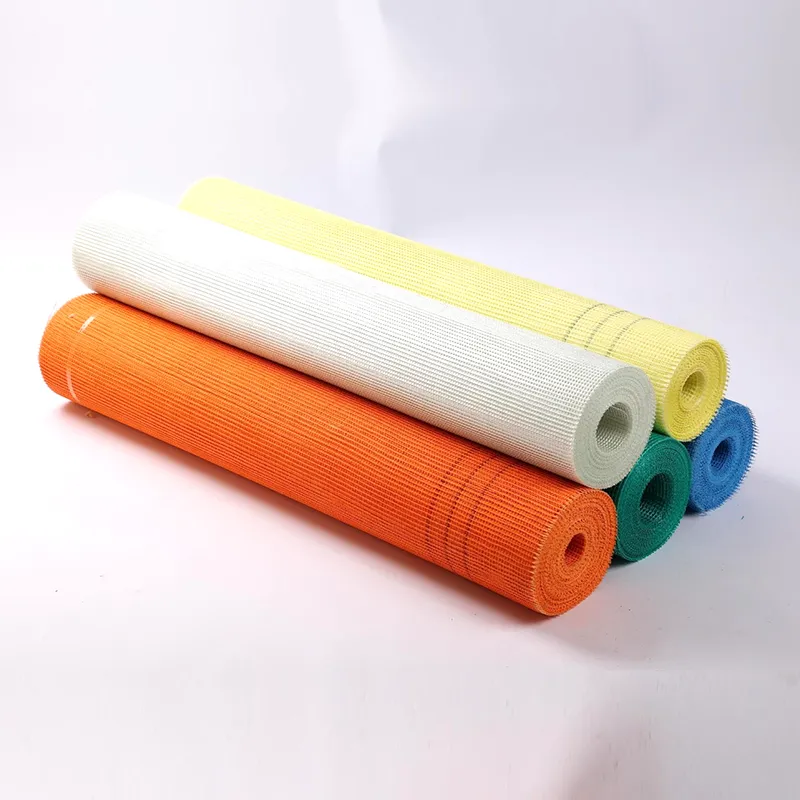
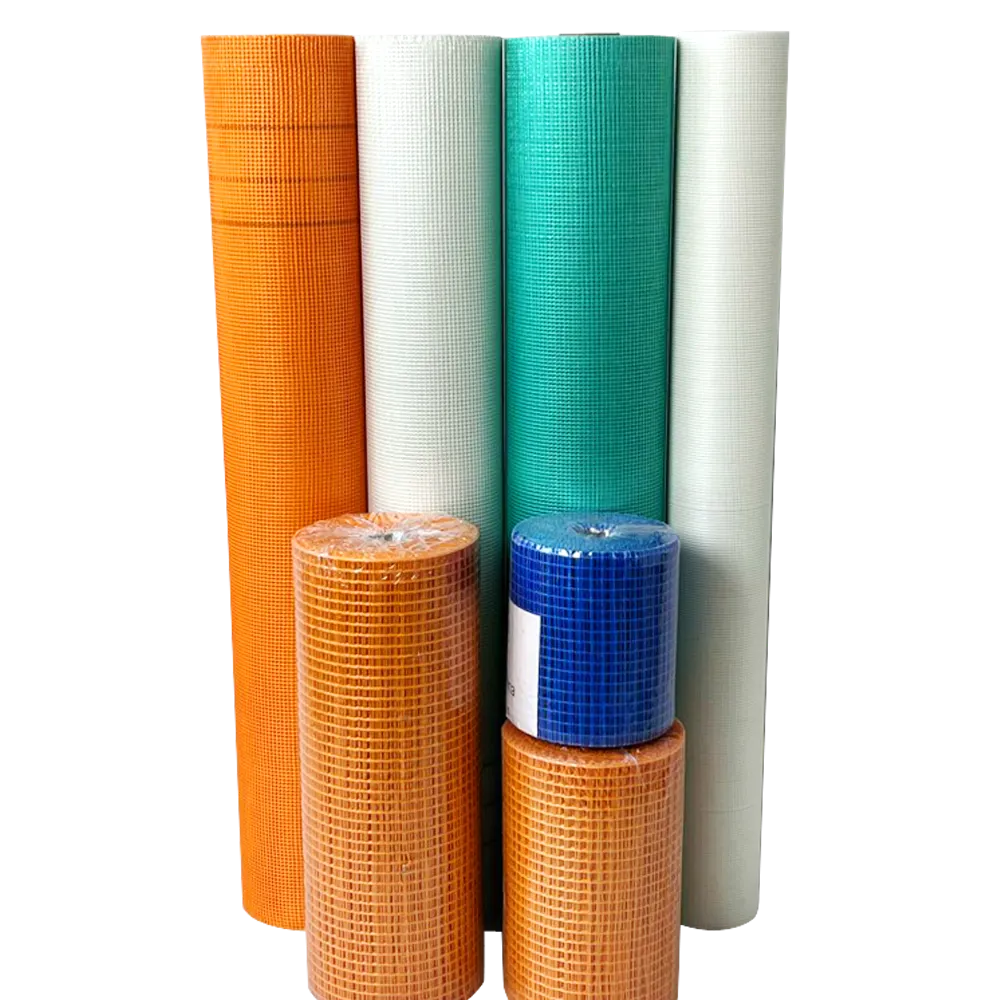
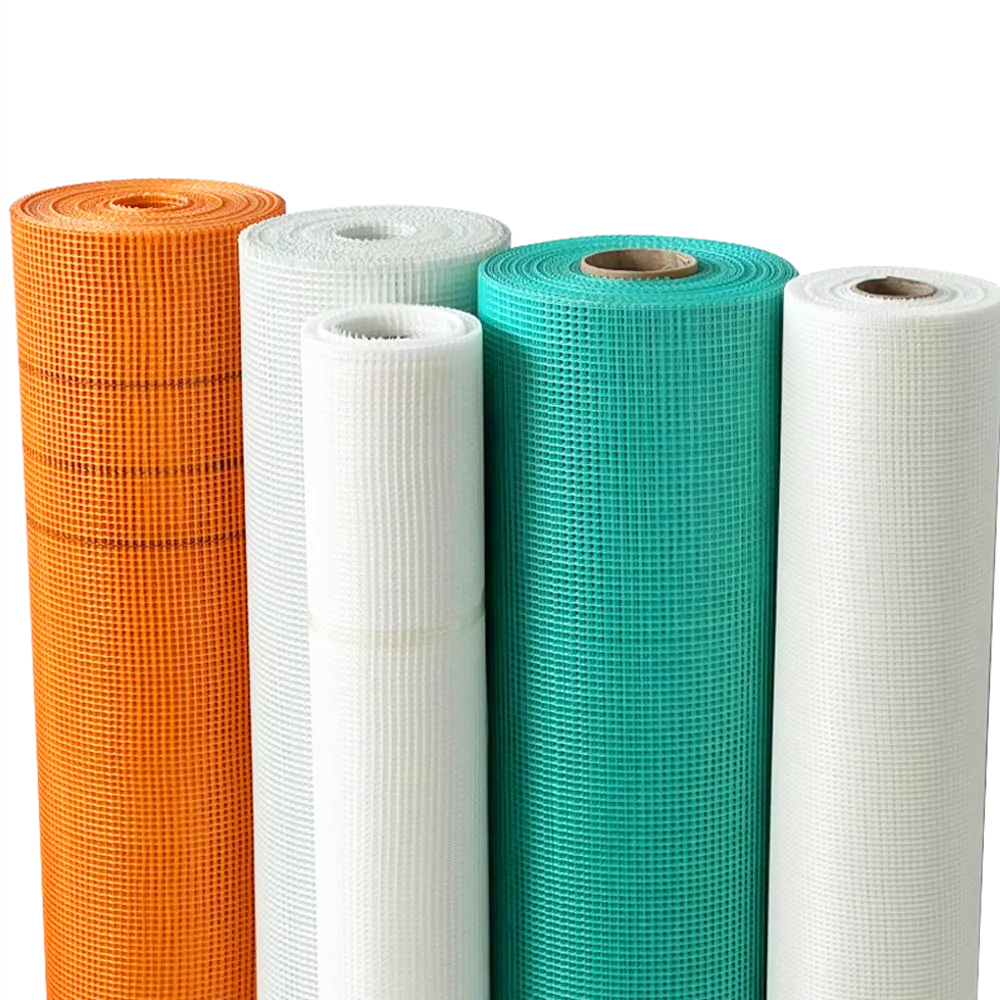
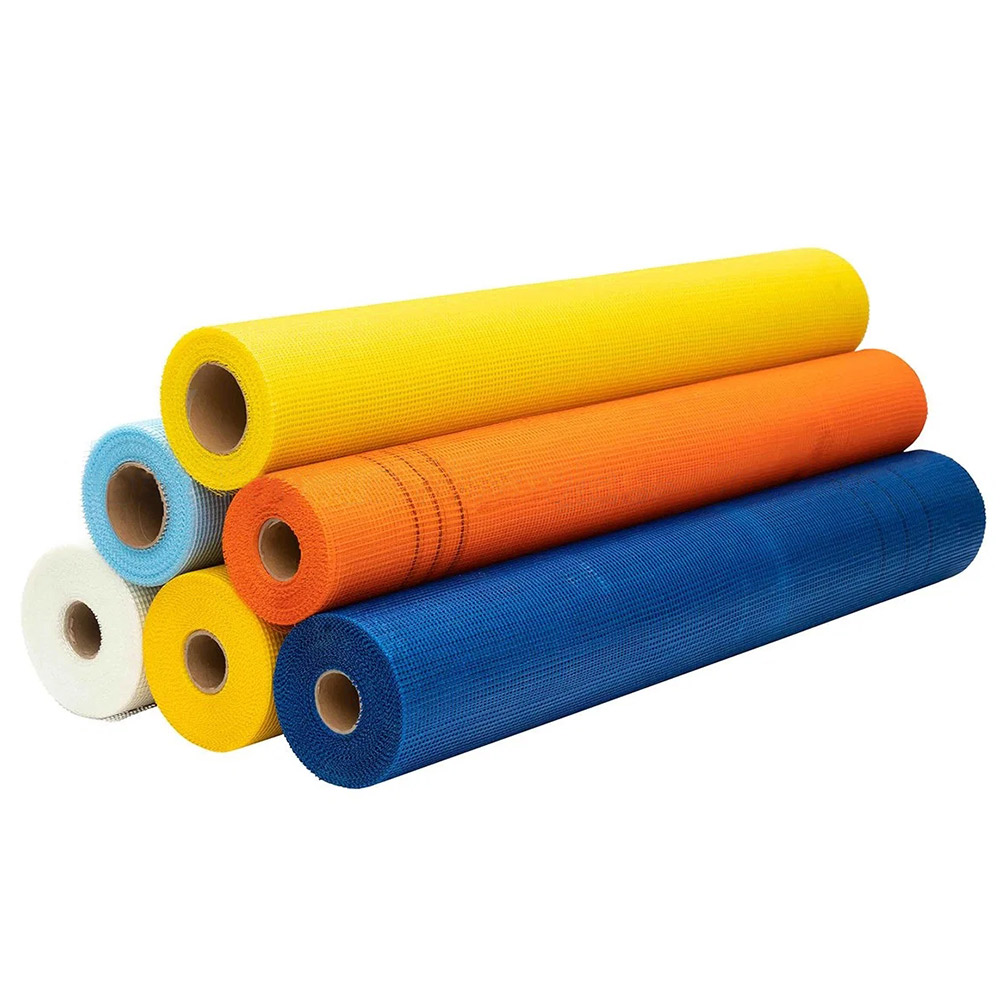
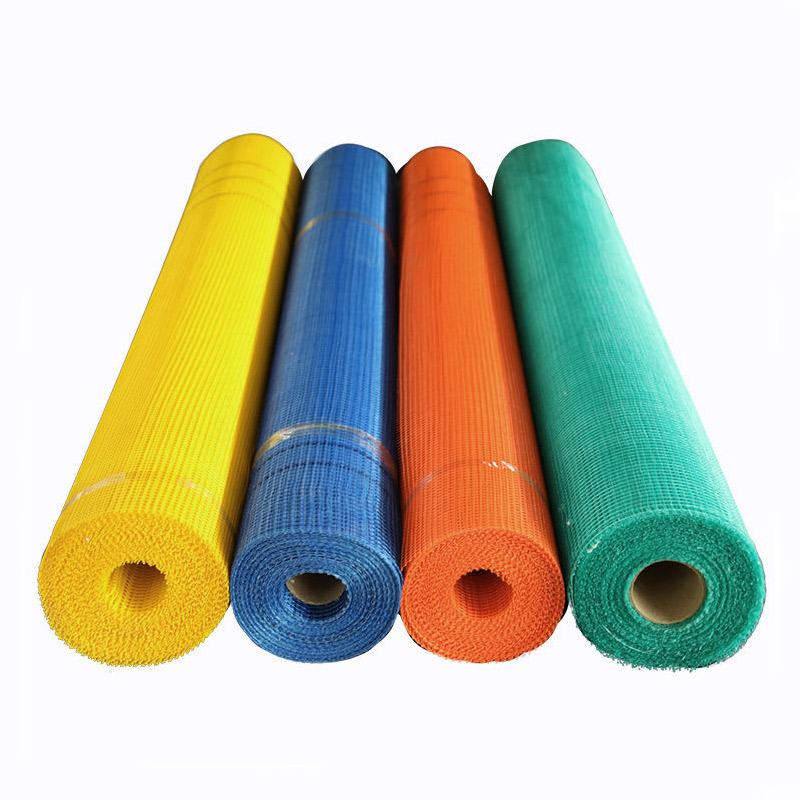
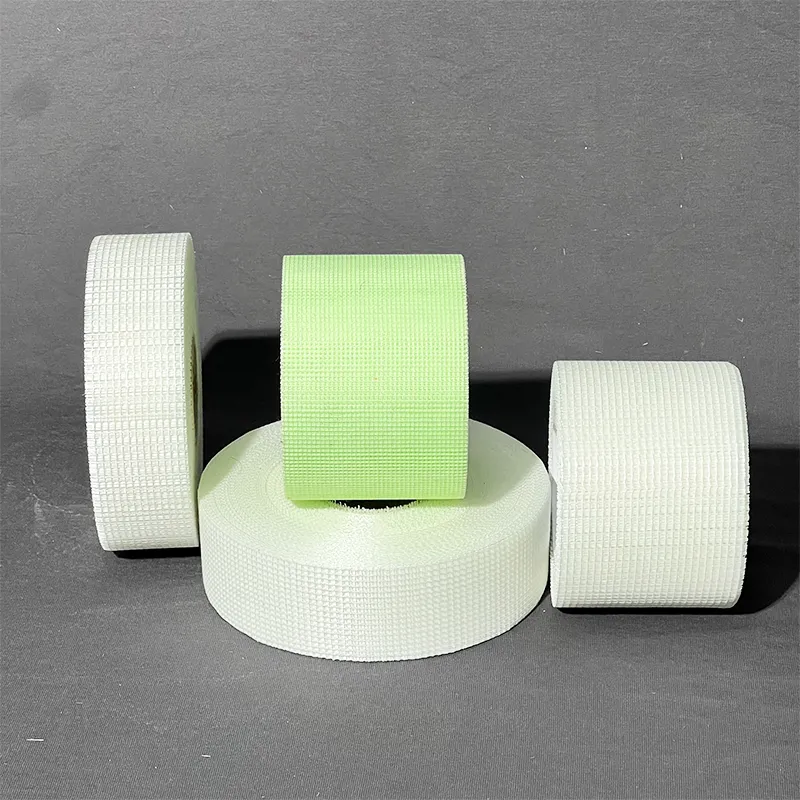
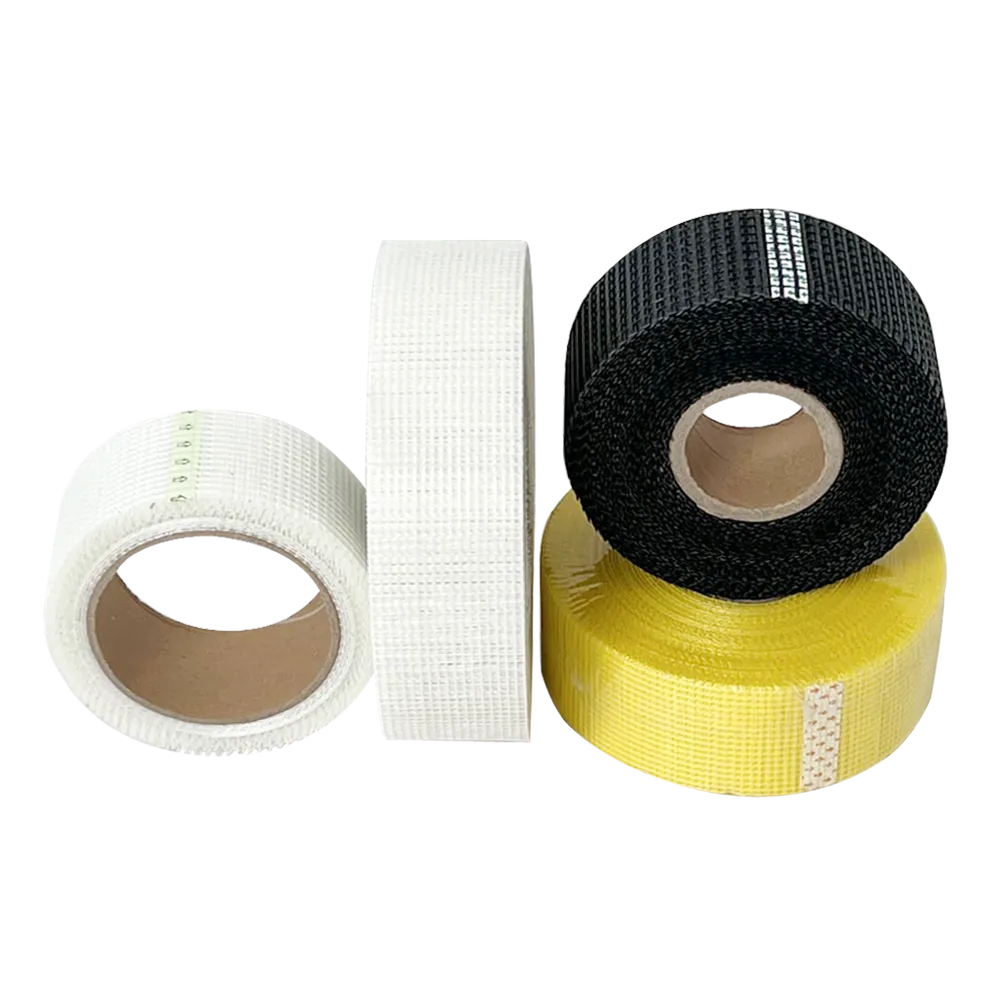
Fiberglass mesh for plastering—including specialized variants like fiberglass wall mesh and fiberglass mesh for stucco—is a transformative addition to plastering workflows, reinforcing surfaces to prevent cracks, improving adhesion, and extending the lifespan of finished walls. When integrated correctly, it eliminates common pain points like post-plaster cracking (a top cause of rework) and reduces the need for multiple coats. Tainuo Fiberglass Mesh Factory, established in 2000 in Renqiu City, Hebei Province, is a leading supplier of premium fiberglass mesh for plastering for the construction industry—an integrated enterprise with 4 fiberglass yarn production lines, a 10,000-square-meter weaving workshop, and an annual output of 60 million square meters of fiberglass products (including fiberglass wall mesh and fiberglass mesh for stucco). As one of North China’s largest fiberglass mesh production bases, Tainuo crafts mesh with consistent weave density and alkali-resistant coatings, ensuring it integrates seamlessly into any plastering workflow. For building material wholesalers, partnering with Tainuo means accessing mesh solutions that not only make your clients’ workflows more efficient but also reduce rework costs—backed by decades of technical expertise.
Key Benefits of Integrating Fiberglass Mesh for Plastering into Workflows
- Crack Prevention Reduces Rework Time: The biggest advantage of fiberglass mesh for plastering is its ability to stop cracks before they form. Tainuo’s fiberglass wall mesh acts as a “reinforcement backbone” in plaster, distributing stress from building settling or temperature changes that would otherwise split the surface. A residential construction wholesaler reported that clients integrating Tainuo’s fiberglass mesh for plastering had 90% fewer post-plaster cracks, cutting rework time by 30% compared to mesh-free workflows. For wholesalers, this benefit is a major selling point: less rework means happier builders, who will associate your supply with cost savings and efficiency.
- Improved Adhesion of Fiber Mesh for Stucco Saves Material: Fiberglass mesh for stucco(designed for outdoor plaster applications) enhances adhesion between stucco and substrate (e.g., brick, concrete), reducing the risk of delamination. Tainuo’s version has an open weave that lets stucco penetrate and bond securely, eliminating the need for extra primer coats. An exterior renovation wholesaler noted that clients using fiberglass mesh for stucco used 15% less stucco material (no need for thick coats to compensate for poor adhesion) and finished jobs 20% faster. For wholesalers serving commercial exterior projects, this adhesion-plus-efficiency combo makes your supply stand out from competitors offering weaker mesh.
Types of Fiberglass Mesh for Plastering & Workflow Fit
|
Fiberglass Mesh Type |
Key Features (Tainuo’s Standards) |
Ideal Workflow Applications |
Integration Tips for Builders |
Market Regions Served |
|
Fiberglass Wall Mesh |
alkali-resistant coating; easy to cut; fits interior plastering |
Interior drywall plastering, residential wall finishes |
Apply after first plaster coat; smooth gently to avoid mesh shifting |
All regions (residential/commercial interiors) |
|
Fiberglass Mesh for Plastering |
Medium-density weave; dual alkali/paint compatibility; works with all plaster types |
Mixed interior/exterior plastering, commercial walls |
Integrate between first and second coats; trim edges to fit corners |
All regions (versatile projects) |
|
Fiberglass Mesh for Stucco |
alkali-resistant coating; weatherproof; bonds with cement-based stucco |
Exterior stucco, masonry plastering, outdoor walls |
Apply directly to substrate before first stucco coat; secure with staples |
East China (coastal exteriors), North China (industrial builds) |
Tainuo’s diverse fiberglass mesh for plastering line lets wholesalers cater to every workflow—from small interior jobs to large exterior stucco projects. A commercial wholesaler reported that stocking all three types increased their sales by 25%, as contractors could find mesh that fit their exact workflow without adjusting processes.
Step-by-Step Integration of Fiberglass Wall Mesh into Plastering Workflows
Integrating fiberglass wall mesh doesn’t require overhauling existing workflows—just small, strategic adjustments:
- Prep the Substrate: Ensure walls are clean, dry, and free of dust (mesh adheres poorly to dirty surfaces). Tainuo’s fiberglass wall meshworks on drywall, brick, and concrete, so no extra prep for different substrates.
- First Plaster Coat: Apply a thin base coat (3–5mm) and let it set slightly (tacky but not wet)—this creates a “grip” for the mesh.
- Mesh Application: Unroll fiberglass wall meshover the tacky coat, pressing gently to embed it. Cut mesh to fit corners with a utility knife (Tainuo’s mesh cuts cleanly without fraying). Overlap seams by 50mm to avoid gaps.
- Second Plaster Coat: Apply a second coat (5–8mm) over the mesh, smoothing to cover all mesh lines. Tainuo’s mesh has a smooth weave that doesn’t show through plaster, so no need for extra sanding.
- Finish: Let dry and apply a topcoat if needed.
A residential wholesaler noted that clients following this process added just 15 minutes to their workflow per wall but reduced crack-related rework by 90%. For wholesalers, sharing this simple process with clients turns fiberglass mesh for plastering into a “no-hassle” add-on, increasing adoption rates.
How Fiberglass Mesh for Stucco Optimizes Exterior Workflows
Exterior stucco workflows are more demanding (weather, alkaline materials), but fiberglass mesh for stucco streamlines them. Tainuo’s fiberglass mesh for stucco has two workflow-specific advantages:
- Weather Resistance: It can be left exposed to light rain during application (unlike generic mesh which sags), so builders don’t have to pause work for minor weather.
- Fast Bonding: Its thick coating bonds with stucco in 30 minutes (vs. 1 hour for generic mesh), cutting wait time between coats.
An exterior construction wholesaler reported that clients using Tainuo’s fiberglass mesh for stucco completed exterior projects 20% faster, even with weather delays. For wholesalers serving regions with unpredictable weather (e.g., coastal areas), this mesh is a workflow lifesaver—making your supply essential for timely project delivery.
Fiberglass Mesh for Plastering FAQS
Does Integrating Fiberglass Mesh for Plastering Add Too Much Time to Workflows?
No—Tainuo’s fiberglass mesh for plastering adds just 10–15 minutes per wall to workflows, a small investment for 90% less rework. Its easy-cut design and fast bonding mean builders don’t have to slow down. A small-scale renovation wholesaler reported that clients initially worried about time but quickly adopted the mesh once they saw the rework savings. Wholesalers can reassure clients that the time added is far less than the time saved on fixes.
Can Fiberglass Mesh for Stucco Be Used with Interior Plaster?
While fiberglass mesh for stucco works for interior plaster, it’s overengineered (thicker, more expensive) for indoor use. Tainuo recommends fiberglass wall mesh for interiors—it’s lighter, cheaper, and fits interior workflows better. A residential wholesaler noted that clients using fiberglass wall mesh for interiors cut material costs by 20% compared to using fiberglass mesh for stucco. Wholesalers can guide clients to match mesh to workflow, ensuring cost-effectiveness.
What’s the Shelf Life of Tainuo’s Fiberglass Mesh for Plastering?
Tainuo’s fiberglass mesh for plastering has a 3-year shelf life when stored in cool, dry conditions (below 25°C, 50% humidity). Its alkali-resistant coating and weave remain stable within this period—beyond that, flexibility may decrease slightly. A warehouse wholesaler reported that clients storing mesh properly had zero expired inventory issues, unlike generic mesh which degraded in 18 months. Wholesalers can advise clients on storage to avoid waste.
Does Fiberglass Mesh for Plastering Require Special Tools to Integrate?
No—fiberglass mesh for plastering uses standard tools builders already have: a utility knife for cutting, a trowel for embedding, and (for exteriors) a staple gun for fiberglass mesh for stucco. Tainuo’s mesh doesn’t need specialized adhesives or equipment, so builders can integrate it without extra costs. A commercial wholesaler noted that clients needed no new tools to start using the mesh, making adoption quick and easy.
Does Tainuo Offer Bulk Orders of Fiberglass Mesh for Plastering?
Yes—Tainuo specializes in bulk fiberglass mesh for plastering orders for wholesalers, with minimum order quantities (MOQs) starting from 100 rolls (for fiberglass wall mesh) or 50 rolls (for fiberglass mesh for stucco). We offer custom packaging (e.g., 500-roll pallets for large distributors, 20-roll packs for small contractors) and fast delivery (7–10 days for domestic orders, 7–15 days for exports). To explore bulk pricing, request workflow guides, or discuss custom solutions, visit Tainuo’s webpage today—let’s help your clients build stronger, crack-free walls with seamless mesh integration!
-
Best Fiberglass Mesh Tape for RedGard Product Waterproofing GuideZprávyApr.16,2026
-
Why High Strength Fiberglass Mesh Is Essential For Stucco ApplicationZprávyApr.15,2026
-
Why Alkali Resistant Fiberglass Mesh Tape Is Essential For Cement Board And Tile InstallationsZprávyApr.15,2026
-
Understanding The Role Of Drywall Fiberglass Mesh In Interior FinishingZprávyApr.15,2026
-
Ultimate Guide To Using Fiberglass Mesh Tape For Drywall And Plaster RepairsZprávyApr.15,2026
-
The Versatility Of Fiberglass Mesh In Marble And Stone MosaicZprávyApr.15,2026