Kvě . 13, 2026 16:16 Zpět na seznam
Fiberglass Mesh for Concrete Reinforcement: Strengthening Modern Cement-Based Structures
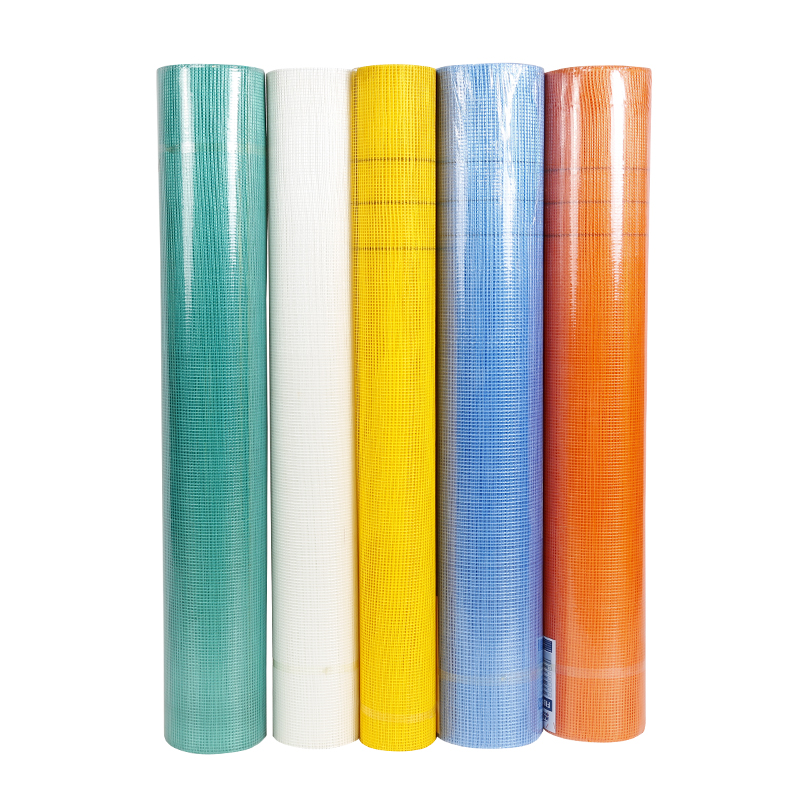
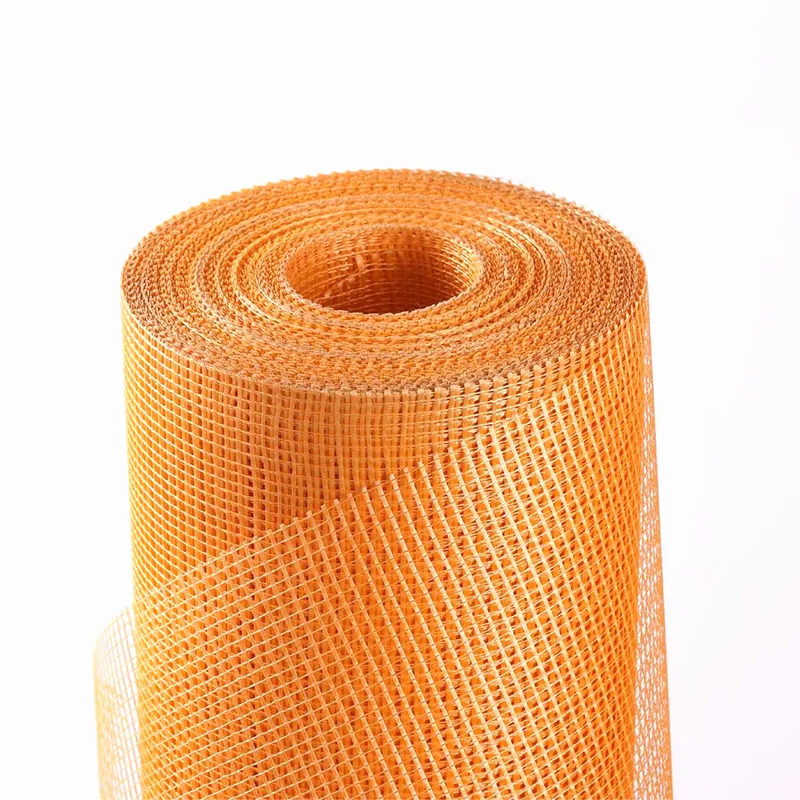
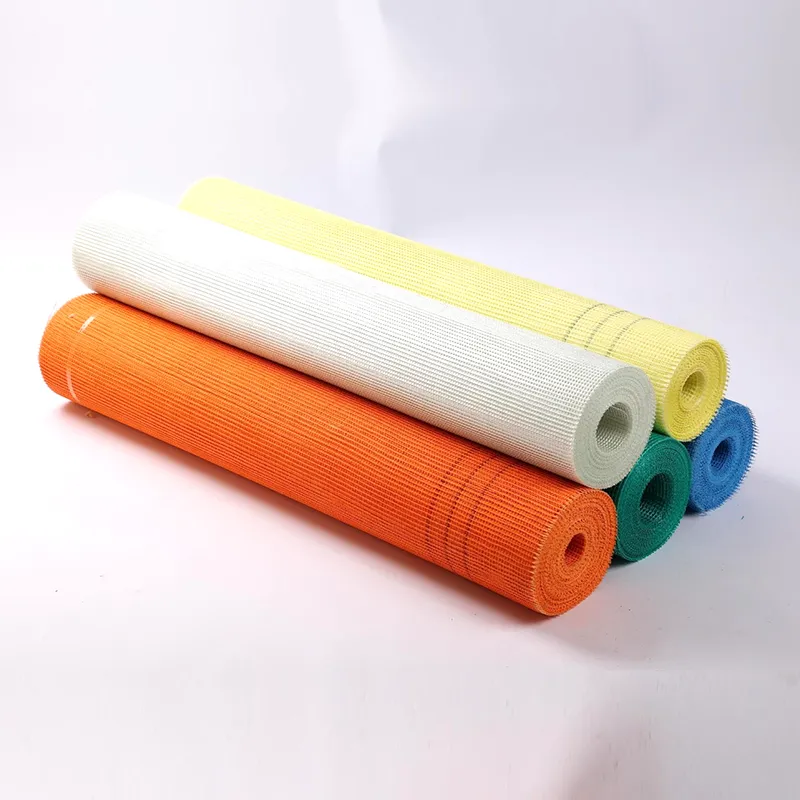
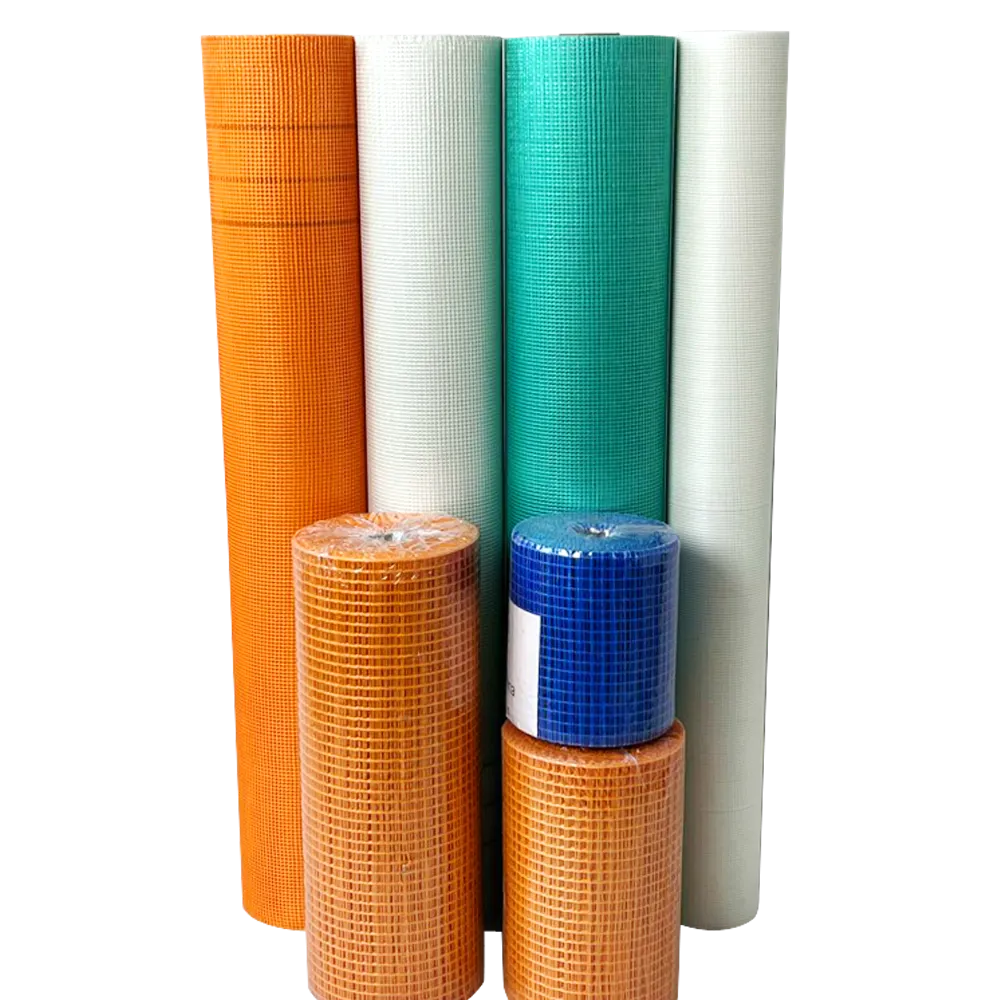
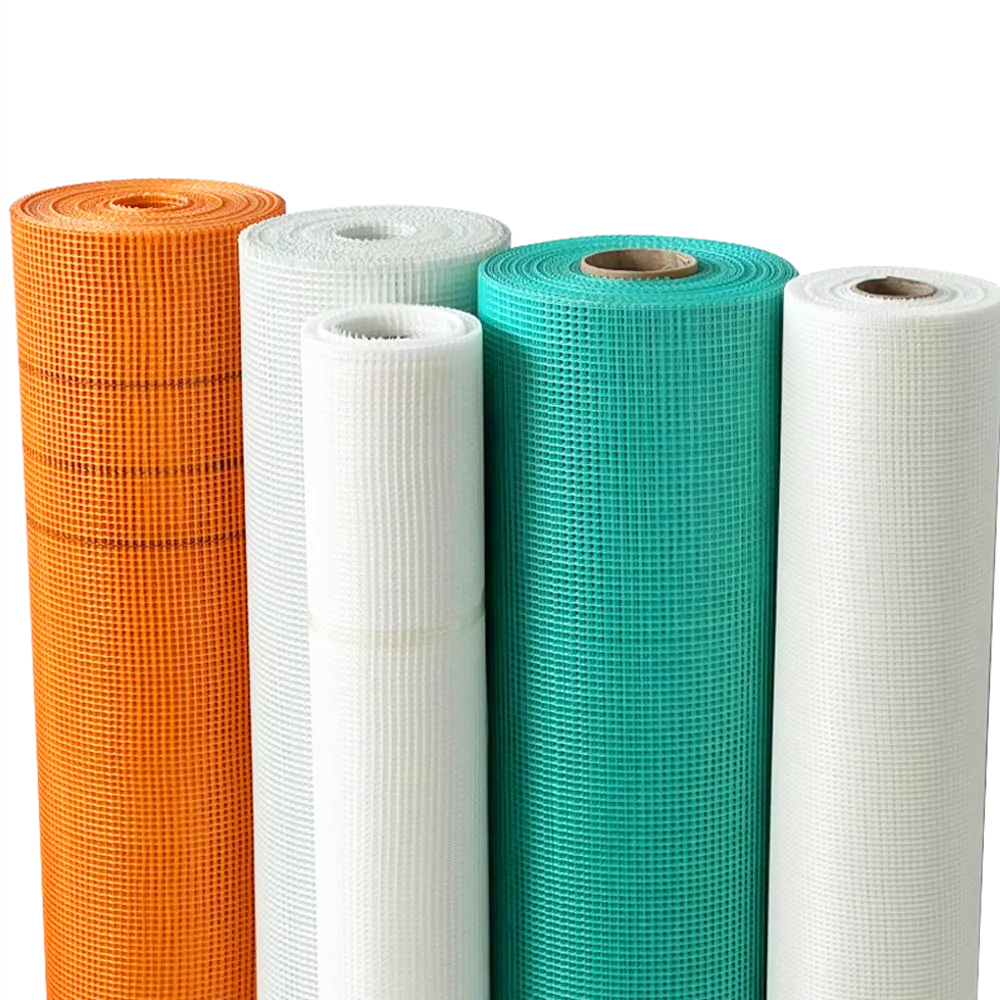
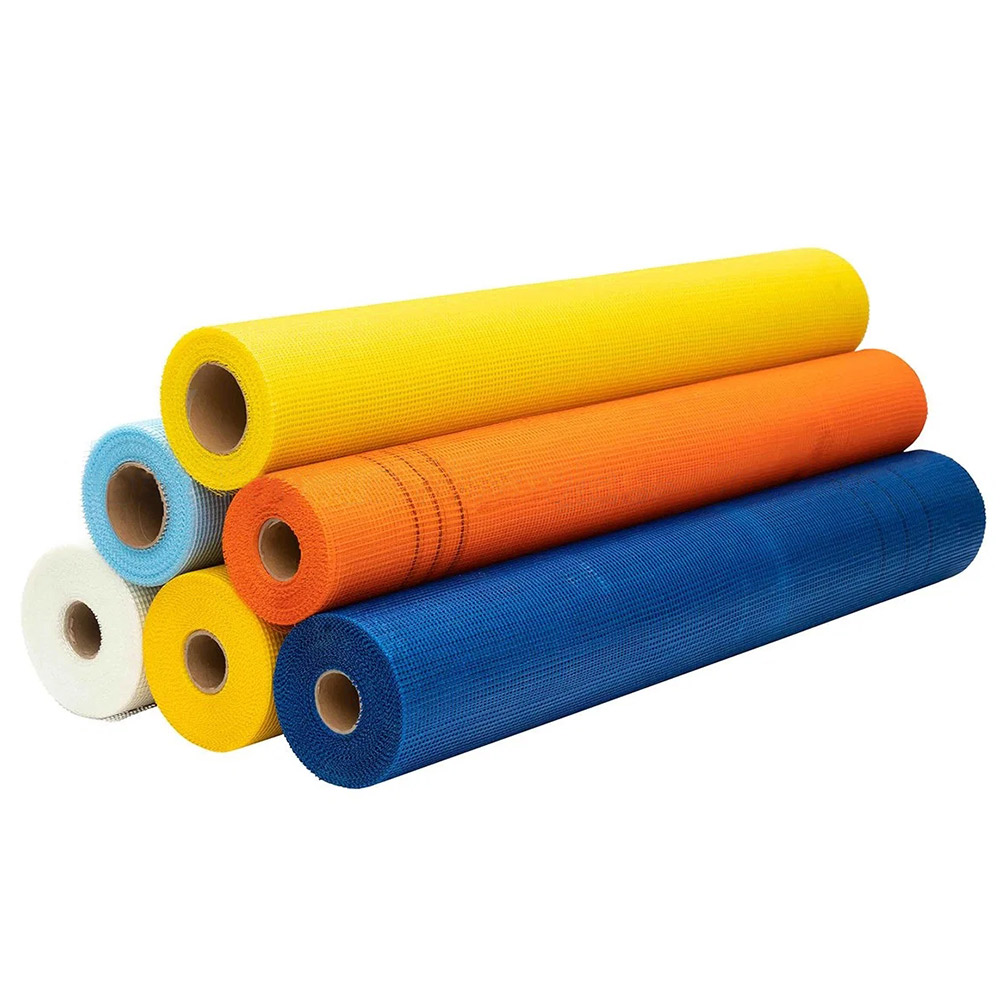
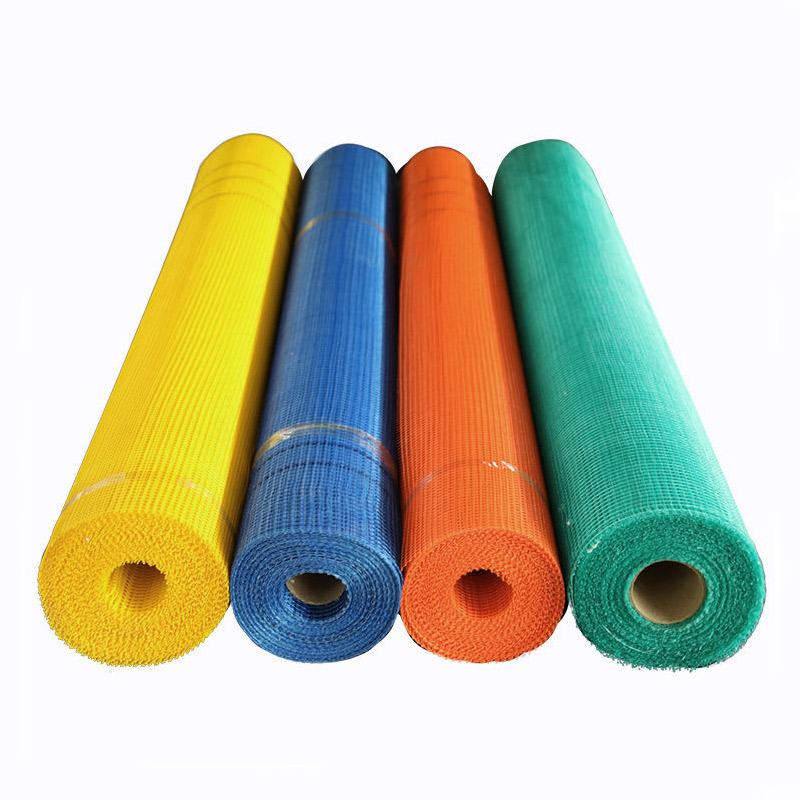
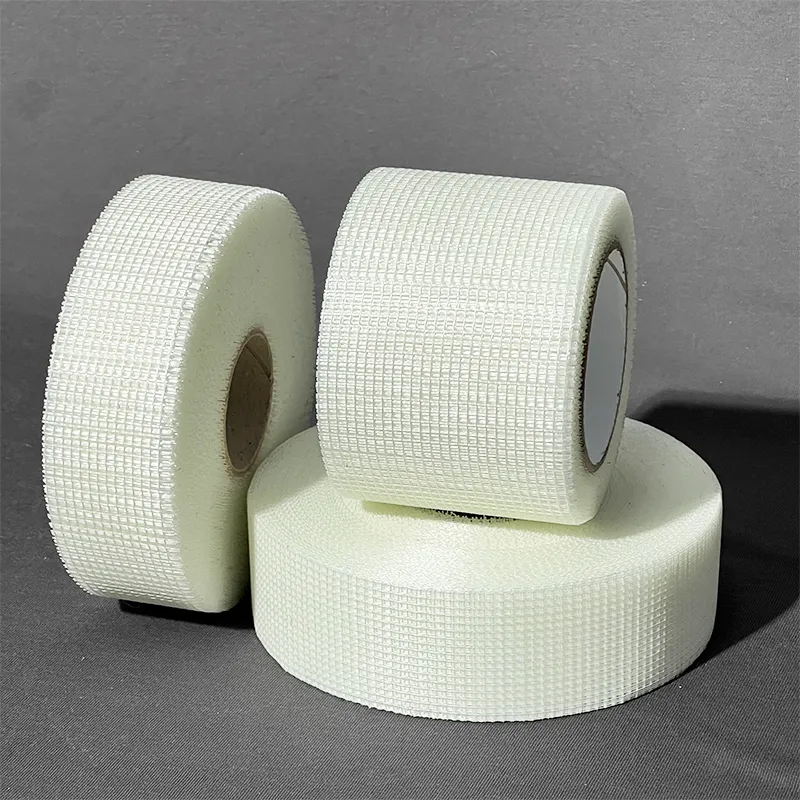
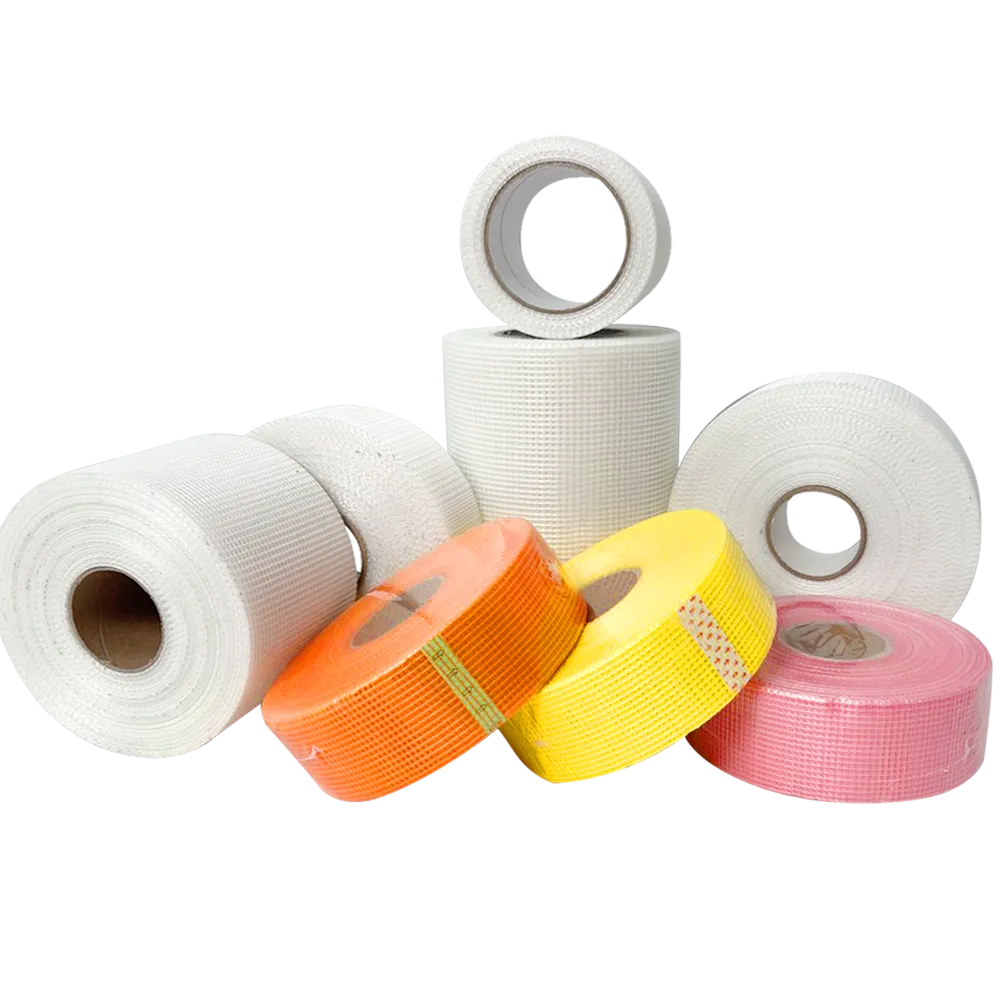
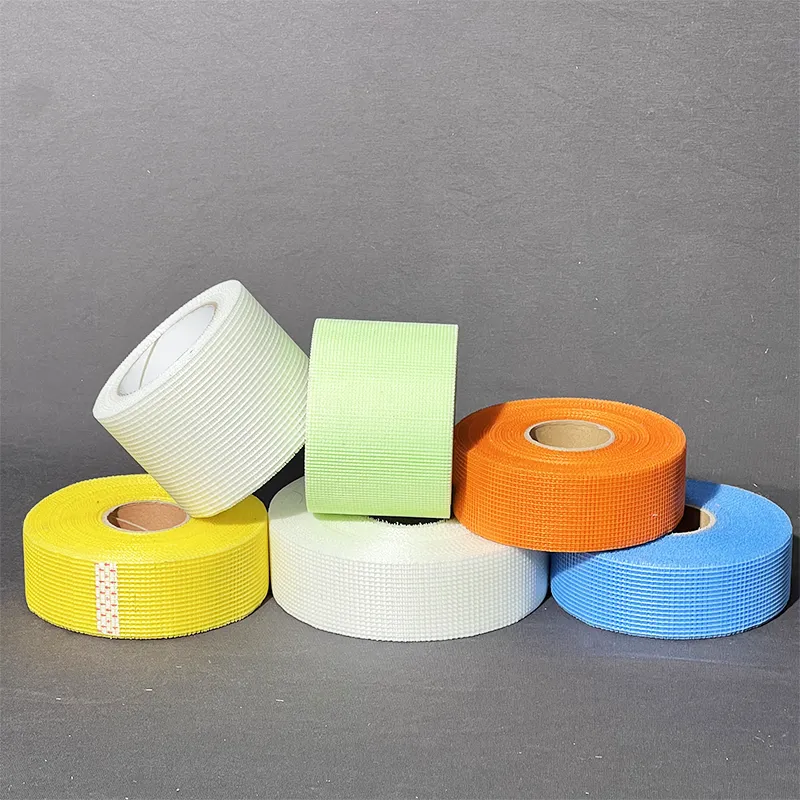
Concrete is one of the most widely used construction materials in the world, valued for its compressive strength and versatility. However, it has a natural weakness: low tensile strength and a tendency to crack under stress. To solve this limitation, engineers and builders increasingly rely on fiberglass mesh for concrete reinforcement, fiberglass mesh for concrete countertops, and advanced composite materials designed to improve durability, stability, and long-term performance.
By integrating reinforcement mesh into concrete systems, builders can significantly reduce cracking, improve load distribution, and extend the service life of structural and decorative elements. Whether used in floors, walls, or countertops, modern mesh technology plays a critical role in enhancing concrete performance.
Structural Role of fiberglass Mesh in Concrete Reinforcement
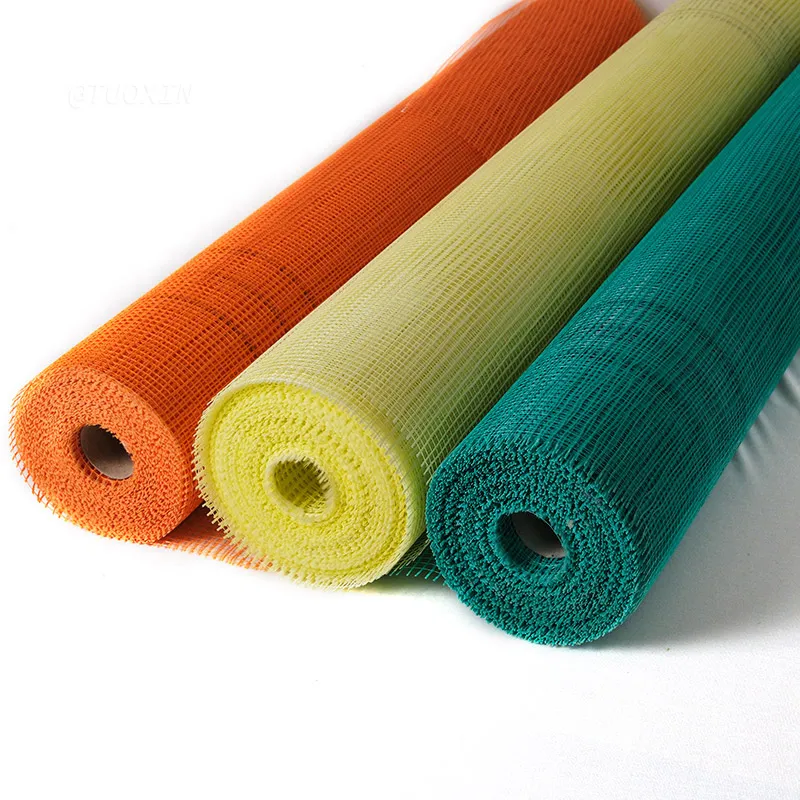
The primary purpose of fiberglass mesh for concrete reinforcement is to control cracking and improve tensile strength in cement-based materials. Concrete is strong under compression but weak under tension, which makes it prone to shrinkage cracks during curing and micro-cracking under load. Fiber mesh helps distribute stress evenly throughout the material, reducing localized pressure points.
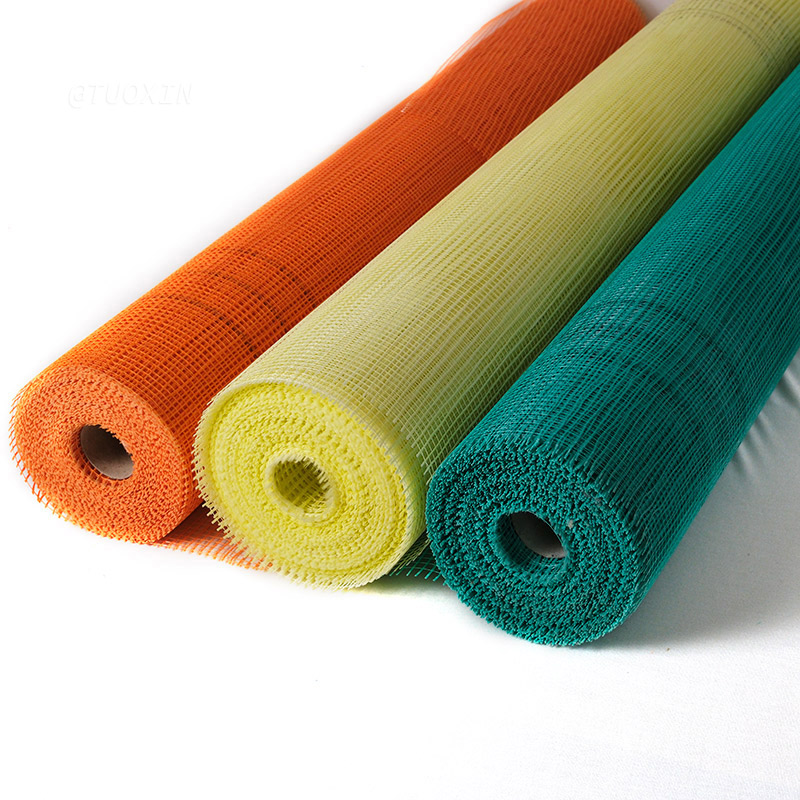
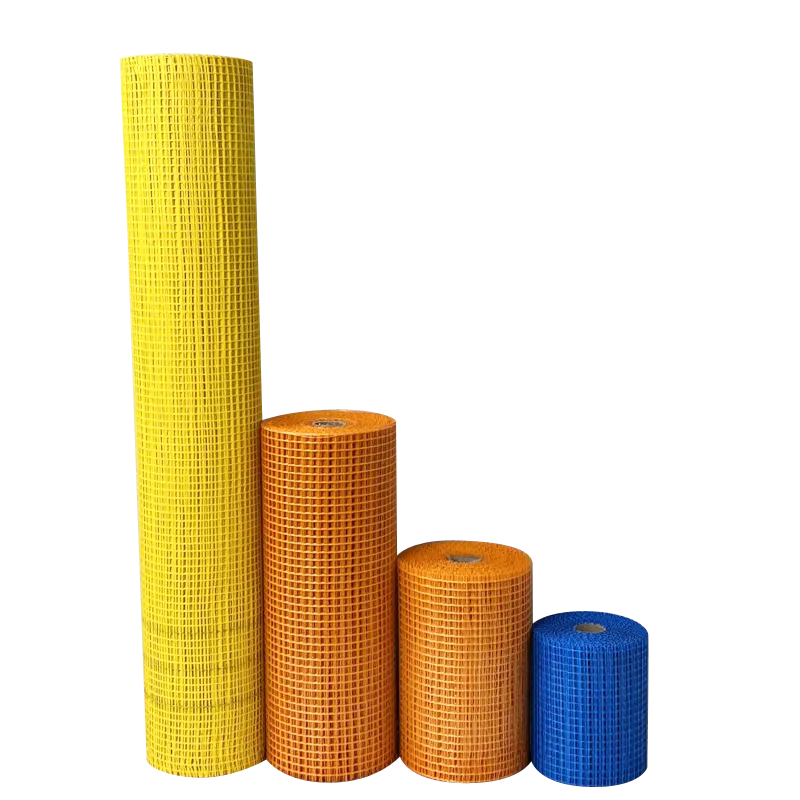
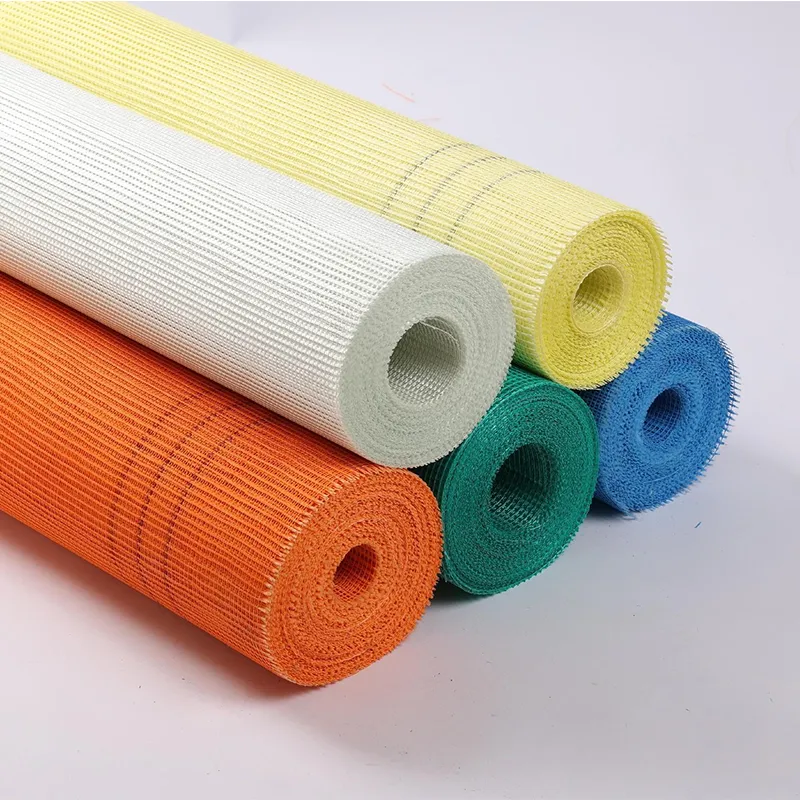
Unlike traditional steel rebar, fiberglass mesh for concrete reinforcement is typically made from synthetic fibers such as polypropylene or fiberglass. These materials are lightweight, corrosion-resistant, and easy to mix directly into concrete or apply as surface reinforcement.
When concrete begins to cure, it naturally shrinks as water evaporates. This shrinkage can create internal tension. The presence of fiber mesh helps hold the mixture together, minimizing the formation of cracks during this critical stage. This is especially important in large slabs, driveways, and industrial flooring systems.
Another advantage is improved impact resistance. Concrete reinforced with fiber mesh can better absorb sudden loads or vibrations without cracking. This makes fiberglass mesh for concrete reinforcement particularly useful in high-traffic areas and structural applications where durability is essential.
In addition, fiberglass mesh improves post-crack performance. Even if micro-cracks begin to form, the mesh holds the structure together, preventing cracks from spreading and maintaining overall integrity. This delayed crack propagation is a key benefit in long-term structural reliability.
Application of Fiberglass Mesh in Concrete Countertops
Concrete countertops have become increasingly popular in modern interior design due to their industrial aesthetic, customization options, and durability. However, because they are relatively thin compared to structural slabs, they require additional reinforcement to prevent cracking and deformation. This is where fiberglass mesh for concrete countertops plays a crucial role.
Fiberglass mesh for concrete countertops is typically embedded within the countertop mold during the casting process. It acts as an internal support system that distributes stress evenly across the surface. This prevents cracking caused by weight, thermal expansion, or everyday use.
One of the key advantages of fiberglass mesh is its corrosion resistance. Unlike steel reinforcement, it does not rust when exposed to moisture. This makes it ideal for kitchen and bathroom countertops, where water exposure is frequent.
Another important factor is flexibility. Fiberglass mesh for concrete countertops can conform to complex shapes and edge designs, allowing for creative architectural freedom. Designers can create curved edges, integrated sinks, and custom textures without compromising structural integrity.
In addition, fiberglass mesh improves the curing stability of decorative concrete. As countertops dry and harden, internal stresses can develop due to uneven moisture loss. The mesh helps stabilize the material, reducing the likelihood of surface cracks or warping.
Proper placement of fiberglass mesh for concrete countertops is essential. It is usually positioned within the middle or lower third of the concrete slab to maximize reinforcement effectiveness. When combined with proper mix design and curing techniques, it significantly enhances countertop durability and lifespan.
Long-Term Performance and Advantages of fiberglass Mesh Reinforcement
The long-term benefits of fiberglass mesh for concrete reinforcement extend beyond initial crack prevention. Over time, reinforced concrete structures demonstrate improved durability, reduced maintenance costs, and better resistance to environmental stress.
One major advantage is resistance to temperature fluctuations. Concrete expands and contracts with temperature changes, which can lead to cracking over time. Fiber mesh helps absorb these movements, reducing structural stress and maintaining surface integrity.
Moisture resistance is another important factor. While concrete itself is porous, fiber-reinforced systems help reduce water penetration pathways by limiting crack formation. This is particularly beneficial in outdoor environments exposed to rain, freeze-thaw cycles, and humidity.
In decorative applications, fiberglass mesh for concrete countertops ensures long-term aesthetic stability. Countertops remain smooth and crack-free even after years of daily use. This makes them a preferred choice for modern kitchens, commercial spaces, and high-end interior design projects.
Another significant benefit is ease of installation. Unlike traditional steel reinforcement systems, fiber mesh can be easily integrated into concrete mixes or layered into molds without specialized tools. This reduces labor costs and simplifies construction processes.
From a sustainability perspective, fiber mesh also contributes to material efficiency. By reducing cracking and extending lifespan, it minimizes the need for repairs and replacement, thereby reducing overall material consumption in construction projects.
Furthermore, fiberglass mesh for concrete reinforcement enhances safety by improving structural resilience under stress. In situations such as minor ground movement or heavy loading, reinforced concrete is less likely to fail suddenly, providing a more stable and reliable structure.
Modern construction increasingly relies on advanced reinforcement materials to improve the performance of cement-based systems. Products such as fiberglass mesh for concrete reinforcement and fiberglass mesh for concrete countertops offer significant improvements in crack resistance, durability, and long-term stability.
By distributing stress evenly and reducing internal cracking, fiber mesh technology enhances both structural and decorative concrete applications. Whether used in large-scale infrastructure or custom interior designs, these materials provide a cost-effective and reliable solution for strengthening modern concrete systems.
-
Fiberglass Mesh Netting in Modern Plastering Systems: Strength, Stability, and Crack ControlZprávyMay.13,2026
-
PVC Corner Bead with Fiberglass Mesh: Strengthening and Protecting Modern Plaster CornersZprávyMay.13,2026
-
Alkali Resistant Fiberglass Mesh Tape: Strength and Stability in Cement-Based ConstructionZprávyMay.13,2026
-
Reinforcing Fiberglass Mesh: Strength, Adhesion, and Structural Performance in Modern ConstructionZprávyMay.13,2026
-
Best Fiberglass Mesh Tape for RedGard Product Waterproofing GuideZprávyApr.16,2026