Set . 23, 2025 09:16 Balik sa listahan
Understanding the Different Types of Fiberglass Yarn: Strength, Versatility, and Applications
Fiberglass yarn plays a vital role in various industries, from construction and automotive to textiles and electronics. Known for its lightweight, high-strength, and heat-resistant properties, fiberglass yarn is a crucial component in composite materials, woven fabrics, insulation, and reinforcement products. Among the different types, roving fiber glass yarn, C fiber glas yarn, E fiber glas yarn, and general fiber glass yarn each serve specific purposes, offering unique benefits depending on the application.
This article will explore these key types of fiberglass yarn, highlighting their characteristics, differences, and common uses.
The Foundation: What Is Fiber Glass Yarn?
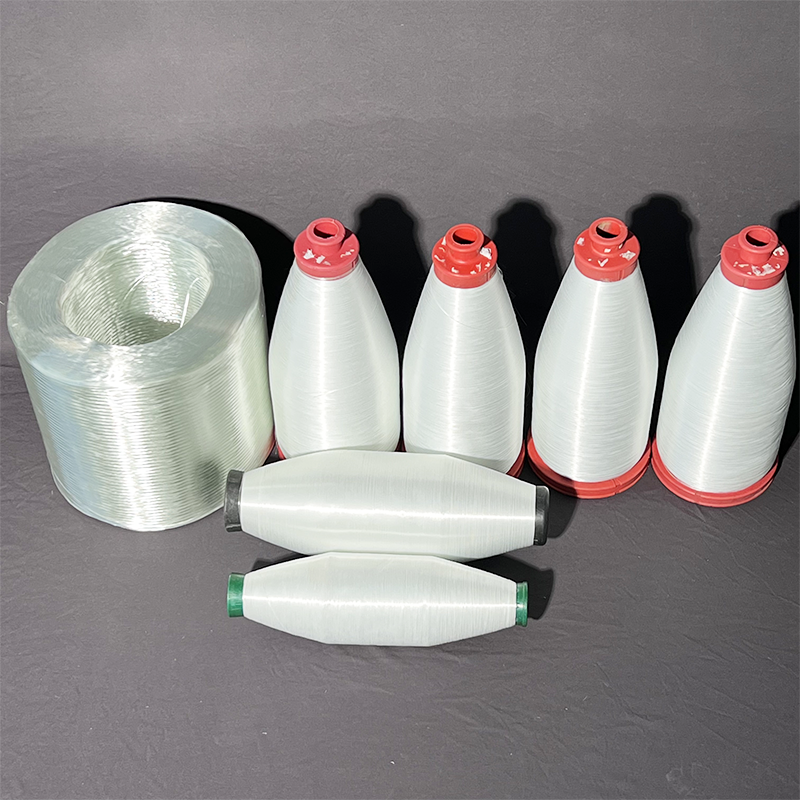
Fiber glass yarn is a yarn made from fine filaments of glass, typically manufactured by drawing molten glass through extremely fine nozzles. Once cooled and solidified, these filaments are twisted or braided into yarns that are then used in various textile and industrial applications.
Key advantages of fiber glass yarn include:
High tensile strength: It withstands significant pulling forces without breaking.
Thermal resistance: Suitable for high-temperature environments.
Electrical insulation: Ideal for cables, circuit boards, and electrical tapes.
Corrosion resistance: Immune to most chemicals and moisture.
Fiber glass yarn is widely used in:
Woven fiberglass fabrics for insulation or reinforcement.
Coated fabrics in fireproof materials.
Composite materials in boats, aircraft, and sporting goods.
As the umbrella term, fiber glass yarn encompasses several categories, including C glass, E glass, and roving yarns.
Specialized Use Cases: C fiber glass Yarn vs. E Glass Fiber Yarn
While both are types of fiberglass yarn, C fiber glass yarn and E fiber glass yarn differ significantly in terms of chemical composition and performance characteristics.
C fiber glass Yarn
The "C" in C fiber glass yarn stands for “chemical resistance.” This type of fiberglass yarn is designed to resist corrosive environments, especially acids. It is typically made from calcium alumino-borosilicate glass and offers moderate mechanical strength.
Main features:
High chemical resistance, particularly to acidic environments.
Suitable for use in chemical tanks, pipes, and protective coatings.
Typically used in applications requiring moderate structural strength but high durability in corrosive conditions.
Because of its acid-resistant properties, C glass fiber yarn is often found in environmental and industrial filtration systems, chemical plants, and protective linings.
E fiber glass Yarn
"E" stands for “electrical,” as E fiber glass yarn is specifically designed for high dielectric strength and excellent insulation. It is made from alumino-borosilicate glass with low alkali content.
Key benefits:
Superior electrical insulation, making it ideal for electronic components.
High tensile strength, stronger than C glass yarn.
Used in composites, printed circuit boards, automotive parts, and reinforced plastics.
E fiber glass yarn is the most widely used fiberglass yarn due to its balance of cost, mechanical strength, and electrical performance. It is commonly used to weave fiberglass cloth for circuit boards, panels, and insulation wraps.
High-Performance Applications with Roving fiber glass Yarn
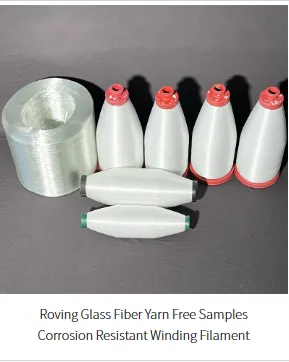
Roving glass fiber yarn refers to a bundle of continuous glass filaments that are not twisted, giving it a flat, tape-like appearance. This yarn is commonly used for its high strength and ease of use in resin impregnation, especially in composite manufacturing.
Characteristics of roving fiber glass yarn:
Untwisted filaments, allowing better resin saturation.
Higher strength-to-weight ratio, suitable for structural reinforcements.
Available in various filament diameters and weight specifications.
Applications include:
Pultrusion and filament winding for producing beams, poles, and pipes.
Hand lay-up processes in boat building, automotive parts, and wind turbine blades.
Reinforcement in fiberglass-reinforced plastic (FRP) products.
Compared to traditional yarns, roving fiber glass yarn provides superior unidirectional strength, making it ideal for load-bearing structures and performance-critical components.
Whether you're manufacturing insulation, building composite structures, or creating high-performance electrical materials, selecting the right type of fiber glass yarn is essential. Each variant—roving fiber glass yarn, C fiber glass yarn, E fiber glass yarn, and general fiber glass yarn—offers unique benefits tailored to different industrial demands.
Choose C fiber glass yarn for chemical resistance in corrosive environments.
Opt for E fiber glass yarn for electrical insulation and high tensile strength.
Use roving fiber glass yarn in composite applications requiring strong, resin-saturated reinforcement.
Understanding the differences and applications of these materials ensures that your projects are not only structurally sound but also durable and fit for purpose. As fiberglass technology continues to evolve, these yarn types will remain fundamental in both traditional manufacturing and cutting-edge innovation.
-
Best Fiberglass Mesh Tape for RedGard Product Waterproofing GuideBalitaApr.16,2026
-
Why High Strength Fiberglass Mesh Is Essential For Stucco ApplicationBalitaApr.15,2026
-
Why Alkali Resistant Fiberglass Mesh Tape Is Essential For Cement Board And Tile InstallationsBalitaApr.15,2026
-
Understanding The Role Of Drywall Fiberglass Mesh In Interior FinishingBalitaApr.15,2026
-
Ultimate Guide To Using Fiberglass Mesh Tape For Drywall And Plaster RepairsBalitaApr.15,2026
-
The Versatility Of Fiberglass Mesh In Marble And Stone MosaicBalitaApr.15,2026