Abr . 15, 2026 10:35 Balik sa listahan
The Versatility Of Fiberglass Mesh In Marble And Stone Mosaic
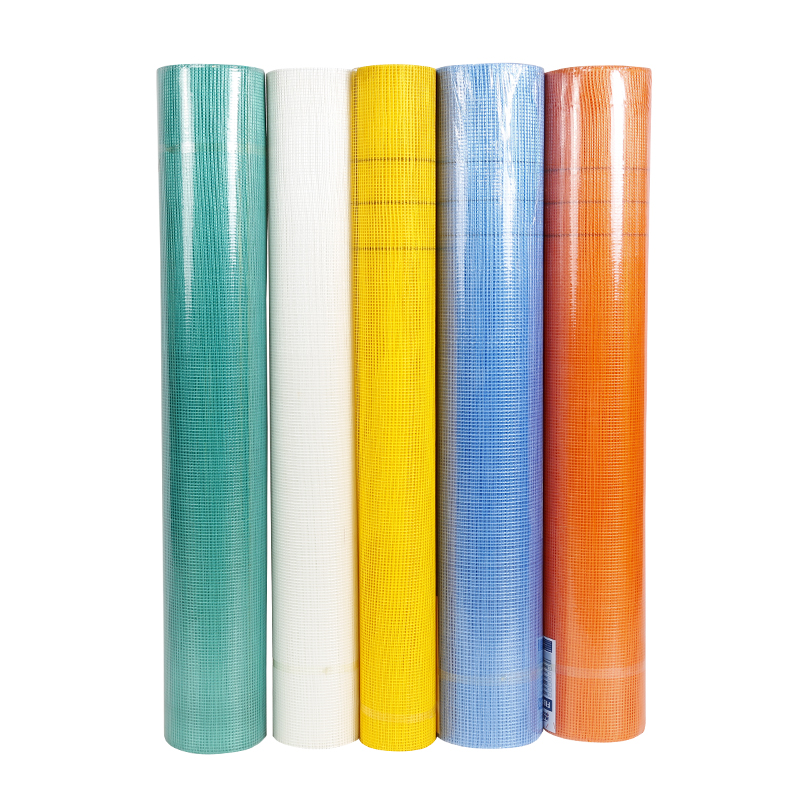
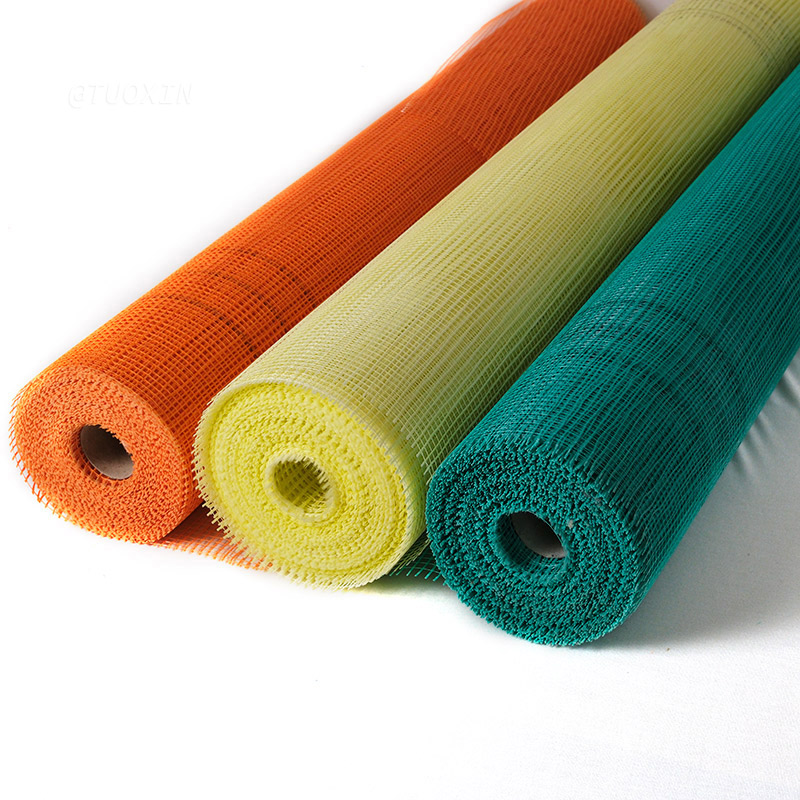
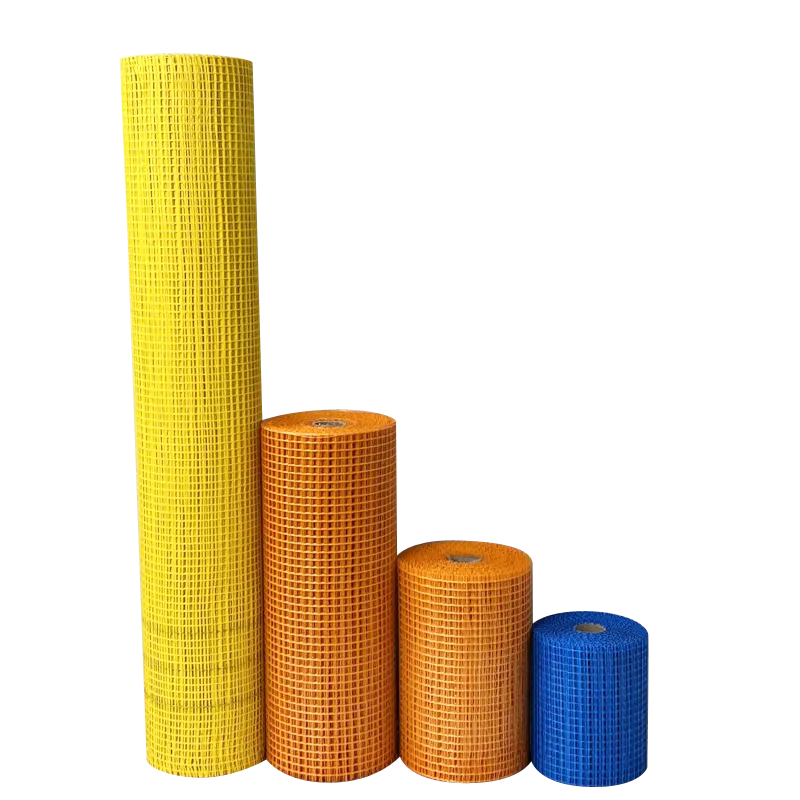
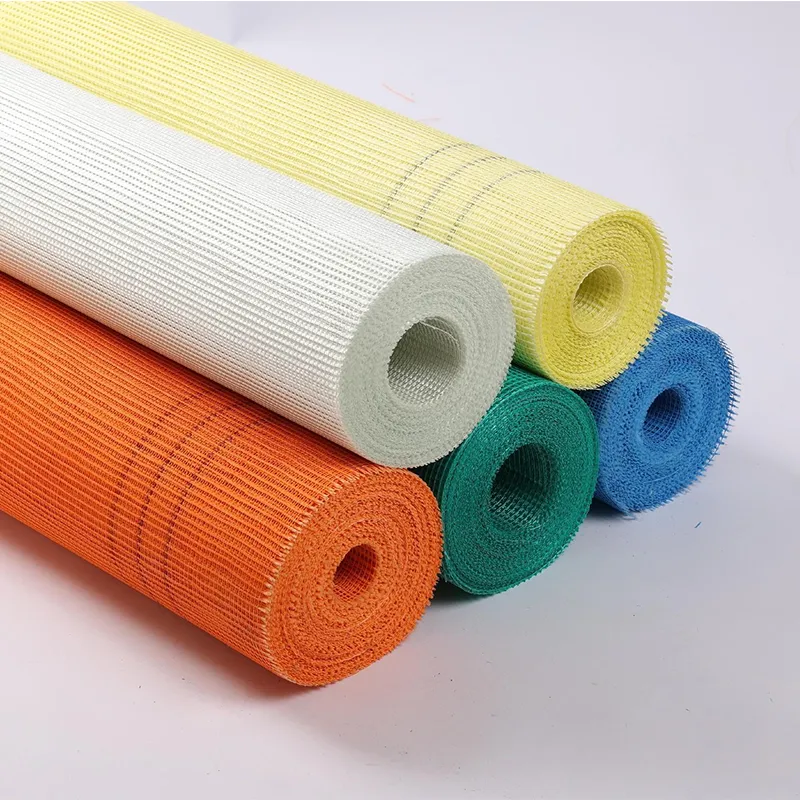
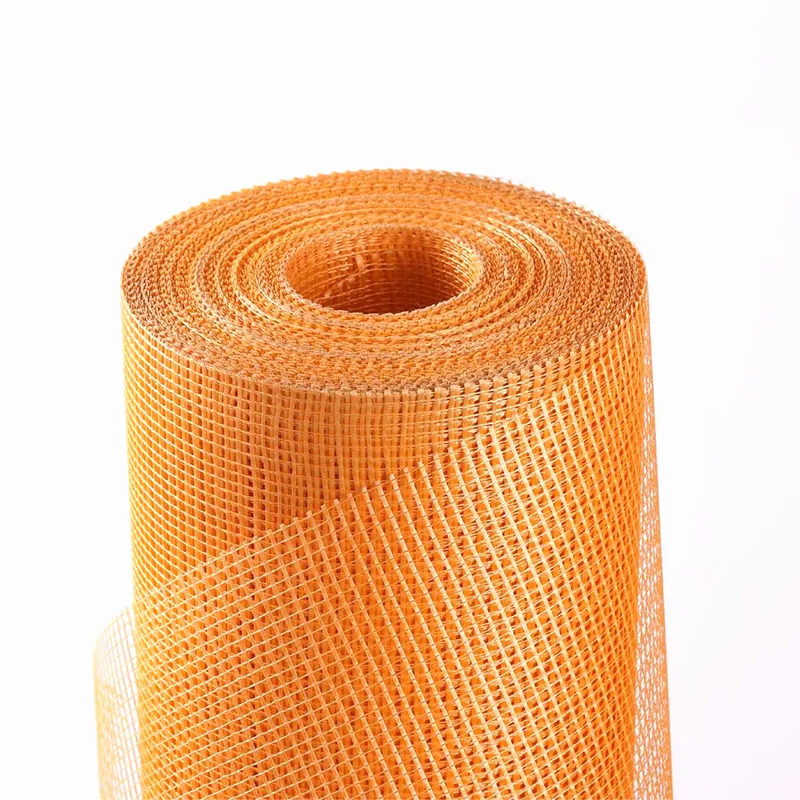
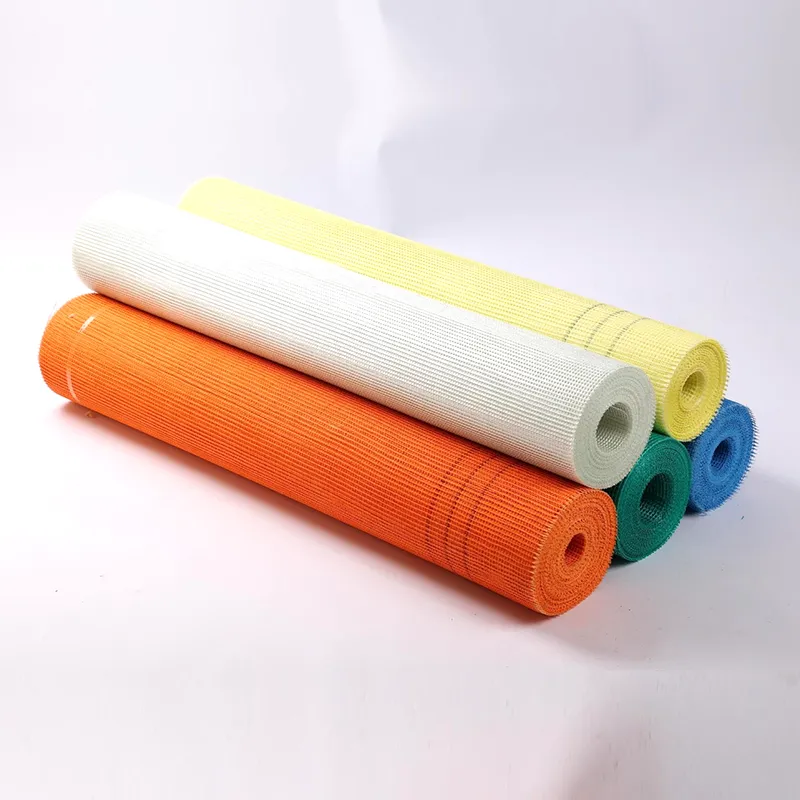
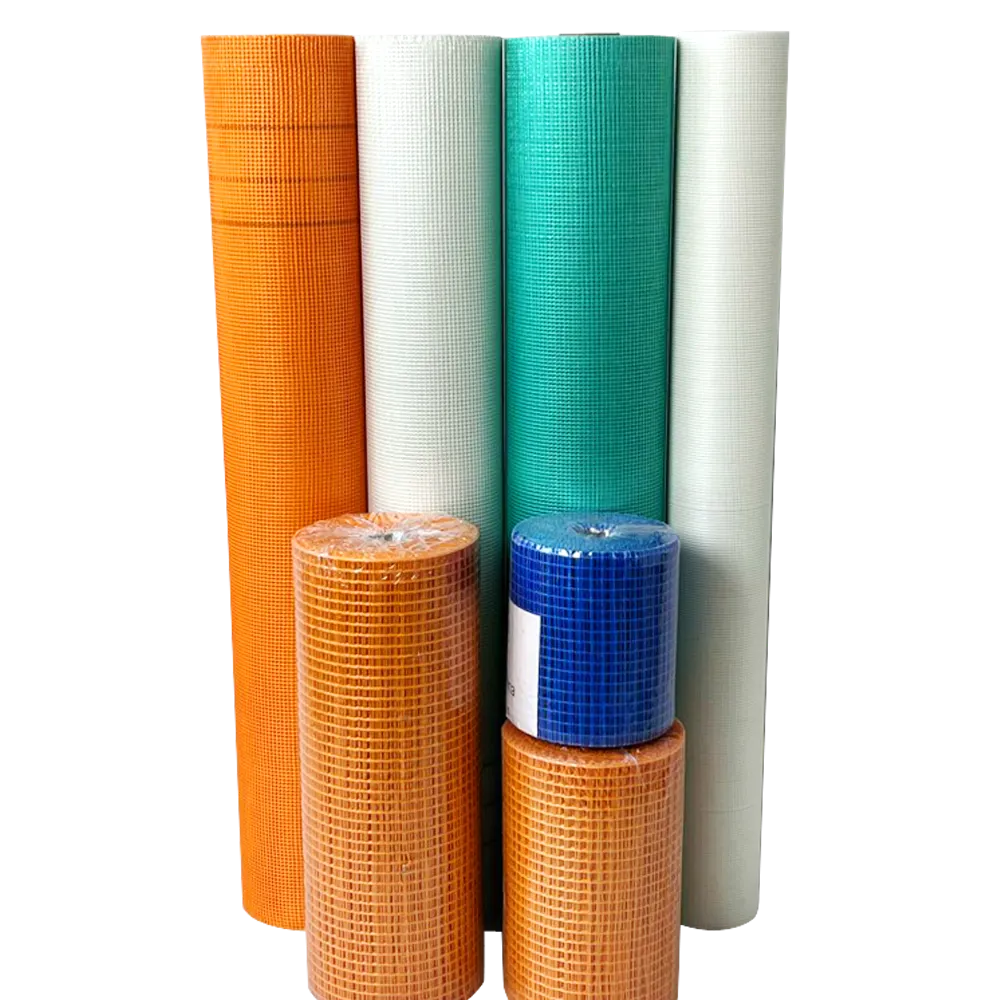
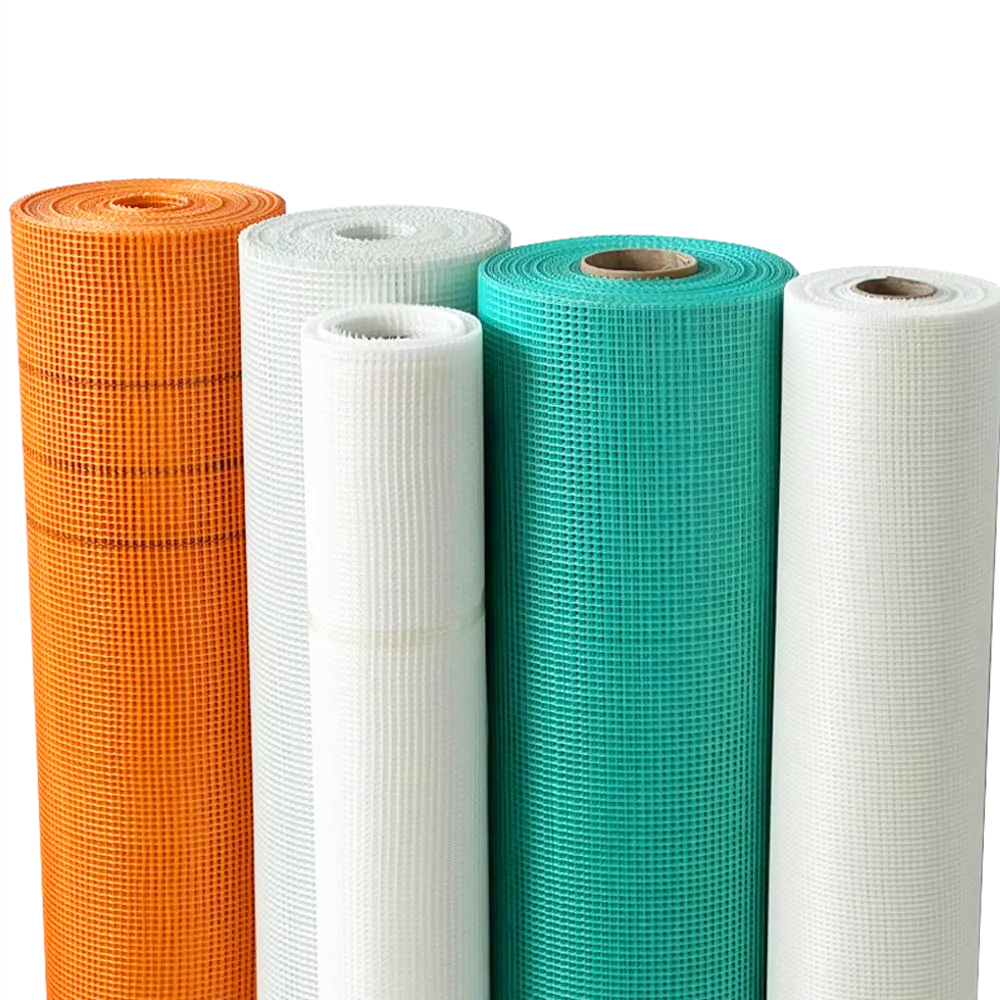
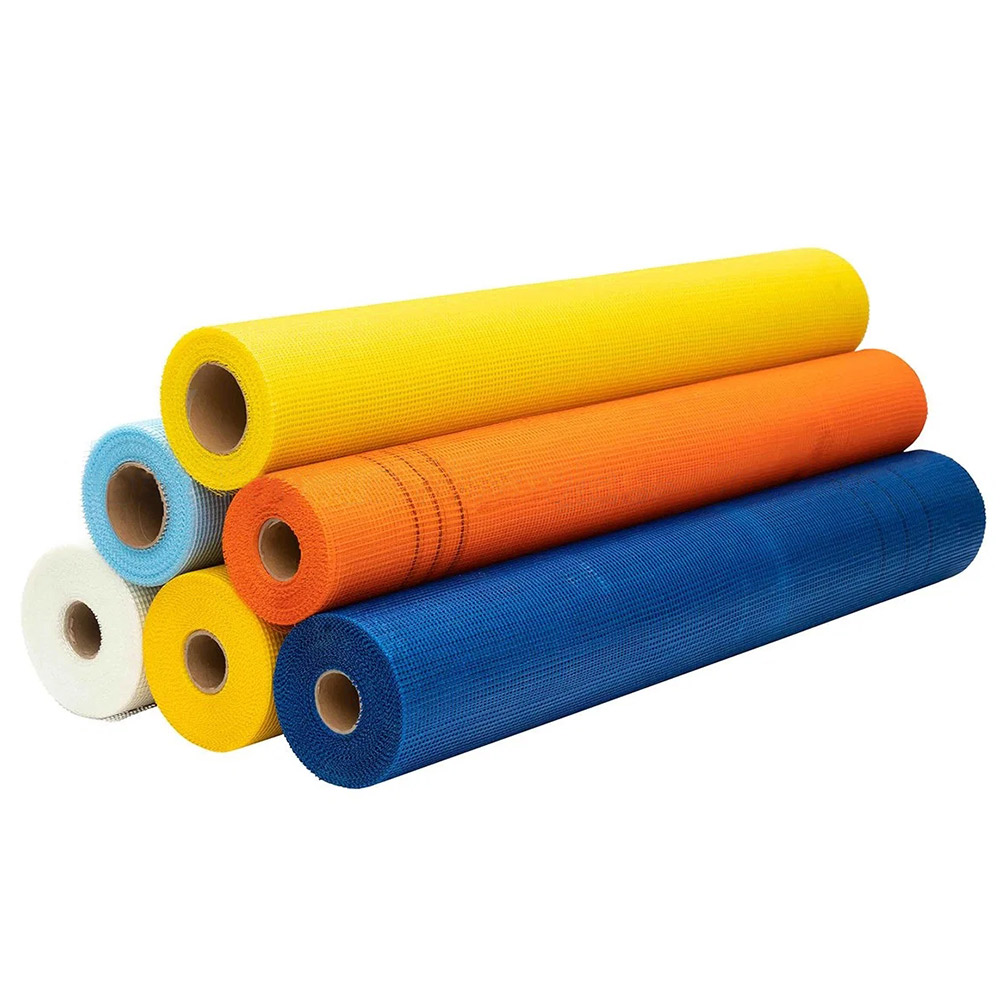
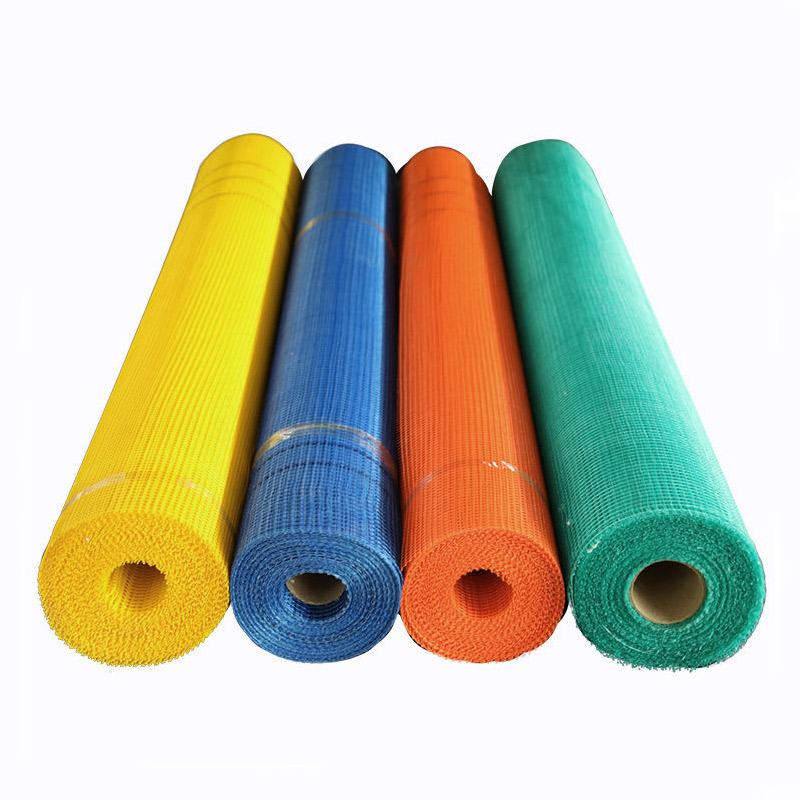
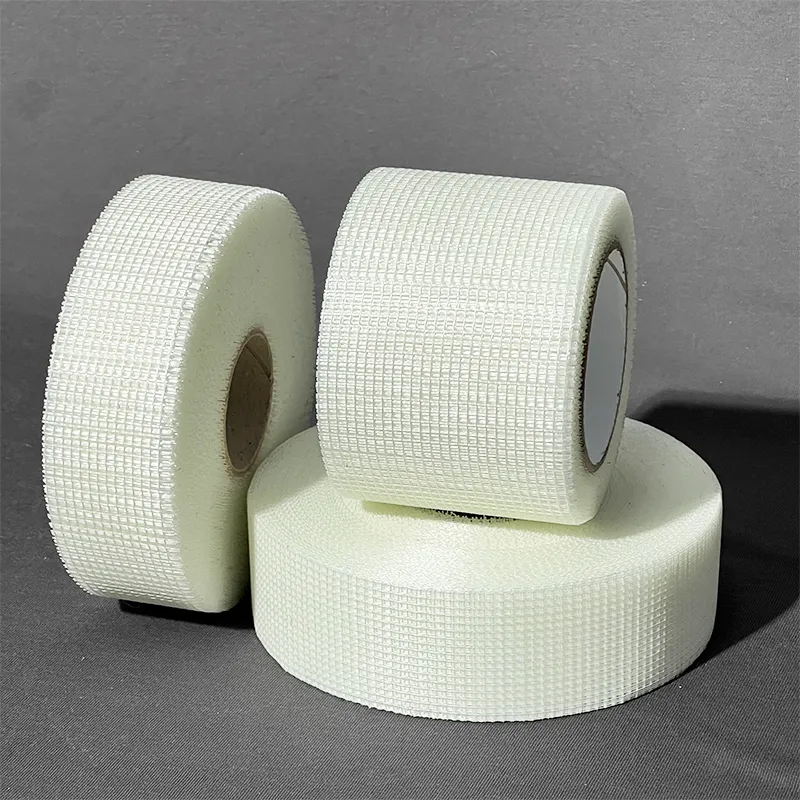
In the refined world of architectural stonework and decorative masonry, the breathtaking beauty of natural materials like marble, travertine, and granite is often celebrated as the centerpiece of a design. However, the true success of these high-end installations—whether they are sprawling palace floors or intricate bathroom murals—depends on a silent, nearly invisible partner: fiberglass mesh . Natural stone is a product of geological forces spanning millions of years, and while it possesses immense compressive strength, it is inherently brittle and prone to micro-fissures along its natural veins. To transform these raw slabs into durable architectural elements, the industry relies on a high-tensile reinforcement grid that provides the lateral stability and flexural strength necessary to survive the rigors of cutting, transportation, and long-term occupancy.
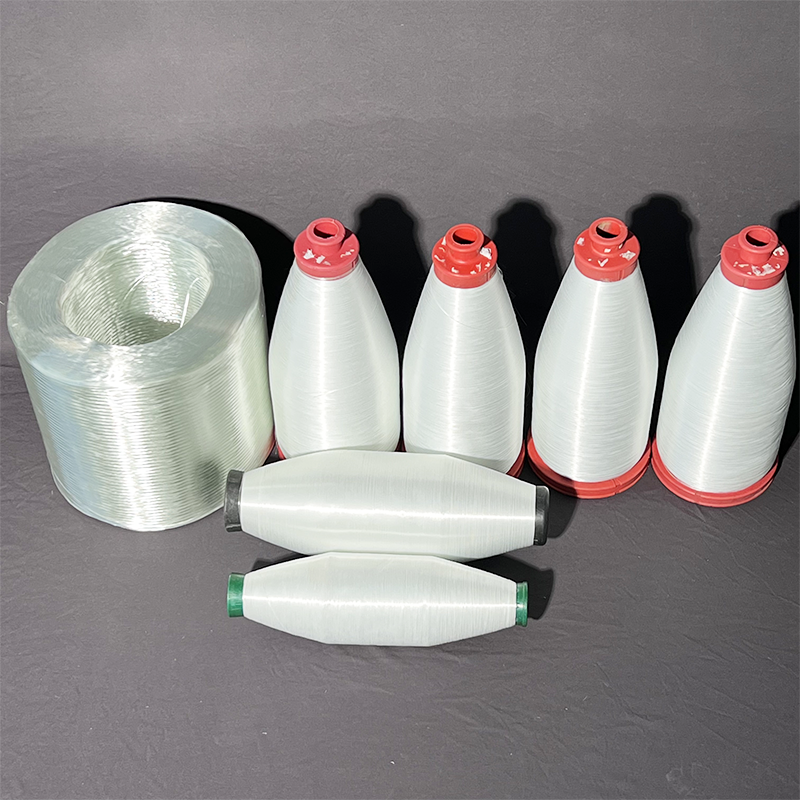
As an engineered textile, fiberglass mesh offers a unique combination of chemical resistance, thermal stability, and mechanical reinforcement. Unlike organic fabrics or metallic wires that might rot or corrode when exposed to the moisture inherent in stone cutting and thin-set mortars, glass fiber filaments remain inert and dimensionally stable. When bonded to the back of a stone slab or a delicate mosaic arrangement, the mesh acts as a secondary "skin" that absorbs the energy of structural shifts and prevents the stone from cracking along its weakest points. For the artisan and the industrial manufacturer alike, this fabric is the essential tool that makes the impossible possible, allowing for thinner cuts of stone and more complex patterns than ever before in human history.
Technical Stabilization Using Fiberglass Mesh For Marble Slabs
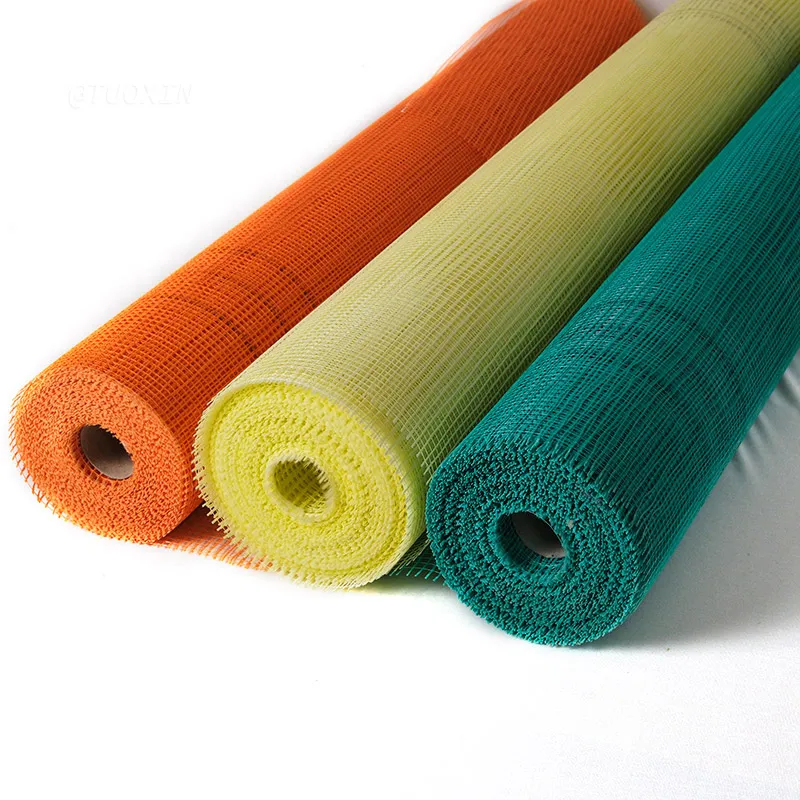
Marble is perhaps the most iconic of all building stones, prized for its translucent quality and dramatic veining. Yet, those very veins that provide its aesthetic appeal are often the stone's greatest structural liability. Utilizing fiberglass mesh for marble reinforcement is a standard industrial practice that occurs immediately after the raw block is sliced into slabs. A high-strength epoxy resin is applied to the back of the marble, and a layer of fiberglass mesh for marble is embedded into the resin. As the resin cures, it creates a reinforced composite layer that significantly increases the slab's "breakage resistance," allowing it to be handled by suction cups and CNC machinery without shattering.
The role of fiberglass mesh for marble extends beyond the factory floor. During the installation phase, the mesh provides a consistent surface for the mortar to grab onto, ensuring that the heavy stone remains securely bonded to the wall or floor. Because the mesh is ultra-thin, it does not add significant weight or thickness to the slab, which is a critical consideration for modern high-rise buildings where weight loads are strictly monitored. By reinforcing the natural fragility of the stone with an industrial-grade textile, builders can deliver the timeless luxury of marble while ensuring that the installation remains crack-free despite the inevitable vibrations and settling of the building's structure.
Structural Reinforcement With Specialized Fiberglass Mesh For Stone
Beyond the world of polished marble, the broader category of natural masonry—including slate, limestone, and sandstone—presents its own set of challenges. These stones often have a "cleavage plane" or a layered structure that can delaminate if subjected to uneven pressure. Implementing fiberglass mesh for stone reinforcement is the definitive solution for stabilizing these uneven or porous materials. For large-format stone cladding used on building exteriors, the mesh provides an added layer of safety. In the unlikely event of a stone fracture due to extreme weather or mechanical impact, the fiberglass mesh for stone holds the fragments together, preventing pieces from falling and creating a safety hazard for pedestrians below.
The synergy between the stone and the fiberglass mesh for stone is particularly evident in the production of "thin stone" veneers. By bonding a 3mm to 5mm layer of natural stone to a high-density fiberglass backing, manufacturers can create large panels that have the appearance of solid masonry but a fraction of the weight. This innovation has opened new doors for interior designers, allowing for stone-cladded ceilings and lightweight elevator interiors that were previously structurally unfeasible. The glass fiber grid ensures that these thin veneers remain rigid and flat, providing a level of performance that traditional stone-setting methods simply cannot match.
Crafting Intricate Designs With Mosaic Fiberglass Mesh
The artistry of mosaics involves the arrangement of hundreds, sometimes thousands, of small stone "tesserae" into a cohesive image or pattern. To manage this complexity, artisans utilize mosaic fiberglass mesh as the foundational substrate. Instead of setting each individual piece of stone directly into wet mortar on a vertical wall—a process that would be excruciatingly slow and prone to errors—the mosaic is pre-assembled in a workshop setting. The stone pieces are glued to the mosaic fiberglass mesh using a water-soluble or clear adhesive, allowing the artist to refine the design on a flat table before the final installation.
Once the design is complete, the mosaic fiberglass mesh acts as a flexible carrier that can be rolled up for transport and then unrolled onto the job site. When the mosaic is pressed into the thin-set mortar, the open-grid design of the mesh allows the mortar to pass through the holes and bond directly to the back of the stone pieces. This ensures that the mesh is fully encapsulated within the adhesive, providing a reinforced core that prevents the small stone pieces from popping out over time. This method not only increases the speed of installation but also ensures a much higher degree of precision in the alignment of the patterns, resulting in a flawless decorative finish that can withstand the test of time.
Durability And Precision In Using Fiberglass Mesh For Mosaic Tiles
In the commercial tile industry, the production of "mesh-mounted" products has become the standard for backs plashes, shower floors, and decorative borders. The choice of fiberglass mesh for mosaic tiles is critical for ensuring that the product remains flat and easy to install for the end-user. High-quality fiberglass mesh for mosaic tiles is treated with a specialized "stiffening" agent that prevents the mesh from curling or sagging during the assembly process. This ensures that when the tiles are pulled from the box, they are perfectly aligned and ready for a seamless application.
Furthermore, fiberglass mesh for mosaic tiles is inherently moisture-resistant, which is a vital requirement for wet-area applications like swimming pools and steam rooms. Unlike paper-faced mosaics that require the paper to be soaked and peeled off after installation, mesh-backed tiles are permanent and do not introduce organic materials into the mortar bed. This reduces the risk of mold growth and ensures a stronger chemical bond between the tile and the substrate. For the homeowner and the contractor alike, the reliability of the glass fiber grid provides the peace of mind that the intricate stone work will remain a stable and beautiful part of the home for generations.
-
Best Fiberglass Mesh Tape for RedGard Product Waterproofing GuideBalitaApr.16,2026
-
Why High Strength Fiberglass Mesh Is Essential For Stucco ApplicationBalitaApr.15,2026
-
Why Alkali Resistant Fiberglass Mesh Tape Is Essential For Cement Board And Tile InstallationsBalitaApr.15,2026
-
Understanding The Role Of Drywall Fiberglass Mesh In Interior FinishingBalitaApr.15,2026
-
Ultimate Guide To Using Fiberglass Mesh Tape For Drywall And Plaster RepairsBalitaApr.15,2026