Ene . 22, 2026 09:32 Balik sa listahan
Fiberglass Mesh Solutions: Applications, Materials, Costs, and Manufacturing Insights
Fiberglass mesh has become an essential reinforcement material across modern construction, renovation, and finishing industries. From drywall installation and stucco reinforcement to tile backing systems and protective screening, fiberglass-based mesh products offer durability, flexibility, and long-term structural stability. With increasing demand for lightweight yet high-strength materials, fiberglass mesh continues to replace traditional metal and plastic alternatives.
Products such as fiberglass drywall mesh, plaster mesh, and plaster net are now widely used in residential, commercial, and industrial projects. At the same time, specialized products like fiberglass mesh for stucco and fiberglass mesh for tile provide targeted performance in demanding environments. Understanding how these materials work, their costs, and how to choose reliable fiberglass mesh manufacturers is essential for builders, distributors, and contractors alike.
This article provides a comprehensive overview of fiberglass mesh materials, their main applications, cost considerations, and manufacturing standards in today’s global construction market.
Understanding Fiberglass Mesh Materials and Product Types
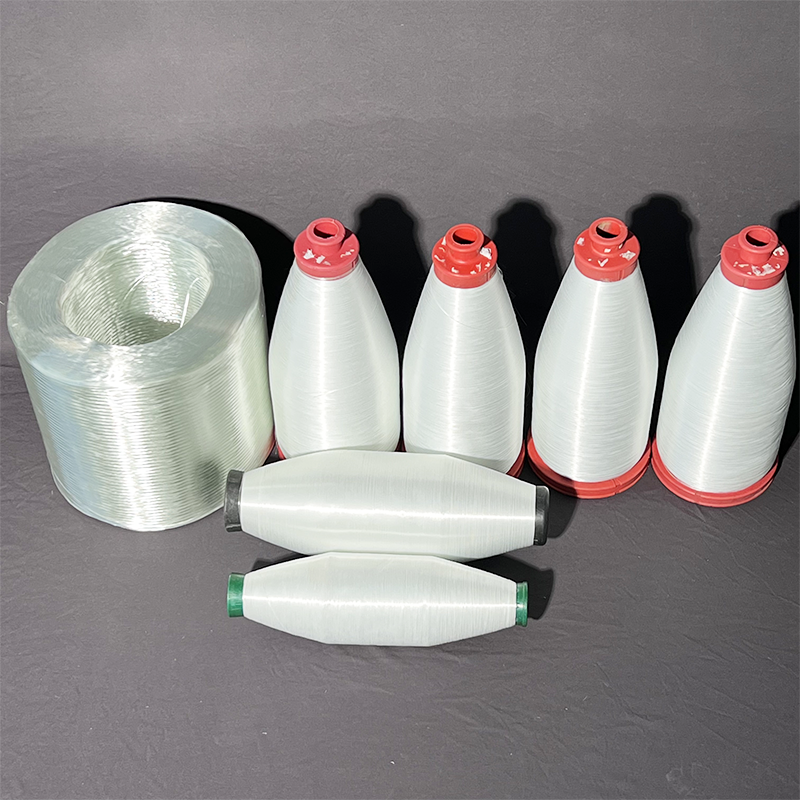
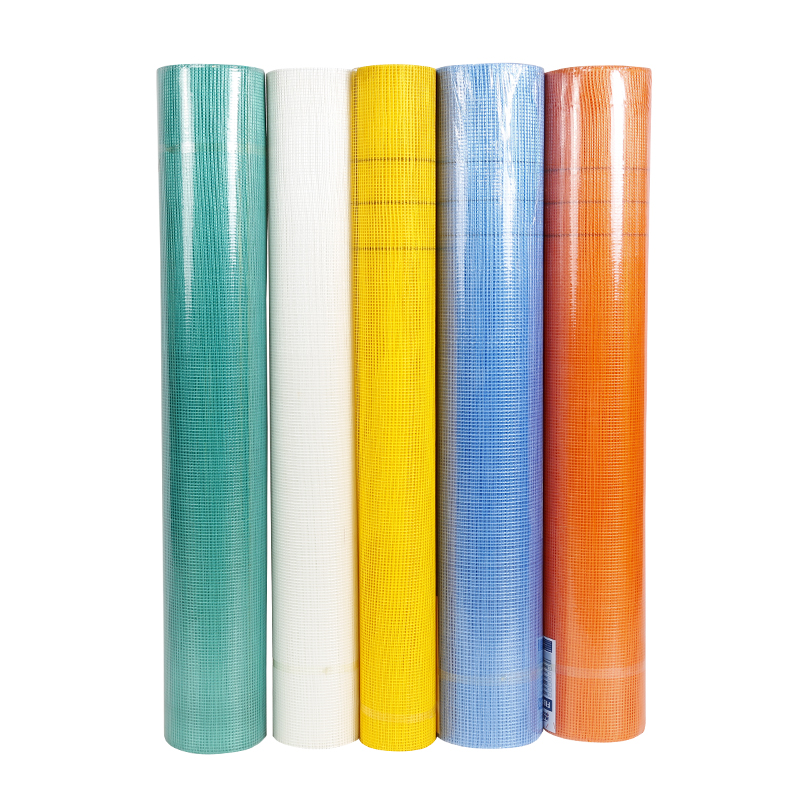
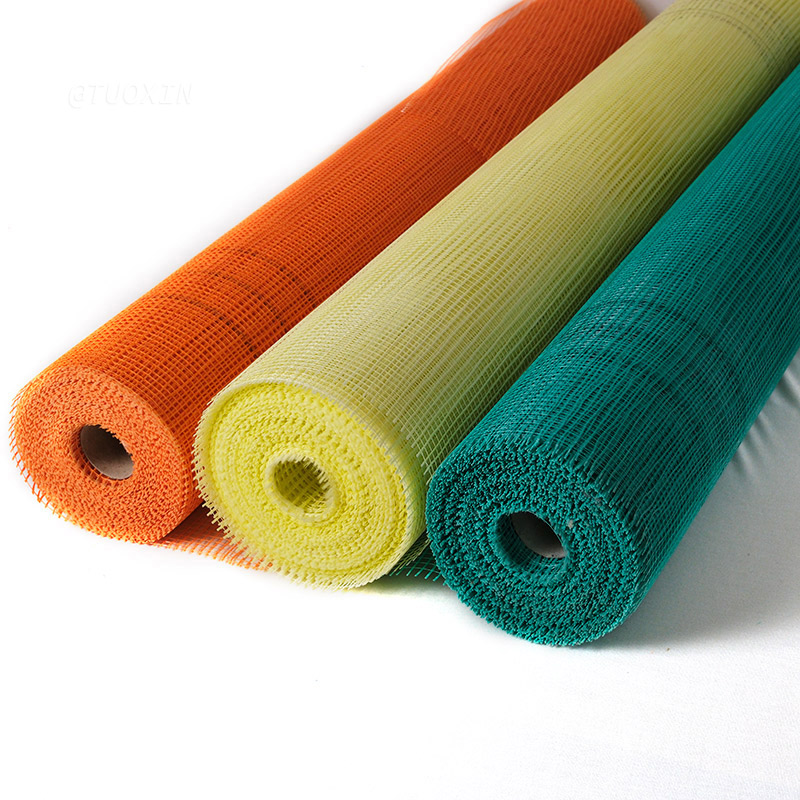
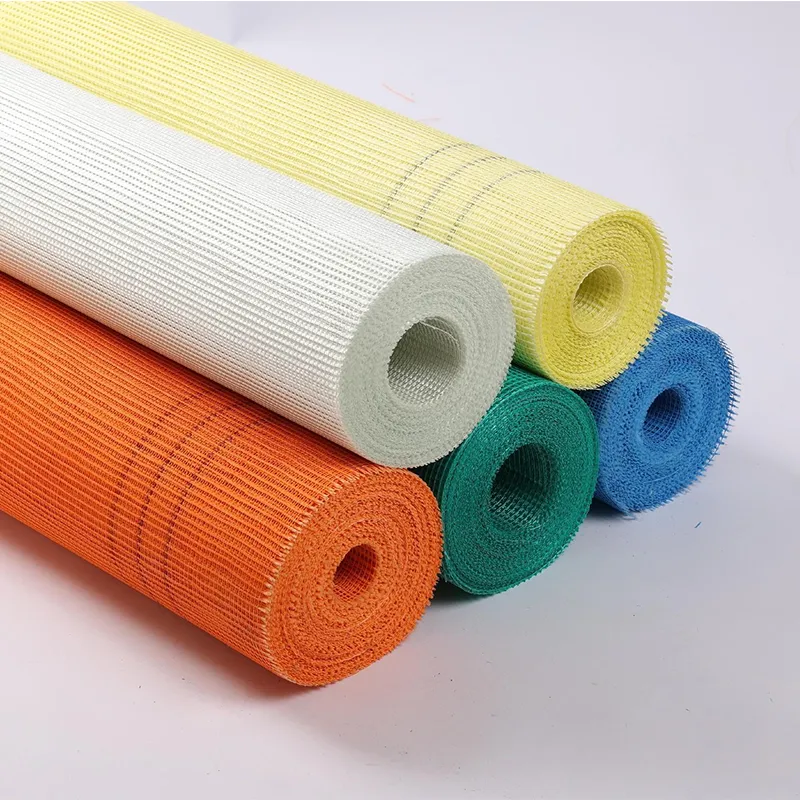
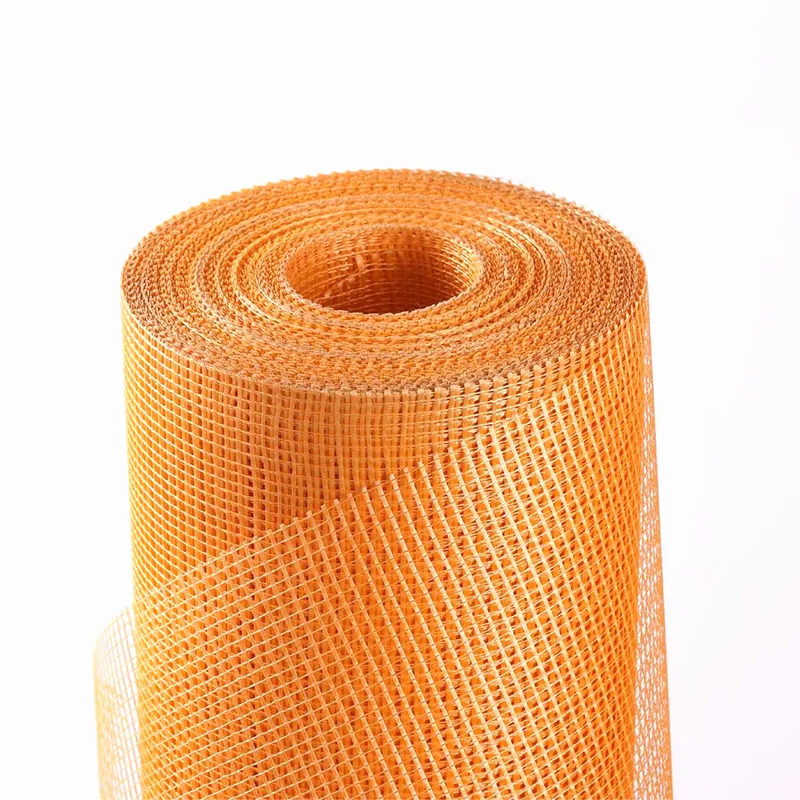
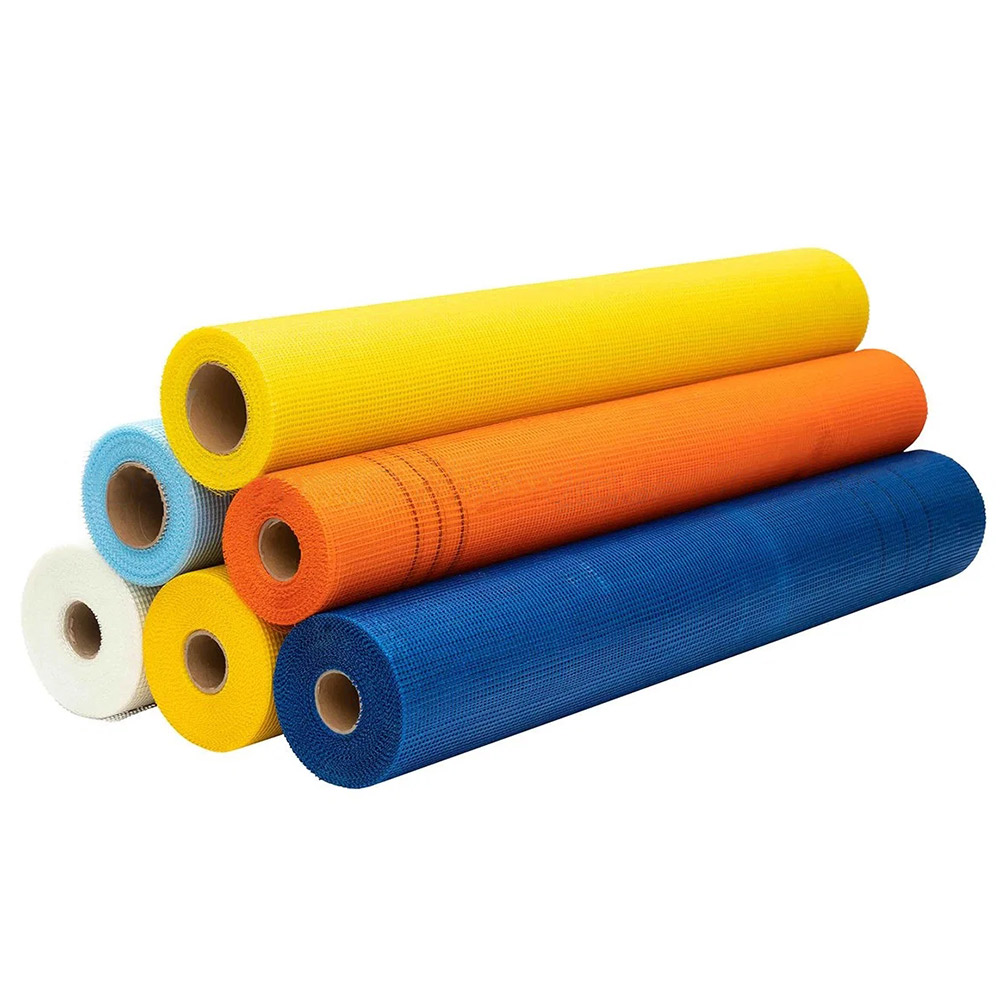
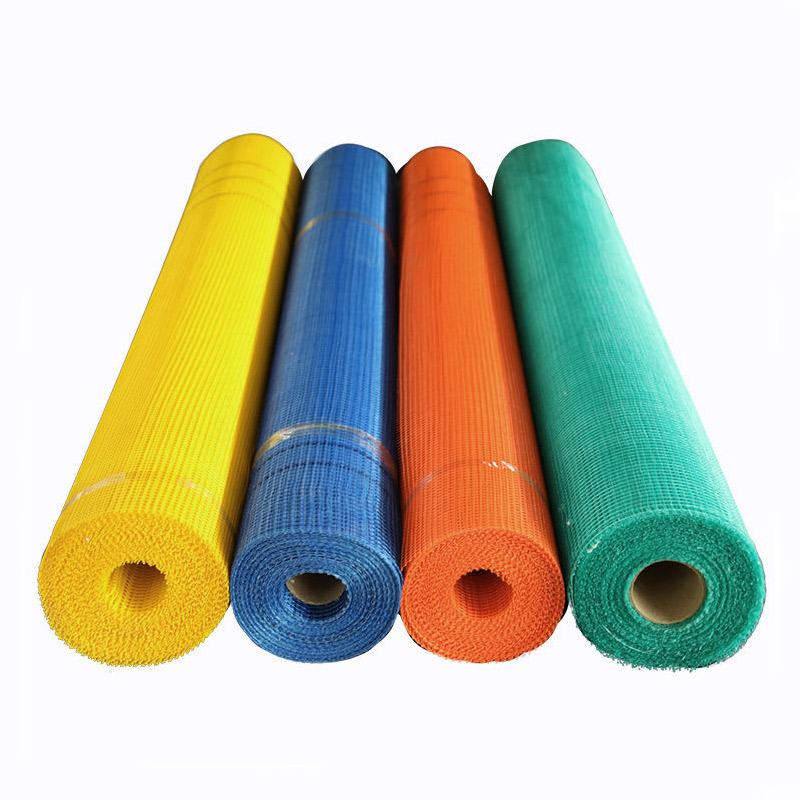
Fiberglass mesh is made from woven fiberglass yarns coated with alkali-resistant polymers, typically acrylic or latex. This coating enhances durability, improves bonding with cement-based materials, and protects the fibers from degradation in alkaline environments.
Fiberglass Mesh Cloth and Fabric
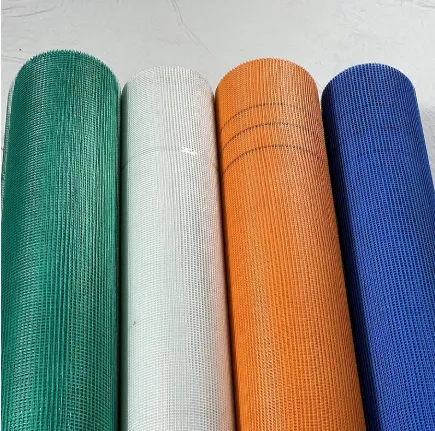
Fiberglass mesh refer to the base woven structure used in many construction applications. These materials are engineered to combine tensile strength with flexibility, allowing them to conform easily to surfaces while maintaining reinforcement performance.
Common features include:
Lightweight construction
High tensile strength in both warp and weft directions
Excellent dimensional stability
Resistance to moisture, corrosion, and chemicals
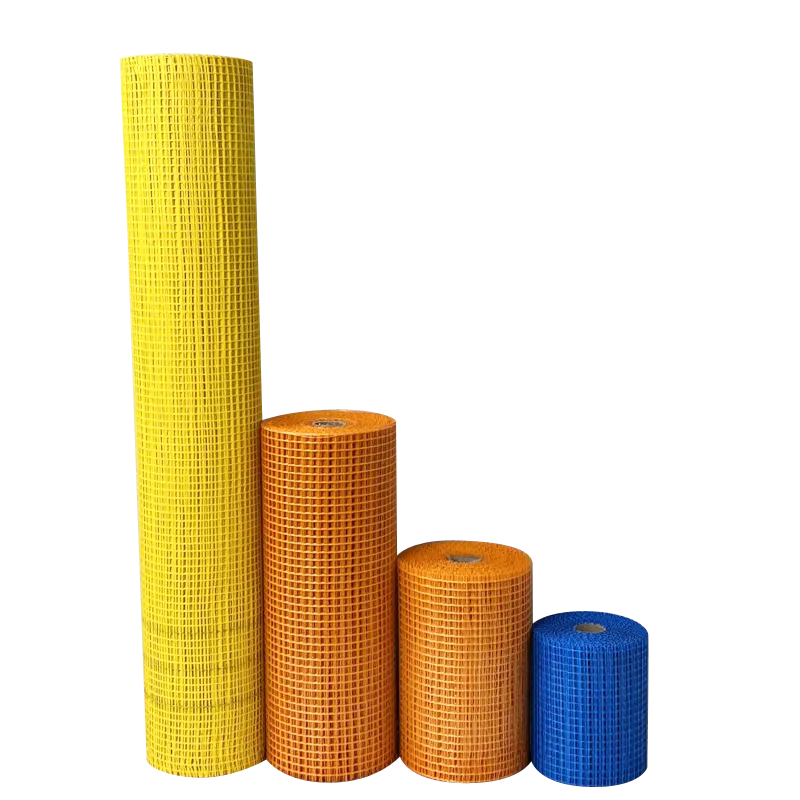
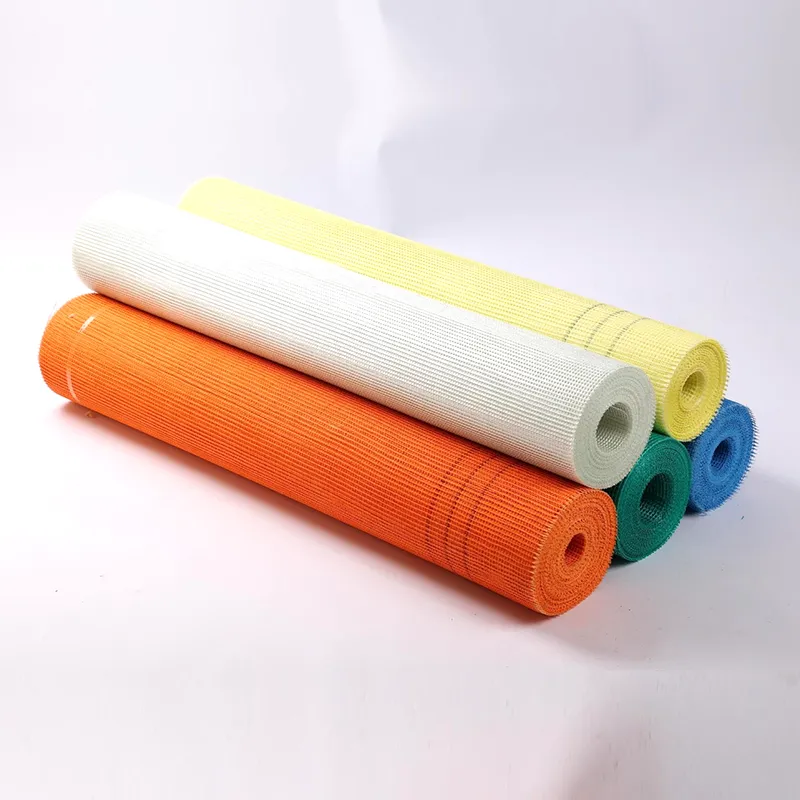
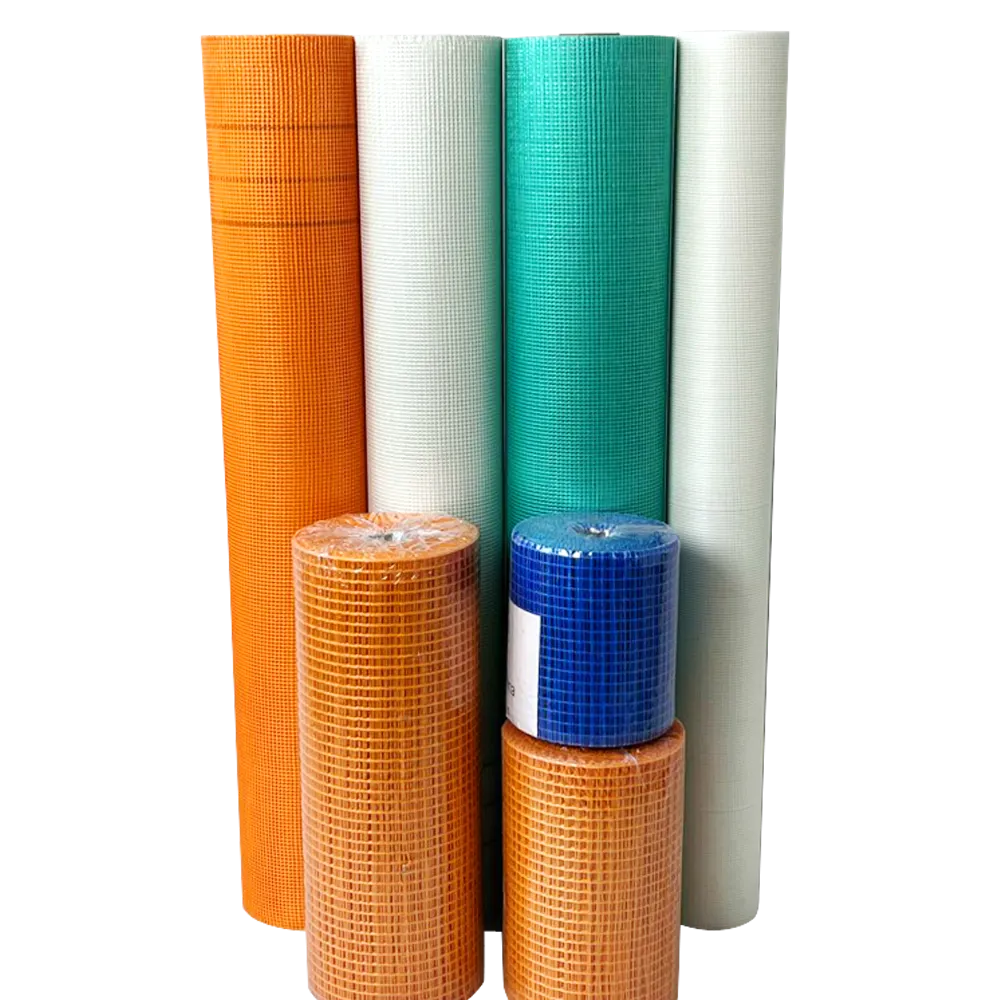
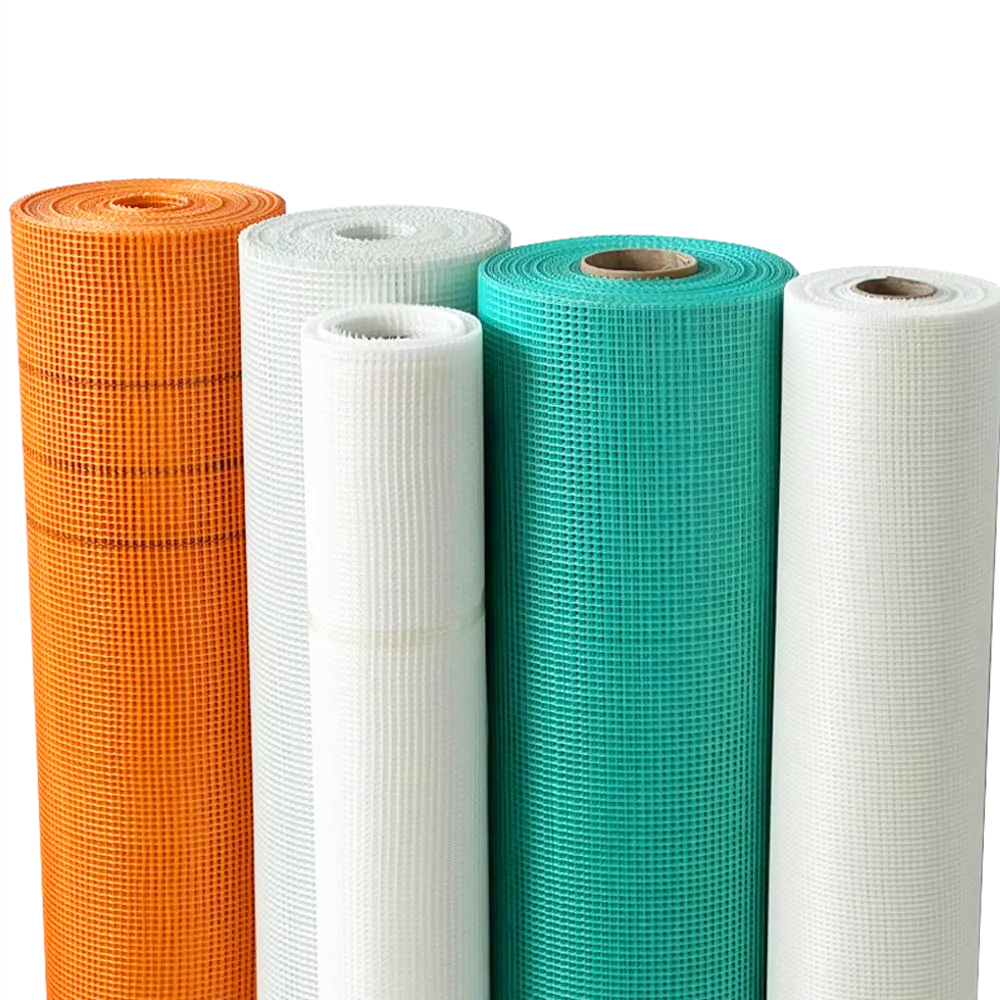
Fiberglass mesh is available in various weights, mesh sizes, and coatings depending on its intended use. Fine mesh structures are typically used for drywall or surface crack prevention, while heavier fabrics are selected for exterior insulation and cement reinforcement systems.
Fiberglass Drywall Mesh
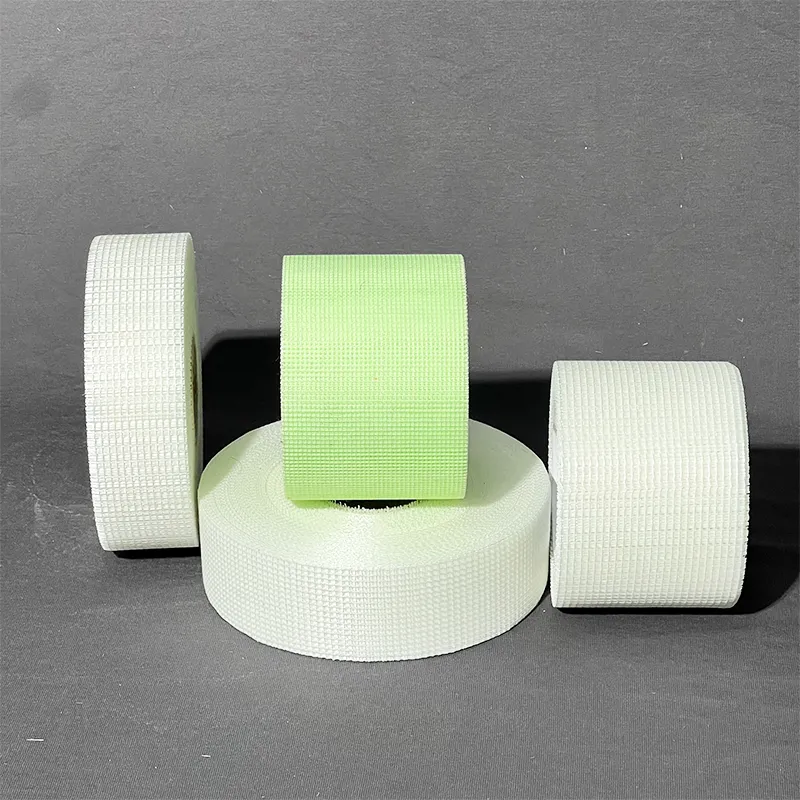
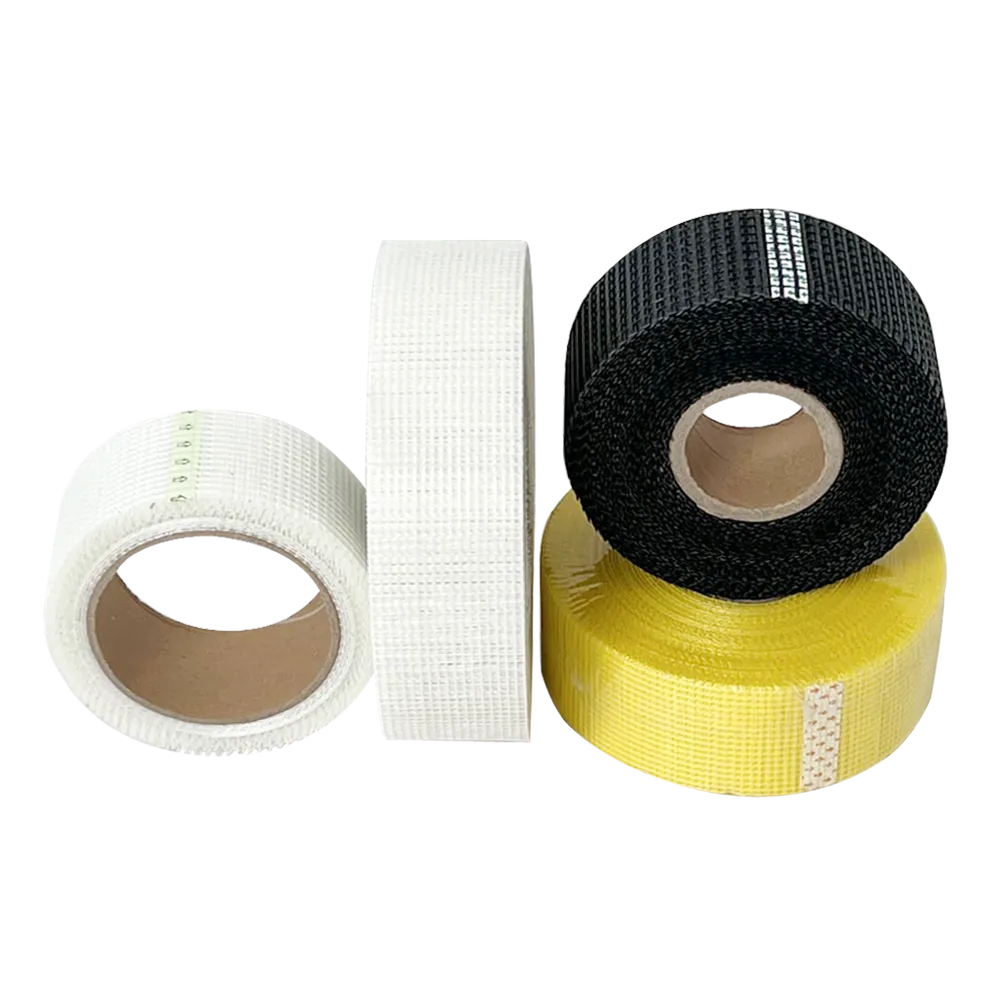
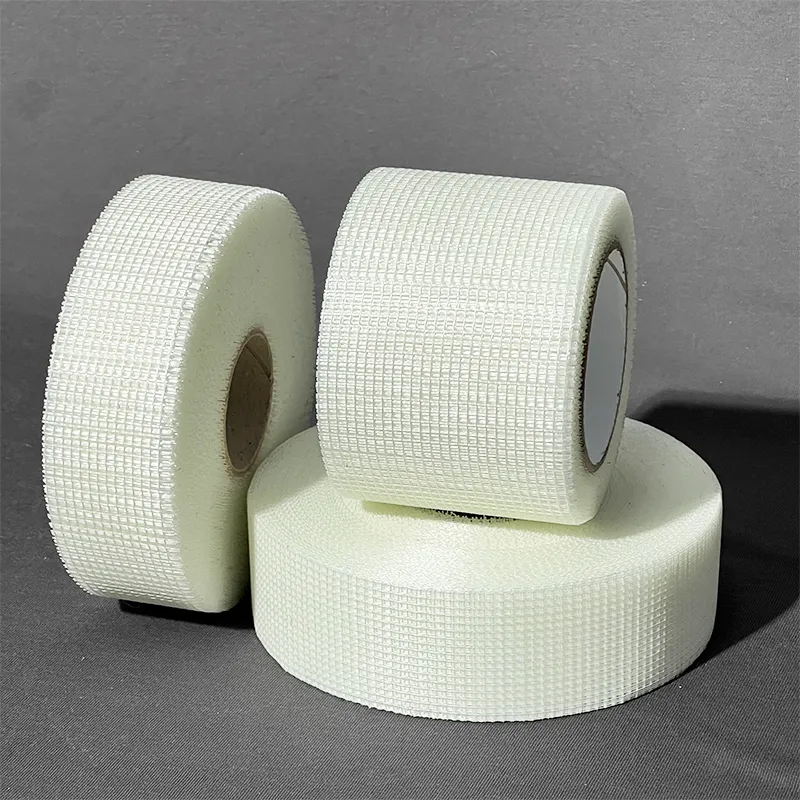
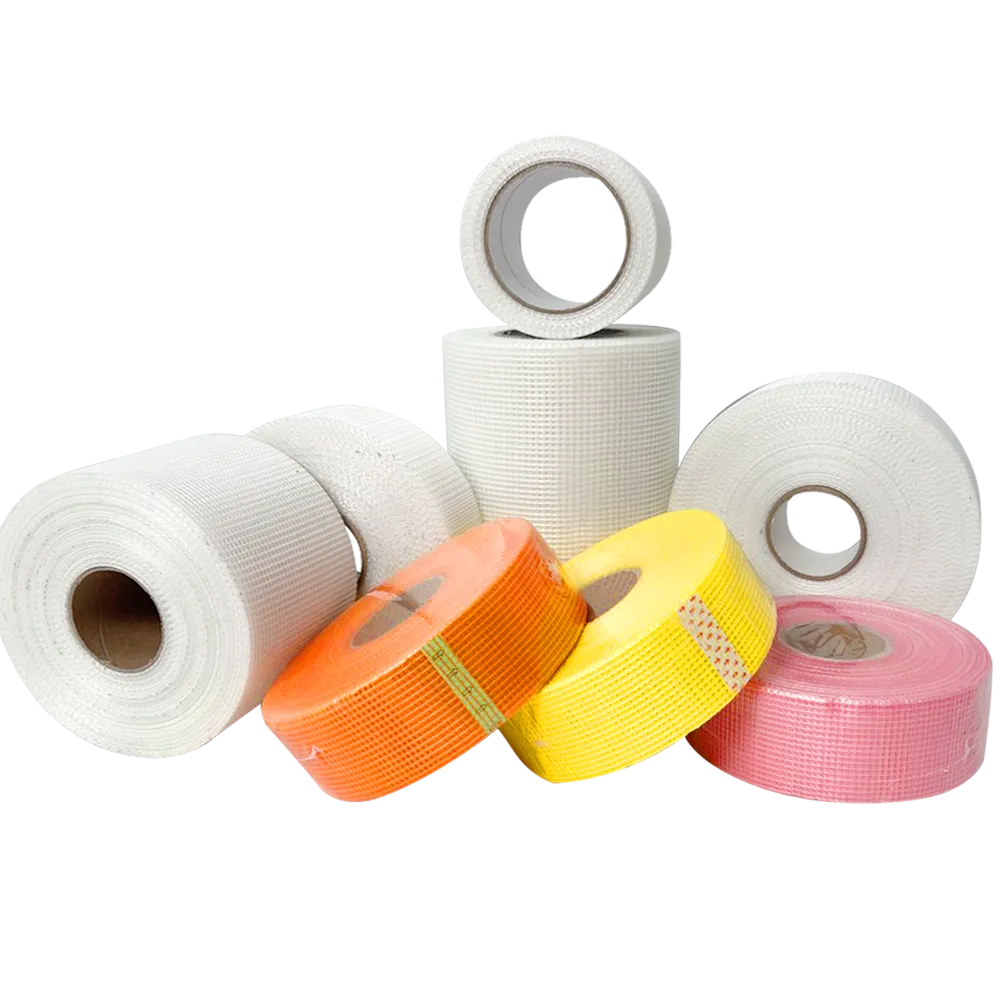
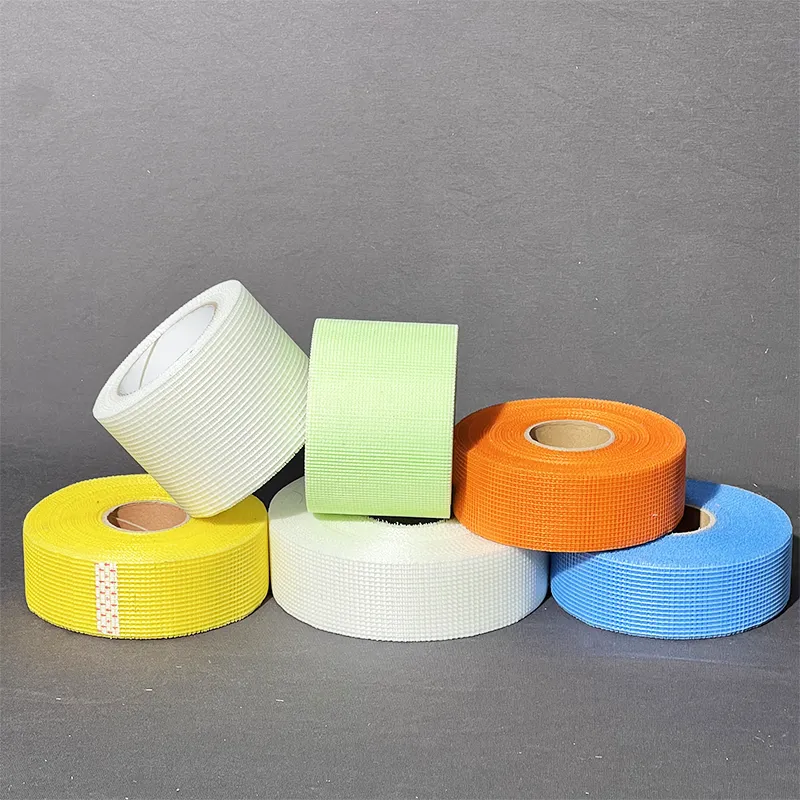
Fiberglass drywall mesh is used primarily for drywall joint treatment. Unlike traditional paper tape, fiberglass mesh offers superior crack resistance and easier installation.
Key advantages include:
Fast application
High resistance to tearing and shrinking
Mold and moisture resistance
Reduced joint cracking over time
Drywall mesh tape is widely used in residential construction, renovations, and repair work where speed and long-term durability are important. It performs especially well in high-humidity areas where paper tape may deteriorate.
Application-Specific Fiberglass Mesh Solutions
Fiberglass mesh plays a critical role in reinforcing cementitious systems, preventing cracking, and extending the lifespan of finished surfaces. Different construction environments require different mesh specifications.
Fiberglass Mesh for Stucco Systems
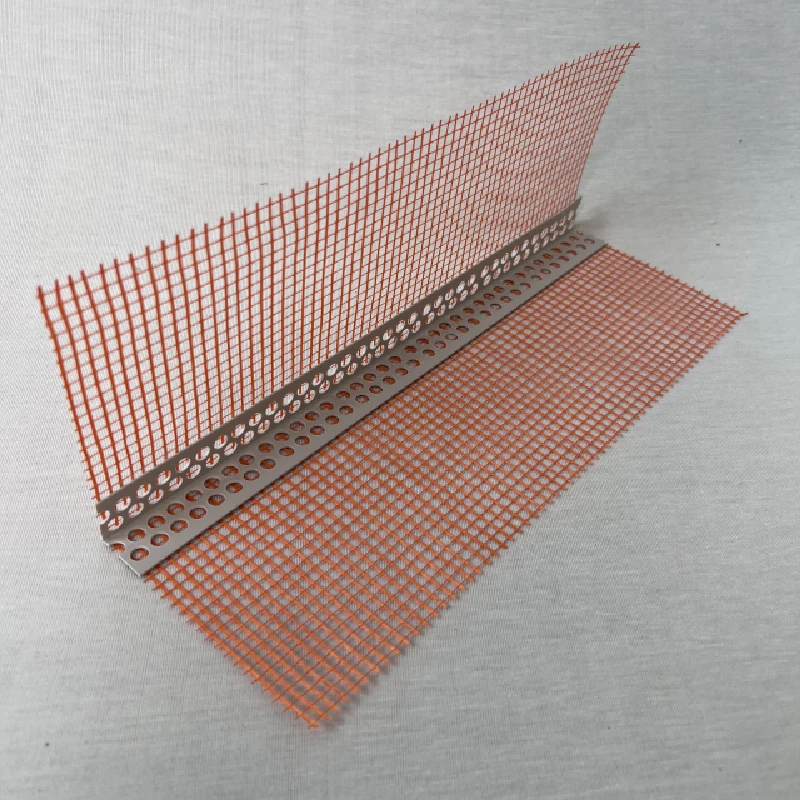
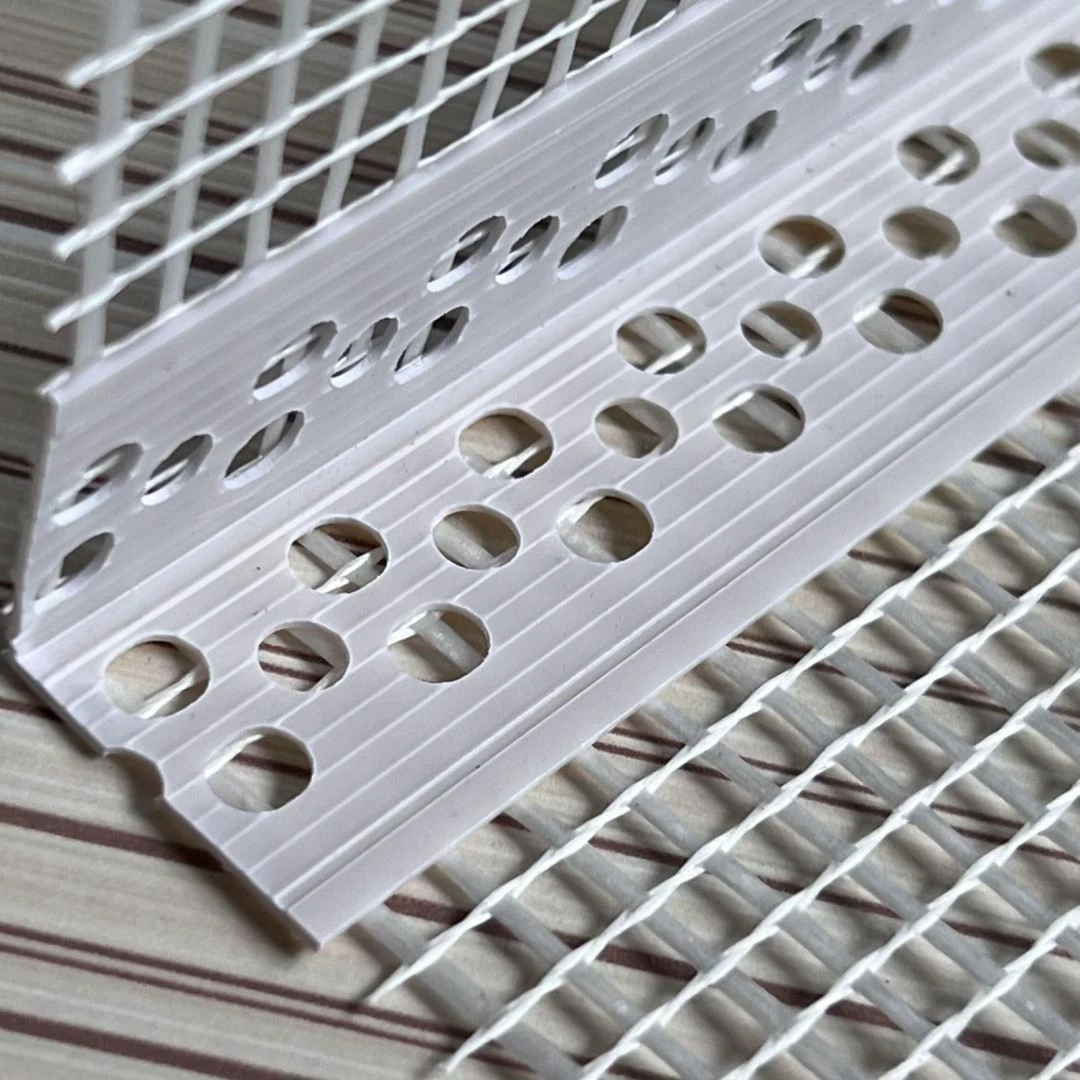
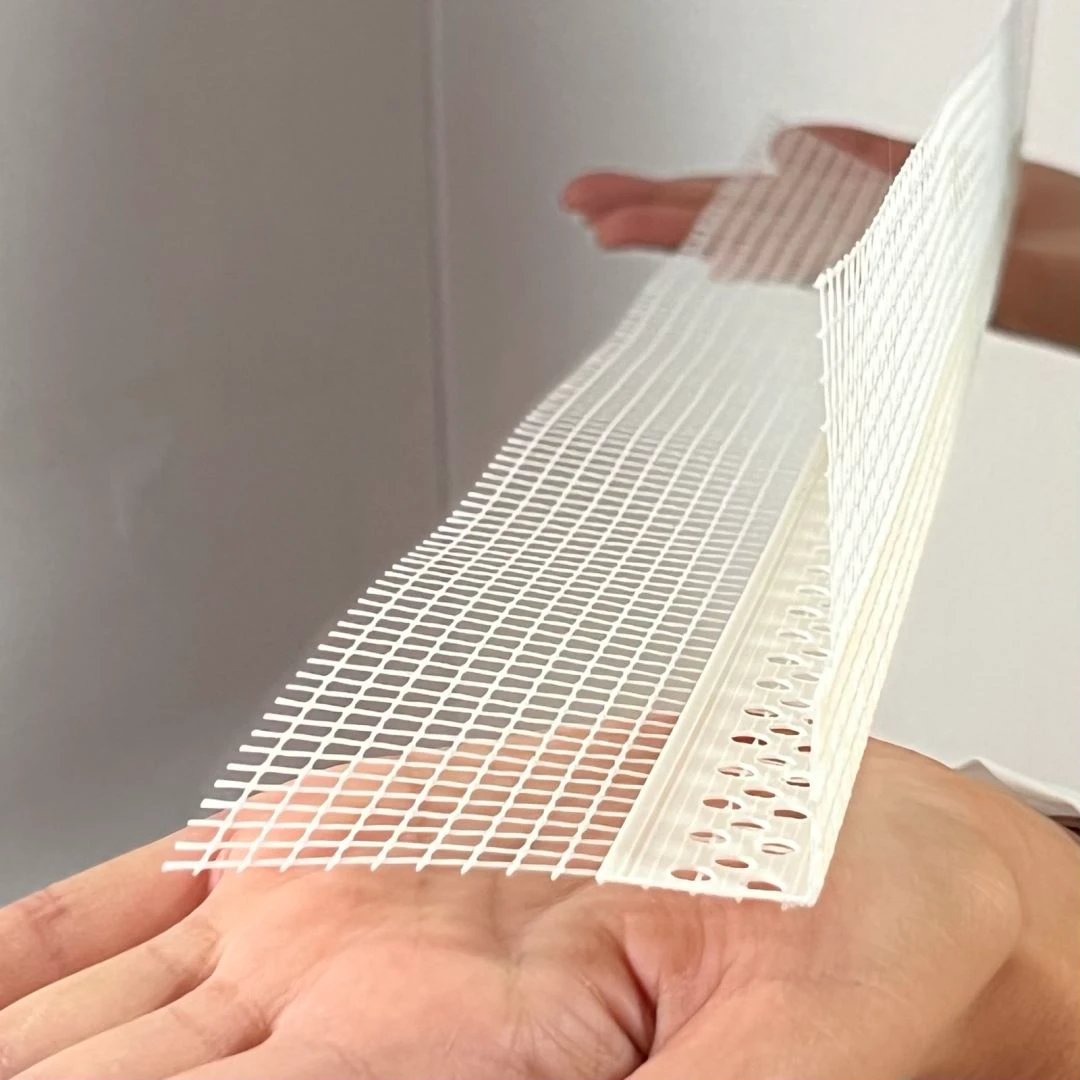
Fiberglass mesh for stucco is one of the most important components in Exterior Insulation and Finish Systems (EIFS) and traditional cement stucco applications. When embedded into base coat layers, the mesh distributes stress evenly across the surface, minimizing cracks caused by thermal movement, building settlement, or impact.
Benefits of fiberglass mesh in stucco include:
Excellent alkali resistance
High impact strength
Improved adhesion between layers
Enhanced weather resistance
Depending on the project, contractors may choose standard mesh for wall reinforcement or heavier mesh for high-impact zones such as building corners, door frames, and ground-level areas.
High-quality stucco mesh ensures long-term performance and prevents costly repairs caused by surface cracking or delamination.
Fiberglass Mesh for Tile Installation
Fiberglass mesh for tile is commonly used as a backing reinforcement in tile systems, stone panels, and mosaic installations. It provides dimensional stability and prevents tile cracking due to substrate movement.
In tile applications, fiberglass mesh helps:
Reinforce brittle materials such as marble or stone
Improve bonding strength between tile and adhesive
Reduce breakage during transport and installation
Increase durability under temperature changes
Fiberglass-backed tiles are especially popular in large-format stone slabs and decorative mosaics, where structural support is essential for maintaining integrity.
Because fiberglass mesh does not corrode or react with adhesives, it offers superior performance compared to metal reinforcements.
Fiberglass Mesh Cost and Choosing Reliable Manufacturers
Understanding Fiberglass Mesh Cost Factors
The fiberglass mesh cost can vary significantly depending on several key factors:
Material weight (grams per square meter)
Heavier mesh provides greater strength but increases cost.
Mesh size and yarn thickness
Smaller openings and thicker yarns result in higher production costs.
Coating type and quality
Alkali-resistant acrylic coatings improve durability but add value.
Production standards
Mesh produced under strict quality control typically costs more but ensures consistent performance.
Order volume and customization
Bulk orders usually reduce unit cost, while custom specifications may increase pricing.
On average, standard fiberglass mesh products are cost-effective compared to metal reinforcement alternatives, especially when considering long-term durability and reduced maintenance costs.
While low-cost mesh may seem attractive initially, inferior coatings or weak weaving often lead to premature failure, cracking, or loss of adhesion. Therefore, price should always be evaluated alongside performance and certification.
Selecting Fiberglass mesh Manufacturers
Choosing reliable fiberglass mesh manufacturers is crucial for ensuring consistent quality and supply stability. Reputable manufacturers typically provide:
Strict raw material control
Advanced weaving and coating technology
Alkali resistance testing
Tensile strength certification
Custom packaging and branding options
When evaluating suppliers, buyers should consider:
Manufacturing capacity and export experience
Compliance with international standards
Ability to provide technical data sheets
Consistent coating quality
Reliable delivery schedules
Long-term partnerships with established fiberglass mesh manufacturers help contractors, distributors, and wholesalers maintain product reliability and market competitiveness.
Future Trends in Fiberglass Mesh Applications
As construction technology evolves, fiberglass mesh continues to expand into new application areas. Energy-efficient building systems, lightweight prefabricated panels, and sustainable construction methods increasingly rely on fiberglass reinforcement materials.
Emerging trends include:
High-strength mesh for thin-layer cement systems
Customized mesh for prefabricated wall panels
Fire-resistant fiberglass screen solutions
Eco-friendly coating technologies
These developments further strengthen the role of fiberglass mesh as a foundational material in modern construction.
Fiberglass mesh has become an indispensable component in today’s building and finishing industries. Products such as fiberglass drywall mesh,plaster mesh and plaster net provide lightweight yet durable reinforcement across a wide range of applications. Specialized solutions like fiberglass mesh for stucco and fiberglass mesh for tile ensure structural stability, crack resistance, and long-term surface performance.
Understanding fiberglass mesh cost factors and working with experienced fiberglass mesh manufacturers allows buyers to balance performance, durability, and budget effectively. As construction standards continue to rise, high-quality fiberglass mesh remains one of the most reliable and versatile reinforcement materials available.
With its combination of strength, flexibility, corrosion resistance, and cost efficiency, fiberglass mesh will continue to play a vital role in modern construction systems—supporting safer structures, longer service life, and improved building performance worldwide.
-
Best Fiberglass Mesh Tape for RedGard Product Waterproofing GuideBalitaApr.16,2026
-
Why High Strength Fiberglass Mesh Is Essential For Stucco ApplicationBalitaApr.15,2026
-
Why Alkali Resistant Fiberglass Mesh Tape Is Essential For Cement Board And Tile InstallationsBalitaApr.15,2026
-
Understanding The Role Of Drywall Fiberglass Mesh In Interior FinishingBalitaApr.15,2026
-
Ultimate Guide To Using Fiberglass Mesh Tape For Drywall And Plaster RepairsBalitaApr.15,2026
-
The Versatility Of Fiberglass Mesh In Marble And Stone MosaicBalitaApr.15,2026