Mar . 12, 2026 10:14 Siyahıya qayıt
Fiberglass Mesh Netting: Essential Material for Plastering and Reinforcement
Fiberglass mesh netting has become an indispensable material in modern construction, providing strength, durability, and stability in plastering and wall reinforcement applications. Known for its lightweight structure, resistance to corrosion, and ease of use, fiberglass mesh netting improves the longevity and performance of plastered surfaces.
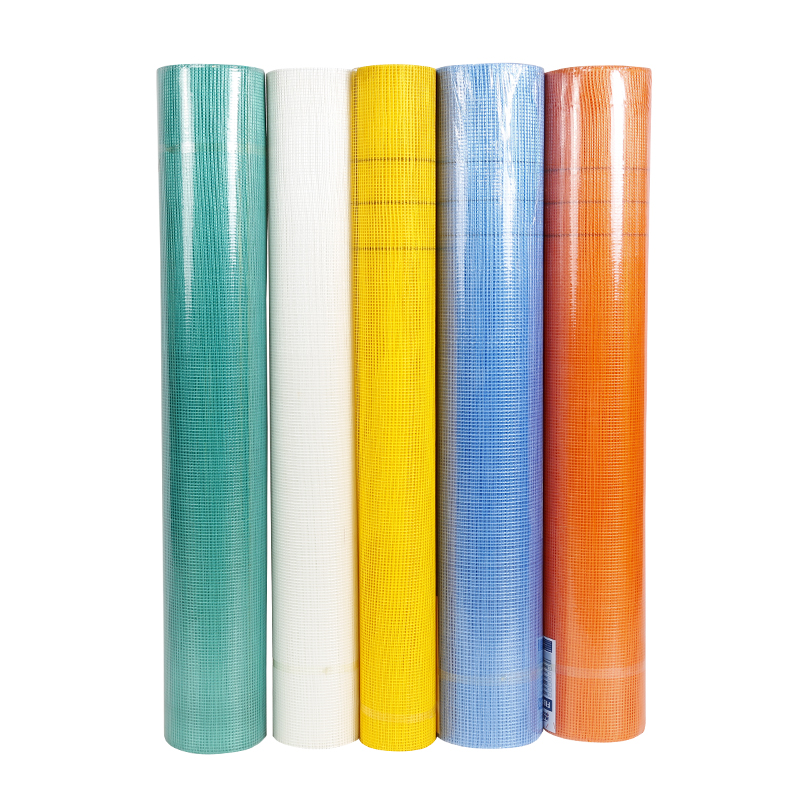
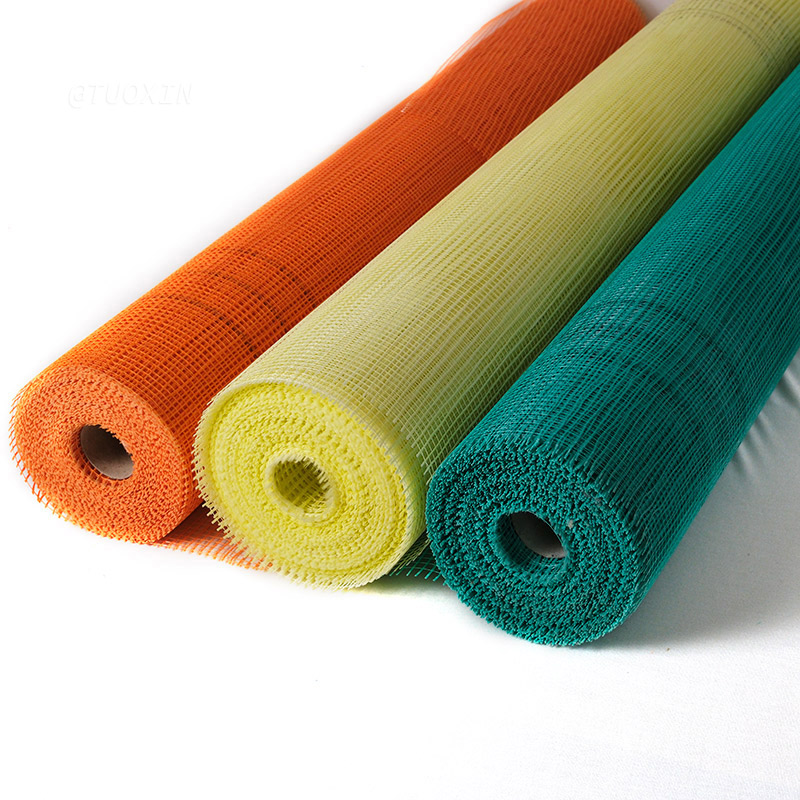
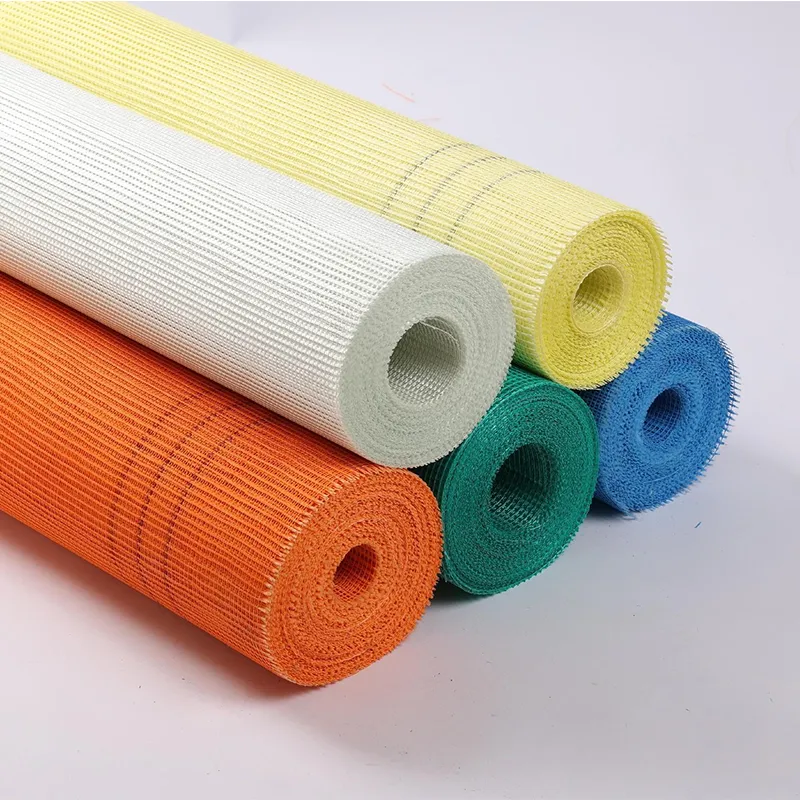
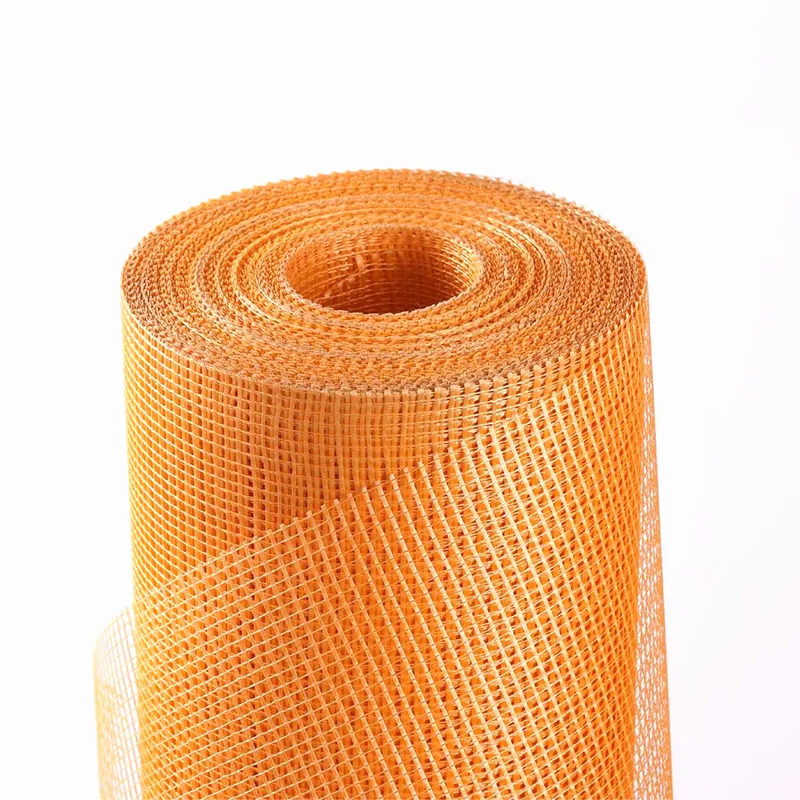
From fiberglass netting to fiberglas şəbəkə mesh and specialized products like fiberglass mesh roll for plastering, this material is widely used by contractors, builders, and DIY enthusiasts. It reinforces plaster, prevents cracking, and enhances the adhesion of finishing layers, ensuring smooth and durable walls.
This article explores the types, benefits, and applications of plastering fiberglass mesh and plastering fibreglass mesh, helping you understand why this material is essential for modern construction projects.
Types of Fiberglass Mesh Netting
Fiberglass mesh is available in different formats and specifications to suit various construction and reinforcement needs. Understanding these types ensures that builders and contractors select the appropriate mesh for their projects.
Fiberglass Netting
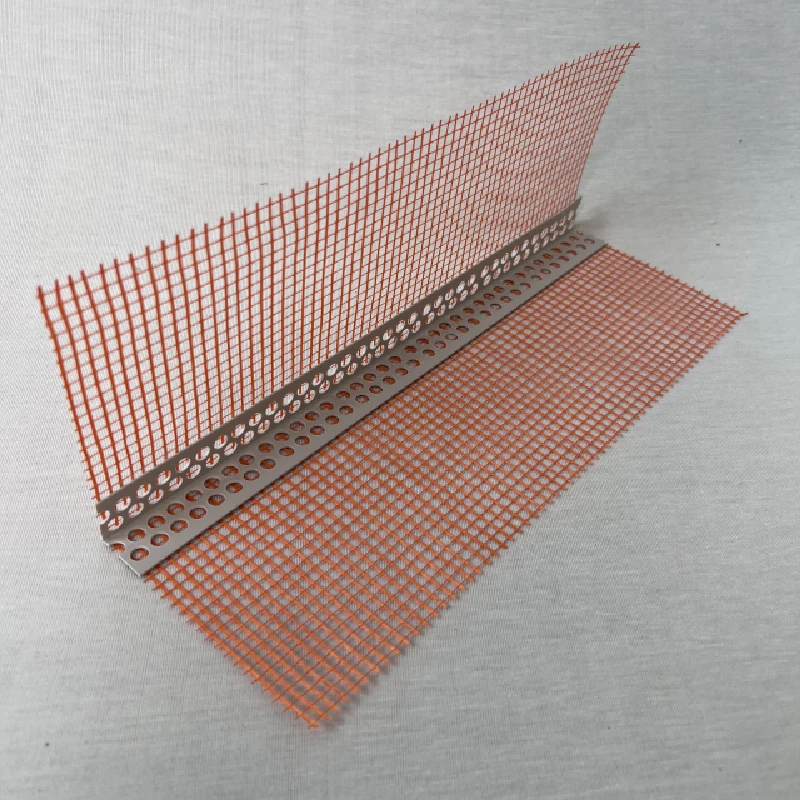
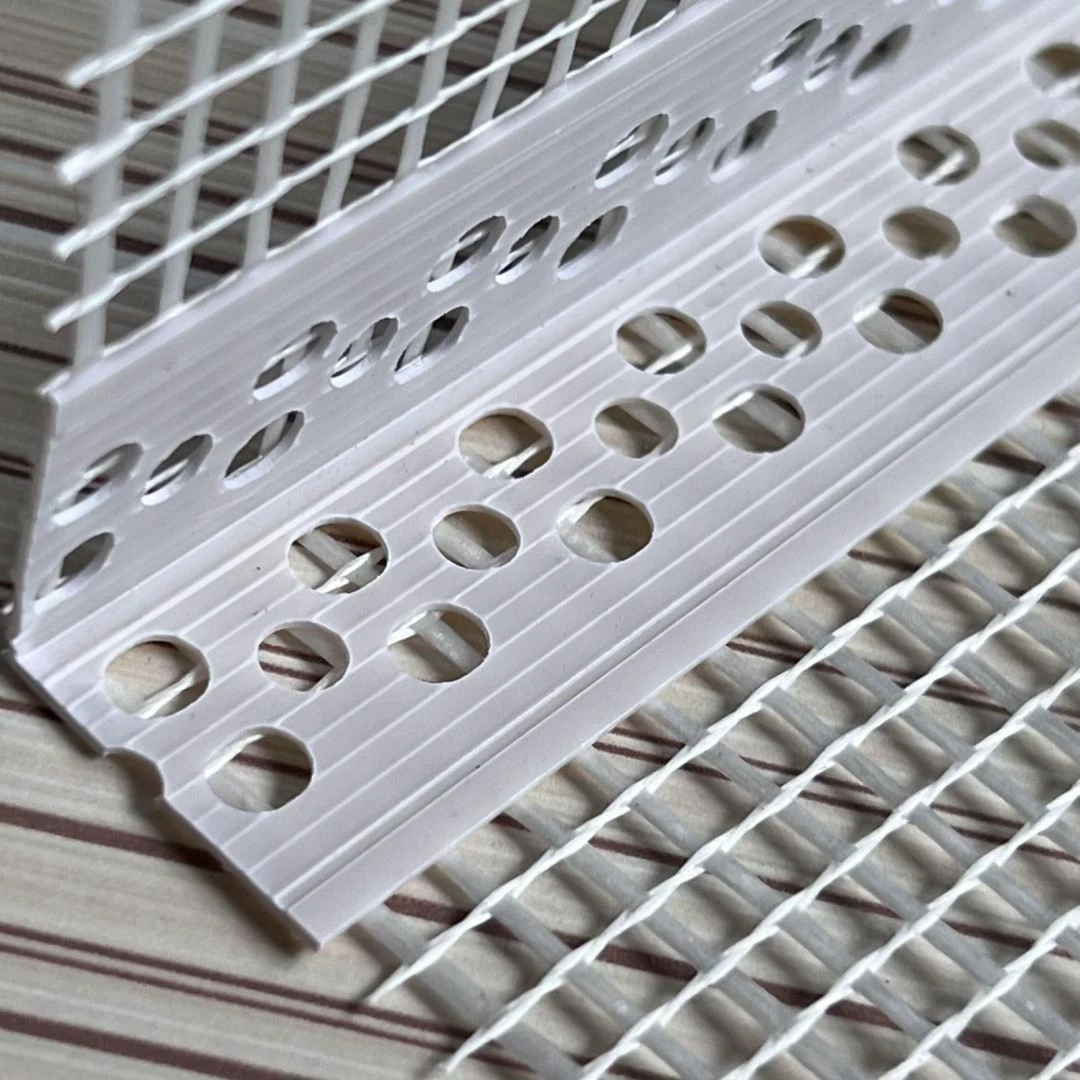
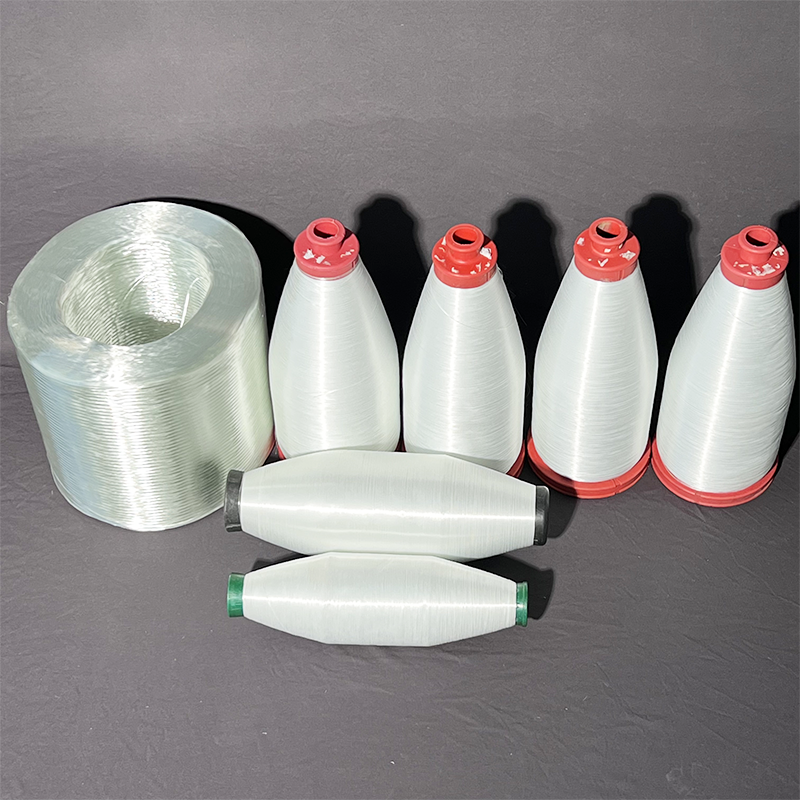
Fiberglass netting is made from woven fiberglass strands, creating a lightweight but strong mesh structure. It is resistant to rust, corrosion, and alkali solutions commonly found in cement-based products, making it ideal for plastering and external wall insulation systems.
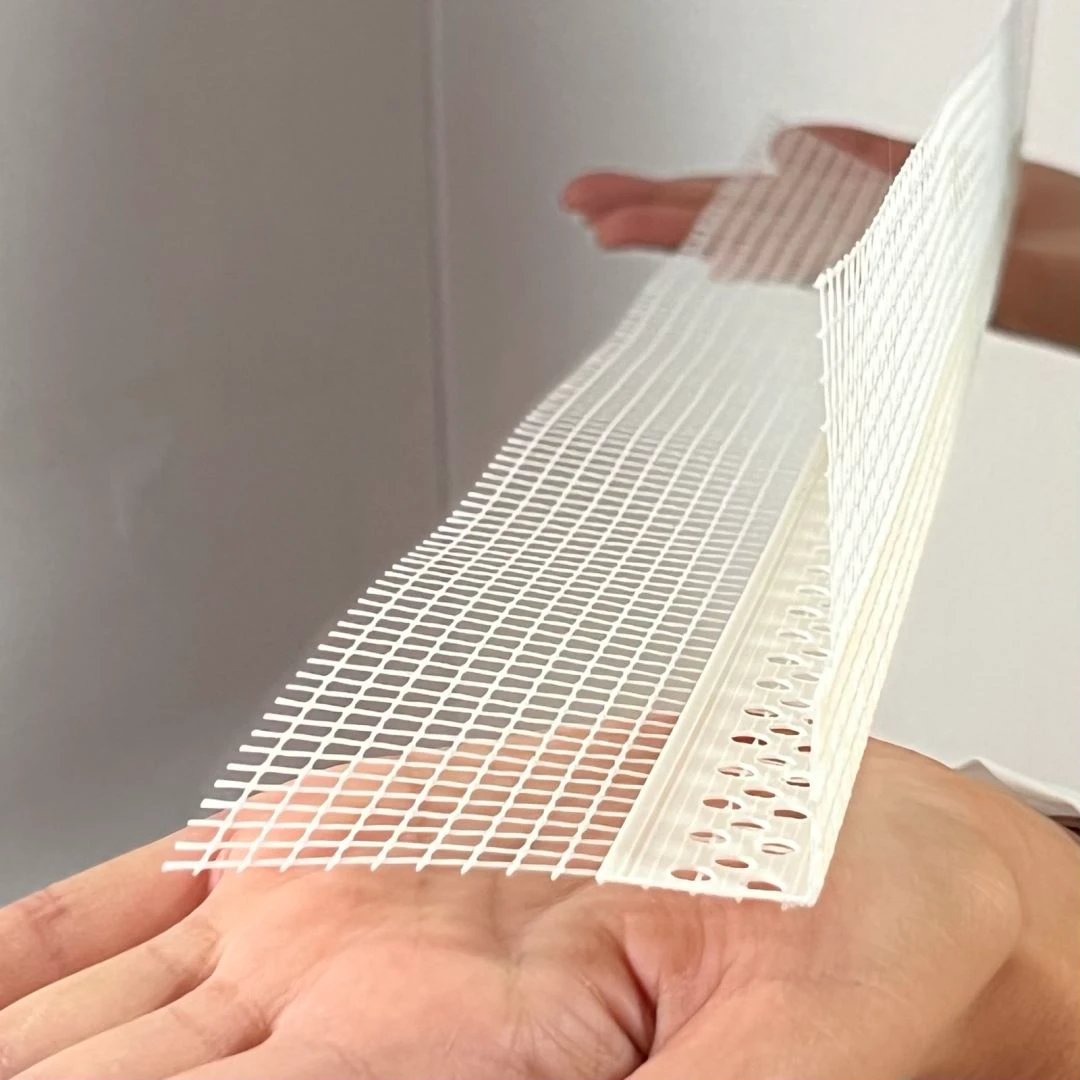
Fiberglass netting can be cut into sheets or rolls and comes in different mesh sizes depending on the reinforcement requirements. Its flexibility allows it to conform to curved surfaces, corners, and edges without tearing or losing structural integrity.
Fiberglass Netting Mesh
Fiberglass netting mesh is designed to provide uniform reinforcement across plastered surfaces. The mesh is usually coated with a protective polymer layer that enhances adhesion with plaster and prevents moisture penetration.
This type of mesh is particularly useful for preventing cracks in rendered walls, ceilings, and facades. Its uniform pattern ensures even distribution of stress, increasing the durability and finish quality of plastered surfaces.
fiberglass Mesh Roll for Plastering
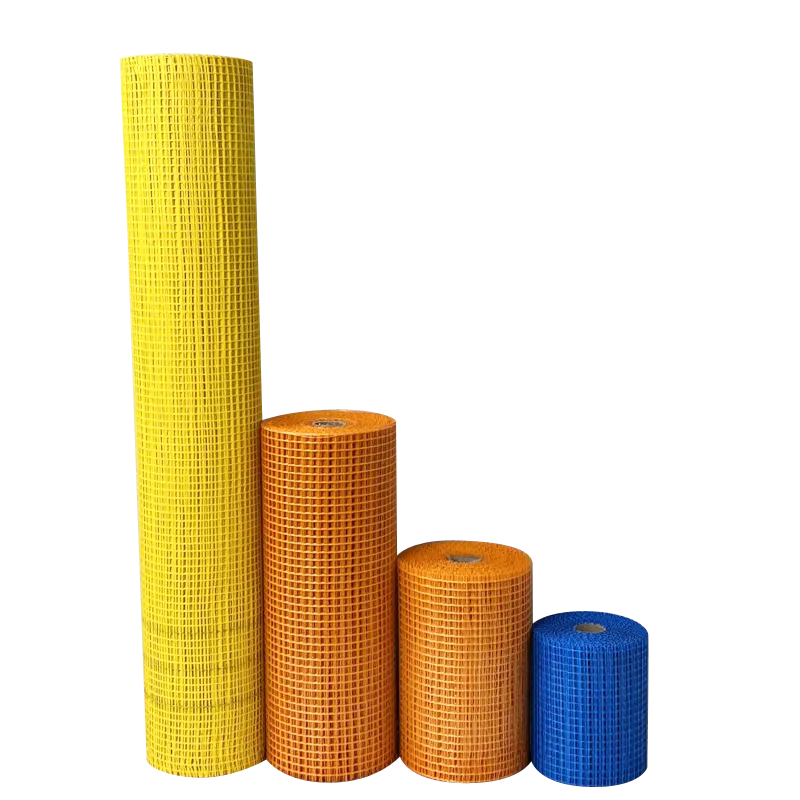
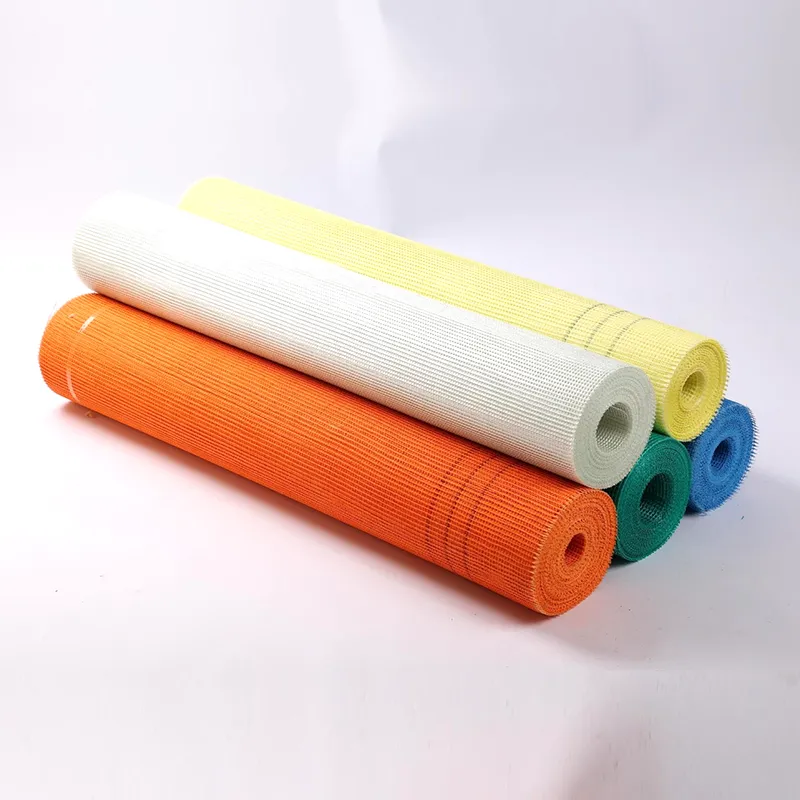
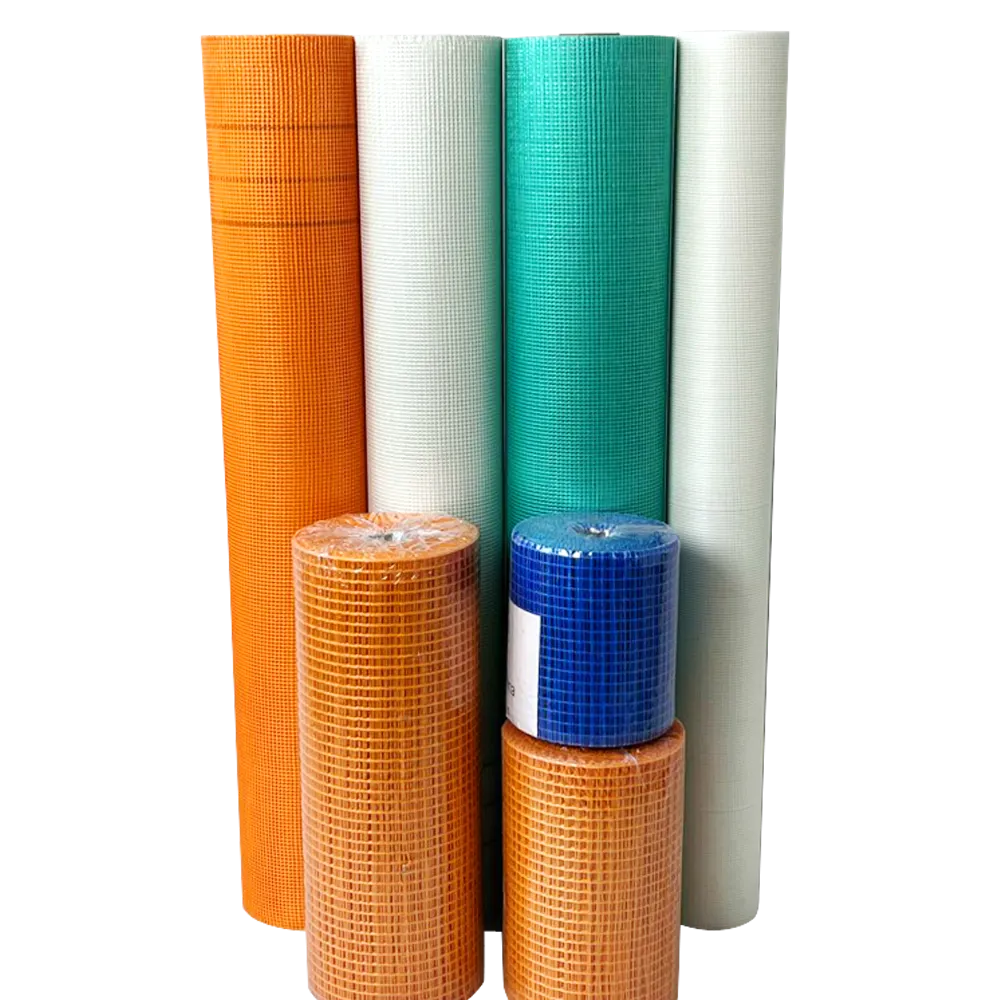
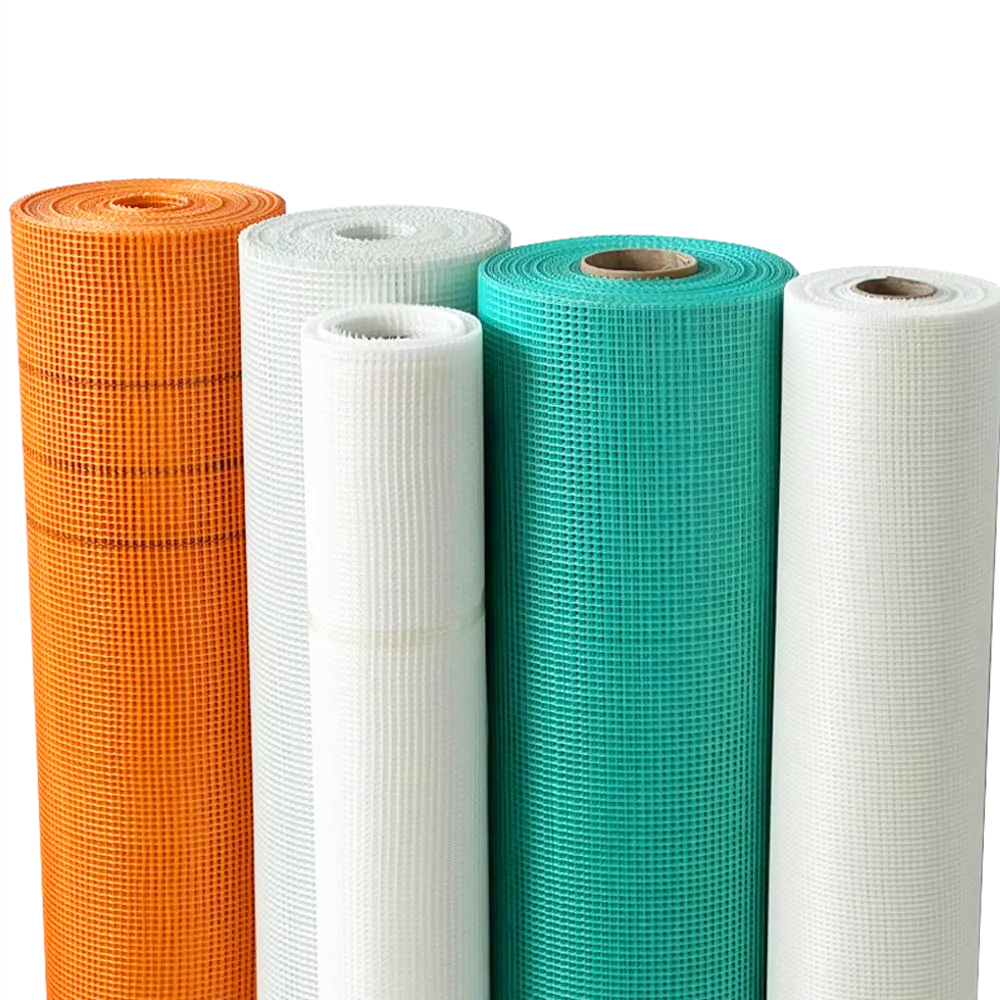
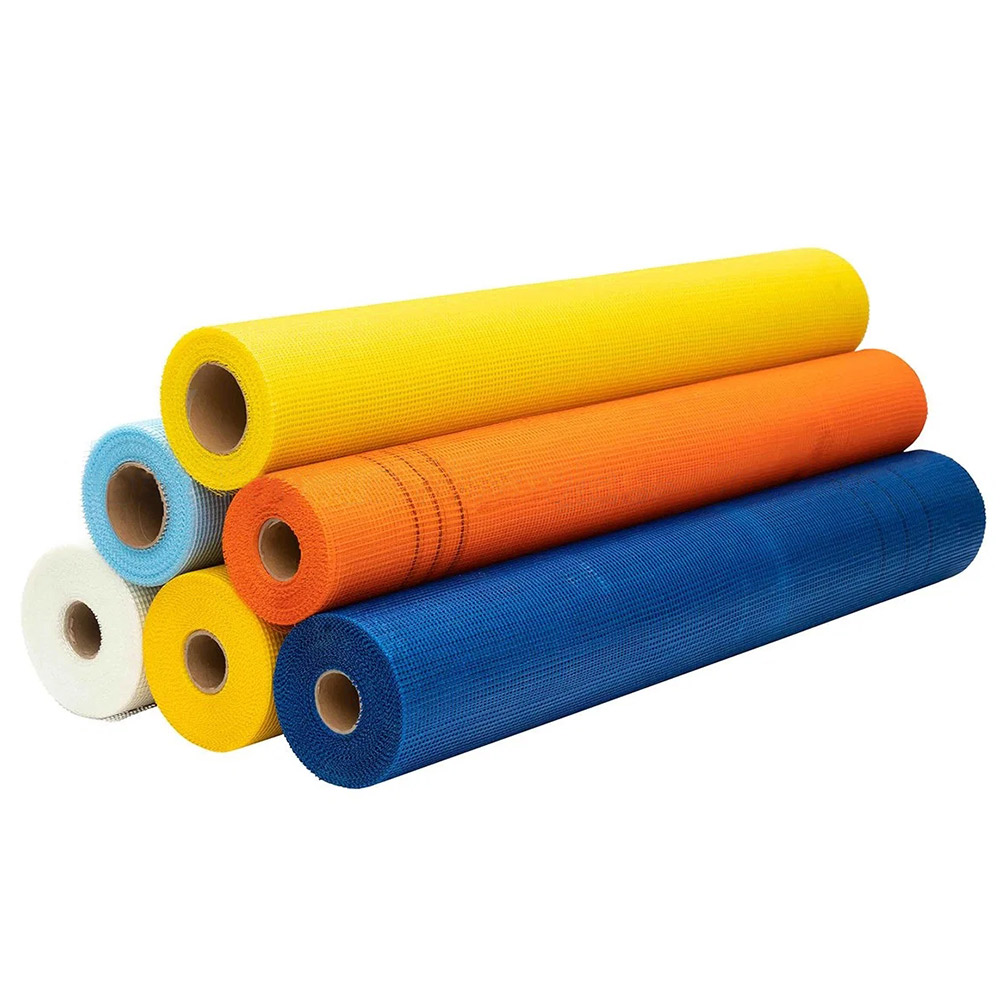
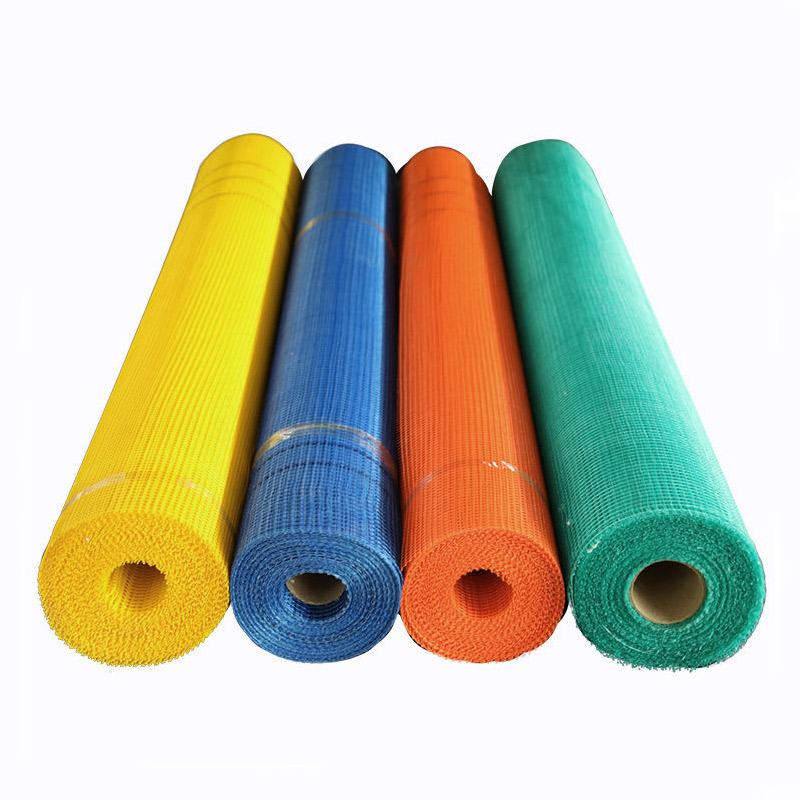
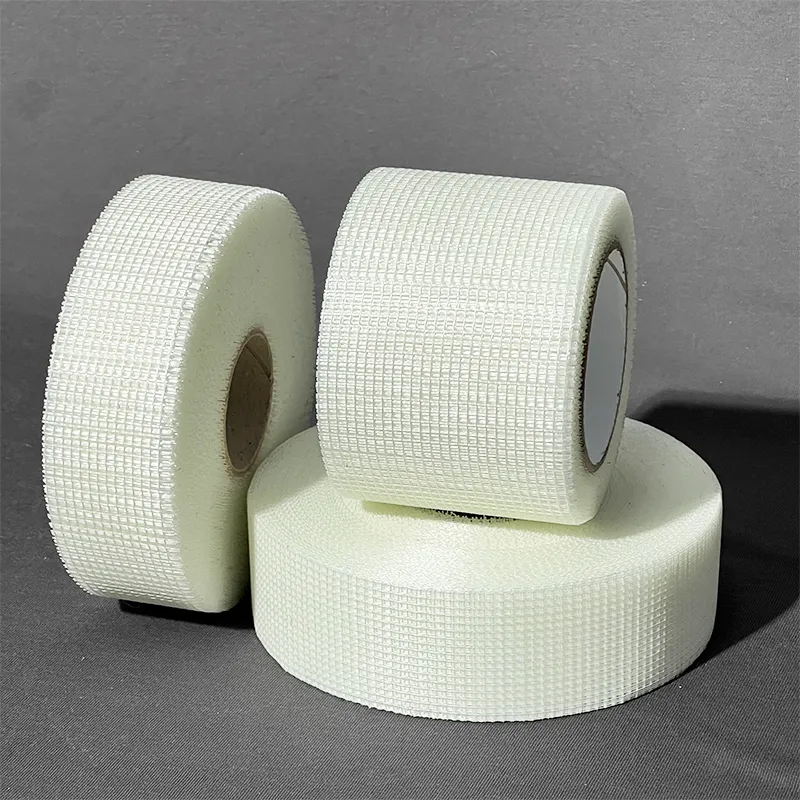
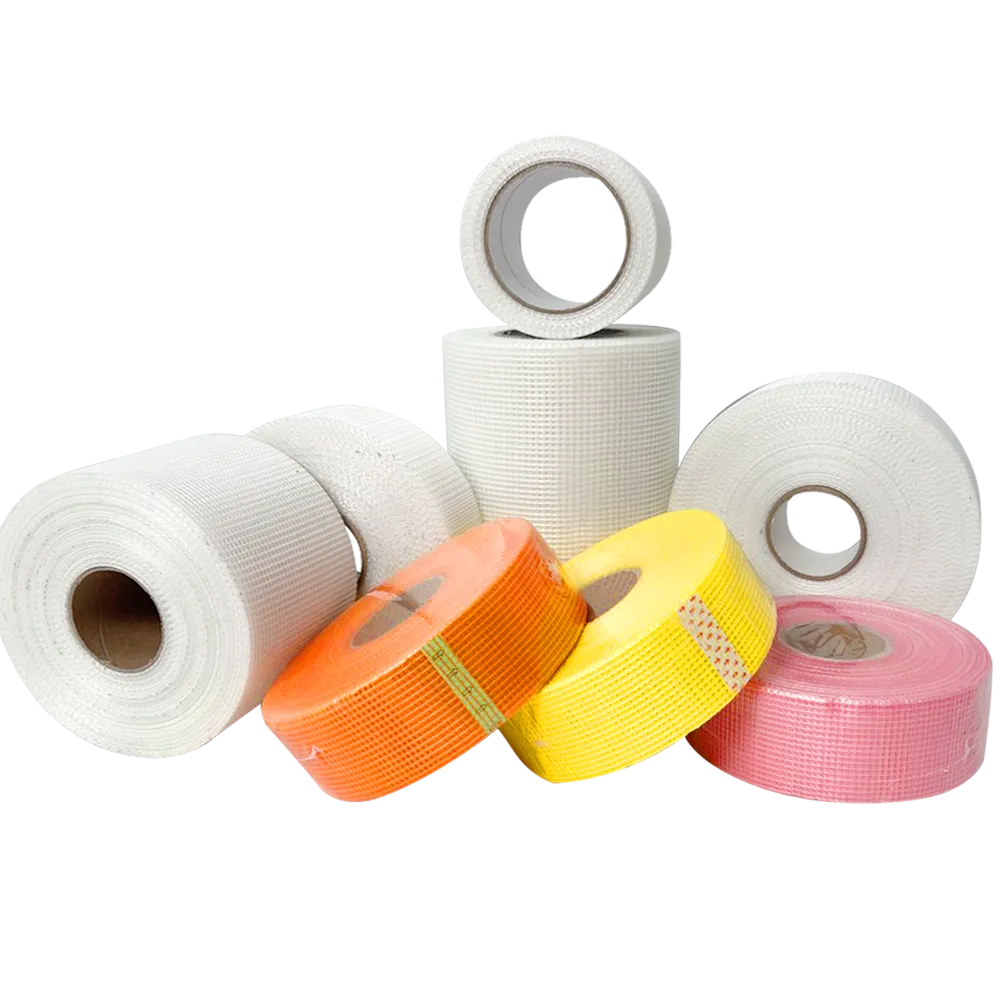
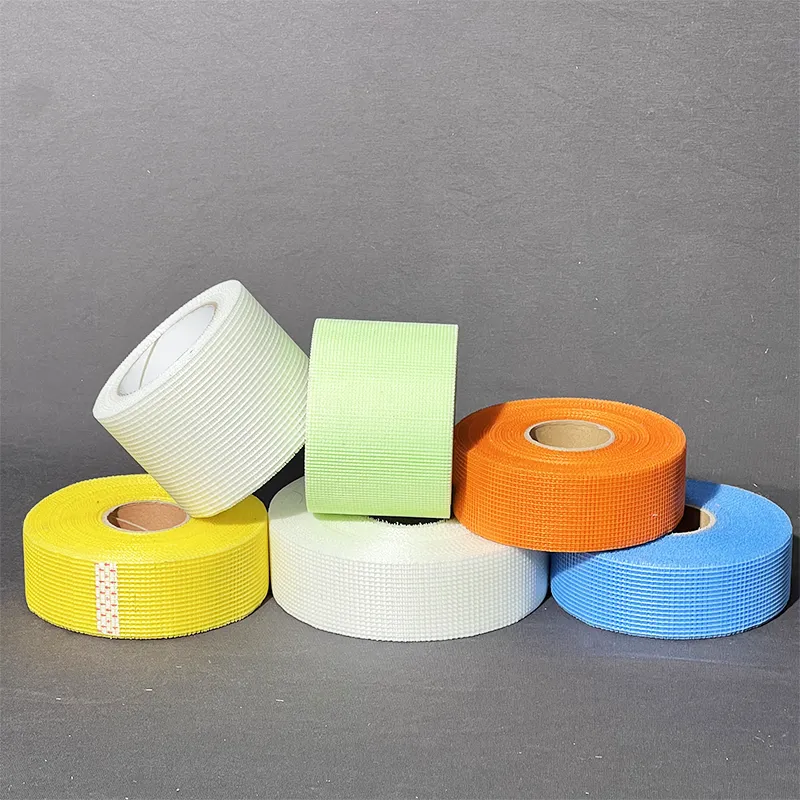
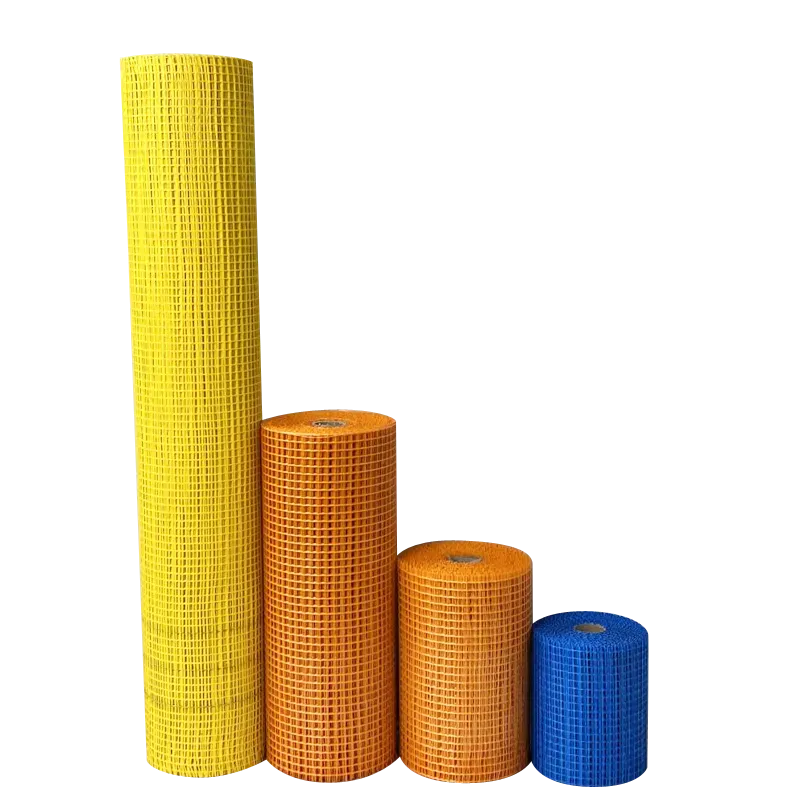
fiberglass mesh roll for plastering is a convenient option for large-scale applications. Sold in rolls of varying widths and lengths, it allows workers to cover extensive surfaces quickly and efficiently.
The roll format reduces installation time and ensures consistent coverage. It is ideal for wall plastering, ceiling reinforcement, and external insulation finishing systems, making it a preferred choice for professional contractors.
Plastering Fiberglass Mesh
Plastering fiberglass mesh is specifically designed to integrate seamlessly with cement plaster, stucco, and other finishing compounds. The mesh provides structural reinforcement, preventing cracks caused by shrinkage, vibration, or thermal expansion.
With plastering fiberglass mesh, walls and ceilings achieve a smoother finish, improved impact resistance, and enhanced longevity, making it suitable for both interior and exterior applications.
Plastering Fibreglass Mesh
Plastering fibreglass mesh is similar to the previous type but emphasizes high-performance polymer coating for better bonding with plaster. It is often used in exterior wall insulation systems and areas exposed to weather, offering resistance to moisture, UV rays, and environmental stress.
This type of mesh ensures that plaster remains intact over time, reducing the need for repairs and improving the aesthetic appeal of walls.
Advantages of Using Fiberglass Mesh Netting
Using fiberglass mesh netting in plastering projects offers several key benefits that improve both the construction process and the durability of finished surfaces.
Crack Prevention and Structural Reinforcement
One of the primary advantages of fiberglas şəbəkə mesh is its ability to reinforce plaster and prevent cracking. Shrinkage, vibration, and environmental stress can cause traditional plaster to crack over time, but embedding fiberglass mesh distributes stress evenly and strengthens the surface.
This is particularly important for large wall areas, corners, and edges, where cracks are most likely to appear. Using plastering fiberglass mesh reduces repair costs and ensures a long-lasting finish.
Durability and Corrosion Resistance
Fiberglass is naturally resistant to corrosion, rust, and alkali solutions. Unlike metal mesh alternatives, fiberglass mesh netting does not react with cement, lime, or other plastering materials.
This resistance extends the lifespan of walls and ceilings, making it suitable for both interior and exterior applications. Additionally, polymer-coated mesh enhances durability by improving adhesion and protecting the fibers from moisture penetration.
Lightweight and Easy to Handle
Fiberglass mesh is lightweight, flexible, and easy to cut or shape. fiberglass mesh roll for plastering can be installed quickly, even on large surfaces or irregular structures, reducing labor time and improving project efficiency.
Its flexibility allows it to conform to corners, edges, and curved surfaces without compromising structural integrity. This makes it highly practical for both professional contractors and DIY enthusiasts.
Improved Adhesion and Finish Quality
When embedded in plaster, plastering fibreglass mesh improves adhesion between layers. This ensures that the plaster sticks to the substrate and maintains a smooth, even finish over time.
The mesh also reduces plaster sagging or detachment, particularly on vertical surfaces or ceilings, resulting in higher-quality finishes and professional-looking results.
Fire and Heat Resistance
Fiberglass mesh is non-combustible and can withstand high temperatures, making it a safer choice for building reinforcement. This feature is particularly valuable in commercial buildings or areas exposed to heat sources.
Applications of Fiberglass Mesh in Construction
Fiberglass mesh netting is versatile and suitable for a wide range of construction applications. Its ability to reinforce plaster and improve structural integrity makes it an essential material in modern building projects.
Wall and Ceiling Reinforcement
Plastering fiberglass mesh is commonly used to reinforce interior and exterior walls and ceilings. It prevents cracks caused by movement, temperature changes, or structural stress.
Large panels or fiberglass mesh rolls for plastering are installed over substrates such as cement boards, masonry, or drywall before plastering. The mesh ensures even stress distribution, improving durability and finish quality.
External Wall Insulation Systems
In external wall insulation (EWI) systems, plastering fibreglass mesh is embedded into the base coat to reinforce the insulation layer. The mesh protects the plaster from environmental stress, wind load, and impact, ensuring that the facade remains intact for years.
This application is particularly common in energy-efficient buildings and modern residential complexes, where long-lasting external finishes are essential.
Stucco and Render Applications
Fiberglass netting mesh is also widely used in stucco and render applications. It reinforces the plaster layers, prevents cracking, and improves adhesion on uneven or challenging surfaces.
The mesh allows the plaster to withstand expansion and contraction caused by temperature fluctuations, enhancing durability and aesthetics.
Repair and Retrofitting Projects
For renovation and repair projects, fiberglass mesh netting is an effective solution to reinforce weakened plaster or cover cracks. It provides structural stability and prevents new cracks from forming, extending the lifespan of repaired walls.
Decorative and Functional Finishes
Fiberglass mesh is not only functional but also contributes to smooth, professional finishes. Its use in plastering allows for clean, even surfaces suitable for painting, wallpapering, or other decorative treatments.
In conclusion, fiberglass mesh netting is a versatile, durable, and essential material for modern construction and plastering projects. Whether using fiberglass netting, fiberglas şəbəkə mesh, fiberglass mesh roll for plastering, plastering fiberglass mesh, or plastering fibreglass mesh, the material provides crack prevention, structural reinforcement, and improved finish quality.
Its lightweight, corrosion-resistant, and flexible properties make it ideal for interior and exterior applications, including walls, ceilings, stucco, and insulation systems. By integrating fiberglass mesh into plastering projects, builders can achieve stronger, longer-lasting surfaces while reducing maintenance costs and improving overall project quality.
-
Best Fiberglass Mesh Tape for RedGard Product Waterproofing GuideXəbərlərApr.16,2026
-
Why High Strength Fiberglass Mesh Is Essential For Stucco ApplicationXəbərlərApr.15,2026
-
Why Alkali Resistant Fiberglass Mesh Tape Is Essential For Cement Board And Tile InstallationsXəbərlərApr.15,2026
-
Understanding The Role Of Drywall Fiberglass Mesh In Interior FinishingXəbərlərApr.15,2026
-
Ultimate Guide To Using Fiberglass Mesh Tape For Drywall And Plaster RepairsXəbərlərApr.15,2026
-
The Versatility Of Fiberglass Mesh In Marble And Stone MosaicXəbərlərApr.15,2026