سبتمبر . 22, 2025 16:39 الرجوع للقائمة
A Comprehensive Guide to Fiberglass mesh Tapes for Drywall and Construction
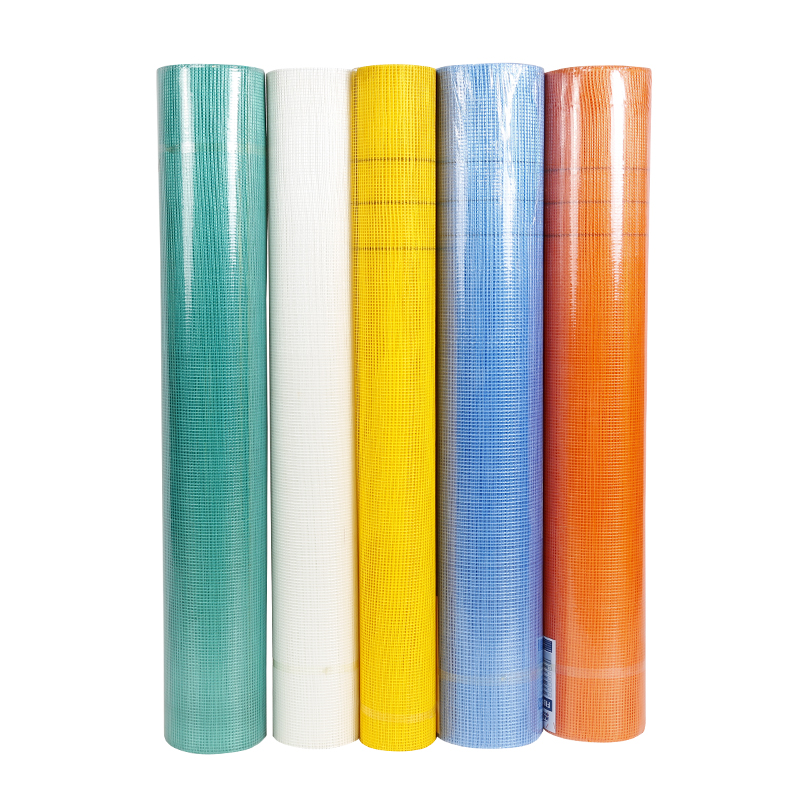
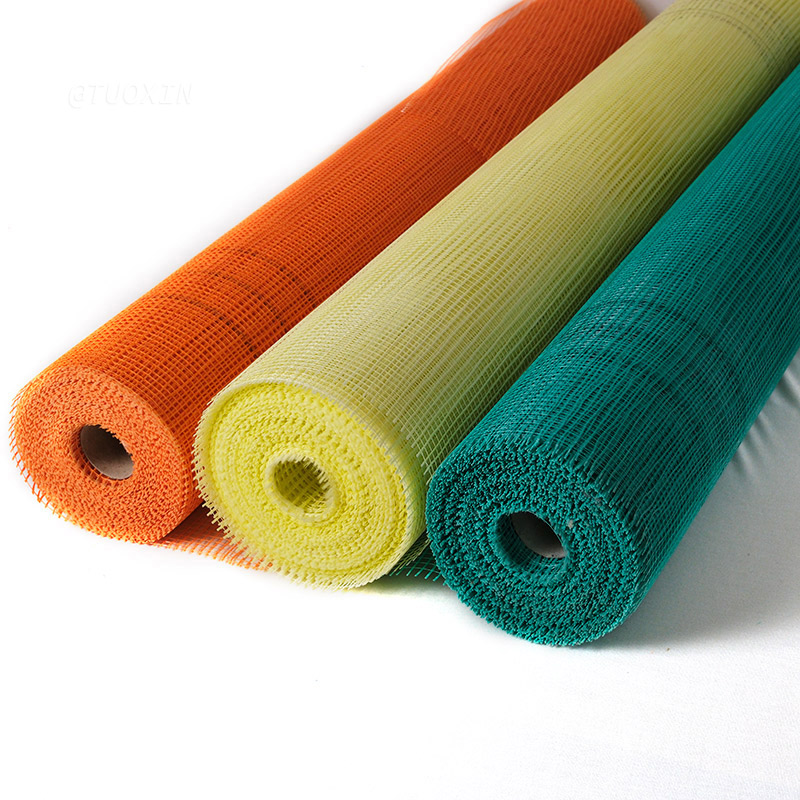
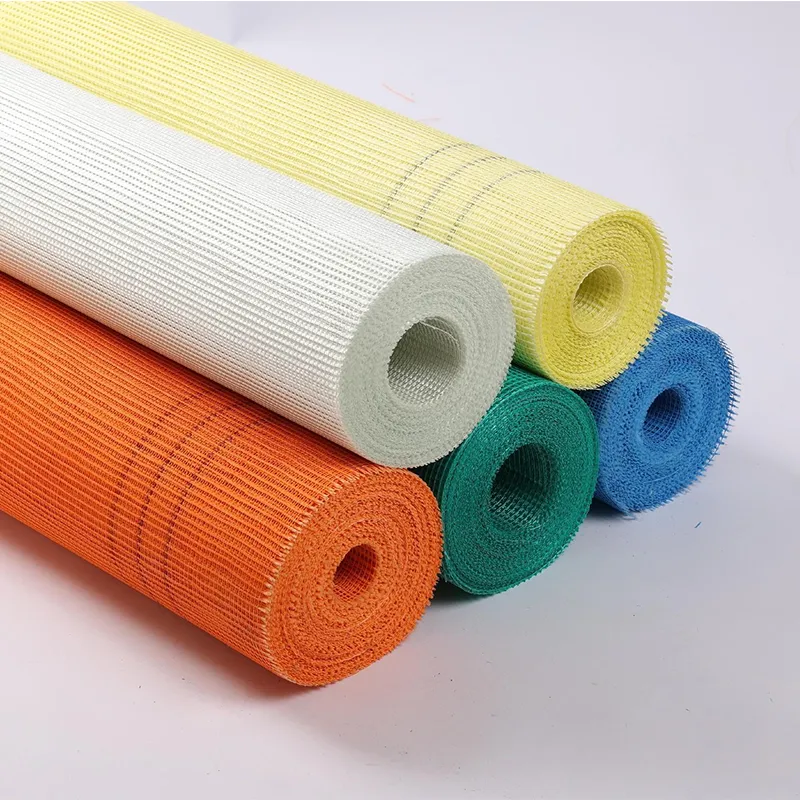
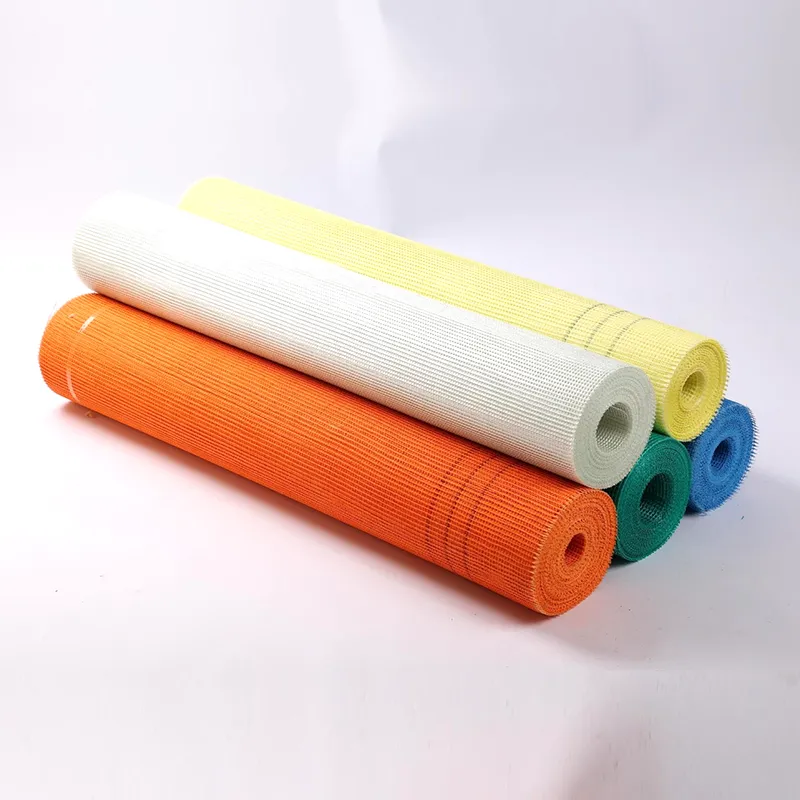
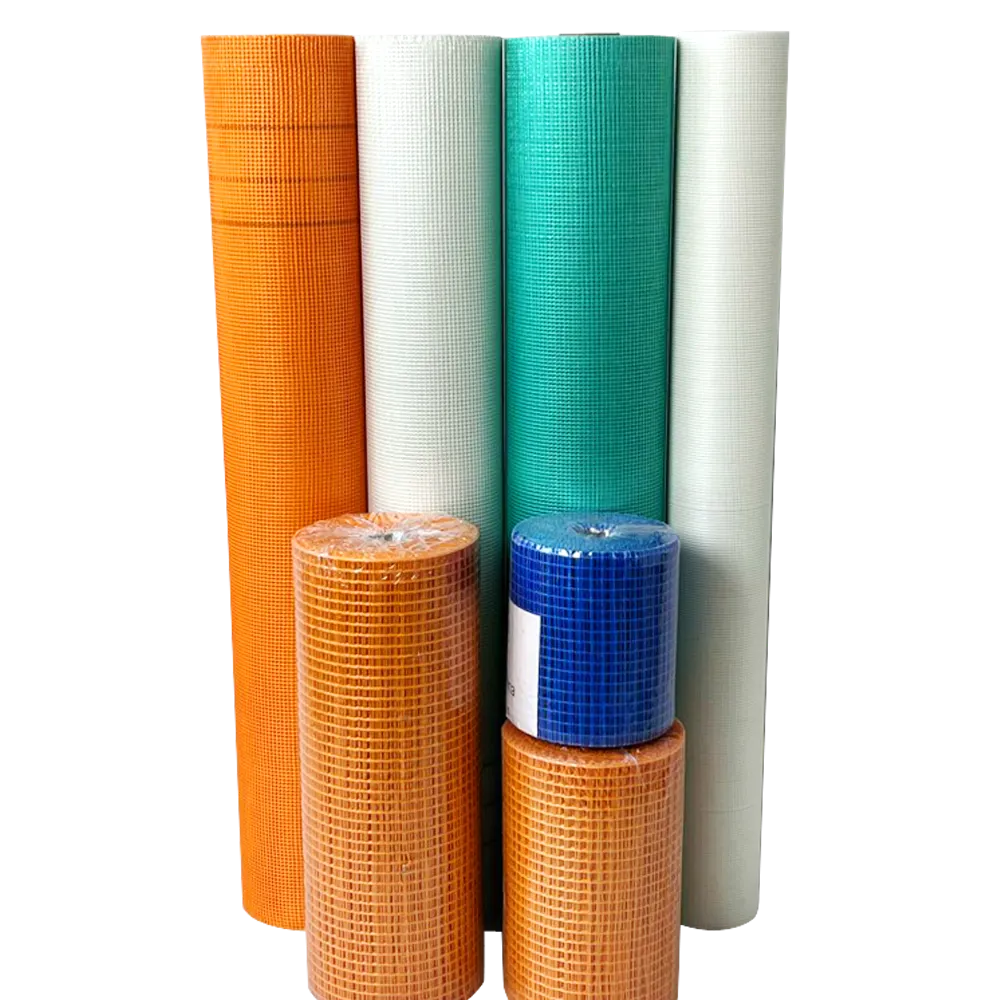
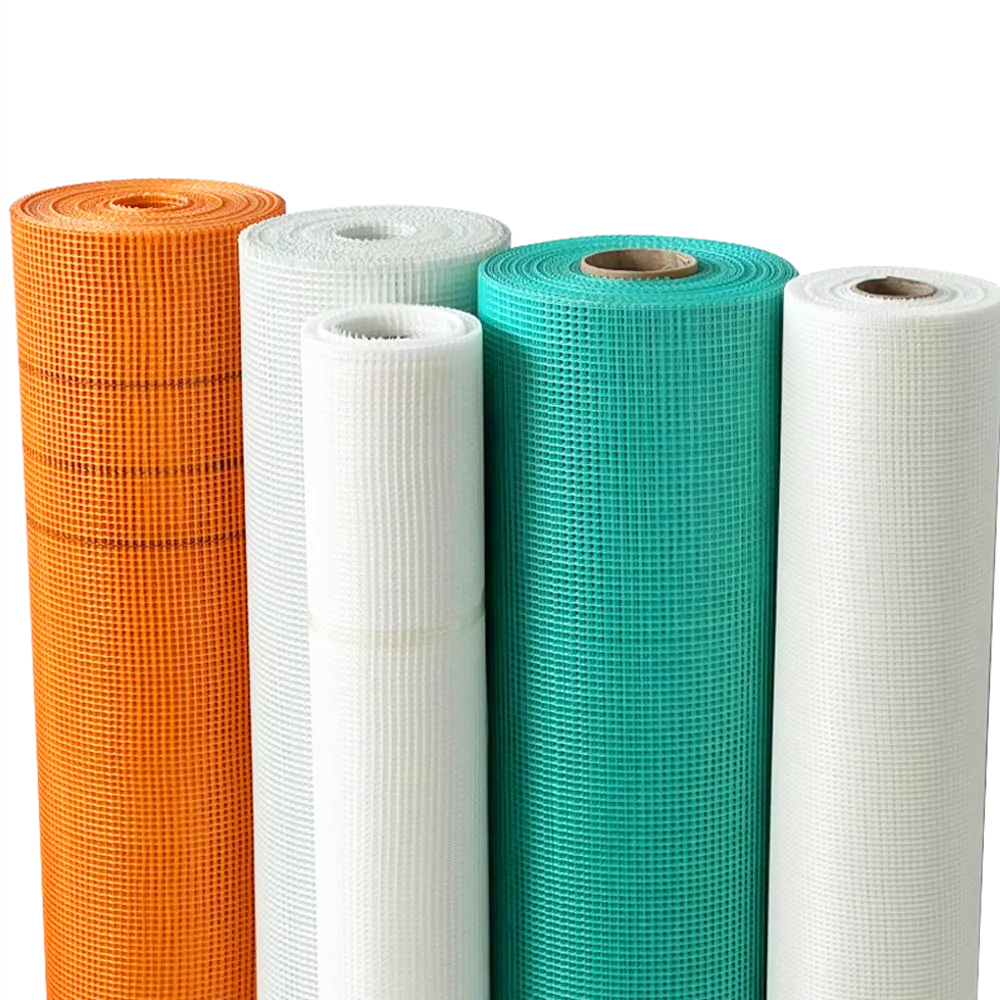
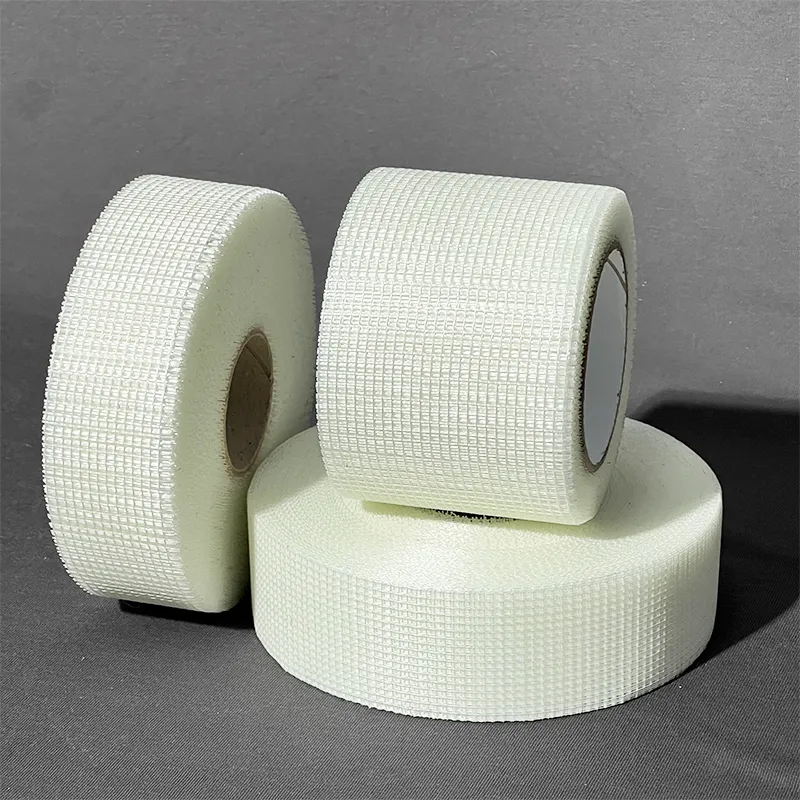
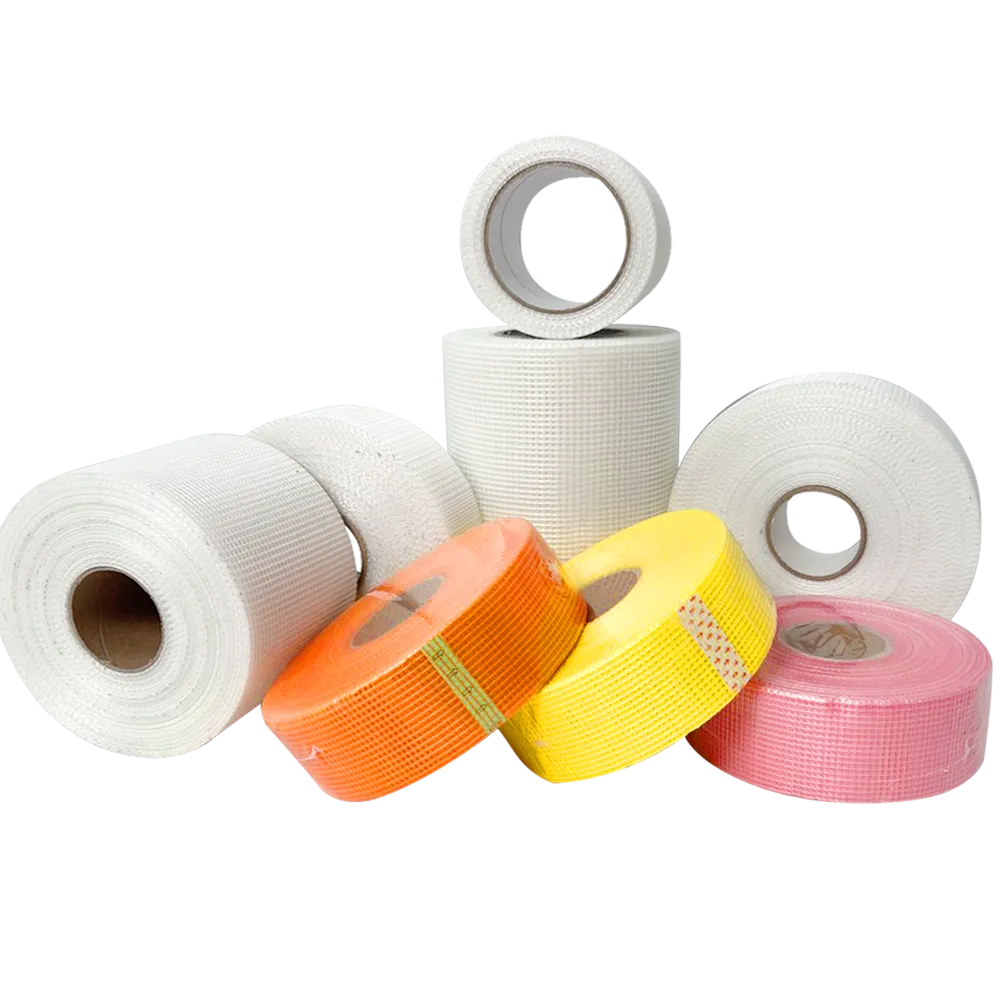
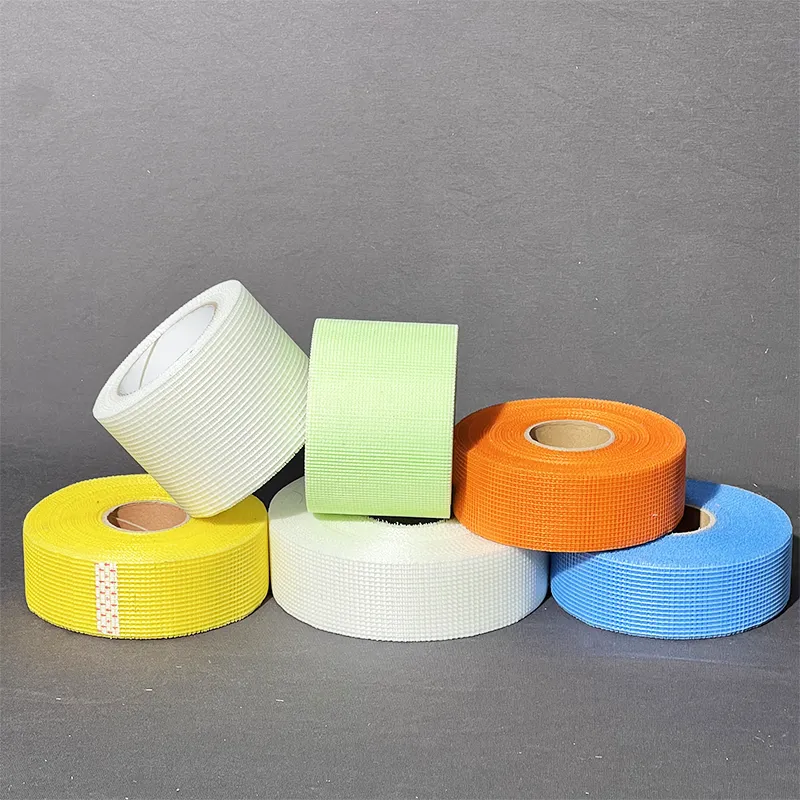
In modern construction and drywall finishing, fiberglass joint tape and its variants play a critical role in ensuring seamless joints, crack resistance, and long-lasting results. Unlike traditional paper tapes, شريط شبكي من الألياف الزجاجية products provide better durability, flexibility, and ease of use, especially for drywall installations and corner reinforcements. This article will explore different types of fiberglass tape, including fiber glass mesh tape, wide fiberglass mesh tape, fiberglass mesh tape for drywall, fiberglass mesh tape for drywall corners, and fiberglass mesh tape for gypsum board, and their specific applications in construction.
What is Fiberglass Joint Tape?
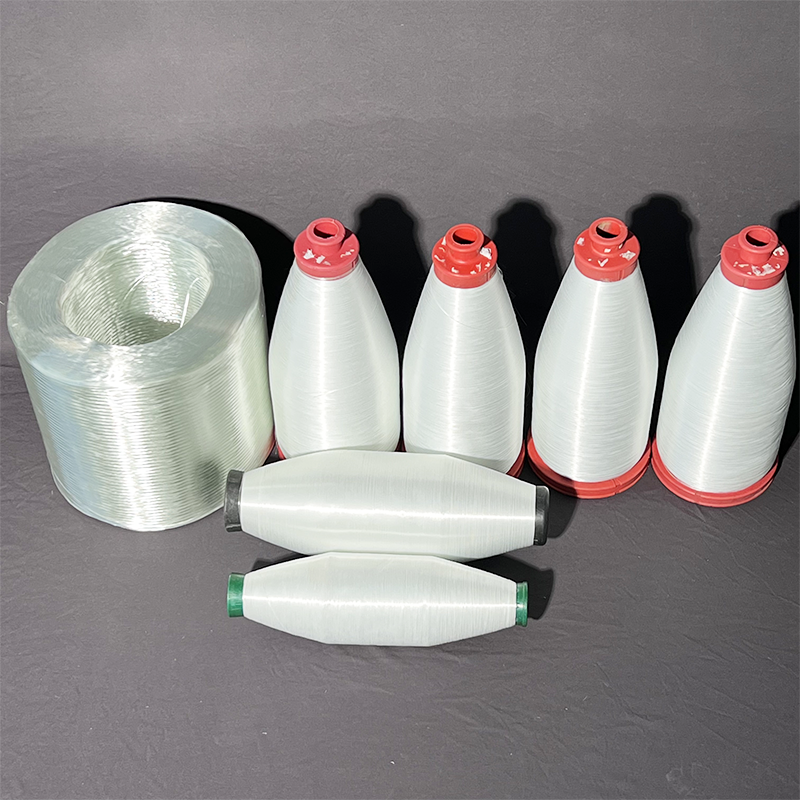
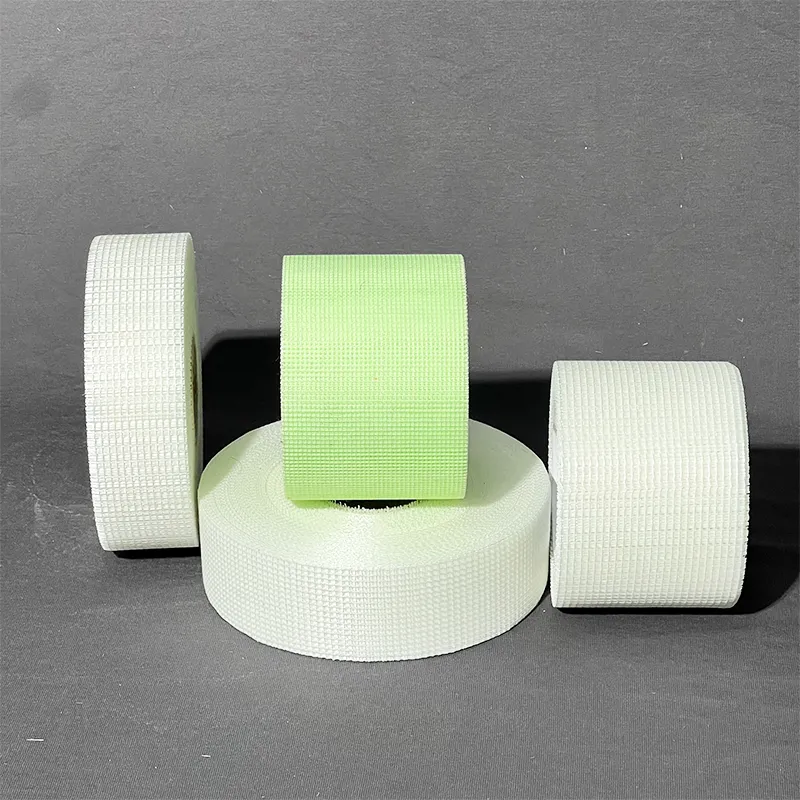
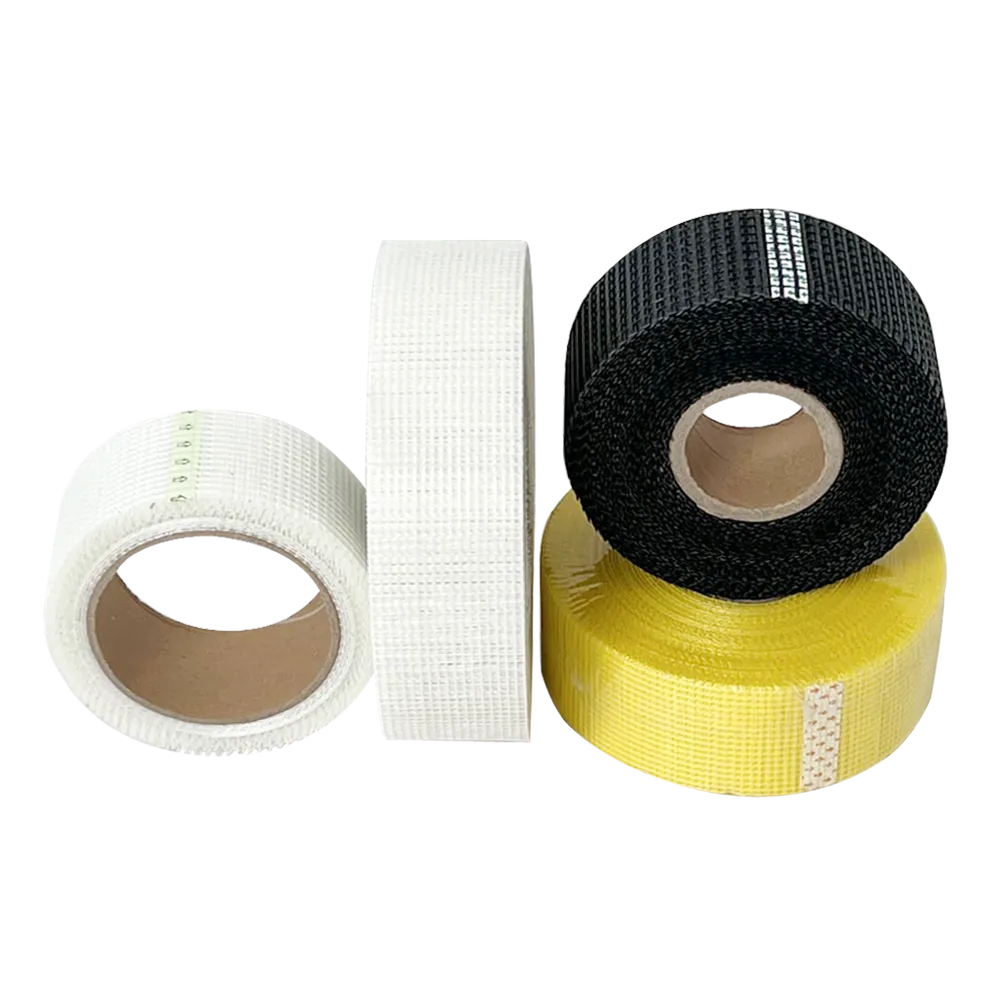
Fiberglass joint tape is a self-adhesive mesh tape made from woven fiberglass threads. It is widely used to cover seams between drywall panels, repair cracks, and reinforce surfaces before applying joint compound or plaster.
Key Features:
Made from high-strength woven fiberglass mesh
Resistant to shrinkage, warping, and mold
Perforated design enhances adhesion with joint compounds
Commonly self-adhesive for easy application
Compared to paper tape, fiberglass joint tape is less prone to bubbling and tearing. It’s an ideal choice for both professional contractors and DIY drywall projects.
Types of Fiberglass mesh Tape and Their Uses
There are several variants of fiberglass tape, each tailored to specific uses in construction and drywall work. Below are the most commonly used types and their distinguishing features.
Mesh Tape Fiberglass
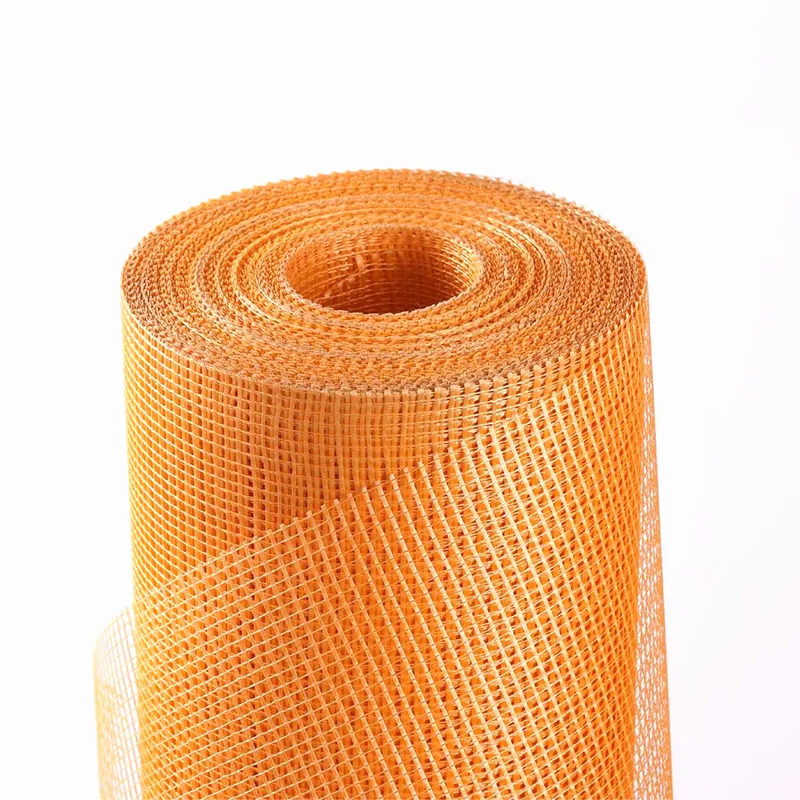
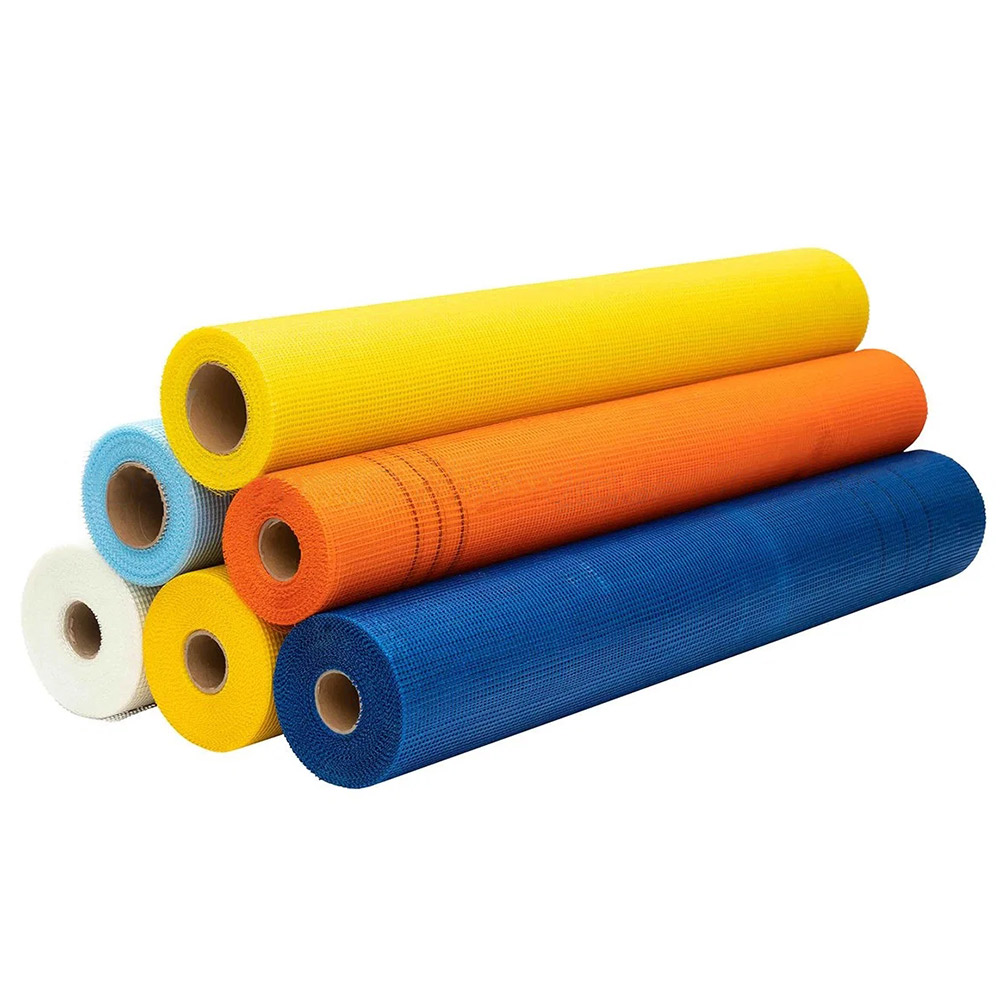
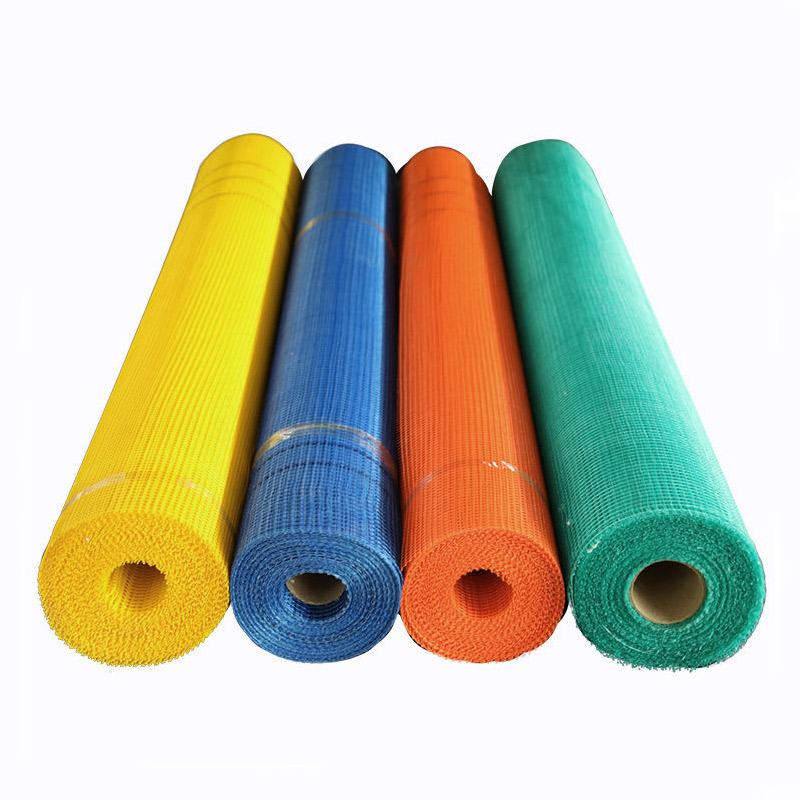
Fiberglass mesh tape is a general-purpose tape used primarily for drywall seams and crack repairs. It consists of open-weave fiberglass threads arranged in a grid pattern, making it breathable and easy to embed in joint compounds.
Applications:
Seam covering between drywall sheets
Minor crack repair on walls and ceilings
Base reinforcement before plastering
Its adhesive backing allows for faster installation, and it’s especially popular in high-humidity areas because it doesn’t support mold growth.
Fiberglass Mesh Tape
Fiberglass mesh tape is very similar to mesh tape fiberglass but is often stronger and more tightly woven, offering added strength for demanding applications.
Applications:
Wall joint reinforcements
Reinforcing cement board seams
Suitable for plasterboard or gypsum applications
This type of tape is often used where extra reinforcement is needed or where surfaces are exposed to structural stress.
Wide Fiberglass Mesh Tape
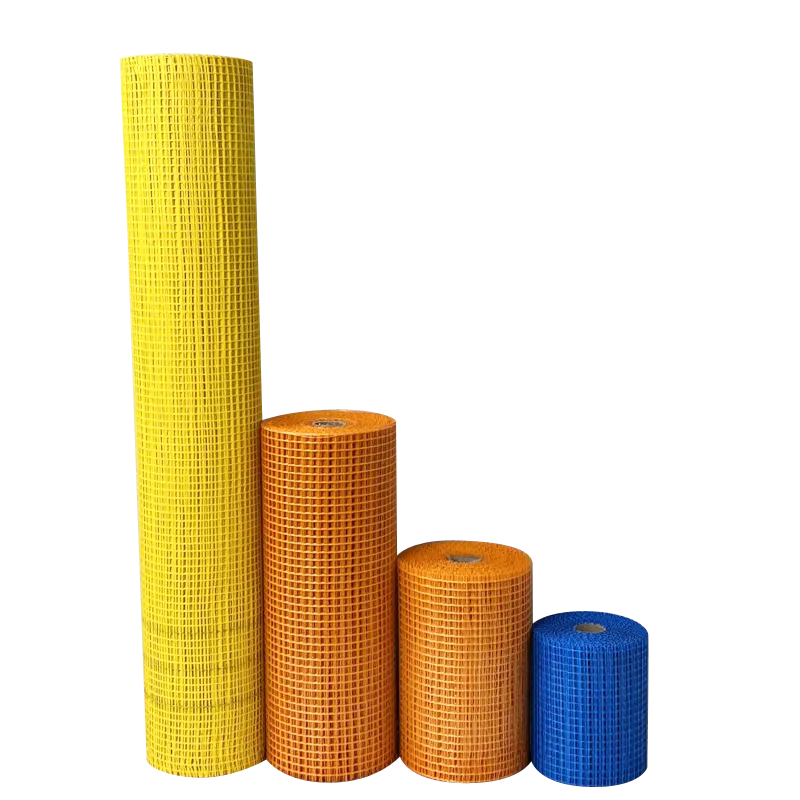
When larger surface areas or wide cracks need coverage, wide fiberglass mesh tape is the ideal solution. Available in widths ranging from 4 to 12 inches or more, this tape reduces the need for overlapping standard-width tapes.
Applications:
Covering large drywall joints
Reinforcing wide ceiling or wall cracks
Bridging gaps in subfloor panels or cement boards
Its broad surface area helps distribute stress more evenly, minimizing the chances of joint failure.
Fiberglass mesh Tape for Drywall
Fiberglass mesh tape for drywall is a commonly used term that encompasses various fiberglass mesh tapes applied to standard drywall installations. It is known for its excellent bonding with joint compound and resistance to stretching or tearing.
Applications:
Seaming and reinforcing drywall
Crack prevention in new construction
Patching holes or imperfections
This tape saves time during application since it's typically self-adhesive, and it adheres easily to most drywall surfaces without the need for pre-mudding.
Fiberglass mesh Tape for Drywall Corners
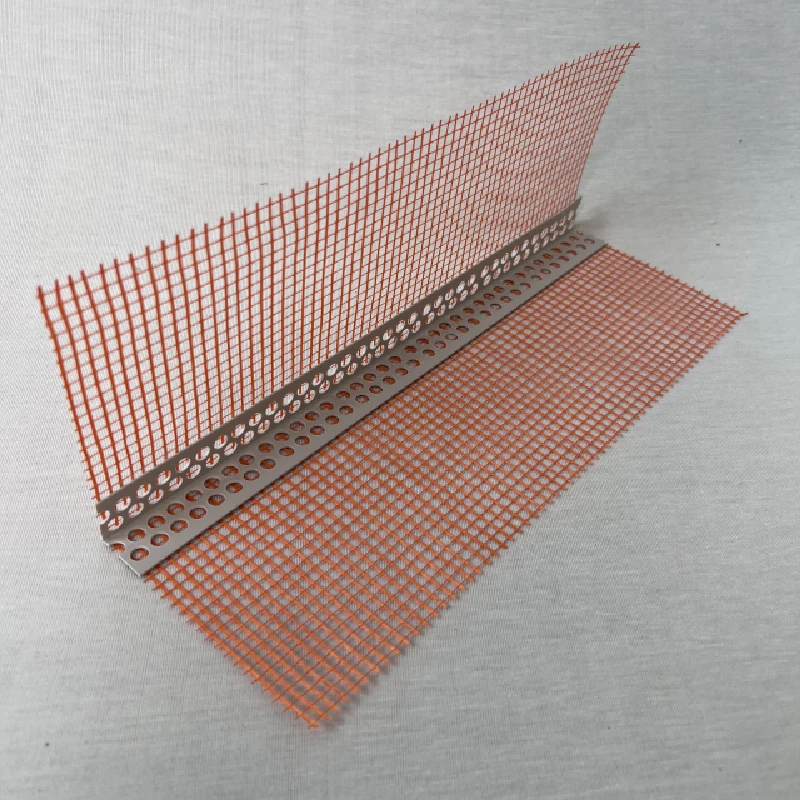
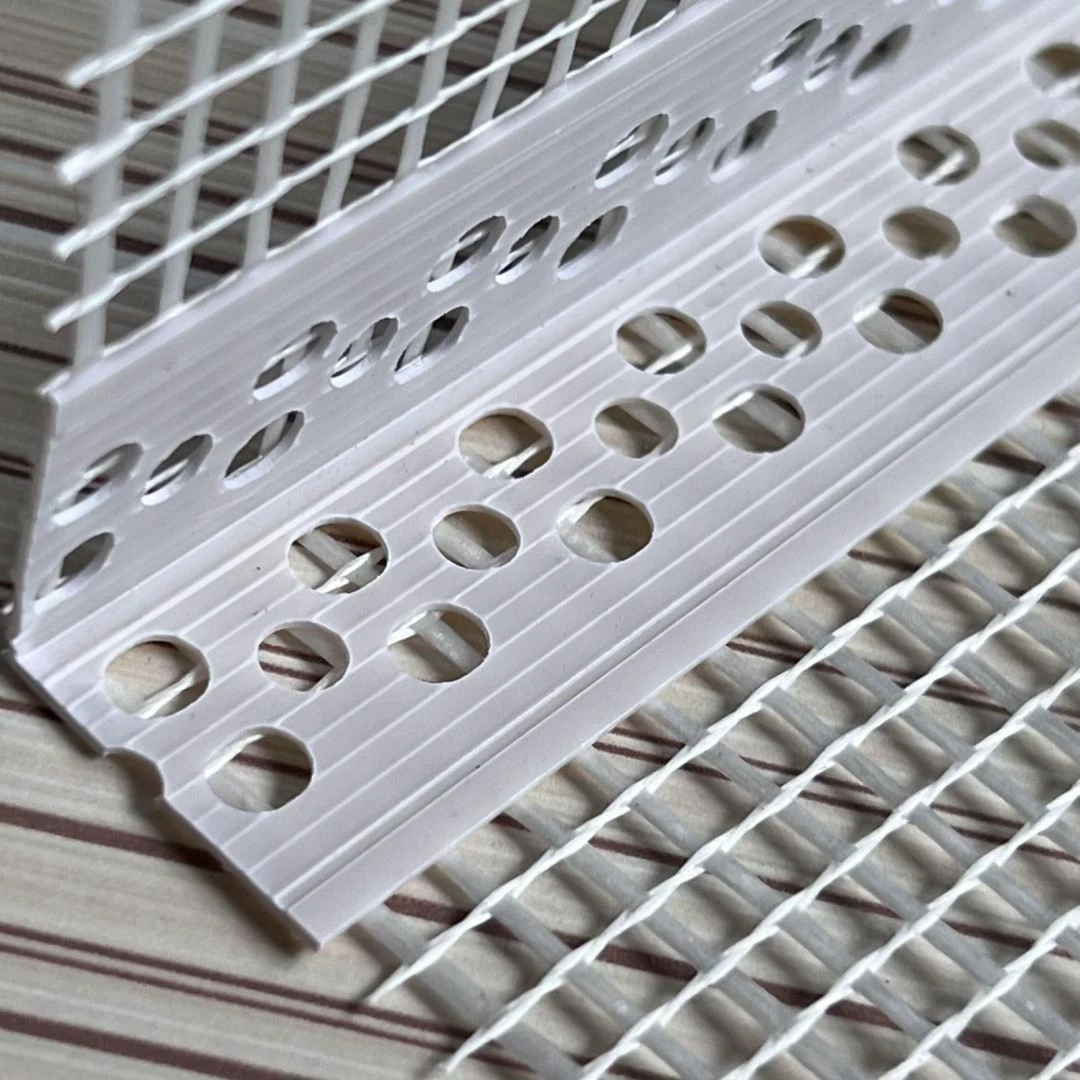
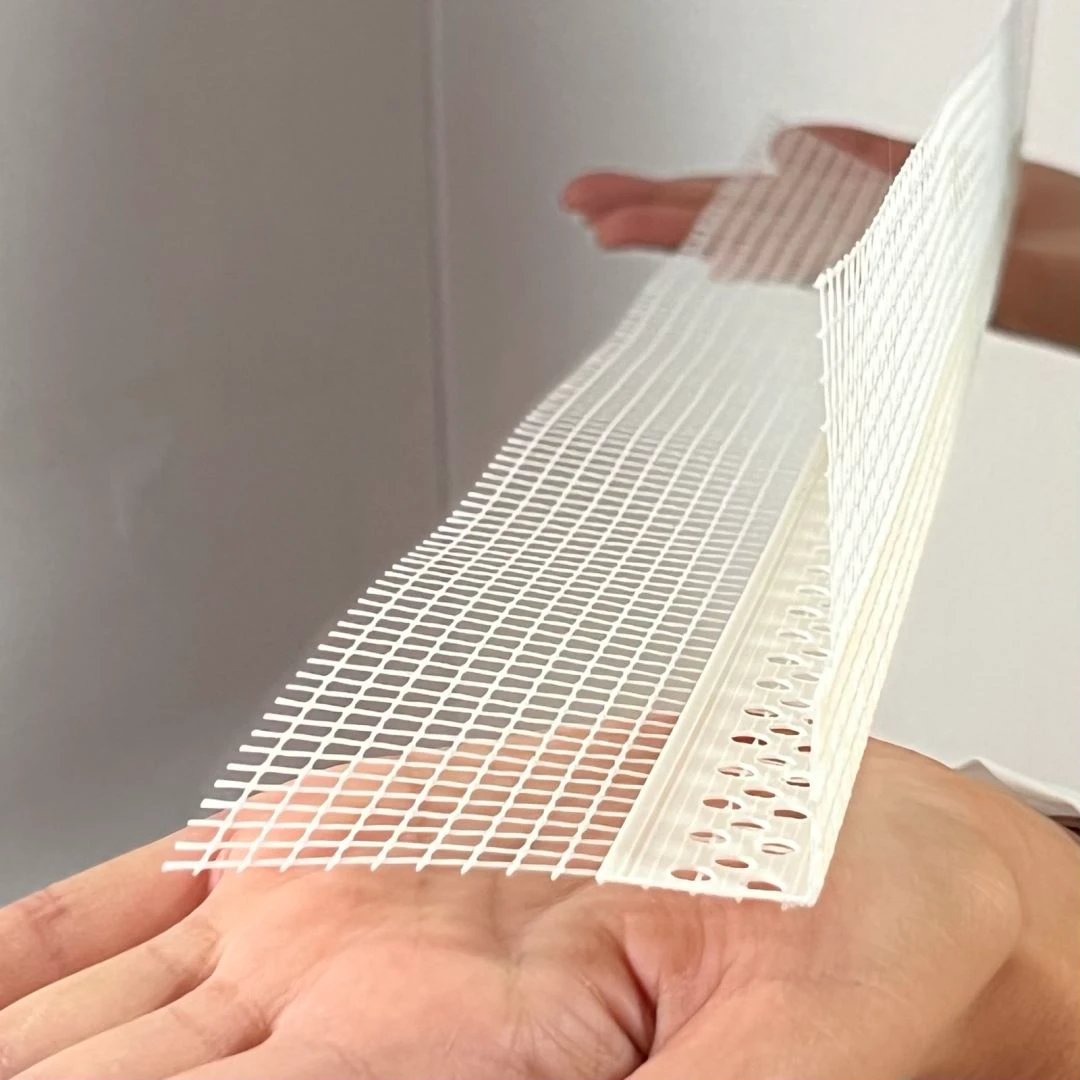
For finishing inside and outside drywall corners,fiberglass mesh tape for drywall corners is designed to be flexible and strong. Some versions have a pre-creased fold line to easily conform to corner angles.
Applications:
Reinforcing interior corners
Finishing outer edges of columns or beams
Protecting high-traffic corners from damage
This type of tape prevents cracking along corner joints and helps create sharp, clean finishes, even in complex angles.
Fiberglass mesh Tape for Gypsum Board
Fiberglass mesh tape for gypsum board is specially developed to work with gypsum-based construction boards. It offers excellent adhesion and compatibility with gypsum’s porous surface.
Applications:
Seam sealing between gypsum board panels
Reinforcement of gypsum ceiling and wall installations
Cracking and corner resistance in gypsum finishes
Using fiber tape with gypsum boards improves structural integrity and extends the lifespan of interior surfaces.
Advantages of Using Fiberglass Tape in Construction
Fiberglass tape offers a wide range of advantages over traditional paper tapes, making it the preferred choice in many professional construction settings.
Durability and Strength
Fiberglass tapes are significantly more durable and resistant to cracking or shrinking, making them ideal for high-stress joints or repairs in older buildings.
Moisture and Mold Resistance
Because fiberglass is not an organic material, it does not promote mold growth, making it safer for use in bathrooms, basements, and kitchens.
Ease of Application
Most fiberglass tapes are self-adhesive, which simplifies application and reduces the need for a base coat of joint compound before installation.
Time and Labor Efficiency
Compared to paper tape, fiberglass tape installs faster and requires fewer passes with a joint knife, especially when combined with quick-drying compounds.
From simple wall repairs to complex drywall installations, fiberglass joint tape,شريط شبكي من الألياف الزجاجية, fiberglass mesh tape, and wide fiberglass mesh tape offer unmatched performance in durability and application efficiency. Whether you're reinforcing a corner with fiberglass mesh tape for drywall corners or sealing seams in gypsum board using fiberglass mesh tape for gypsum board, choosing the right fiberglass tape ensures a long-lasting, crack-free finish.
By understanding the unique properties of each tape type, construction professionals and DIYers alike can achieve better results, improve structural integrity, and reduce maintenance over time.
-
Best Fiberglass Mesh Tape for RedGard Product Waterproofing GuideأخبارApr.16,2026
-
Why High Strength Fiberglass Mesh Is Essential For Stucco ApplicationأخبارApr.15,2026
-
Why Alkali Resistant Fiberglass Mesh Tape Is Essential For Cement Board And Tile InstallationsأخبارApr.15,2026
-
Understanding The Role Of Drywall Fiberglass Mesh In Interior FinishingأخبارApr.15,2026
-
Ultimate Guide To Using Fiberglass Mesh Tape For Drywall And Plaster RepairsأخبارApr.15,2026
-
The Versatility Of Fiberglass Mesh In Marble And Stone MosaicأخبارApr.15,2026