Nov . 28, 2025 14:25 Back to list
Top Plaster Fiberglass Mesh Manufacturers | Durable Reinforcement Mesh for Plaster & Stucco
The Growing Role of Plaster Fiberglass Mesh Manufacturers in Modern Construction
If you’ve ever worked on a building site or peeked beneath the surface of smooth plaster walls, you might not realize the unsung hero behind the scenes: plaster fiberglass mesh manufacturers. This niche segment fuels a global construction trend shaping safer, more durable, and energy-efficient buildings worldwide. Beyond just construction, their products play vital roles in disaster relief, renovation projects, and infrastructure upkeep—essentially bridging raw materials with real-world problems. Knowing why this sector matters — and what’s driving it — offers insights into how tiny woven fibers impact enormous human challenges like housing shortages, climate resilience, and cost-efficient building alike.Why Plaster Fiberglass Mesh Matters in Global Industry
On an industrial scale, plaster fiberglass mesh manufacturers form the backbone of the reinforcing materials market. According to the International Organization for Standardization (ISO), standardized, quality mesh products reduce cracks in plaster and stucco by up to 60% ([1](https://www.iso.org/home.html)) — a seemingly small fact with massive implications. The World Bank estimates that roughly 1.6 billion people lack adequate housing globally, a number set to rise with urbanization and climate stresses ([2](https://www.worldbank.org/en/topic/urbandevelopment)). In this context, the reliability and accessibility of fiberglass mesh directly influence the longevity and safety of plastered buildings around the world. Notably, many manufacturers have pivoted in response to the push for greener construction methods. Reducing material waste, improving thermal insulation, and enabling speedy construction are critical objectives molded by the global demand for sustainable infrastructure. The challenge? Lower-cost alternatives and informal construction methods sometimes dodge these quality controls, leading to subpar outcomes — which is where reputable plaster fiberglass mesh manufacturers come into play.Understanding Plaster Fiberglass Mesh Manufacturers: What's Behind the Name?
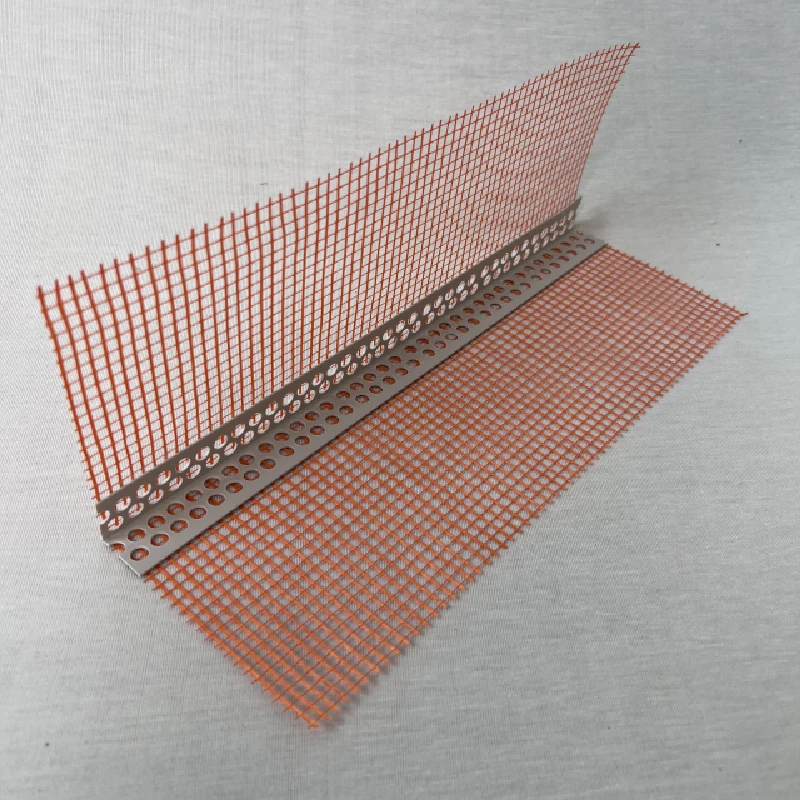
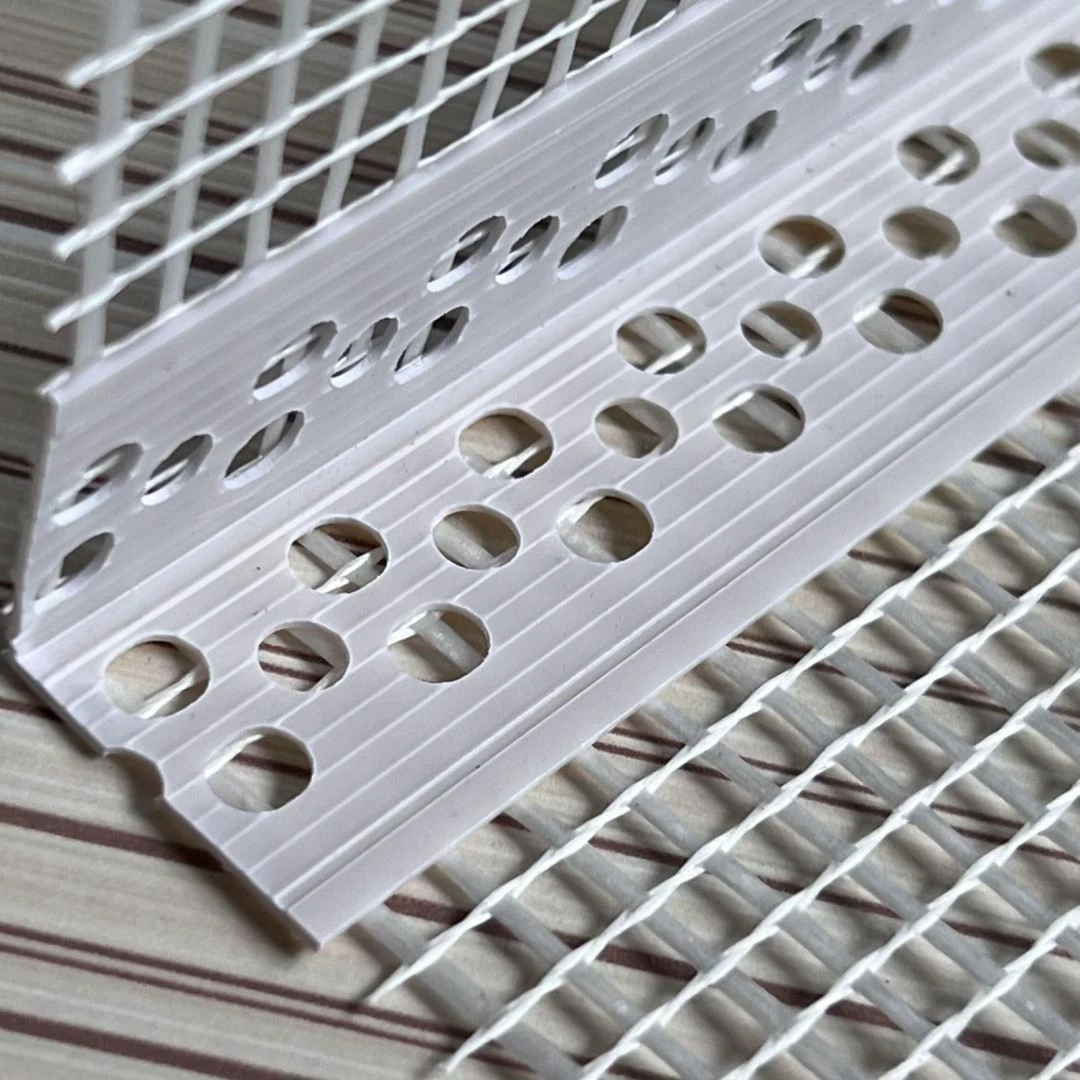
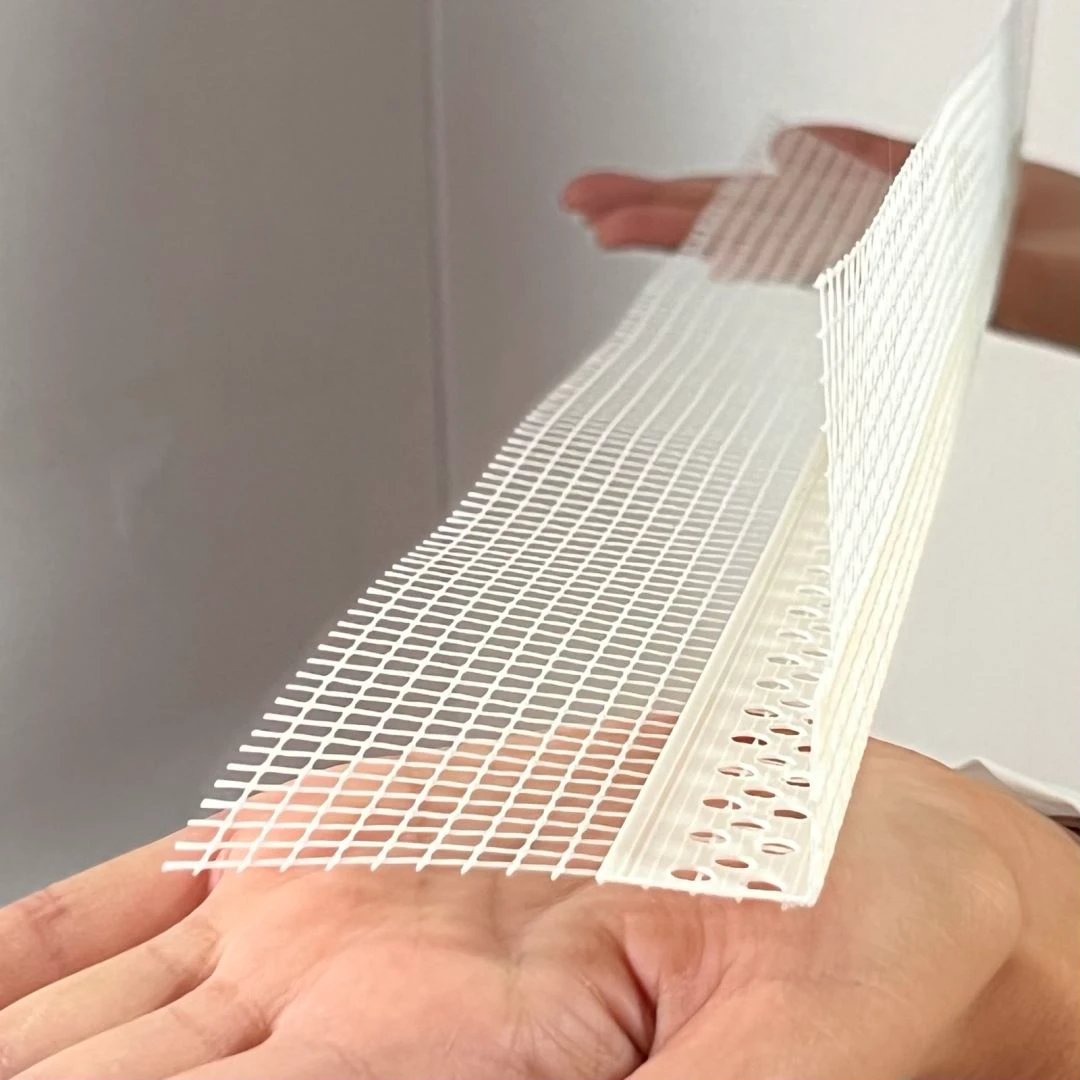
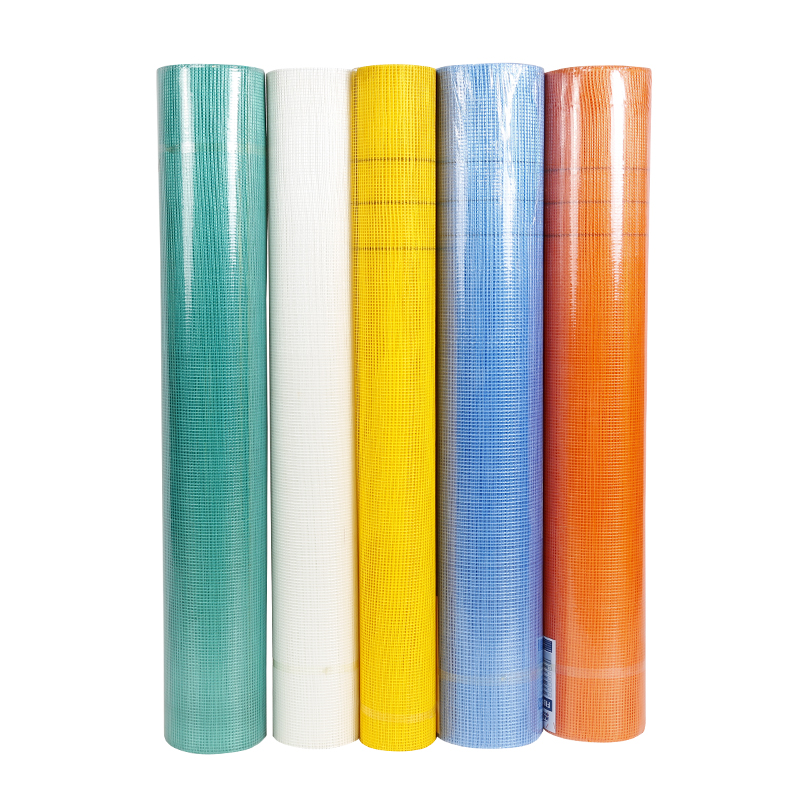
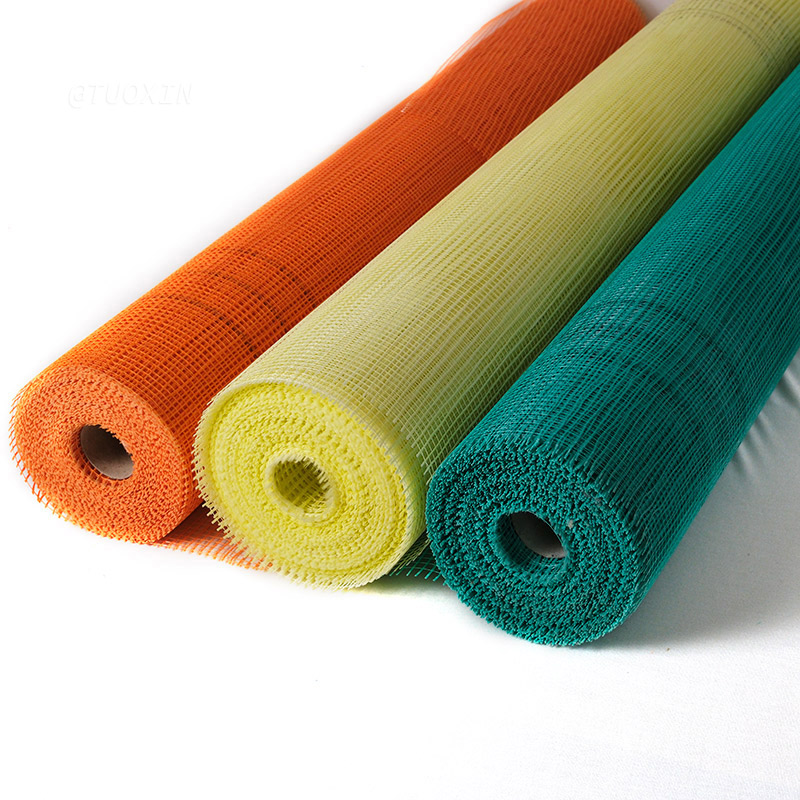
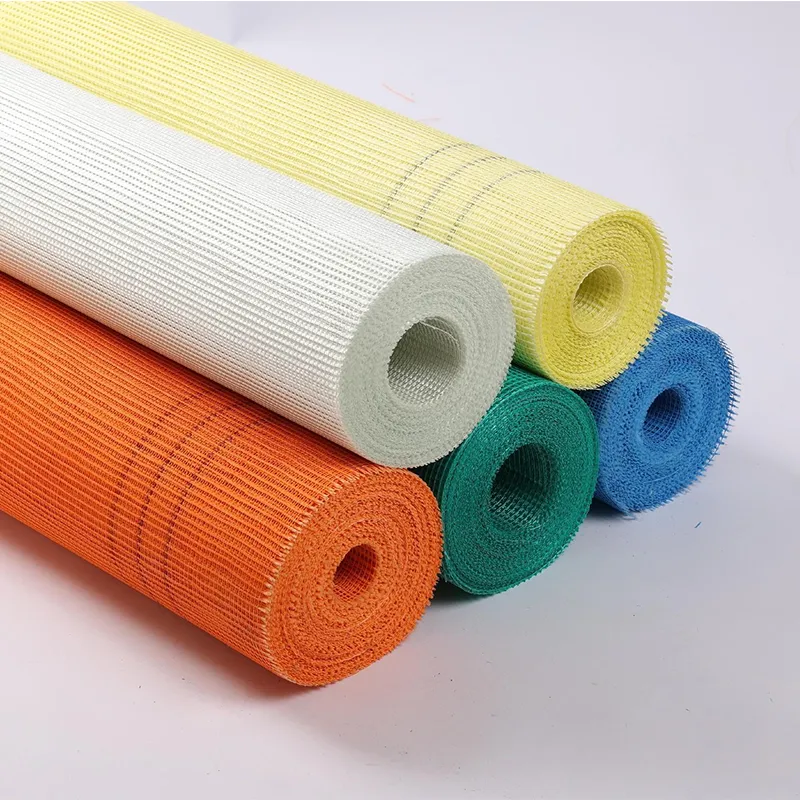
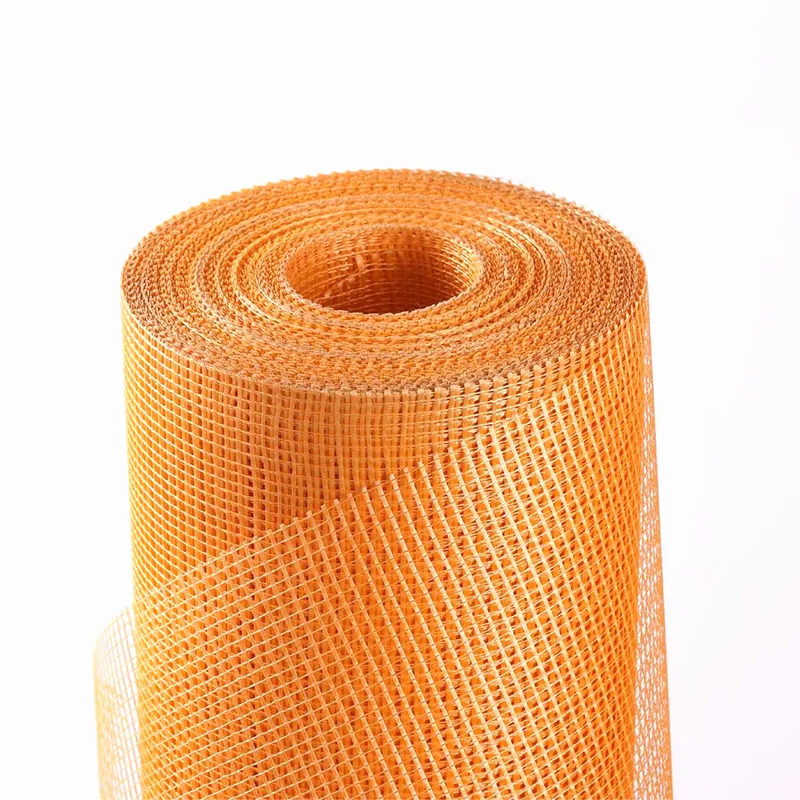
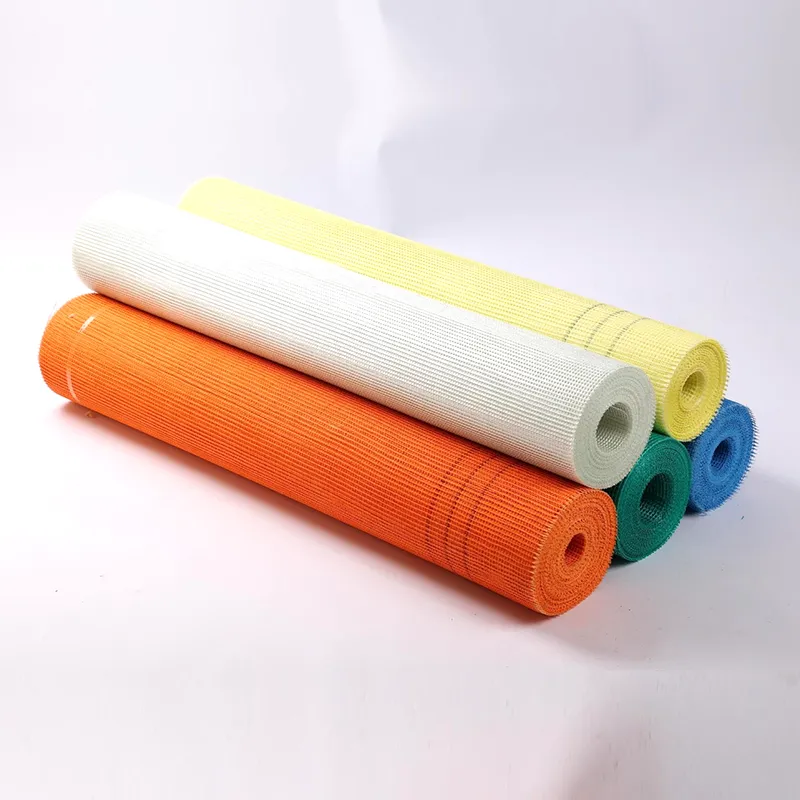
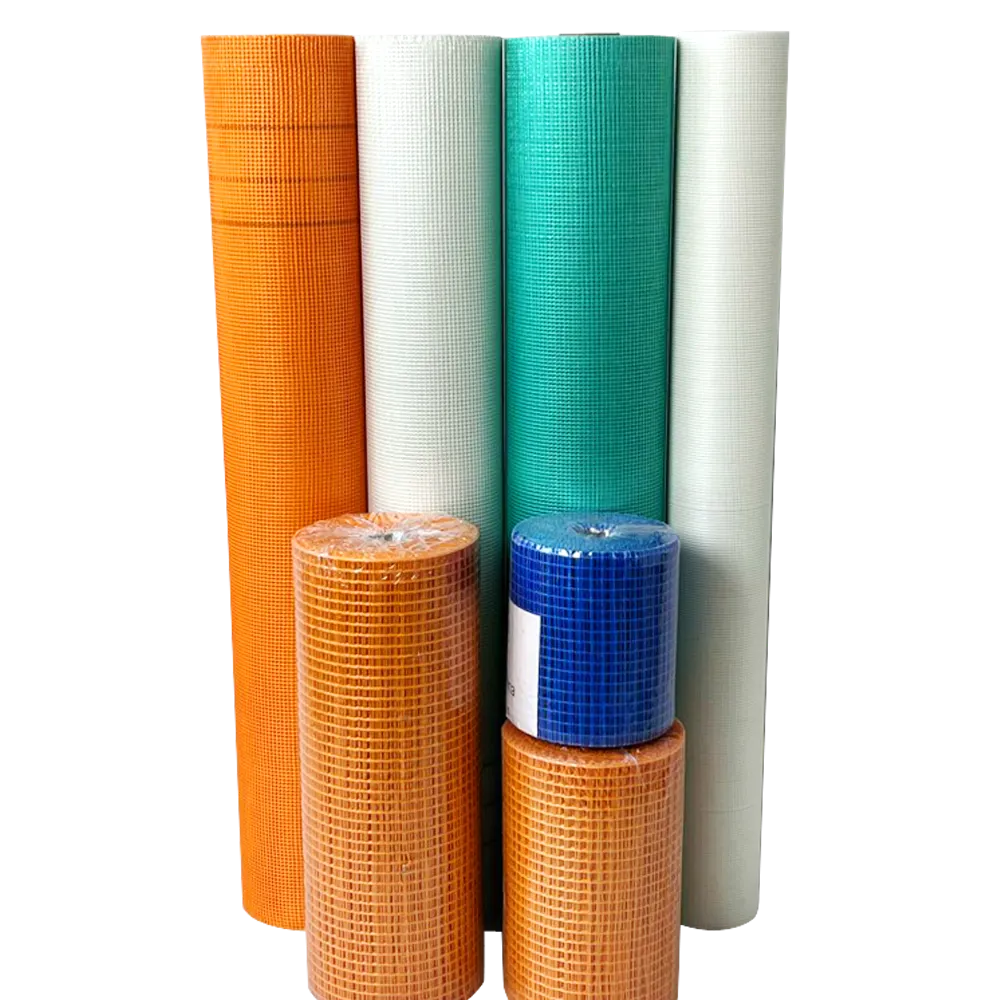
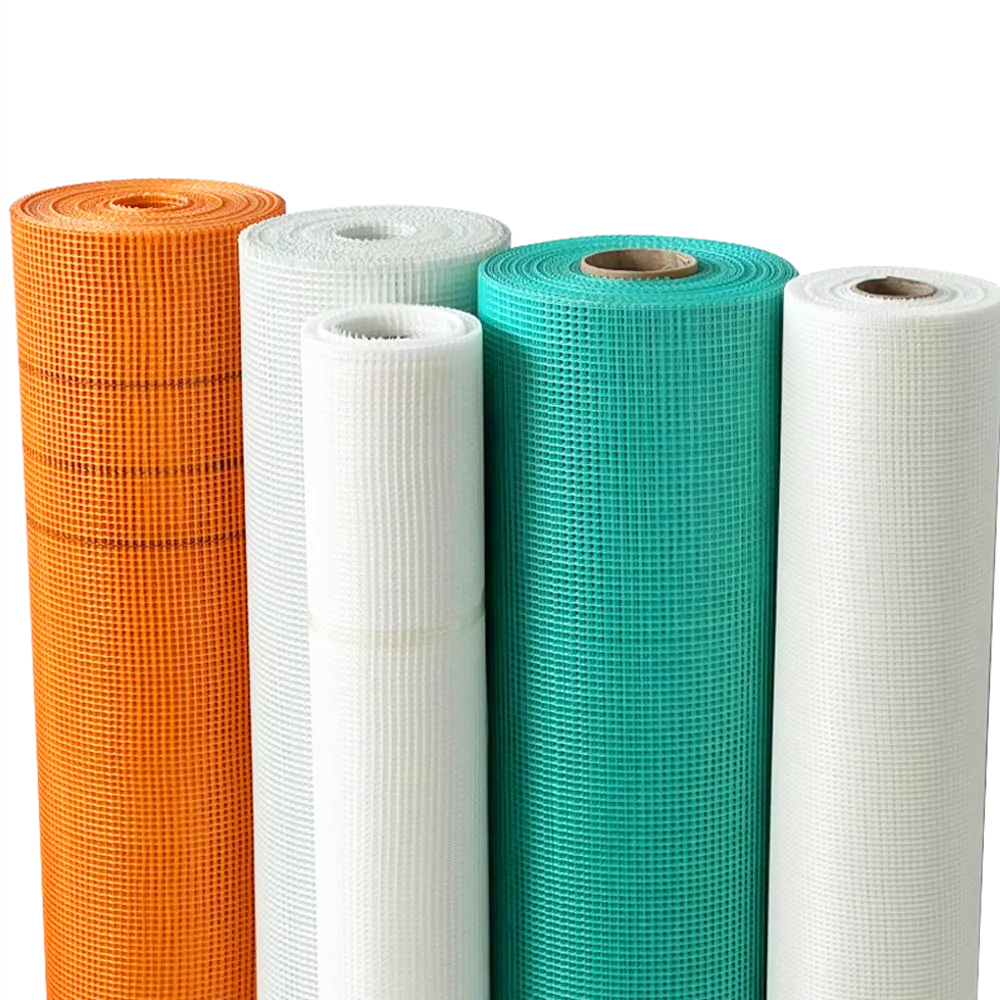
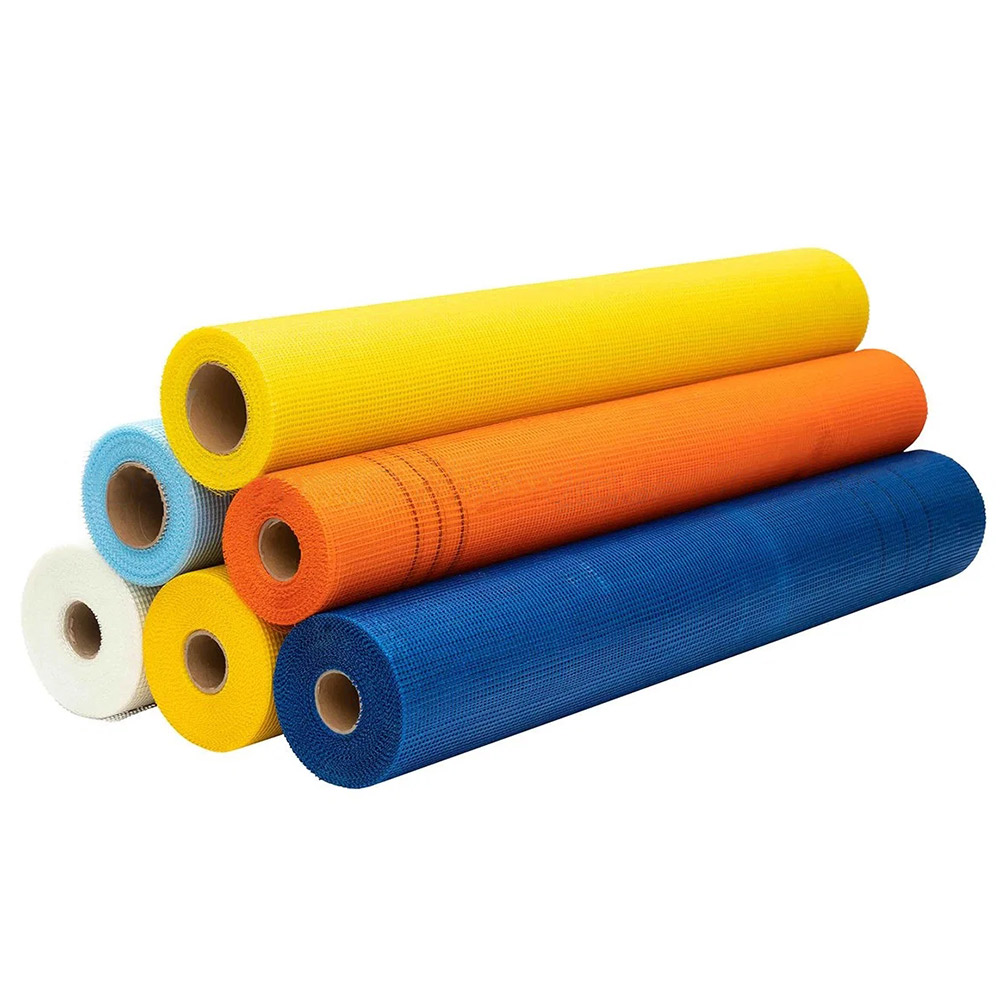
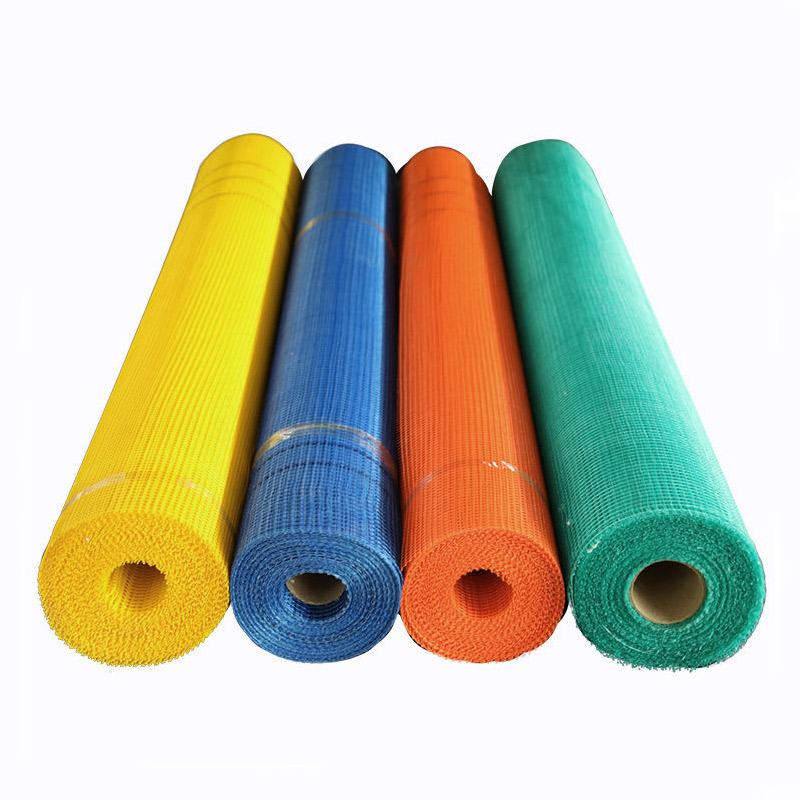
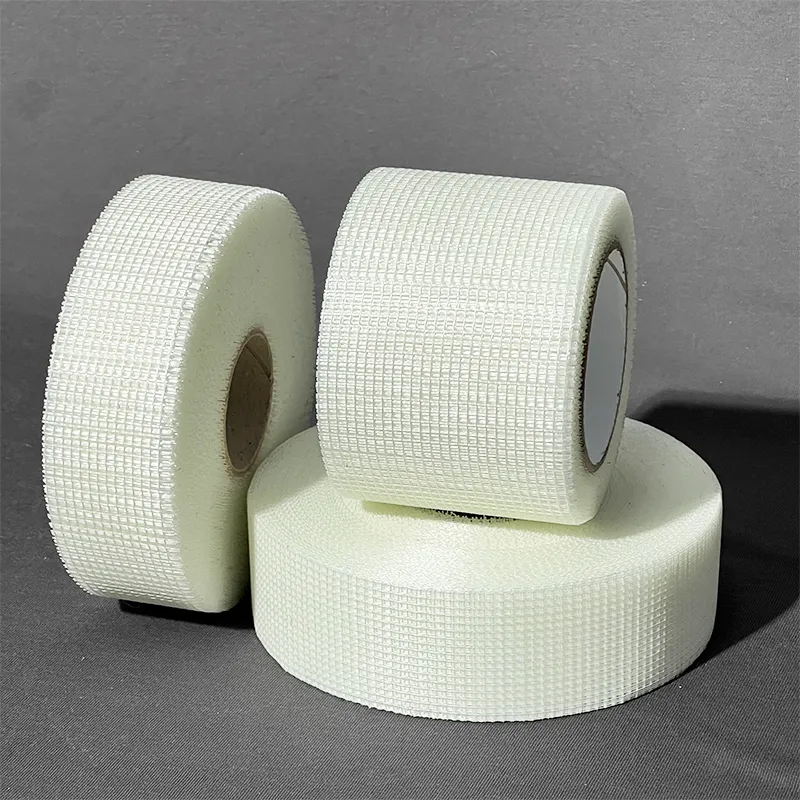
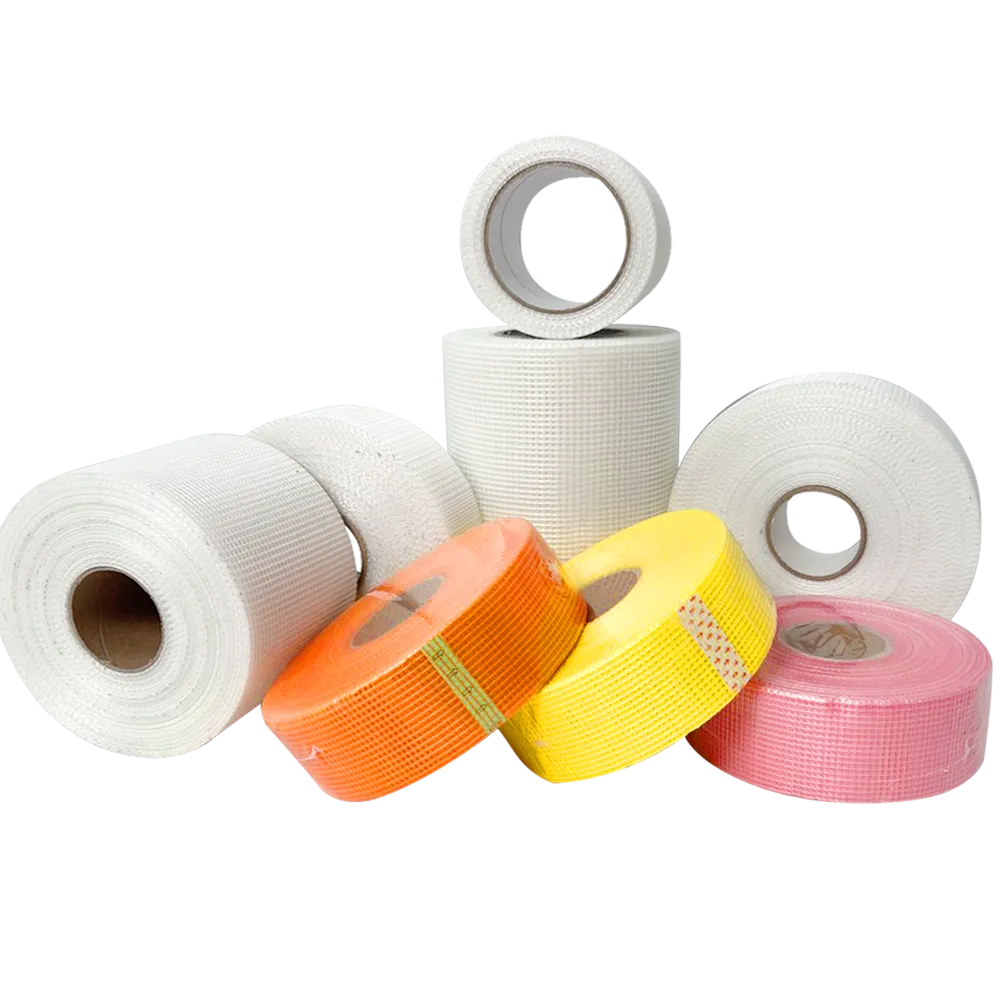
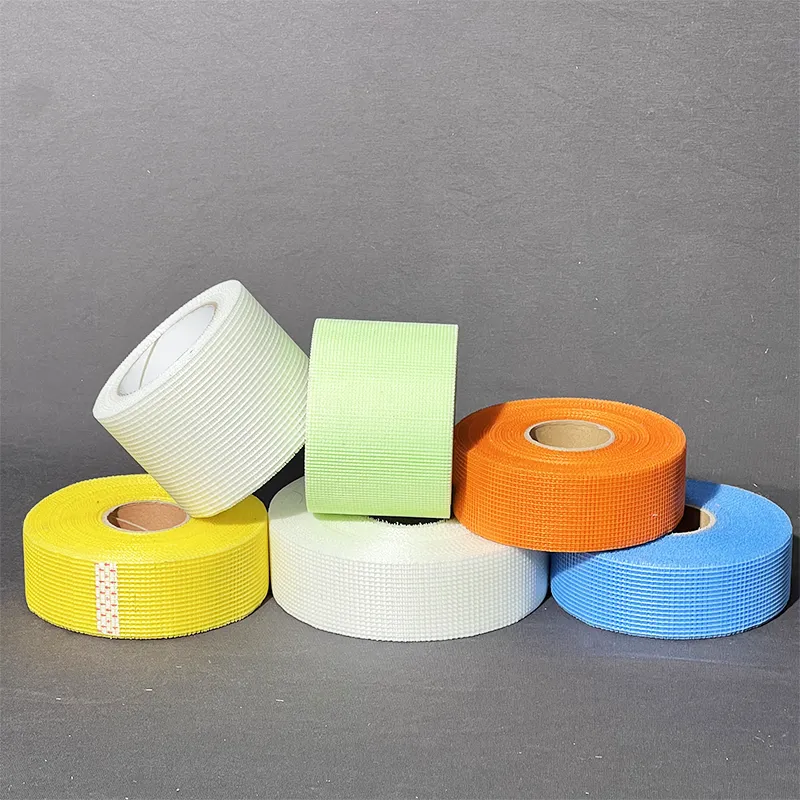
Simply put, plaster fiberglass mesh manufacturers produce fine mesh fabrics woven from fiberglass fibers, designed specifically to reinforce plaster, stucco, and cement-based materials. This mesh acts like a skeleton or a net inside the plaster, preventing typical fissures, cracking, and delamination — problems that can cause both cosmetic and structural failures over time. Their work ties directly into the construction industry but extends beyond into emergency housing, erosion control, and industrial thermal systems. Plaster fiberglass mesh is lightweight, resistant to alkaline substances (like cement), and non-corrosive — all crucial traits, especially when you consider the harsh environmental conditions many buildings face. So, these manufacturers don’t just make netting — they make buildings tougher, longer-lasting, and safer.Mini Takeaway:
Plaster fiberglass mesh manufacturers provide the essential reinforcement materials keeping modern walls intact and weatherproof, meeting critical industry needs for durability and sustainability.
Core Factors Defining Quality and Functionality
Durability and Chemical Resistance
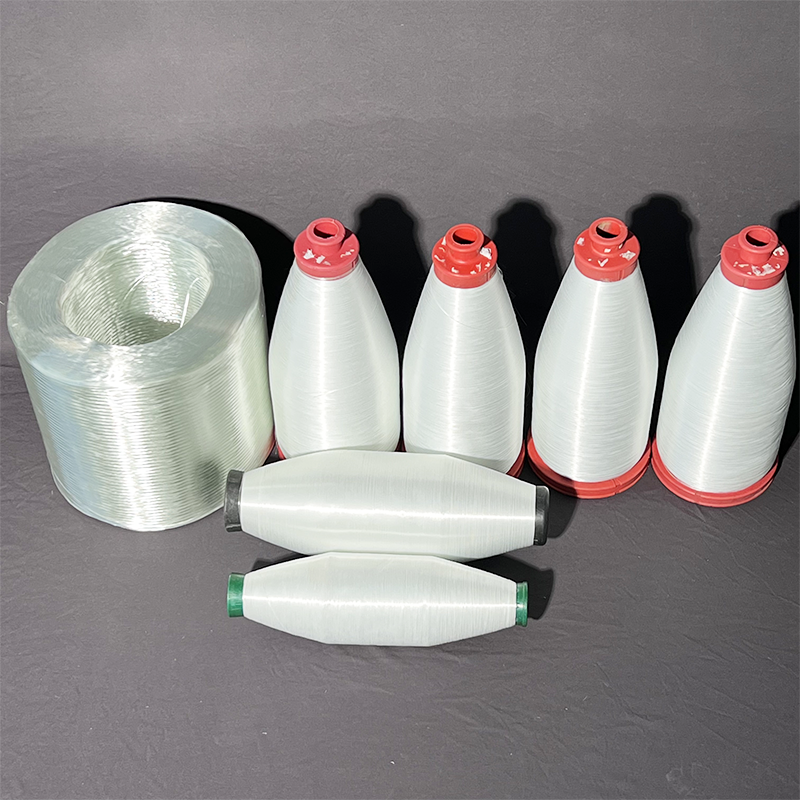
The very nature of plaster fiberglass mesh requires long-term resistance against alkaline attack from cement. Manufacturers focus heavily on using alkali-resistant (AR) fiberglass threads, which helps preserve mesh integrity over years, avoiding rust or breakdown that typical metallic reinforcement would face.Mesh Design and Aperture Size
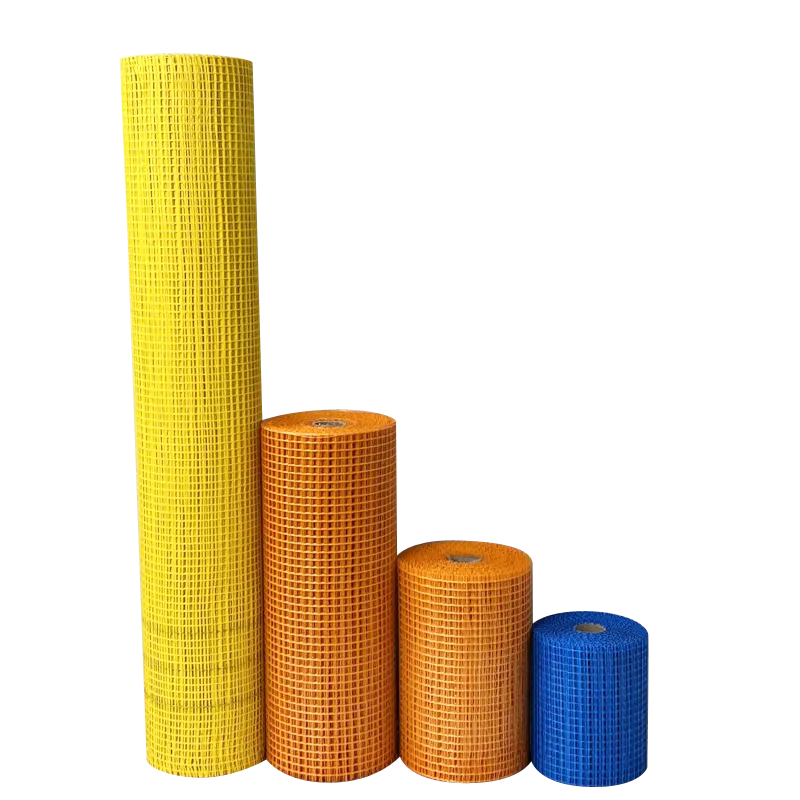
Not all meshes are created equal. Aperture size — that is, the size of the openings in the mesh — must be optimized for balancing adhesion and flexibility. Too large, and the plaster lacks consistent grip; too small, and it could interfere with plaster breathability or cause brittleness. Top manufacturers customize these parameters based on application — from façade stabilization to façade insulation finishing systems (EIFS).Cost Efficiency and Scalability
Advanced production lines now allow manufacturers to churn out massive volumes without compromising on quality or uniformity. This means projects, from sprawling urban developments to quick-on-foot disaster housing, can depend on consistent supplies. In real terms, many engineers say that good mesh reduces total lifecycle costs by cutting repair frequency.Customization & Standards Certification
Increasingly, customers want meshes tailored by weight, width, and strength to fit specific building codes worldwide. The leading plaster fiberglass mesh manufacturers offer ISO certification compliance and customized product lines — a fast-growing differentiator in a crowded market.How Are These Meshes Used in the Real World?
Let’s talk applications beyond the dusty plans and blueprints. In disaster relief operations — say after earthquakes or floods — fast-deploy mesh-reinforced plaster walls help create shelters that are quick to build but surprisingly robust. NGOs and UN agencies prioritize sourcing from reputable plaster fiberglass mesh manufacturers to ensure structures protect dignity and safety. Meanwhile, in regions like the Middle East or Southeast Asia, large infrastructure projects deploy fiberglass mesh within external wall insulation systems, optimizing energy efficiency and extending building life spans under extreme sun and humidity. Industrial zones rely on it for thermal insulation jacketing or metallic wall linings, where resistance to corrosion is paramount.| Specification | Typical Values | Remarks |
|---|---|---|
| Material | Alkali Resistant Fiberglass | Prevents chemical degradation |
| Mesh Aperture | 4 x 4 mm | Balances adhesion and breathability |
| Weight | 145 g/m2 | Standard for façade finishing |
| Roll Width | 1 m, 1.2 m | Commonly customized |
| Tensile Strength | >450 N/5 cm | Ensures structural support |
Mini Takeaway:
The practical use of plaster fiberglass mesh spans disaster relief and multi-industry urban projects alike — tailored performance and design keep it versatile.
Advantages That Go Beyond the Surface
There’s more than just physical toughness to this product category. Economically, using quality plaster fiberglass mesh translates to lower repair and maintenance costs for property owners — which frankly is gold in developing regions where resources are pressured. Environmentally, fibrous mesh avoids the energy-intensive mining and smelting like steel rebars do, reducing a project’s carbon footprint. Socially, it raises the bar for safety, offering buildings that protect inhabitants even when conditions turn difficult. This has psychological value: residents knowing their homes can withstand the elements (and time) adds peace of mind that’s easy to overlook but immeasurable in effect. Plus, the innovation in production is fostering newer, lighter meshes that cut transport emissions and enable rapid deployment — occasionally making modular housing innovation feasible and affordable.Emerging Trends and Innovations
The future for plaster fiberglass mesh manufacturers feels pretty dynamic. Industry insiders track breakthroughs like embedding nanotechnology coatings that repel moisture or developing hybrid meshes combining fiberglass with basalt fibers to boost fire resistance. Sustainability also continues as a theme — recycled raw materials and reduced plastic waste from packaging. Digitization is nudging manufacturers towards automating quality control through AI-powered cameras on production lines, catching flaws before they create major headaches on the job site. Regulatory shifts in many countries demand higher technical standards to reduce building failures, encouraging manufacturers to innovate their product testing and certification rigorously.Challenges on the Horizon—and Ways Forward
Nevertheless, challenges persist. Price competition from unregulated suppliers can undermine trust and market stability. Another issue is educating end-users — plaster applicators and builders — about the vital differences one brand or weave might offer over another, which affects performance in subtle but important ways. Experts suggest stronger partnerships between manufacturers and building standards bodies could promote broader industry knowledge. Offering modular training workshops or digital resources — for example, plaster fiberglass mesh manufacturers collaborating with applicators — could help close the gap.FAQs on Plaster Fiberglass Mesh Manufacturers
- Q: What makes fiberglass mesh better than traditional metal mesh for plaster?
Fiberglass mesh is alkali-resistant and doesn't corrode, unlike metal mesh, which can rust and cause plaster deterioration. It’s lighter, easier to handle, and less expensive over time due to its longevity. - Q: How do manufacturers ensure quality and consistency in mesh production?
Leading manufacturers employ ISO-certified processes, advanced weaving machinery, and thorough inspections—including tensile testing and chemical resistance—to maintain uniformity and safety. - Q: Can plaster fiberglass mesh be used for outdoor wall insulation?
Absolutely. Mesh supports Exterior Insulation Finishing Systems (EIFS), enhancing adhesion and crack resistance while withstanding weather extremes, making it a staple in energy-efficient building envelopes. - Q: How do I select the right plaster fiberglass mesh for my construction project?
Consider factors like mesh weight, aperture size, tensile strength, and alkali resistance depending on your plaster type and climatic conditions. Consulting with manufacturers can provide tailored recommendations.
Conclusion: Building a Stronger Future, Fiber by Fiber
Understanding plaster fiberglass mesh manufacturers isn’t just a technical niche – it’s about recognizing the fabric weaving into our homes, workplaces, and shelters worldwide. Their materials enable safer, longer-lasting structures that last against both time and tide, supporting economic sense and emotional security alike. Whether you’re an architect, engineer, or project manager, these manufacturers deserve a look when aiming for quality outcomes in your plaster and stucco endeavors. To explore trusted suppliers and tailor-made mesh solutions, I recommend visiting plaster fiberglass mesh manufacturers for the latest products and expert guidance.References:
- International Organization for Standardization (ISO)
- World Bank – Urban Development
- Wikipedia: Fiberglass
| Company | Product Range | Global Reach | Certifications | Price Tier |
|---|---|---|---|---|
| Tainuo Fiberglass | Standard & custom meshes, coated varieties | Asia, Europe, North America | ISO 9001, CE | Mid-range |
| Fiberguard Solutions | High-strength, fire-resistant meshes | Global (50+ countries) | ISO 14001, UL Listed | Premium |
| EcoMesh International | Recycled material meshes, eco-certified | Europe, Australia | FSC, ISO 9001 | Competitive |
Latest news
-
Best Fiberglass Mesh Tape for RedGard Product Waterproofing GuideNewsApr.16,2026
-
Why High Strength Fiberglass Mesh Is Essential For Stucco ApplicationNewsApr.15,2026
-
Why Alkali Resistant Fiberglass Mesh Tape Is Essential For Cement Board And Tile InstallationsNewsApr.15,2026
-
Understanding The Role Of Drywall Fiberglass Mesh In Interior FinishingNewsApr.15,2026
-
Ultimate Guide To Using Fiberglass Mesh Tape For Drywall And Plaster RepairsNewsApr.15,2026
-
The Versatility Of Fiberglass Mesh In Marble And Stone MosaicNewsApr.15,2026
Products categories