Dec . 03, 2025 14:34 Back to list
Durable Plaster Mesh Roll for Industrial Construction | Tainuo Fiberglass
Why the plaster mesh roll remains an industrial staple
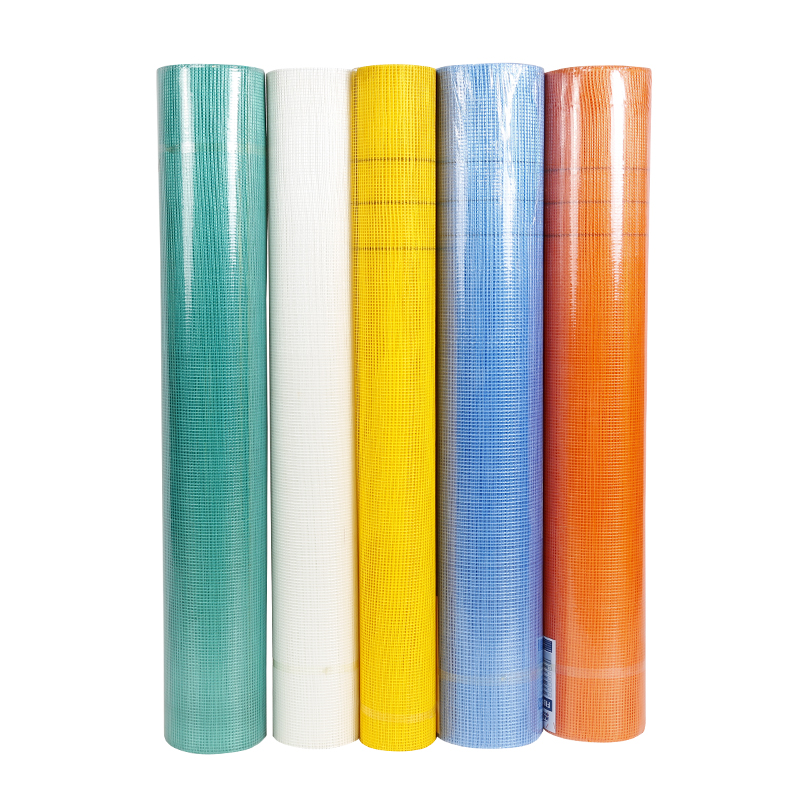
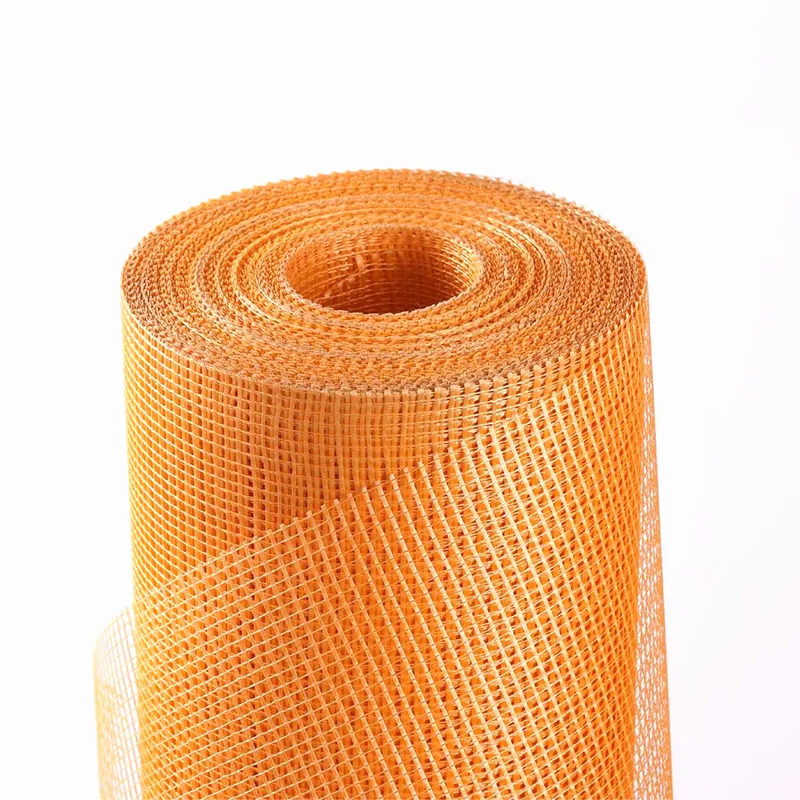
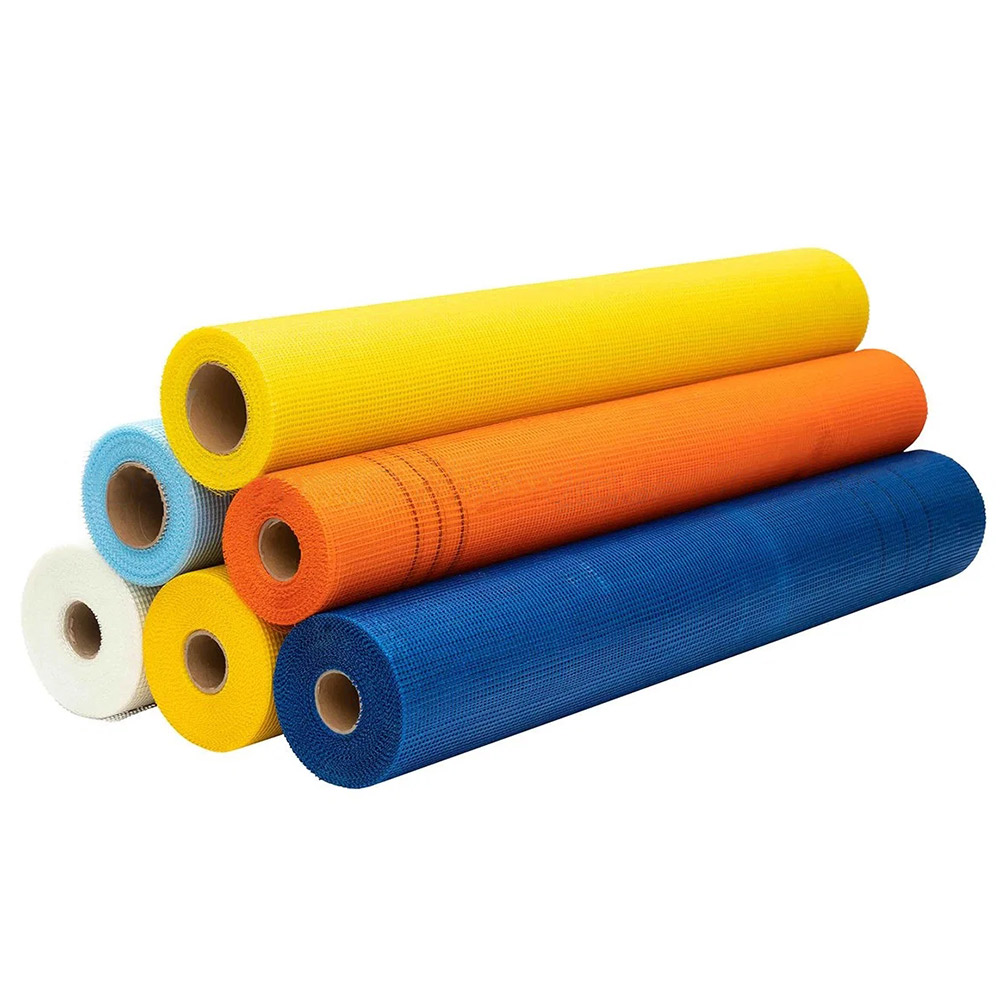
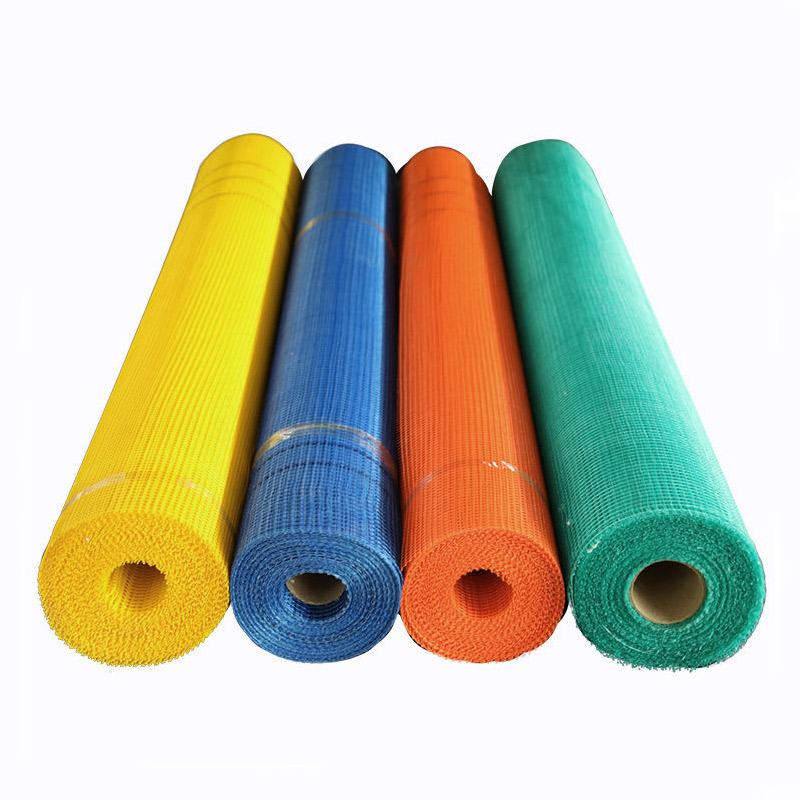
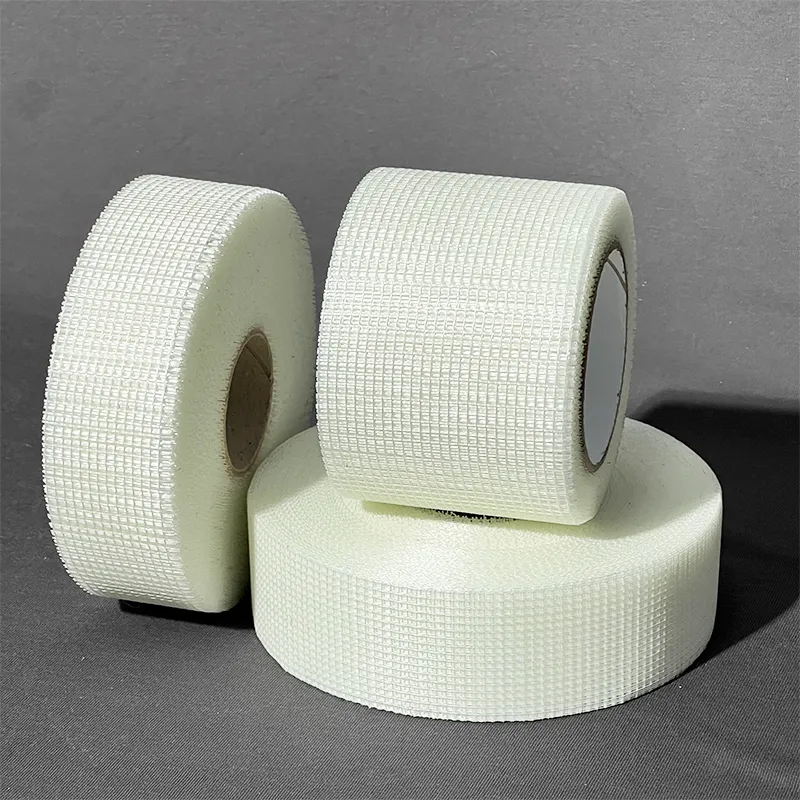
Having spent quite a few years navigating the twists and turns of the industrial equipment world, I can say one thing for sure: when it comes to plastering jobs, the right mesh makes all the difference. Oddly enough, many projects that look straightforward actually hinge on a single product — the plaster mesh roll. You might think it’s just some woven fabric, but in reality, it’s a carefully engineered material designed to reinforce plaster and ensure longevity.
I remember a project a few years back where a contractor was struggling with wall cracking issues. They hadn’t used a reliable mesh. Once we introduced a good-quality plaster mesh roll, the difference in durability was night and day. It's not just a convenience; it's foundational to the job.
What exactly is a plaster mesh roll?
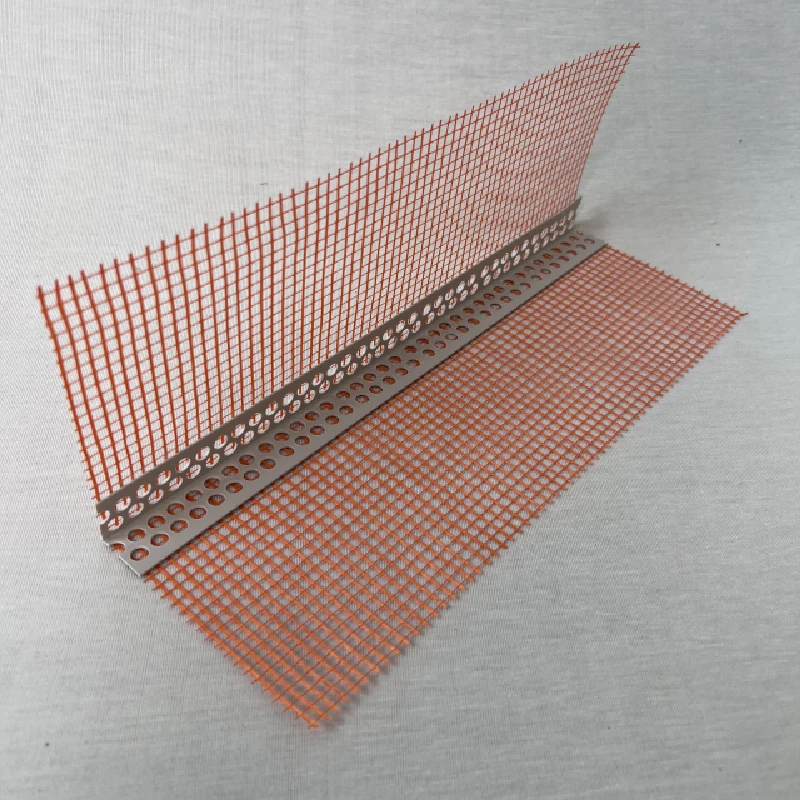
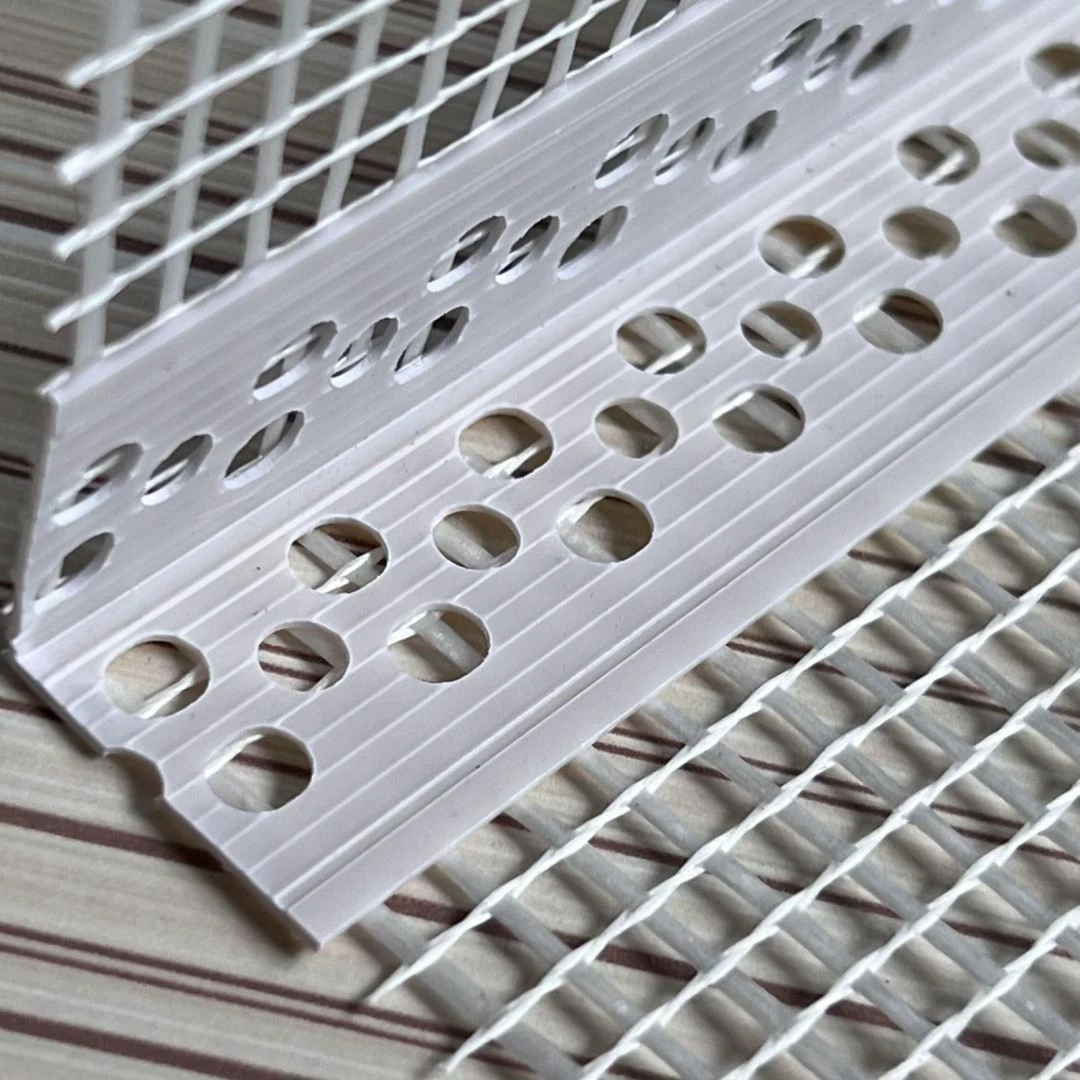
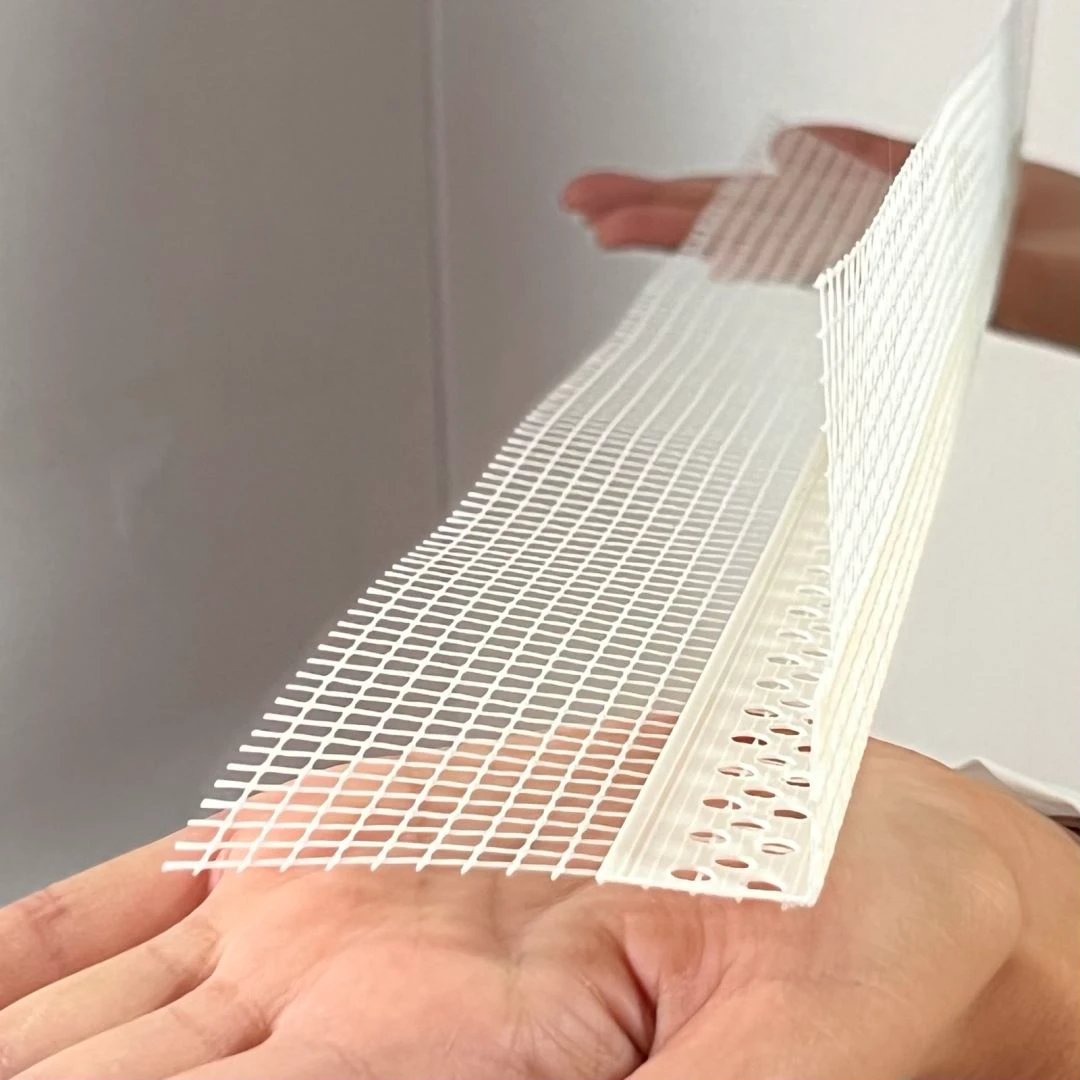
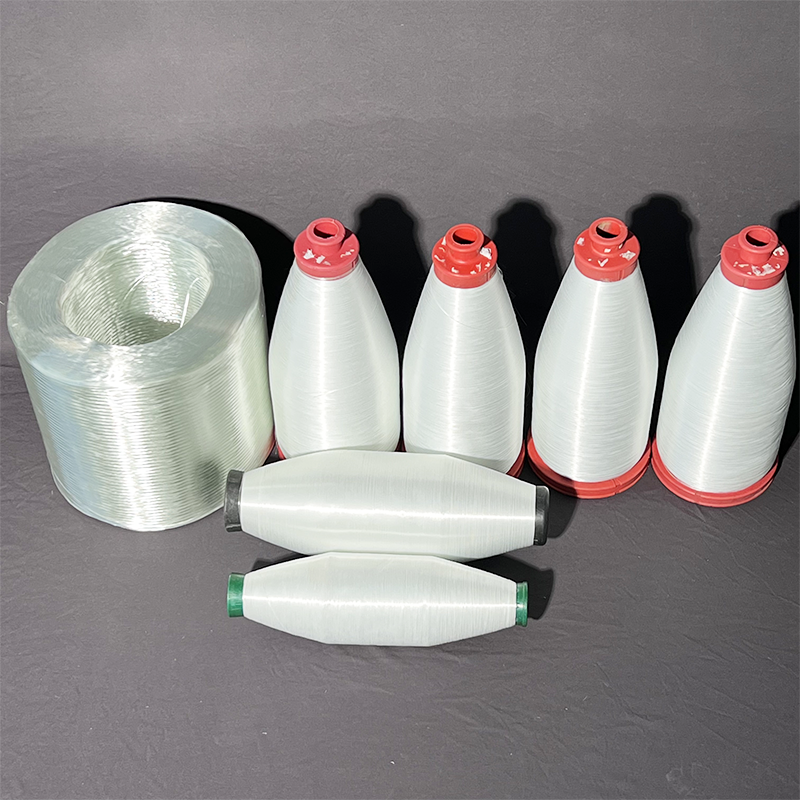
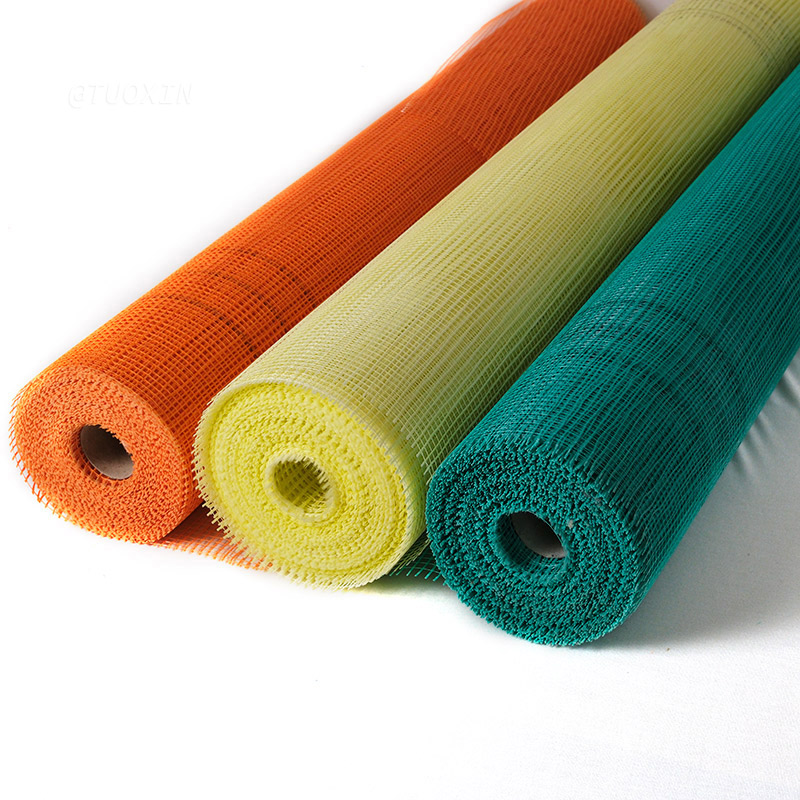
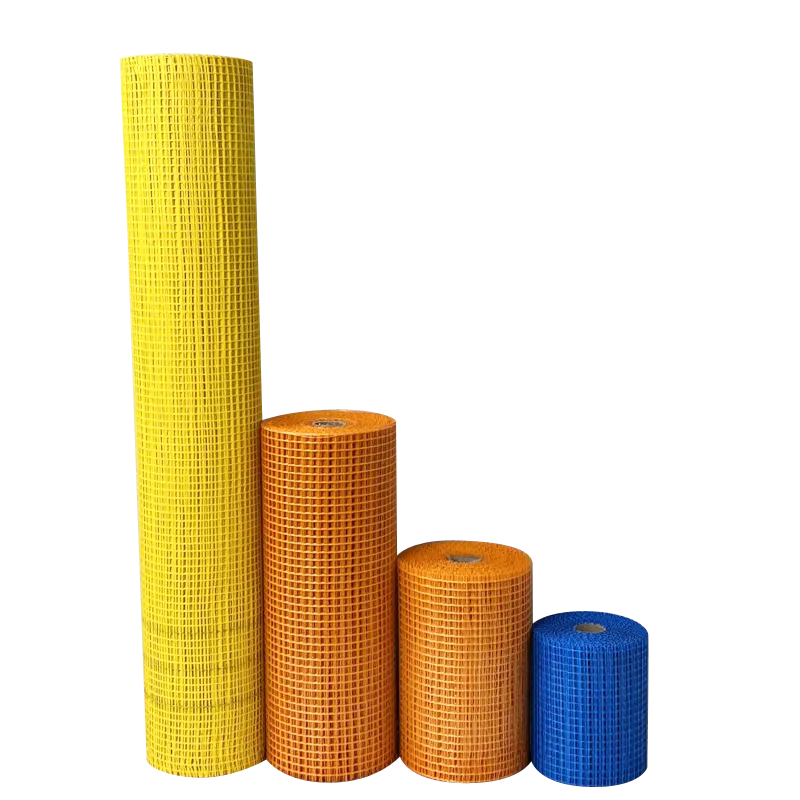
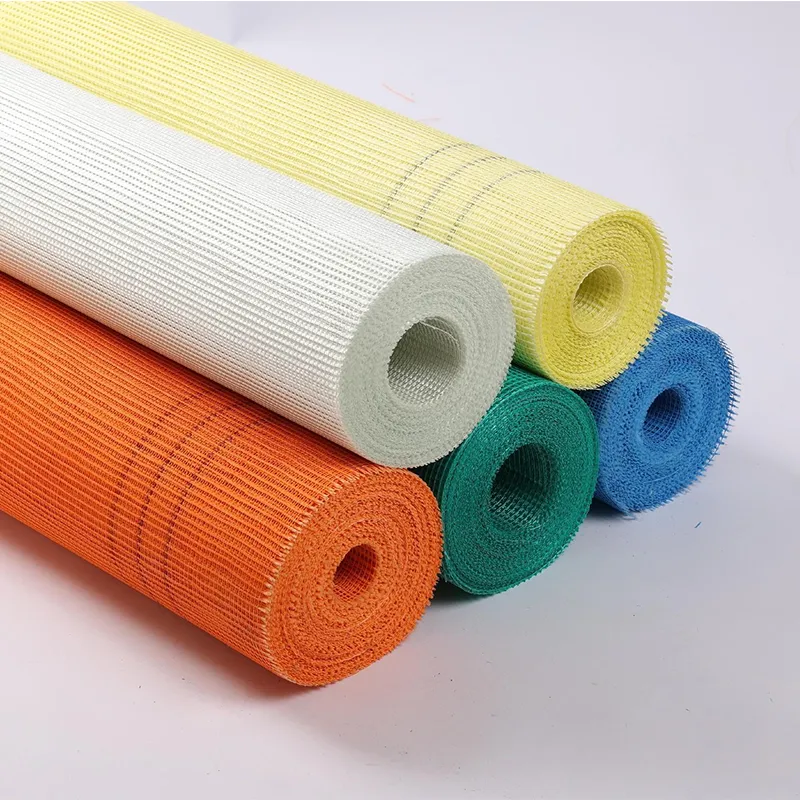
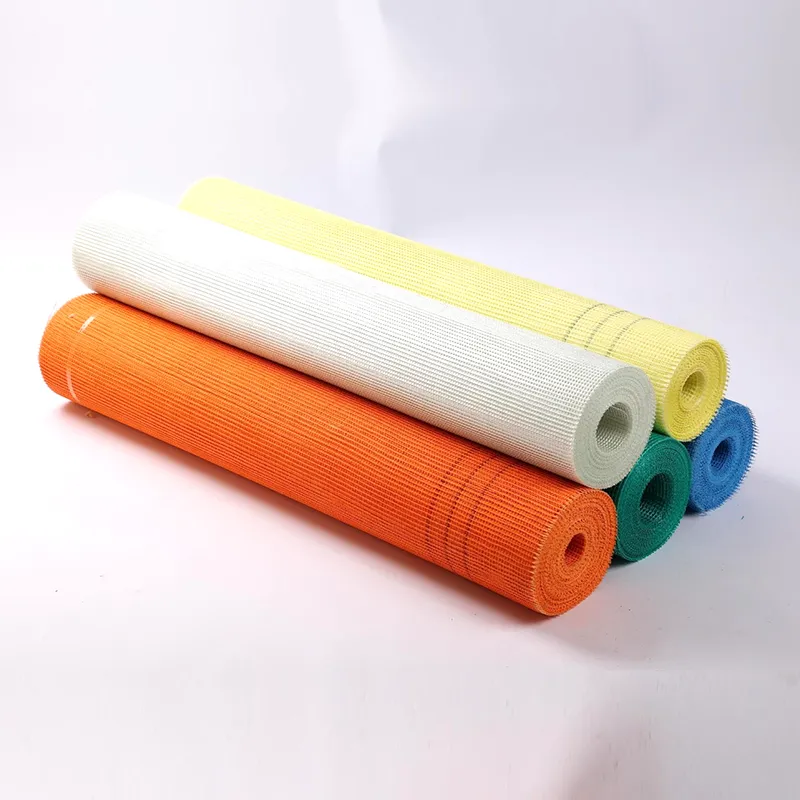
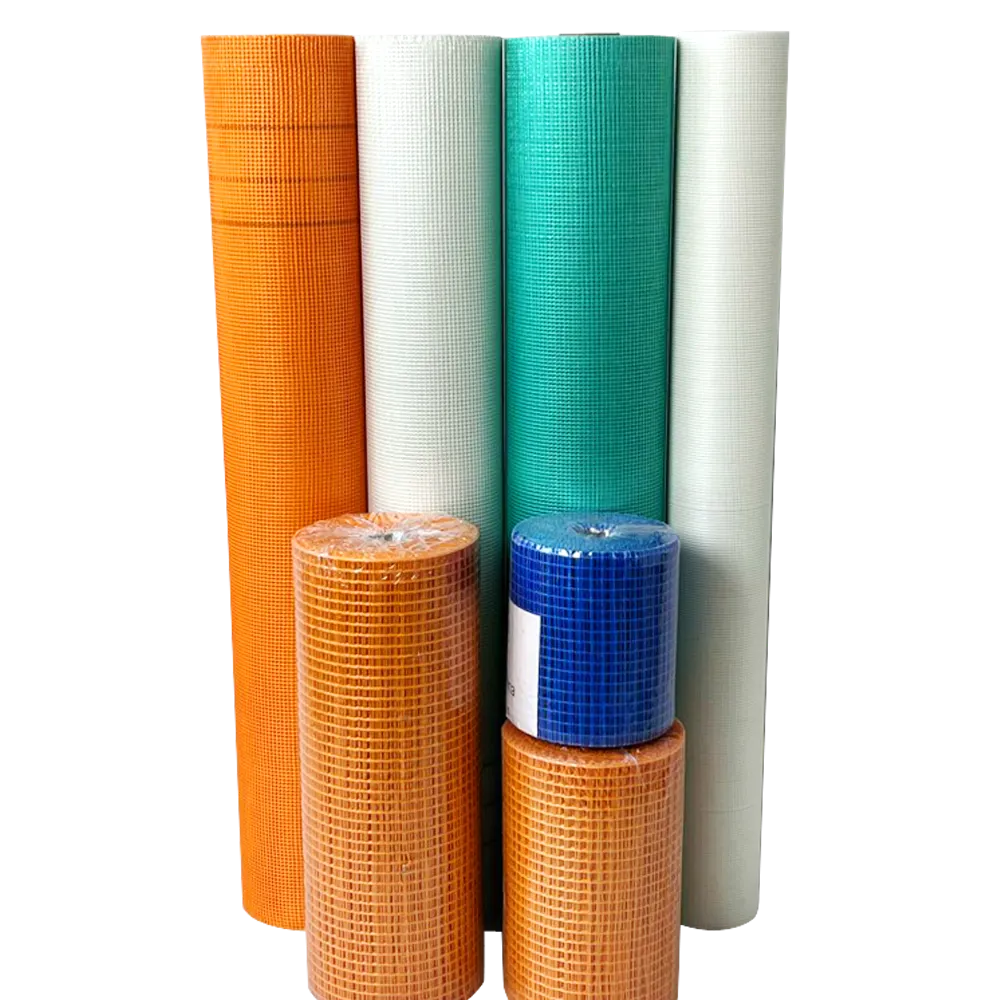
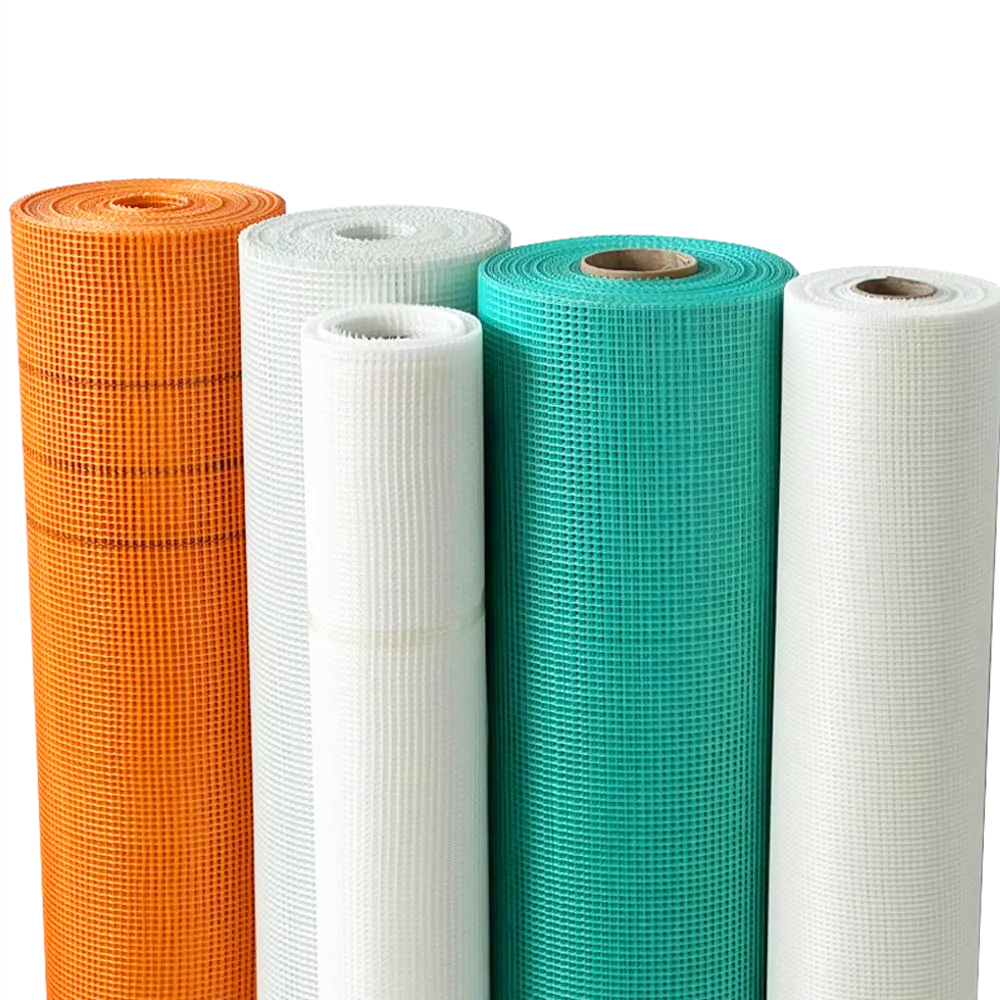
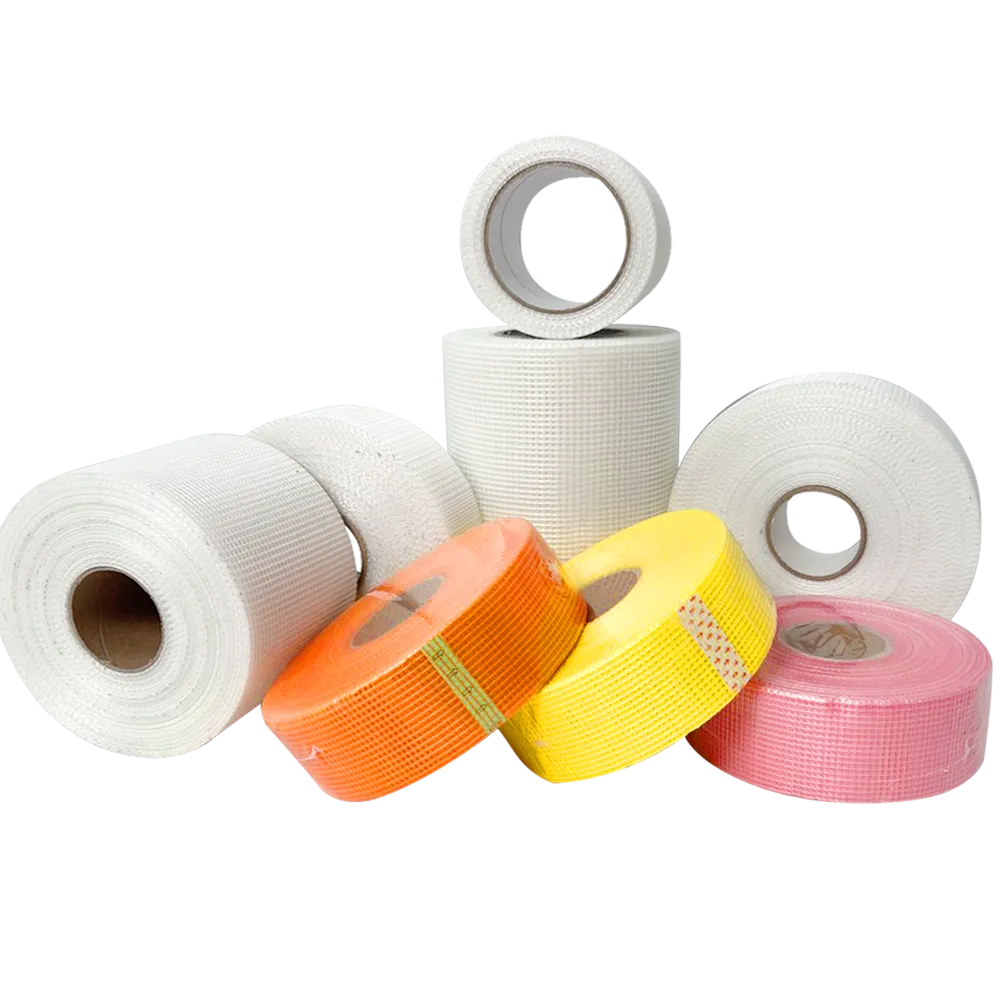
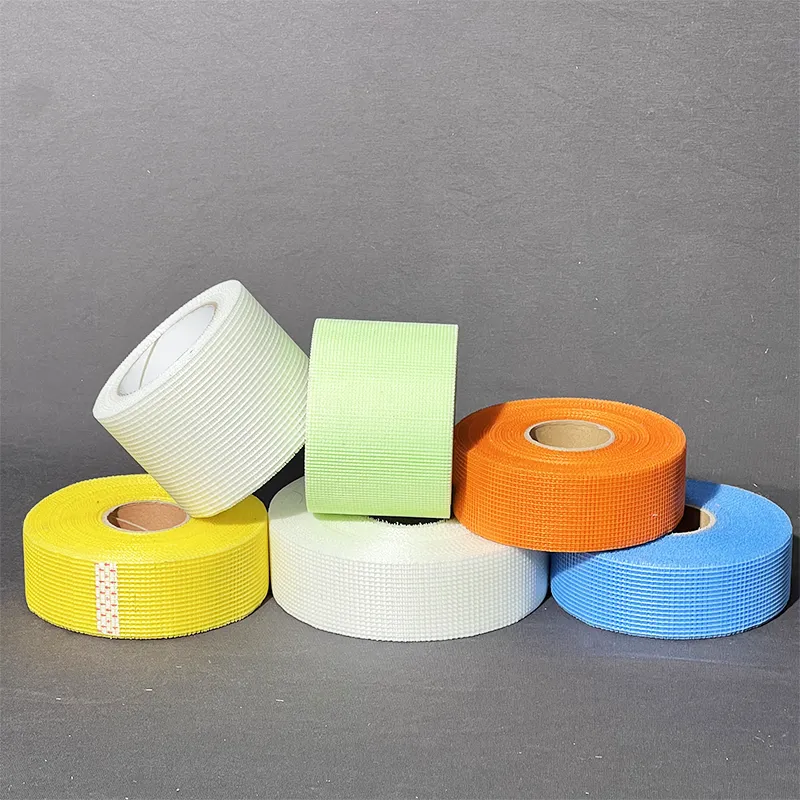
In simple terms, it’s a roll of fiberglass fabric, usually coated with alkali-resistant (AR) treatment to survive the harsh, caustic environment of cement and plaster mixtures. These rolls are laid into the plaster layers to enhance mechanical bonding, reduce fissures, and improve impact resistance. Plaster mesh rolls aren’t one-size-fits-all. Based on the weave pattern, coating, thickness, and roll width, each product targets specific applications — from interior wall reinforcement to exterior facade stabilization.
Key features to watch out for in plaster mesh rolls:
| Feature | Specification | Typical Benefit |
|---|---|---|
| Material | Fiberglass with AR coating | Resistance to alkaline plaster/cement |
| Mesh Size | 4x4 mm – 10x10 mm | Optimized bonding & flexibility |
| Roll Width | 100 mm – 1000 mm | Fits diverse wall sizes |
| Tensile Strength | >700 N/5cm | Durability under stress |
| Weight | 50 – 160 g/m² | Balance of strength & workability |
Comparing vendors: What I look for
Over time, I've narrowed down some key criteria when choosing where to source plaster mesh rolls. Not all fiberglass meshes are created equal — quality control, coating thickness, and flexibility are all telling. Here’s a snapshot summary of a few suppliers I’ve worked with or reviewed:
| Vendor | AR Coating Quality | Flexibility | Roll Width Options | Lead Time |
|---|---|---|---|---|
| Tainuo Fiberglass | High, consistent | Excellent (easy to cut/handle) | 100 mm to 1000 mm | 2-3 weeks |
| Generic Supplier A | Medium | Rigid, less forgiving | 150 mm to 600 mm | 1-2 weeks |
| Supplier B (low-cost) | Low | Brittle, prone to cracking | 100 mm fixed width | 1 week |
From hands-on experience (and feedback I trust from many engineers), investing a little more in a proven brand like Tainuo Fiberglass pays off. You avoid headaches digging through crack repair and downtime.
Industry trends and customization
Today, there’s a subtle but growing trend towards customization. Industrial projects increasingly call for adapted mesh widths or specialized coatings — sometimes flame retardant, other times with added UV protection for exterior applications. I’ve noticed, too, that lighter-weight meshes are getting traction in eco-conscious builds aiming to reduce material waste without compromising strength.
Regardless of the exact specs, testing standards are rigorous — tensile strength, alkali resistance, and elongation test results must be verifiable. I suppose, with the push for better quality interiors and facades, these small technical details make a big visual and structural difference down the line.
So, if you’re stocking up on plaster reinforcing materials, a quick tip: keep an eye on the coating integrity and mesh flexibility. Both can be subtle but mighty players in how your plaster stands up to the test of time and temperature swings.
In closing, it feels like the plaster mesh roll is the kind of “unsung hero” product in construction — you don't always see it, but you sure notice when it’s missing or subpar.
References:
- Industry standard testing protocols for fiberglass mesh (ASTM C-1063)
- Concrete Reinforcement Trends 2023 – Journal of Building Materials
- Case study: Wall Crack reduction using AR coated fiberglass mesh, Industrial Construction Monthly
-
Best Fiberglass Mesh Tape for RedGard Product Waterproofing GuideNewsApr.16,2026
-
Why High Strength Fiberglass Mesh Is Essential For Stucco ApplicationNewsApr.15,2026
-
Why Alkali Resistant Fiberglass Mesh Tape Is Essential For Cement Board And Tile InstallationsNewsApr.15,2026
-
Understanding The Role Of Drywall Fiberglass Mesh In Interior FinishingNewsApr.15,2026
-
Ultimate Guide To Using Fiberglass Mesh Tape For Drywall And Plaster RepairsNewsApr.15,2026
-
The Versatility Of Fiberglass Mesh In Marble And Stone MosaicNewsApr.15,2026