Dec . 31, 2025 09:30 Back to list
Fiberglass Mesh for EIFS Quotes – Durable & Quality Materials
Fiberglass Mesh for EIFS Quotes: What You Really Need to Know
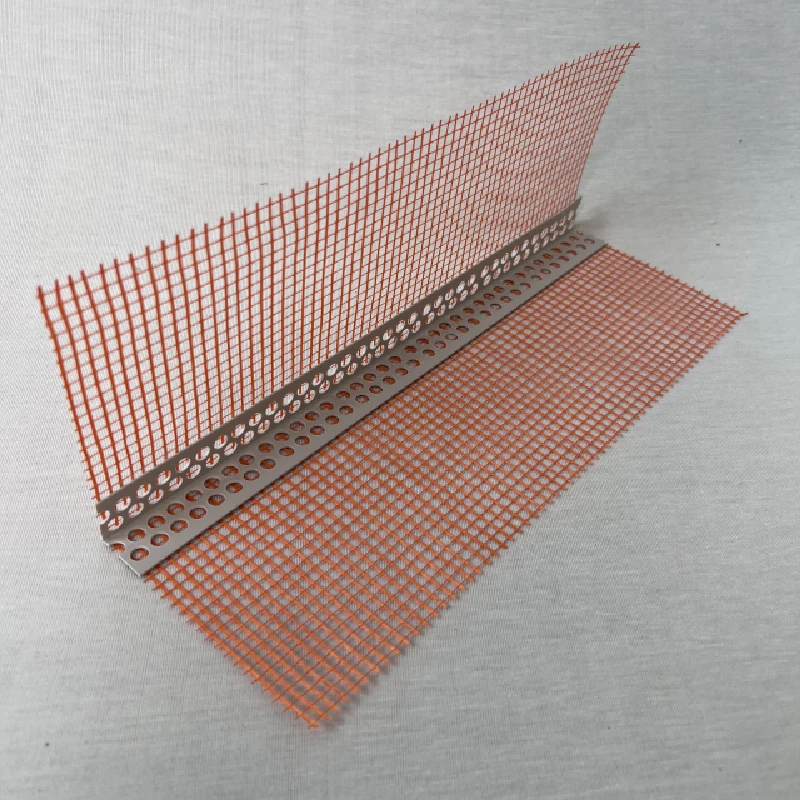
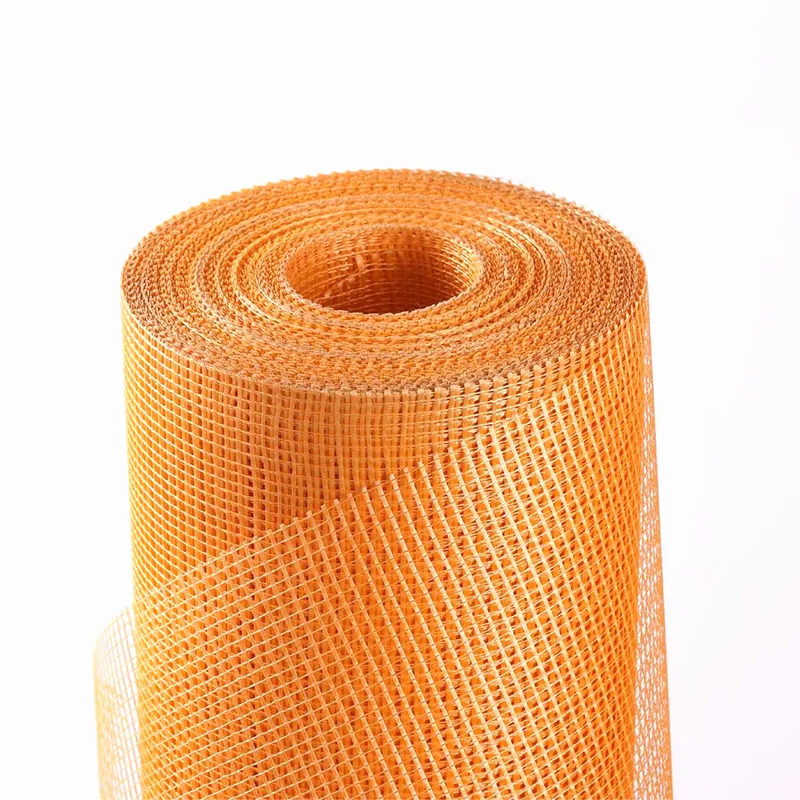
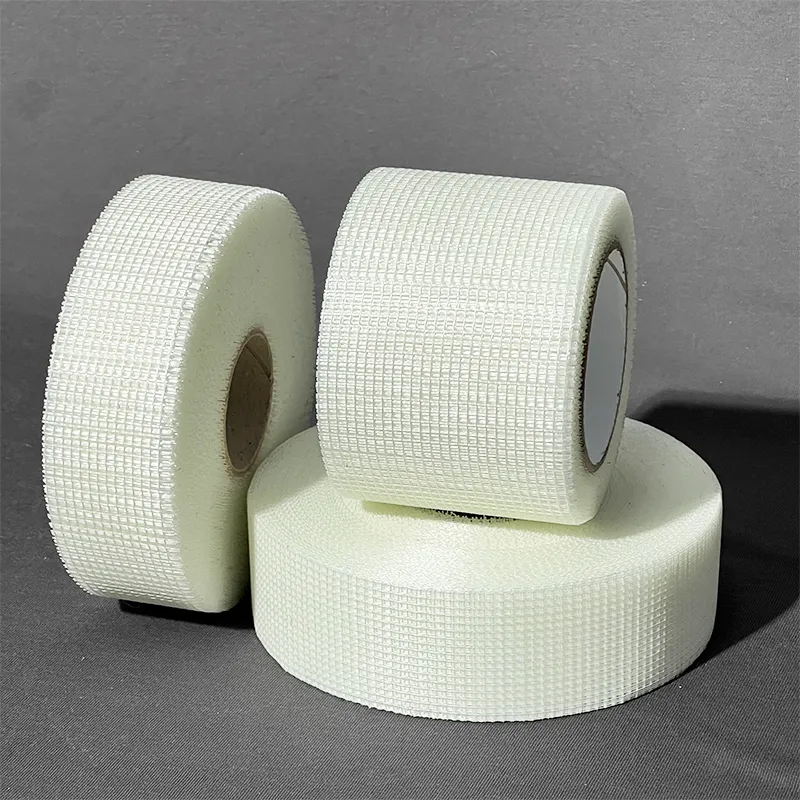
Having spent years navigating the twists and turns of industrial equipment—especially within the exterior insulation finishing system (EIFS) world—I've seen firsthand how the right materials can make or break a project. Fiberglass mesh is one of those unsung heroes that doesn't get enough spotlight, but frankly, it's pivotal for durability and performance.
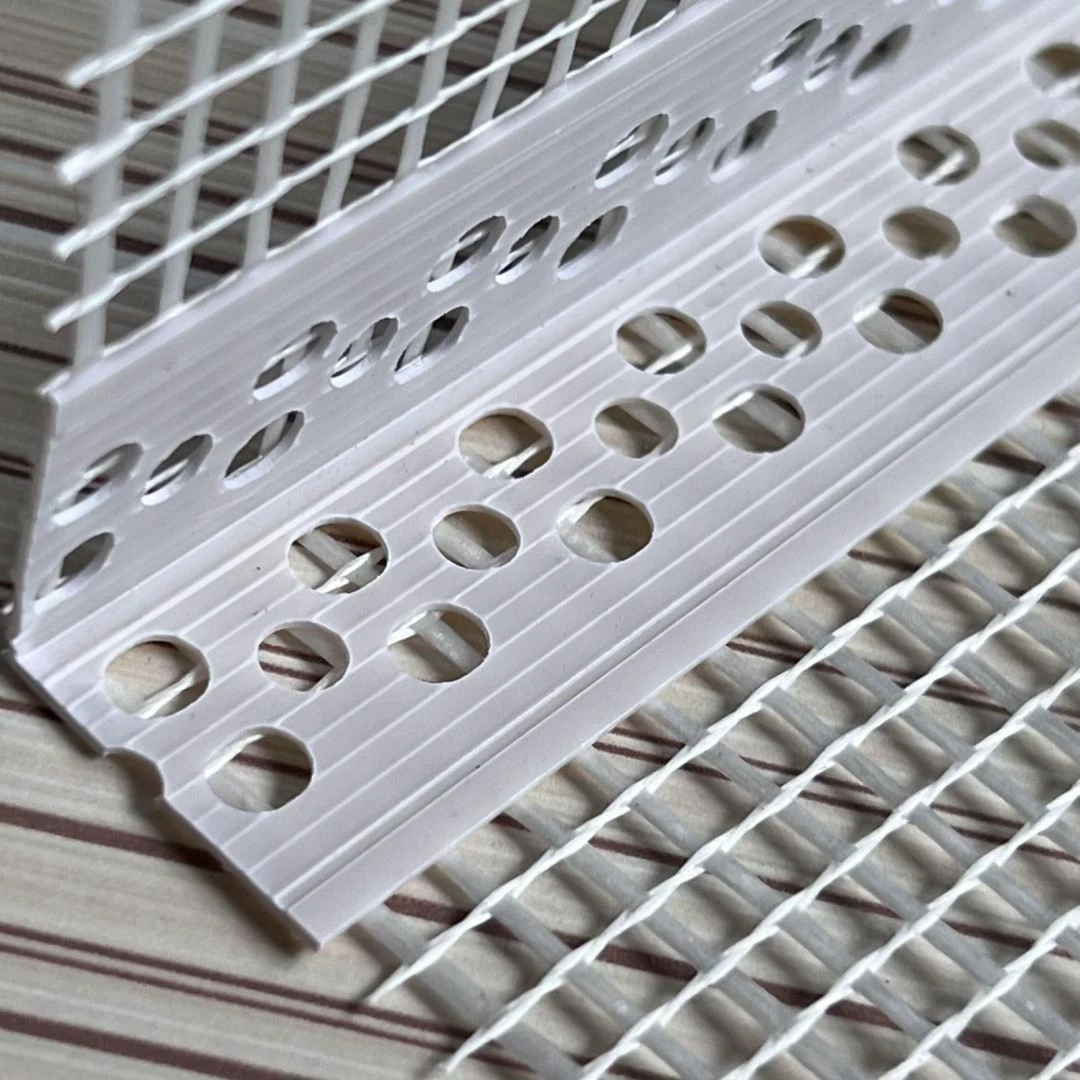
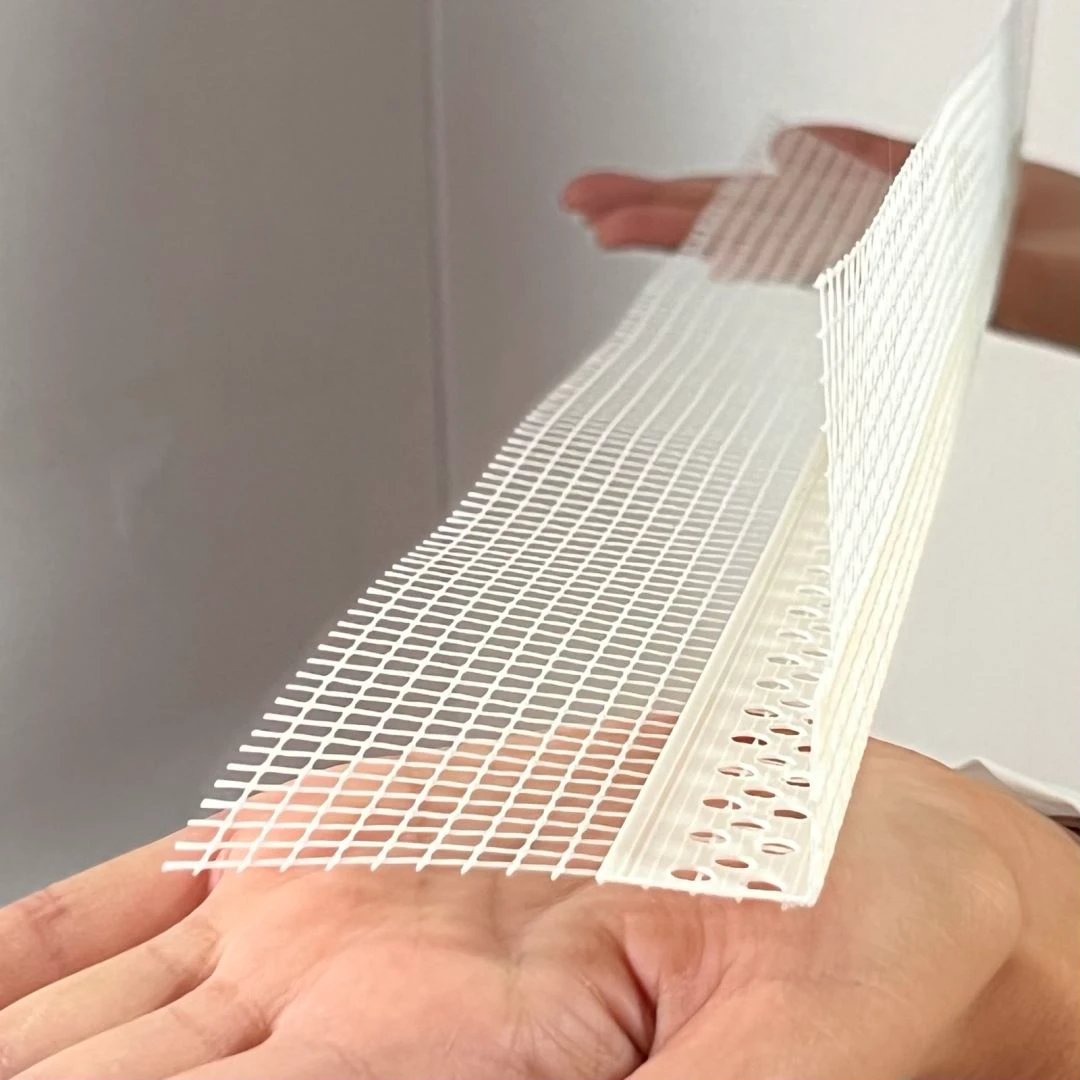
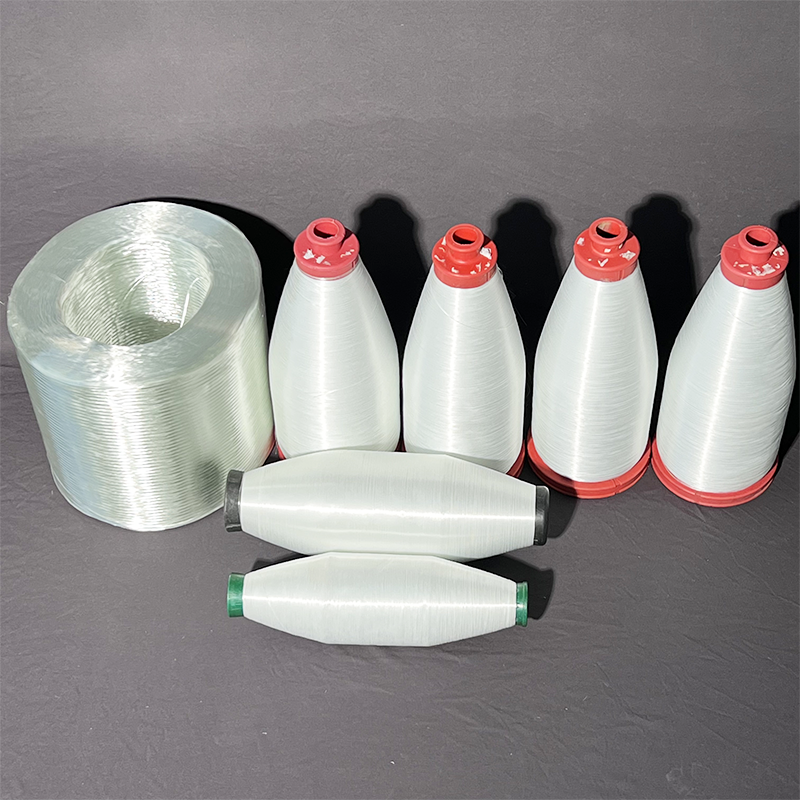
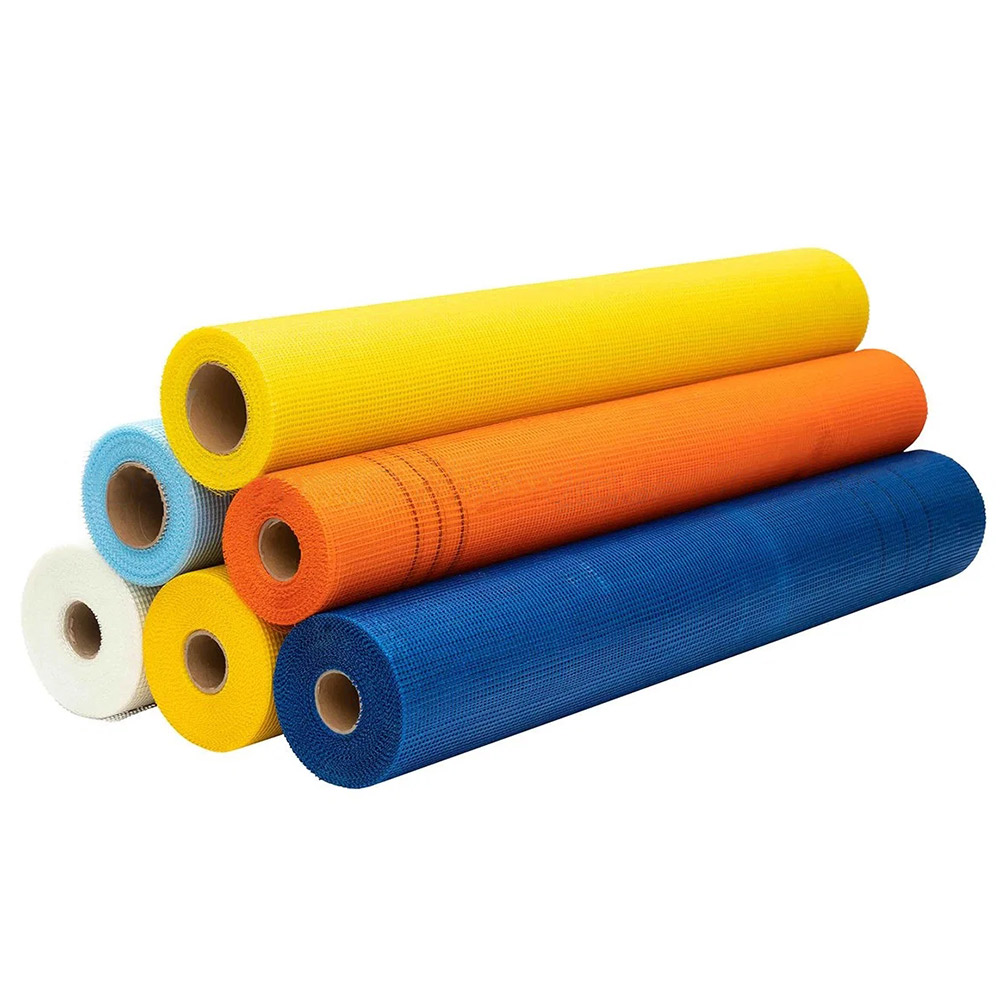
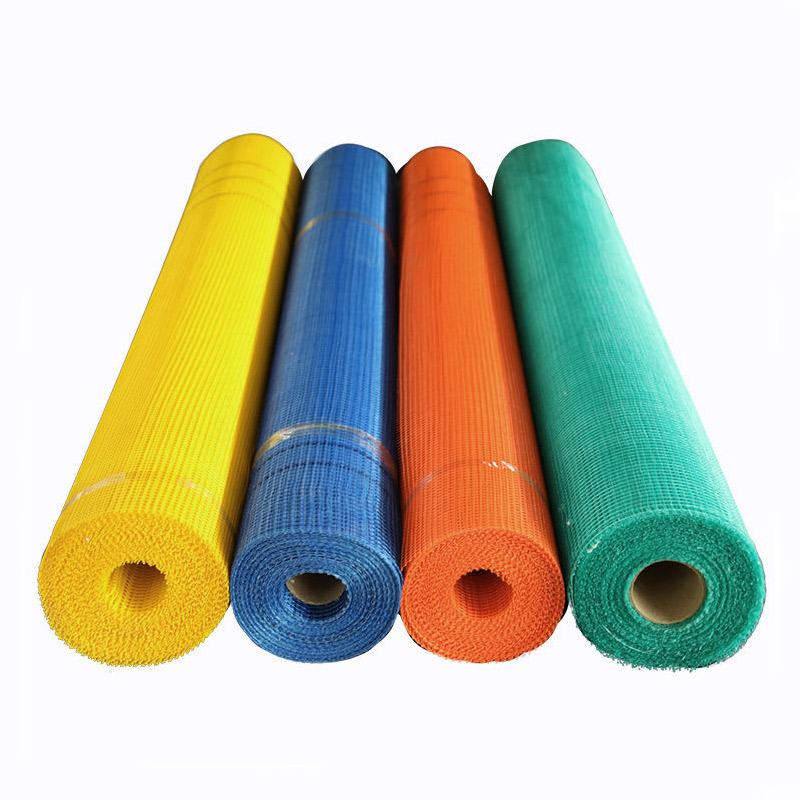
Now, when it comes to fiberglass mesh for EIFS quotes, there are a couple of things I've learned worth sharing. The market offers a dizzying variety of mesh types, counts, and coatings. Why does that matter? Well, the type of fiberglass yarn and its weaving pattern influences tensile strength, crack resistance, and even ease of application.
Take, for example, alkali-resistant (AR) fiberglass. This particular coating makes all the difference when your mesh will face the harsh alkaline environment of cement-based EIFS base coats. Without it, mesh degrades over time, weakening the system—something I’ve seen happen too often on jobs where clients went for the cheapest option possible. Trust me, longevity pays off.
One thing I appreciate about some manufacturers, like those at Tainuo Fiberglass Mesh, is how they balance weight with strength. You don't want the mesh too dense, or it becomes a chore to embed smoothly, resulting in thicker base coats and added material costs. Conversely, a lighter mesh might not hold up as well under structural movement or impact.
| Specification | Value | Notes |
|---|---|---|
| Material | Alkali-Resistant Fiberglass Yarn | Essential for cement-based EIFS |
| Mesh Count | 4x4 to 10x10 threads/inch | Higher counts offer better crack resistance |
| Weight | 50-160 g/m² | Balance between ease and durability |
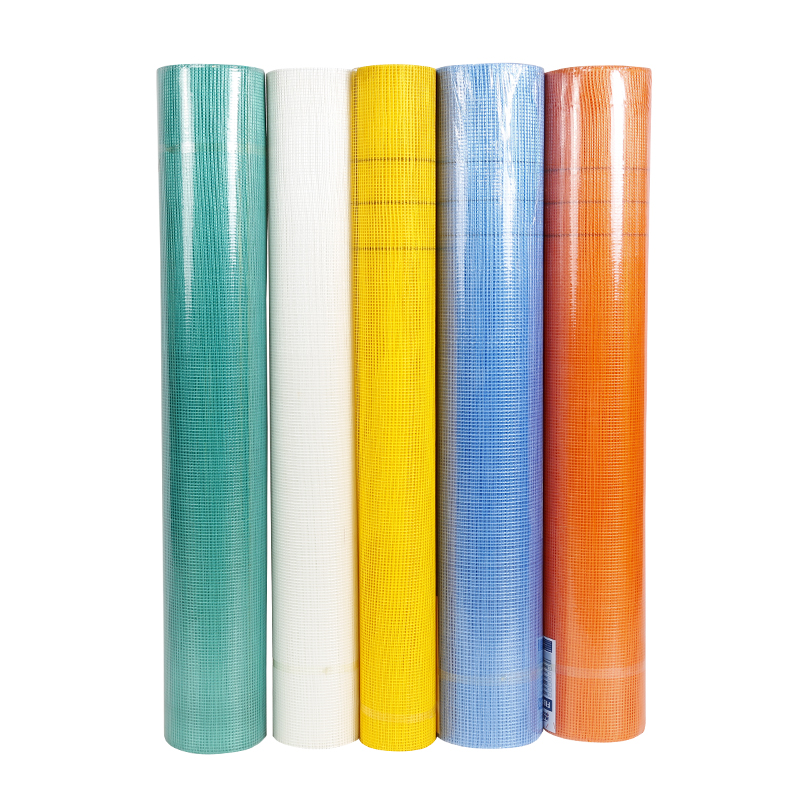
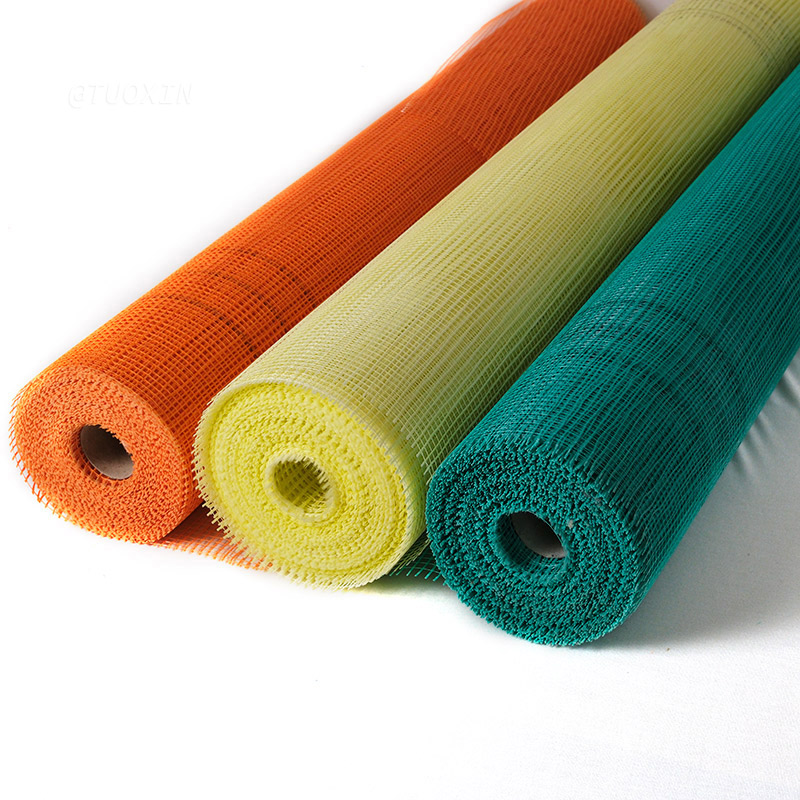
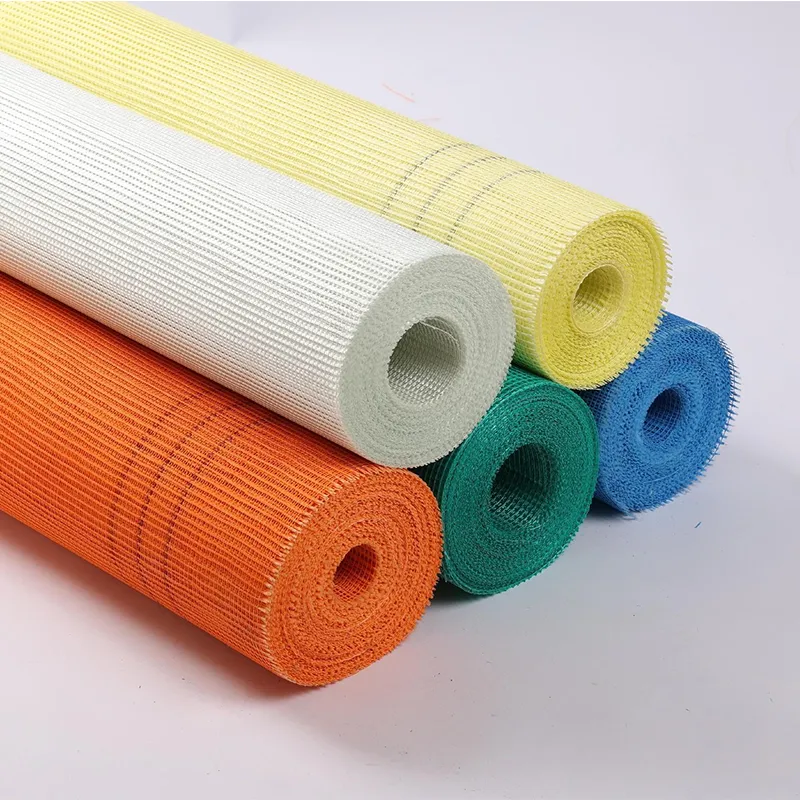
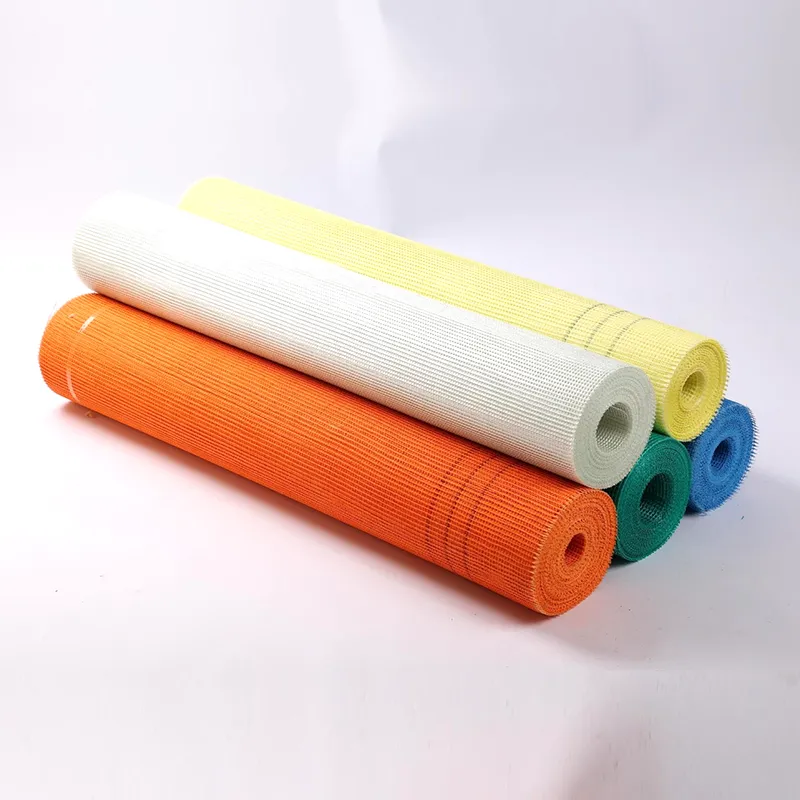
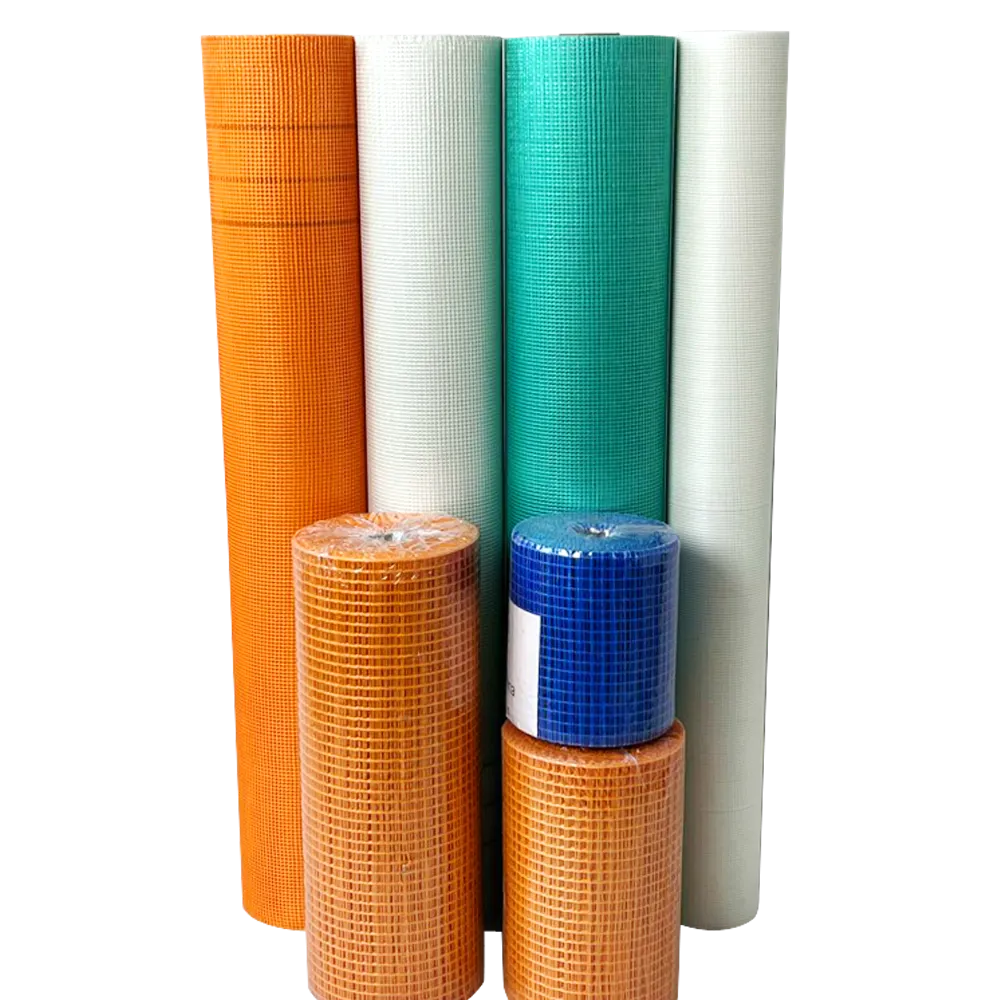
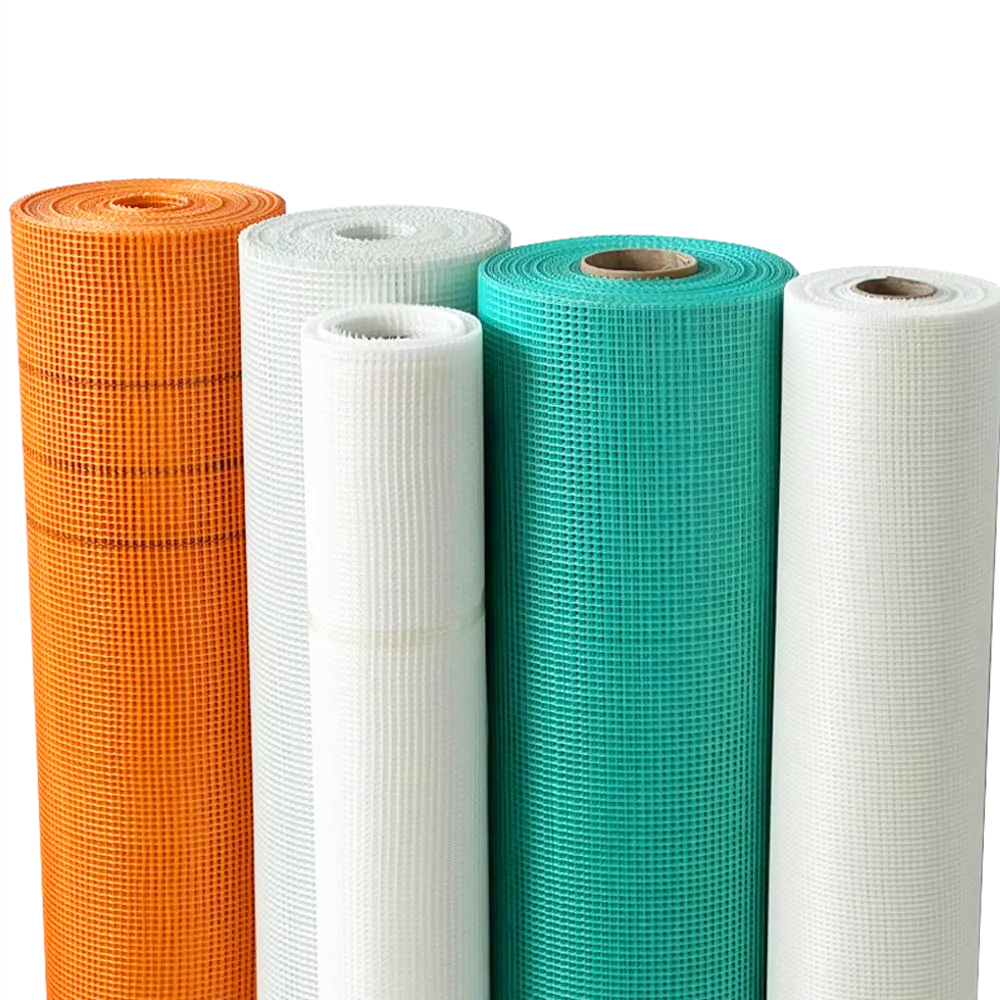
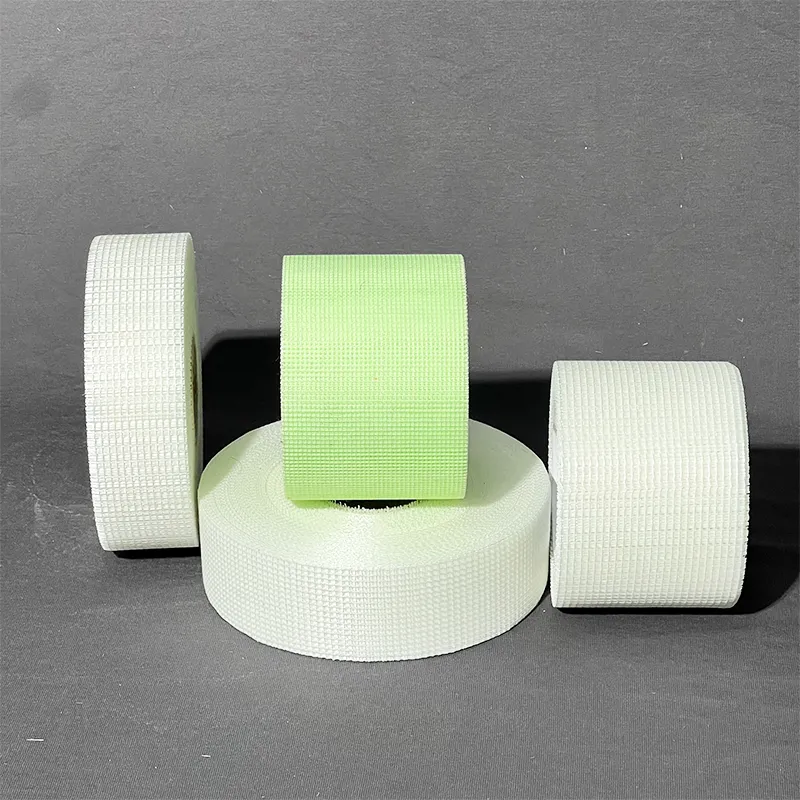
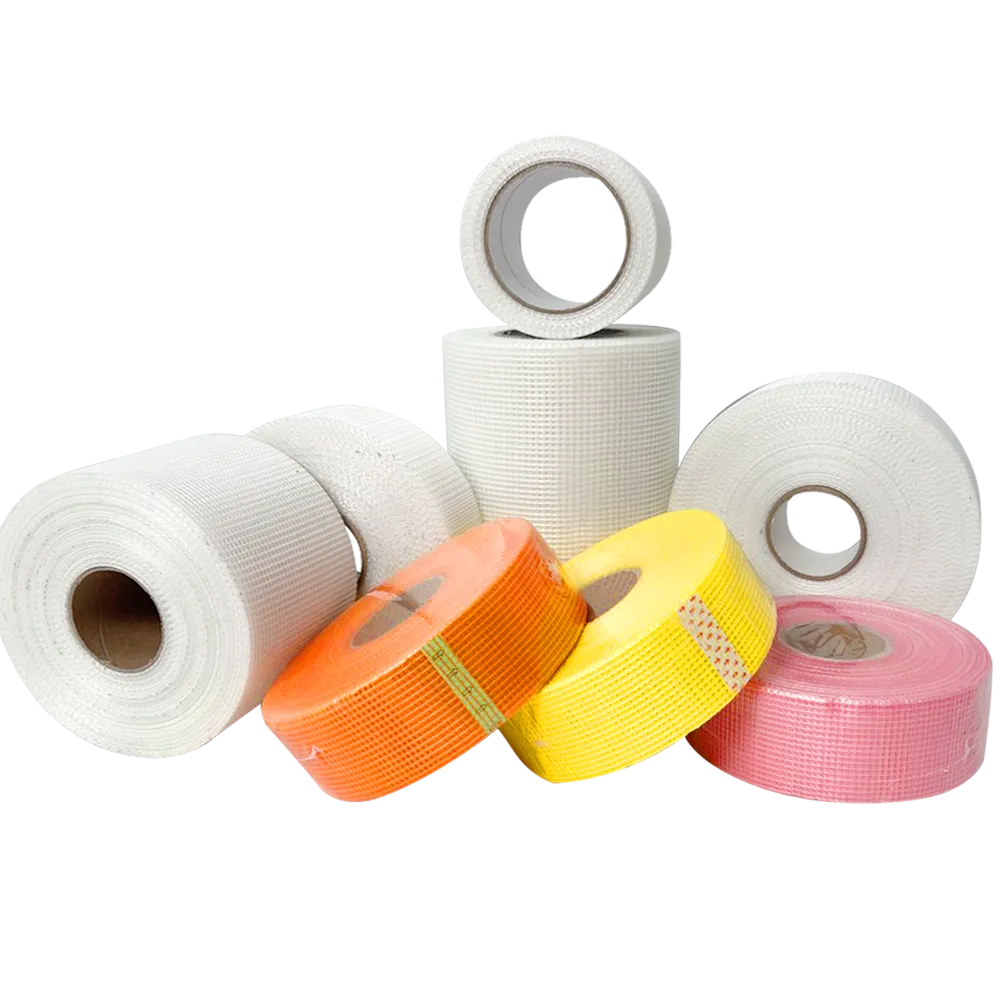
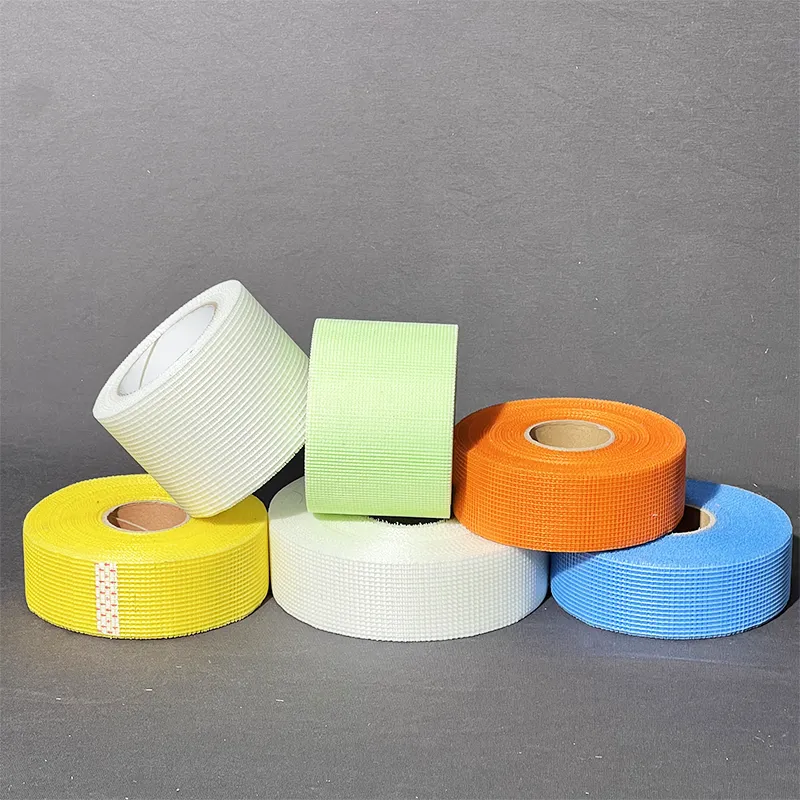
| Color | White to Light Green | Green for AR coating visibility |
What’s odd, though, is how many folks overlook vendor reliability. I recall a project years ago where the mesh was sourced from a lesser-known manufacturer. The product specs looked fine on paper, but the actual mesh had uneven coatings and inconsistent tensile strength. It felt brittle, frankly. Midway through installation, the crew had to order a new batch, costing time and client trust.
To save you that headache, here’s a quick vendor comparison based on what I’ve screened over time. Keep in mind, pricing will change and availability depends on location, but this should give you a rough idea.
| Vendor | AR Coating Quality | Tensile Strength (MD/CD) | Typical Pricing | Availability |
|---|---|---|---|---|
| Tainuo Fiberglass Mesh | High-quality, uniform coating | >1000 / >900 N/50mm | Mid-range | Global distribution |
| Generic Supplier A | Standard AR, patchy at times | ~850 / ~800 N/50mm | Lower-end | Limited to region |
| Premium Mesh Co. | Exceptional AR coating | >1200 / >1100 N/50mm | High-end | Global, but longer lead times |
From experience, it’s rarely worth skimping on mesh quality when quoting EIFS projects. The upfront cost savings can turn into future expenses with repairs or callbacks. Once, a contractor I worked with got caught out because their baseline quote didn’t account for mesh upgrade later on—lesson learned the hard way.
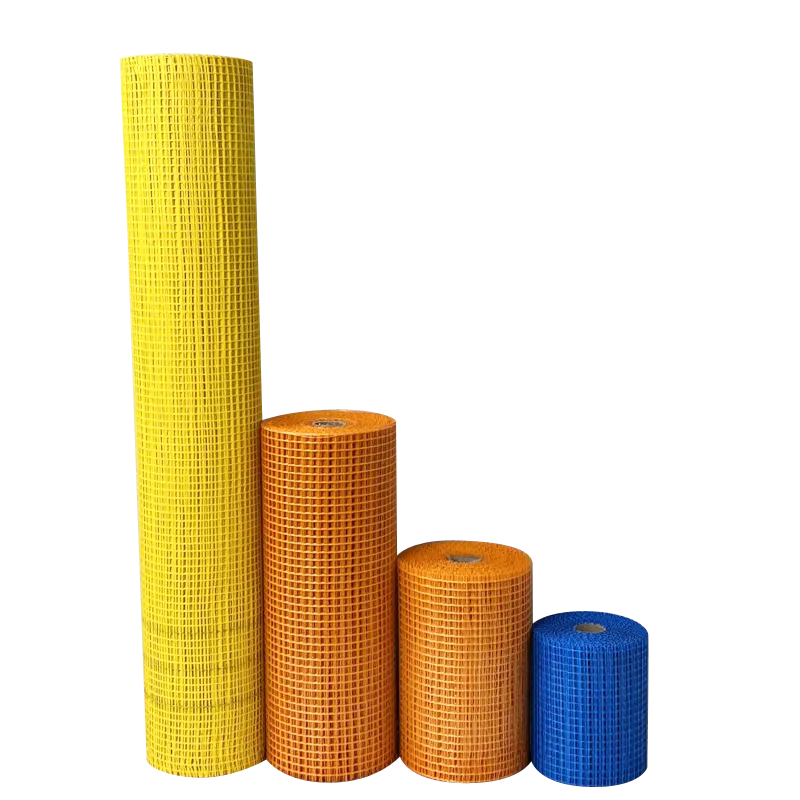
Customization is an interesting angle too. Some clients ask for pre-cut mesh sizes or special packaging for job site efficiency, and vendors like Tainuo can accommodate those requests. That sort of flexibility might seem minor, but when you’re juggling multiple projects, it really helps to streamline operations.
Anyway, if you’re in the market or tasked with gathering EIFS quotes, don’t overlook the integral role of quality fiberglass mesh. It feels like one of those details often buried under layers of specs and price comparisons, yet it impacts project success significantly. After all, EIFS isn’t just about looks; it’s about lasting protection.
In real terms, getting your fiberglass mesh right means fewer cracks, better adhesion, and a cheerier customer when the job wraps up. It’s not glamorous, but it’s necessary. And you know, that’s why I always double-check mesh specs and vendors with my team before sending out any official project quote.
References:
- American Chemistry Council, "Understanding EIFS Components," 2022.
- Industry reports on fiberglass mesh properties and standards, 2023.
- Field experience and vendor audits from 2015-2023 projects.
-
Best Fiberglass Mesh Tape for RedGard Product Waterproofing GuideNewsApr.16,2026
-
Why High Strength Fiberglass Mesh Is Essential For Stucco ApplicationNewsApr.15,2026
-
Why Alkali Resistant Fiberglass Mesh Tape Is Essential For Cement Board And Tile InstallationsNewsApr.15,2026
-
Understanding The Role Of Drywall Fiberglass Mesh In Interior FinishingNewsApr.15,2026
-
Ultimate Guide To Using Fiberglass Mesh Tape For Drywall And Plaster RepairsNewsApr.15,2026
-
The Versatility Of Fiberglass Mesh In Marble And Stone MosaicNewsApr.15,2026